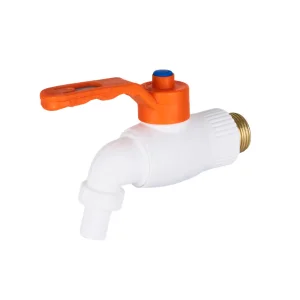
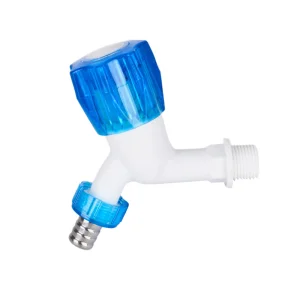
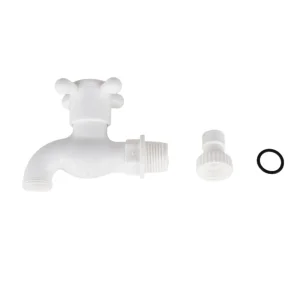
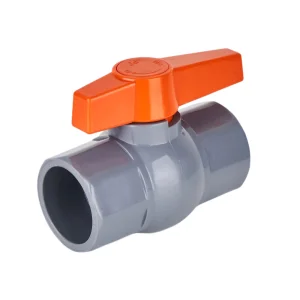
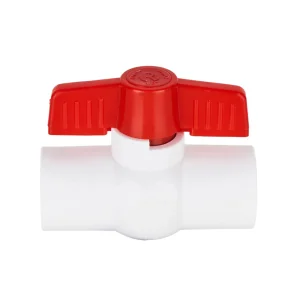
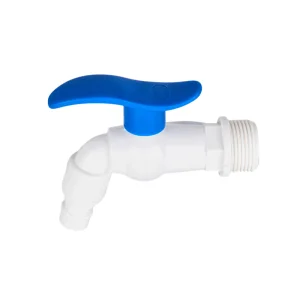
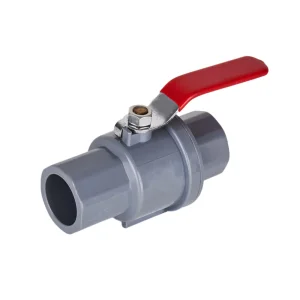
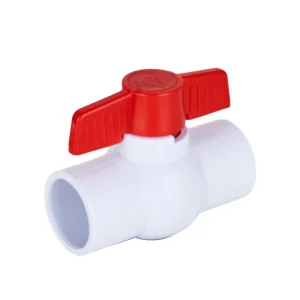
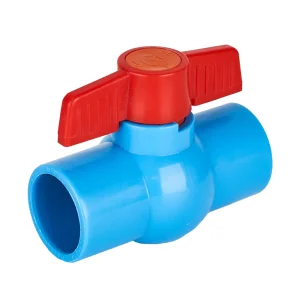
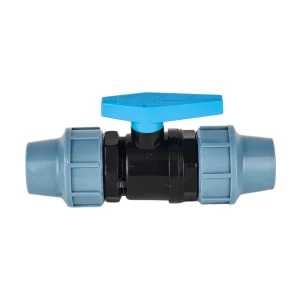
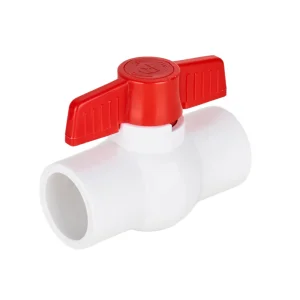
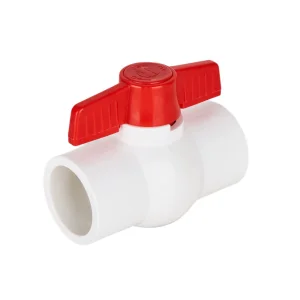
As one of the world's most densely populated megacities, Tokyo demands unparalleled safety, resilience, and reliability in its civic and industrial piping infrastructures. In Tokyo, the shift towards advanced, lightweight, corrosion-free, and lead-free piping systems has accelerated dramatically. Traditional metallic bibcocks and valves are systematically being replaced with high-grade engineering polymers such as PVC, UPVC, and PPR. This transition is motivated by two key factors: strict seismic architectural mandates and the municipal focus on drinking water purity. The PVC Bibcock EH06 stands at the forefront of this industrial revolution, providing an optimal balance of structural integrity and chemical inertness required for urban agricultural greening, high-rise building secondary water systems, and advanced municipal treatment facilities across Tokyo's 23 special wards.
Under the Tokyo Metropolitan Bureau of Waterworks regulations, components utilized in domestic and commercial piping lines must exhibit exceptional longevity and absolute leak prevention. Tokyo's temperature fluctuations across distinct seasons require materials that resist thermal expansion cracking while retaining high-impact resistance. As a result, the procurement of imported components is heavily scrutinized. Japanese engineering consortia place premium value on suppliers who demonstrate rigorous traceability, compliance with ISO, DIN, and JIS standards, and a robust verification process. The EH06 PVC Bibcock meets these exact requirements, offering a seamless interface for Tokyo's localized standard sizing, solvent socket requirements, and threaded connections.
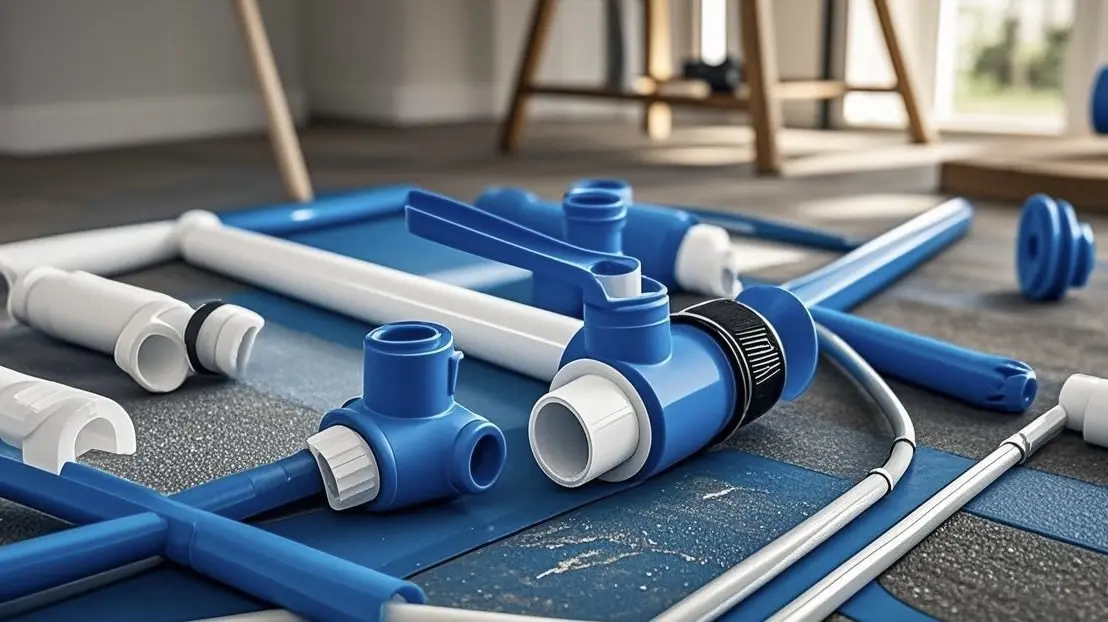
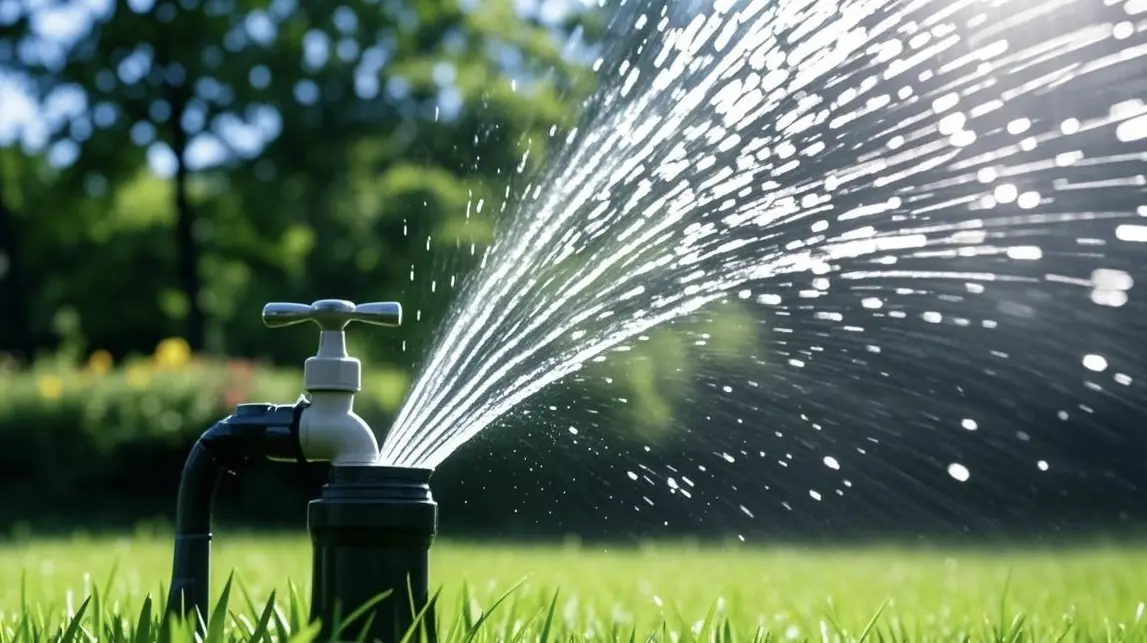
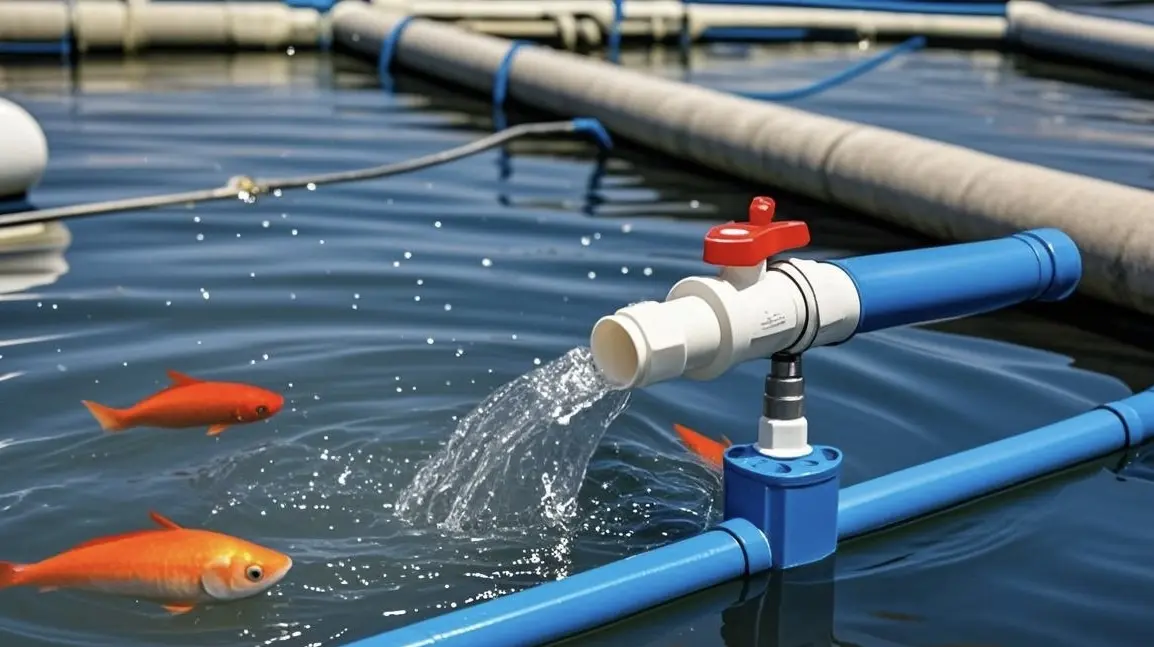
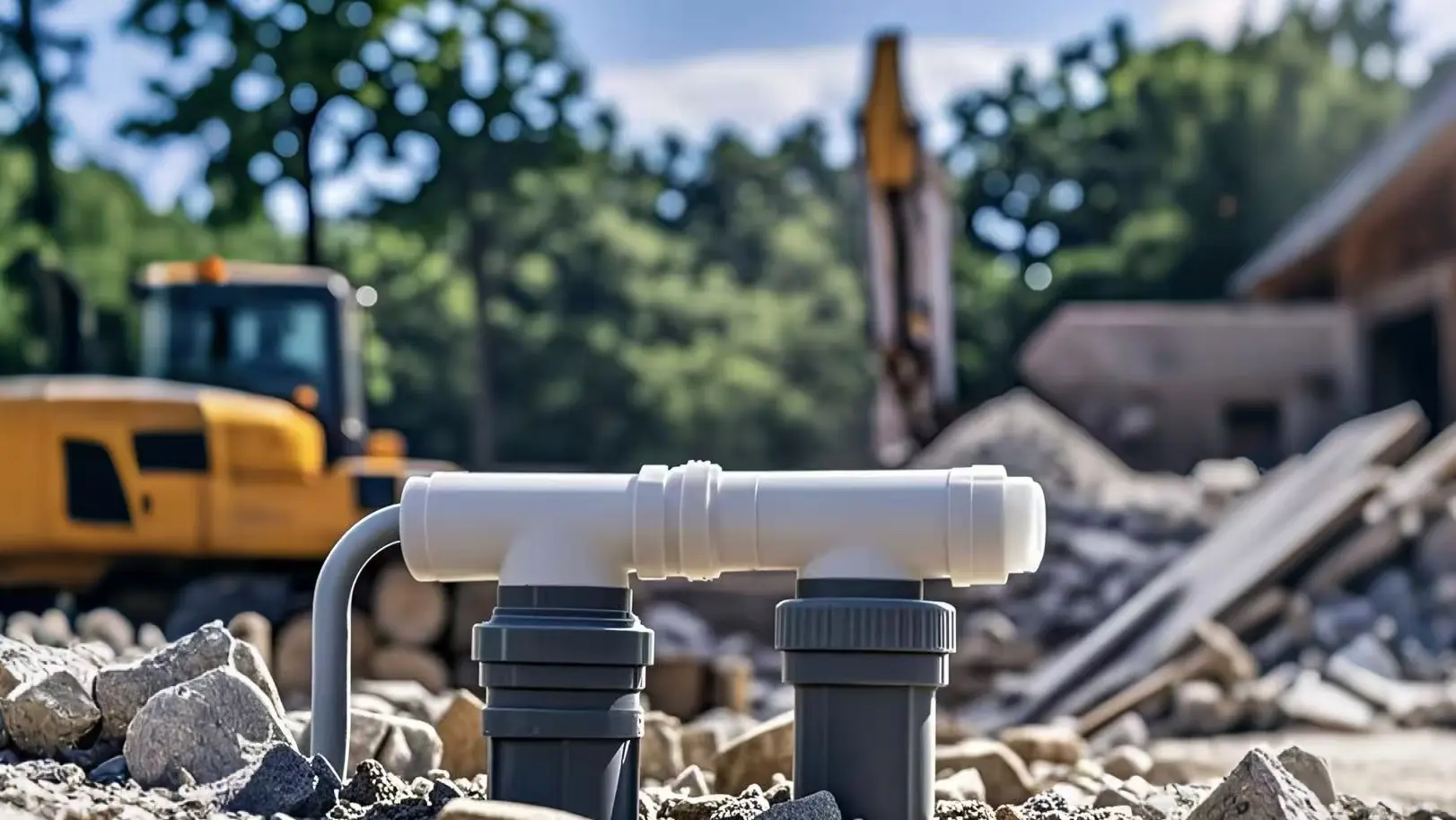
Globally, the plastic valves and fittings market is transitioning to smart, modular setups designed to reduce carbon emissions and minimize installation downtime. Historically, East Asia, particularly Japan and China, has led the manufacturing and deployment curves of these systems. While Japanese domestic suppliers focus intensely on specialized domestic niche markets, Chinese manufacturing groups have developed high-throughput, highly standardized manufacturing plants that leverage advanced automation technologies. This creates a highly symbiotic B2B trade dynamic: Tokyo-based engineering contractors, trading houses, and municipal piping distributors source high-specification PVC bibcocks and compact ball valves from specialized Chinese factories. These factories offer substantial cost advantages without compromising on dimensional accuracy or materials engineering.
For global procurement executives, the priority is clear: securing stable supply chains capable of delivering large-scale, defect-free production runs. In Tokyo, where storage and staging spaces are incredibly limited, the concepts of Just-In-Time (JIT) supply chain optimization are standard. Any delay in customs clearance or failure to meet dimensional standards instantly impacts construction schedules. The PVC Bibcock EH06 series bridges this gap. By utilizing high-tech CAD/CAM injection molds, utilizing elite raw resins, and deploying German-designed production lines, suppliers can guarantee absolute conformity to DIN 8077/8078 and standard Japanese industrial specifications. This structural reliability makes importing high-performance PVC valves from dedicated Chinese factories a standard, highly profitable choice for leading Tokyo distribution channels.
From selecting the correct polymer configurations to customizing high-tolerance injection molds, we support your Tokyo distribution network and engineering projects every step of the way.
Send Inquiry NowEhao Plastic Group operates as a high-tech private enterprise integrating advanced R&D and production of modern building materials, high-precision pipe fittings, and custom injection molds. A leader in PVC and UPVC ball valves in China's domestic market, Ehao Plastic Group has established deep academic and research collaborations with the prestigious Chinese Academy of Sciences and Zhejiang University. This technical foundation allows us to integrate polymer chemistry and structural engineering directly into our high-volume production models, ensuring the PVC Bibcock EH06 operates flawlessly under dynamic pressure cycles.
Our production facilities feature computer-controlled, automated injection molding machinery imported from Germany, guaranteeing tight tolerance thresholds. We perform 26 rigorous steps of scientific testing, monitoring molecular alignment, burst pressure thresholds, torque tolerances, and joint integrity to ensure a 100% ex-factory pass rate. The technical indexes of our products fully align with DIN8077 and DIN8078 standards, putting them on par with premium global brands. This technical excellence, paired with Ehao's large-scale manufacturing capacity, allows Tokyo-based clients to secure reliable, long-term procurement agreements that lower cost-per-unit metrics while keeping project timelines secure.
Ehao also manufactures custom plastic molds based on supplied materials, physical samples, or detailed CAD/3D files for both extrusion and injection molding processes. This capability is highly valuable to Tokyo engineering departments that require custom valve styles or specialty threads to integrate with proprietary local plumbing configurations.
The global thermoplastic valve landscape is evolving beyond simple plastic taps. Today's commercial markets require products formulated to withstand degradation from chlorine compounds, UV radiation, and mechanical fatigue. In high-density municipalities like Tokyo, outdoor plumbing and garden facilities are subject to freezing conditions in winter and high UV exposure in summer. This requires advanced compound formulations where carbon black, titanium dioxide, and specialized heat stabilizers are blended into the PVC matrix. The PVC Bibcock EH06 series is developed with these requirements in mind, minimizing polymer degradation over decade-long lifespans.
Furthermore, Ehao's development process focuses heavily on mechanical fatigue testing. Bibcocks are operational interfaces subject to continuous hand torque and cyclic loading. The internal stem design of the EH06, constructed with high-thickness thresholds and reinforced sealing gaskets (EPDM/PTFE), prevents the common issues of leakage and mechanical stem failure. This level of quality control is critical for Tokyo municipal planners, commercial agricultural developers, and vertical farm operators who require absolute system reliability to prevent downtime and water loss.
 EHAO
EHAO