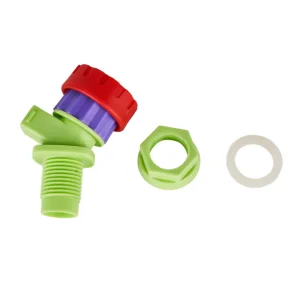
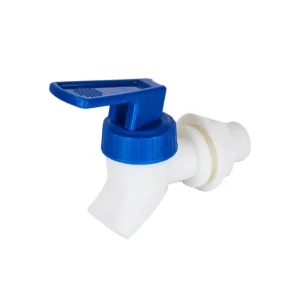
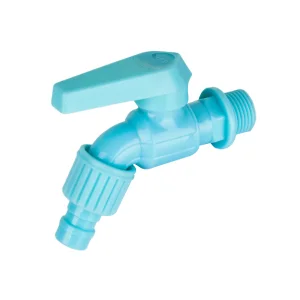
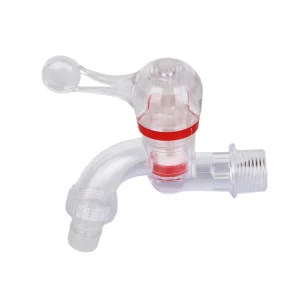
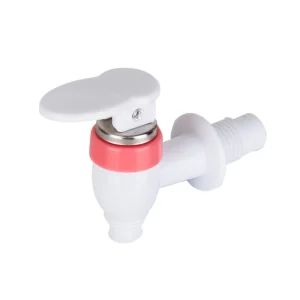
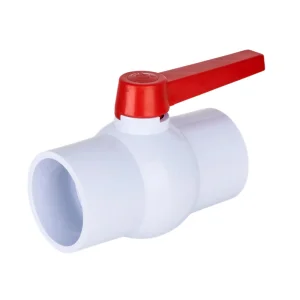
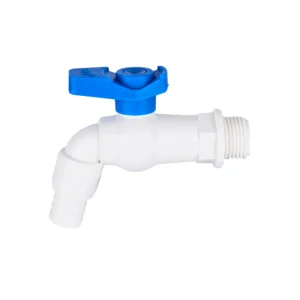
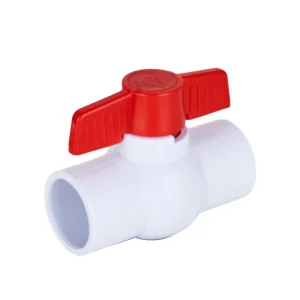
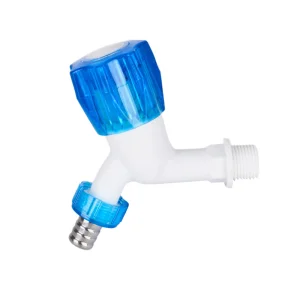
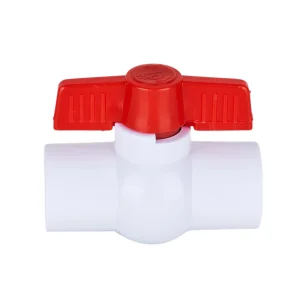
Engineered for structural reliability and chemical resistance, these high-grade thermoplastic taps and valves feature standard NPT thread metrics compatible with American building installations.
A technical assessment of standard practices, material regulations, and demand metrics across commercial and agricultural sectors.
In the United States, civil and industrial fluid management technologies have pivoted decisively toward high-performance thermoplastic flow control components. The replacement of lead-bearing brass with advanced engineering polymers like Unplasticized Polyvinyl Chloride (UPVC), Polypropylene (PP), and Polycarbonate (PC) is driven by regulatory compliance and cost efficiencies. The passage of the Federal Safe Drinking Water Act (SDWA), and more specifically the Reduction of Lead in Drinking Water Act, mandates that any valve, pipe fitting, or fixture contacting potable water must maintain a weighted average lead content of no more than 0.25%. Thermoplastic bibcocks and taps natively resolve this constraint, providing zero-lead alternatives for residential, municipal, and commercial irrigation infrastructures.
Beyond plumbing safety, US distribution networks in regions like the Midwest, Texas, and California demand extreme mechanical resilience. Products must withstand external stressors, from thermal expansion in agricultural settings to harsh UV exposure and varying supply pressure profiles. This demands state-of-the-art wall thickness controls and precise threading. As US infrastructure modernizes, polymer bibcocks and compact ball valves are selected for their scale-free operational lifespans, total resistance to galvanic corrosion, and cost benefits over copper-nickel alloys or stainless steel counterparts.
Thermoplastics bypass the risks of heavy metal contamination. Formulations are free from lead, cadmium, and phthalates, meeting the strict requirements of NSF/ANSI Standard 61 and Standard 372 for municipal and residential use.
Engineered to align with National Pipe Thread (NPT) standards, securing a leak-proof mechanical joint under standard torque ranges when integrated into American schedule 40 and 80 pipe connections.
Our UPVC and PVC materials meet rigid cell classifications under ASTM D1784. This guarantees tensile strength, modulus of elasticity, and heat deflection temperatures to survive volatile US climatic conditions.
Ehao Plastic Group's alignment with international testing protocols guarantees standard-setting durability and chemical compatibility.
Ehao Plastic Group integrates scientific research with advanced manufacturing technologies. Our close technical cooperation with the Chinese Academy of Sciences and Zhe浙江 University ensures that we continuously refine our polymer blends. We utilize virgin polymer resins with specific stabilizers that protect our bibcocks and taps from environmental stress-cracking (ESCR) and thermodynamic degradation.
Our automated production facilities feature German-imported injection molding machinery, ensuring micro-level dimensional precision. Every production batch undergoes a 26-step quality control inspection, ensuring 100% defect-free output. Our compliance portfolio spans from material chemistry validations to hydro-pressure burst tests, satisfying critical indices defined under European and American piping regulations.
From municipal water networks to private farming operations, Ehao’s product range is optimized for diverse system environments.
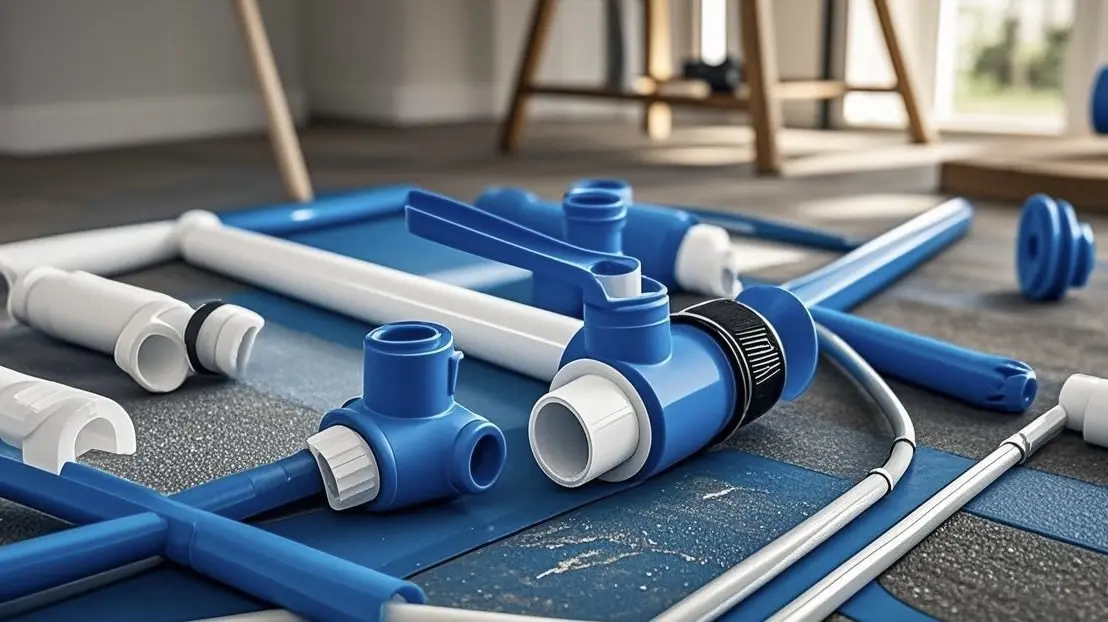

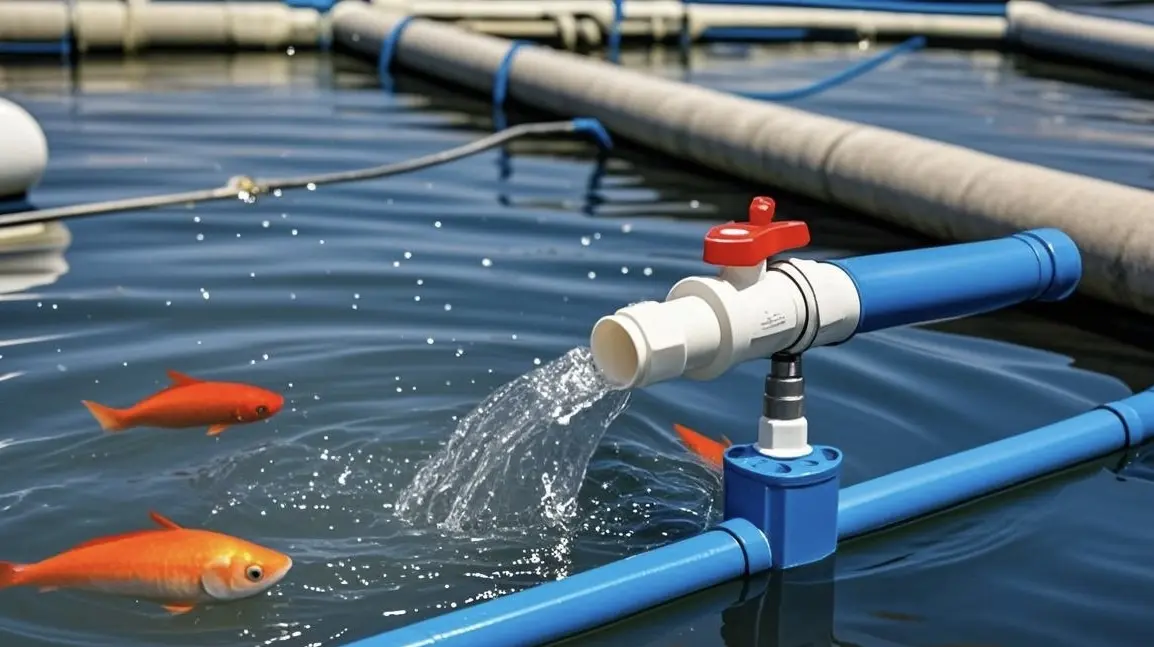
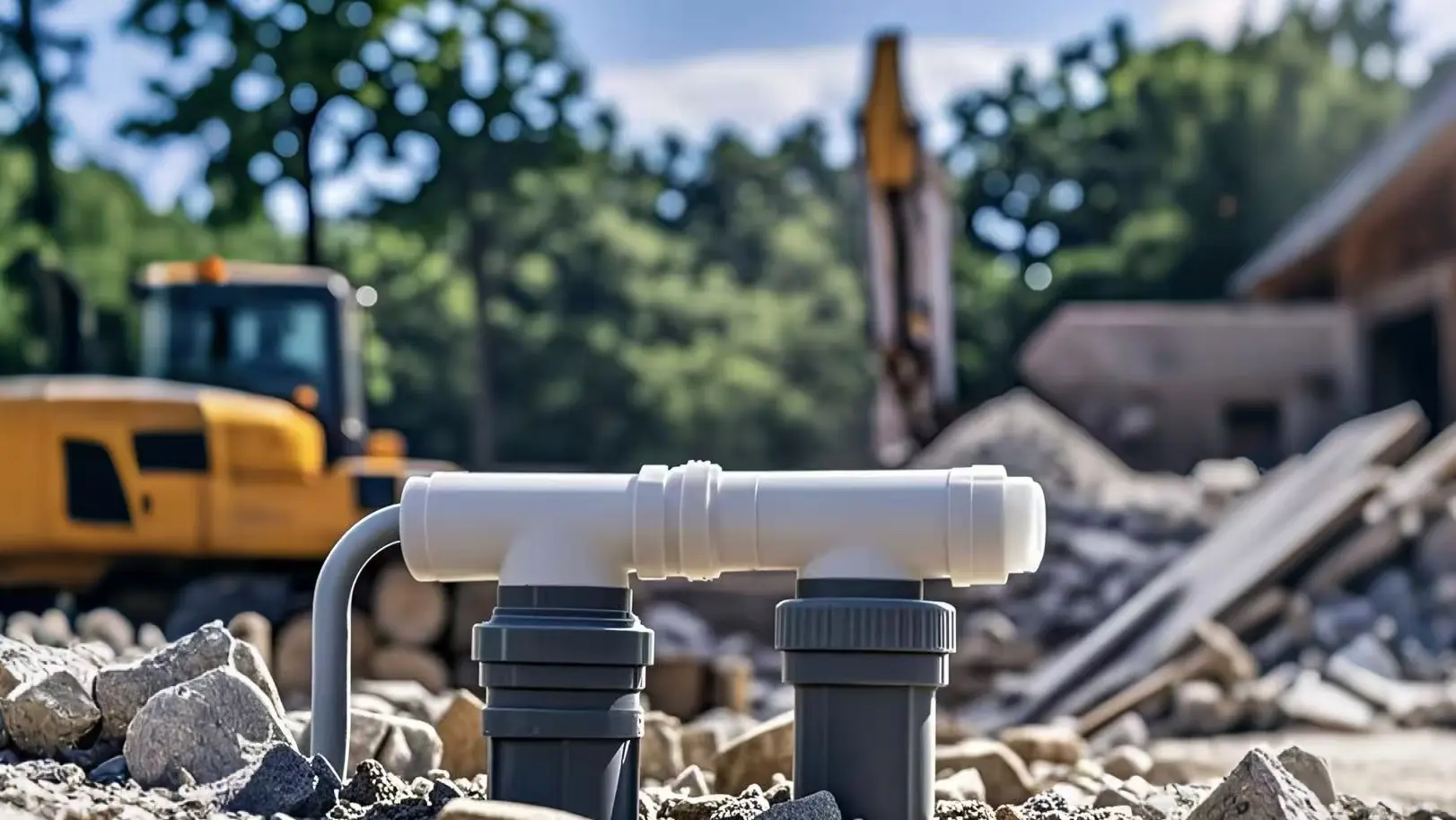
Each application environment in the United States places distinct demands on plumbing components. Ehao’s polymer products are tailored for these conditions:
How Ehao’s manufacturing capability supports industrial purchasers in managing sourcing risks and lowering costs.
Purchasing agents in the United States face several sourcing challenges: supply chain bottlenecks, rising container rates, quality variations, and shifting compliance standards. Ehao Plastic Group addresses these issues through vertical integration, serving as both a plastic mold manufacturer and a high-volume injection molding specialist.
By designing and building our injection tooling in-house, we reduce the time required to develop customized product lines for our US customers. If a regional project requires specialized NPT connection lengths, custom handles, or co-branded components, we can modify mold tooling quickly. This bypasses the typical multi-month delays common with secondary mold-making vendors. Additionally, our automated material handling and robotic packaging systems maintain consistent quality and reduce labor costs, allowing us to offer competitive pricing on bulk orders.
Ehao’s operational philosophy is built on: "Honesty, Dedication, Innovation, and Return." We maintain complete trace records for raw materials, ensuring that every batch of UPVC, PP, and PC can be verified back to its petrochemical source. This level of traceability is essential for US civil engineering audits and corporate ESG sourcing requirements.
Explore our high-performance thermoplastic valves and bibcocks, featuring varied connection options for commercial and municipal systems.
Key developments in eco-friendly plastics, mechanical design, and flow control systems for the next decade.
The flow control sector in North America is shifting toward sustainable materials and smart system integration. As green building standards (such as LEED) become more common, developers are focusing on the lifecycle environmental footprint of plumbing systems. Thermoplastic valves and bibcocks require less energy to produce and transport compared to heavy metals, contributing to a lower carbon footprint.
Additionally, material formulations are adapting to changing climates. Cold-weather durability is a focus, leading to polymer blends with improved impact strength at low temperatures to prevent cracking during winter freezes. At Ehao, we are researching bio-based and highly recyclable polymers to support these industry trends, helping our partners meet strict environmental and performance requirements.
Detailed answers regarding regulatory compliance, manufacturing standards, material choices, and wholesale logistics.
Since our products are molded from pure thermoplastic compounds (such as UPVC, PP, and PC) without heavy metal additives, they do not leach lead. This ensures compliance with NSF/ANSI 61 and NSF/ANSI 372 standards for potable water systems.
Yes. We offer standard National Pipe Thread (NPT) connections (including 1/2", 3/4", and larger options) to match American plumbing schedules (Sch 40 and Sch 80). ISO/BSPT thread configurations are also available upon request.
We utilize a 26-step testing protocol. This includes testing raw materials, verifying dimensions with precision equipment, conducting hydrostatic pressure tests at 1.5x to 2.5x rated limits, and performing mechanical cycle testing before products leave the factory.
Yes. As part of our integrated services, we design and produce plastic injection molds in-house. We can create custom flow-control parts, emboss brand logos, and configure packaging to meet specific retail or industrial requirements.
UPVC offers higher rigidity and structural strength, making it suitable for standard plumbing and cold-water systems. PP provides better chemical resistance and can handle higher operating temperatures, making it ideal for agricultural chemical feed systems and industrial processes.
Standard production lead times range from 20 to 35 days, depending on order size and customization requirements. Our logistics team handles container consolidation, customs documentation, and shipping coordinates to major US ports (such as LA, Long Beach, Houston, and New York/New Jersey).
 EHAO
EHAO