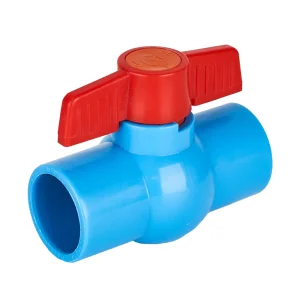
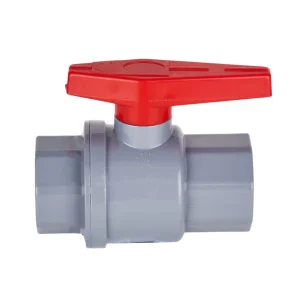
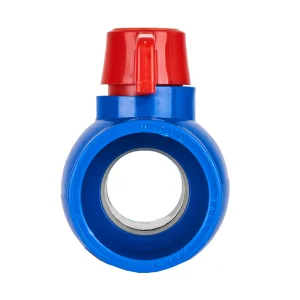
The Technical Landscape of London's Water Distribution Networks
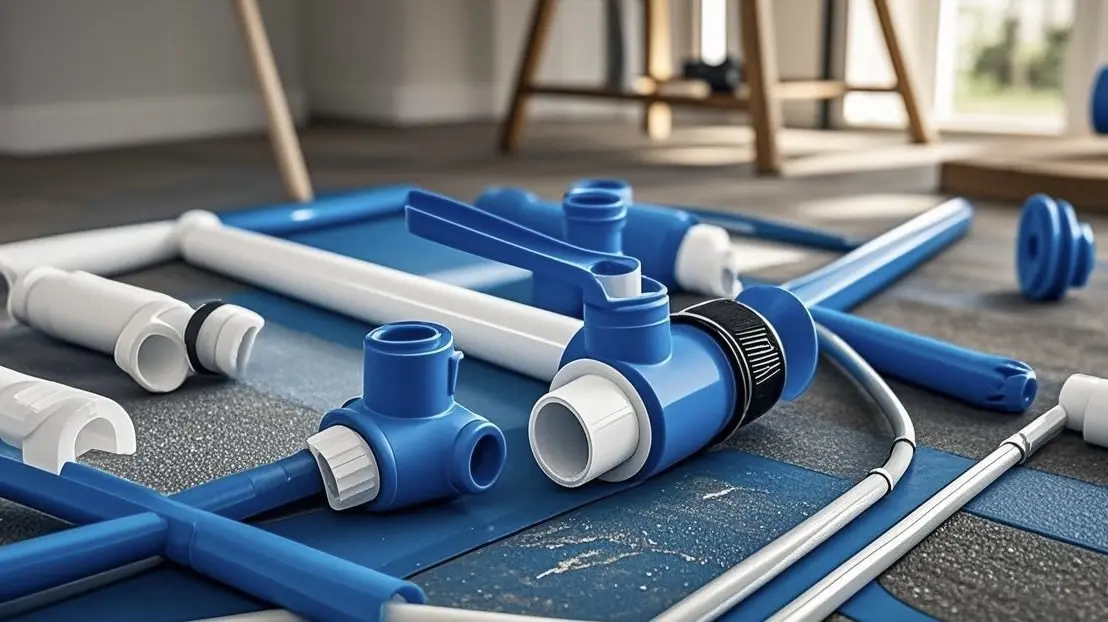
Modern London infrastructure demand is shaped by a complex matrix of historical preservation requirements and the urgent push for high-efficiency, sustainable development. Underneath London's streets lies a water grid undergoing one of the largest transformations in its history—moving away from traditional high-carbon, heavy metallic structures toward high-performance polymeric valves, bibcocks, and taps.
As lead mitigation protocols become increasingly stringent under current UK Water Supply (Water Fittings) Regulations and European alignment standards, plastic polymer derivatives such as uPVC, ABS, and PP are stepping to the forefront. These materials offer complete immunity to galvanic corrosion and dezincification—two massive vulnerabilities in London's classic soft-to-hard water fluctuation cycles.
For municipal contractors and building designers sourcing flow control apparatus in the London area, durability under variable static pressures (from gravity-fed Victorian reservoirs to modern high-rise boosted systems) is paramount. High-strength polymer taps provide the ultimate combination of structural elasticity, zero heavy metal leaching, and low capital cost.
About Ehao Plastic Group
Ehao Plastic Group is a high-tech private enterprise integrating R&D and production of building materials, pipe fittings, and high-precision injection moulds. Ehao Plastic Group has established itself as a leading authority in the design, manufacture, and market supply of PVC/UPVC flow-regulation solutions.
Since our inception, our technological progress has been powered by strategic partnerships with prestigious academic and research institutions, including the Chinese Academy of Sciences and Zhejiang University. By bridging academic polymer research with advanced manufacturing practices, we have introduced fully automated production lines and computer-controlled injection molding systems directly imported from Germany.
Our commitment to reliability is demonstrated through our strict 26-step scientific testing protocol. Every valve and tap is tested to ensure a 100% ex-factory pass rate. All critical mechanical and chemical performance indexes fully comply with DIN8077 and DIN8078 standards, matching world-class infrastructure requirements.
| Compliance Specification |
Standard Reference |
Ehao Structural Parameters |
| Polymer Quality Standards |
DIN 8077 / DIN 8078 |
High-density virgin resin matrix, UV-stabilized |
| Hydrostatic Integrity |
ISO 9001 Protocol |
Nominal pressure testing up to PN16 (1.6 MPa) |
| Thermal Deflection limits |
ASTM D648 |
Operational range from 5°C to 65°C without deformation |
| Heavy-Metal Extraction |
UK Water Supply Regs |
100% Lead-Free, non-toxic formulation |
Global Industrial Trends & Structural Shift to Polymeric Flow Control
The global fluid dynamics industry is undergoing a critical material transition. In the past, brass and bronze bibcocks were default specifications. However, fluctuating copper prices, energy-intensive smelting, and the environmental footprint of mining have made traditional metals less viable. This has accelerated the transition to structural thermoplastics.
Modern engineering plastics leverage long-chain molecular polymers that are light in weight yet robust in performance. The benefits are clear:
- Zero Oxidation: Thermoplastics are completely immune to chemical oxidation and scaling. They maintain clear flow paths even in highly mineralized or aggressive chlorinated water grids.
- Low Thermal Conductivity: Plastic bibcocks significantly reduce condensation buildup compared to metal valves, protecting building structures from dampness.
- Reduced Carbon Footprint: The manufacturing, transport, and processing of plastics like PP and uPVC require less energy, helping developers achieve carbon-neutral certifications (e.g., BREEAM in the UK).
Technical Roadmap & Future Engineering Milestones
At Ehao, our technical roadmap focuses on three primary pillars: molecular refinement, automated assembly, and smart integration. In collaboration with Zhejiang University, our research teams are studying advanced nucleating agents to improve the impact strength of PP/uPVC taps under low temperatures.
We are also upgrading our assembly lines with custom-developed industrial robots. These systems run optical quality checks, verify thread precision, and perform pressure leak tests. This minimizes human error and guarantees consistent quality for massive civil projects in London and globally.
 EHAO
EHAO