 EHAO
EHAO
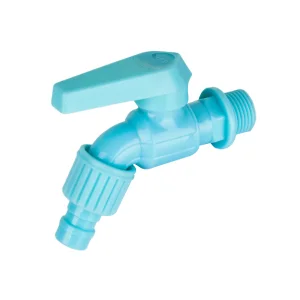
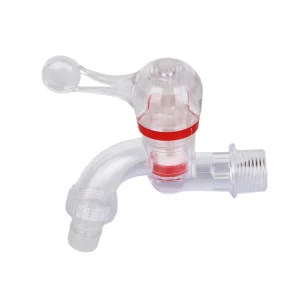
The Strategic Landscape of Taps & Bibcocks in the Jakarta Metropolitan Area
As Indonesia's economic powerhouse, the Jakarta Special Capital Region (DKI Jakarta), along with its satellite cities (Jabodetabek), is undergoing unprecedented structural transformations. With mega-infrastructure projects, luxury high-rises in PIK 2, sprawling residential estates in BSD City, and extensive municipal water supply upgrading programs, the demand for durable fluid control components has reached record highs. However, Jakarta's unique geological and environmental conditions pose severe challenges to traditional plumbing infrastructure.
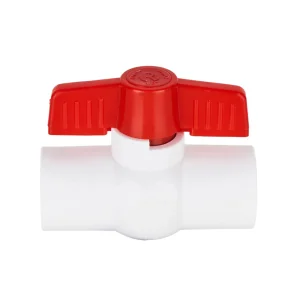
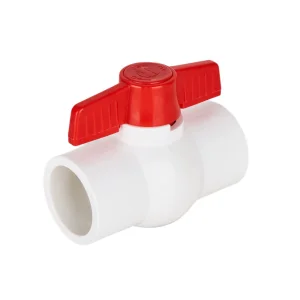
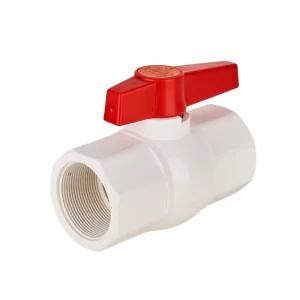
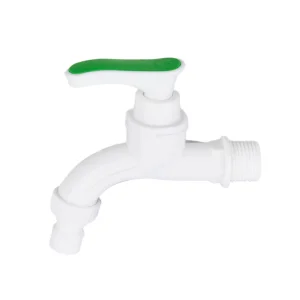
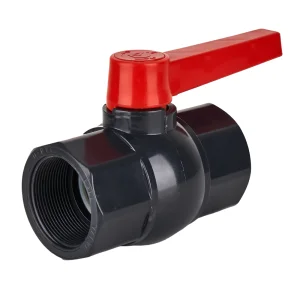
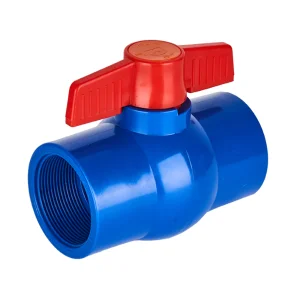
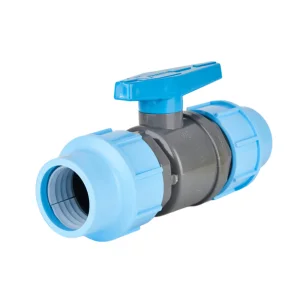
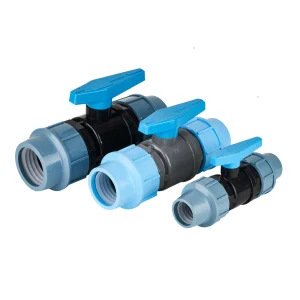
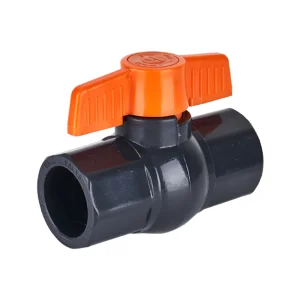
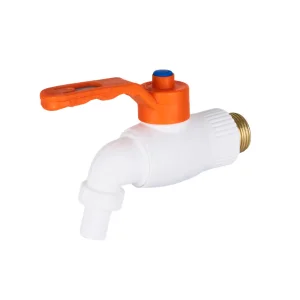
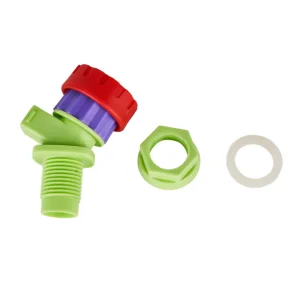
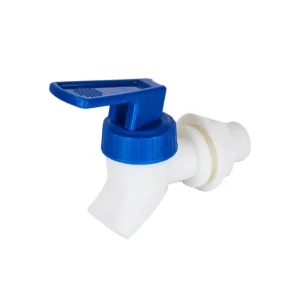
“Jakarta’s rapid urbanization demands fluid management components that can withstand erratic municipal water pressure, high salinity levels in coastal areas like North Jakarta, and the chemical footprint of local groundwater systems. Standard brass and low-grade metal alloy bibcocks are suffering accelerated decincification, prompting a massive commercial shift toward high-performance polymer-based (UPVC, PP-R, POM, ABS) taps and valves.”
Jakarta's Local Environmental and Plumbing Challenges
Plumbing products in Jakarta operate under distinct environmental stresses:
- Coastal Salinity & Corrosion: Districts such as Penjaringan, Tanjung Priok, and Cilincing suffer from intense marine air salinity and brackish groundwater, which rapidly corrodes metal valves.
- Pressure Fluctuations: Municipal water distribution lines exhibit frequent pressure drops and surges, requiring bibcocks and ball valves with high burst pressure ratings and fatigue resistance.
- Standard Compliance: The Indonesian market increasingly prioritizes conformity to national standards (SNI) and international benchmarks like DIN and ASTM to ensure long-term building safety and drinking water hygiene.
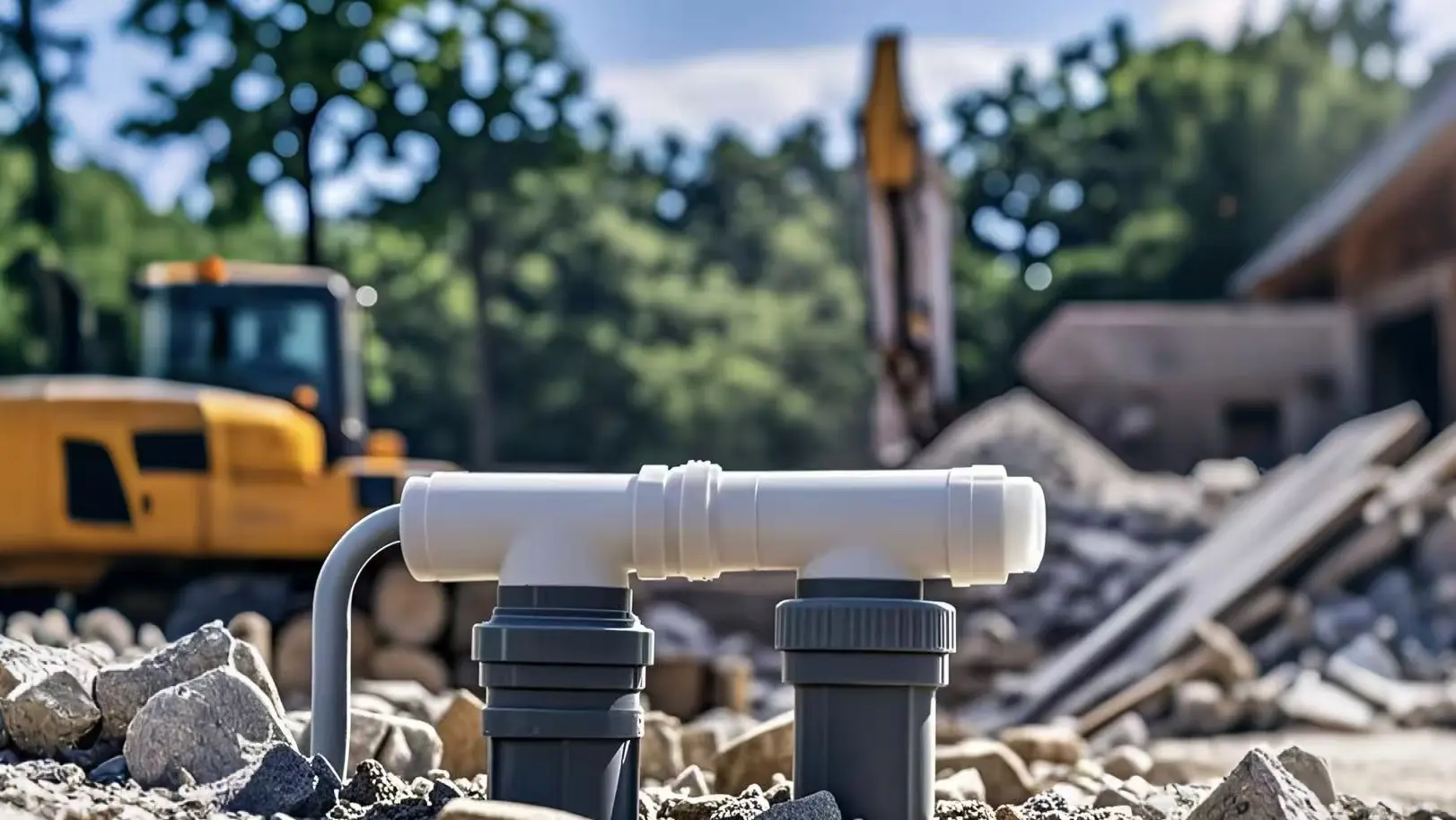
Global Valve & Tap Industry Paradigm Shift
On a global scale, the plumbing and industrial flow control sector is moving away from energy-intensive, heavy-metal casting. Modern engineering plastics—specifically unplasticized polyvinyl chloride (UPVC), polypropylene random copolymer (PP-R), and polyoxymethylene (POM)—now replace brass and bronze in key markets. This transition is driven by non-toxic material mandates (lead-free compliance), cost stability relative to volatile copper commodities, and the exceptional chemical resistance inherent in synthetic polymers.