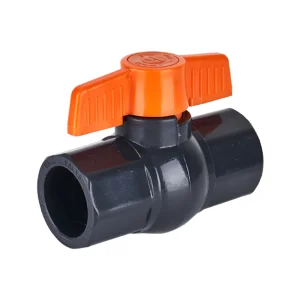
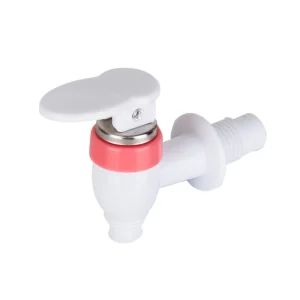
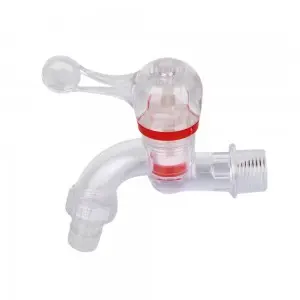
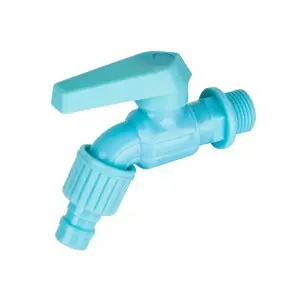
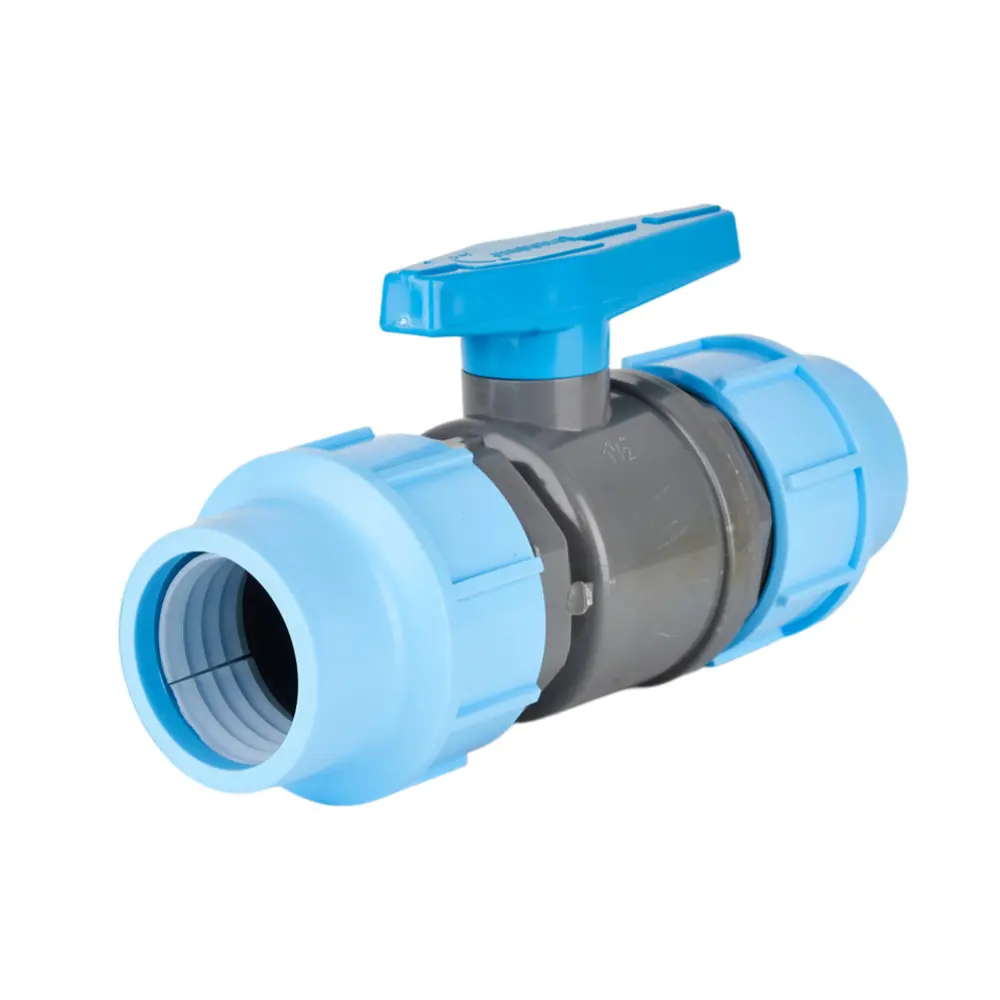
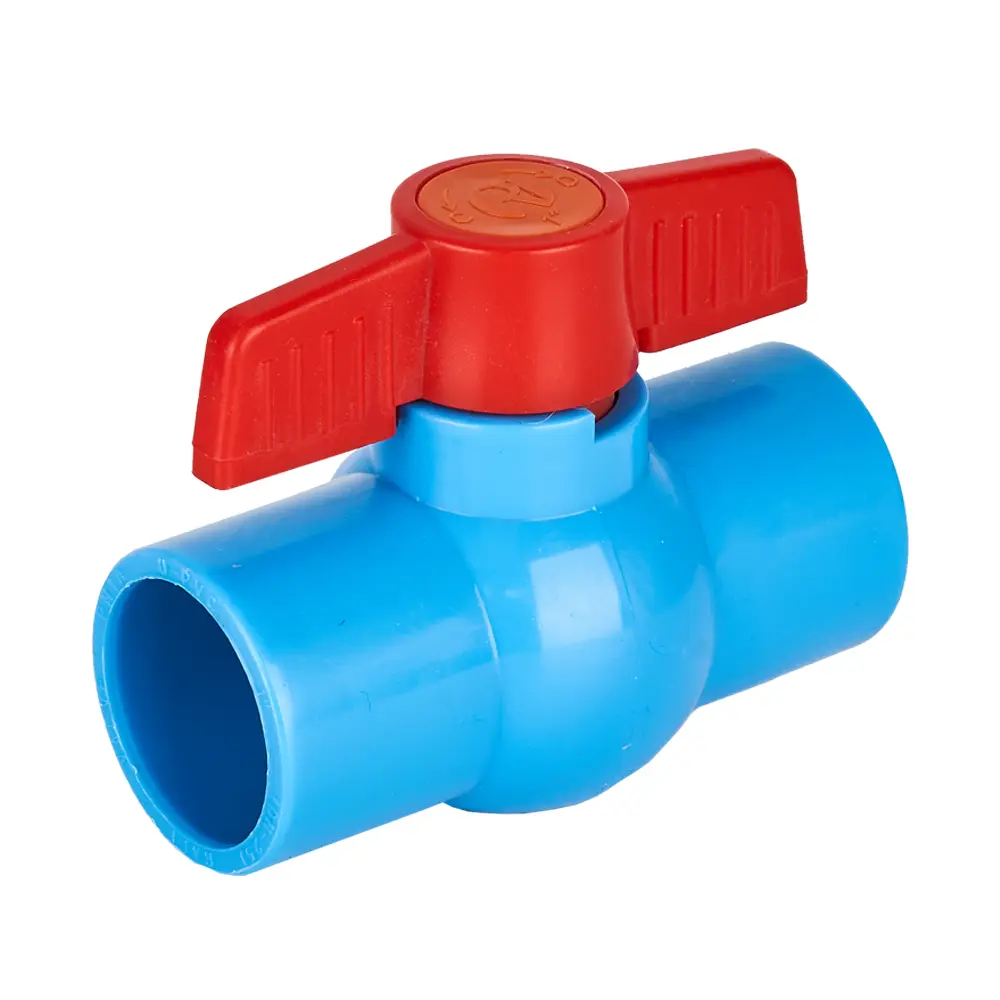
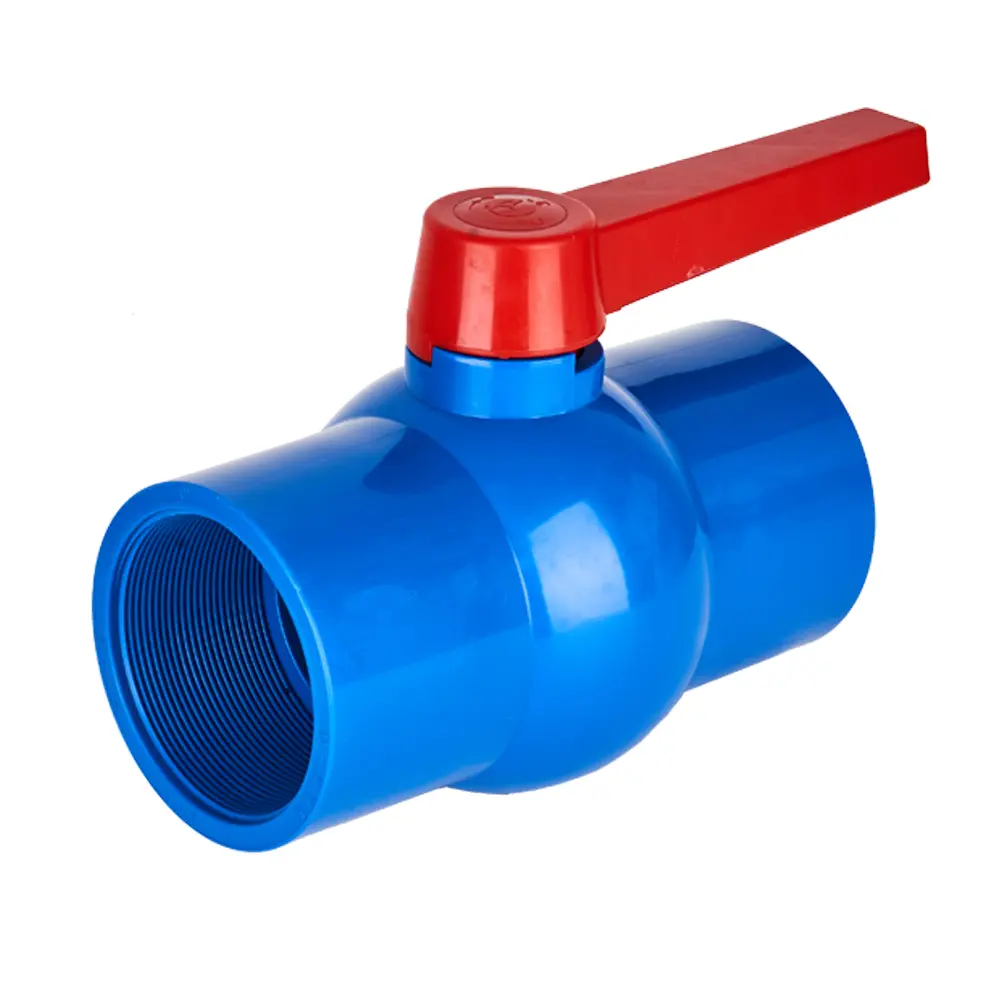
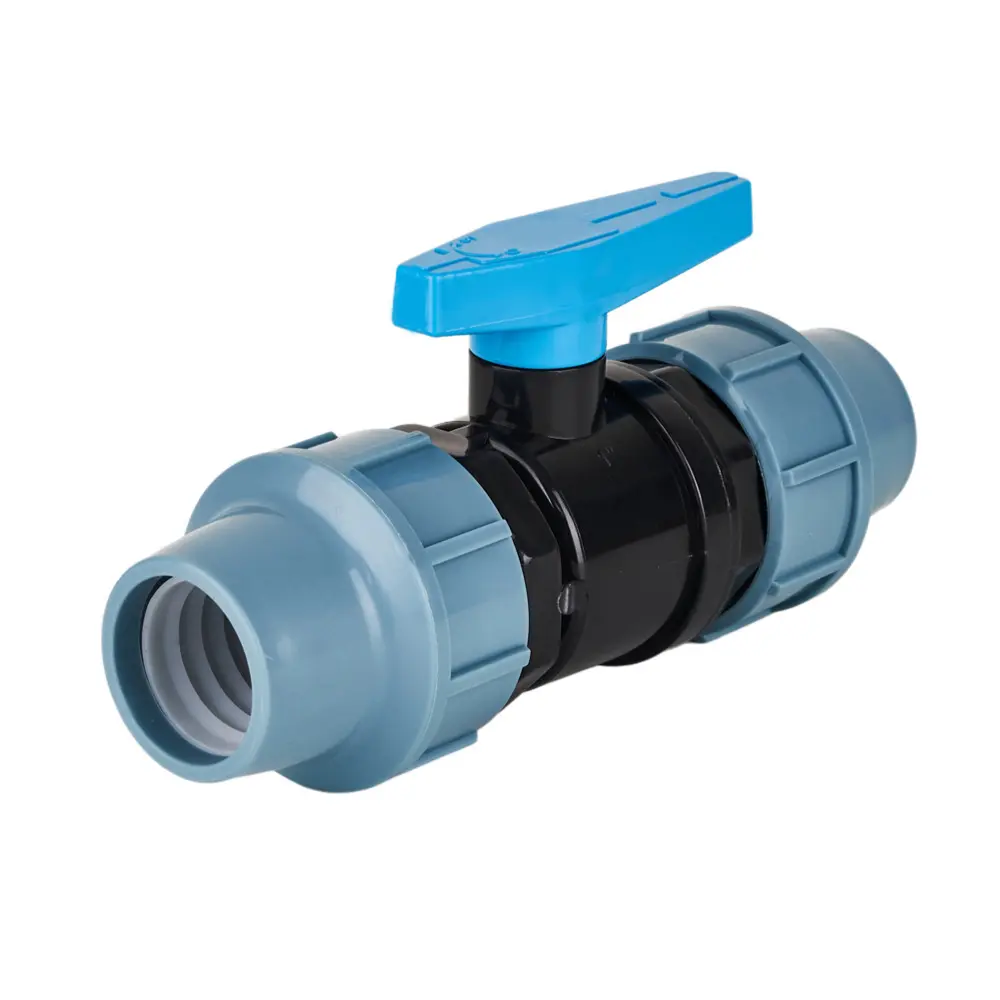
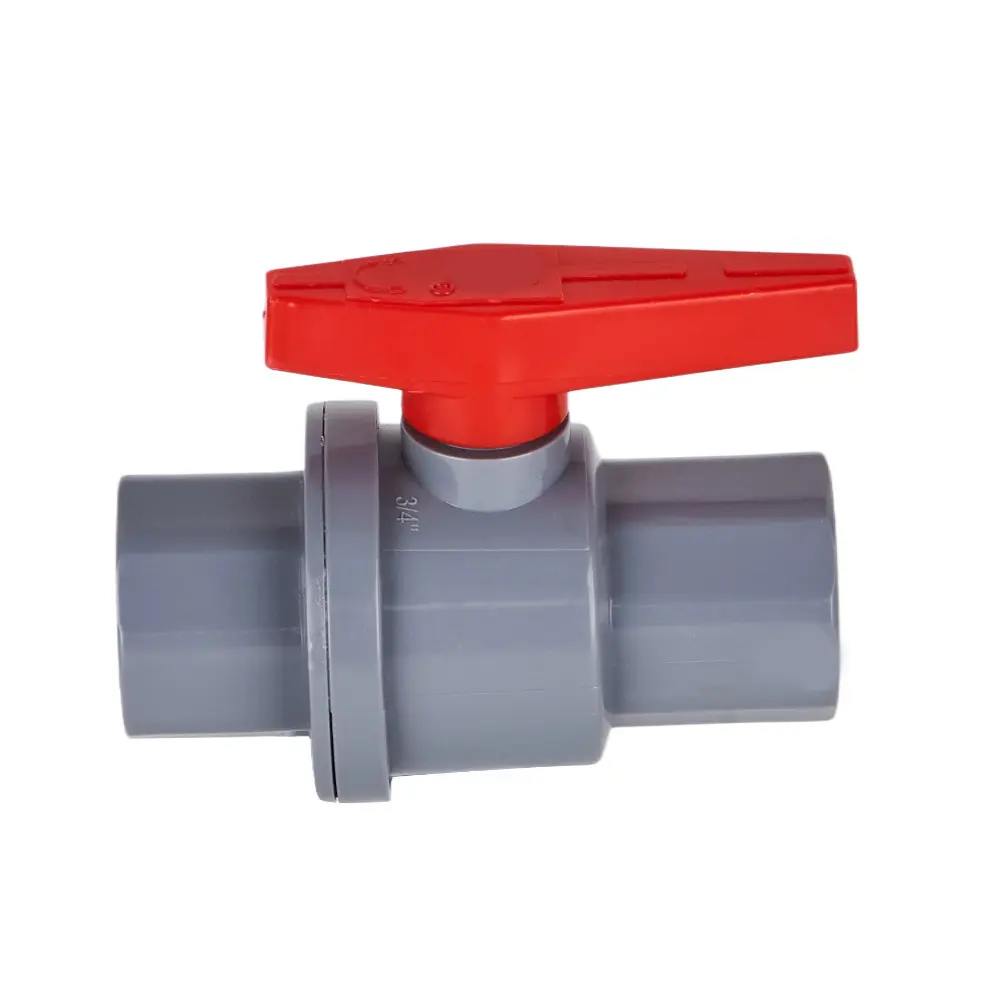
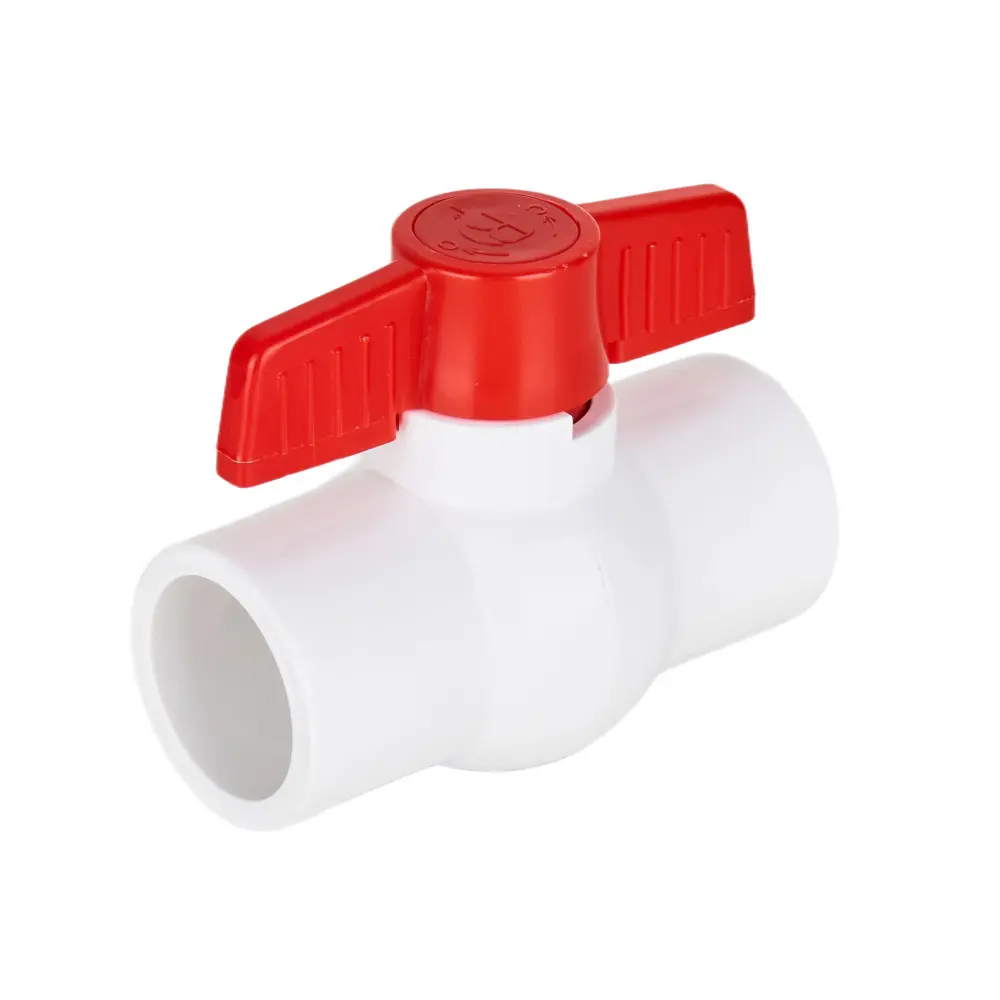
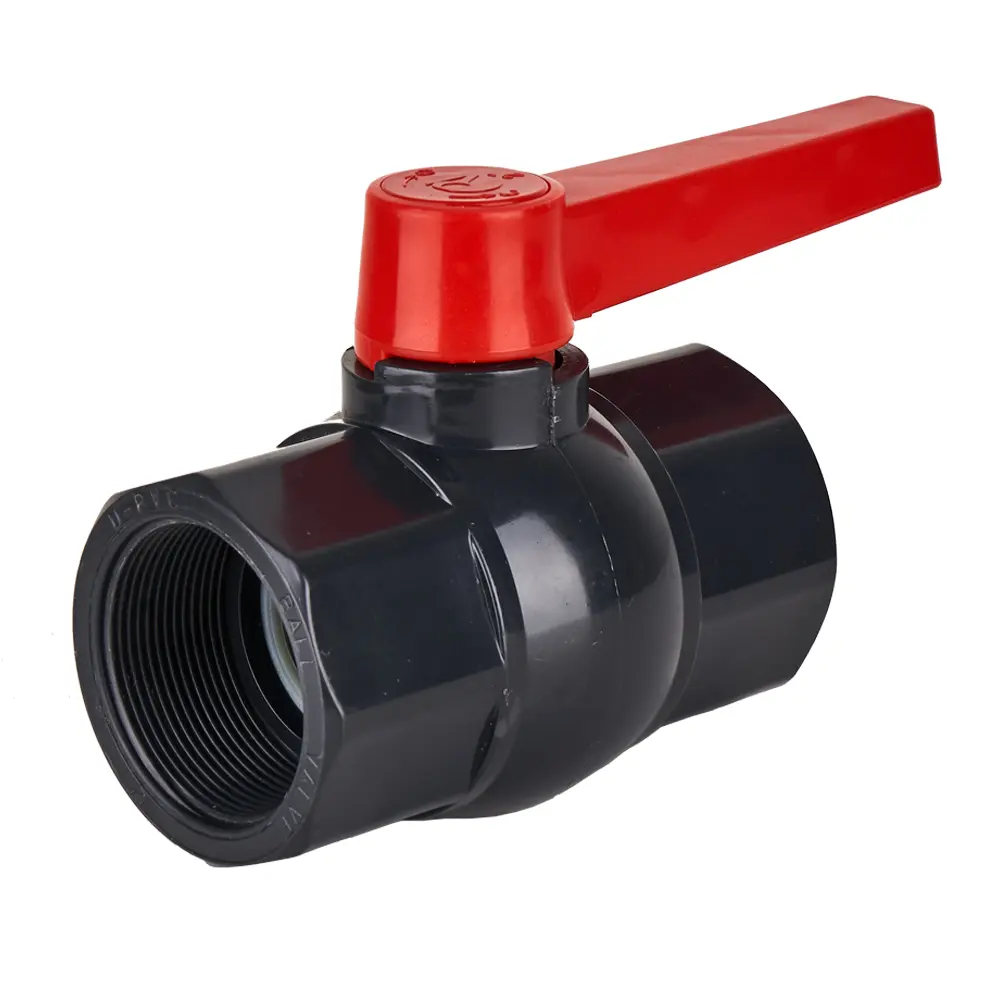
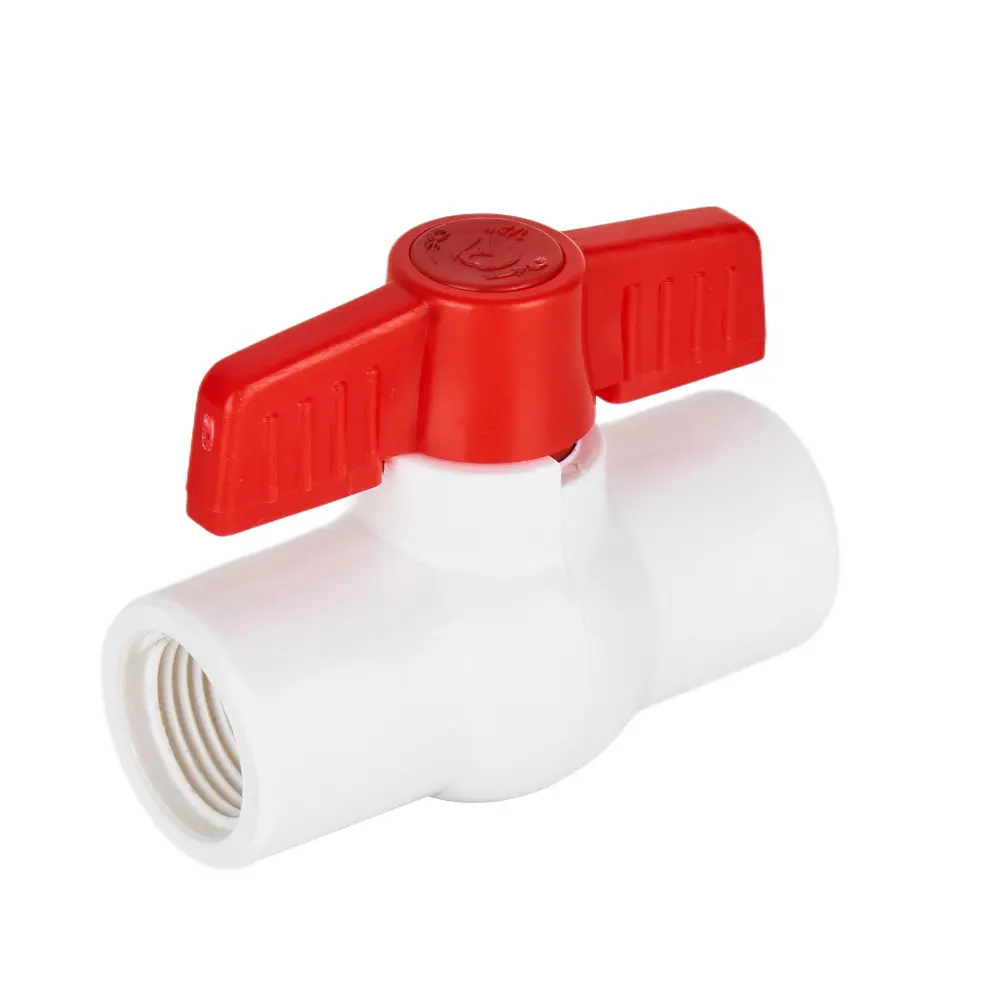
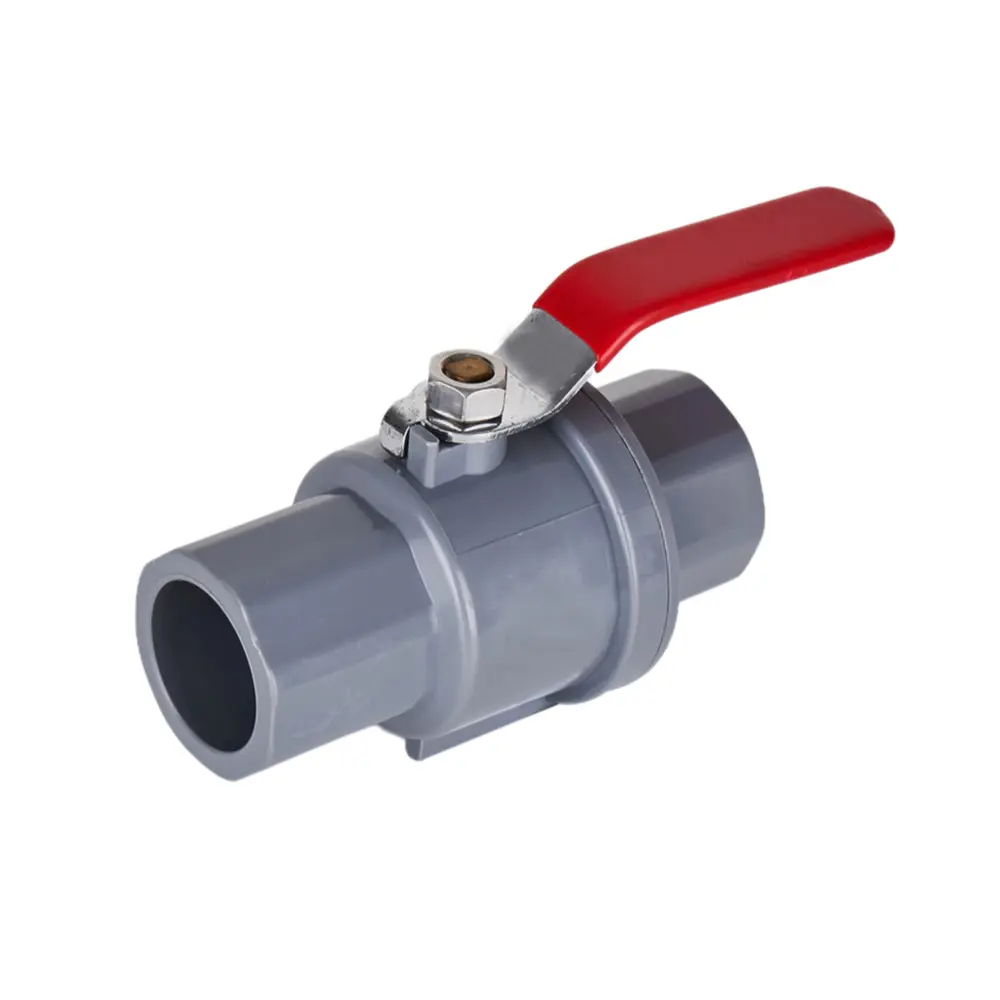
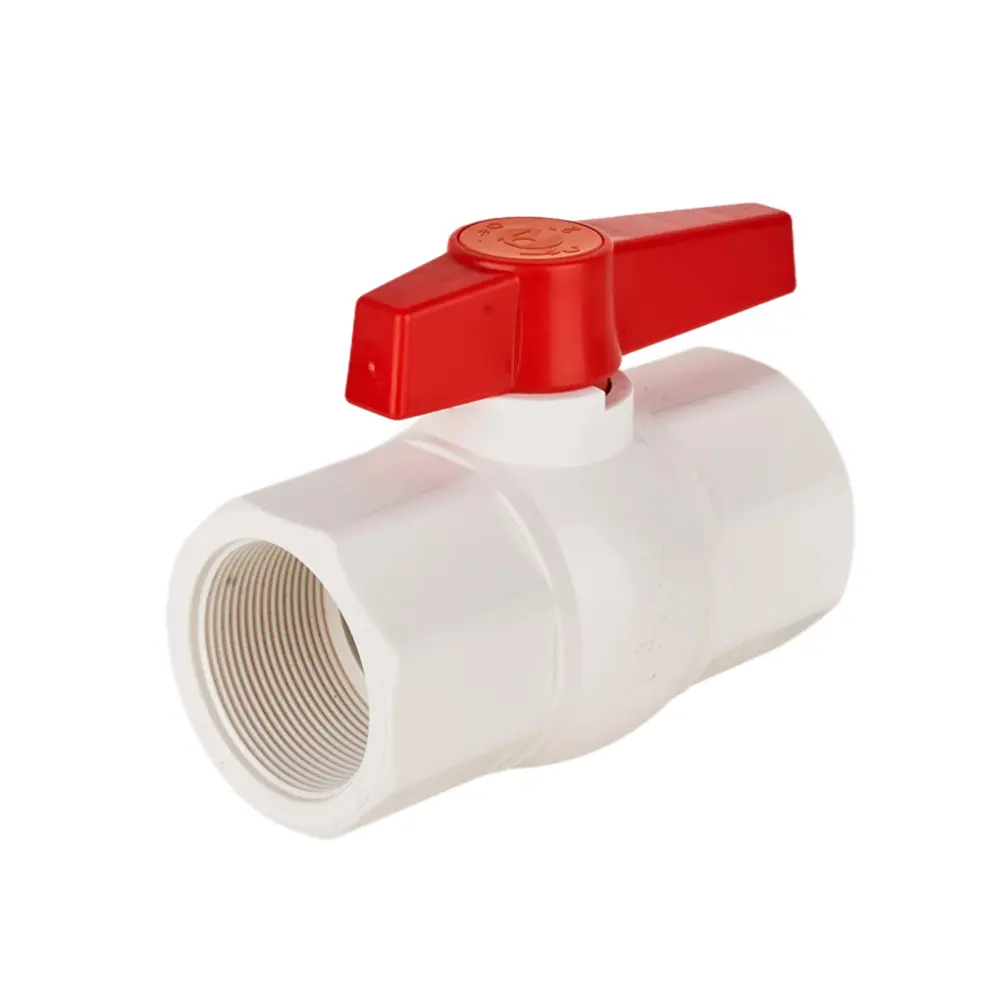
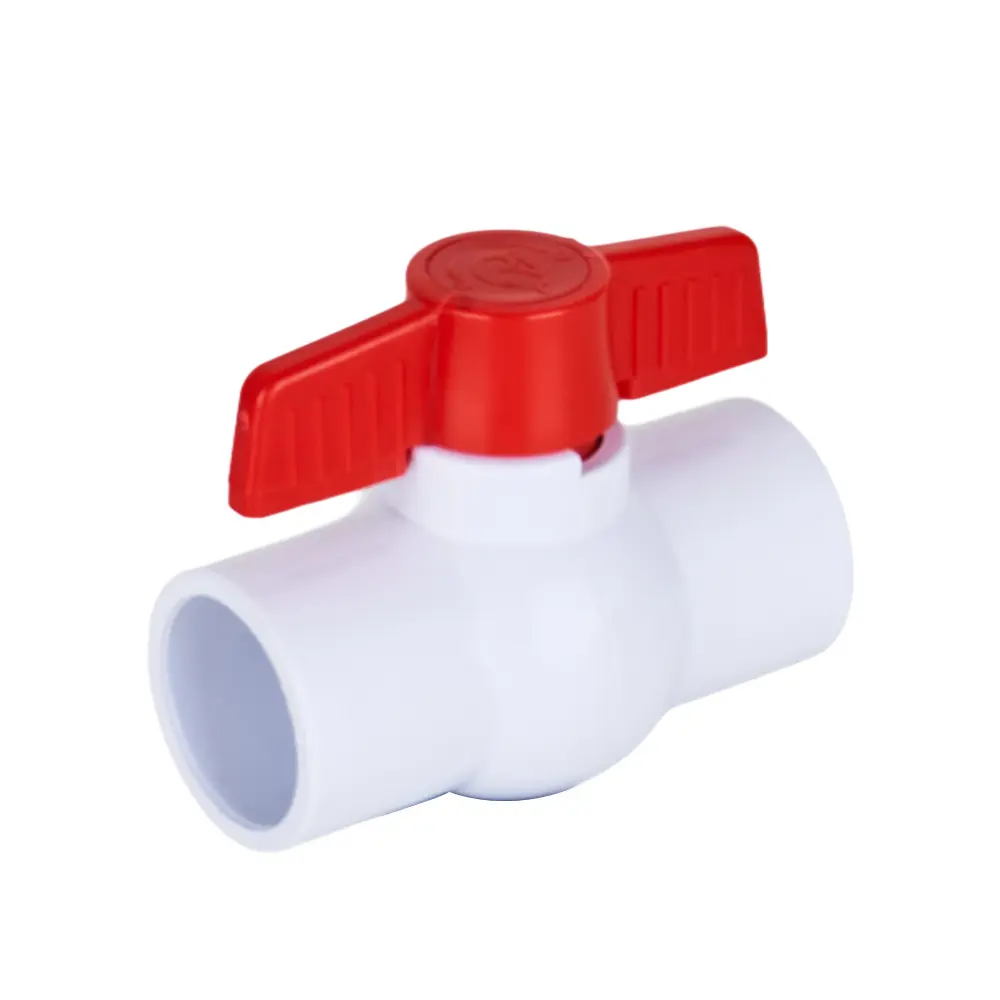
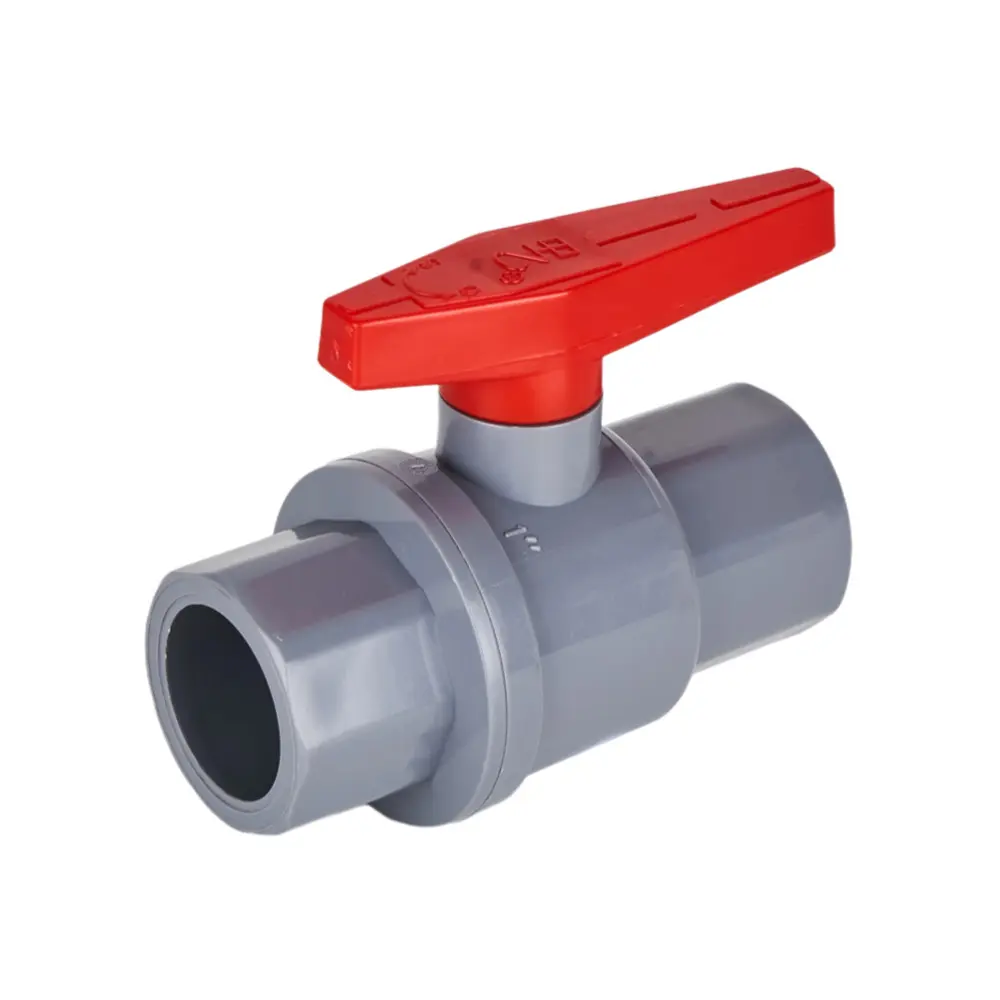
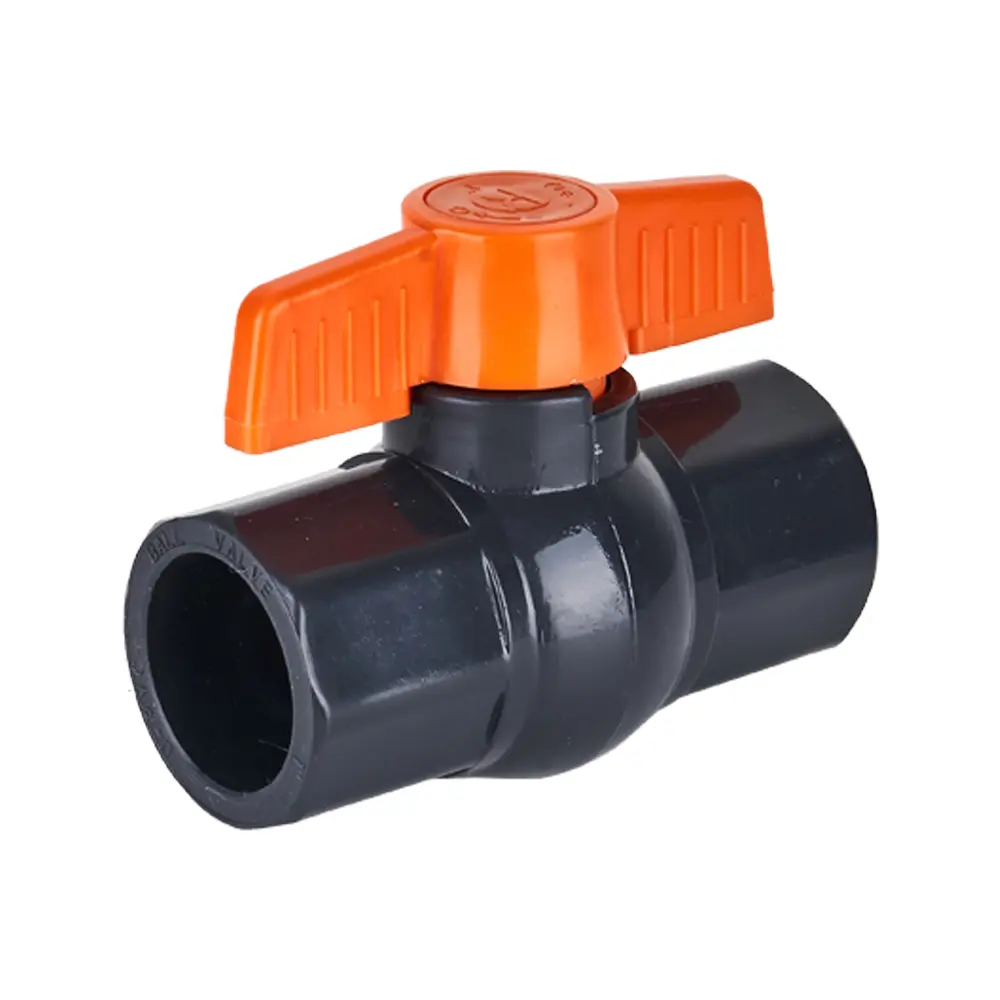
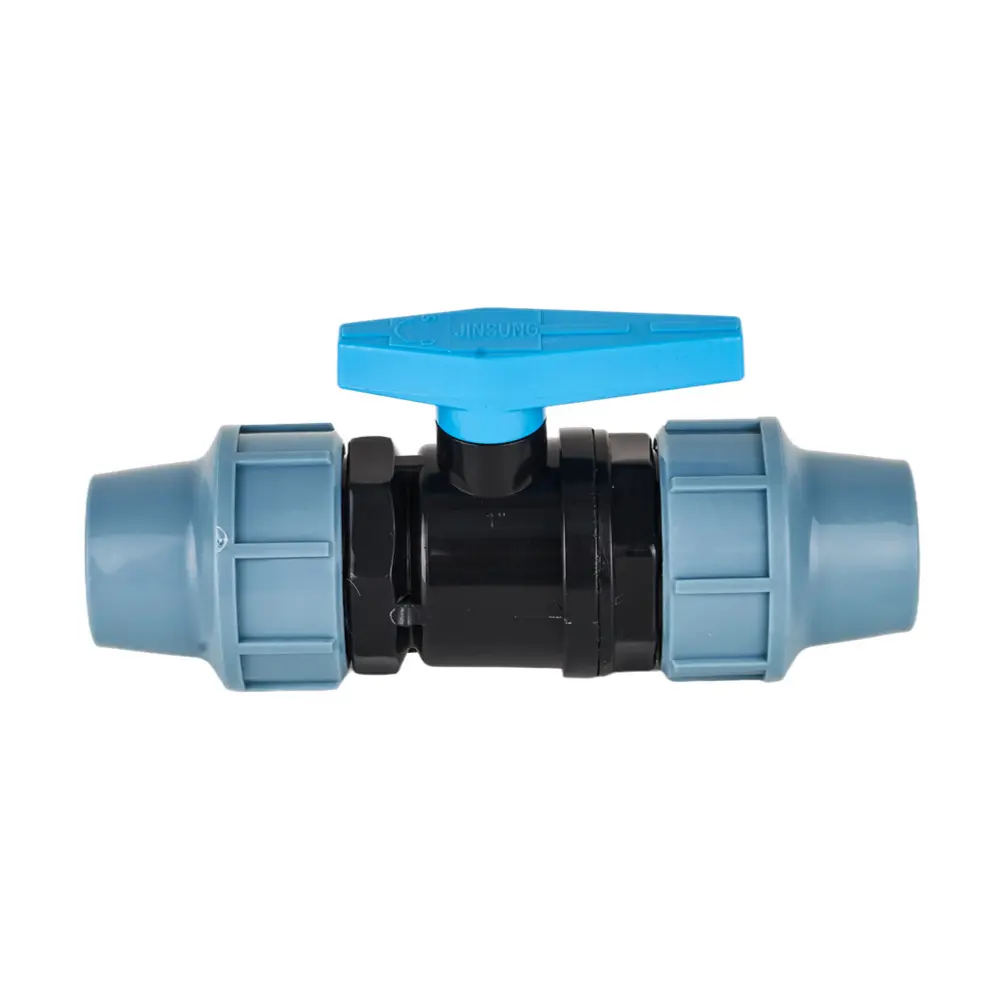
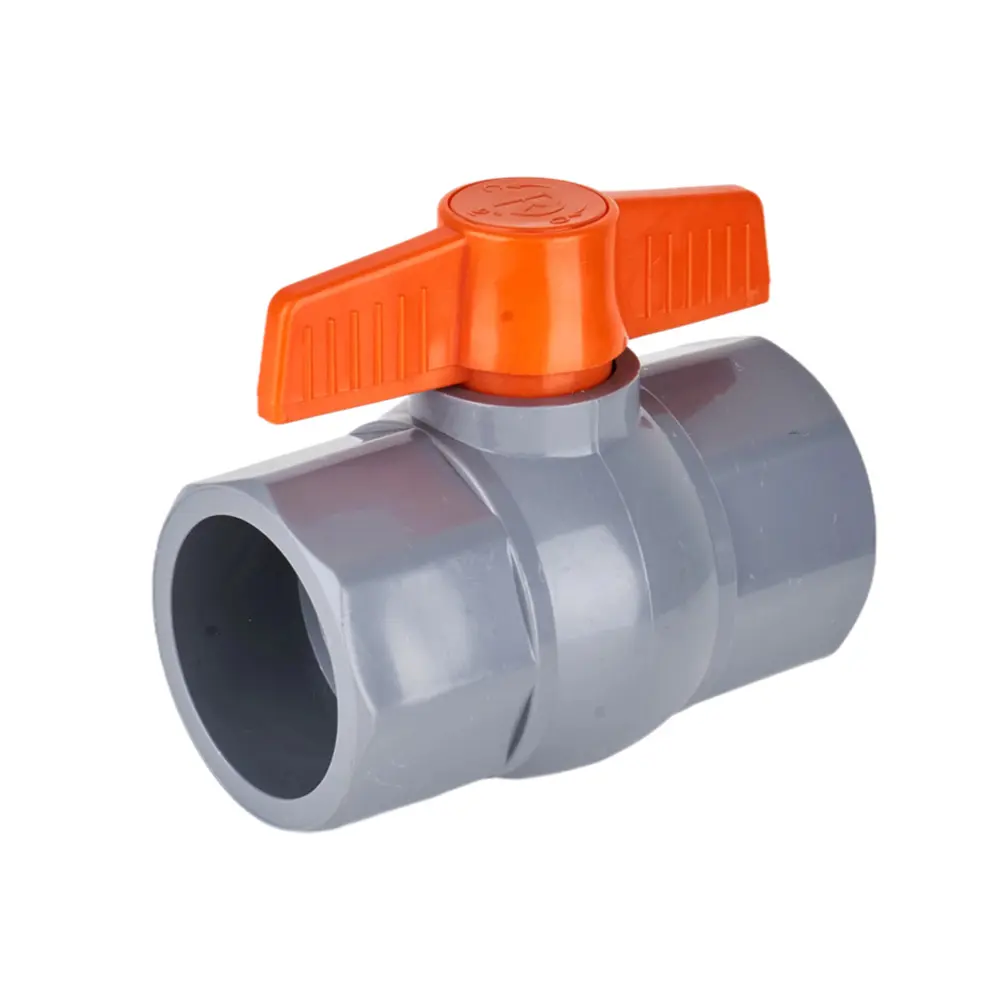
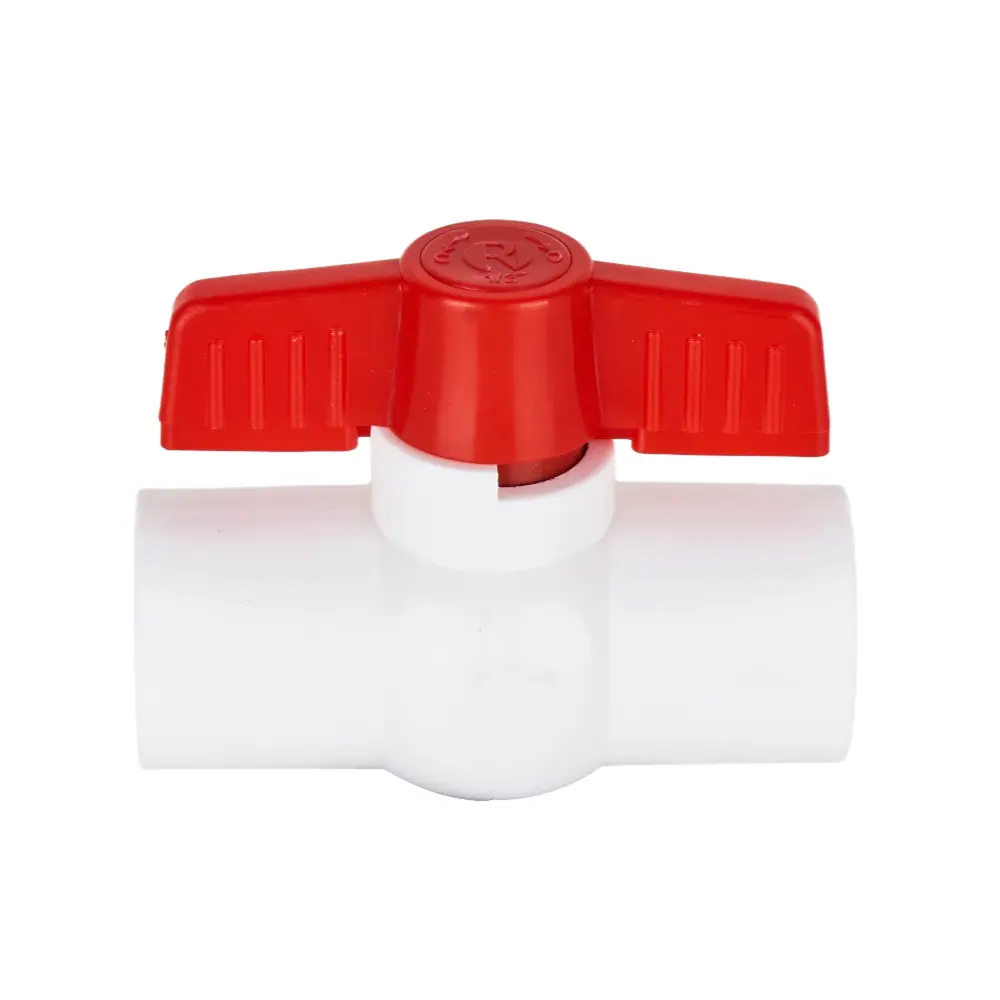
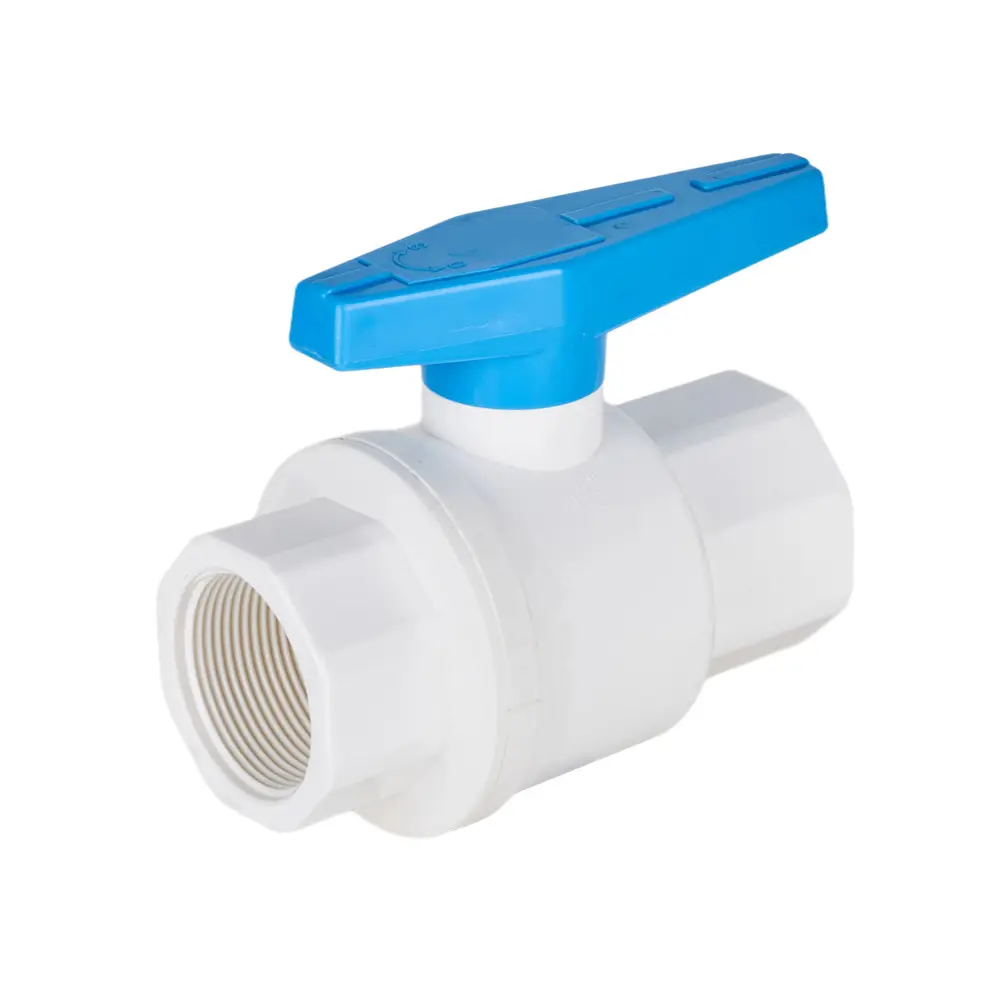
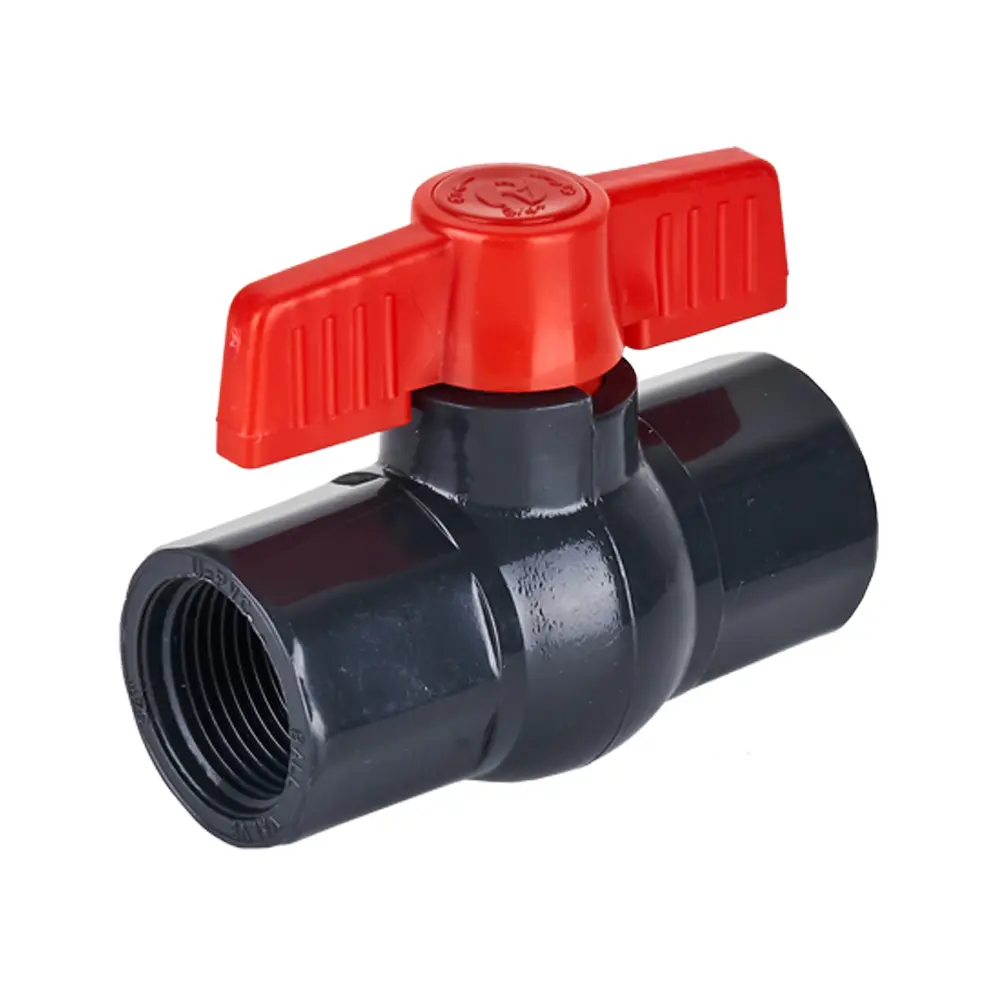
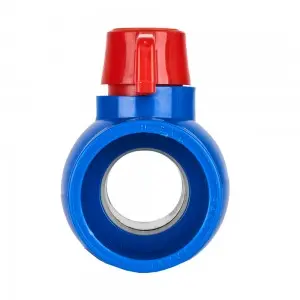
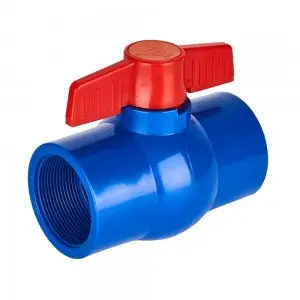
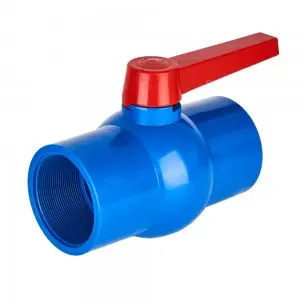
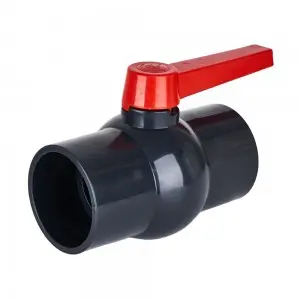
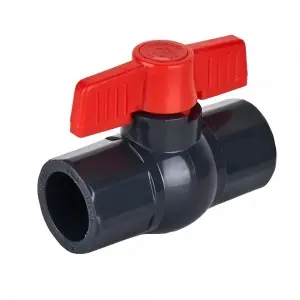
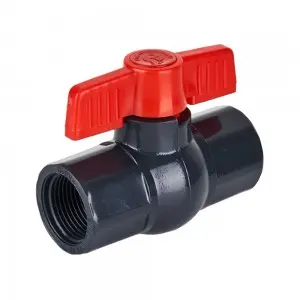
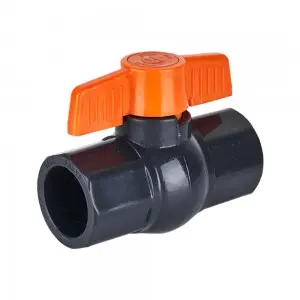
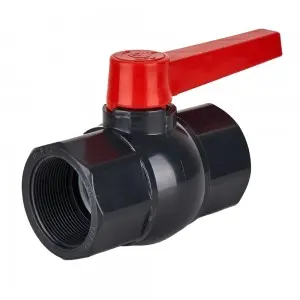
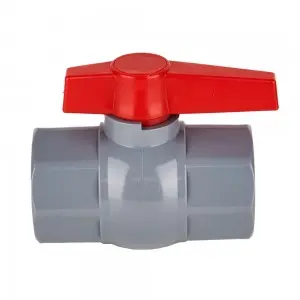
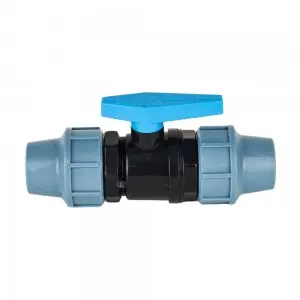
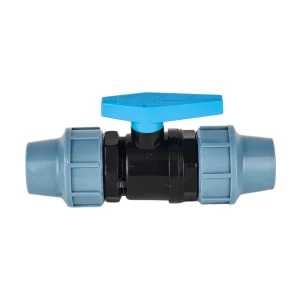
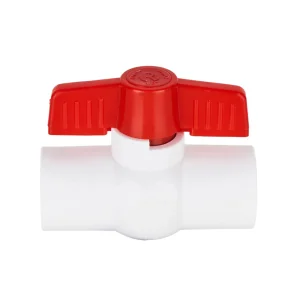
Engineered via computer-automated injection systems matching global DIN8077/8078 requirements.
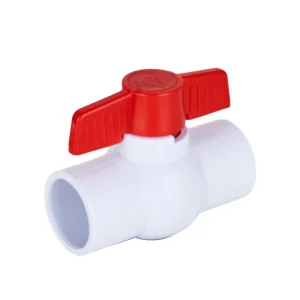
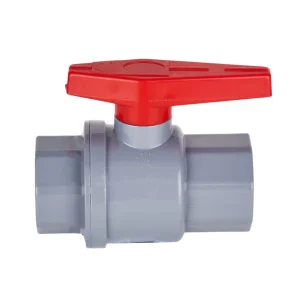
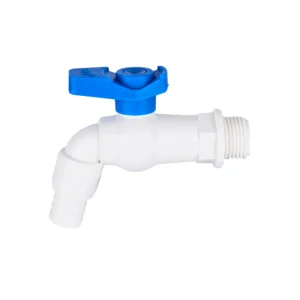
Global polymer manufacturers face a critical decision: how to balance capital expenditure (CAPEX) with strict tolerance and high production output constraints. Sourcing pre-owned vertical injection molding machines offers a proven pathway to optimize resource allocation.
Unlike horizontal setups, vertical injection molding machines utilize gravity to optimize insert positioning. This mechanical configuration is highly efficient for manufacturing multi-material components, electrical connectors, and integrated valves. For businesses scaling up assembly lines, utilizing verified, high-quality pre-owned machinery provides immediate access to production lines without the lead times associated with new configurations.
Ehao Plastic Group's manufacturing process demonstrates this machinery optimization. By integrating computerized vertical clamping systems and automated molding sequences, we achieve continuous output while reducing cycle delays, establishing a benchmark for global suppliers.
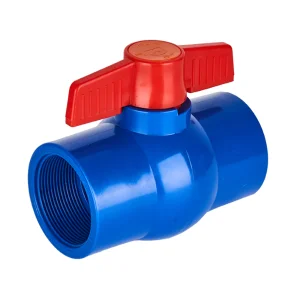
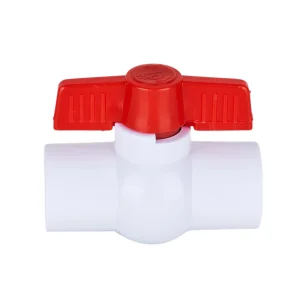
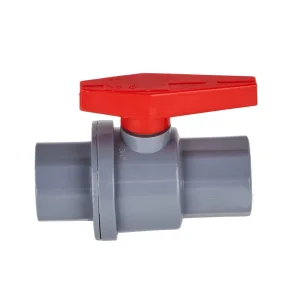
As a high-tech private enterprise, Ehao Plastic Group integrates R&D and production of building materials, pipe fittings, and high-precision injection molds. We operate as a leading supplier of PVC/UPVC ball valves within the Chinese domestic and international markets.
Since our inception, our R&D divisions have collaborated with the Chinese Academy of Sciences and Zhejiang University to integrate advanced polymer rheology theories with daily operations. To ensure structural integrity, we imported production lines and computer-controlled automatic injection molding machinery directly from Germany. This ensures that every manufactured batch maintains consistent wall thickness, high tensile strength, and precise dimensional control.
Every valve, tap, and union assembly undergoes 26 steps of scientific testing. Our quality control tracking guarantees a 100% ex-factory pass rate. These technical indexes align with DIN8077 and DIN8078 standards, matching global performance benchmarks. We also develop custom plastic molds based on supplied client drawings, materials, and specification parameters.
Guided by our core values—"Honest, Dedicated, Innovation, and Return"—we utilize a business model centered on quality for survival, technology for development, and focused customer service. By coupling scientific research with optimized manufacturing assets, we supply key components to domestic infrastructure hubs and clients across Europe, the Americas, and Southeast Asia.
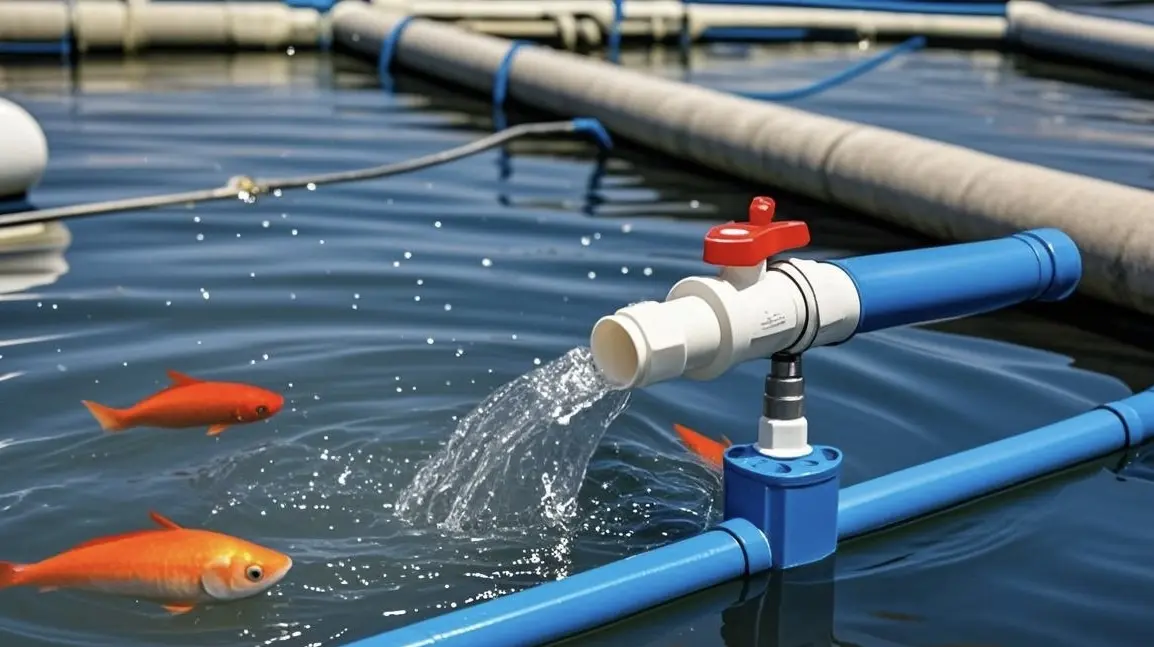
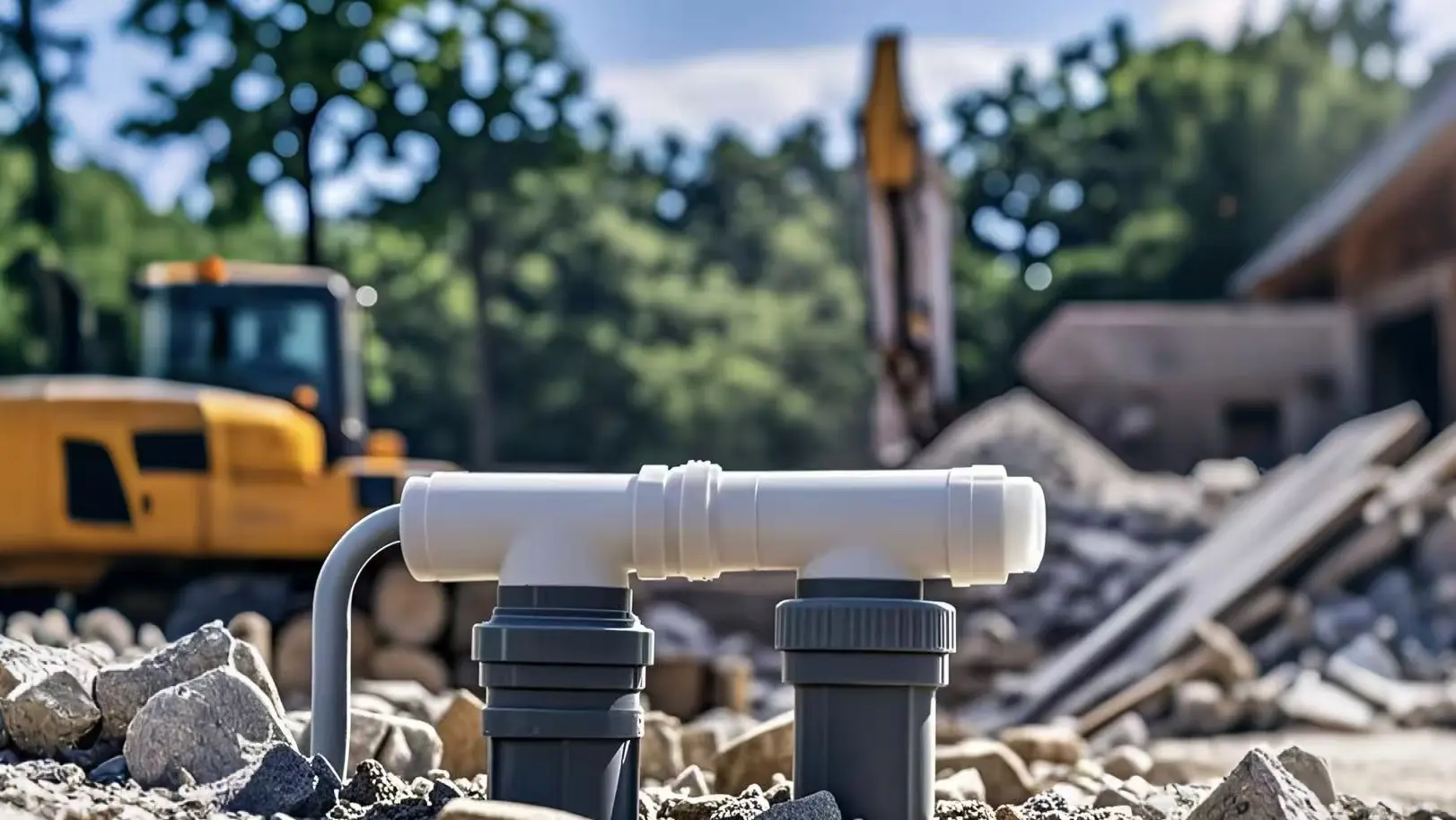
Our injection-molded components serve critical infrastructure projects worldwide.
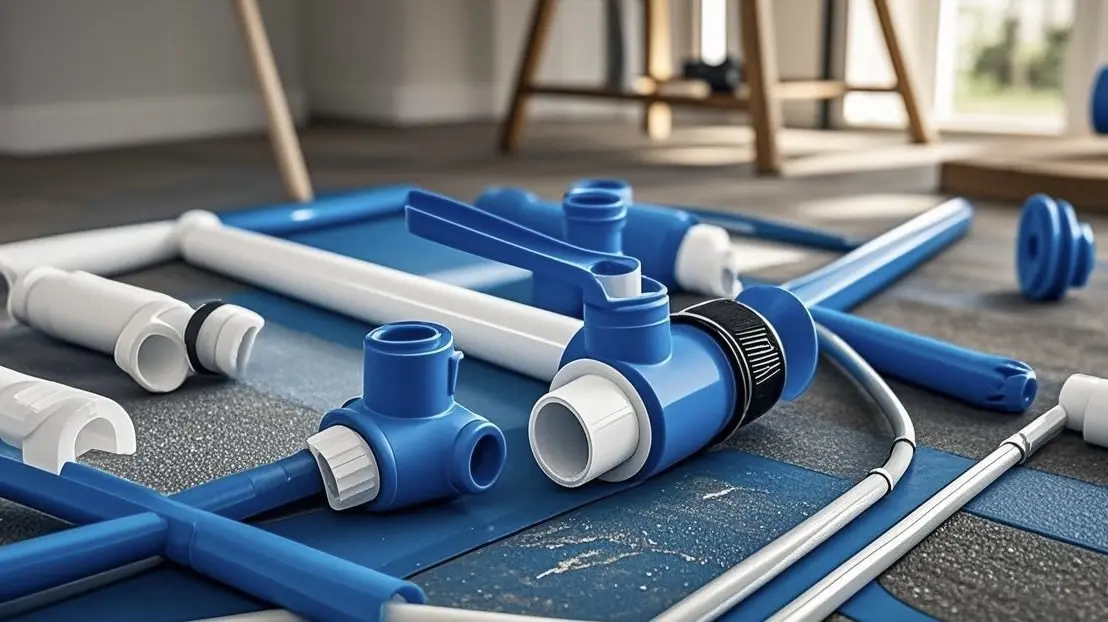

Vertical injection molding technology is evolving toward high-performance servo-electric integration and closed-loop edge computing.
Modern manufacturing facilities are shifting from traditional hydraulic configurations to all-electric vertical machines. This transition yields significant energy savings, decreases noise levels, and delivers highly repeatable cycle control. Servo-driven hydraulic machines offer a balanced alternative, combining the high clamping force of hydraulic cylinders with the energy efficiency of variable frequency drives.
Modern vertical injection systems utilize microprocessors that track cavity pressure, barrel melt temperature, and mold alignment in real time. Analyzing this data helps identify defects like short shots or flashing before the component is ejected, reducing scrap rates.
The demand for multi-material components (such as combining hard UPVC cores with soft thermoplastic handles) requires vertical injection machines with rotary tables. This permits manual or robotic placement of metal or plastic inserts on one station while injection occurs on another, optimizing production throughput.
Processing chlorinated polymers like CPVC and PVC releases corrosive compounds at high temperatures. Sourcing refurbished used machinery requires verifying that the screw and barrel feature bimetallic coatings (such as high-cobalt alloys) to withstand corrosive wear and prevent material contamination.
Modern Chinese industrial clusters provide access to reliable machinery assets and deep manufacturing expertise, helping global buyers optimize supply chain costs.
Transitioning to Industry 4.0 allows Chinese factories to regularly upgrade their machinery fleets. This provides international markets with access to well-maintained, pre-owned vertical injection molding machines from leading global brands at competitive rates. Because these machines are integrated into local ecosystems with immediate access to replacement parts, refurbishing them to meet original equipment standards is highly efficient.
Additionally, China's component supply chain benefits from centralized component sourcing. Factories can quickly source raw materials, tooling, and accessories, which shortens turnaround times. This infrastructure supports both machinery refurbishment and high-volume component production.
| Factor | Traditional Supply Sourcing | China Factory 4.0 Hubs |
|---|---|---|
| Asset Procurement Lead Time | 12 to 24 Weeks (New Machinery) | 2 to 4 Weeks (Refurbished) |
| Capital Requirement | Full CAPEX Exposure | 40% to 60% Savings |
| Parts Availability | Proprietary channels only | Global OEM compatibility |
| Digital Controls Upgrade | High retrofit cost | Standard PLC installation |
A rigorous engineering framework for evaluating pre-owned vertical injection molding machinery.
Before purchasing used equipment, technical teams should evaluate the condition of the clamping mechanism and tie-bars. Wear on hydraulic cylinder seals can lead to pressure drops, resulting in part defects. Mechanics should check tie-bars using ultrasonic testing to identify micro-fractures, and confirm the platen parallelism remains within OEM tolerances.
The screw-to-barrel clearance determines injection pressure stability. Excessive clearance allows melt backflow, which introduces dosing variations. Procurement teams should request measurement logs of the screw flight outer diameter and barrel inner diameter to assess wear levels, particularly when the machinery has processed abrasive polymers.
Legacy control systems may lack compatibility with modern factory networks. Upgrading to a modern PLC with Ethernet interface capability is recommended. This allows integration with local MES (Manufacturing Execution Systems) for monitoring run times, cycle indicators, and heater band performance.
Vertical machines require robust safety systems because operators frequently interact with the mold space. Ensure the light curtains, safety gates, and dual-channel emergency stop circuits function correctly. These safety measures must align with ISO 12100 and local workplace safety regulations.
From selecting and configuring the right machine for your job to helping you finance the purchase that generates noticeable profits.
Product Detail Quick Package
Ensuring imported vertical injection molding equipment complies with local engineering standards and safety codes.
Navigating the installation of imported vertical injection machinery requires alignment with regional guidelines. Equipment must be configured to match local electrical inputs (e.g., 380V/50Hz in Europe vs. 480V/60Hz in North America). Additionally, validating compliance with standards like CE, UL, or OSHA is necessary to satisfy local safety requirements.
Working with partners who offer localized commissioning services minimizes installation risks. Reliable providers assist with rigging, leveling, tie-bar calibration, and safety validation. Having local access to wear parts (such as heater bands, thermocouples, and hydraulic filters) helps ensure high uptime once the equipment goes live.
Expert answers addressing used vertical injection molding systems and component manufacturing.
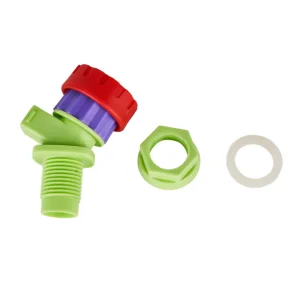
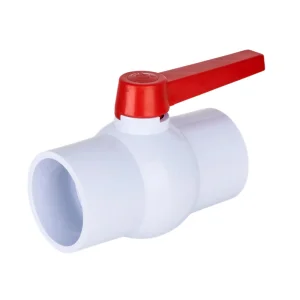
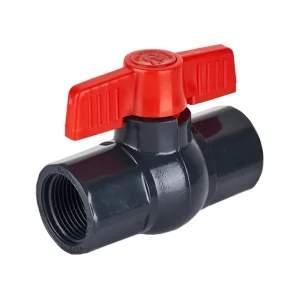
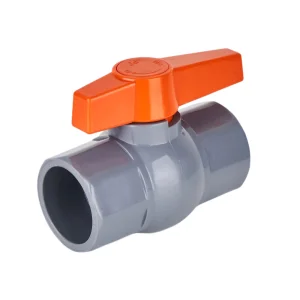
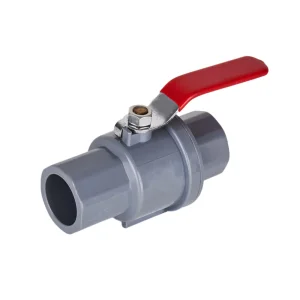
Comprehensive inventory of PVC/UPVC compact ball valves, garden faucets, and pipe unions.
High-reliability systems designed for international fluid control and industrial applications.
 EHAO
EHAO