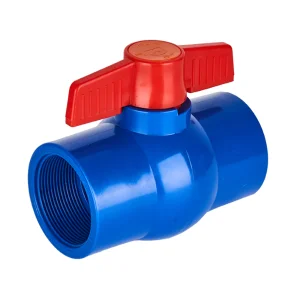
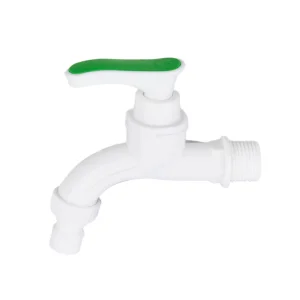
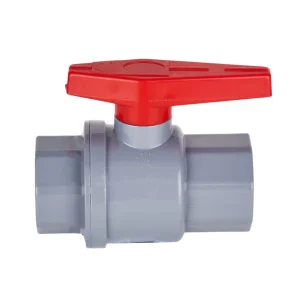
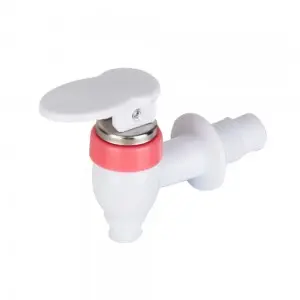
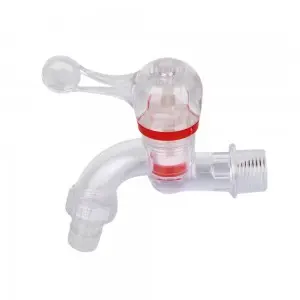
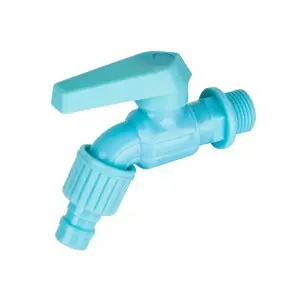
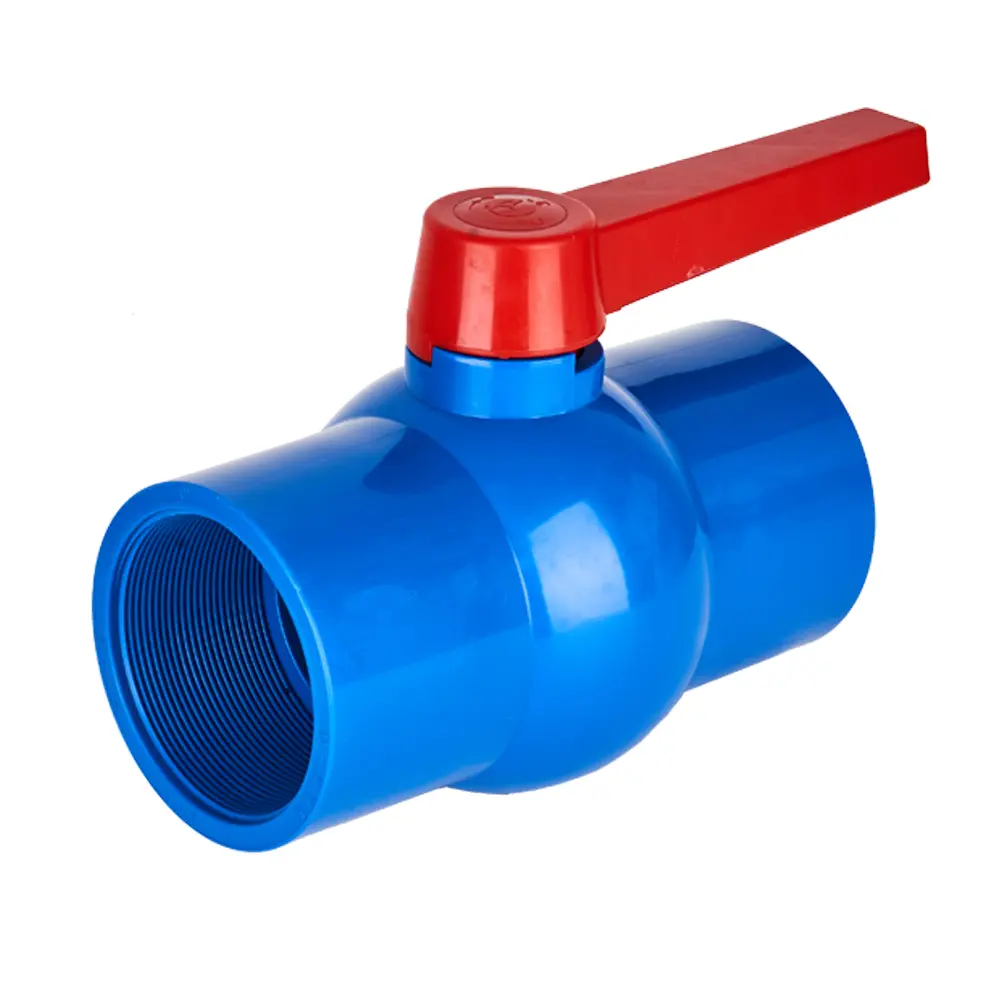
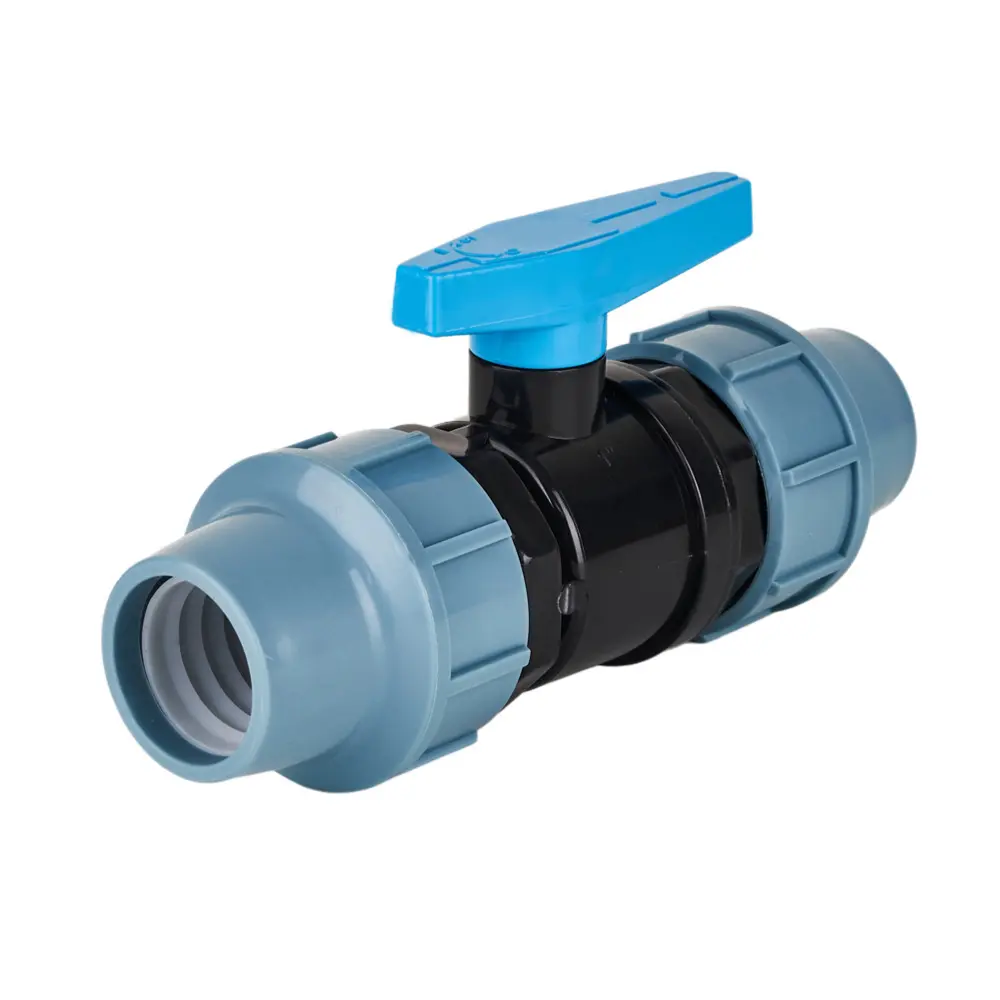
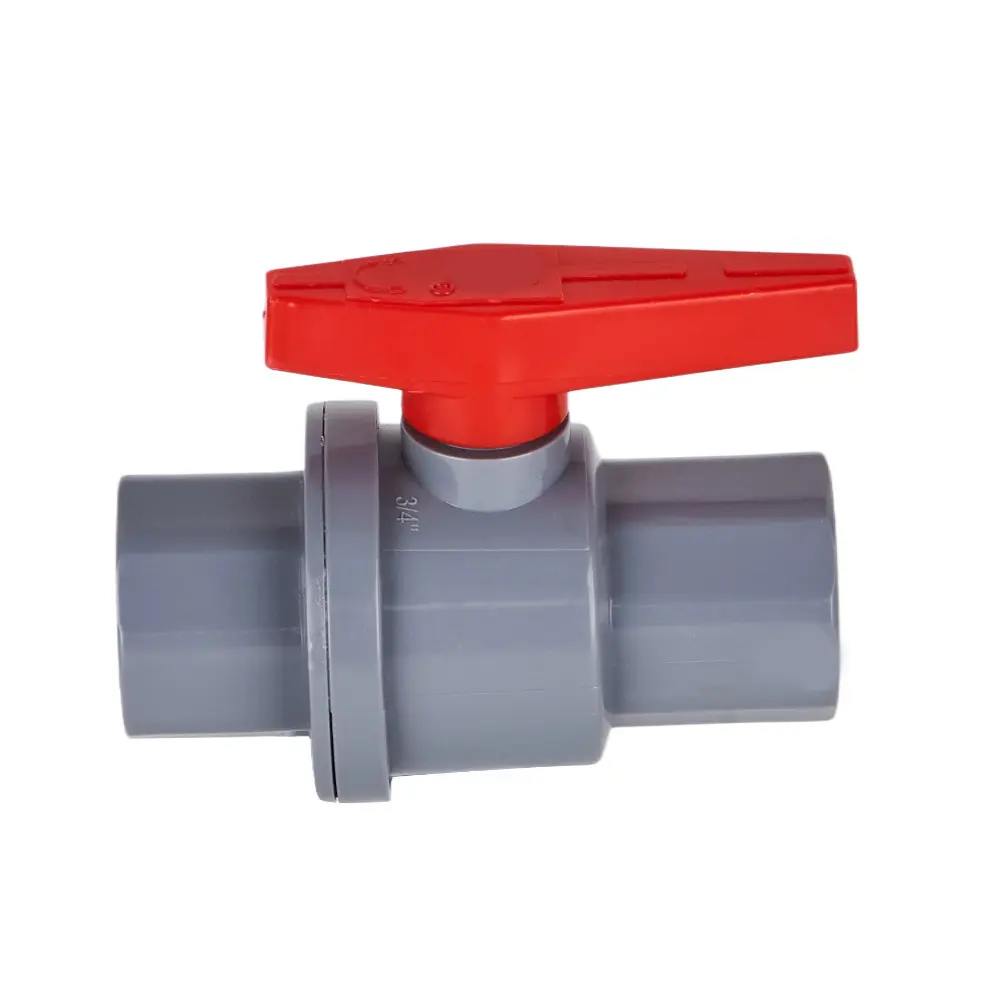
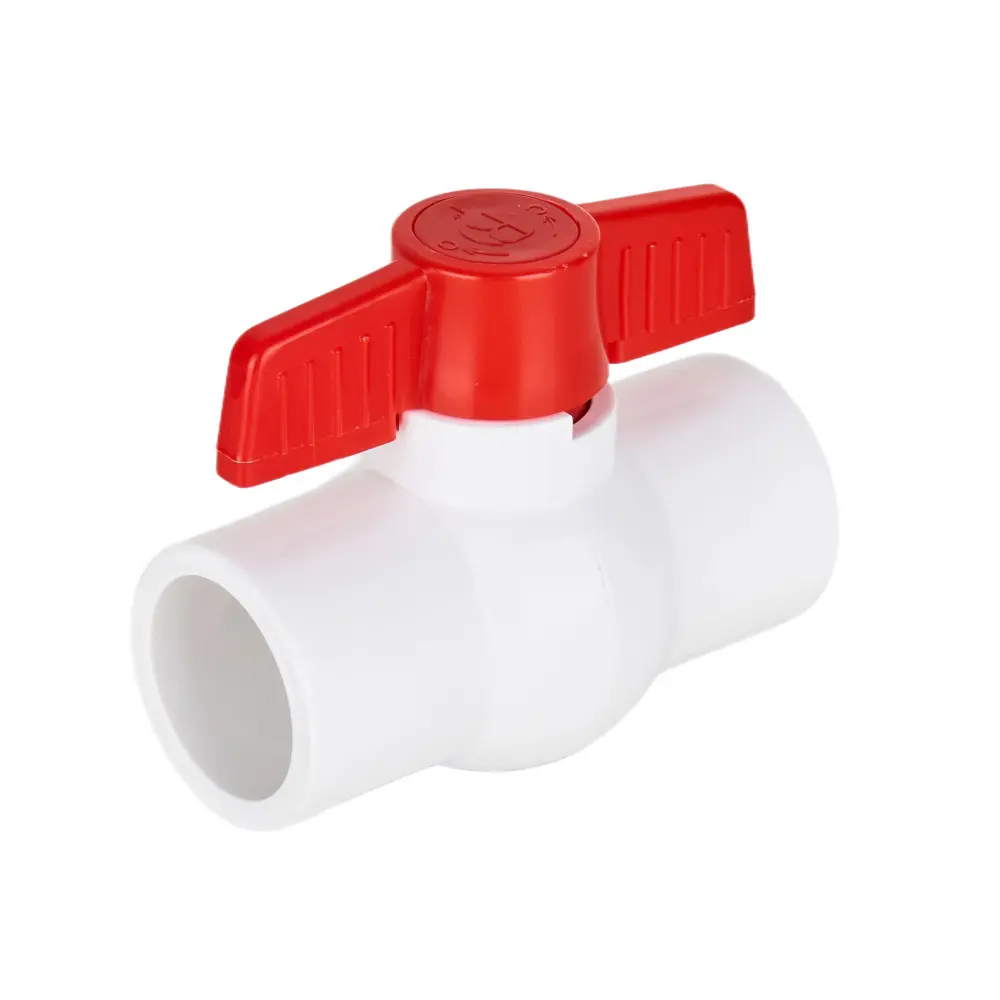
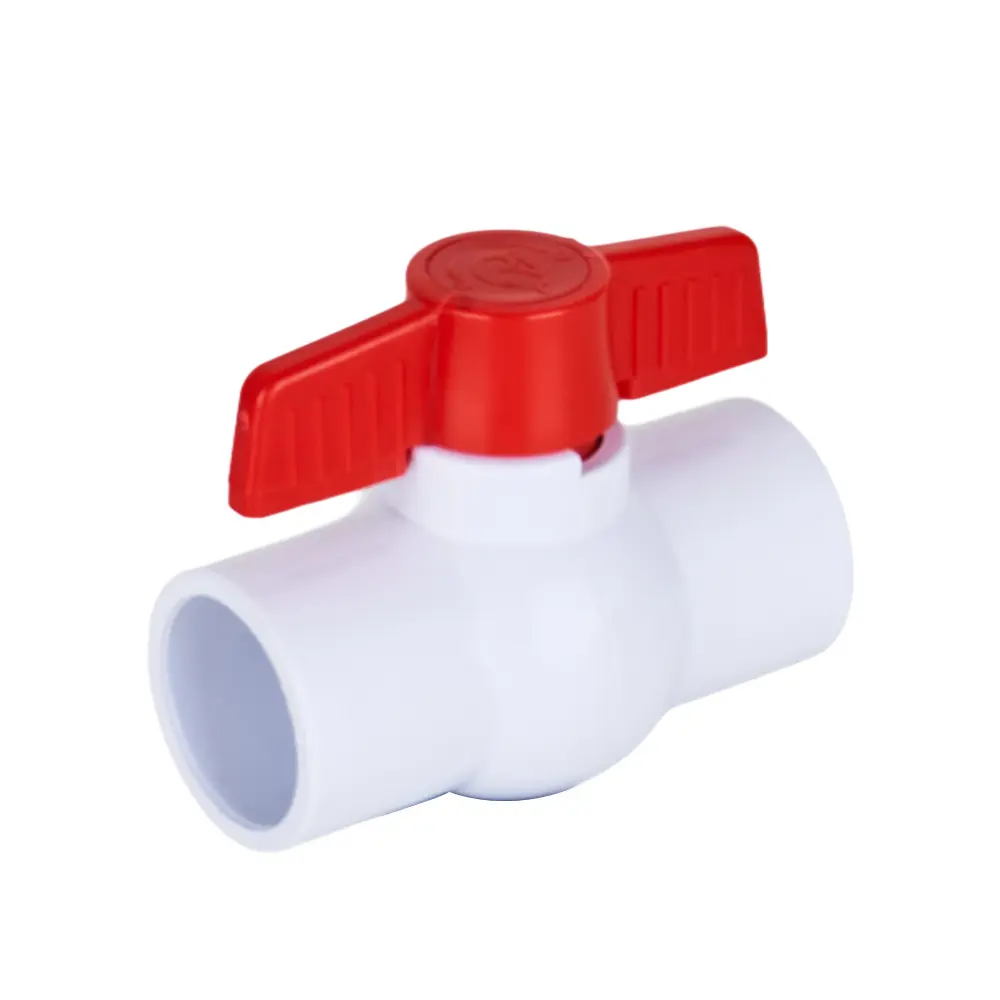
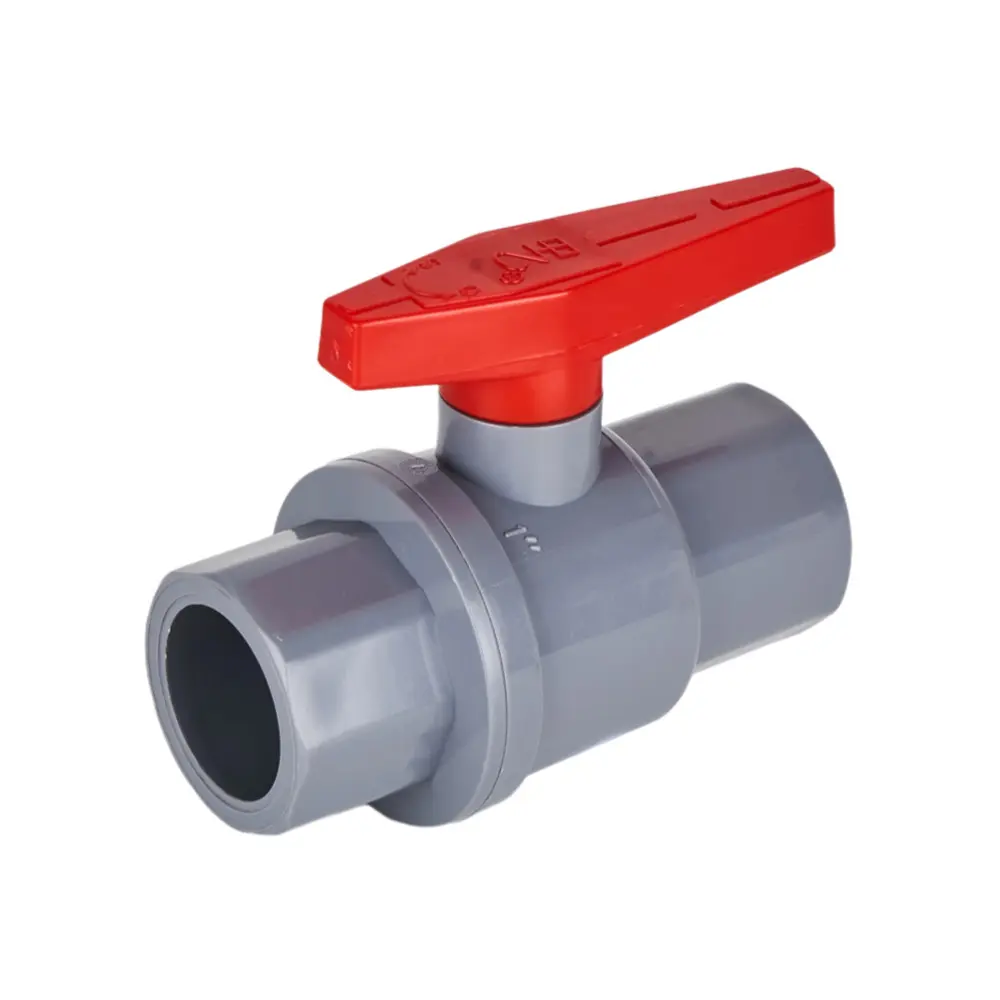
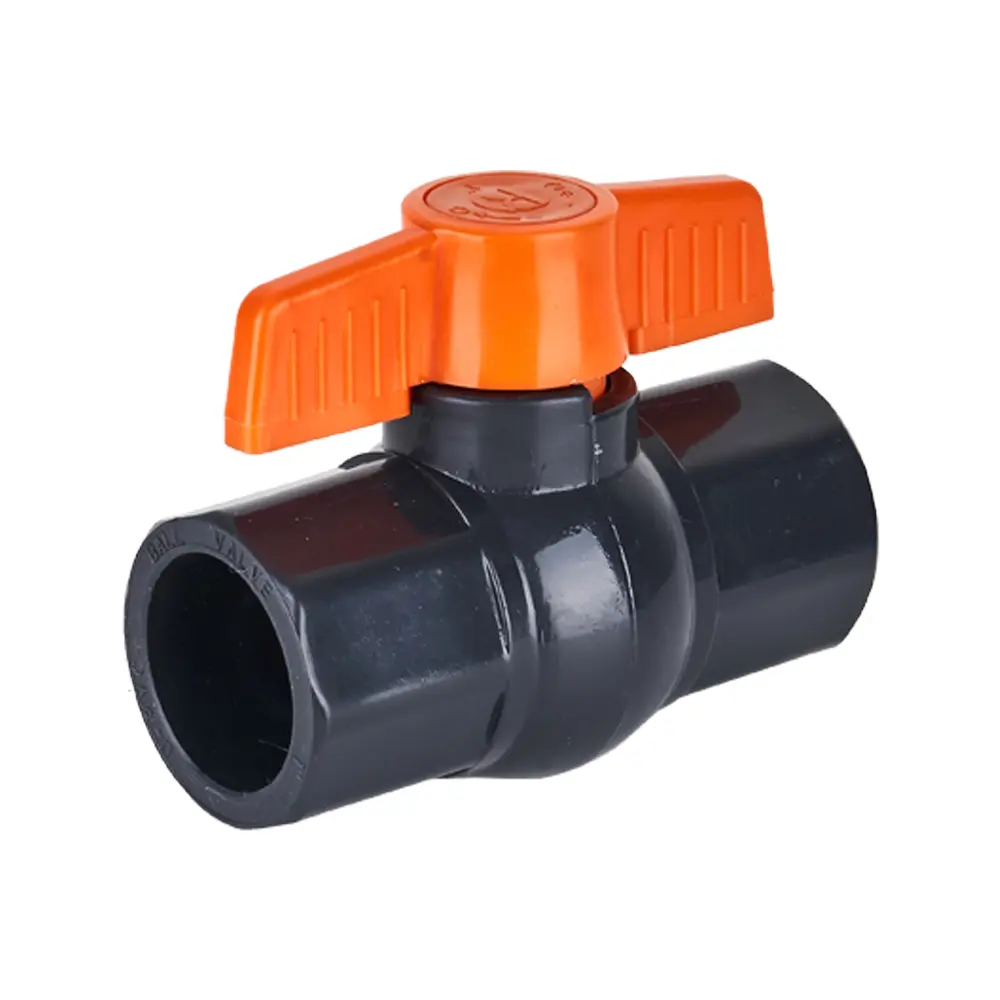
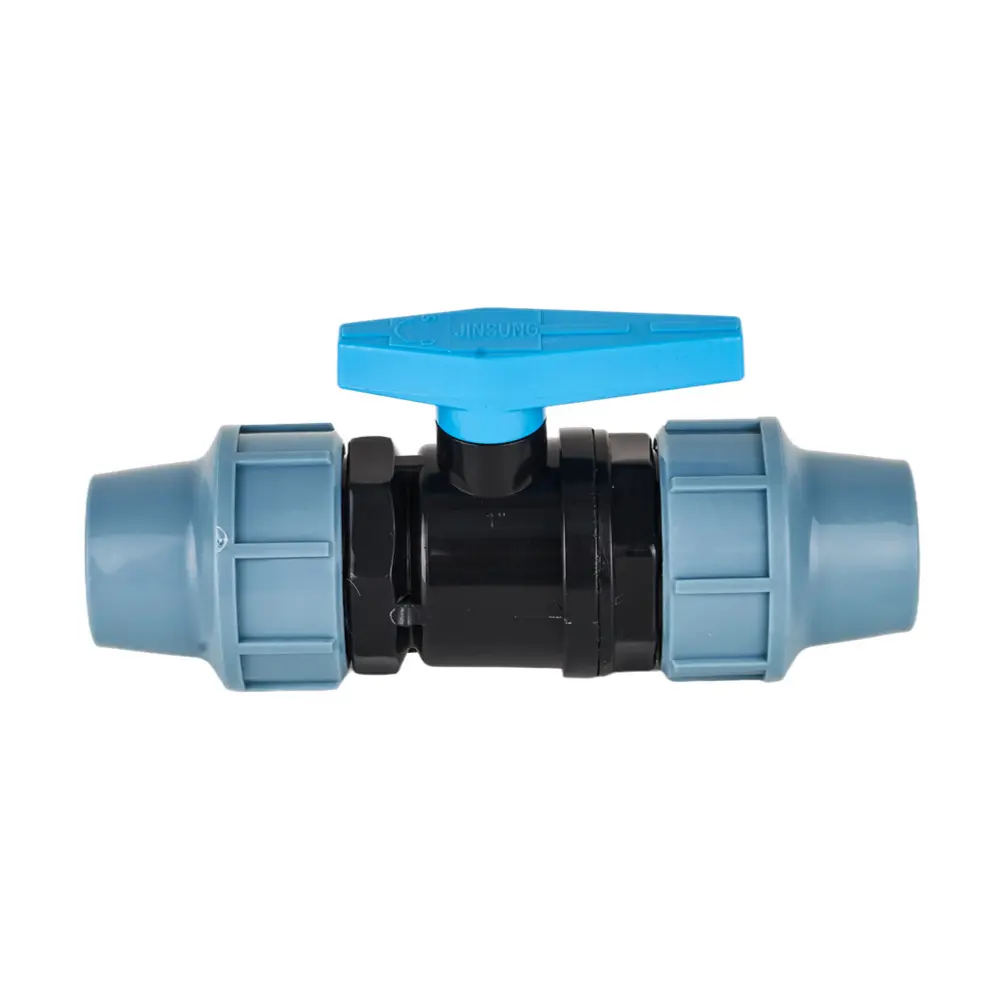
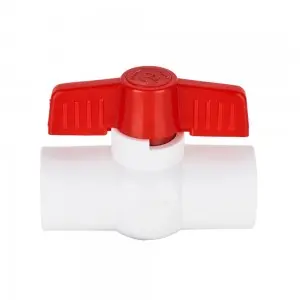
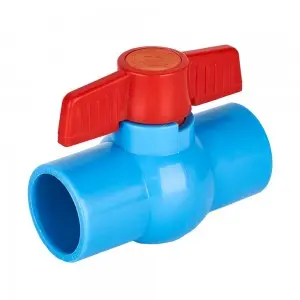
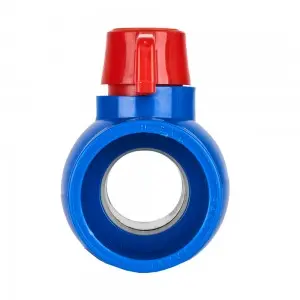
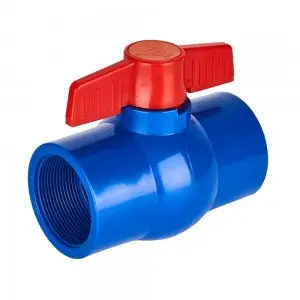
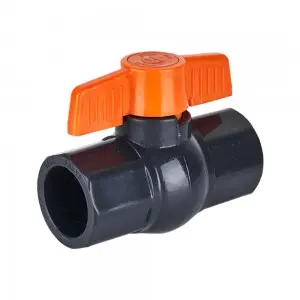
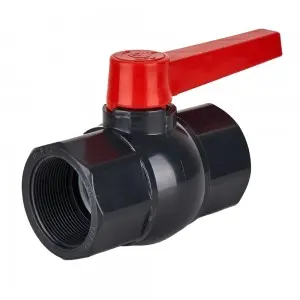
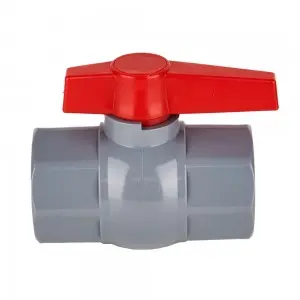
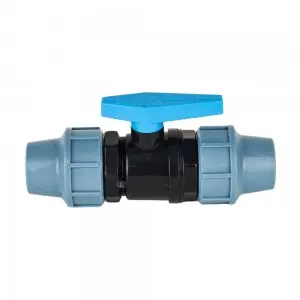
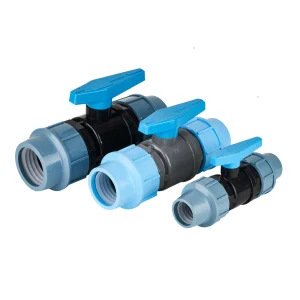
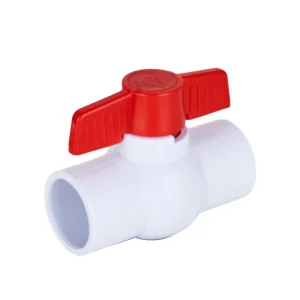
Explore our leading industrial valves and precision-engineered connection elements built to DIN international quality and tolerance standards.
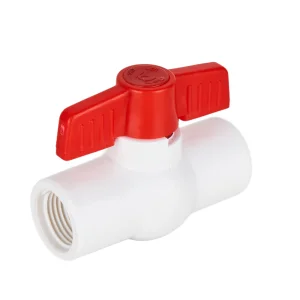
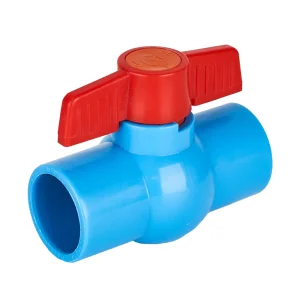
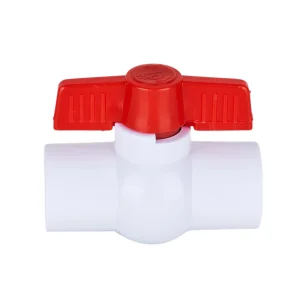
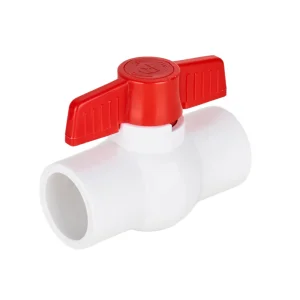
In high-precision manufacturing, the quality of a molded product is defined by the integrity of the steel tooling that shapes it. Ehao Plastic Group stands at the forefront of this intersection as a high-tech private enterprise integrating Research & Development, mold fabrication, and automated injection molding.
Our operational capability is rooted in academic validation and advanced technological infrastructure. Collaborating with the Chinese Academy of Sciences and Zhejiang University, we integrate advanced fluid dynamics, metallurgical analysis, and polymer flow simulations to design high-performance steel molds that stand up to millions of cycles without degradation.
To realize these advanced designs, Ehao operates state-of-the-art German automated injection molding systems. Every mold we manufacture undergoes a rigorous 26-step scientific testing framework to guarantee a 100% ex-factory pass rate. This commitment ensures our mechanical and material specifications strictly conform to DIN 8077 and DIN 8078 international standards, assuring world-class reliability in challenging municipal, agricultural, and industrial environments.
Combining the academic expertise of Zhejiang University and the Chinese Academy of Sciences to pioneer next-generation mold geometries, reducing cycle times and eliminating knit lines.
Using selected high-tensile tool steel grades (such as H13, S136, and P20) to withstand high clamping pressures, abrasive materials, and demanding corrosive environments.
An in-depth analysis of metallurgical precision, modern manufacturing supply chains, and high-performance polymer processing.
The operational lifespan of a precision injection mold is heavily dependent on the mechanical properties of its underlying steel matrix. High-volume manufacturing (exceeding millions of cycles) demands molds with high wear resistance, exceptional toughness, excellent polishability, and corrosion resistance. Chinese tooling factories have optimized steel selection matrices using premium domestic and imported grades:
Ehao Plastic Group utilizes advanced computerized CNC machinery and electrical discharge machining (EDM) to carve complex geometries out of these raw steel blocks, holding tolerances within ±0.005mm.
China's industrial clusters, particularly in the Zhejiang province, provide a distinct ecosystem that offers unparalleled advantages for global OEM procurement:
Vertical Supply Chain Integration: Within a 50-kilometer radius of our facilities, we have access to primary steel suppliers, raw polymer chemical processors, advanced surface treatment facilities (such as nitriding and hard chrome plating), and rapid logistics ports. This minimizes turnaround times from prototype to mass production.
Advanced Automation Integration: To counter rising labor costs, leading Chinese factories like Ehao have invested heavily in German-engineered robotic work cells and automatic closed-loop injection molding machines. These systems monitor injection pressures, hold times, and melt temperatures in real-time, matching or exceeding Western manufacturing quality standards at a lower total cost of ownership (TCO).
Skilled Engineering Talent: Backed by partnerships with regional institutions like Zhejiang University, factories utilize localized CAD/CAE modeling and mold-flow analysts to identify potential defects—such as gas traps, warpage, and weld lines—before cutting the tool steel, reducing tooling modification cycles by up to 40%.
High-precision molding products serve as foundational components across major global industry sectors:
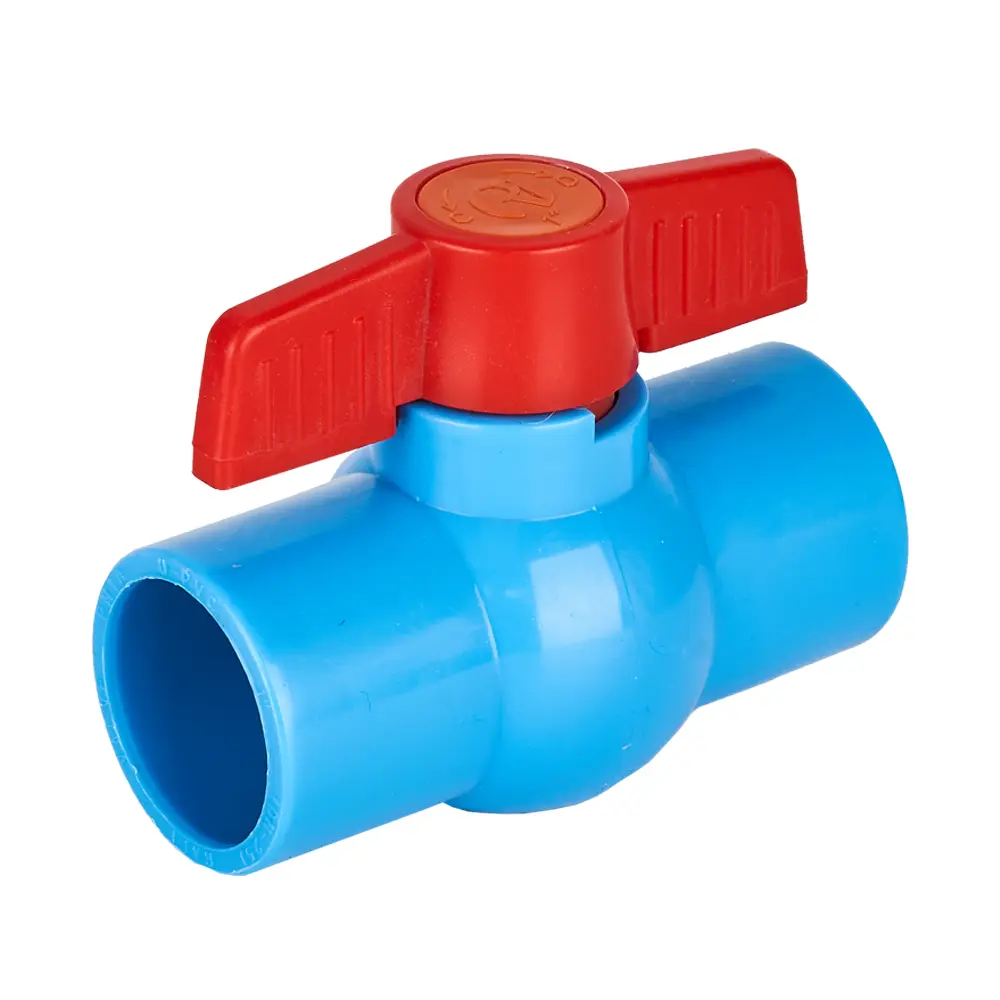
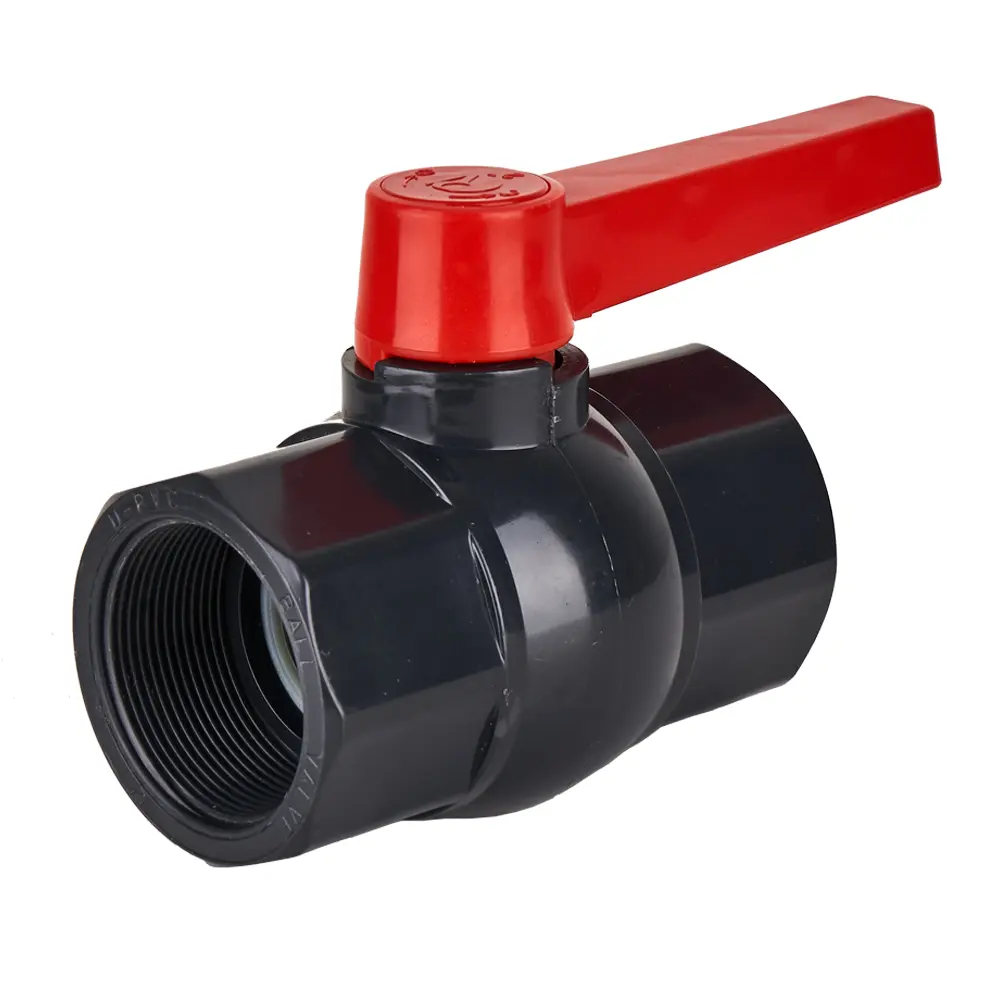
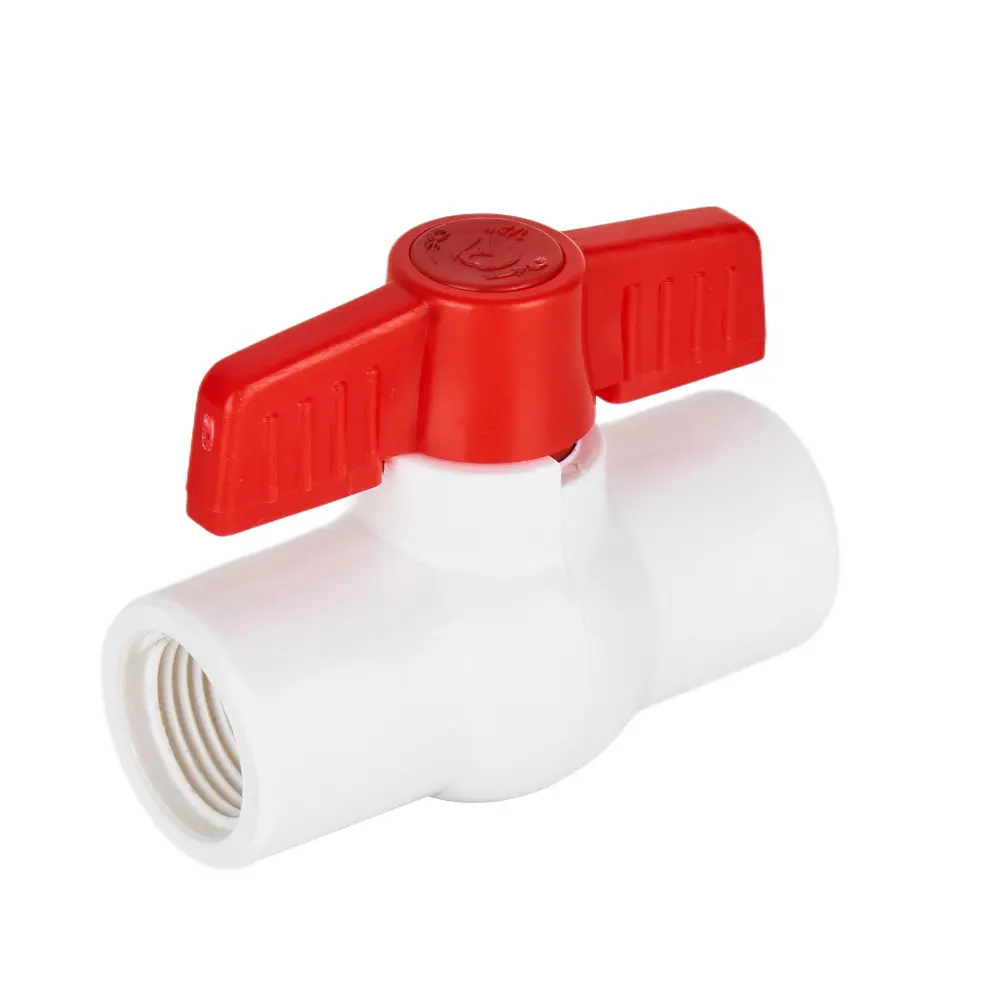
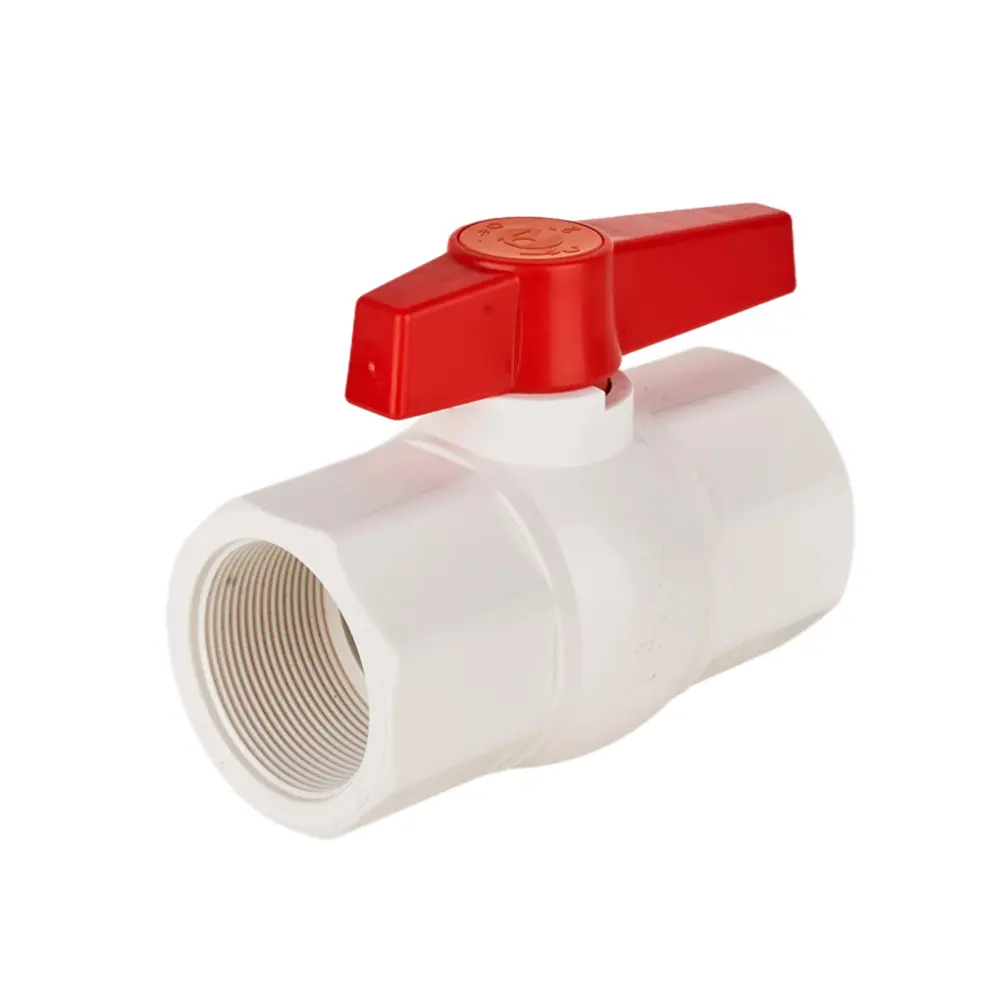
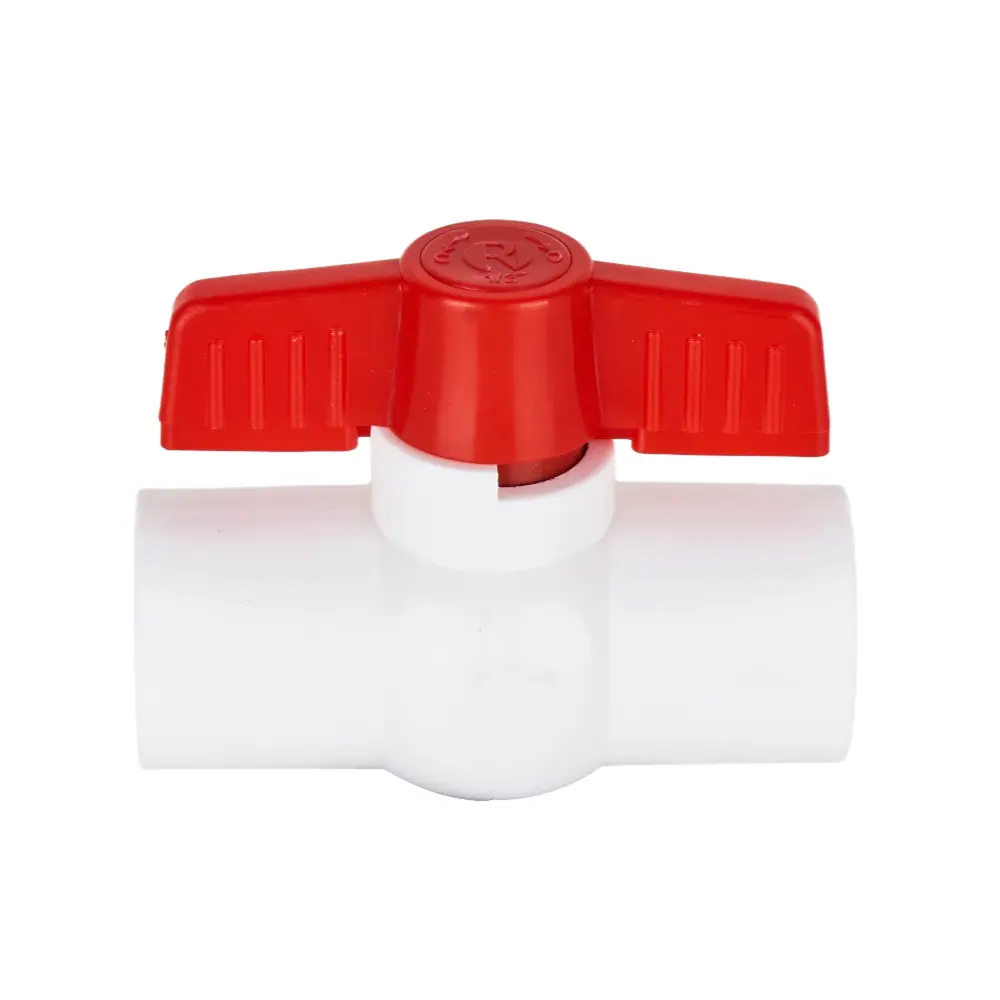
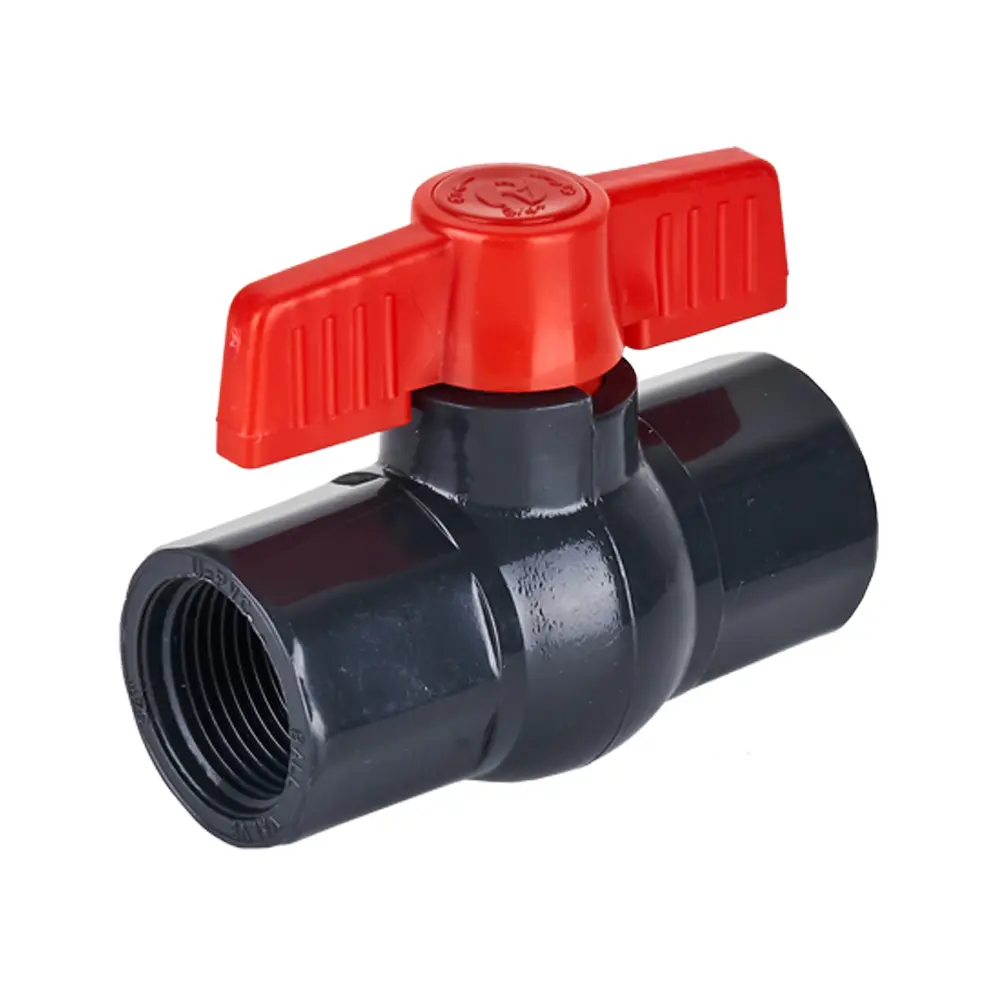
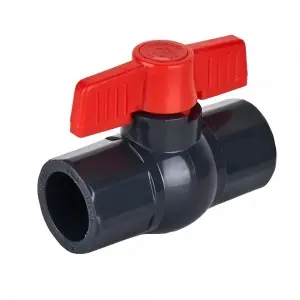
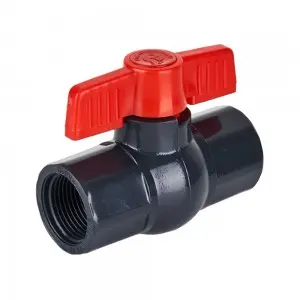
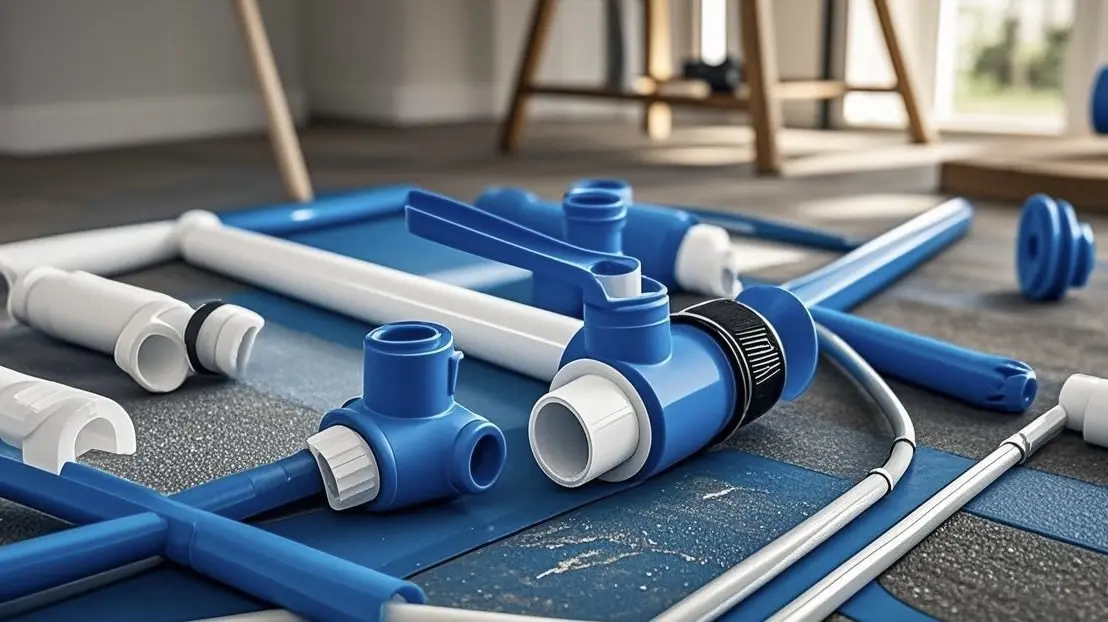
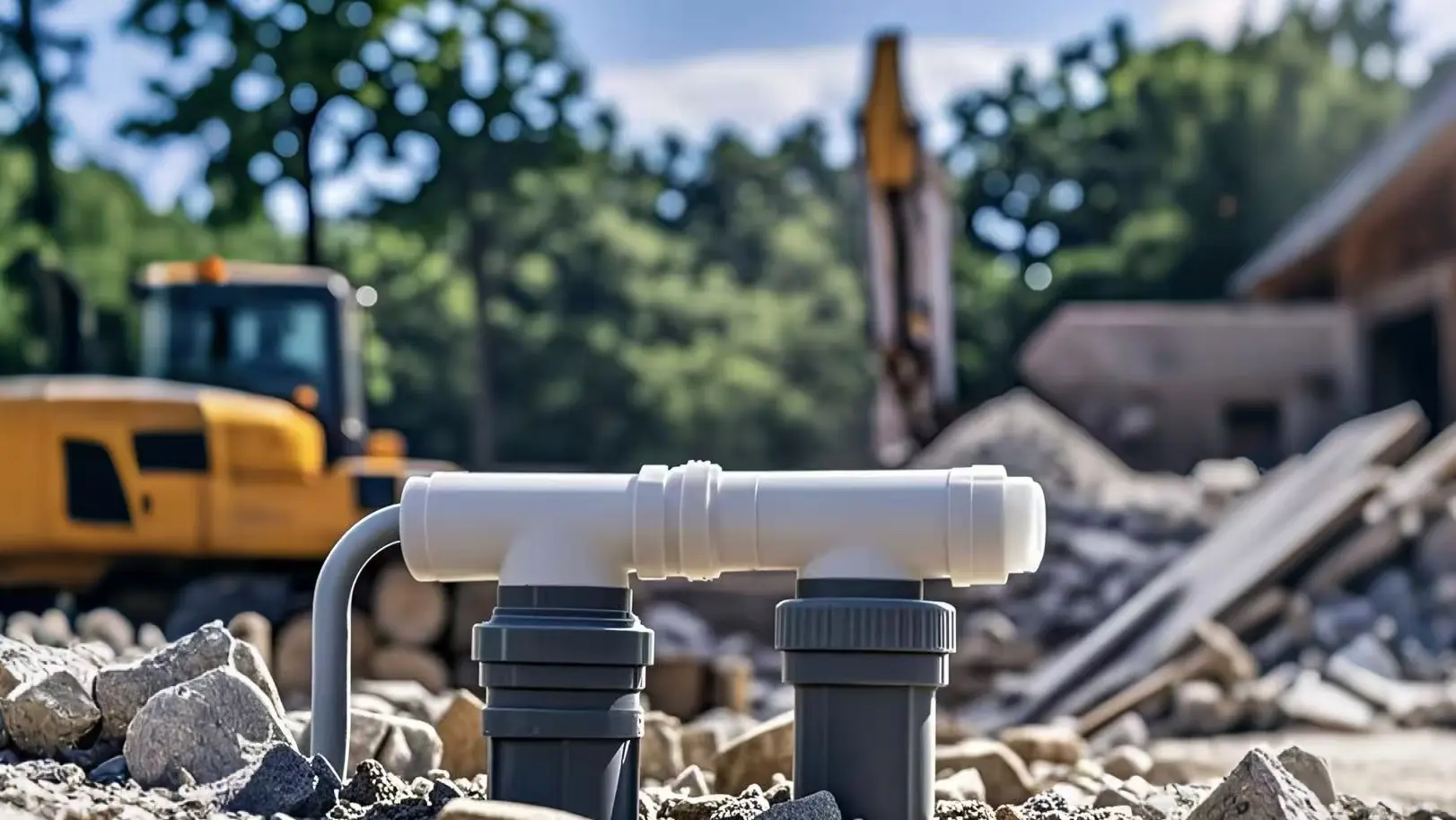
Municipal & Agricultural Water Infrastructure: Precision valves and PPR/PVC pipe fittings manage fluid flows under varied environmental pressures. DIN 8077/8078 compliance ensures these systems are safe for potable water distribution, chemical process pipelines, and high-efficiency agricultural drip systems.
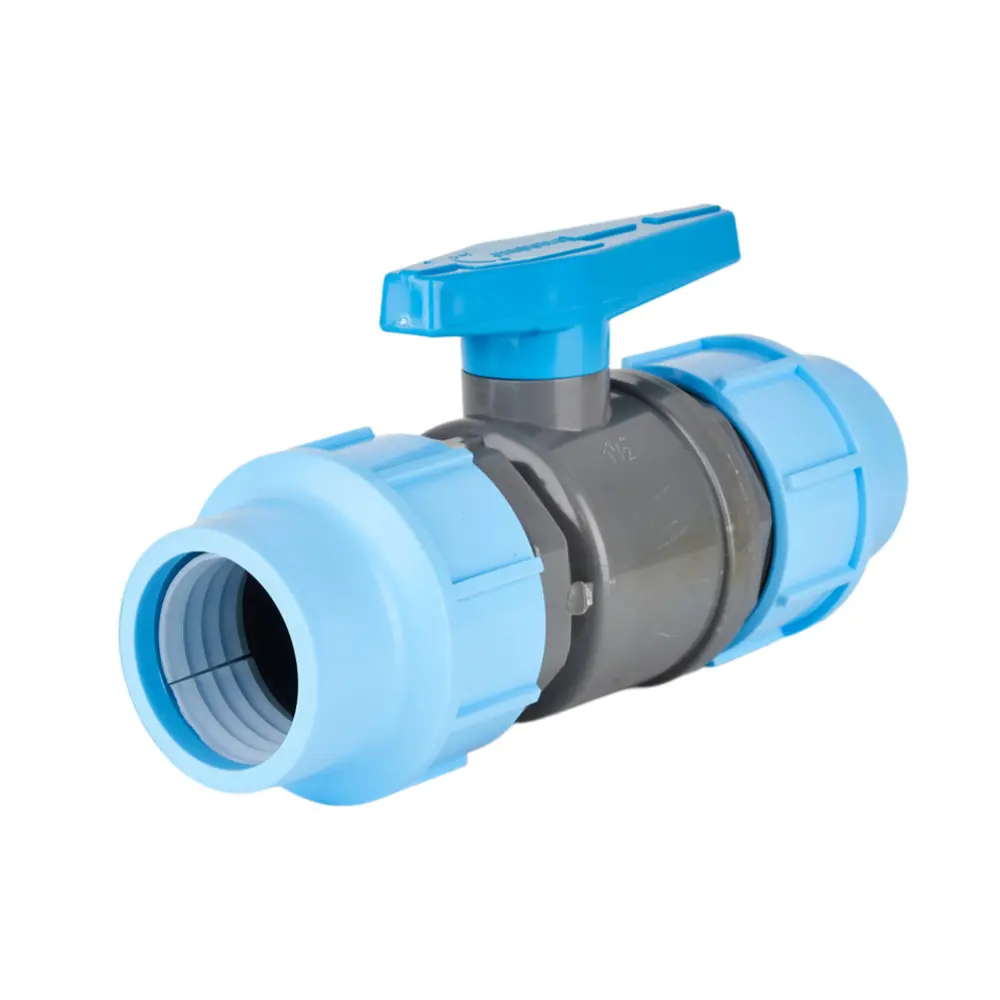
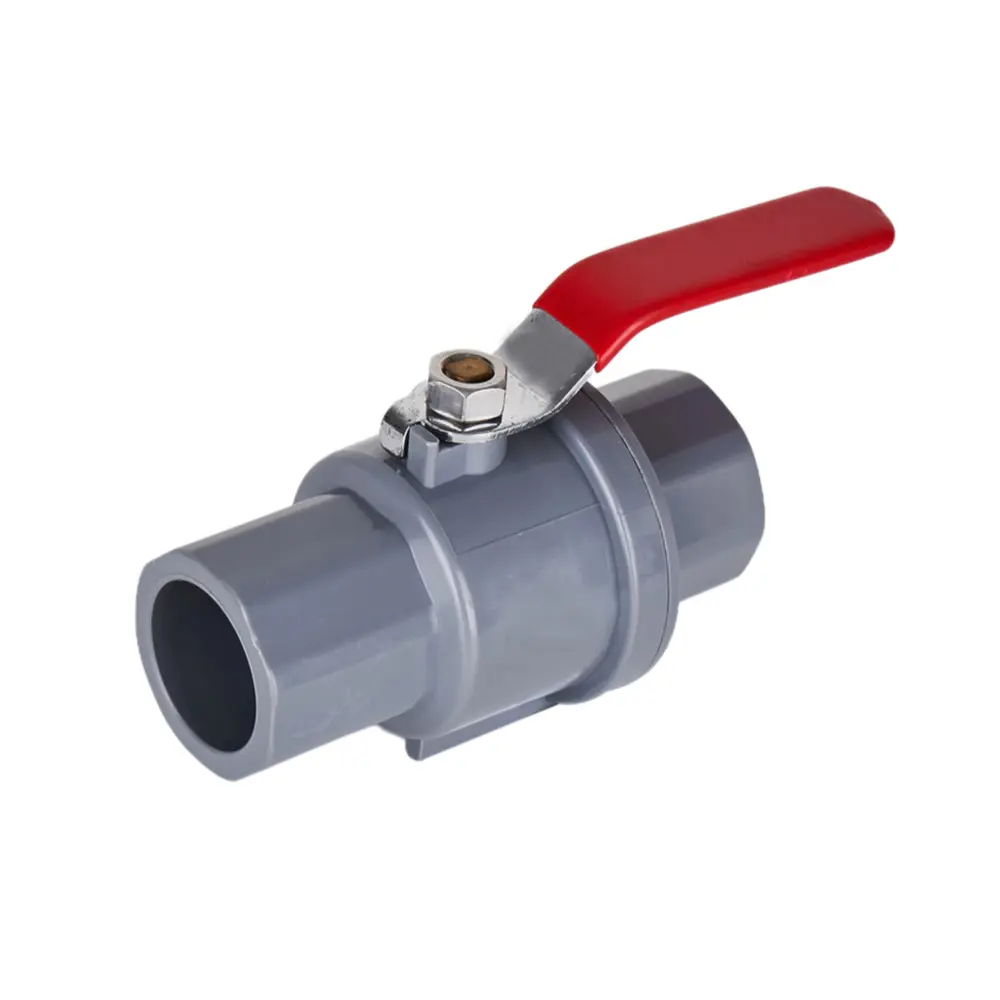
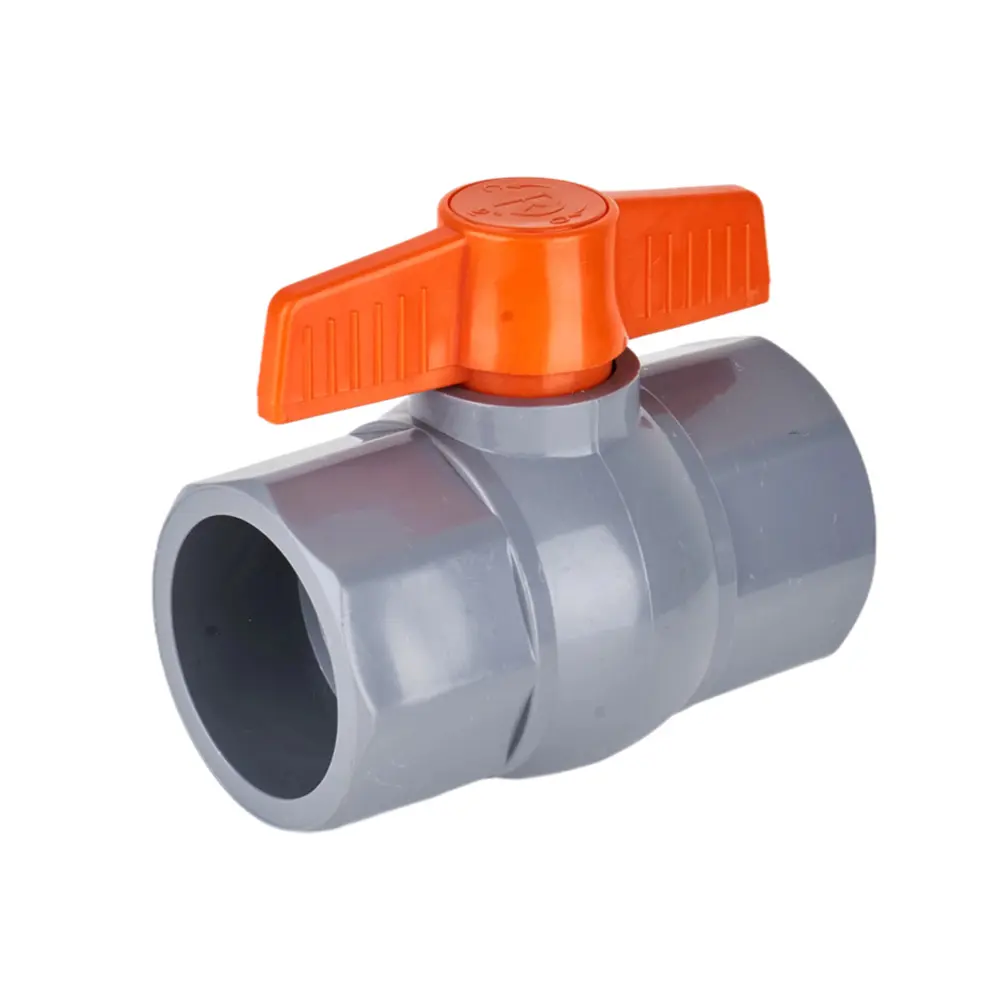
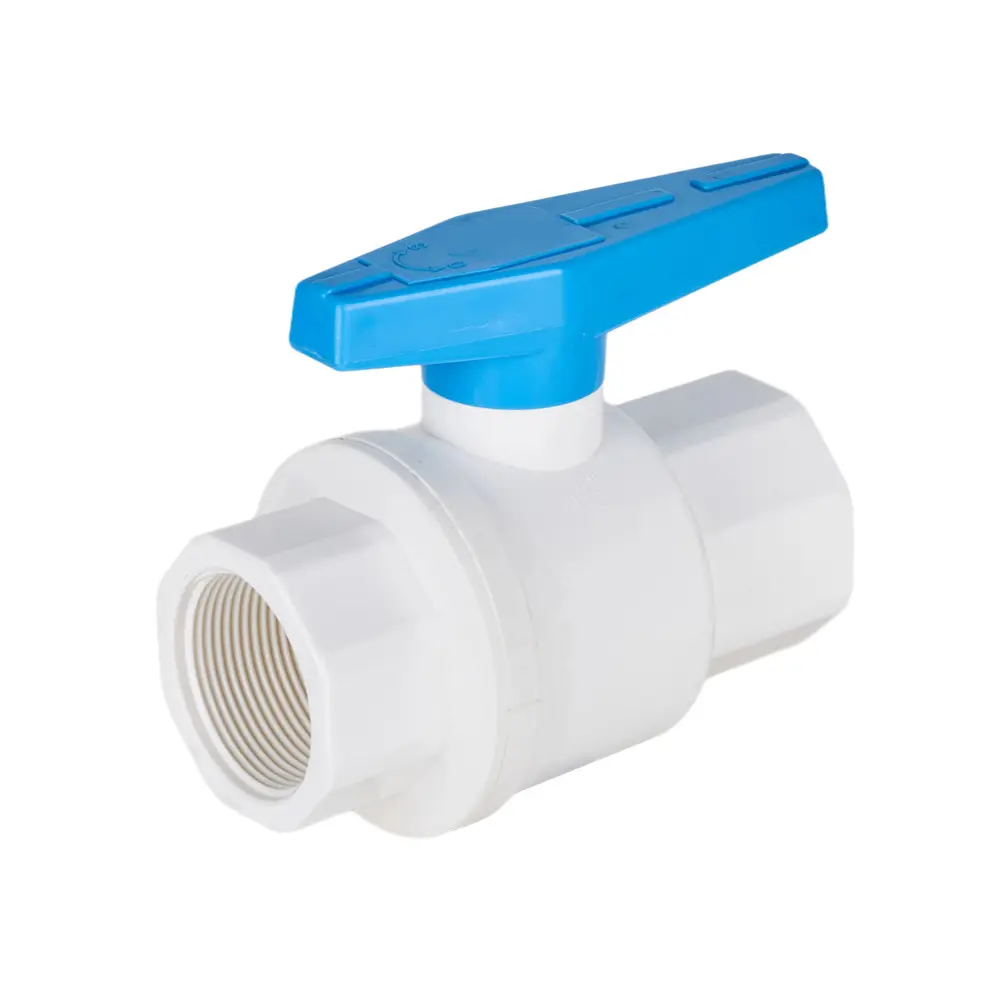
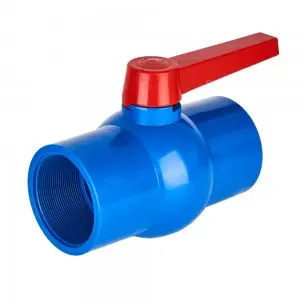
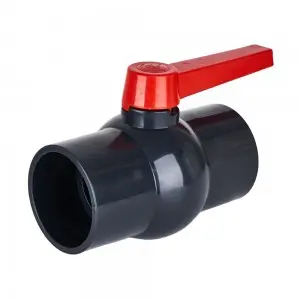
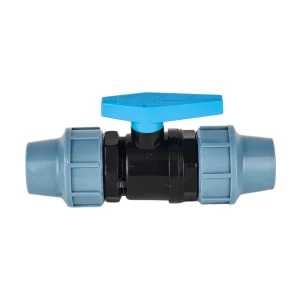
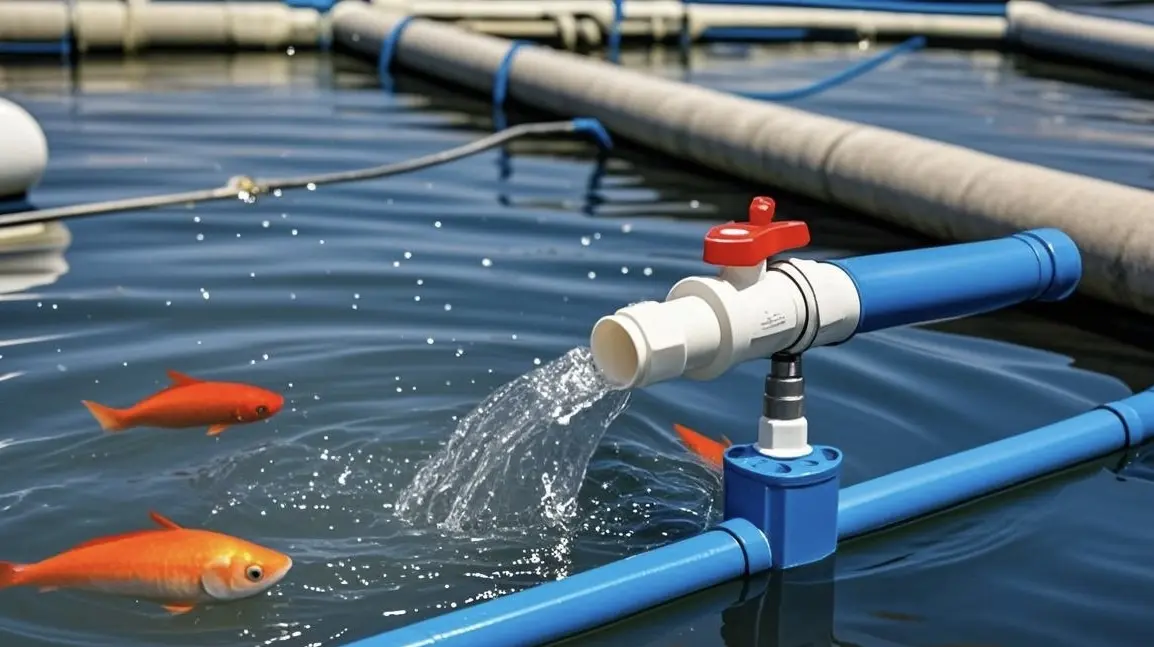
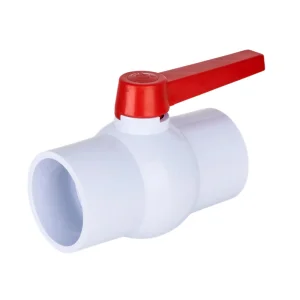
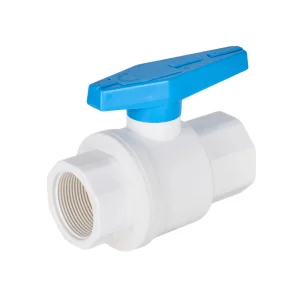
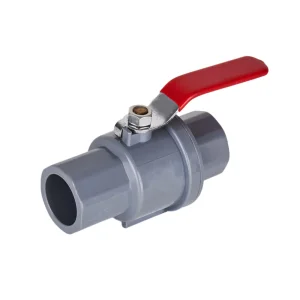
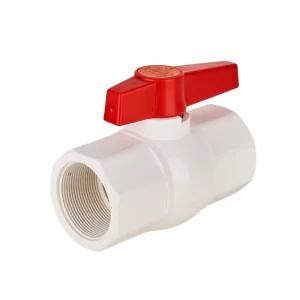
Industrial & Chemical Systems: High-performance ball valves, such as double-union models with ABS handles, enable secure line shutoffs in chemical manufacturing plants and aquaculture farms, where chemical resistance is a critical factor.

From selecting and configuring the right machinery for your custom tooling design to helping you finance high-output capital investments, our engineers partner with you every step of the way to generate noticeable operational profits.
We adopt a business model focused on quality for survival, science and technology for development, management for benefits, and service for credit. Through continuous technical iteration, we offer our partners high-quality products, competitive pricing structures, and excellent customer service.
Enterprise procurement agents sourcing tool steel components and injection molding services from overseas hubs must navigate risk profiles including mechanical failure, dimensional variation, and shipment delays. A structured vetting framework should include the following assessments:
In-House Tooling Design Capabilities: Factories must possess dedicated mold design engineers capable of handling complex CAD structures. Relying on third-party design firms introduces risk, increases lead times, and complicates communication during tool modifications.
Advanced Scientific Mold Trials: The commissioning process should not rely on visual inspection alone. Professional mold builders utilize sensor-integrated cavities to measure cavity pressure and temperature profiles, generating an optimized parameters sheet that ensures repeatable part quality over long production runs.
Comprehensive Material Traceability: Reliable suppliers provide chemical analysis certifications and heat-treatment certificates for all tool steels used. This safeguards against lower-grade domestic tool steels, which can lead to premature mold cracking or dimensional instability.
The global tooling industry is shifting toward smart, automated manufacturing processes designed to reduce environmental impact while increasing yield rates:
Conformal Cooling Channels: By utilizing metal 3D printing (Direct Metal Laser Sintering - DMLS), mold manufacturers can create cooling channels that follow the exact contours of the part cavity. This reduces cycle times by up to 30% and minimizes thermal warping in thick-walled sections.
Smart Sensors in Mold Cavities: Real-time pressure and temperature sensors inside mold cavities connect directly to the injection machine’s controller, enabling automatic parameter adjustments to compensate for minor polymer batch variations.
Sustainable High-Performance Materials: As environmental regulations tighten, tooling steel must withstand abrasive bio-resins and highly recycled plastics without suffering premature wear. This requires specialized PVD (Physical Vapor Deposition) coatings to extend tool life.
In-depth answers to common technical queries about industrial tooling steel selection, polymer tolerances, and factory quality standards.
Retaining original slide list references, catalog numbers, and product configurations.
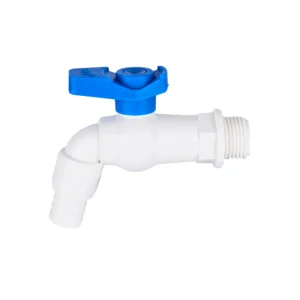
Explore our heavy-duty industrial and municipal product catalog, designed for reliable performance in high-pressure and chemical systems.
 EHAO
EHAO