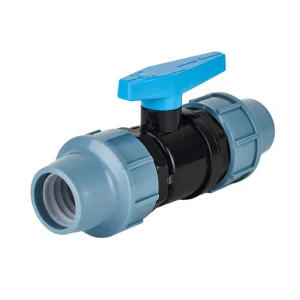
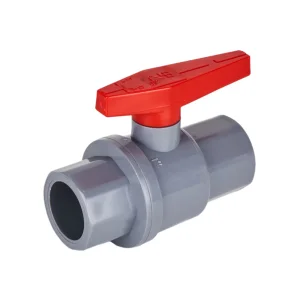
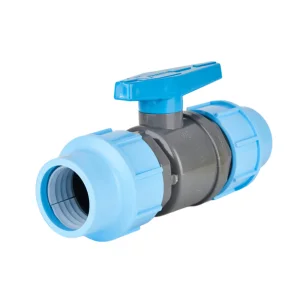
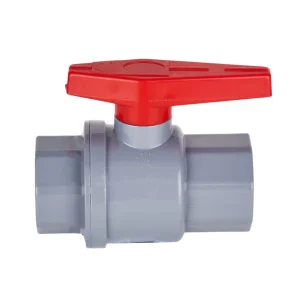
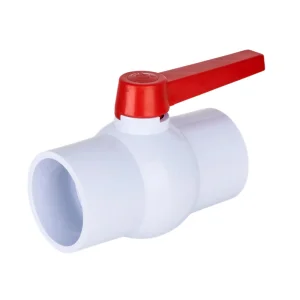
Explore our premium factory-direct distribution range of high-durability compact and union ball valves built via computerized automated injection lines.
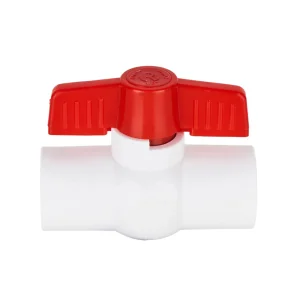
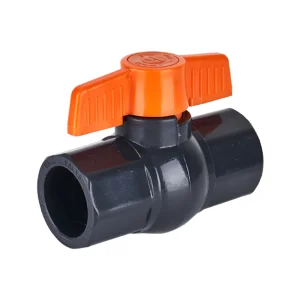
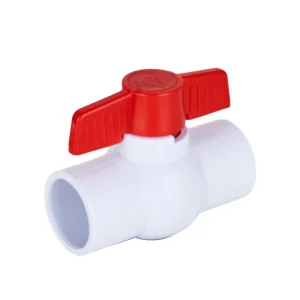
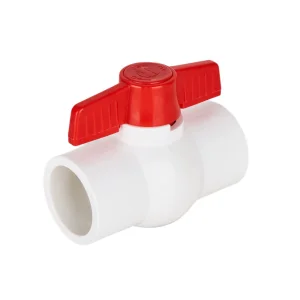
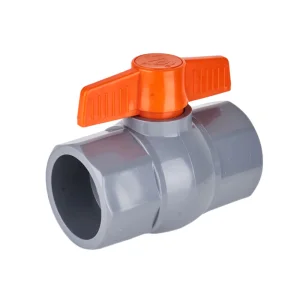
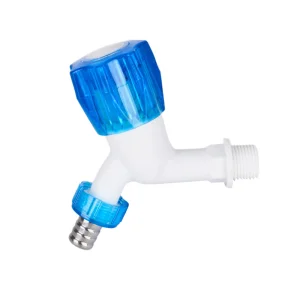
Within high-precision plastic injection molding, the runner system stands as the primary path for directing molten polymer from the machine nozzle into individual mold cavities. Choosing between cold runner designs and advanced hot runner solutions determines the thermodynamic cycle, manufacturing speed, and long-term cost efficiency of industrial pipe fittings and control valves.
Ehao Plastic Group leverages custom engineered molds designed with state-of-the-art runner systems to prevent material degradation, maintain uniform packing pressure, and eliminate structural weaknesses. Our molds optimize the flow paths to ensure complex polymer molecules, like UPVC or PP, form dense, void-free walls during the injection phase. This standard of quality is crucial for high-stress components such as chemical ball valves and municipal distribution pipes.
“Unbalanced flow in sub-standard molds leads to uneven pressure distribution, resulting in internal stresses, shrinkage, and premature valve failure under pressure load. True precision starts at the runner design stage.”
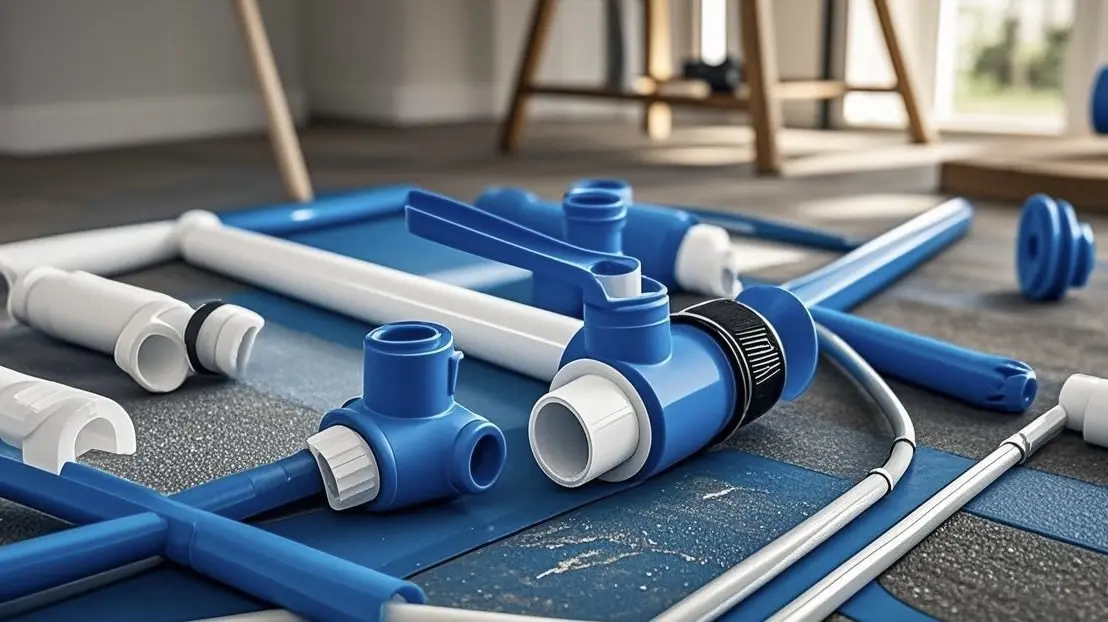
How modern engineering challenges drive the demand for smart, high-output injection molded components.
Urban expansion and modernized water grids demand high-capacity pipelines. Factories must deliver components that can withstand chemical degradation and operational wear over decades.
By transitioning production lines to computerized injection setups imported from Germany, manufacturing errors are virtually eliminated, driving down unit cost while keeping tolerances within micrometers.
Top-tier components require empirical backing. Collaborations with organizations like the Chinese Academy of Sciences help refine polymer compounds for maximum thermal stability.
The transition toward eco-friendly and smart irrigation grids requires manufacturers to build hardware that integrates seamlessly, has minimal flow friction, and stands up to environmental shifts without degradation.
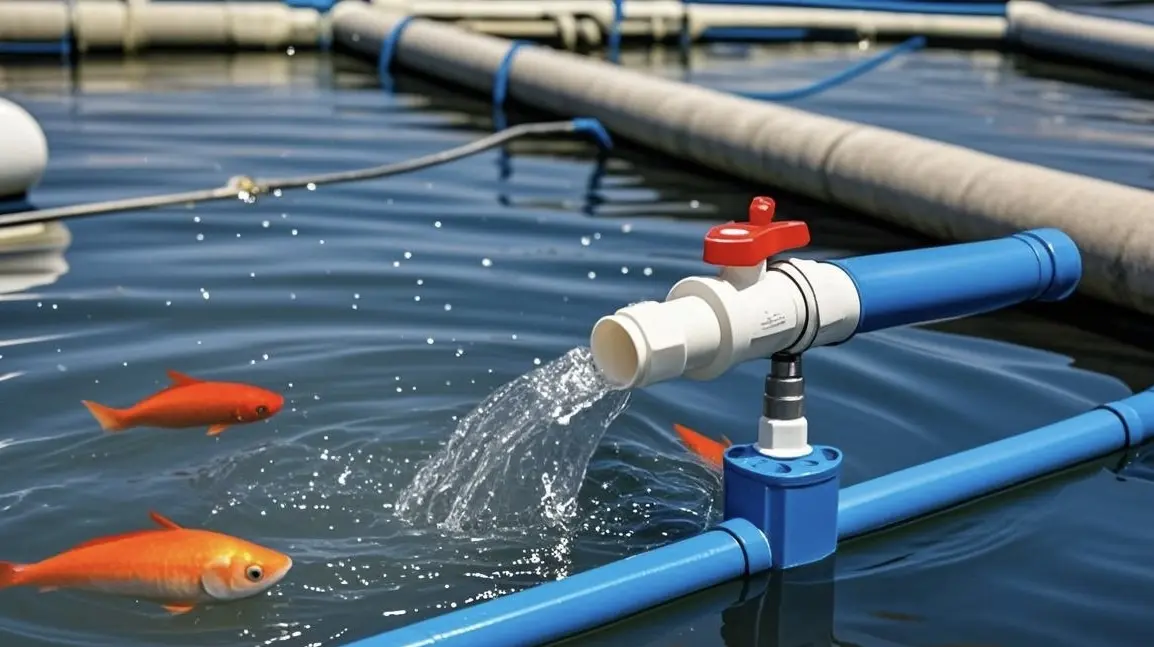
China's industrial regions, particularly Zhejiang, have established a complete ecosystem for precision injection molding. This localization offers an unmatched logistics chain where raw materials, mold design engineers, high-tech manufacturing, and quality inspection labs coexist within a single industrial corridor.
Ehao Plastic Group represents the peak of this integration. We don't just shape plastics; we engineer flow control products. With advanced machinery from Germany and local engineering insight, our tooling processes are optimized to minimize waste, speed up cycles, and deliver precise products at scale. Every valve undergoes a 26-step verification process to ensure zero faults before leaving the factory.
By using multi-cavity hot runner systems, we maintain precise shot-to-shot consistency, keeping wall thicknesses uniform and preventing the internal stresses that typically lead to failures under pressure.
From high-pressure water mains to chemical-resistant distribution manifolds, Ehao products are built to perform across diverse industrial environments.
| Material Class | Applicable Standards | Pressure Rating (PN) | Working Temp Range | Key Applications |
|---|---|---|---|---|
| UPVC (Unplasticized PVC) | DIN 8077 / 8078, ASTM D1784 | PN10 - PN16 (150 - 232 PSI) | 0°C to 60°C (32°F to 140°F) | Water Treatment, Civil Water Supply, Industrial Piping |
| PP-R (Polypropylene Random) | DIN 8077 / 8078, EN ISO 15874 | PN16 - PN25 (232 - 362 PSI) | -10°C to 95°C (14°F to 203°F) | Hot & Cold Plumbing, HVAC Systems, Chemical Processing |
| ABS (Acrylonitrile Butadiene Styrene) | ISO 15493, ASTM D3965 | PN10 - PN12 (145 - 174 PSI) | -20°C to 70°C (-4°F to 158°F) | Chilled Water Systems, Food Handling, Slurry Conveyance |
| CPVC (Chlorinated PVC) | ASTM F441, DIN 8079 / 8080 | PN16 (232 PSI) | 0°C to 90°C (32°F to 194°F) | Corrosive Chemical Transport, Fire Sprinklers, Hot Water |
A guide for engineering leads and procurement directors looking to optimize total cost of ownership (TCO).
For industrial buyers, sourcing injection-molded components involves balancing raw material costs against the risk of field failures. Substandard molds often feature runner designs that lead to localized thinning, surface weld lines, and uneven curing. These flaws can cause valves to crack when subjected to sudden pressure spikes (water hammer).
Evaluating a supplier’s mechanical testing setup is the best way to safeguard your supply chain. Ehao utilizes automated optical sorting, hydro-pneumatic pressure tests, and material fatigue testing to verify every production batch before delivery. Our collaboration with regional academic labs enables us to continuously analyze and refine our polymer compounds for superior performance.
While the initial cost of high-grade tooling is often higher, selecting well-balanced multi-cavity hot runner systems pays off long-term. These systems virtually eliminate runner scrap, reduce overall cycle times, and ensure consistent part weights. Over production runs of 100,000+ units, this efficiency leads to significant savings.
Furthermore, standardizing on DIN-compliant dimensions makes installation and field replacements simpler, reducing labor costs and minimizing downtime for your customers.
Engineered for industrial plumbing, agricultural irrigation, aquaculture systems, and residential pipelines.
Technical guidance and engineering insights from our lead molding designers and polymer specialists.
The primary difference lies in material conservation and cycle times. Cold runner molds inject molten polymer through a runner channel that cools and hardens along with the target part, producing solid plastic waste that must be trimmed and recycled. Hot runner systems keep the plastic molten within the manifold right up to the cavity gate, allowing for zero-waste production, shorter cycles, and better pressure distribution across multi-cavity molds.
DIN8077 and DIN8078 are German industrial standards that define specific requirements for polypropylene (PP) pipes and fittings, covering dimensions, pressure limits, and chemical resistance. Standard compliance ensures the components can handle sustained pressures and hot/cold thermal stress without cracking or warping over decades of use.
Valves are typically connected via solvent sockets or threaded joints. Solvent socket joints chemically fuse the pipe and valve walls together, creating a leak-proof connection that can withstand high pressure. Threaded joints are easier to install and replace, but require precise thread geometry to prevent leaks. Proper tooling is essential to ensure these connections perform reliably under pressure.
Ehao uses high-grade ABS or stainless steel for valve handles. ABS offers excellent impact resistance, chemical stability, and structural strength, making it ideal for standard industrial environments. For demanding outdoor and high-temperature applications, we use stainless steel handles to prevent fatigue and corrosion from UV and weather exposure.
Every polymer compound has a specific shrinkage rate as it cools within the mold (e.g., PVC shrinks about 0.1% to 0.5%, while Polypropylene can shrink up to 2%). Our tooling engineers design the mold cavities with precise dimensions to compensate for this shrinkage. This ensures the finished parts meet exact tolerances, which is critical for dynamic components like valve seals and threads.
 EHAO
EHAO