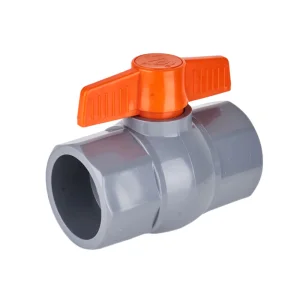
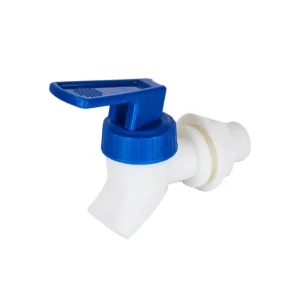
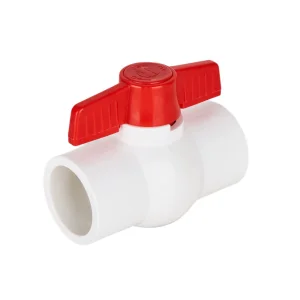
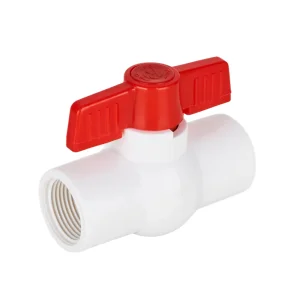
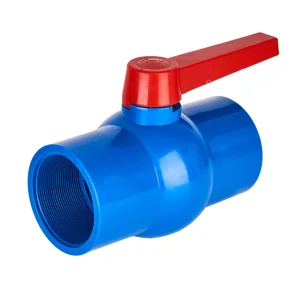
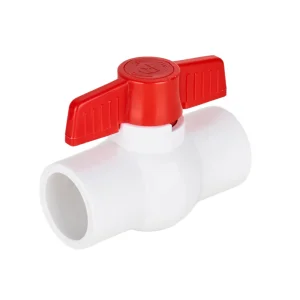
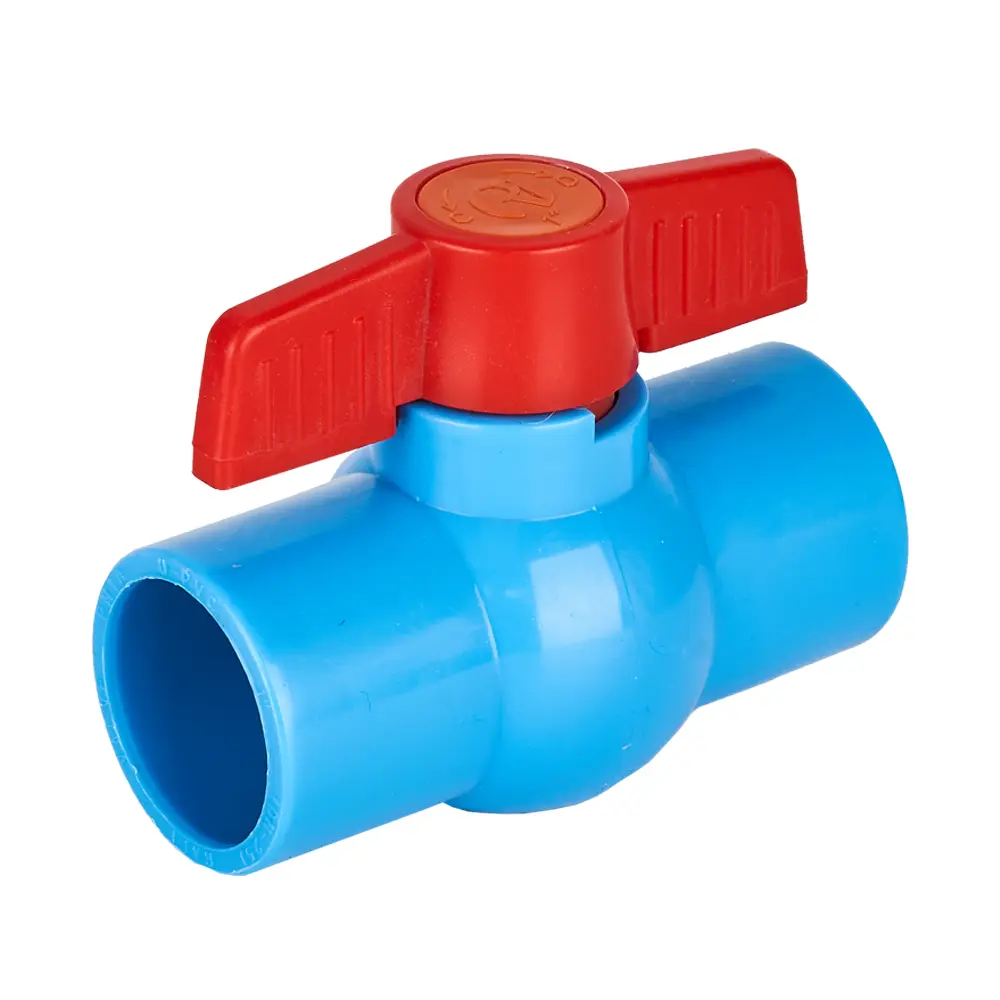
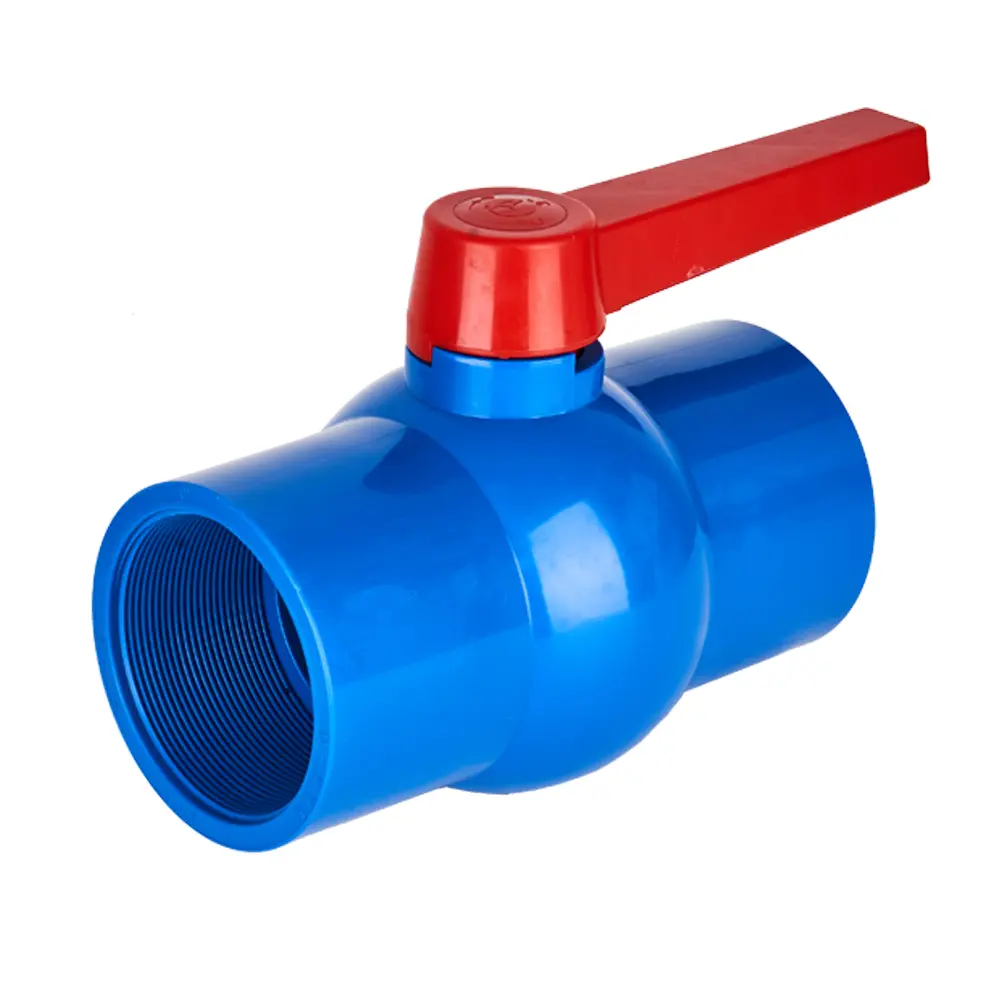
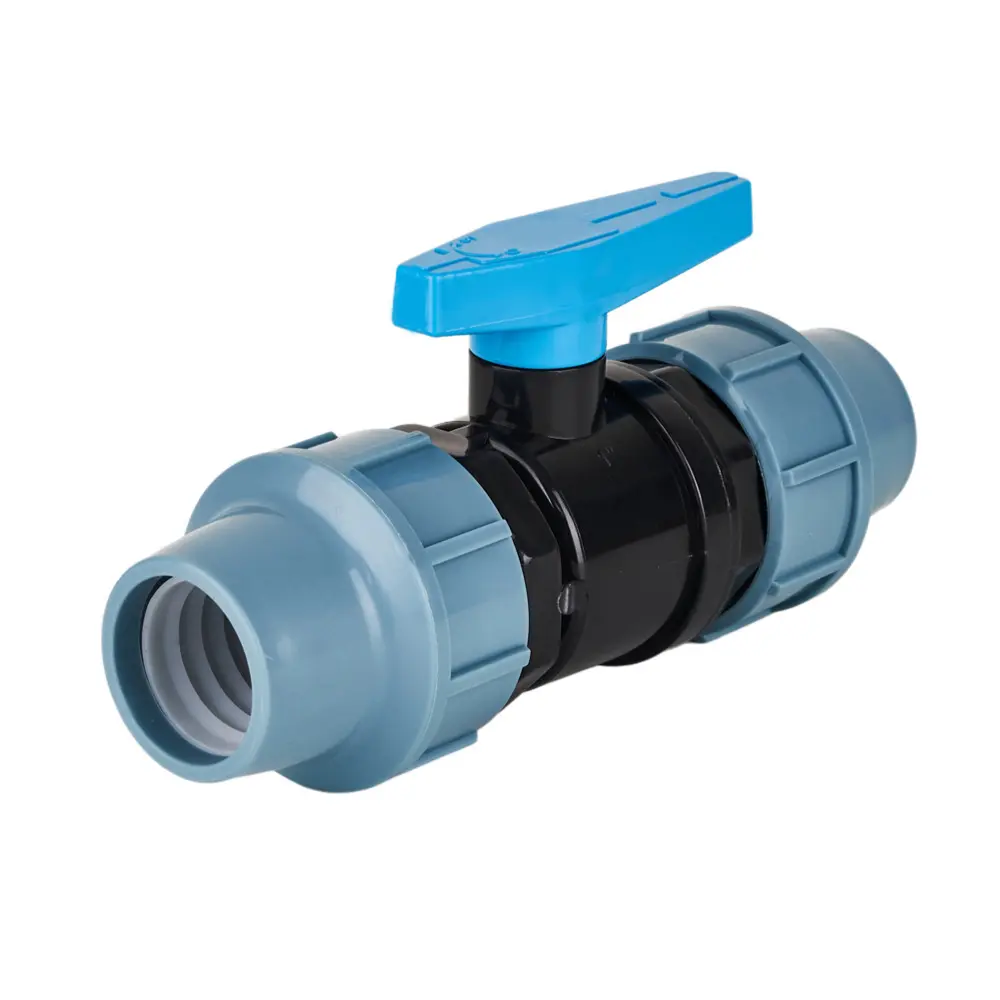
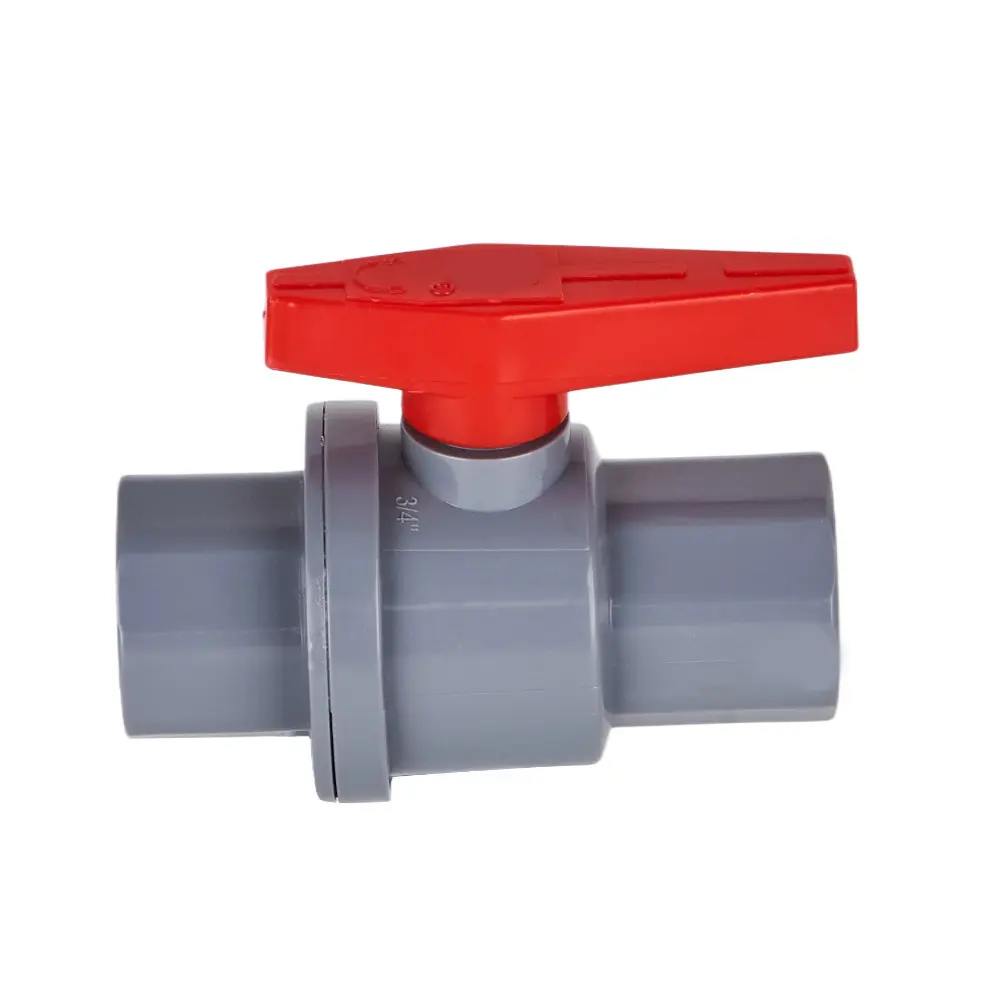
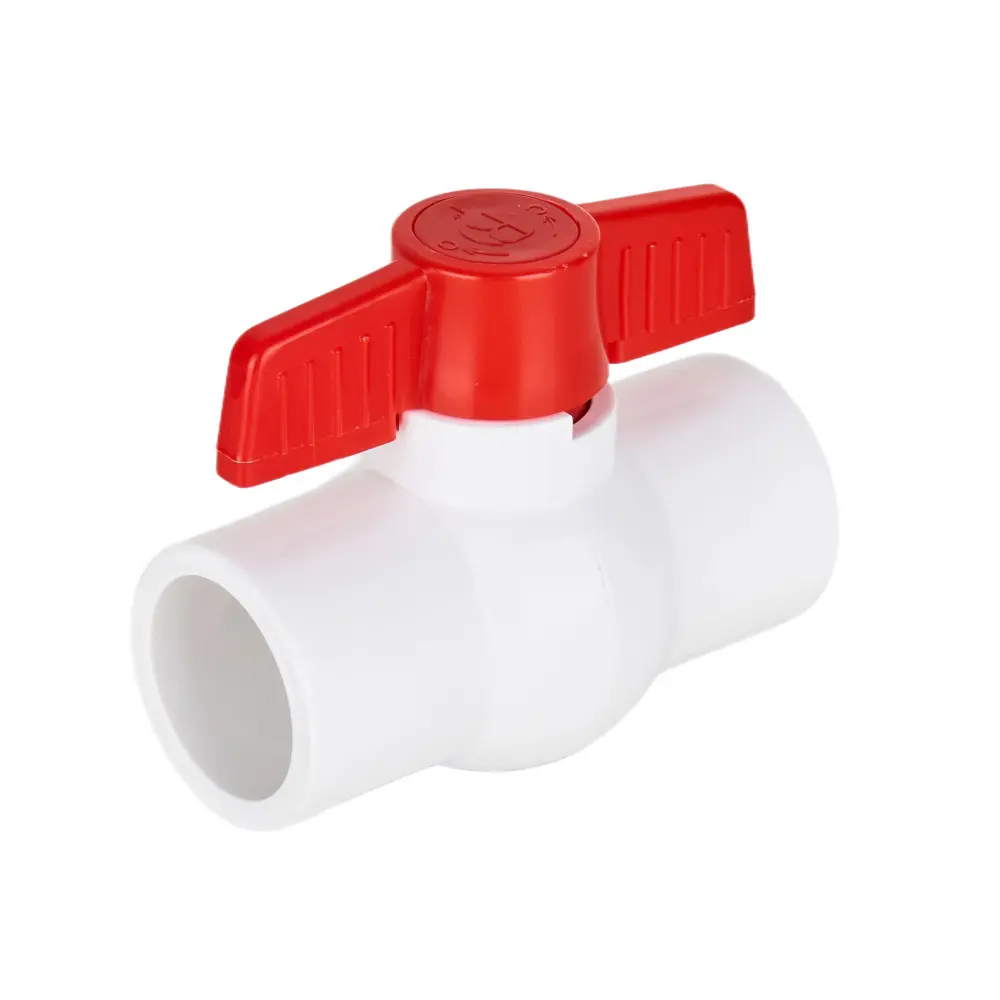
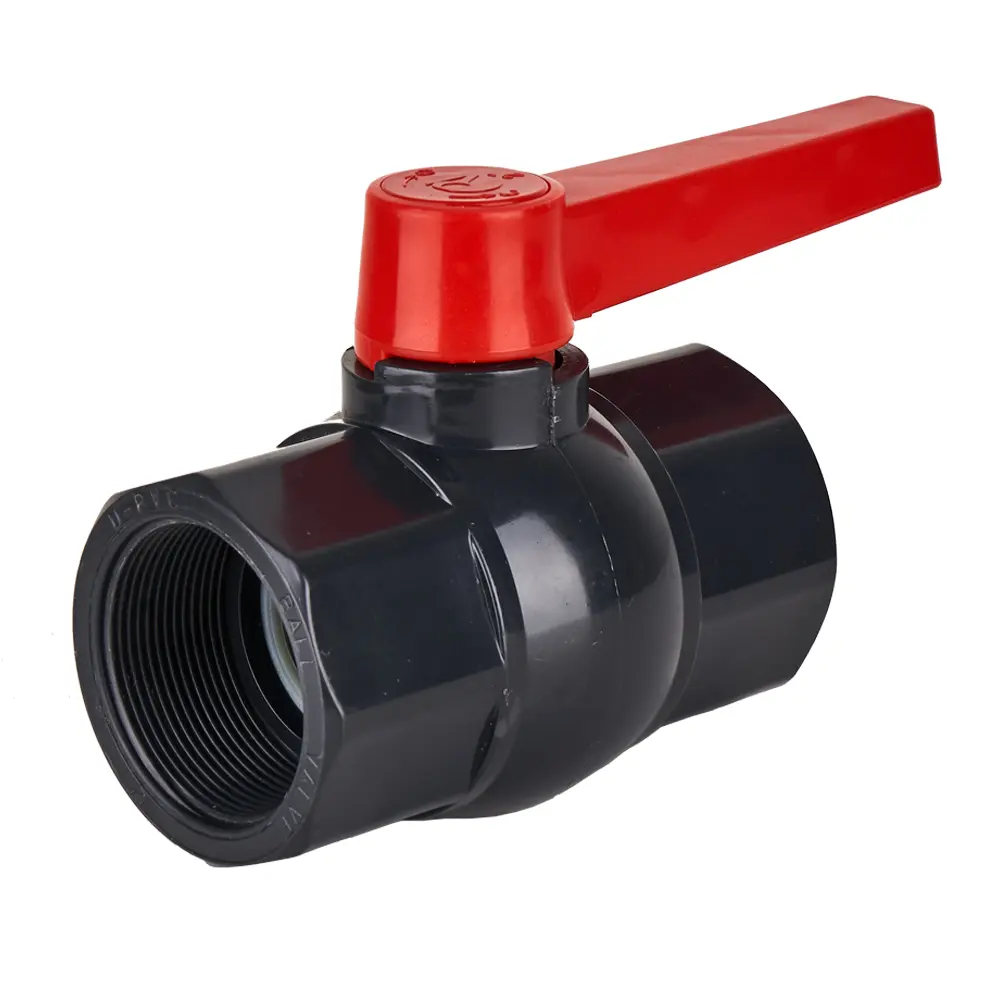
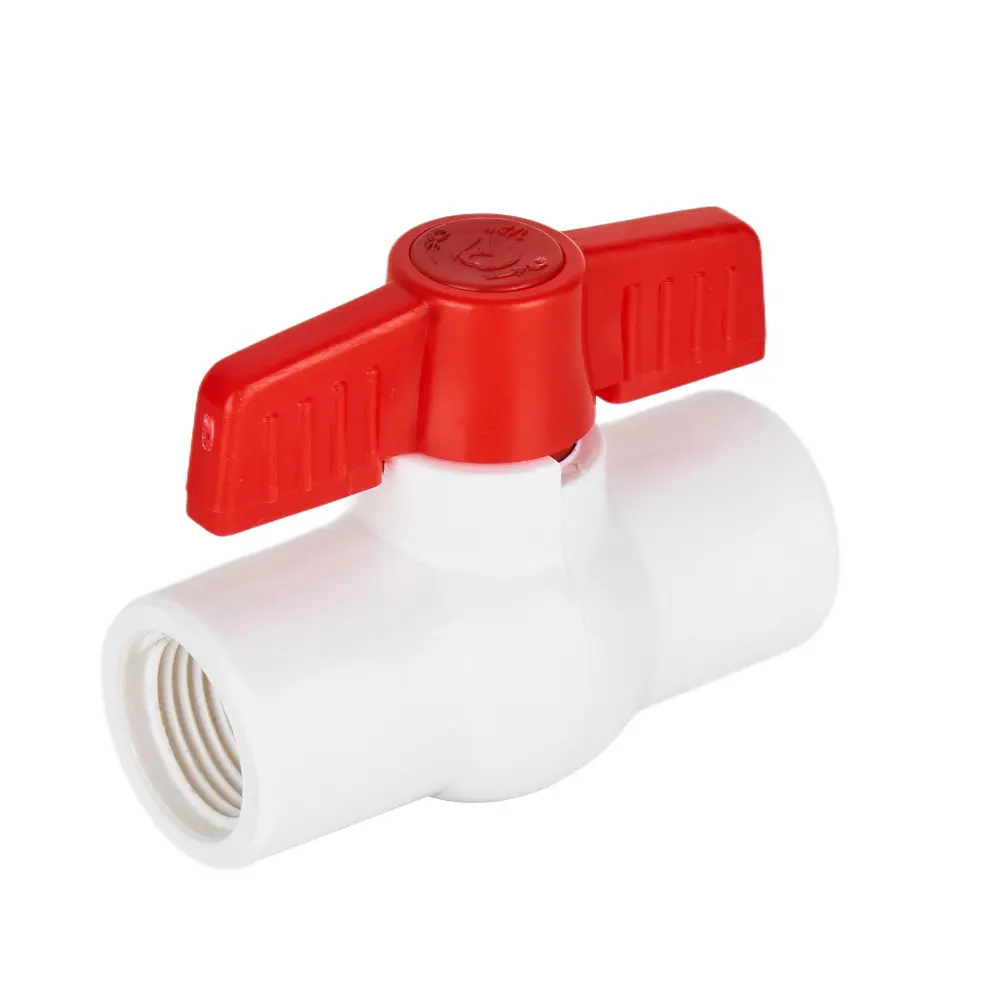
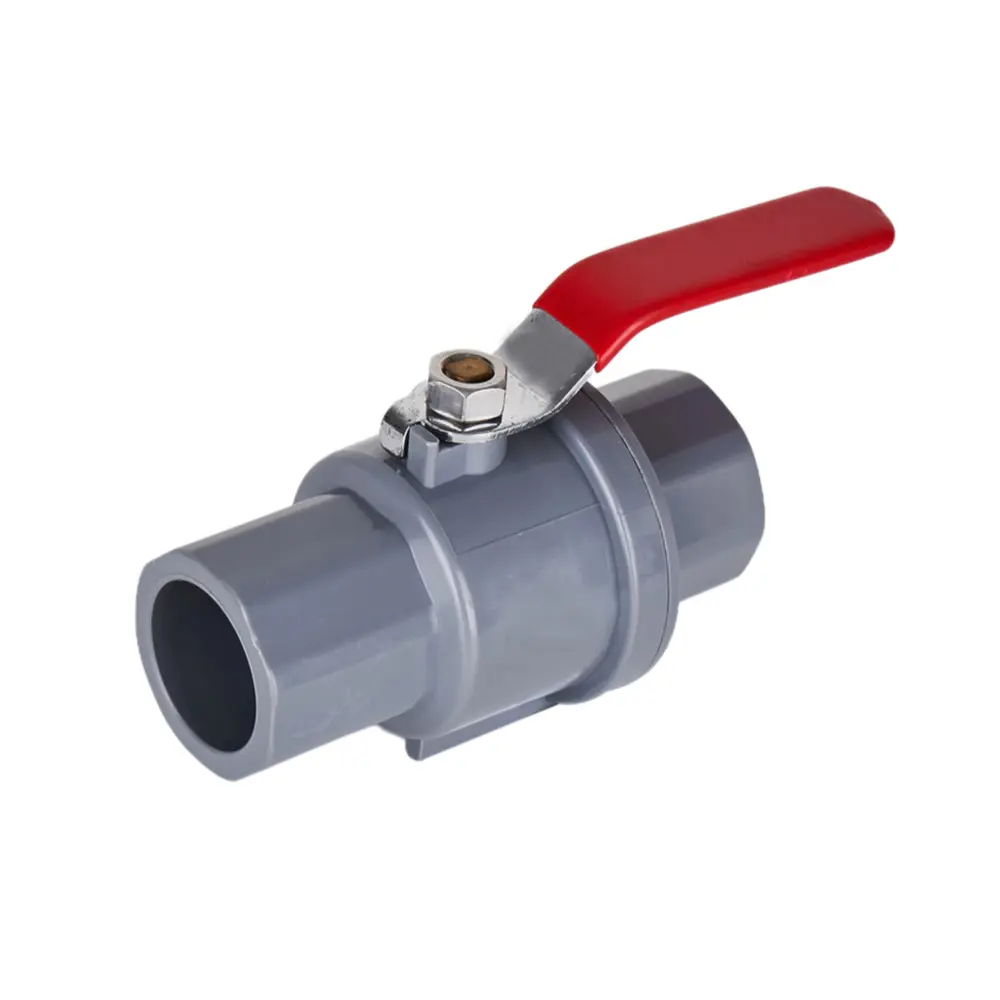
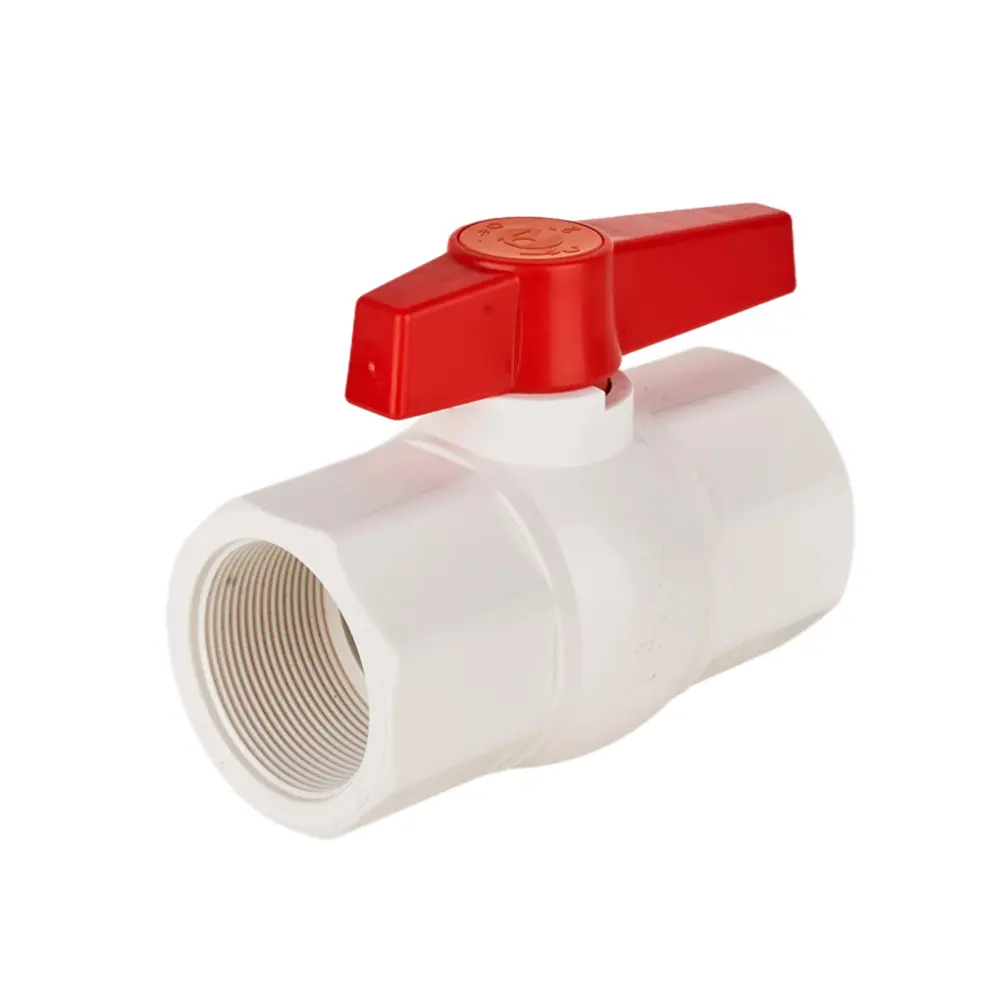
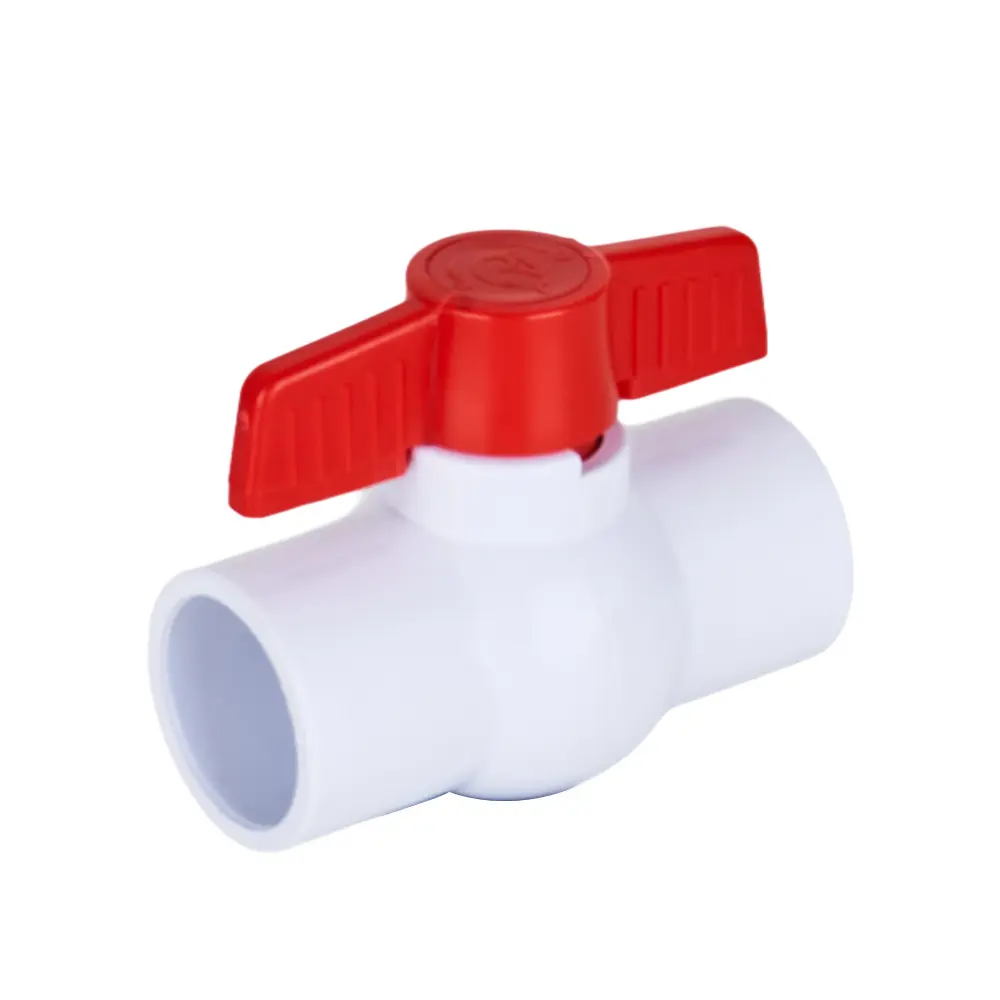
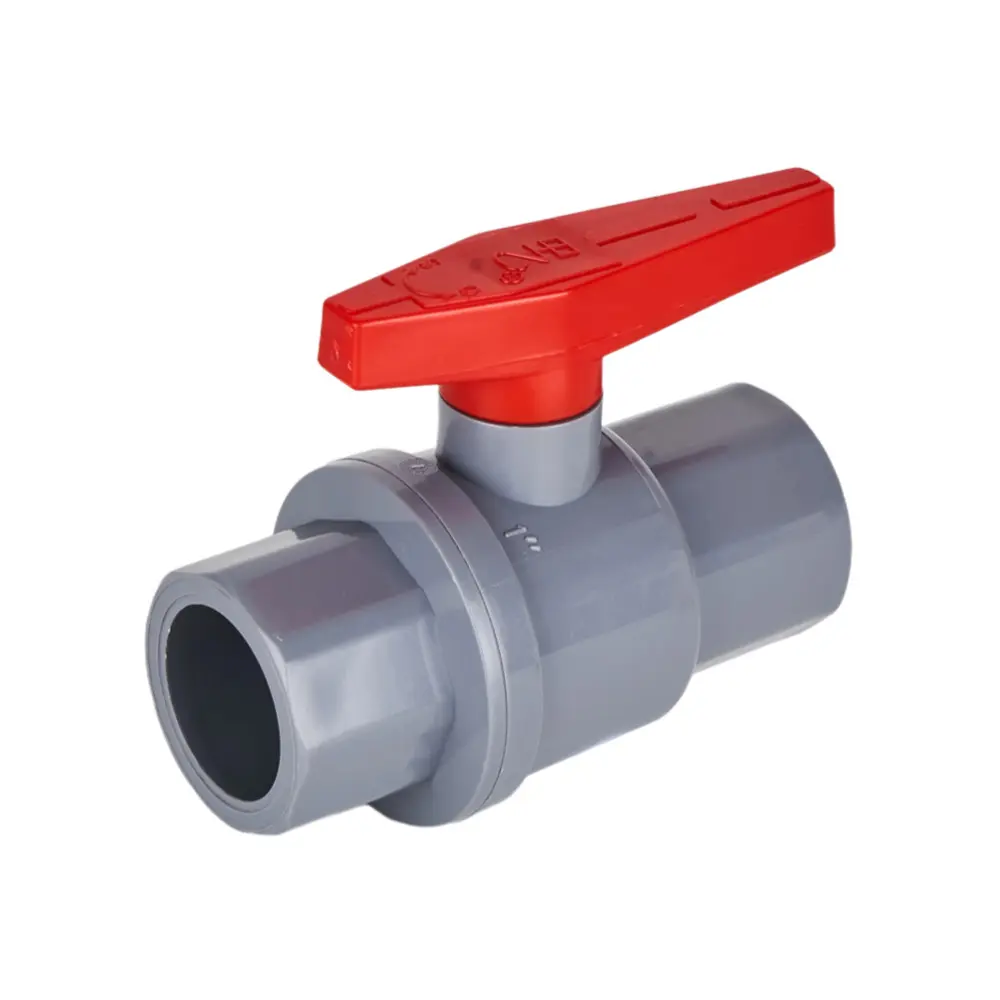
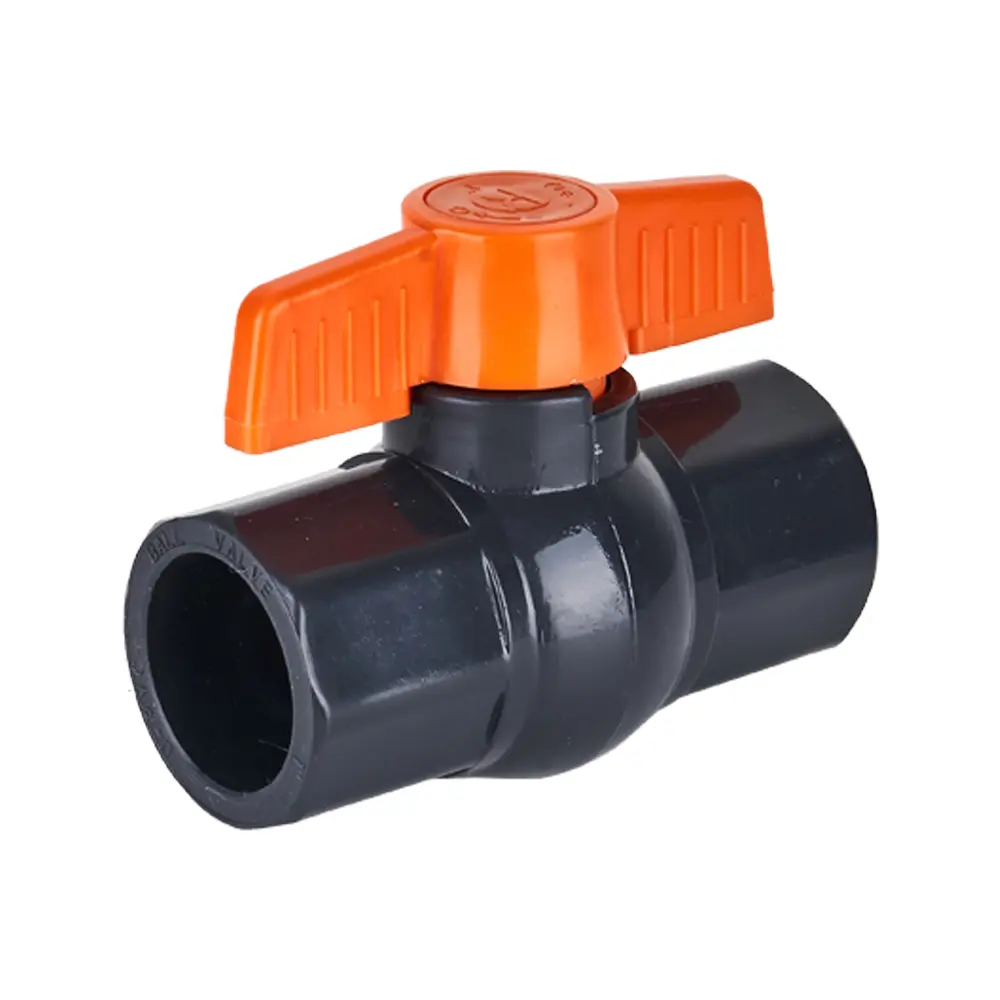
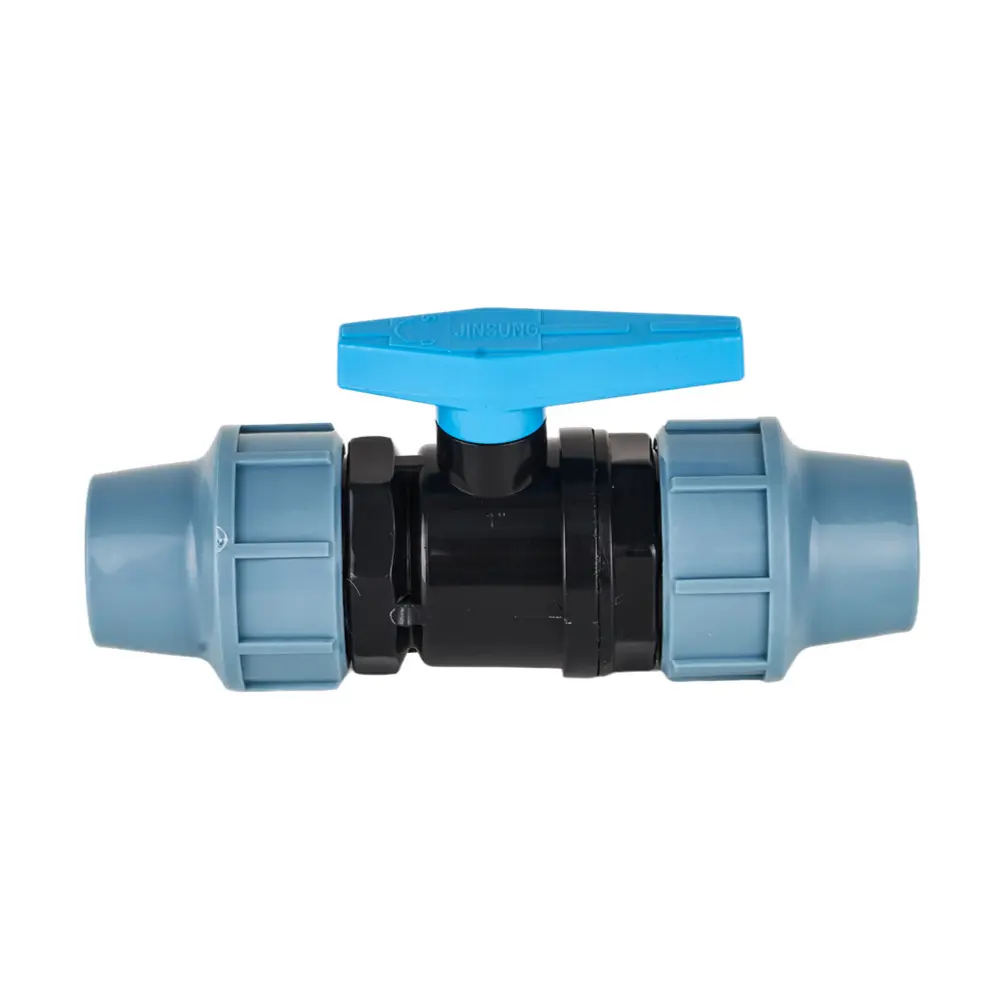
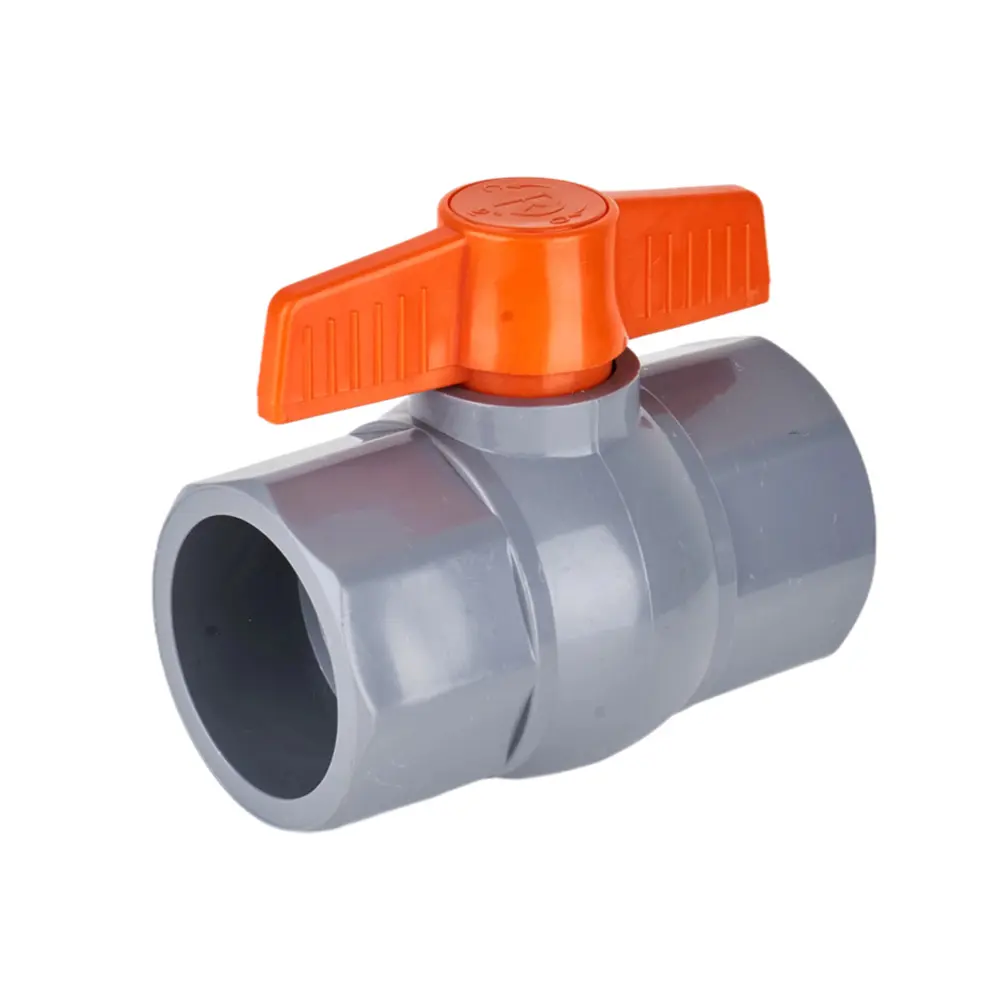
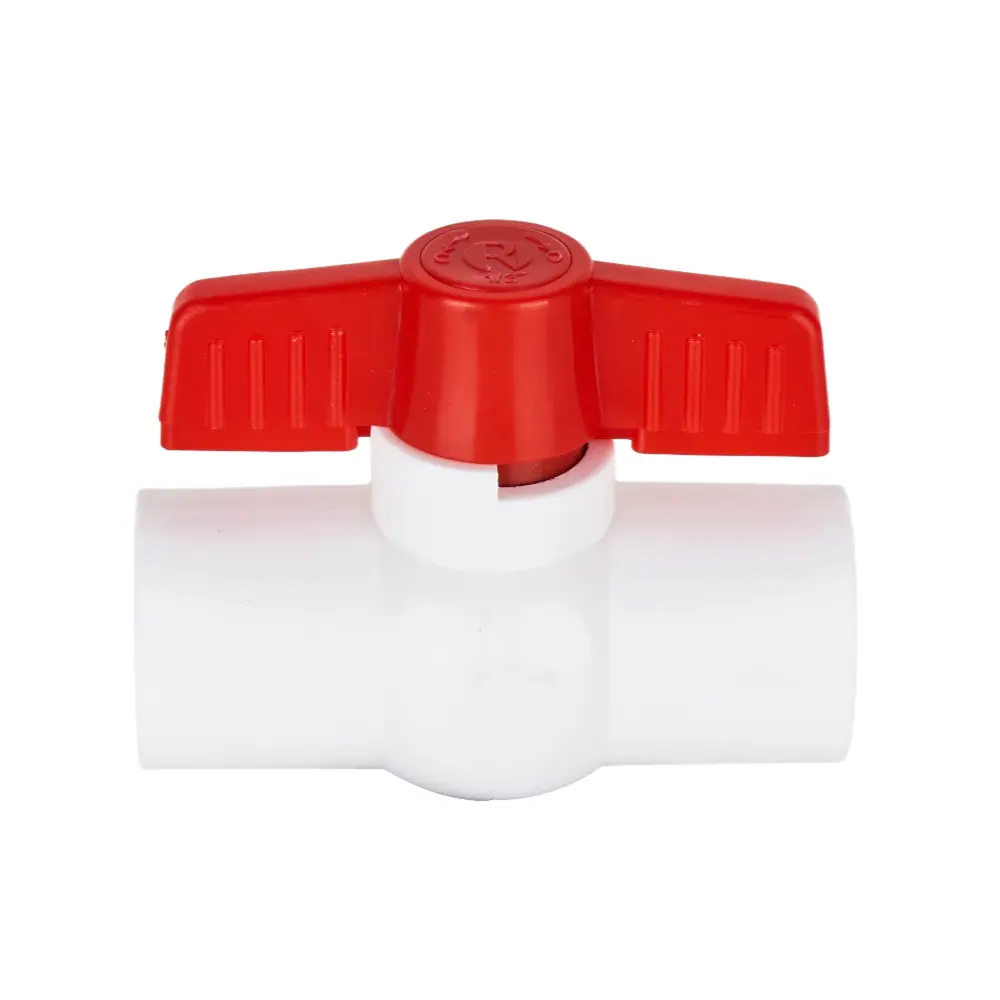
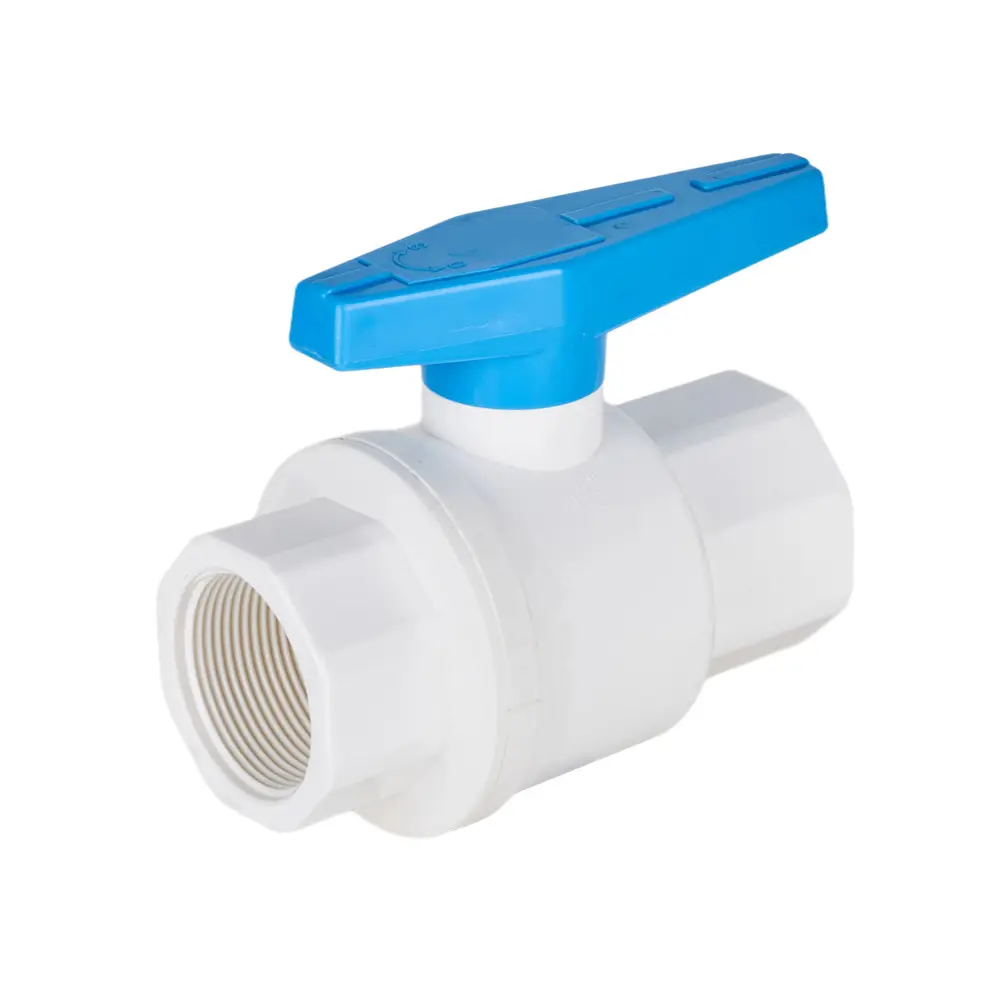
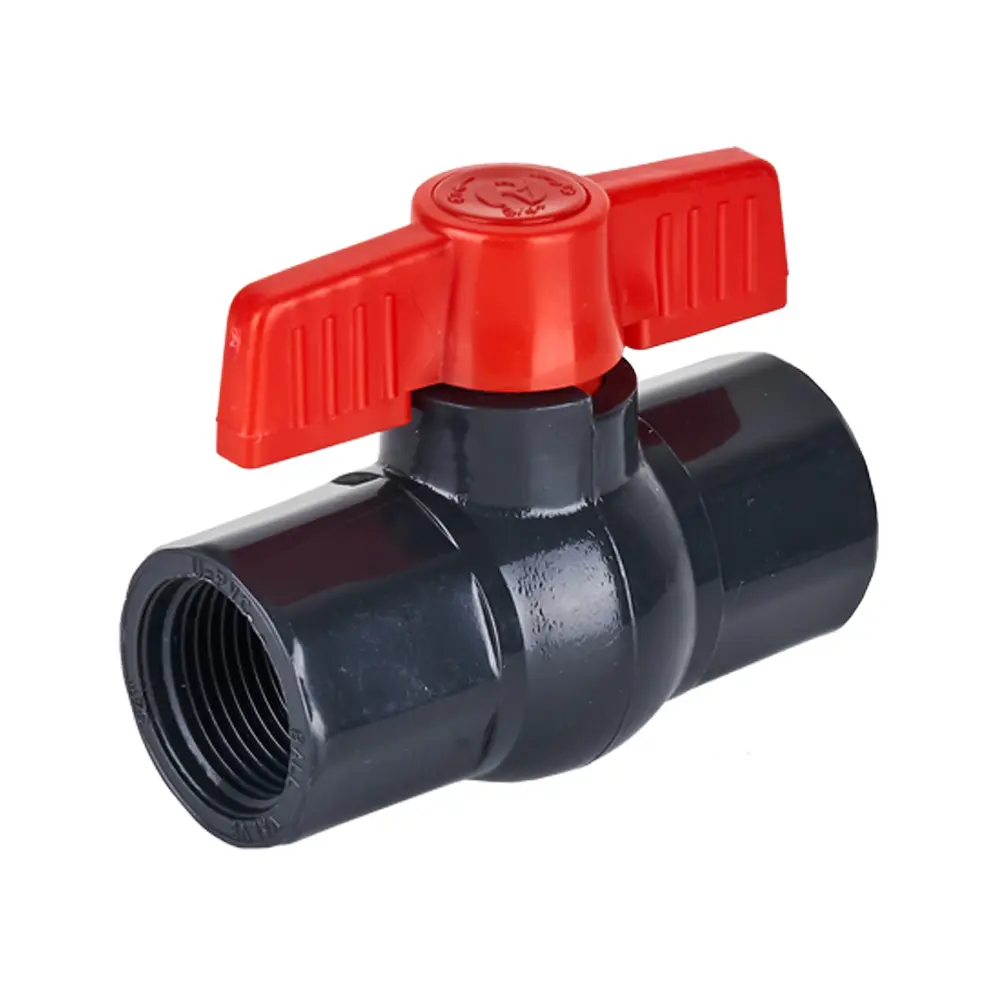
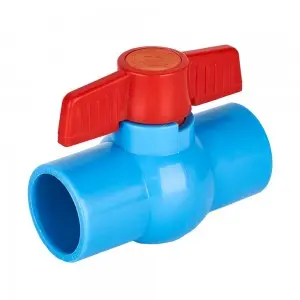
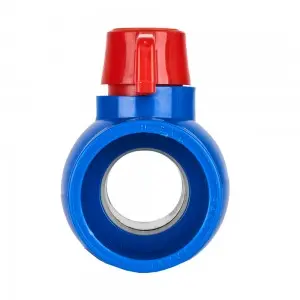
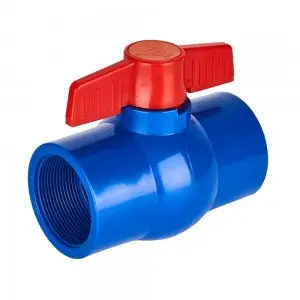
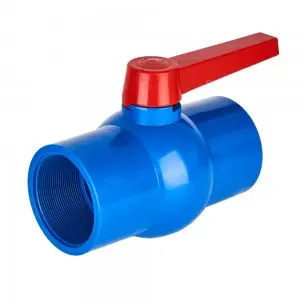
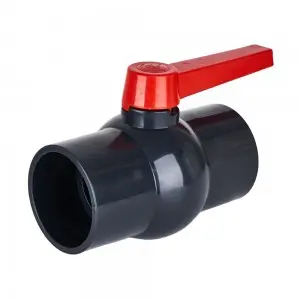
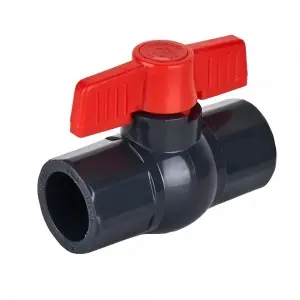
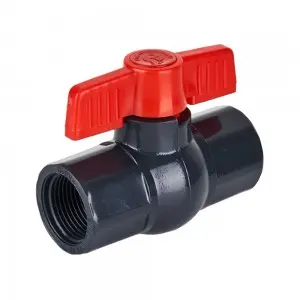
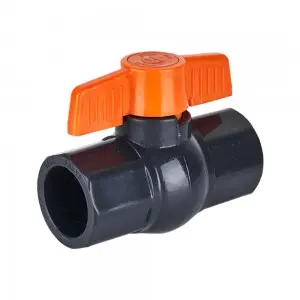
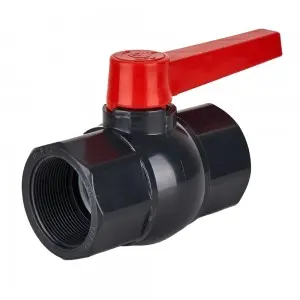
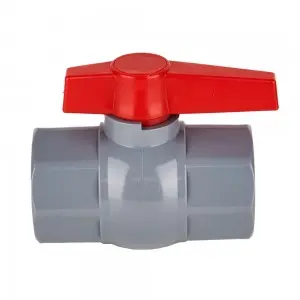
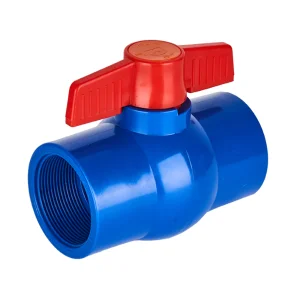
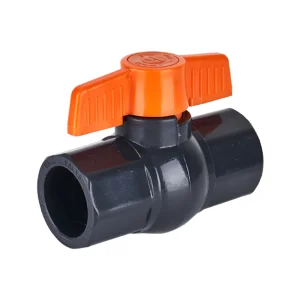
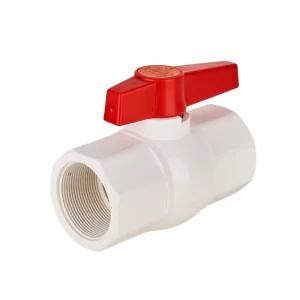
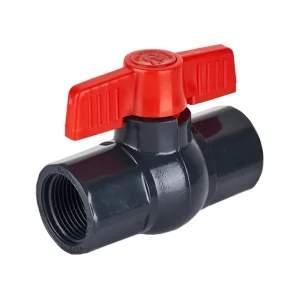
Explore our top-tier industrial compact and octagonal ball valves, rigorously tested to ensure a zero-leak tolerance across diverse application fields.
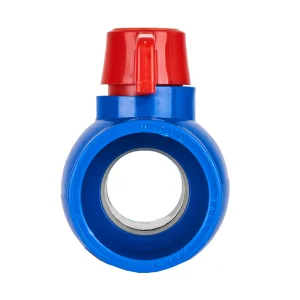
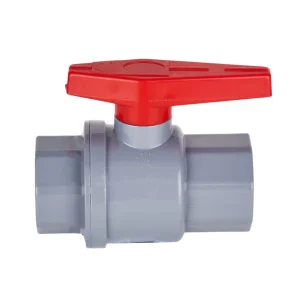
Ehao Plastic Group operates as a highly sophisticated, high-tech private enterprise. Our operational model integrates raw material science, precision injection molds development, and high-volume production of advanced building materials and industrial piping accessories. Today, Ehao stands as an undisputed leader in the production and distribution of PVC and UPVC ball valves within China’s competitive domestic market.
Our competitive edge derives directly from our institutional alliances. Since our inception, Ehao has received robust technological backing and joint development consulting from the Chinese Academy of Sciences (CAS) and Zhejiang University. This synthesis of high-level academic research and industrial manufacturing has led to breakthroughs in stabilizer formulations, polymer longevity, and fluid dynamics optimization.
At Ehao, quality control is not an afterthought; it is an integrated engineering process. Every single batch of polymer resin undergoes a strict, 26-step scientific testing regimen before, during, and after processing. These steps include spectrophotometric analysis to check pigmentation consistency, hydrostatic pressure burst testing at extreme margins, and raw material purity verification via differential scanning calorimetry (DSC).
Consequently, all fluid flow indexes and physical properties fully conform to the strict European regulatory standards of DIN8077 and DIN8078. Our manufacturing controls are designed to assure a 100% ex-factory pass rate, shielding our international partners from the financial and logistical disruptions associated with on-site valve failures.
| Material / Valve Property | Test Parameters | Standards Conformity | Guaranteed Threshold |
|---|---|---|---|
| UPVC Density & Purity | ISO 1183 Density Gradient Analysis | DIN 8077/78 | 1.35 - 1.46 g/cm³ |
| Hydrostatic Pressure | 20°C (1 hour, continuous load) | ASTM D2467 / DIN 8078 | No failure at 4.2 MPa |
| Thermal Reversion | 150°C oven testing for 30 minutes | ISO 2505 | < 5% variation |
| Torque Output | Rotational drag under full pressure | EN 12117 | Low resistance, ergonomic |
Our engineering applications reach beyond basic residential piping. We design systems that perform under varying chemical, agricultural, and civil structural demands.
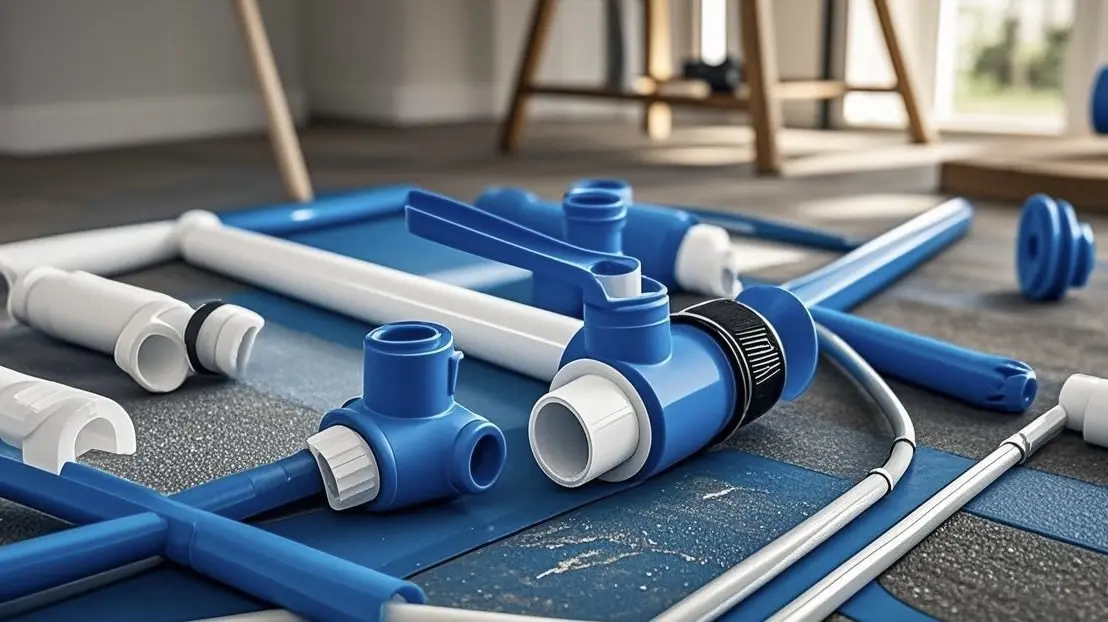
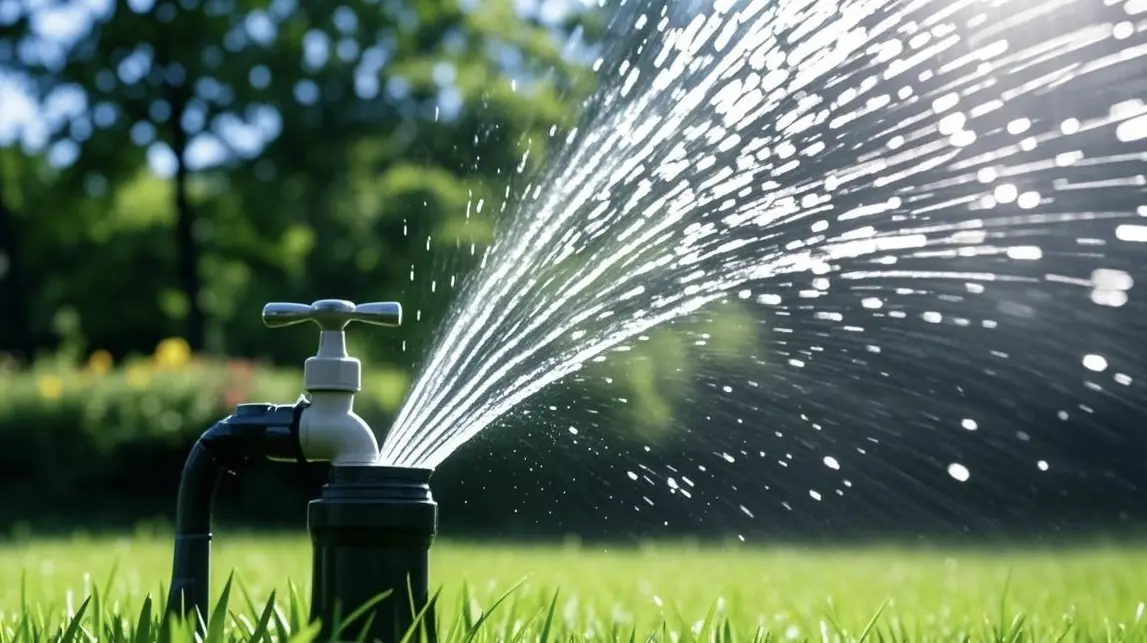
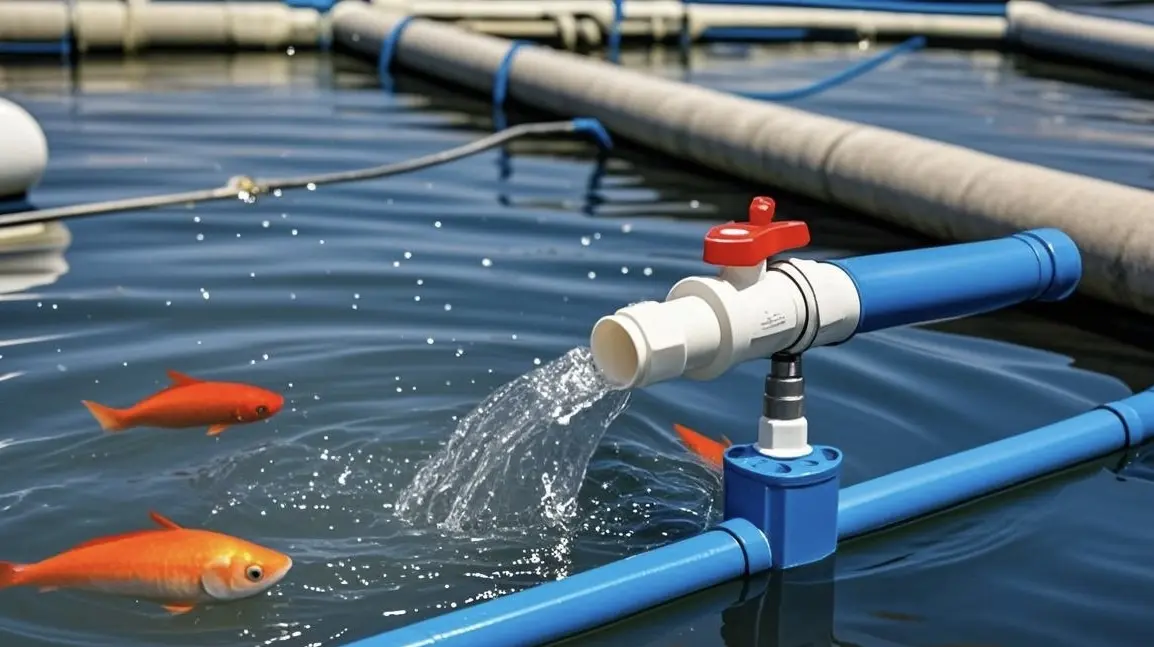
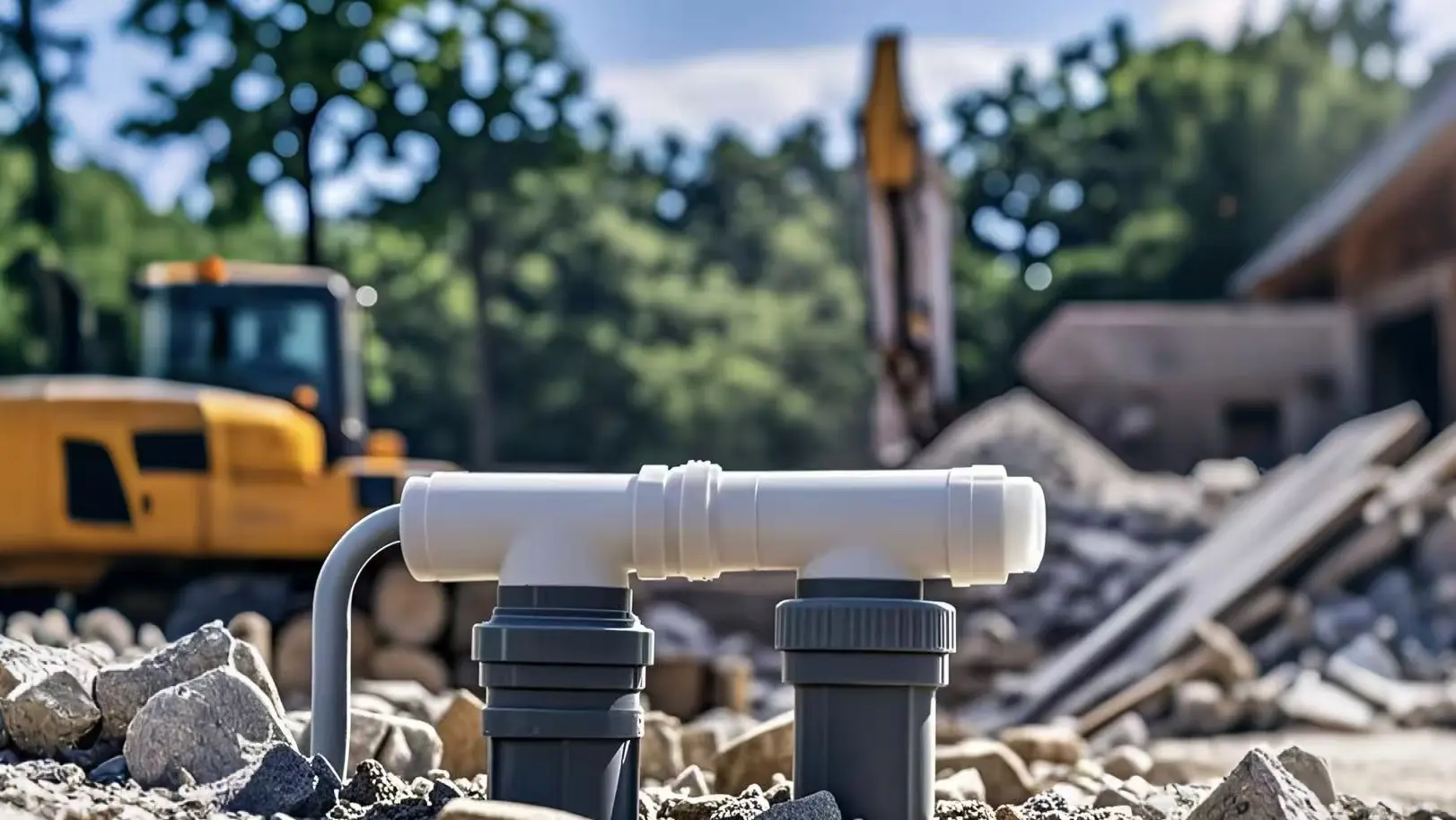
As a global enterprise buyer, reducing your Total Cost of Ownership (TCO) while securing an uninterrupted supply chain is paramount. Ehao’s Factory 4.0 framework employs advanced production scheduling systems linked to raw material suppliers, buffering our operation against macro commodity market volatility.
Additionally, we specialize in high-capacity custom mold fabrication. Beyond our standard lines, we maintain an independent design workshop for customized injection products. If your infrastructure demands unique dimensions, customized handle logos, or specialized polymer blends, Ehao can create molds and execute production runs according to samples, CAD drawings, or high-fidelity prototype images.
Through our business philosophy—"quality for survival, science and technology for development, management for benefits and service for credit"—we ensure our global distributors receive reliable shipping timelines and reasonable prices.
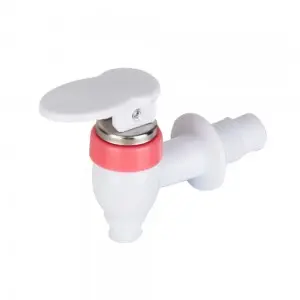
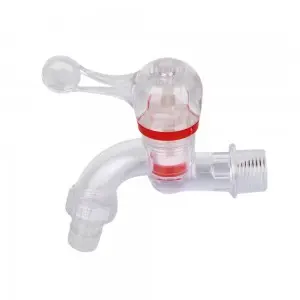
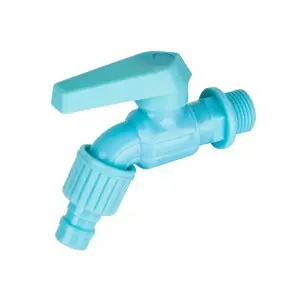
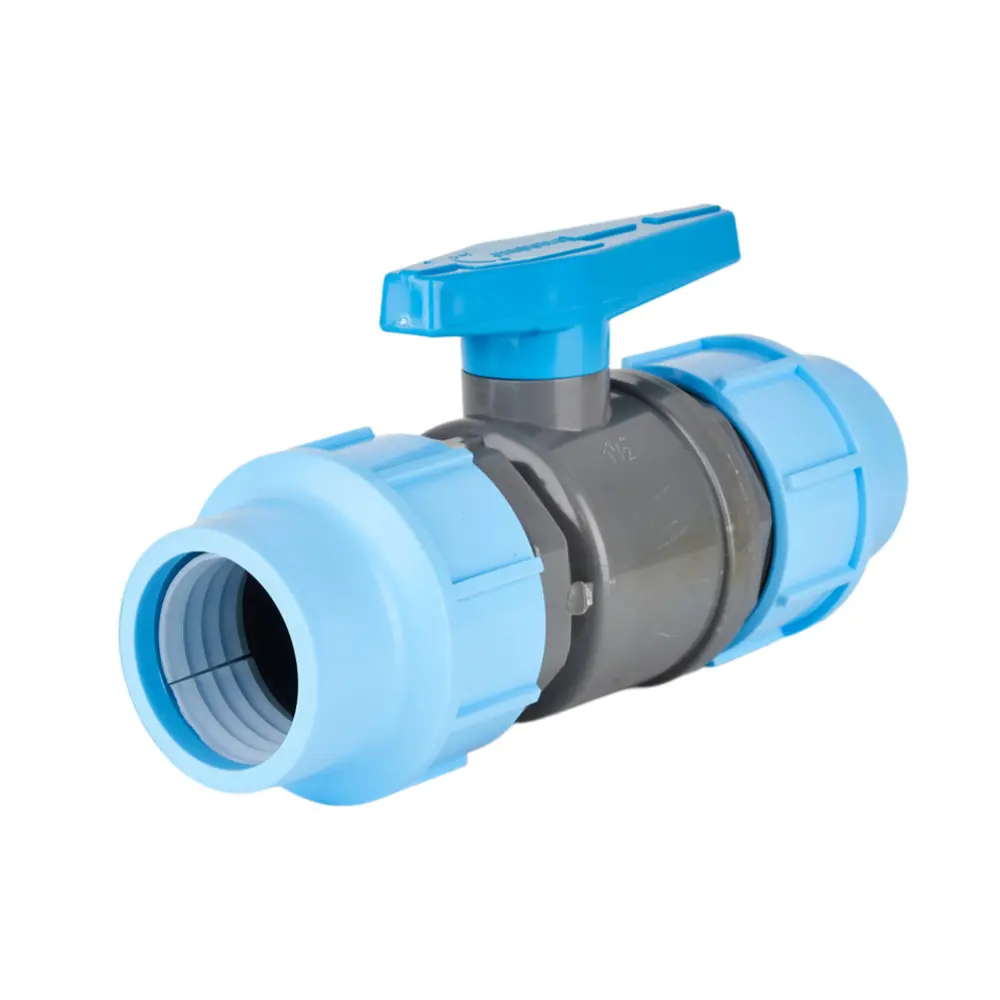
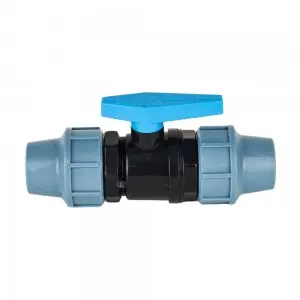
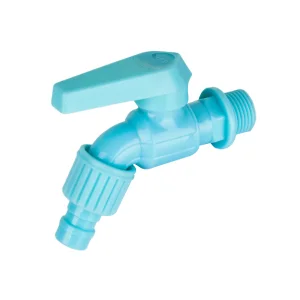
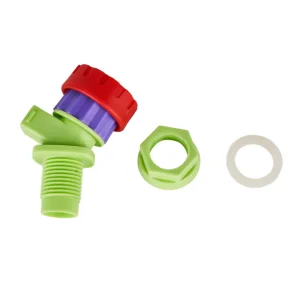
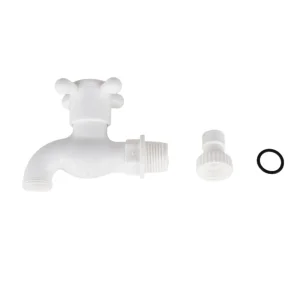
A comprehensive list of our specialty models, featuring heavy-duty handles, double-union mechanisms, and agricultural water taps.
Looking ahead, Ehao is actively modernizing its polymer chemistry. Working alongside engineering research universities, our labs are currently optimizing the next generation of plastic valve structures, focusing on two key properties:
A. Advanced Chemical Resistance (UPVC modified formulas): Standard UPVC exhibits stress-cracking when exposed to strong concentrated oxidizing acids or high-chlorinated fluids. We are working to resolve this by introducing copolymerized fluorocarbon elements into the main PVC chain to improve chemical resistance without driving up prices.
B. Smart Valve Systems (Flow-sensing automation): The integration of smart agriculture and municipal tracking demands valves that provide data feedback. We are engineering prototype automated valves equipped with micro-chips that communicate fluid pressure metrics and valve-position status directly to central telemetry systems.
Engineered for quick installation, simplified maintenance, and long service lives under industrial workloads.
For international supply agreements, compliance is a core operational requirement. Ehao provides comprehensive technical submittals, material test reports (MTRs), and certifications validating compliance with ISO 9001 and ASTM/DIN sizing systems.
We work with distribution networks in over 28 countries, including regions across Europe, North America, and Southeast Asia. Ehao offers localized technical coordination, helping clients navigate customs processes and providing mechanical support files for industrial projects. This minimizes engineering delays and helps keep your local distributions running smoothly.
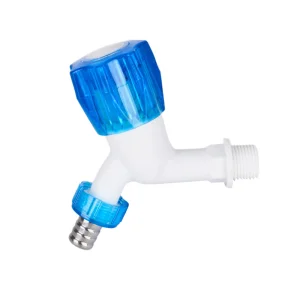
Our standard distribution line, optimized for water system integration and global logistics packaging.
Get professional answers directly from Ehao’s core technical department, focusing on industrial design and material science limits.
Our standard distribution series, packaged and ready for container shipment to international ports.
 EHAO
EHAO