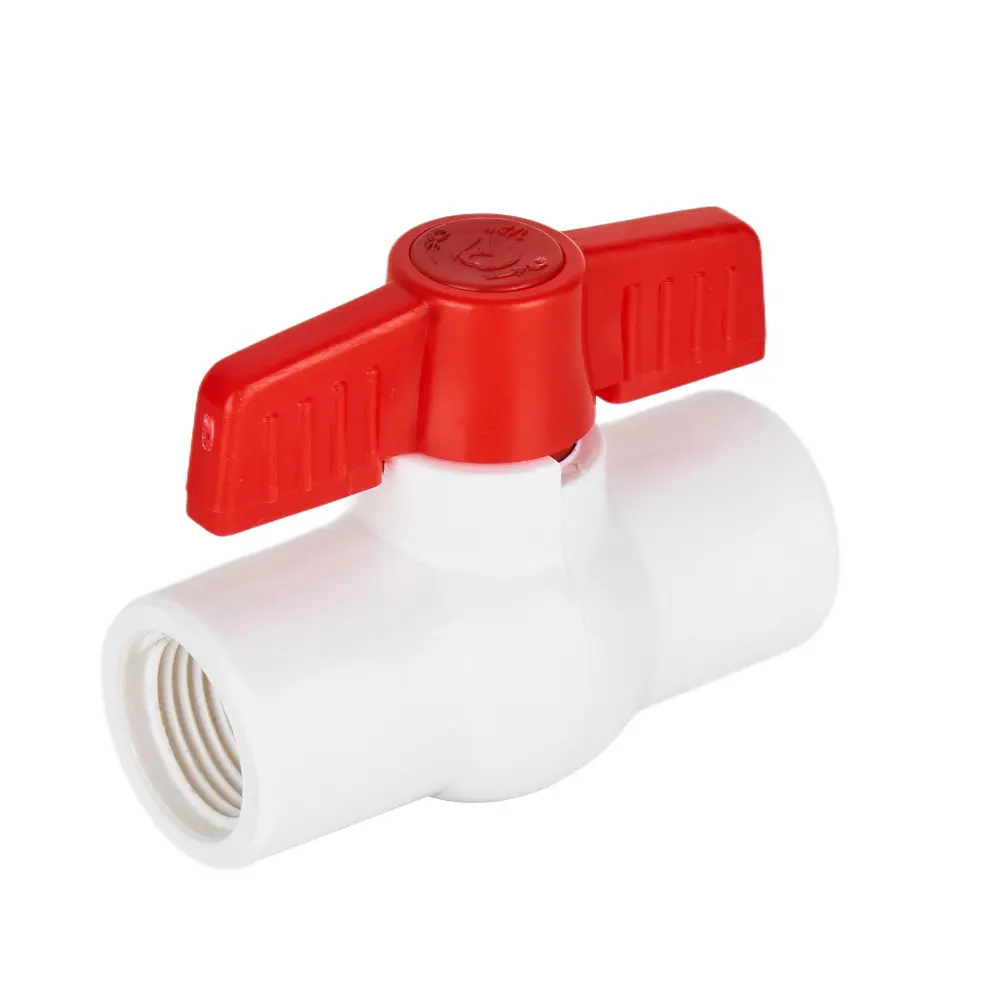
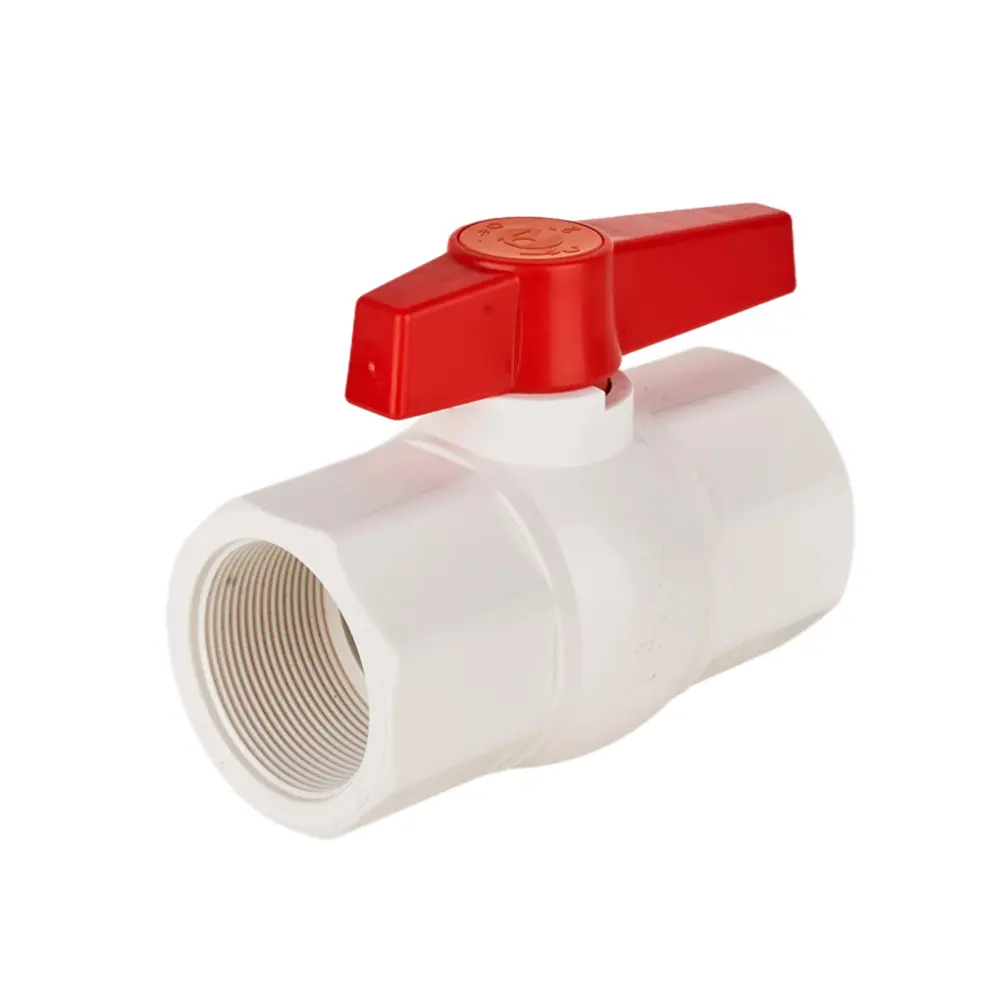
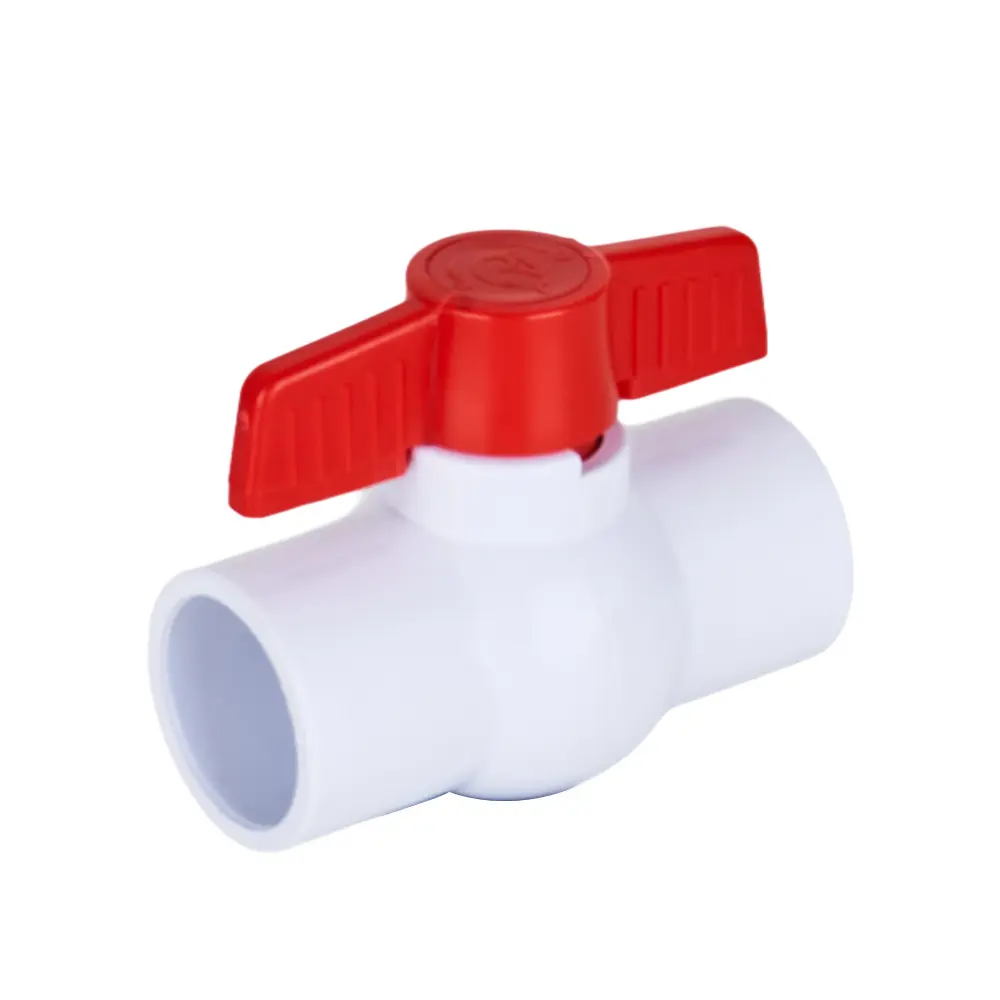
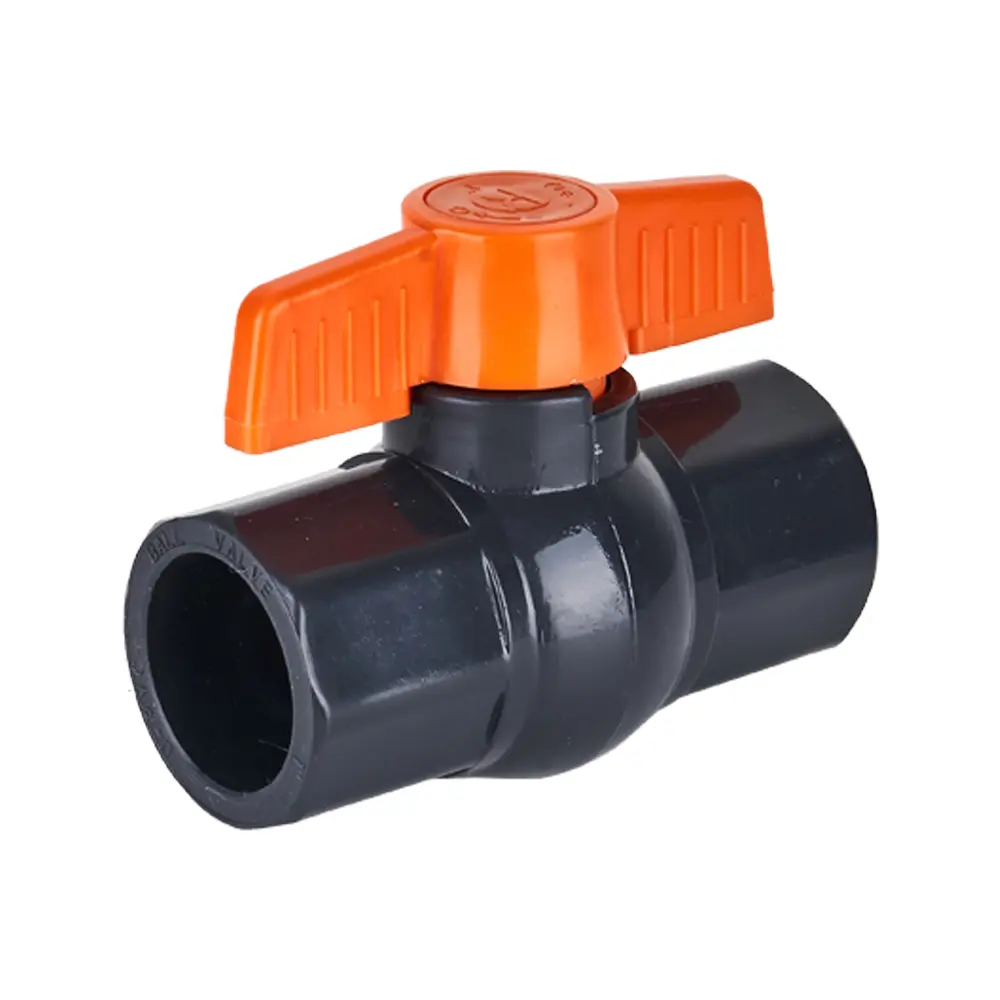
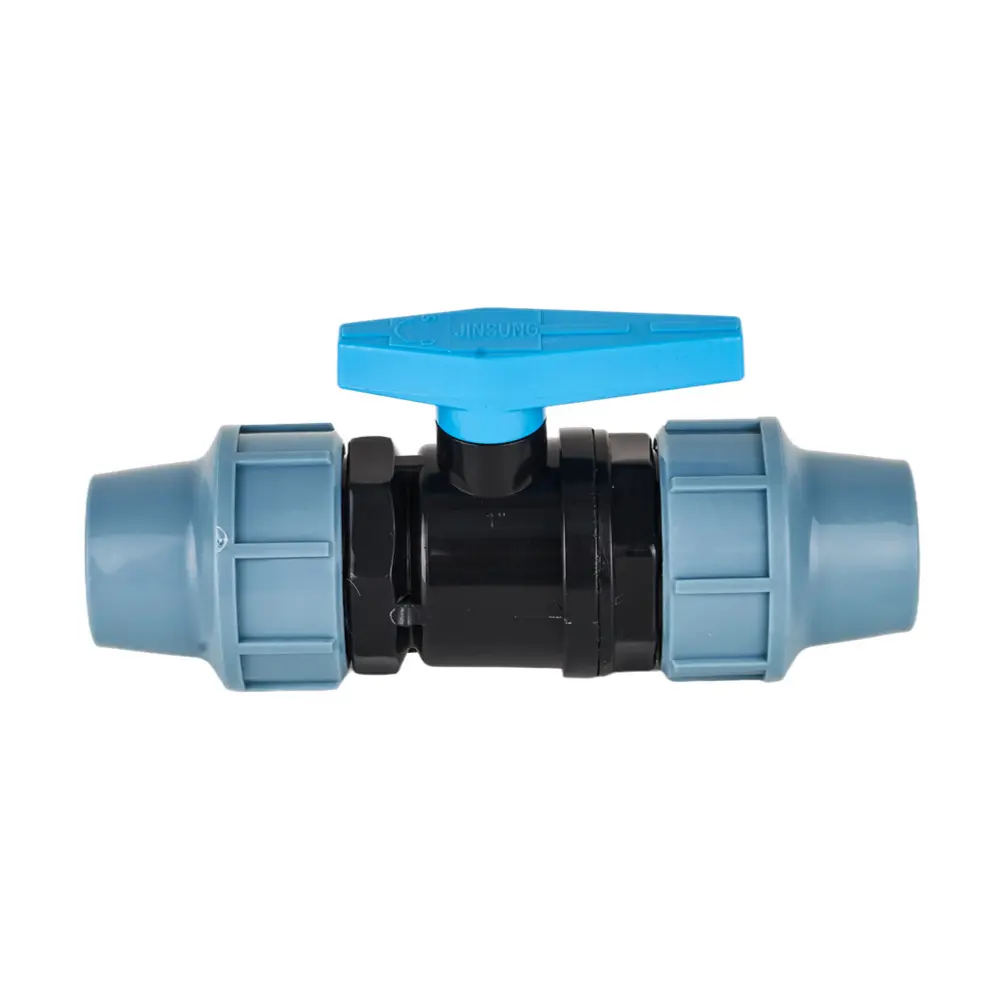
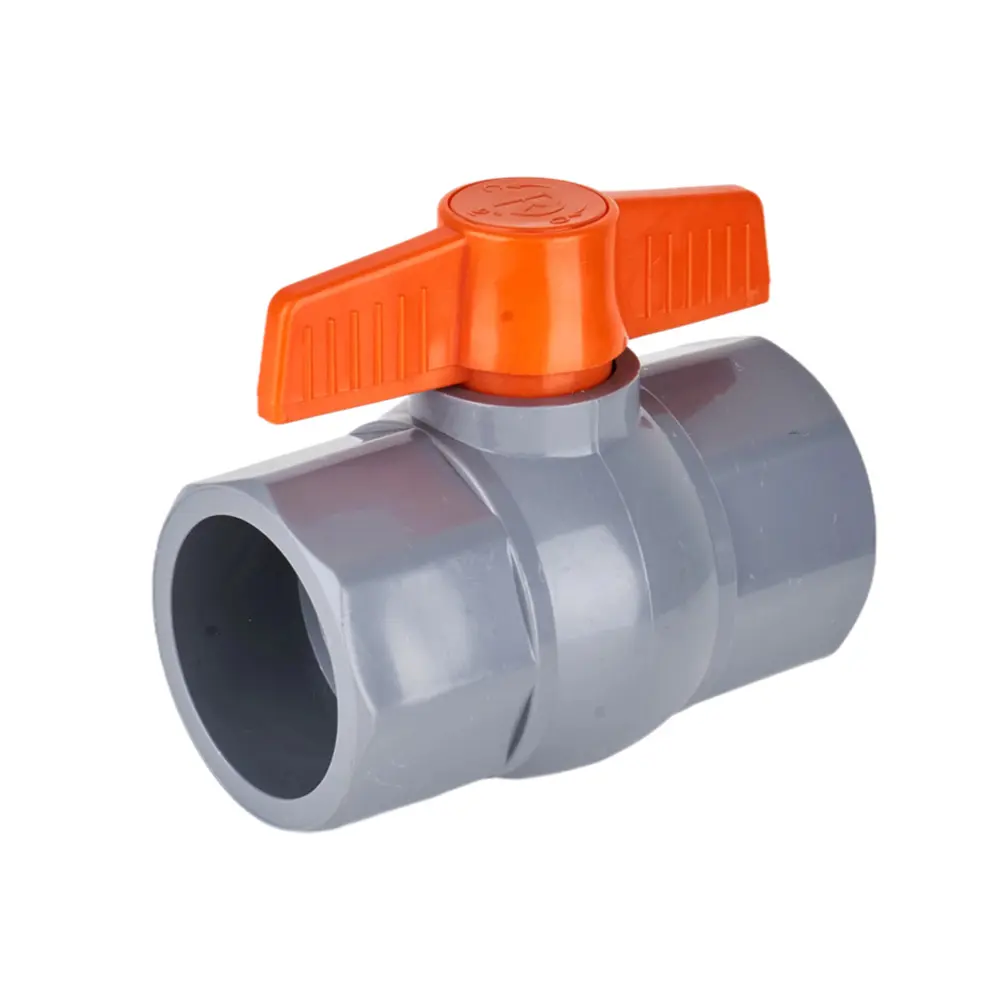
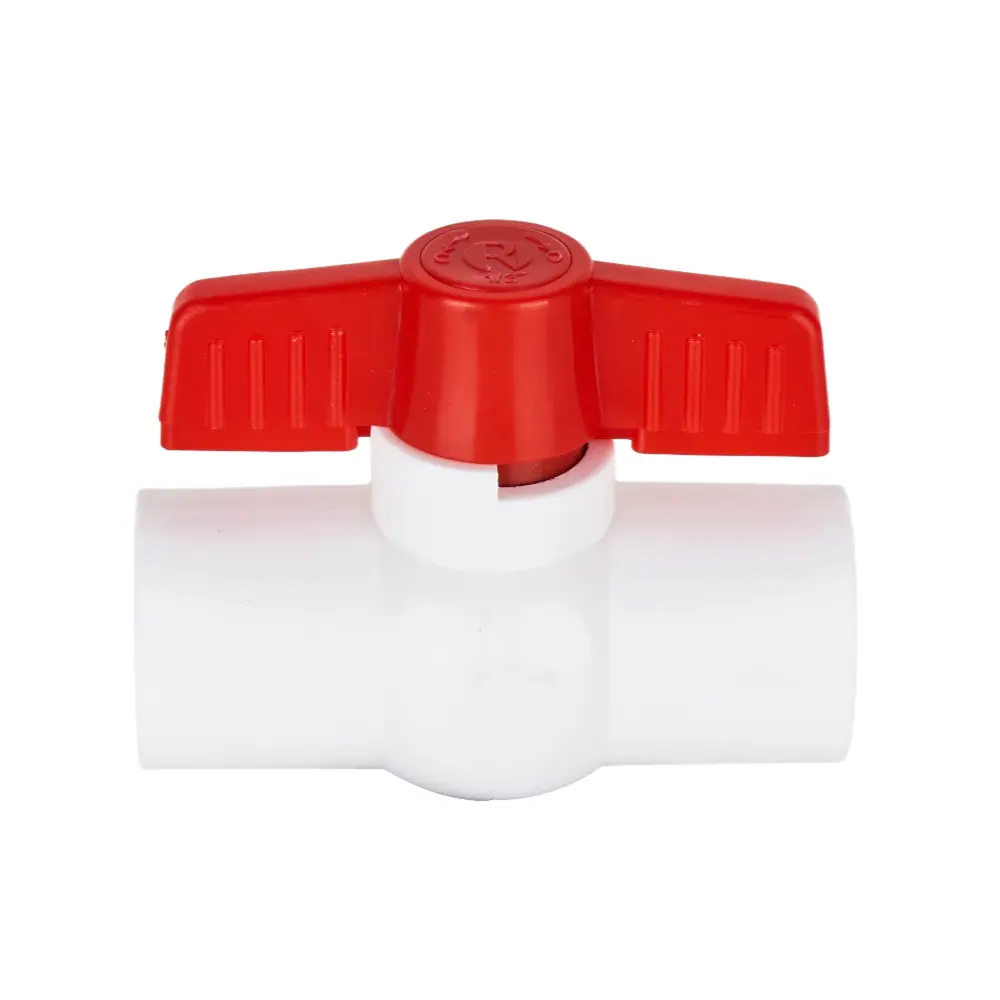
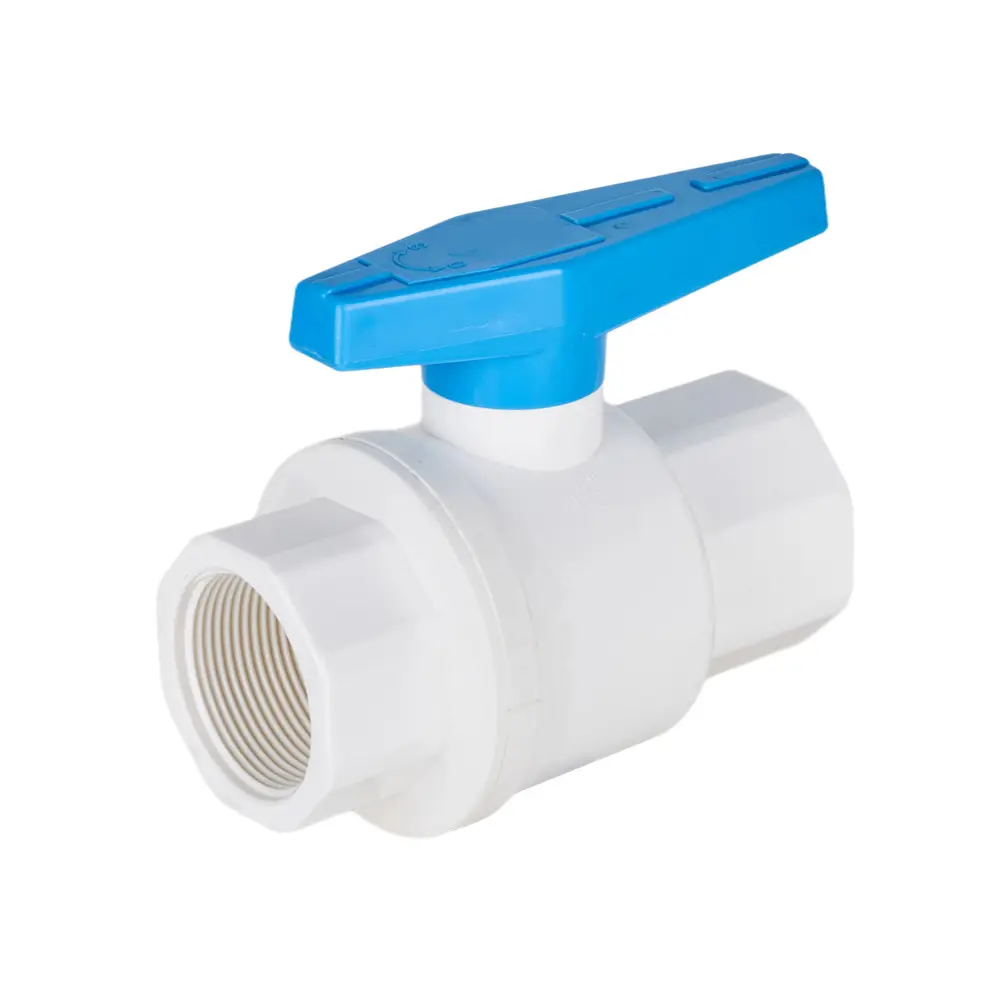
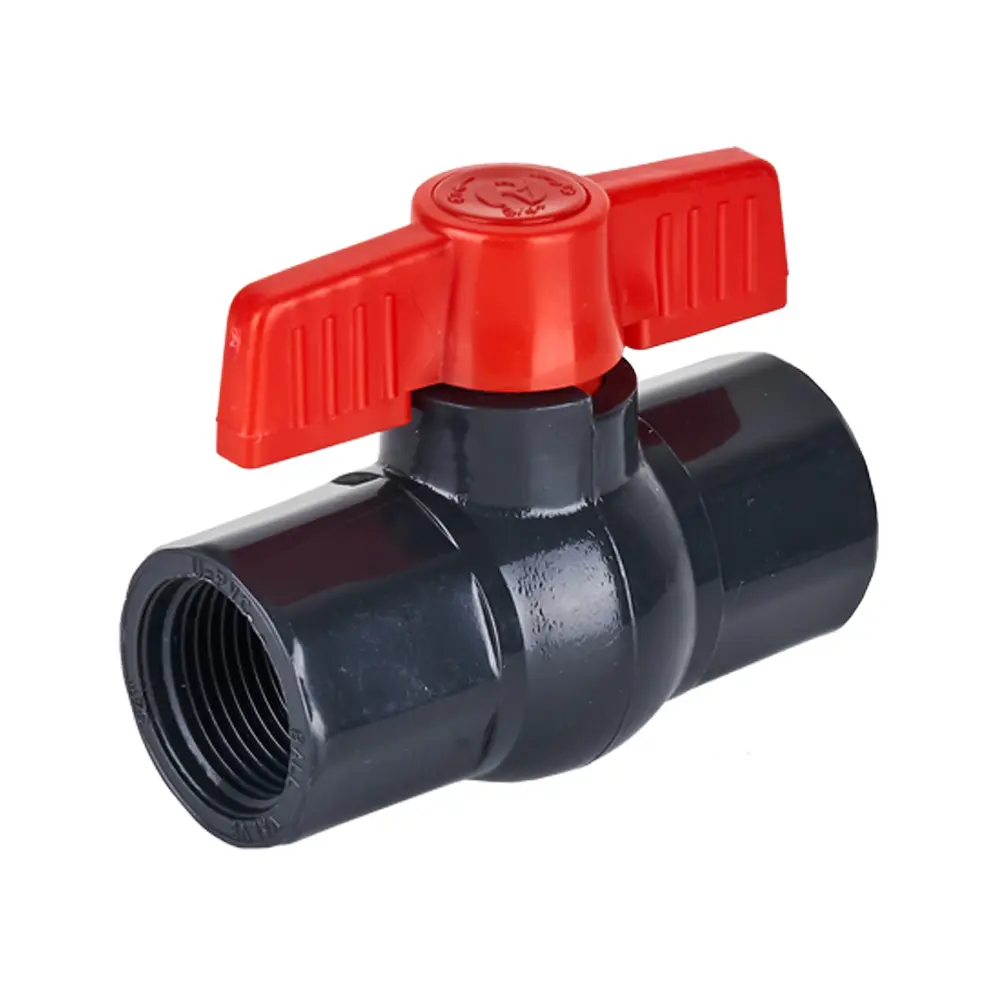
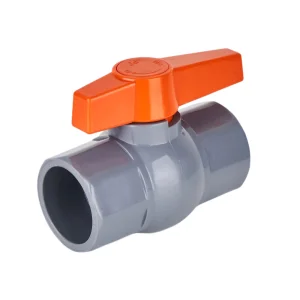
Wholesale PVC 3-Way Ball Valve Manufacturer & Factory

Precision Engineering, Advanced German Automation & High-Performance Fluid Control Systems for Global Infrastructure & Industrial Applications

Technical Overview: The Architecture of PVC 3-Way Ball Valves

An in-depth analysis of flow diversion, structural engineering, polymer advancement, and quality metrics that govern modern industrial fluid networks.

28+
Countries Reached
26
Quality Testing Steps
100%
Ex Factory Pass Rate
DIN
8077/8078 Certified

In modern industrial fluid networks, chemical processing, municipal water distribution, and agricultural frameworks, standard two-way isolation is frequently insufficient. Engineering systems require multi-directional control, redirection, mixing, and split-flow pathways without introducing massive pressure drops, structural fatigue, or corrosion-susceptible metal alloys. The solution lies in the deployment of high-grade PVC 3-Way Ball Valves.

As a leading wholesale PVC 3-Way Ball Valve manufacturer and factory, Ehao Plastic Group stands at the intersection of material science and state-of-the-art injection molding. Our designs address structural deflection, chemical permeability, and operational torque requirements. Ehao Plastic Group integrates R&D with advanced fabrication systems, ensuring that every valve delivers the zero-leak safety and flow predictability required by modern automation.

1. Structural Dynamics: T-Port vs. L-Port Flow Mechanics

The operational core of any 3-way valve lies in the configuration of the internal ball bore. Engineers must specify either an L-Port (diverter) or T-Port (mixer/diverter) configuration depending on the hydraulic routing demands:

  • L-Port (Diverter Valve): Used to direct flow from a common inlet port to one of two outlet ports. At any given position, one port is closed while the other remains open. This structure is ideal for switching processes, such as diverting wastewater from an active treatment chamber to a bypass loop.
  • T-Port (Mixing/Diverting Valve): Offers greater versatility by allowing flow through all three ports simultaneously (mixing mode), or splitting a single stream into two directions (splitting mode). A 180-degree turn of the handle or actuator redirects the media selectively, allowing precise modulation of concentration, temperature, or dilution ratios.

Ehao Plastic Group utilizes advanced computerized fluid dynamics (CFD) modeling to analyze internal turbulence and pressure variations across L and T-port configurations. By optimizing the internal radius of the sphere and refining the sealing lip of the PTFE seats, we minimize cavitation risks and reduce pressure drop coefficients (Cv values) compared to standard extruded polymer valves.

2. Advanced Polymer Formulations & Heavy-Duty Materials

Our PVC (Polyvinyl Chloride) and uPVC (Unplasticized Polyvinyl Chloride) material compositions are formulated to eliminate trace plasticizer leaching while maximizing tensile and impact strengths. The raw polymer matrix is enhanced with specialized thermal stabilizers, UV blockers, and internal lubricants. This meticulous composition yields distinct operational advantages:

  • Corrosion Resistance: Resistant to strong acids, bases, salts, and organic solvents. Unlike stainless steel or copper, PVC is impervious to electrochemical corrosion and pitting, ensuring a service life exceeding 50 years in subterranean and wet environments.
  • Thermal Stability: Although optimized for ambient operations, our materials sustain physical structural integrity up to 60°C (140°F), conforming with strict industrial plumbing guidelines.
  • Low Thermal Conductivity: Minimizes heat transfer, reducing condensation issues in cold-water circulation lines.

E-E-A-T Authority Note: Collaborative Research & German Production Engineering

Ehao Plastic Group maintains a competitive edge through close technology partnerships with the Chinese Academy of Sciences and Zhejiang University. This academic integration translates into cutting-edge mechanical stress distribution models and advanced polymer science. Our primary production line features imported automated computer injection molding machines from Germany, ensuring absolute dimensional repeatability and wall-thickness consistency.

Germany-Imported Machinery

Our facility runs high-pressure computer-controlled injection presses which eliminate knit-lines and internal cavities within the valve body, providing a higher burst rating.

26-Step Science Testing

Every single batch undergoes hydrostatic deformation, air-bubble leakage testing, torque compliance, and dimension verification conforming with DIN8077 and DIN8078 standards.

Zhejiang University Tech Support

Direct integration with structural research divisions enables rapid prototyping of new multi-port designs and custom chemical-resistant compound mixtures.

3. Global Procurement Trends: Scaling the Flow Infrastructure

As water security, high-intensity agriculture, and chemical containment become key parameters in global infrastructure development, industrial buyers must re-evaluate their supply chains. The demand patterns for multi-port polymer valves are shifting towards specialized requirements:

  • System Modularization & Actuator Compatibility: Modern industrial designs require swift transitions between manual controls and automated systems. Procured 3-way valves must feature universal mounting pads that conform to ISO 5211 dimensions, allowing electric or pneumatic actuation.
  • Reduced Lifecycle Costs: Companies are moving away from traditional metal valves due to heavy maintenance, scale buildup, and high replacement costs. uPVC 3-way ball valves offer a lightweight, maintenance-free option that reduces shipping costs and simplifies installation.
  • Stricter Environmental & Drinking Water Standards: Lead-free compliance has made high-quality PVC valves the standard in modern drinking water supply lines.

Ehao Plastic Group meets these global criteria. We design systems that integrate seamlessly with current infrastructure, ensuring that municipal and private entities can procure valves that comply with regional environmental codes, such as NSF/ANSI 61 for potable water safety and European CE standards.

4. Macro Industry Solutions: From Fish Cultivation to High-Rise Construction

Fluid dynamics vary across different sectors. Ehao Plastic Group develops distinct product subsets tailored to specific industry verticals:

  • Smart Irrigation & Agriculture: Where automated fertilizer mixing and crop-rotation water diversion are critical, Ehao's 3-way configurations permit automated, chemical-resistant routing that operates trouble-free in field settings.
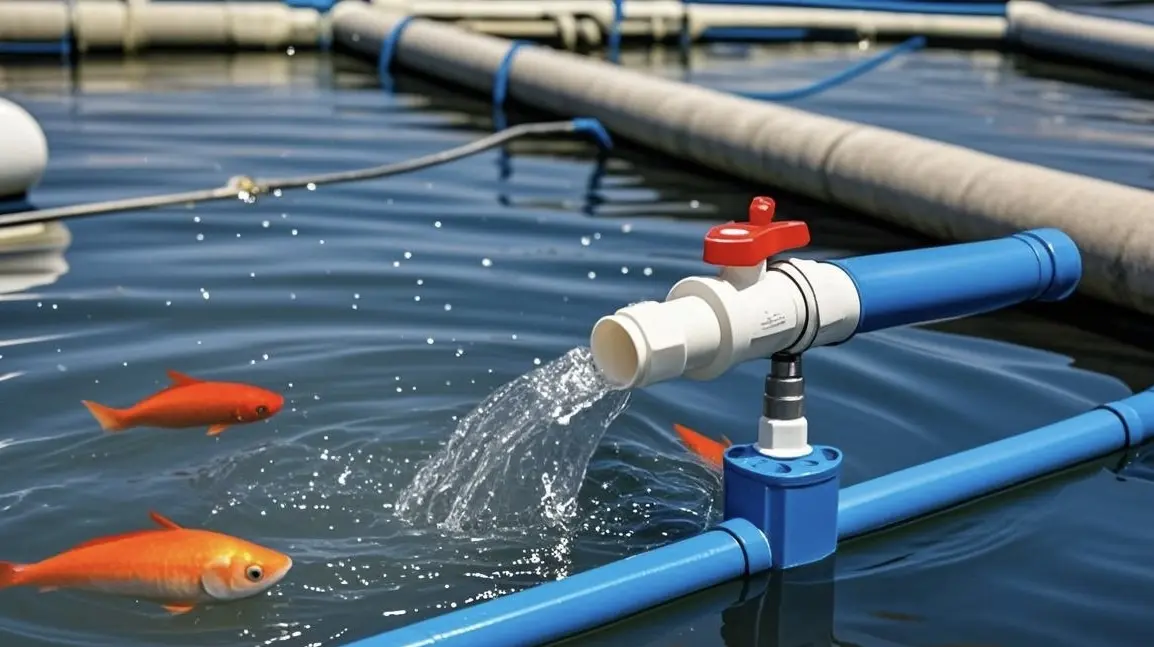
  • Industrial Fish Cultivation (Aquaculture): Demands clean, oxygen-rich water bypass loops. Metallic contamination from brass or bronze can devastate marine biology. Our 100% inert plastic materials ensure pristine aquatic environments.
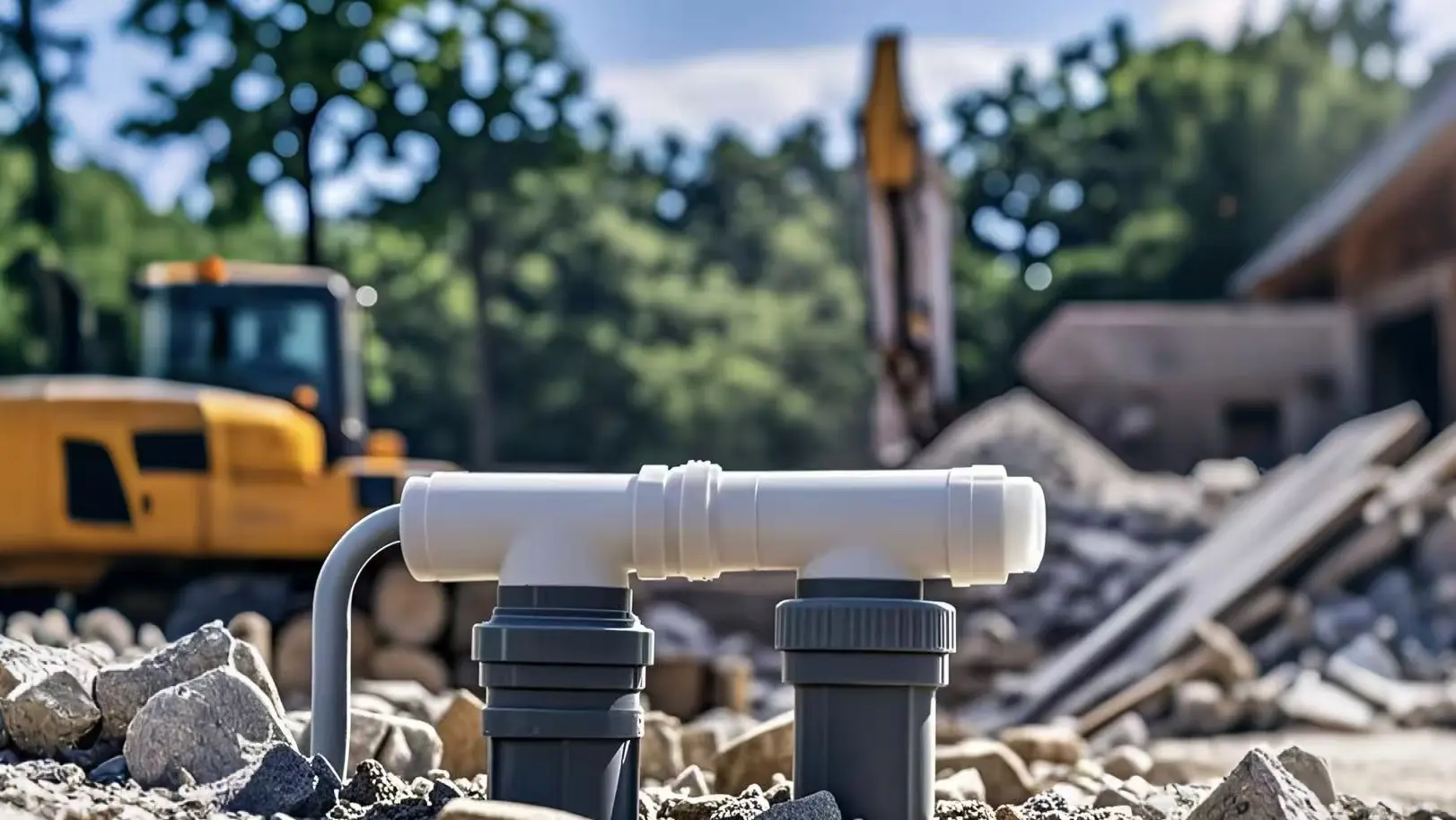
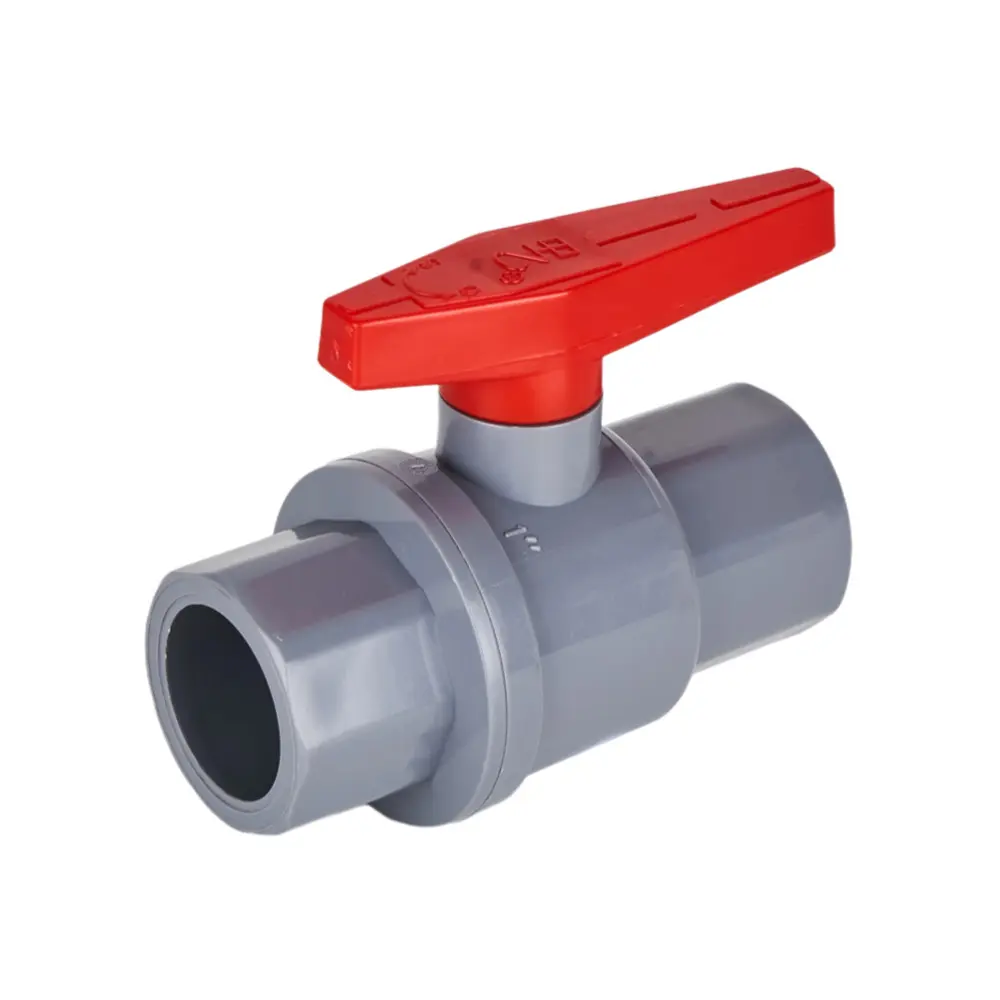
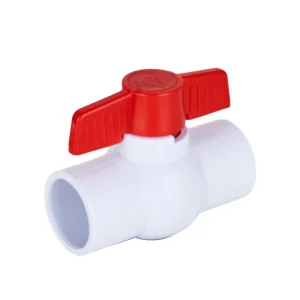
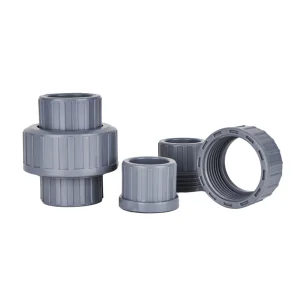
  • Residential & Commercial Plumbing: Requires reliable valves that prevent backflow and support thermal distribution. Ehao's compact, octagonal, and union ball valves provide long-term sealing stability under walls and concrete structures.

Multi-Sector Application Scope

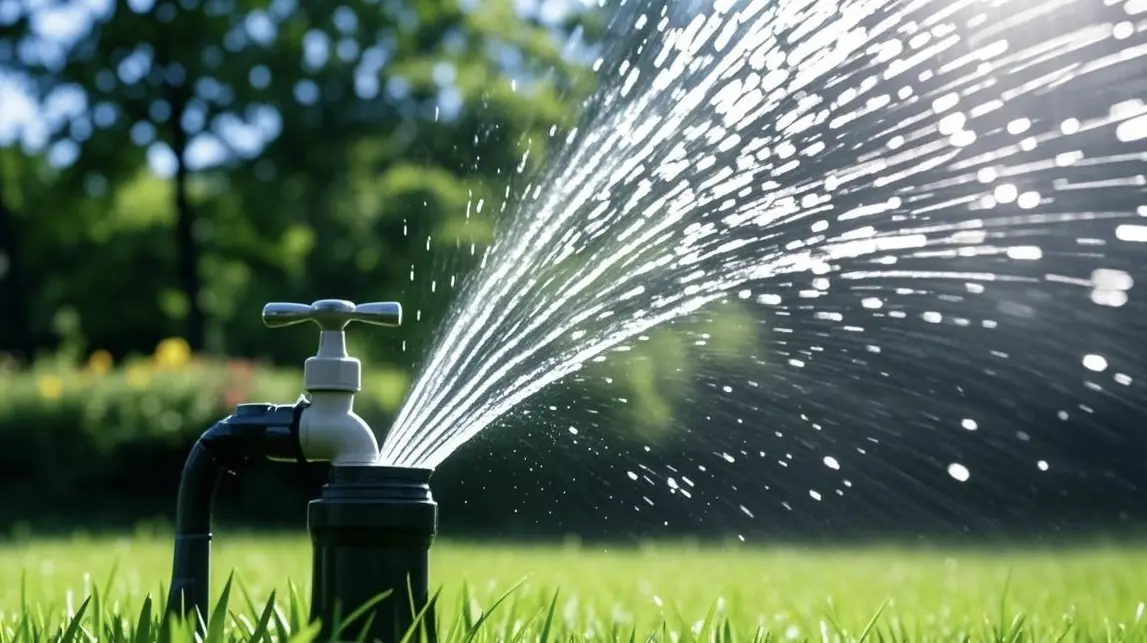
Ehao valves are engineered to perform across diverse industrial environments. Explore our major application verticals:
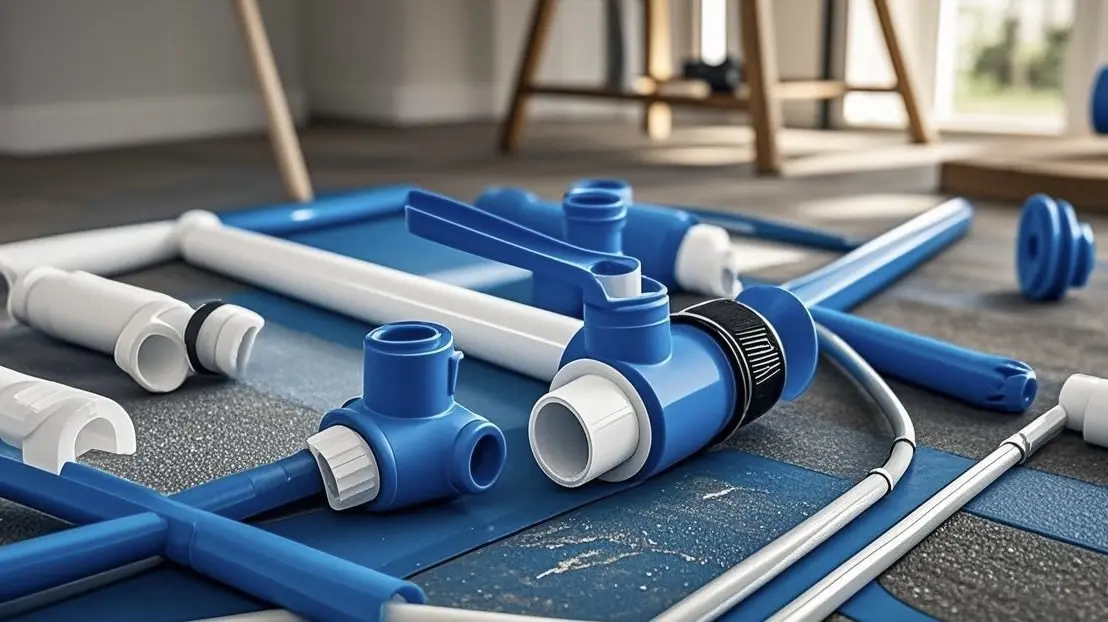
Home Decoration Plumbing

Home Decoration

Irrigation System Valves

Irrigation System

Fish Cultivation Systems

Fish Cultivation

Construction Work Applications

Construction Work

5. Technological Roadmap: Smart Actuation & The Future of Multi-Port Fluid Control

As the industrial world transitions toward Industry 4.0, fluid networks are no longer static pipe networks. Real-time diagnostic systems, intelligent flow control, and autonomous routing demand smart valves that interface with Scada systems and control loops.

Our ongoing engineering roadmap focuses on integrating electric and pneumatic actuators with our PVC 3-way ball valves. These actuate smoothly with minimal friction torque, reducing wear on electrical components. Key elements of our development roadmap include:

  • Optimizing Dynamic Torque: By developing low-friction seat materials using EPDM and PTFE compounds, we reduce the torque required for rotation. This allows smaller, more efficient actuators to drive our valves, reducing power requirements.
  • Introducing Self-Diagnostic Materials: Ehao's materials research division is testing next-generation polymers with micro-additives that prevent bio-film accumulation in aquaculture and food-grade operations.
  • Precision CAD Customization: We offer custom mold development (OEM/ODM). Ehao creates, tests, and delivers customized PVC flow fittings and multi-port options to meet unique system constraints.

6. Localized Support, Certification Compliance & Reliability Assurance

Navigating different national standards can complicate project planning. A valve that functions in an industrial park in Düsseldorf must meet the same strict standards as one installed in a treatment facility in Santiago. Ehao Plastic Group ensures global compliance through certifications and reliable testing:

  • DIN 8077/8078 Compliance: Strict compliance ensuring size, pressure resistance, and thermal tolerance meet international standards.
  • 100% Hydrostatic and Pneumatic Testing: Unlike factories that run random batch tests, Ehao tests every single valve for seat sealing and structural integrity before packaging. This eliminates structural defects in the field.
  • Global Logistics Footprint: Backed by efficient logistics networks, we ship to over 28 countries, offering localized customer support and technical consultation.

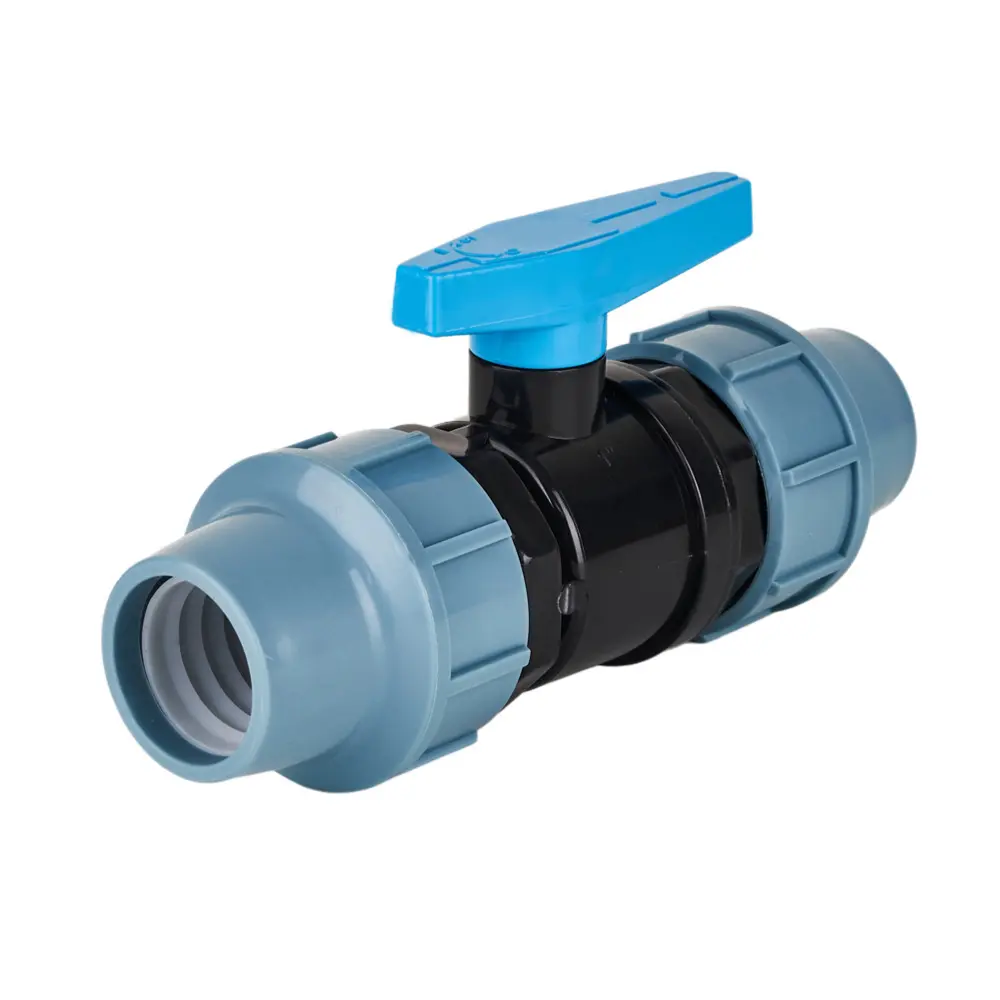
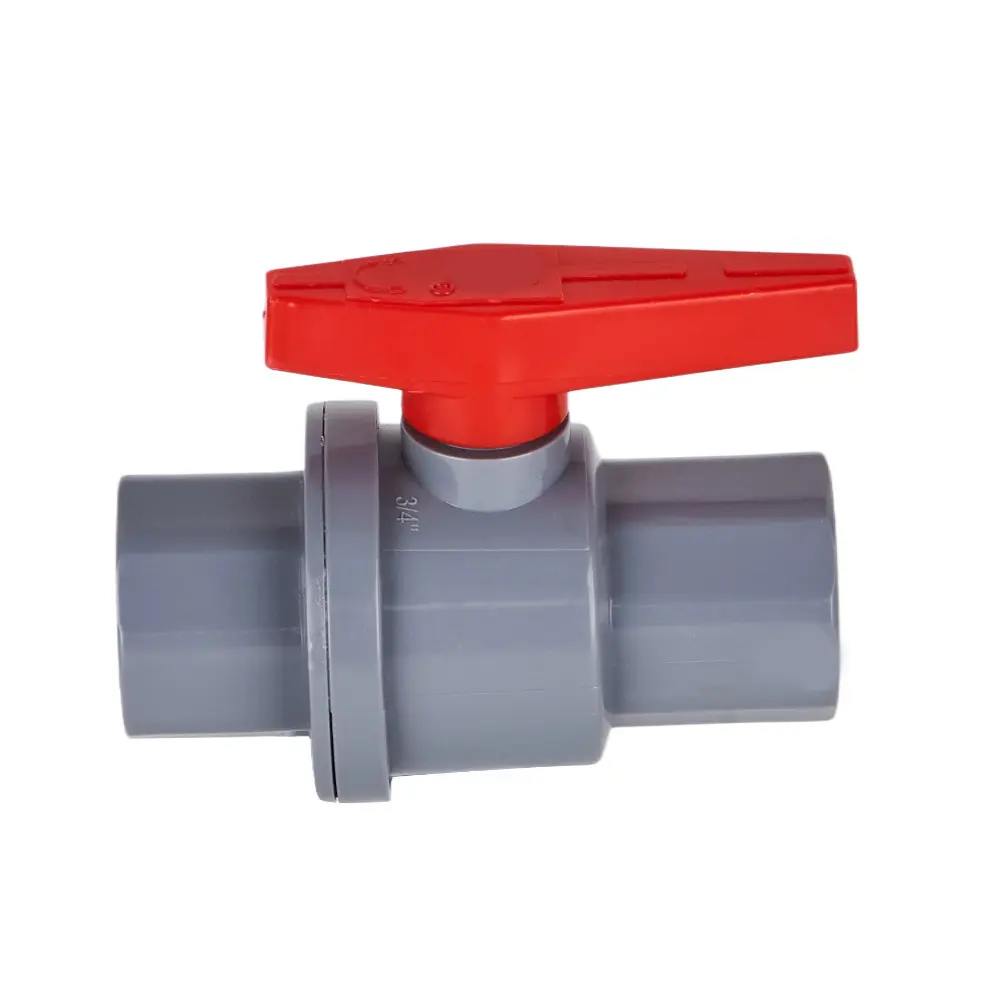
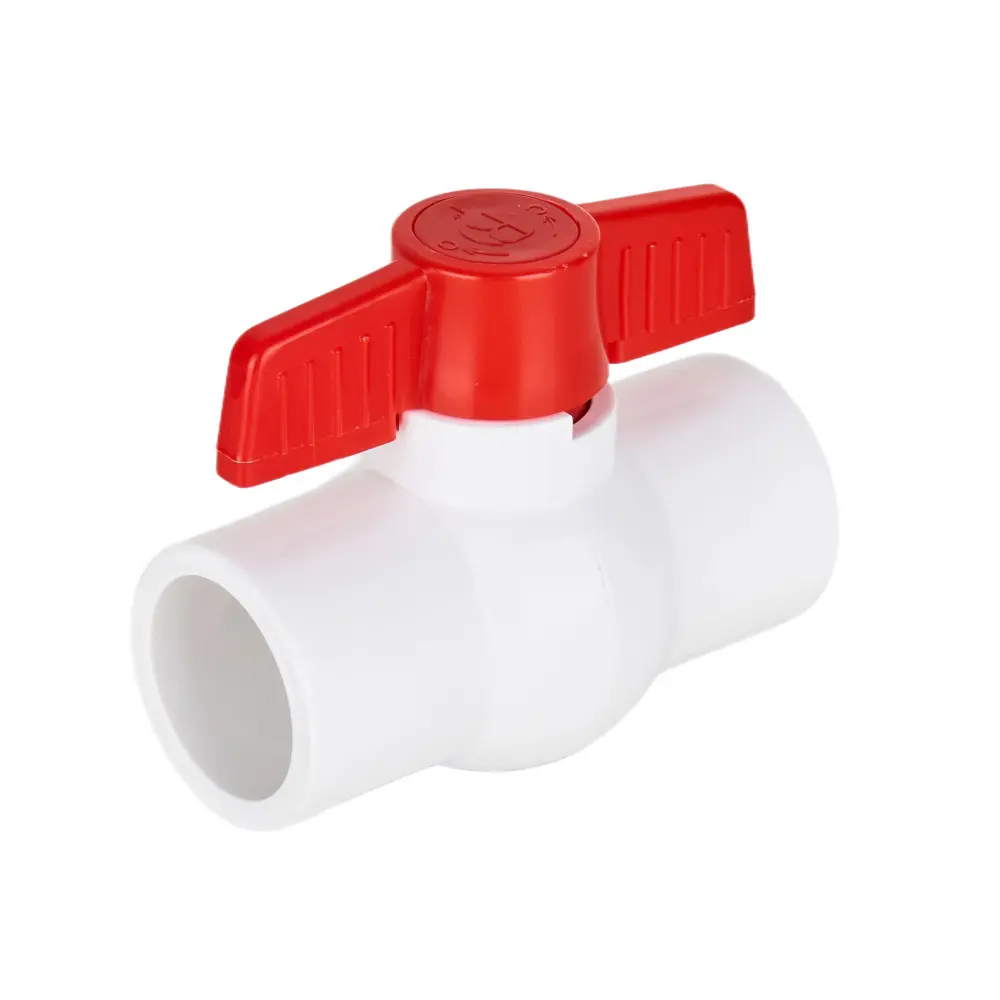
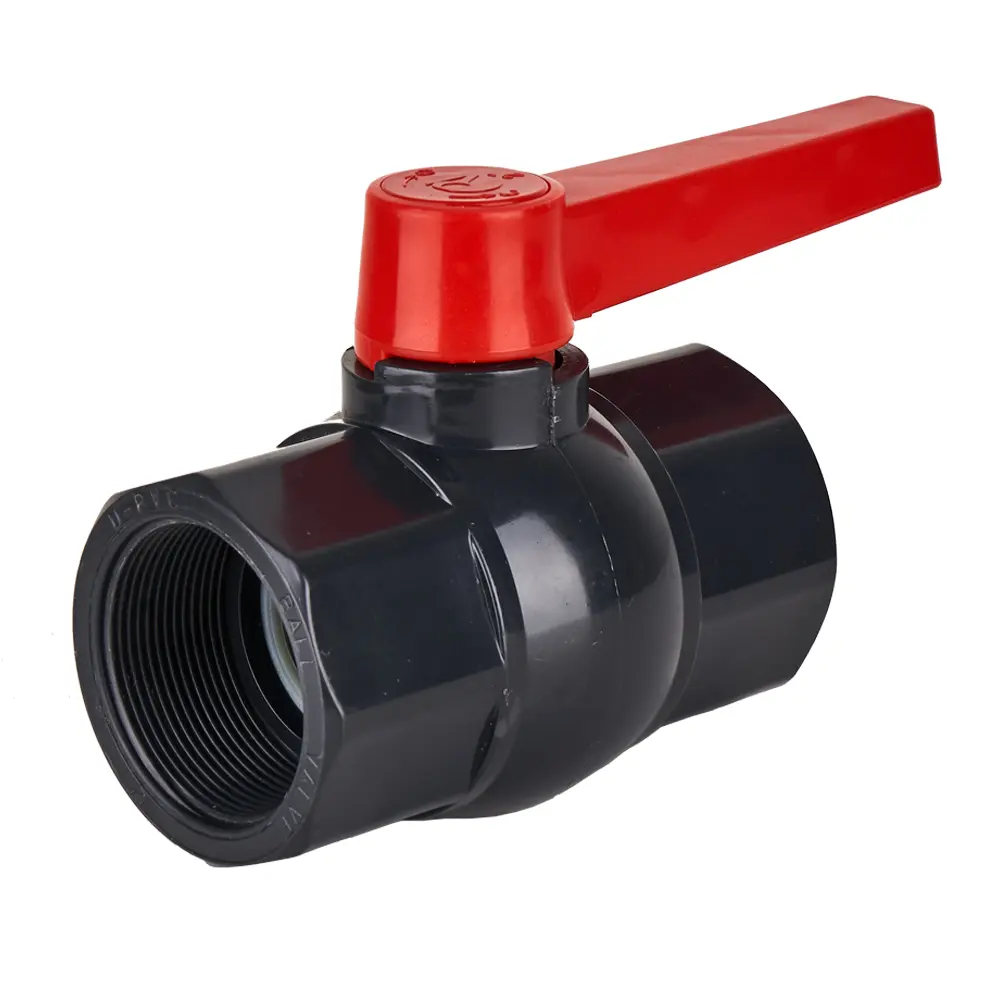
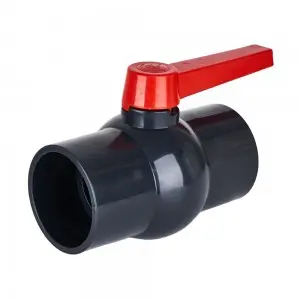
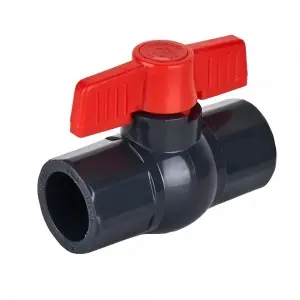
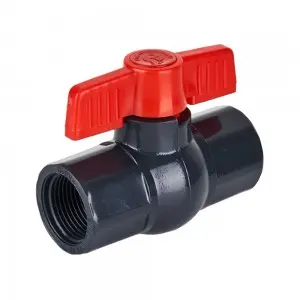
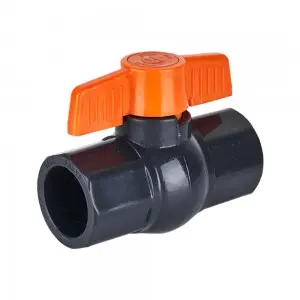
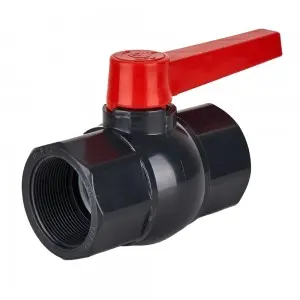
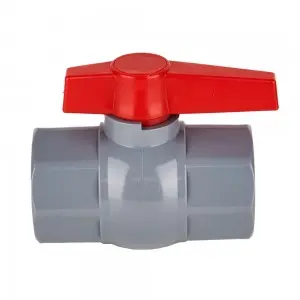
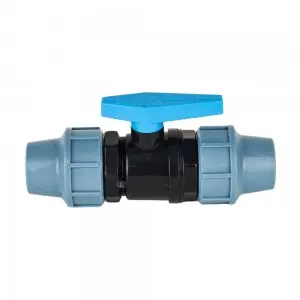
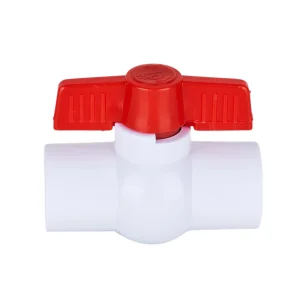
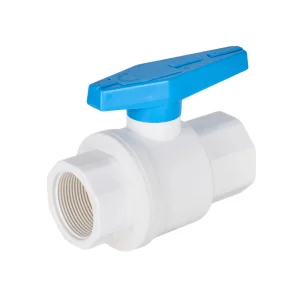
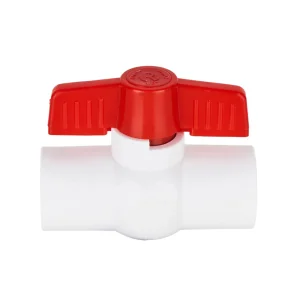
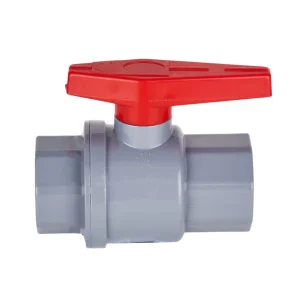
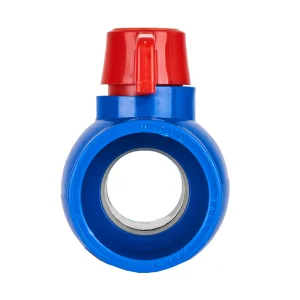
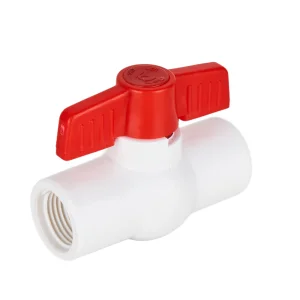
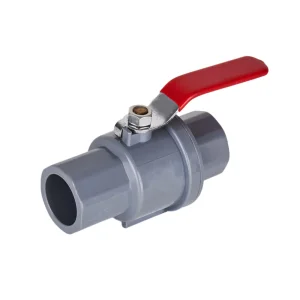
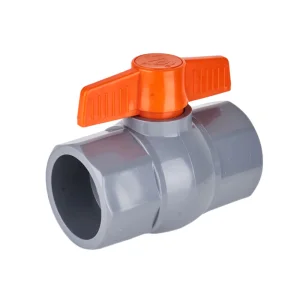
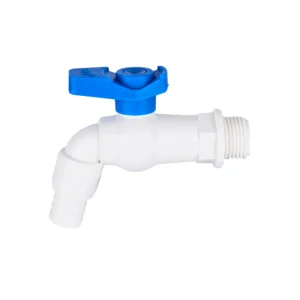
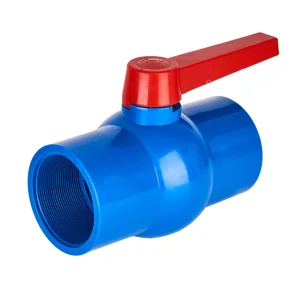
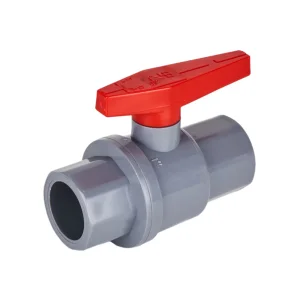
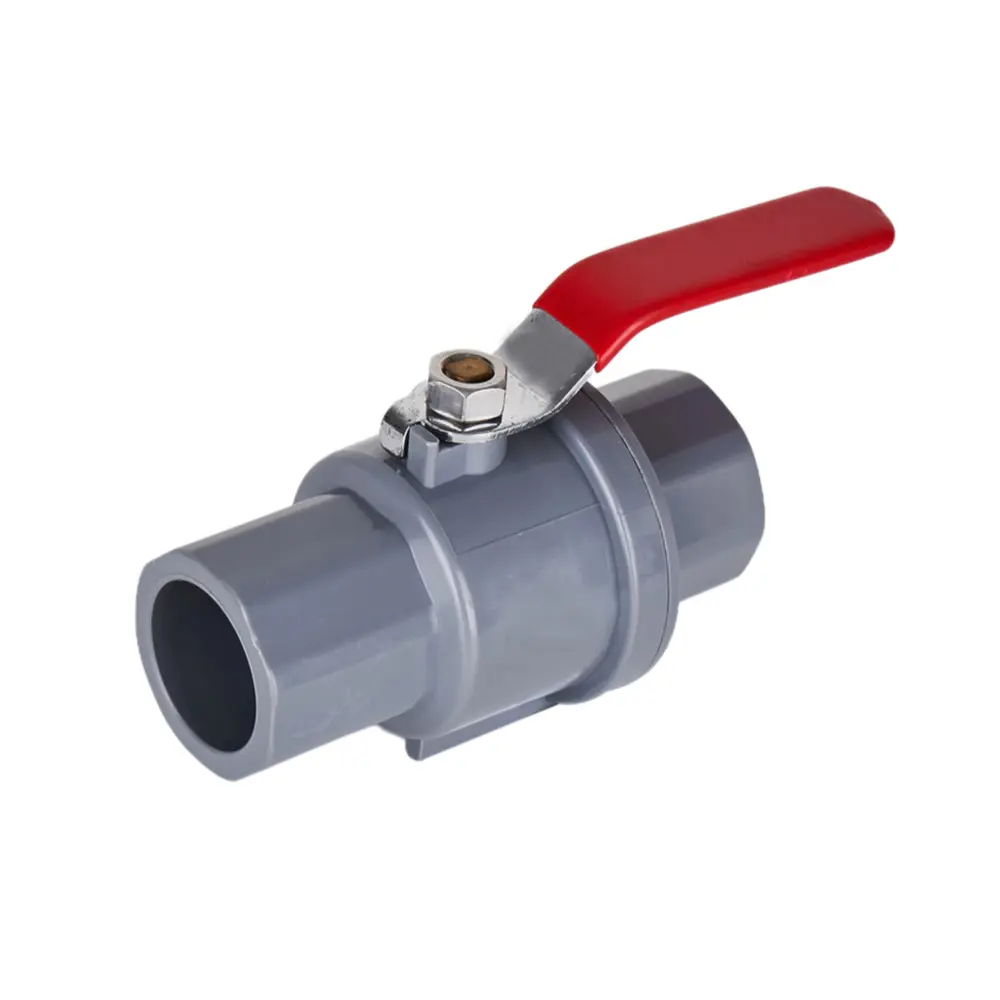
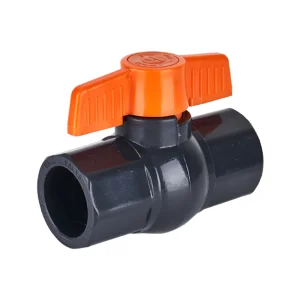
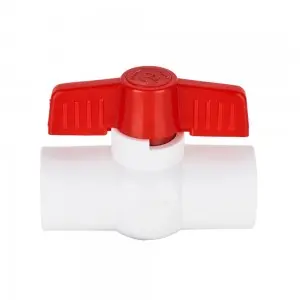
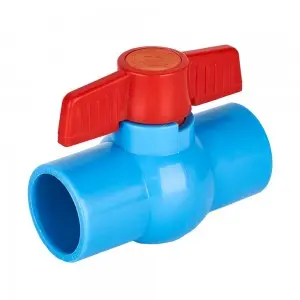
Standard Solvent & Threaded Valves

Explore Ehao's core selection, providing versatile pressure boundaries and smooth hand torque operation.
Technical FAQs: PVC 3-Way Ball Valves

Get answers to common technical queries about Multi-port valves, configurations, material standards, and system designs.

Q1: What is the main difference between an L-Port and T-Port PVC 3-way ball valve?
An L-Port valve is designed for flow diversion, routing fluid from one common inlet to either of the two outlets, but not both at once. A T-Port valve is highly versatile; it can mix two different fluid streams into one common outlet, split a single stream into two outlets simultaneously, or act as a standard diverter.
Q2: How does Ehao Plastic Group ensure structural stability in high-pressure installations?
We use computer-controlled injection molding machinery imported from Germany. This ensures uniform wall thickness and eliminates structural weak spots. Additionally, our raw PVC formulations undergo a 26-step science testing protocol to ensure full compliance with DIN 8077 and DIN 8078 pressure specifications.
Q3: Are PVC 3-Way ball valves suitable for chemical process lines?
Yes, our uPVC and chemical-grade polymer formulations offer outstanding resistance to acids, bases, saline solutions, and organic media. Unlike metallic valves, PVC is completely immune to galvanic corrosion, rust, and mineral scaling. However, temperature limits must be kept below 60°C (140°F).
Q4: Can we convert manual Ehao PVC 3-Way valves to electric or pneumatic actuators?
Yes. Many of our industrial configurations are compatible with standard actuator mountings. Ehao's design team provides custom dimensional adjustments, and we design custom molds to meet specific project needs.
Q5: How does the partnership with Zhejiang University and the Chinese Academy of Sciences benefit your products?
These partnerships allow us to incorporate academic research into our manufacturing processes. This includes advances in polymer material blends to increase impact resistance, structural stress simulation under cyclic loads, and optimization of chemical resistance profiles.