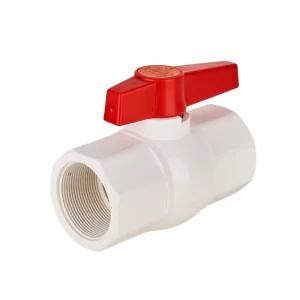
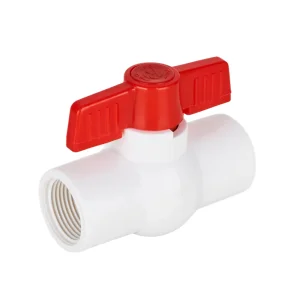
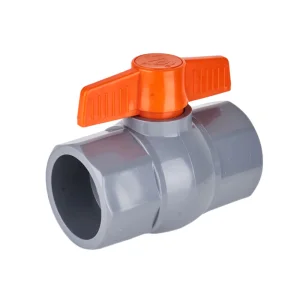
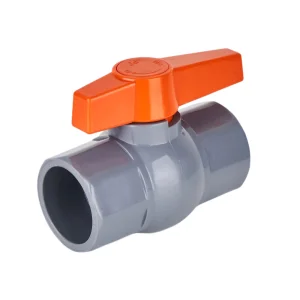
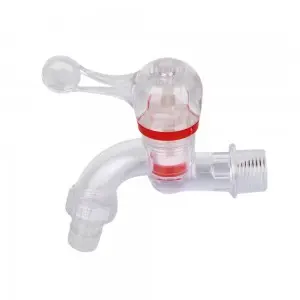
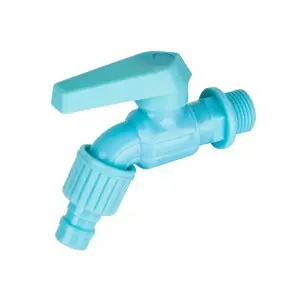
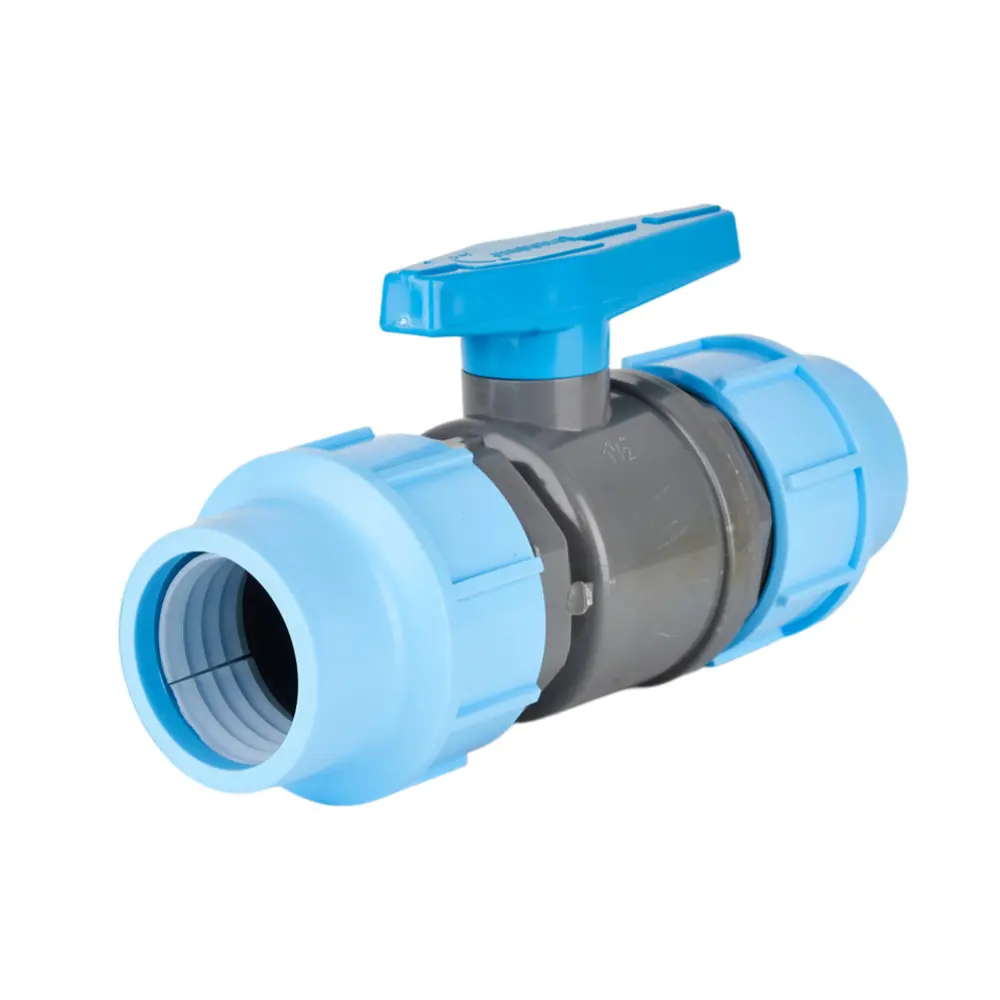
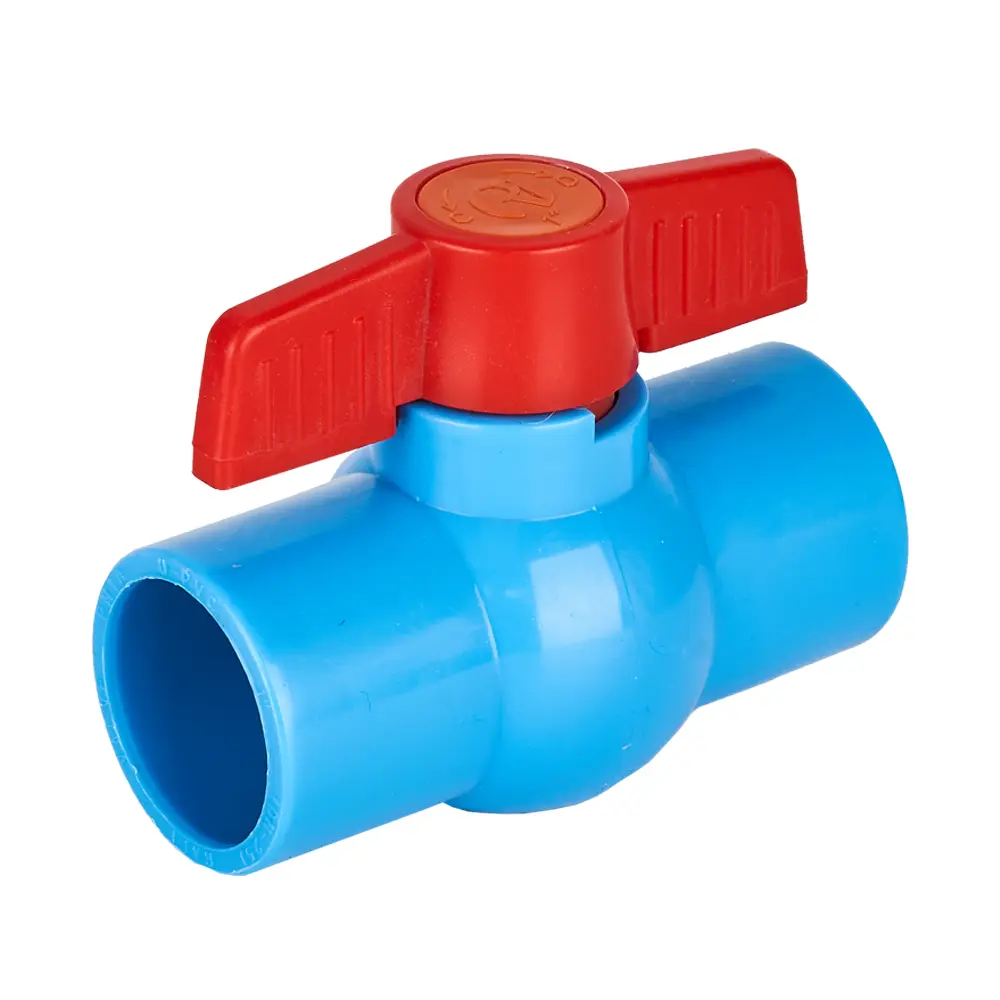
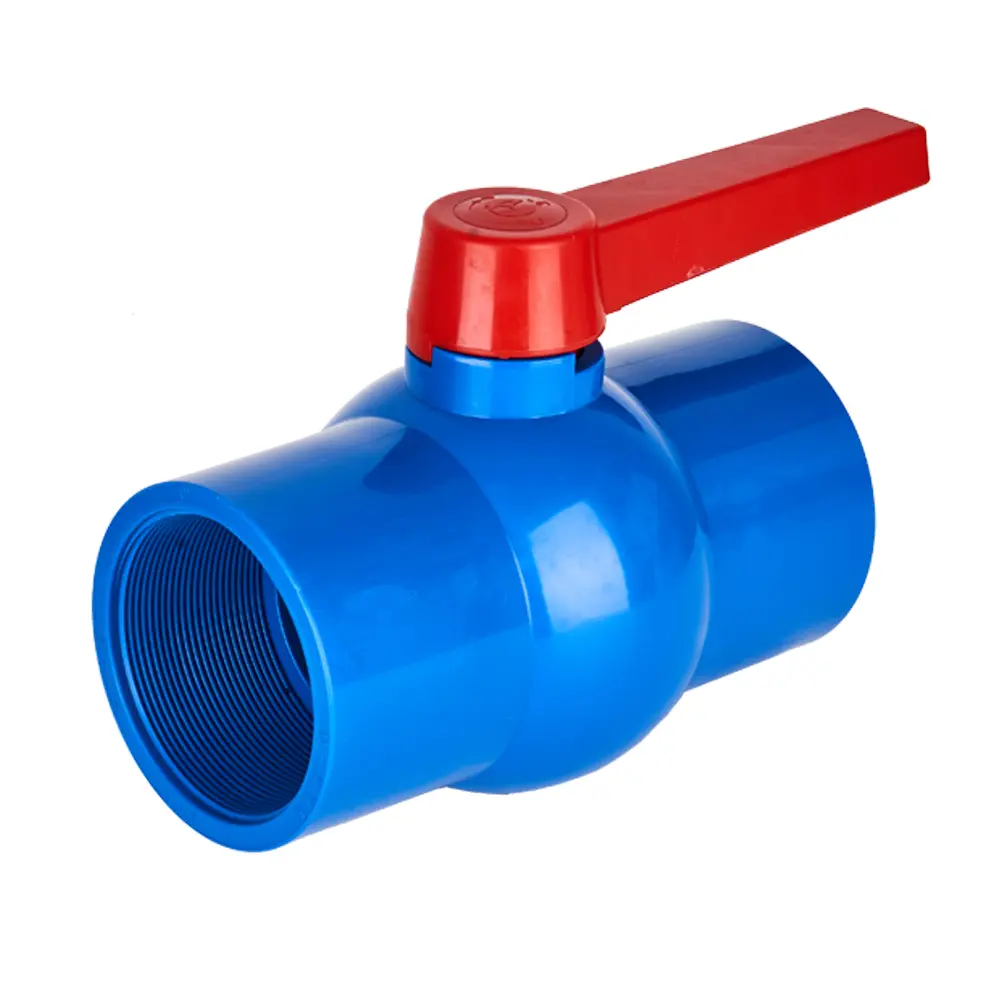
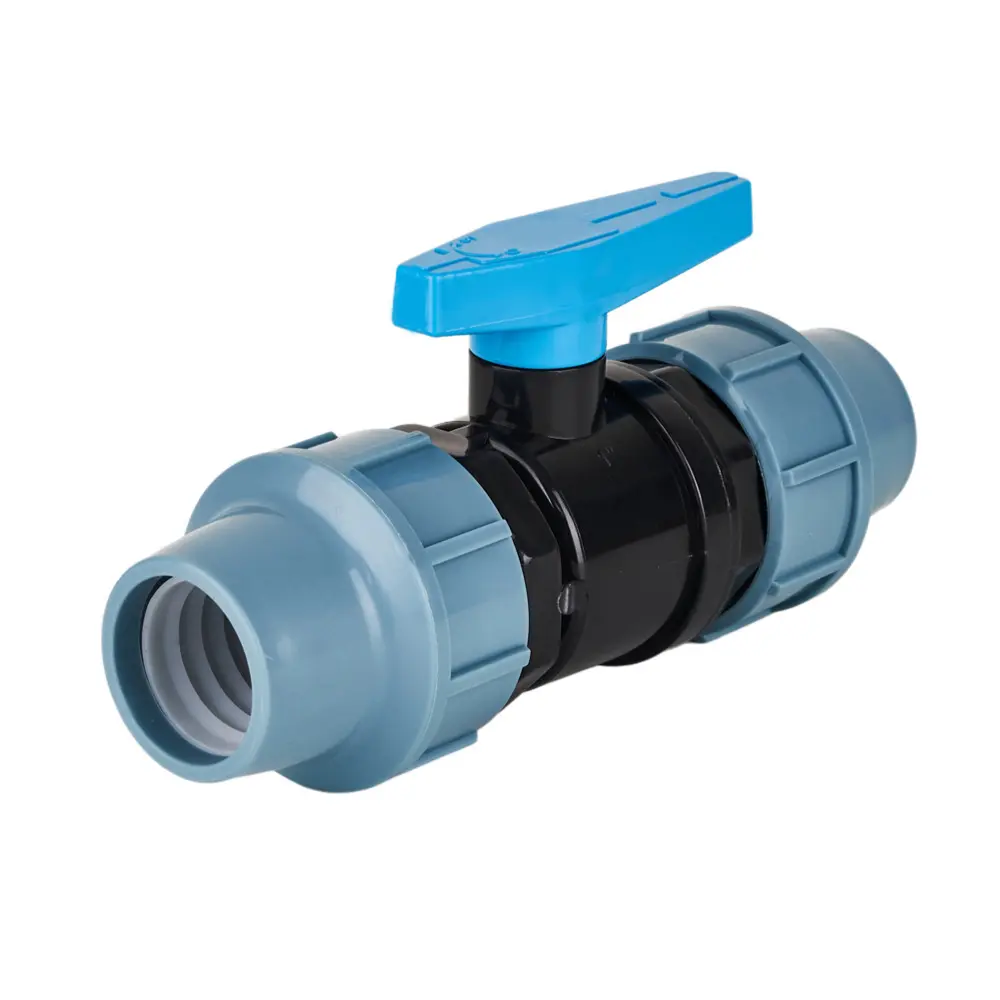
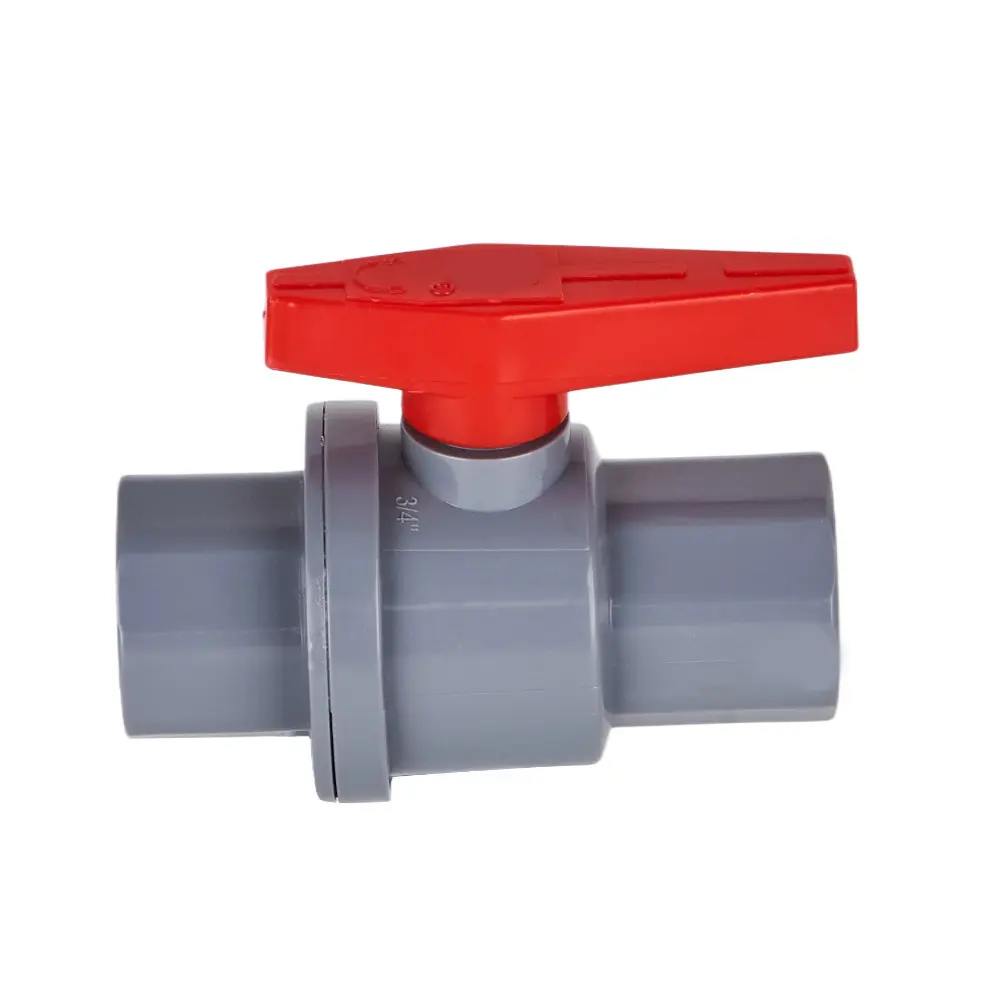
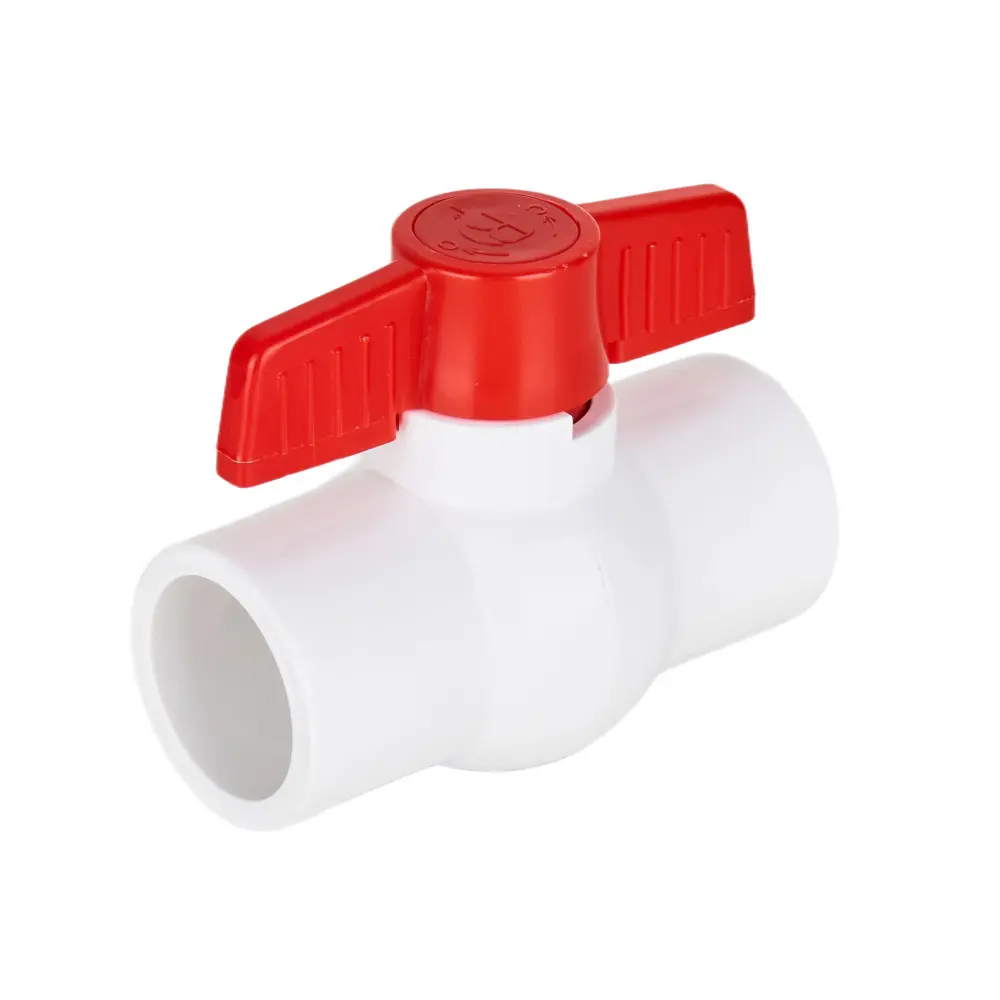
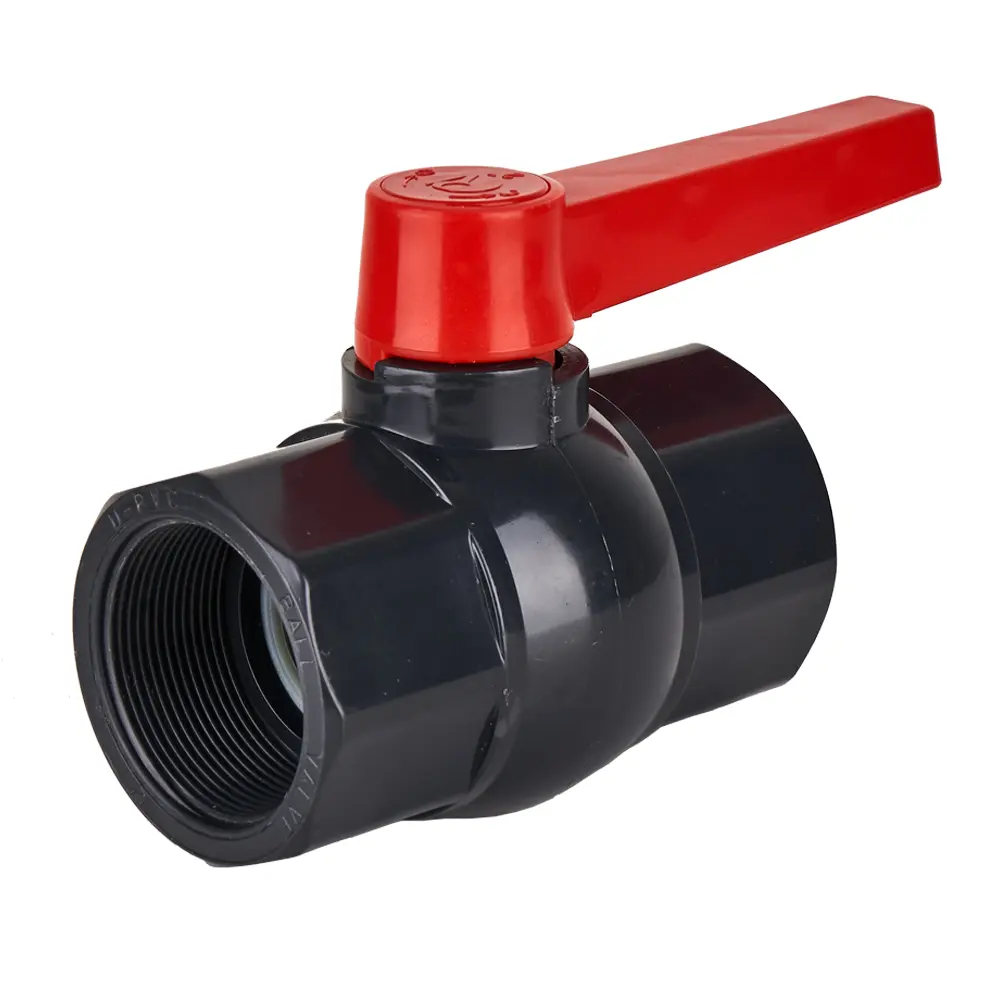
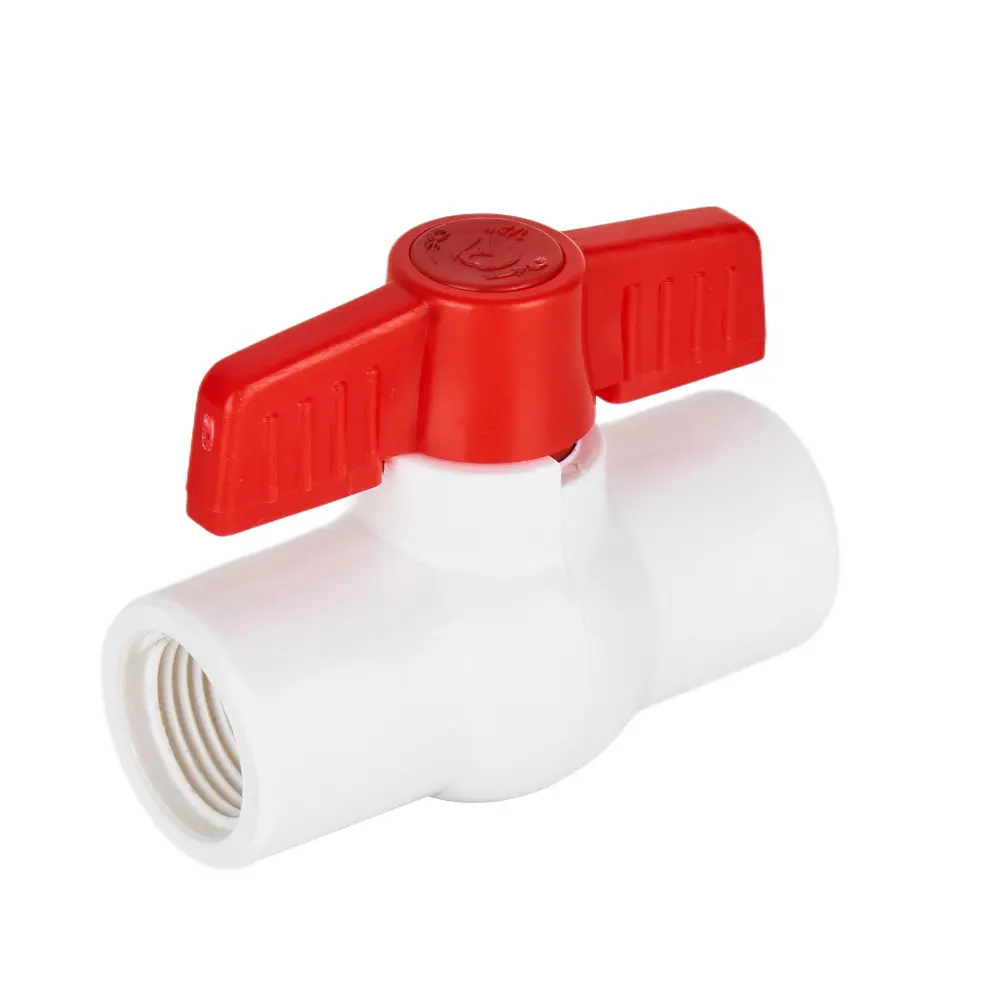
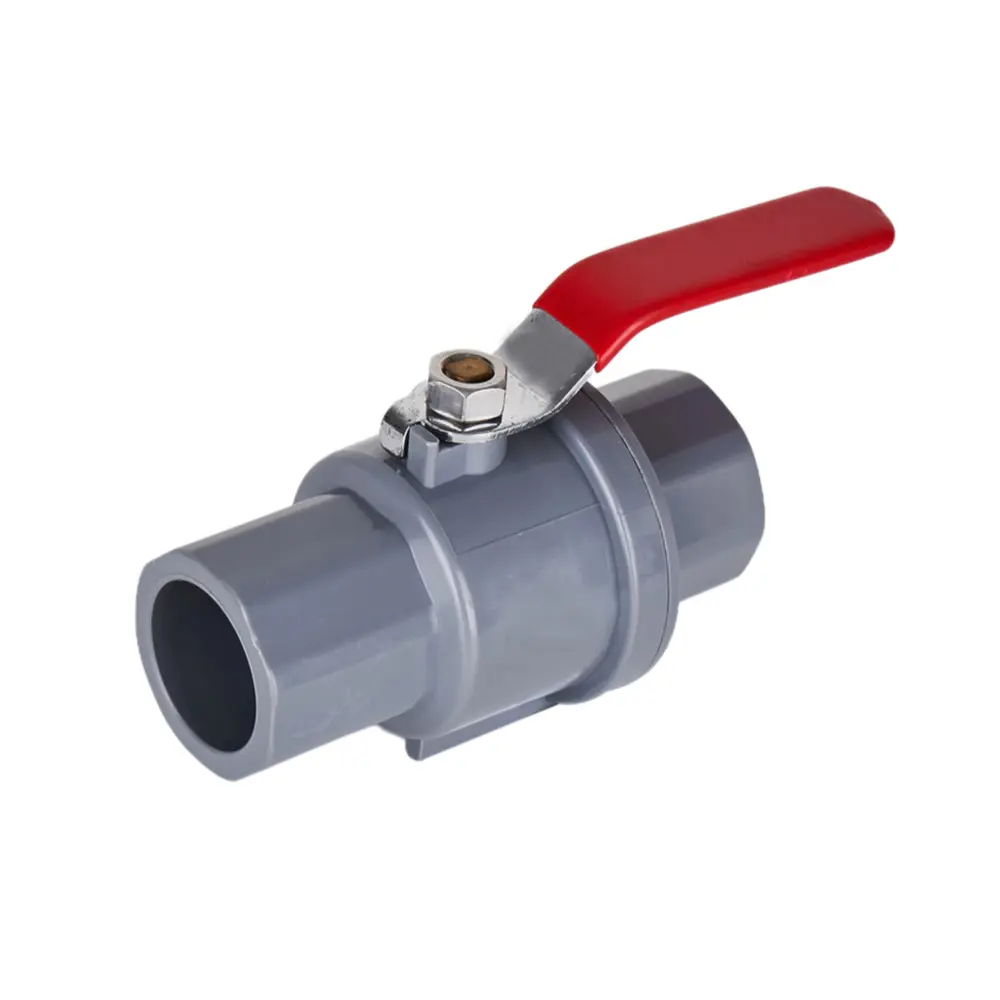
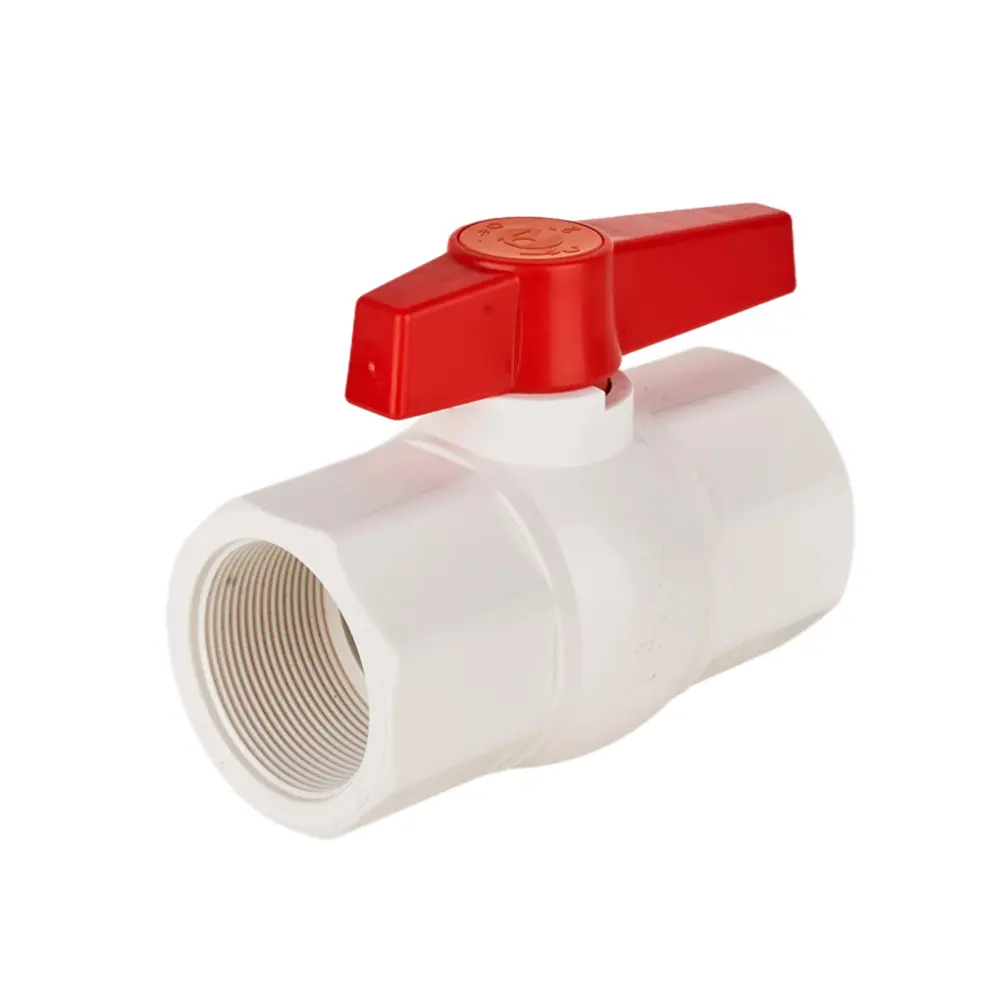
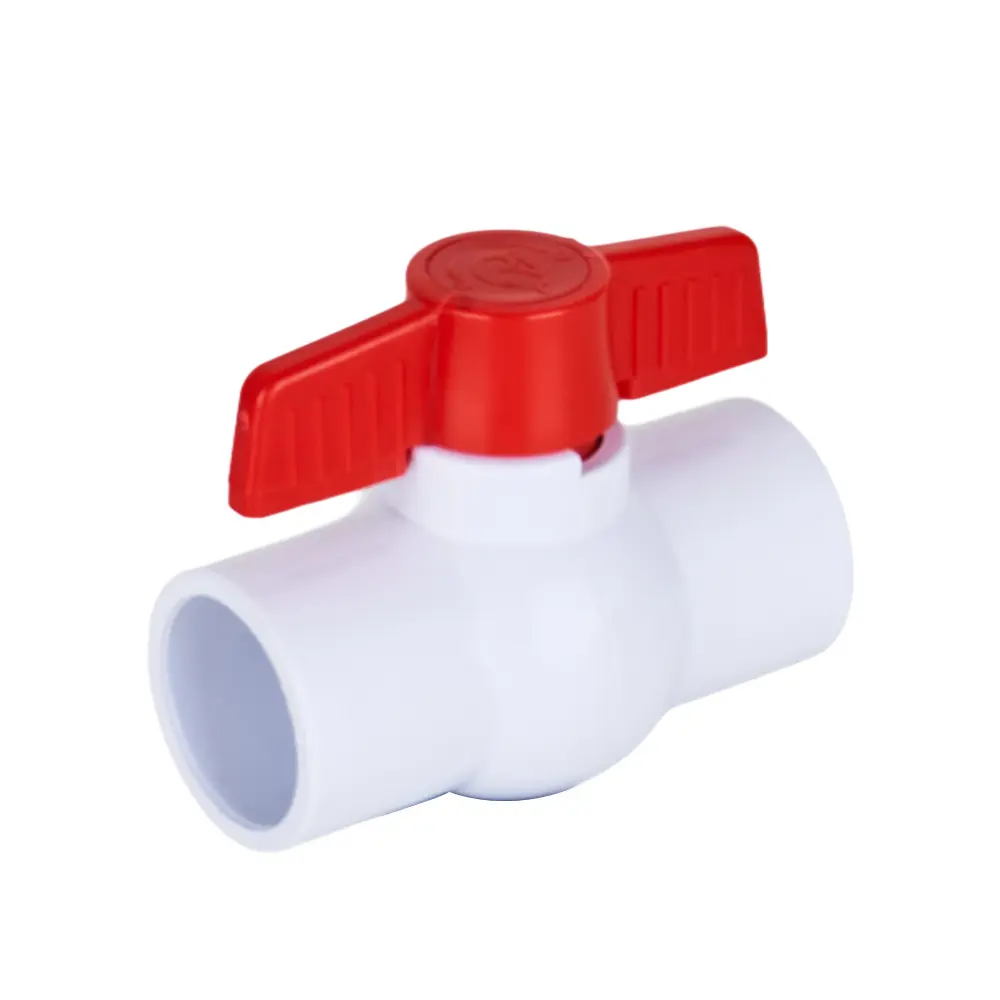
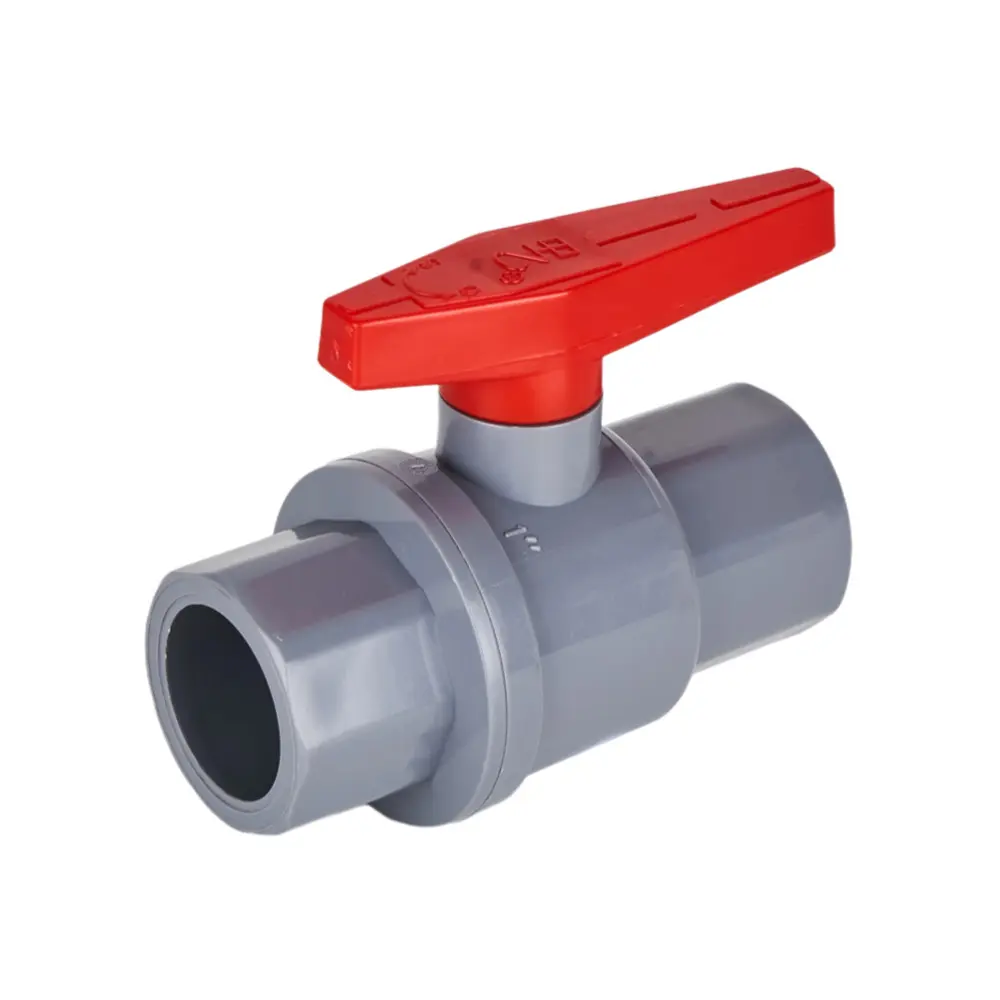
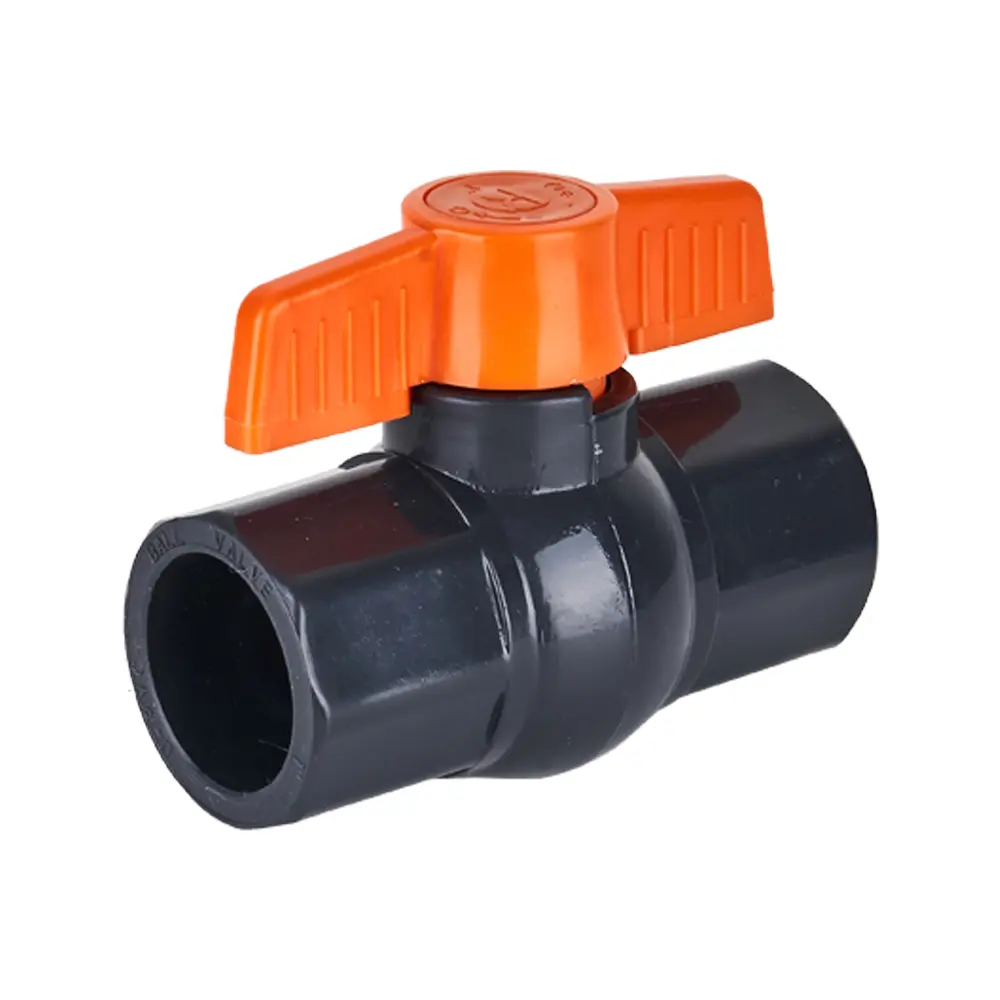
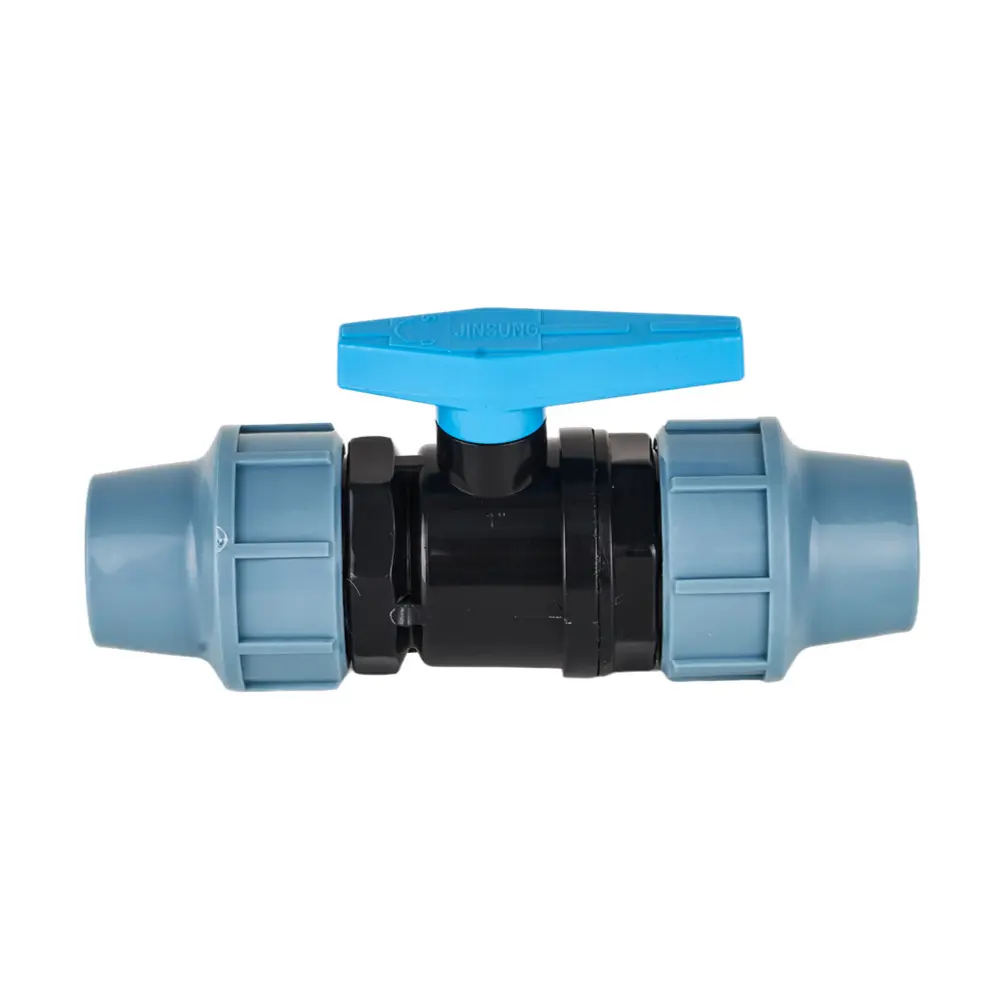
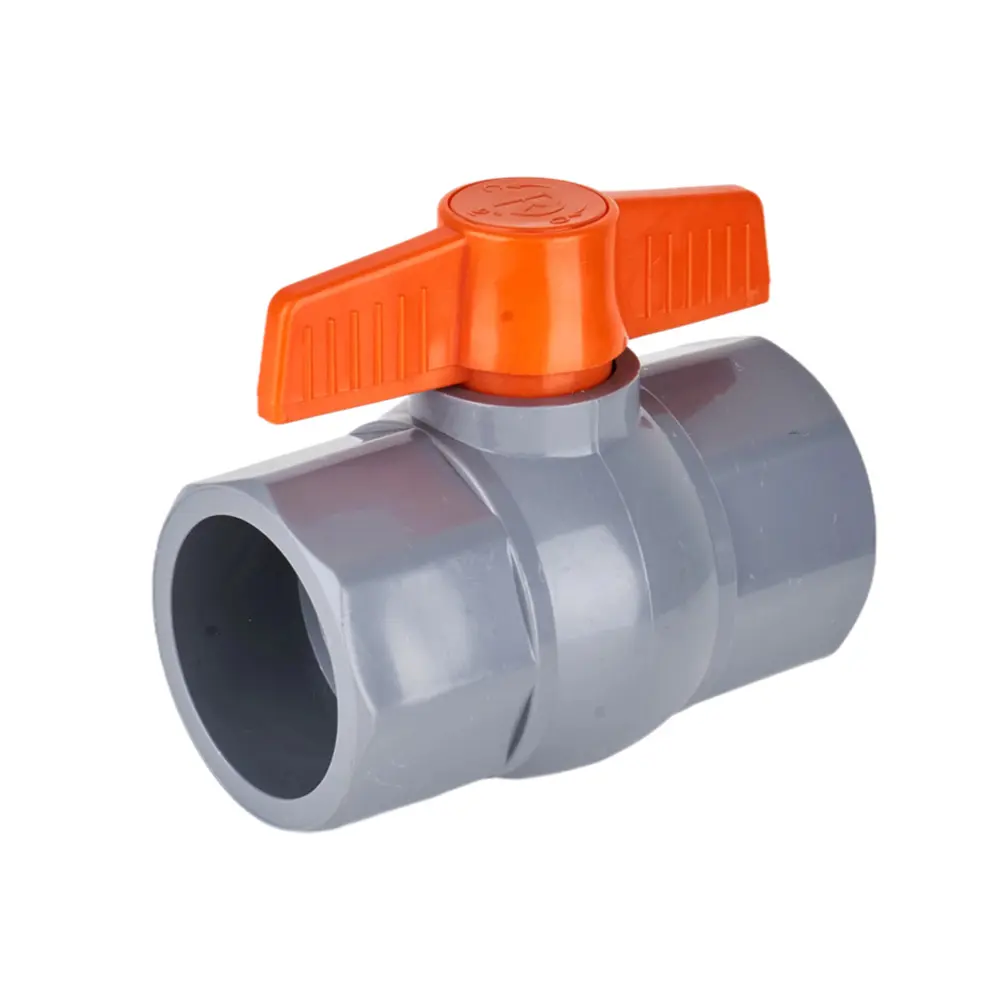
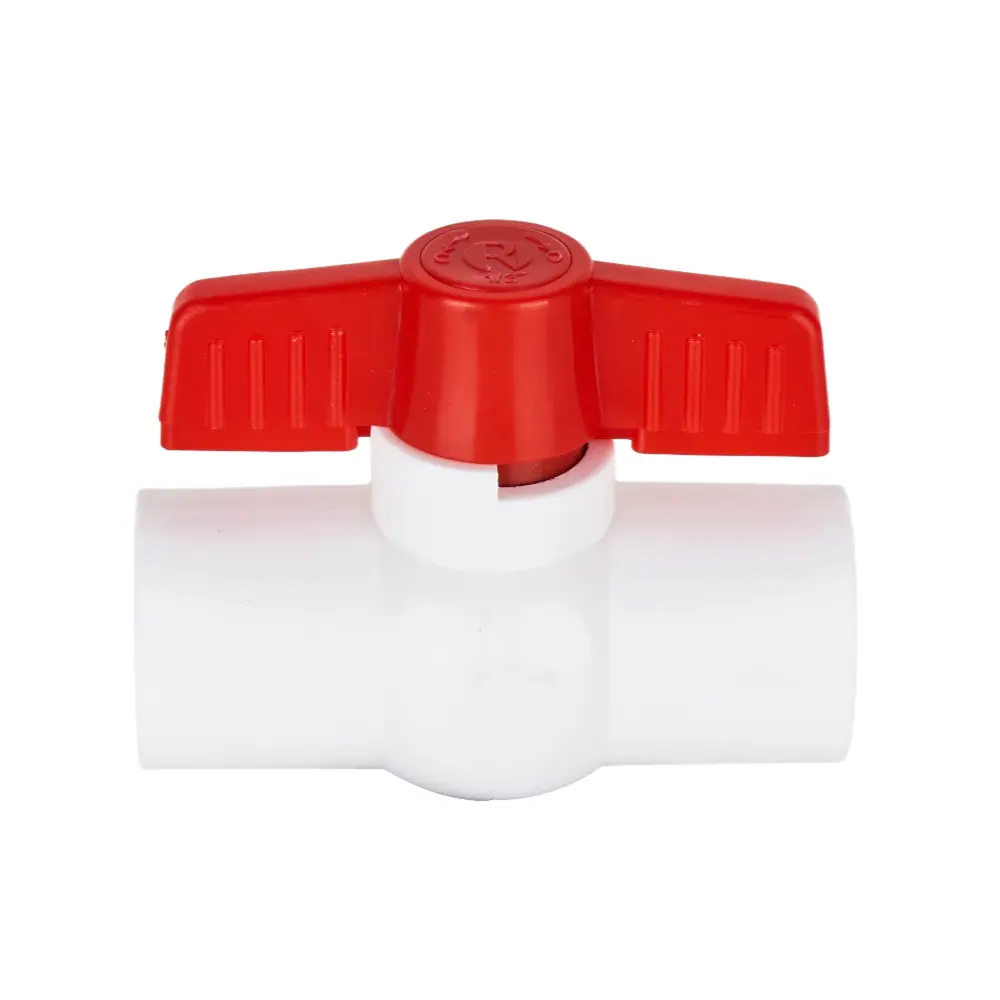
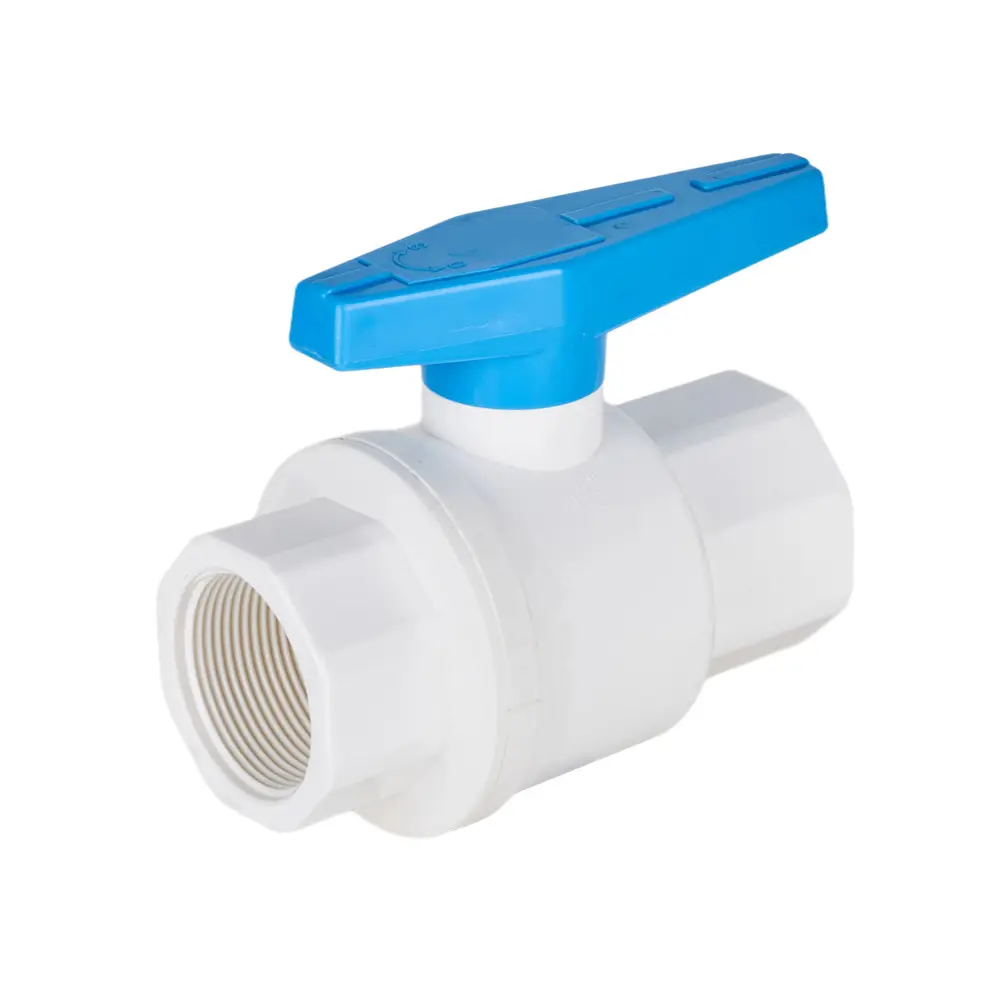
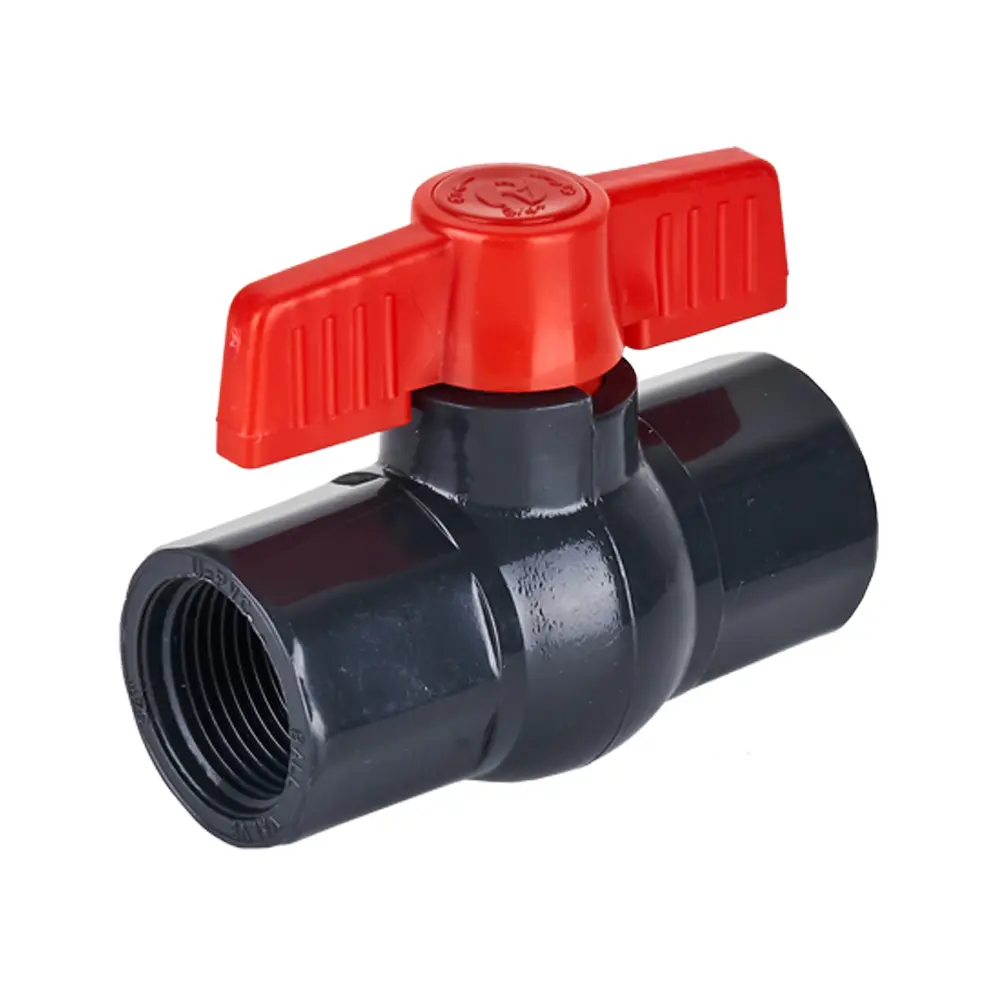
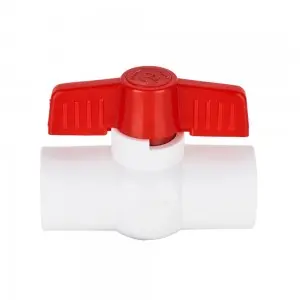
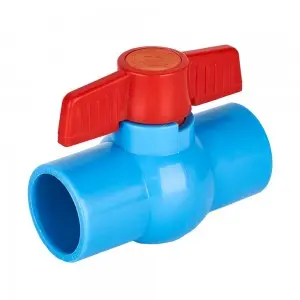
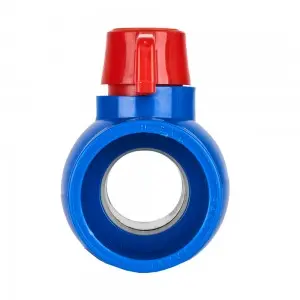
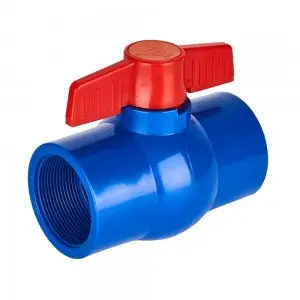
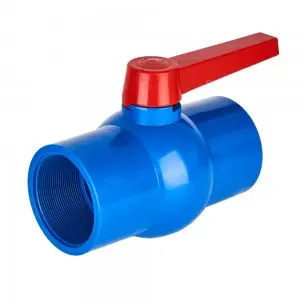
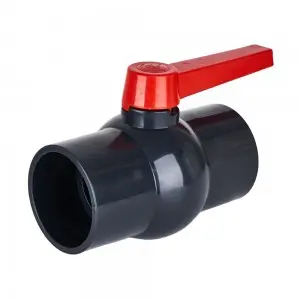
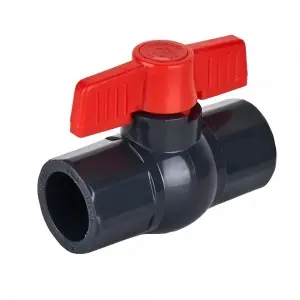
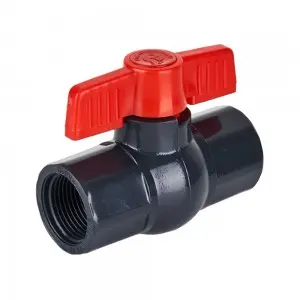
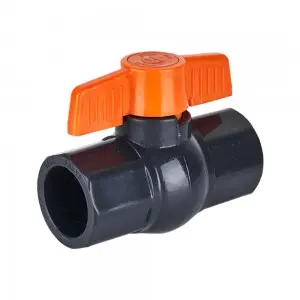
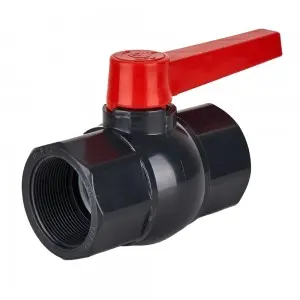
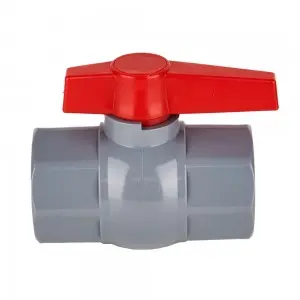
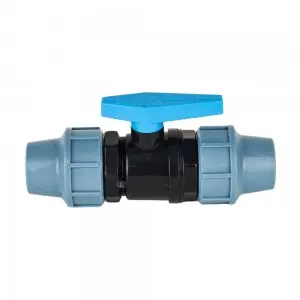
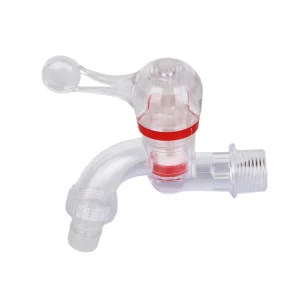
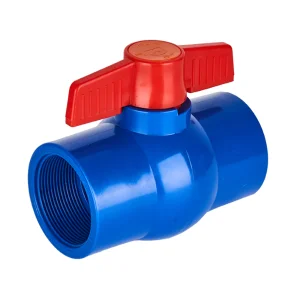
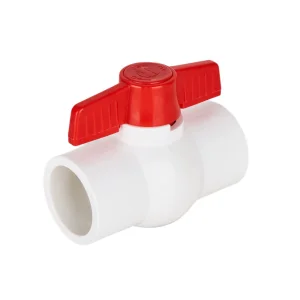
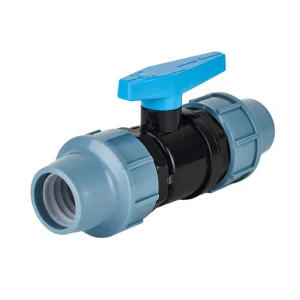
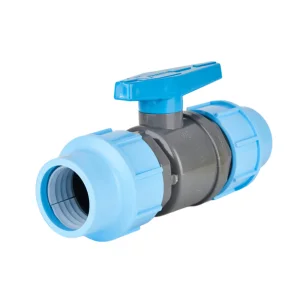
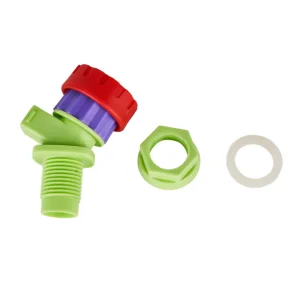
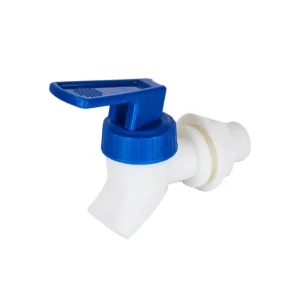
Explore our core selection of high-precision PVC, PPR, and PP valves and components engineered for industrial, municipal, and residential installations.
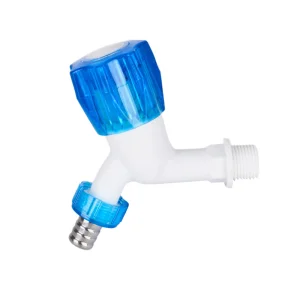
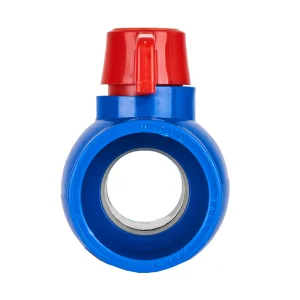
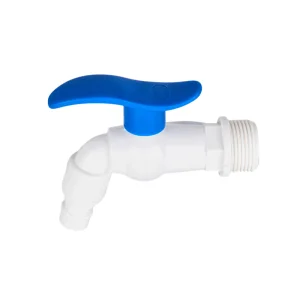
Integrating Academy-Guided R&D with Precision German Injection Molding Standards
Ehao Plastic Group is a high-tech private enterprise integrating the R&D and production of advanced building materials, industrial pipe fittings, and high-tolerance injection molds. Positioned as a market leader for PVC, UPVC, and Polypropylene Random Copolymer (PPR) ball valves in China, Ehao has engineered robust supply solutions that satisfy both heavy civil infrastructure and strict commercial building specifications.
Since our inception, our technological paradigm has been co-developed and supported by the prestigious Chinese Academy of Sciences and Zhejiang University. This elite academic collaboration ensures that Ehao utilizes leading-edge polymer crystallization physics and rheological optimization in our raw material formulation, setting a new benchmark for structural longevity in fluid handling systems.
To eliminate manual error and maintain micro-level tolerance, Ehao introduced automated production lines and computerized injection molding systems imported directly from Germany. Every individual batch must clear a rigorous 26-step scientific testing protocol. These multi-stage mechanical, pressure, thermal, and chemical stress tests ensure a flawless 100% pass rate. Our technological indices strictly align with DIN 8077 and DIN 8078 standards, establishing a world-class level of manufacturing integrity.
How Ehao engineering serves critical industrial, ecological, and residential piping infrastructures.
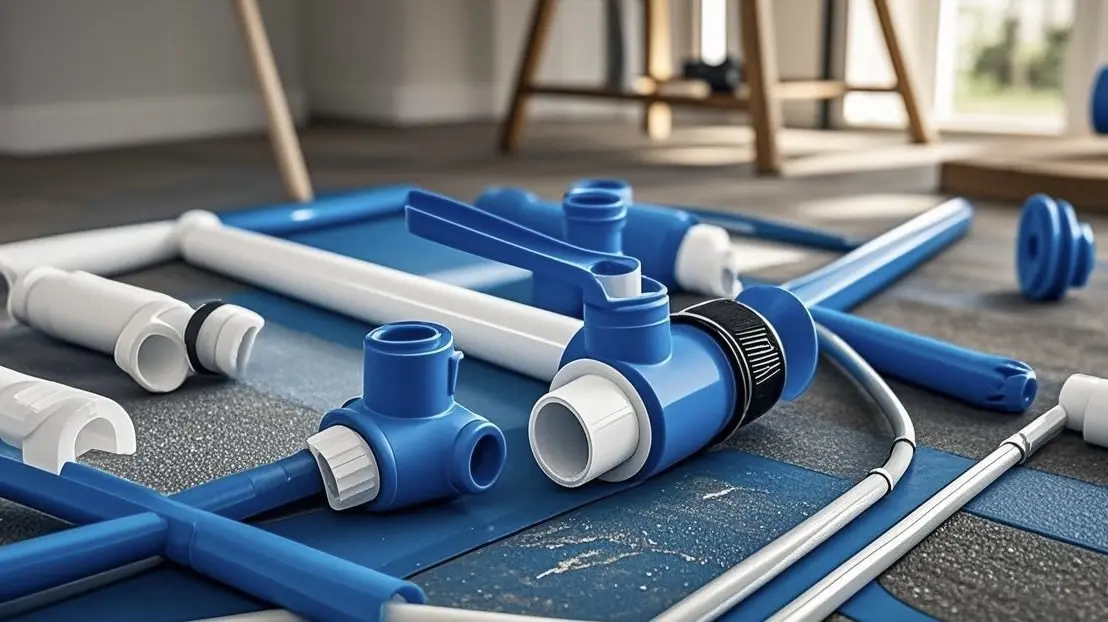
Hygienic, lead-free PPR drinking water pipe systems offering pure chemical neutrality, scaling prevention, and zero odor transmission for smart residential plumbing.
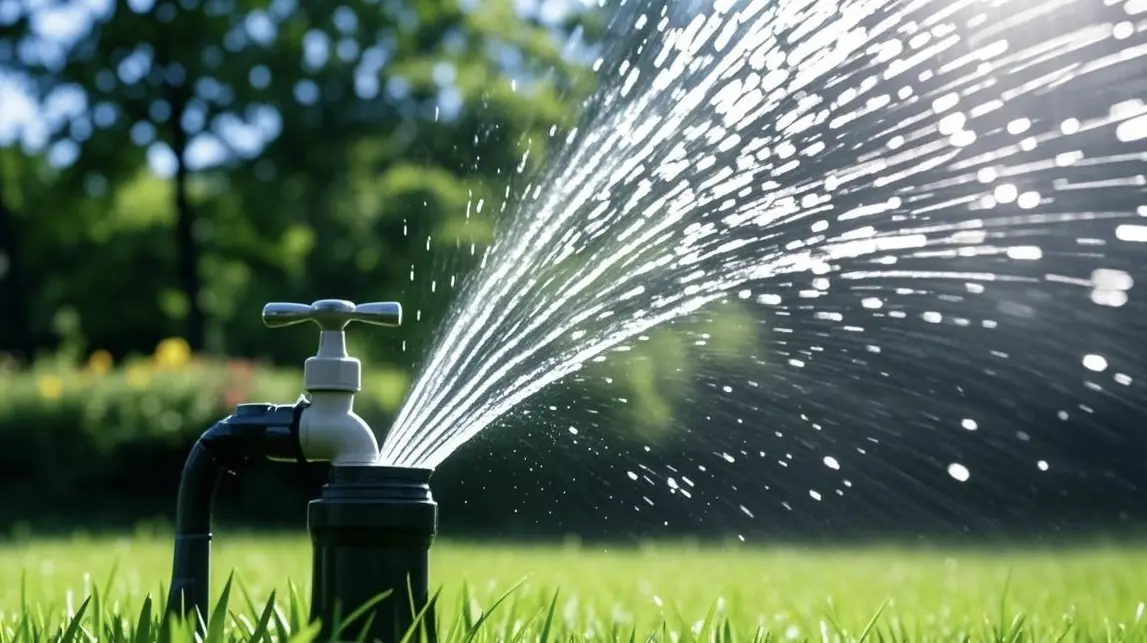
Weather-resistant, UV-stabilized piping grids configured to survive demanding agricultural conditions, high-pressure liquid fertilizer dosing, and seasonal temperature shifts.
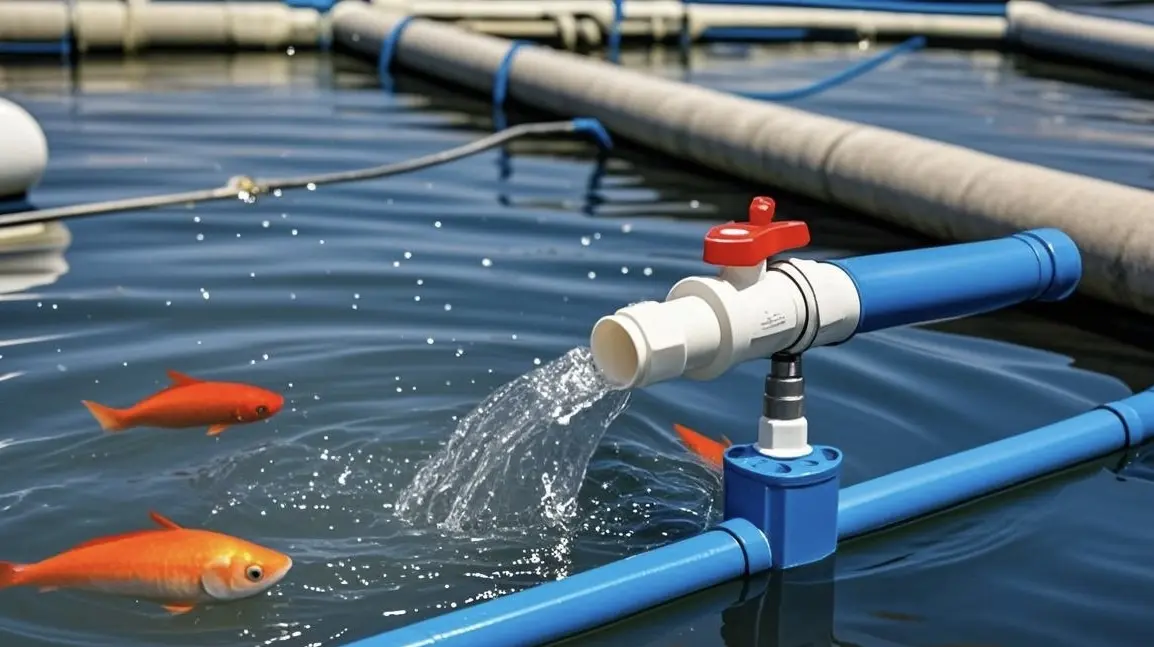
Non-toxic, high-flow polymer systems designed to preserve aquaculture water purity. Our pipes prevent contamination, heavy metal leaching, and biological buildup.
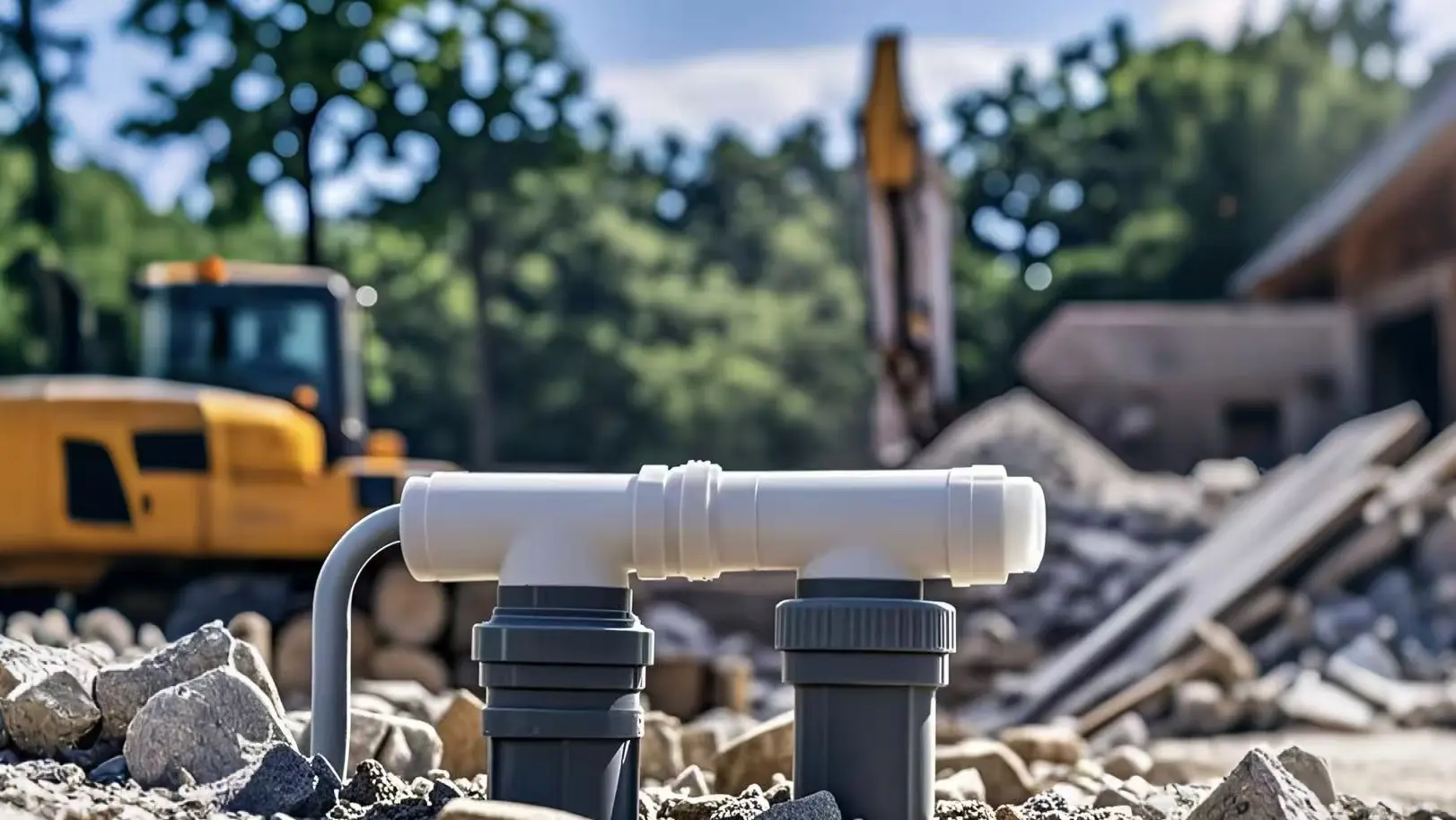
Heavy-duty, high-temperature municipal distribution pipelines and commercial HVAC heating lines engineered to withstand massive static head pressures and thermal cycles.
Ehao Plastic Group supports your infrastructure development from raw design and custom mold fabrication to financial optimization and local project logistics.
At Ehao, our engineering philosophy is built on four core pillars: "Honesty, Dedication, Innovation, and Mutual Return". By centering our business model on quality for survival, science for development, structured management for profitability, and superior service for credit, we create a high-value ecosystem for overseas distributors and engineering contractors.
Beyond our catalog range, we specialize in high-capacity plastic mold development. We offer comprehensive OEM/ODM services, manufacturing custom components according to client-supplied materials, physical samples, or detailed CAD blueprints. Our engineering team acts as a dedicated co-developer, validating flow parameters and structural loads before serial production.
An in-depth analysis of macroscopic demand, material science roadmaps, and compliance parameters for global distribution.
In modern industrial and civil engineering, the demand for Polypropylene Random Copolymer (PPR) systems is scaling at an unprecedented rate. Globally, regional markets are transitioning away from traditional metallic copper and galvanized carbon steel systems due to heavy scaling, chemical leaching, and galvanic corrosion. Mechanical, Electrical, and Plumbing (MEP) contractors now prioritize high-density thermoplastic solutions that guarantee chemical inertness, high mechanical stability, and a service lifecycle exceeding 50 years.
For large-scale distributors, procuring PPR pipes and fittings requires strict compliance assessment. Suppliers must ensure structural consistency under dynamic hydraulic stress. Ehao's integration of German manufacturing lines and real-time computer-controlled mold positioning ensures that wall thickness eccentricity remains below 0.05mm, eliminating structural weak points prone to fatigue failures.
Under ISO and German DIN engineering frameworks, PPR pipes and fittings are grouped into pressure stages defined by their Standard Dimension Ratio (SDR). Ehao's PPR formulations are designed to handle strict temperature-to-pressure scaling curves:
| PPR Series (SDR) | Pressure Class (PN) | Max Temp (Continuous) | Primary Application Range |
|---|---|---|---|
| SDR 11 | PN 10 / PN 12.5 | 40°C | Cold water networks & agriculture loop systems |
| SDR 7.4 | PN 16 / PN 20 | 70°C | Air conditioning, domestic hot and cold water |
| SDR 6 | PN 25 | 95°C (Peak) | Industrial chemical lines & high-rise HVAC systems |
The structural advantage of Polypropylene Random Copolymer lies in the random ethylene dispersion within the propylene macromolecular chain. This chemical structure increases impact resistance, reduces thermal conductivity compared to standard plastics, and ensures high tensile elasticity during thermal expansion cycles.
As sustainability regulations intensify, the polymer industry is moving toward Beta-nucleated PP-RCT (Polypropylene Random Copolymer with Modified Crystalline Structure). This advanced crystal structure allows pipes to handle higher pressures at elevated temperatures with thinner wall designs, raising hydraulic capacity by up to 20%. Ehao’s R&D focus, supported by Zhejiang University, continues to evaluate these next-generation resins, optimizing material efficiency and reducing carbon footprint during production.
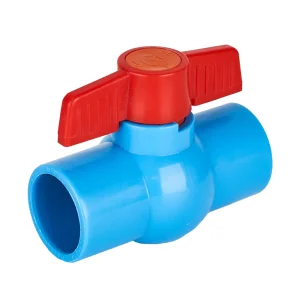
Engineered for high chemical resistance, physical impact durability, and easy manual/actuated control.
Ensuring absolute safety, performance consistency, and physical reliability in 28+ countries.
To operate successfully across international markets, piping components must satisfy localized regulatory frameworks. Ehao designs all products to meet or exceed European and North American building codes. Our valves and pipes are subjected to a rigorous 26-step testing cycle inside our modern quality assurance labs.
Addressing critical design, chemistry, and installation queries for mechanical design engineers and global procurement executives.
PPR (Polypropylene Random Copolymer) offers exceptional chemical corrosion resistance, zero scaling properties, and an extremely low thermal conductivity (0.24 W/mK), which significantly reduces heat loss in hot water networks. Furthermore, PPR joints are fused molecularly using socket or electrofusion welding, creating a single, continuous system that eliminates the weak points and leak risks associated with threaded or soldered metal joints.
We work in collaboration with Zhejiang University and the Chinese Academy of Sciences to ensure precise raw material chemistry. Our computerized, German-made injection molding machinery maintains exact dimensional control. Additionally, our 26-step testing framework subjects each batch to high-temperature hydrostatic testing, melt flow rate analysis, and mechanical impact tests to guarantee full compliance with DIN standards before shipping.
Because PPR is a thermoplastic, it expands under temperature changes. The expansion is calculated using the formula: ΔL = α × L × ΔT, where α represents the linear expansion coefficient (typically 0.15 mm/m·K for standard PPR). For long straight runs, designers must integrate expansion loops, structural bellows, or use co-extruded fiberglass-reinforced PPR (PPR-FB-PPR) pipes, which reduce thermal expansion by up to 75%.
Standard PPR is sensitive to continuous UV radiation, which can accelerate polymer degradation. For outdoor installations, such as exposed agricultural irrigation networks, Ehao recommends installing UV-coated pipes, applying protective insulation sleeves, or using our black, carbon-black-stabilized polymer variants that prevent UV-induced structural fatigue.
Ehao operates an in-house tooling division that designs and manufactures custom plastic injection molds. We develop custom valves, fittings, and mechanical housing parts based on your engineering CAD drawings, 3D files, or physical reference samples. Our development process includes full prototyping and simulation verification before serial production begins.
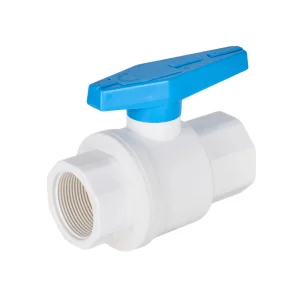
Explore our secondary selection of specialized compact ball valves, garden bibcocks, and heavy-duty double union systems.
 EHAO
EHAO