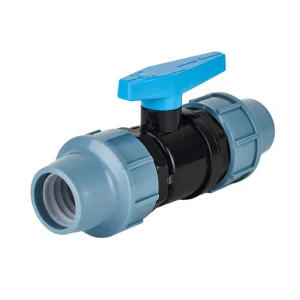
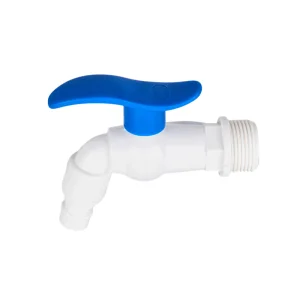
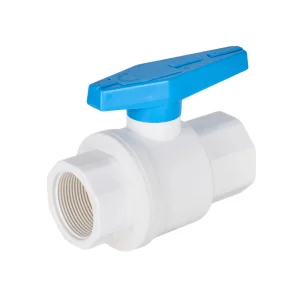
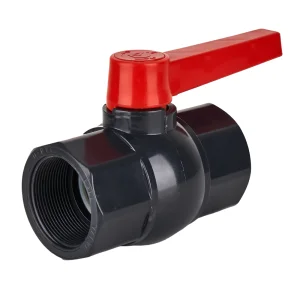
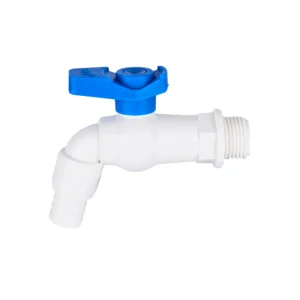
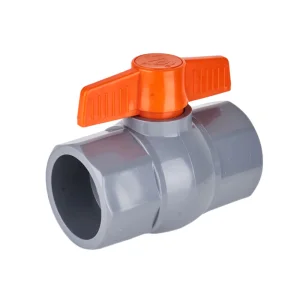
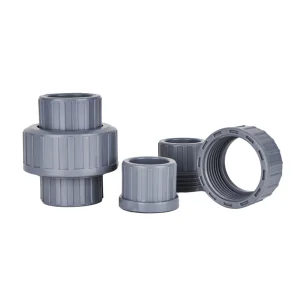
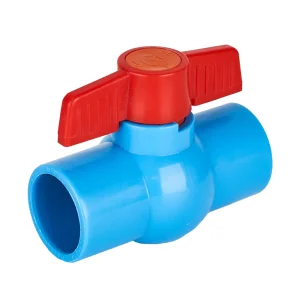
 EHAO
EHAO
Engineered for High-Pressure Performance, Chemical Corrosion Resistance, and Long Tooling Life Cycles
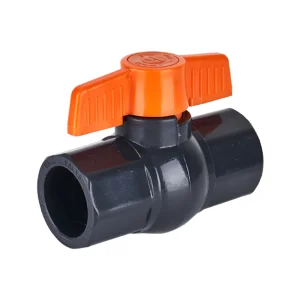
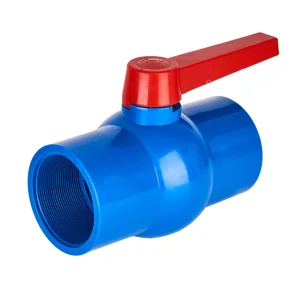
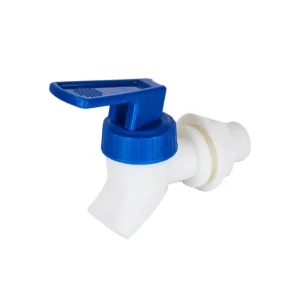
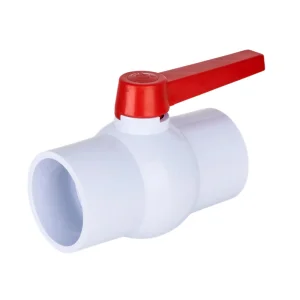
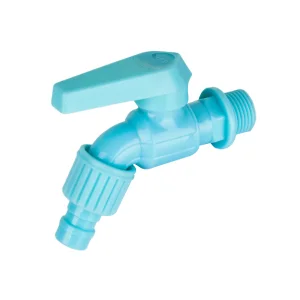
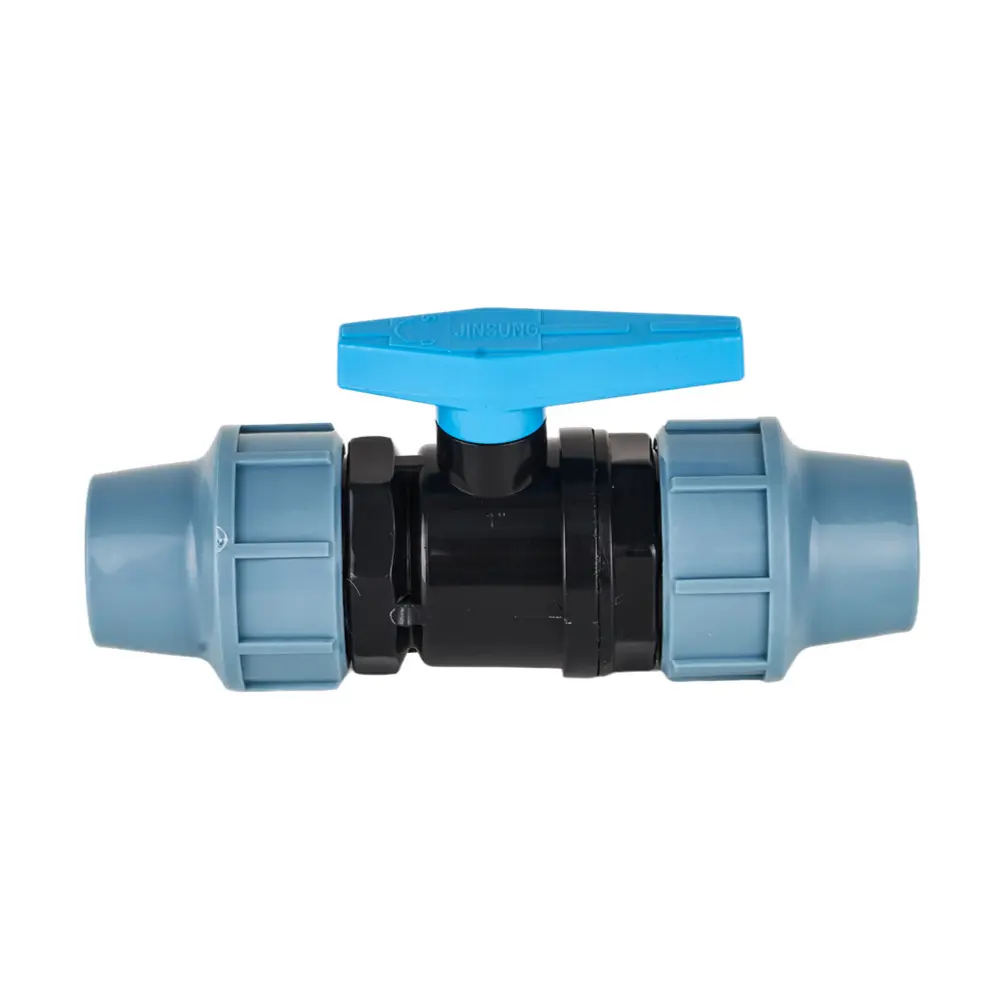
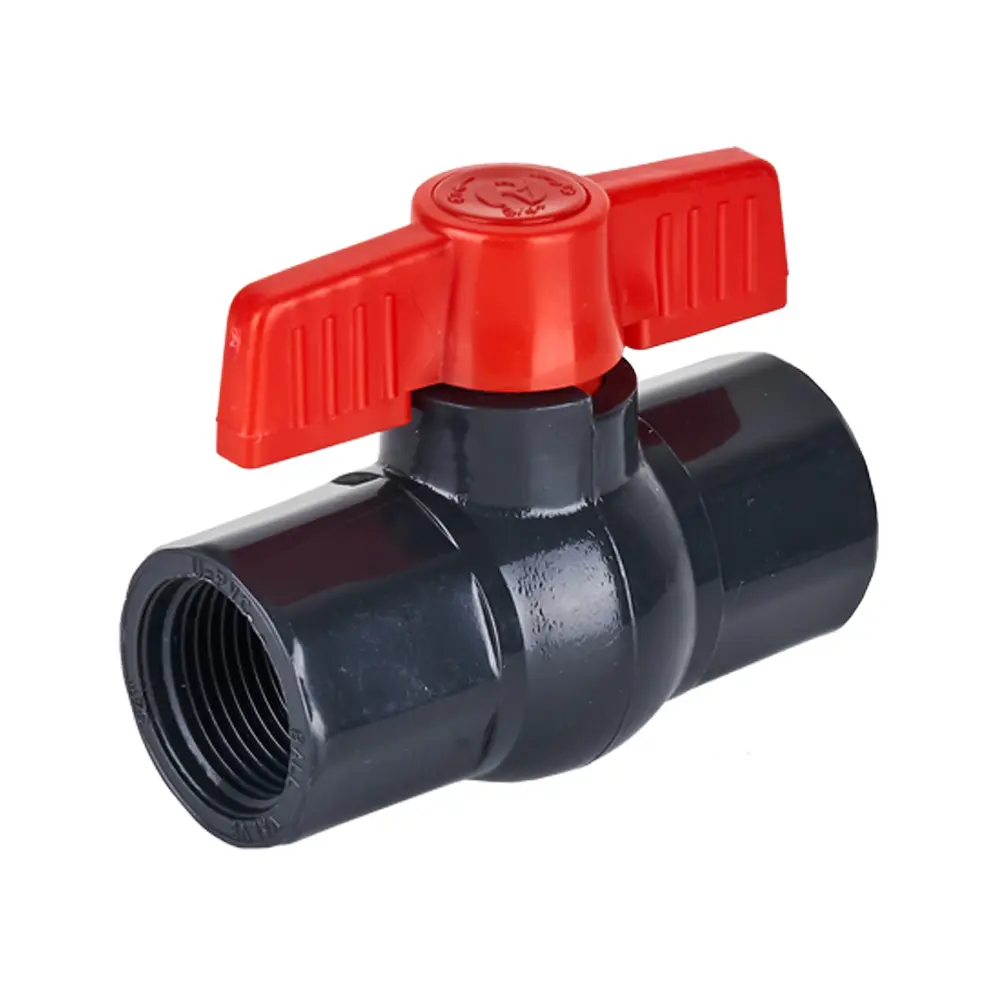
As a global leader in high-performance polymer extrusion, fluid control system parts, and precision tooling, Ehao Plastic Group operates at the intersection of material science and mechanical engineering. Established as a high-tech private enterprise, we specialize in the comprehensive research, design, development, and mass manufacturing of critical building materials, pipe fittings, and high-tolerance plastic injection molds.
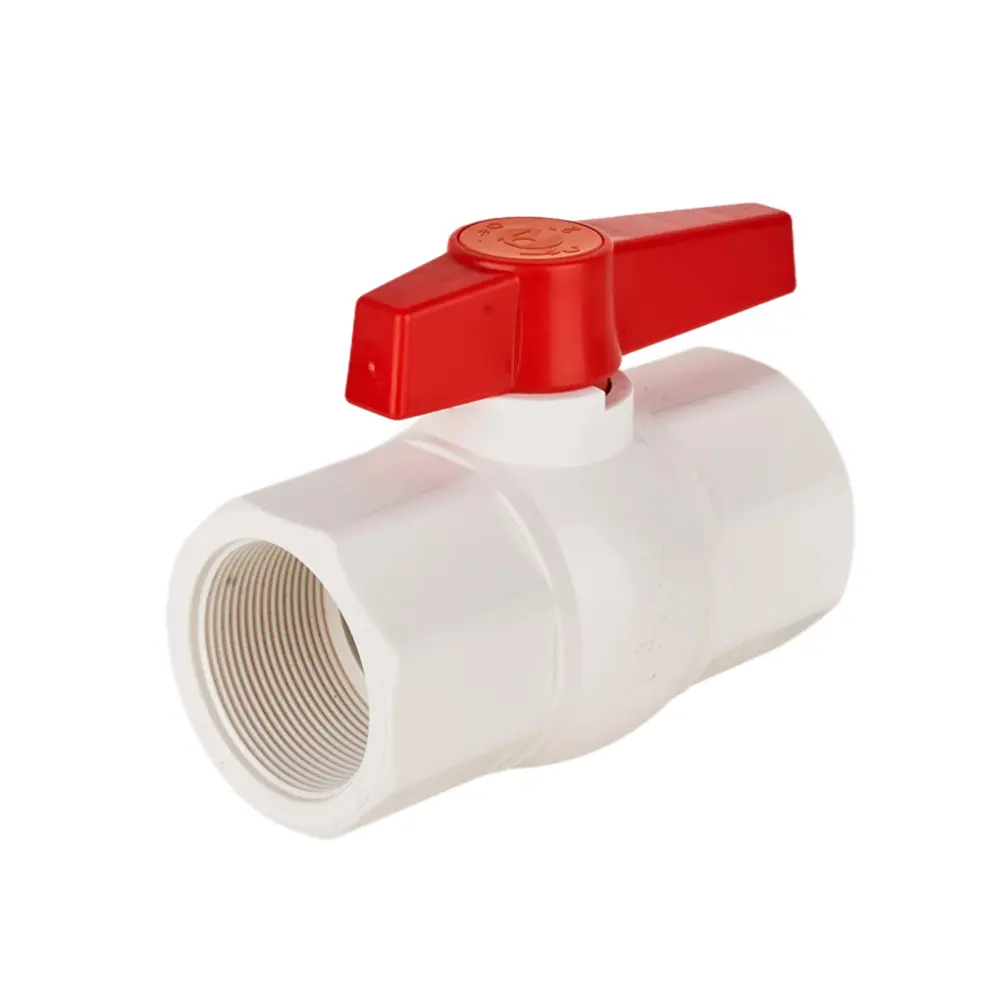
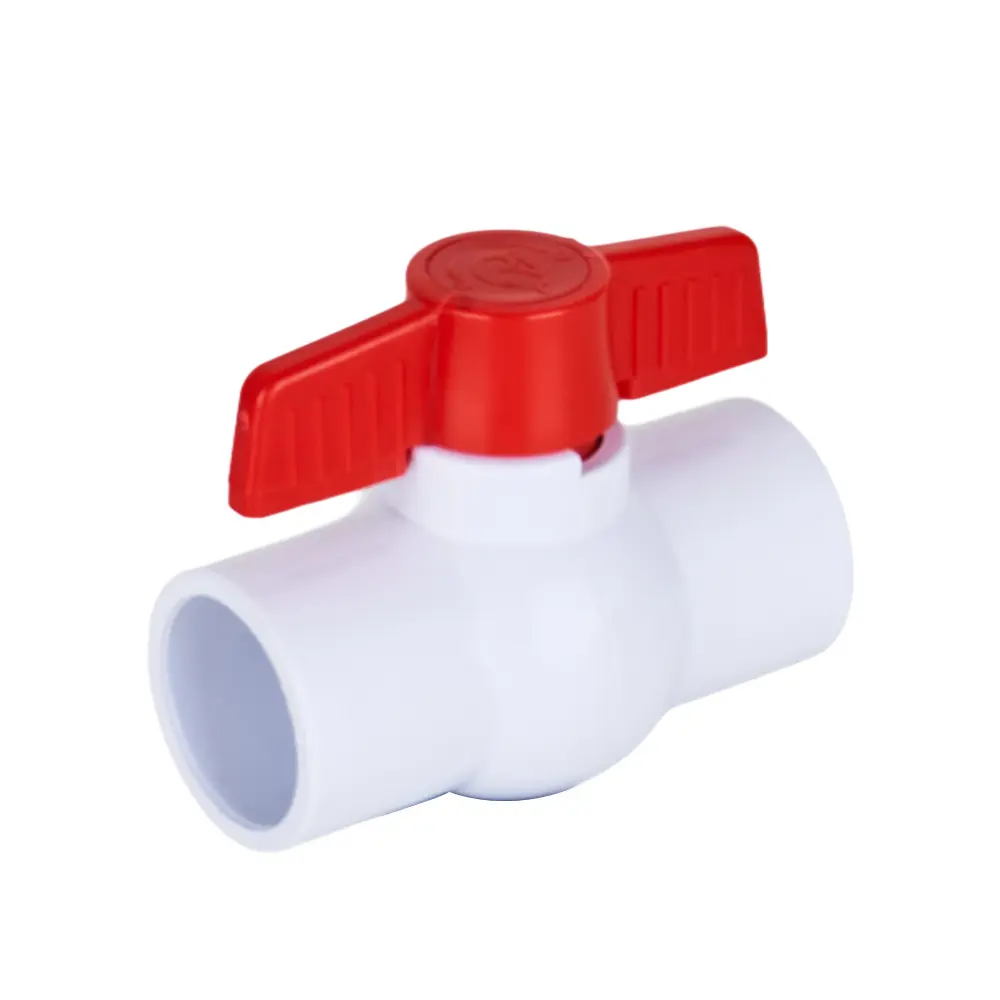
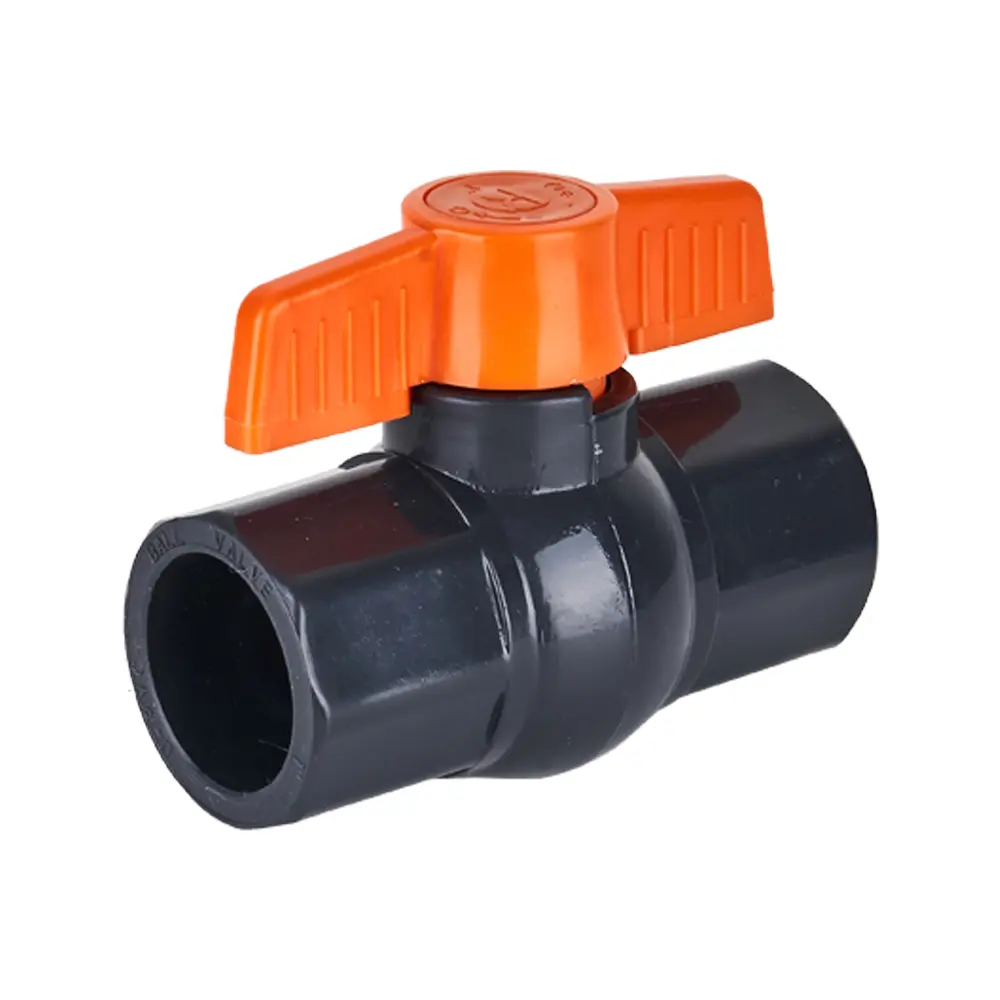
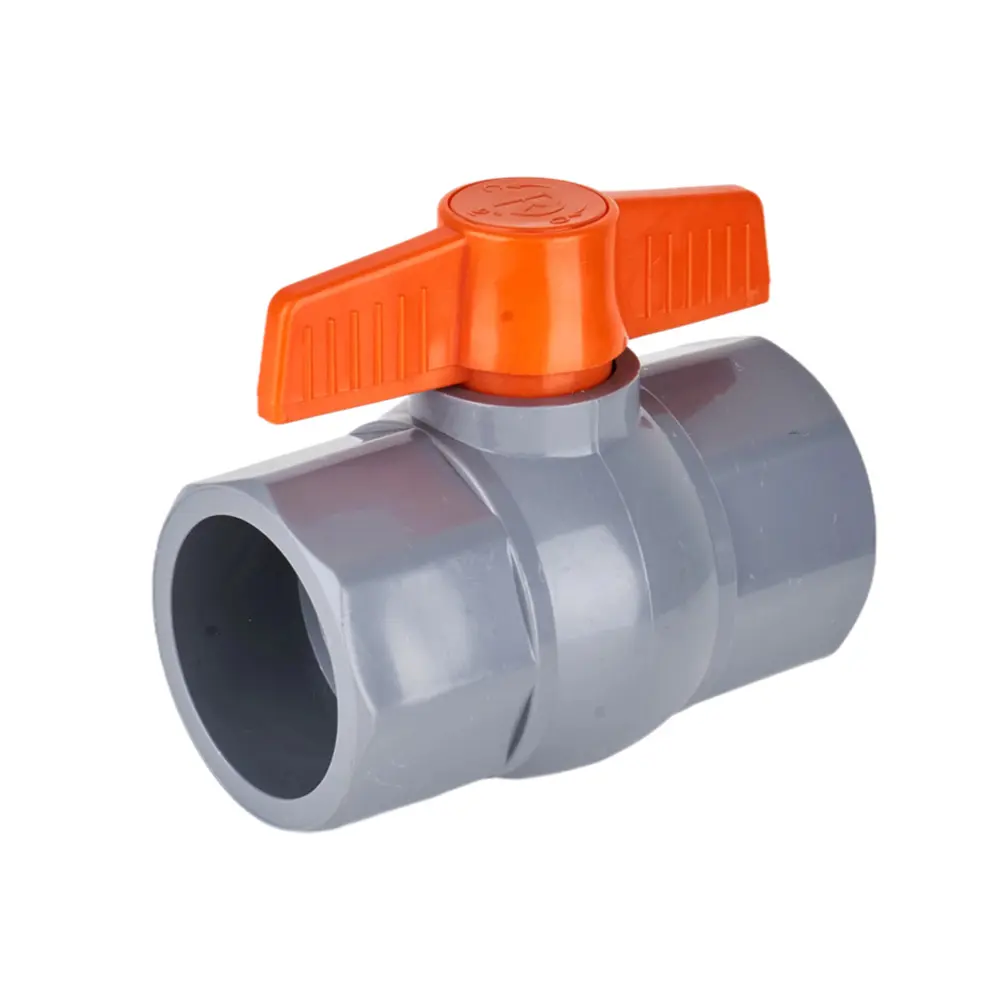
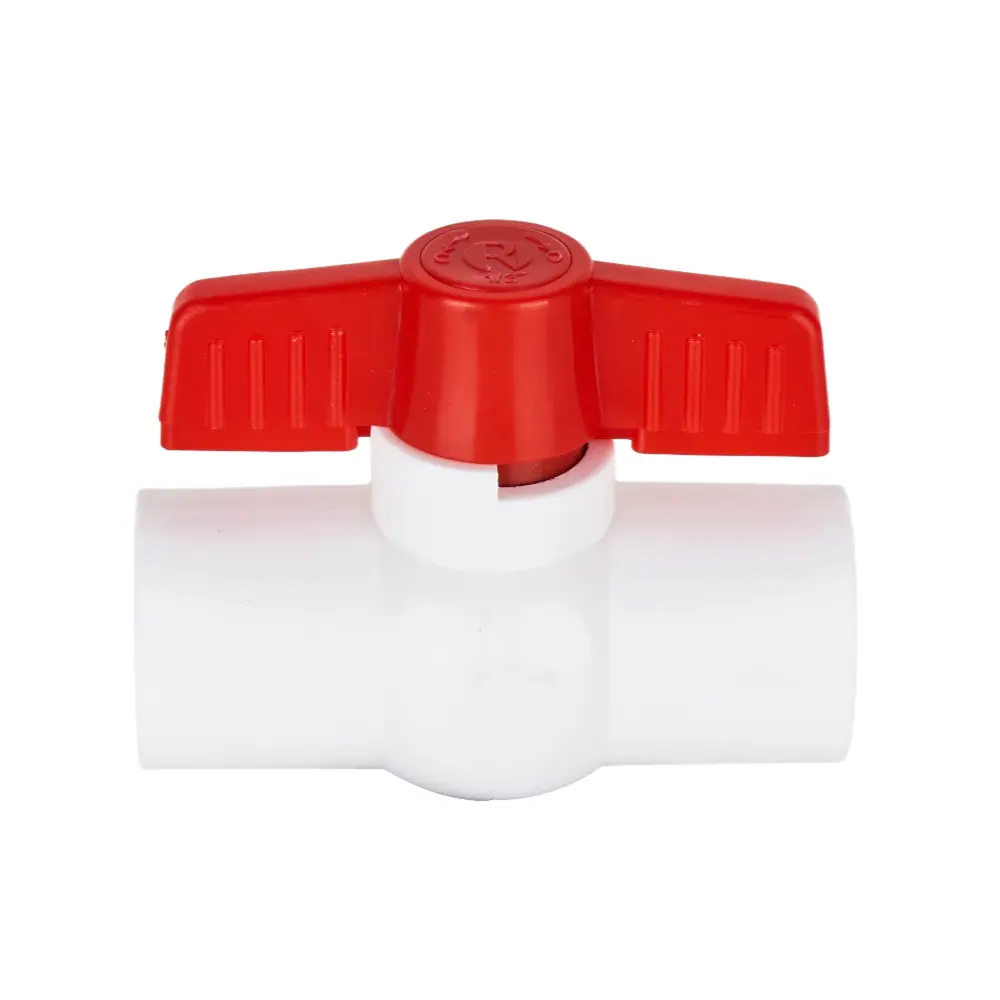
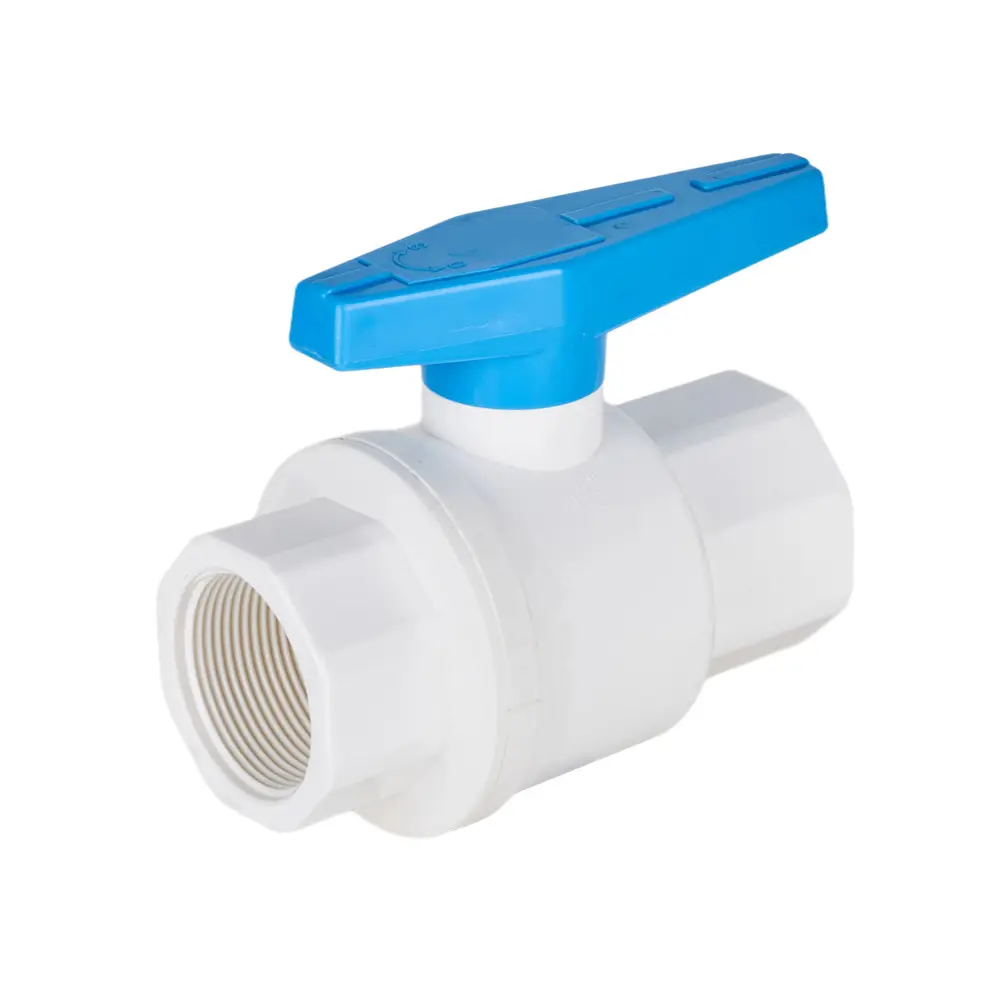
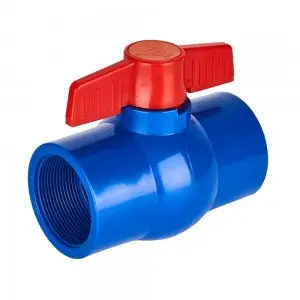
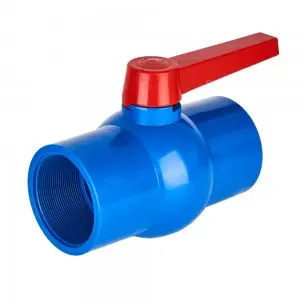
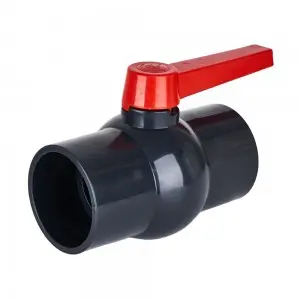
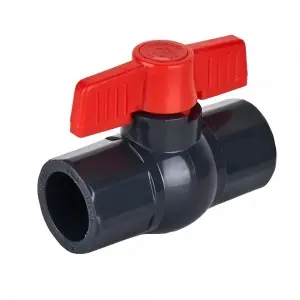
Ehao's prominent status in the domestic Chinese market, particularly as a premier manufacturer of PVC and UPVC ball valves, is reinforced by deep technical collaborations with world-class academic bodies like the Chinese Academy of Sciences and Zhejiang University. By leveraging these strategic partnerships, we continuously improve raw polymer compound formulas, design optimized gate and runner configurations, and execute complex thermodynamic analyses on cooling systems to eliminate warping and knit lines.
To maintain absolute manufacturing precision, we imported advanced computer-controlled automatic injection molding systems and production tooling from top-tier engineering companies in Germany. Combined with our strict internal protocols, every component goes through a comprehensive 26-step scientific testing regimen. This process achieves a 100% ex-factory pass rate, ensuring our product parameters align perfectly with rigorous DIN8077 and DIN8078 standards.
Supported by resources from the Chinese Academy of Sciences and Zhejiang University, we bridge the gap between material research and physical mold tooling to optimize structural integrity under extreme industrial conditions.
Essential Guidelines and DFM Parameters to Optimize Product Cycle Times & Quality
Successful plastic injection molding starts with smart mold design. Design for Manufacturability (DFM) bridges the gap between digital CAD files and physical injection molding machinery. At Ehao Plastic Group, we incorporate key mechanical factors directly into the early design phase to save time and reduce costs.
Unequal wall thickness is a major cause of internal stress, warping, and sink marks. For PVC and UPVC materials, maintaining a uniform wall thickness (ideally between 1.5mm to 4.5mm) prevents differential shrinkage. When transitions are necessary, they should be designed as a gradual taper with a minimum 3:1 slope to maintain uniform material flow.
Draft angles are critical to facilitate clean part ejection from the mold cavity. A minimum draft angle of 0.5° to 1° is required for most smooth plastic surfaces, while textured components require 3° to 5°. Insufficient draft can cause drag marks, ejection pins pushing through, or part deformation during demolding.
The gate is the entry point for molten plastic into the cavity. Correct positioning prevents weld lines, air pockets, and jetting. Our team uses advanced finite-element analysis to place gates at the thickest cross-sections, ensuring even fill patterns and reducing shear heating during high-pressure cycles.
Modern mold manufacturing is evolving through advanced automation and computer-aided engineering. Ehao Plastic Group is keeping pace with these changes by integrating key technologies into our manufacturing pipeline:
Our Precision Molds and Valves Support Critical Infrastructure, Commercial, and Agriculture Projects Worldwide
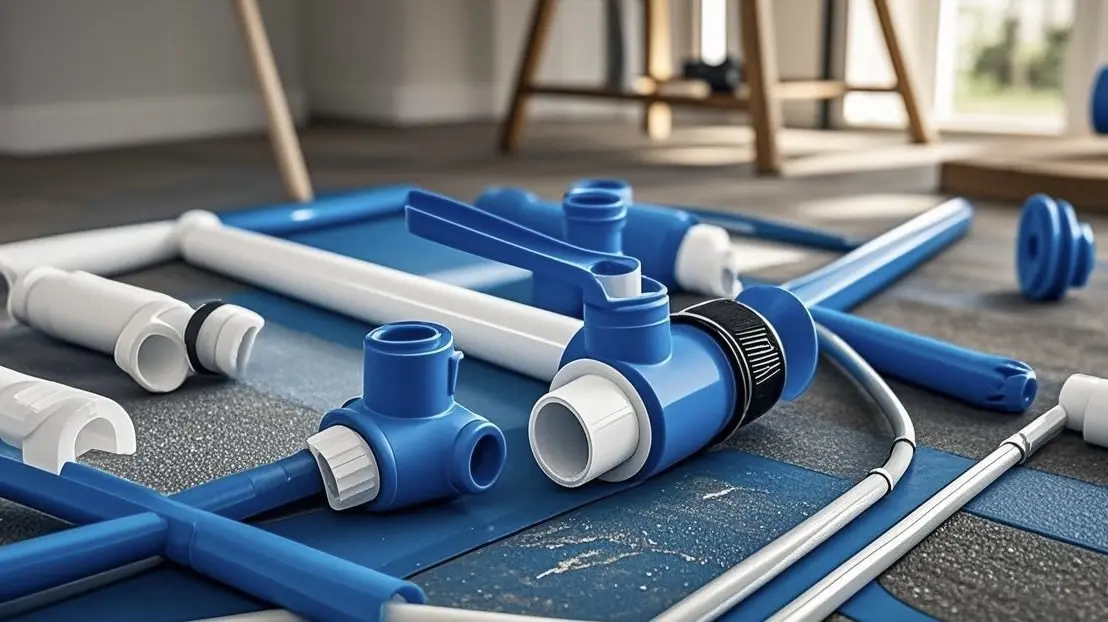

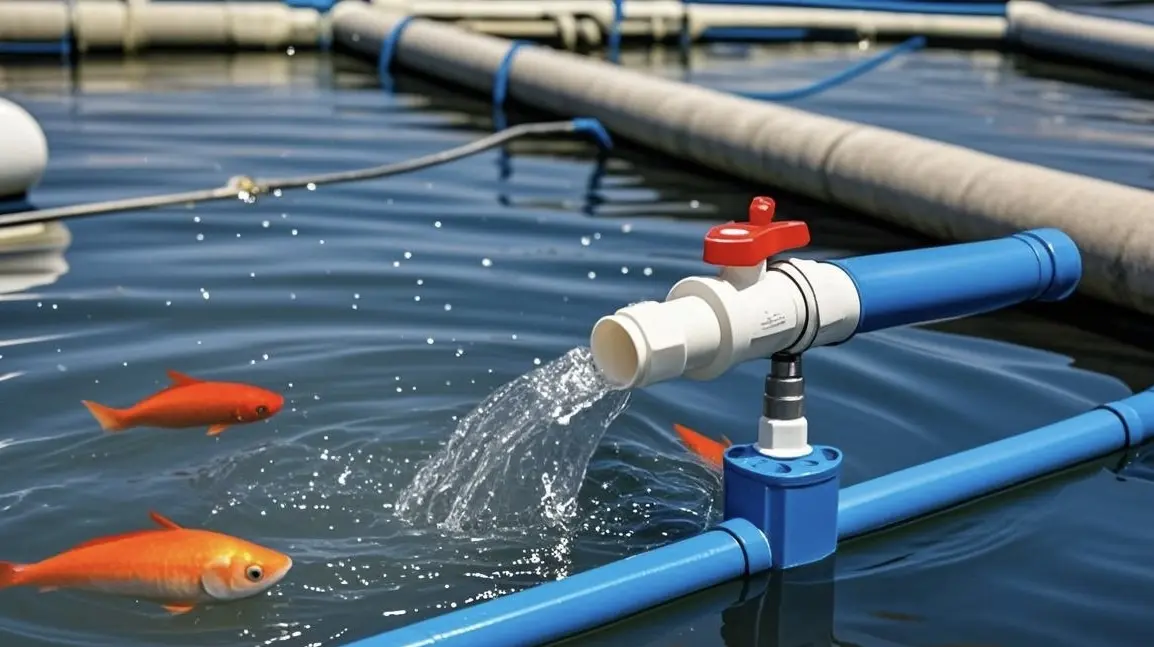
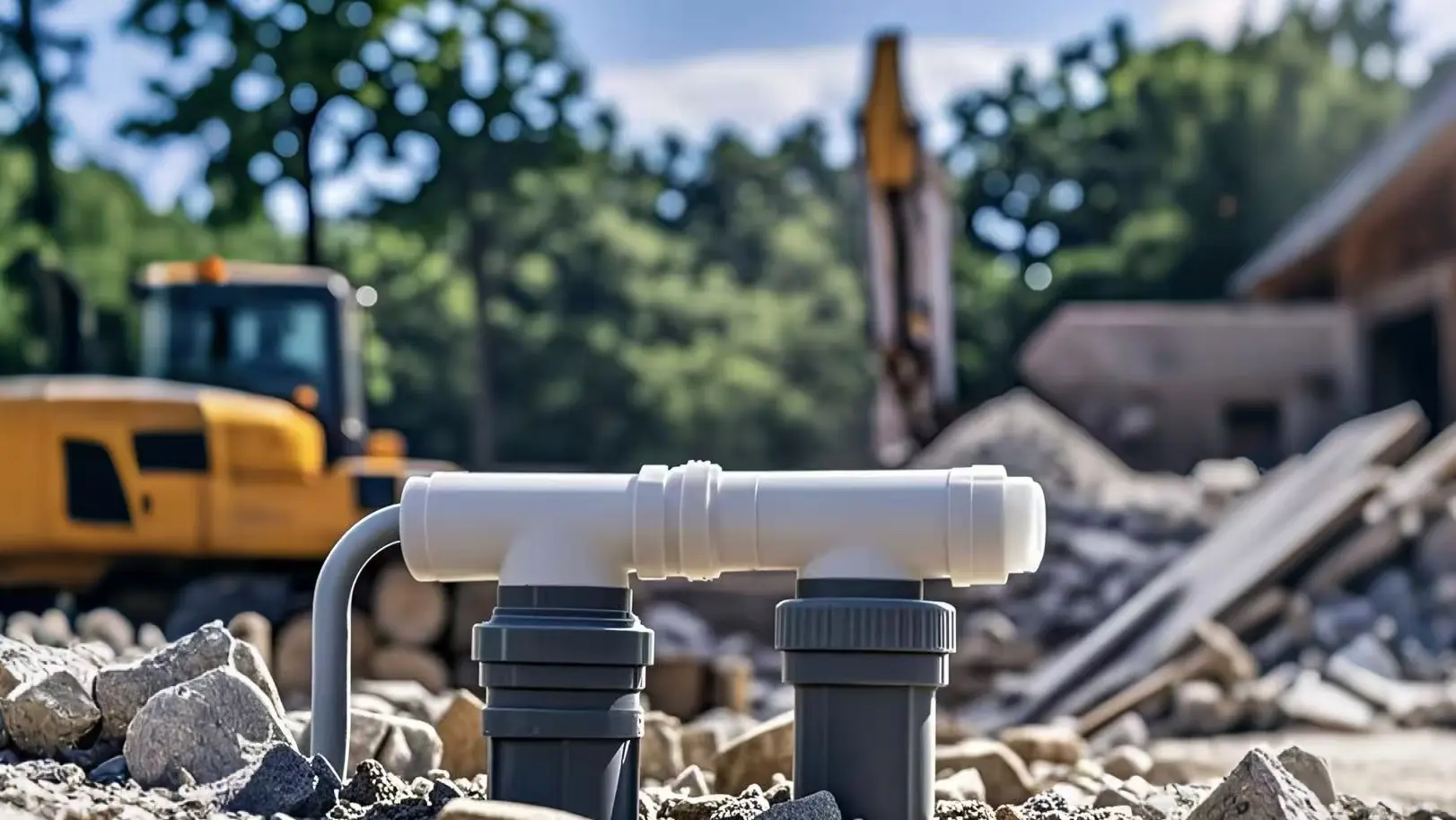
Fluid handling systems require exceptional seal integrity and mechanical strength. When manufacturing valves and fittings, standard mold designs often struggle with complex weld lines around internal threads and flow paths.
Ehao Plastic Group addresses these issues with custom design solutions:
Our manufacturing center in China combines supply chain flexibility with modern lean production techniques. Our facility is equipped with automated German injection molding machines, integrated Material Requirements Planning (MRP), and MES execution software.
This setup lets us manage raw material changes, optimize runner configurations, and adjust production schedules with minimal downtime. By sourcing premium tool steel and chemical additives locally, we protect our production timelines from global logistics disruptions. This ensures reliable lead times and stable pricing for our clients worldwide.
From selecting the right machine configuration for your job to helping finance your purchase, we provide technical guidance to help keep your operations profitable.
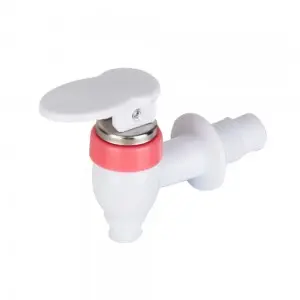
Product Detail & QuickPacka...
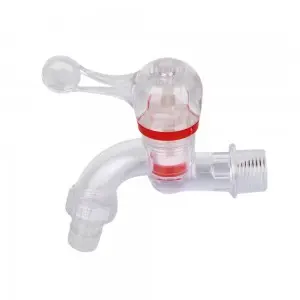
Industrial Specification Standard
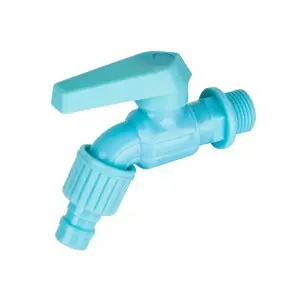
High-Impact Precision Fitting
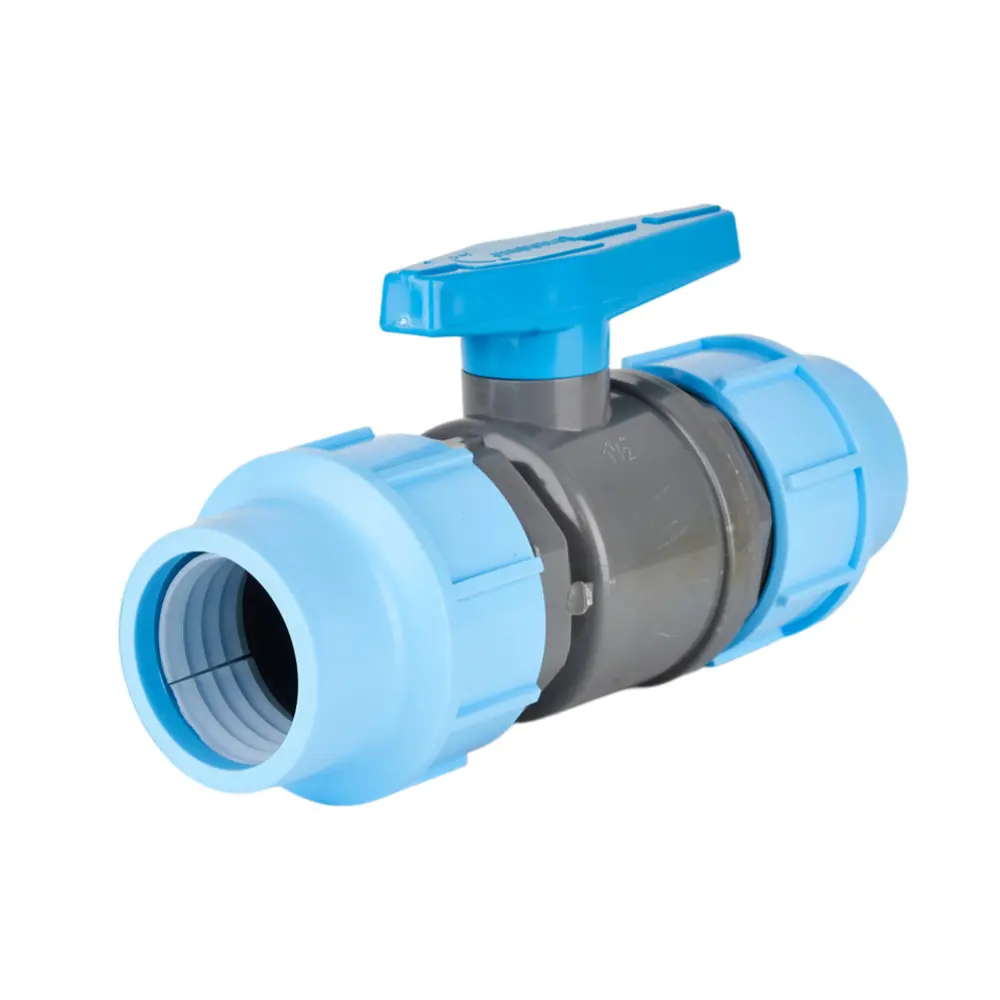
Heavy Duty Industrial Flow Control
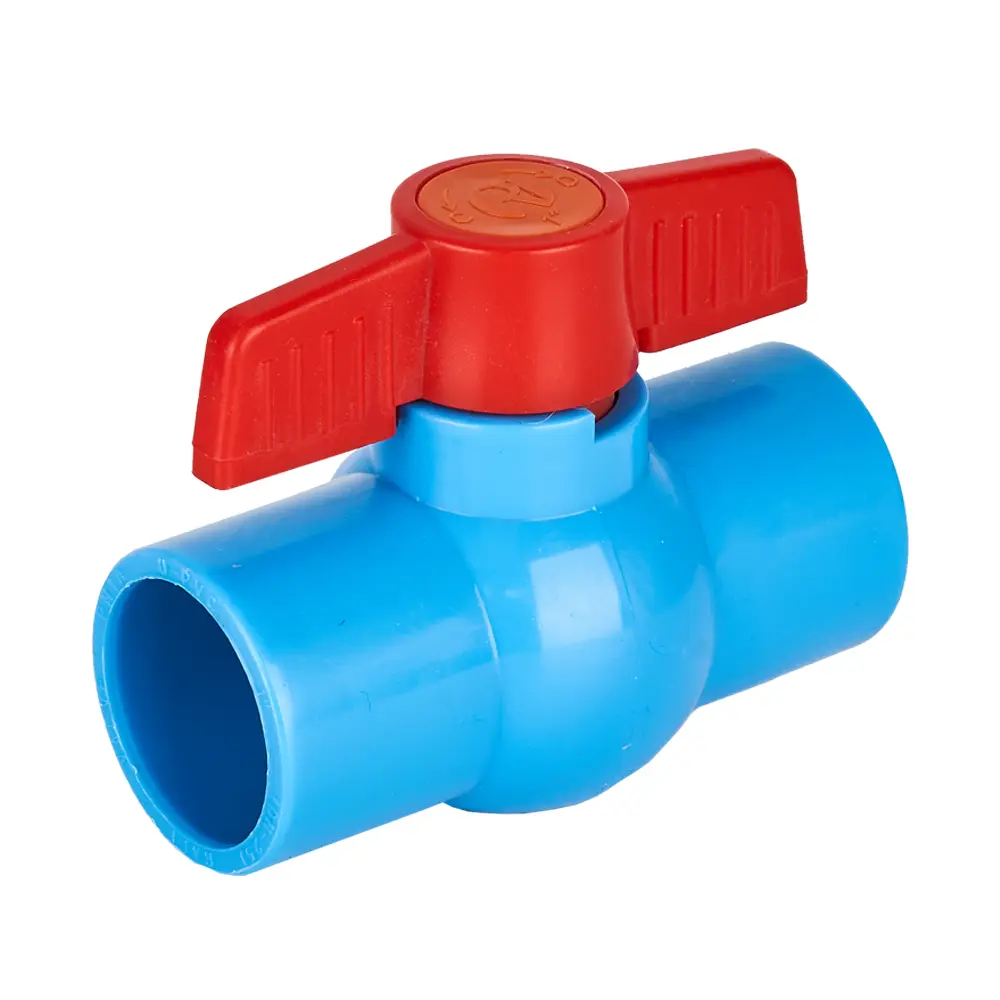
Integrated Injection Mold Design
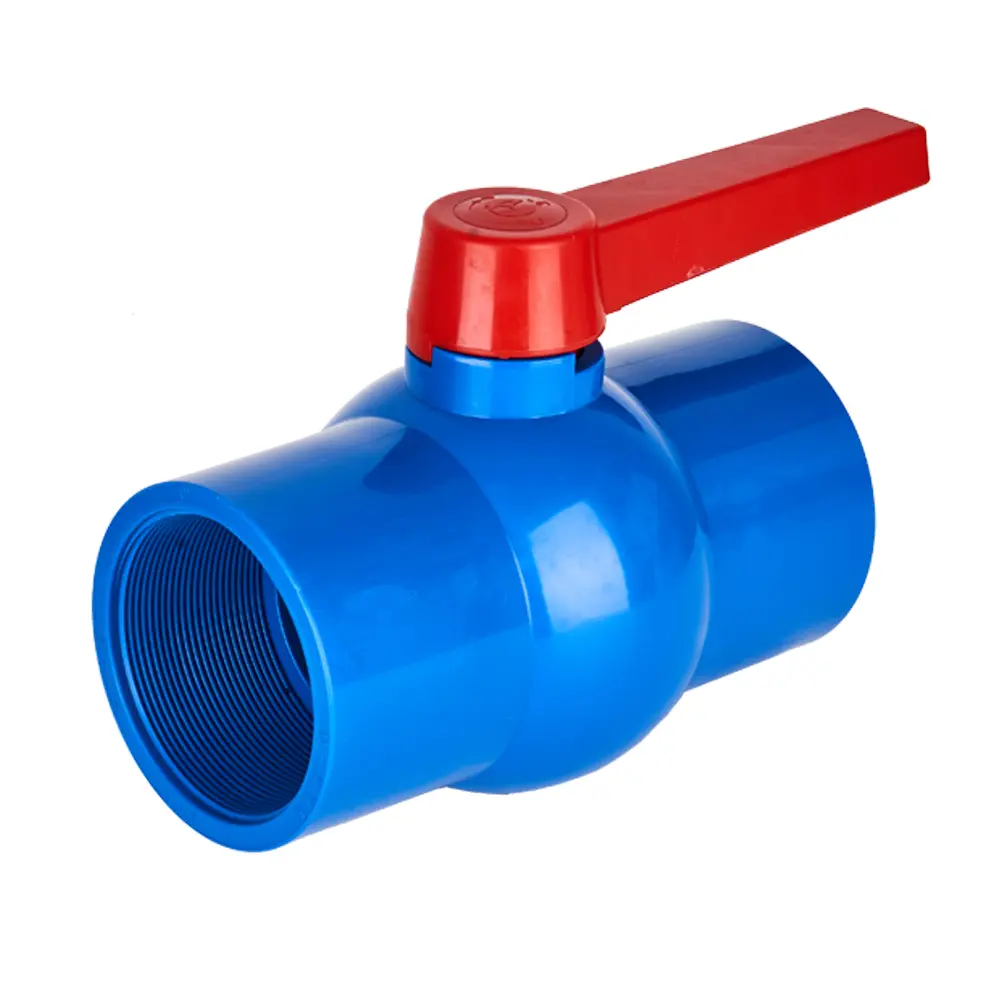
High Volume Flow Configuration
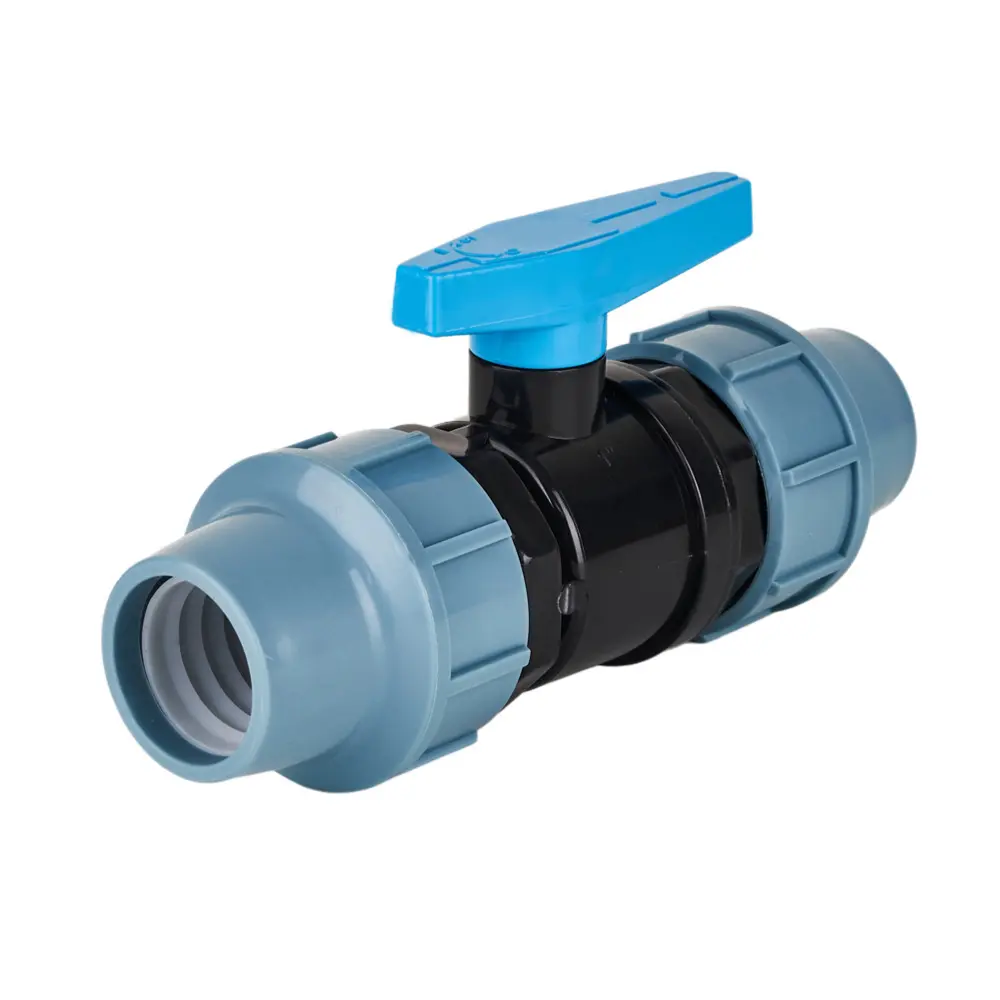
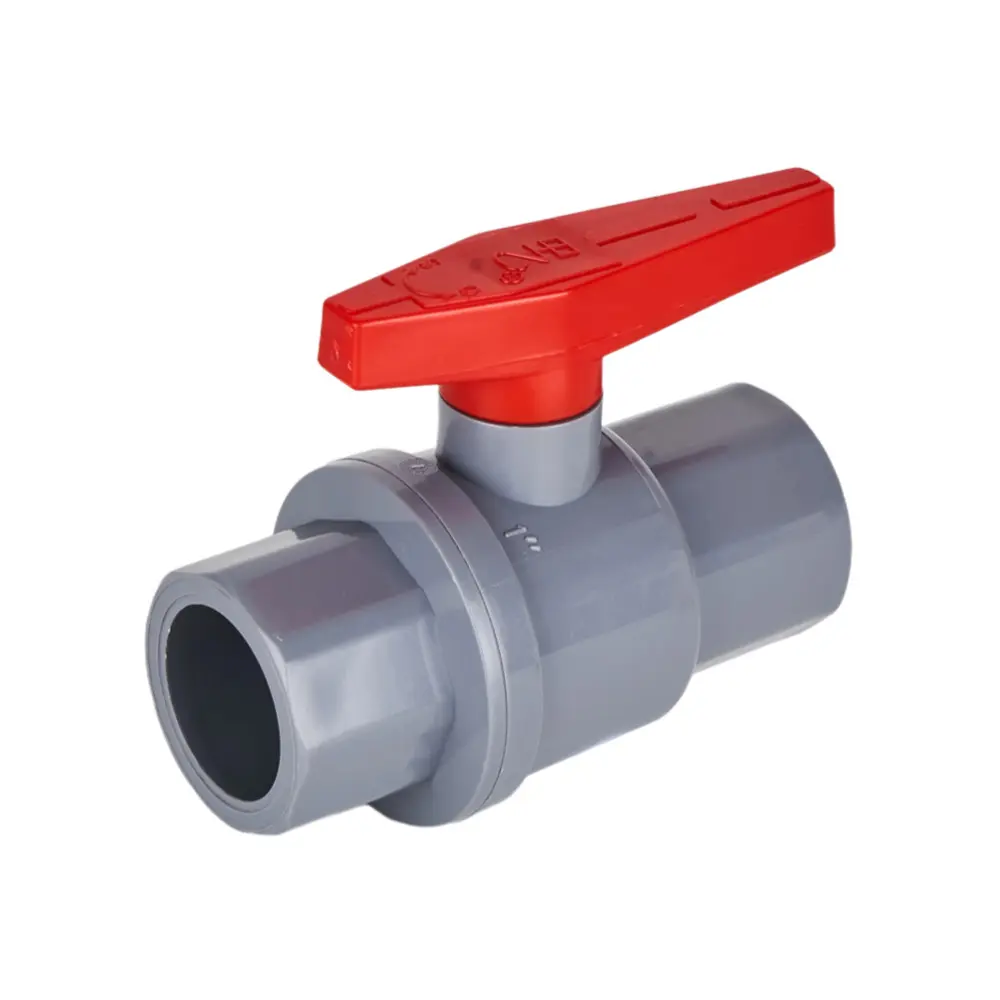
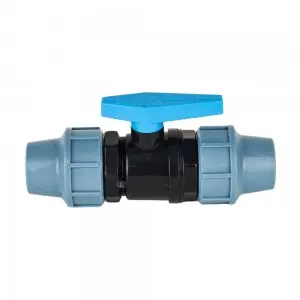
Dual Union End Fluid Systems
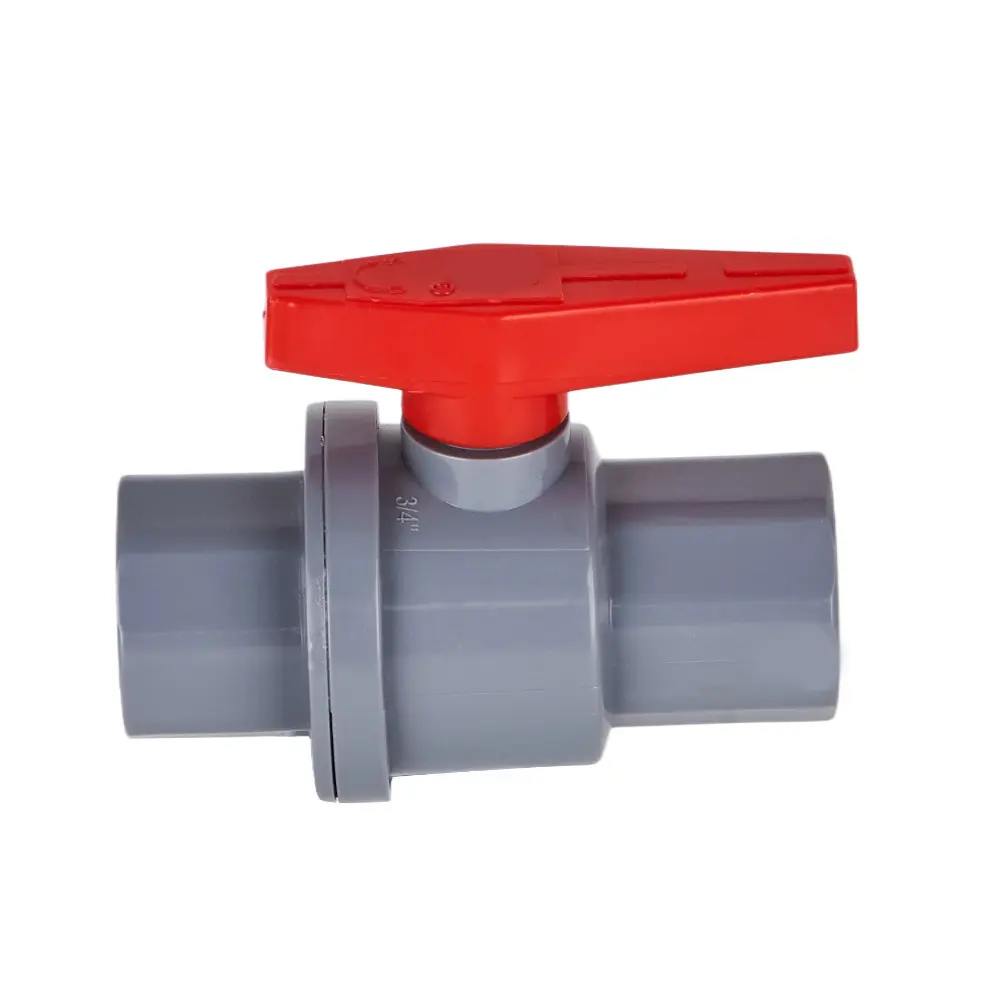
High Shear Resistance Component
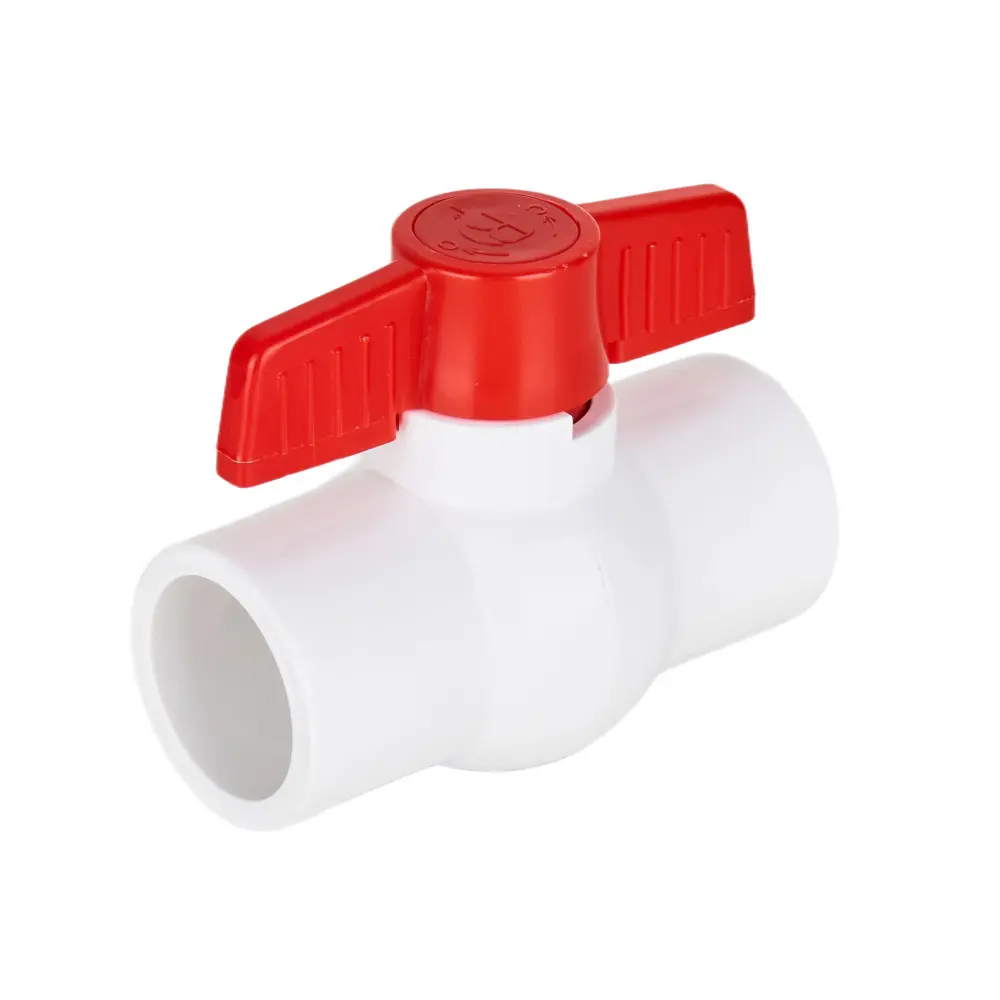
Industrial Piping Standard
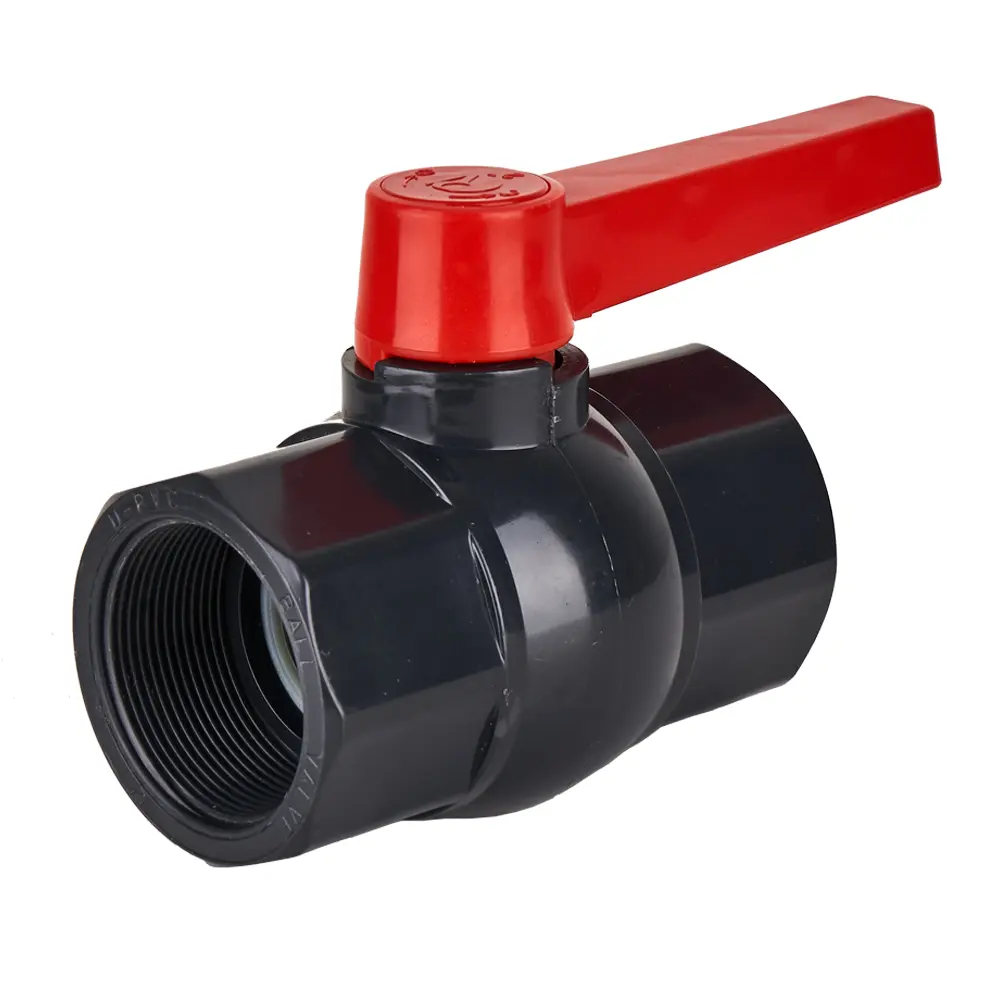
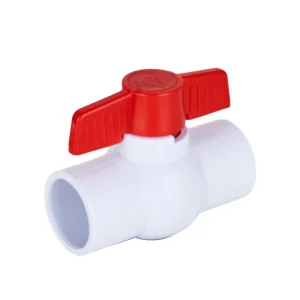
Optimized Sealing Valve
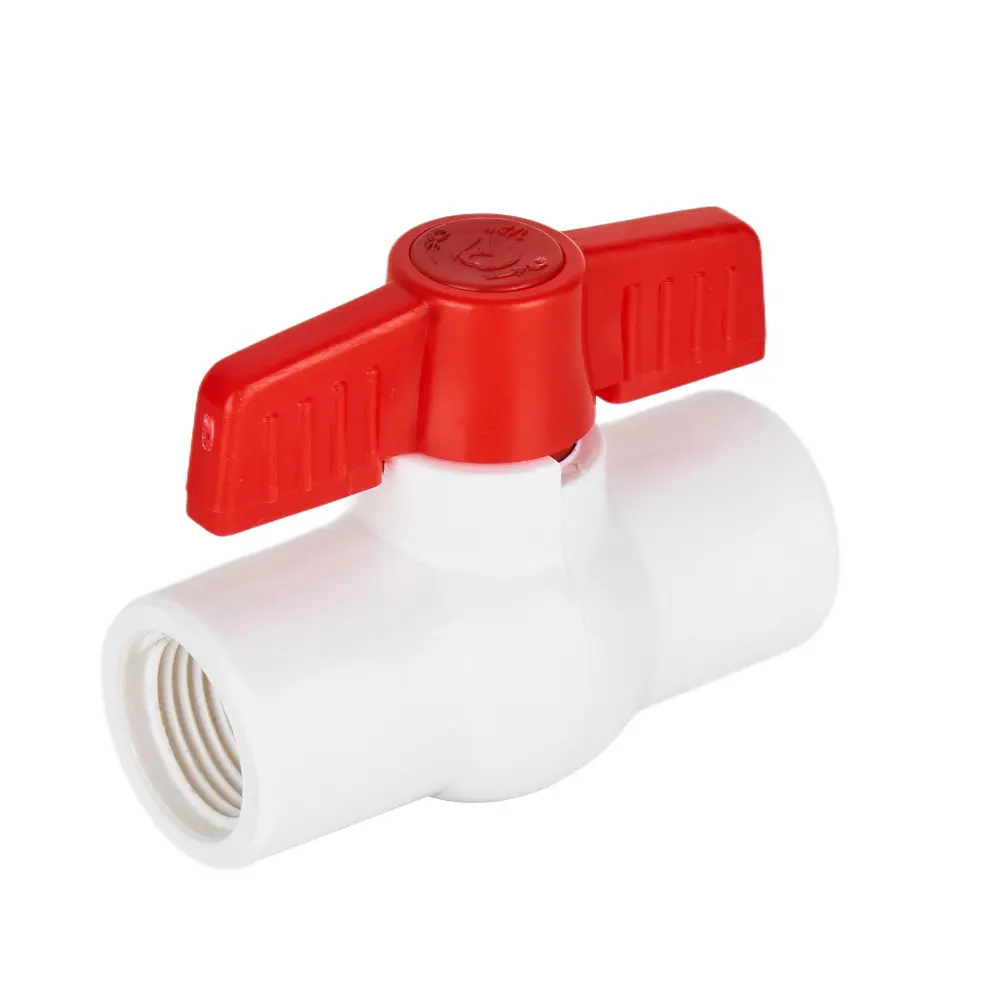
Integrated Tooling Solutions
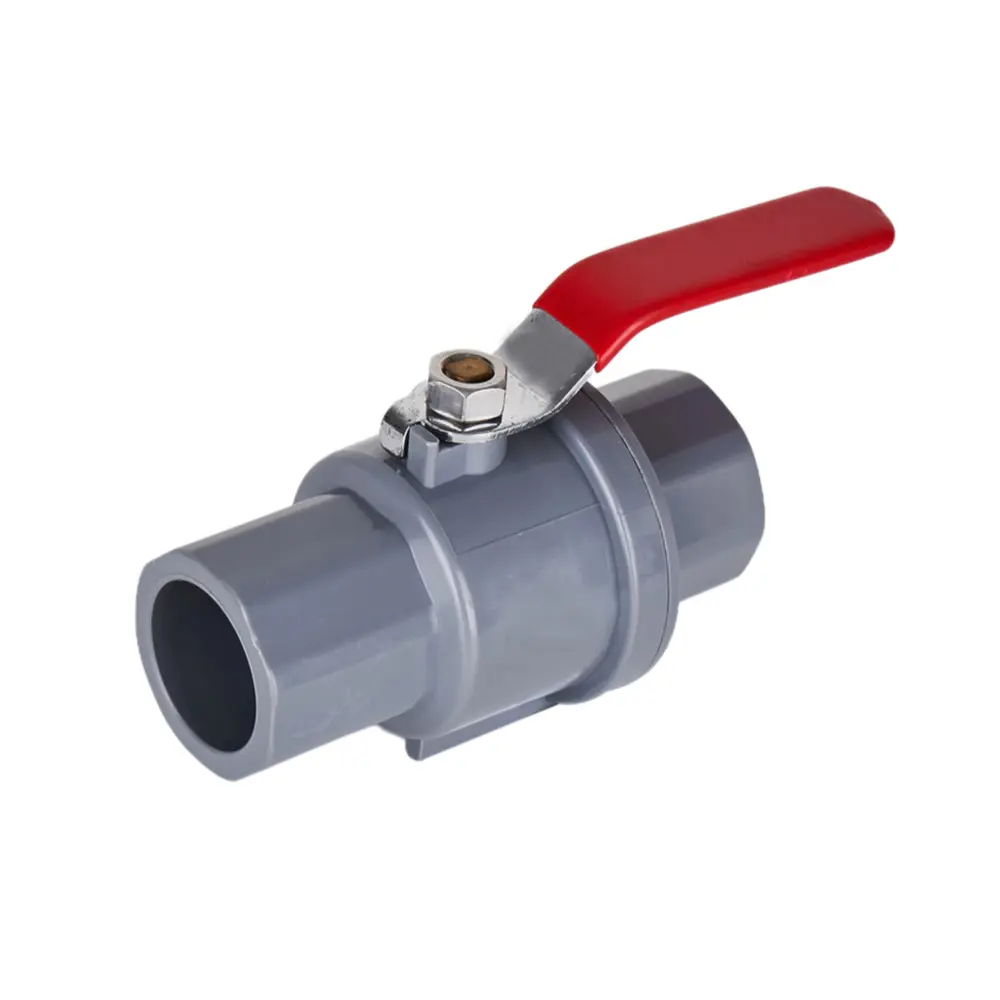
Stainless Corrosion Handle Spec
For procurement managers, the initial cost of tooling is only part of the equation. Minimizing the total cost of ownership (TCO) requires selecting the right mold class. Designing a Class 101 mold (built for over 1,000,000 cycles using premium hardened steel) helps avoid costly production downtime and maintenance issues.
At Ehao, we balance injection speed and cooling layout to help lower unit costs. An optimized cooling layout and balanced runner system can reduce cycle times by even 3 seconds, leading to significant cost savings on large production runs.
Operating across 28 countries, including regions in Europe, America, and Southeast Asia, we maintain strict compliance with international manufacturing and material standards. Our chemical compositions are verified to prevent contamination in municipal drinking water and sensitive cultivation systems.
We provide full documentation for global logistics, customs clearance, and engineering certifications. Additionally, our engineering team offers direct design support, accepting files in standard CAD formats (STEP, IGES, Parasolid) to streamline your product development.
Expert Answers to Technical Questions Regarding Injection Mold Design and Material Specifications
Premium Catalog from Ehao Plastic Group - Built to International Standards