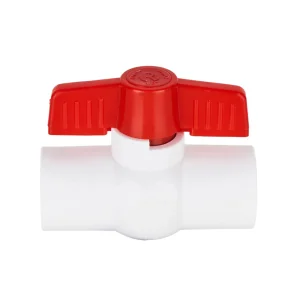
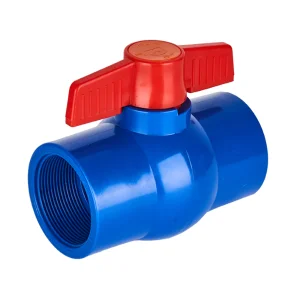
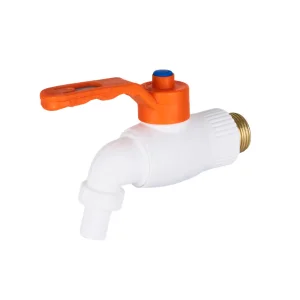
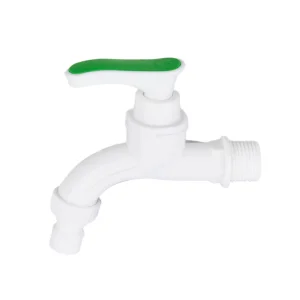
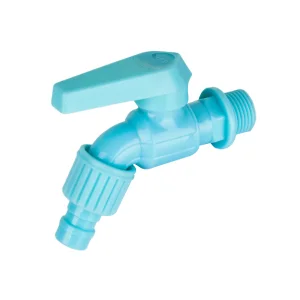
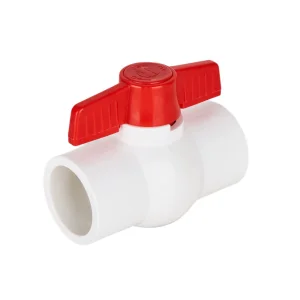
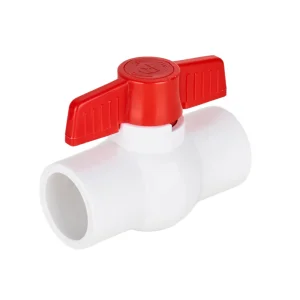
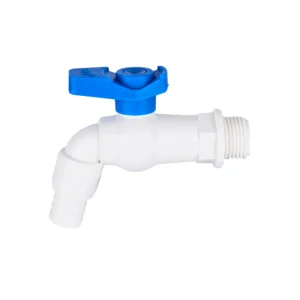
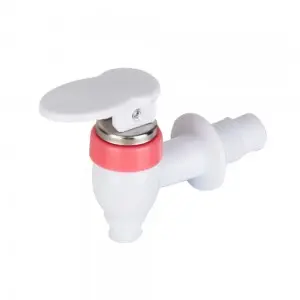
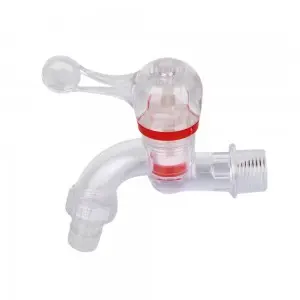
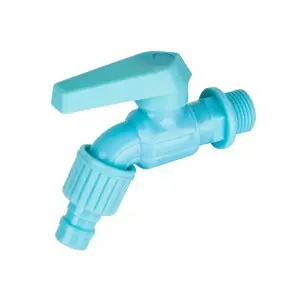
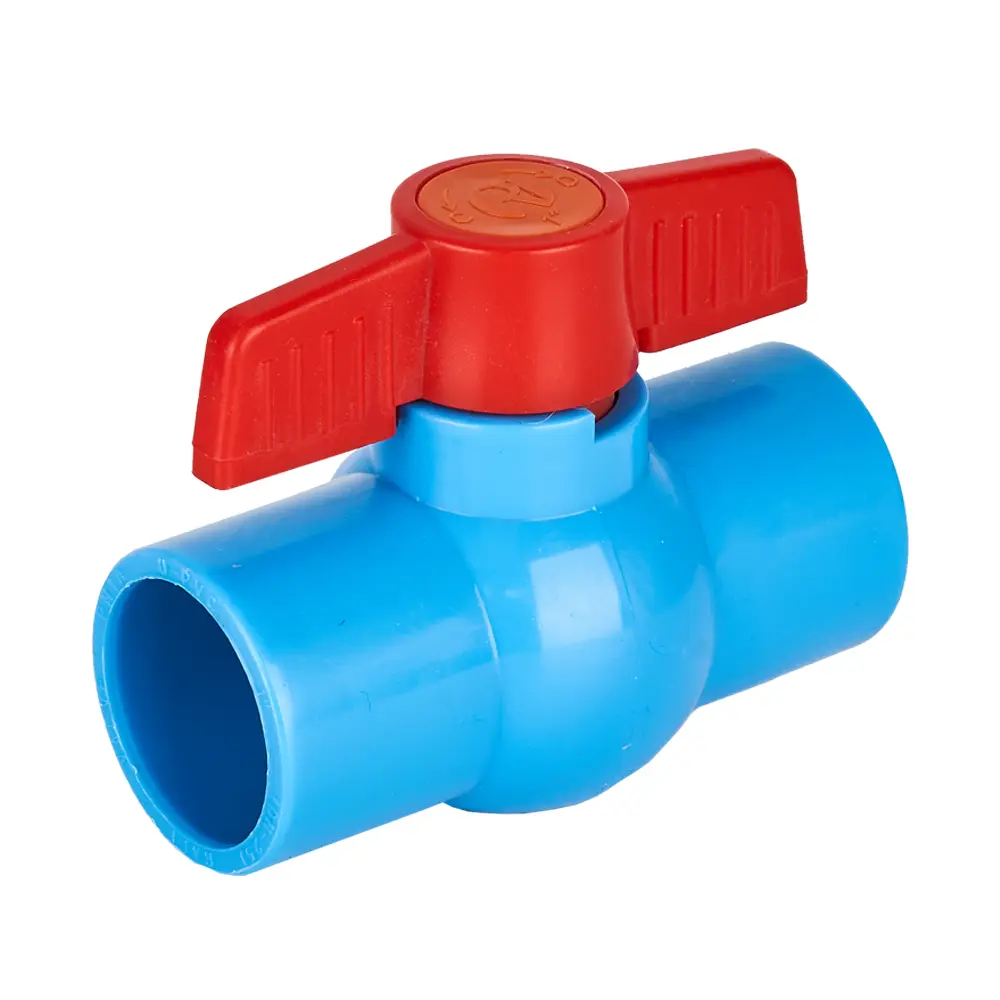
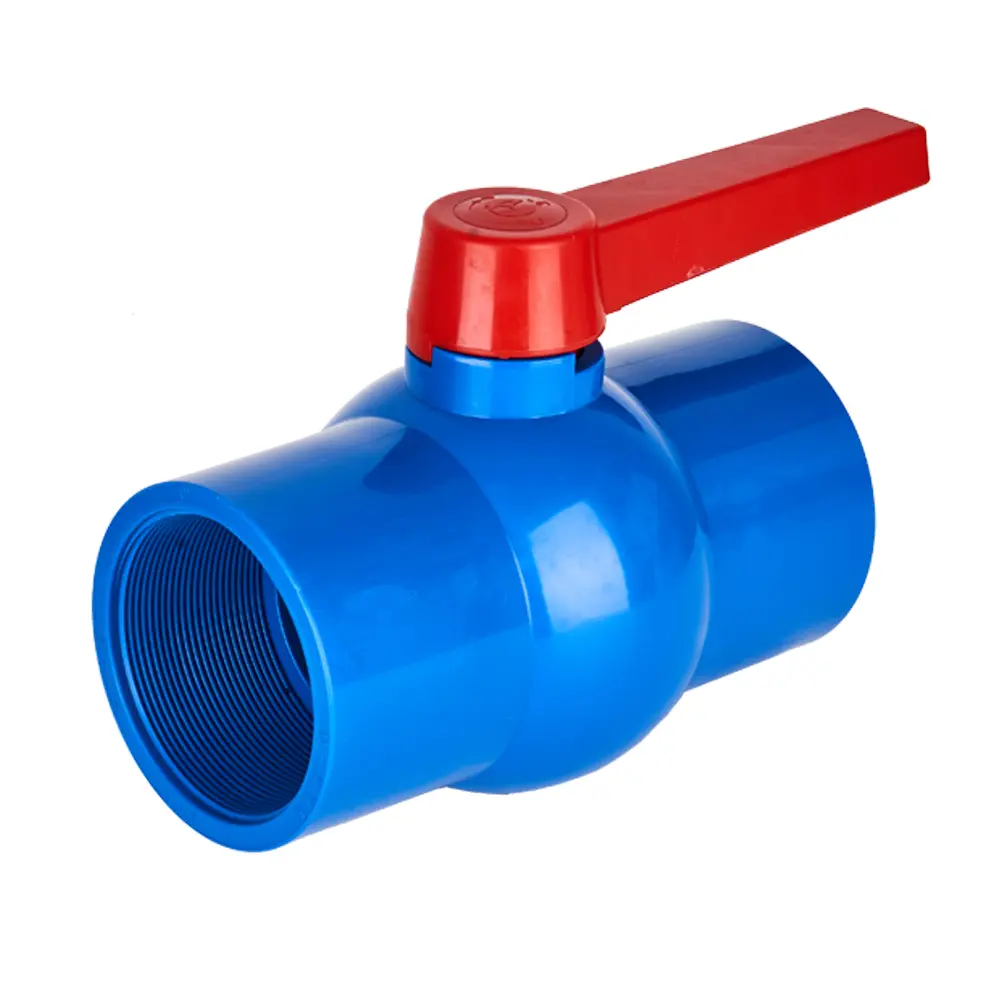
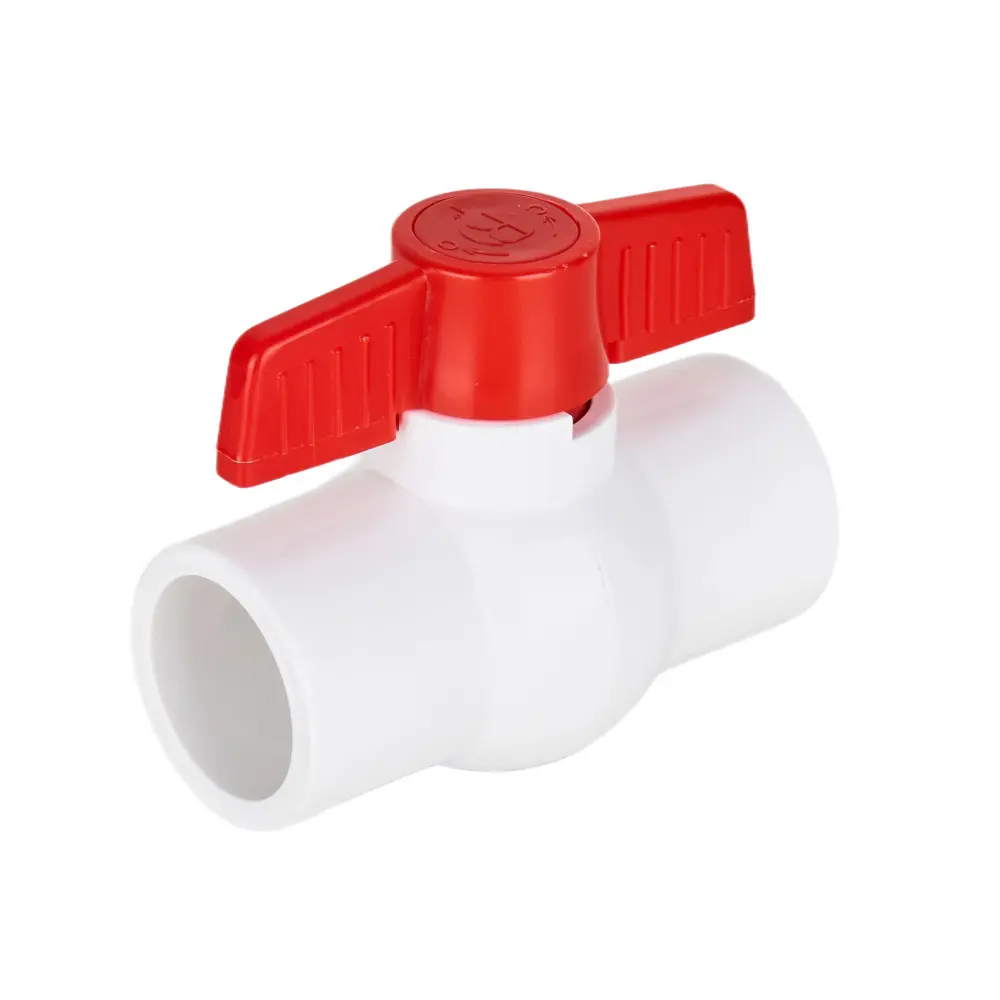
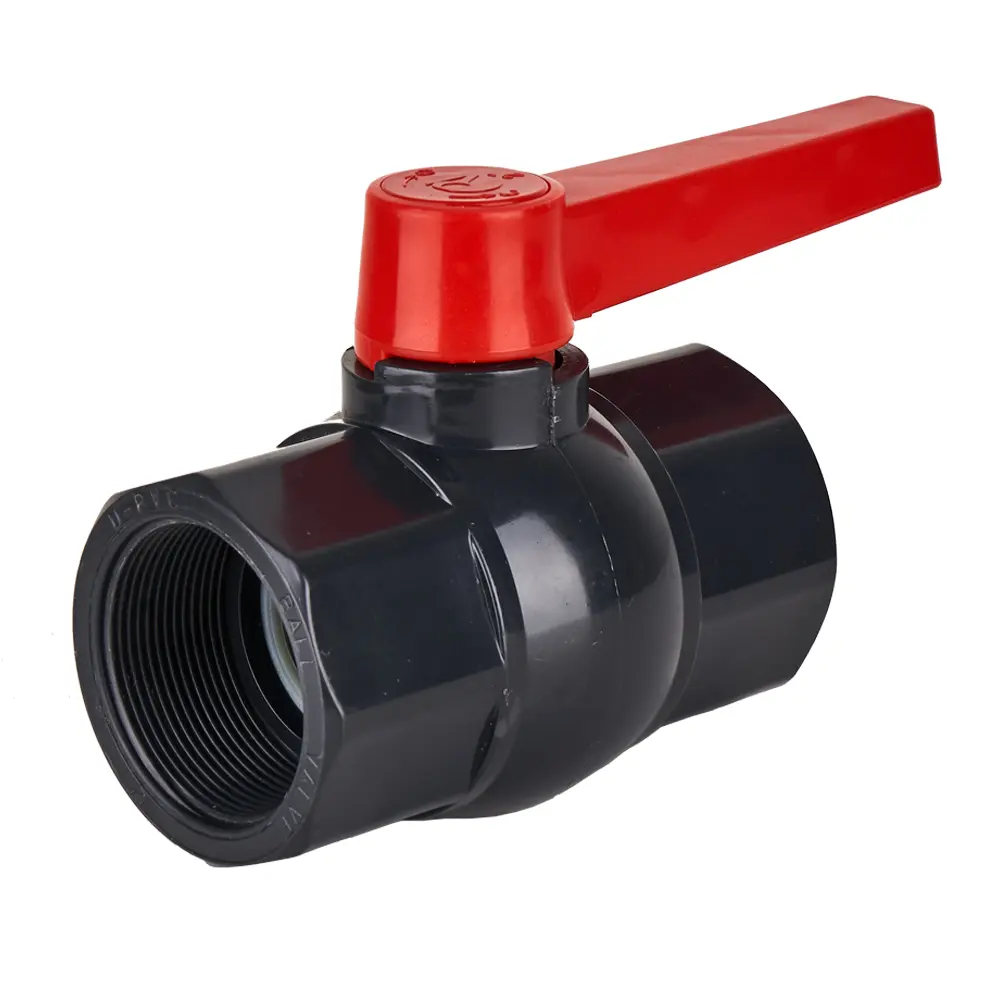
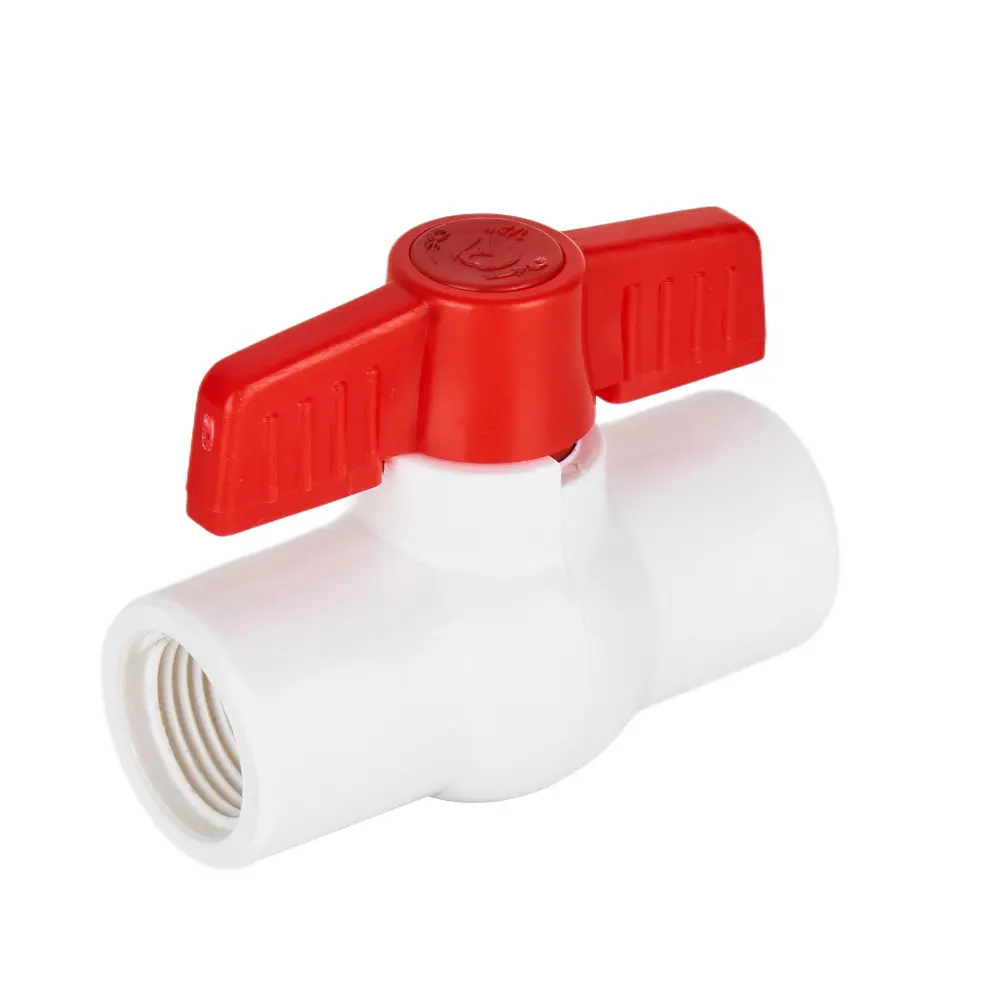
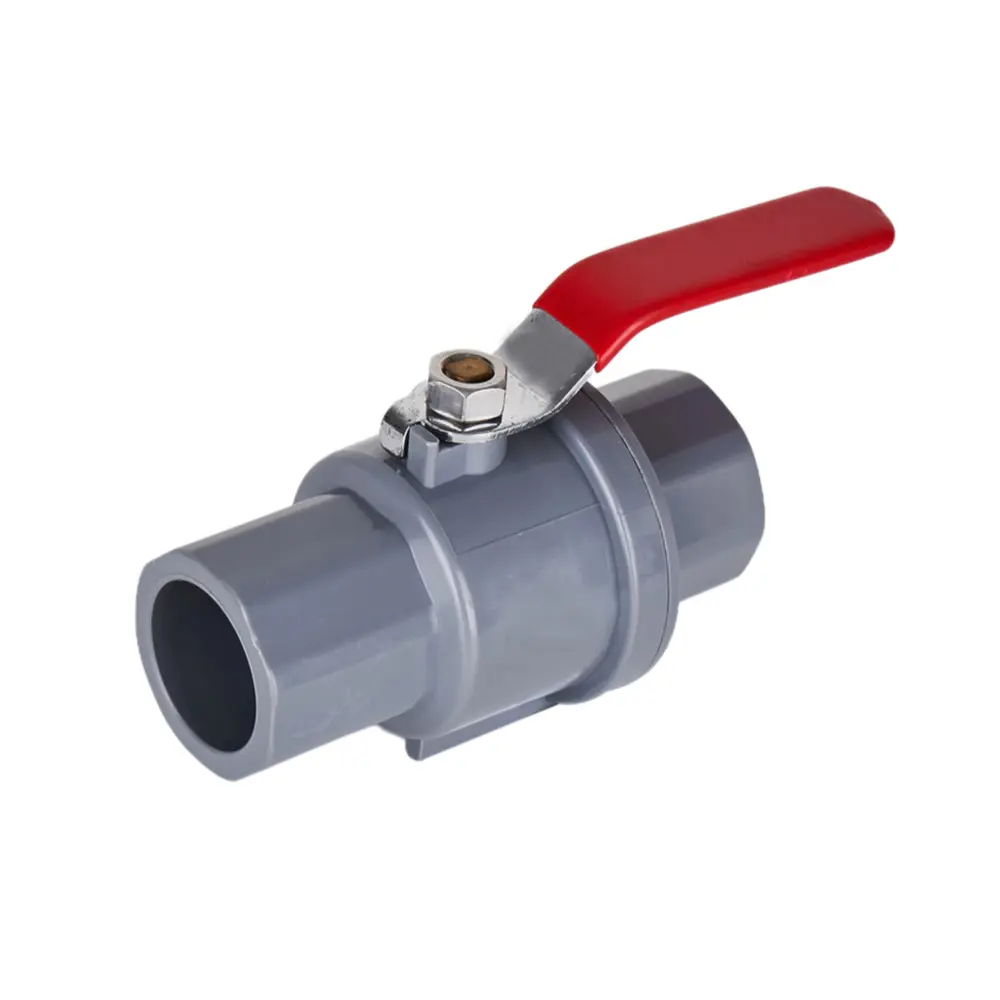
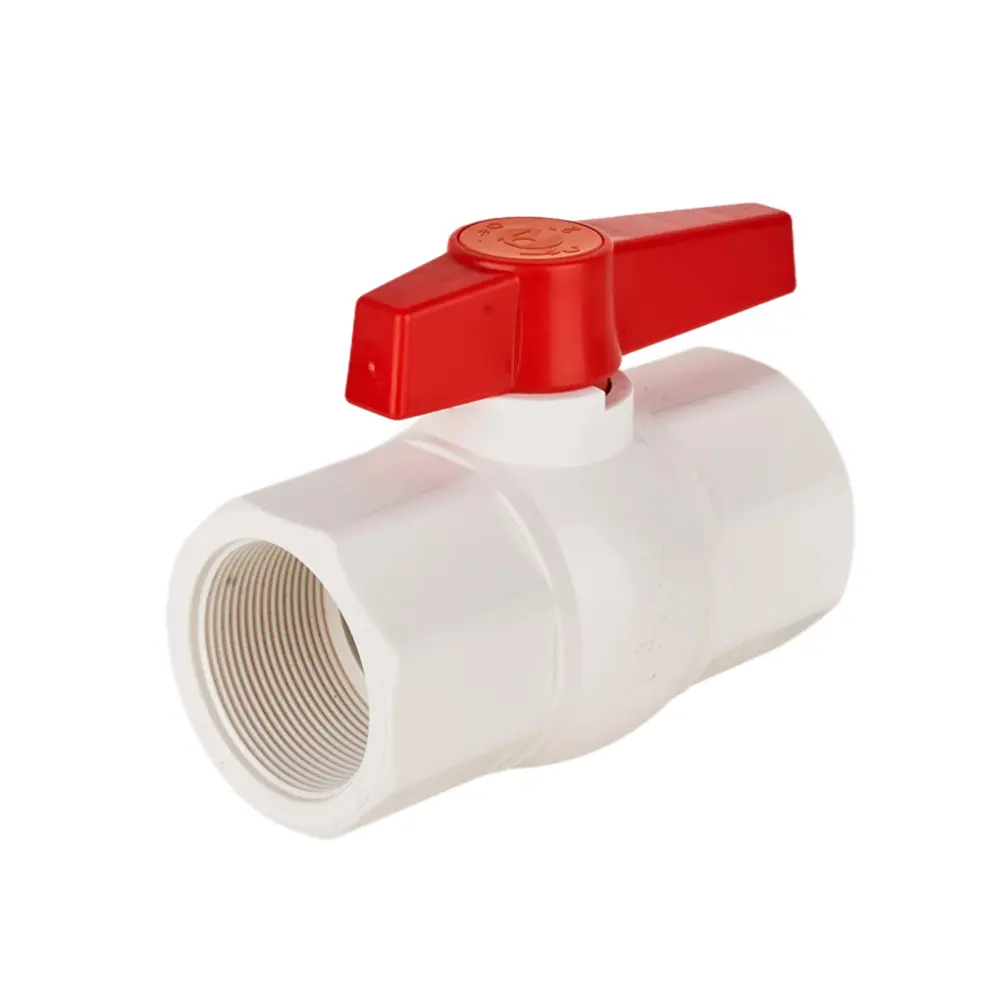
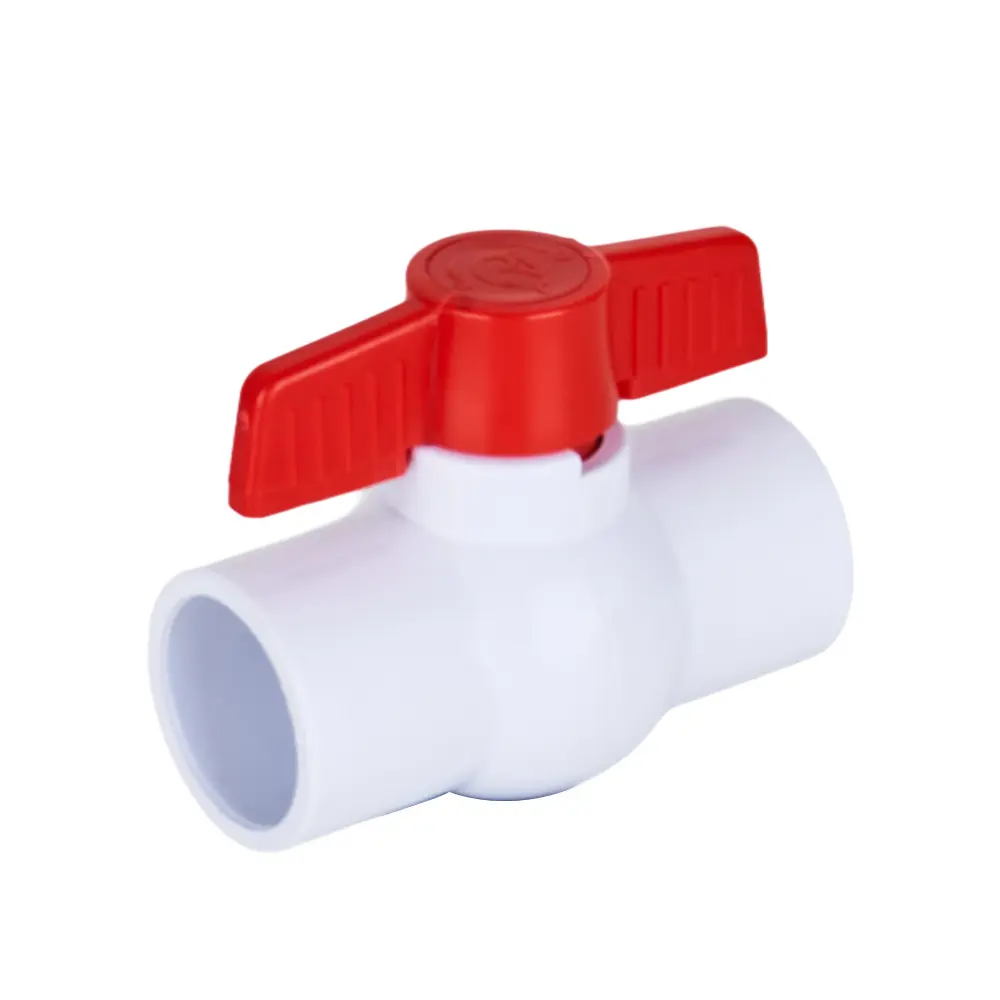
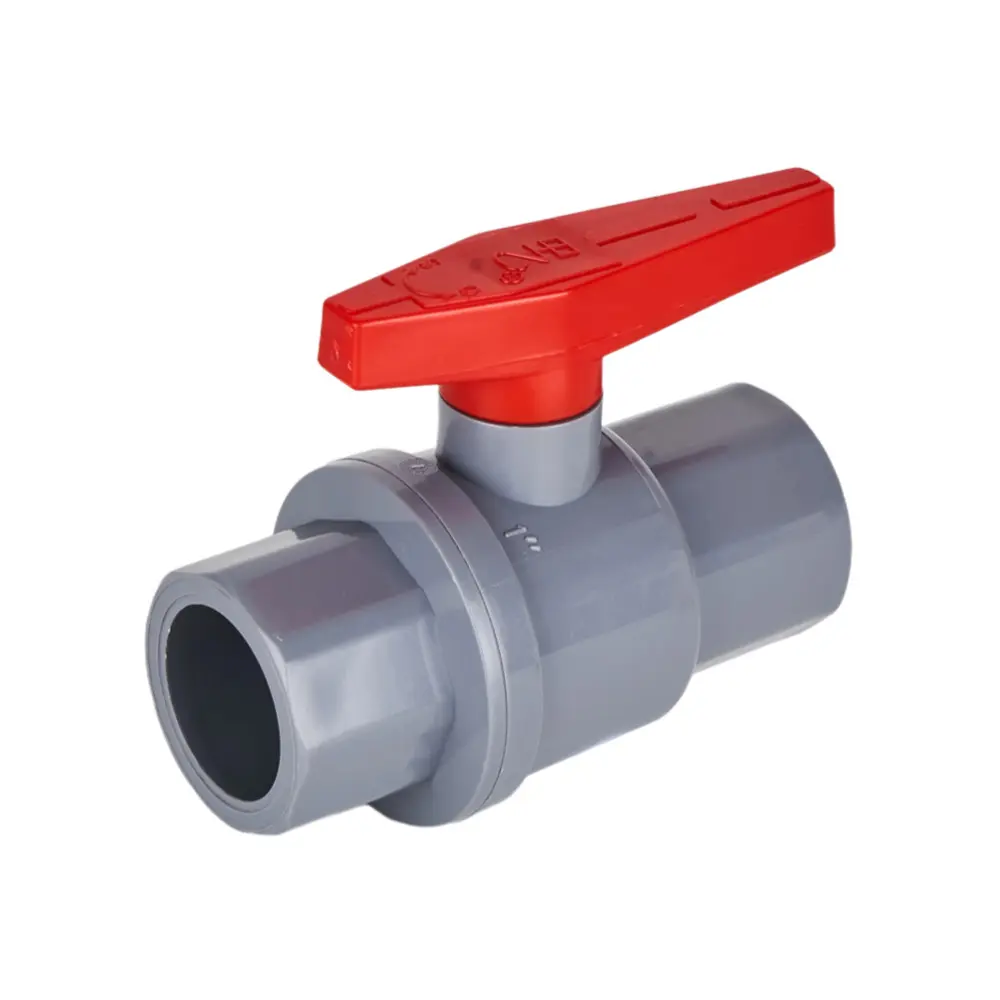
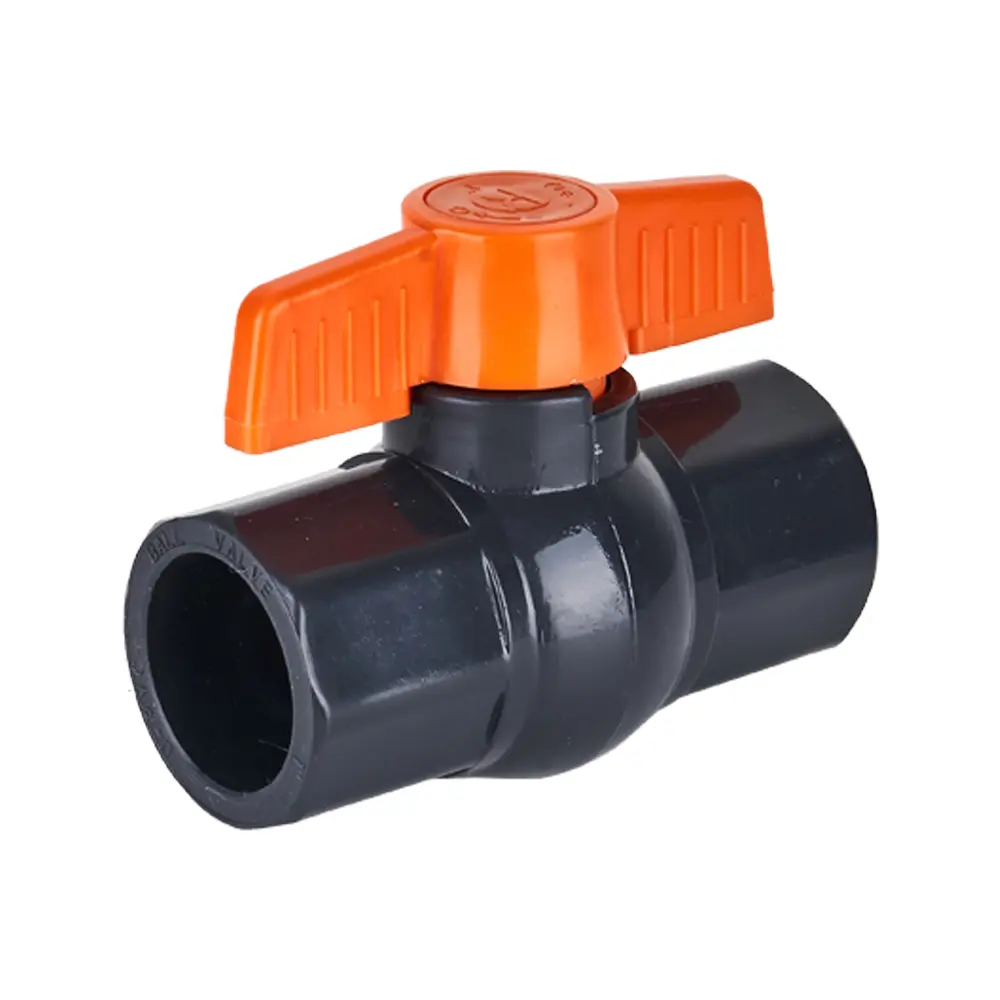
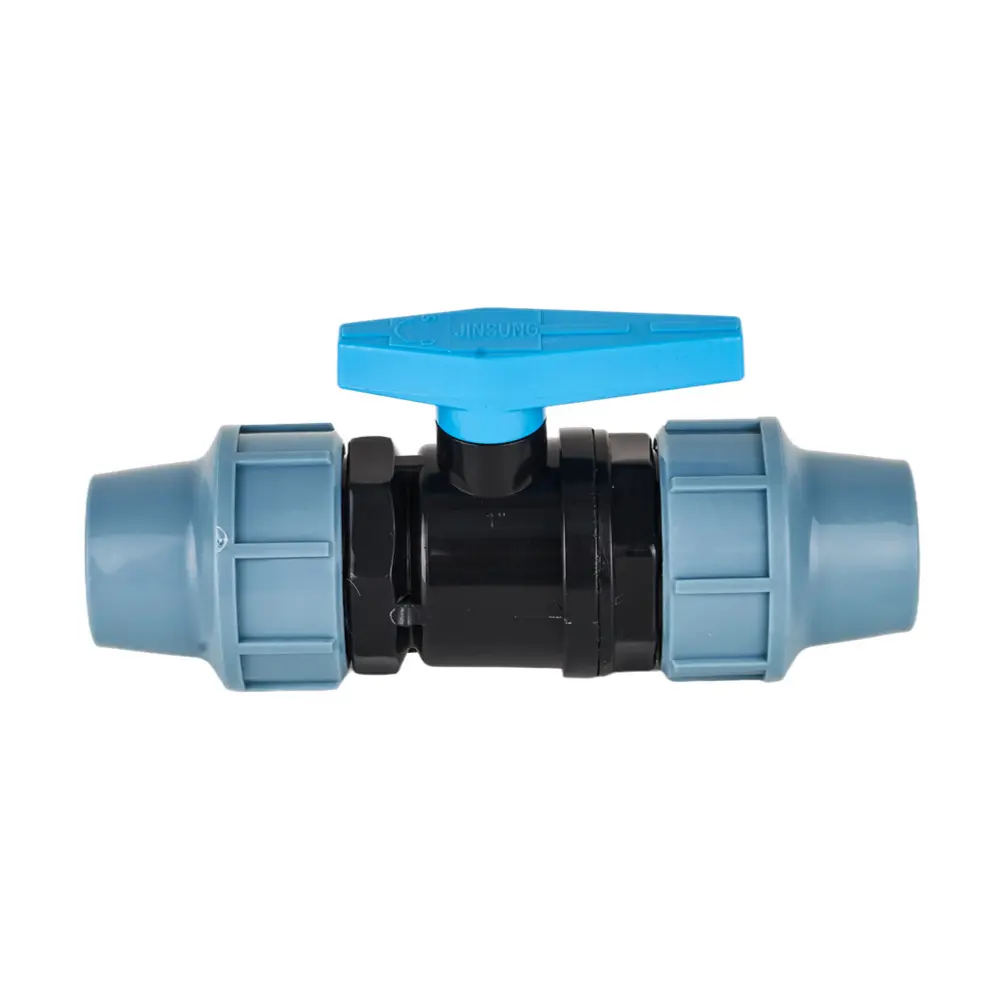
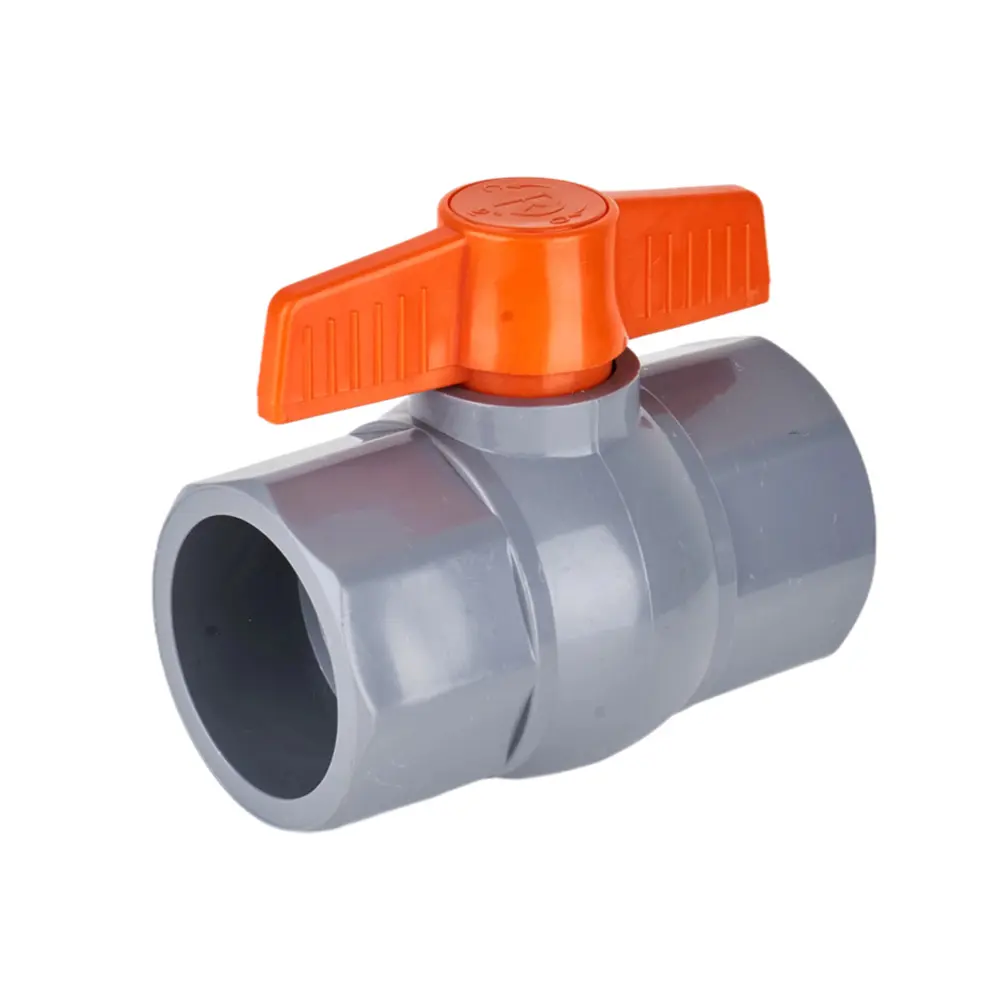
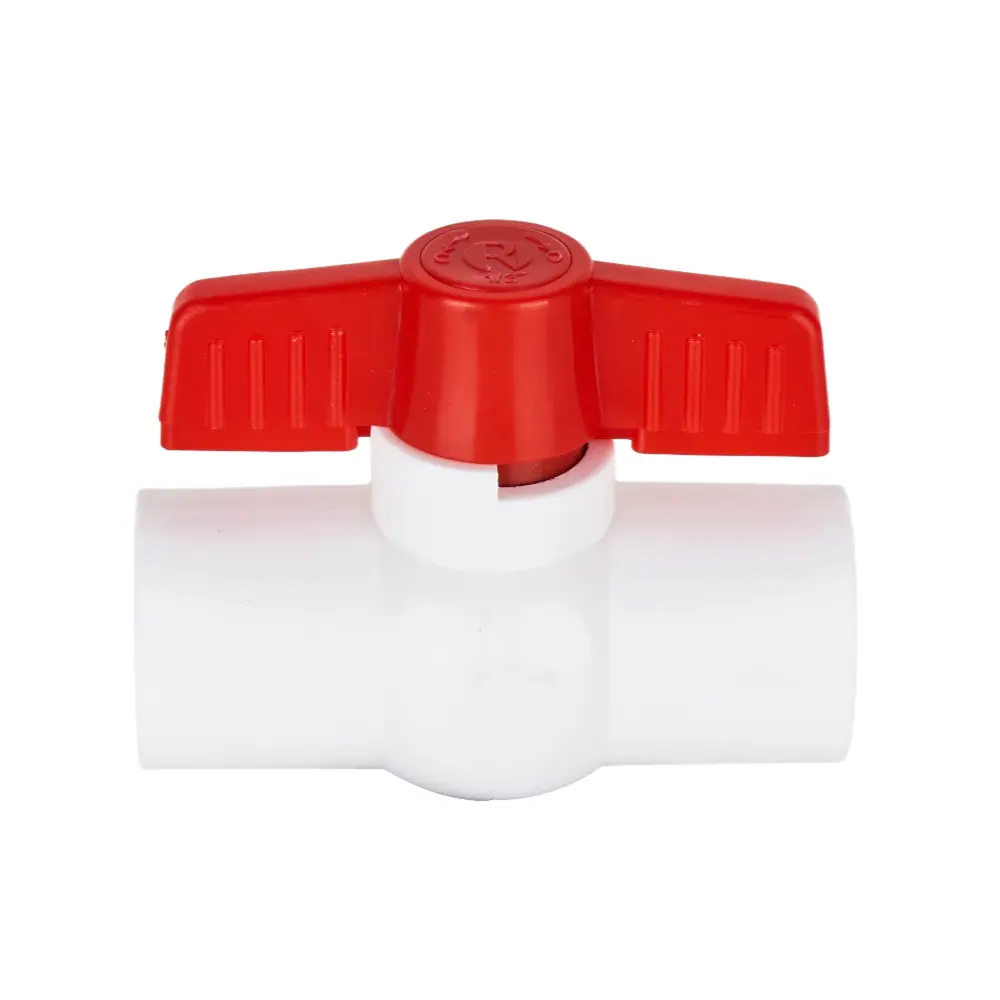
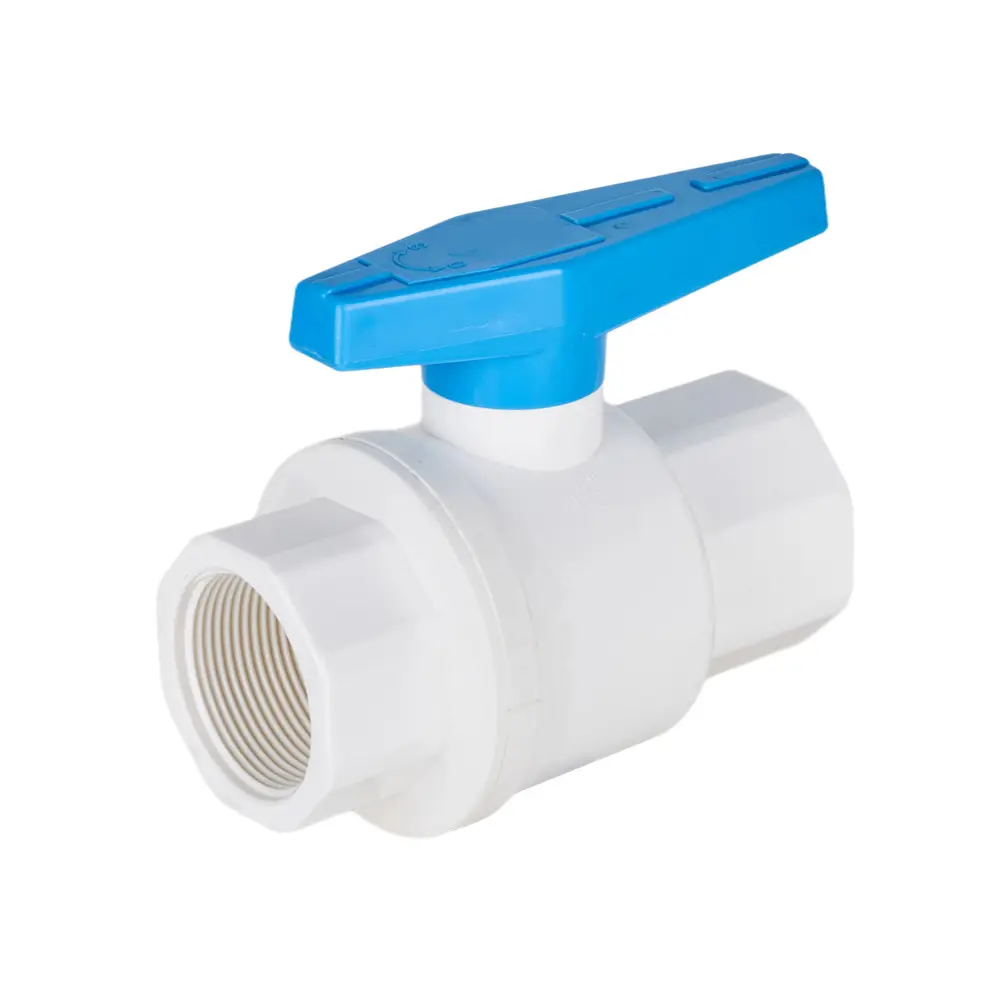
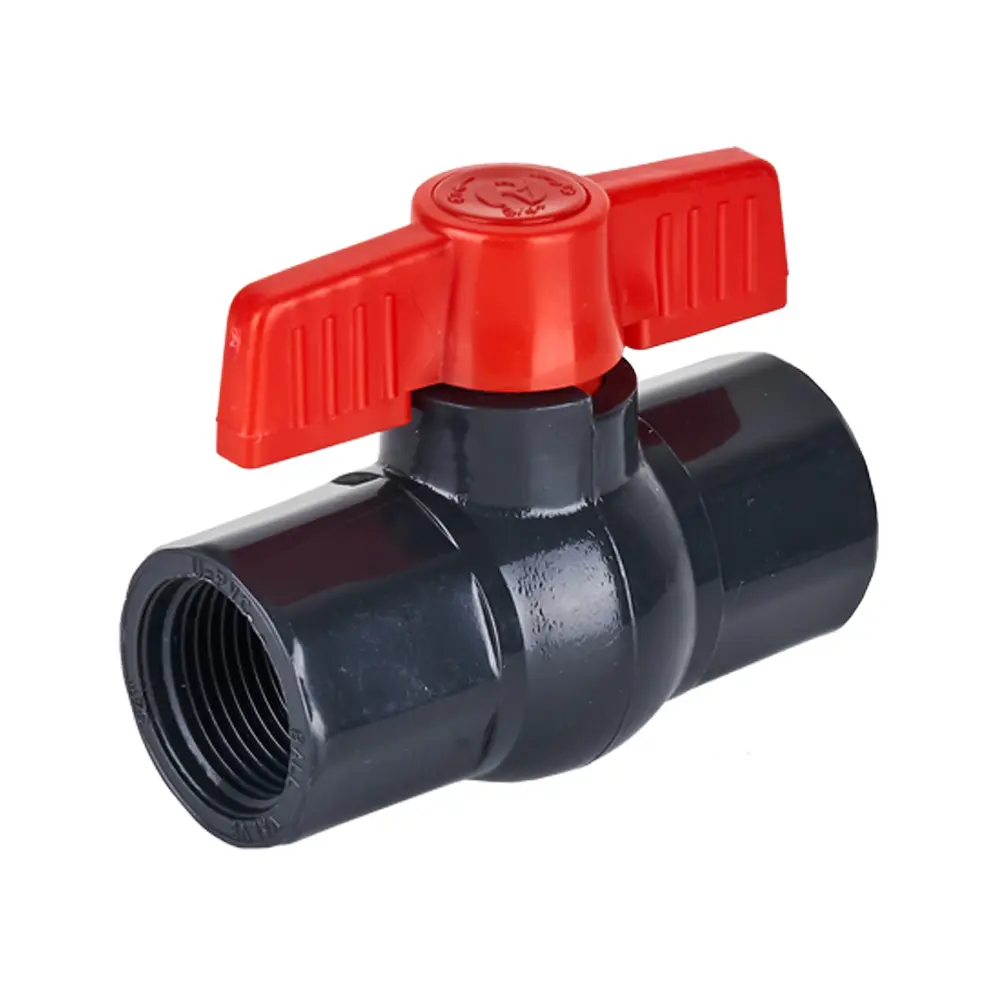
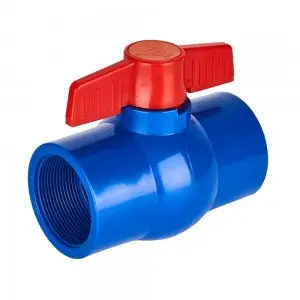
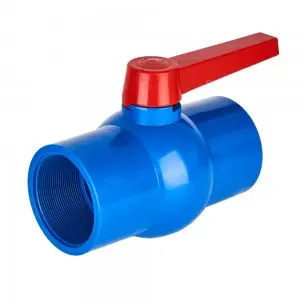
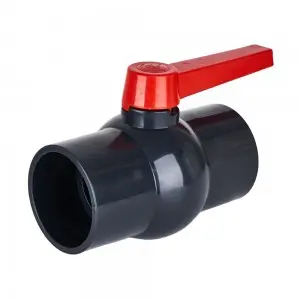
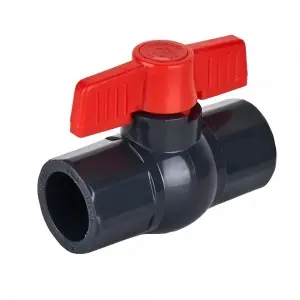
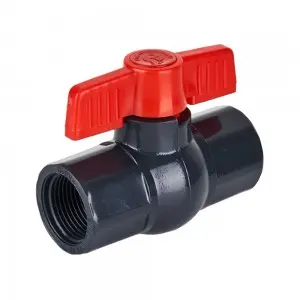
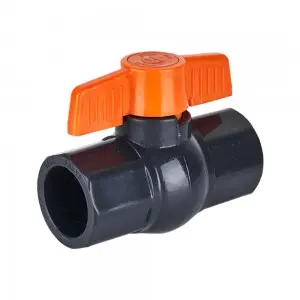
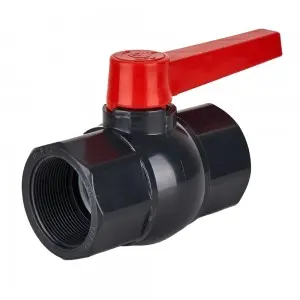
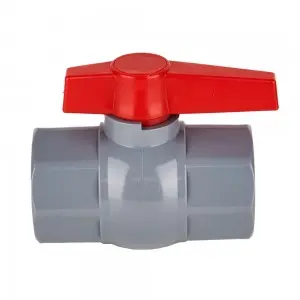
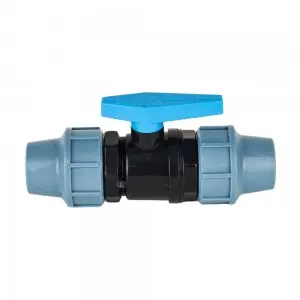
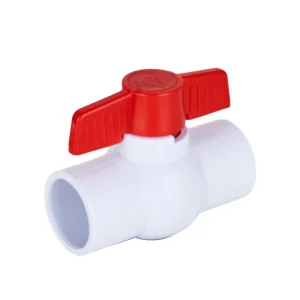
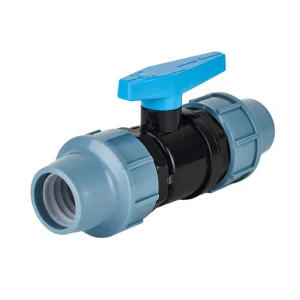
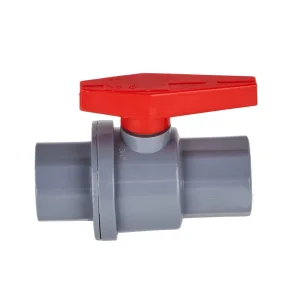
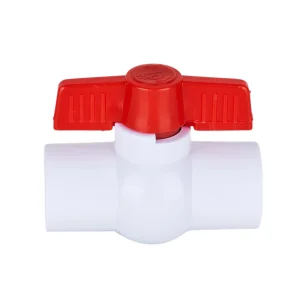
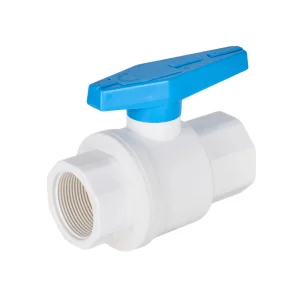
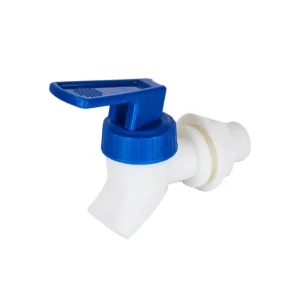
Explore our primary wholesale product lineup engineered under strict quality systems for high-pressure operations.
In the field of high-precision component manufacturing, Metal Injection Molding (MIM) has established itself as a critical technology for producing complex, high-density parts. Combining the design flexibility of plastic injection molding with the structural integrity of metals, MIM systems are crucial for electronics, automotive, medical, and industrial hardware sectors. This whitepaper analyzes global procurement networks, machinery trends, and technical standards defining contemporary factory production lines.
Modern factories are upgrading from manual and semi-automated setups to fully closed-loop, computer-controlled MIM injection molding units. This transition is driven by the need for consistent powder feedstock homogeneity, precise thermal profile management in hot-runner molds, and repeatable clamping force execution. Industry trends show a clear preference for machines equipped with advanced wear-resistant screws and barrels designed to handle abrasive metal feedstocks containing stainless steel, titanium, or tungsten carbide powders blended with polymer-wax binders.
Choosing the right injection molding equipment is only half the battle. A successful manufacturing setup coordinates the injection parameters directly with debinding and sintering cycles. High-performance MIM machinery features specialized screw geometries to prevent powder-binder separation during the shear-intensive plasticization phase. Our technological partnerships focus on maintaining optimal melt pressure and cavity filling to guarantee that final sintered parts achieve standard-compliant densities of over 97% theoretical maximum.
Global procurement teams face complex challenges when sourcing industrial injection molding machinery and downstream fluid control systems. Standard parameters like clamping force (measured in metric tons) and shot capacity must be evaluated alongside screw wear coatings, maintenance access, and compatibility with proprietary feedstock formulations. High-output factories need equipment that operates reliably under continuous shifts with minimal downtime.
To meet these requirements, manufacturers are partnering with research institutions to develop custom machine configurations. These collaborations help fine-tune screw designs, mold cavities, and automation interfaces to match the specific material behaviors of polymers, elastomers, and metal feedstocks.
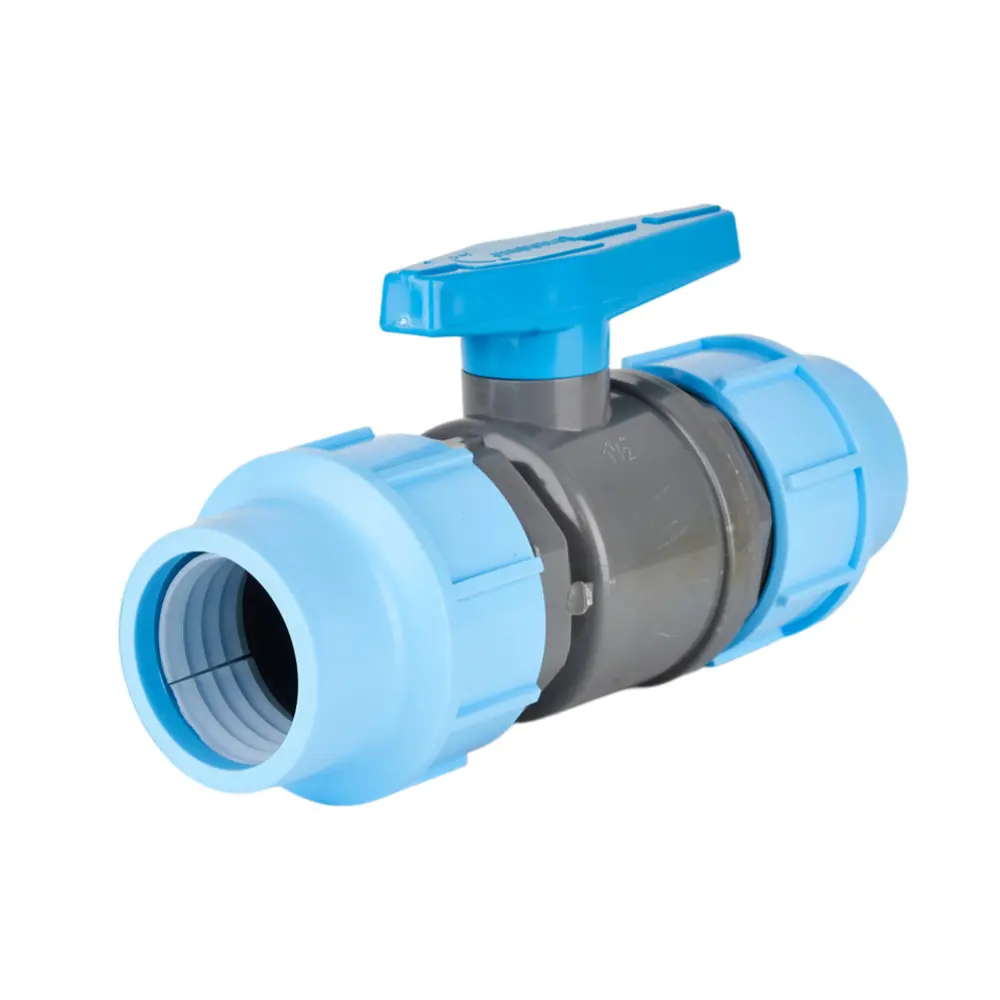
Ehao Plastic Group's collection of standard-compliant valves and taps, produced on computer-automated injection systems from Germany.
Precision molding equipment supports complex macro-industrial processes across sectors like agriculture, residential engineering, marine aquaculture, and building services. High-grade injection molding machinery must adapt to process various engineering resins—such as PVC, UPVC, PPR, PP, and POM—each requiring precise thermal control and screw geometries. The resulting components, such as high-performance valves and connectors, must resist chemical corrosion and mechanical stress under varying operational demands.
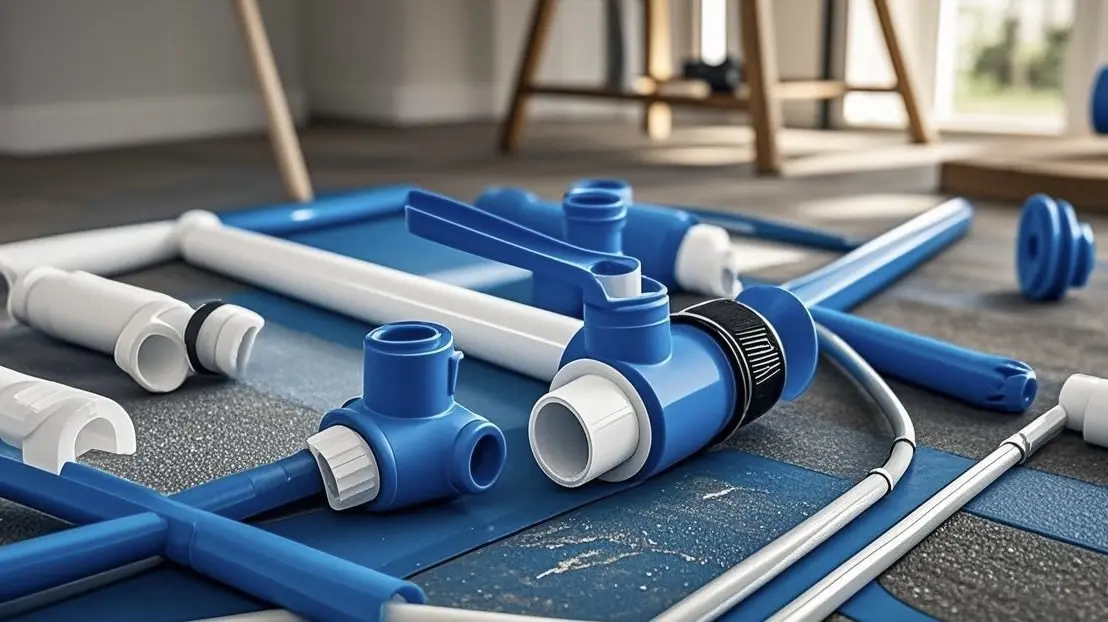

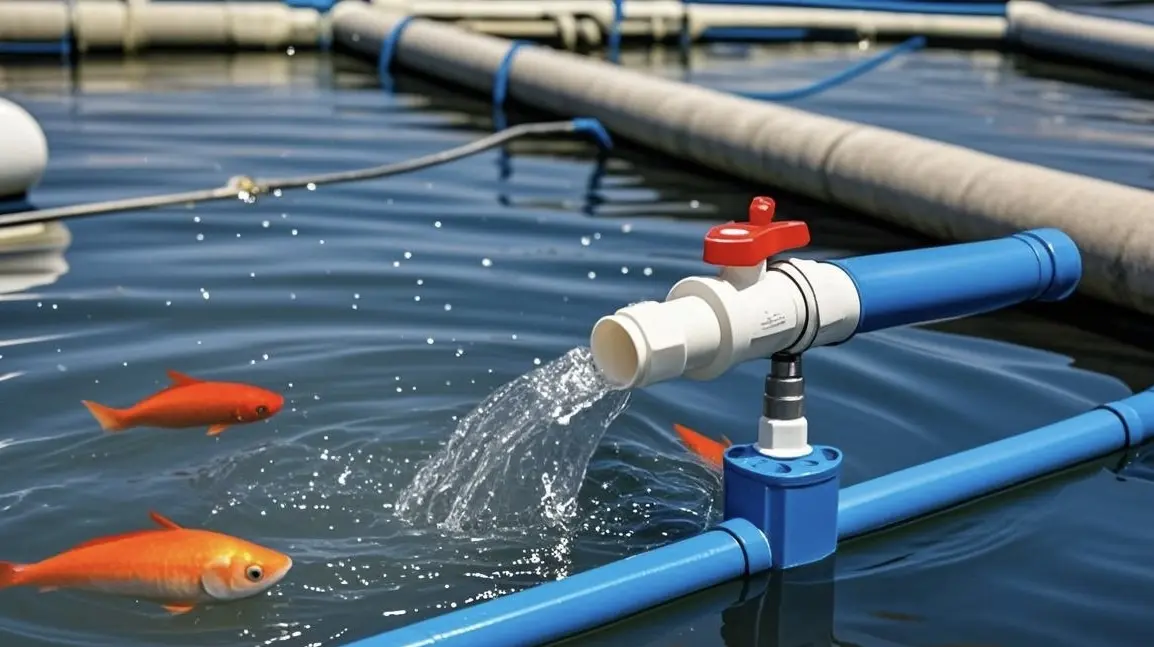
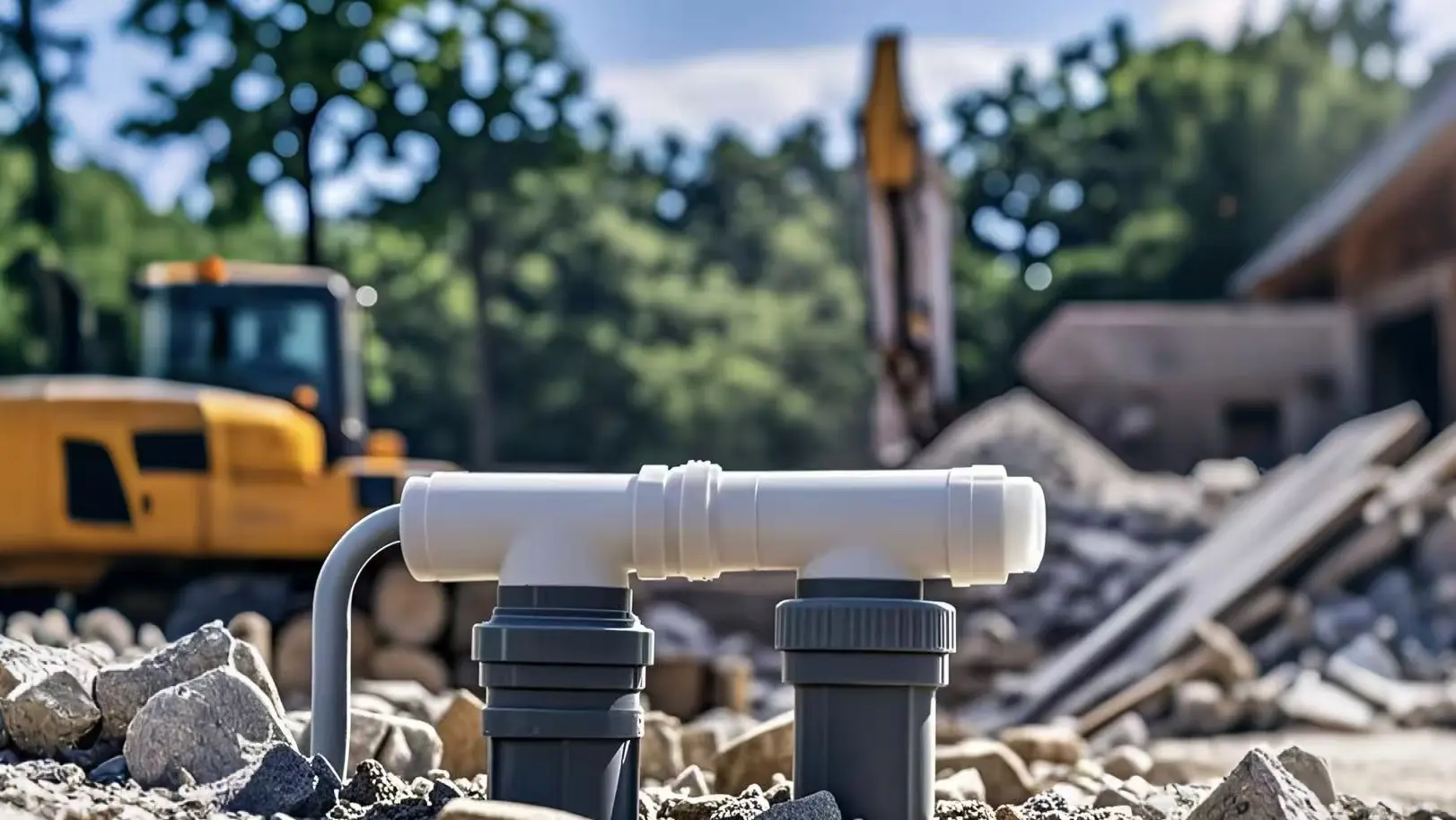
Engineered for domestic, industrial, and agricultural liquid handling environments.
Ehao Plastic Group is a high-tech private enterprise integrating R&D and production of building materials, pipe fittings, and high-precision injection molds. As a leading manufacturer of PVC/UPVC ball valves in China, Ehao has established technical partnerships with the Chinese Academy of Sciences and Zhejiang University. These relationships have enabled us to introduce advanced production lines and computer-automated injection molding machines from Germany, keeping Ehao at the forefront of the industry.
To ensure high quality, every valve and fitting undergoes a 26-step scientific testing process. This rigorous protocol monitors every stage of production—from raw polymer material analysis to final pressure testing. The resulting products meet the strict requirements of DIN 8077 and DIN 8078 standards, matching global benchmarks for performance and reliability.
Ehao operates on the principle of *quality for survival, science and technology for development, management for benefits, and service for credit*. In addition to manufacturing high-quality plastic molds, we process customer-supplied materials and provide custom development based on samples and technical drawings, serving partners across 28 countries in Europe, the Americas, and Southeast Asia.
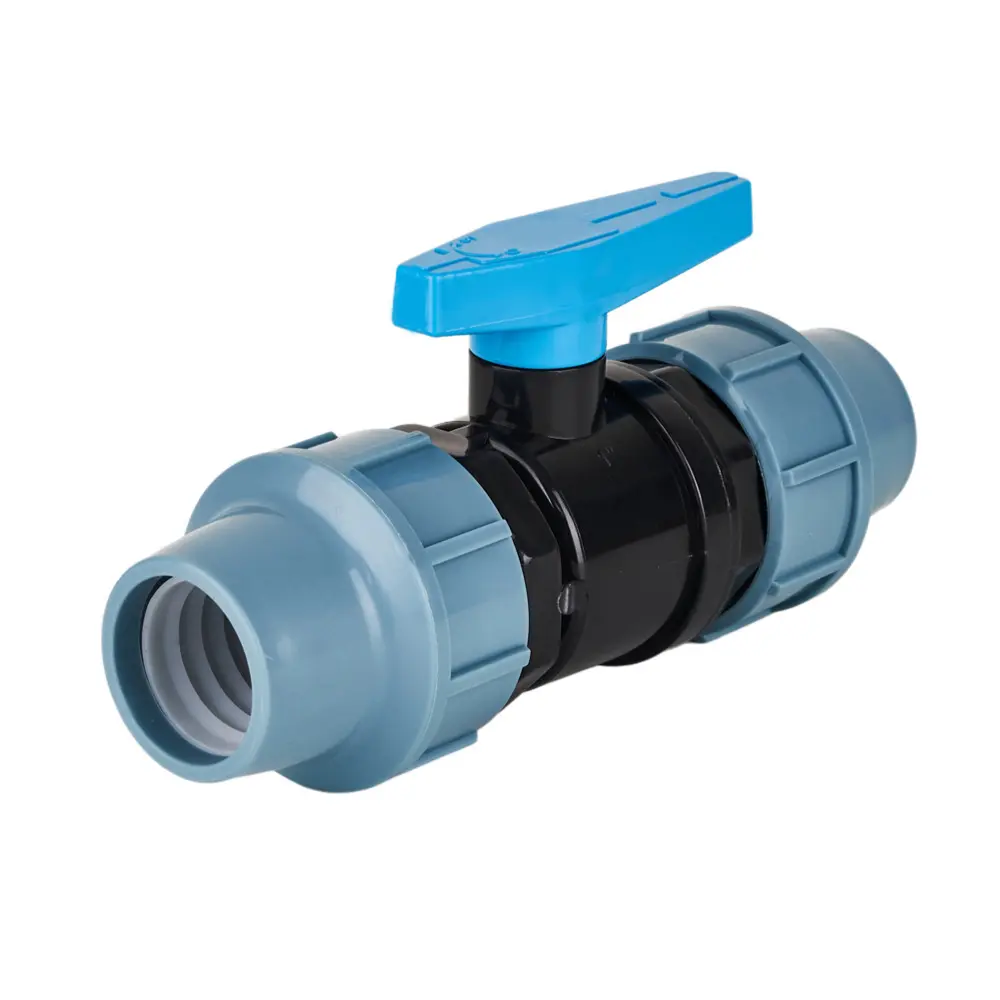
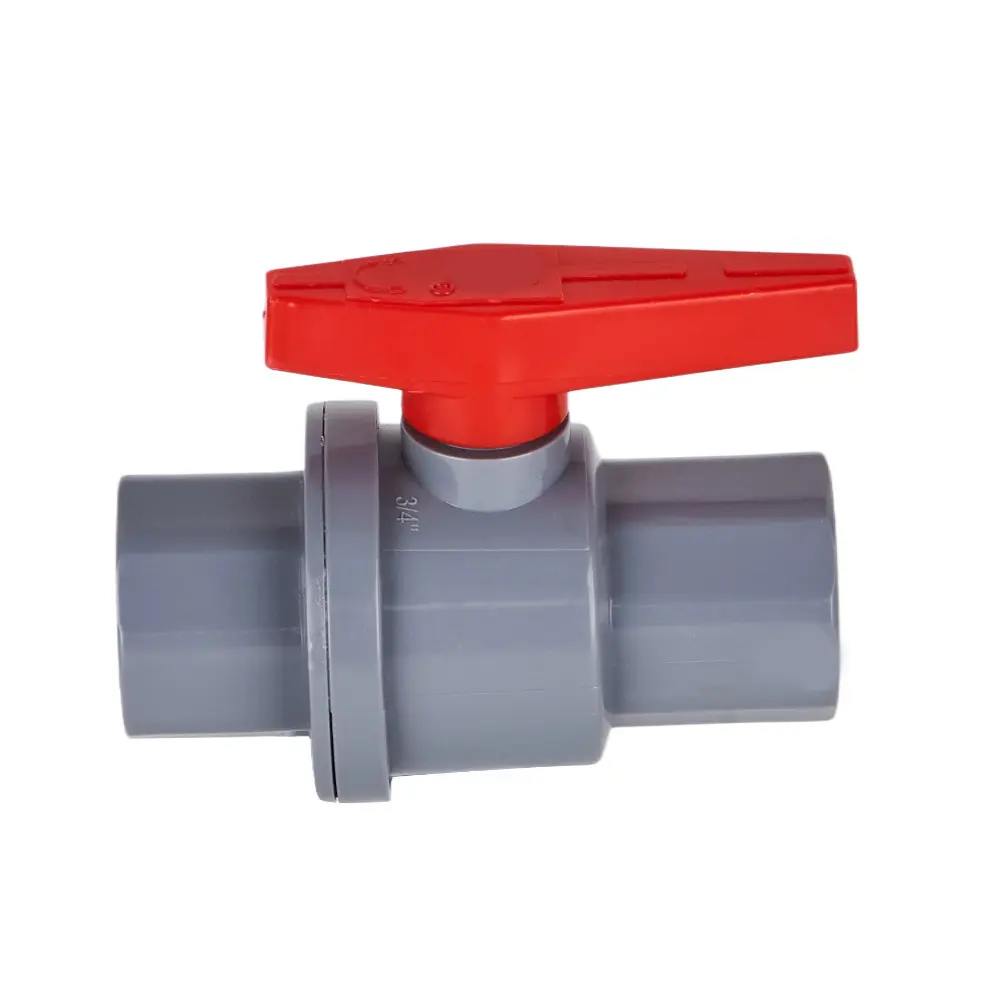
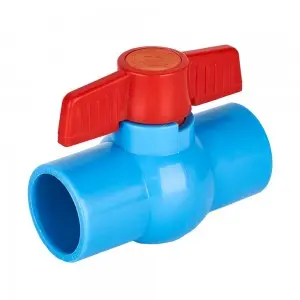
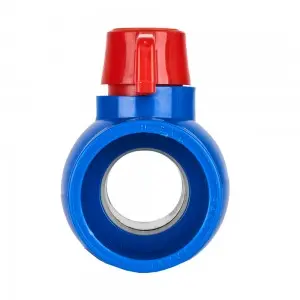
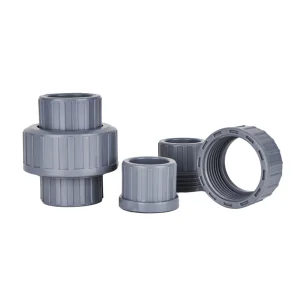
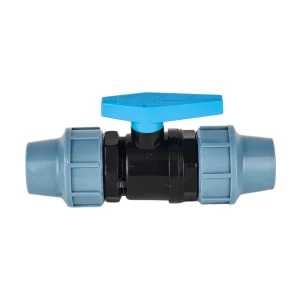
Further designs optimized for space-limited setups and precise flow modulation.
The convergence of metal injection molding machinery and automated polymer molding lines marks a major shift in factory operations. Modern factories are integrating computerized feedback loops that connect real-time dimensional deviations back to the machine control interface. By using AI-driven pressure monitoring systems, high-volume production lines can adjust parameters on the fly, compensating for slight shifts in material viscosity or ambient temperature.
Specialized applications require materials that perform reliably under mechanical stress and harsh environmental exposure. While traditional setups processed standard engineering plastics and lower-grade alloys, contemporary factories handle advanced feedstocks such as polyetheretherketone (PEEK), fiber-reinforced compounds, and high-purity metal powders. Processing these materials requires precise thermal management systems across the heating zones of the injection barrel to prevent degradation and ensure consistent flow properties.
In high-precision manufacturing, maintaining a clean production environment is critical. Factories are increasingly adopting cleanroom configurations and clean-in-place automation systems. This is particularly important for medical and aerospace micro-components, where even microscopic dust particles can cause structural defects during the molding and sintering stages. Using integrated conveyor systems and robotic pick-and-place arms helps prevent contamination and ensures parts move smoothly through the quality control steps.
Our secondary wholesale product lineup engineered under strict quality systems for high-pressure operations.
Get expert answers on procurement metrics, machine integrations, quality standards, and customized tooling.
 EHAO
EHAO