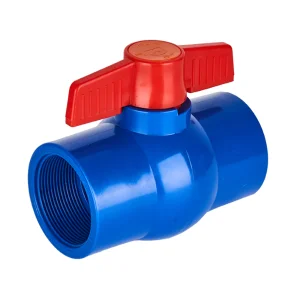
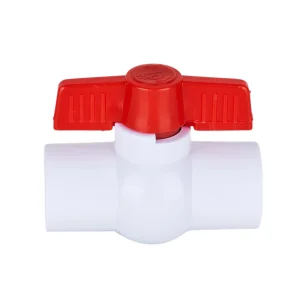
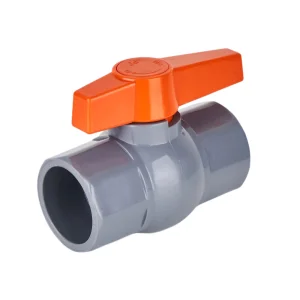
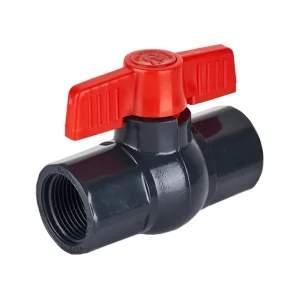
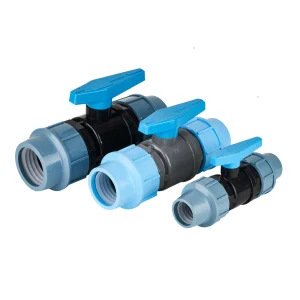
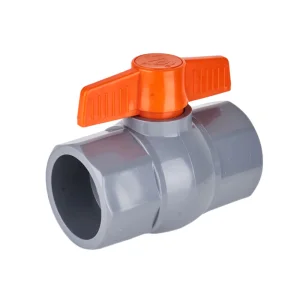
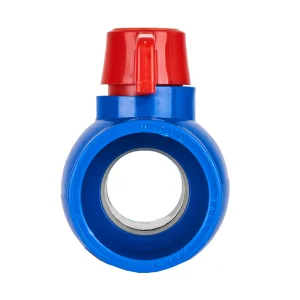
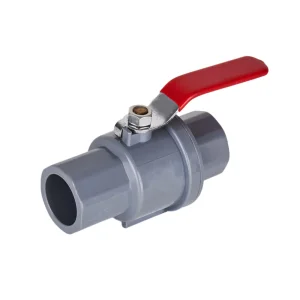
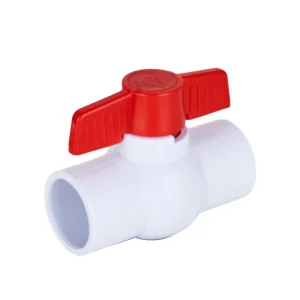
Explore our leading catalog of PVC/UPVC compact ball valves and fluid control accessories designed for critical operational environments.
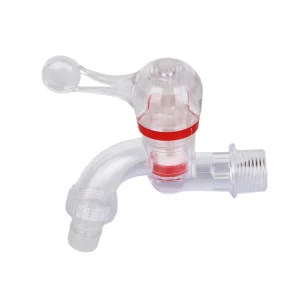
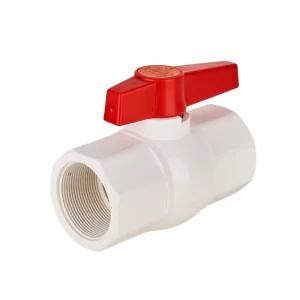
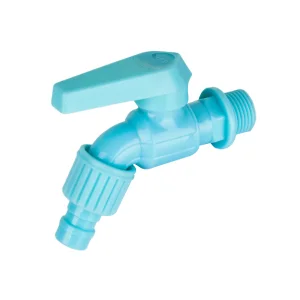
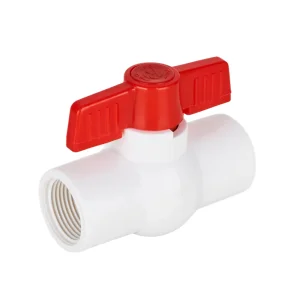
From selecting and configuring the right machine for your job to helping you finance the purchase that generates noticeable profits, Ehao stands as your trusted industrial manufacturing partner.
Ehao Plastic Group is a high-tech private enterprise integrating R&D and production of building materials, pipe fittings, and injection moulds. Especially, Ehao Plastic Group is a leader of PVC/UPVC ball valves in the domestic market in China. Since its inception, the company has been supported by the Chinese Academy of Sciences and Zhejiang University in technological research and advanced material development.
We introduced high-precision production lines and computer-controlled automatic injection molding machines directly from Germany. Every single product goes through 26 steps of scientific testing and is subject to strict quality control to guarantee a 100% ex-factory pass rate. The technical indexes of our products fully accord with DIN8077 and DIN8078 standards, reaching a world-class level of engineering excellence.
Analyzing the mechanics, challenges, and solutions for manufacturing complex plastic parts with negative draft angles.
In plastic injection molding, an undercut is a design feature—such as a protrusion, recess, thread, or internal cavity—that prevents a molded part from being directly ejected along the primary mold opening direction (the line of draw). Without specialized tooling mechanisms, attempts to eject such parts would result in severe deformation, tearing, or permanent destruction of the molded plastic component.
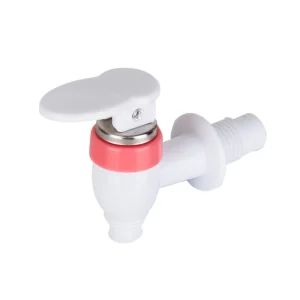
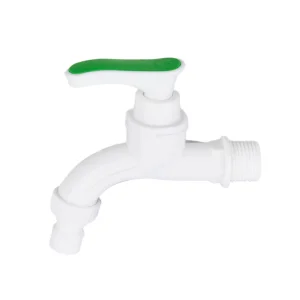
Undercuts are highly prevalent in industrial fluid components, specifically in UPVC/PVC compact ball valves, threaded socket ends, and bibcocks. The internal threads, O-ring grooves, and hollow core configurations of ball valves represent classic undercut geometries. Ehao Plastic Group addresses these complex design constraints by deploying advanced tooling methodologies, ensuring that complex parts are ejected cleanly without flash or cosmetic defects.
To overcome undercut limitations, modern industrial mold makers employ several main strategies:
Selecting the right thermoplastic polymer is critical when designing parts with complex undercuts. Properties like shrinkage rate, tensile strength, elasticity, and melt flow index directly determine how well a material can withstand mechanical ejection forces. Here is how Ehao's materials perform under complex undercut tooling environments:
Unplasticized Polyvinyl Chloride (UPVC/PVC): Known for high chemical resistance and mechanical rigidity. However, its high viscosity makes mold flow simulation and precise slide gating critical to prevent weld lines and air entrapment in undercut areas.
Polyoxymethylene (POM): Used extensively in faucet nipples and internal valve stems due to its exceptional dimensional stability, low friction coefficient, and high elasticity. POM allows for slight snap-fit undercuts that can "bump off" the core during ejection without deformation.
Polypropylene (PP): High chemical resistance and flexibility. PP allows for deep draft and flexural displacement, making it ideal for unique tap designs and snap-fitting configurations.
Analyzing the shift towards high-complexity supply chains and localized applications.
The global industrial fluid control market has shifted towards higher quality standards. Procurement managers in North America, Europe, and South America no longer look purely at unit costs; instead, they prioritize supply chain resilience, tooling longevity, and regulatory compliance (DIN, ISO, ASTM).
When sourcing injection-molded components with complex geometries and undercuts, global buyers seek suppliers capable of providing comprehensive Design for Manufacturability (DFM) analyses. An experienced factory must simulate the mold-flow dynamics and identify potential defects—such as sink marks, gas traps, or flashing along parting lines—before steel tool cutting begins. This upfront validation reduces time-to-market and eliminates expensive tooling modifications downstream.
Ehao products and mold solutions are tailored for demanding environmental and operational contexts globally.
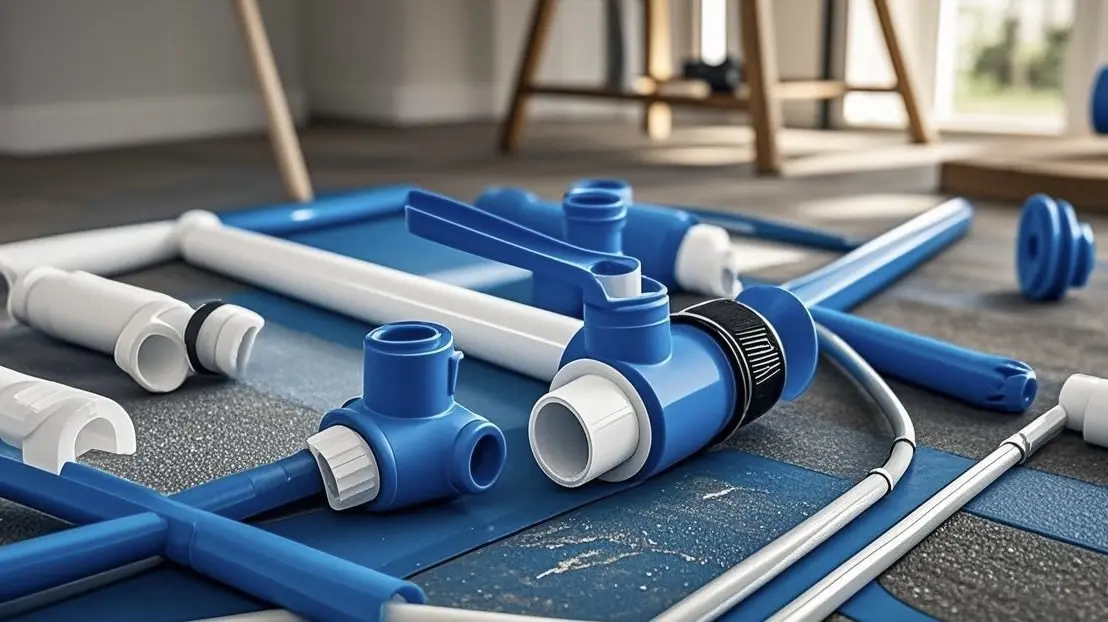

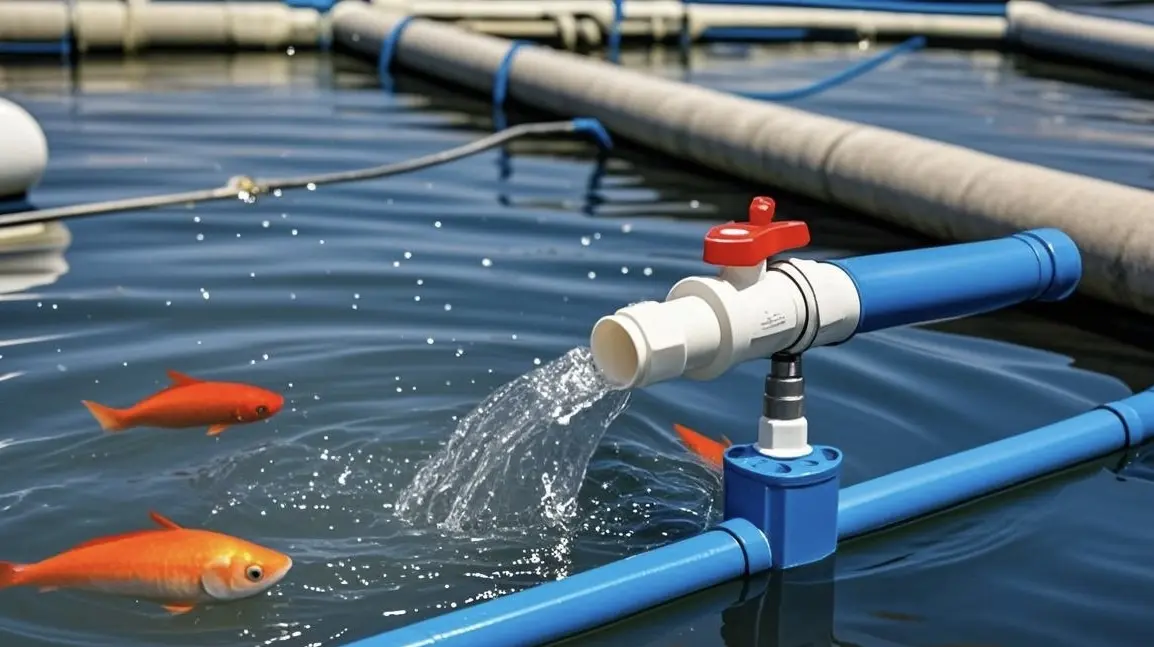
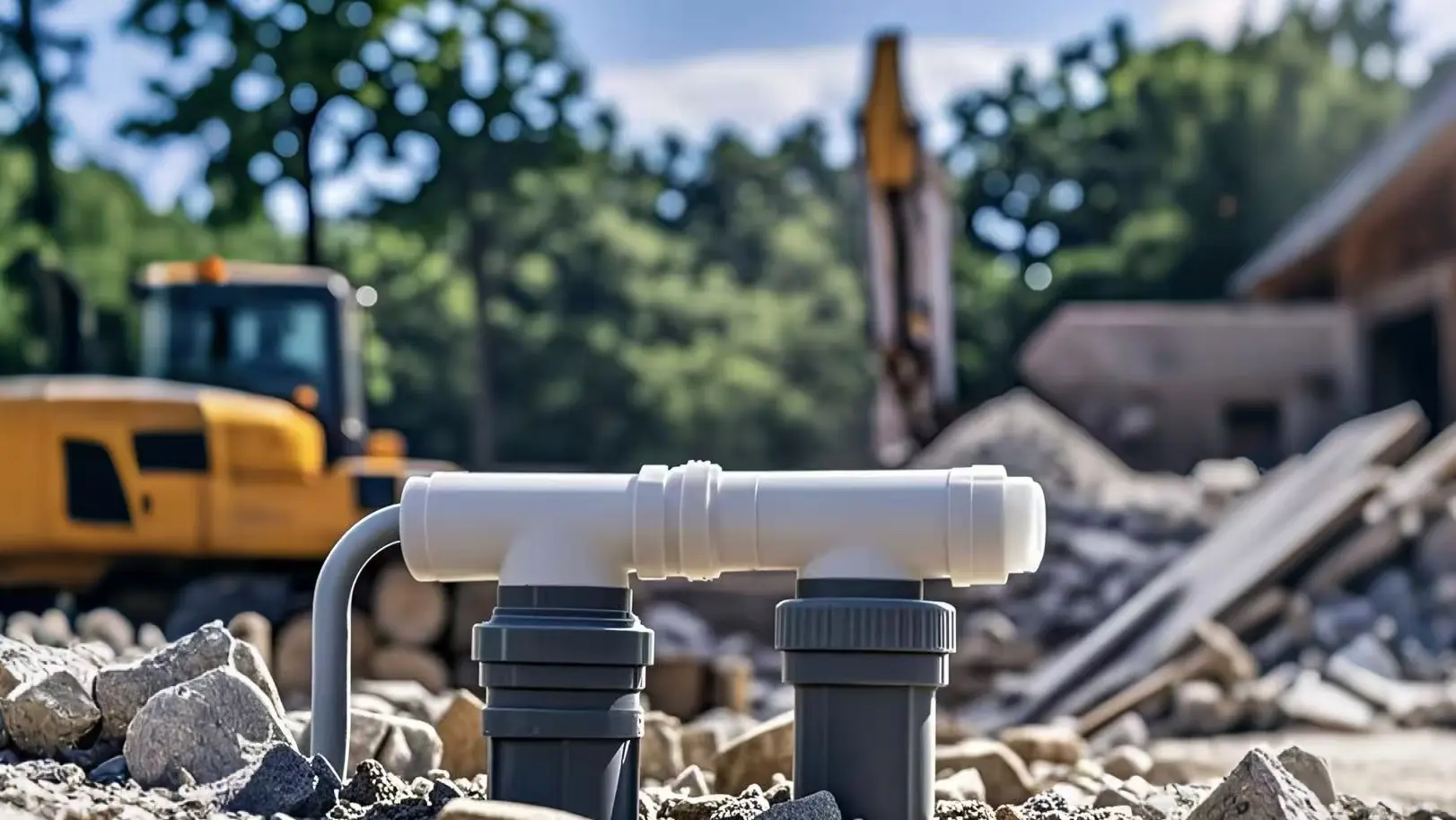
Deploying cutting-edge automation, academic engineering, and rigorous testing protocols.
Ehao Plastic Group's leadership in high-precision plastic components is backed by deep technological collaboration with the Chinese Academy of Sciences and Zhejiang University. These partnerships allow us to incorporate the latest polymer formulations, additive mixtures, and fluid dynamics simulations into our mold-building processes.
To realize these advanced designs without defect, our facility is equipped with automated injection molding machinery imported from Germany. These systems feature closed-loop real-time pressure, temperature, and velocity monitoring, allowing us to maintain ultra-tight tolerances across millions of production cycles. The result is zero assembly variation, minimizing friction in moving valve assemblies and maximizing service life.
Quality assurance at Ehao is not a final visual check; it is a systematic, data-driven methodology. Every production batch undergoes a rigid 26-step testing cycle containing:
By enforcing this comprehensive quality check, Ehao secures a 100% factory pass rate, earning the trust of international distributors, municipal infrastructure planners, and large-scale agricultural contractors globally.
Technical answers to common engineering, procurement, and manufacturing inquiries.
Premium solutions for water distribution, chemical treatment, and agricultural irrigation applications.
 EHAO
EHAO