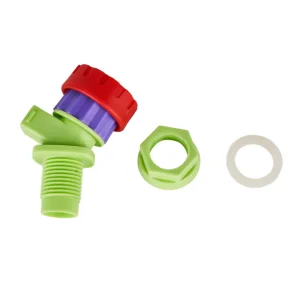
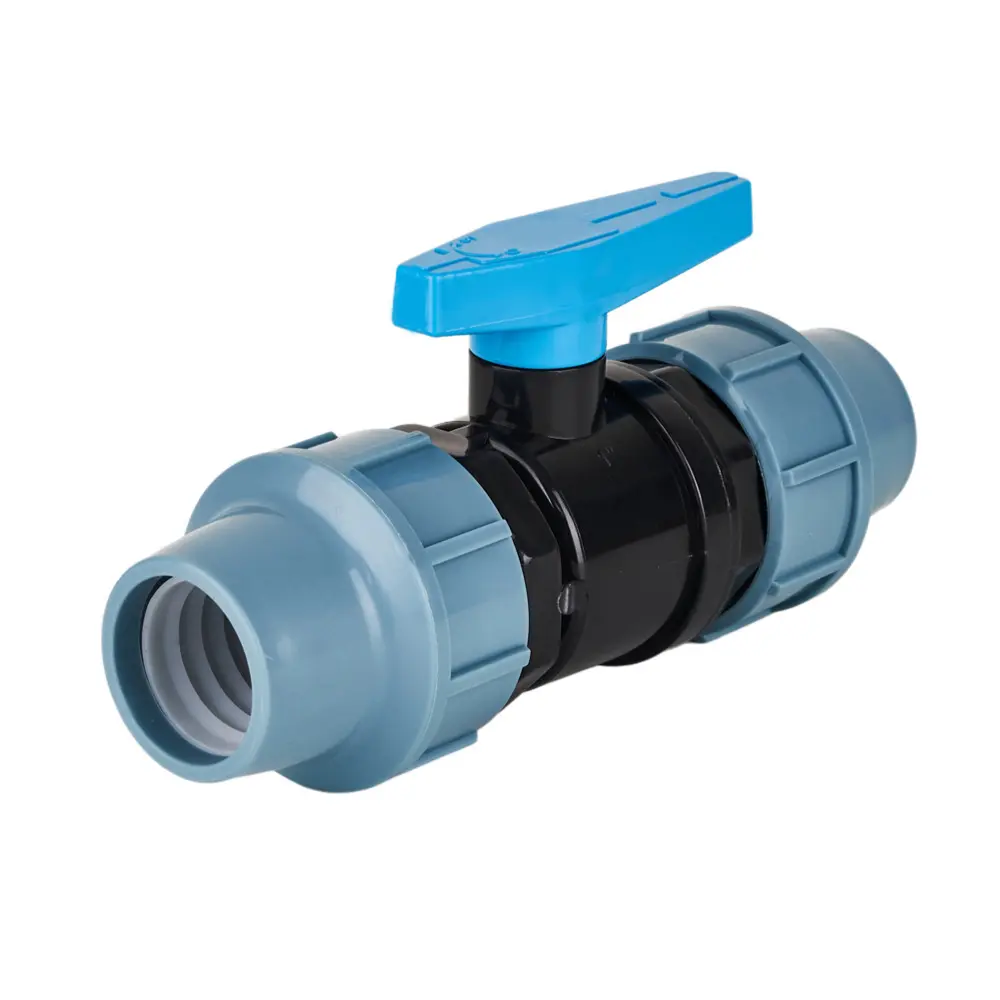
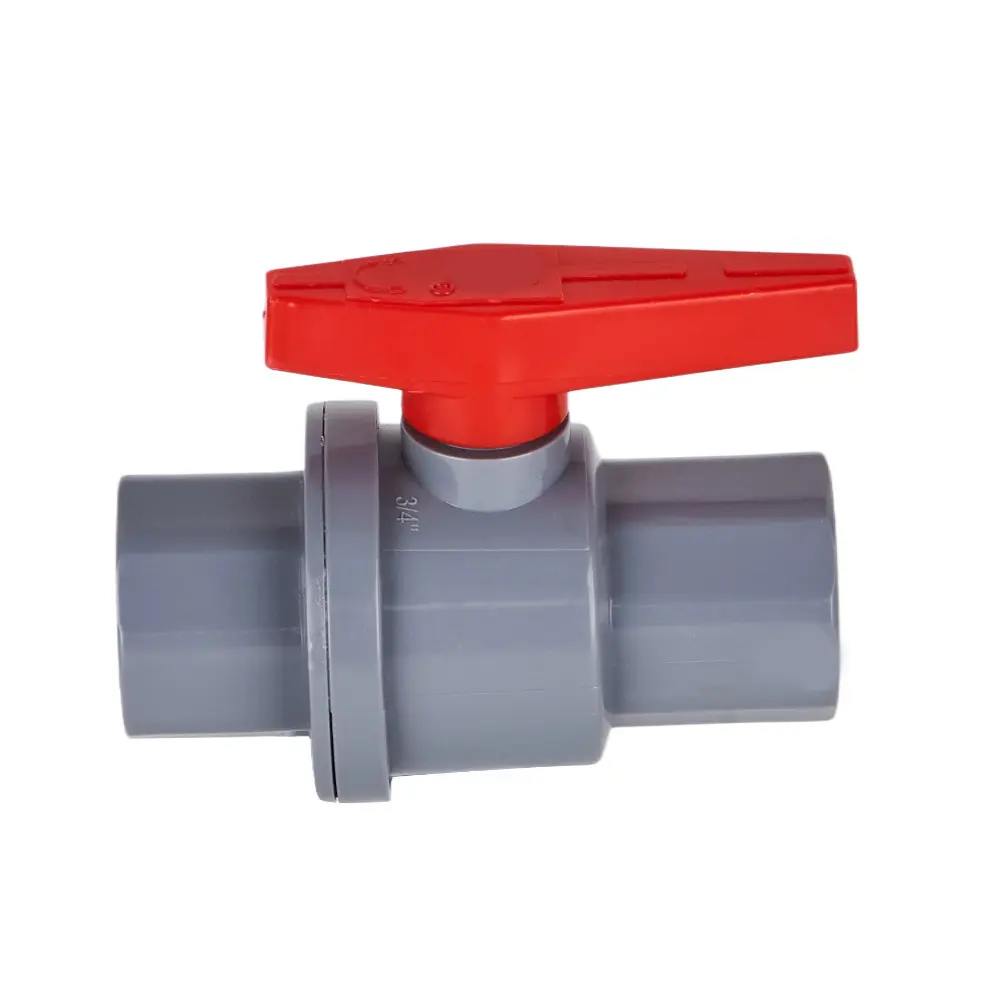
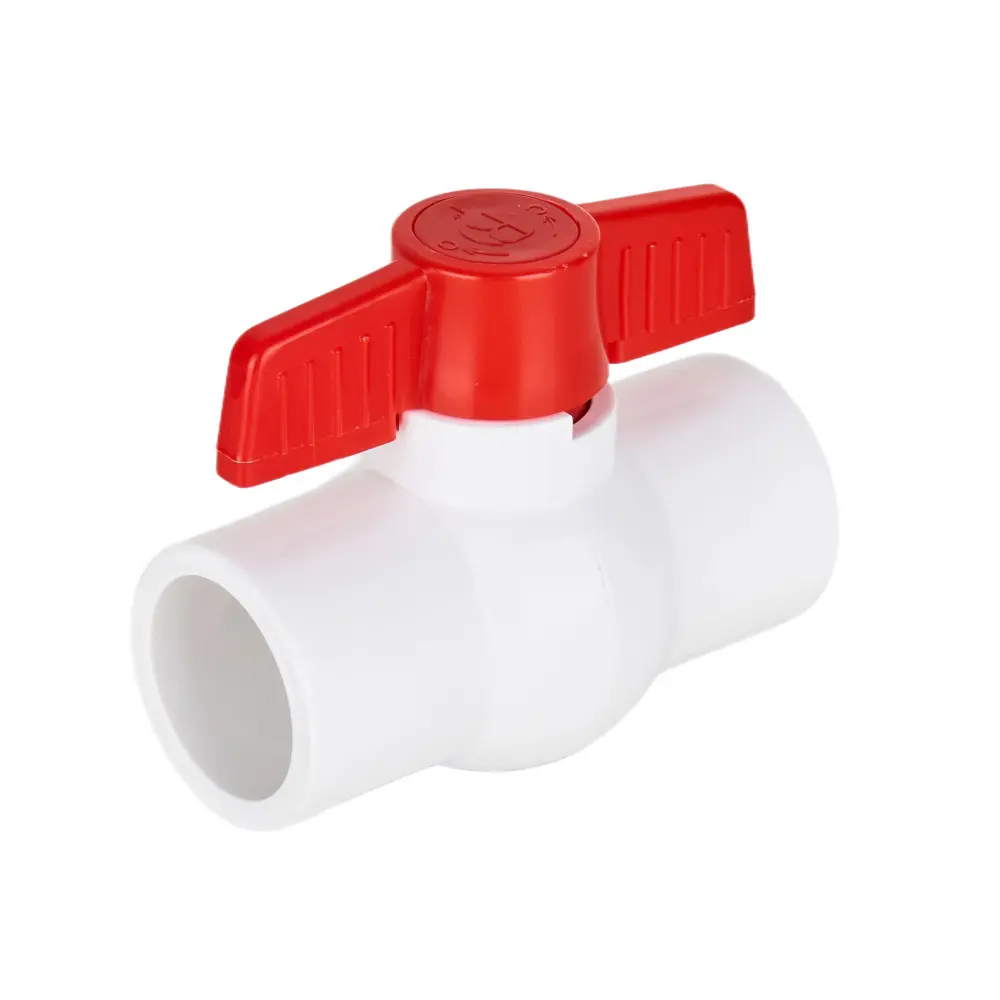
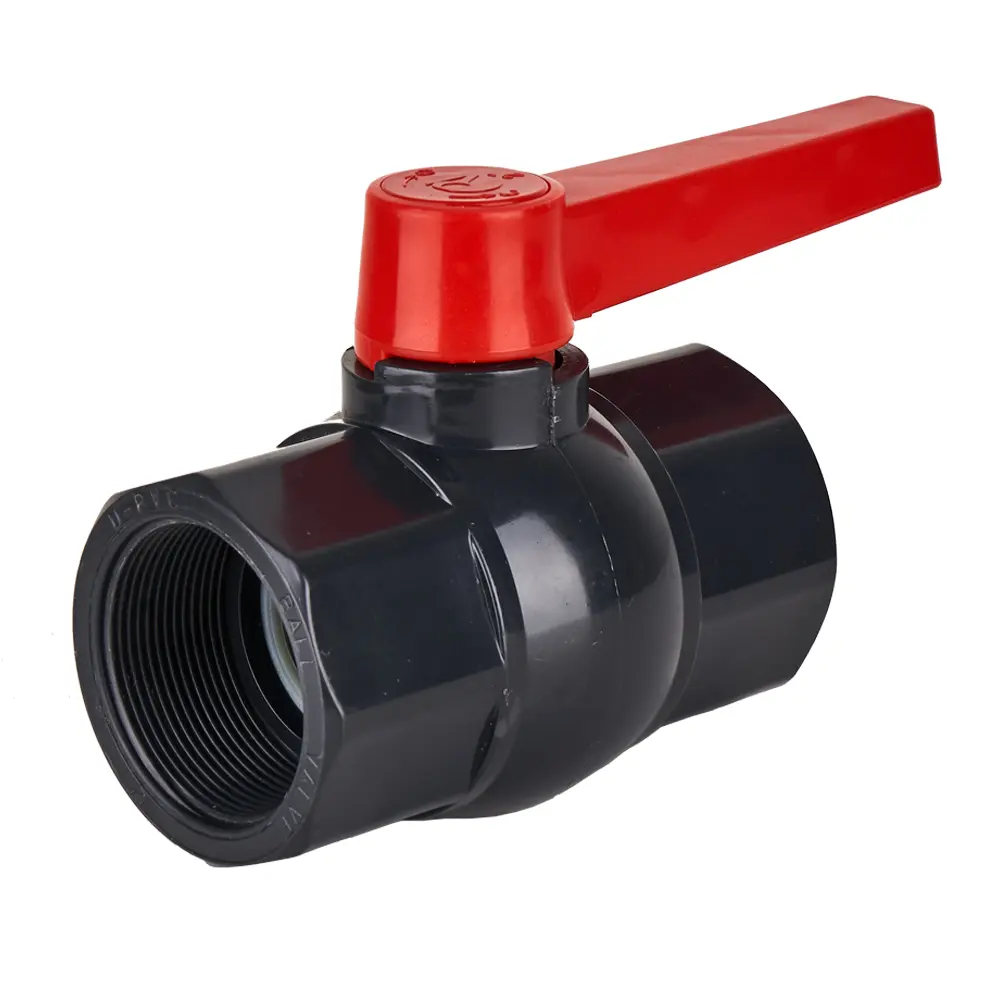
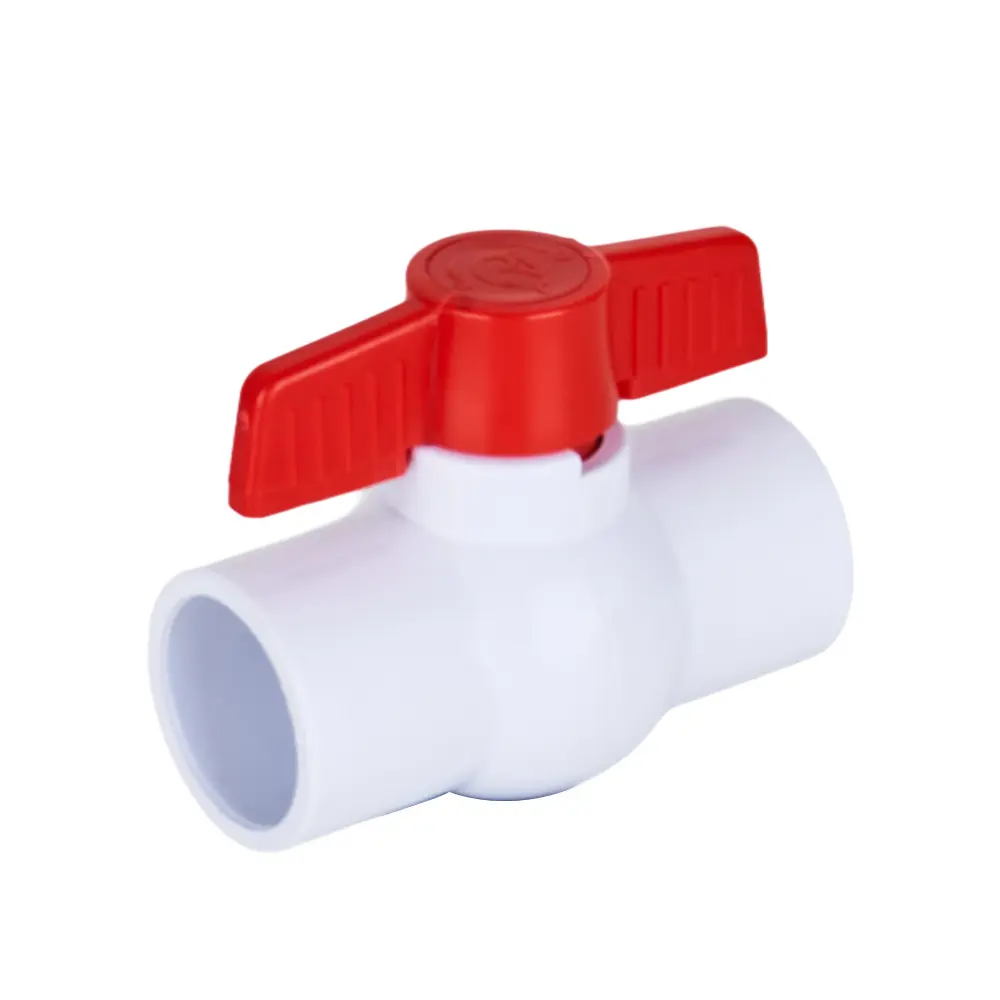
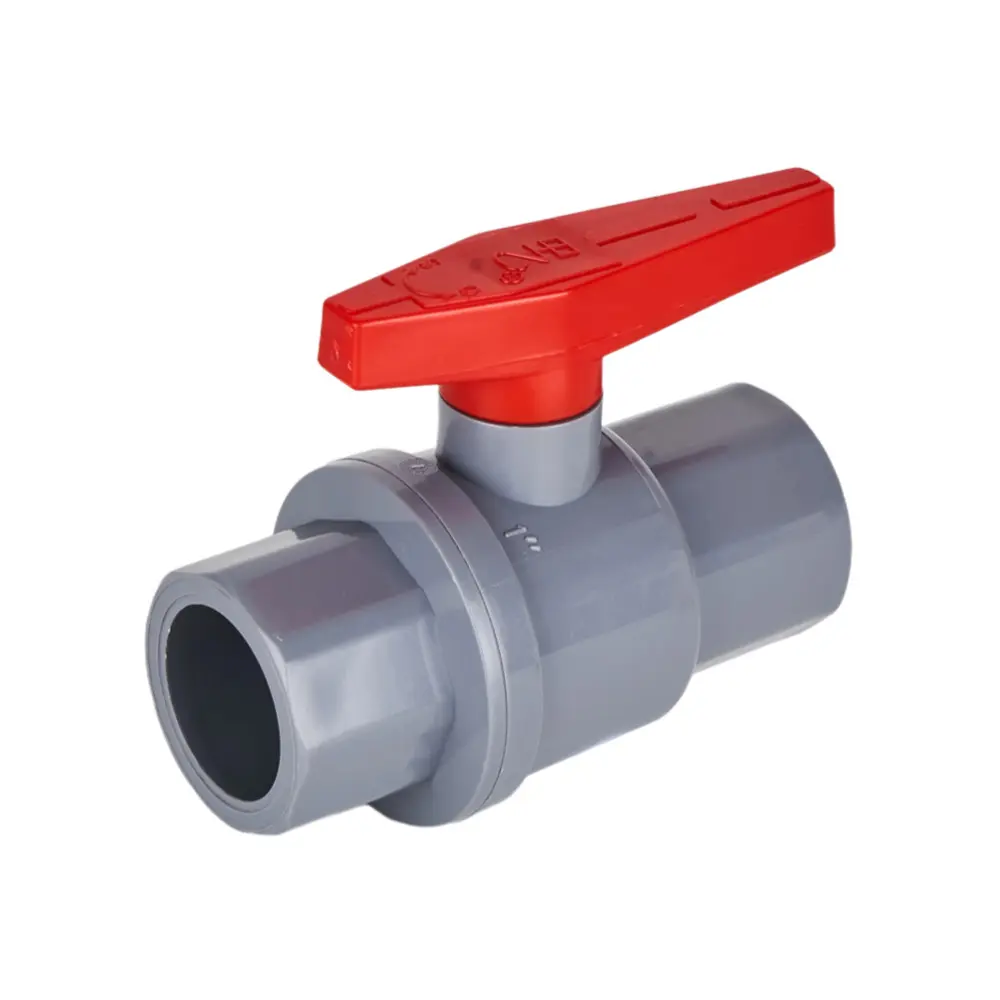
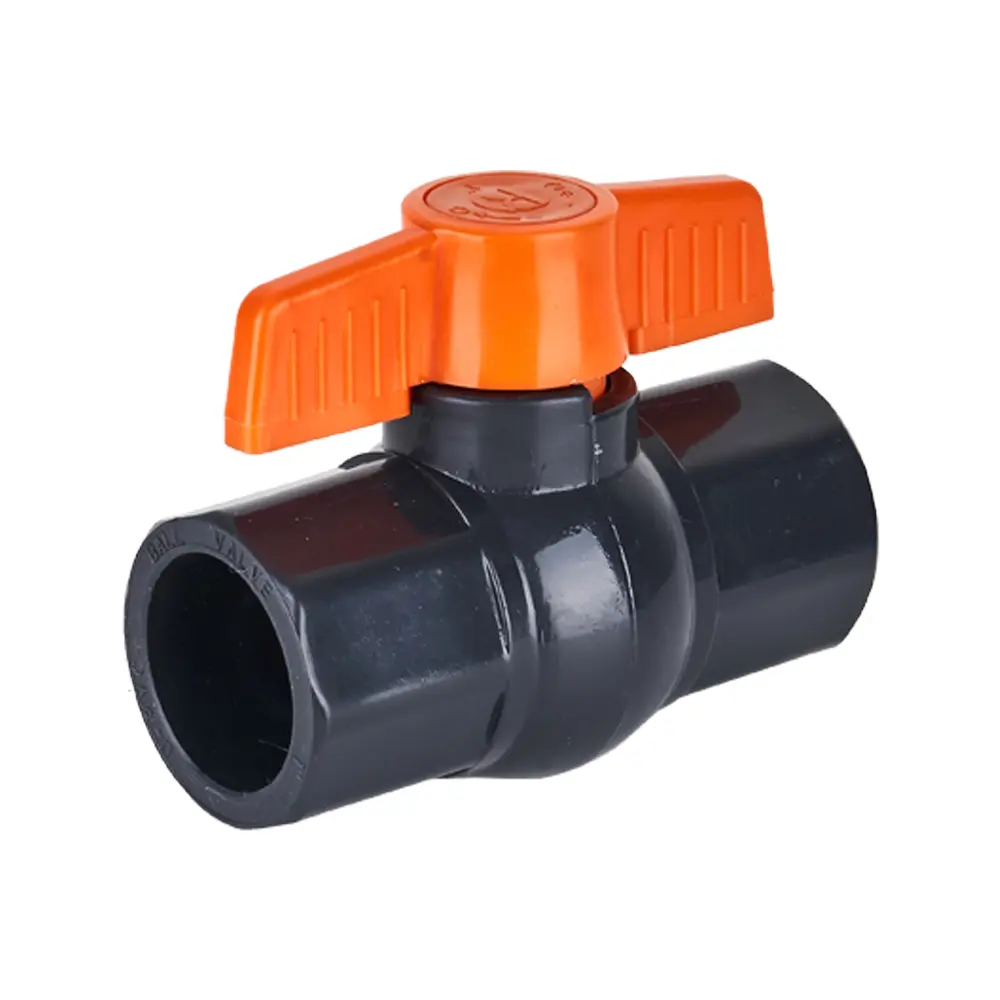
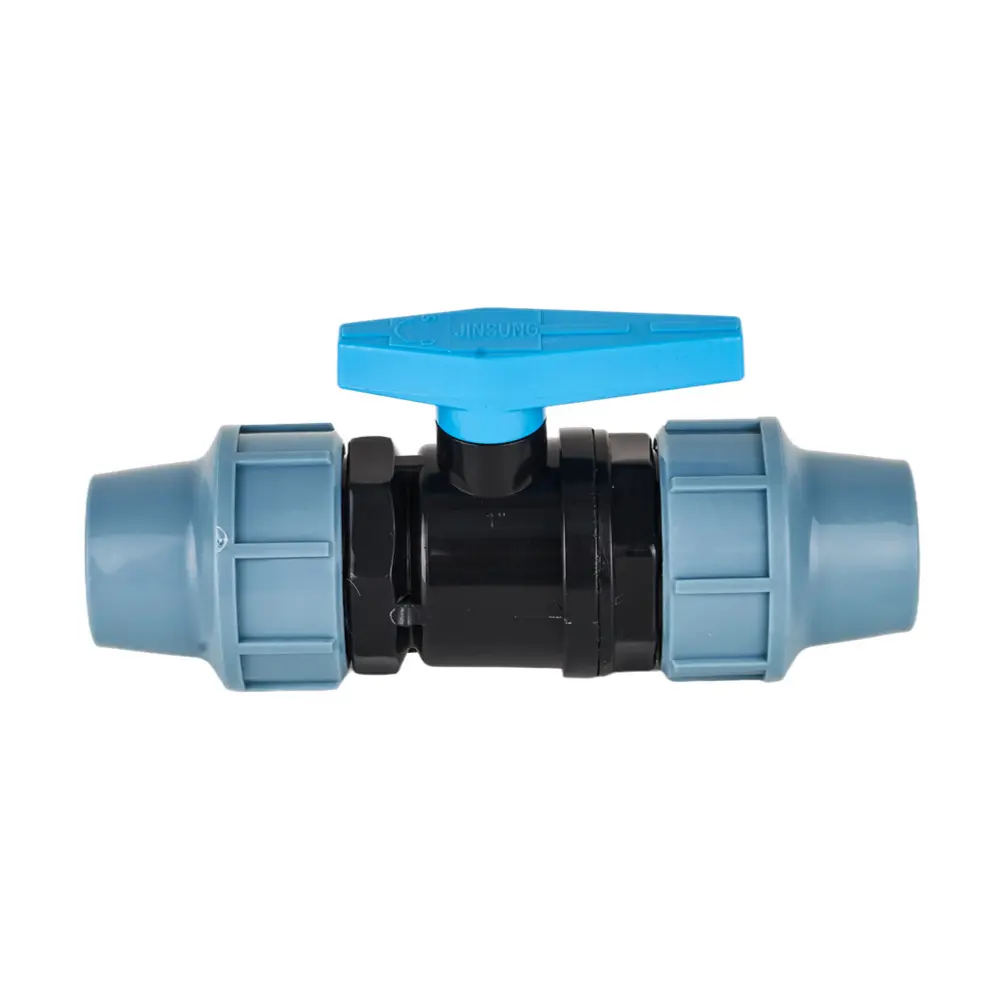
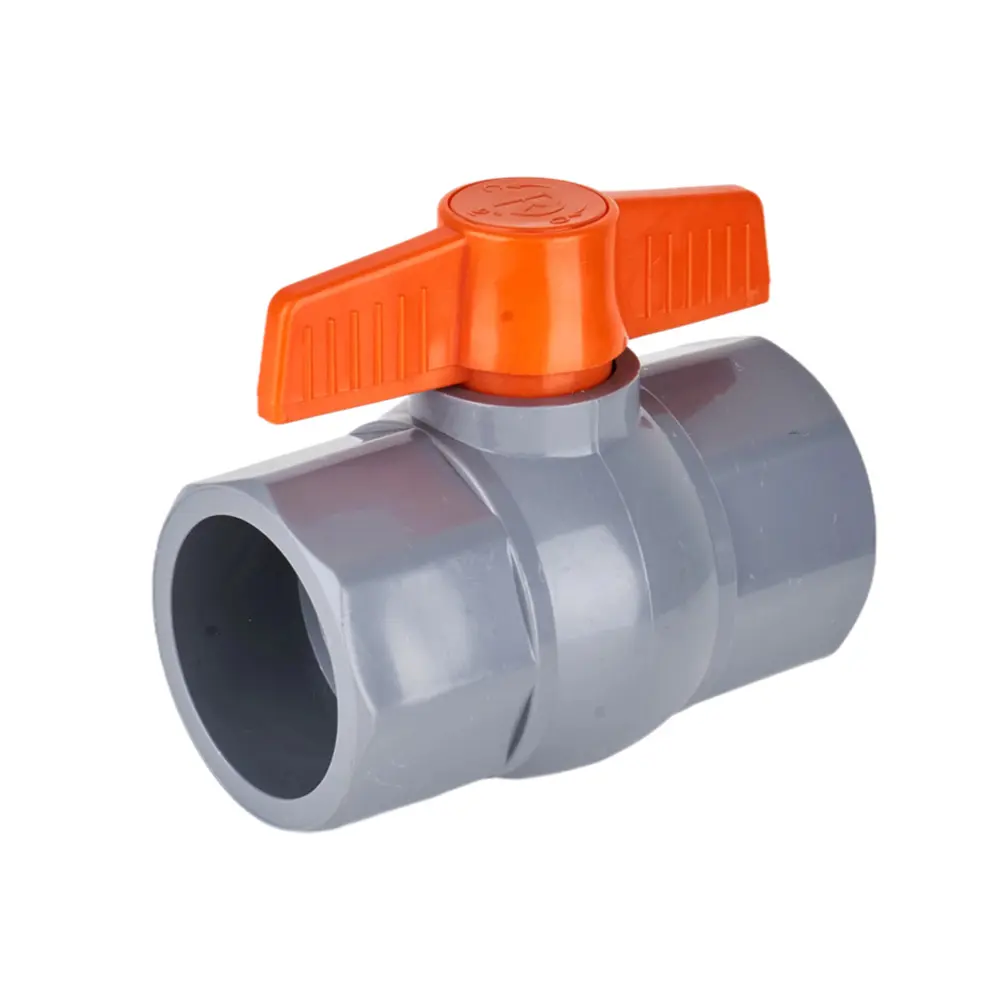
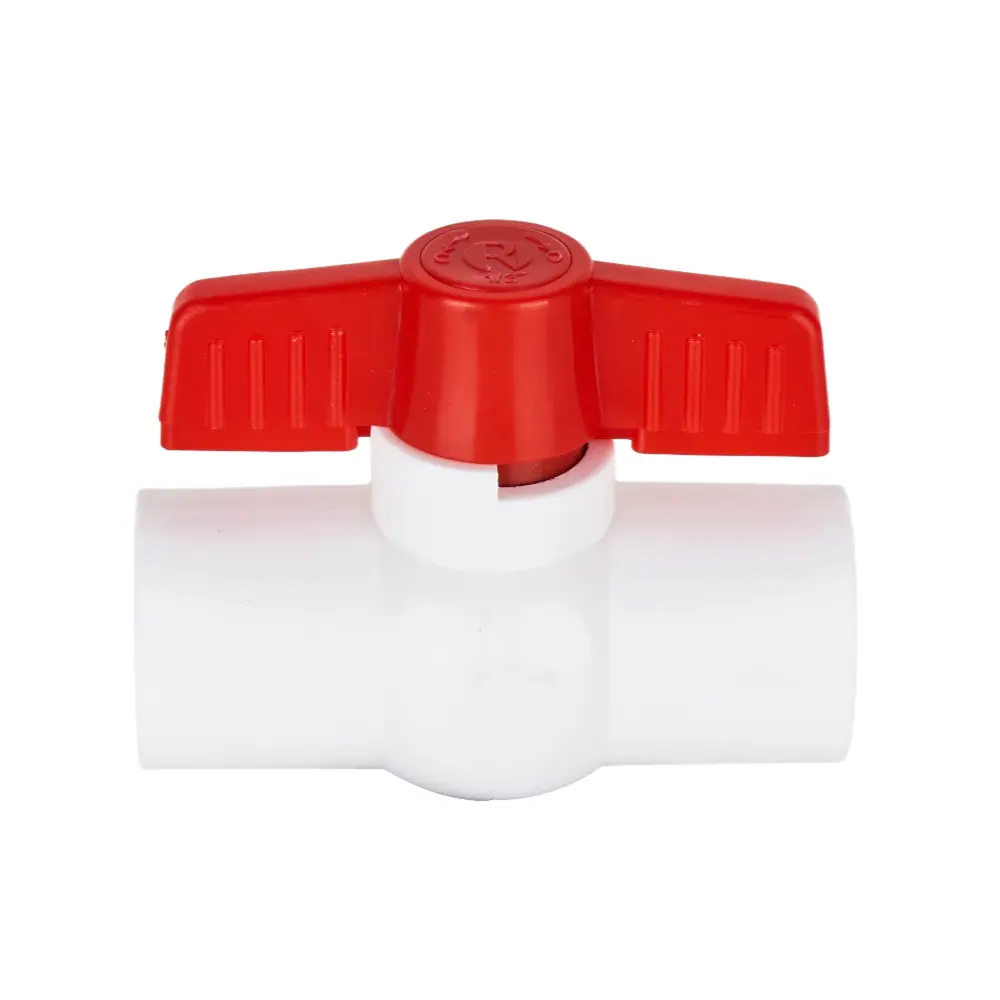
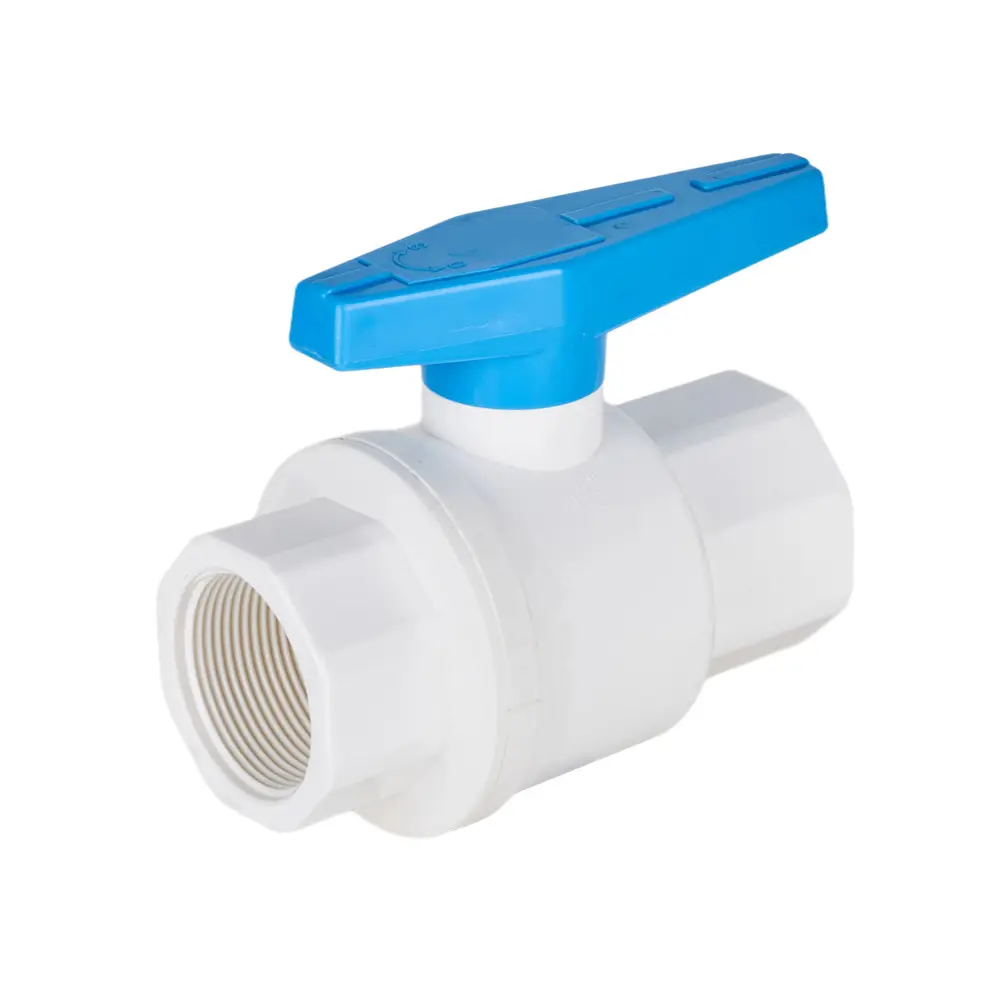
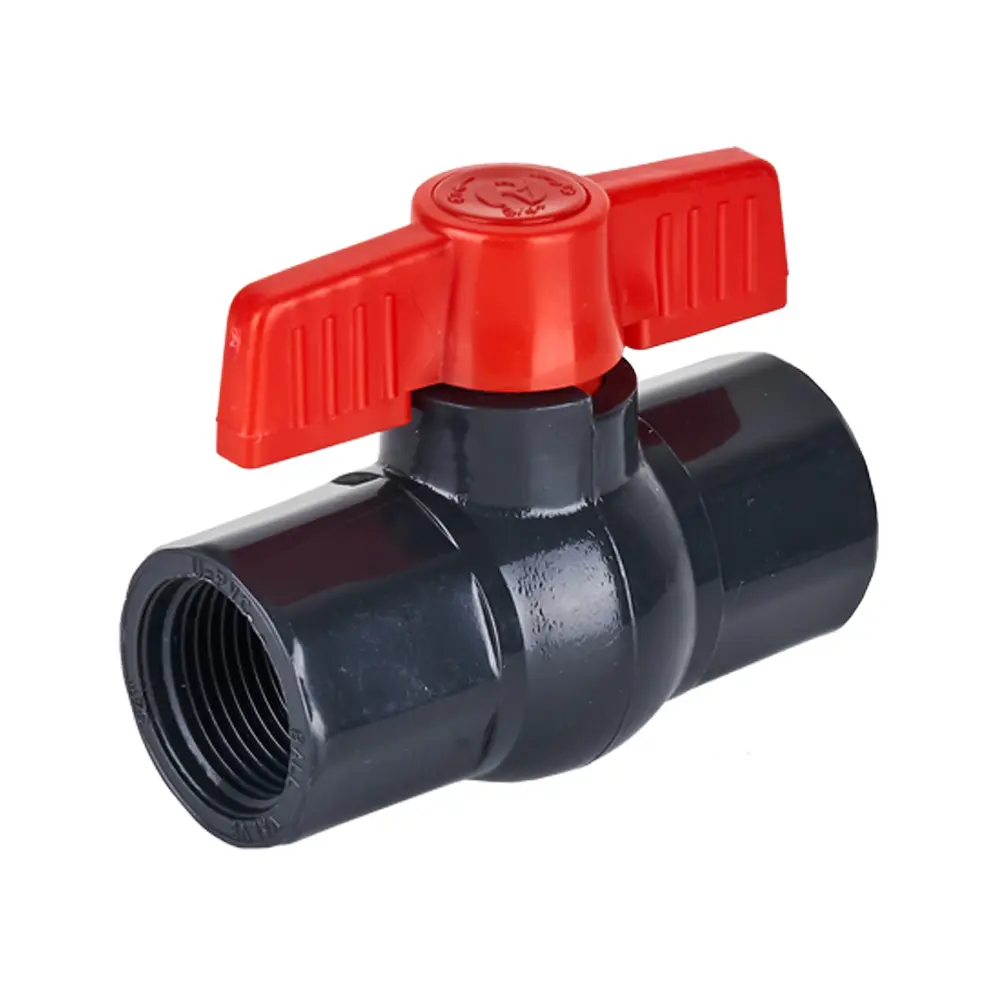
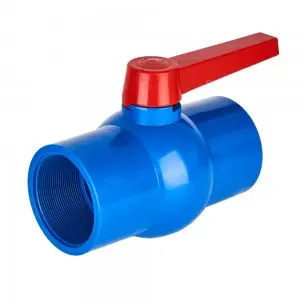
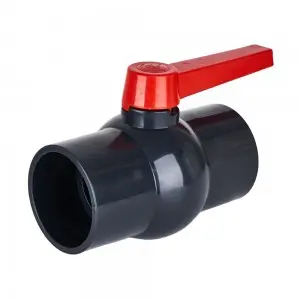
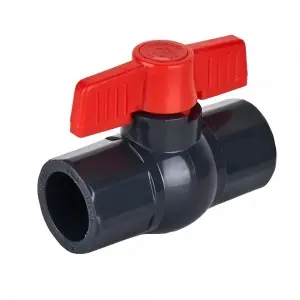
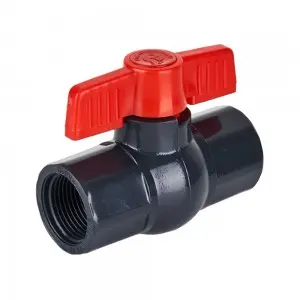
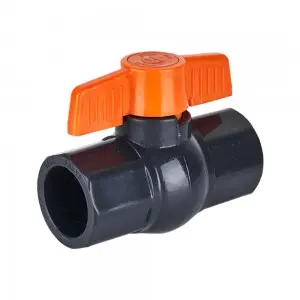
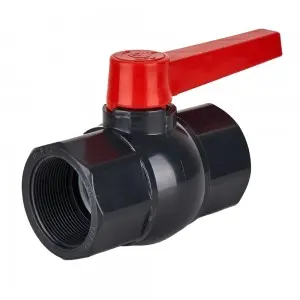
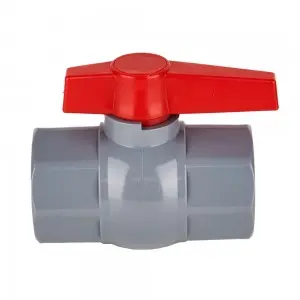
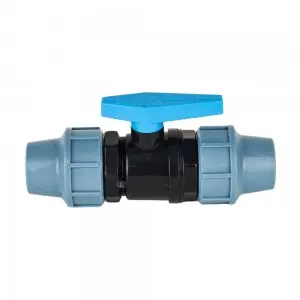
Explore our engineered plastic valves and water fittings fabricated through state-of-the-art runner systems, ensuring zero weld-line vulnerabilities and isotropic material density.
Ehao Plastic Group is a premier, high-tech private enterprise focused on the integrated research, development, and high-volume manufacture of advanced building materials, industrial pipe fittings, and high-precision injection molds. Our technical leadership is anchored in direct collaborative projects with the Chinese Academy of Sciences (CAS) and Zhejiang University, two of the world's leading centers for polymer science and fluid mechanics research.
Our production facilities utilize automated injection molding centers imported directly from Germany. Operating under digital parameters, these units execute automated clamping, injecting, and cooling cycles with microsecond precision. To maintain our reputation as a trusted wholesale injection molding runner manufacturer, every mold and product goes through a multi-stage quality protocol: 26 steps of scientific testing monitoring gate freeze-off, packing pressure, dimensional tolerances, and burst pressure testing. All products are verified to achieve a 100% factory pass rate and comply strictly with DIN8077 and DIN8078 standards.
The efficiency of a multi-cavity injection mold relies heavily on the engineering of its runner system. The runner functions as the distribution highway for molten thermoplastic material, routing it from the machine nozzle to individual mold cavities. A poorly designed runner can cause unbalanced filling, excessive pressure drops, high scrap rates, and localized thermal degradation—a critical concern when molding heat-sensitive materials like PVC and UPVC.
Our engineering team designs both cold runner and hot runner molds customized for specific production run volumes and polymer requirements:
By using Moldflow® computer-aided engineering software, we analyze shear rate distributions, fill times, temperature changes, and gating requirements before machining begins. This ensures that every runner system we deliver features natural, rheologically balanced flow channels, ensuring uniform pressure and filling across all mold cavities.
How our high-precision runner systems and injection molded products meet demanding requirements across different industries.
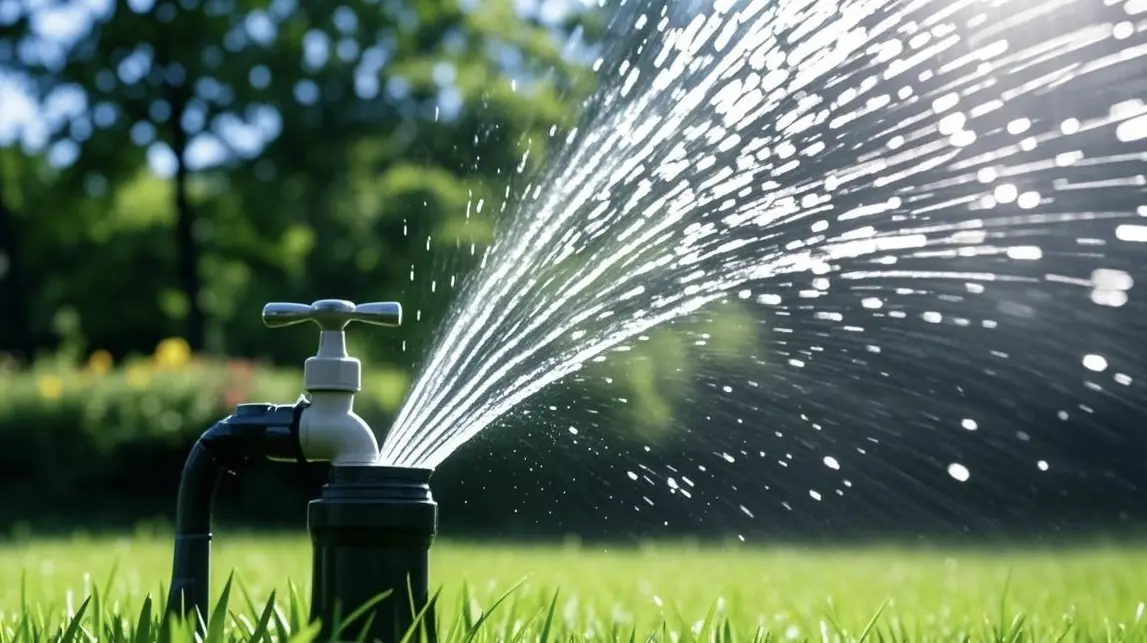
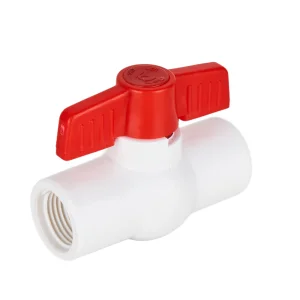
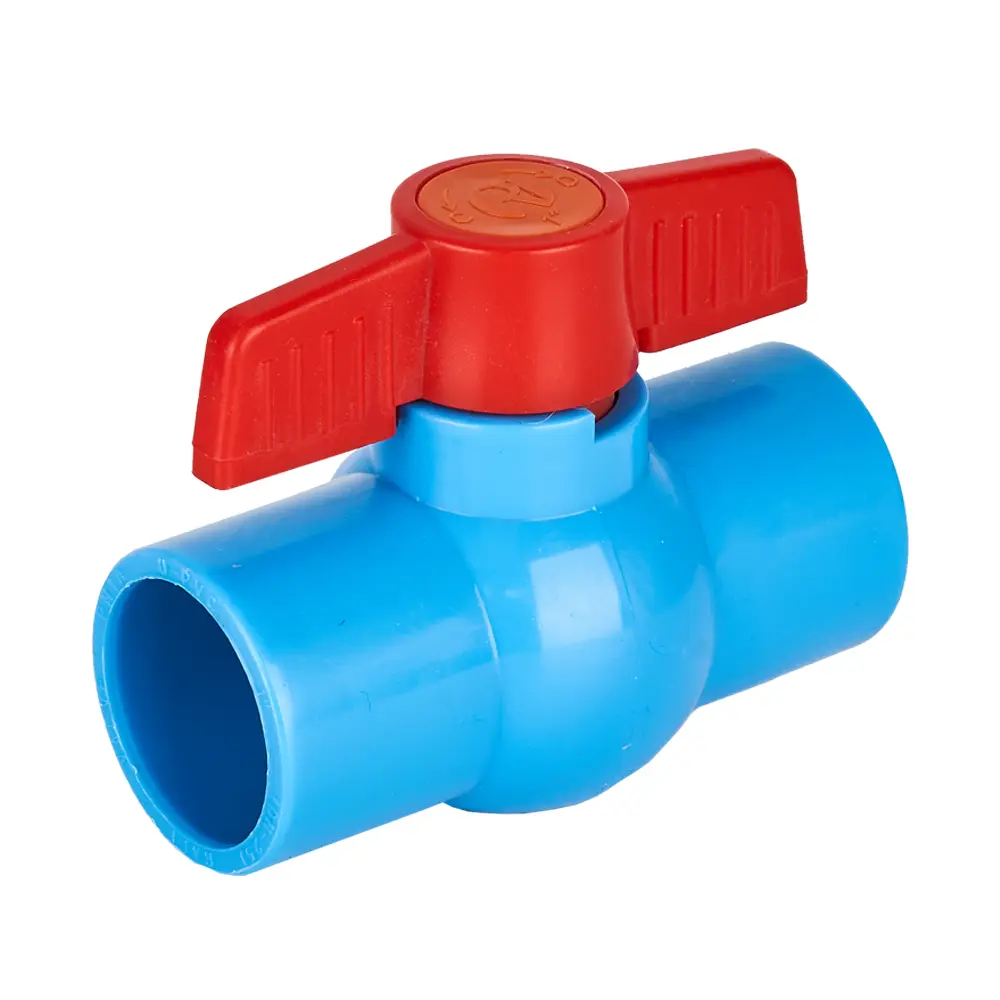
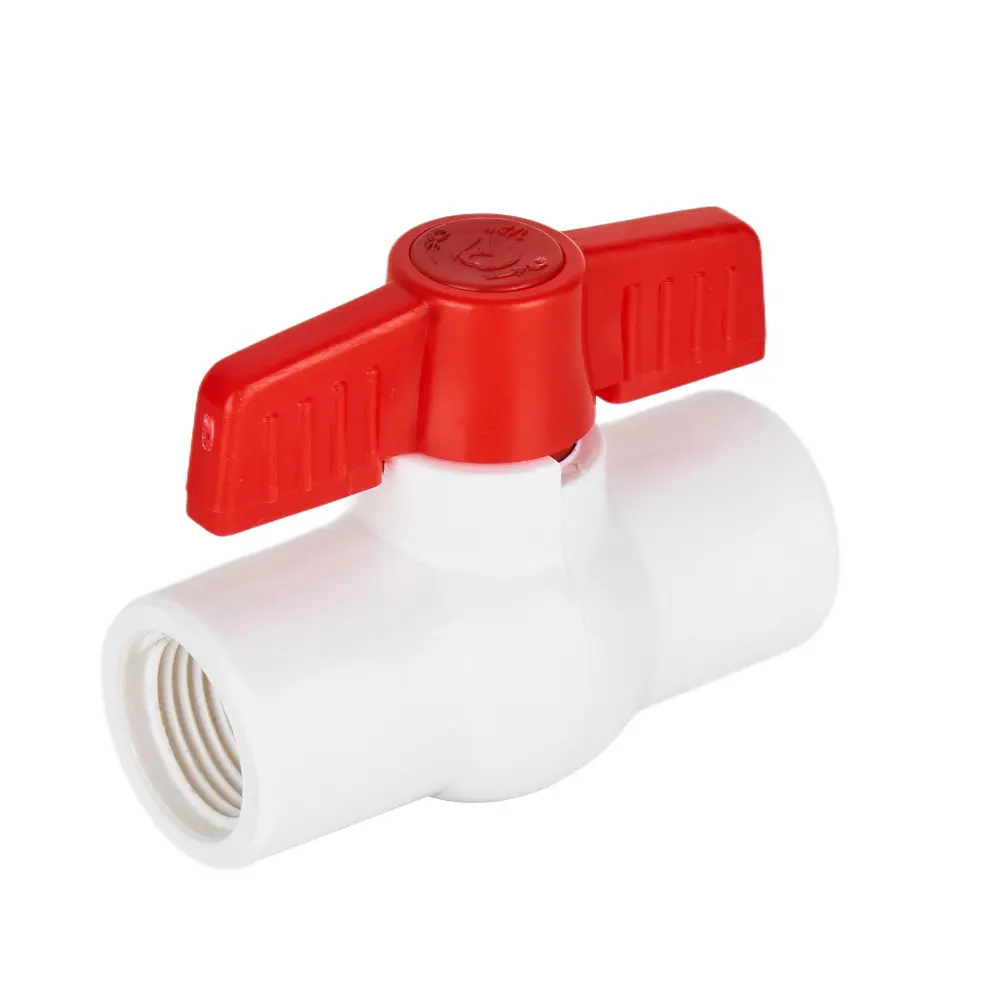
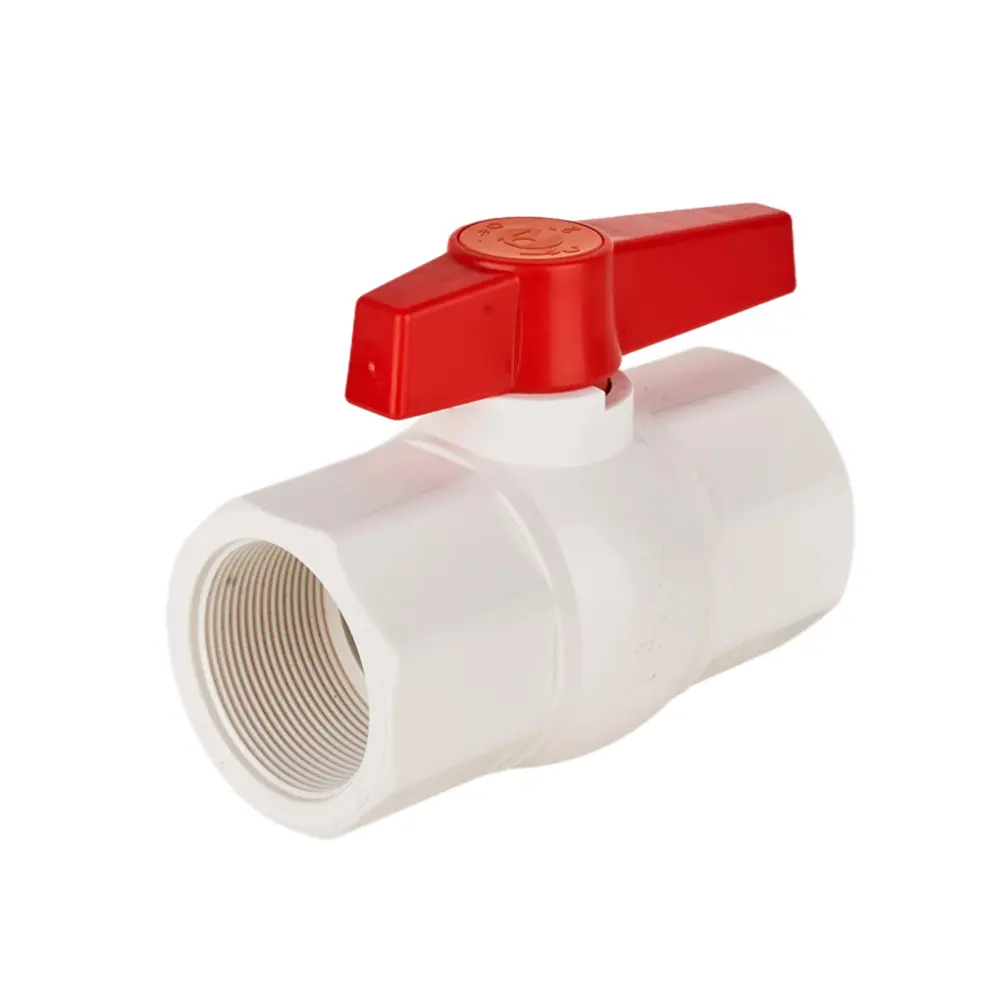
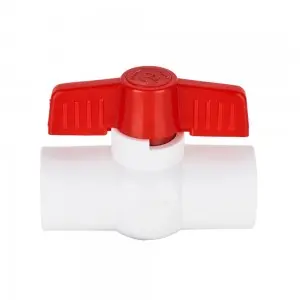
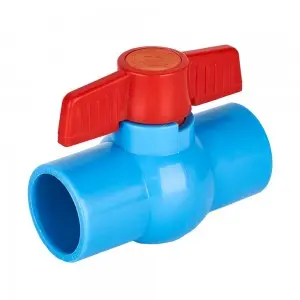
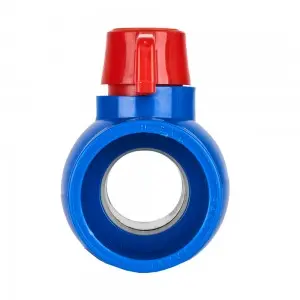
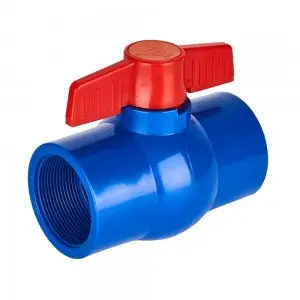
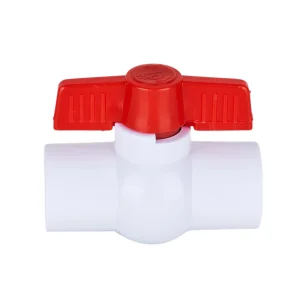
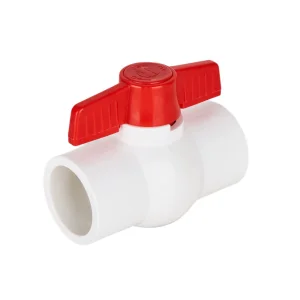
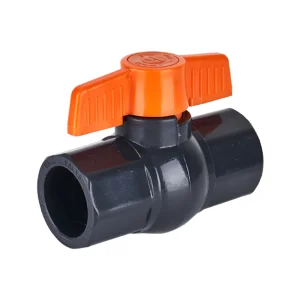
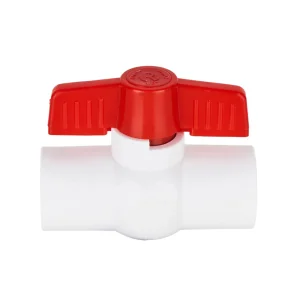
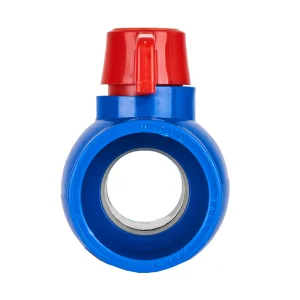
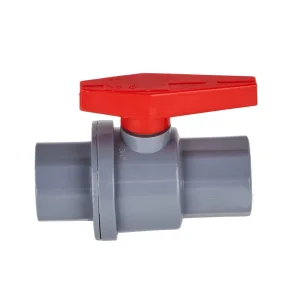
In regions with demanding climates, such as South American farming fields and Southeast Asian plantations, irrigation components must withstand fluctuating field pressures, UV exposure, and particulate-laden water. Our PVC and UPVC compact ball valves are molded using optimized, balanced hot runner manifolds that eliminate knit lines (weld lines). This structural integrity prevents cracking along the valve body when subjected to water hammer effects and high operating pressures.
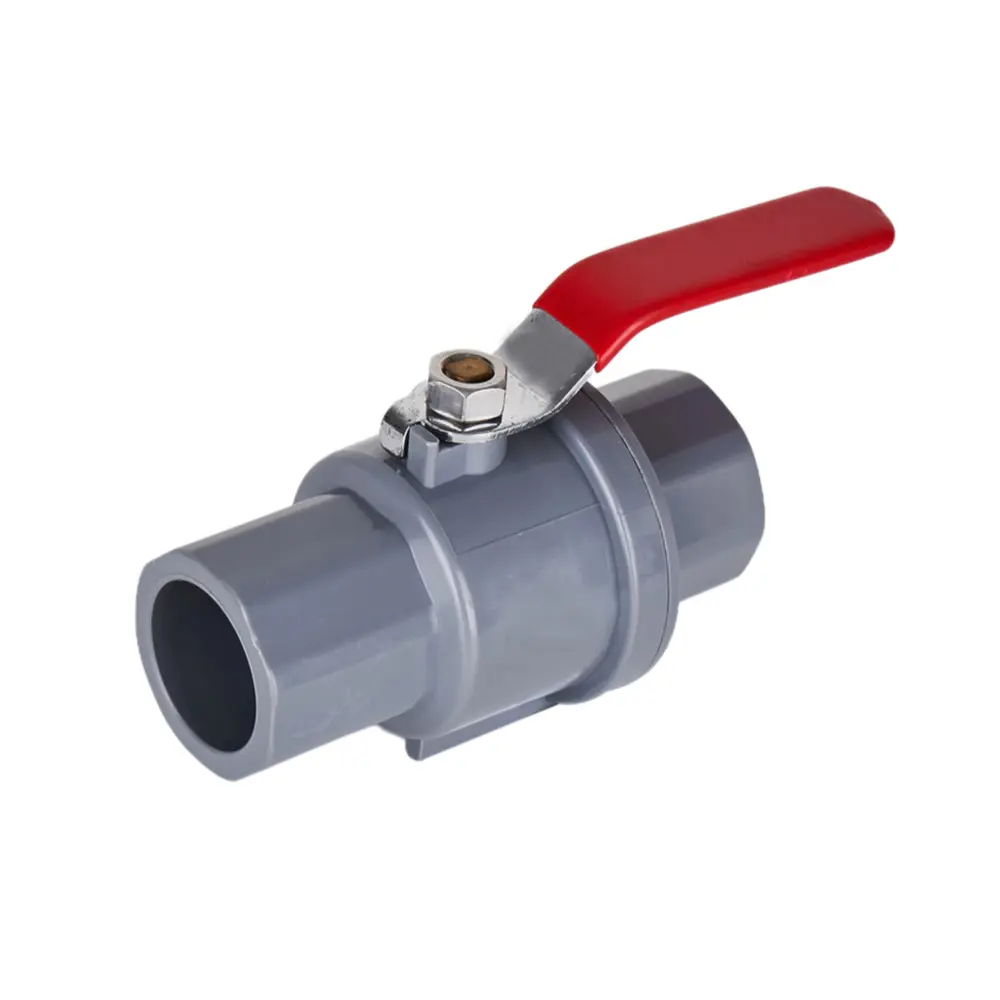
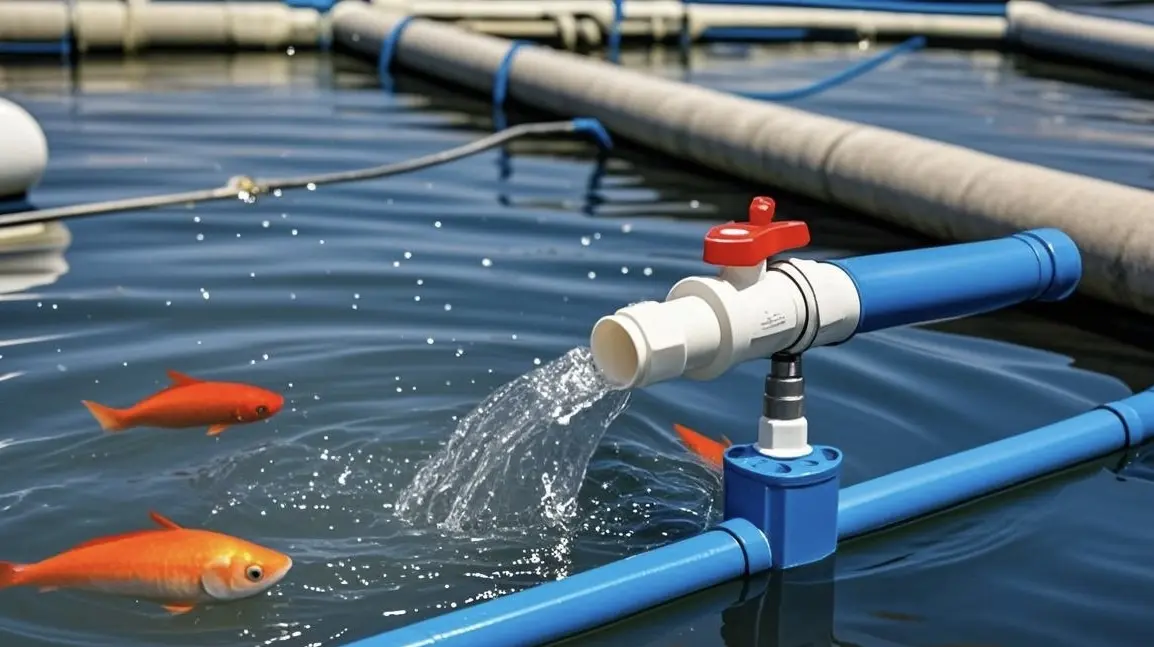
Commercial aquaculture systems require constant water recirculation, which can be highly corrosive to metal fittings. Our plastic valves, manufactured using balanced multi-cavity injection molds, offer complete chemical resistance and feature smooth internal runner-to-cavity transitions. This minimizes pressure drops and flow turbulences, preventing pump wear and ensuring a safe, stable environment for aquatic species.
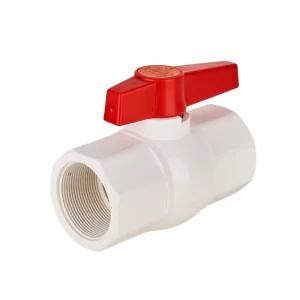
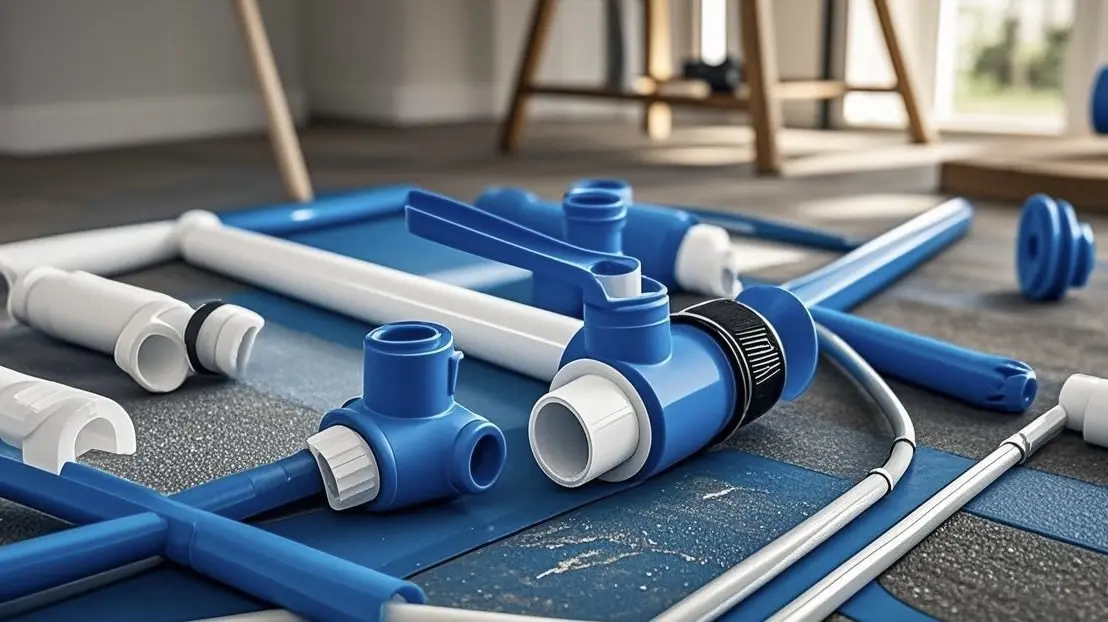
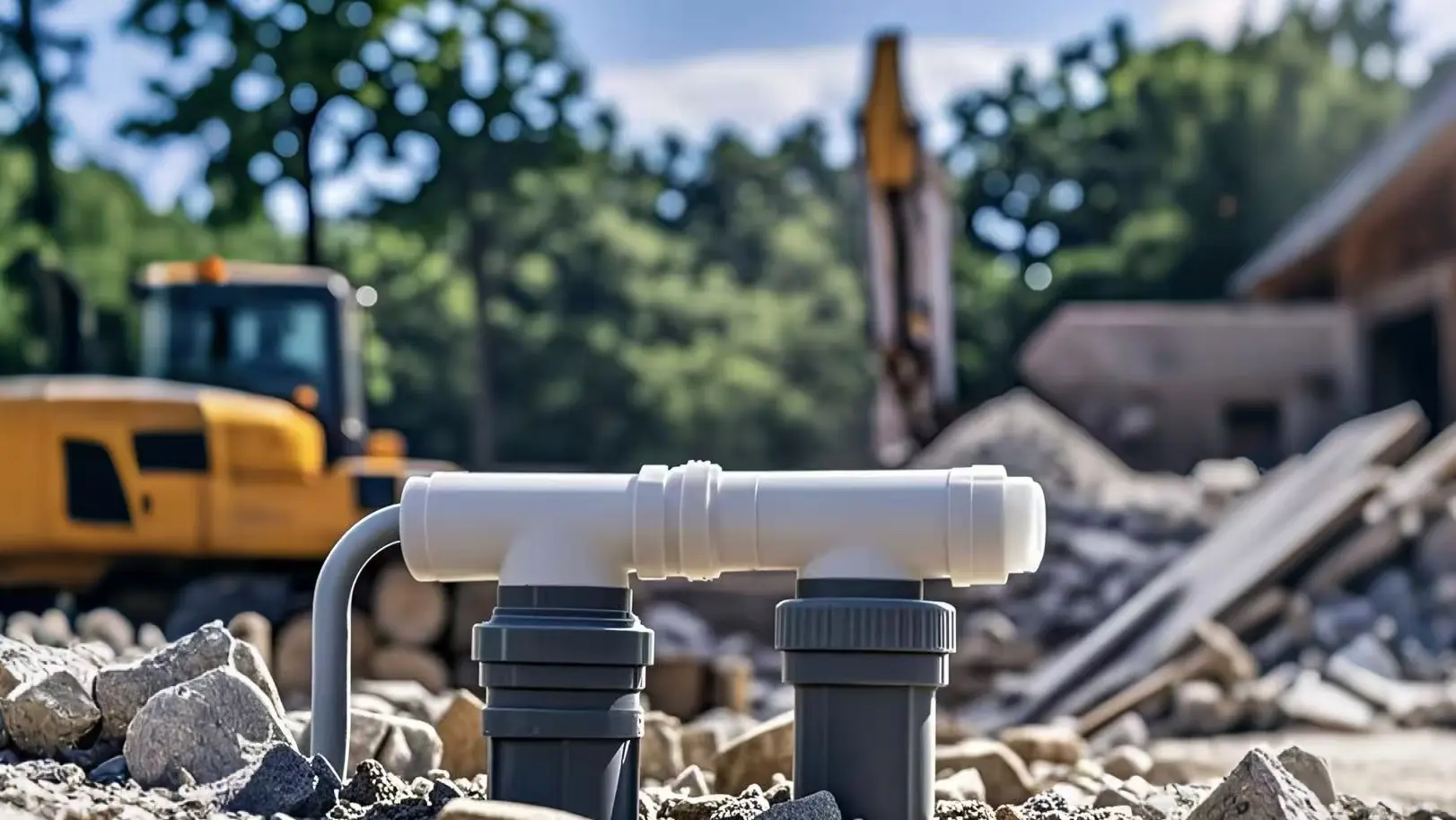
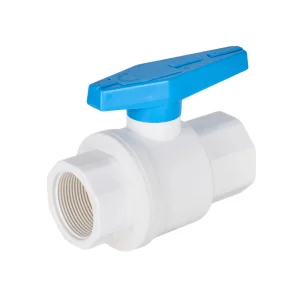
Plumbing systems demand dimensional accuracy and reliability. By using German-engineered automated injection systems, Ehao maintains strict dimensional tolerances for all socket and threaded valve ends. This ensures rapid installation, leak-free joints, and compliance with building codes and standards worldwide.
Driving next-generation molding processes with Industry 4.0 connectivity, advanced materials, and waste-reduction initiatives.
We are incorporating 3D-printed metal mold cores with conformal cooling channels that trace the geometry of the runner and cavity. This reduces cooling times by 20% to 40% and minimizes thermal warpage, delivering higher dimensional accuracy in thick-walled products.
By placing real-time pressure and temperature sensors directly at the gate entry points, our machines automatically adjust injection speeds and packing pressures to compensate for material viscosity variations, ensuring highly consistent part weight and dimensions.
We are designing runner systems optimized for bio-based resins and recycled polymers. These runners feature low-shear profiles and customizable gate sizes to prevent thermal stress on sensitive recycled materials.
From tool configuration to financial optimization, discover how Ehao partners with global businesses to deliver reliable fluid systems.
As industrial demand increases, maintaining a reliable supply chain is critical. Ehao’s manufacturing facility in Zhejiang, China, uses a vertically integrated model to optimize production stages—from polymer raw material formulation to custom mold design, injection molding, testing, and direct export shipping.
For industrial fluid systems, raw material purity and product reliability are essential. We manufacture our valves, taps, and custom molded components to comply with international regulations, including the European Union RoHS directives and REACH guidelines.
Our raw material testing protocols ensure that no heavy metals, phthalates, or toxic stabilizers leach into drinking water or agricultural systems. Under the DIN 8077 and 8078 regulations, our components are tested for thermal stability, internal hydrostatic pressure, and impact resistance. When you work with Ehao, you partner with a manufacturer committed to regulatory compliance, safety, and operational reliability.
Direct technical insights regarding injection molding, runner design optimization, and plastic valve manufacturing.
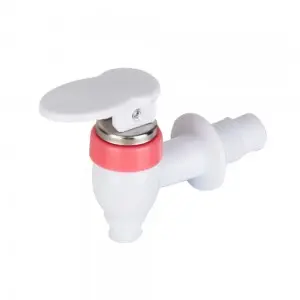
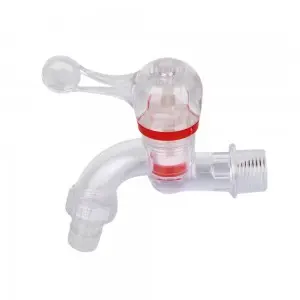
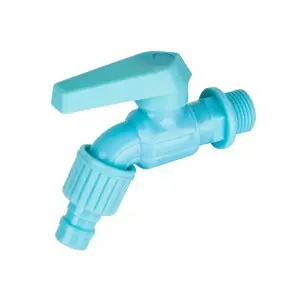
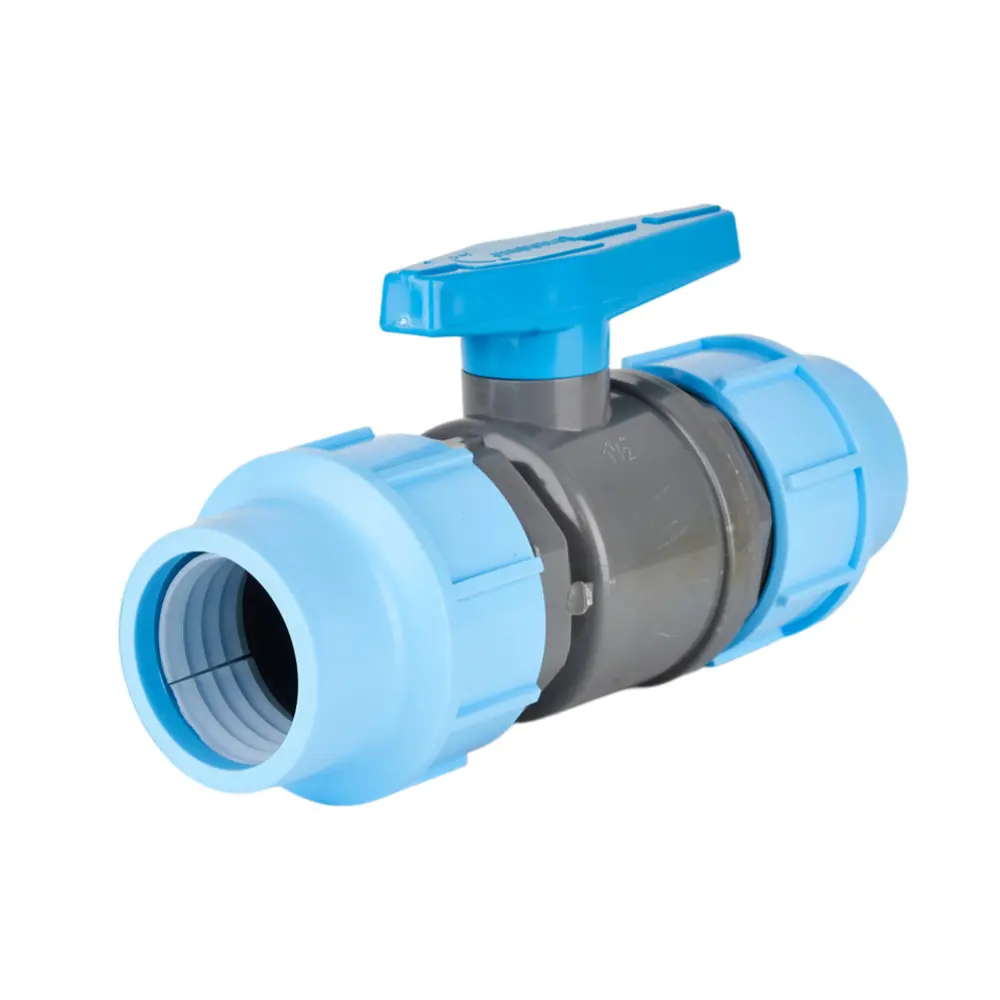
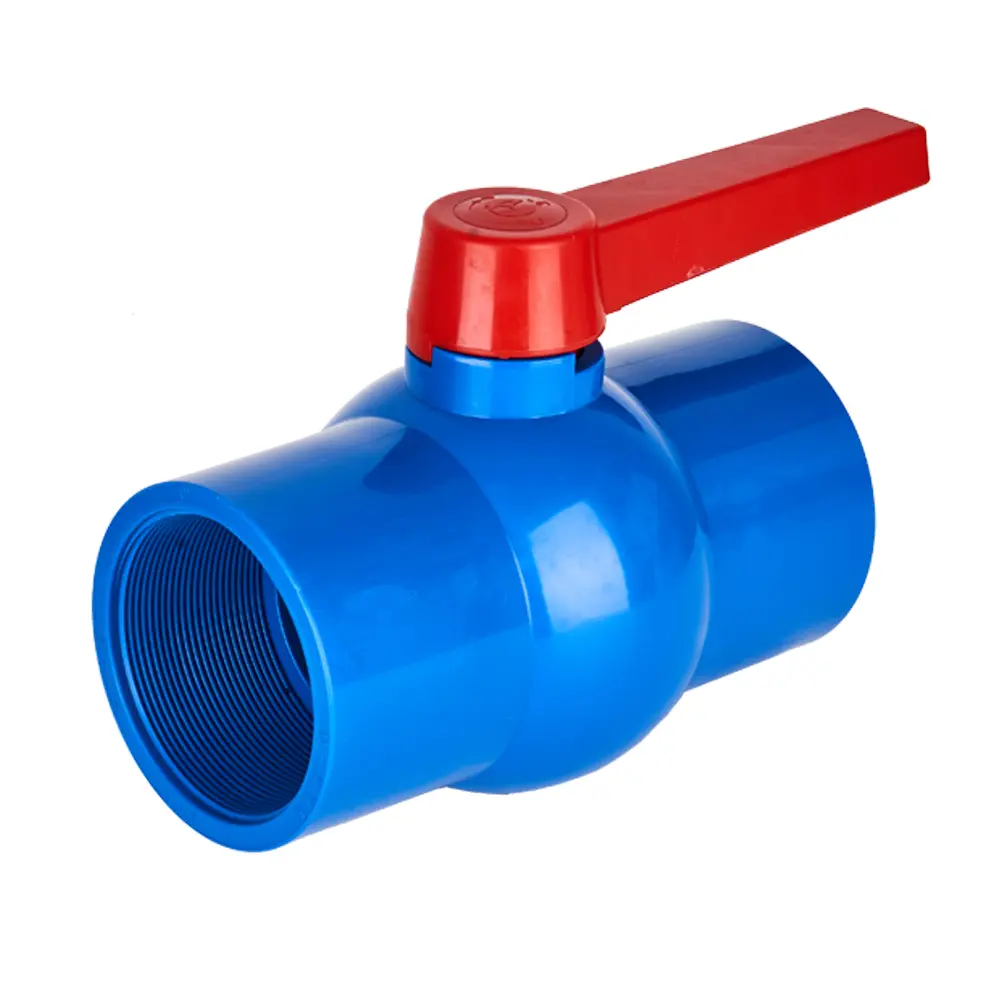
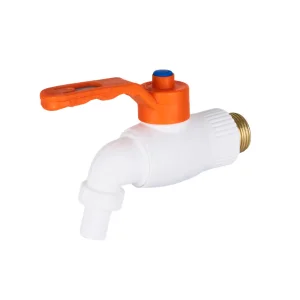
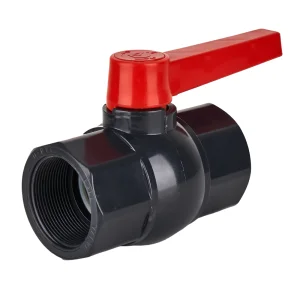
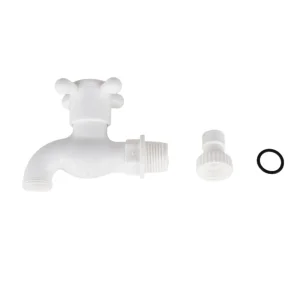
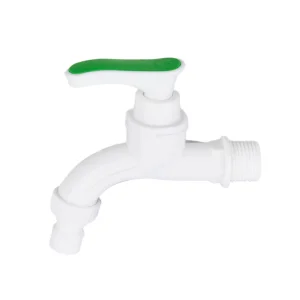
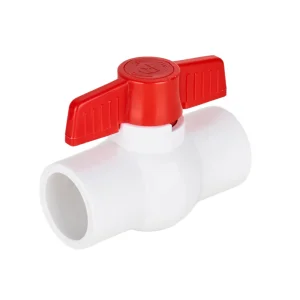
Additional range of compact ball valves and distribution taps designed for commercial, industrial, and agricultural piping networks.
 EHAO
EHAO