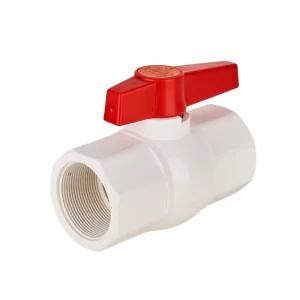
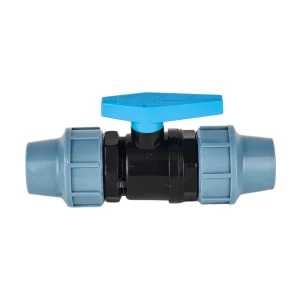
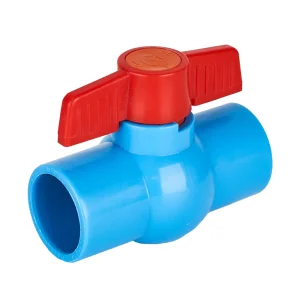
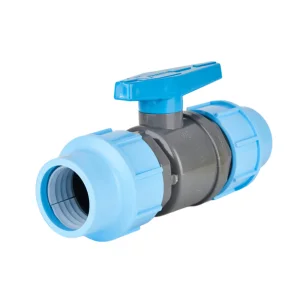
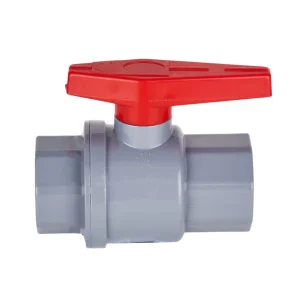
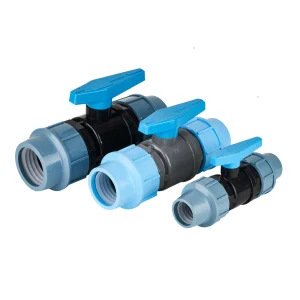
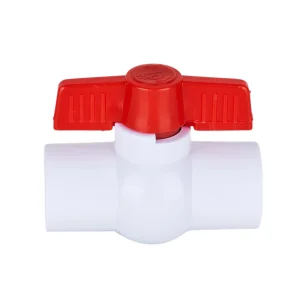
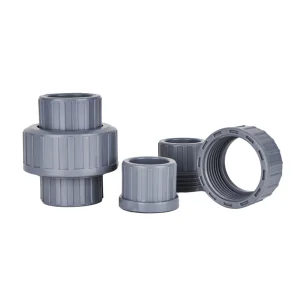
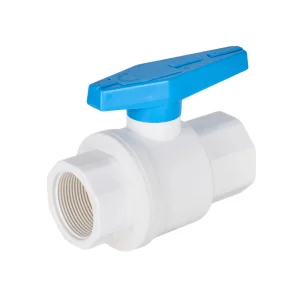
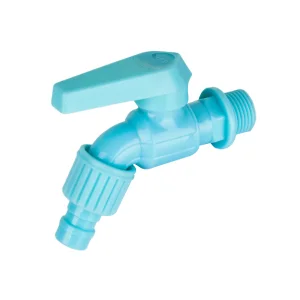
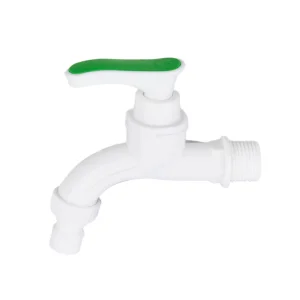
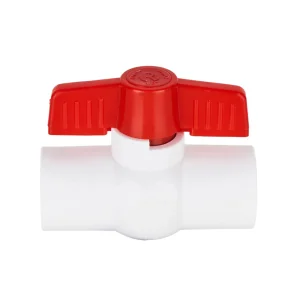
Explore our high-performance engineered plastic valves, optimized for industrial processing, municipal pipelines, and agricultural systems.
Material optimization, structural engineering, and high-performance flow control mechanisms.
In modern industrial manufacturing, selection of appropriate polymer types for high-precision injection molding is vital to product durability, mechanical performance, and system integration. Global supply chains increasingly demand lightweight, corrosion-resistant, and chemically inert fluid control mechanisms to replace traditional metallic systems. Thermoplastics such as Polyvinyl Chloride (PVC), Unplasticized Polyvinyl Chloride (UPVC), Polypropylene (PP), Acrylonitrile Butadiene Styrene (ABS), and Polyoxymethylene (POM) have become foundational materials across municipal water distribution, smart agricultural irrigation, industrial chemical transport, and residential plumbing structures.
According to comprehensive industry market studies, the global market for injection-molded plastics is projected to exceed USD 450 billion by 2028, driven by advancements in complex multi-cavity tooling, computerized automated molding setups, and smart polymer formulations. To achieve operational superiority, modern manufacturers must utilize precision tooling, control heat-reversion, and perform strict validation tests, ensuring zero leakage and long-term mechanical reliability under diverse field environments.
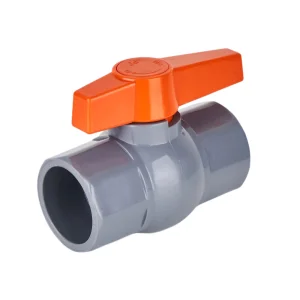
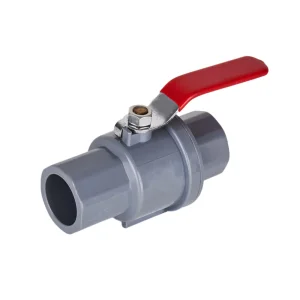
Highly rigid and chemically inert. Absent of plasticizer additives, UPVC exhibits superior resistance to corrosive industrial chemicals, scale buildup, and high pressure, rendering it standard for structural water transport, agricultural piping, and heavy-duty double-union valves.
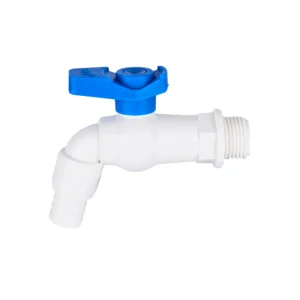
Acclaimed for high fatigue resistance, thermal endurance, and low density. PP is suitable for hot-water circulation systems, agricultural irrigation bibcocks, and dynamic fluid environments where mechanical vibration is common.
Also known as Acetal, POM provides high tensile strength, stiffness, dimensional stability, and low friction coefficient. It is used in internal valve gears, faucet nipples, thread-joint fittings, and high-frequency cyclical mechanics.
Expert Material Optimization Insight: In designing mold flow channels, UPVC requires precise melt temperature controls (180°C - 200°C) to prevent thermal degradation. Conversely, POM demands optimized cooling cycles to manage high mold shrinkage rates (up to 2.2%). Mastering these material attributes differentiates high-durability valves from generic consumer components.
Integrating Academy-Level R&D, Automated Molding Tooling, and Strict Quality Assurance.
Ehao Plastic Group is a high-tech private enterprise integrating R&D and production of building materials, pipe fittings, and high-precision injection moulds. Ehao Plastic Group is recognized as a leading domestic manufacturer and supplier of PVC and UPVC ball valves in China.
Since our establishment, we have cooperated with the Chinese Academy of Sciences and Zhejiang University to integrate advanced material science into our production. We deploy high-capacity automated computer injection molding machinery imported from Germany, ensuring thermal control, consistent injection velocity, and micro-tolerance dimensional stability.
Every product passes through 26 steps of scientific testing, backed by rigorous quality control protocols to ensure a 100% ex-factory pass rate. The technical indexes of our products fully comply with DIN8077 and DIN8078 standards, matching global benchmarks of excellence.
Engineered to operate reliably across demanding commercial, residential, agricultural, and industrial systems.
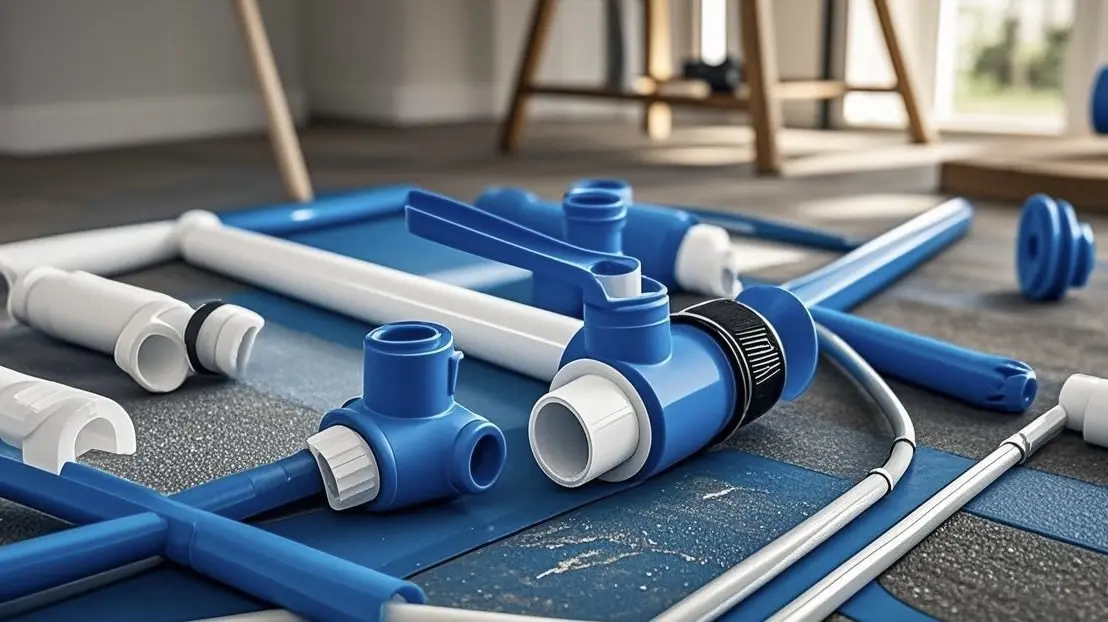
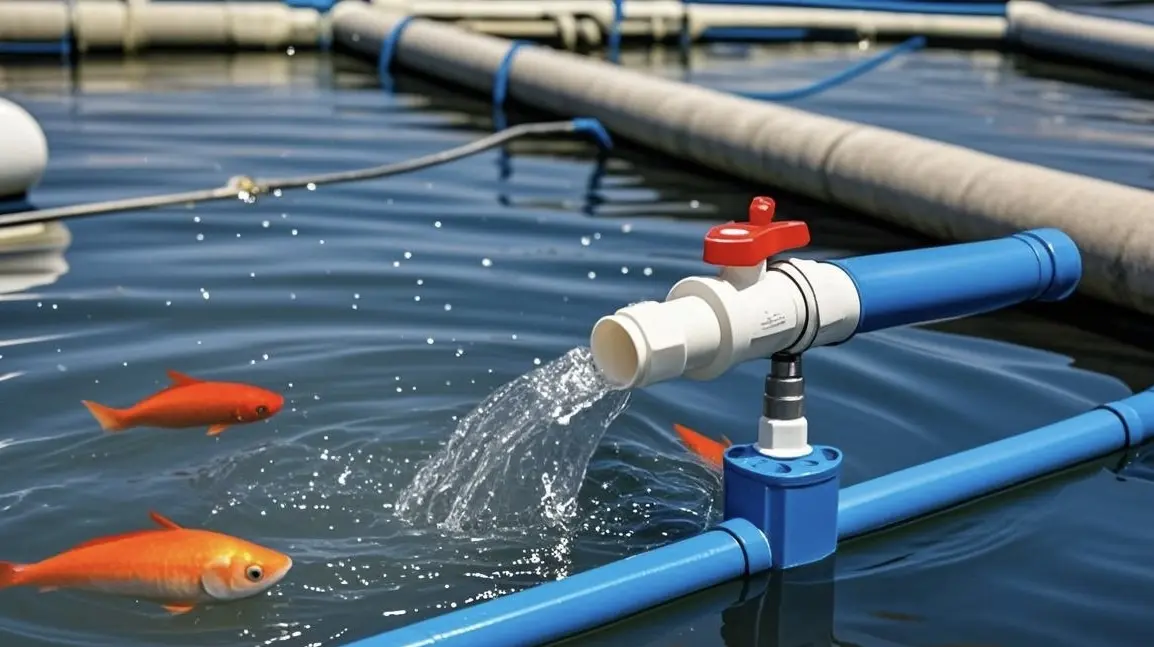
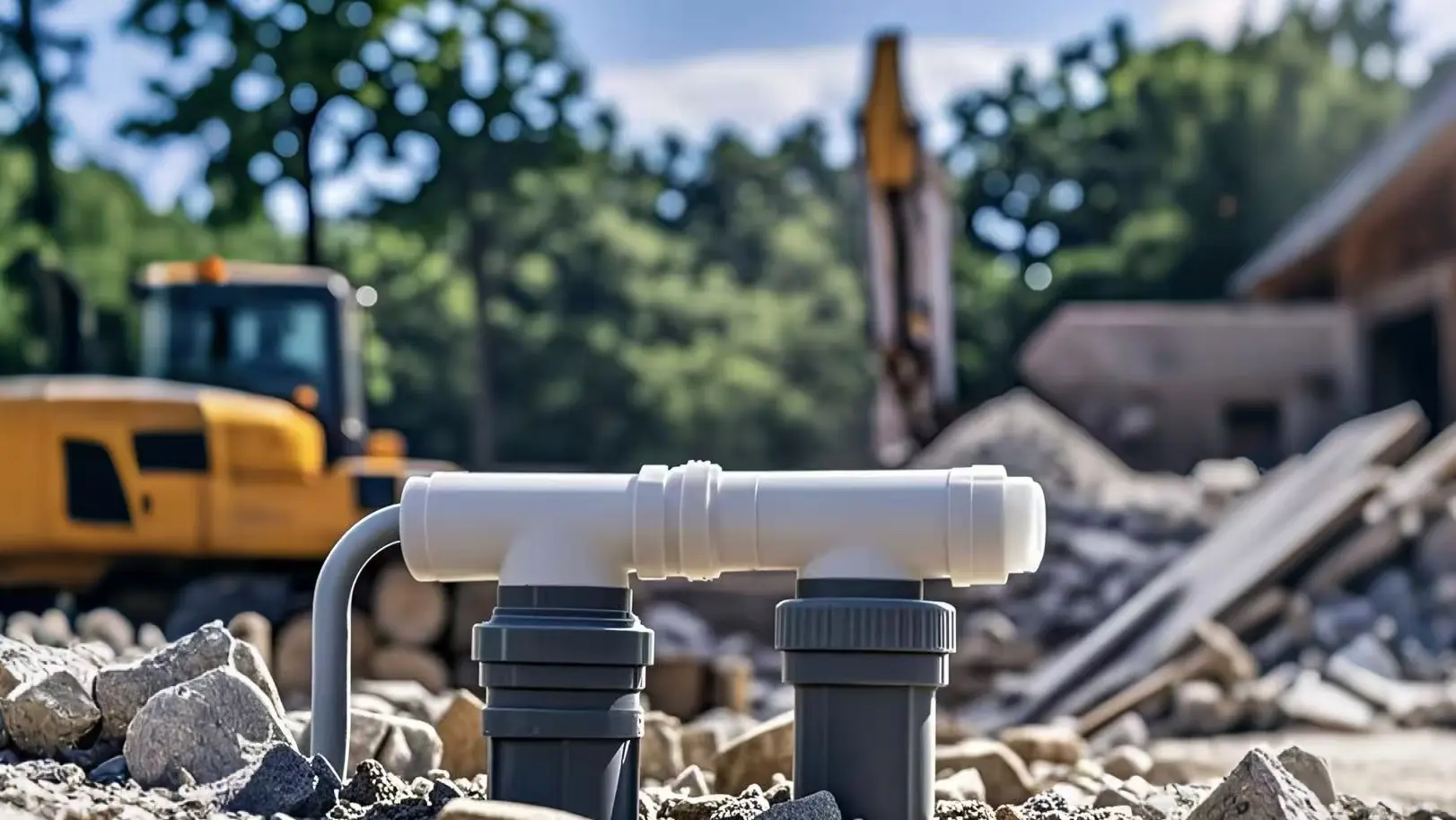
Whether configuring components for high-salinity marine environments in commercial fish cultivation, or designing UV-resistant piping networks for large-scale agricultural operations, understanding physical stressors is essential. In civil construction, dynamic structural movements require piping and valves to accommodate slight shifts. Ehao Plastic Group addresses these parameters by utilizing high-molecular-weight UPVC and high-grade impact modifiers in our injection processes. This prevents hairline structural cracking under continuous cyclical stress.
From initial tooling configuration to final system optimization, Ehao partners with machine tool leaders to deliver reliable engineering.
We guide clients through the selection of optimal thermoplastic formulations based on chemical resistance profiles, thermal stress loads, and cost constraints.
Utilizing advanced CNC systems and EDM processing, we develop robust extrusion and injection molds designed to withstand hundreds of thousands of cycles.
Our technical workflow controls pressure stages, gate placement, and cycle rates to eliminate typical micro-defects such as weld lines or structural void pockets.
Pioneering smart polymer formulations, IoT-monitored molding, and sustainable circular materials.
The injection molding industry is transitioning toward Industry 4.0 integration. Future systems will feature in-cavity IoT sensors that monitor cavity pressure, melt temperatures, and cooling rates in real-time. Ehao Plastic Group is actively developing feedback loops to dynamically adjust injection parameters, compensating for variation in polymer batch moisture or ambient factory temperatures.
We are researching bio-based plastic alternatives, including bio-PP and recycled resins, that maintain identical tensile strengths and chemical resistance. This initiative aims to reduce carbon footprints while preserving the reliability required for high-stress municipal piping systems.
Our dedication to engineering research ensures Ehao Plastic Group products remain compliant with emerging international industrial standards.
Engineered for high-durability flow control, chemical resistance, and high-impact structural stability.
Answering crucial technical questions for engineers, procurement directors, and system builders.
 EHAO
EHAO