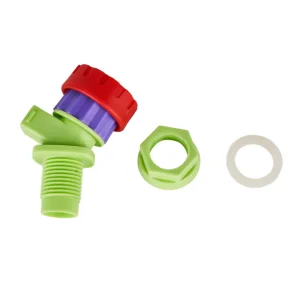
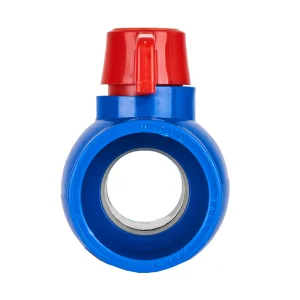
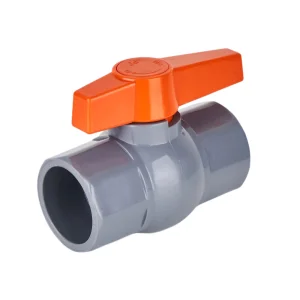
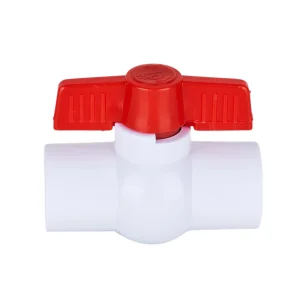
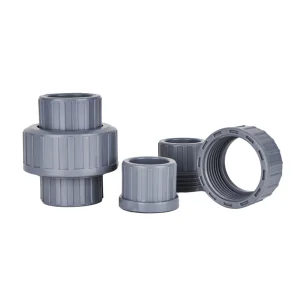
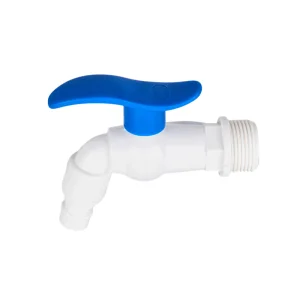
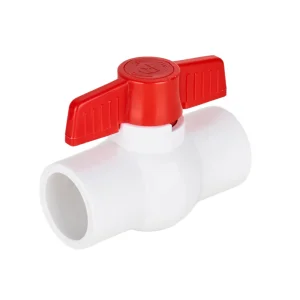
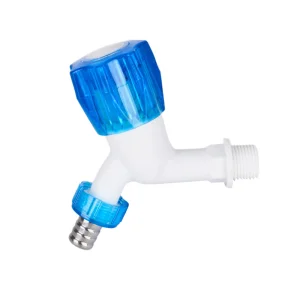
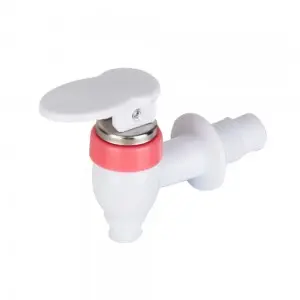
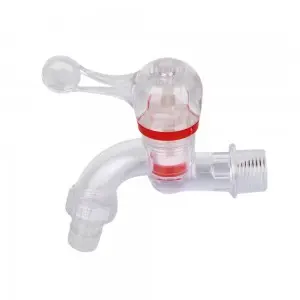
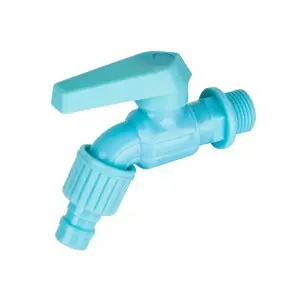
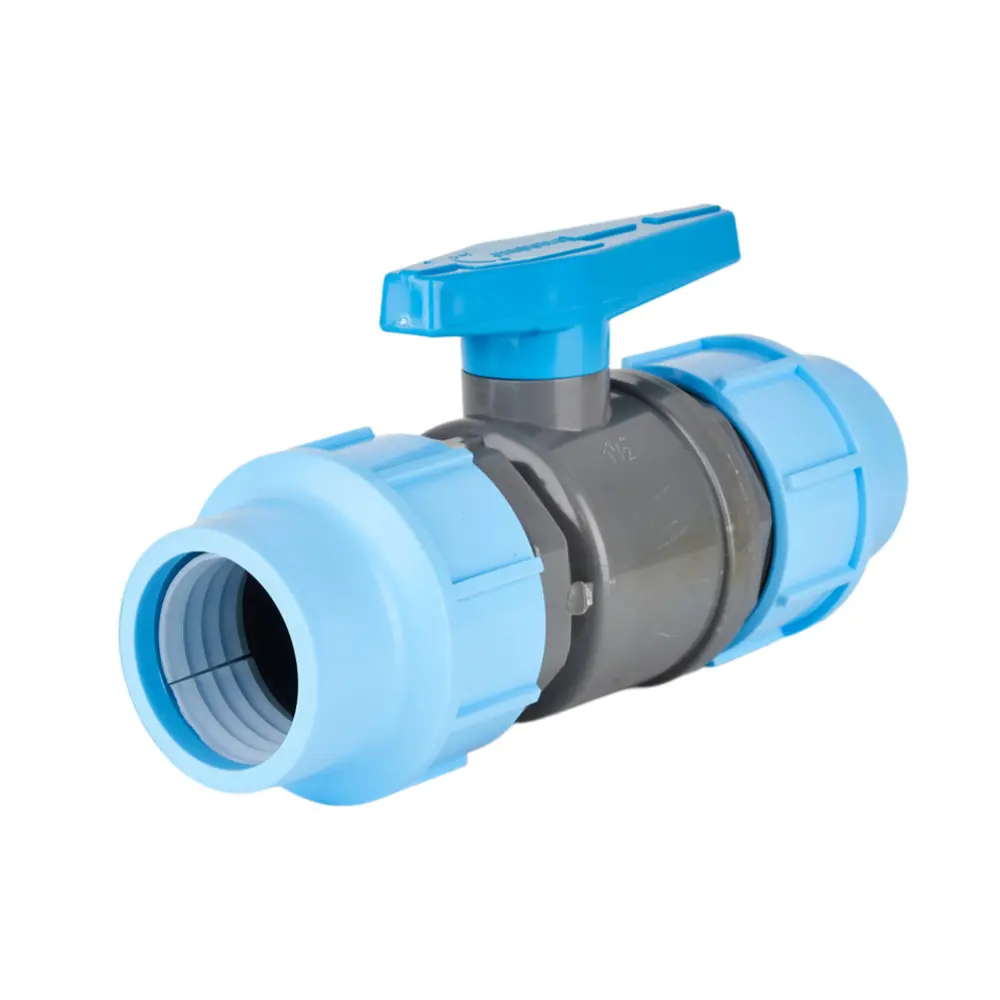
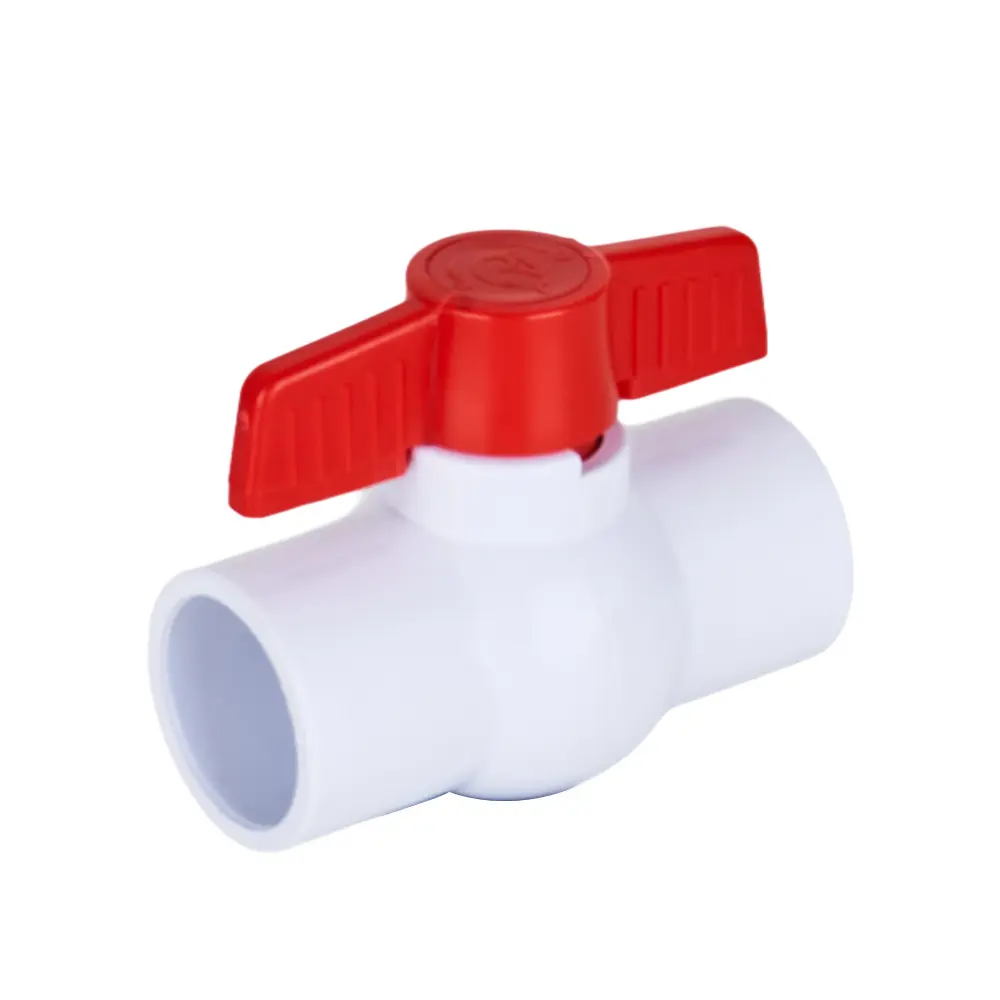
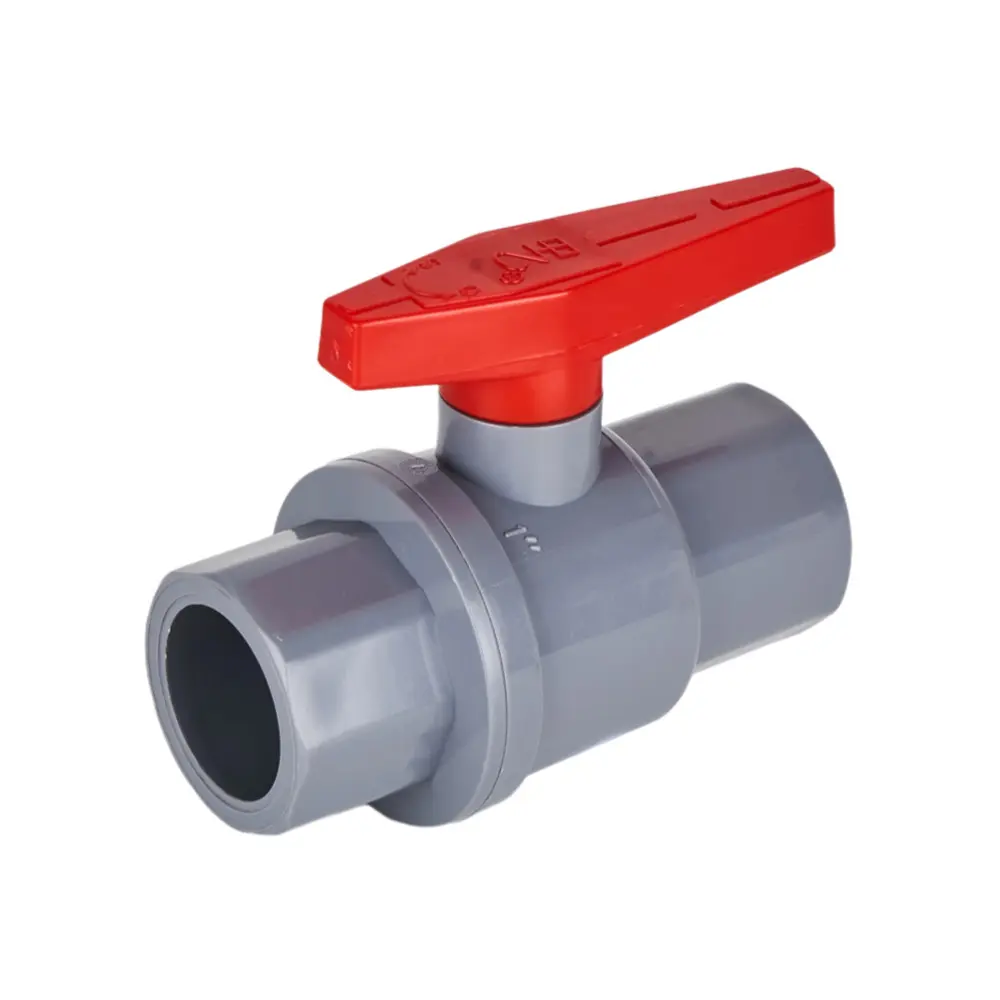
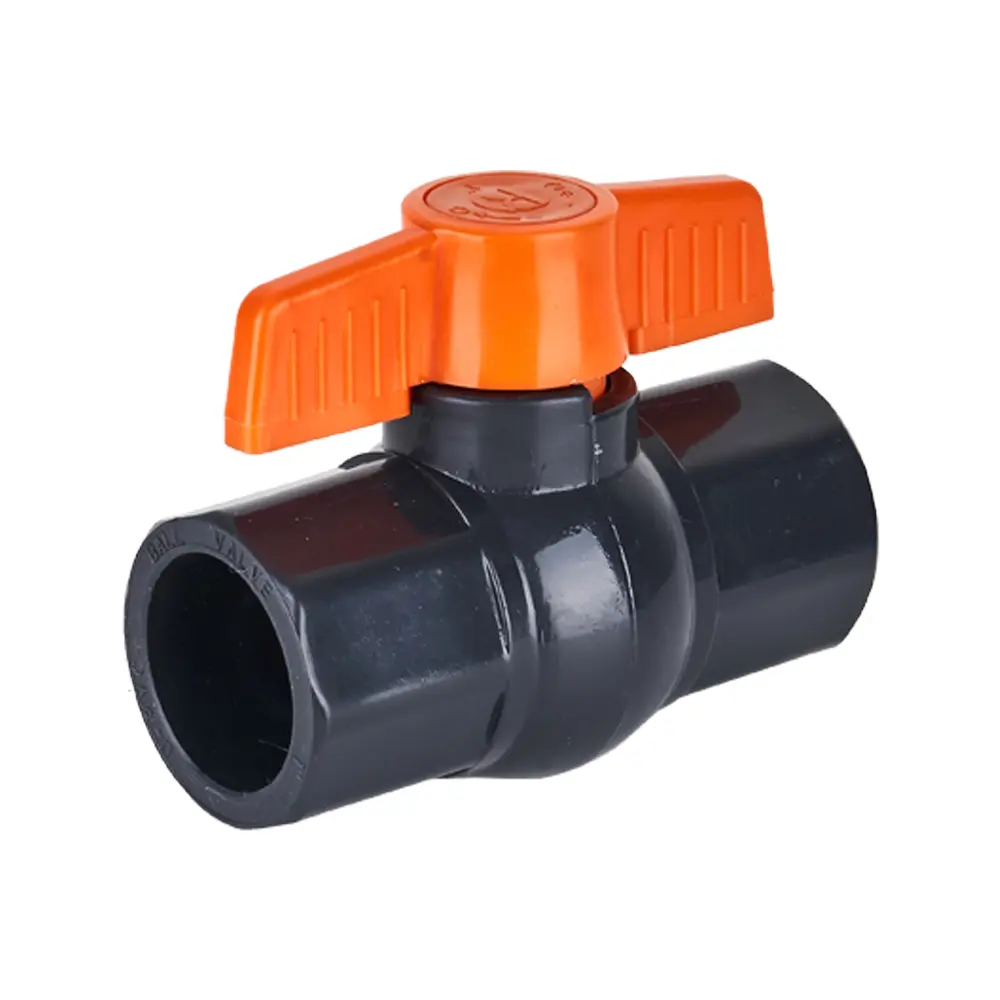
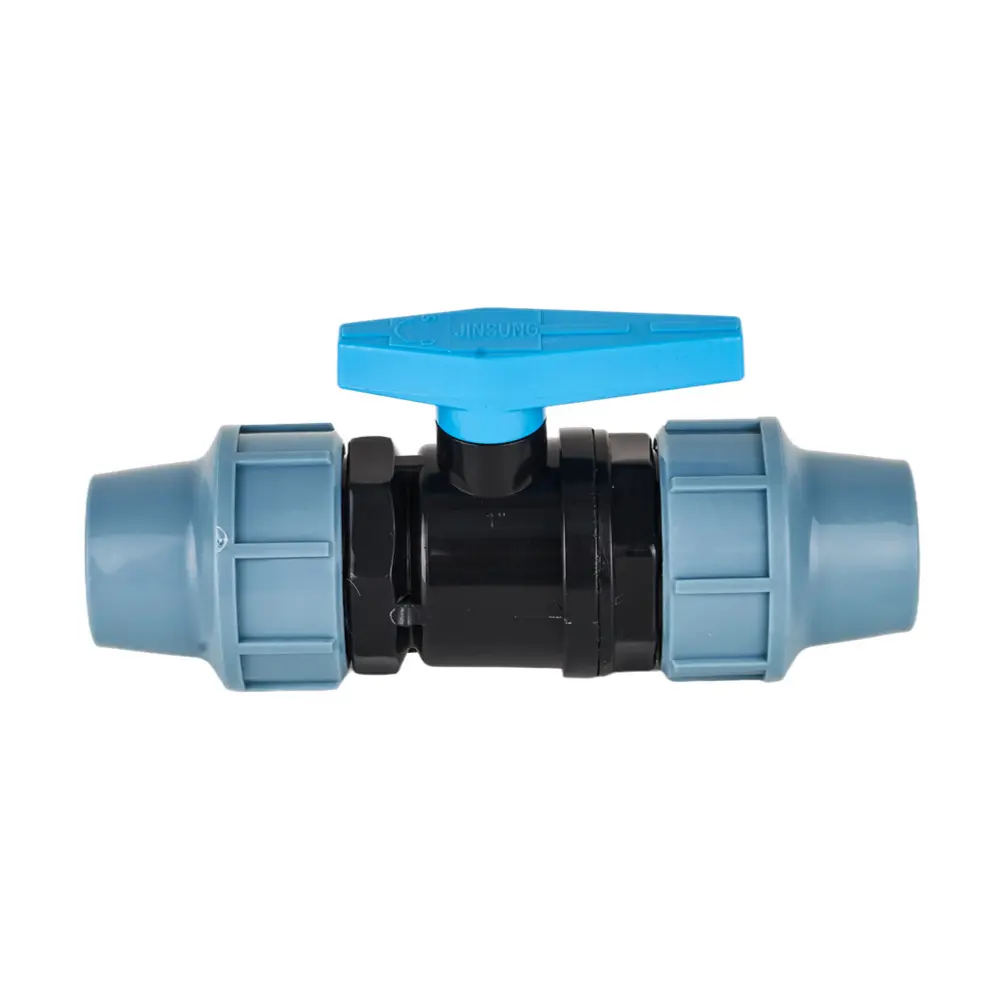
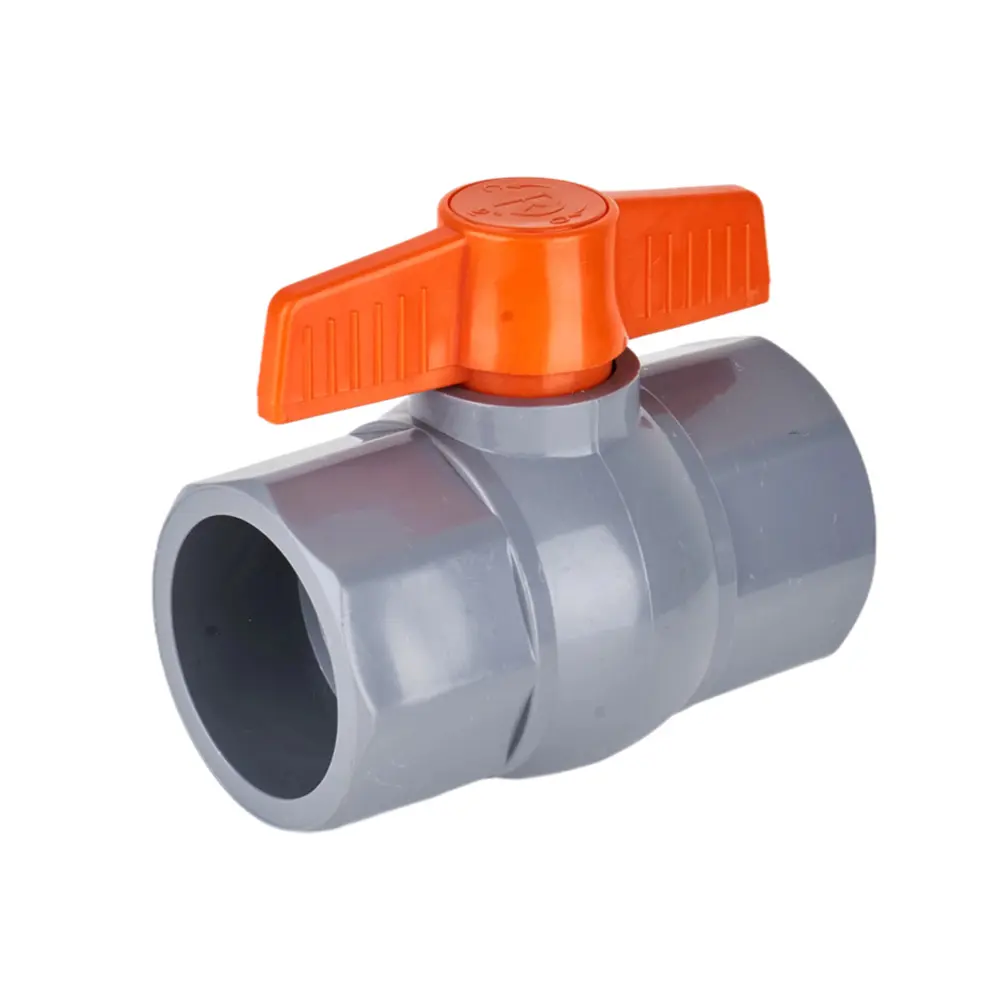
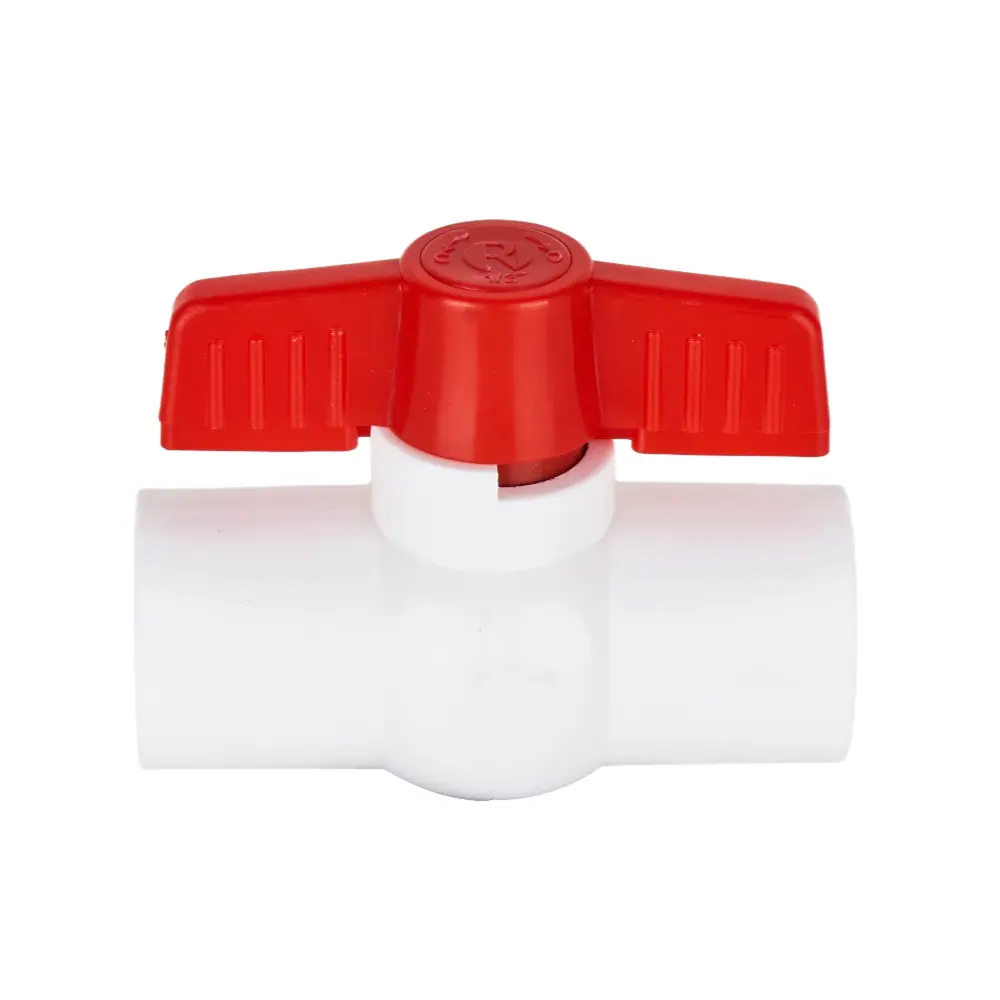
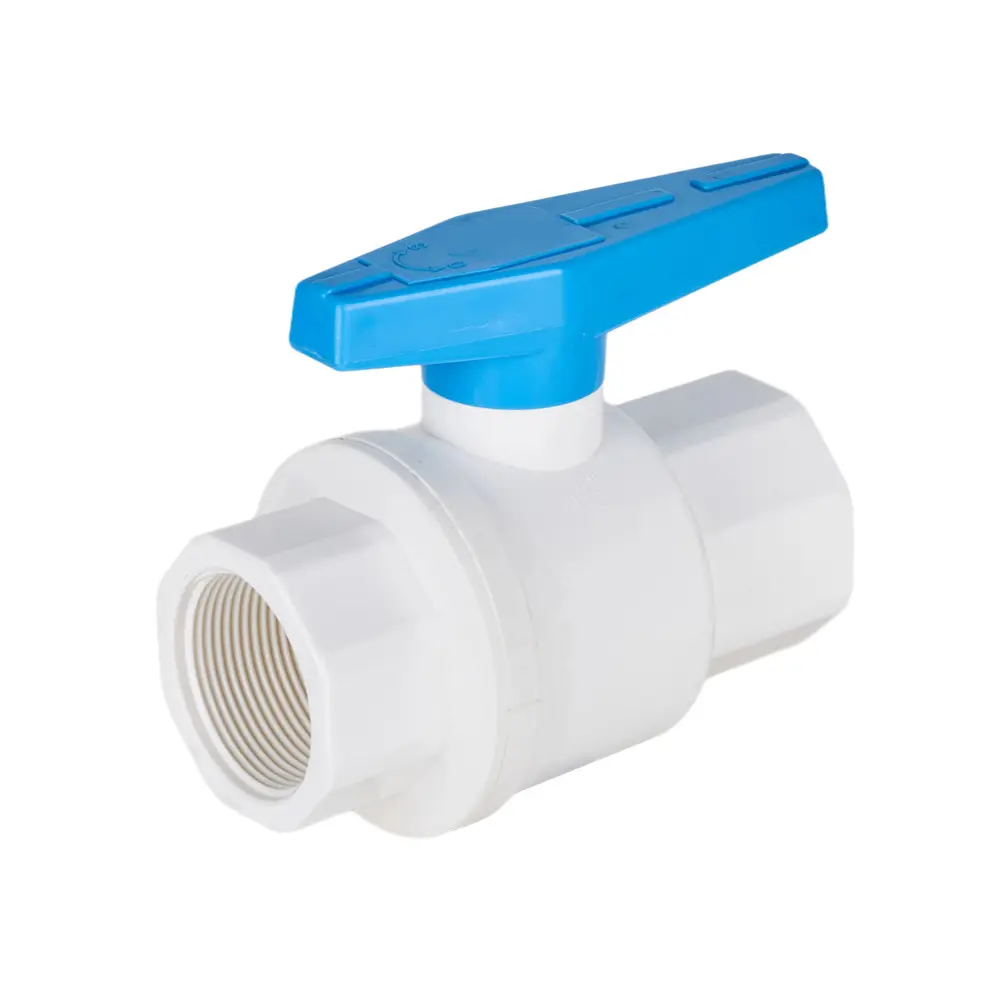
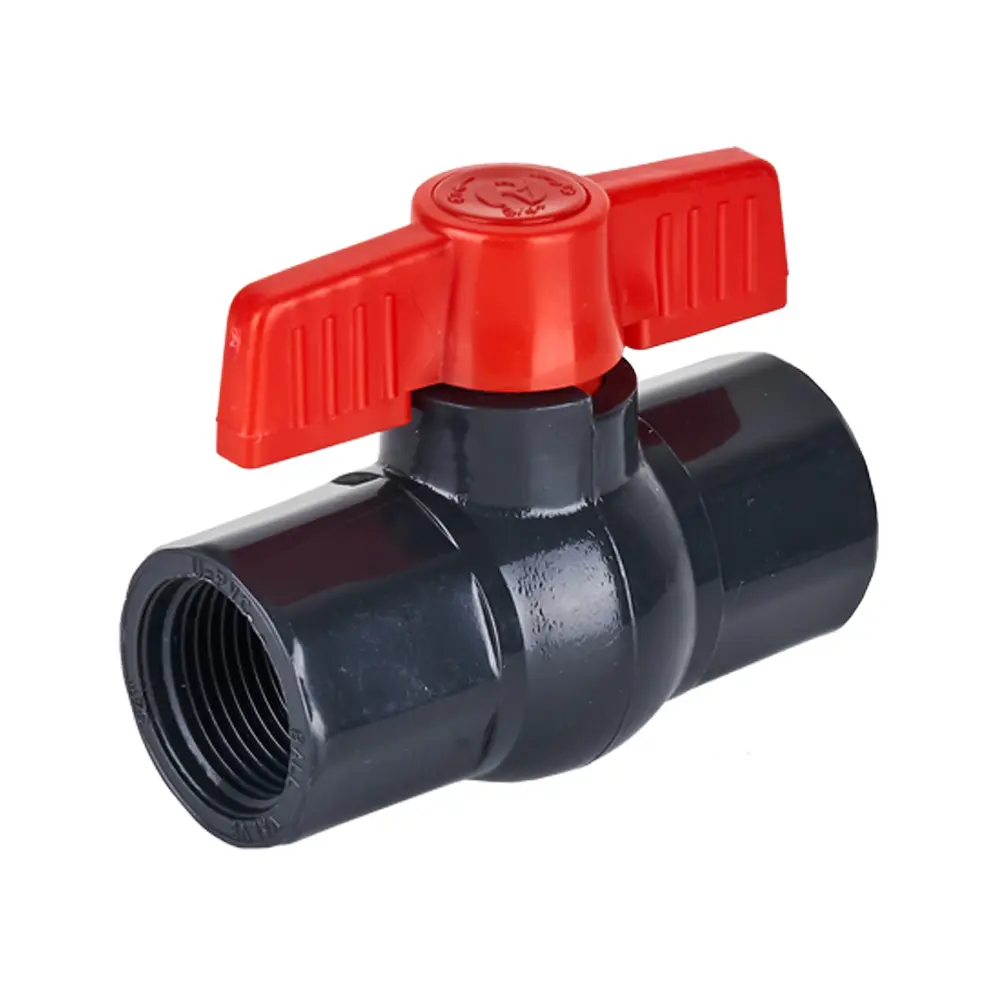
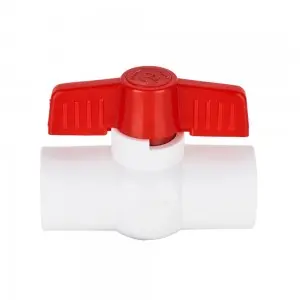
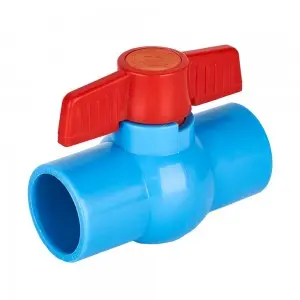
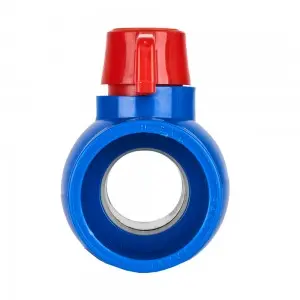
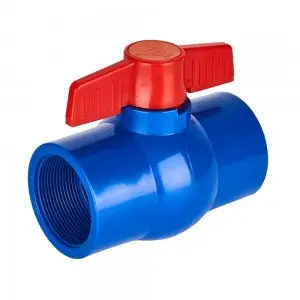
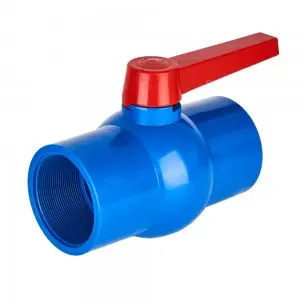
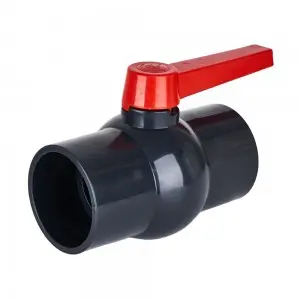
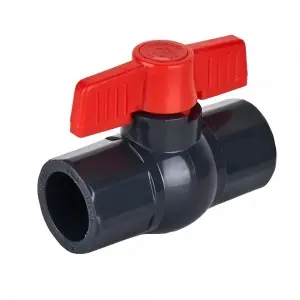
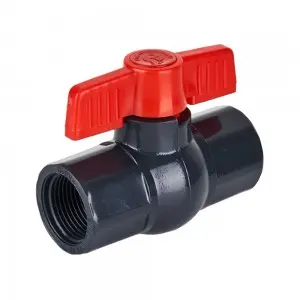
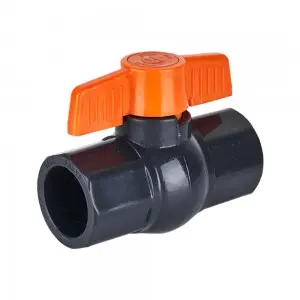
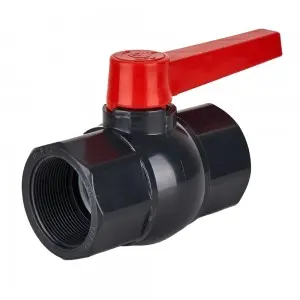
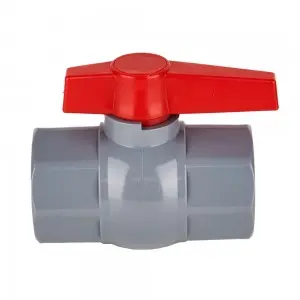
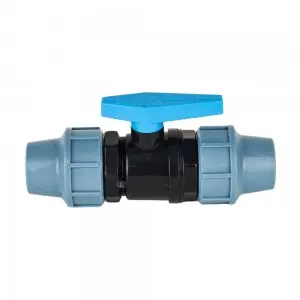
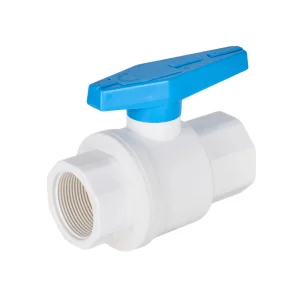
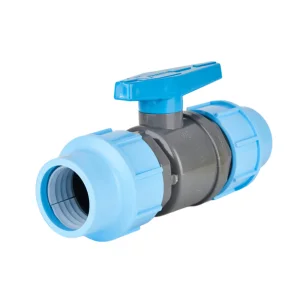
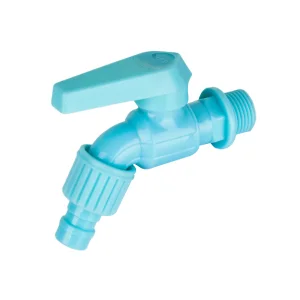
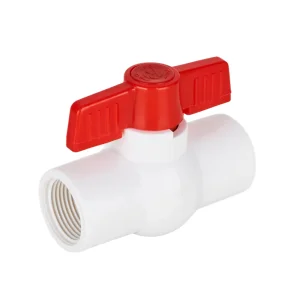
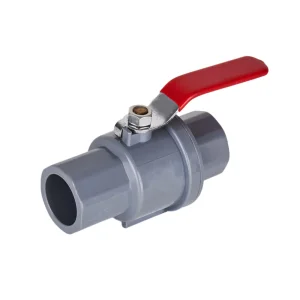
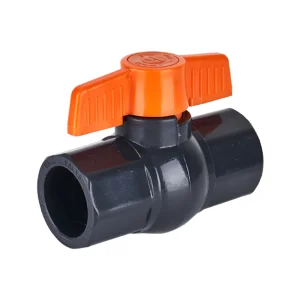
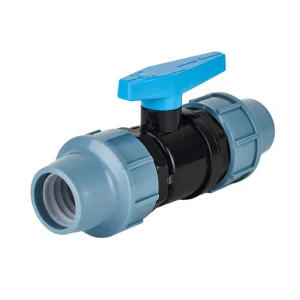
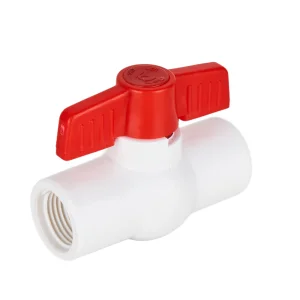
Premium flow control systems and engineering-grade plastic valves manufactured on state-of-the-art injection lines.
Scientific Testing Steps
Exporting Countries & Regions
Ex-factory Quality Pass Rate
Standard 8077/8078 Certified
Analyzing Capital Expenditure Efficiency and Technological Feasibility in Modern Polymer Processing
The landscape of plastic injection molding has evolved rapidly. Today, high-precision industrial facilities balance the imperative of capital expenditure (CapEx) optimization with the demand for flexible production systems. Across Europe, North America, and emerging markets in Latin America and Southeast Asia, buying a high-capacity, second-hand (used) injection molding machine has become a viable strategic move. This shift allows manufacturers to scale up capacity quickly without waiting for the 6-to-12 month lead times typical of new European machinery.
Used injection molding machines from leading global manufacturers (such as Arburg, Engel, KraussMaffei, Haitian, and Demag) offer robust mechanical designs. When paired with modern control retrofits and servomotor upgrades, these systems perform with efficiency comparable to brand-new units, but at 40% to 60% of the cost. This makes them ideal for companies seeking reliable performance while maintaining a healthy bottom line.
A high-tech private enterprise integrating R&D, production lines, and precision mold technology.
Supported by the Chinese Academy of Sciences and Zhejiang University. We introduced automated production lines and computer-controlled injection molding systems directly from Germany to ensure high precision.
Every valve and fitting goes through a strict 26-step testing cycle to ensure a 100% ex-factory pass rate. Technical indices align with DIN8077 and DIN8078 standards, meeting international requirements.
With an established presence across most provinces in China, our products are exported to 28 countries and regions, including Europe, North America, and Southeast Asia, earning trust from international distributors.
Ehao Plastic Group's core approach is "Honest, Dedicated, Innovation, and Return." We manage operations with a focus on quality for survival, technology for development, and reliable service to build credit. Ehao also designs and builds custom plastic molds, working from supplied materials, customer samples, or detailed drawings (extrusion and injection products). We develop and build new components tailored to our clients' precise specifications.
Serving critical industrial sectors with high-performance polymer products.
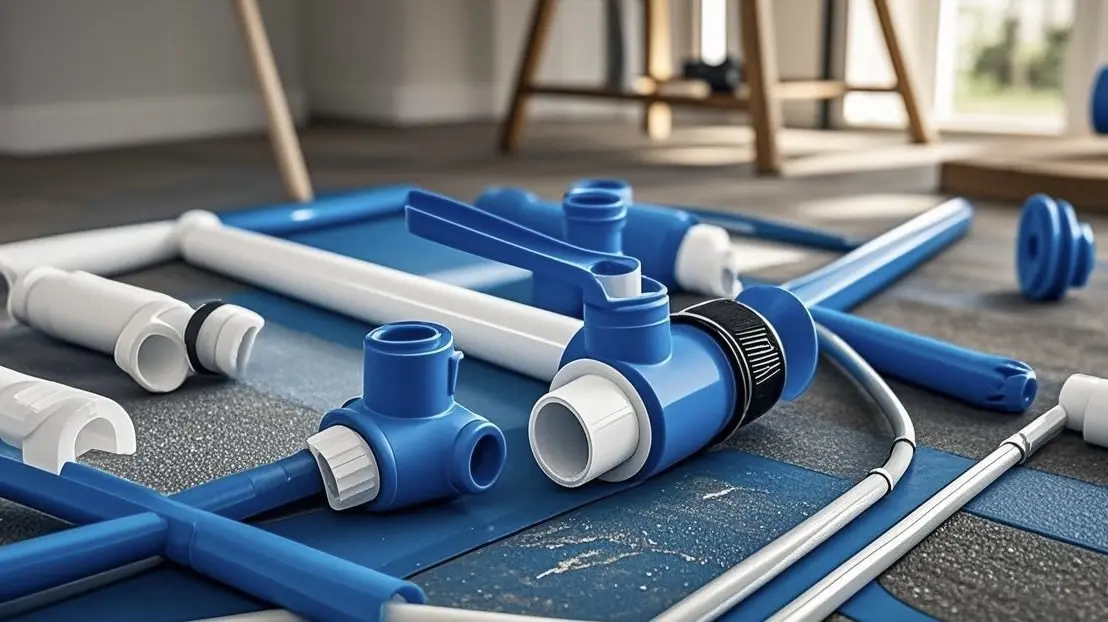

How we evaluate, refurbish, and test injection machinery to match original factory specifications.
Purchasing second-hand injection molding machines requires systematic technical evaluation. A machine must be analyzed at the structural, hydraulic, and control loop levels before deployment. Ehao Plastic Group utilizes these rigorous calibration strategies to maintain operational uptime and part consistency.
Platen parallel alignment is measured using laser interferometers. We inspect the toggle mechanisms for wear and check the tie-bars for micro-fractures using non-destructive testing (NDT). Structural alignment prevents flash and mold damage.
We perform clearance and depth measurements along the plasticizing screw. Worn screws are replaced with bimetallic variants to handle abrasive engineering resins (like reinforced glass-fiber polyamide and high-viscosity UPVC) without losing injection pressure.
Hydraulic pumps are rebuilt, and seals are replaced to prevent fluid bypass. Where possible, we retrofit older proportional valve setups with modern servo-driven gear pumps. This upgrade reduces energy consumption by 30% to 50% depending on the cycle profile.
Older controllers are replaced with modern microprocessor units supporting real-time Ethernet interfaces (OPC-UA). This allows for precise injection profiling, multi-stage holding pressures, and integration into modern MES factory tracking software.
From selecting and configuring the right machine for your job to helping you finance the purchase that generates noticeable profits.
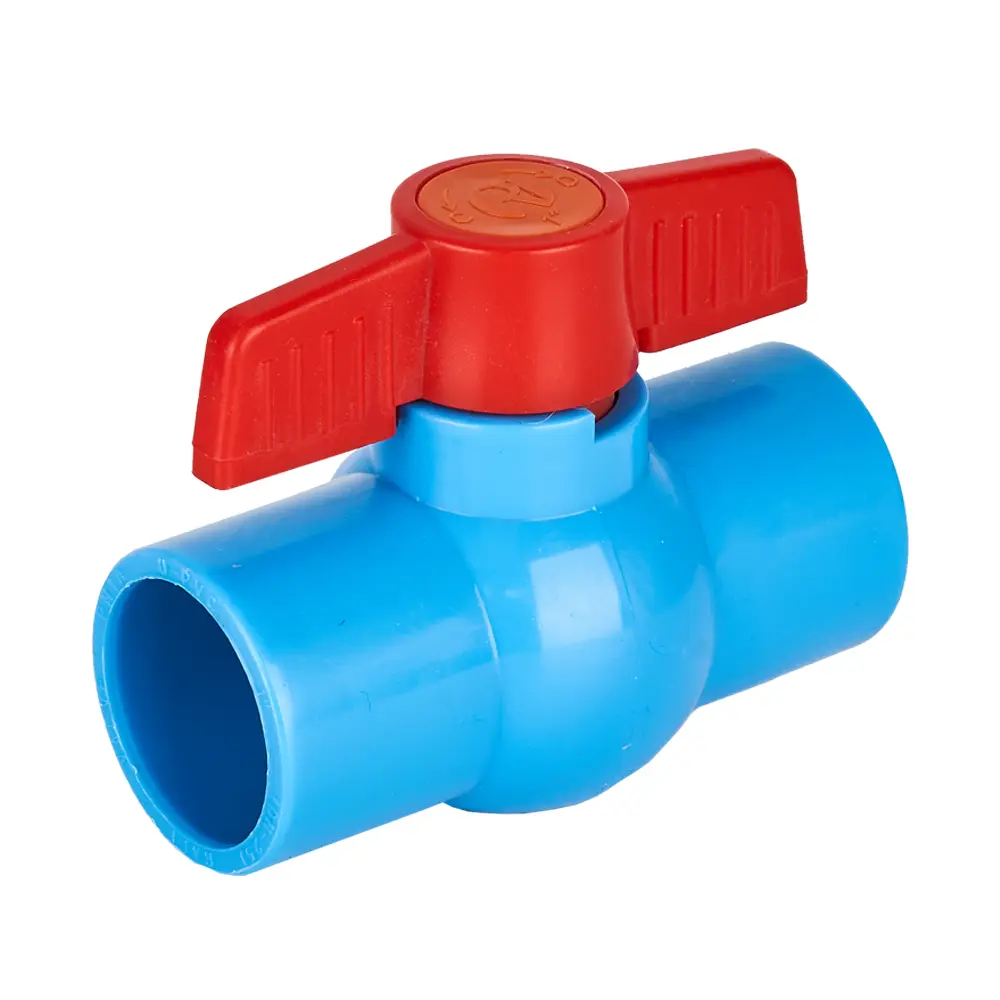
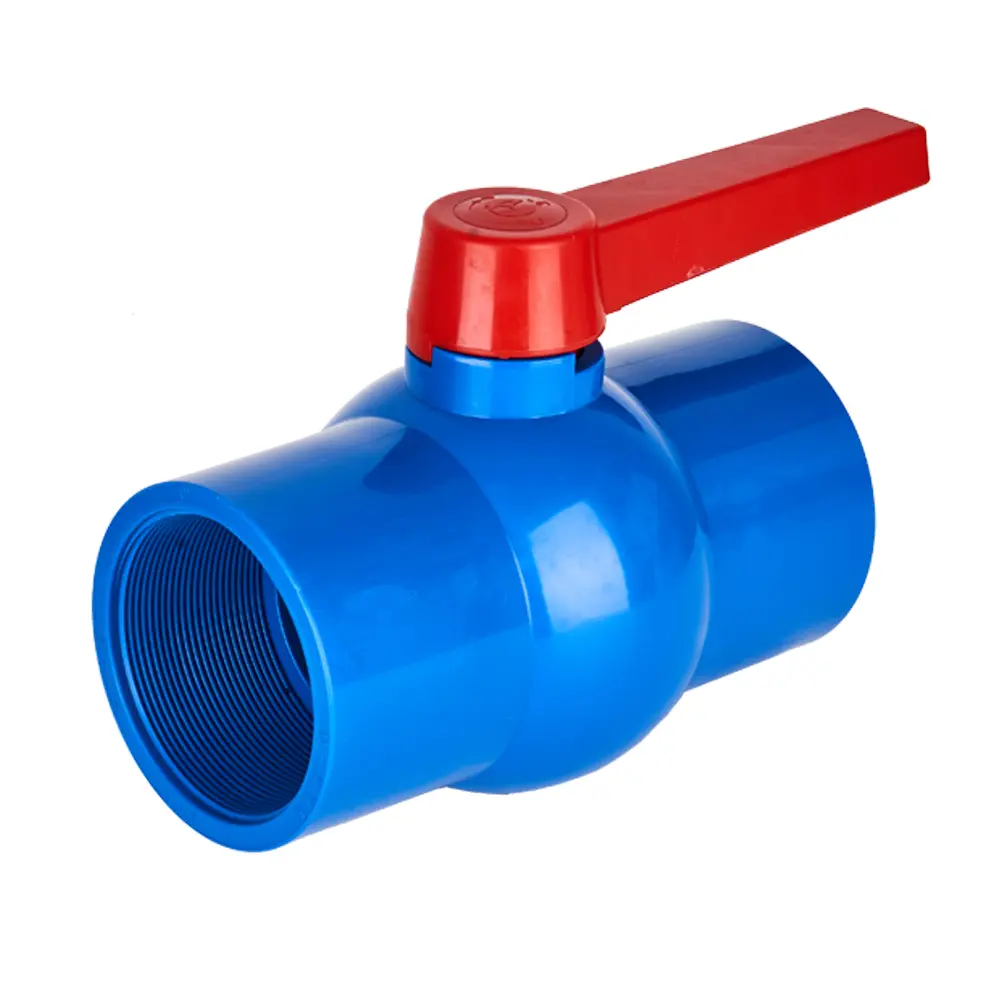
Seamless wall thickness and smooth inner surface.
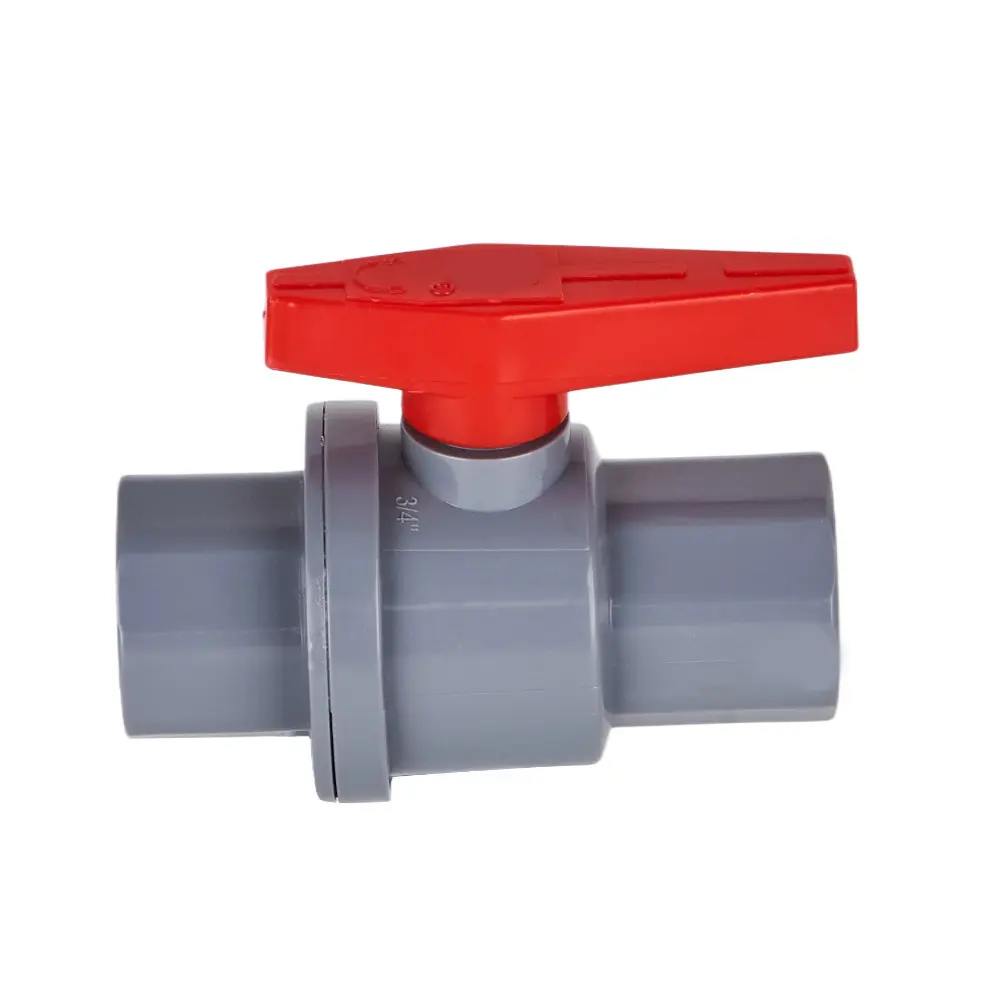
ABS handle designed for high torque operation.
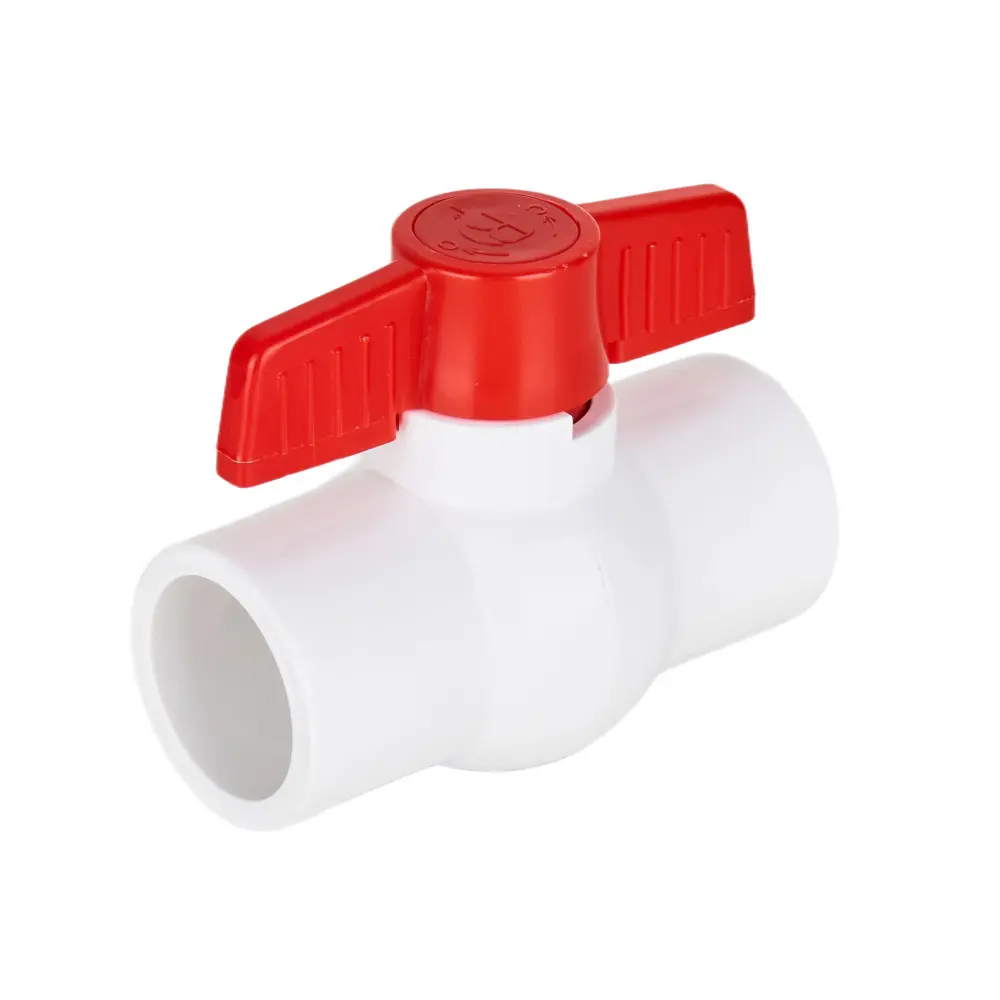
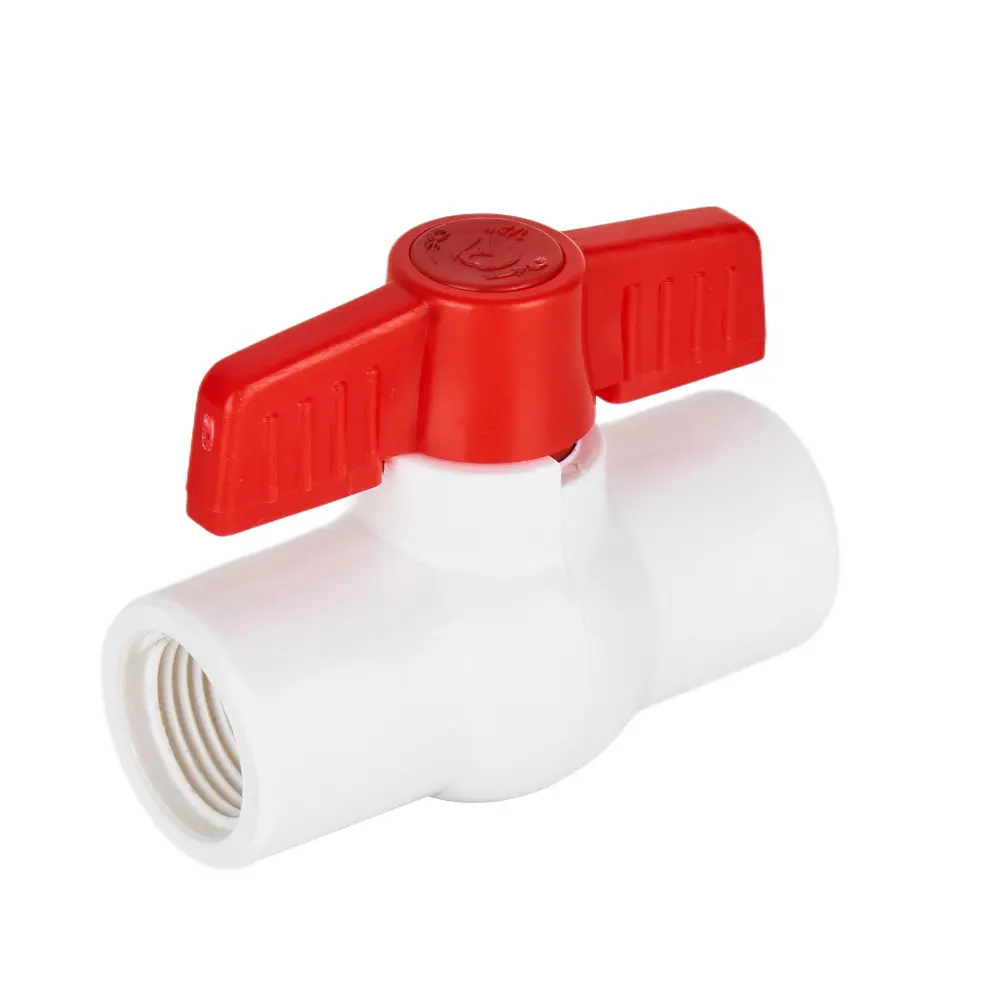
Perfect dimensional stability for fluid lines.
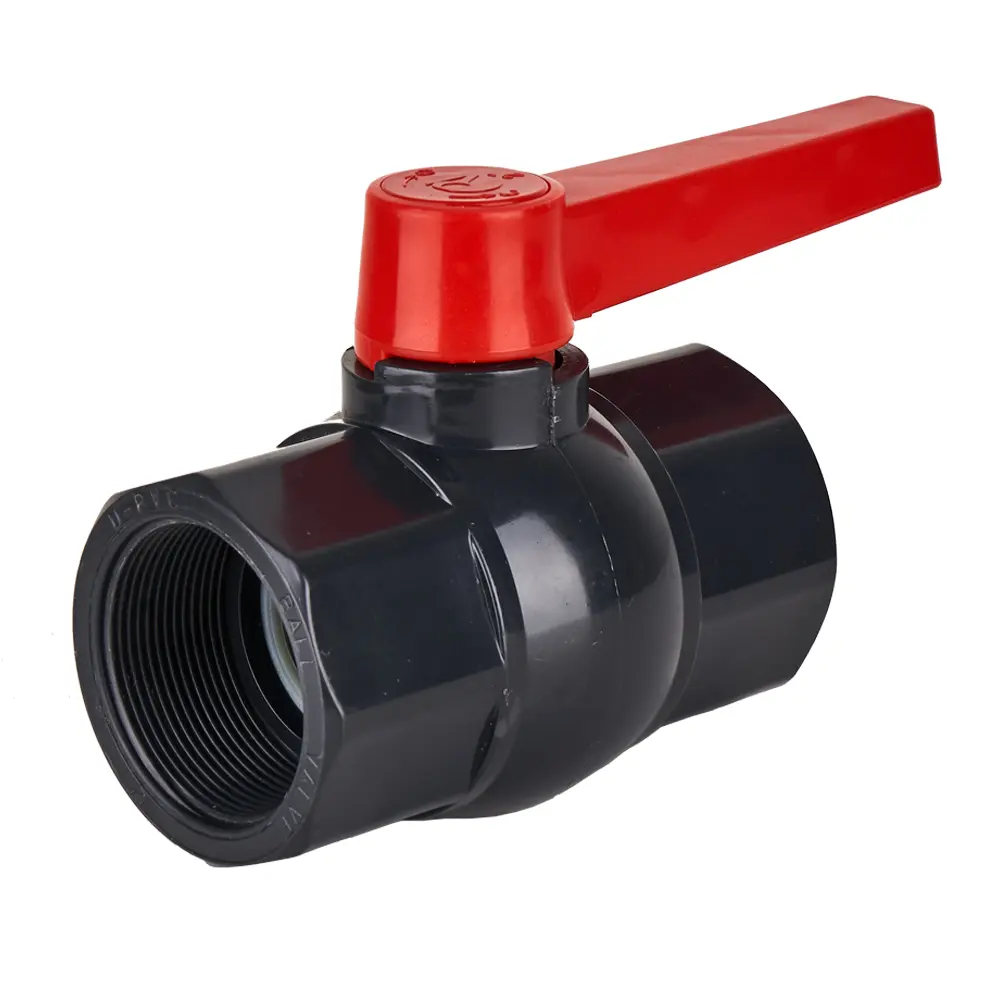
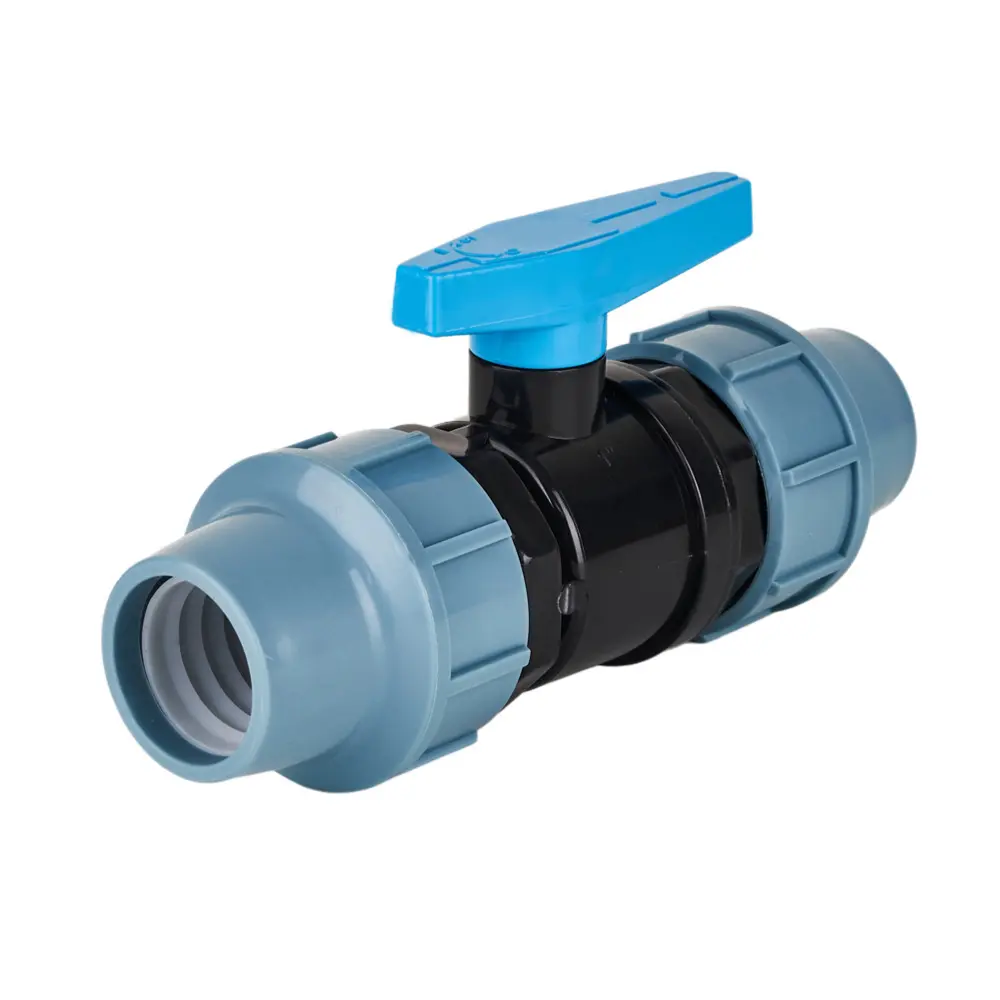
Engineered body shape for hand grip tightening.
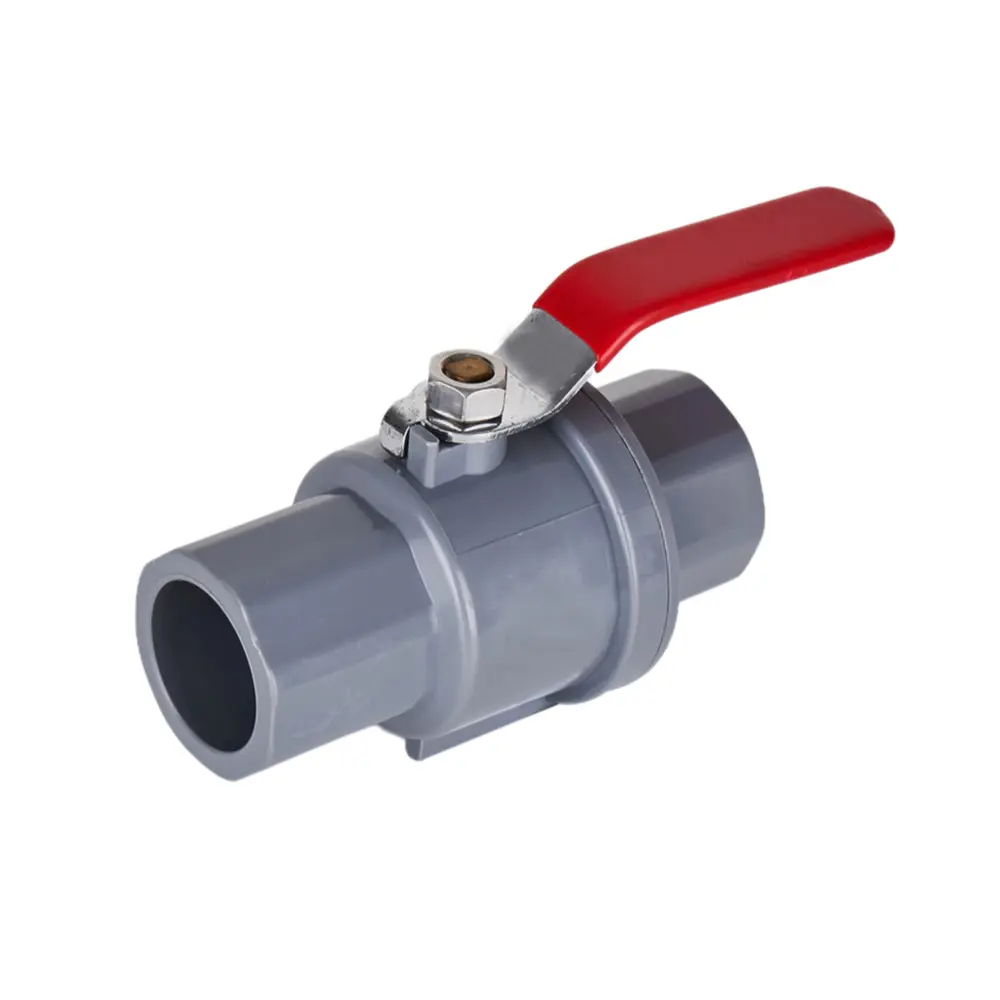
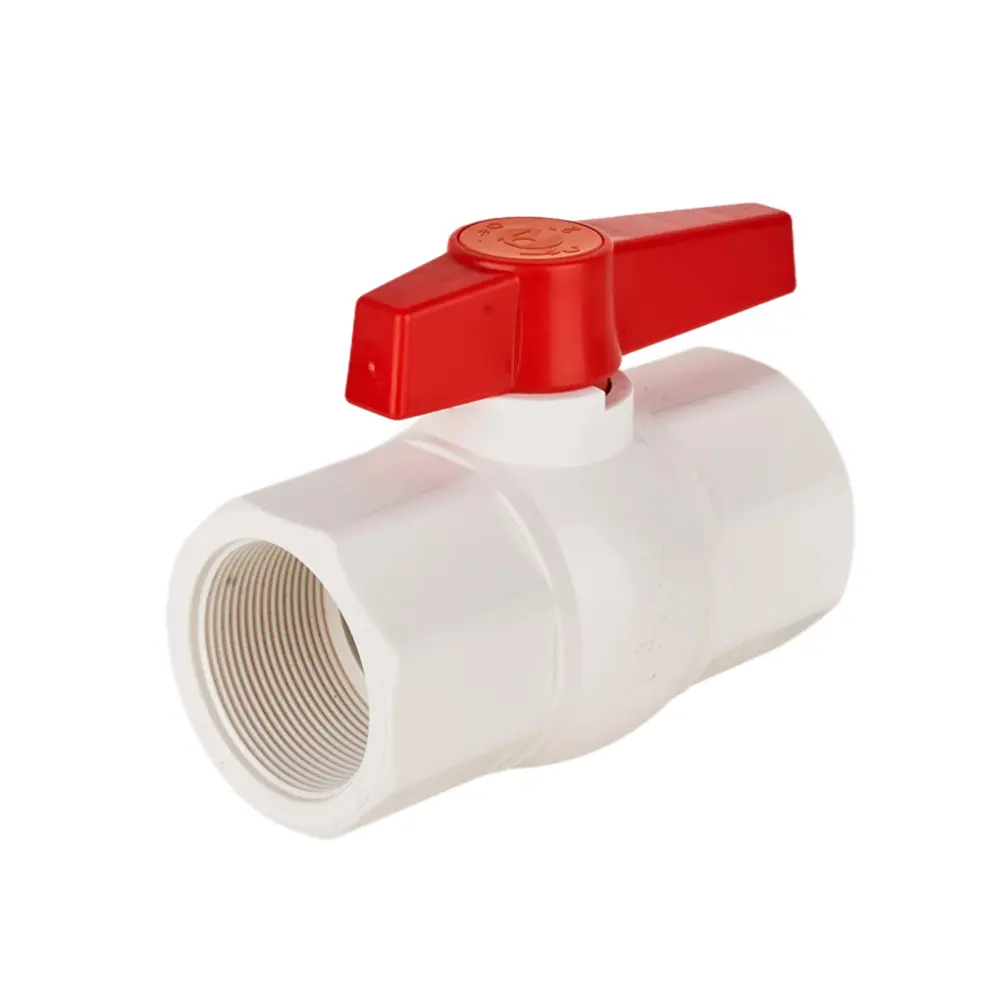
Corrosion-resistant stainless handle option.
Integrating high-efficiency molding technology into standardized piping components
Premium chemical-resistant thermoplastic flow components
Operational frameworks for scaling polymer manufacturing with optimized mechanical assemblies.
Manufacturing high-grade industrial parts requires precise thermal management in the injection barrel. UPVC, for instance, has a narrow processing temperature window (typically 185°C to 205°C) and can release corrosive hydrochloric gas if overheated. Second-hand injection molding machines intended for PVC/UPVC processing must feature specialized screw geometries (with low compression ratios and chrome or nitride platings) and barrel cooling fans.
By integrating PID thermal control algorithms, operators can manage heater bands to prevent material degradation. Mold design also plays a critical role. Utilizing balanced hot runner systems or optimized cold runners ensures uniform melt delivery, minimizes internal shear stresses, and yields high dimensional stability across multi-cavity tools.
Selecting the correct injection molding system depends on matching clamping force (tonnage) and shot capacity to the projected part geometry. Insufficient clamping force results in platen deflection, flashing, and wall thickness variance. Conversely, excessive tonnage wastes energy and damages molds.
We compute the projected surface area of the component (including runners) and apply specific material factors (e.g., 3 to 5 tons per square inch for PVC/UPVC). Additionally, shot size should stay between 35% and 80% of the machine's maximum capacity to avoid material degradation from long residence times or thermal variance from rapid cycling.
Ensuring compliance, safety, and long service life across international markets.
Operating in 28 countries requires adherence to local electrical and safety regulations. When importing used machinery or exporting engineered piping systems, compliance is essential.
Used machinery must feature proper safety interlocks, light curtains, and emergency stop circuits. For North American deployment, UL/CSA compliance of the control panels is verified during the reconditioning process.
Our piping systems conform to DIN standards for polypropylene (PP) and polyvinyl chloride (PVC) conduits, ensuring appropriate pressure-bearing performance and chemical resistance.
By upgrading older hydraulic systems to use energy-efficient servo drives and biodegradable hydraulic fluids, manufacturers minimize their environmental footprint and align with global green initiatives.
Technical answers to common questions about used injection molding machinery and plastic manufacturing.
Premium fluid control and distribution products manufactured to global quality standards.
 EHAO
EHAO