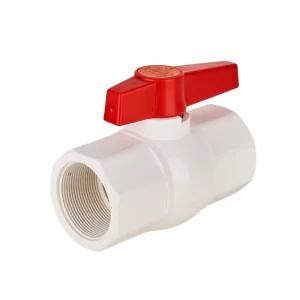
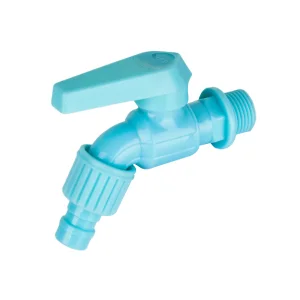
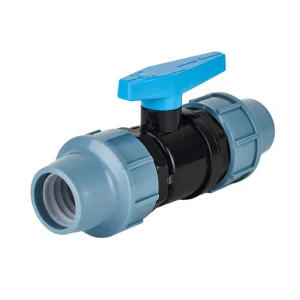
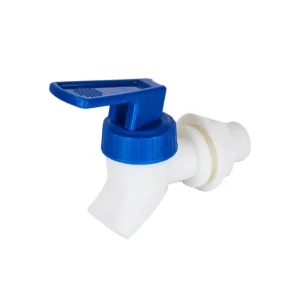
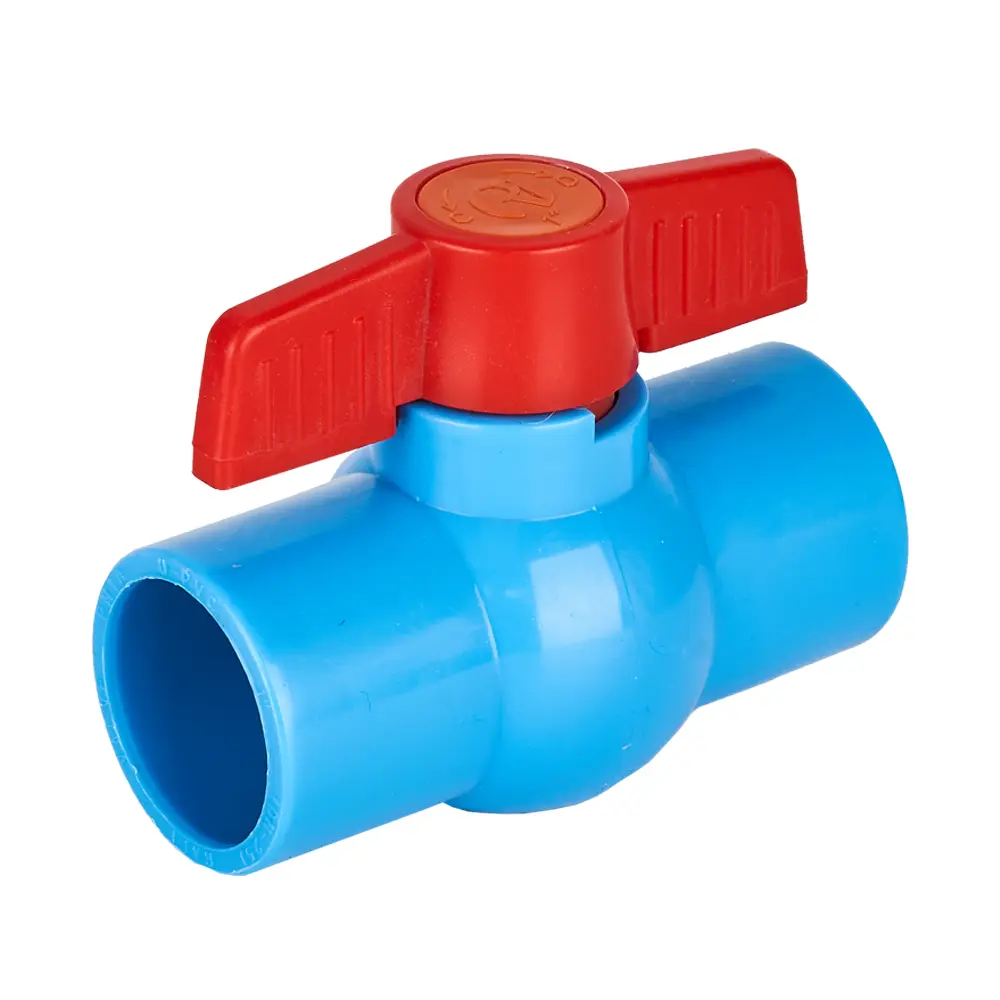
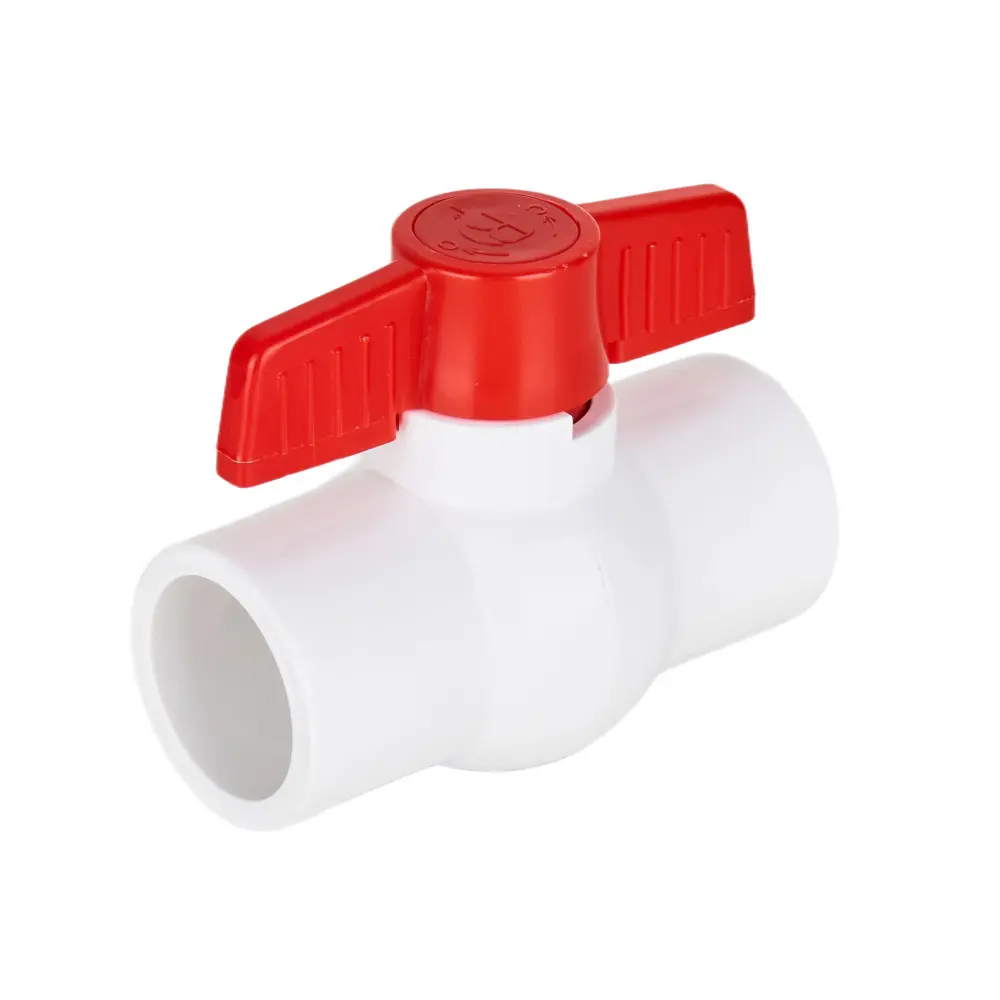
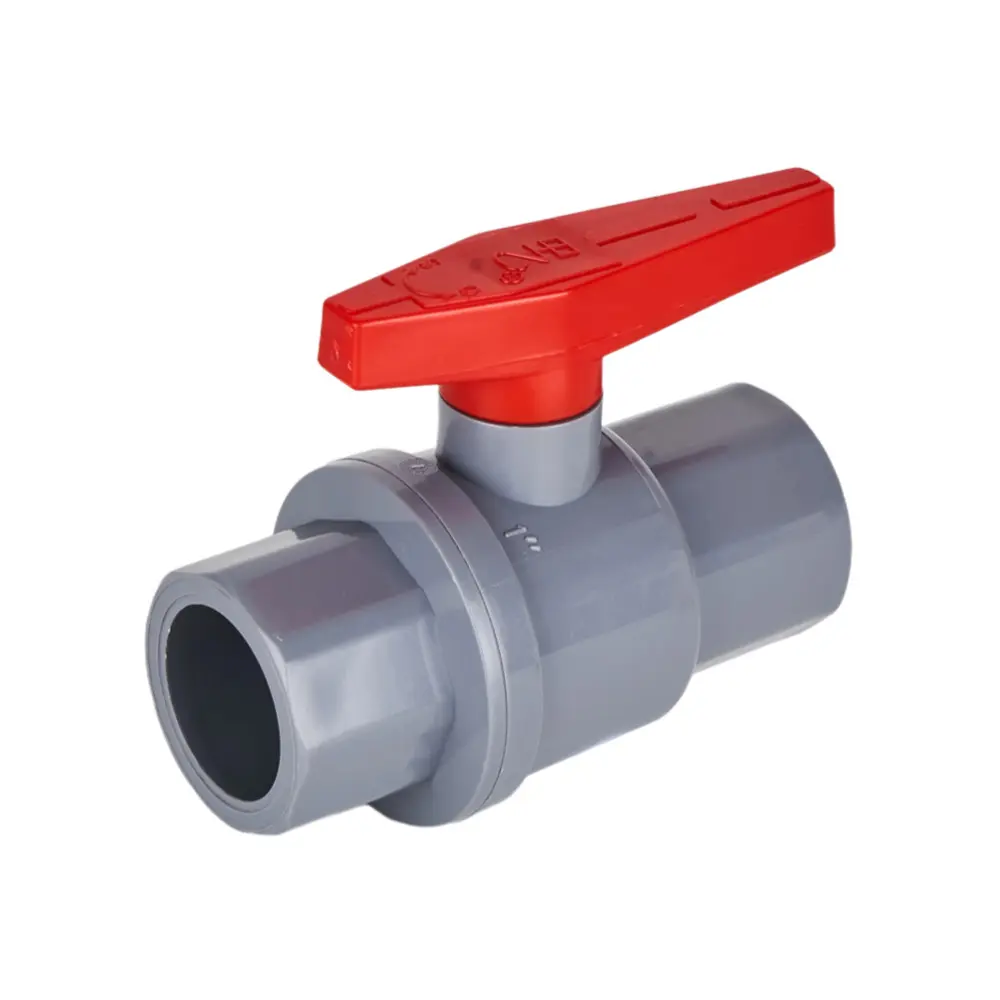
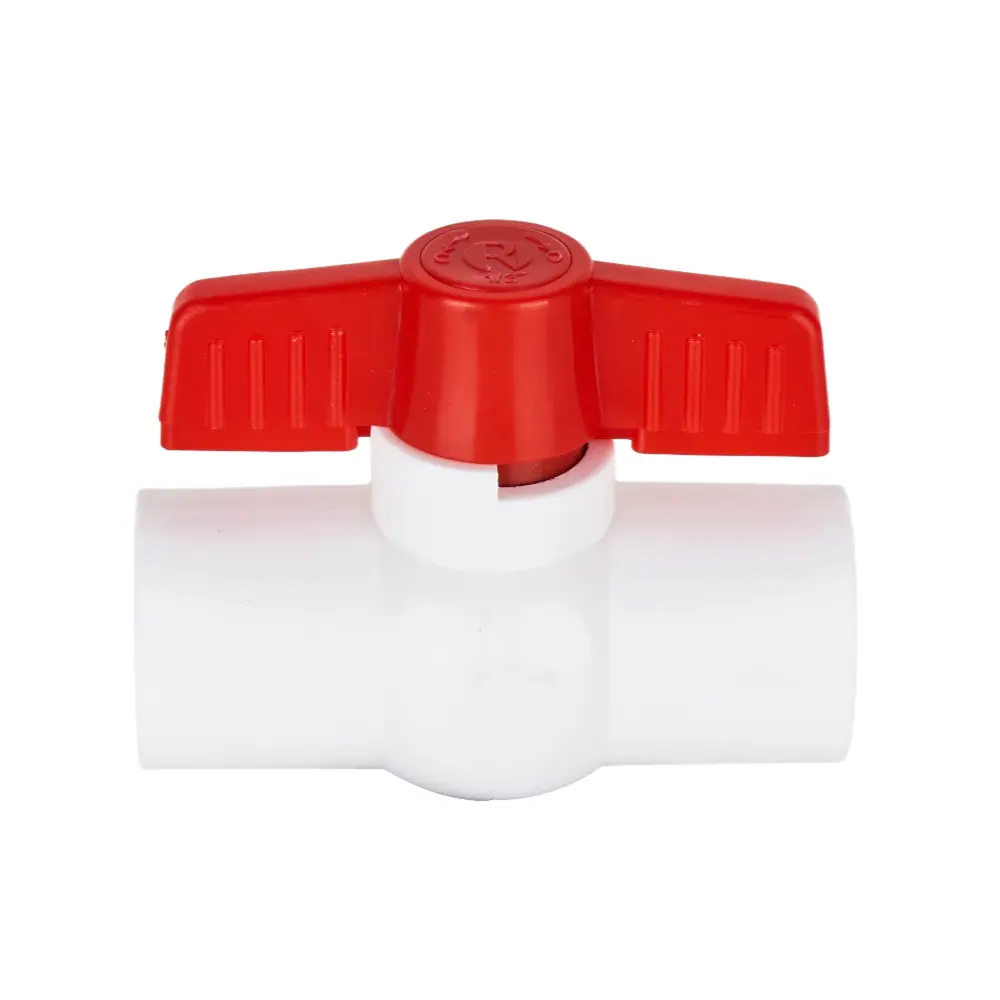
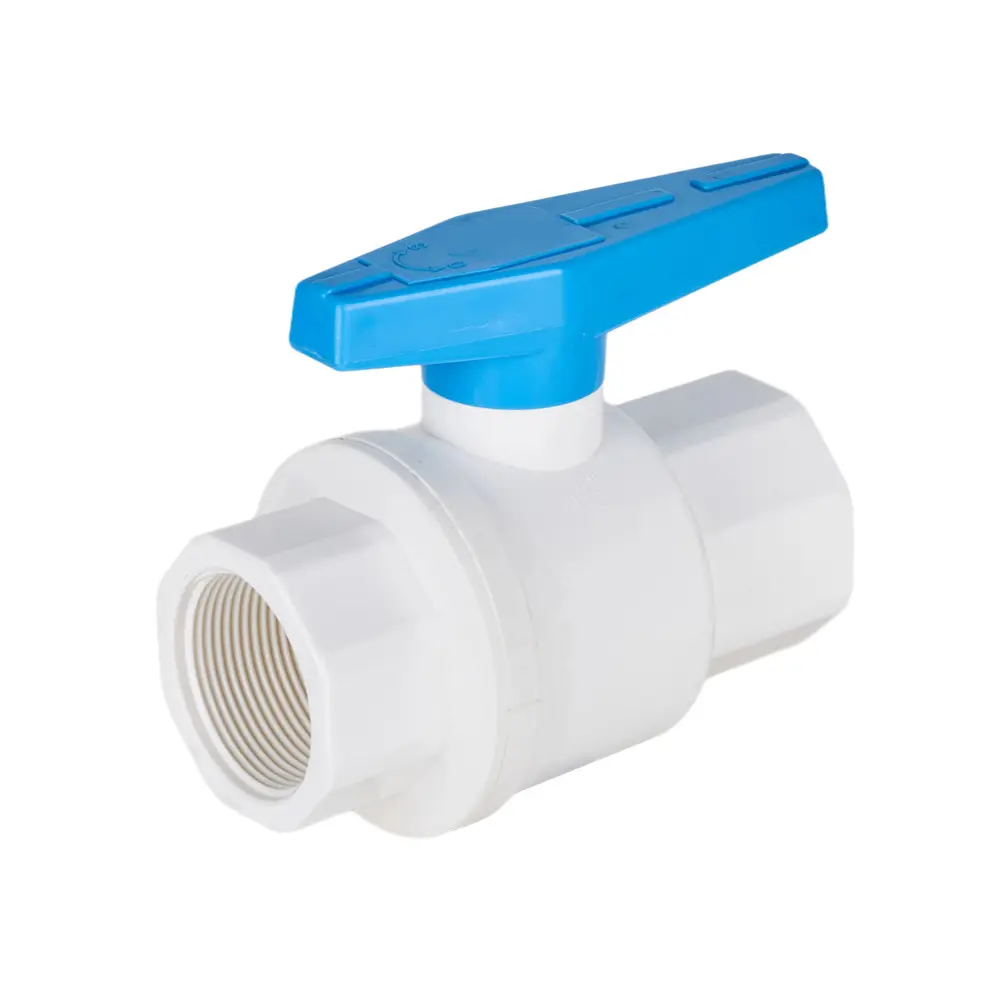
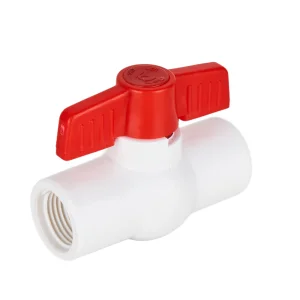
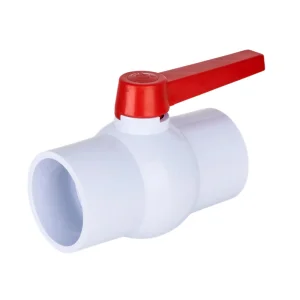
Explore our flagship high-performance injection-molded valves and fitting components engineered for critical fluid system operations.
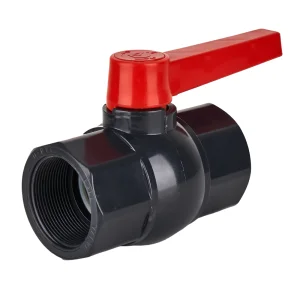
Ehao Plastic Group operates as a high-tech private enterprise. Our operations integrate research and development with production facilities for building materials, pipe fittings, and high-precision injection molds. In the Chinese domestic market, Ehao has established a market position in the manufacturing of PVC/UPVC ball valves.
Our research and engineering operations are supported by technical collaborations with the Chinese Academy of Sciences and Zhejiang University. These partnerships allow us to incorporate advanced polymer research and fluid dynamic simulation models directly into our mold design processes.
To ensure high-precision manufacturing, we utilize production lines and computer-controlled automatic injection molding machines imported from Germany. Each component undergoes a 26-step scientific testing framework. This quality control protocol is structured to achieve a 100% factory pass rate. Our finished components meet DIN8077 and DIN8078 international standards, ensuring compatibility and safety in global industrial applications.
Understanding shifting regulatory compliance, technical demands, and procurement strategies in the polymer manufacturing sector.
Modern injection molding uses automated visual inspection, real-time pressure sensors, and robotic demolding systems to reduce cycle times and eliminate structural defects.
Enterprise buyers prioritize suppliers offering end-to-end tooling, raw material traceability, international certifications (NSF, CE, ISO), and verified manufacturing capacity.
Increased demand for chemical-resistant resins like UPVC, POM, and PP. Standardizing polymer formulations ensures long-term UV resistance and mechanical stability under stress.
In high-precision manufacturing, procurement managers look beyond component costs to evaluate the total cost of ownership (TCO). Unplanned down-time due to valve failures in chemical processing plants or agricultural irrigation networks can result in significant operational costs. To mitigate these risks, Ehao Plastic Group integrates material sourcing, precision tooling, and production monitoring within a unified manufacturing footprint.
We support supply chain transparency by offering documentation on polymer grades, heat deflection temperatures (HDT), and pressure ratings. This allows engineering teams to verify that our components meet the operational specifications of their pipeline networks, industrial installations, or municipal water distribution systems.
Ehao products are engineered to support fluid-control systems across municipal, residential, and agricultural infrastructure.
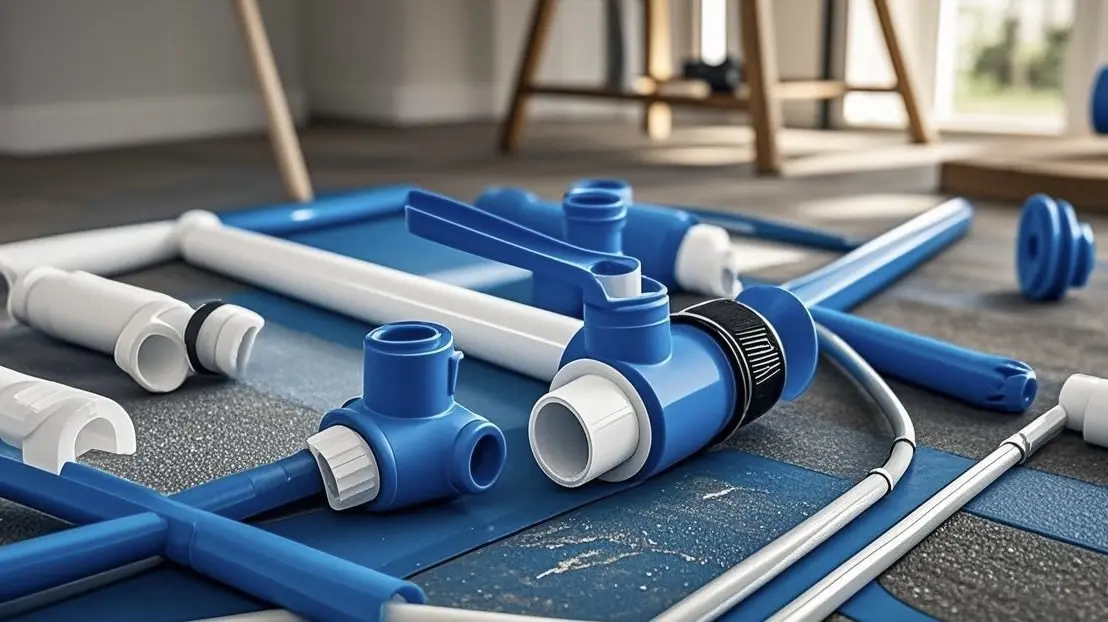
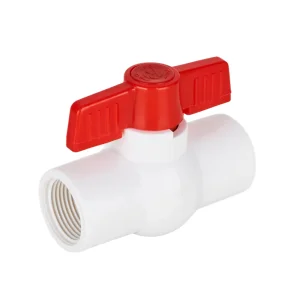
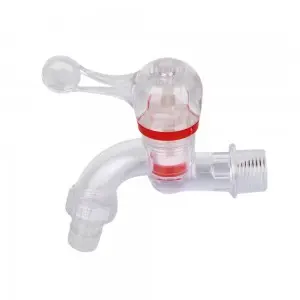
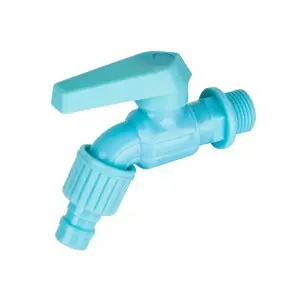
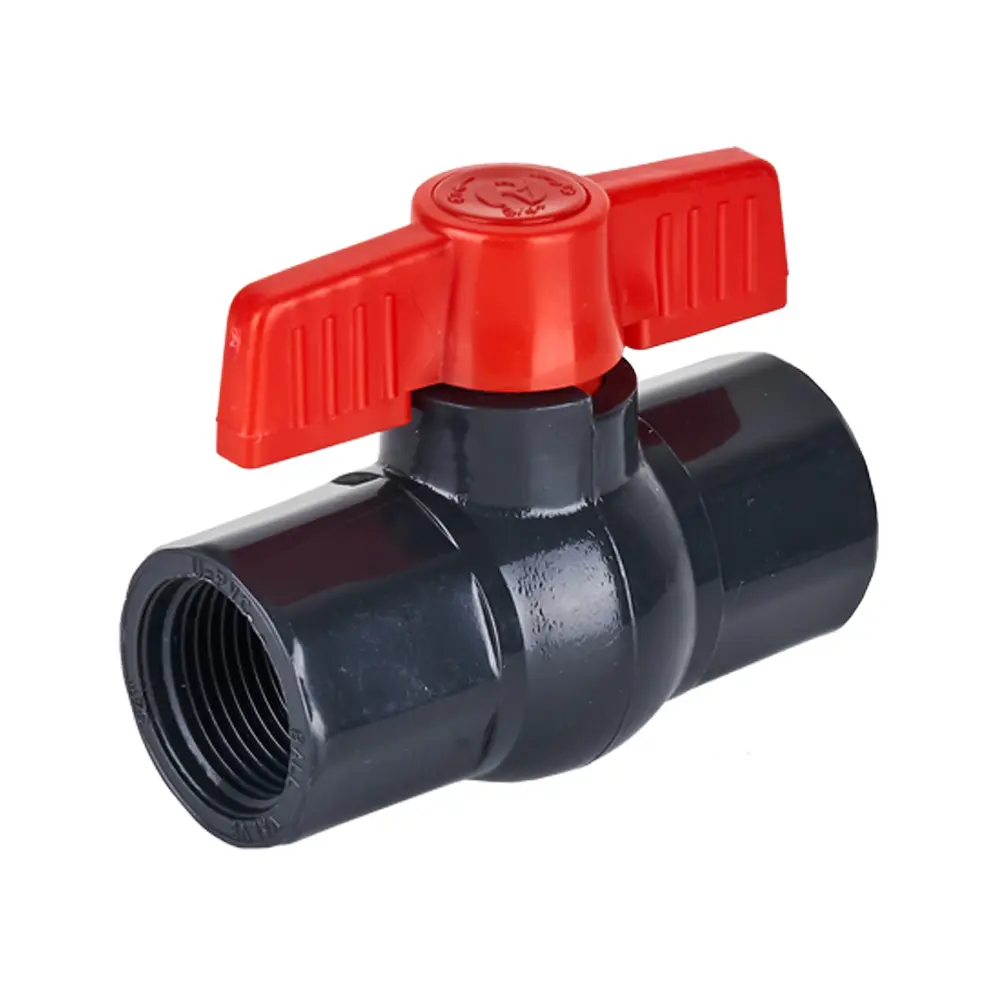
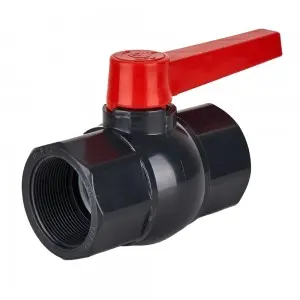
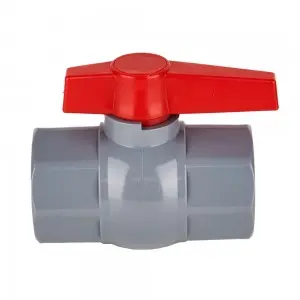
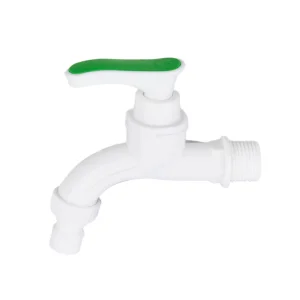
High-finish compact ball valves and bibcocks designed for residential plumbing, providing reliable shut-off functionality and leak-free domestic installations.
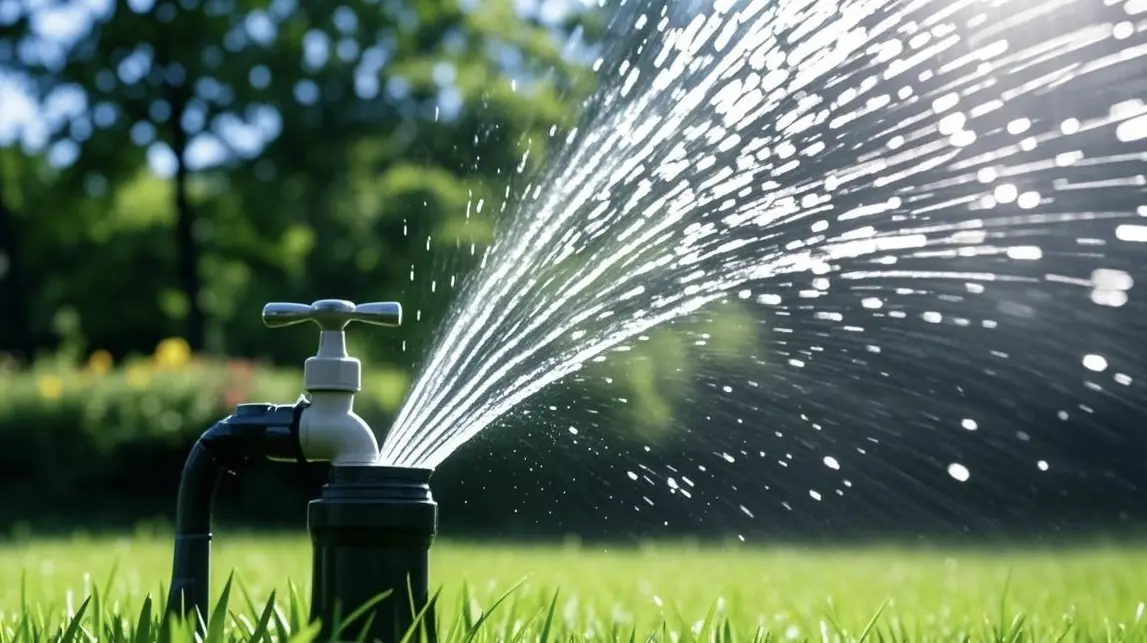
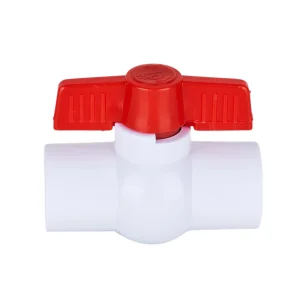
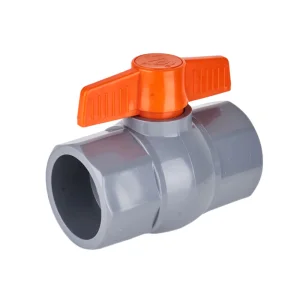
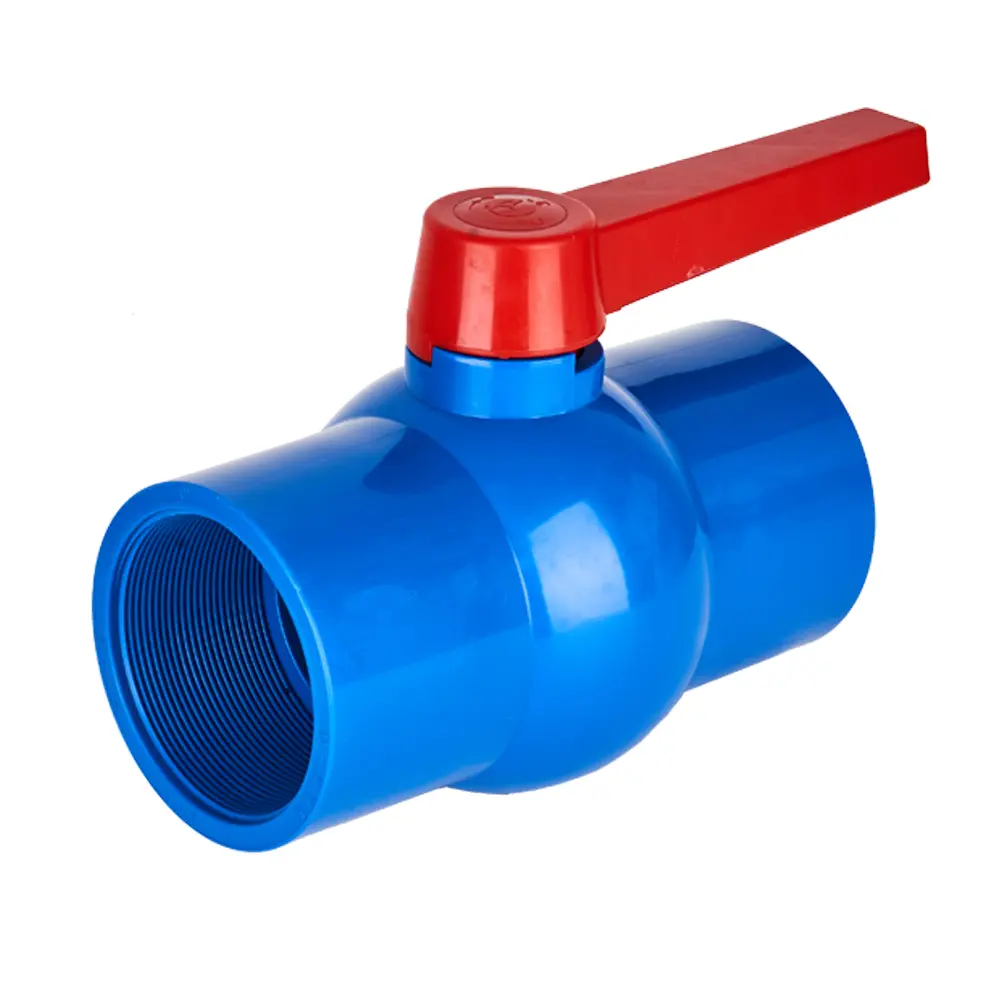
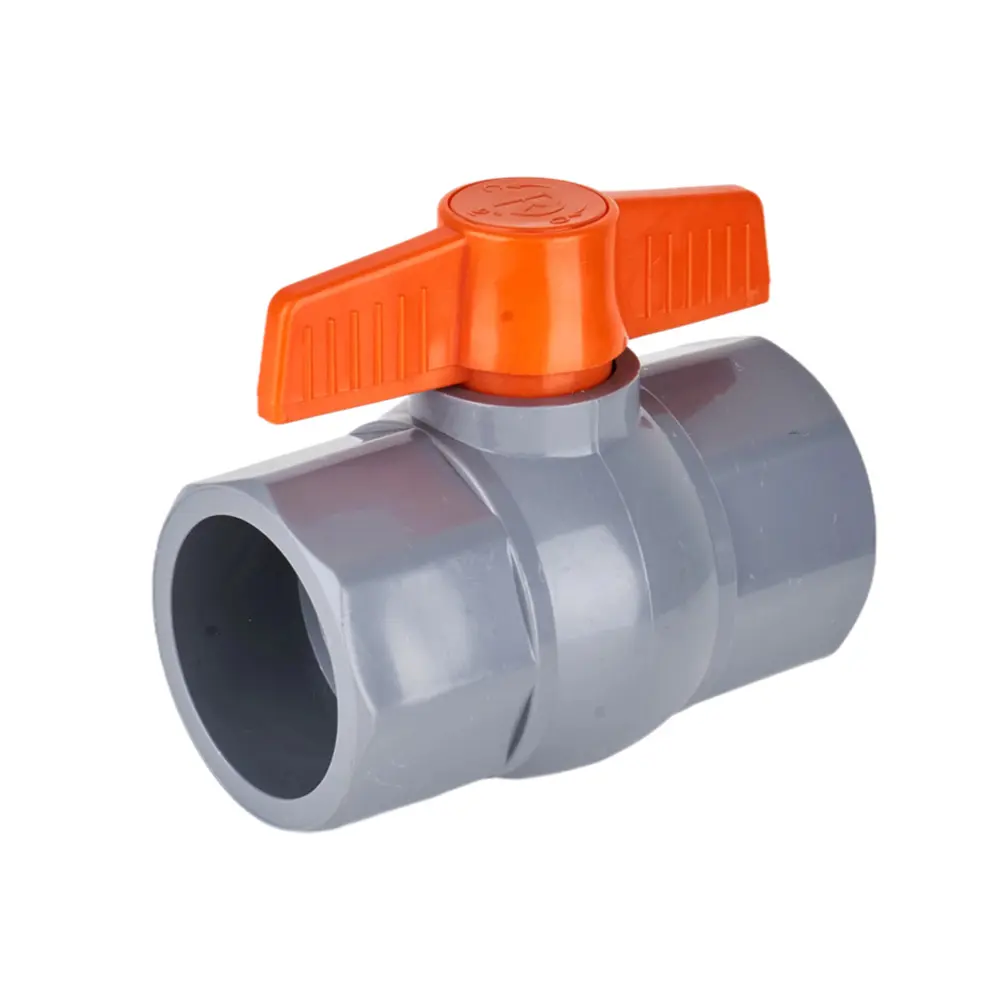
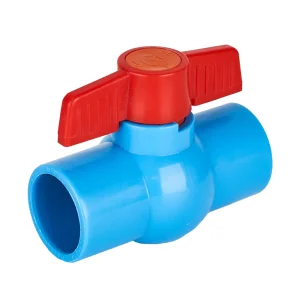
Chemical and fertilizer-resistant UPVC ball valves designed for commercial agriculture, open-field cultivation, and drip irrigation networks.
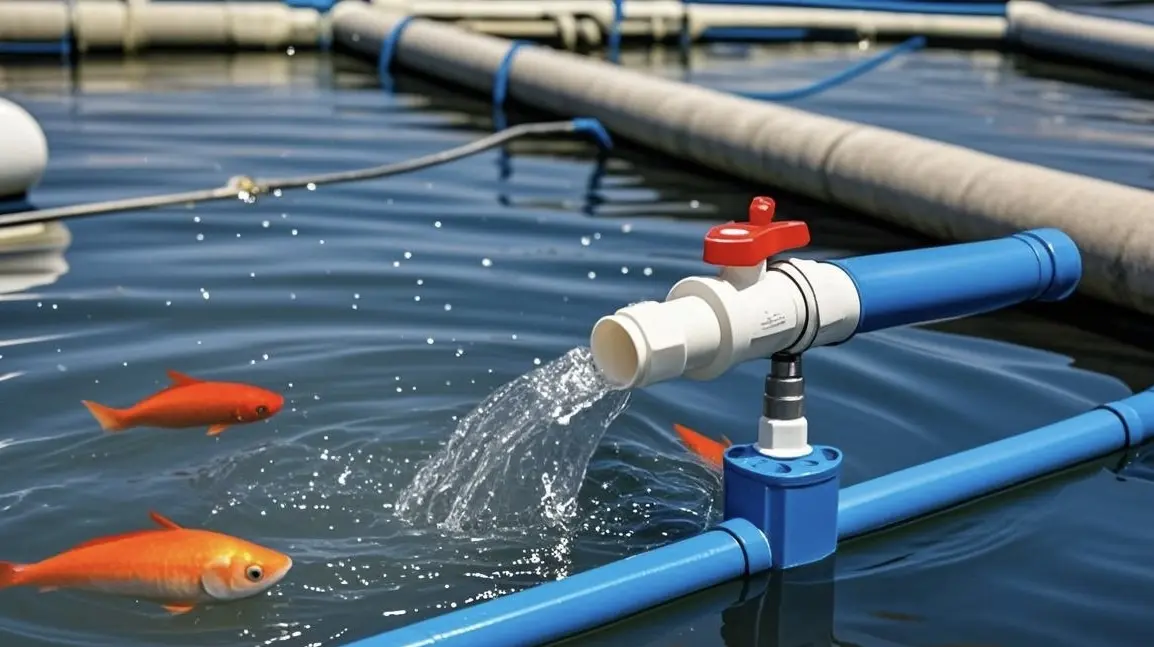
Non-toxic, high-flow polymer valves optimized for recirculating aquaculture systems (RAS), maintaining strict water quality and biological safety.
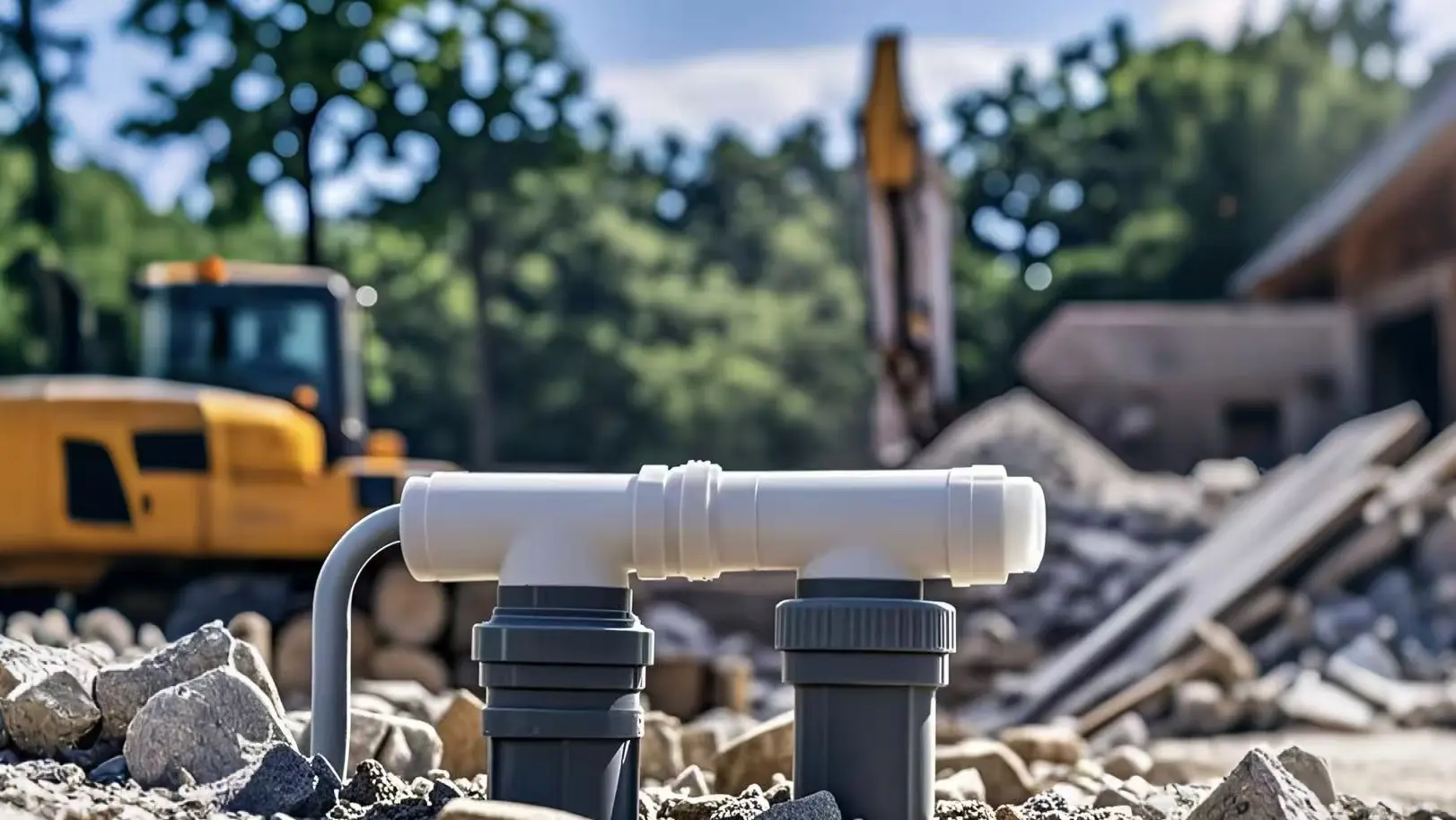
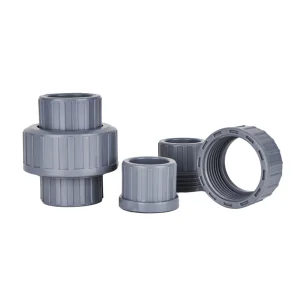
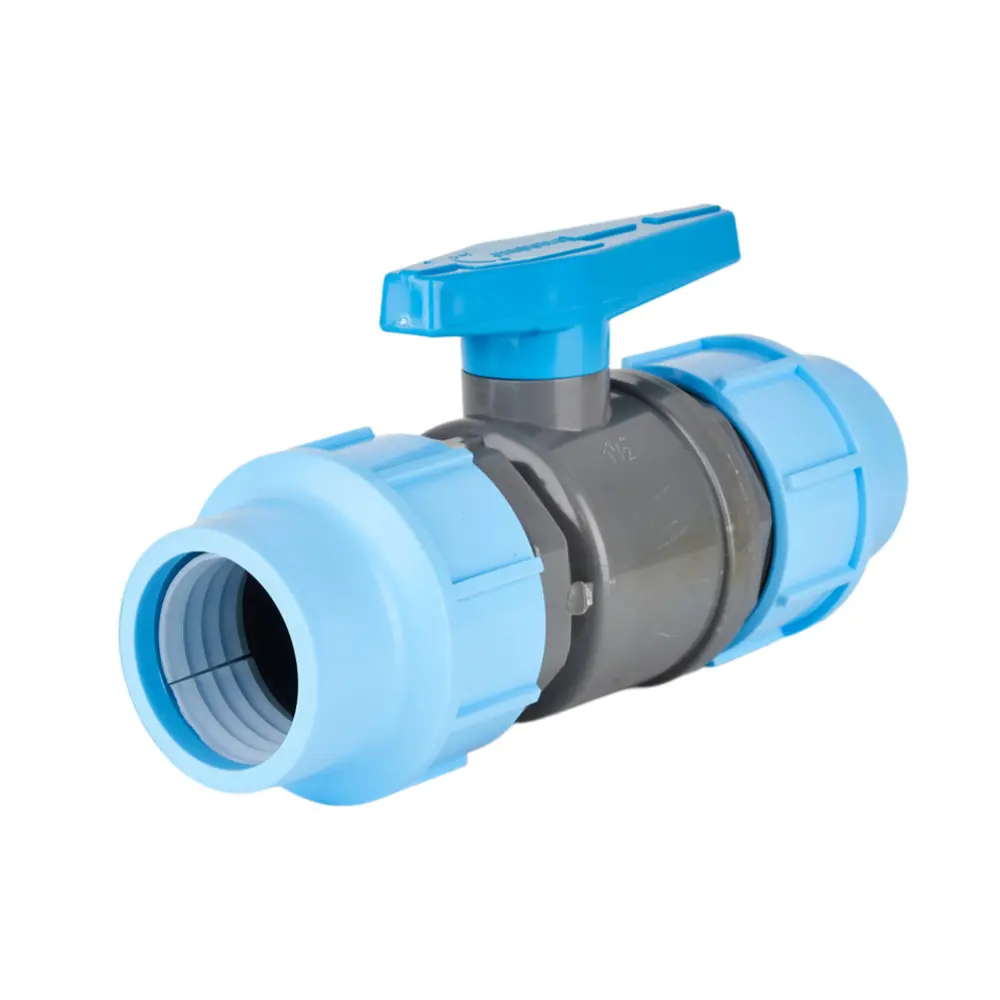
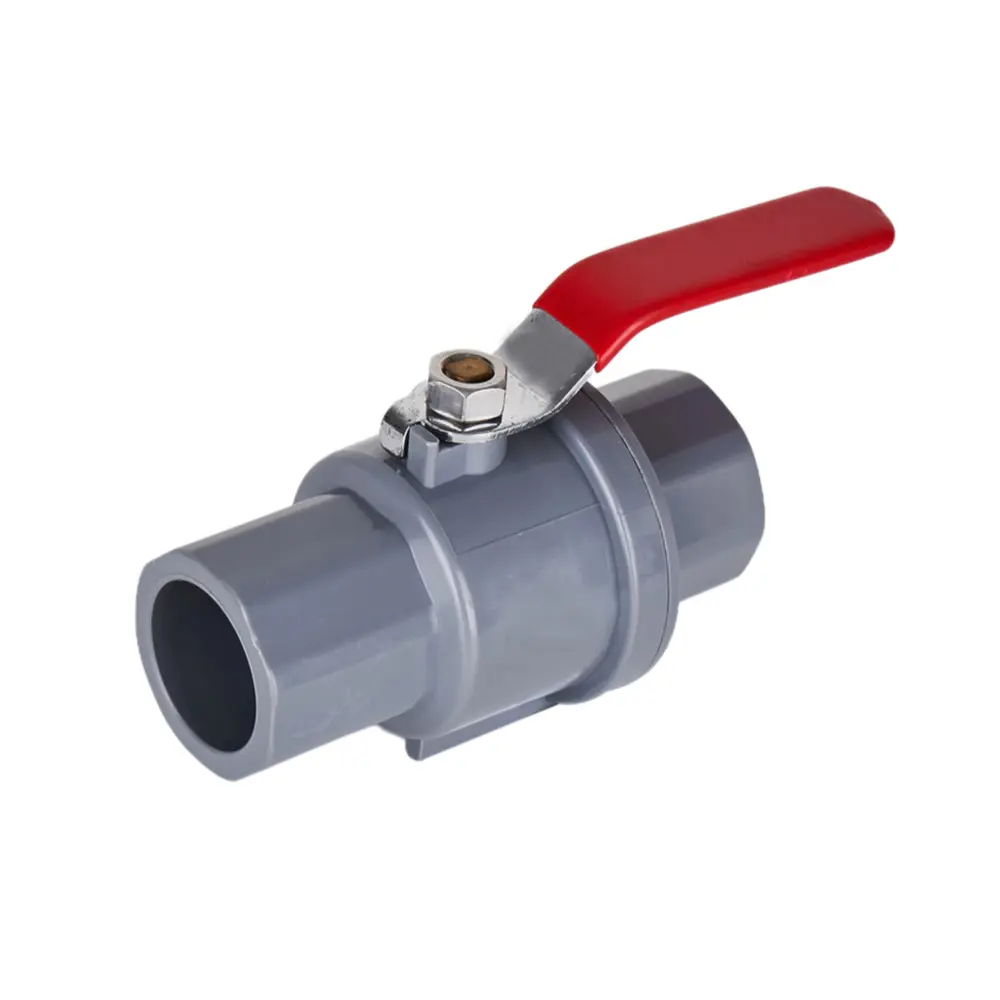
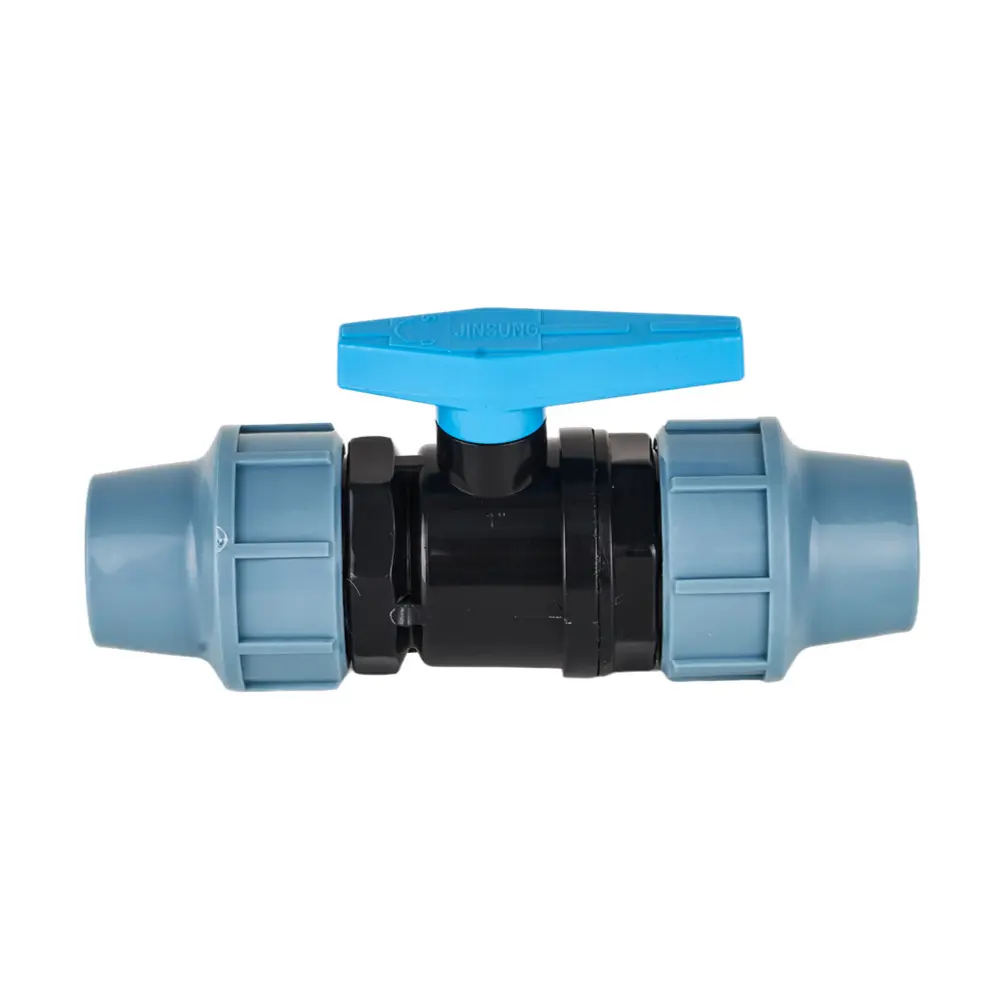
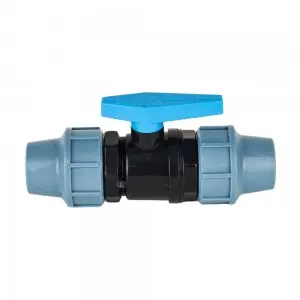
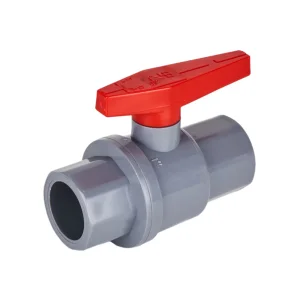
Heavy-duty double union ball valves and pipe connectors manufactured to meet standard building codes in commercial construction.
Partnering throughout the product lifecycle: from initial material selection and component configuration to production financing structures that support operational profitability.
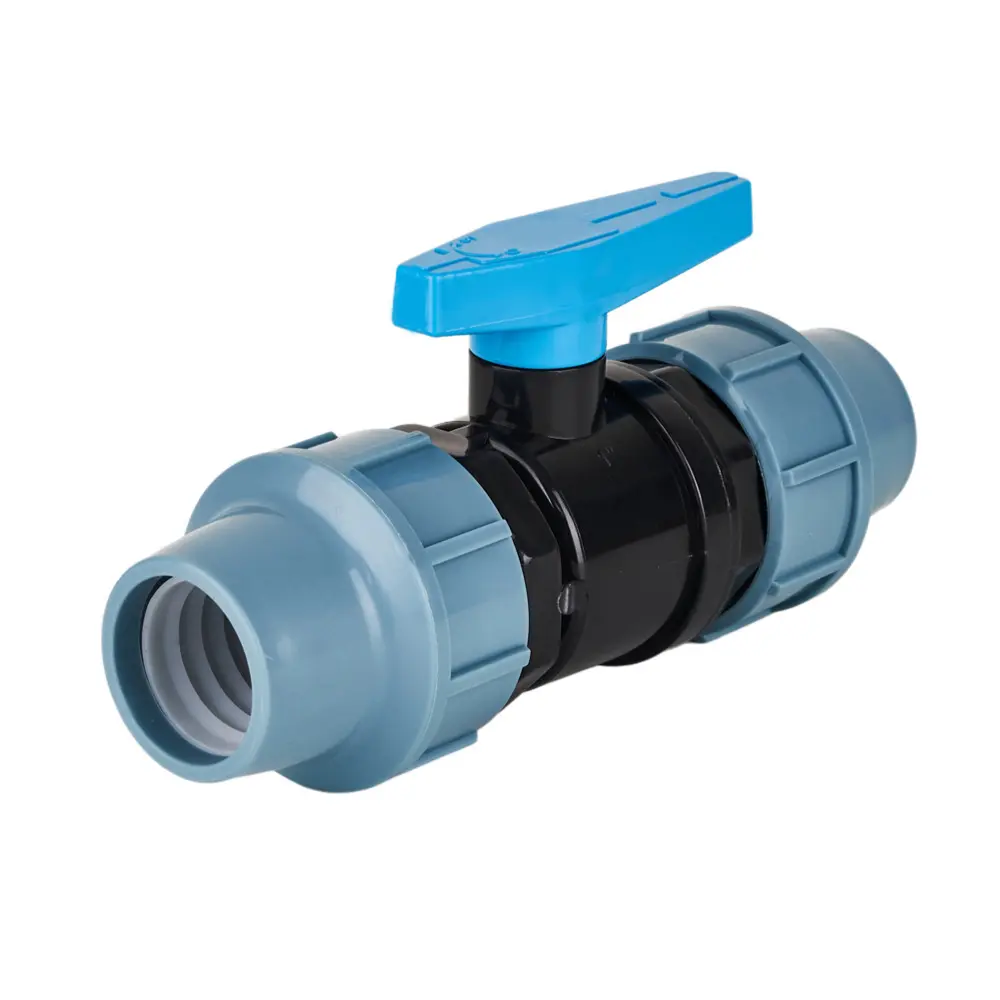
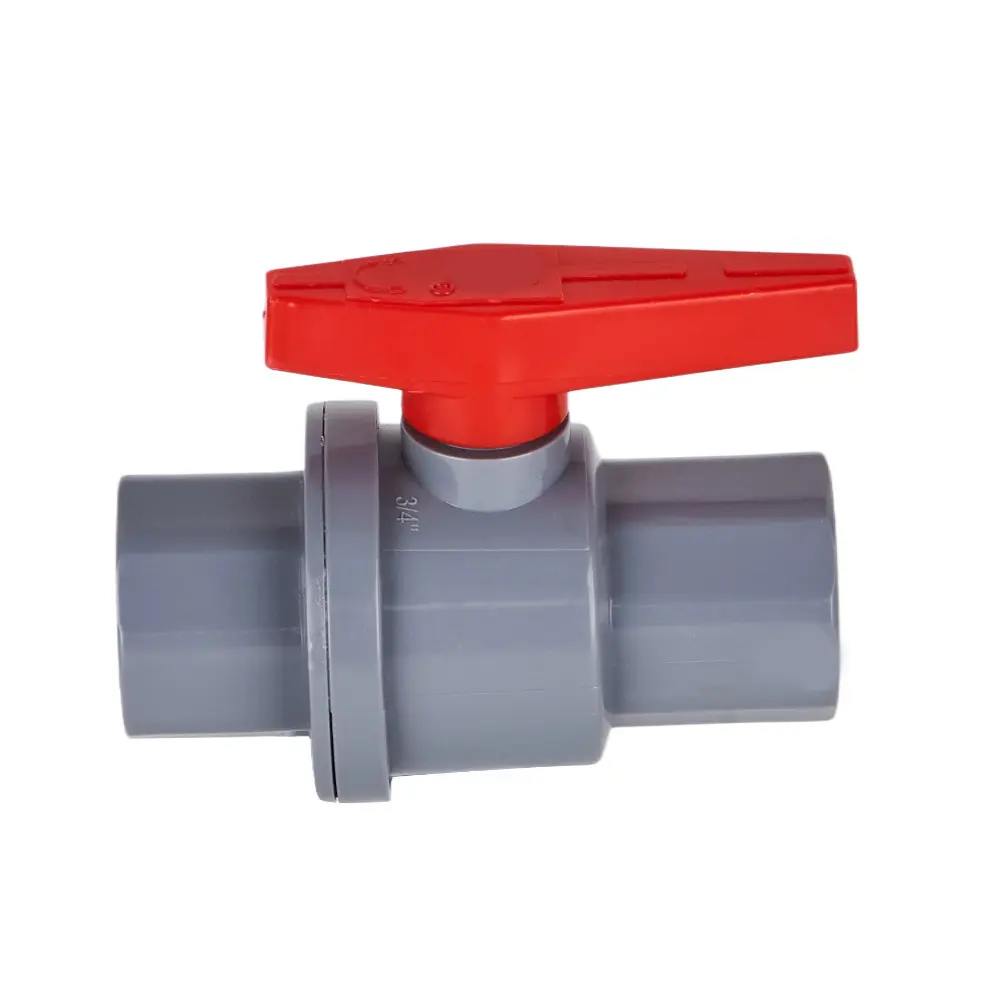
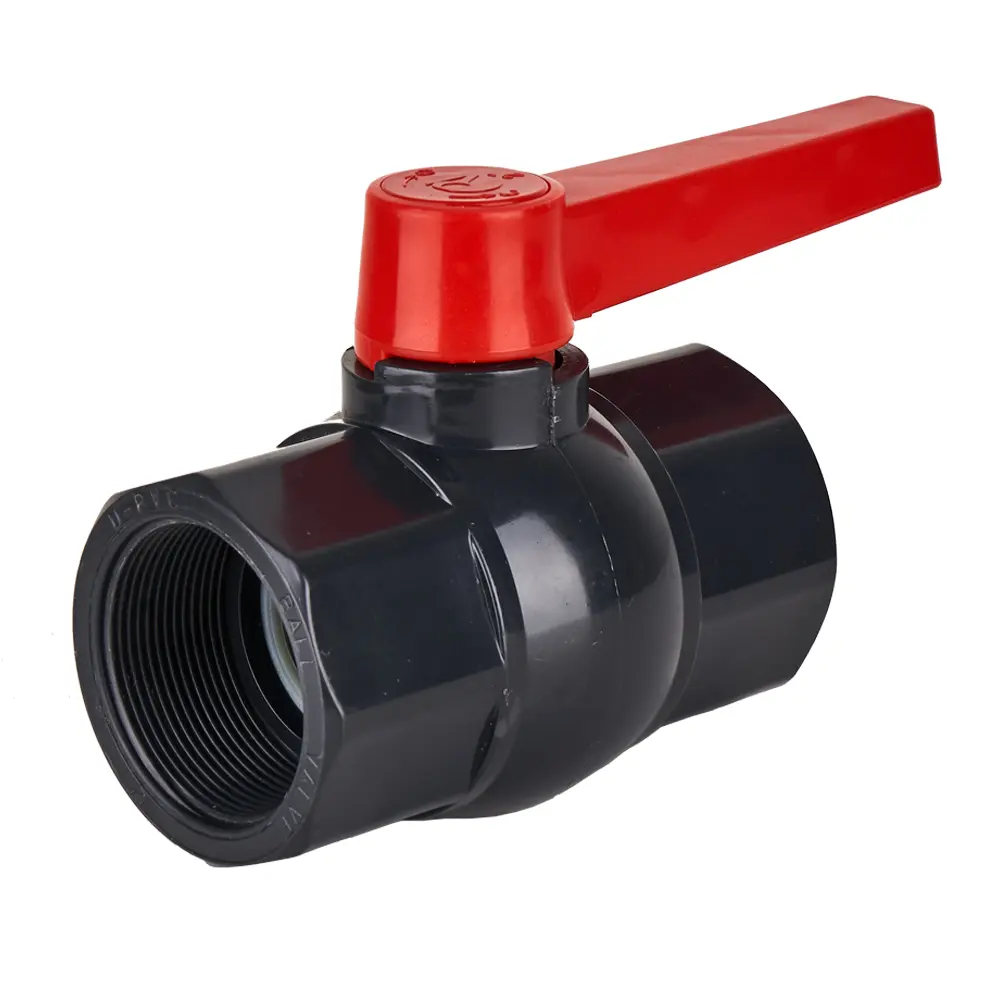
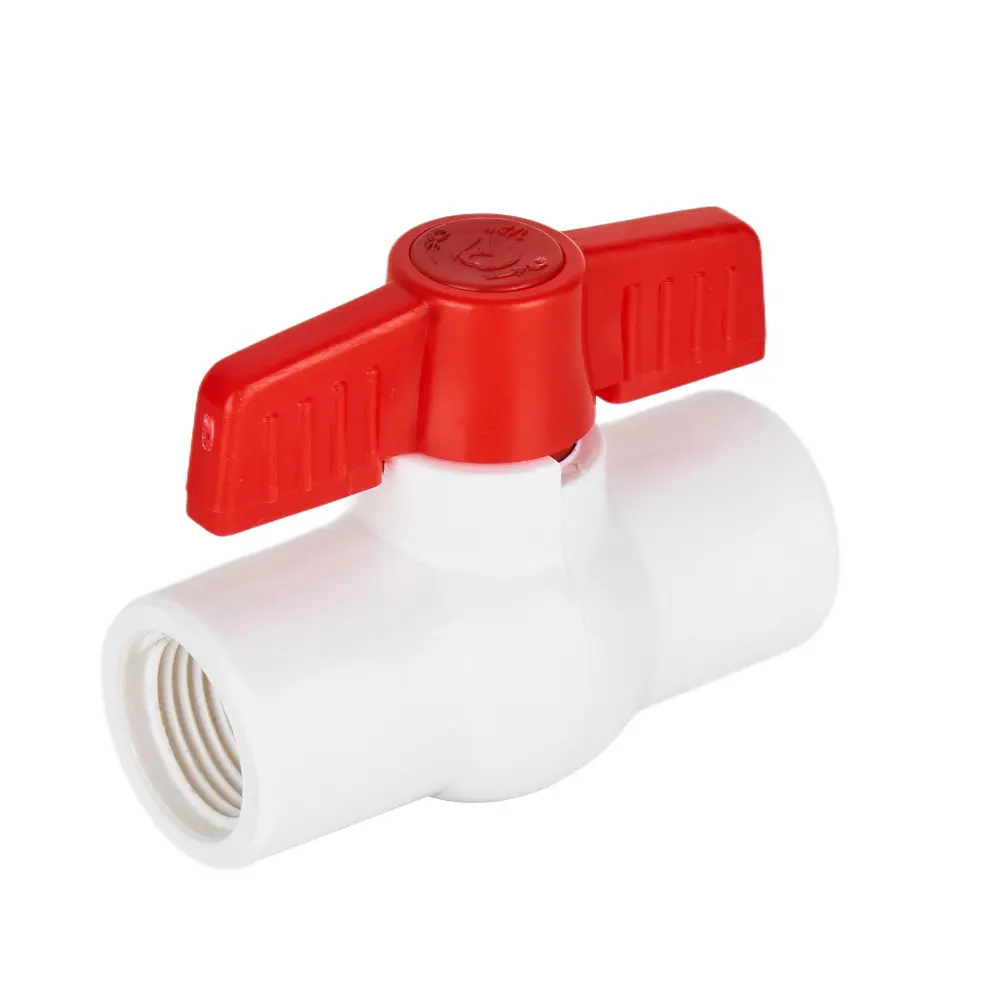
Ehao Plastic Group's manufacturing process is built on systematic verification steps. The core of this procedure is a 26-step testing matrix that evaluates polymer properties from raw material reception to final component packaging.
Our raw materials, including UPVC, PVC, and POM polymers, are tested for melt flow index (MFI), density, and moisture content before processing. During injection molding, our German-designed control systems monitor parameters such as injection speed, hold pressure, and mold temperature cycles to ensure dimensional consistency and prevent structural defects like voiding or weld-line weaknesses.
Post-molding verification includes pressure burst testing and cyclic fatigue evaluations. These tests confirm that our valves maintain mechanical integrity under sudden pressure spikes and continuous operations. The mechanical properties of our finished valves comply with the parameters defined in DIN8077 and DIN8078. This ensures they are suitable for high-demand configurations in industrial process lines and municipal water networks.
When selecting polymer components, engineers must match material characteristics with the requirements of their specific application environment. Below is an overview of the key plastics used in Ehao's valves and fittings:
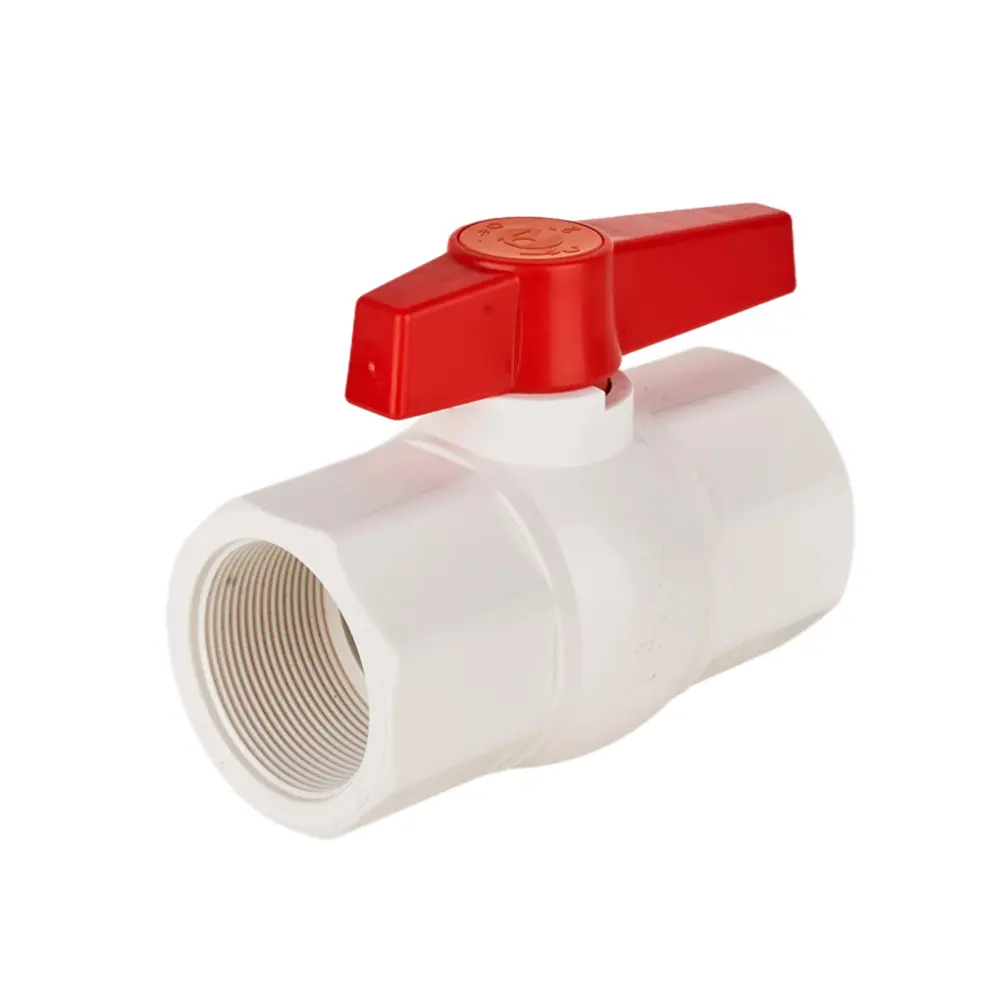
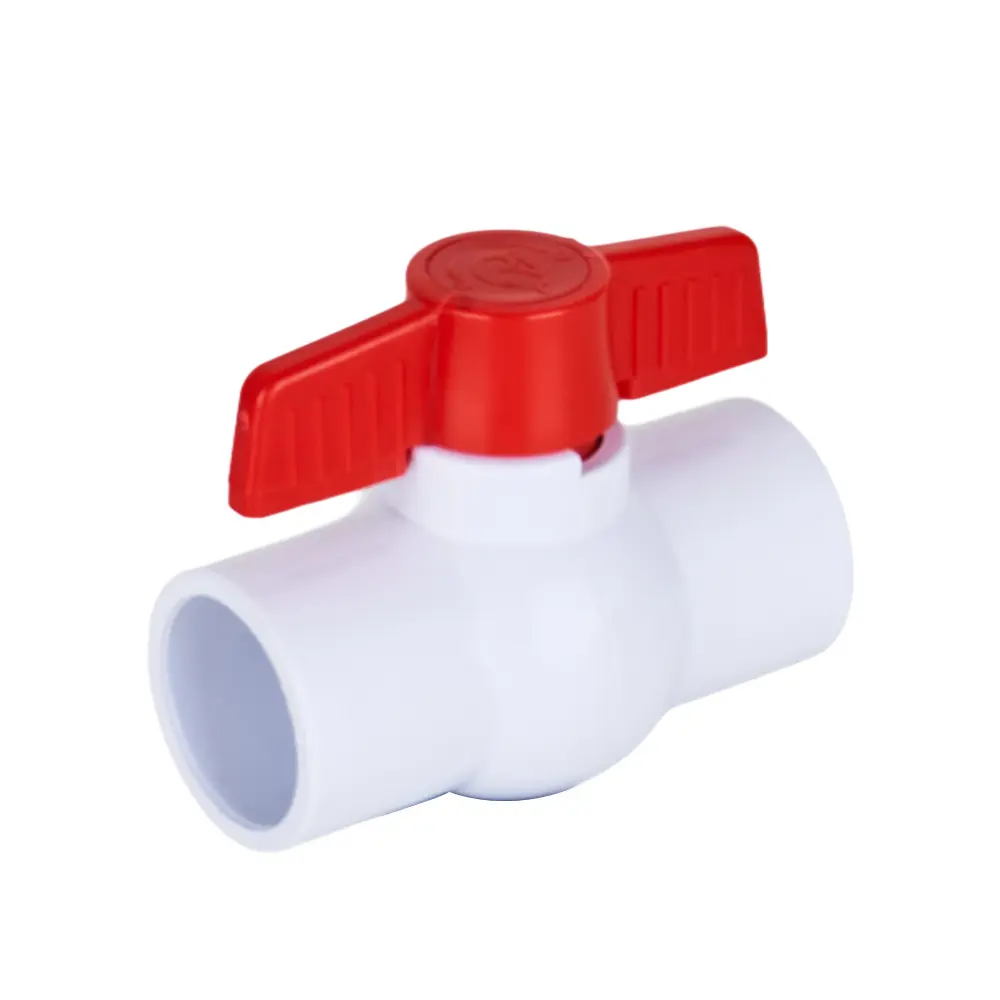
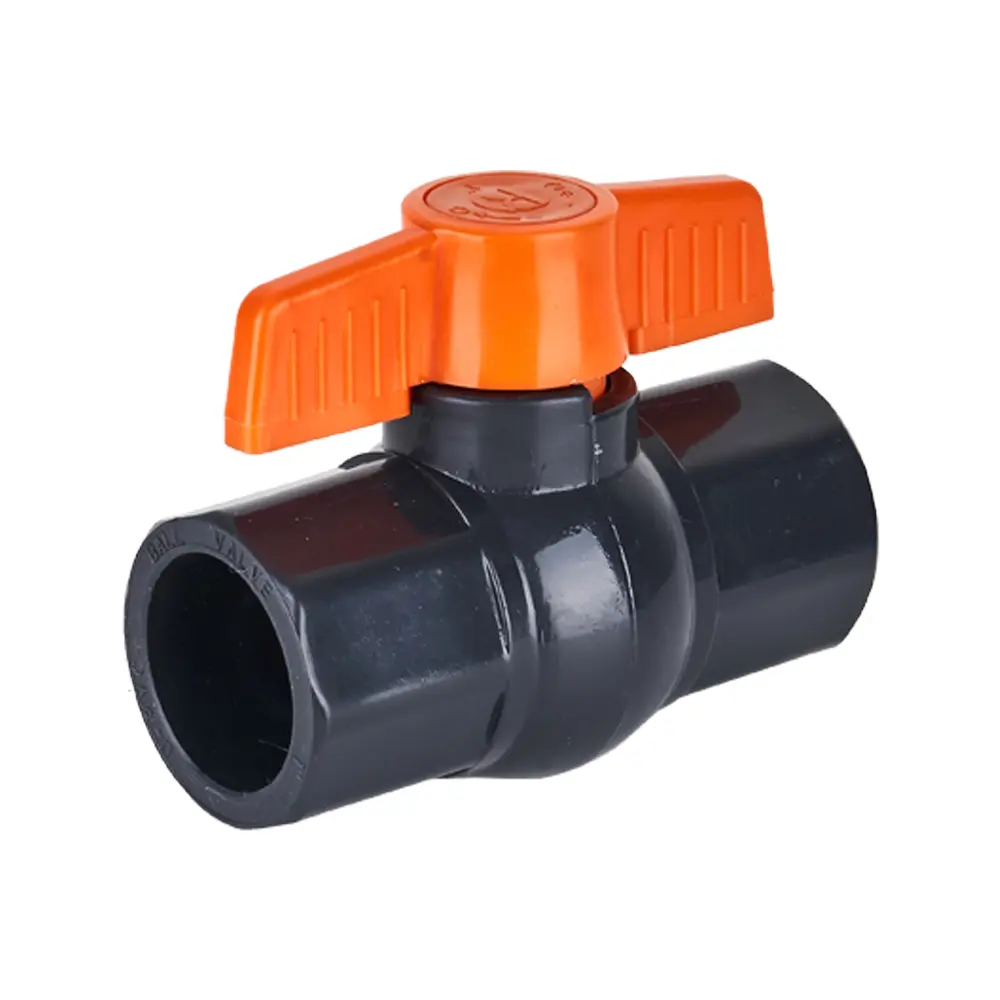
Ehao Plastic Group's ongoing strategy for manufacturing process optimization and materials research.
The global manufacturing sector is focusing on reducing carbon emissions and adopting circular economy principles. In response, Ehao is researching recyclable thermoplastic materials and optimized stabilizers to improve polymer longevity without affecting recyclability.
Our tooling design focuses on reducing raw material waste during manufacturing. By using hot runner systems and precise runner geometries, we reduce waste material in each shot. Our engineering department is also developing hybrid components that combine the chemical resistance of PVC with the mechanical properties of glass-reinforced polyamides. These hybrid designs are intended for high-pressure, chemical-processing environments where traditional plastic components have reached their physical limits.
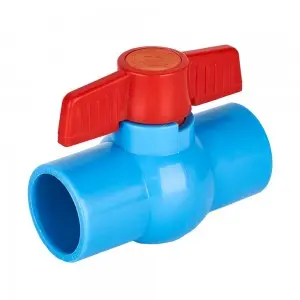
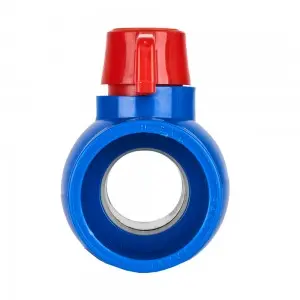
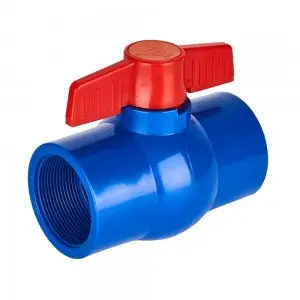
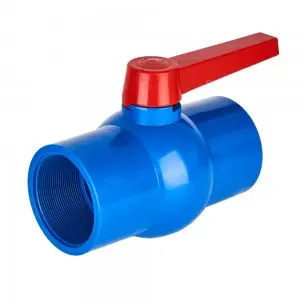
Technical guidance and material science solutions for pipeline systems, industrial fluid networks, and custom plastic mold requirements.
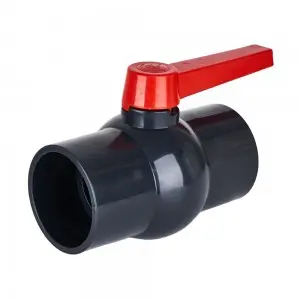
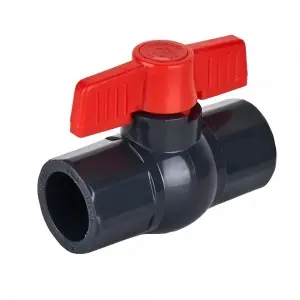
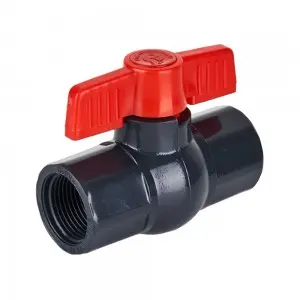
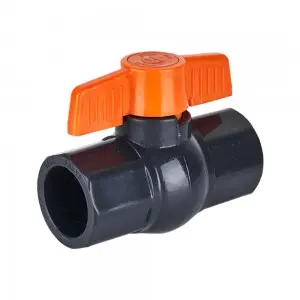
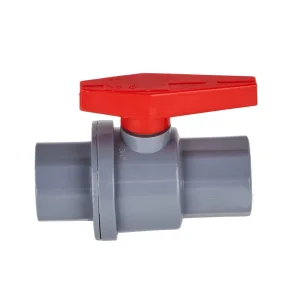
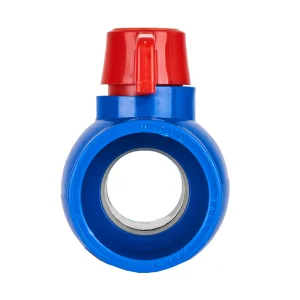
View the rest of our product list, showing alternative connection interfaces, socket designs, and handle types.
 EHAO
EHAO