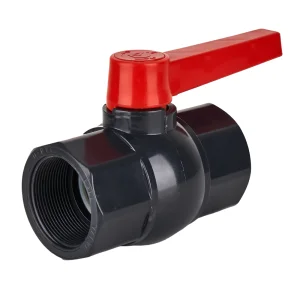
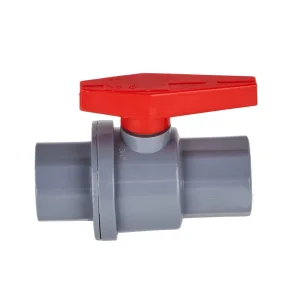
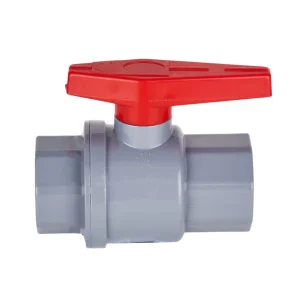
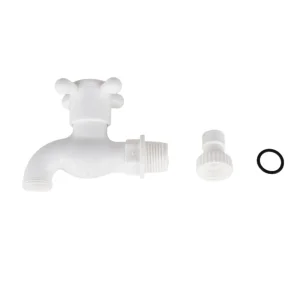
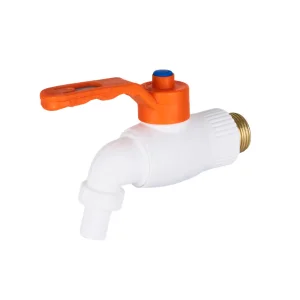
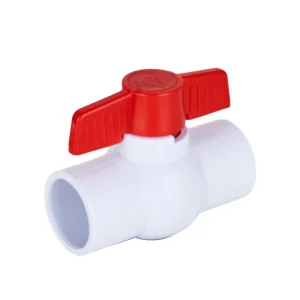
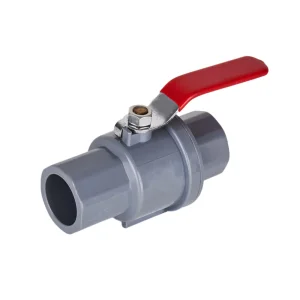
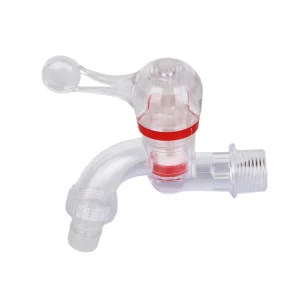
Wholesale Injection Molding ABS Supplier & Suppliers

High-Precision Polymer Molding, Industrial Engineering Excellence, & Global Supply Chain Solutions

Understanding the Global Landscape of ABS Injection Molding

Acrylonitrile Butadiene Styrene (ABS) represents one of the most versatile amorphous engineering thermoplastics in modern manufacturing. By merging the strength and rigidity of acrylonitrile and styrene with the rugged toughness of butadiene rubber, ABS presents an optimized balance of impact resilience, chemical inertness, and dimensional stability. In the sphere of industrial flow control, agricultural irrigation, and municipal building materials, ABS injection molding serves as the bedrock for high-integrity, complex components.

Ehao Plastic Group stands at the cutting edge of this industry. As an integrated high-tech private enterprise, we specialize in the continuous research, development, and precise execution of polymer chemistry formulations. Collaborating with the prestigious Chinese Academy of Sciences and Zhejiang University, we engineer high-performance materials and molds. Leveraging state-of-the-art injection molding units from Germany, we translate complex material chemistry into robust industrial components, maintaining a global presence across 28 countries.

Manufacturing Quality Indicators

Our facilities deploy automated German injection molding machinery designed for precision and minimal dimensional variance.

26
Testing Steps
100%
Ex-Factory Pass
DIN
8077/8078 Certified
28+
Global Regions

Advanced Infrastructure Cooperation

How Ehao Partners with You Every Step of the Way

From custom chemical formulation and detailed mold-flow analysis to selecting the optimal injection parameters, our engineering team ensures that your finished OEM components generate reliable field performance and robust bottom-line margins.

Core Competencies & Technical Roadmaps

Why Ehao's materials science and advanced manufacturing techniques outperform traditional processing routes.

Scientific Material Formulation

We optimize monomer ratios—balancing the chemical resistance of Acrylonitrile, the structural resilience of Butadiene, and the pristine surface finish of Styrene—to engineer custom-grade ABS designed to withstand high torque, UV exposure, and thermal fluctuations.

German Automated Molding

By employing computerized, high-speed closed-loop injection molding units from Germany, we control injection pressure, plasticizing speeds, and holding pressures down to micro-tolerances, eliminating air traps, flash, and sink marks.

26-Step Quality Matrix

Every product batch is subjected to a strict 26-step testing cycle including hydrostatic pressure tests, material density verifications, drop impact analyses, and spectrophotometric color consistency evaluations to ensure 100% field reliability.

Industrial Process Roadmap & Milestones

A deep dive into our systematic engineering and design lifecycle, from design visualization to global dispatch.

Phase 1
Cad & Mold-Flow Simulation
Applying advanced finite element analysis (FEA) and mold-flow simulations to identify gate placements, optimize wall thicknesses, and prevent shear degradation during the injection phase.
Phase 2
Precision Toolmaking
Using premium hardened tool steels (such as H13 or P20) to mill multi-cavity hot runner injection molds, ensuring high-speed cycles and minimal flash generation.
Phase 3
Closed-Loop Precision Injection
Precisely managing temperature profiles (melt: 200°C–240°C, mold: 50°C–80°C) and multi-stage holding pressures to guarantee isotropic shrinkage and structural density.
Phase 4
Testing & Compliance Verification
Conducting rigorous physical evaluations against DIN8077 and DIN8078 standards. Confirming exact dimensions and pressure ratings prior to custom industrial packaging.

Localized Application Environments

Deploying advanced polymer solutions to serve diverse architectural, agricultural, and industrial infrastructure demands worldwide.
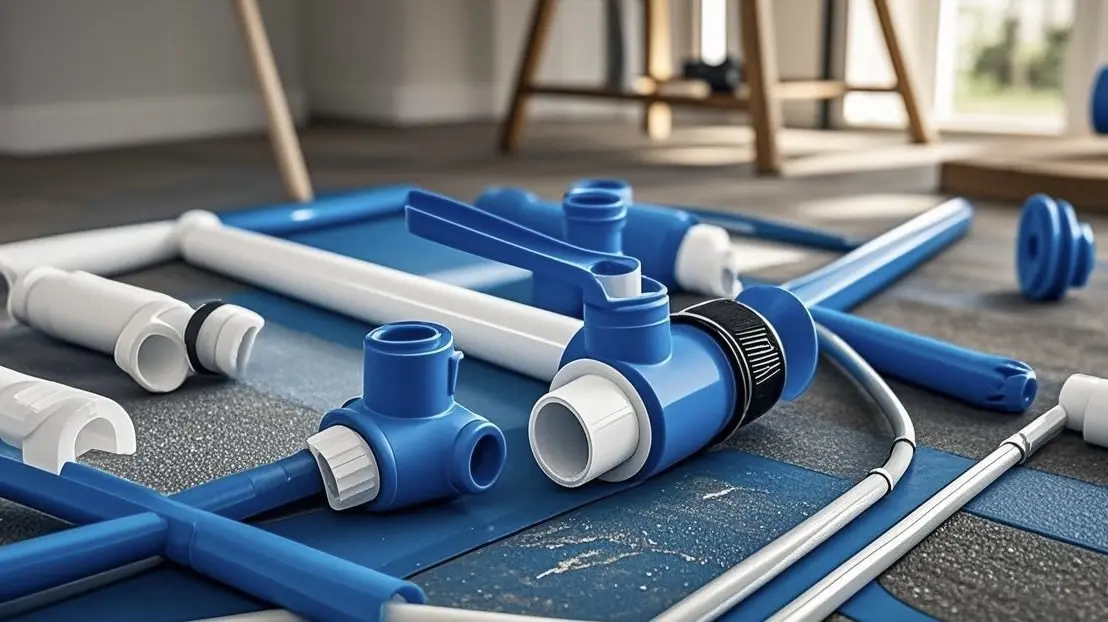
Home Decoration

Home Decoration

Integrating reliable aesthetic and mechanical performance into modern home plumbing, sanitary ware, and internal distribution networks.

Irrigation System

Irrigation System

Withstanding UV degradation, pesticide exposure, and cyclic water hammer in large-scale agricultural and landscaping projects.
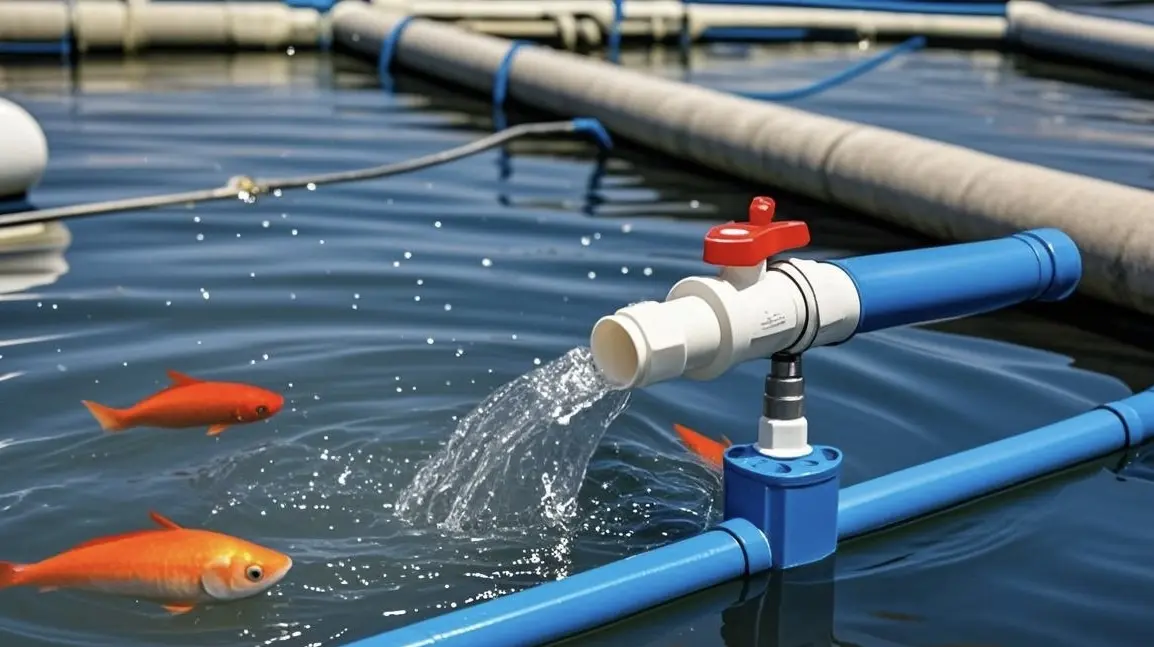
Fish Cultivation

Fish Cultivation

Providing non-toxic, chemically inert liquid handling solutions essential for aquaculture and sensitive bio-filtration loops.
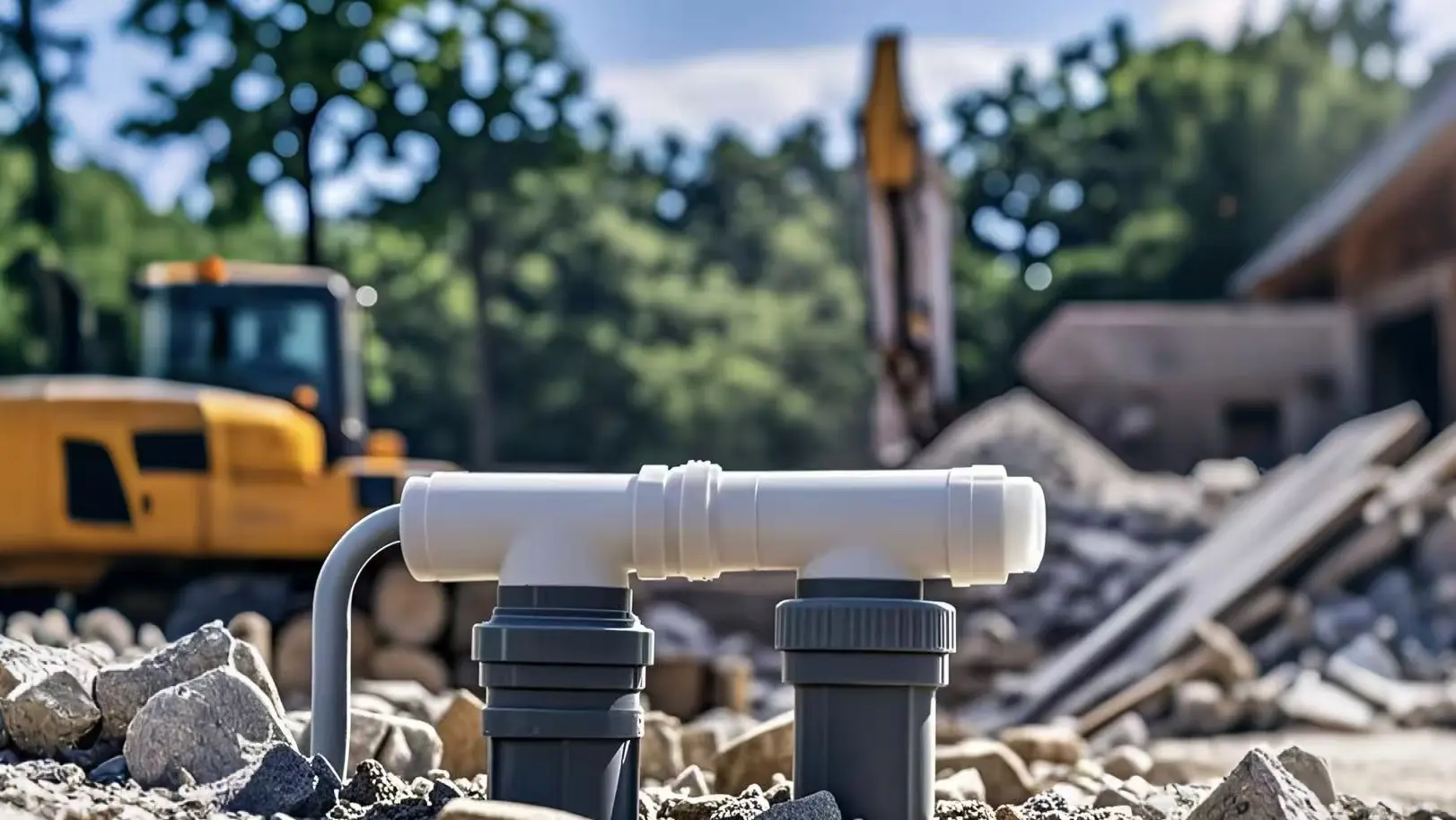
Construction Work

Construction Work

Delivering high-tensile structural fittings, industrial valves, and durable conduits for complex civil construction frameworks.

Industrial Q&A: Injection Molding ABS

Technical explanations addressing common engineering and sourcing inquiries from procurement teams and lead designers.

What are the key benefits of using ABS over PVC in industrial fluid systems? +
ABS (Acrylonitrile Butadiene Styrene) features superior impact strength at low temperatures, making it less prone to brittle fractures than standard PVC. Additionally, it offers excellent dimensional stability and can withstand a wider range of operating temperatures, which is critical for demanding industrial and mechanical fluid networks.
How does Ehao Plastic Group maintain compliance with DIN8077 and DIN8078 standards? +
Our adherence to DIN8077/8078 standards begins with strict raw material selection and molecular testing. Throughout production, we monitor dimensional tolerances and test burst pressure, heat reversion, and impact resistance. Independent lab validations ensure that every batch of pipes, valves, and fittings meets or exceeds international benchmarks.
Can Ehao develop custom injection molds based on customer-provided samples or 3D files? +
Yes. Our toolmaking division operates high-precision CNC machinery and EDM equipment. We can take your CAD models (IGS, STP, DWG), technical drawings, physical samples, or illustrations and design custom injection molds to produce tailored ABS, PVC, or PP components according to your exact specifications.
What injection molding parameters are critical for achieving high-density ABS products? +
Achieving high density and mechanical strength in ABS parts requires precise control over the polymer melt temperature (ideally 200°C–240°C), backpressure, mold temperature (50°C–80°C), and holding time. Properly managing these parameters minimizes internal stresses, prevents voids, and controls material shrinkage.
What role do China’s top research institutes play in Ehao's product R&D? +
We collaborate with the Chinese Academy of Sciences and Zhejiang University to access advanced polymer research. This partnership allows us to study material fatigue, optimize macromolecular structures, and develop high-performance plastic composites that deliver superior chemical resistance and mechanical strength under heavy industrial loads.