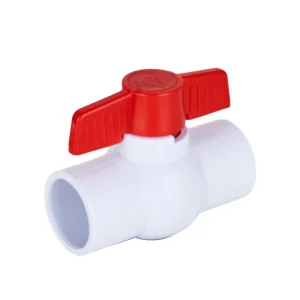
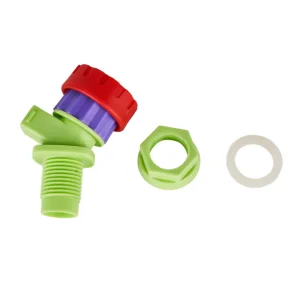
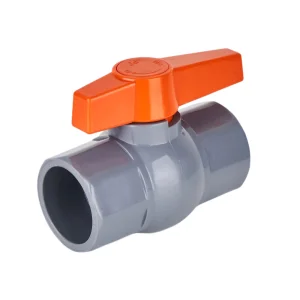
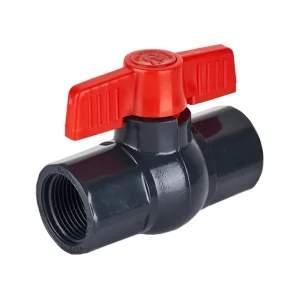
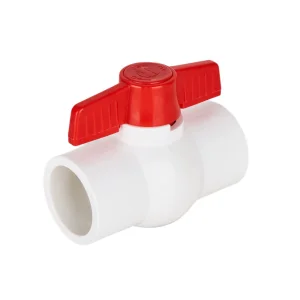
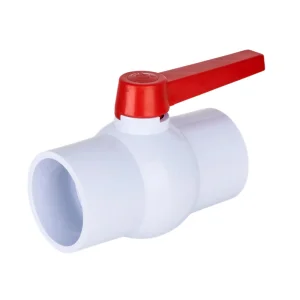
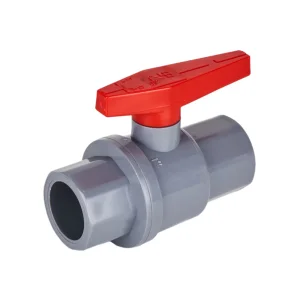
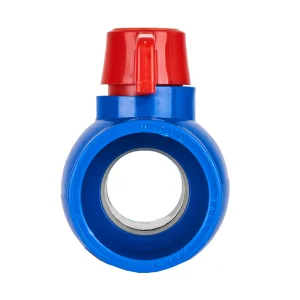
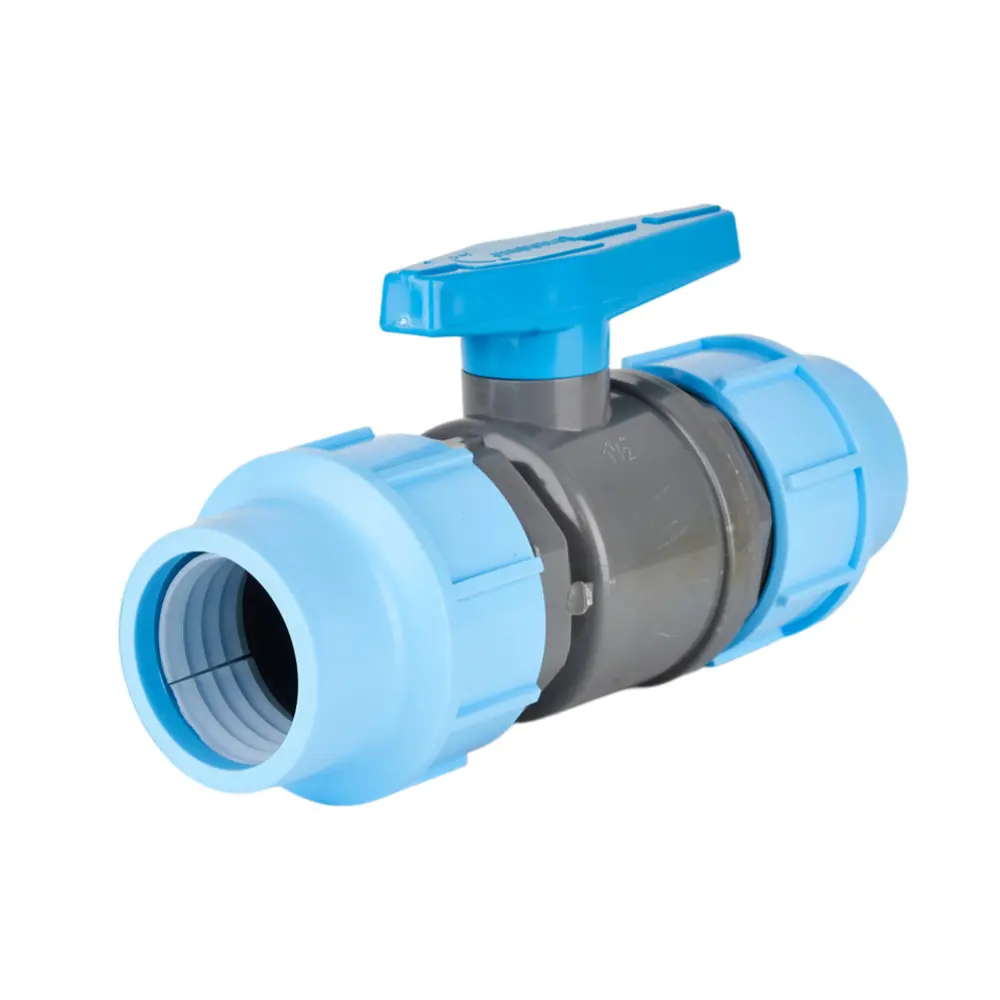
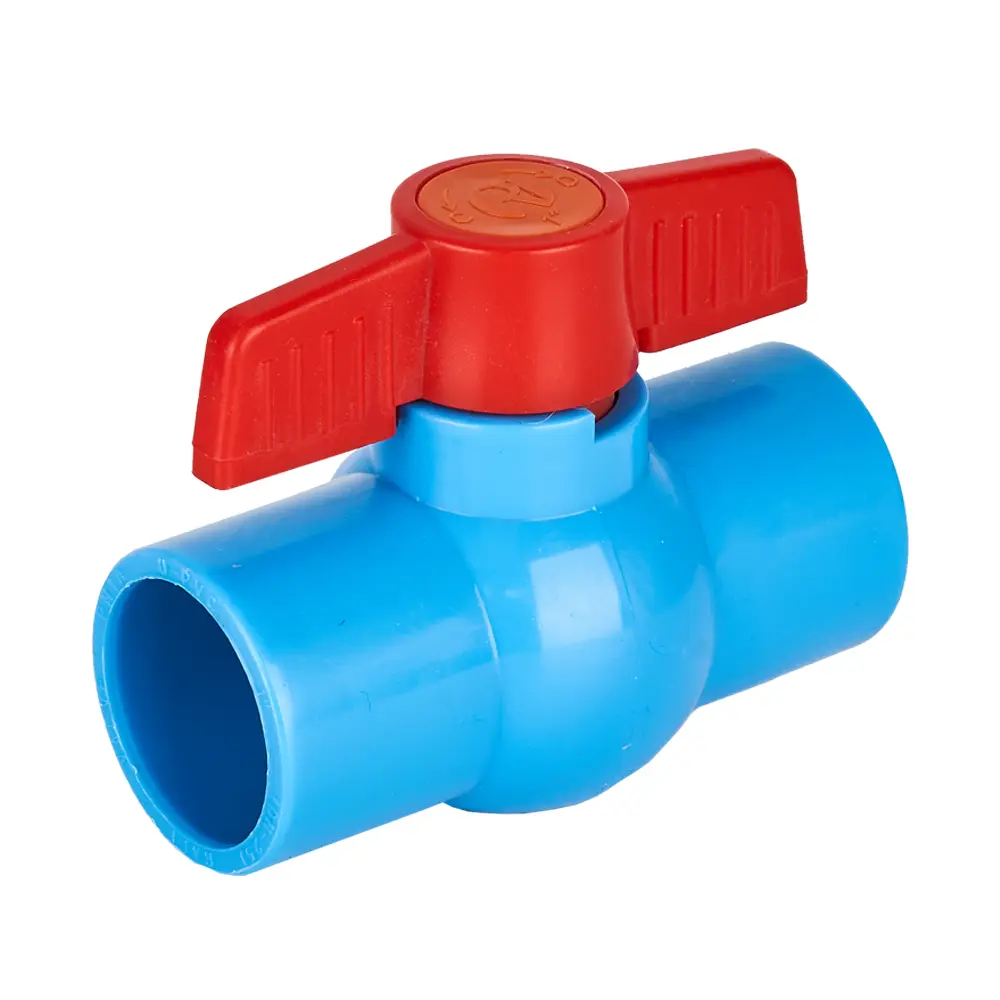
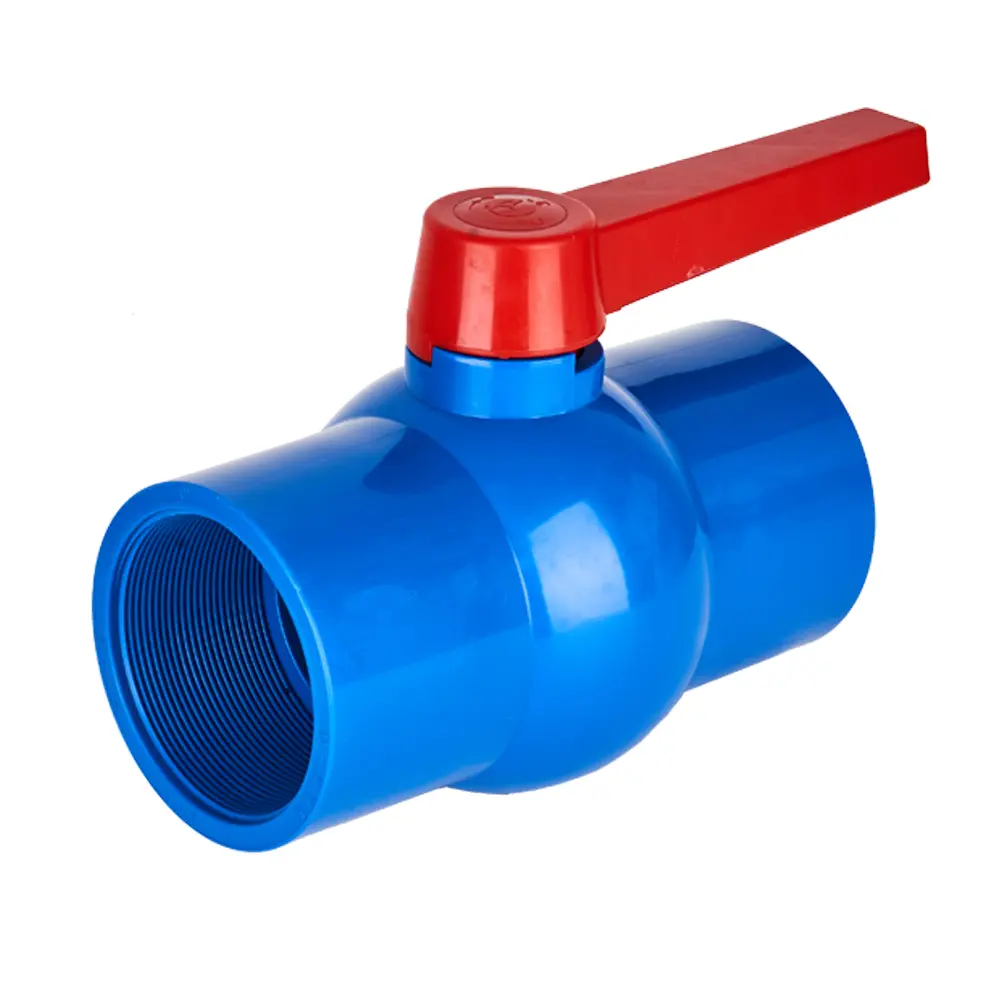
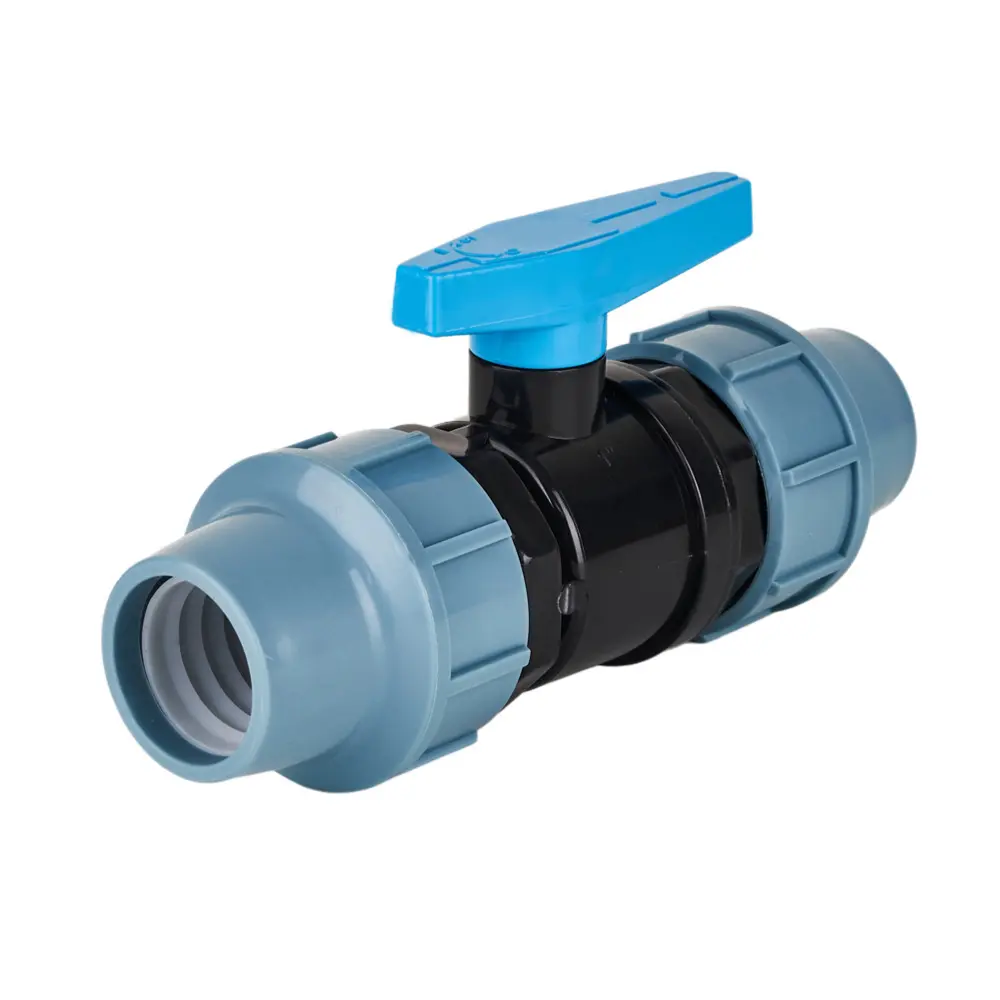
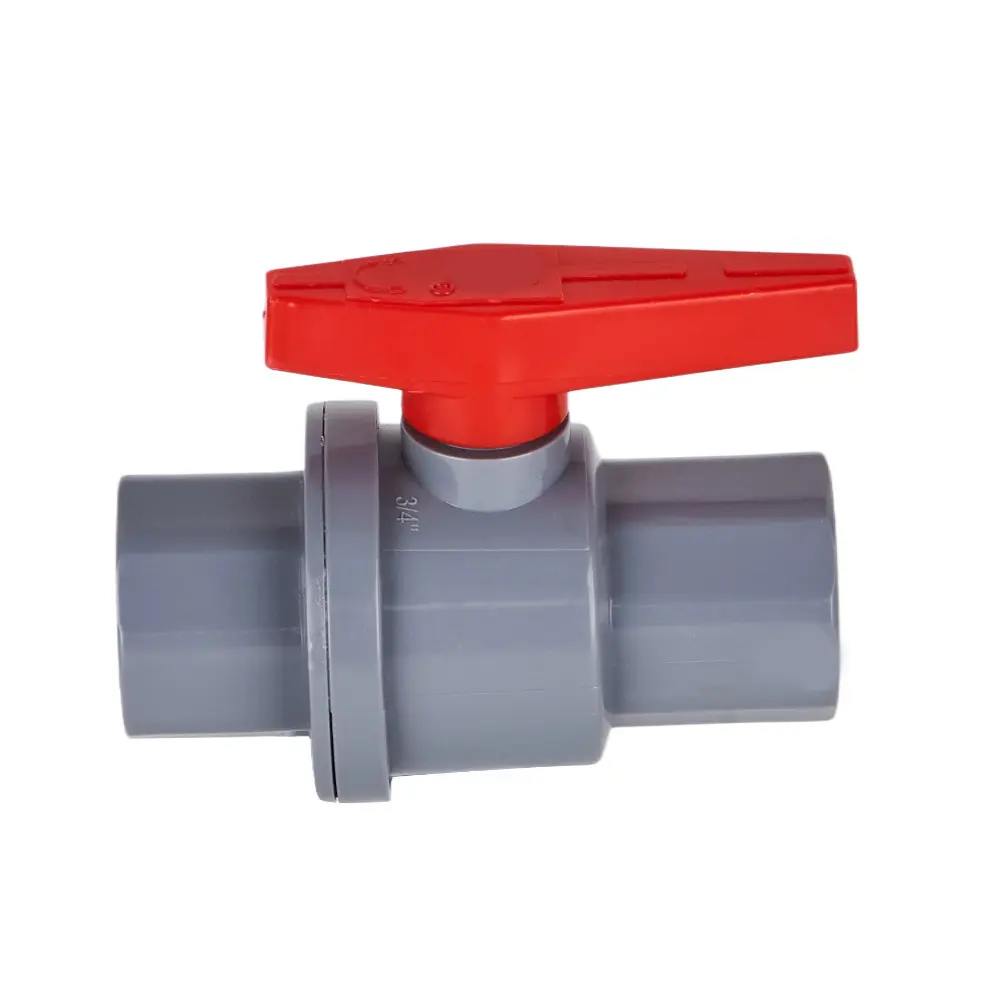
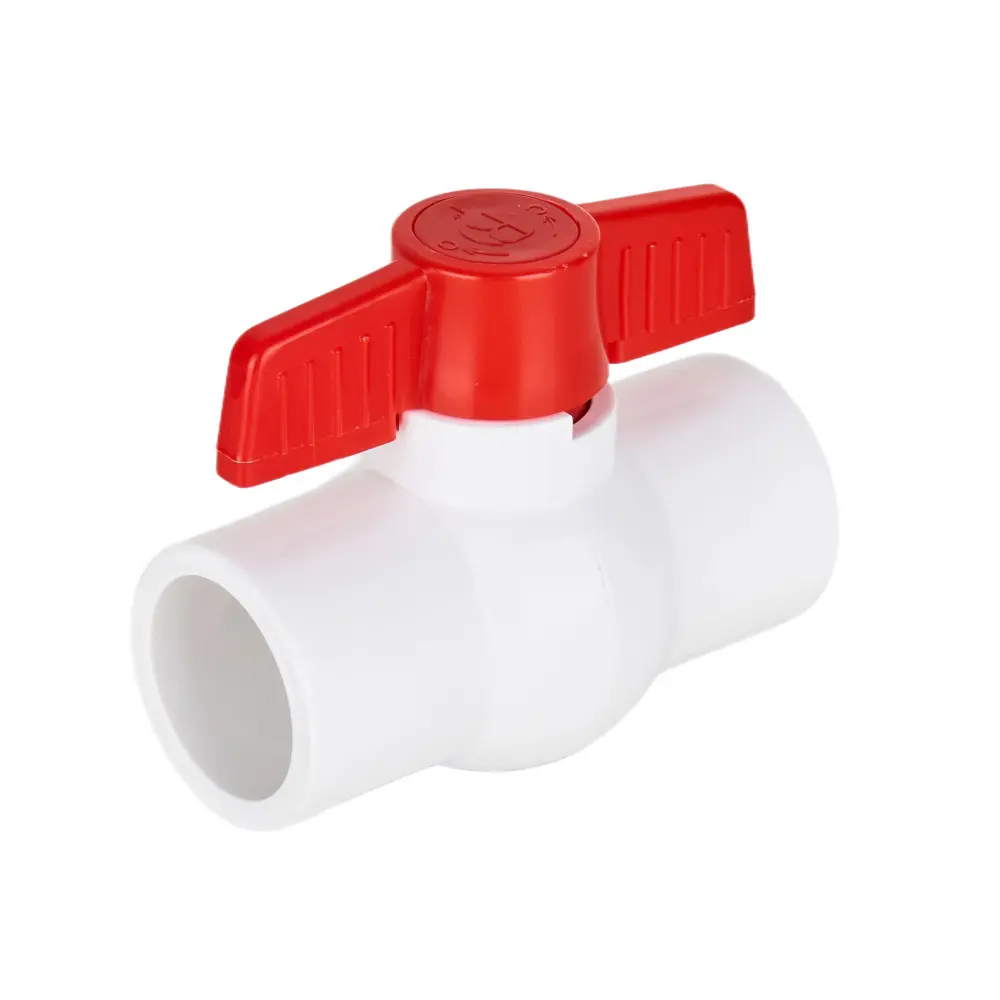
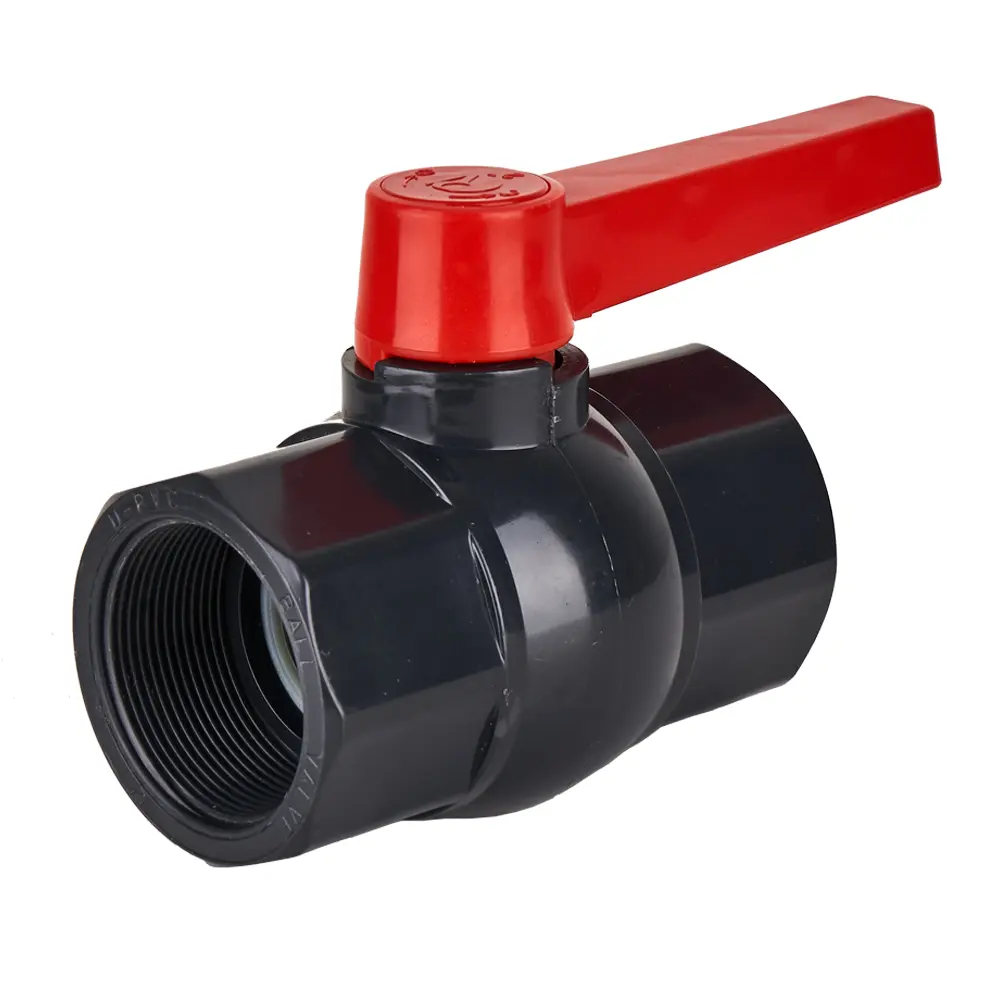
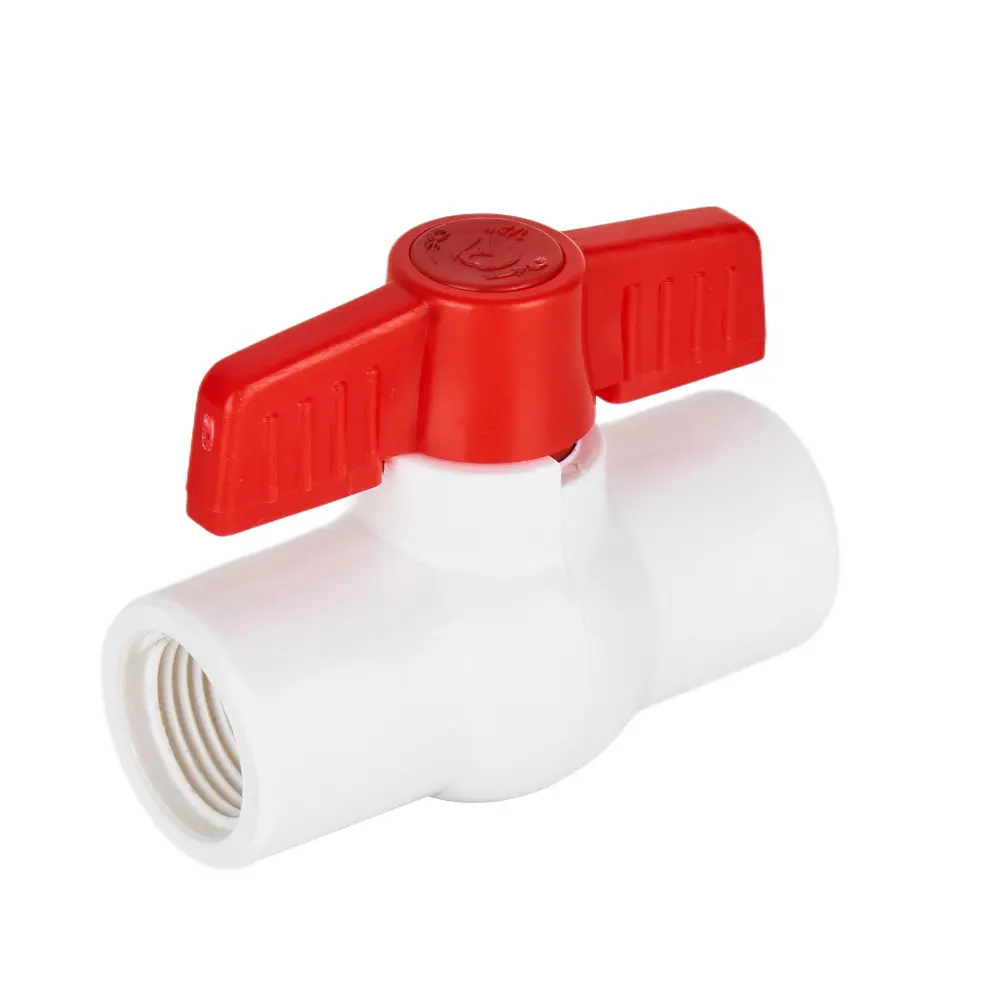
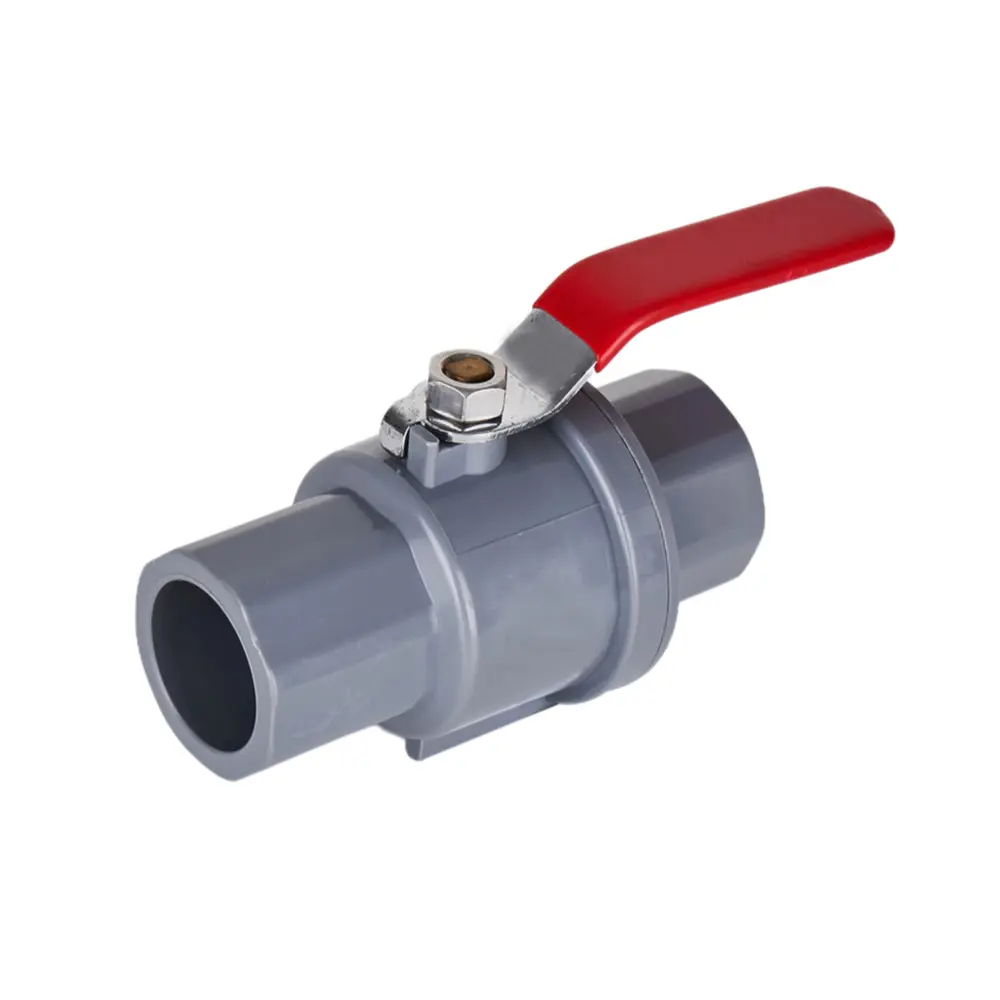
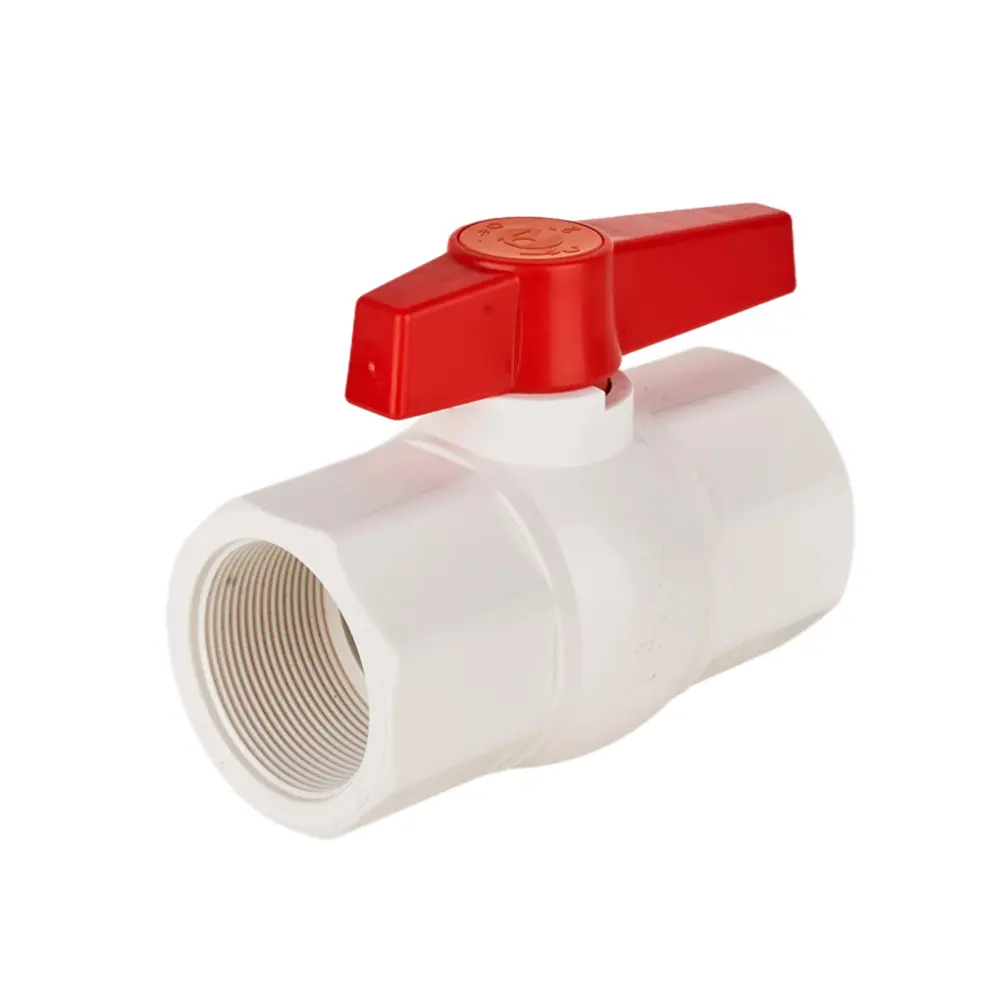
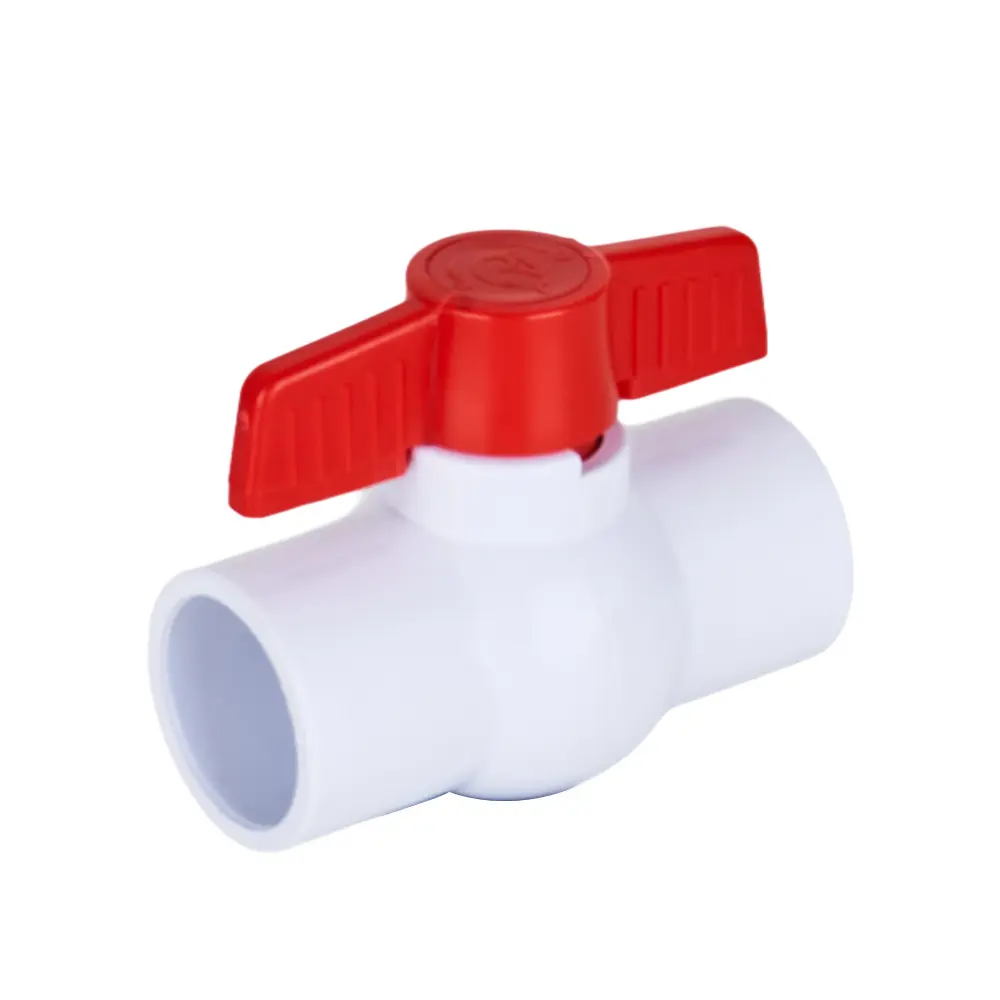
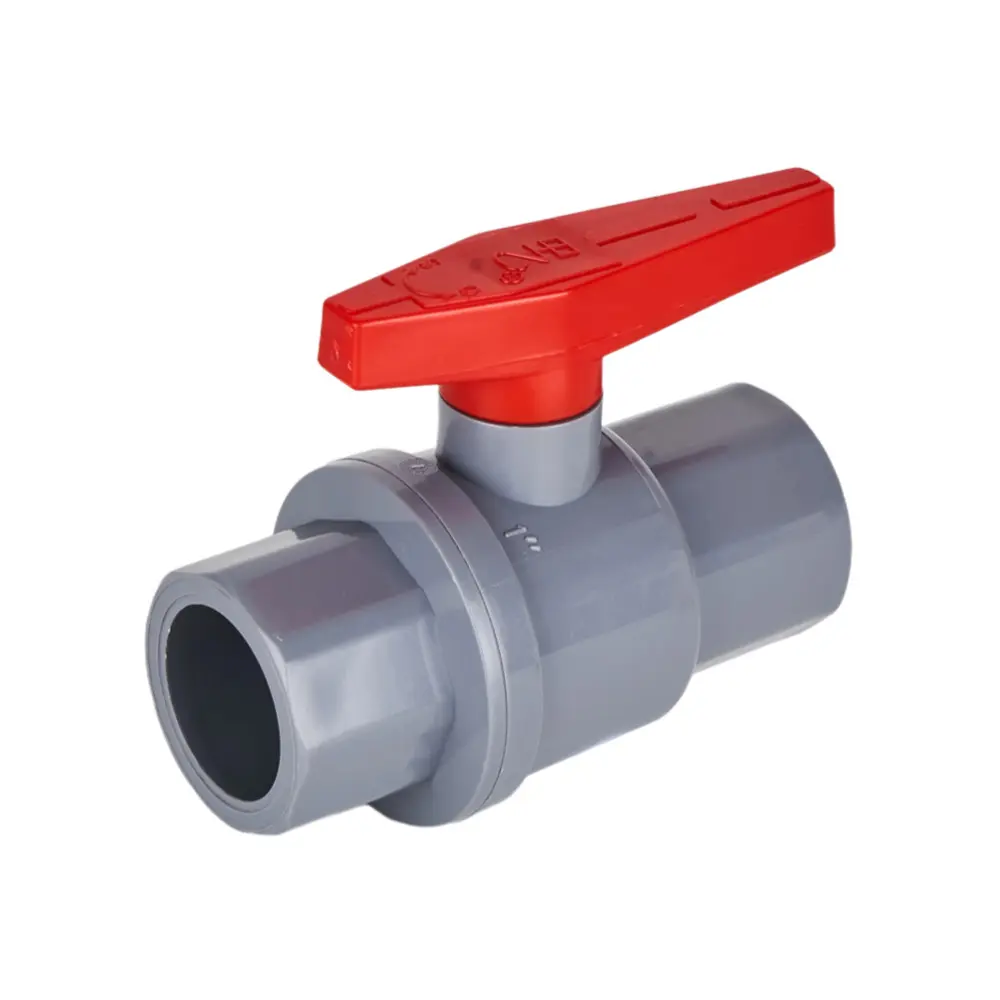
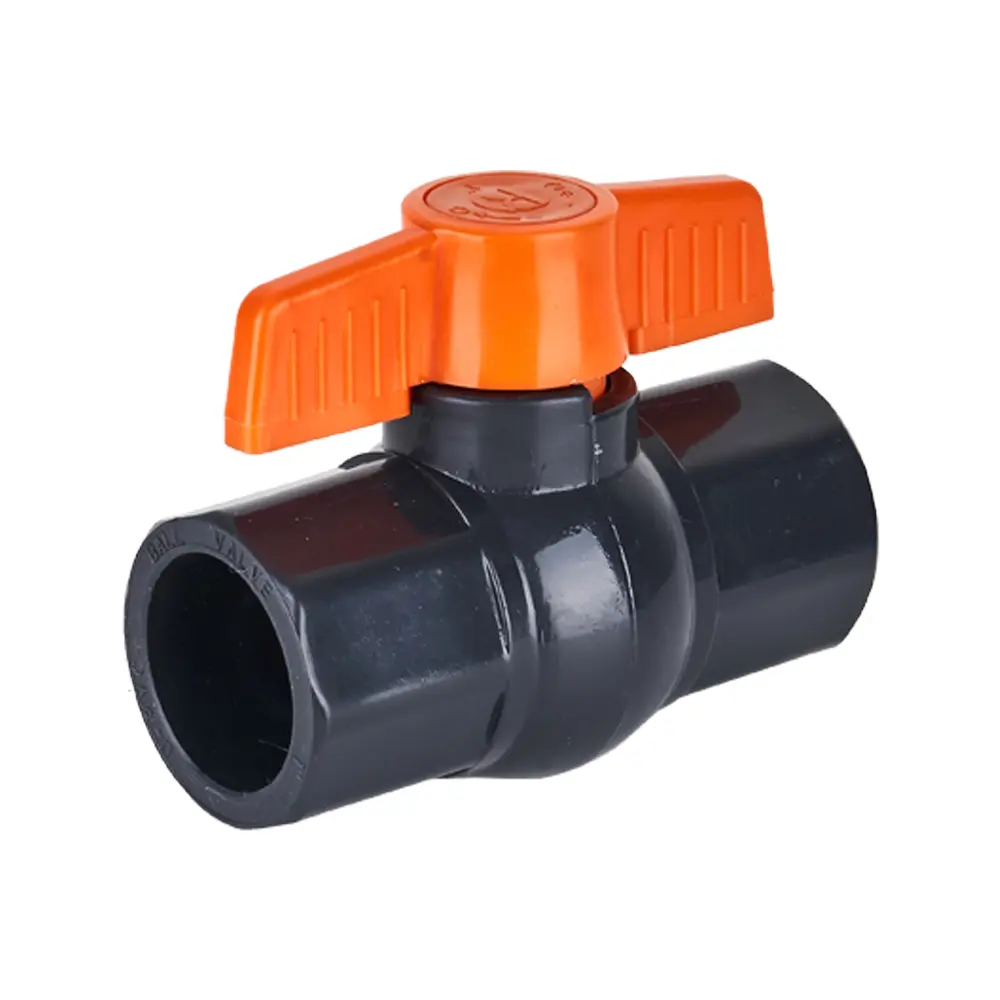
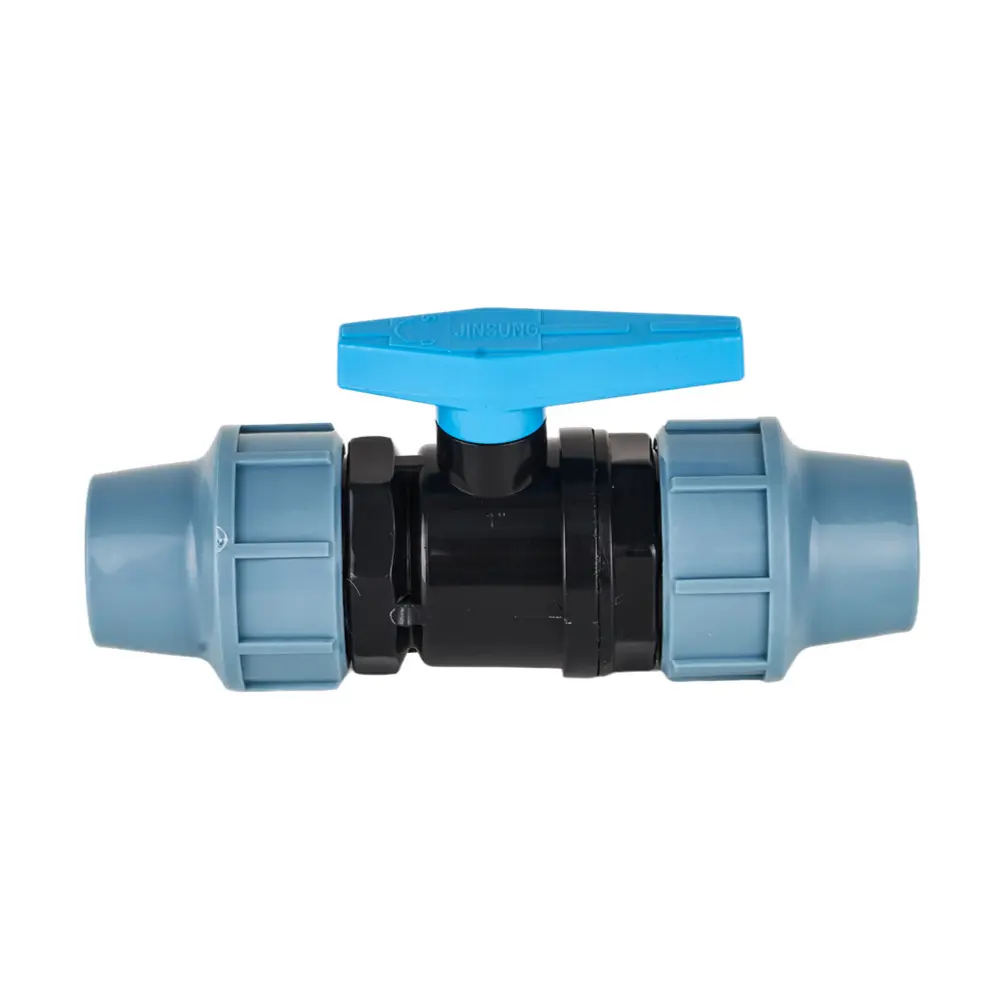
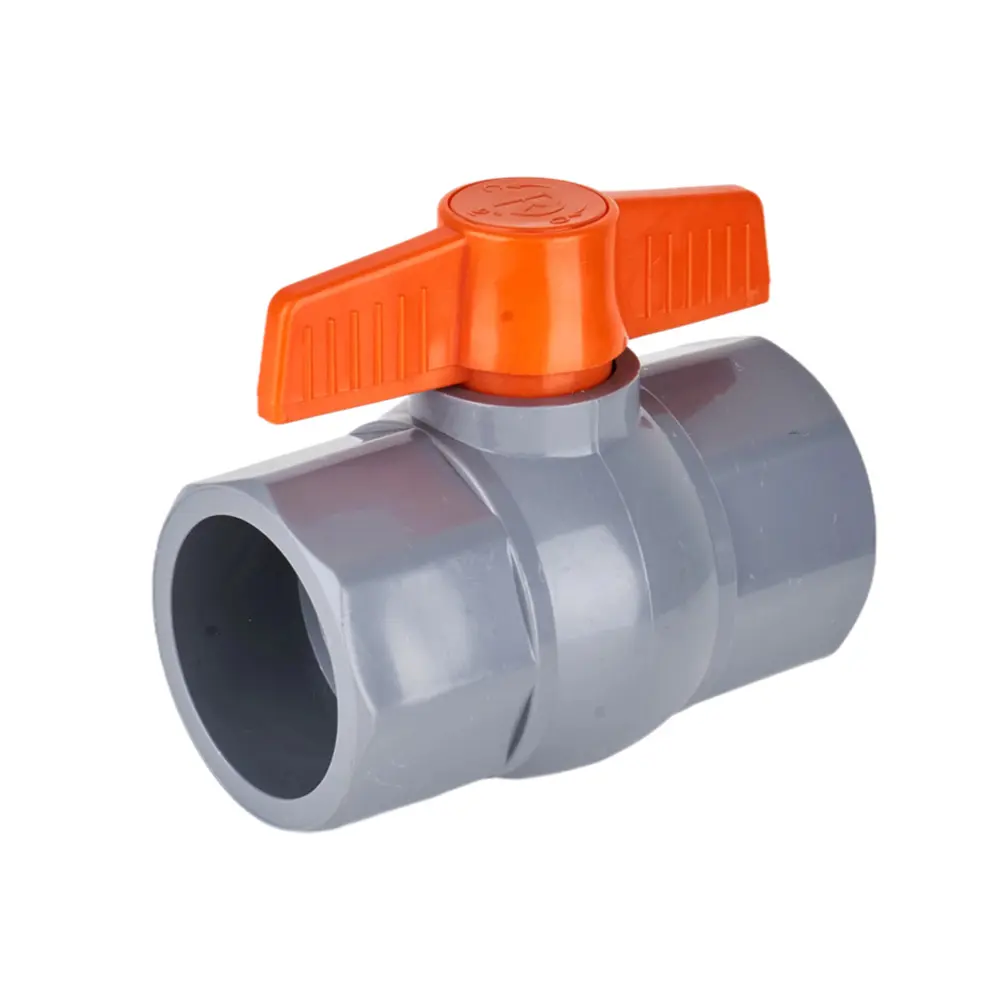
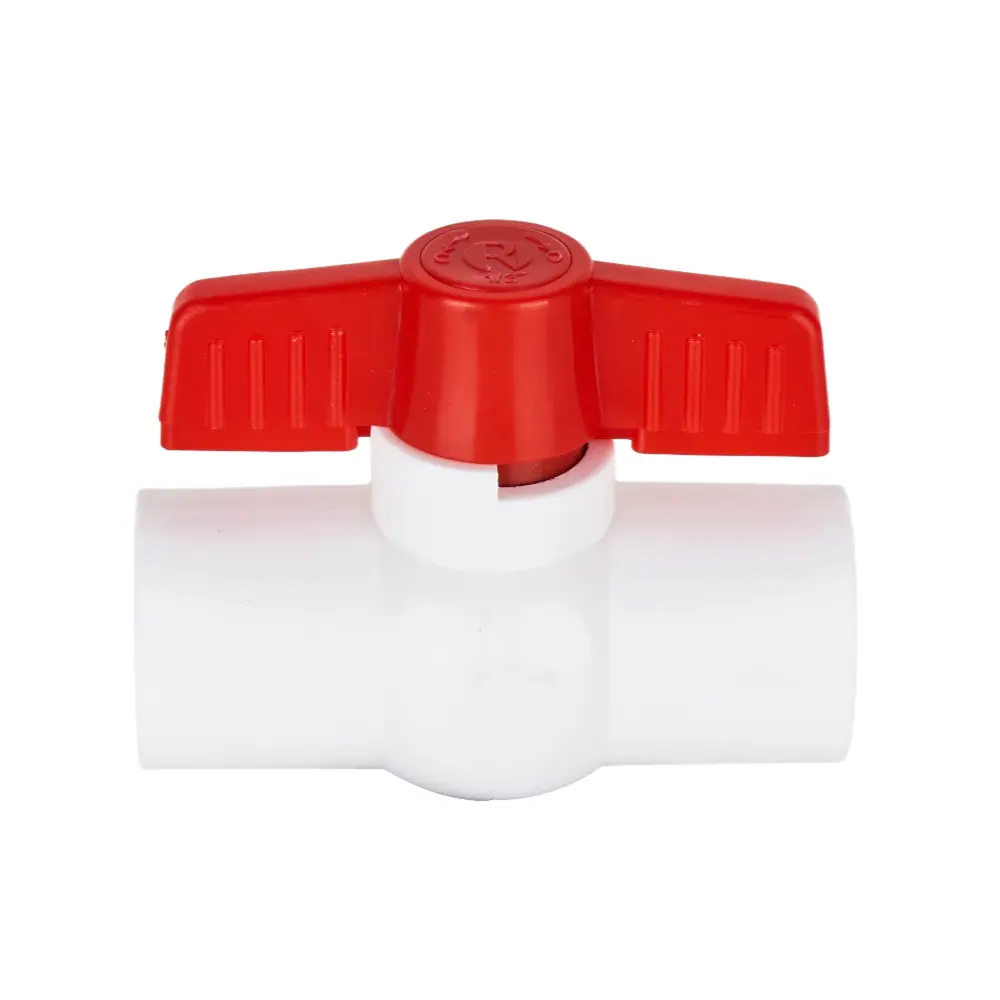
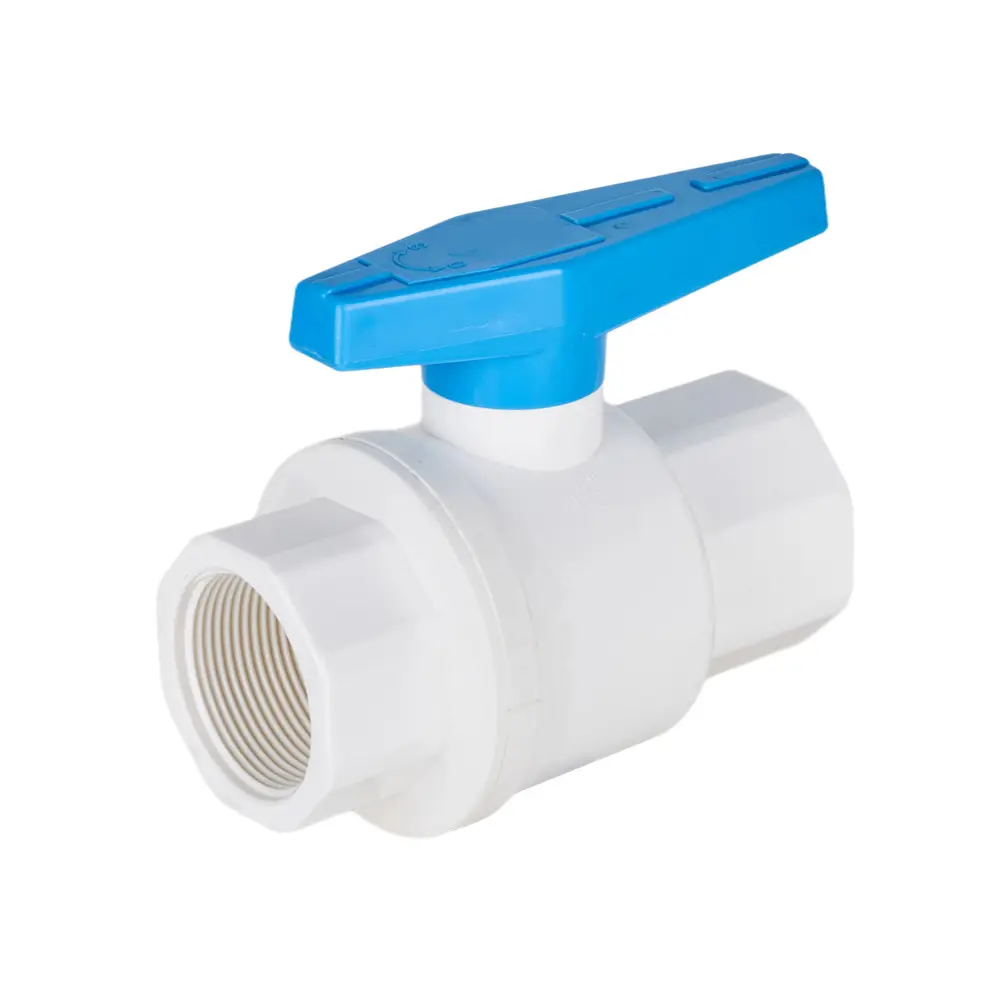
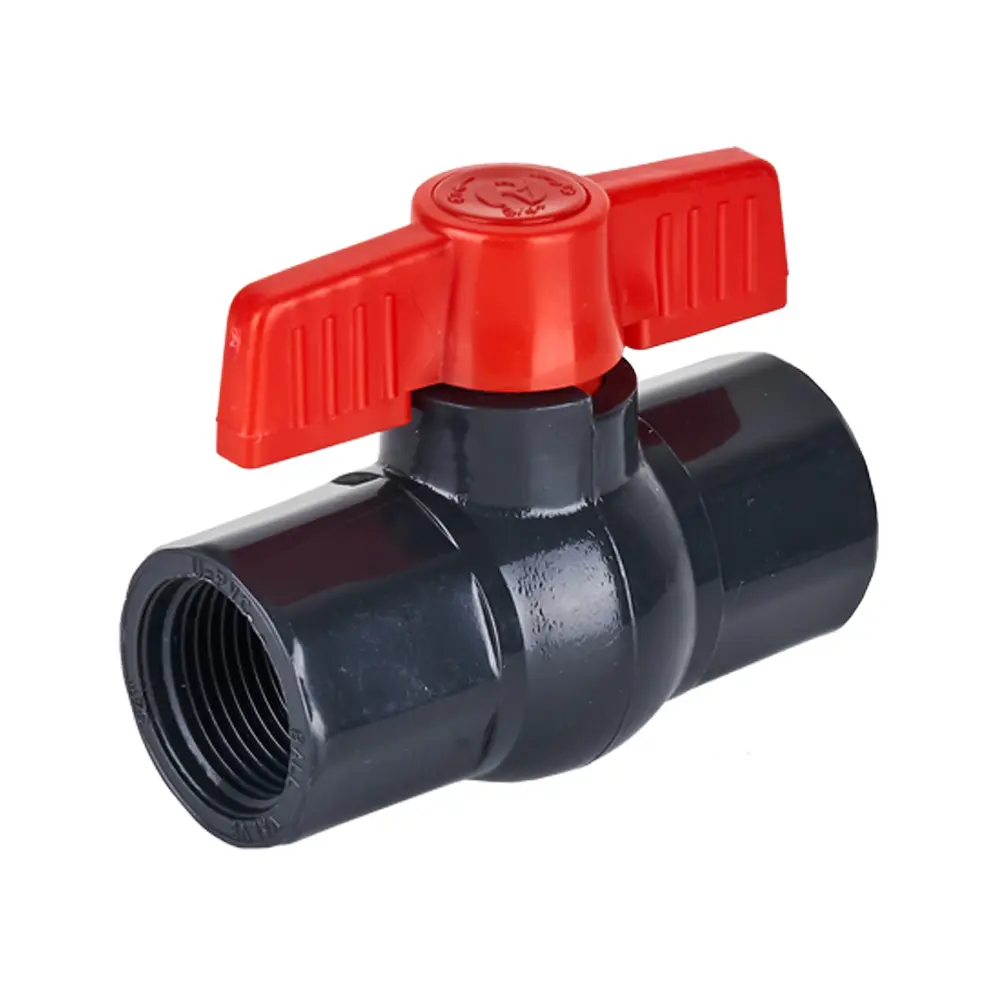
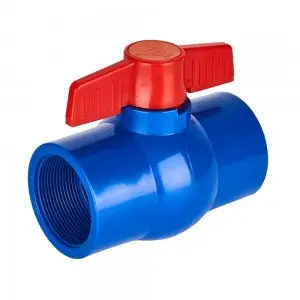
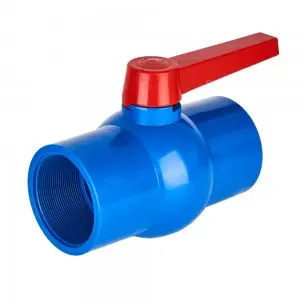
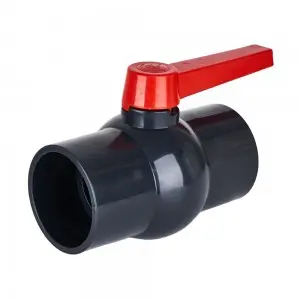
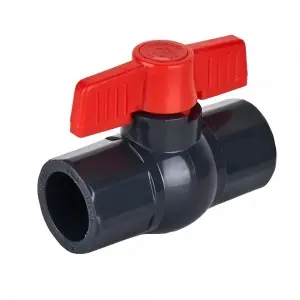
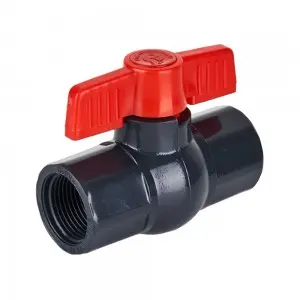
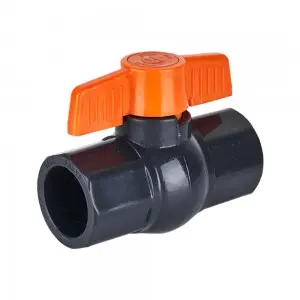
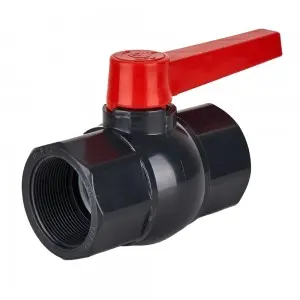
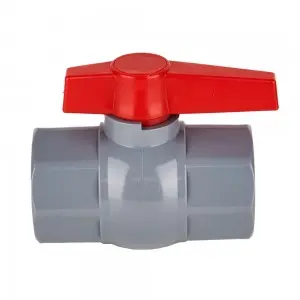
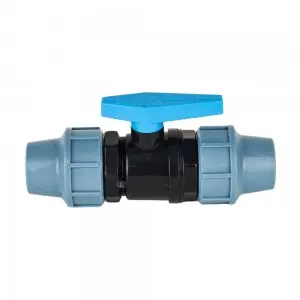
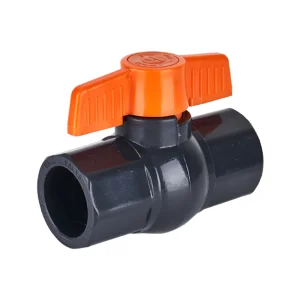
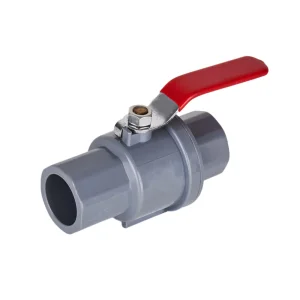
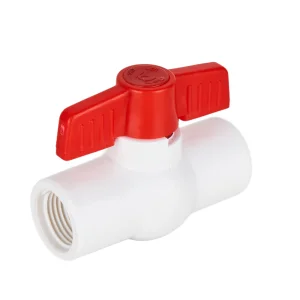
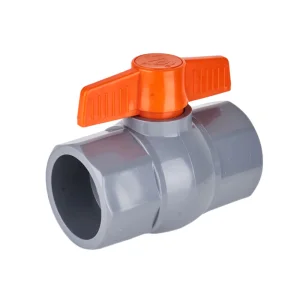
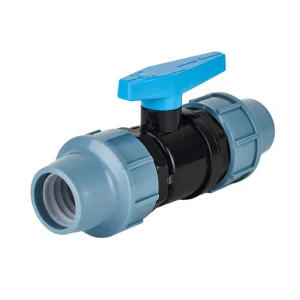
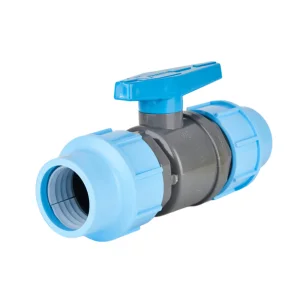
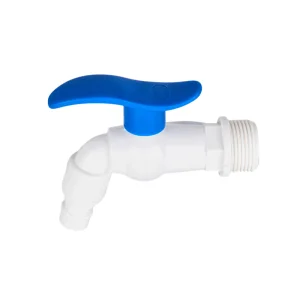
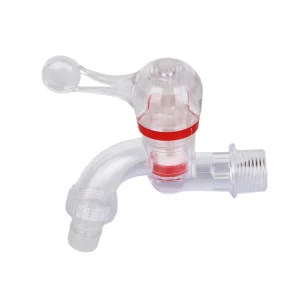
High-precision compact ball valves and fluid fittings manufactured in compliance with international standards.
In the domain of thermoplastic manufacturing, the baseline of quality is established during the initial injection molded part design phase. A component's geometry dictates its thermodynamic behavior within the tool, mechanical performance during operation, and susceptibility to defects such as sink marks, voids, and warp. Ehao Plastic Group utilizes state-of-the-art DFM (Design for Manufacturing) guidelines to engineer high-integrity components that withstand extreme industrial conditions.
Key design principles must address draft angles, wall thickness uniformity, rib structures, and gate placement. Draft angles are essential to minimize friction during part ejection; typically, a minimum of 1° to 2° draft is required for smooth release. Wall thickness is critical: variations lead to differential shrinkage, resulting in internal stresses. When designing specialized UPVC/PVC ball valves and piping fittings, our design team maintains uniform cross-sections to eliminate mechanical weak points, ensuring compliance with rigid industry codes.
“Optimizing gate locations through advanced Rheological Simulation prevents weld line vulnerability, reducing failure rates in high-pressure fluid control systems to absolute zero.”
Plastic resins expand when heated and contract upon cooling. Part design must predict volumetric shrinkage rates, which vary between amorphous polymers (e.g., PVC, PC) and semi-crystalline polymers (e.g., PP). By integrating precise tooling parameters, Ehao’s engineers optimize structural integrity, ensuring that final components maintain dimensional stability under varying temperature profiles.
Ehao Plastic Group's high-tech injection molded parts deliver optimal flow, corrosion resistance, and safety across key global sectors.
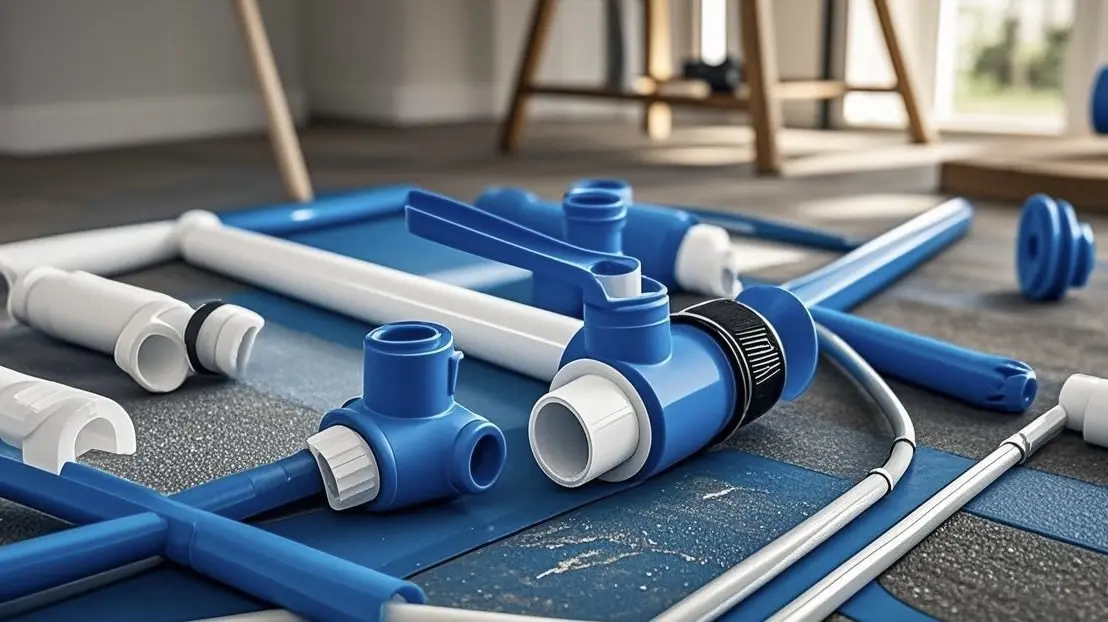
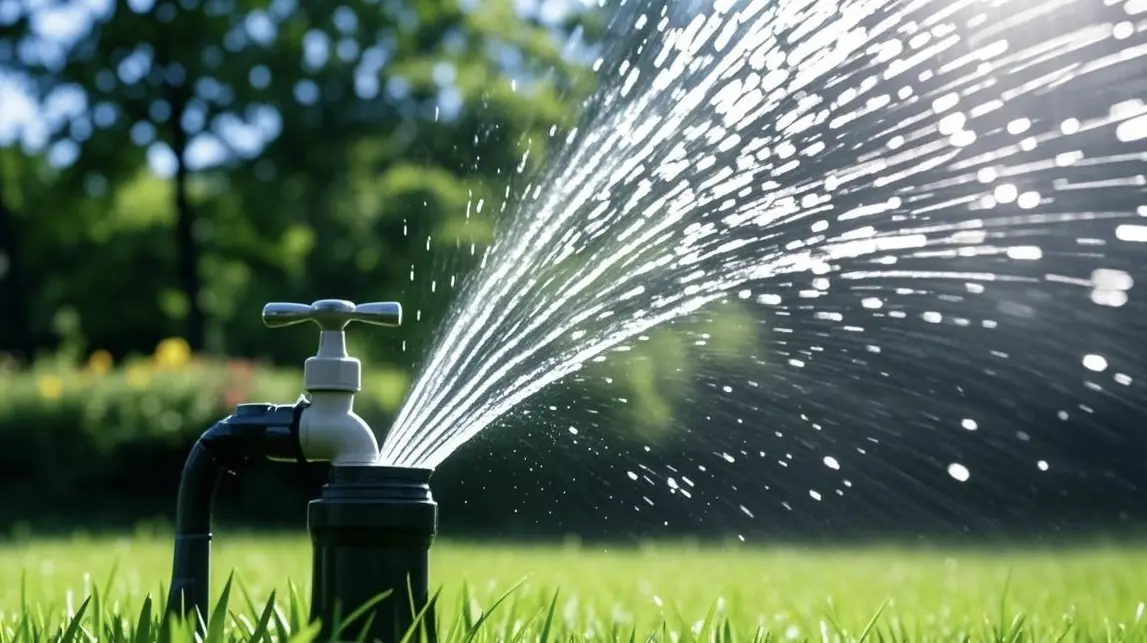
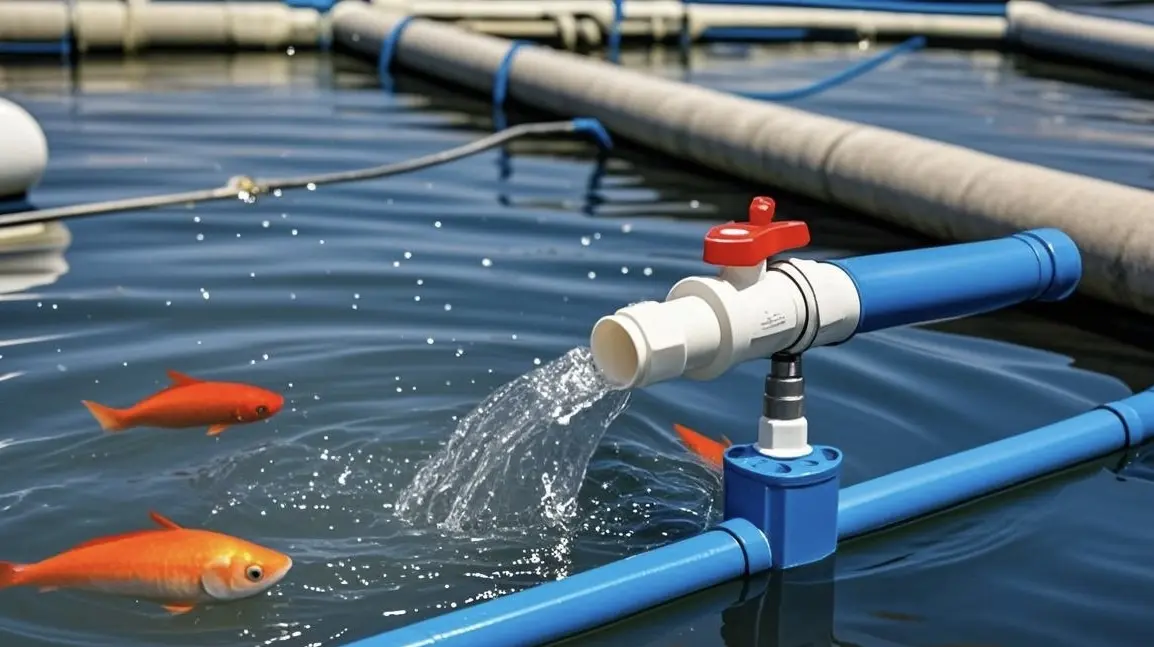
Ehao Plastic Group operates as a high-tech private enterprise integrating R&D and production of advanced building materials, pipe fittings, and injection moulds. A core competitive advantage lies in our deep engineering ties with premier academic institutions. Supported by the Chinese Academy of Sciences and Zhejiang University, our material scientists continually develop customized polymer formulations designed for specialized mechanical and thermal characteristics.
This scientific foundation is matched by our world-class manufacturing infrastructure. We have introduced computerized automatic injection molding machinery and precise extrusion lines directly from Germany. These advanced machines deliver unmatched control over holding pressures, injection speeds, and temperature zones. Each product undergoes a comprehensive 26-step scientific testing sequence under strict quality control conditions, ensuring a 100% ex-factory pass rate. Our technological indices fully satisfy standard DIN8077 and DIN8078 requirements, placing our production quality at a global top-tier status.
By shifting from manual setup to fully closed-loop automation, the tolerances of our complex parts are kept within microns. This automated environment ensures uniform cooling rates, prevents crystallization variances, and eliminates part-to-part variation over production runs containing millions of cycles.
We design custom molds with robust tool life guarantees. Mold bases and cores utilize high-grade tool steel (such as H13 or P20) to withstand the aggressive corrosive effects of chlorinated compounds like PVC.
From chemical analysis of raw granules and moisture tests to burst pressure verification, we guarantee that every batch matches design tolerances and structural demands.
From selecting and configuring the right machine for your job to helping you finance the purchase that generates noticeable profits.
Modern global logistics require manufacturers to adapt to multi-tier procurement criteria. Buyers from South America, Europe, North America, and Southeast Asia demand varying performance certifications and threads (NPT, BSPT, DIN). Ehao Plastic Group meets these needs with custom-engineered plastic mold solutions. We utilize advanced mold engineering principles to produce custom extruded and injected configurations directly from customer drawings, physical samples, or detailed CAD layouts.
Our collaborative operational mindset is defined by: "Honest, Dedicated, Innovation, and Return". By offering a business model anchored in quality for survival, science for advancement, and service for long-term customer credit, we work closely with developers to lower project costs. Our design team works directly with engineers to optimize cycle times through balanced gate configurations and strategic parting lines. This approach shortens cooling phases and ensures maximum mold life, delivering reliable, high-yield manufacturing runs.
Explore our specialized industrial series engineered with high structural integrity and premium chemical resistance.
In municipal water supply, agricultural irrigation, chemical processing, and aquaculture sectors, compliance with regulatory codes is non-negotiable. Ehao’s manufacturing matches international material regulations, primarily conforming to standards DIN8077 and DIN8078. These standards govern polyolefin pipes and fittings, determining long-term pressure testing limits, structural creep behavior, and thermal performance parameters.
Our raw material supply uses high-density UPVC, PP, and PC resins formulated for chemical resistance. This composition prevents material degradation when handling saline liquids, acids, and bases. With local engineering support in multiple countries, we assist procurement managers with customized certification and documentation needs. We provide material certificates, physical testing reports, and pressure logs to guarantee full project compliance.
In high-pressure systems, structural stability is paramount. Poor design causes sink marks, internal voids, and weld lines. Ehao addresses these failure modes by keeping the rib height to a maximum of 60% of the nominal wall thickness, preventing sink marks opposite rib intersections. Advanced tooling flow calculations ensure weld lines form far from high-stress sectors, preventing structural splits under pressure shocks.
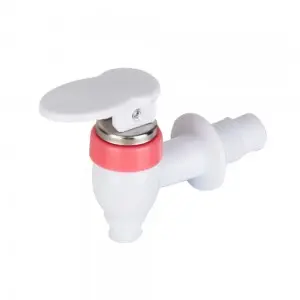
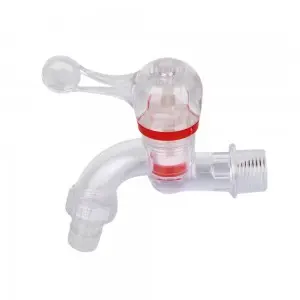
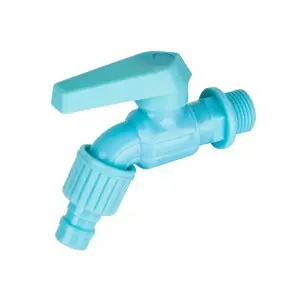
Highly durable PVC ball valves and plumbing taps optimized for residential, civil, and agricultural pipe installations.
The injection molding sector is transitioning toward AI-driven processes. Ehao is integrating smart diagnostic sensors directly into our mold tools to monitor dynamic changes in mold cavity pressure and temperature. By collecting real-time flow data, we can automatically adjust machine parameters, correcting viscosity fluctuations and preventing defective parts.
Ehao is also expanding R&D efforts into recyclable engineering resins and bio-based plastics. We optimize custom tooling designs to handle alternative polymers with unique rheological behavior, helping clients reduce carbon emissions while maintaining standard structural capabilities. Our technology roadmap focuses on advancing precision engineering, optimizing product life cycles, and implementing sustainable manufacturing methods for modern infrastructure projects worldwide.
Get technical answers directly from our custom injection molding and engineering teams.
Review additional valve configurations optimized for agricultural, civil water systems, and industrial lines.
 EHAO
EHAO