Precision-engineered flow control solutions manufactured to global industrial standards.
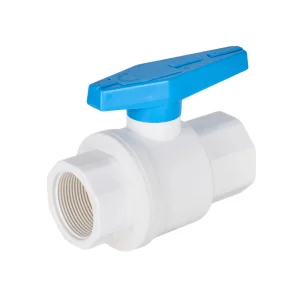
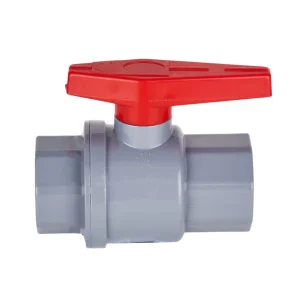
Industrial piping requirements have transitioned from traditional metallic conduits to engineered thermoplastic polymers. Among these, Chlorinated Polyvinyl Chloride (CPVC) stands out due to its superior molecular structure. By increasing the chlorine content of the baseline PVC resin from approximately 57% to over 67-74%, CPVC delivers an elevated glass transition temperature (Tg) of 100°C to 115°C, compared to standard PVC's limit of around 80°C.
For global EPC (Engineering, Procurement, and Construction) contractors, sourcing from a vetted CPVC pipes and fittings manufacturer and factory is no longer just a purchasing transaction; it is a critical strategy for asset life-cycle management. Modern manufacturing networks demand strict adherence to global certification structures (such as DIN 8077/8078 and ASTM F441) to mitigate high-pressure pipe failures in chemical processing, municipal hot-and-cold water systems, and HVAC cooling loops.
Ehao Plastic Group operates as a high-tech private enterprise integrating R&D, advanced material compounding, and computer-controlled injection molding.
From industrial acid loops to civil architectural plumbing networks.
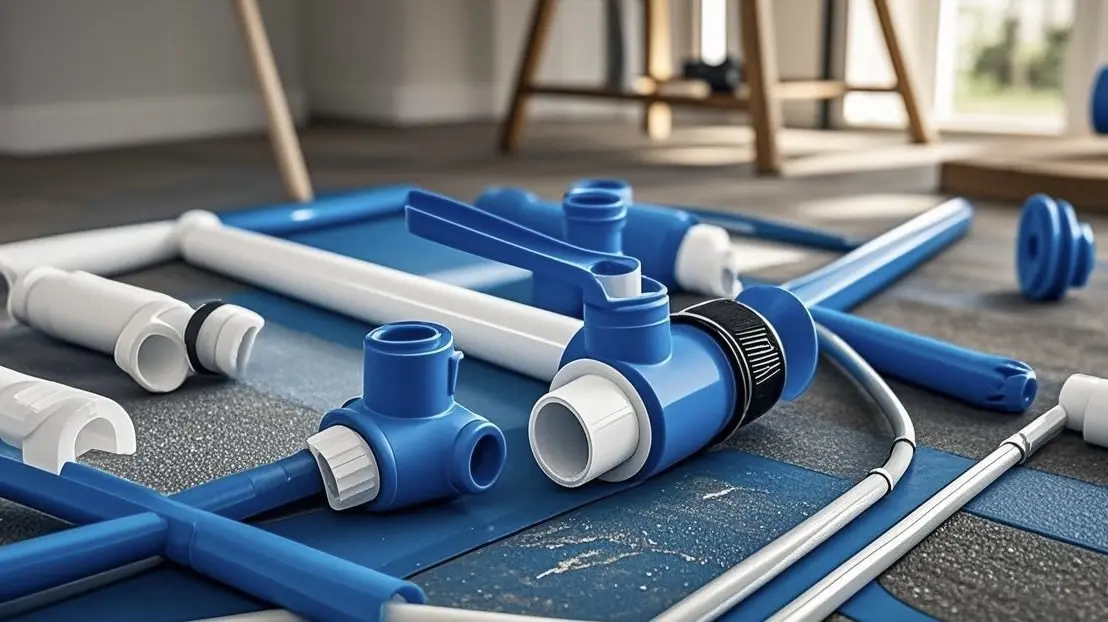
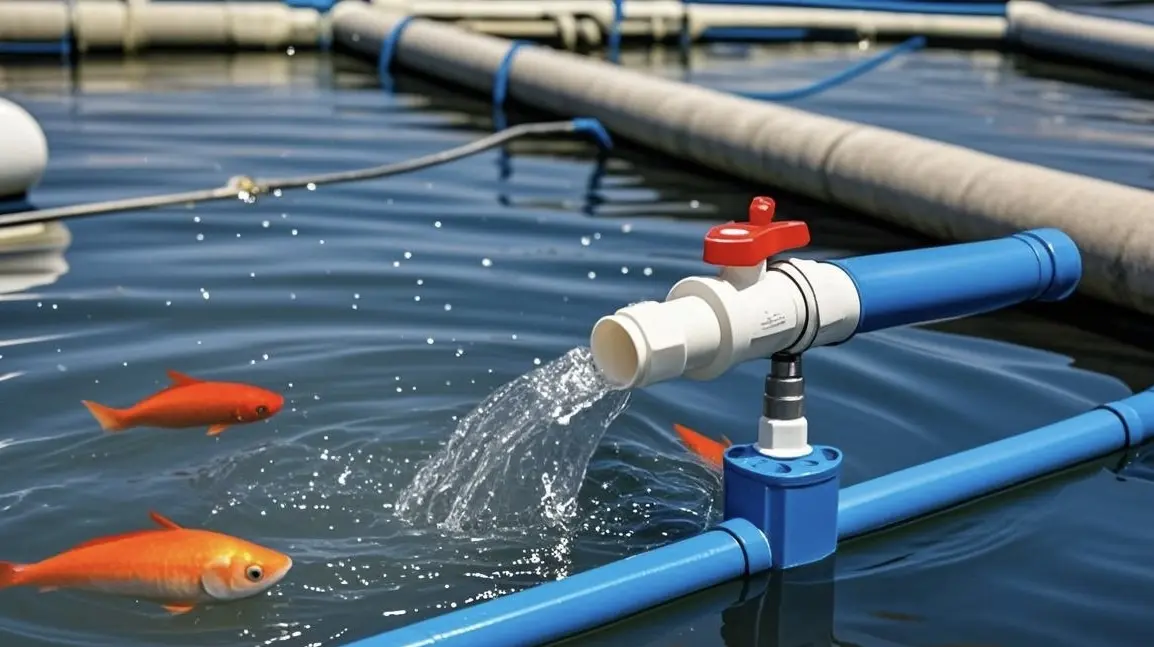
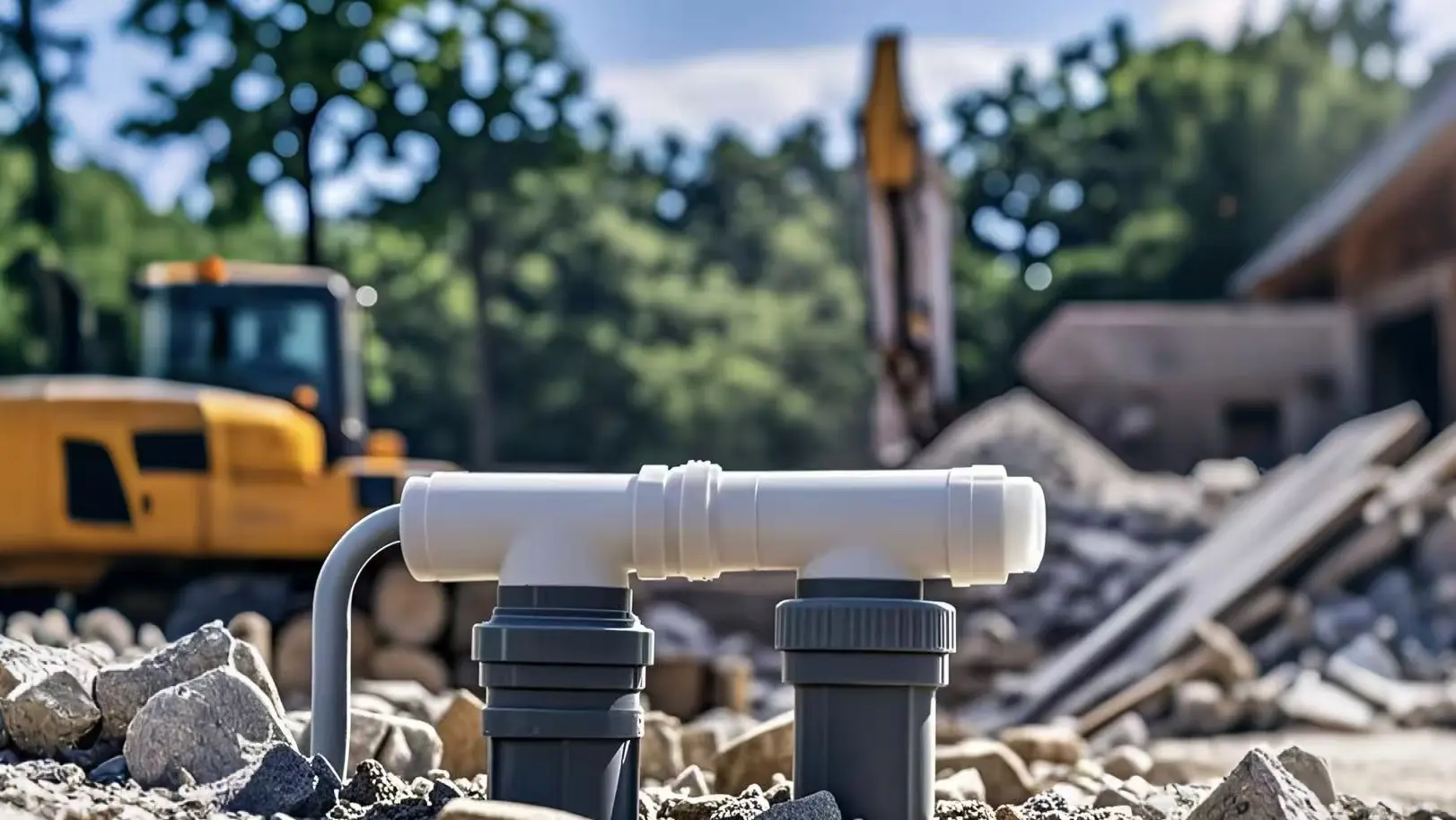
Each application profile demands distinct performance characteristics. For Construction Work and Home Decoration, chemical inertness prevents scale buildup and rust, ensuring potable water systems remain lead-free and sanitary. Our CPVC and polymer technologies limit biofilm cultivation, ensuring drinking water safety in public municipal developments.
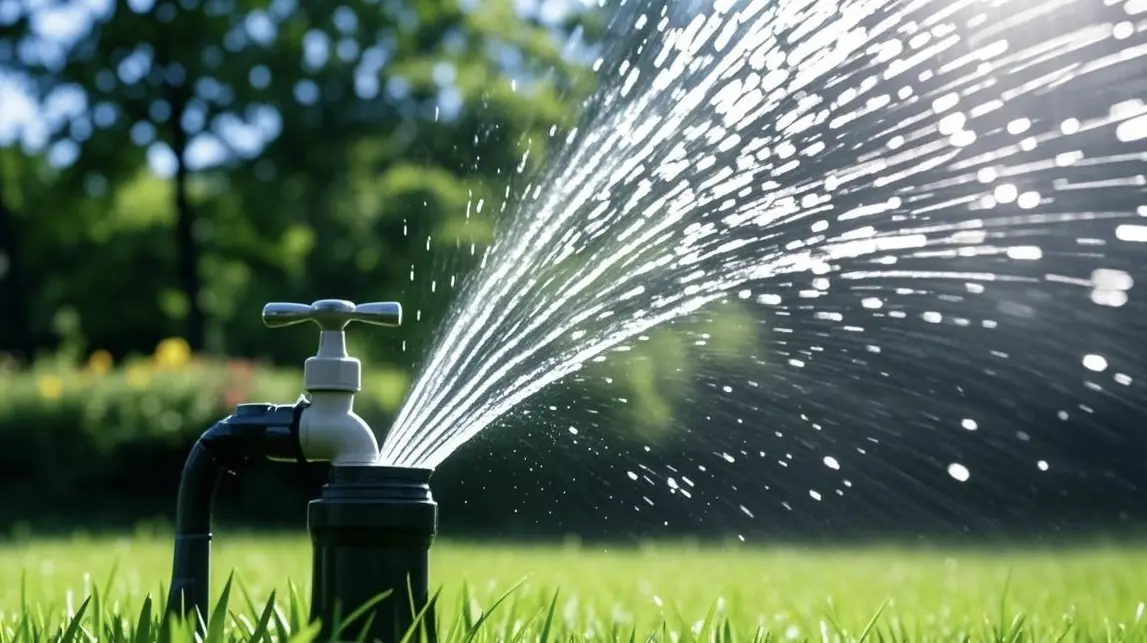
In Irrigation Systems and Fish Cultivation, chemical resilience against diluted acids, bases, and high salt concentrations (brine) is essential. Unlike metal, which corrodes under chemical fertilizer exposure, or standard PVC, which may degrade under sustained UV rays, our proprietary polymer formulations ensure long-term stability in open fields and aquaculture installations.
We partner with clients at every stage of machine tools, configuration, and flow management integration.
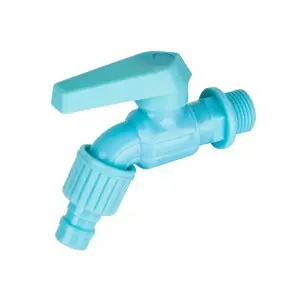
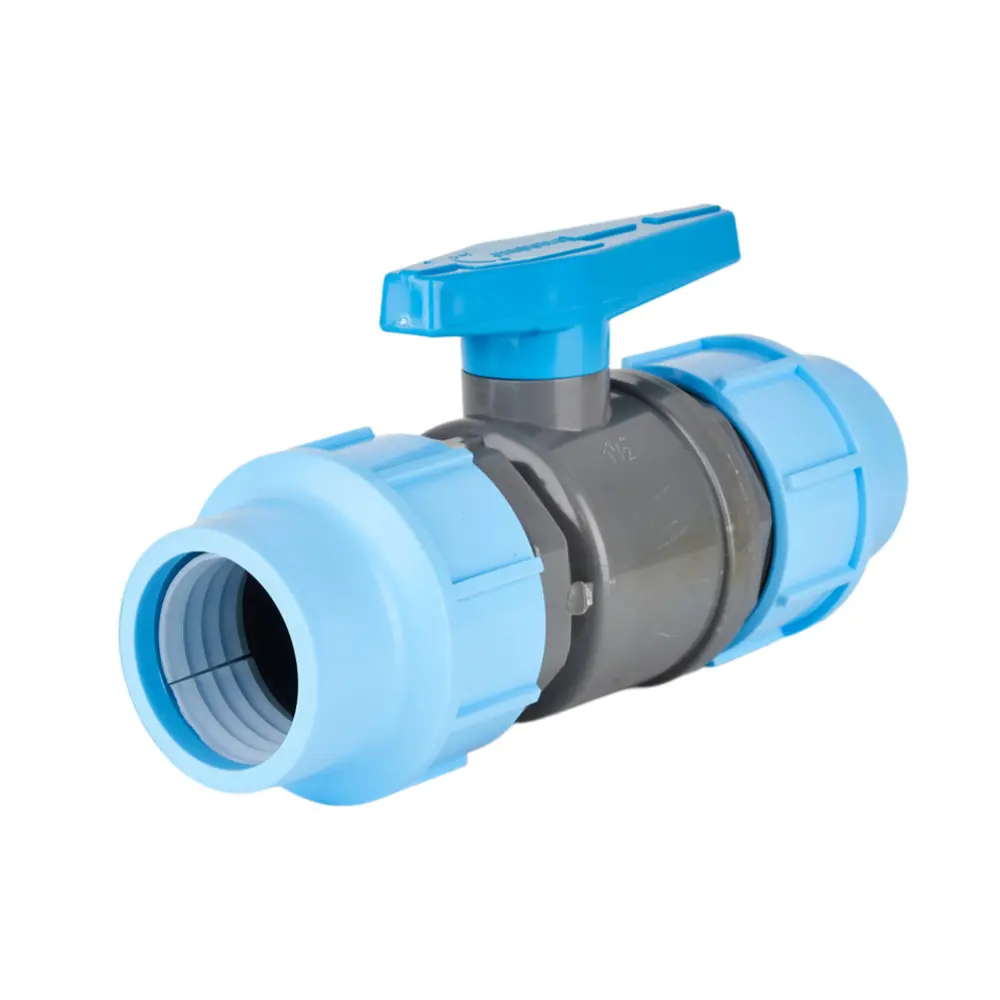
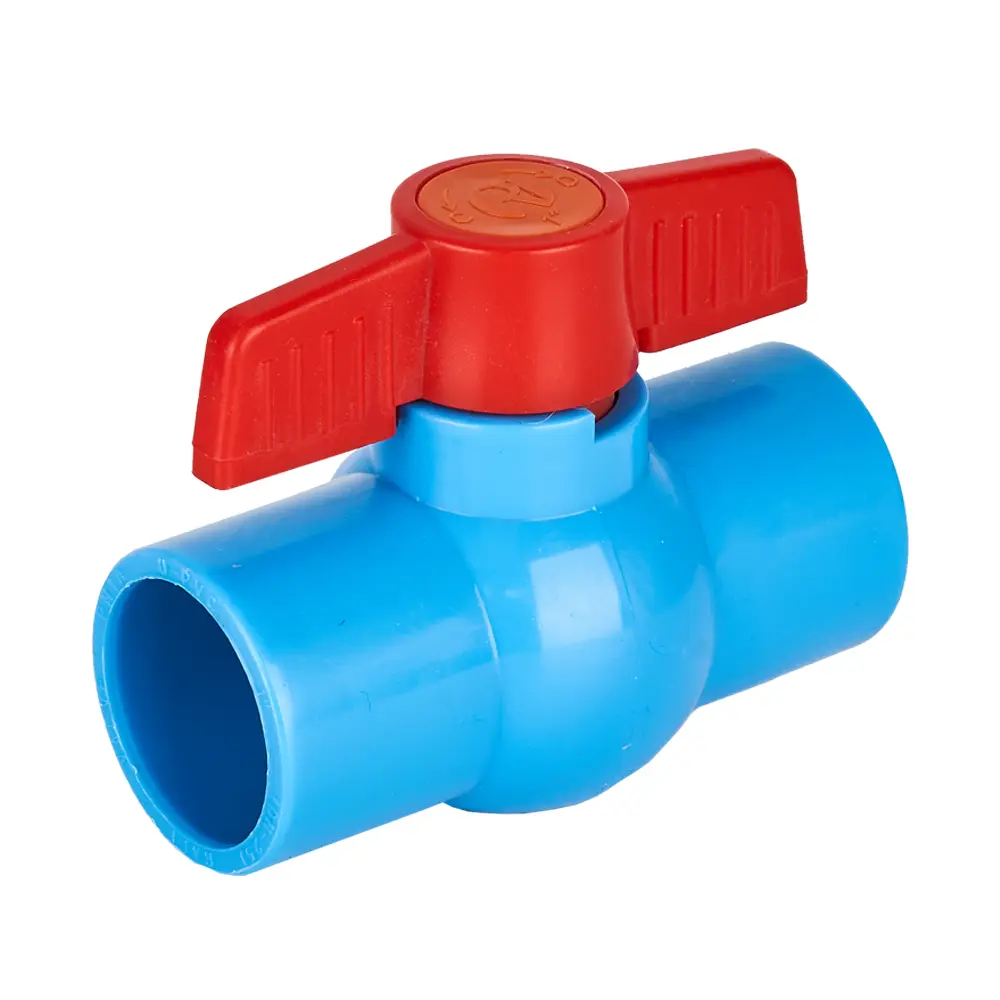
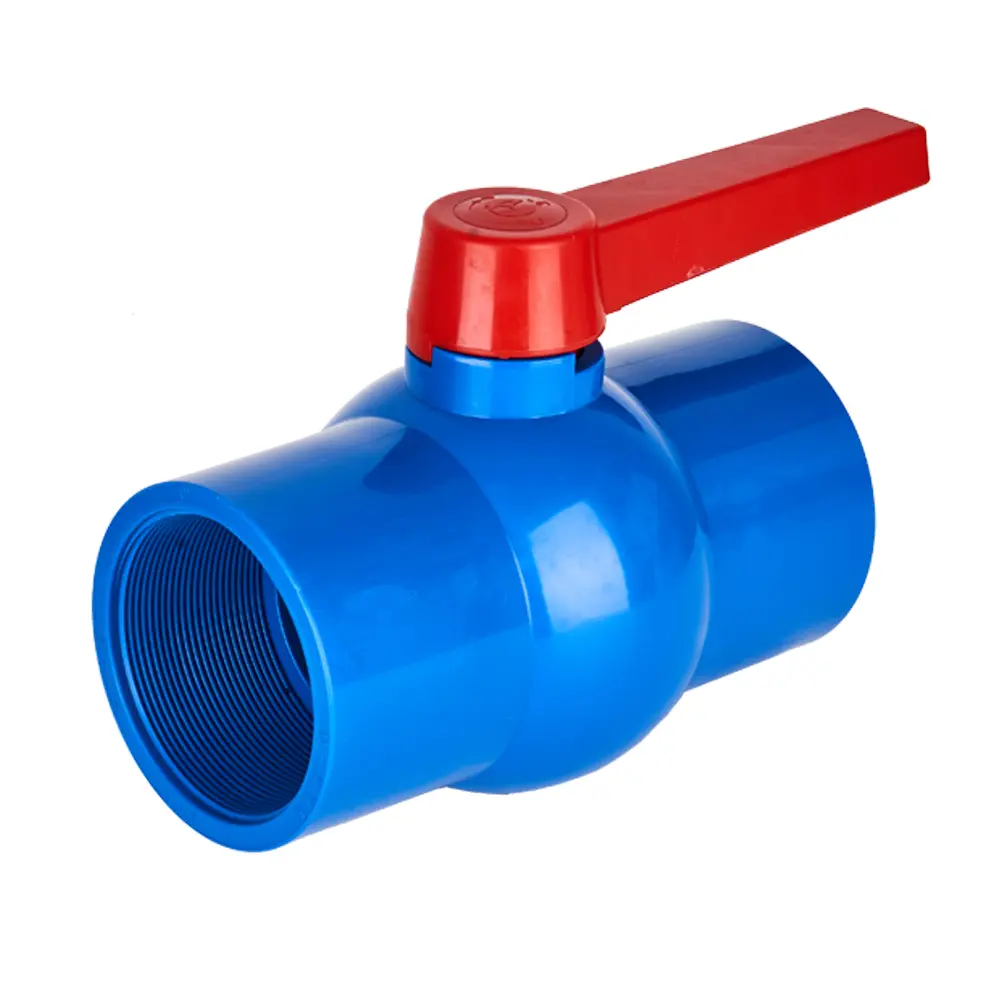
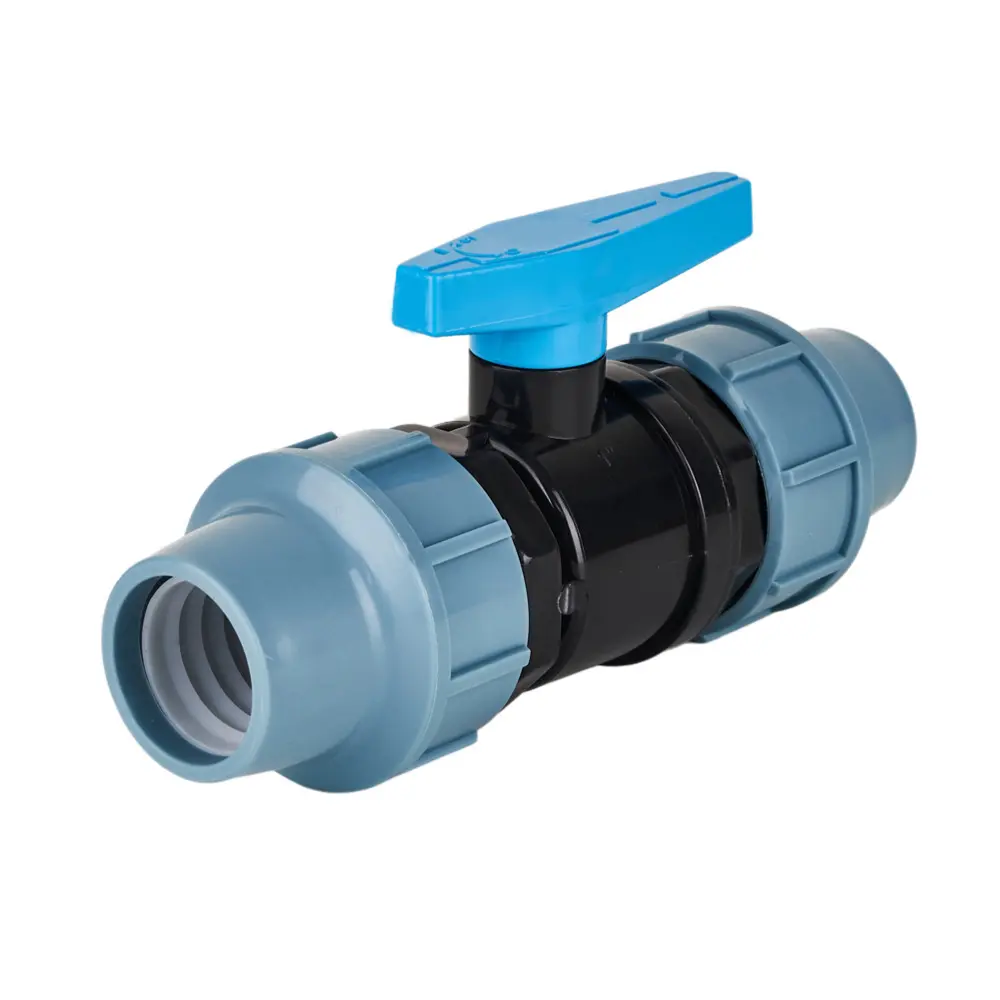
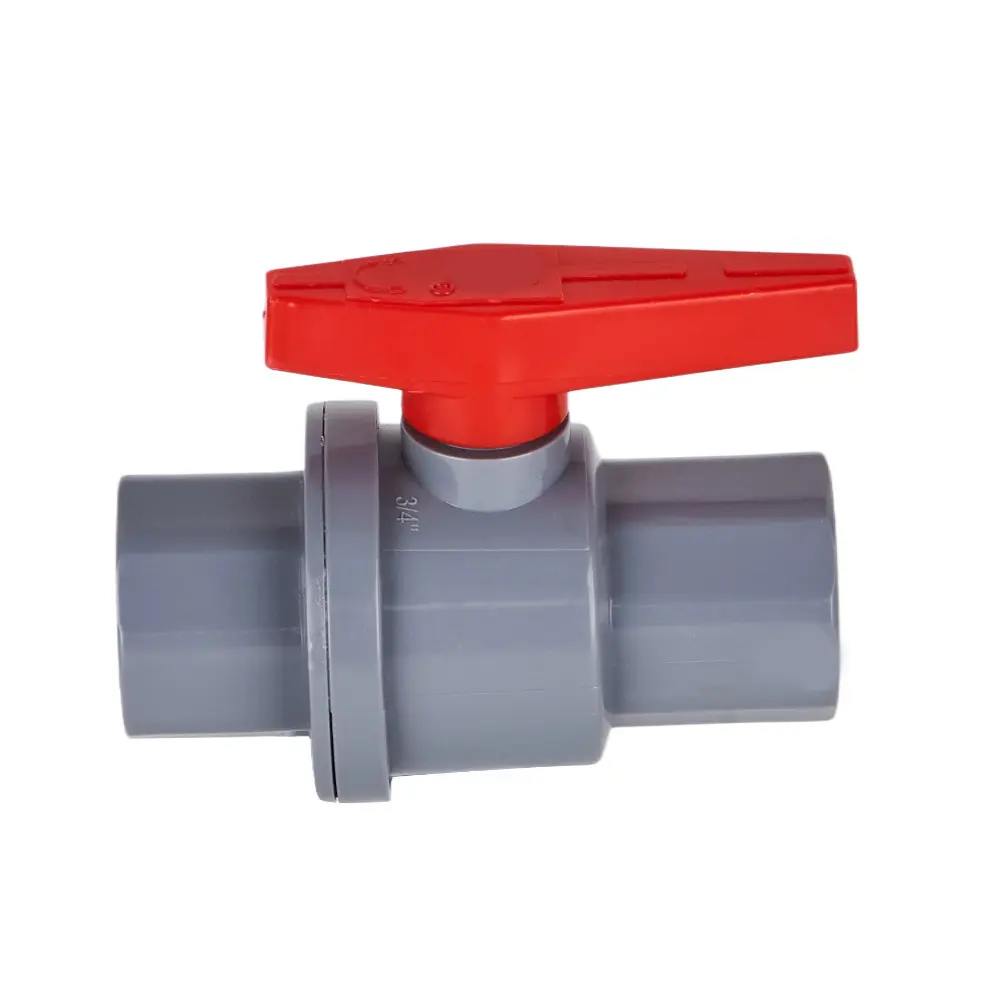
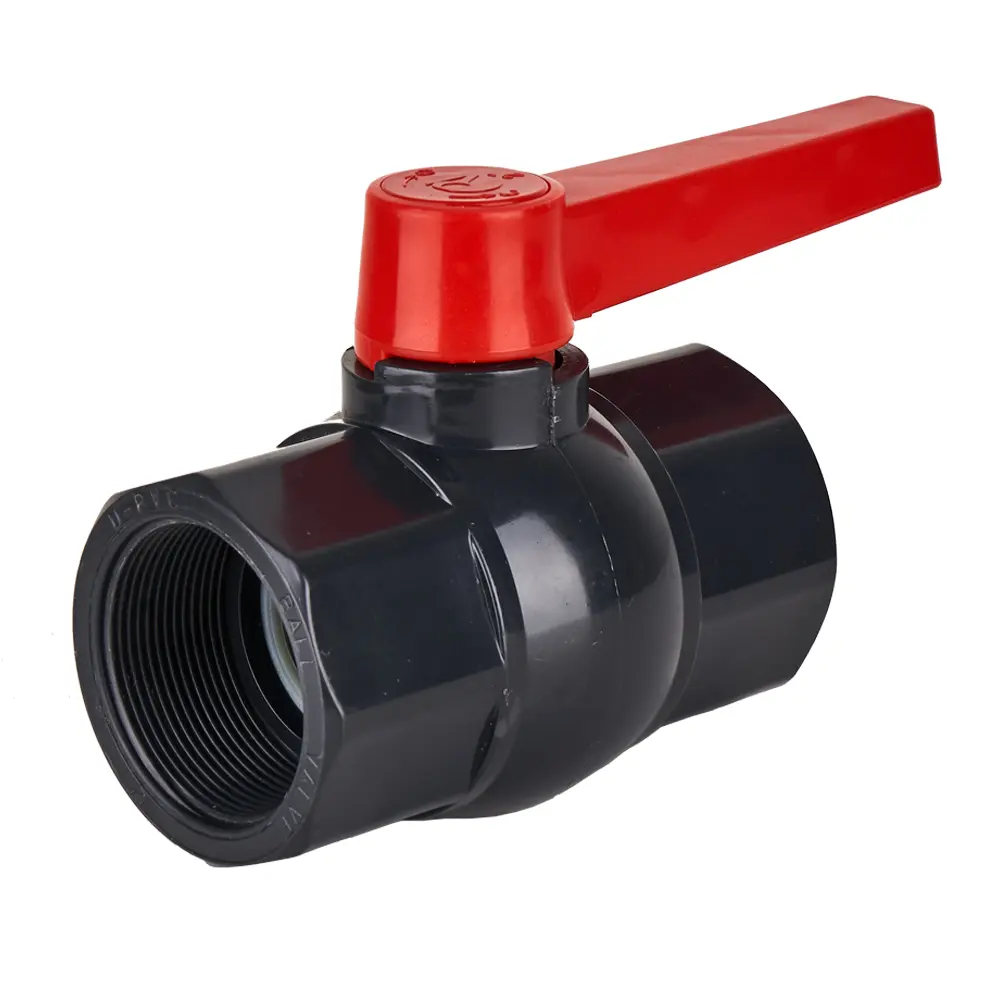
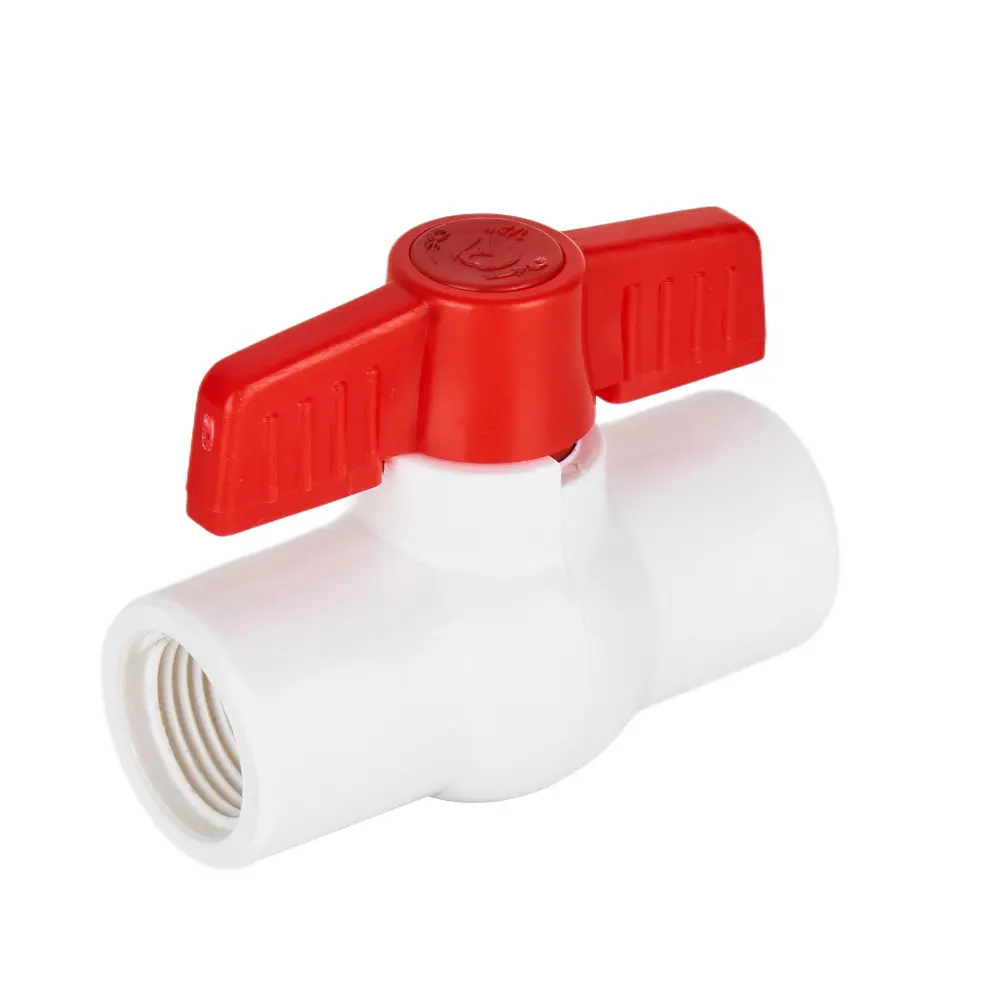
In engineering design, standard compliance is non-negotiable. DIN 8077 specifies the dimensions and tolerances for polypropylene (PP) pipes, while DIN 8078 focuses on the testing and quality control protocols required to guarantee mechanical performance under structural stress. For CPVC systems, standard ASTM F441 regulates the manufacturing criteria for Schedule 40 and Schedule 80 configurations.
At Ehao Plastic Group, our chemical formulations undergo rigorous molecular verification. Working alongside technology programs from the Chinese Academy of Sciences and Zhejiang University, our technicians inspect raw material batches before extrusion and injection. Utilizing computer-controlled injection molding lines imported directly from Germany, we control the process temperatures within 1°C margins, preventing material thermal degradation.
| Property | PVC (Polyvinyl Chloride) | CPVC (Chlorinated PVC) | PPR (Polypropylene Random) |
|---|---|---|---|
| Chlorine Content | ~56.7% | ~63 - 74% | 0% (Olefin Copolymer) |
| Glass Transition Temp (Tg) | 80°C (176°F) | 100°C - 115°C (212°F - 239°F) | 140°C (Melting Pt: 165°C) |
| Tensile Strength (23°C) | 52 MPa | 55 MPa | 25 MPa |
| Thermal Expansion (10⁻⁵/K) | 7.0 - 8.0 | 6.1 - 7.0 | 15.0 |
| Chemical Acid Resistance | Good (Low Temp) | Excellent (High Temp) | Moderate |
Standard extrusions utilize single-screw or counter-rotating twin-screw mechanisms. Ehao's high-performance twin-screw configurations are coupled with computerized dosing units. This mitigates localized overheating, which can cause hydrochloric acid dehydrochlorination in the CPVC polymer chain.
By controlling the shear stress and temperature gradient across the die head, we prevent micro-voids, ensuring high pressure performance and impact resistance.
Our components undergo a strict 26-step scientific testing regimen before shipment. Key stages include:
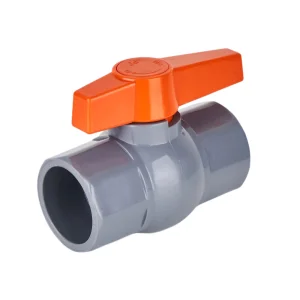
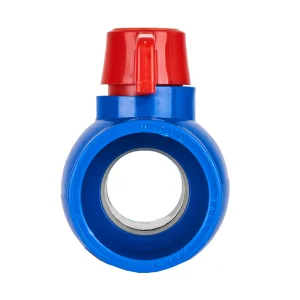
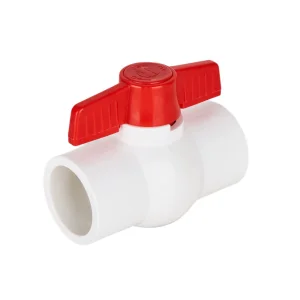
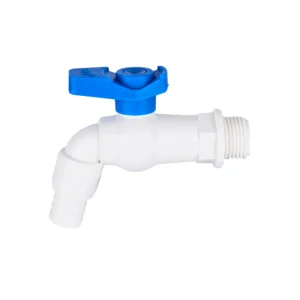
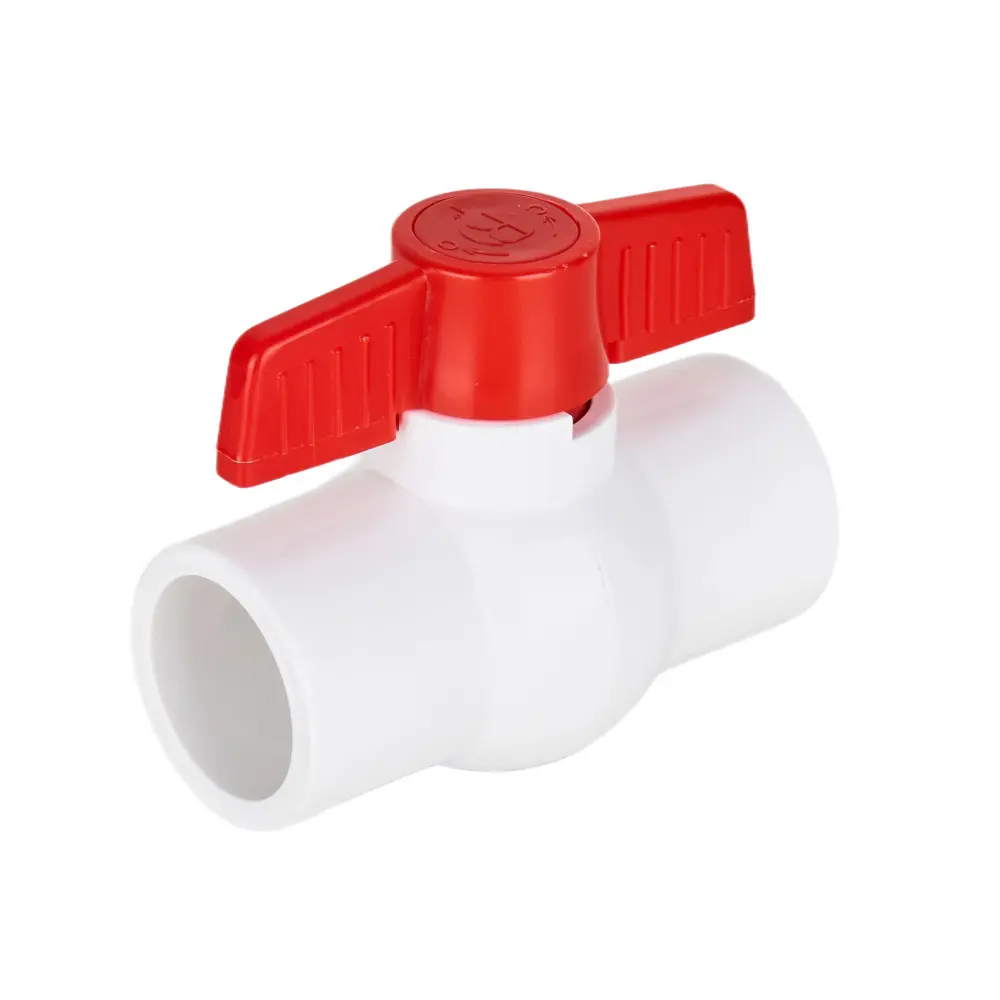
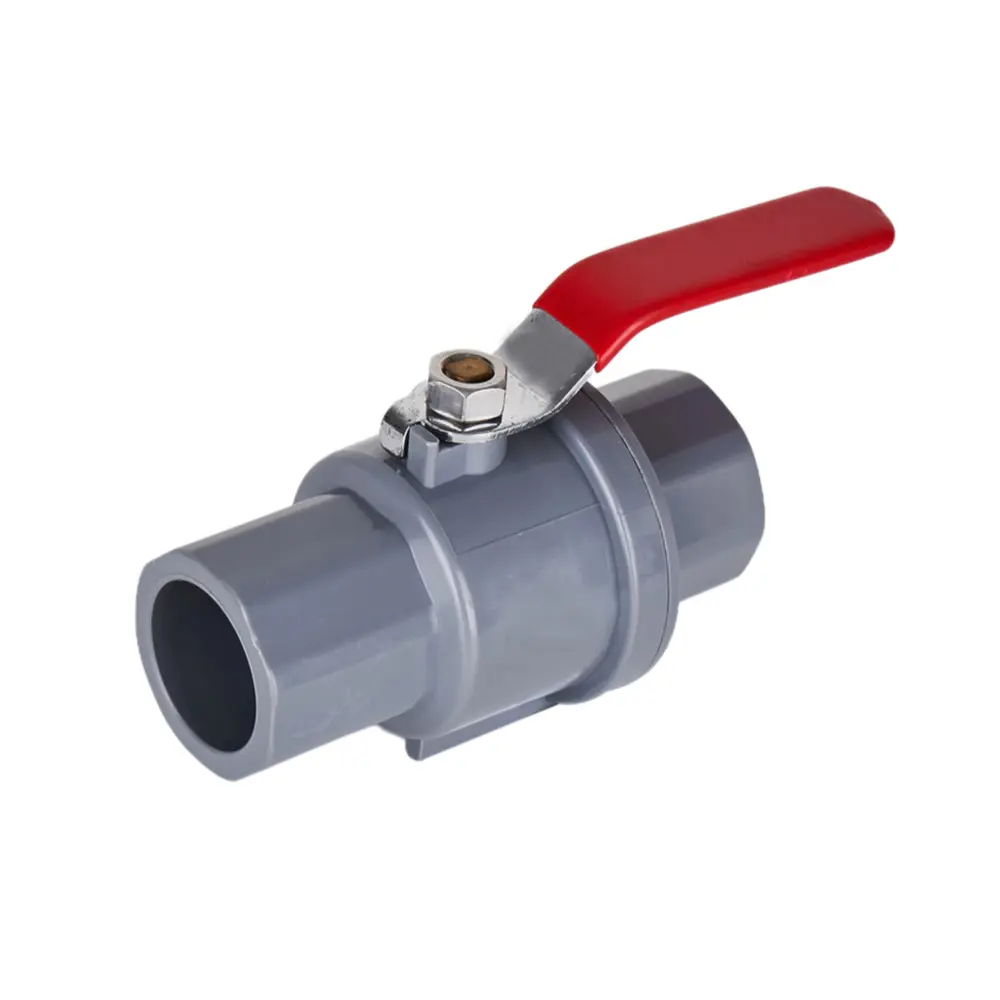
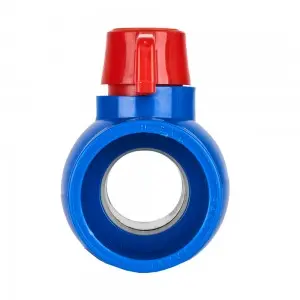
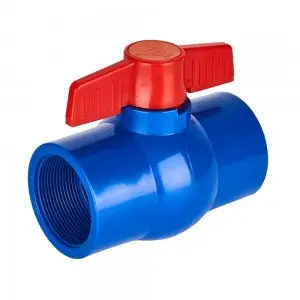
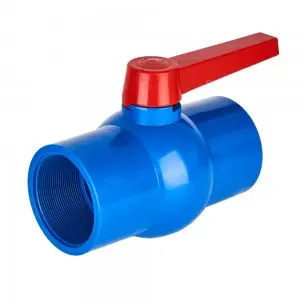
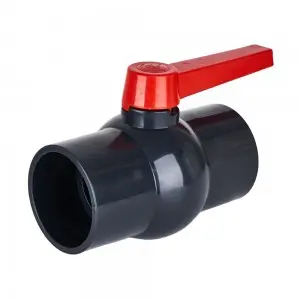
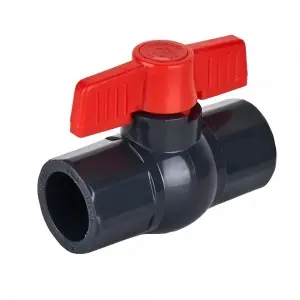
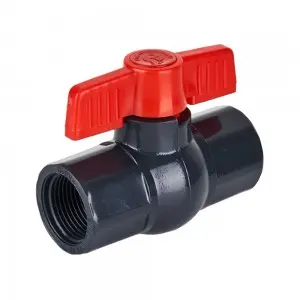
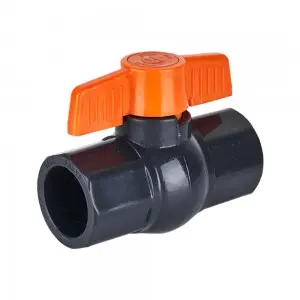
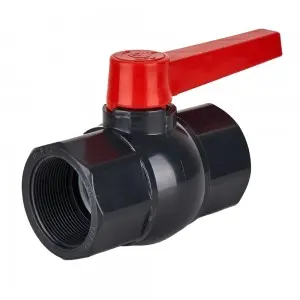
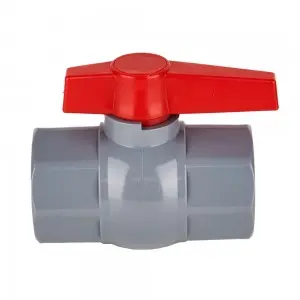
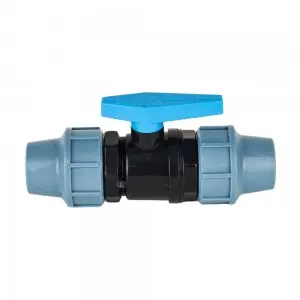
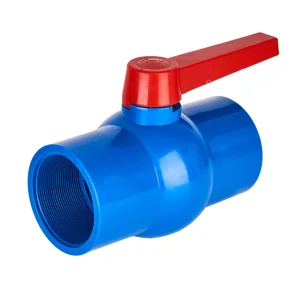
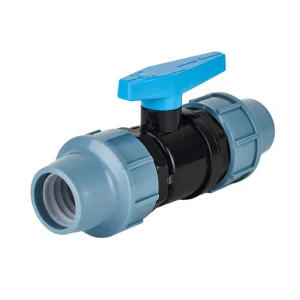
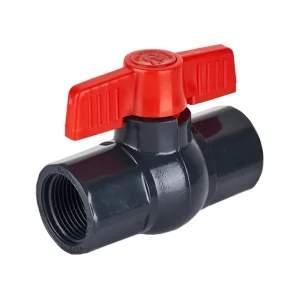
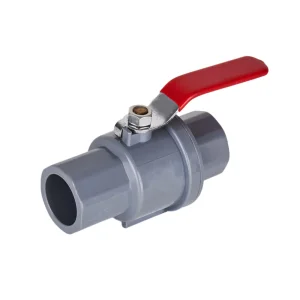
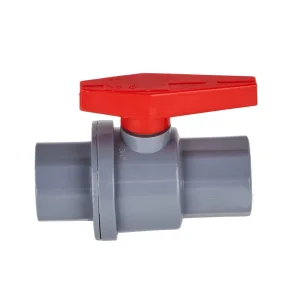
Premium flow isolation solutions designed for chemical plants, water filtration, and agriculture.
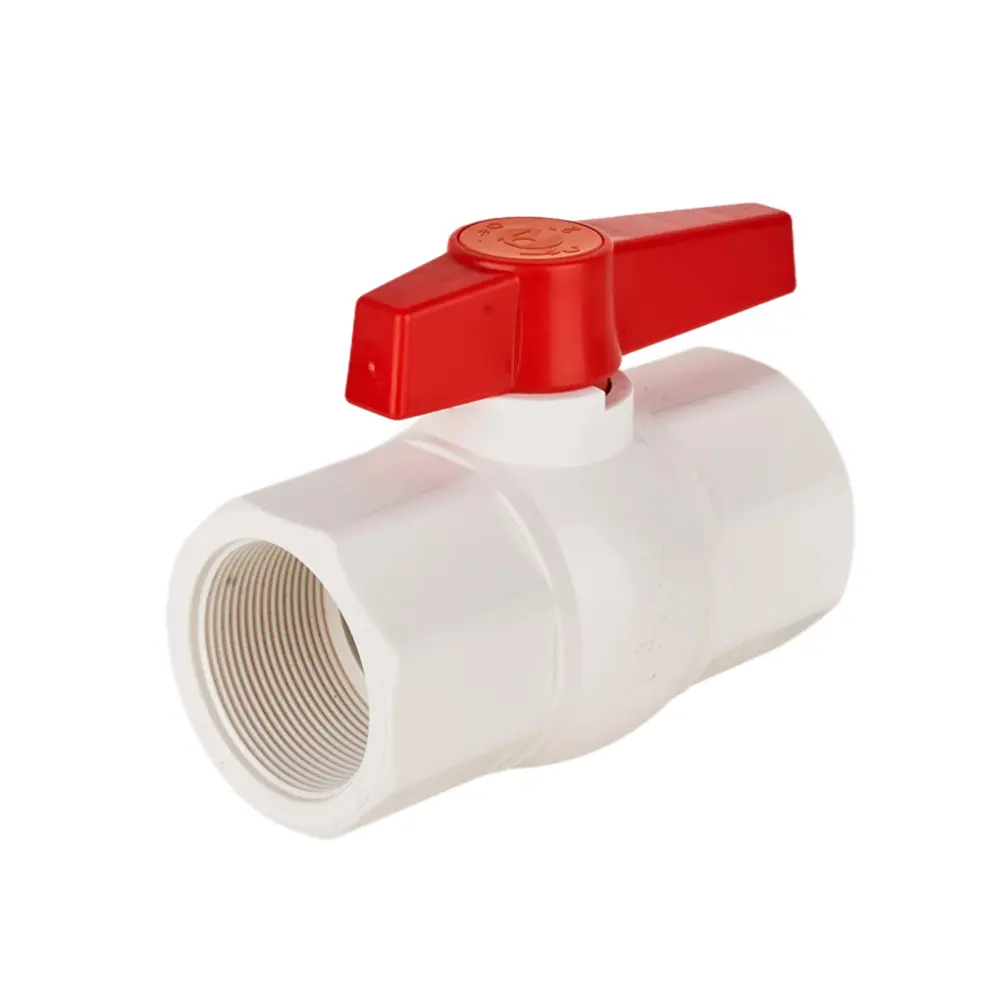
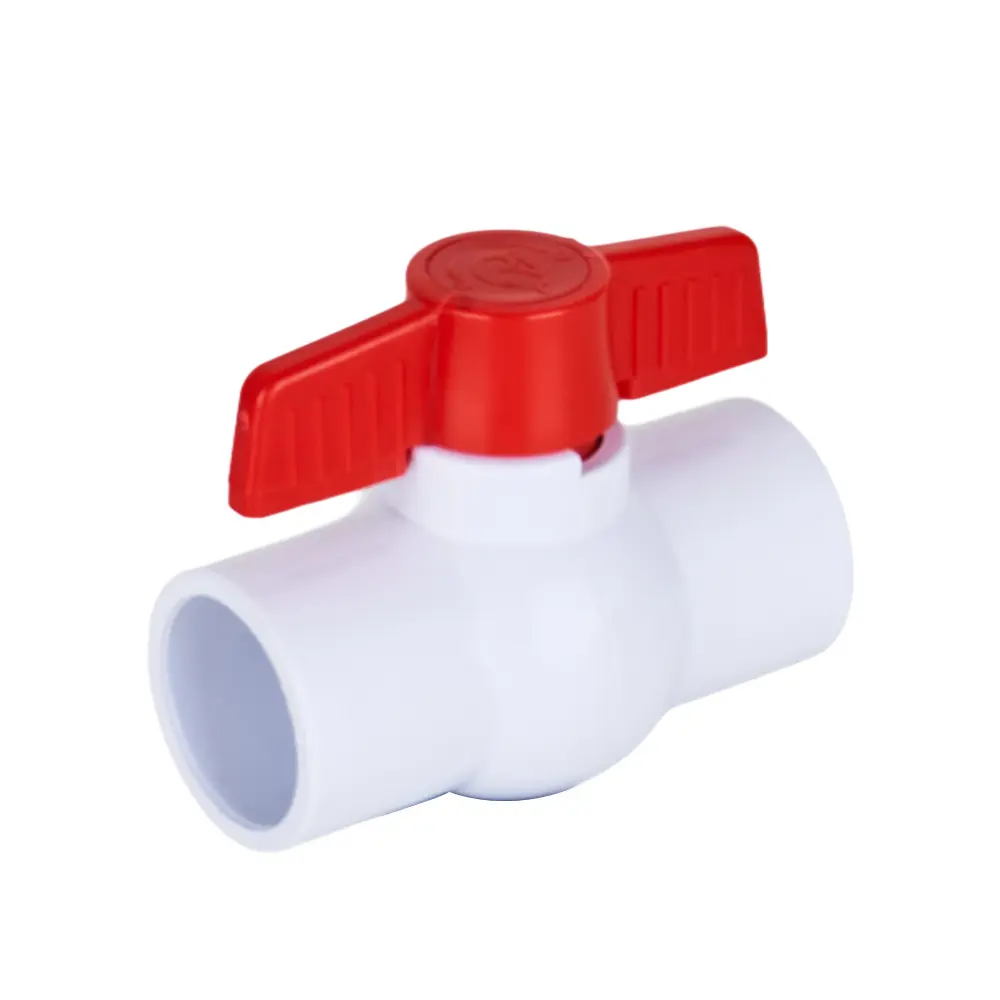
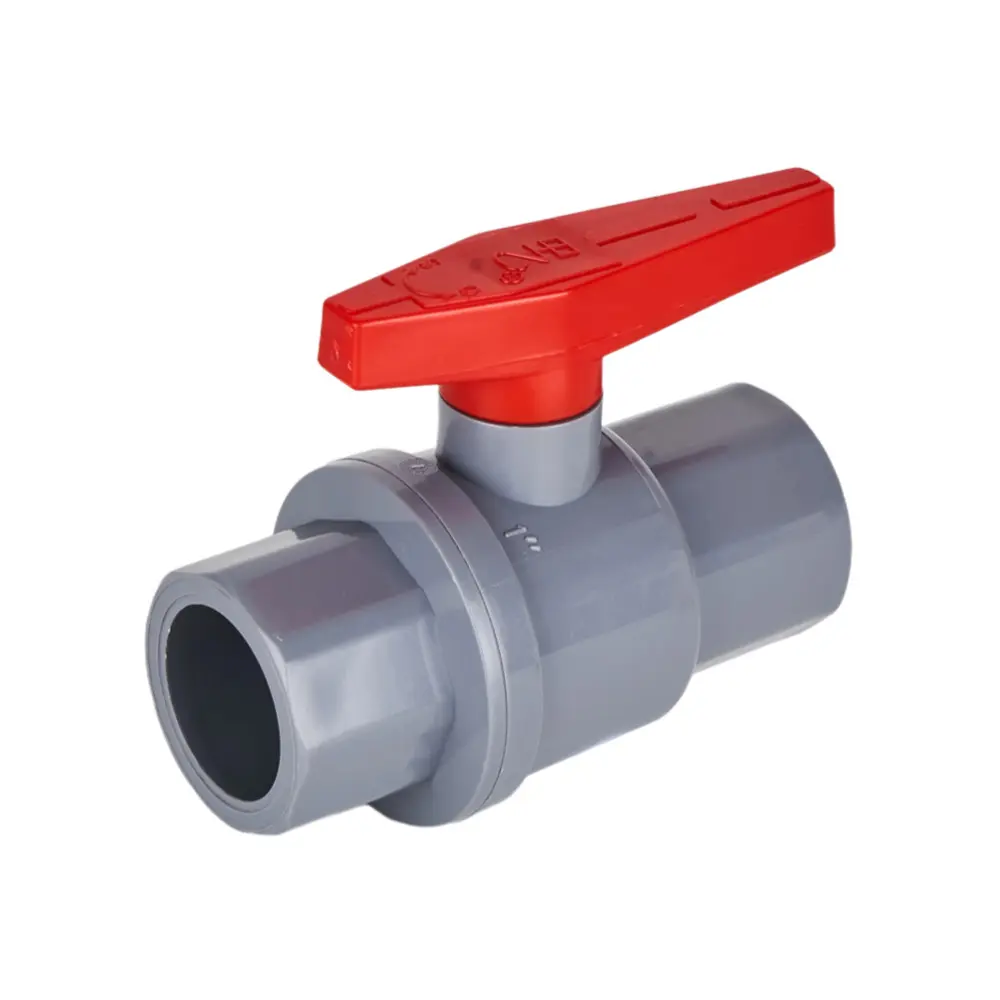
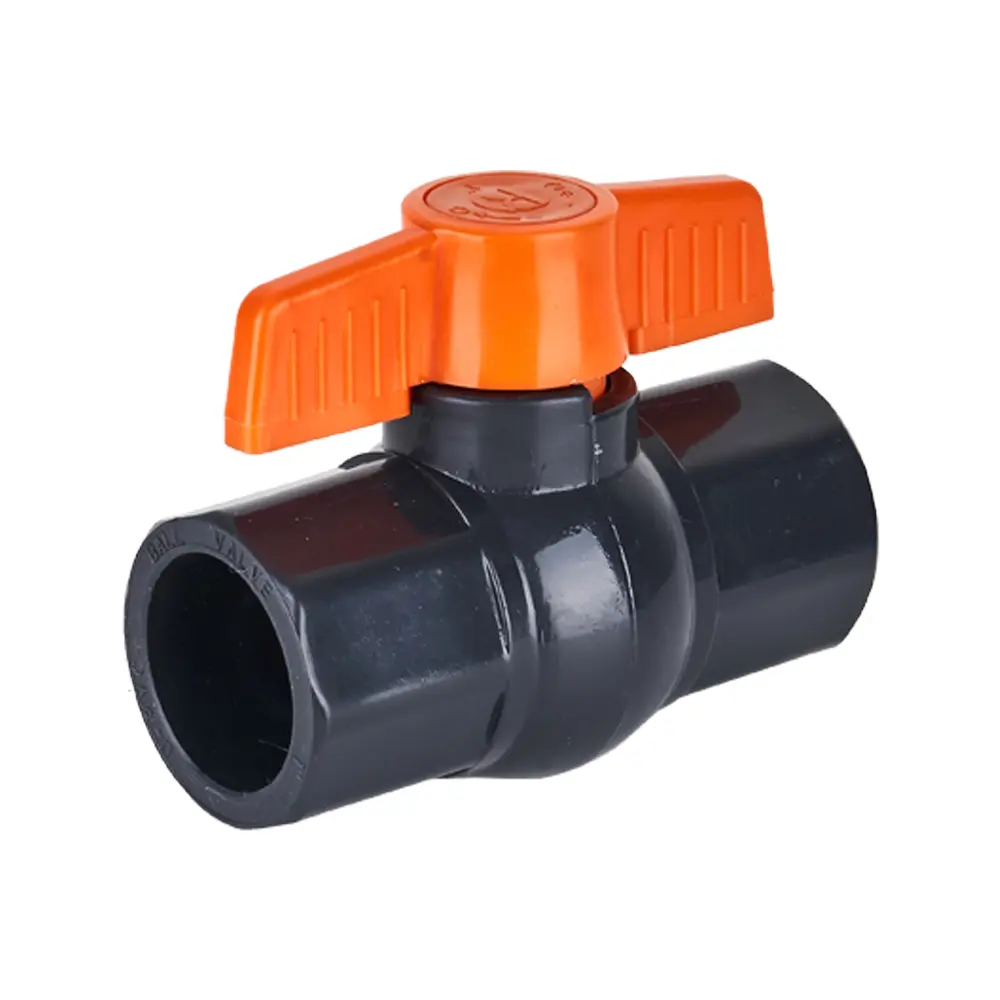
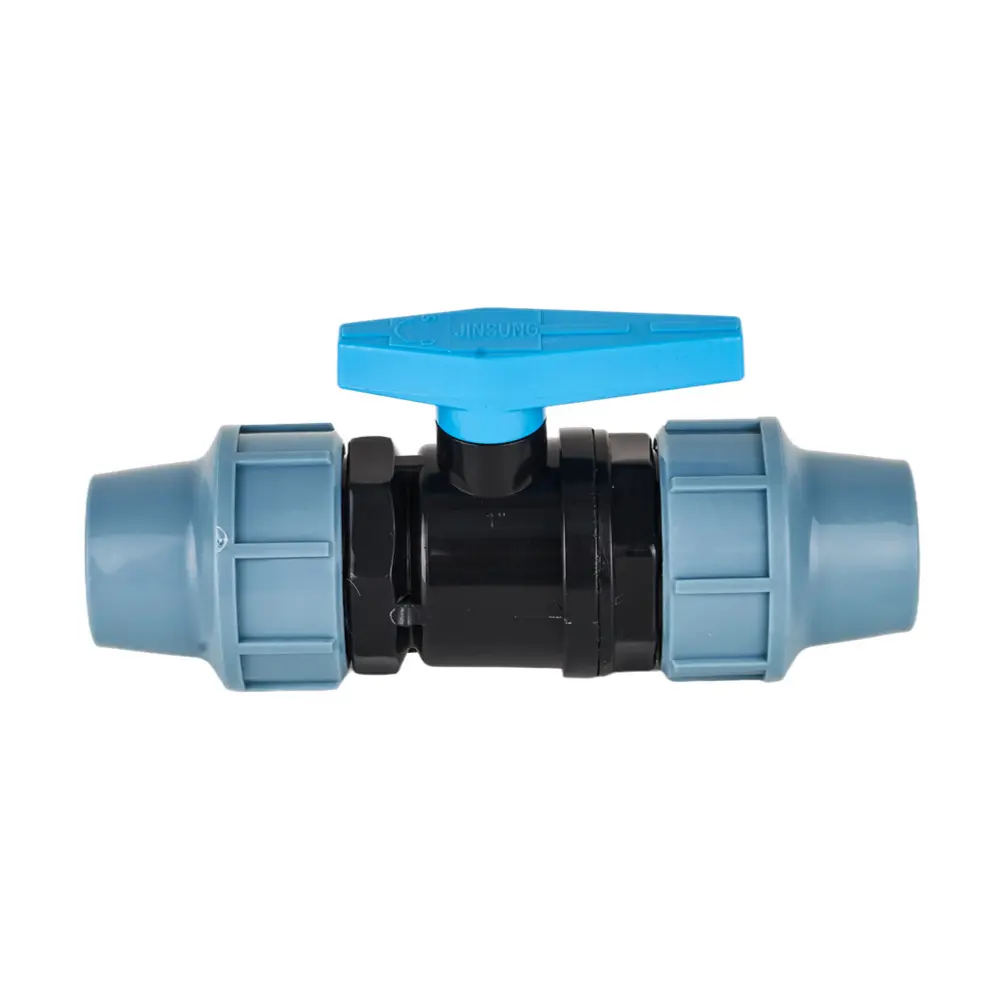
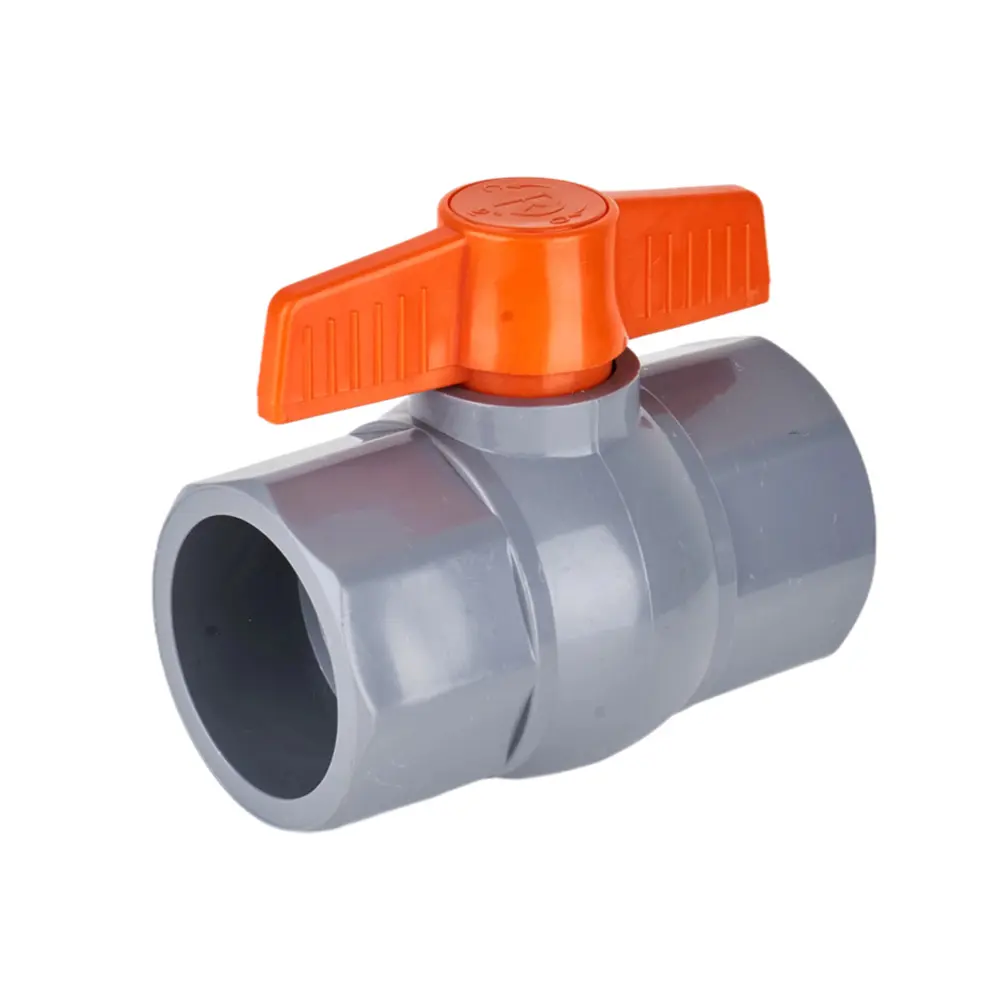
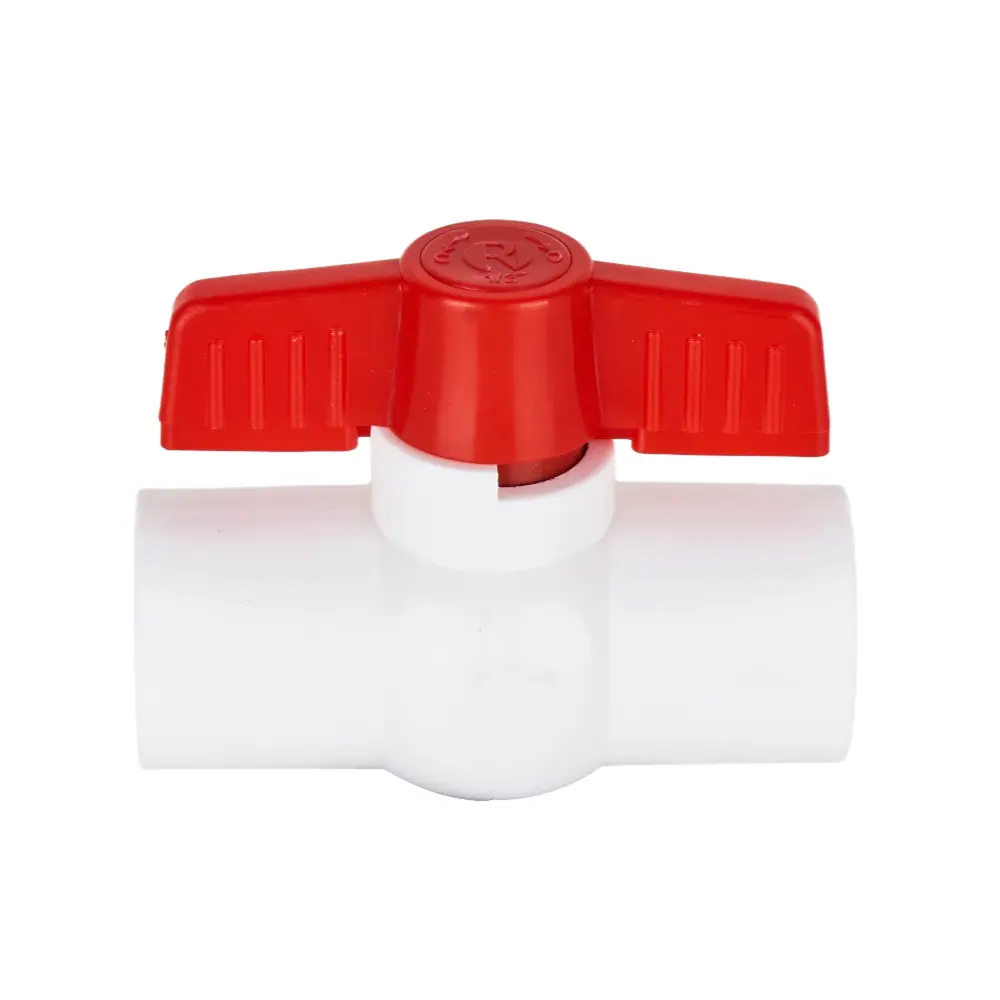
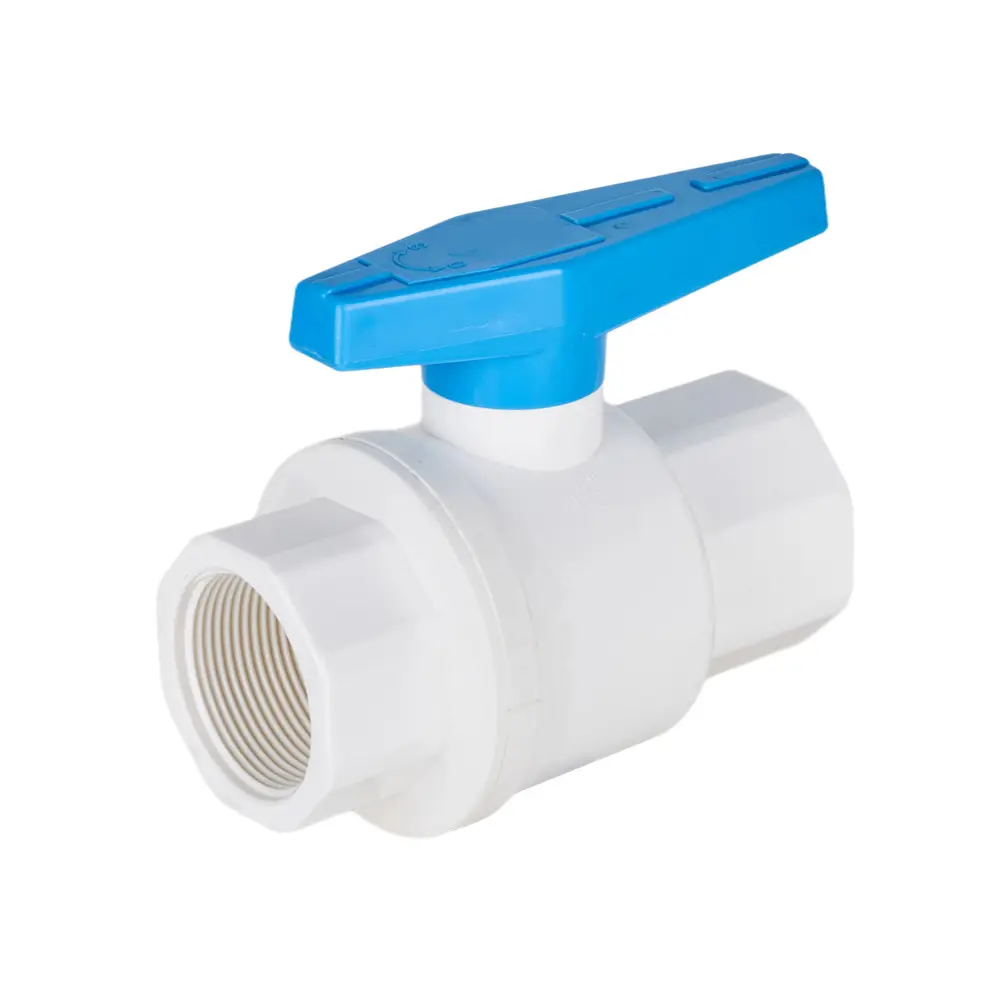
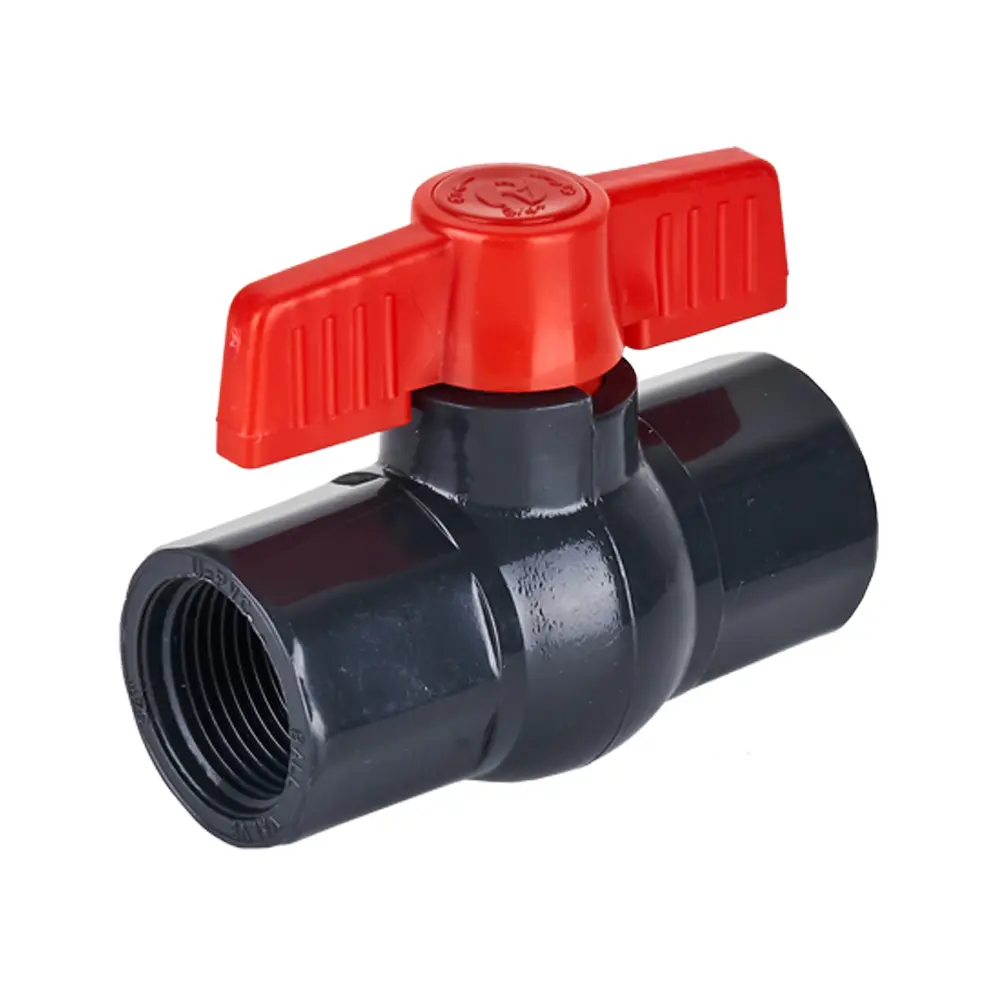
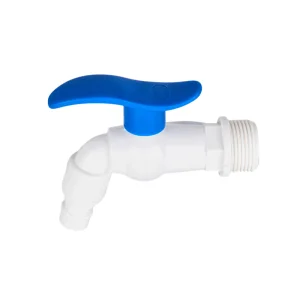
Preserving specialized configurations engineered for compact fluid routing manifolds.
The mechanical performance of CPVC is defined by its molecular chemistry. In standard PVC, hydrogen atoms occupy fixed positions on the carbon-carbon backbone. During chlorination, chlorine atoms replace these hydrogen positions. The presence of larger chlorine atoms creates steric hindrance along the polymer chain, restricting rotation.
This steric hindrance increases molecular stiffness, raising the heat deflection temperature (HDT) under load. In industrial applications, this allows CPVC systems to handle working pressures of up to 130 PSI at 82°C (180°F), whereas standard PVC loses its structural integrity at temperatures above 60°C (140°F).
Additionally, the chlorine-rich backbone gives CPVC inherent flame-resistant properties. It features a high Limiting Oxygen Index (LOI) of 60%, meaning it requires 60% oxygen in the air to support combustion. As a result, CPVC will not sustain a flame on its own and does not produce burning droplets, making it a preferred material for commercial fire sprinkler systems.
Unlike mechanical couplings or thermal welding, CPVC pipes and fittings utilize chemical solvent cement welding. This process involves applying a chemical primer and solvent cement containing dissolved CPVC resin to the joint area. The solvent temporarily dissolves the outer surface layers of the pipe and fitting socket.
When the components are joined, the dissolved polymer chains interloop with one another. As the solvents evaporate, the interface solidifies into a continuous, single piece of material. The resulting joint is highly resistant to tensile pullout and internal hydrostatic pressure, matching or exceeding the burst rating of the pipe itself.
Key information for engineering consultants, buyers, and technical specialists.
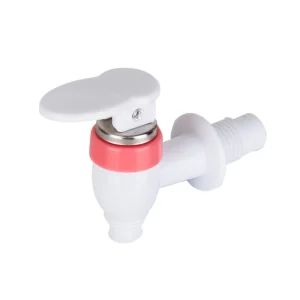
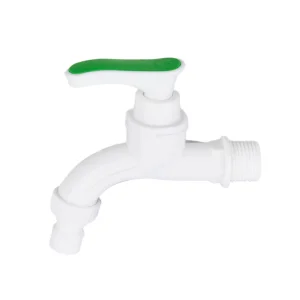
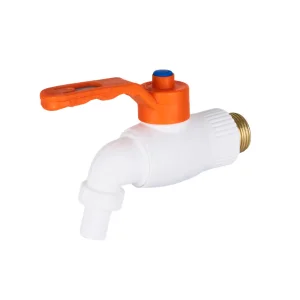
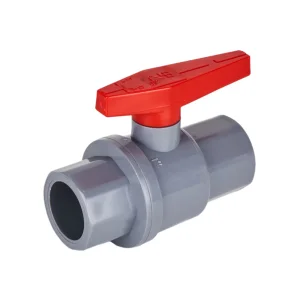
Factory-direct industrial-grade ball valves and connection accessories.
 EHAO
EHAO