Explore our premium grade plastic valves, garden bibcocks, and high-durability system adapters engineered for global projects.
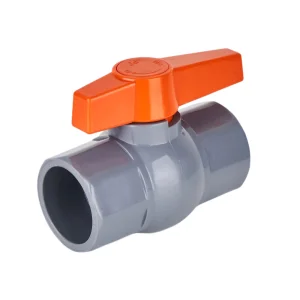
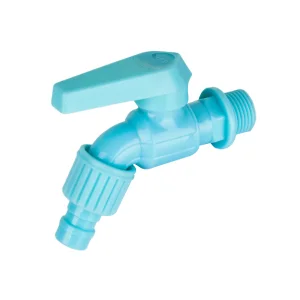
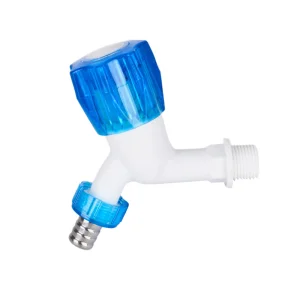
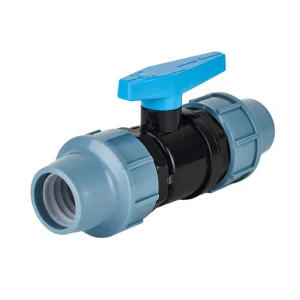
Understanding why Chlorinated Polyvinyl Chloride stands as the cornerstone of critical commercial plumbing.
Chlorinated Polyvinyl Chloride (CPVC) represents a structural leap forward from conventional PVC. Through a post-chlorination reaction, the chlorine content of the base PVC polymer is elevated from approximately 56.7% to upwards of 67-74%. This additional chlorination systematically alters the chemical properties of the molecular backbone, providing substantial increases in glass transition temperature ($T_g$) from 80°C up to 110°C-135°C. For industrial and commercial pipeline applications, this elevation translates directly into structural robustness under sustained thermomechanical pressure loads.
From an engineering perspective, this chemical modification restricts molecular mobility, which significantly enhances the material's thermal rating and resistance to heat deformation. While standard PVC piping compromises structural rigidity when transporting fluids exceeding 60°C (140°F), CPVC systems safely operate at temperatures up to 93°C (200°F) under pressure, and even higher in non-pressurized or gravity-drained configurations.
| Performance Metric | Unplasticized PVC (uPVC) | Chlorinated PVC (CPVC) | PPR (Polypropylene Random) |
|---|---|---|---|
| Max. Continuous Service Temp | 60°C (140°F) | 93°C (200°F) | 70°C (158°F) |
| Thermal Conductivity | 0.15 W/(m·K) | 0.14 W/(m·K) | 0.24 W/(m·K) |
| Tensile Strength (23°C) | 52 MPa | 55 MPa | 25 MPa |
| Limiting Oxygen Index (LOI) | ~45% | ~60% | ~18% |
For wholesale distributors, contractors, and municipal designers, understanding these metrics is key. The mechanical integrity of CPVC translates directly to diminished thermal expansion loops, reduced support hanger requirements, and enhanced long-term pressure retention capabilities under cyclic thermal stresses.
Ehao Plastic Group operates as a high-tech private enterprise integrating R&D, advanced material engineering, and high-precision mold manufacturing.
Backed by partnerships with the Chinese Academy of Sciences and Zhejiang University, Ehao Plastic Group integrates cutting-edge engineering with scaled production. By introducing computerized automatic injection molding lines directly imported from Germany, our manufacturing plant matches world-class execution. Every valve, flange, and pipe fitting undergoes a rigorous multi-stage quality protocol ensuring complete conformity with strict global criteria, including ASTM and DIN standards.
CPVC fittings and high-performance valves serve diverse roles across municipal, commercial, and residential spaces.
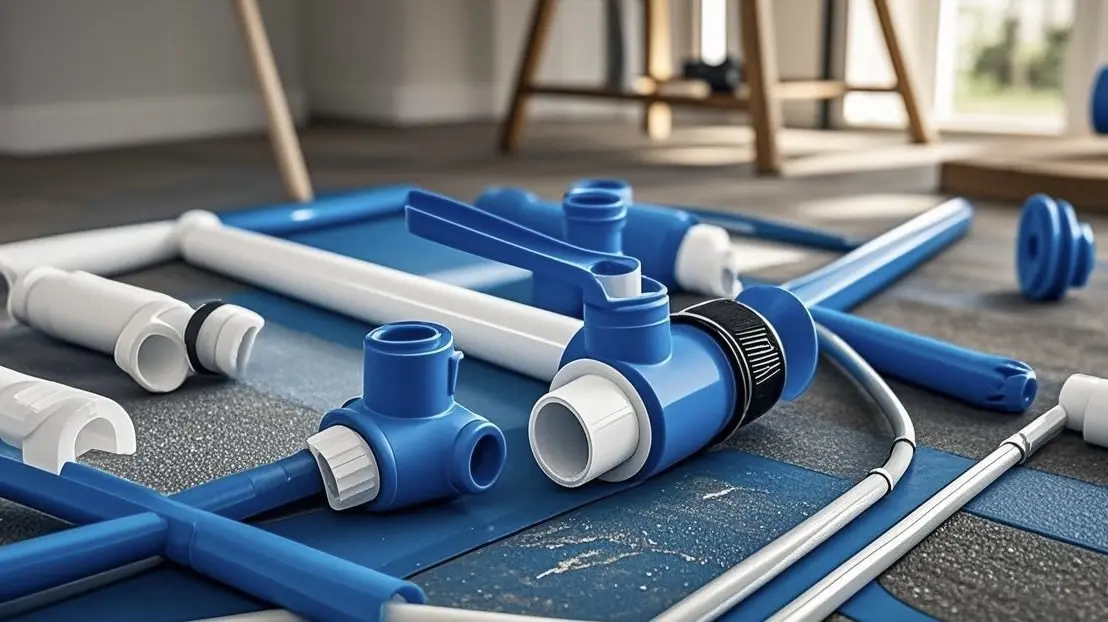
While CPVC systems are globally renowned for safe residential hot and cold potable water distribution, their structural properties make them ideal for modern industrial demands:
How our optimized factory model guarantees continuous supply and unmatched economic advantages to international wholesalers.
From selecting and configuring the right material parameters for local project parameters to optimizing logistics for international ocean freight, Ehao works directly with global purchasing directors to secure reliable sourcing lines.
Our centralized manufacturing ecosystem in China allows us to consolidate all stages of the manufacturing pipeline. By running integrated injection tooling design, raw compound formulation, automated molding, and multi-stage testing in-house, Ehao optimizes lead times. Our collaborative links with the Chinese Academy of Sciences and Zhejiang University keep us at the forefront of polymer blending and process optimization.
We mitigate international shipping risks by utilizing a diversified raw material supply pipeline and maintaining dynamic safety stocks of CPVC, UPVC, and PPR resins. Our highly automated German molding lines allow us to maintain a consistent output rate that reduces unit costs and protects buyers against global polymer market volatility.
A key structural advantage is our capability to manufacture custom plastic molds based on supplied samples, technical drawings, or physical reference prototypes. Our design department utilizes advanced CAD/CAM software to simulate injection flow rates, cooling times, and shrinkage factors. This predictive engineering prevents micro-fracturing and structural stress points in the finished CPVC fittings, ensuring they withstand pressurized environments without fatigue.
Tracing the technological evolution of CPVC and future-proofing the fluid transmission infrastructures of tomorrow.
As international construction and environmental standards tighten, the technology behind thermoplastic compounding must advance. Below is Ehao’s product development roadmap to meet future compliance and performance goals.
Development of non-heavy metal, tin-free thermal stabilizers. Transitioning formulations to comply with the strictest eco-toxicological certifications in Europe (REACH) and North America (NSF/ANSI 61) while maintaining high-temperature tensile strength.
Utilizing high-molecular-weight resins combined with internal lubricants to produce thin-walled CPVC fittings. This increases internal flow rates and reduces pumping friction losses while preserving pressure ratings.
Integrating bio-attributed PVC resin streams with post-industrial scrap recycling to lower the overall carbon footprint of piping products, aligning with global green building frameworks (LEED & BREEAM).
Ensuring cross-border compliance to satisfy code inspectors and mechanical engineers in North America, Europe, and Latin America.
Navigating global building codes requires strict attention to material standards. CPVC fittings must meet specific dimensional, performance, and toxicological criteria to be approved for regional projects. Ehao ensures our manufacturing output aligns with these key frameworks:
In the United States and Canada, CPVC systems for potable water distribution must conform to ASTM D2846 (Standard Specification for Chlorinated Poly (Vinyl Chloride) Plastic Hot- and Cold-Water Distribution Systems). For Schedule 80 applications, products must comply with ASTM F439 (socket-type fittings) or ASTM F437 (threaded fittings). Critically, toxicological safety must be certified under NSF/ANSI Standard 61 to verify no harmful chemical migration occurs under potable water exposure.
Within the European market, CPVC installations conform to EN ISO 15493 (Plastics piping systems for industrial applications). Materials must also meet German standards DIN 8077 and DIN 8078, which dictate exact dimensional parameters and high-pressure hydrostatic testing regimes to ensure long service life.
In South America, regional standards require resistance to high ambient temperatures and solar UV degradation. We supply products optimized for these conditions, including special pigmentation and stabilizer packages to prevent material breakdown under environmental exposure.
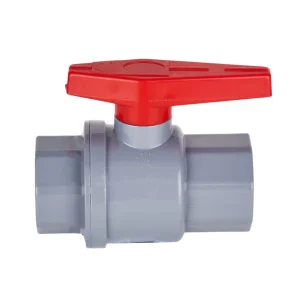
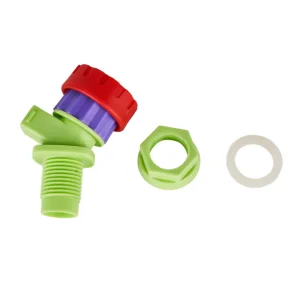
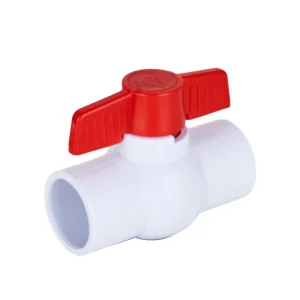
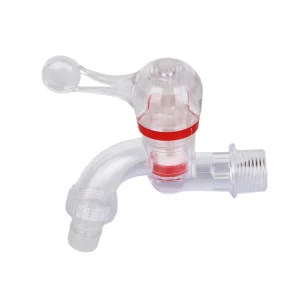
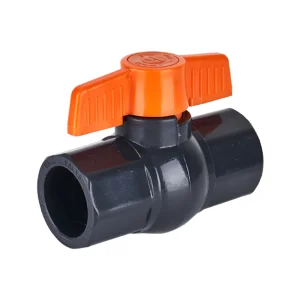
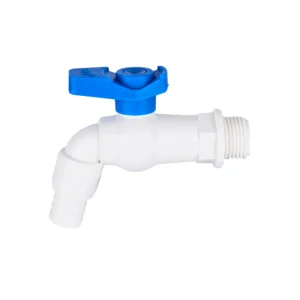
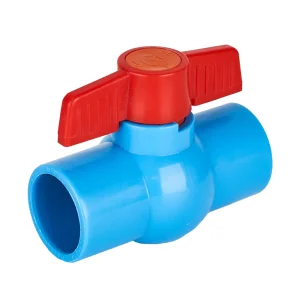
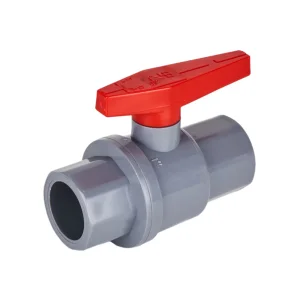
High-precision PVC, PPR, and ABS components engineered for seamless integration into industrial and municipal systems.
Answers to common questions regarding engineering specifications, installation standards, and sourcing logistics.
 EHAO
EHAO