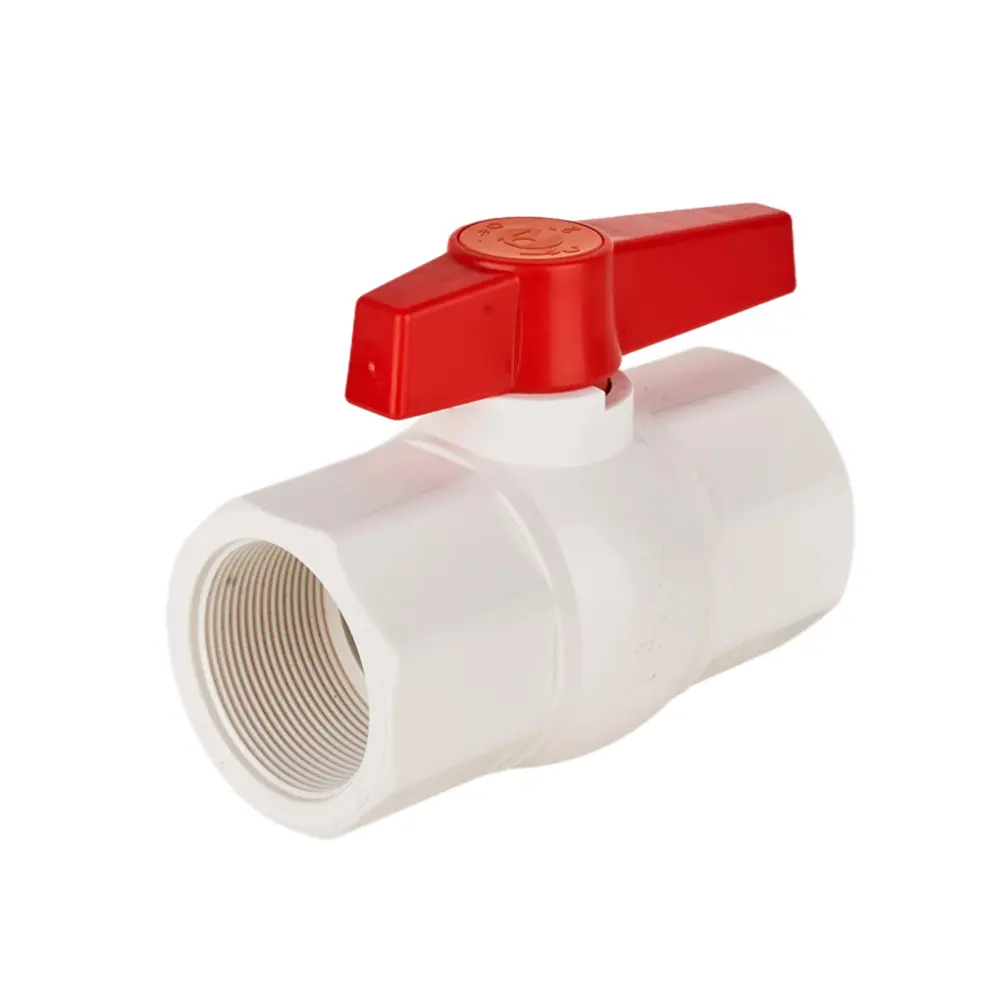
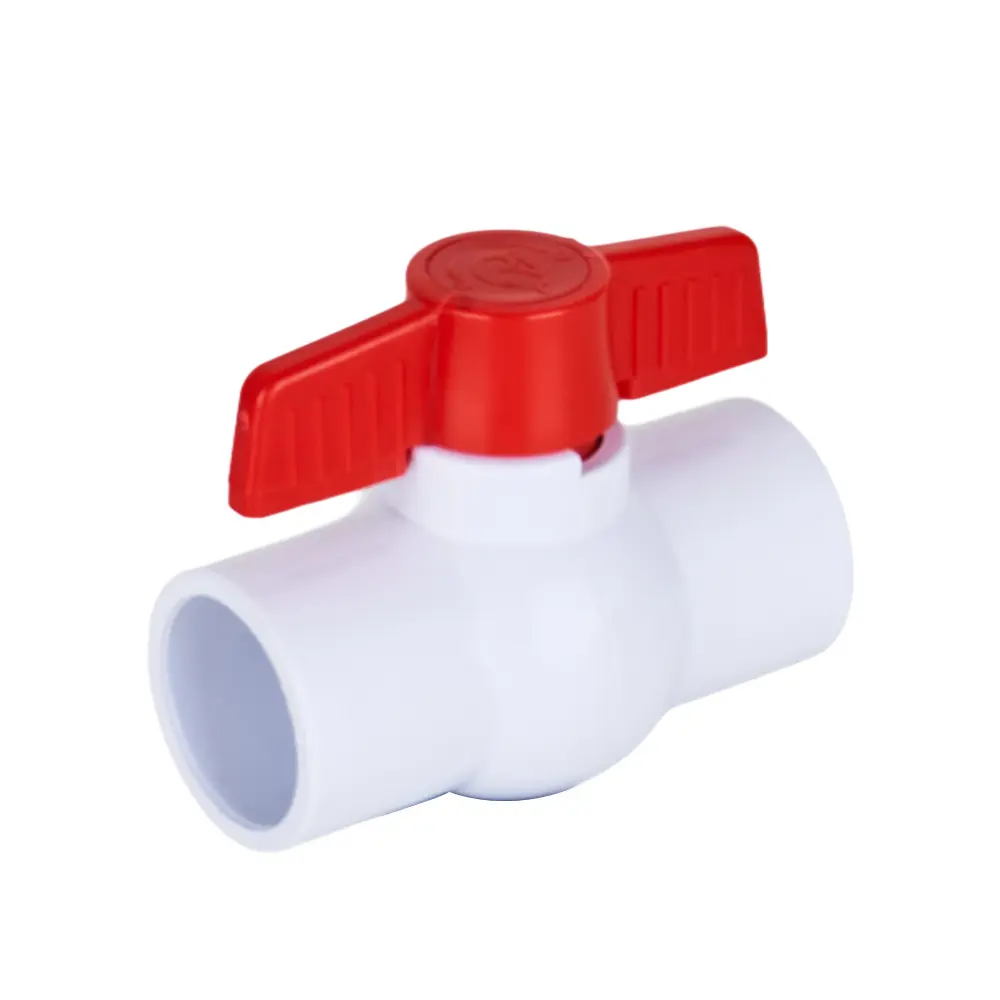
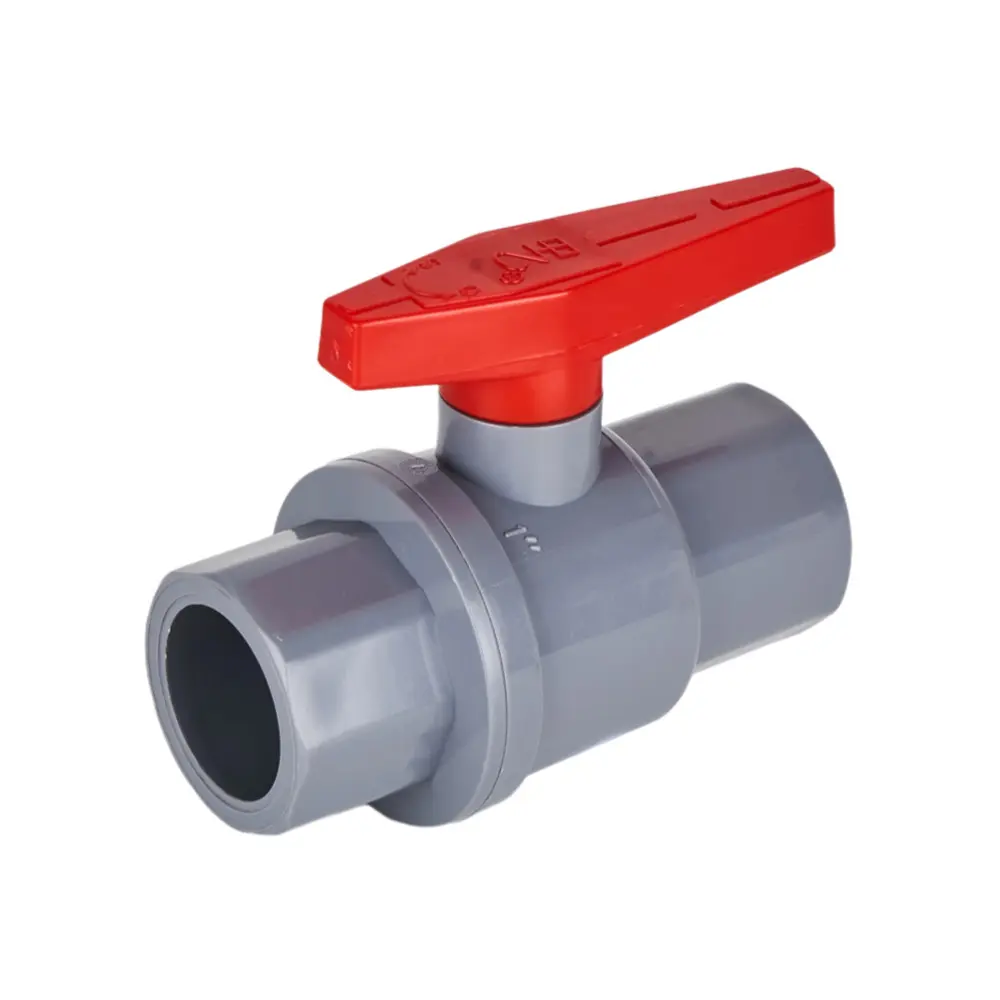
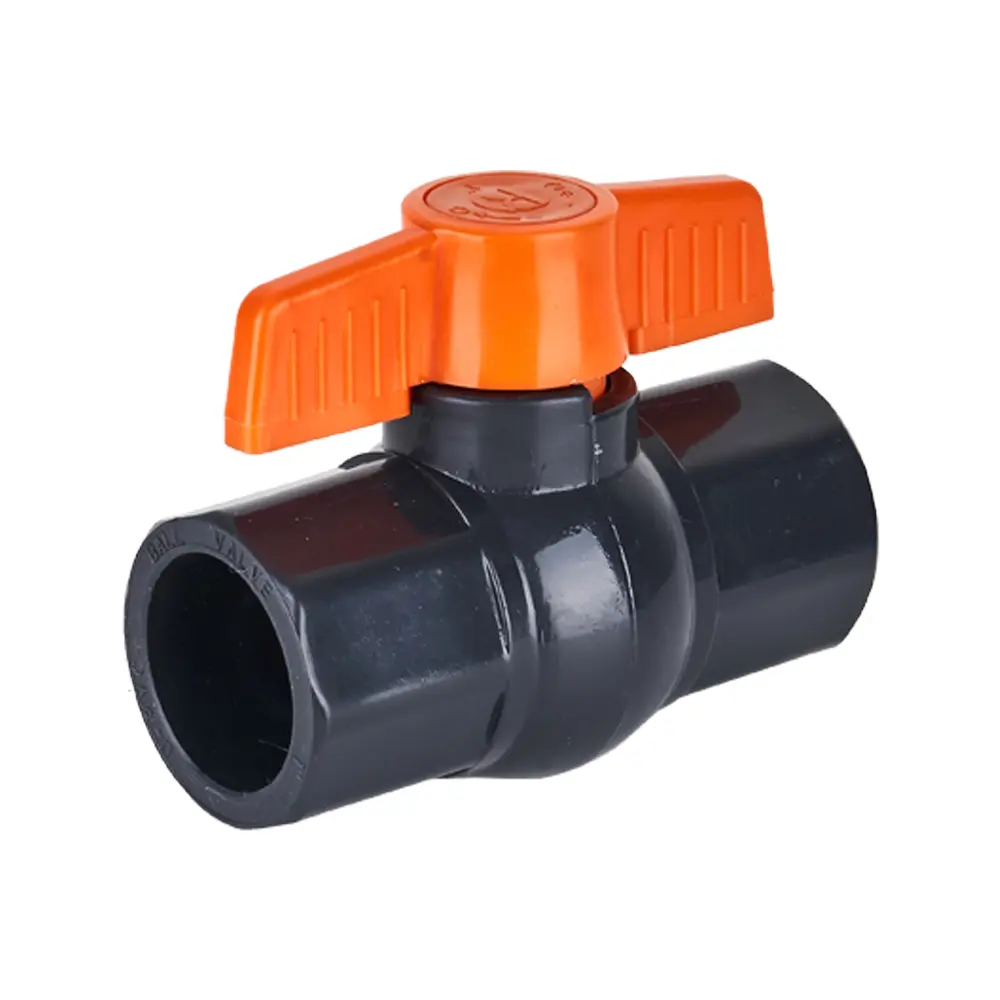
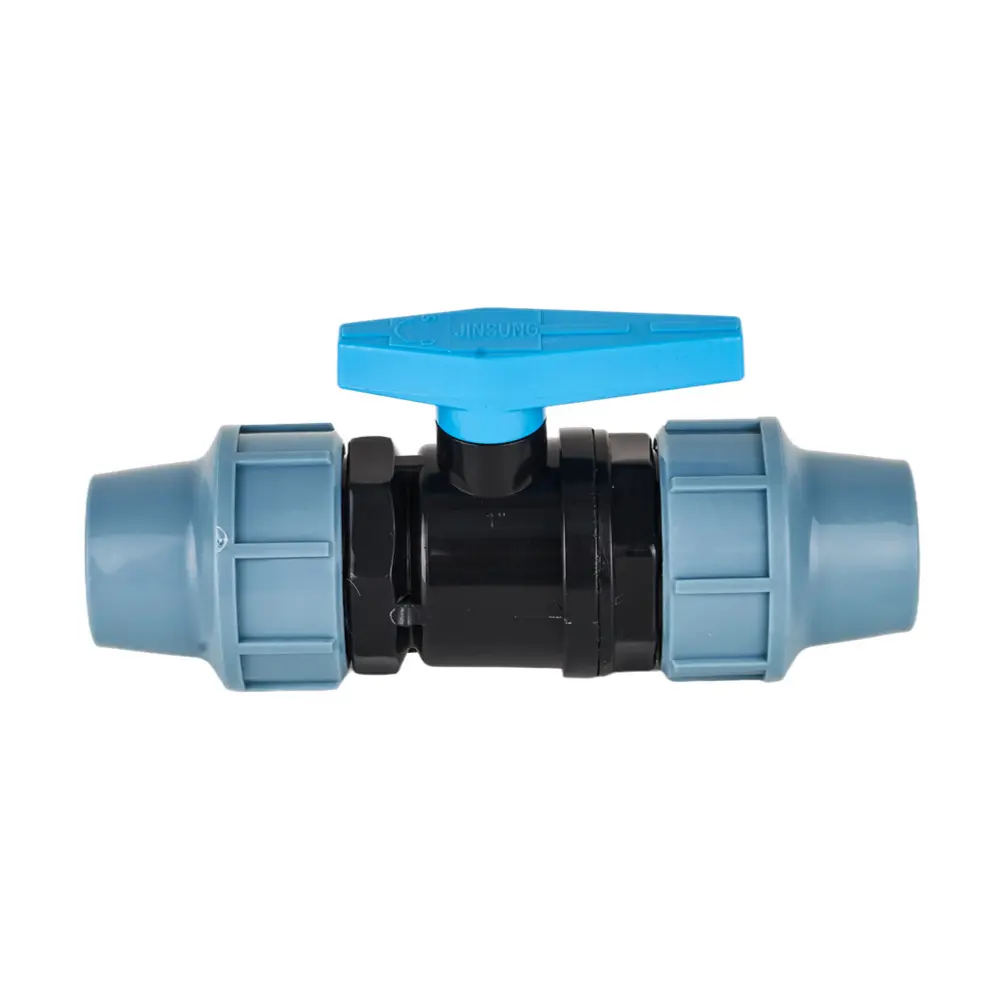
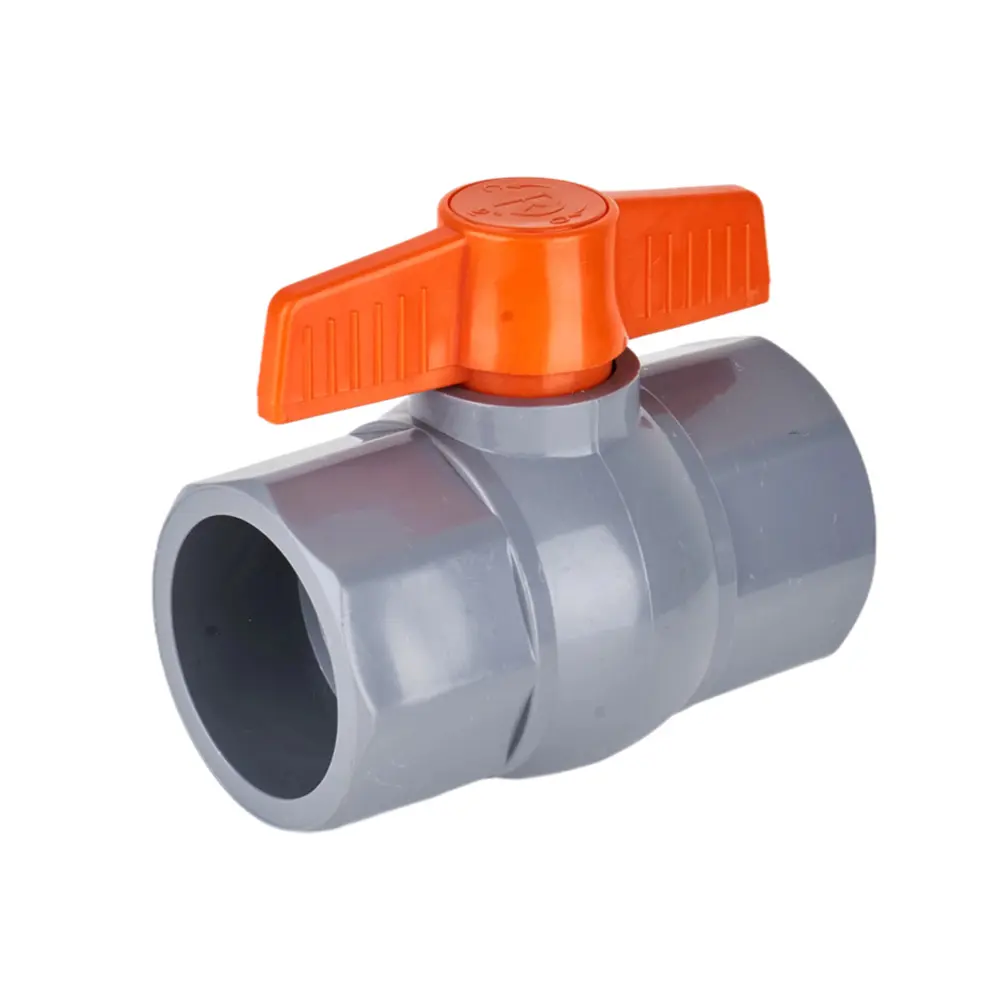
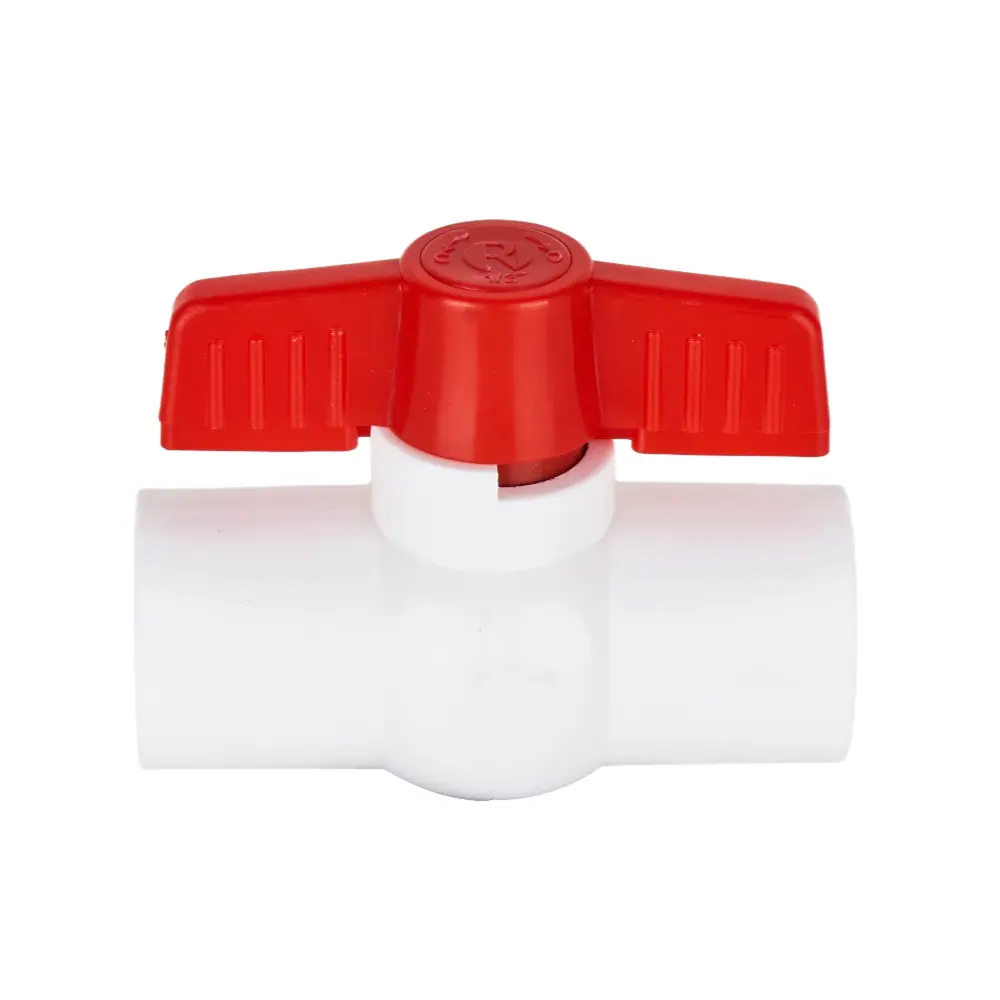
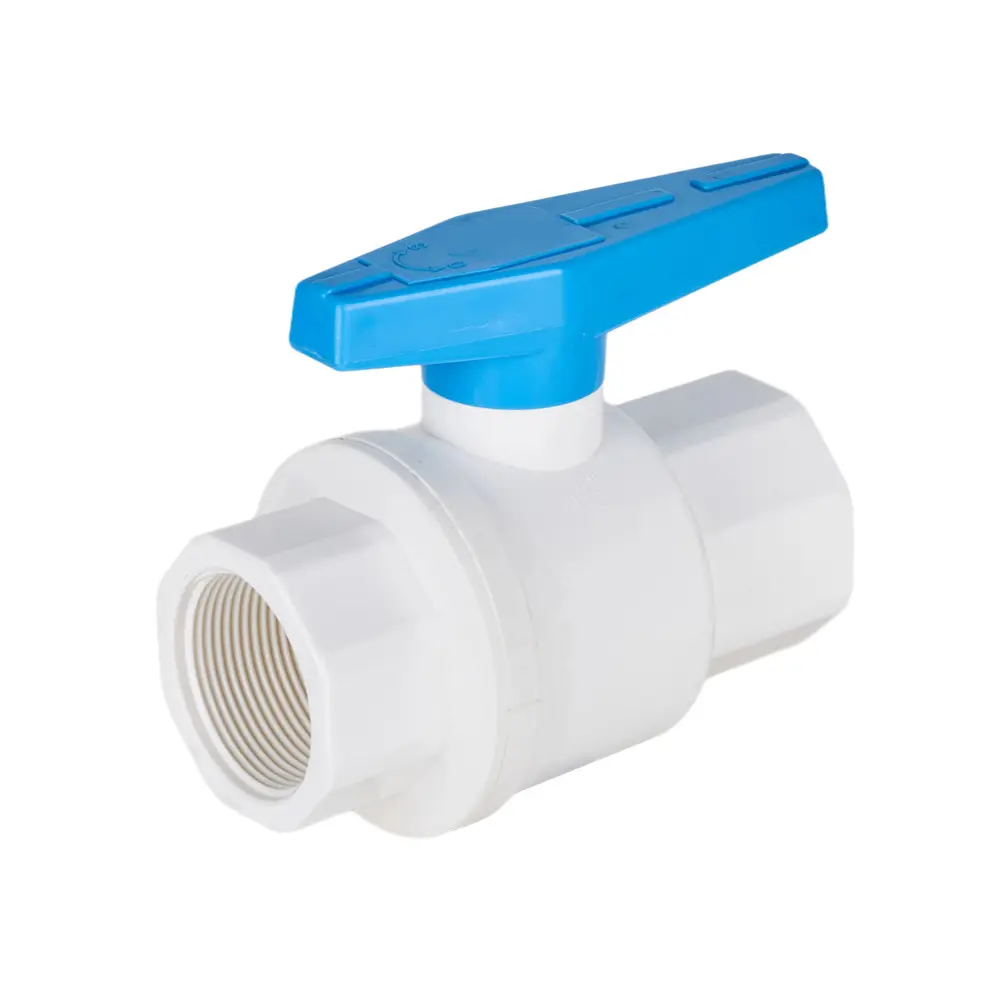
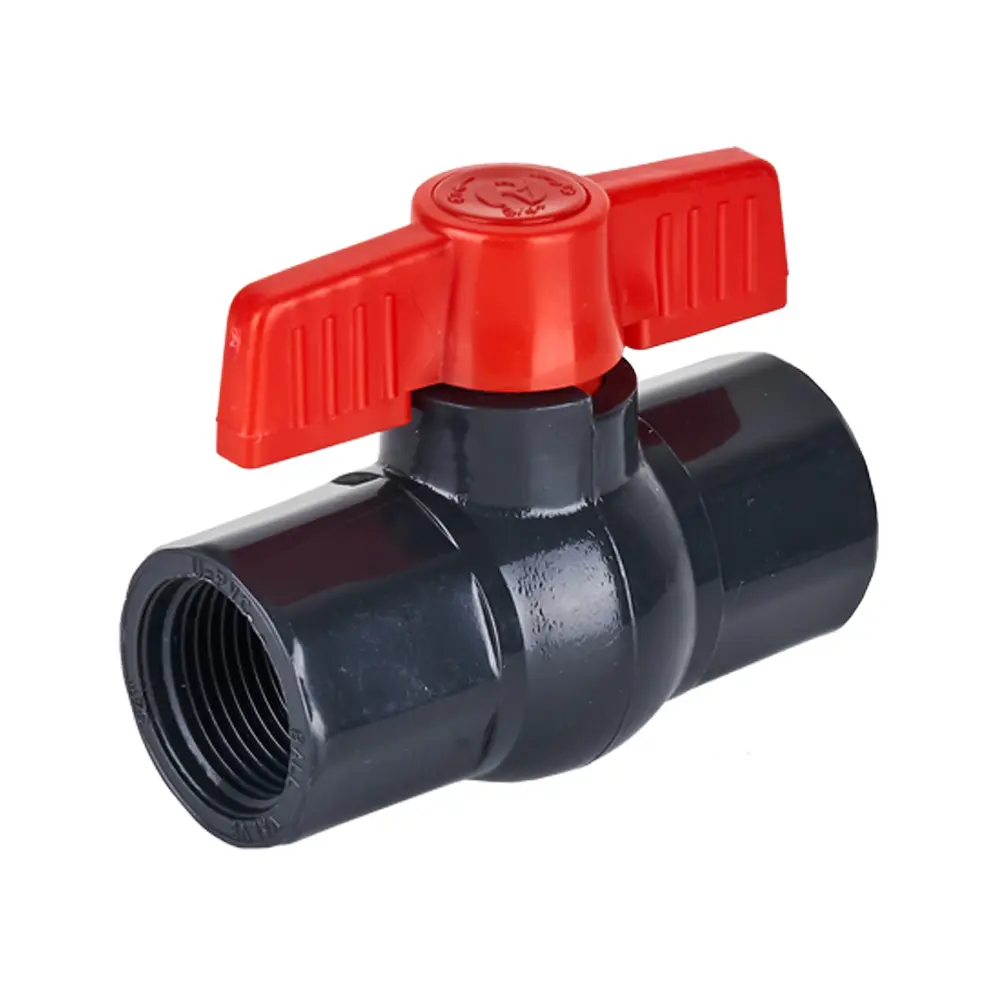
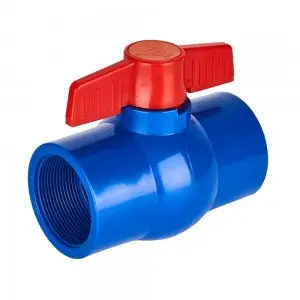
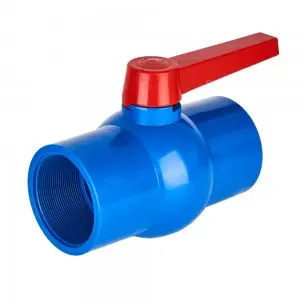
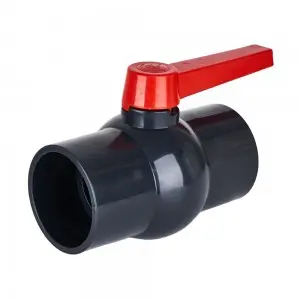
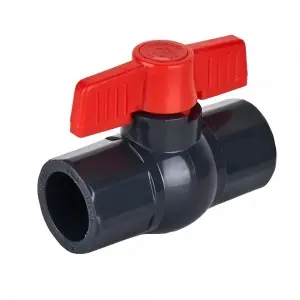
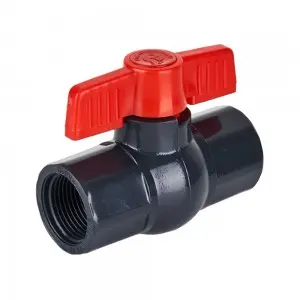
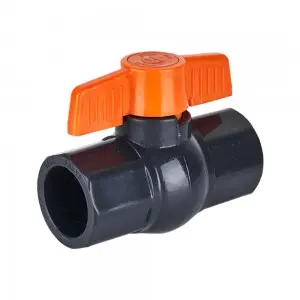
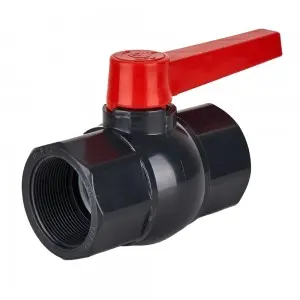
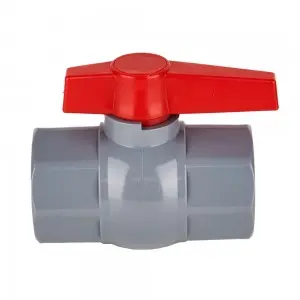
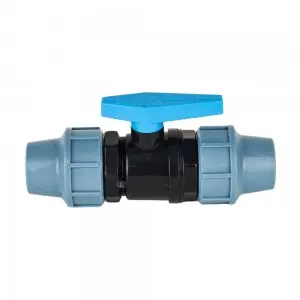
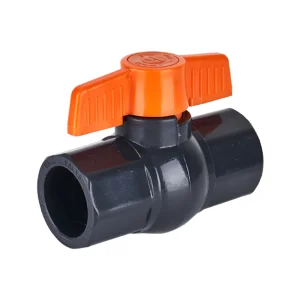
Explore Ehao Plastic Group's high-tech engineered fluid control solutions designed for demanding municipal, commercial, and industrial pipelines.
Established as a high-tech private enterprise, Ehao Plastic Group represents the pinnacle of modern manufacturing in the field of piping systems, architectural components, and advanced injection moulds. Headquartered in China's manufacturing heartland, we have positioned ourselves as a prominent manufacturer and exporter of PVC, UPVC, and CPVC piping products, including a comprehensive selection of compact and union ball valves that lead the domestic market.
Our technological DNA is built upon deep integration with scientific institutions. Since our founding, we have collaborated closely with the Chinese Academy of Sciences and Zhejiang University. This technical partnership enables us to refine the macromolecular formulation of our polymer materials, enhancing the mechanical properties, temperature resistance limits, and chemical resilience of every fitting we cast.
To translate theoretical material designs into physical reality, Ehao has imported specialized production lines and computer-controlled automatic injection molding machinery directly from Germany. Operating in an automated, highly precise facility, our production line executes a strict 26-step scientific testing and quality control validation cycle. The resulting polymer fittings conform strictly to DIN 8077 and DIN 8078 standards, meeting global compliance standards.
Analyzing how CPVC and UPVC systems resolve performance and structural integrity challenges across demanding heavy industry verticals.
Industrial facilities processing concentrated acids, chlorinated hydrocarbons, and alkaline solutions face rapid oxidation and wear when using metal pipes. Ehao's CPVC fittings, manufactured with high levels of chlorination, exhibit chemical inertness that prevents oxidation and degradation, ensuring stable operation for decades.
Standard PVC piping typically loses mechanical stability above 60°C. By contrast, Ehao's chlorinated formulation increases the glass transition temperature (Tg) to 110°C–135°C. This allows our CPVC products to reliably transport boiling water, steam condensates, and hot chemical process lines without softening or cracking under pressure.
With a Hazen-Williams flow coefficient of C=150, our CPVC and UPVC pipes maintain exceptionally smooth internal walls. This reduces fluid friction losses, prevents biofilm accumulation and scaling, and reduces pump electricity consumption across municipal clean water delivery infrastructure.
A comparative engineering reference documenting the properties of Ehao's industrial-grade CPVC and UPVC formulations.
| Performance Characteristic | UPVC (Unplasticized PVC) | CPVC (Chlorinated PVC) | Test Standard Reference |
|---|---|---|---|
| Specific Gravity | 1.40 - 1.46 g/cm³ | 1.50 - 1.55 g/cm³ | ASTM D792 |
| Tensile Strength at Yield | 50 - 55 MPa | 55 - 62 MPa | ASTM D638 |
| Flexural Modulus | 2,800 - 3,200 MPa | 3,000 - 3,600 MPa | ASTM D790 |
| Vicat Softening Temperature | ≥ 80 °C | ≥ 103 °C | ISO 306 / ASTM D1525 |
| Coefficient of Thermal Expansion | 5.4 x 10⁻⁵ m/m/°C | 6.1 x 10⁻⁵ m/m/°C | ASTM D696 |
| Limiting Oxygen Index (LOI) | 45% | 60% | ASTM D2863 (Self-extinguishing) |
"Engineering Alert: The increased chlorine density of CPVC restricts flame propagation and produces minimal smoke toxicity during thermal degradation events, making it a preferred material for high-density commercial plumbing and industrial applications."
An ex-factory pass rate of 100% requires rigorous testing. At Ehao, every production batch of CPVC pipe fittings must pass through a strict testing regimen designed in partnership with research institutions. This includes:
Ehao thermoplastic systems are engineered to perform reliably across a wide range of operational environments.
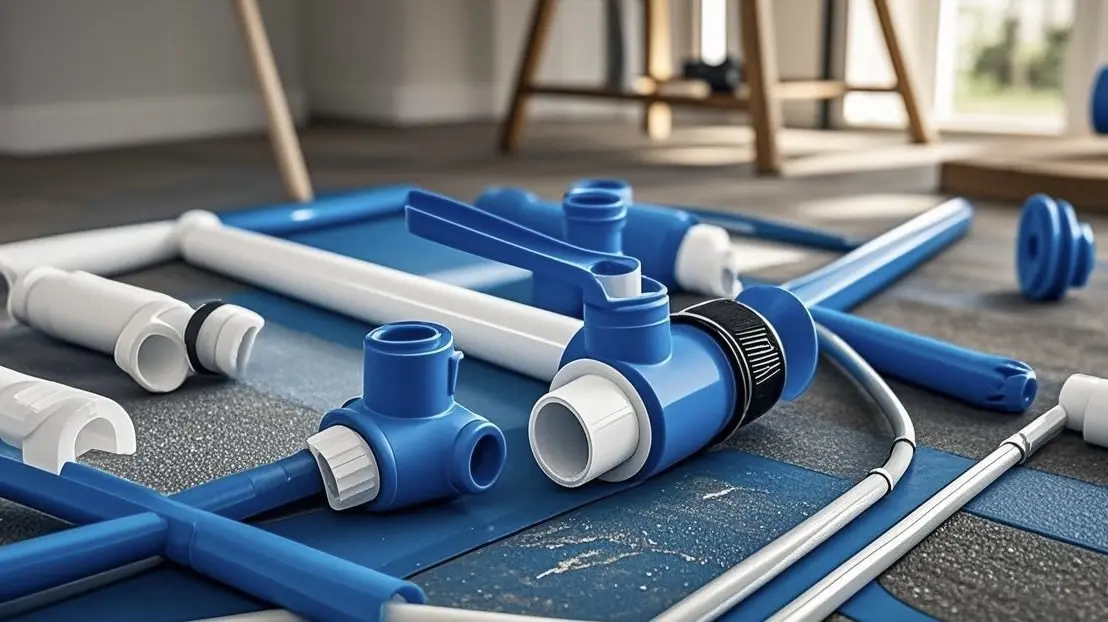
Safe, non-toxic drinking water distribution systems for modern residential complexes.
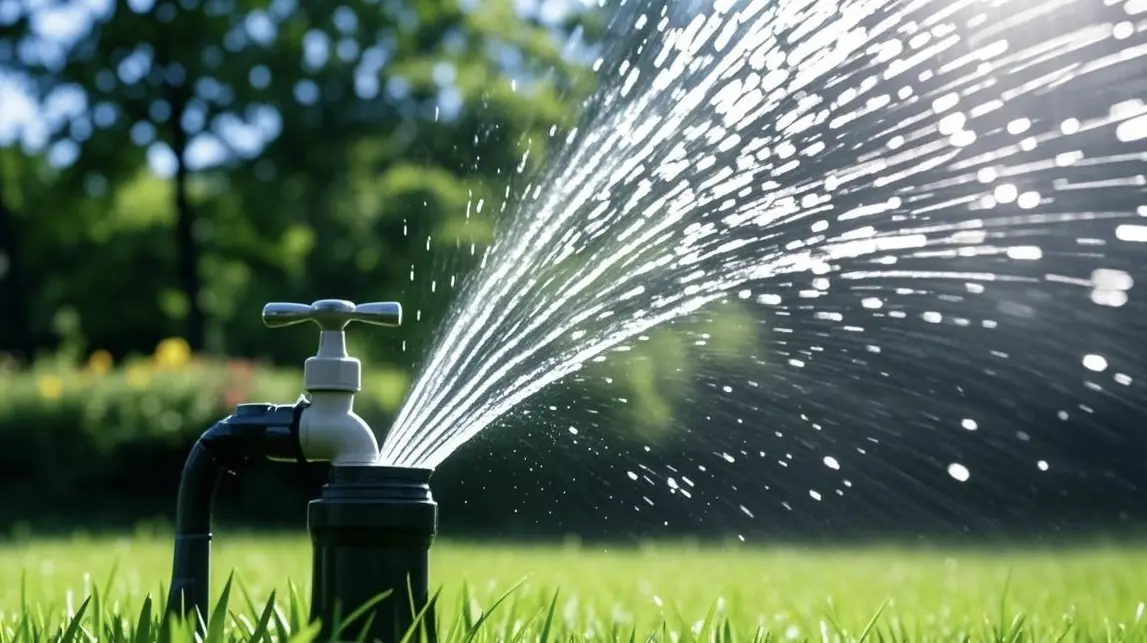
Corrosion-free pipelines built to withstand fertilizers and varying agricultural pressures.
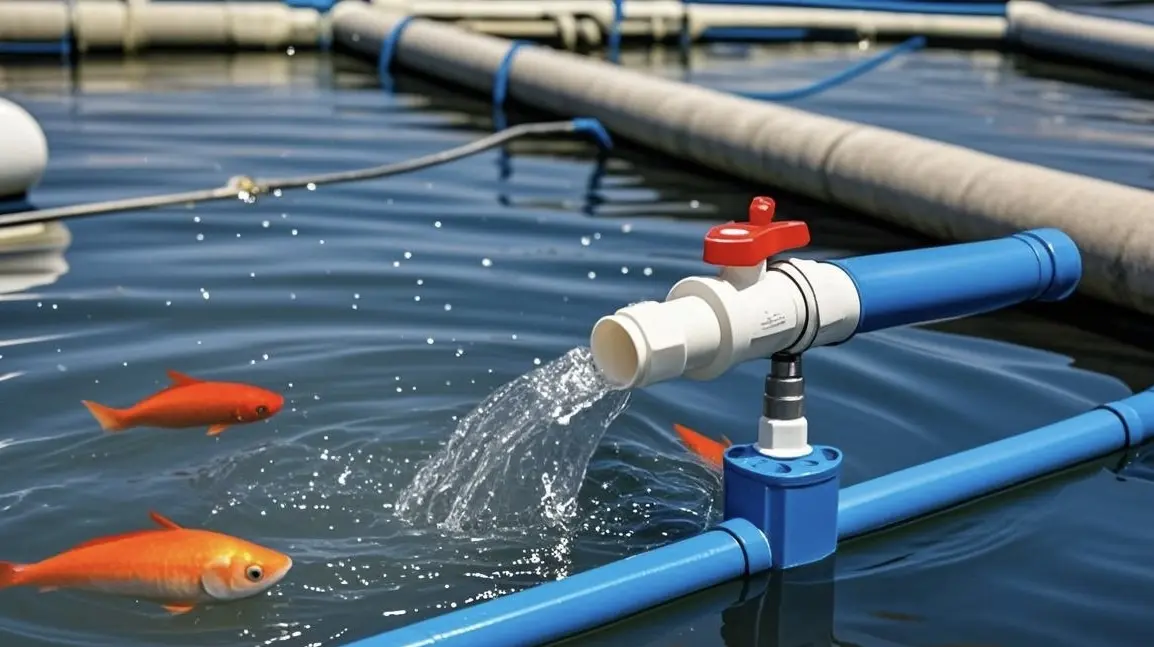
Chemically inert piping systems designed to maintain balanced aquatic chemistry.
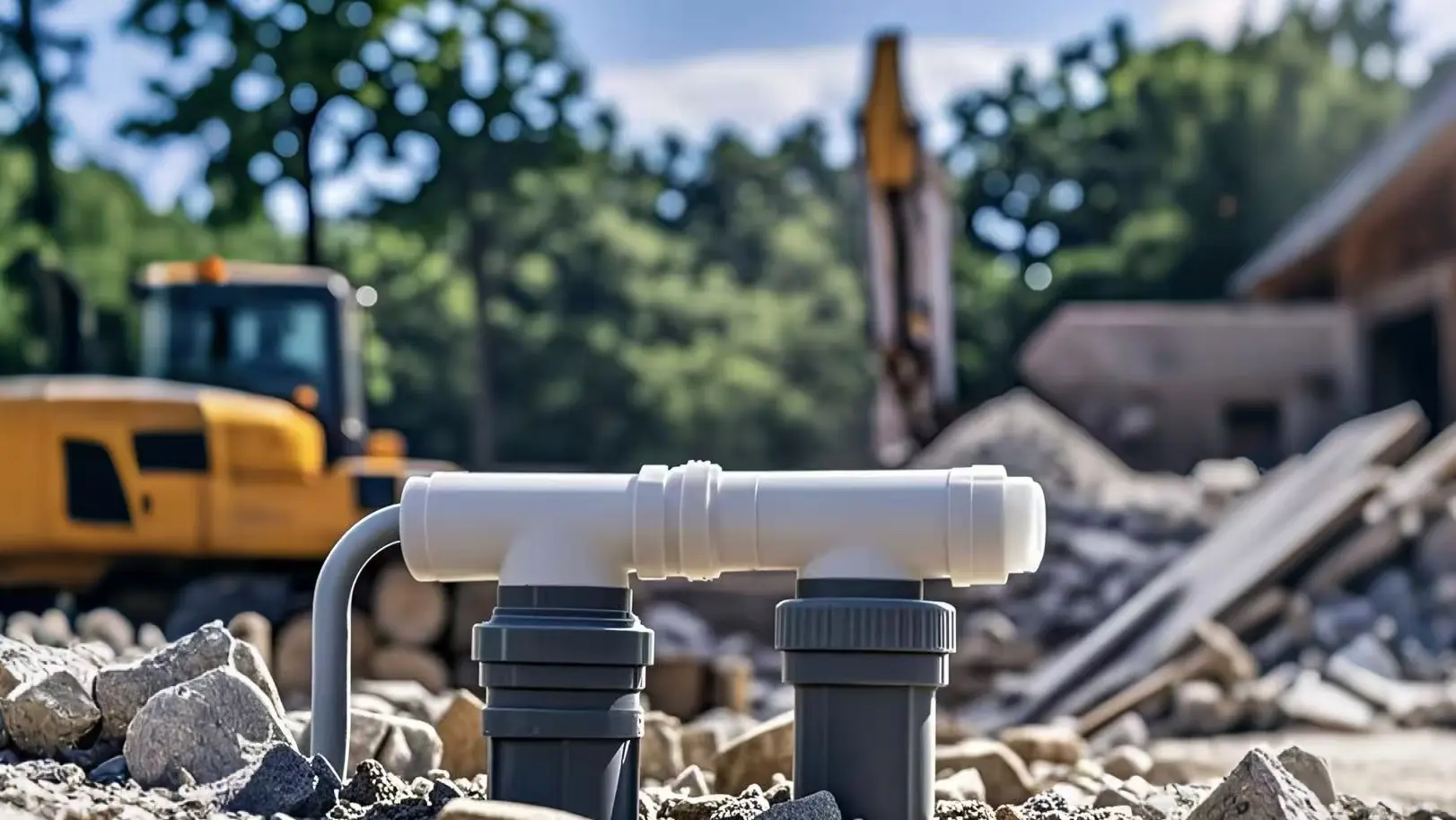
Durable industrial fluid networks designed for multi-story commercial projects.
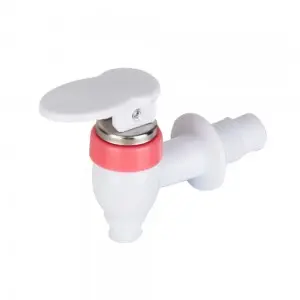
Certified lead-free raw polymer material
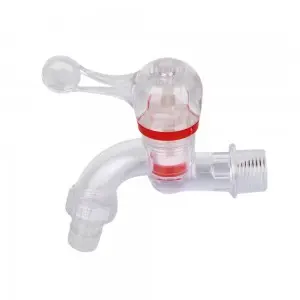
Impact-resistant polycarbonate construction
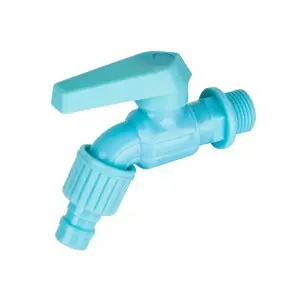
Engineered for high cycles and reliable shut-off
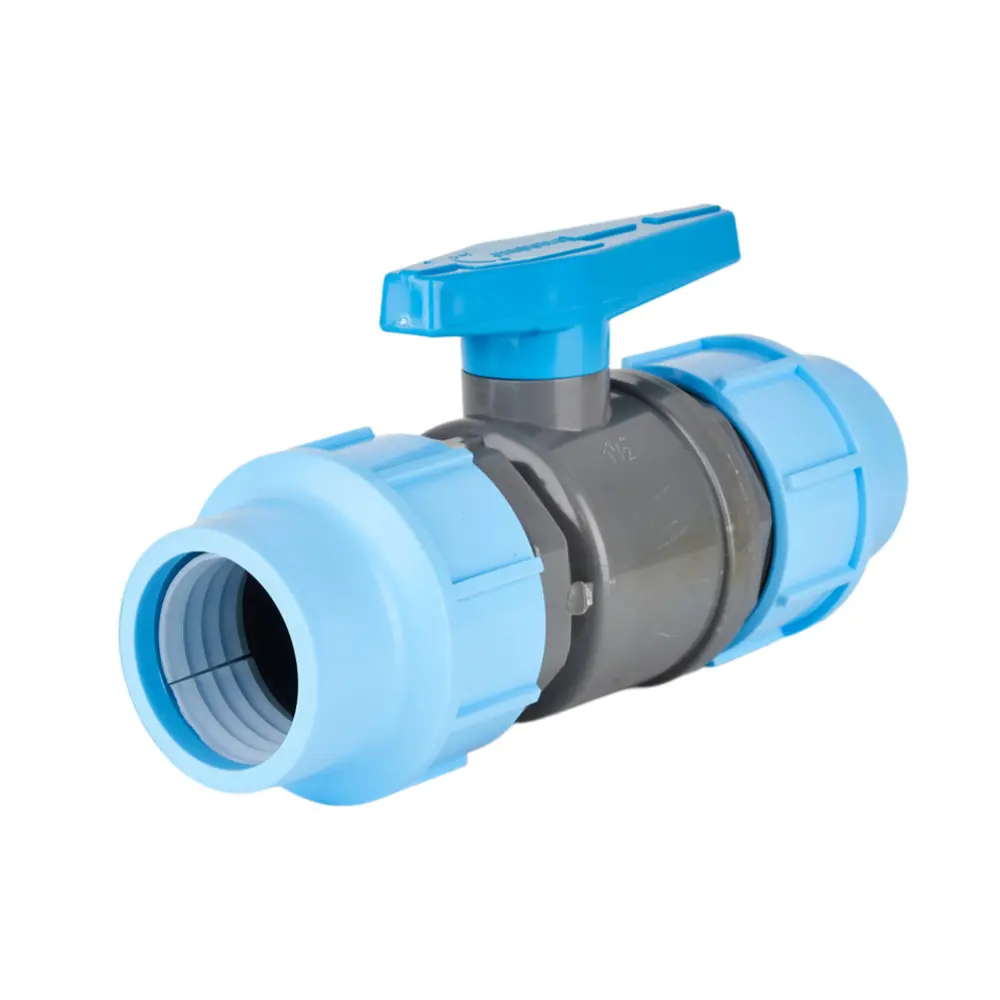
Designed to facilitate quick maintenance teardowns
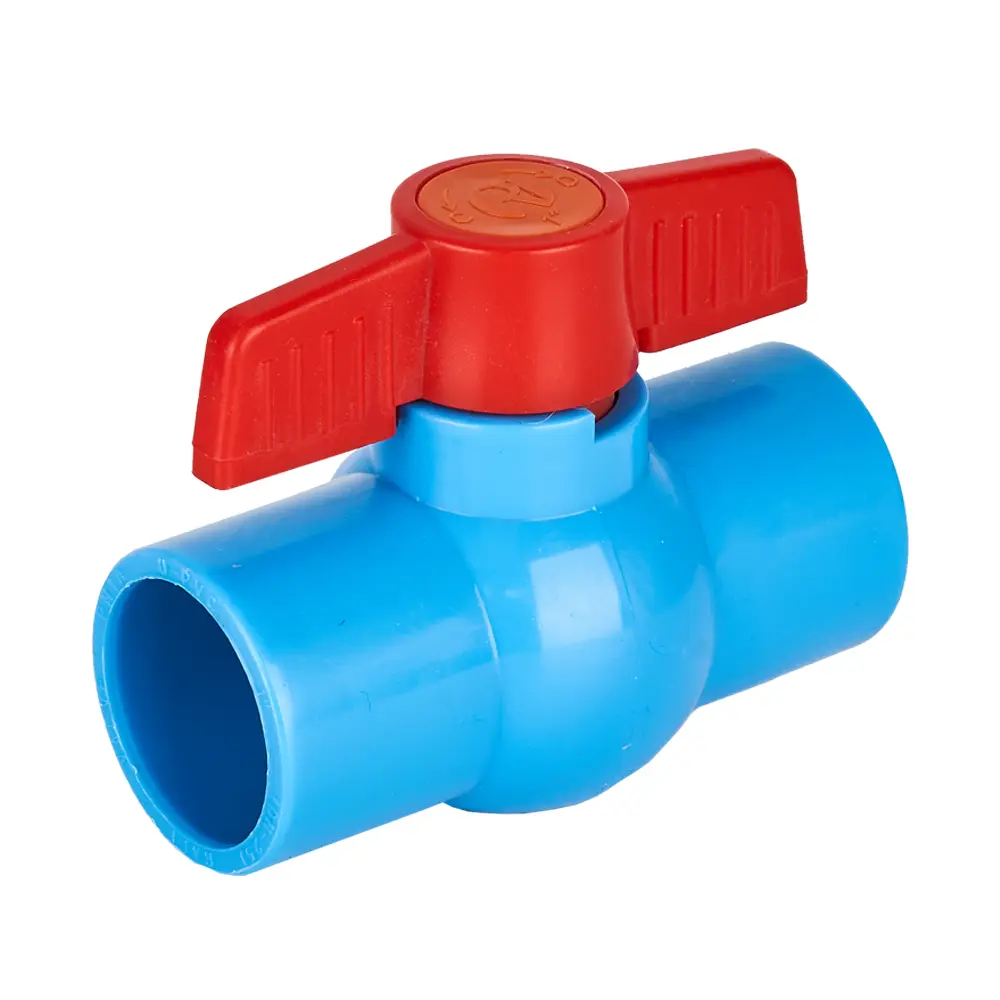
Factory-direct supply for commercial distribution
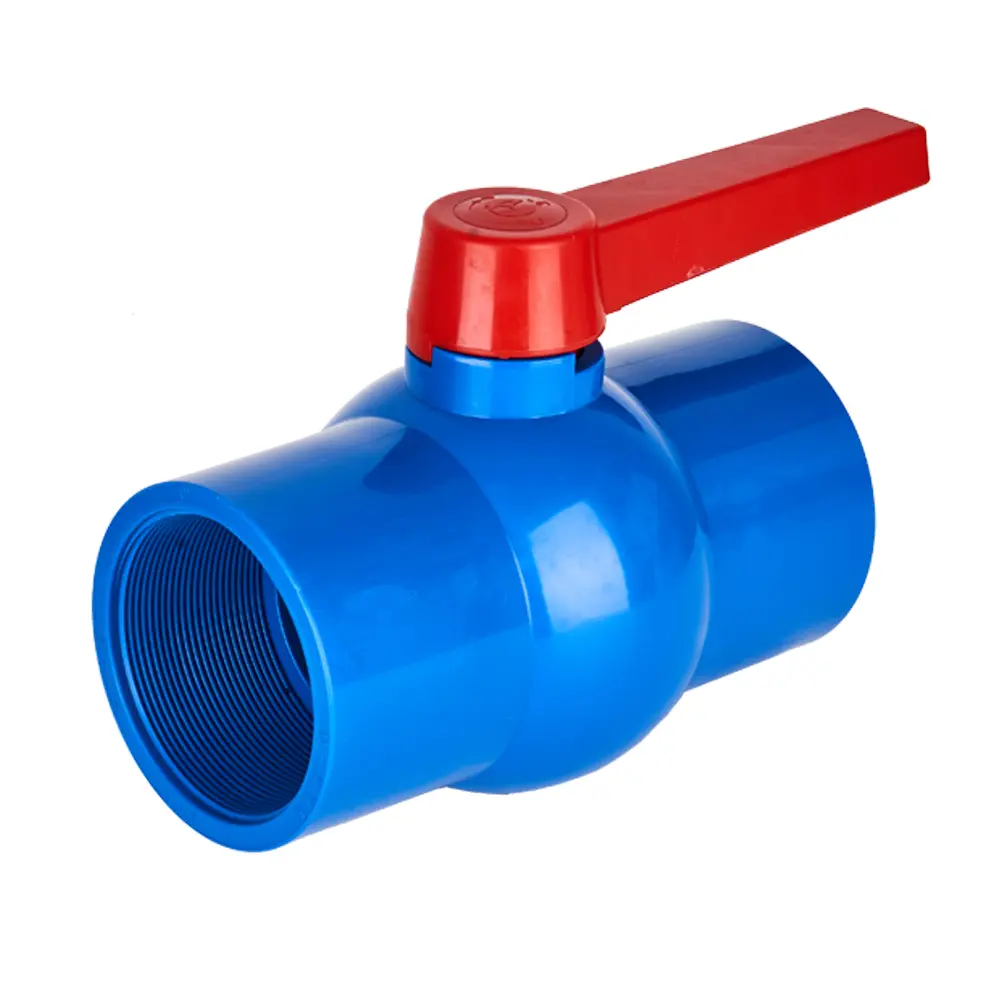
High-flow capacity designed for industrial liquid loops
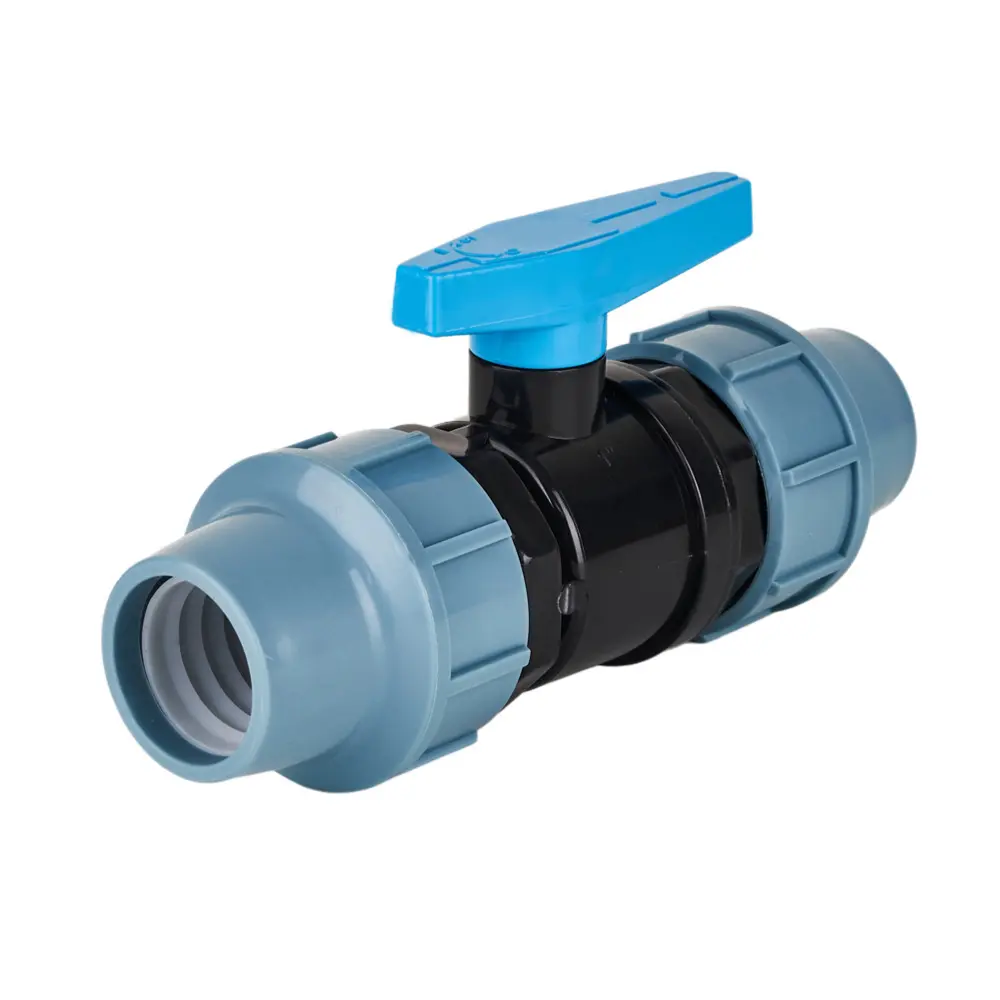
Features adjustable union block seat carriers
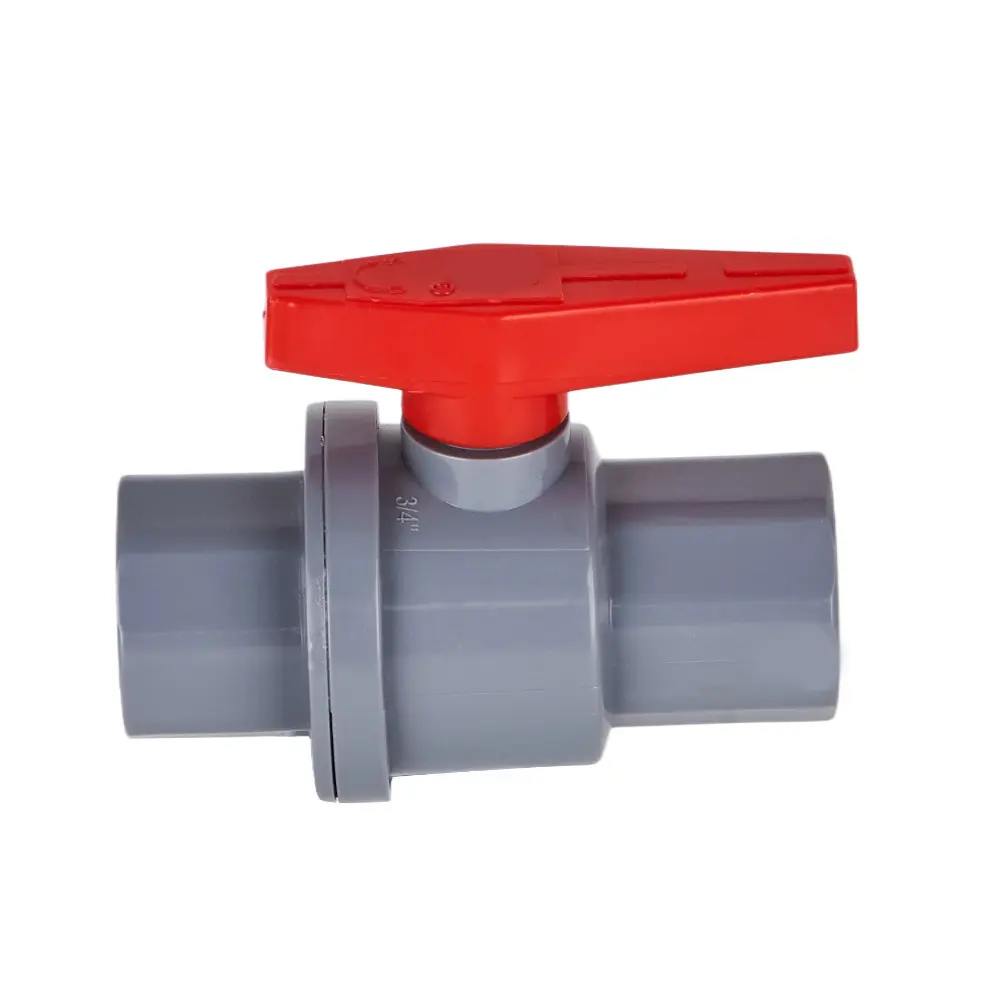
Reinforced stem seals designed to prevent leaks
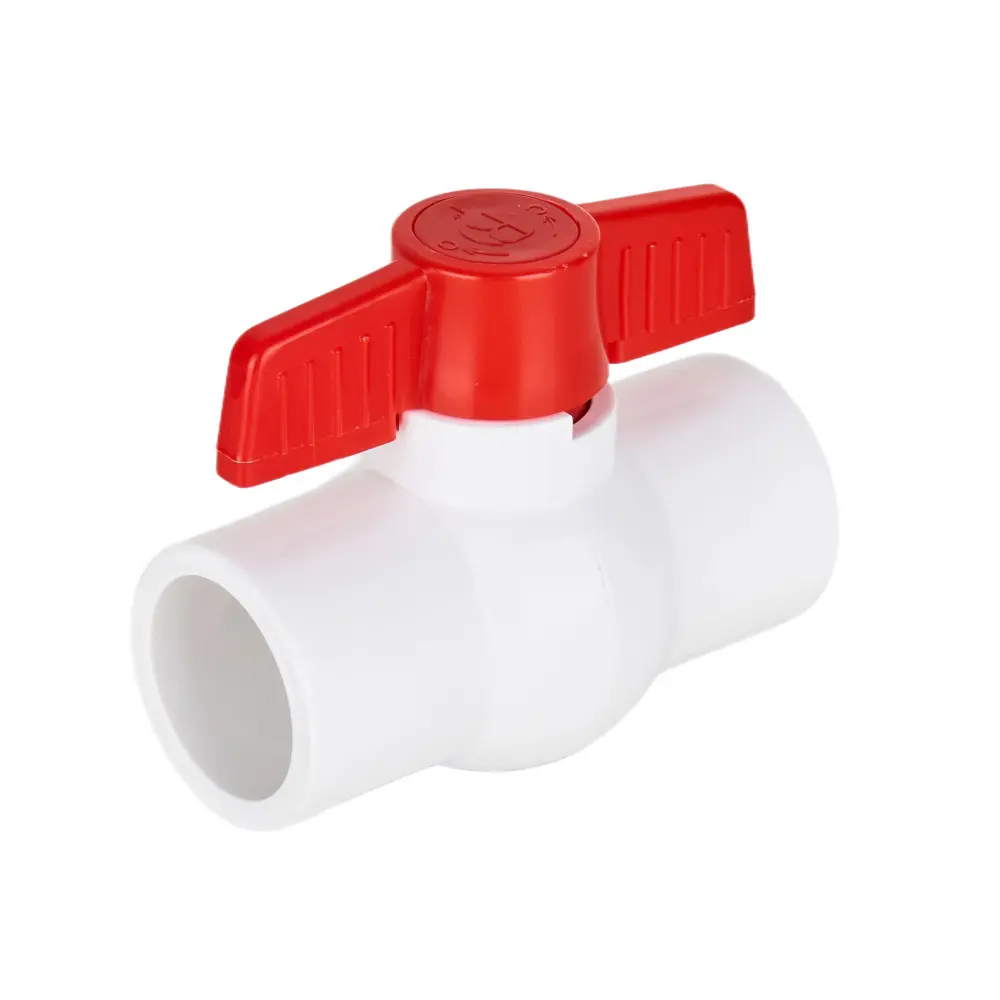
SCH 80 equivalent wall thickness for added safety
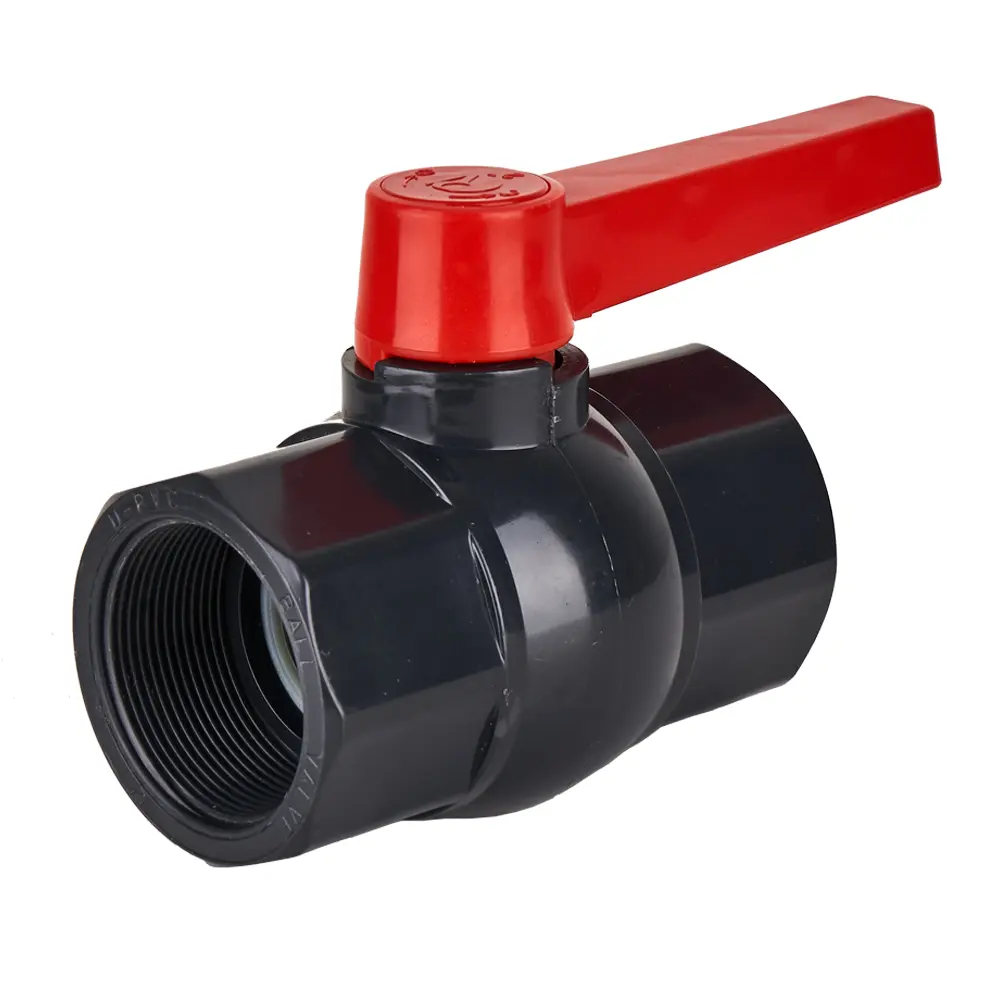
UV-stabilized resin formulation for outdoor setups
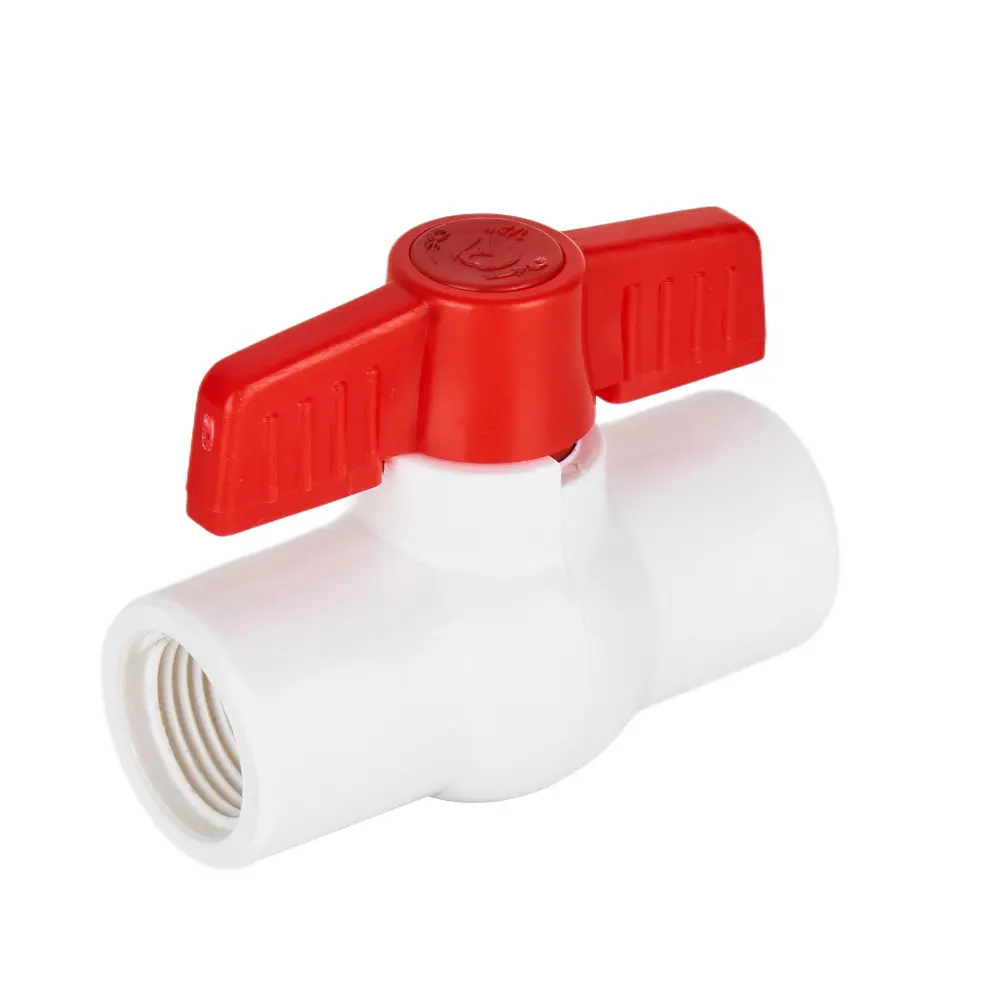
Precision-molded threads designed to prevent galling
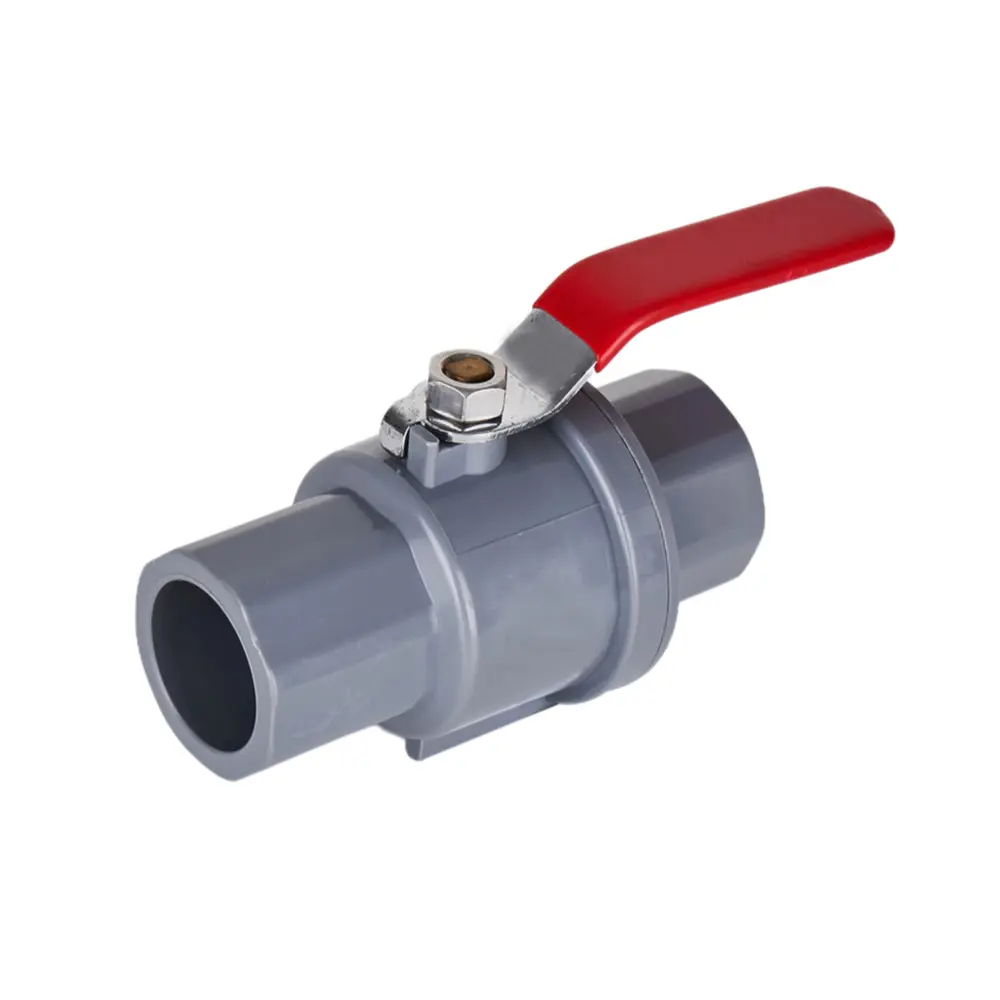
Heavy-duty corrosion-resistant handle
Ehao Plastic Group develops custom injection molds, custom extrusions, and OEM-specified geometries for international distributors.
In addition to our standard lines of ball valves and bibcocks, we manufacture specialized plastic moulds, allowing us to supply components based on client samples, 3D CAD files, and architectural blueprints. Our manufacturing team collaborates with local engineering firms to deliver:
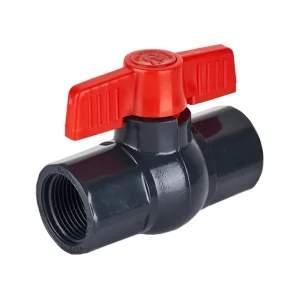
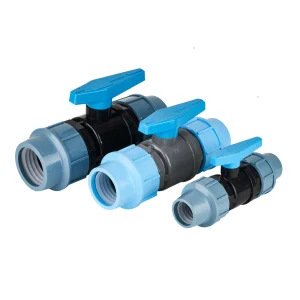
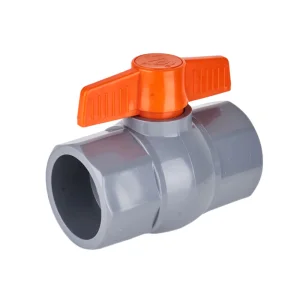
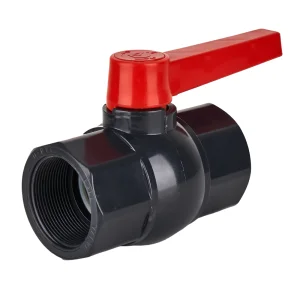
A detailed view of the dimensional options, handle configurations, and socket profiles produced inside our automated injection facility.
How our ongoing research initiatives at Zhejiang University and the Chinese Academy of Sciences shape future fluid logistics.
The future of industrial plastics lies in balancing chemical resilience with sustainable production processes. In collaboration with university polymer laboratories, Ehao is working to eliminate heavy metal thermal stabilizers across our manufacturing lines. We are transitioning to calcium-zinc (Ca-Zn) and organic stabilizer compositions to ensure compliance with upcoming environmental standards.
Additionally, we are upgrading our German automated production lines with IoT sensors that monitor mold temperatures and cavity pressures in real time. This integration of smart manufacturing principles helps minimize microscopic material inconsistencies, further improving the mechanical reliability of our high-volume wholesale shipments.
Addressing key technical, chemical, and structural queries from project designers and procurement specialists.
At a base temperature of 23°C, Ehao CPVC Schedule 80 fittings are typically rated for pressures up to 1.6 MPa (PN16). However, as operating temperatures rise, thermal derating factors must be applied. At 80°C, the allowable pressure capacity drops to approximately 50% of its base rating (0.8 MPa). System designers should reference standard temperature-pressure tables before finalizing layouts.
Our 26-step quality control protocol ensures consistent mechanical performance across production batches. By validating parameters like molecular weight and dimensions, we reduce the risk of on-site issues like micro-fissuring and solvent welding failures, minimizing system downtime.
Yes, our CPVC and UPVC formulations offer strong chemical resistance against concentrated hydrochloric acid, sulfuric acid (up to 70%), and sodium hydroxide solutions. For highly oxidising substances like concentrated nitric acid (above 40%), we recommend using CPVC over UPVC, or contacting our technical department to discuss chemical compatibility.
With a coefficient of thermal expansion of 6.1 x 10⁻⁵ m/m/°C, CPVC systems will expand or contract as temperatures change. On long, straight runs carrying hot liquids, engineers should incorporate expansion loops or offset legs. Standard rigid clamps should be avoided; instead, use hangers that allow the pipe to move freely as it expands.
Solvent cement formulated specifically for CPVC must be used for CPVC joints due to the material's chemical structure. While transition cement can join CPVC and PVC components, it is best to avoid mixing materials in high-temperature or high-pressure systems, as standard PVC cannot match the thermal capacity of CPVC.
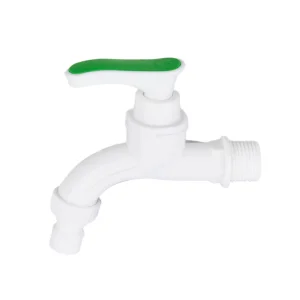
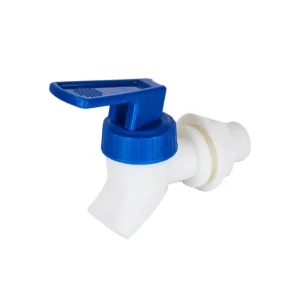
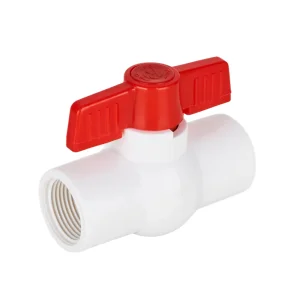
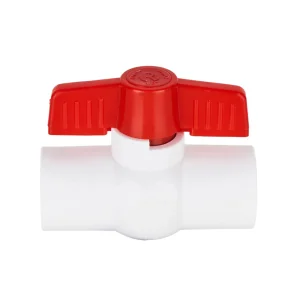
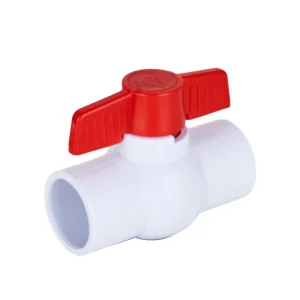
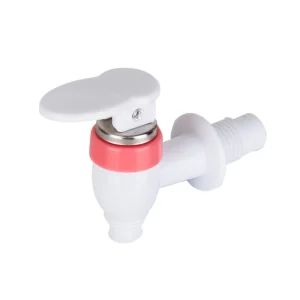
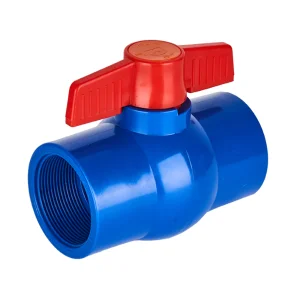
Continuing our technical catalog featuring white compact valves, drinking water taps, and industrial-grade socket fittings.
 EHAO
EHAO