Engineered for leakproof longevity, chemical resistance, and high pressure-tolerance in global commercial fluid systems.
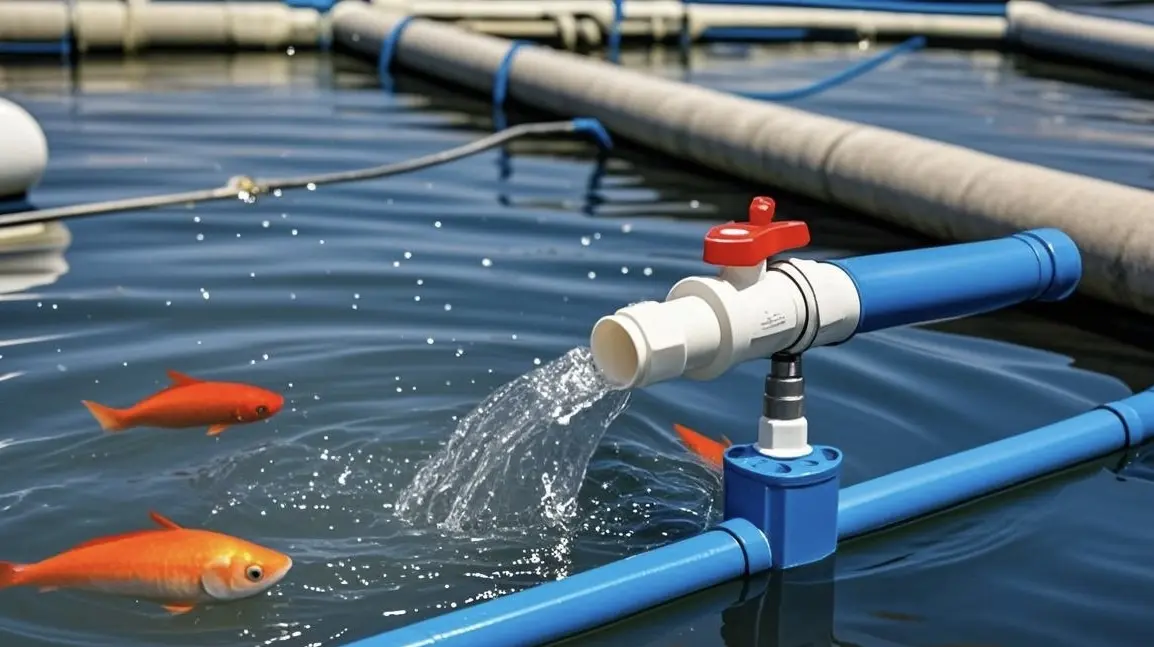
As modern liquid transmission networks demand increasingly tight structural performance parameters, the global industry has transitioned rapidly from heavy metallic alloy fittings to engineered thermoplastic control components. Among these, unplasticized polyvinyl chloride (UPVC) and standard PVC ball valves represent the benchmark for cost-efficiency, chemical inertness, and structural reliability. In markets across North America, the European Union, and rapidly developing zones in Southeast Asia, these components serve as the primary shutoff mechanisms for municipal distribution systems, intensive agricultural irrigation networks, commercial marine culture facilities, and general civil construction works.
The primary advantage driving the adoption of PVC ball valves over traditional bronze or stainless steel alternatives lies in their comprehensive resistance to electrochemical corrosion and chemical attack. While metallic valves are prone to galvanic decay, scale accumulation, and pitting when subjected to aggressive groundwater or industrial effluents, high-grade PVC remains structurally unaffected. Ehao Plastic Group, a premier private high-tech enterprise, has positioned itself at the vanguard of this industrial shift. Integrating advanced materials science with precise molding techniques, we address the critical global demand for valves that satisfy both DIN 8077/8078 standards and strict environmental safety protocols.
Building high-end building materials and high-precision injection molds requires more than basic manufacturing capacity—it demands systematic, research-driven innovation. From its inception, Ehao Plastic Group has forged deep technological alliances with the Chinese Academy of Sciences (CAS) and Zhejiang University. This network of academic-industrial integration ensures that our polymer blends exhibit enhanced tensile strength, optimized molecular weight distributions, and superior thermal stability compared to generic domestic alternatives.
To convert this technological edge into physical products, our factory relies on fully automated production systems imported directly from Germany. By integrating high-speed computer-controlled automatic injection molding lines, we eliminate manual assembly variations that lead to stress points or minor leakage. Our production workflow includes a rigorous 26-step scientific testing pipeline. Every valve is subjected to hydrostatic burst tests, cycle fatigue assessments, and strict dimensional verifications. This guarantees a 100% ex-factory pass rate, elevating our components to a peerless world-class standard.
From domestic residential piping to extreme industrial flow control, Ehao PVC ball valves are optimized for targeted operational stresses.
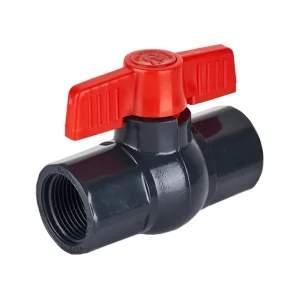
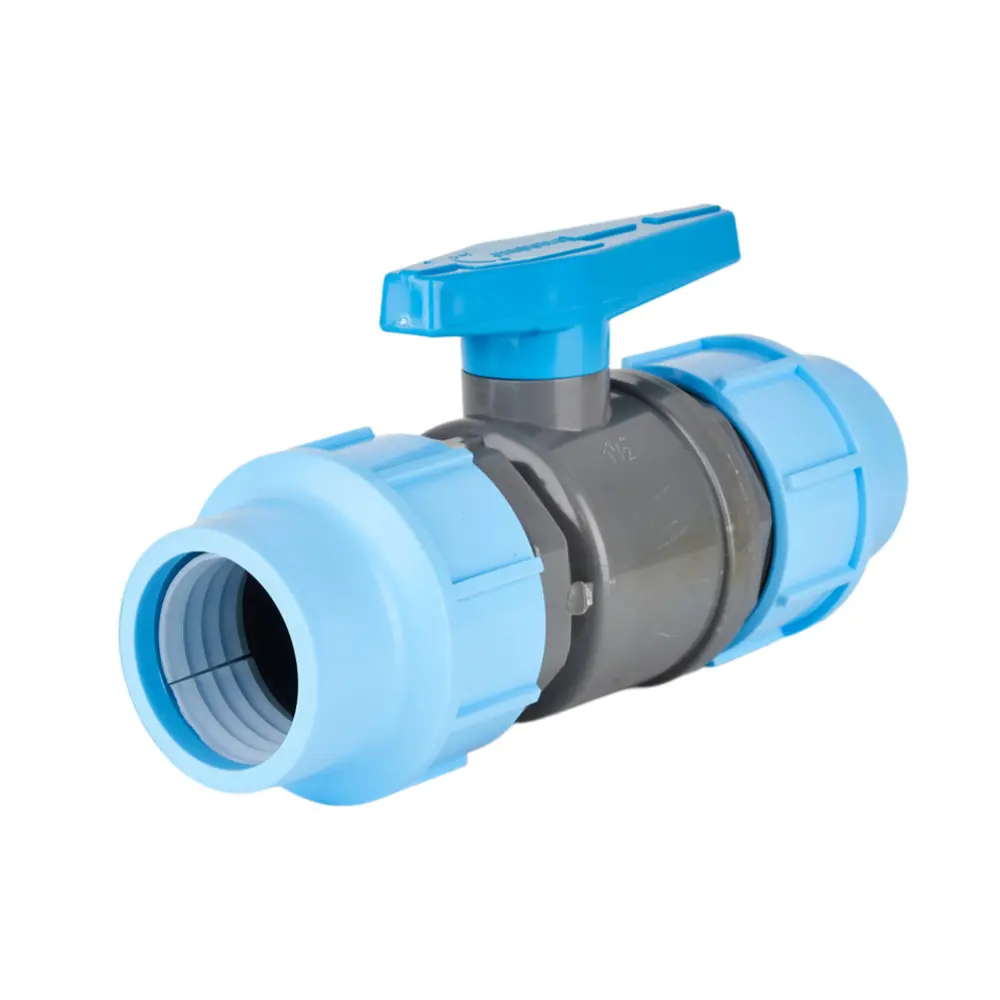
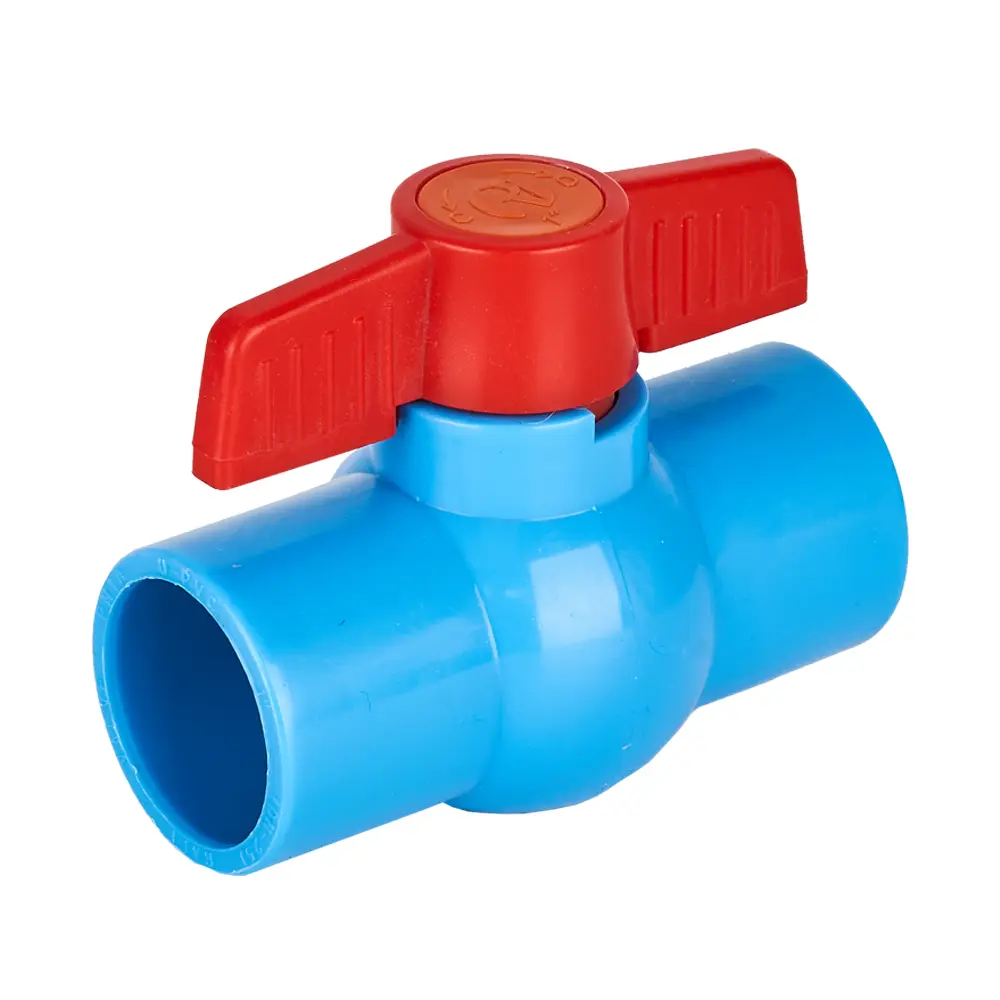
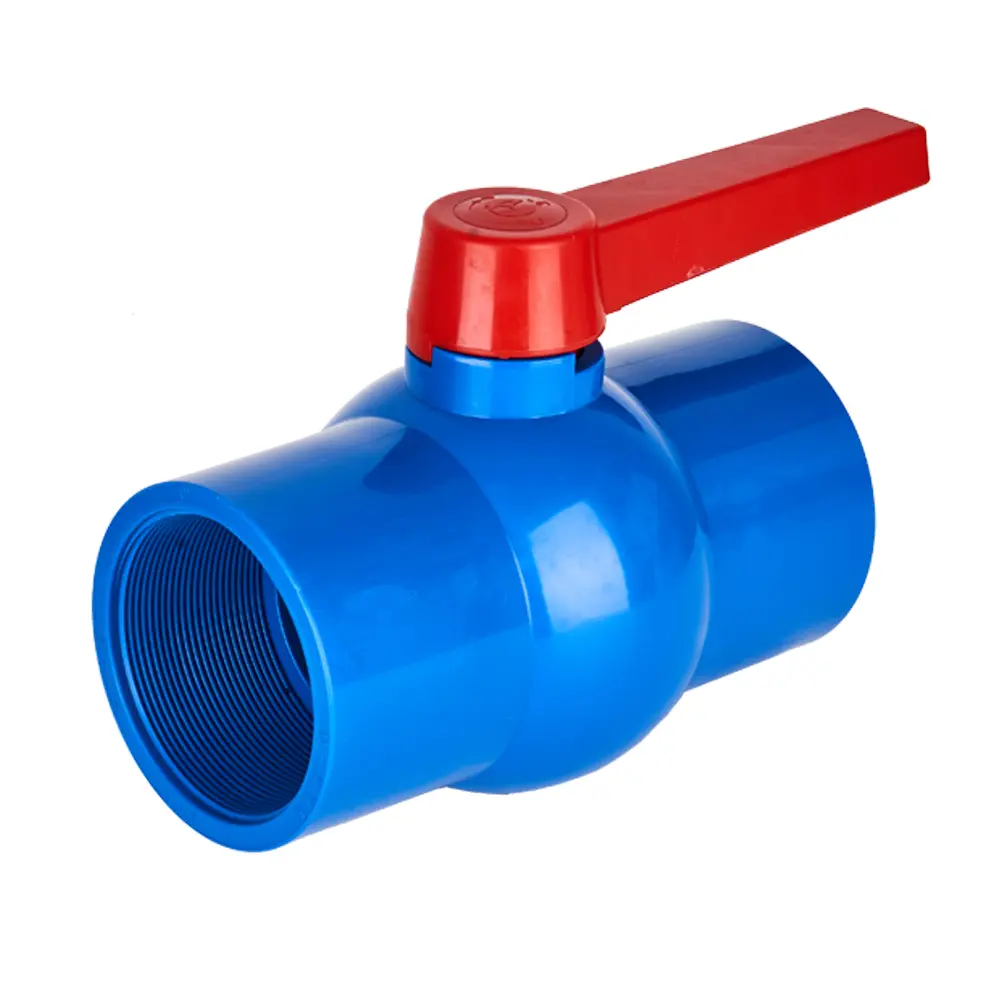
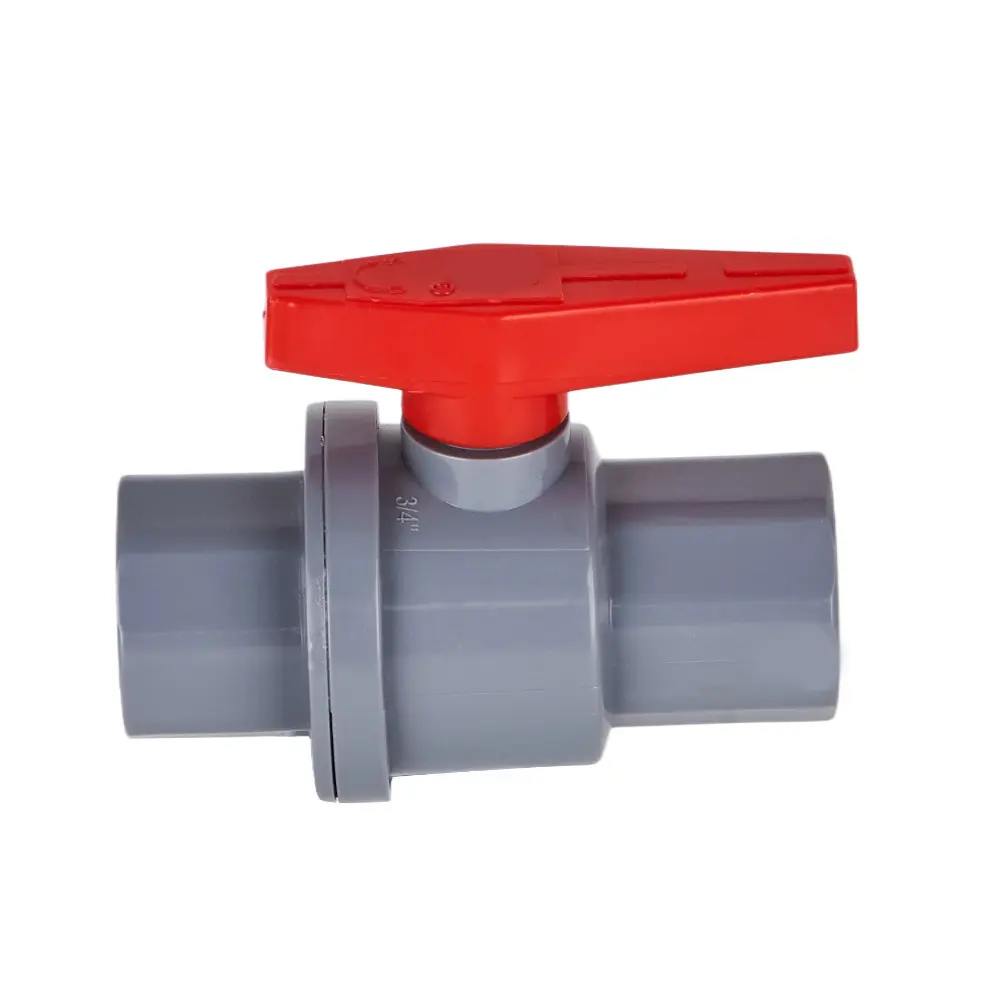
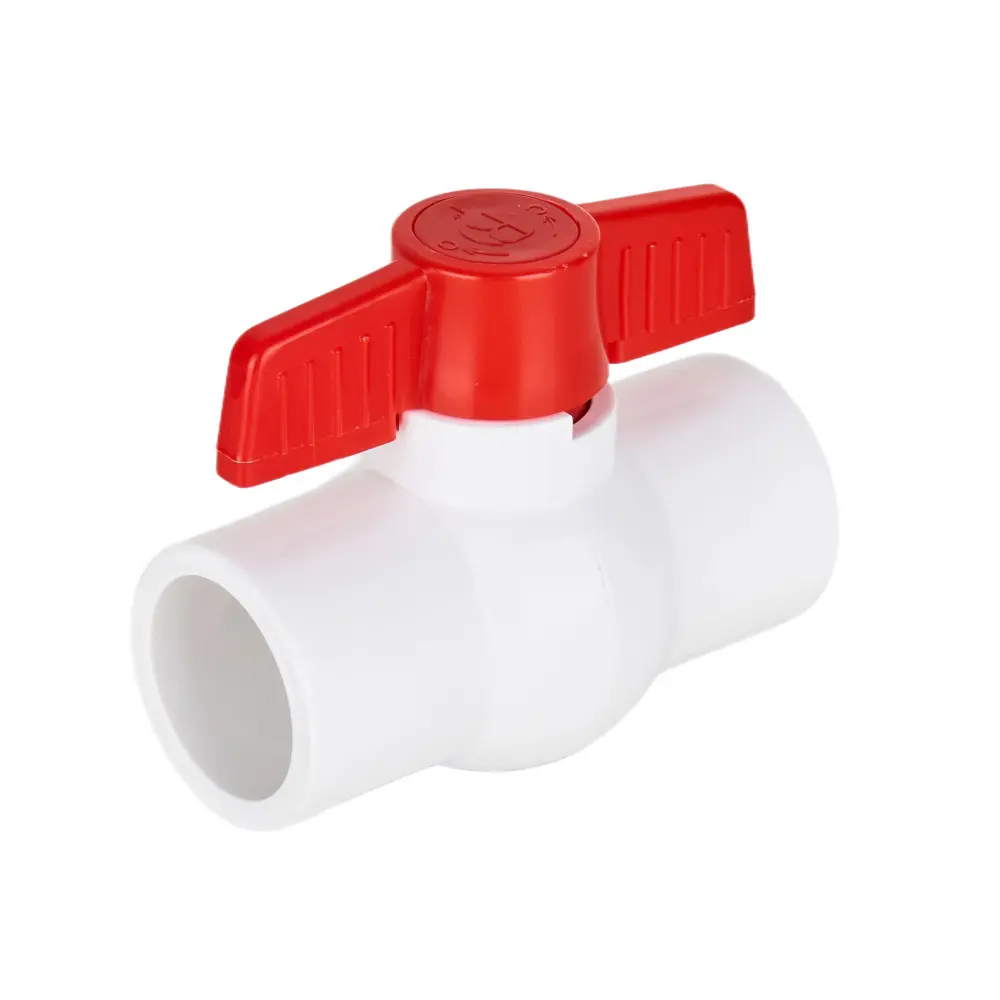
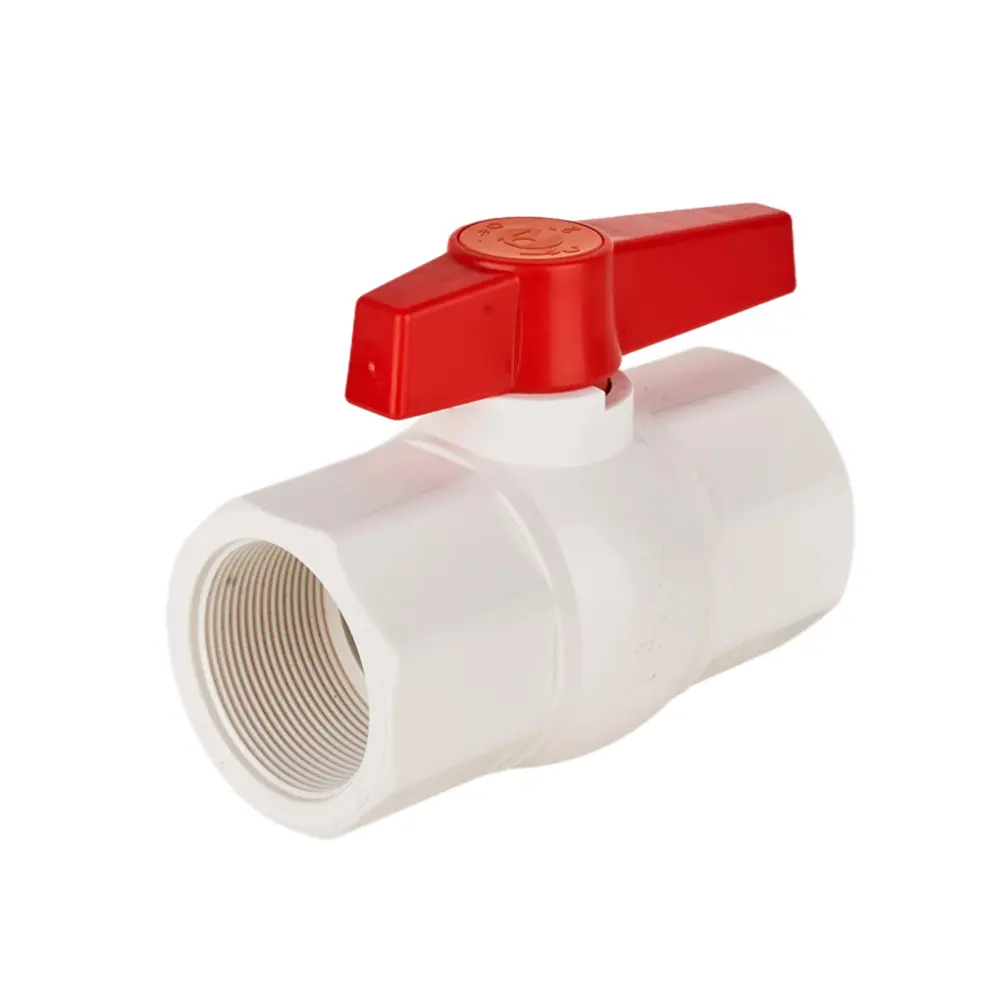
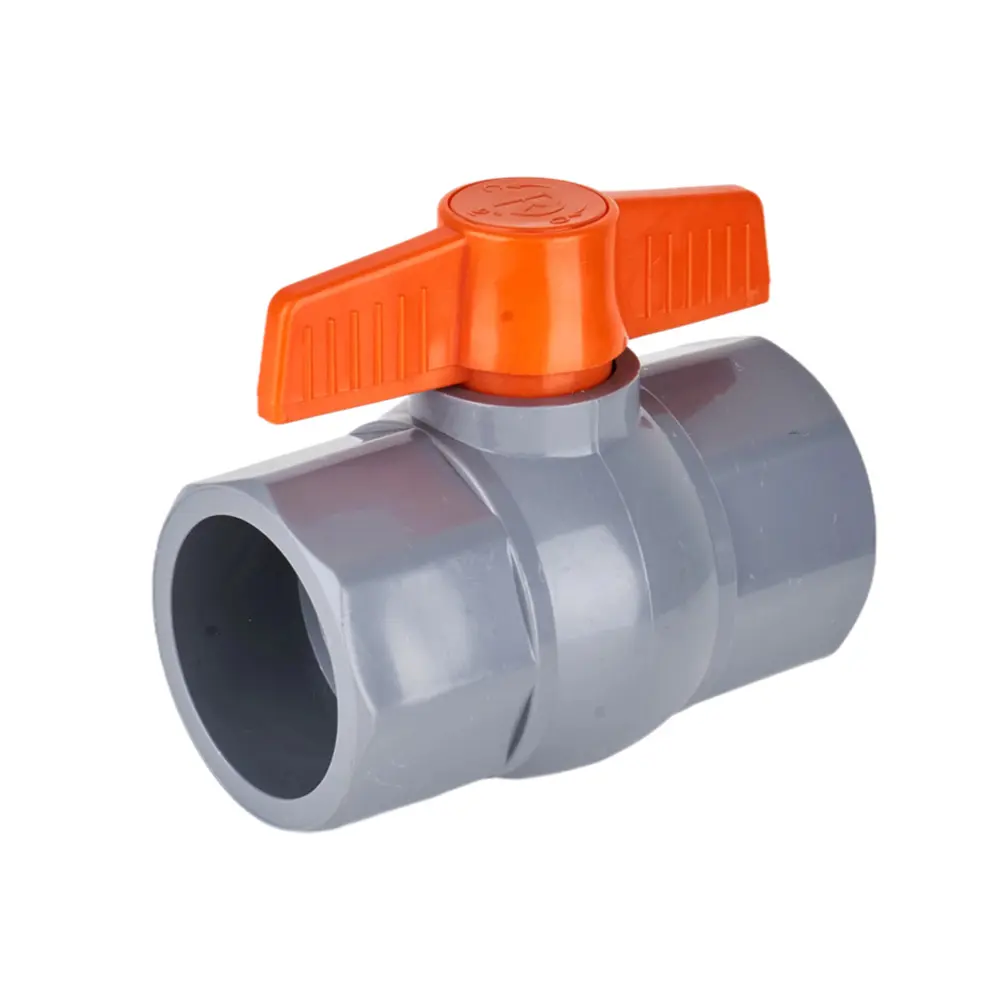
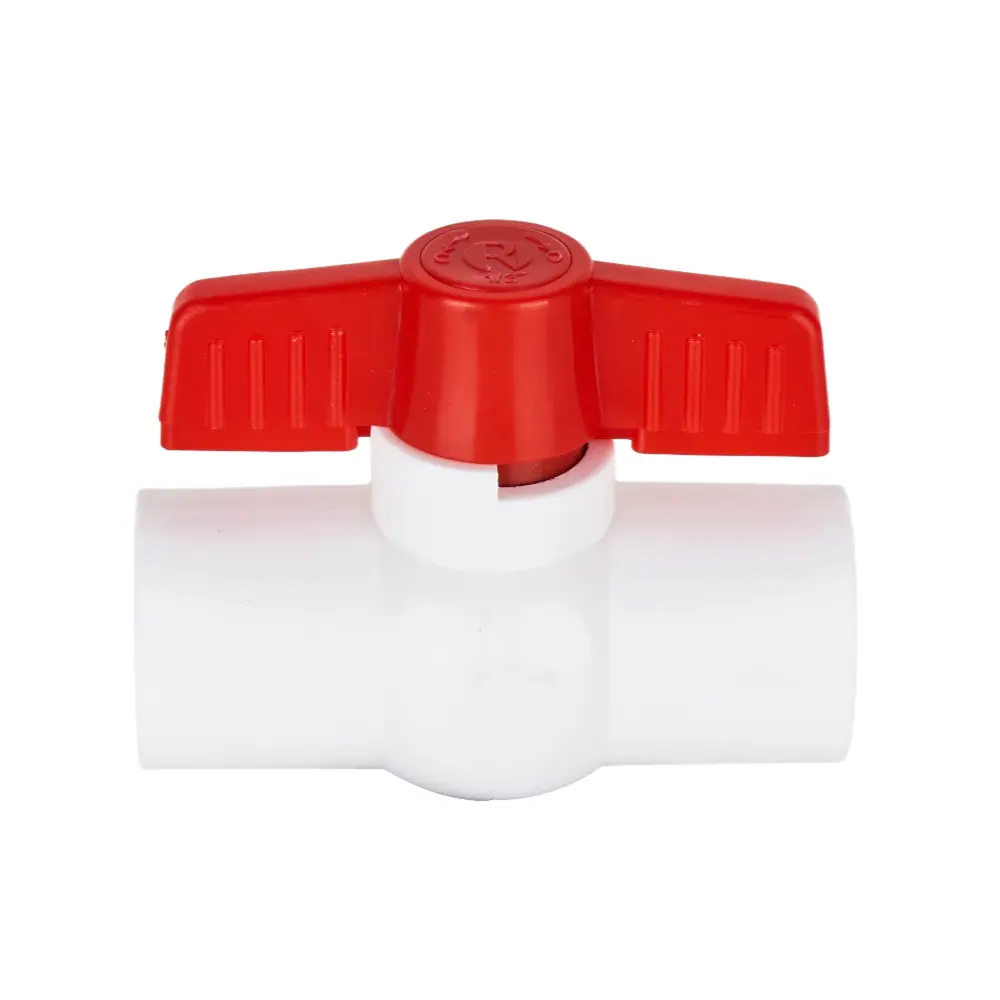
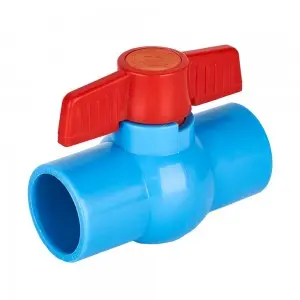
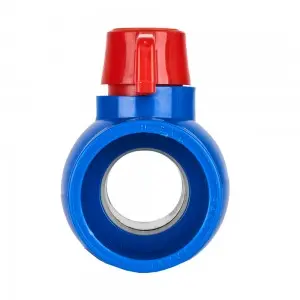
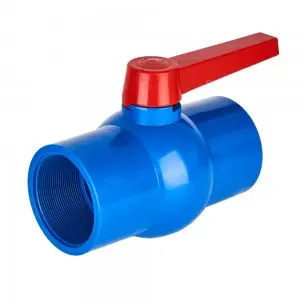
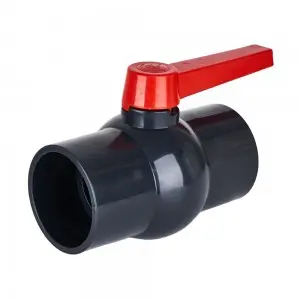
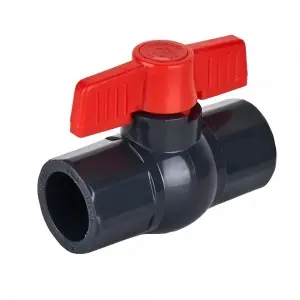
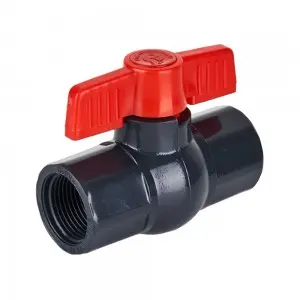
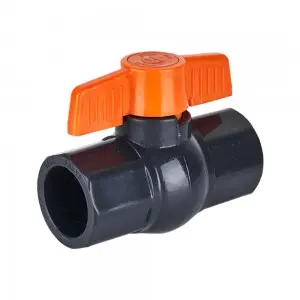
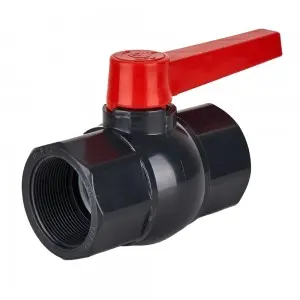
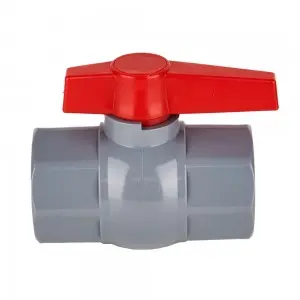
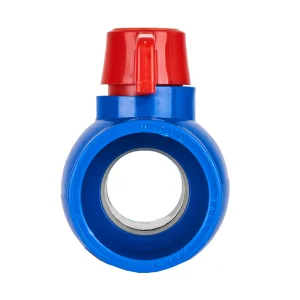
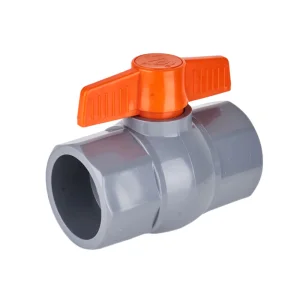
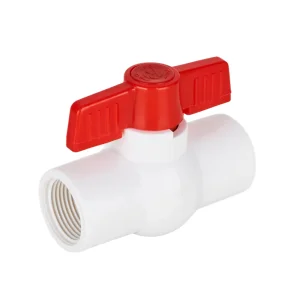
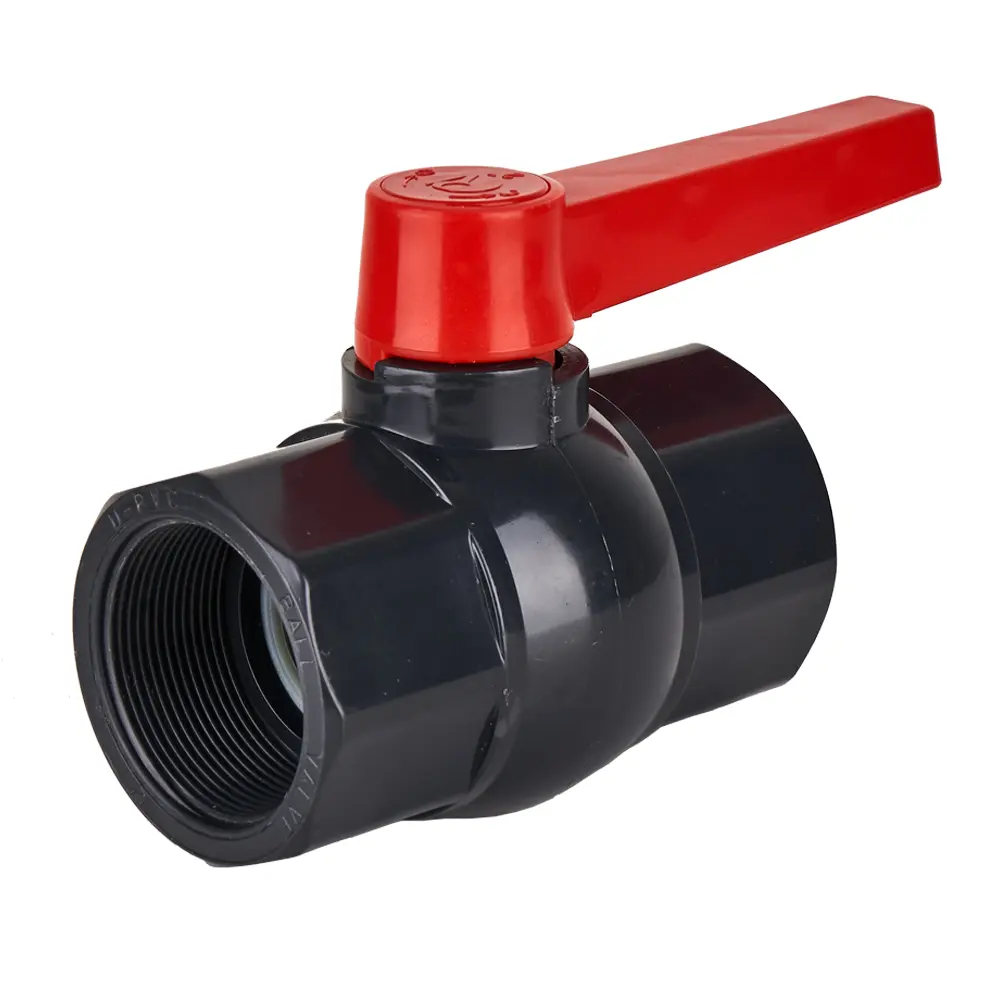
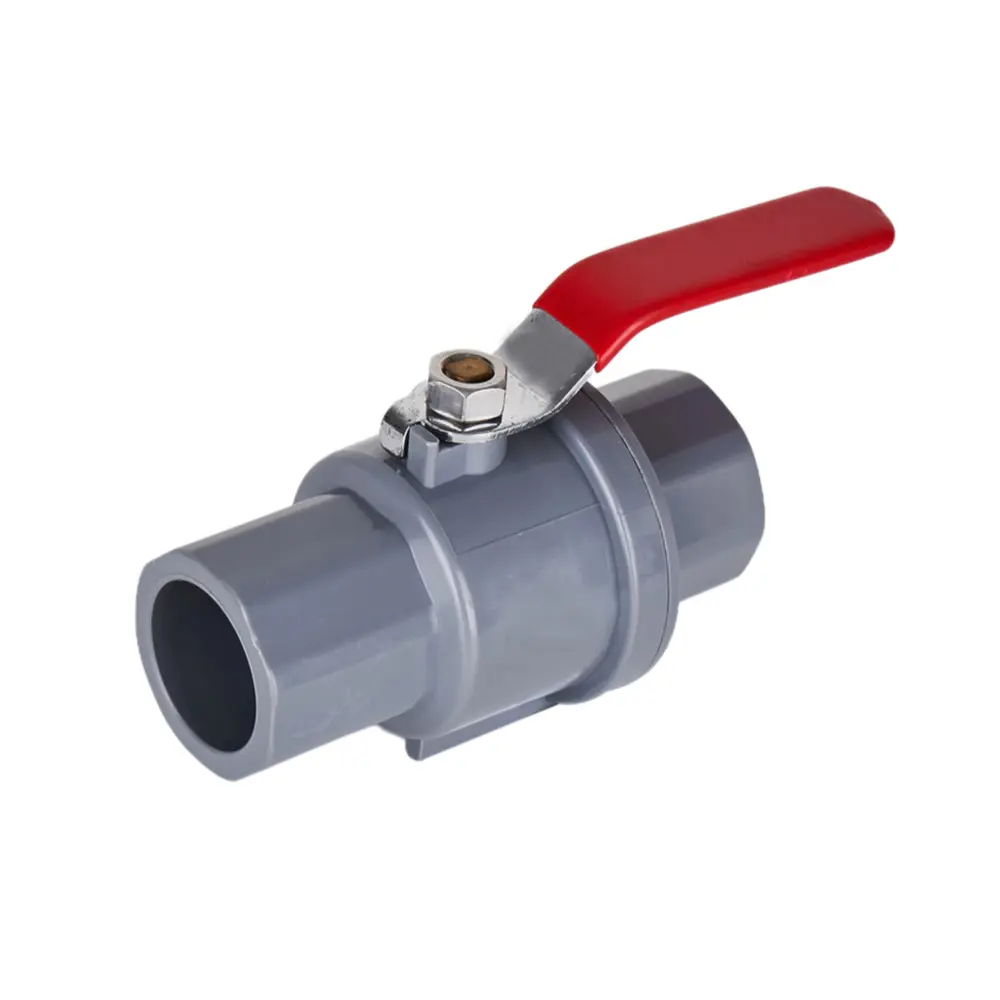
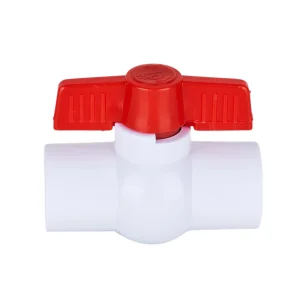
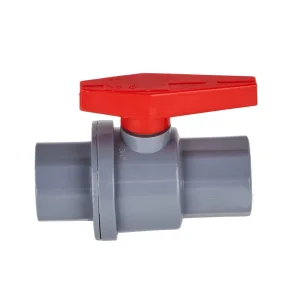
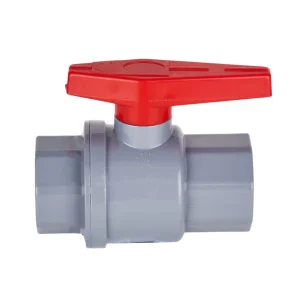
A key failure point in low-cost valve systems is the lack of precision in internal component geometries. Procurement specialists must distinguish between different valve configurations to ensure pressure drops across the line are kept to an absolute minimum. The primary shapes utilized in industrial applications include Round Compact and Octagonal Compact geometries:
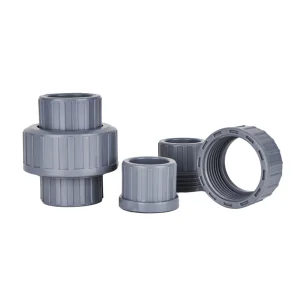
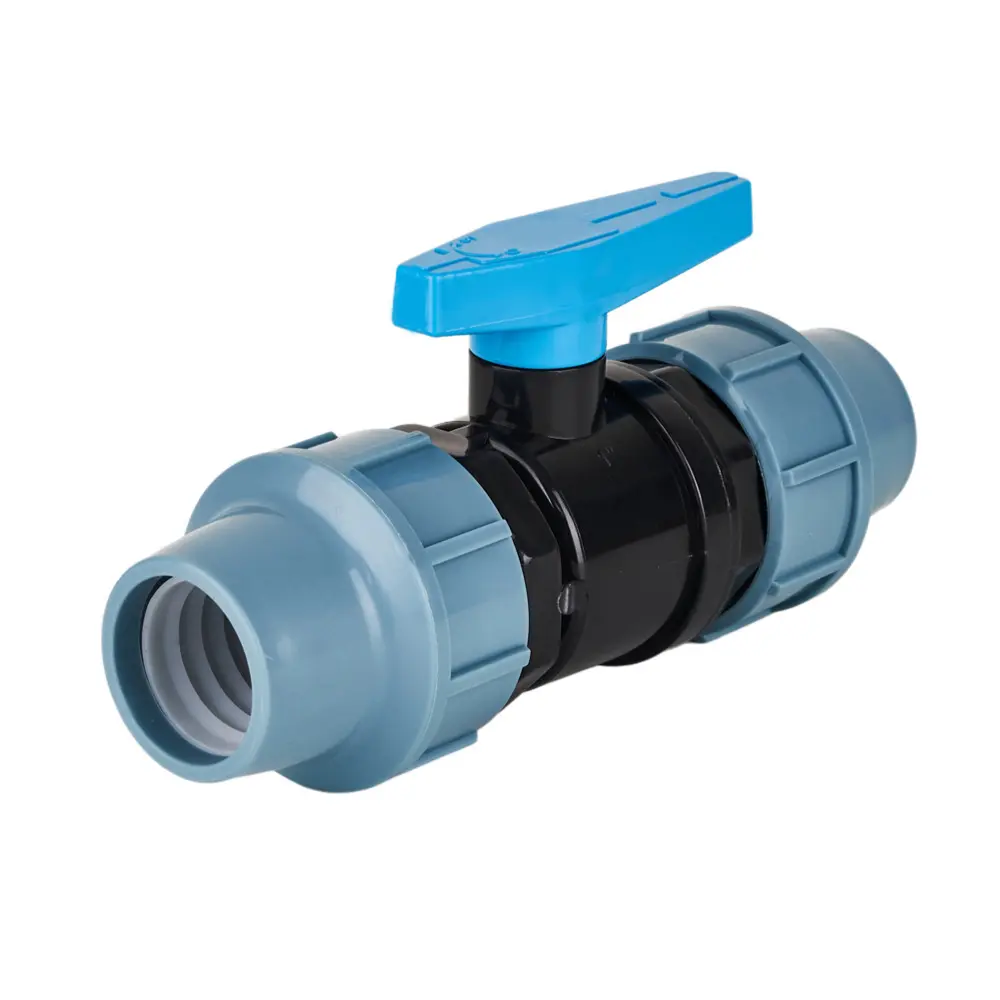
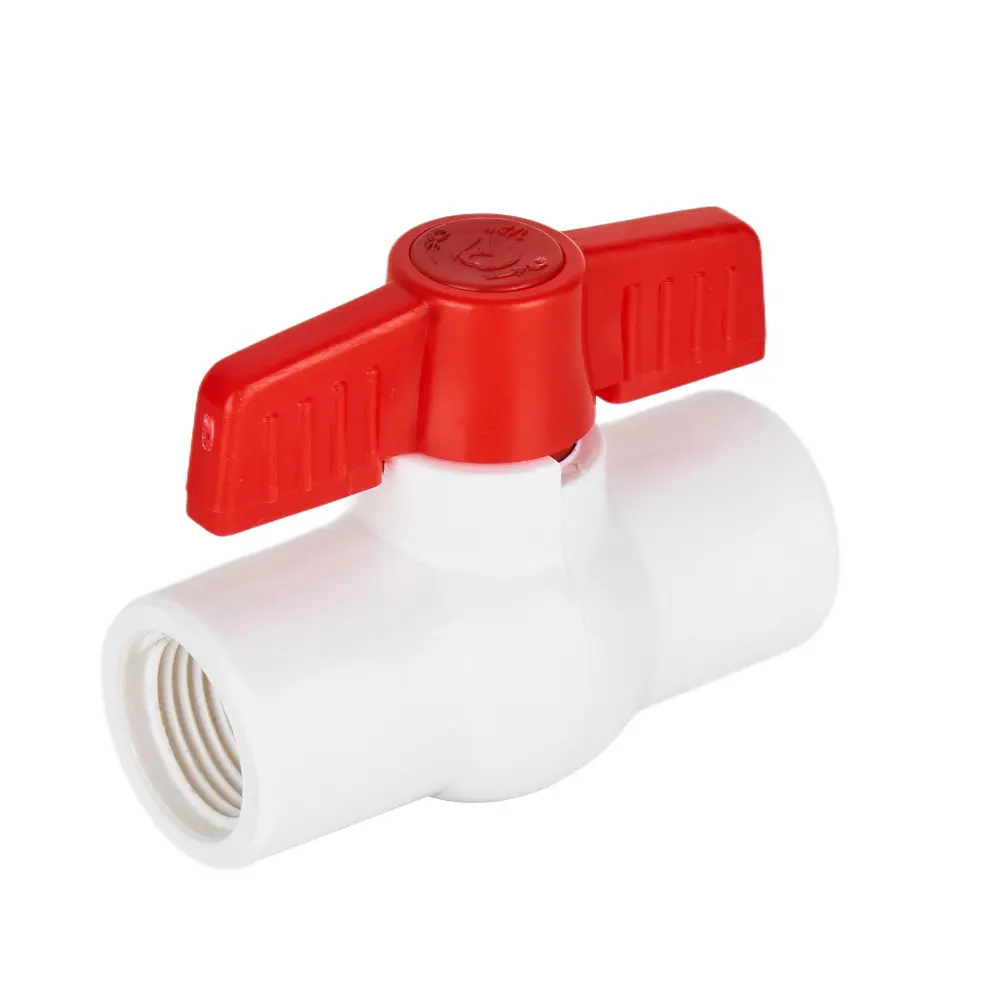
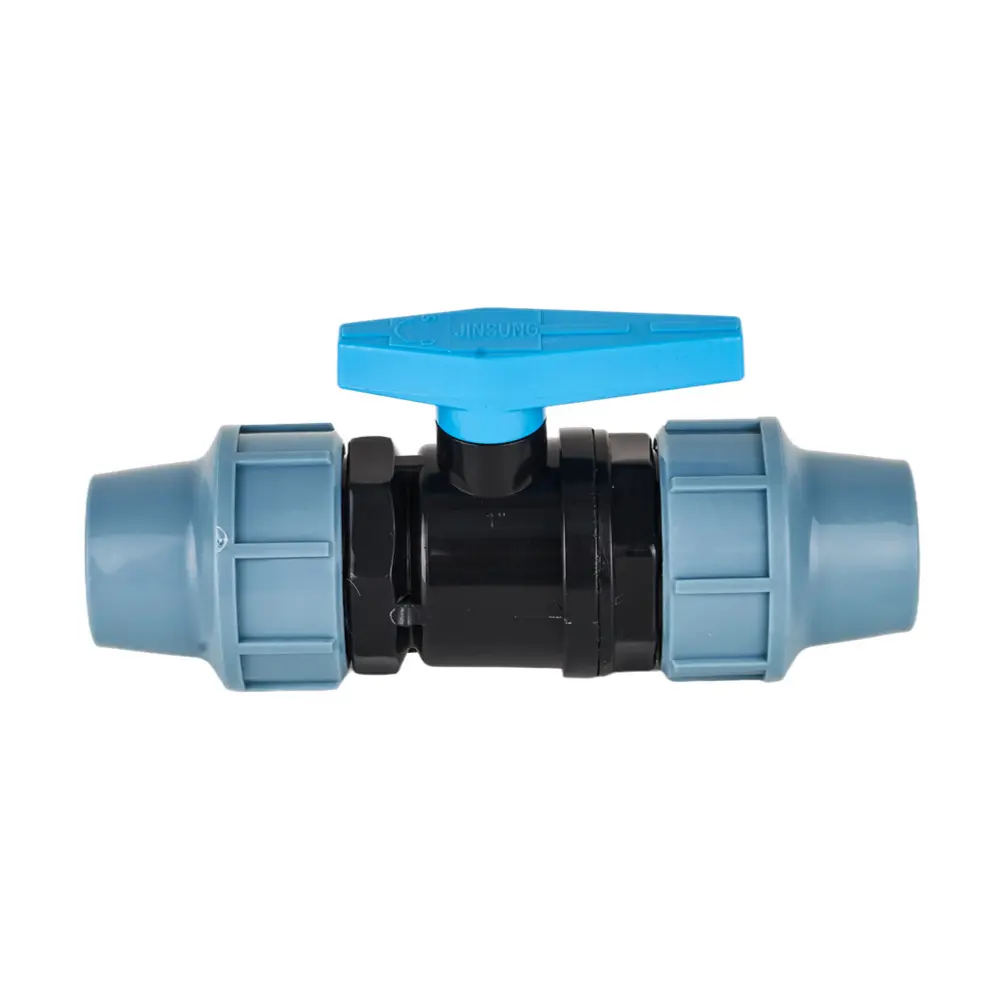
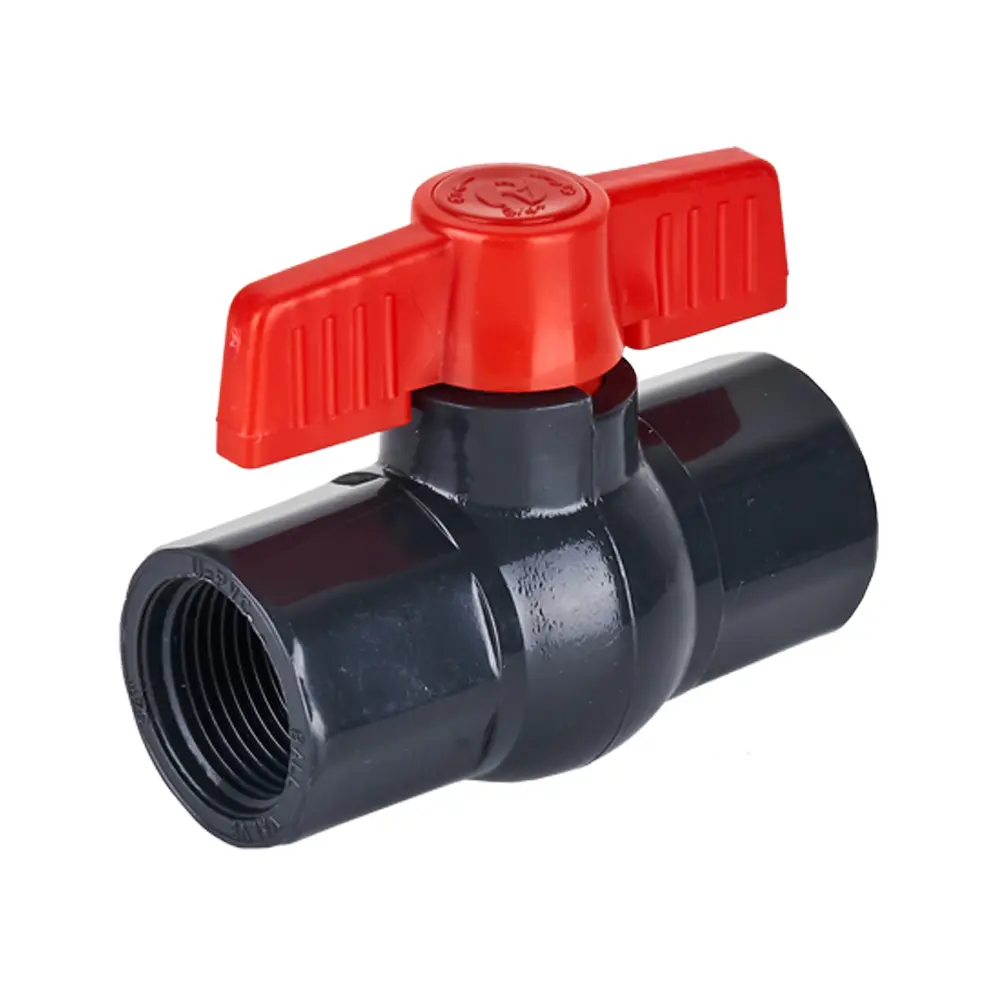
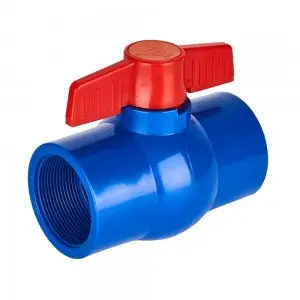
Additionally, connection types must match the specific pipe wall profiles. Solvent Sockets (Slip x Slip) form a chemical weld with the pipe using specialized primer and cement, creating a molecularly contiguous joint ideal for high-vibration systems. Conversely, Thread Ends offer a mechanical connection, allowing for easy component replacement, provided that high-quality PTFE sealing tape is applied to prevent micro-leakage across the thread crests.
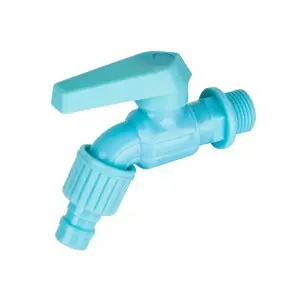
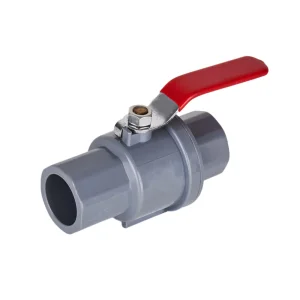
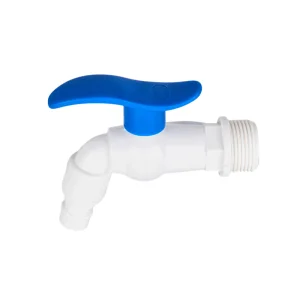
The valve body is only as reliable as its actuation mechanism. In municipal and agricultural environments, operators often apply excessive force to valve handles, causing structural failure at the stem connection. To counter this, Ehao utilizes two primary handle configurations:
Partnering with you every step of the way, from selecting and configuring the right machine for your job to helping you finance the purchase that generates noticeable profits.
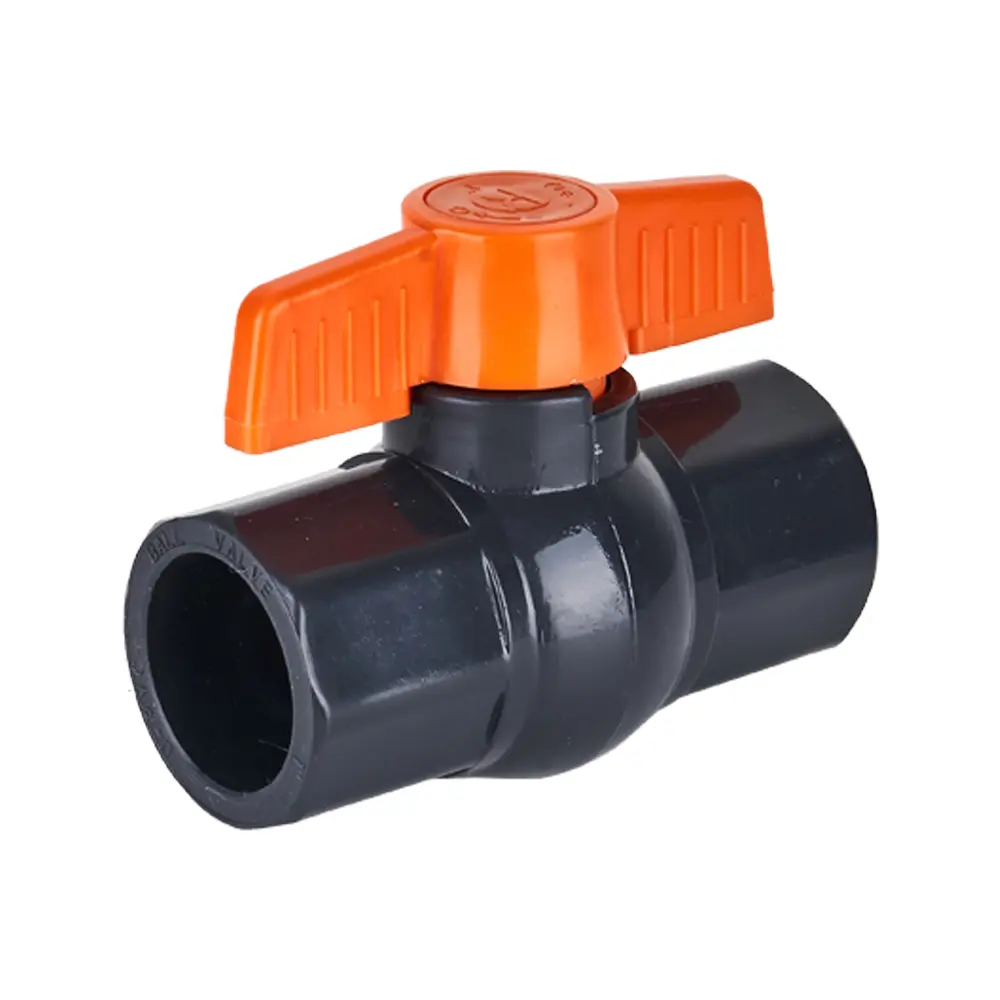
UV Resistant Carbon Black Formulation
High-End Industrial Durability
For systems operating under high pressure ratings, selecting standard non-certified fittings introduces catastrophic system risk. The DIN 8077 and DIN 8078 standards lay out the exact parameters for dimensions, pressure ratings, and temperature correction coefficients for polypropylene and vinyl-based piping components. Standard PVC ball valves operating under these classifications are tested to survive continuous hydrostatic pressures of up to 1.6 MPa (PN16) at ambient temperature ranges.
Compliance tests conducted in cooperation with our university laboratories measure the physical response of the PVC matrix to elevated temperatures. When fluids exceed 40°C, the maximum working pressure of thermoplastic systems drops significantly due to polymer chain excitation. Ehao's specialized formulation maintains a higher retention of elastic modulus at elevated temperatures compared to typical industrial-grade recycled blends, which suffer from accelerated stress cracking.
For international supply chain managers and global procurement executives, importing PVC valves from China is highly cost-effective, provided the manufacturer controls the entire production cycle. Ehao Plastic Group integrates injection mold design and manufacturing under one roof. This internal capability dramatically reduces the lead times for custom branding (OEM/ODM projects) and ensures that tooling modifications can be executed without outsourcing delays.
When selecting a manufacturing partner, buyers must verify raw material traceability. Ehao uses only certified premium PVC resin, avoiding filler materials like excessive calcium carbonate, which reduces cost but makes the finished valve brittle and susceptible to cracking in cold weather. By insisting on pure raw materials, our valves retain excellent elasticity, showing superior pressure endurance over their entire operating lifetime.
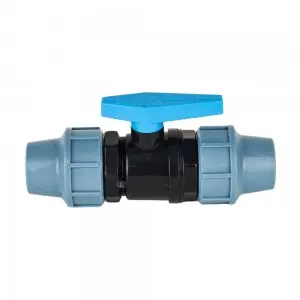
Engineered with high torque resistances and easy-disconnect capabilities for demanding engineering architectures.
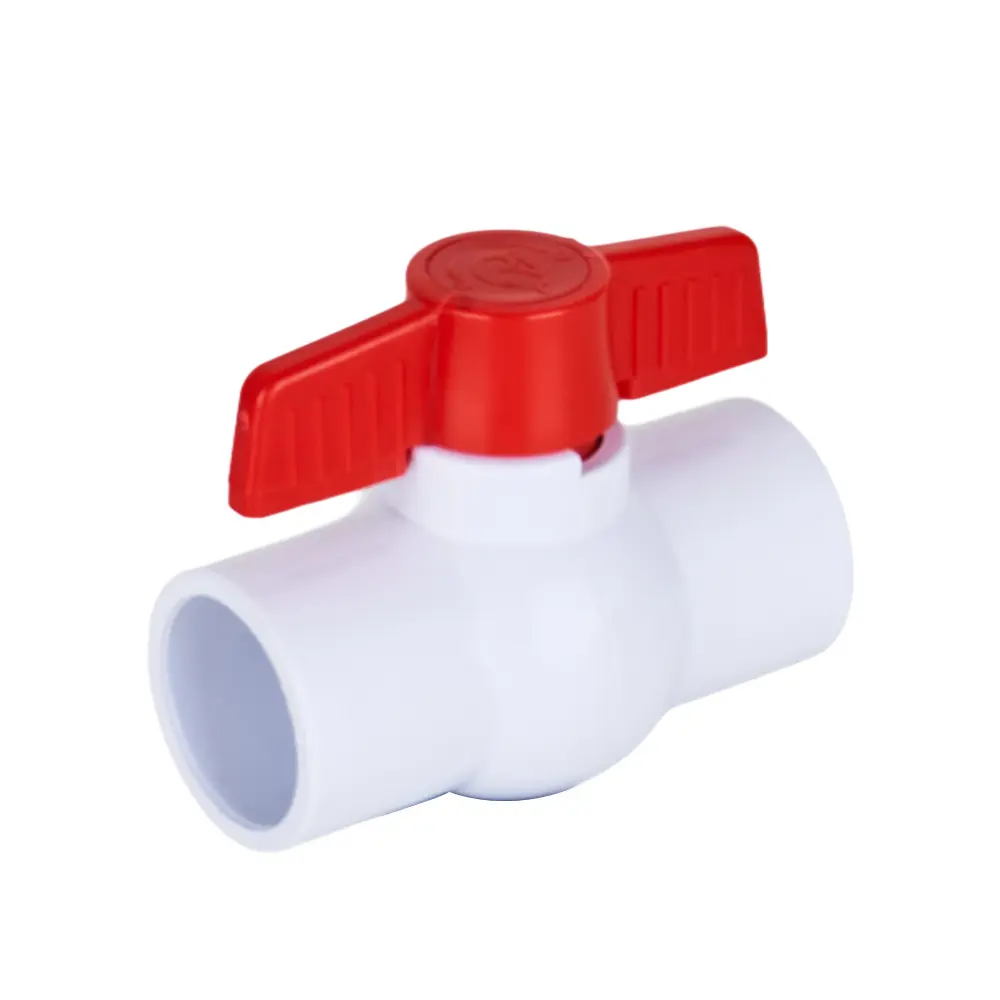
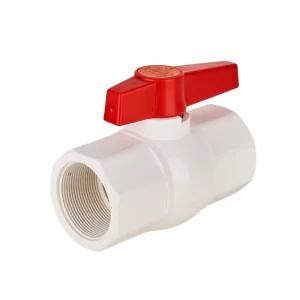
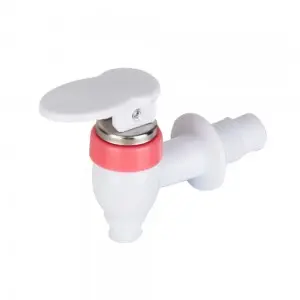
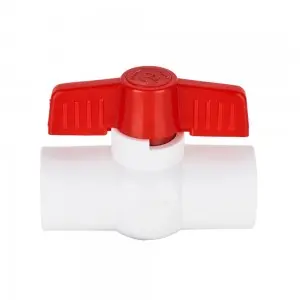
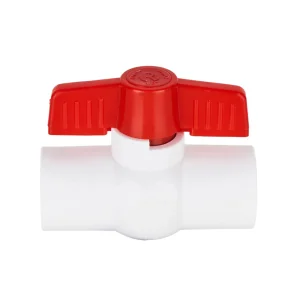
South American Porcelain White Style
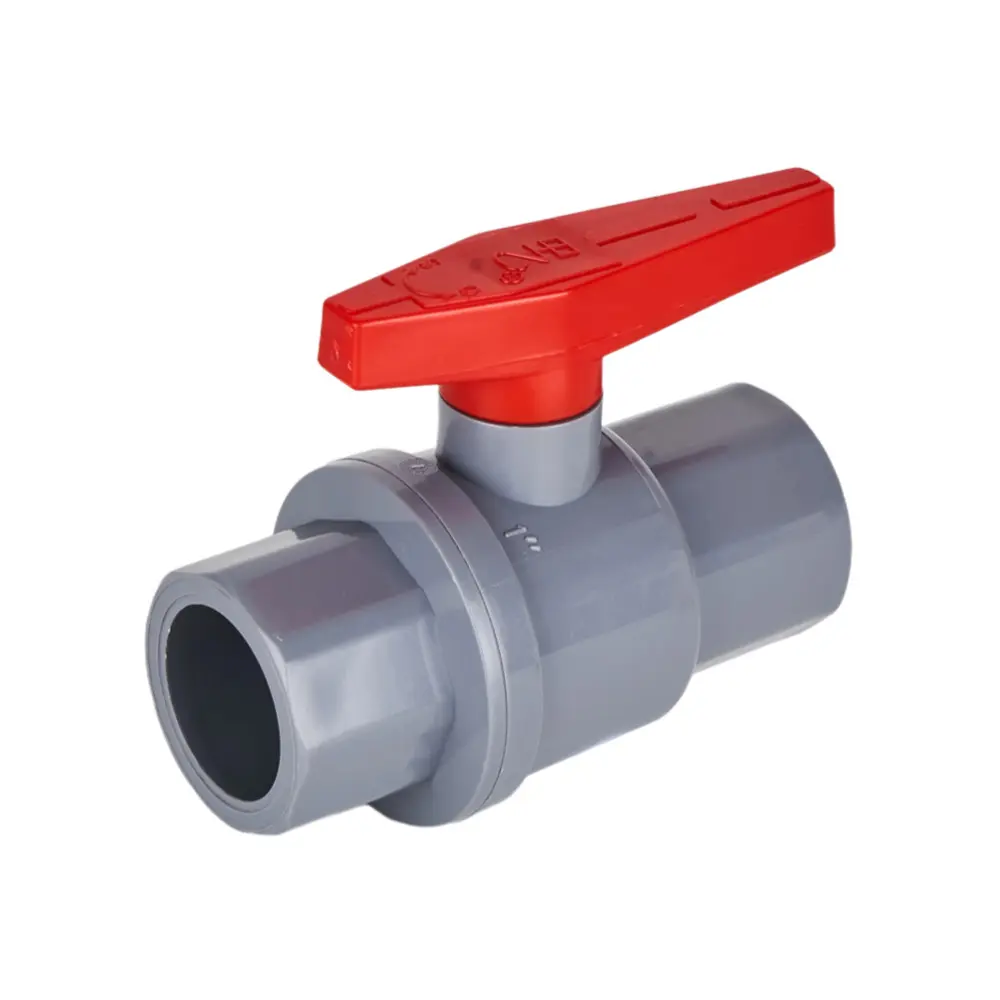
ABS Ergonomic Handle Grip
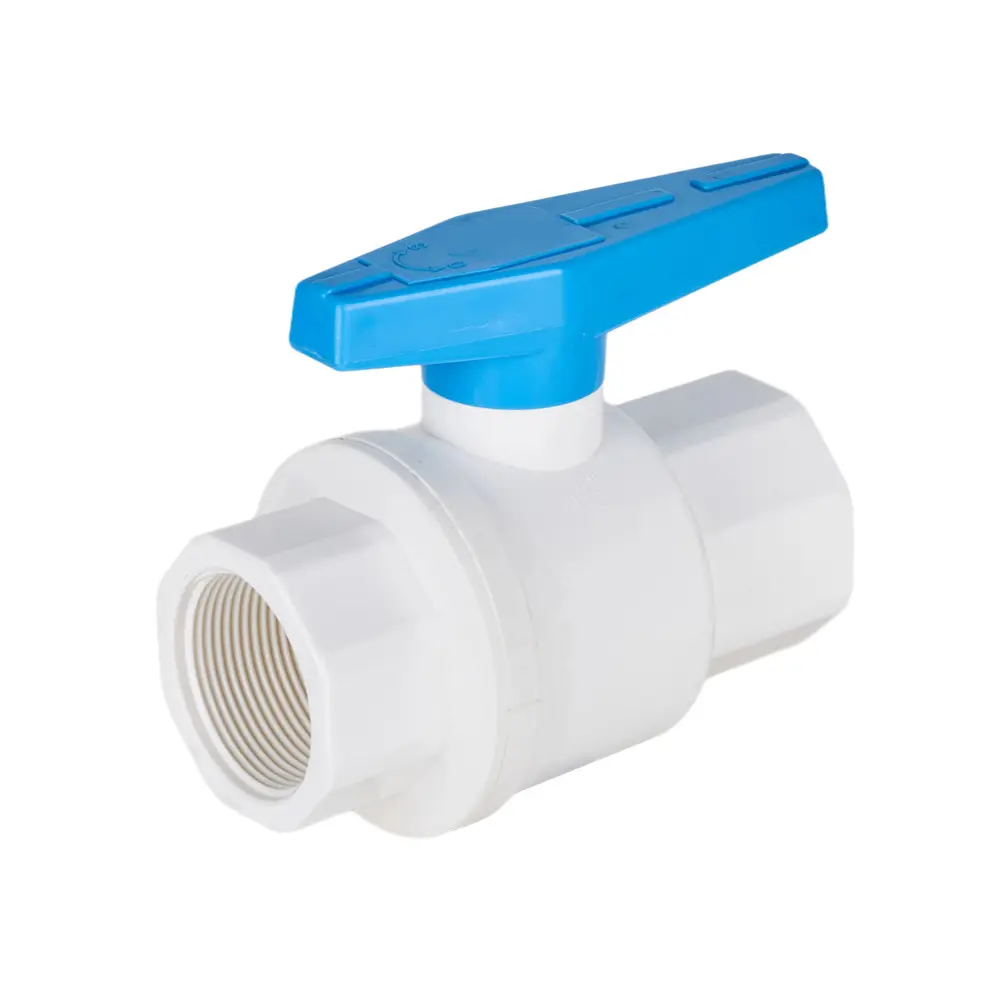
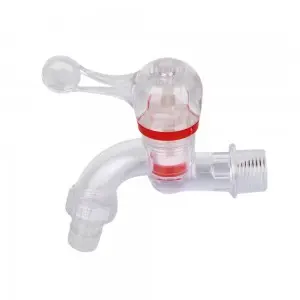
Dual Color Visual Status Line
Quality reliability cannot be simply inspected into a product; it must be designed and controlled at every step of manufacturing. The 26 steps of scientific testing deployed inside Ehao production lines begin at raw material intake. Before any resin enters our silos, it undergoes spectral analysis to confirm density, purity, and moisture levels. Any batch containing impurities is immediately rejected.
During injection molding, high-precision thermal sensors monitor the temperature across the hot runner systems to prevent localized thermal degradation. Once molded, the valve bodies are allowed to cool under controlled temperature curves, preventing structural stress points. Every single valve is then tested for seal integrity via pneumatic air-leak testing at 100 PSI before proceeding to packaging. Random samples from each production run undergo destruct testing, including hydraulic burst testing and extreme hot-cold thermal shock cycles. This rigorous methodology is why Ehao remains a trusted, premier brand in China and across global markets.
A complete breakdown of our standard compact flow control solutions ranging from 1/2” to 3” bore sizes.
As standard piping designs continue to evolve, custom configurations have become standard practice for many OEM distributors. Beyond catalog components, Ehao offers high-level injection mold engineering services. Supported by advanced CAD/CAM processing centers, we can turn custom samples, physical drawings, or simple spatial ideas into physical tooling mockups within short development cycles.
This integration of mold design with downstream production processes allows us to maintain consistent quality across all components. When a client purchases an Ehao valve, they are acquiring a product built from tooling optimized specifically for our raw materials. This ensures uniform shrinkage, high surface quality, and perfect alignment of internal seats, ensuring reliable performance in the field.
Expert technical advice to help engineers, supply chain managers, and procurement officers make informed sourcing decisions.
Tested under extreme working loads to meet the quality standards of international markets.
 EHAO
EHAO