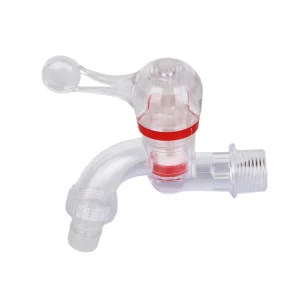
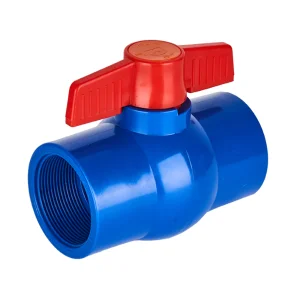
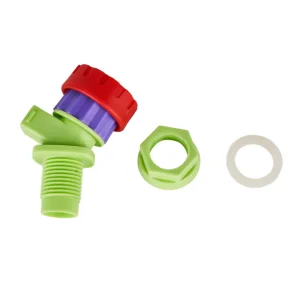
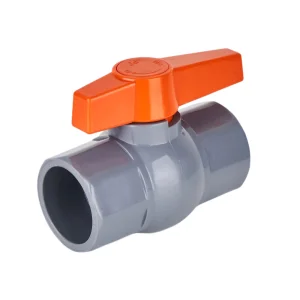
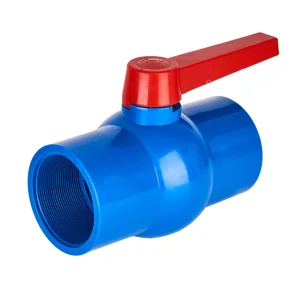
Direct from our advanced computer-automated production lines in China
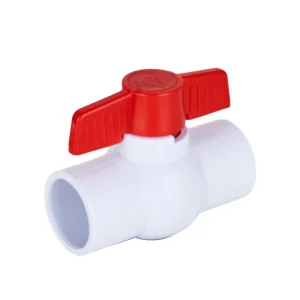
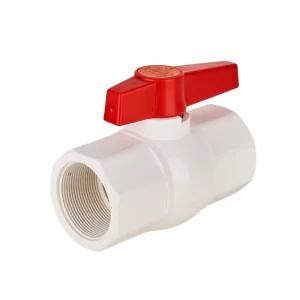
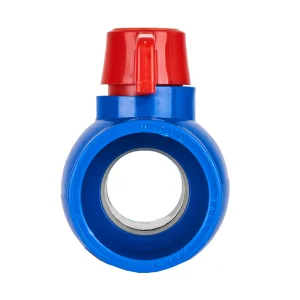
An Analytical Overview of Technological Competency, Material Science, and Engineering Standards
In the global supply chain of high-performance thermoplastics, the demand for precision-engineered Polypropylene (PP) injection molded components has grown exponentially. As industrial markets shift toward lightweight, chemically inert, and highly durable fluid control systems, China has solidified its position as a leading global manufacturer. Ehao Plastic Group stands at the forefront of this industrial evolution, serving as a high-tech private enterprise integrating advanced R&D and production of building materials, pipe fittings, and high-precision injection moulds.
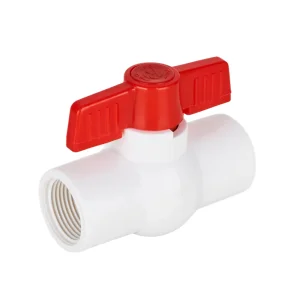
As a recognized leader of PVC/UPVC ball valves in the Chinese domestic market, Ehao Plastic Group has systematically expanded its core competencies into broad-spectrum custom PP injection molding. Since our inception, our technological foundation has been fortified through ongoing partnerships with the Chinese Academy of Sciences (CAS) and Zhejiang University. By combining elite academic research in polymer chemistry with German-engineered automated injection molding machines and production lines, we have successfully developed a robust methodology that bridges the gap between academic polymer physics and mass-scale production reliability.
Guaranteed by 26 steps of rigorous scientific testing under strict internal control systems.
All structural and thermal indexes fully accord with DIN standards for international applications.
Trusted by merchants and plant operators across Europe, America, and Southeast Asia.
Why modern global enterprises source custom polypropylene components from specialized Chinese manufacturers
By leveraging computer-automated injection molding machines imported directly from Germany, we manage tight dimensional tolerances down to +/- 0.05mm. This guarantees consistent assembly performance across high-volume batches.
Our ongoing partnerships with the Chinese Academy of Sciences and Zhejiang University give us deep insights into polymer crystallization, melt flow indexes, and structural optimization, allowing for predictive failure modeling.
Every mold and component undergoes a rigorous 26-step testing workflow. This process covers physical inspection, high-pressure hydrostatic testing, material fatigue analysis, and thermal endurance limits matching global standards.
Evaluating PP Copolymer vs. Homopolymer Dynamics in High-Stress Injection Systems
In structural molding applications, selecting the appropriate grade of polypropylene is critical. PP Homopolymer exhibits a high strength-to-weight ratio and is stiffer than copolymer counterparts, making it ideal for structural housings and high-stiffness connectors. However, it displays a susceptibility to low-temperature brittleness. Conversely, PP Copolymer (Random or Impact Copolymers) incorporates ethylene monomer units within the polymer matrix, which dramatically improves impact toughness at sub-zero temperatures, albeit with a minor sacrifice in flexural modulus.
Polypropylene exhibits complex semi-crystalline behavior during cooling, resulting in a relatively high shrinkage rate (typically 1.5% to 2.0%). Our engineering team addresses this challenge during the initial CAD design phase by utilizing advanced Moldflow® simulations. We configure precise gate locations, cooling channels, and packing pressure profiles. Our German computer-controlled injection molding systems actively monitor critical parameters:
Ehao Plastic Group operates a fully equipped toolmaking workshop. We design and manufacture custom plastic molds, accept customer-supplied materials for processing, work directly from technical engineering drawings, and replicate components from physical samples. This versatile capacity ensures that we can quickly develop custom tools for complex geometries, minimizing the time to market for specialized piping fittings and unique product housings.
Engineered polymer solutions deployed in diverse and demanding operational environments
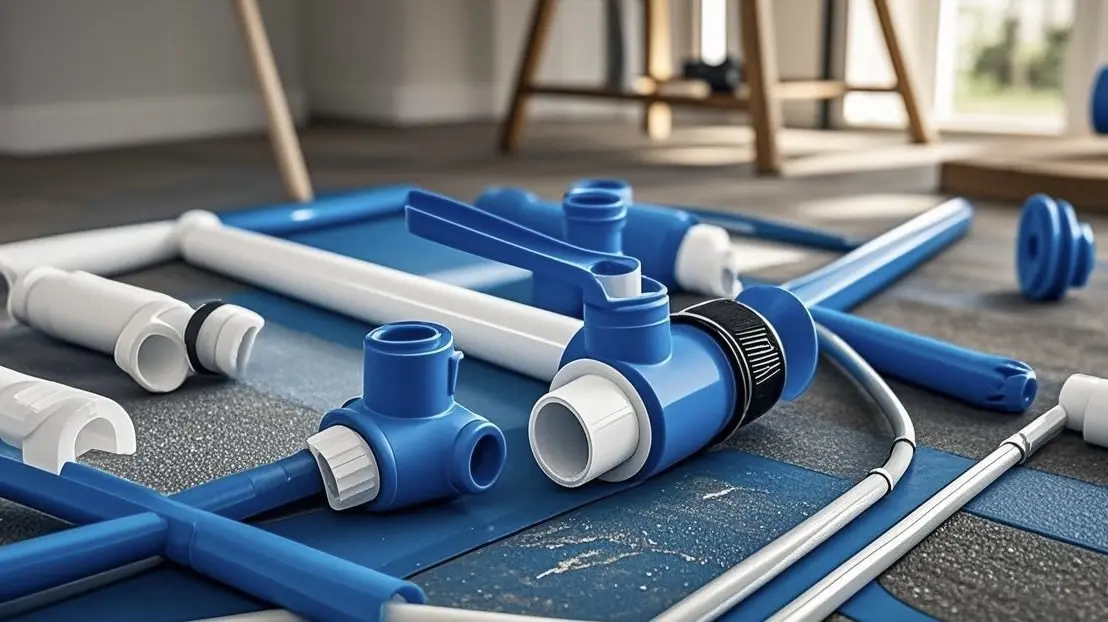

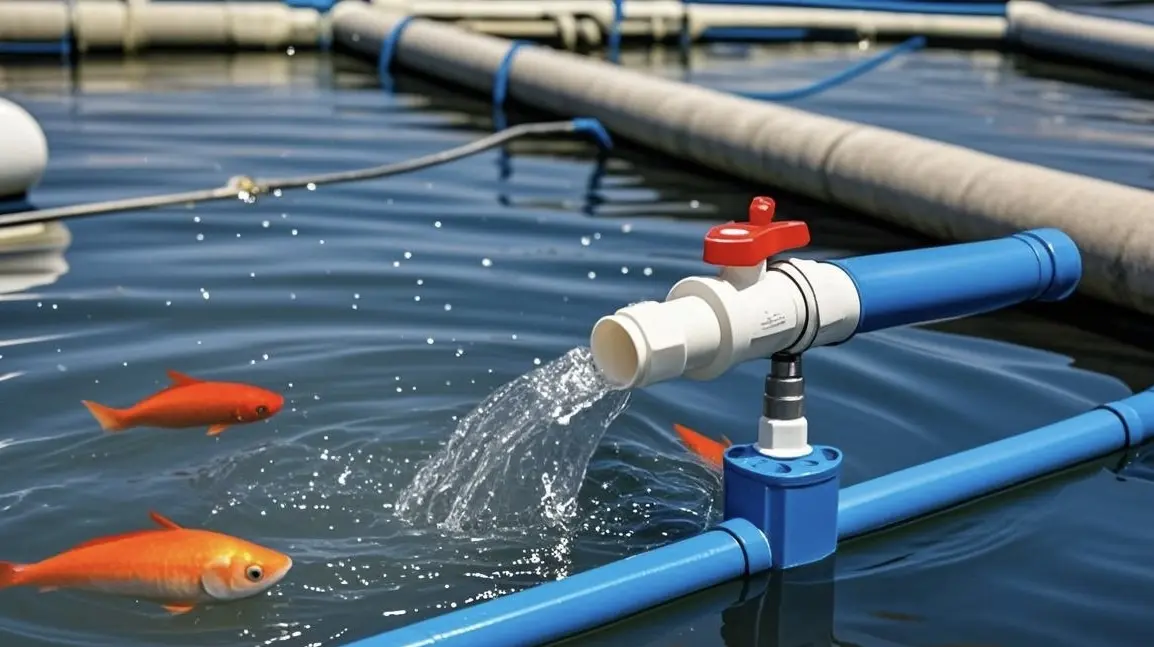
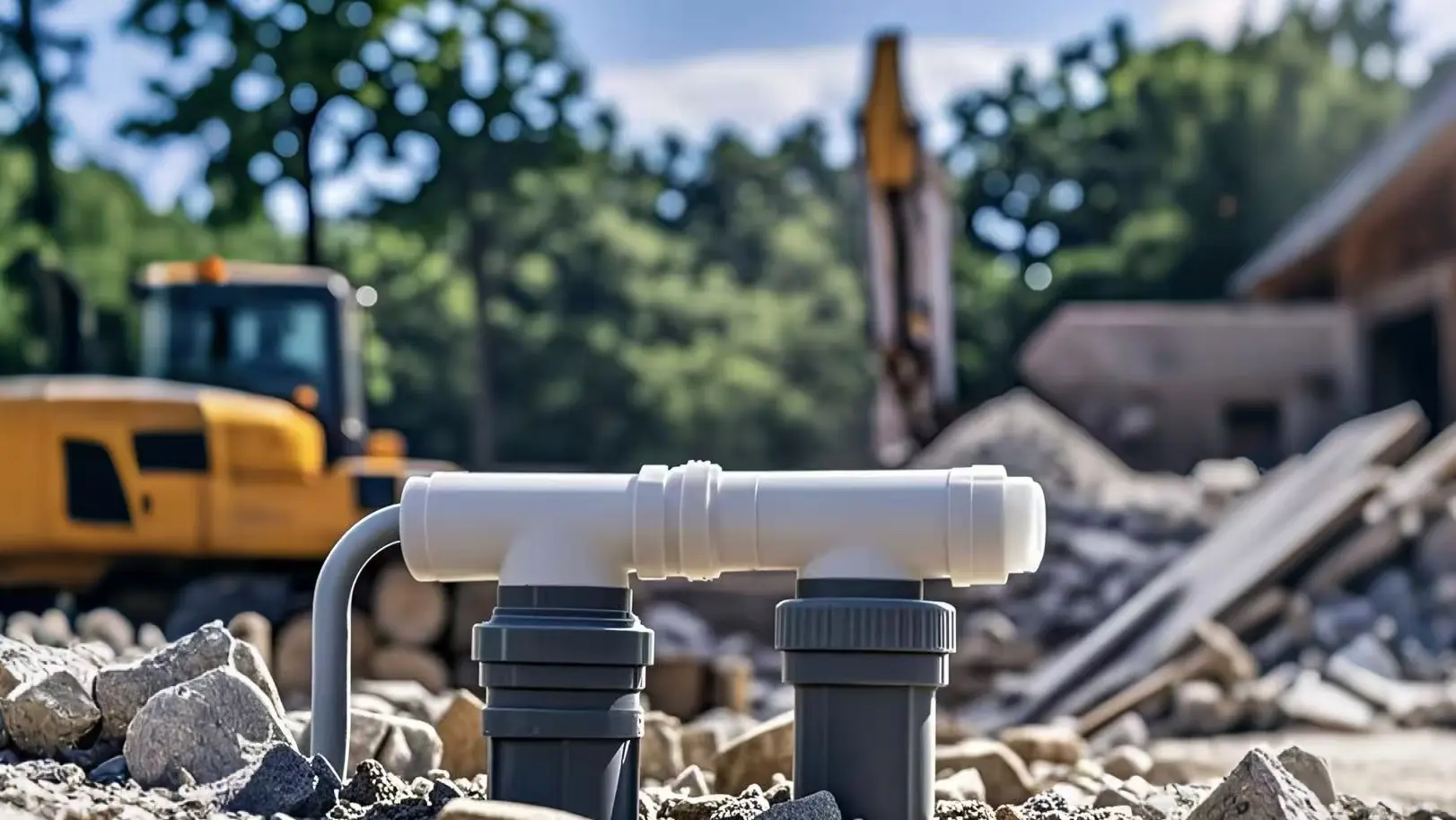
Our injection molded components are custom-tailored for these core application domains:
The convergence of green chemistry, industrial automation, and smart diagnostic feedback
The global polymer manufacturing industry is undergoing a paradigm shift driven by technological innovations and sustainability directives. As a forward-thinking Chinese factory, we focus on three major trends:
Global environmental mandates are driving the development of post-consumer recycled (PCR) and bio-based PP resins. Processing these materials requires advanced injection molding controls. Their flow characteristics and shrinkage rates vary more than virgin polymers, demanding real-time barrel temperature and injection pressure adjustments to prevent defects like warping or uneven density.
Modern injection molding tools are no longer passive metal blocks. By embedding dynamic pressure and temperature sensors inside the mold cavity, our production setups capture live feedback during each cycle. This data is fed back to the injection controller, which auto-adjusts clamping force and hold times to maintain part consistency from the first shot to the last.
Creating hybrid parts with rigid PP structures and soft elastomer grips (such as TPU or TPE overmolding) is increasingly common. This technique is widely used in residential valves, industrial handles, and consumer products. Our dual-injection systems execute these cycles in a single step, ensuring strong mechanical bonds between different materials without requiring manual assembly.
How we help international enterprises manage purchasing risks and ensure product quality
For global buyers, purchasing custom molded parts from overseas factories presents challenges in quality consistency, design communication, and supply chain reliability. Ehao Plastic Group addresses these issues through a structured partnership framework:
Our engineering division collaborates with your product designers from day one. We accept step, igs, dwg, and dxf files, conducting thorough Design for Manufacturability (DFM) reviews before tooling begins. This identifies potential challenges, such as inappropriate wall thicknesses or inadequate draft angles, preventing expensive modifications later on.
We manage quality systematically. From verifying incoming raw materials to checking final dimensions with coordinate measuring machines (CMM), we document every stage of production. Our components comply with international standards like DIN 8077/8078, ensuring they meet the requirements of regulated markets worldwide.
We partner with clients at every stage of the manufacturing cycle. From initial machine selection and configuration to tooling design, production scaling, and financing options, we help you secure the ideal manufacturing solution to generate consistent profits and reliable long-term operations.
Engineering insights and answers to common industrial design and production questions
PP homopolymer is stiffer and has higher temperature resistance, but it exhibits lower impact strength at cold temperatures. PP copolymer contains ethylene, which improves impact resistance and toughness at lower temperatures. During processing, homopolymer crystallizes faster, which can cause higher mold shrinkage. This requires precise gate configuration and packing profiles to prevent sink marks.
We use advanced Moldflow® simulations to analyze flow patterns, weld lines, and thermal distribution. Our molds are designed with slightly enlarged cavities based on the specific material formulation's shrinkage rate. During production, we apply multi-stage packing pressure profiles to compensate for volumetric contraction as the material cools inside the cavity.
Yes. We routinely compound PP with glass fibers (commonly 10% to 30%) to increase tensile strength and heat deflection temperature, or with talc to improve dimensional stability. We adjust machine parameters, including nozzle styles and screw geometries, to prevent fiber breakage and minimize tool wear when processing abrasive reinforced materials.
Our plastic valves and pipe fittings conform to European DIN 8077 and DIN 8078 standards. Each production batch undergoes 26 testing steps, including hydrostatic pressure tests at high temperatures, impact resistance tests, dimensions checks, and material purity tests. This ensures a 100% pass rate before shipment.
We offer full OEM and ODM services. We can integrate custom logos directly into the mold inserts for embossed markings, perform secondary pad-printing, and customize packaging to meet your retail or industrial distribution requirements. Our toolmaking workshop handles everything from design adjustment to production scaling.
Premium PVC, UPVC, PP, and POM industrial valves and taps manufactured to strict international quality standards
 EHAO
EHAO