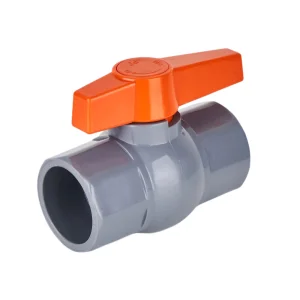
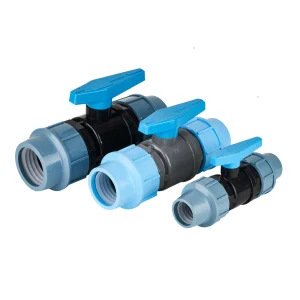
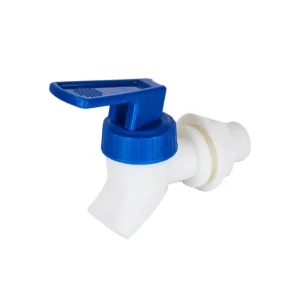
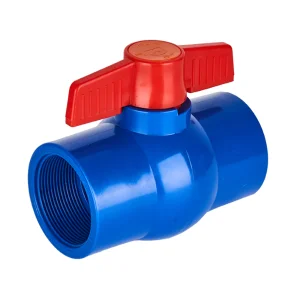
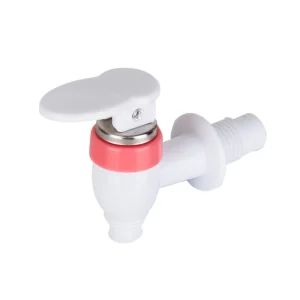
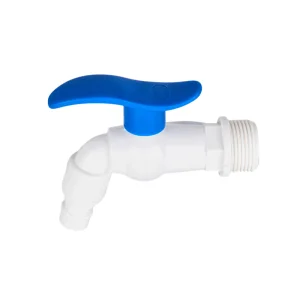
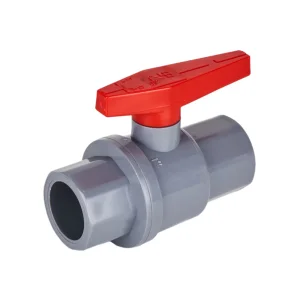
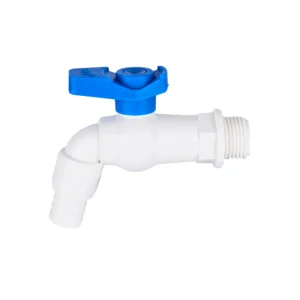
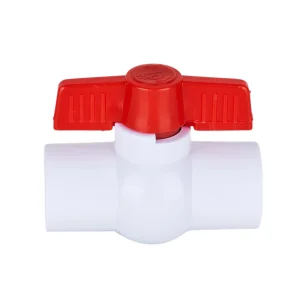
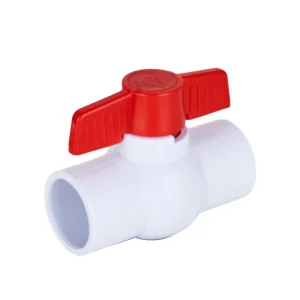
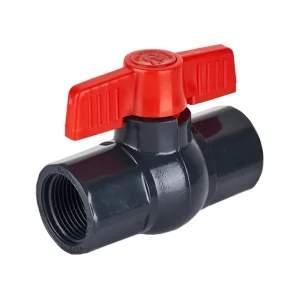
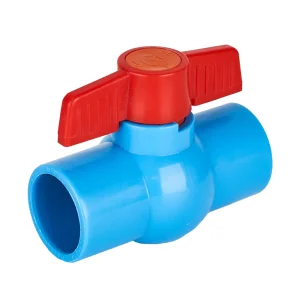
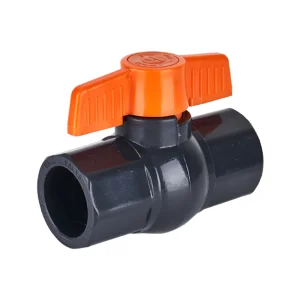
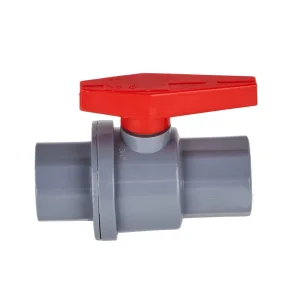
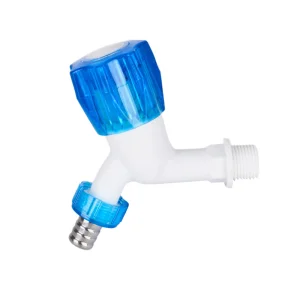
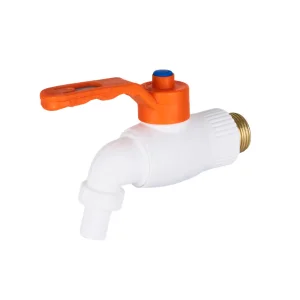
Explore our high-performance thermoplastic control valves and taps engineered for precision, high chemical durability, and long operational lifespans.
In the modern industrial and chemical process sectors, material durability, chemical compatibility, and thermal resilience are paramount. Standard metal valves are rapidly being replaced by advanced thermoplastics. Among these, Polypropylene (PP) and Polypropylene Random Copolymer (PPR) have emerged as premier options. Under the banner of Ehao Plastic Group, a high-tech private enterprise, we specialize in the custom engineering and volume supply of PVC, UPVC, PP, and PPR fluid control technologies.
From our state-of-the-art facilities in China, we integrate domestic scientific breakthroughs from the Chinese Academy of Sciences and Zhejiang University with precision production hardware imported directly from Germany. This strategic blend of academic research and advanced engineering establishes Ehao Plastic Group as an authoritative source for clients looking to secure reliable sourcing partners in China.
"Ehao Plastic Group adopt the business mode of quality for survival, science and technology for development, management for benefits, and service for credit. We offer customers high-quality products, reasonable prices, and excellent services."
The global market for industrial valves is experiencing a structural pivot. Polypropylene (PP) is highly valued for its extreme resistance to chemical degradation, light weight, and excellent mechanical strength. Industrial chemical lines, municipal drinking water distribution networks, scale agricultural irrigation, and aquaculture infrastructure are replacing alloyed steel and bronze configurations with thermoplastic alternatives to prevent oxidation and scale build-up.
Polypropylene exhibits a strong performance in environments characterized by pH extremes, handling sulfuric acid, sodium hydroxide, and various salt solution mixtures. Due to its non-toxic, non-leaching, and smooth internal surface properties, PP prevents bacterial colonization, satisfying stringent safety requirements for food, beverage, and drinking water systems globally. This growth is especially dynamic across Europe, the Americas, and the rapid-expansion regions of Southeast Asia.
| Material Parameter | Polypropylene (PP) | Polyvinyl Chloride (PVC) | PPR (Random Copolymer) |
|---|---|---|---|
| Operating Temperature | 0°C to 90°C | 0°C to 60°C | -10°C to 95°C |
| Chemical Resistance | Exceptional (Acids, Bases, Organics) | Good (Acids, Bases, Restricted Organics) | Exceptional (High Chemical Inertness) | 0.24 W/mK (Very Low) | 0.15 W/mK | 0.24 W/mK |
| Environmental Safety | Non-toxic, Food Grade Approved | Standard Grade (Requires Lead-free verification) | Highly Hygienic, Certified Potable Water |
Ehao Plastic Group has maintained its status as a market leader in China by prioritizing rigorous technological integration and scientific production standards. We understand that a valve is only as dependable as the quality control that governs its manufacturing. Our strategy rests on three pillars:
Furthermore, our products are engineered in compliance with international industrial benchmarks, including DIN 8077 and DIN 8078. This ensures that our piping systems and valves integrate smoothly into existing DIN-compliant networks globally.
Ehao thermoplastic valves and systems are engineered to perform in diverse environments, from residential plumbing to chemical processing plants.
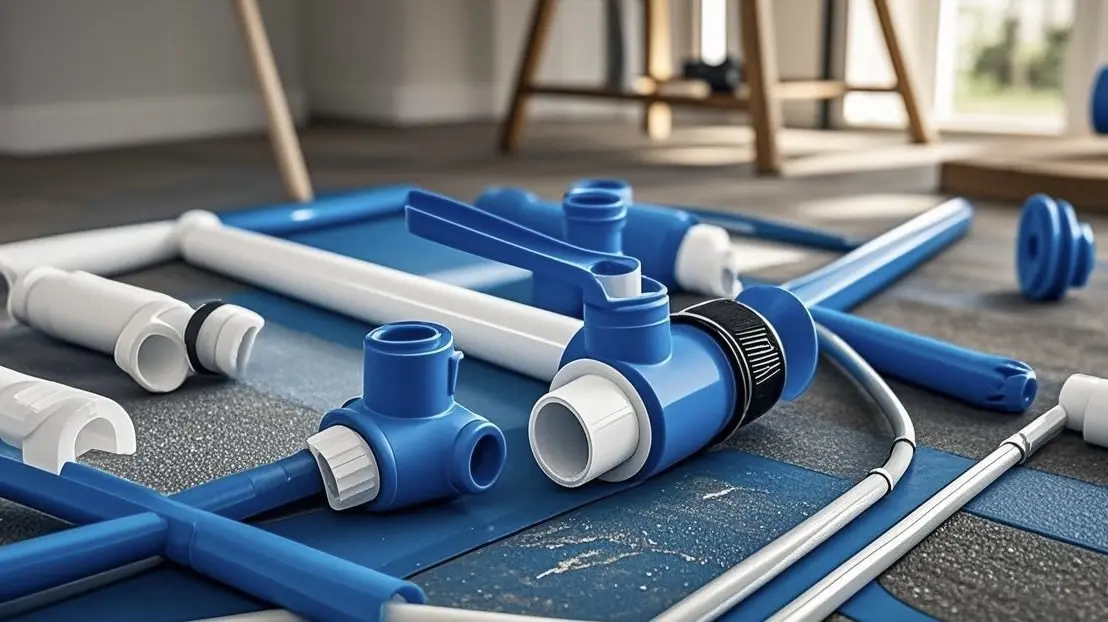
Providing reliable, leak-proof components and hygienic potable water taps that safeguard residential drinking water quality.
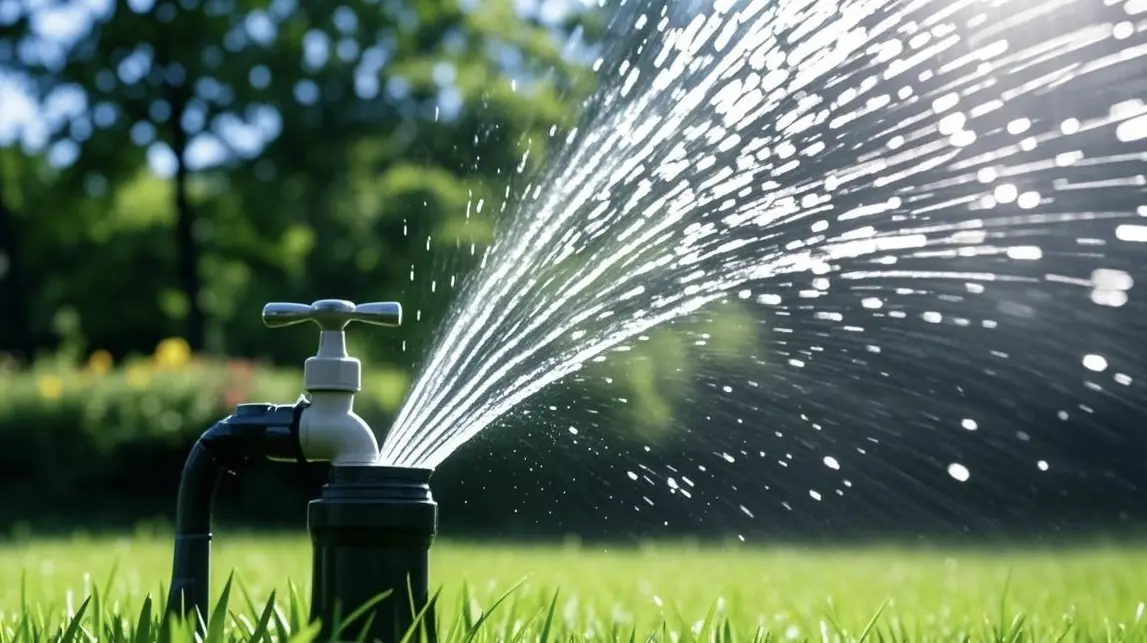
Resistant to agricultural chemicals, fertilizers, and UV exposure, our systems provide reliable performance in outdoor settings.
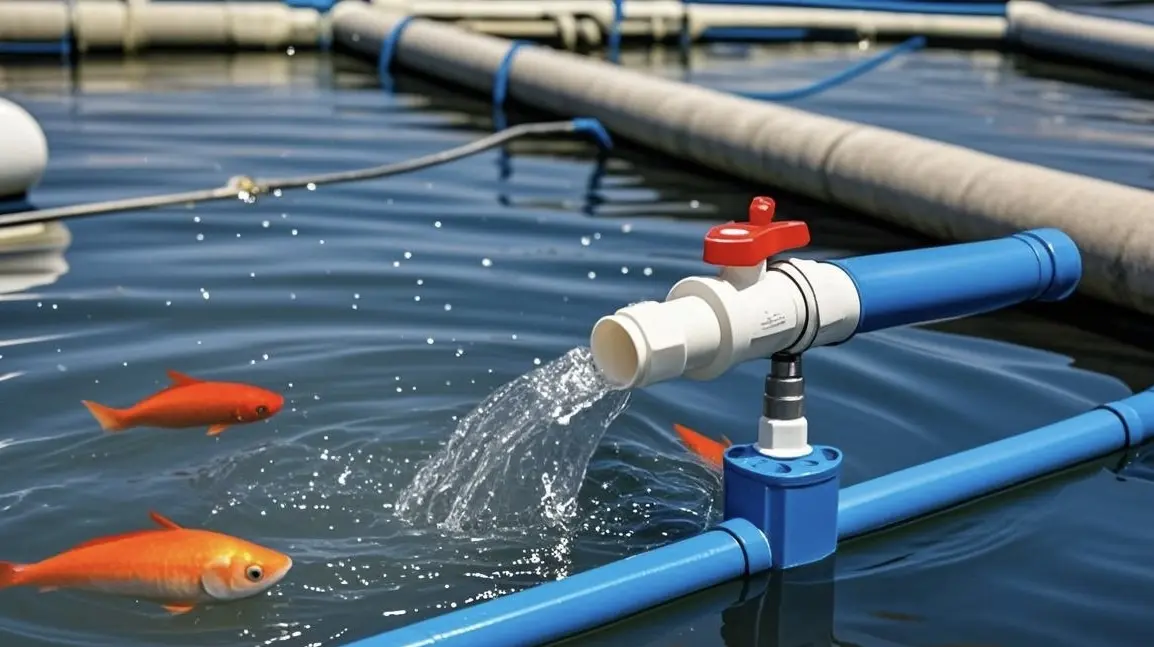
Non-toxic, corrosion-free materials protect sensitive aquatic ecosystems from chemical leaching or biological contamination.
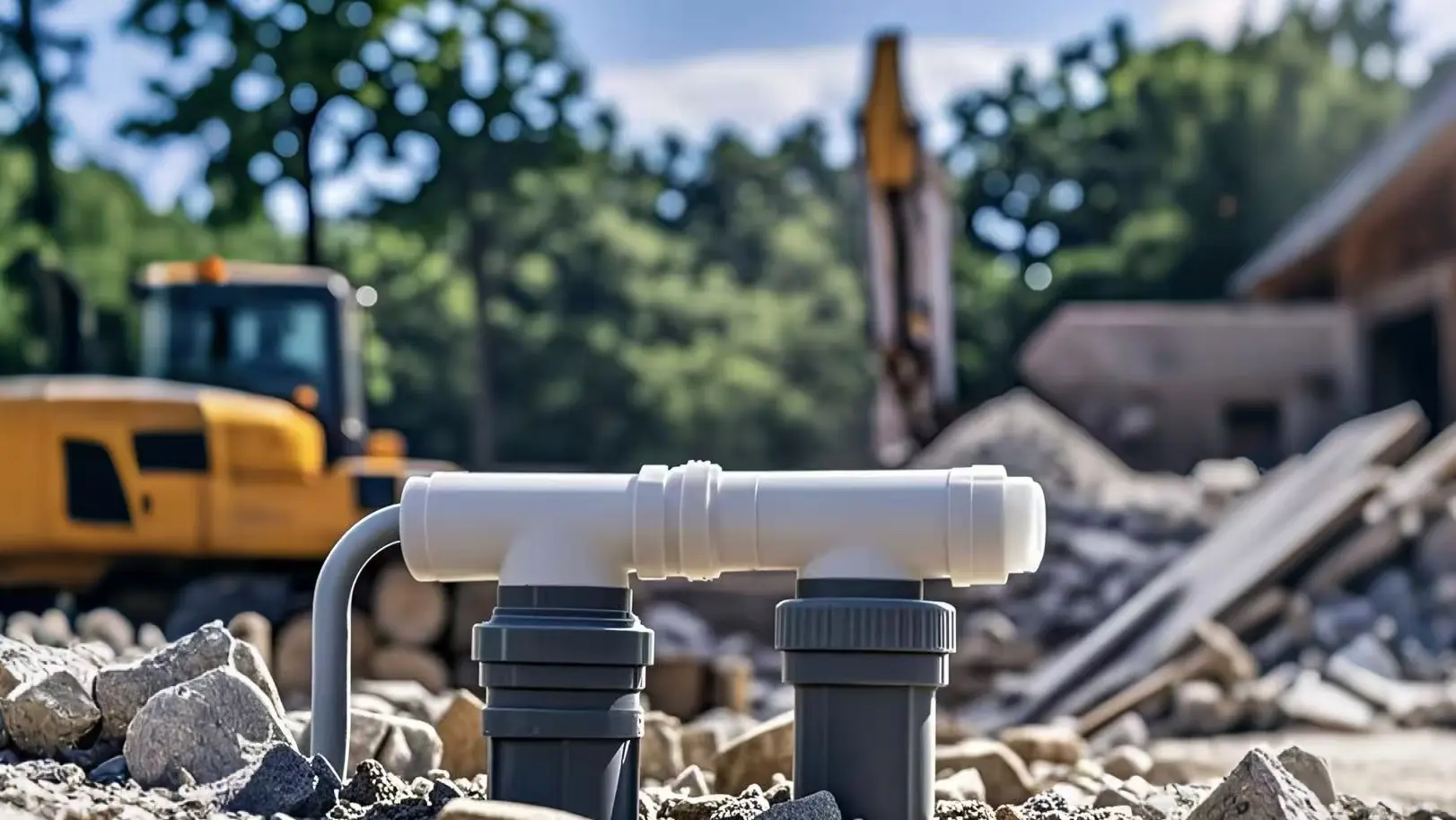
High mechanical strength and impact resistance satisfy the strict performance demands of civil construction fluid networks.
As industrial processes become more automated, Ehao Plastic Group's R&D is focused on integrating digital controls with polymer valve bodies. We are researching fiber-reinforced polypropylene composites to increase pressure tolerances while retaining chemical resistance.
We are also developing smart polymer ball valves equipped with low-power sensor packages. These units detect temperature fluctuations, flow rates, and leakage markers, transmitting the status directly to control systems via Bluetooth or LoRaWAN. This allows users to identify line fatigue before it results in containment breaches.
Furthermore, we are upgrading our injection molding machinery. By incorporating AI-driven defect scanning at the ejection stage of our German-built machines, we can analyze the microstructural integrity of each product in real-time, helping us maintain our quality standards as production volumes grow.
Get technical answers directly from our senior engineering team to help optimize your industrial system configurations.
Explore our selection of compact valves, union components, and specialized taps engineered for residential and commercial systems.
 EHAO
EHAO