Explore our premium selection of certified PVC, UPVC, PP, and Polyethylene-compatible flow control solutions engineered for high durability, structural integrity, and long service life.
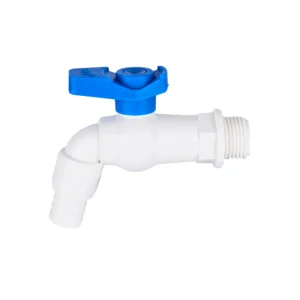
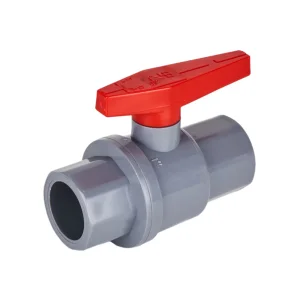
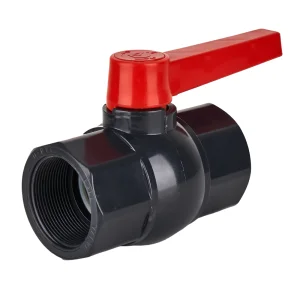
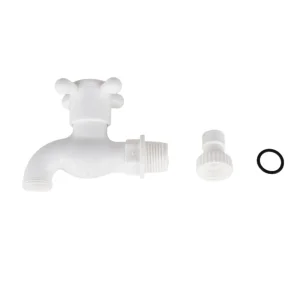
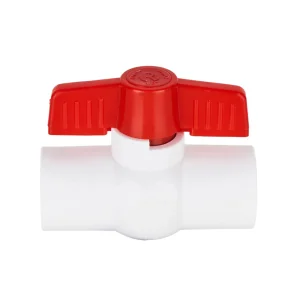
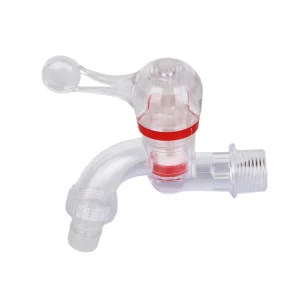
Over the past few decades, municipal water authorities and industrial procurement managers globally have shifted away from traditional metallic flow control components in favor of high-performance polymer piping solutions. Thermoplastic valves—comprising high-density polyethylene (HDPE), polyvinyl chloride (PVC), unplasticized PVC (UPVC), and polypropylene (PP)—have transitioned from specialized niche applications to standard infrastructure specifications worldwide.
Polyethylene (PE) valves, in particular, play an indispensable role in gas distribution, industrial chemical networks, agricultural irrigation, and municipal potable water systems. The primary catalyst driving this shift is the material's structural flexibility, high chemical inertness, and virtual immunity to electrochemical oxidation (corrosion). Unlike metals, which suffer from rust, galvanic wear, and mineral scale build-up, engineering polymers maintain smooth interior surface walls over decades of service, reducing frictional energy loss and maintaining stable hydraulic flow profiles.
Ehao Plastic Group stands at the forefront of this industrial transformation. As a high-tech private enterprise integrated with Zhejiang University and the Chinese Academy of Sciences, we engineer our piping systems to meet the most demanding performance envelopes. By utilizing advanced raw materials and executing strict production controls, our products provide superior structural resistance, enduring high burst pressures and extreme environmental stressors while complying strictly with DIN8077 and DIN8078 standards.
Understanding the unique mechanical characteristics of various polymer materials is vital for selecting the correct valve for specific industrial environments. Below is a engineering overview outlining the performance criteria of these compounds:
| Polymer Compound | Tensile Strength (MPa) | Max Operating Temp (°C) | Key Chemical Resistance | Primary Application Areas |
|---|---|---|---|---|
| High-Density Polyethylene (HDPE) | 20 – 30 | 60°C | Acids, Alkalis, Organics | Gas Pipelines, Water Distribution |
| Unplasticized PVC (UPVC) | 45 – 55 | 60°C | Strong Acids, Bases, Salts | Water Treatment, Chemical Processing |
| Polypropylene (PP) | 25 – 35 | 95°C | Organic Solvents, Alkaline Media | Hot Water Lines, Process Piping |
| ABS Engineered Polymer | 35 – 45 | 80°C | Excellent Impact / Weathering | Heavy-Duty Handlers & Heavy Duty Components |
Why international procurement departments rely on Ehao Plastic Group for large-scale plastic valve manufacturing.
By using computer-automated injection systems from Germany, we minimize standard cycle times while ensuring dimensional consistency. This automated setup enables Ehao to process high-volume bulk orders without sacrificing quality control, offering consistent supply timelines for major projects.
Unlike simple assembly facilities, Ehao owns and operates an advanced R&D facility dedicated to plastic mold design. Our engineers can develop customized tooling profiles for bespoke flow control fittings, modifying geometry, wall thickness, or connection styles based on customer requirements.
Every product undergoes a rigorous 26-step testing cycle, including long-term hydrostatic pressure assessments, thermal aging trials, and cyclic operations. This systematic approach ensures our components meet global plumbing and industrial standards, maintaining structural reliability in demanding environments.
Our engineered valve and pipe fitting systems are designed to operate reliably in diverse environmental conditions.
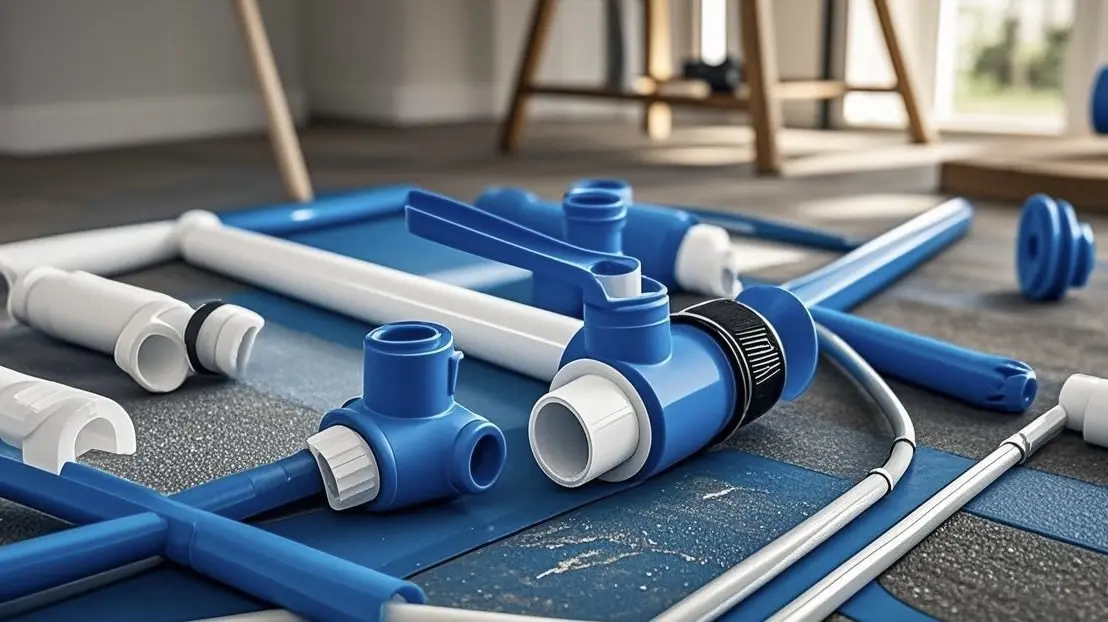
Providing safe, non-toxic, and leak-proof distribution of potable water in residential properties. Our compact ball valves ensure long-term, maintenance-free performance behind walls and in exposed spaces.
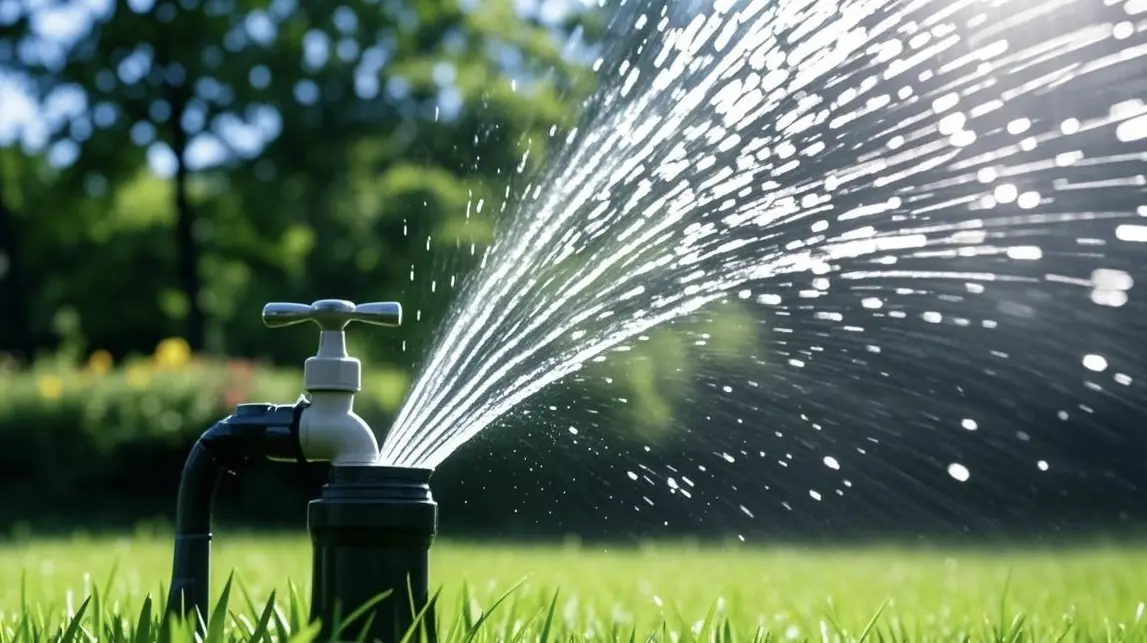
Designed for agricultural and landscape environments. These valves withstand UV exposure, soil-borne chemical additives, fertilizers, and varying supply pressures, maintaining smooth flow control.
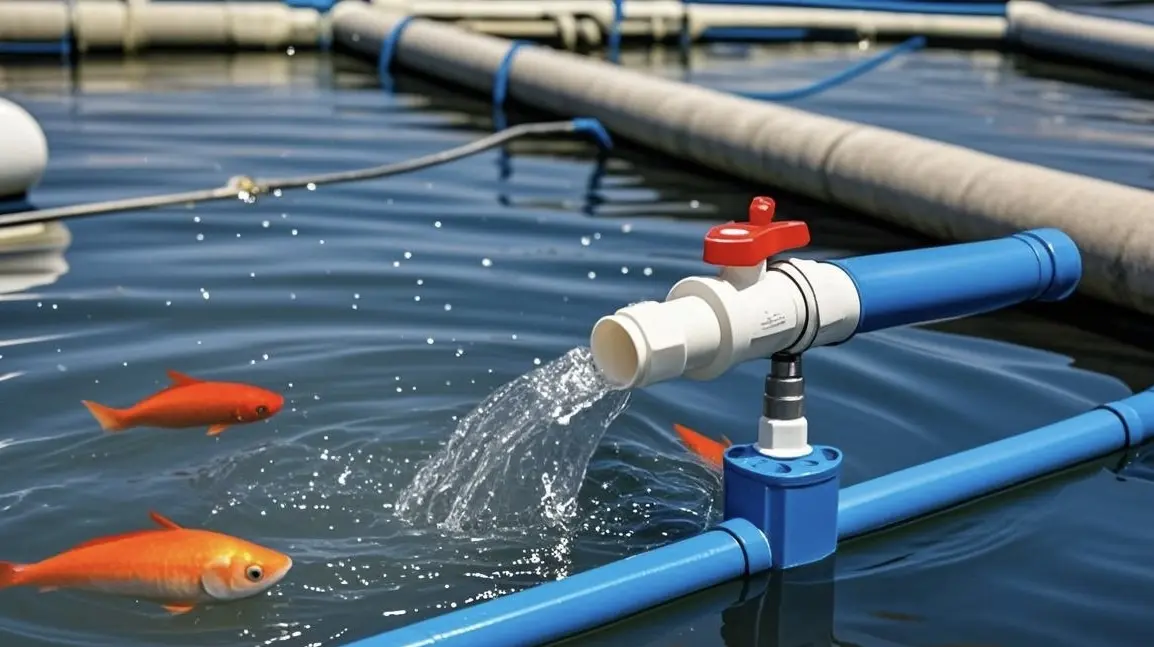
Aquaculture setups require stable water circulation free from heavy metal ions. Our inert polymer valves eliminate chemical leaching risks, protecting aquatic health in sensitive filtration systems.
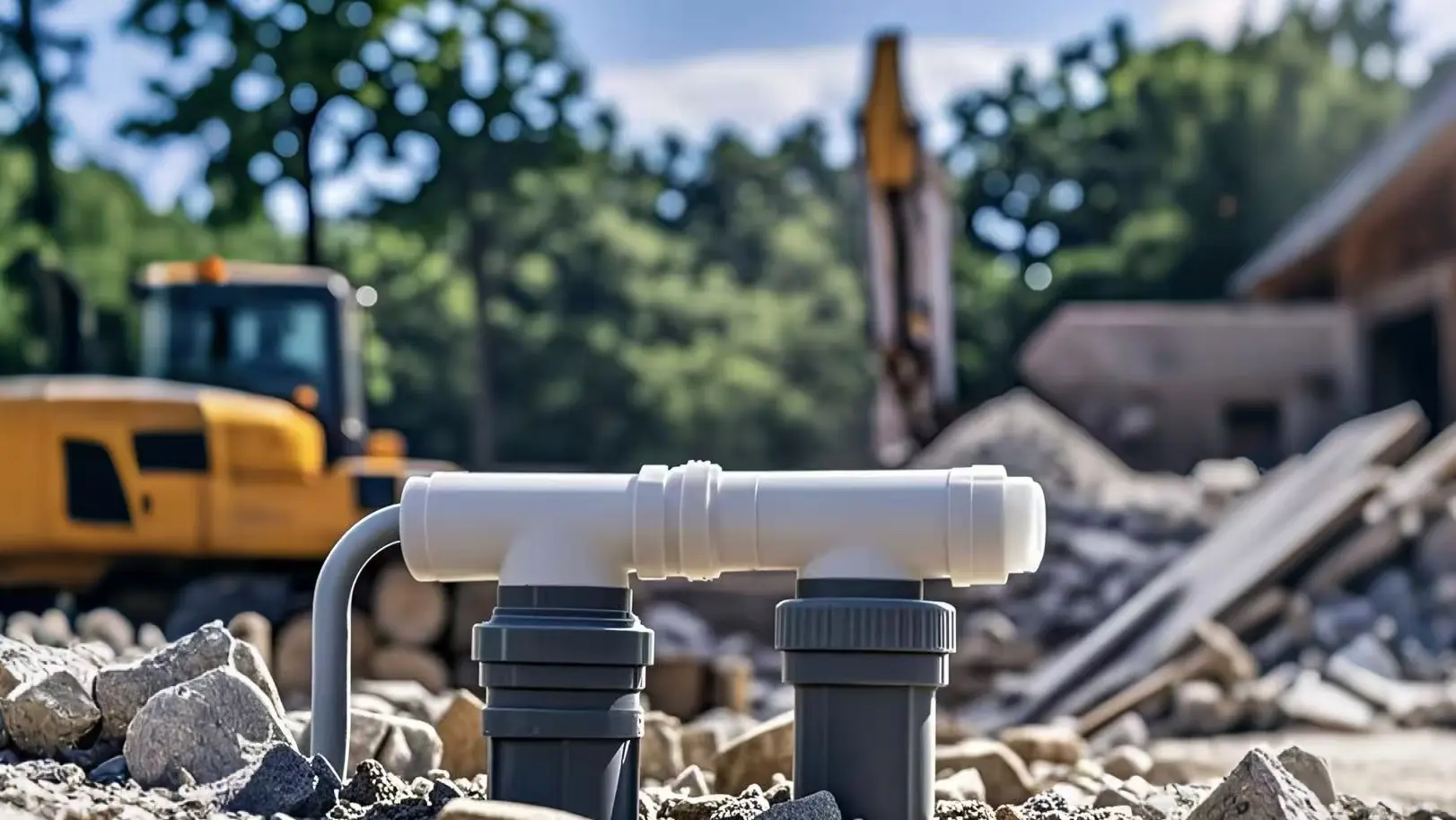
For municipal, commercial, and industrial sites. Engineered to manage high water volumes under variable site conditions, resisting mechanical impacts and harsh chemical exposures.
From selecting and configuring the right product for your project to financing purchases that support long-term profitability.
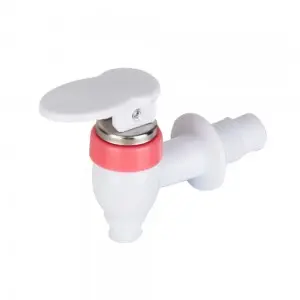
Product Detail Quick Package Fittings
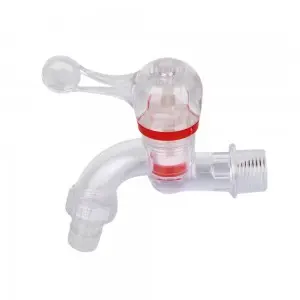
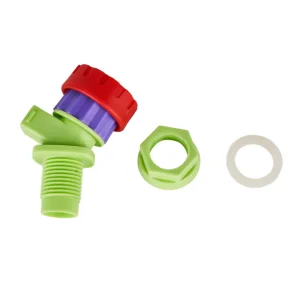
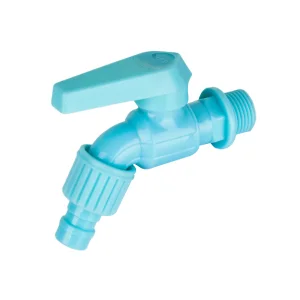
Corrosion-proof domestic utility tap
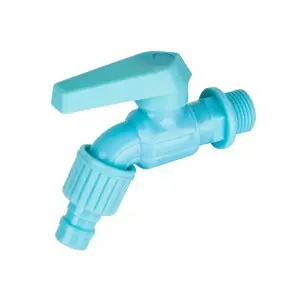
Engineered for high-reliability flow supply
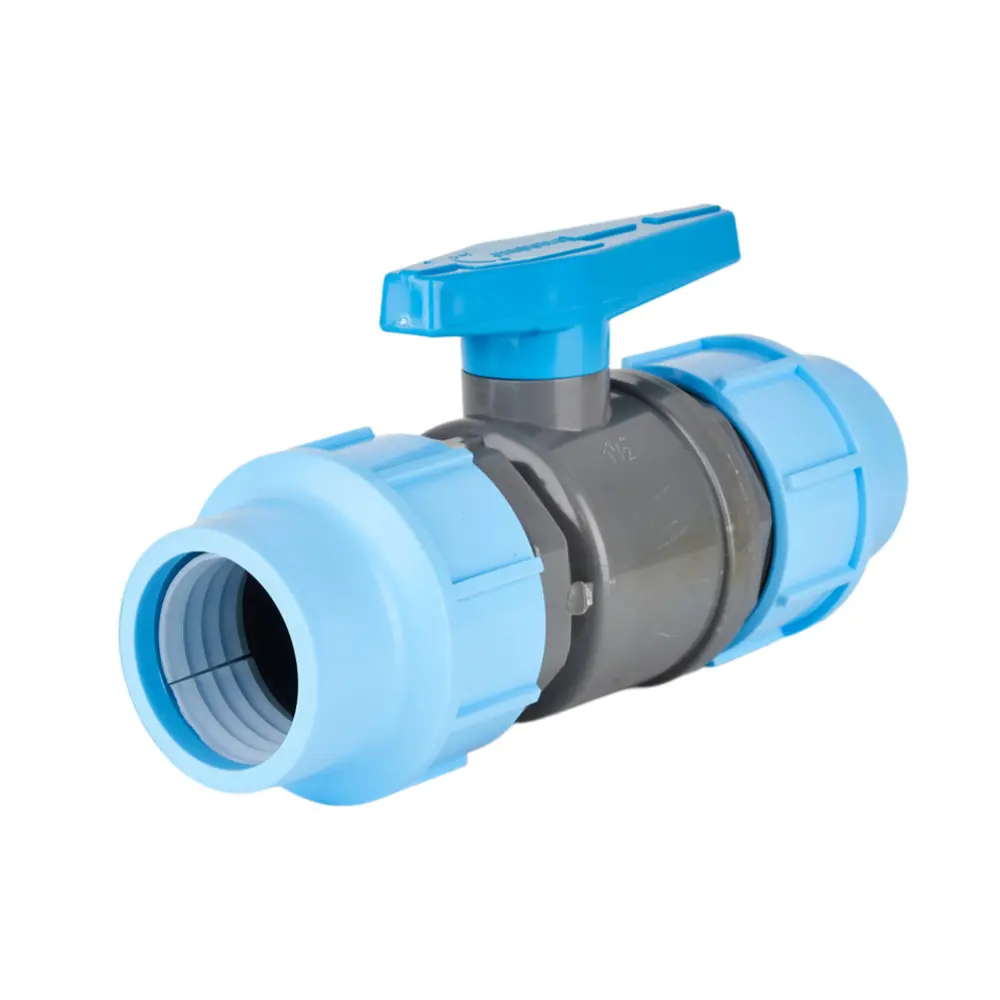
Industrial bypass and loop control systems
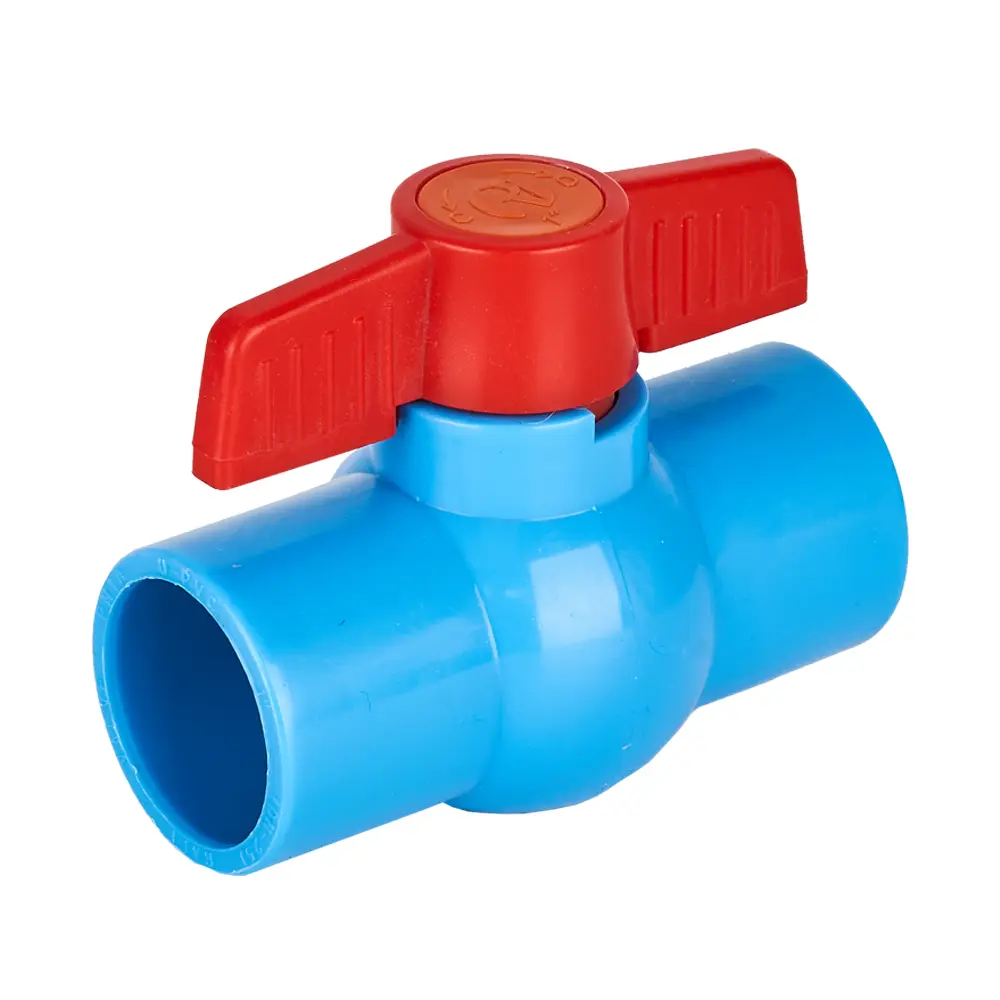
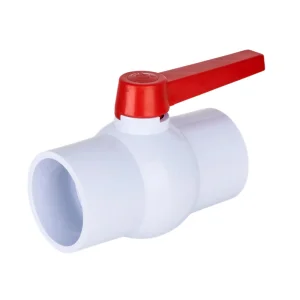
Direct solvent welding connection style
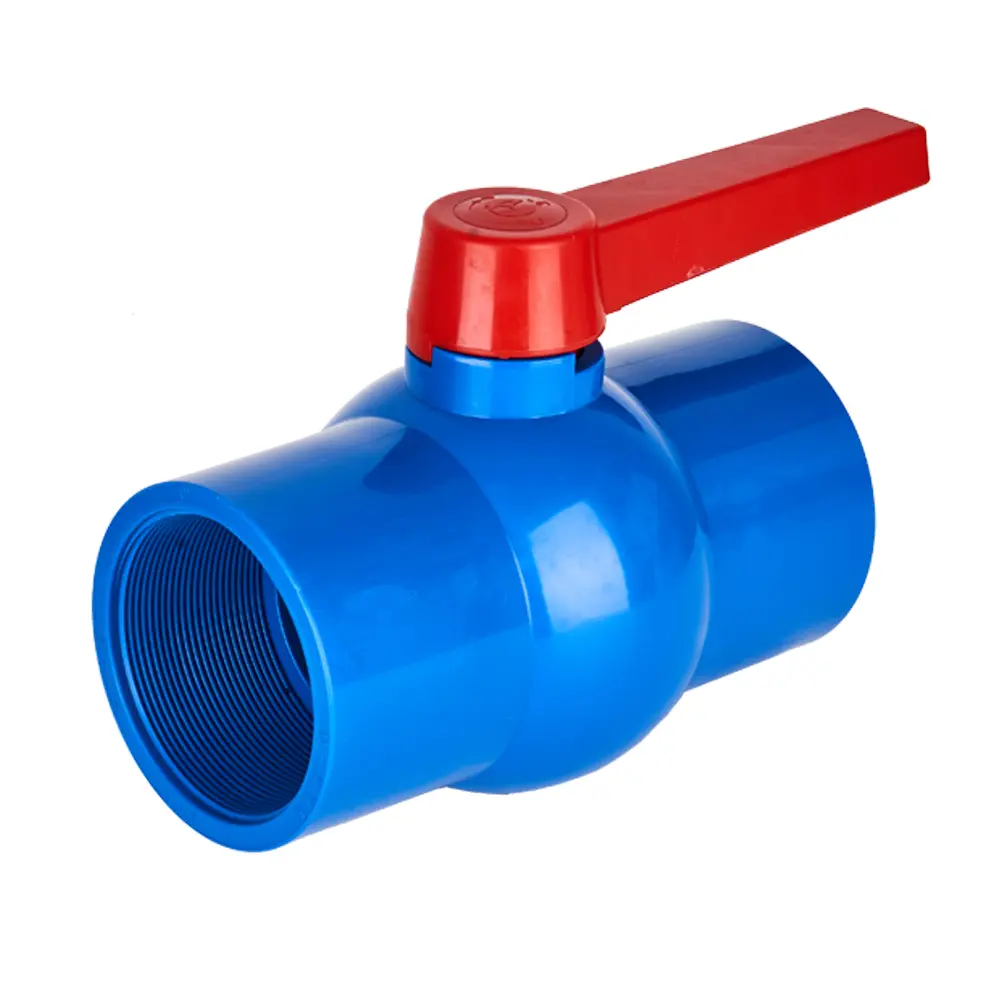
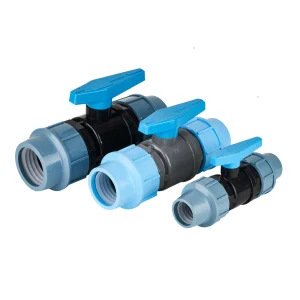
High-volume bypass valves
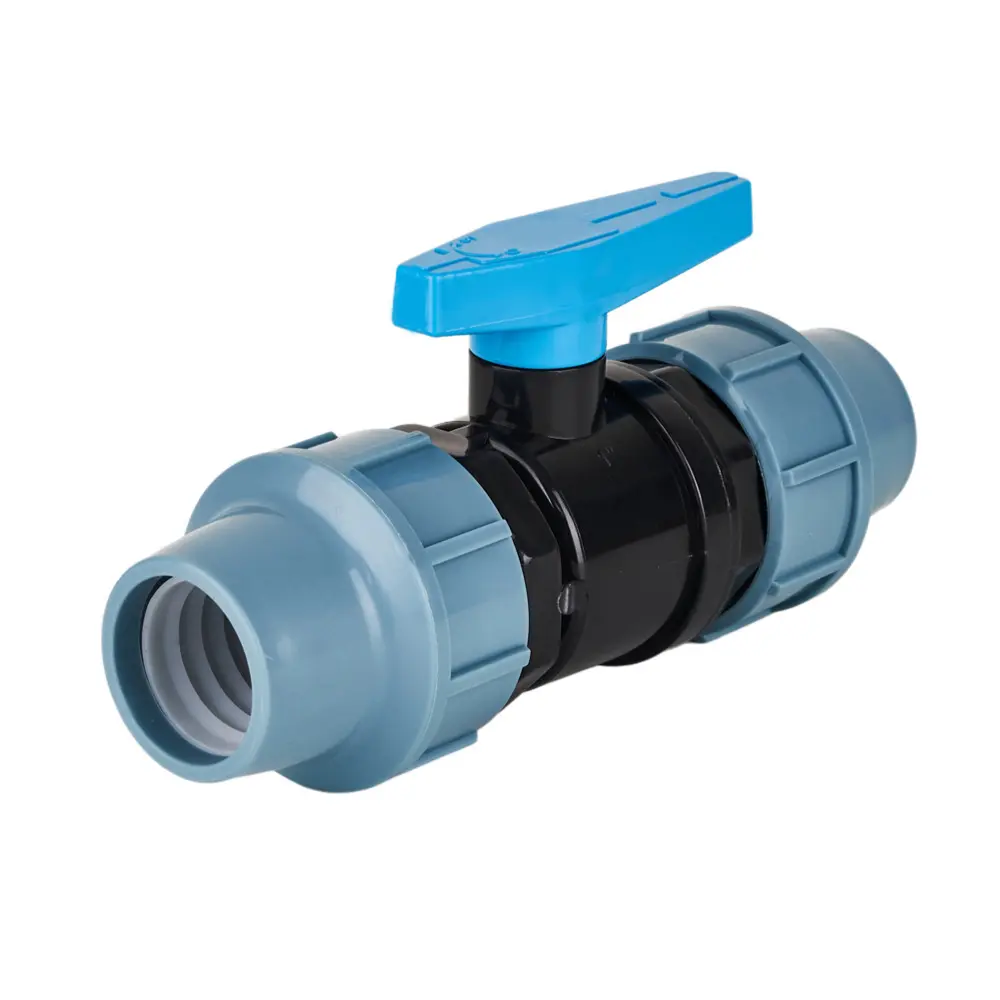
Double block-and-bleed pipeline installations
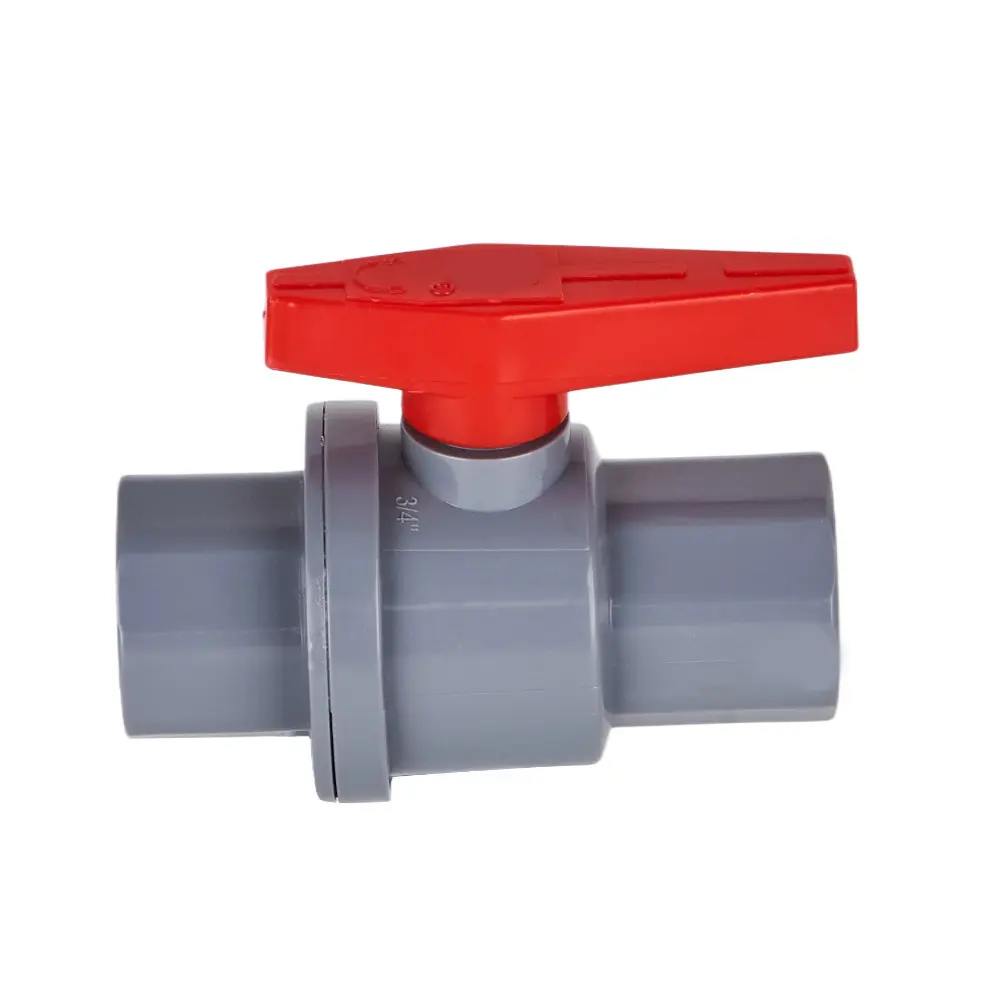
Heavy-duty ABS handle for high actuation cycles
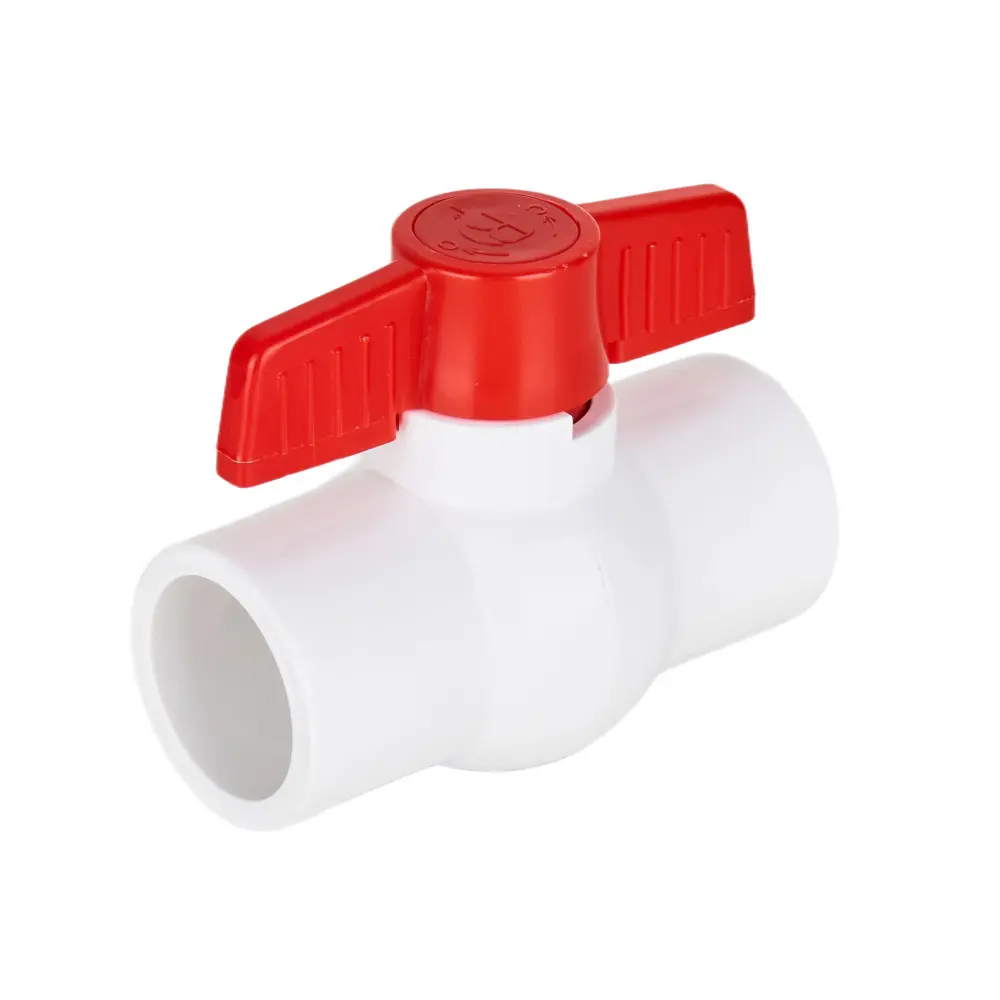
Standard pressure-rated water distribution
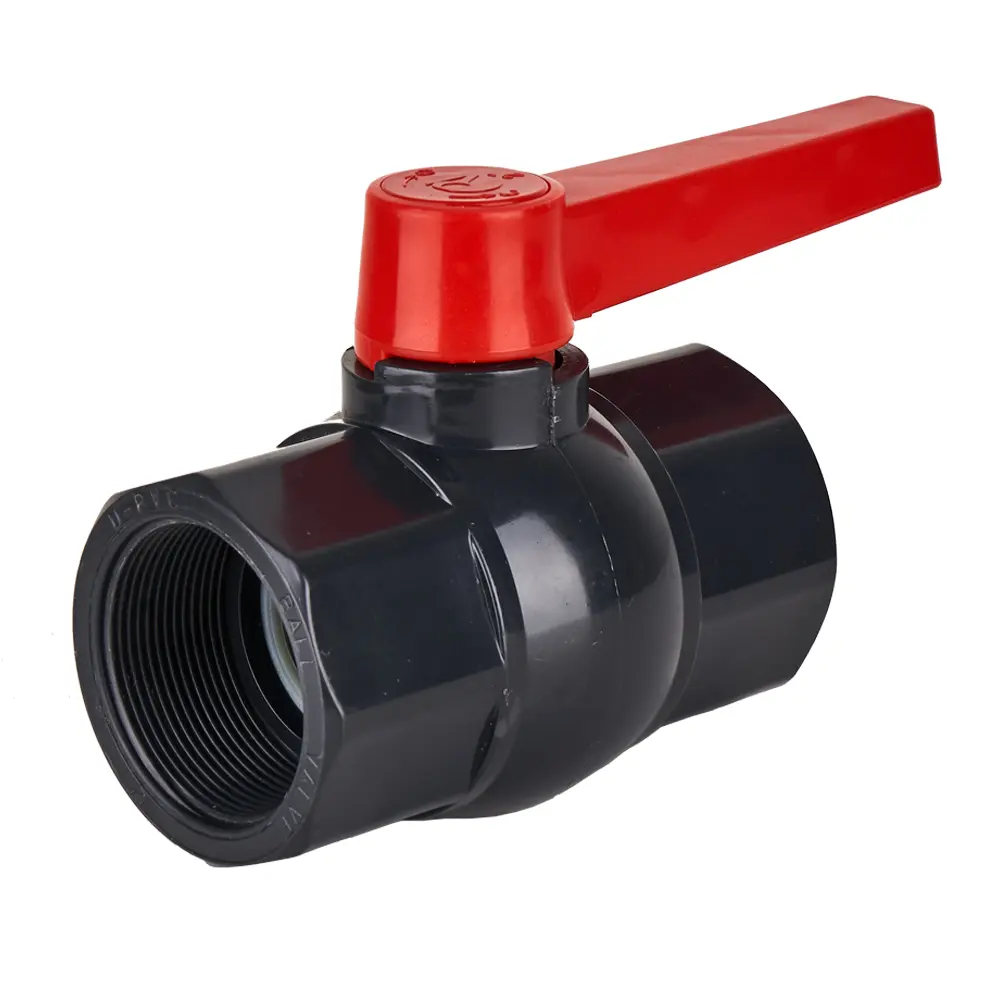
Easy-grip octagonal body for manual service access
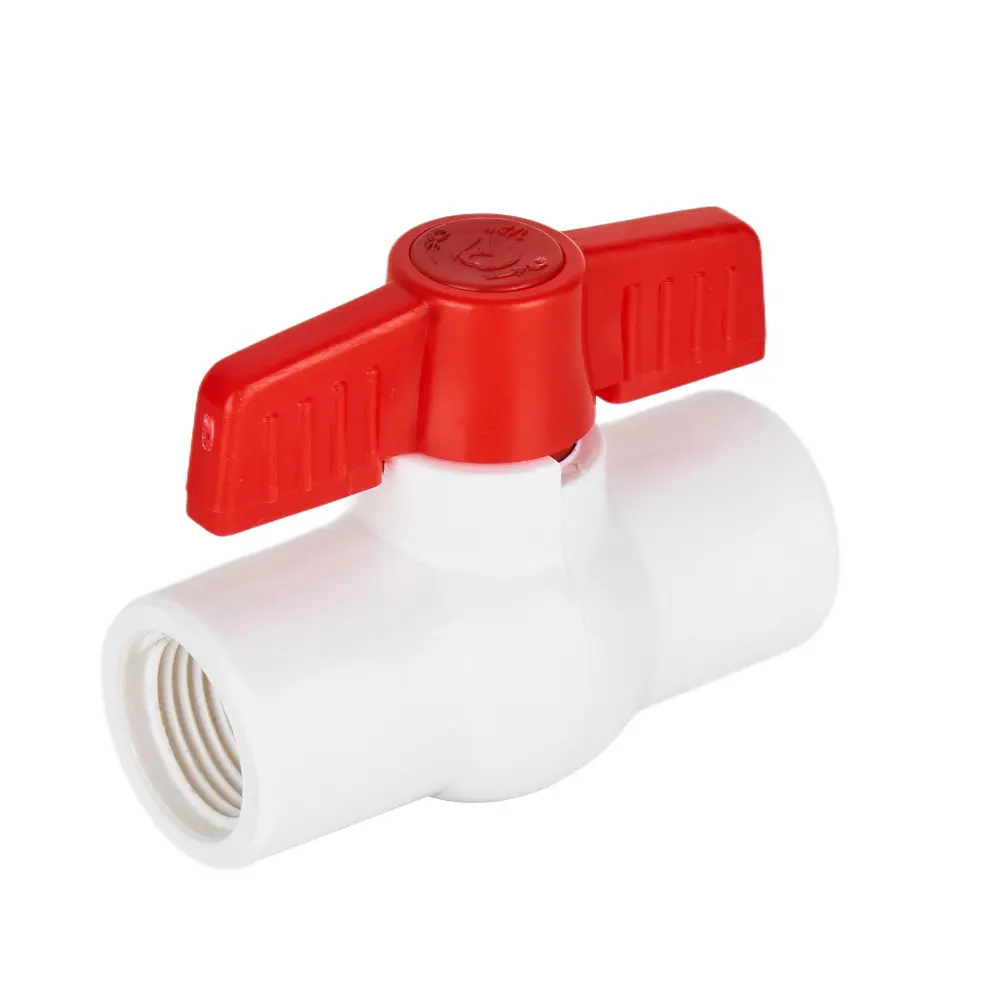
Direct supply line isolation fittings
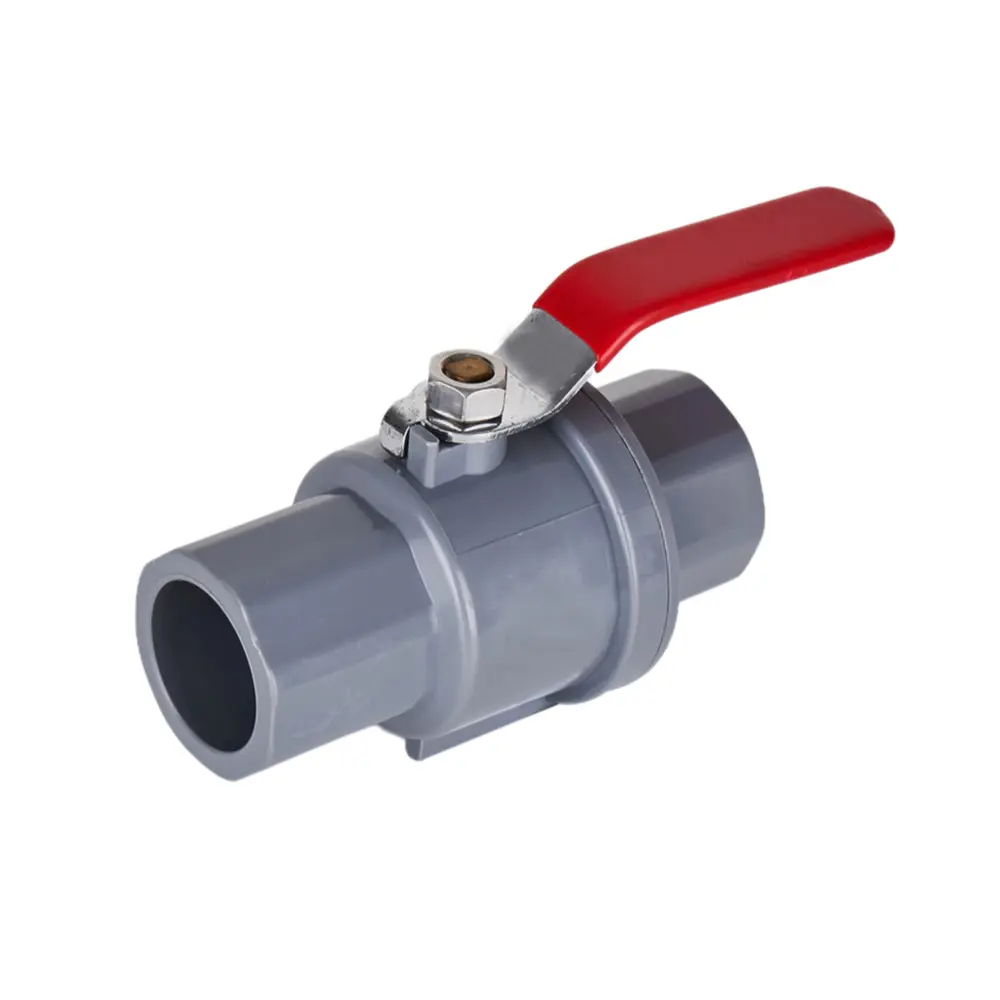
Reinforced SS lever handle for harsh environments
Explore additional polymer designs tailored for municipal water networks and chemical processing lines.
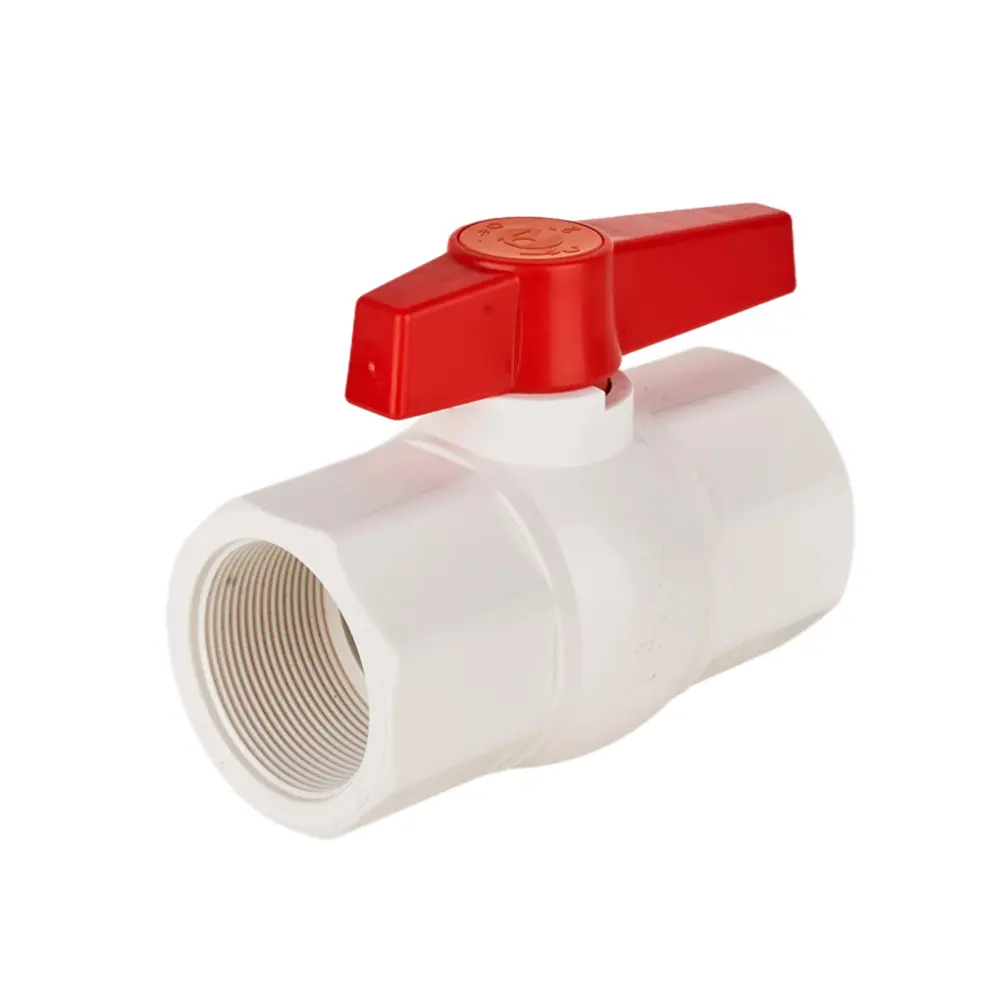
Excellent pressure distribution styling
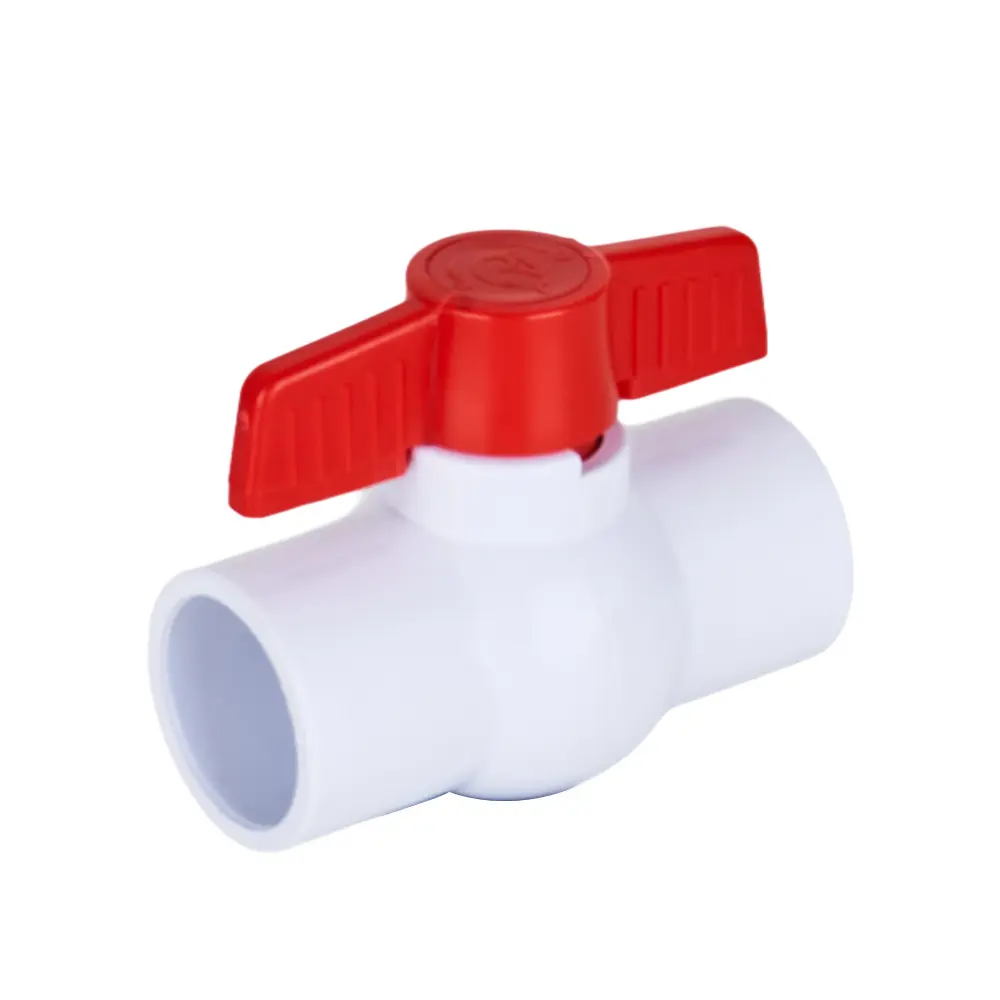
Aesthetic clean-look building fitting
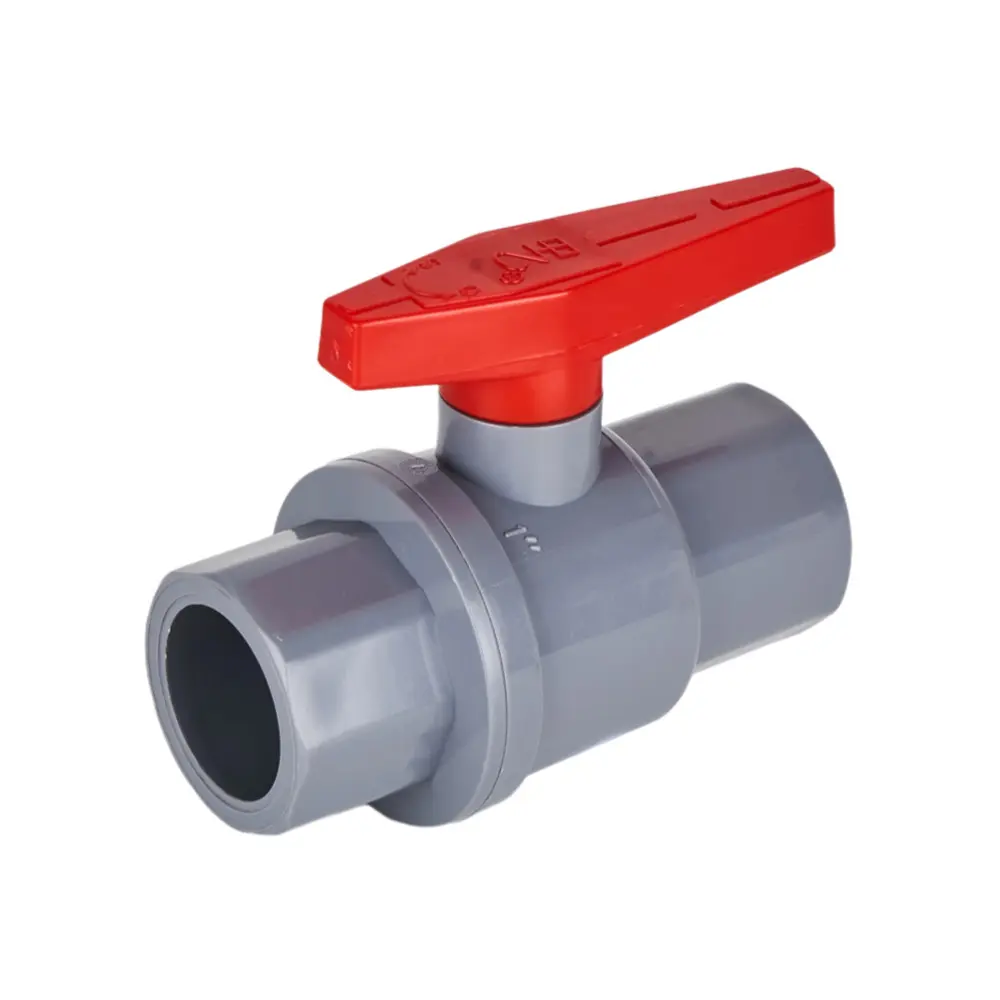
Reliable double blocking design
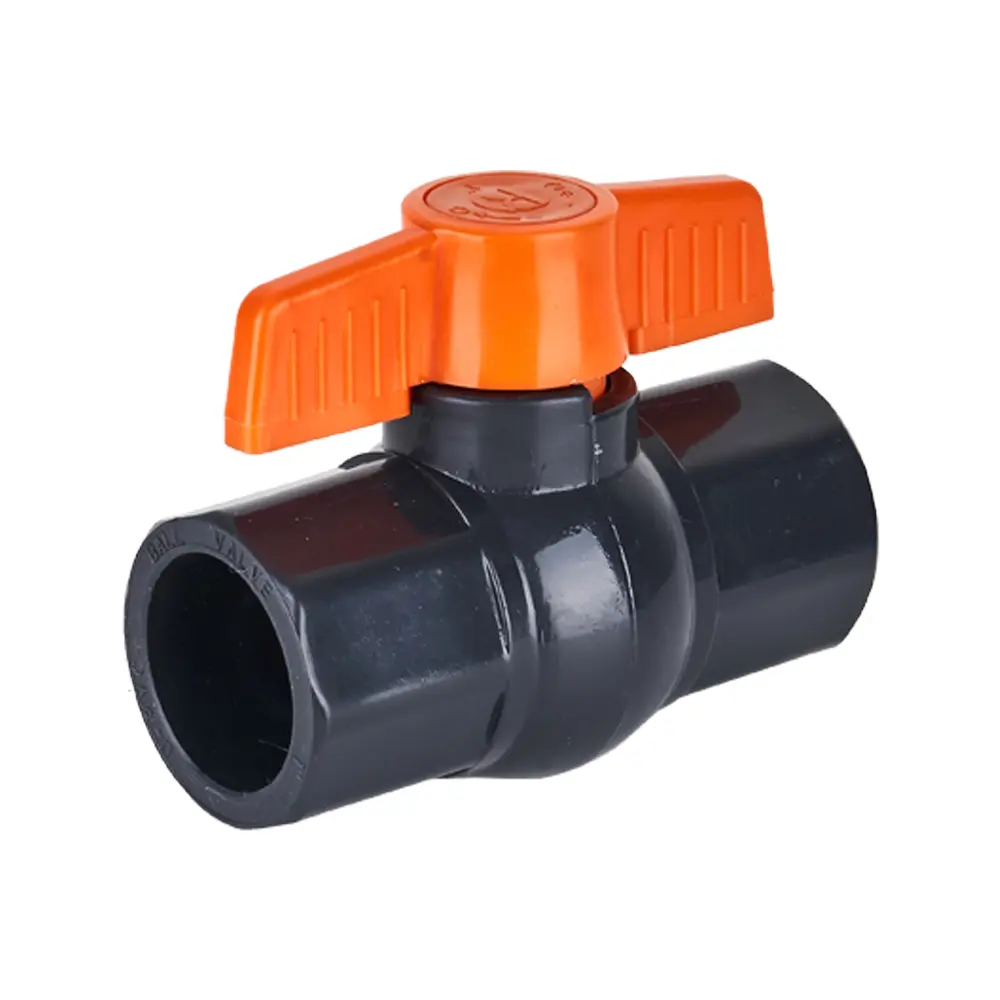
Octagonal body design for easy manual grip
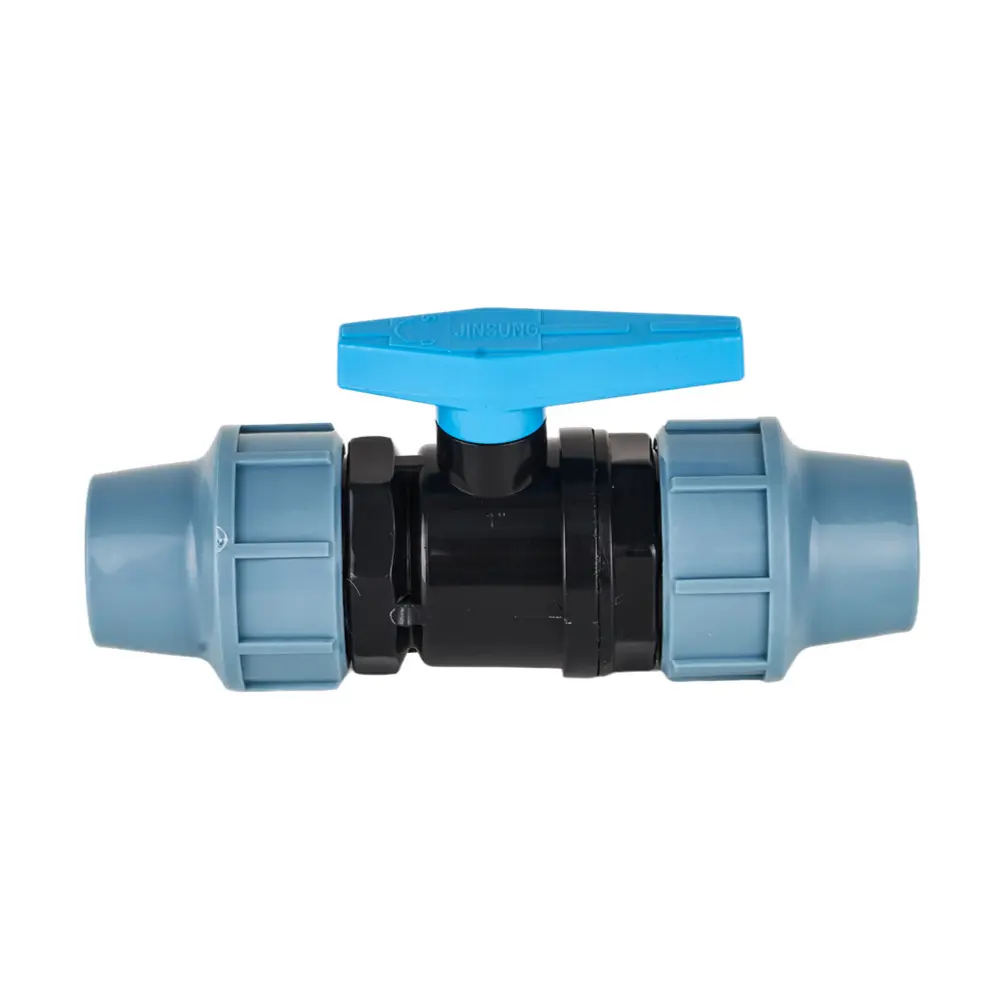
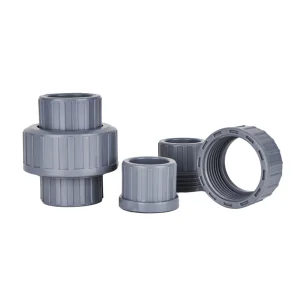
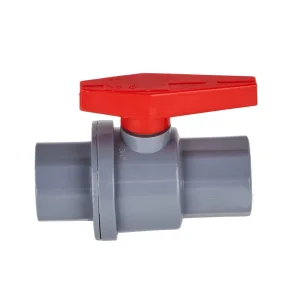
Easily replaceable union joints
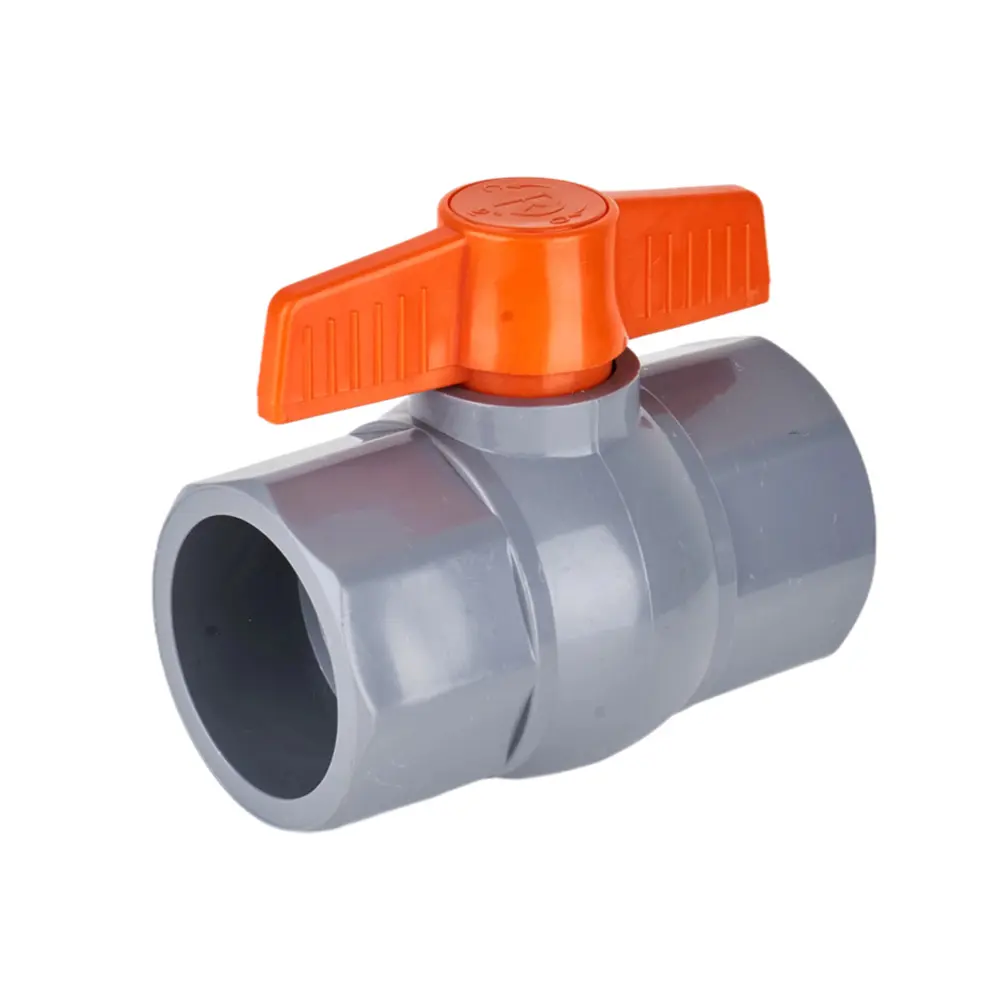
Designed for heavy fluid loading applications
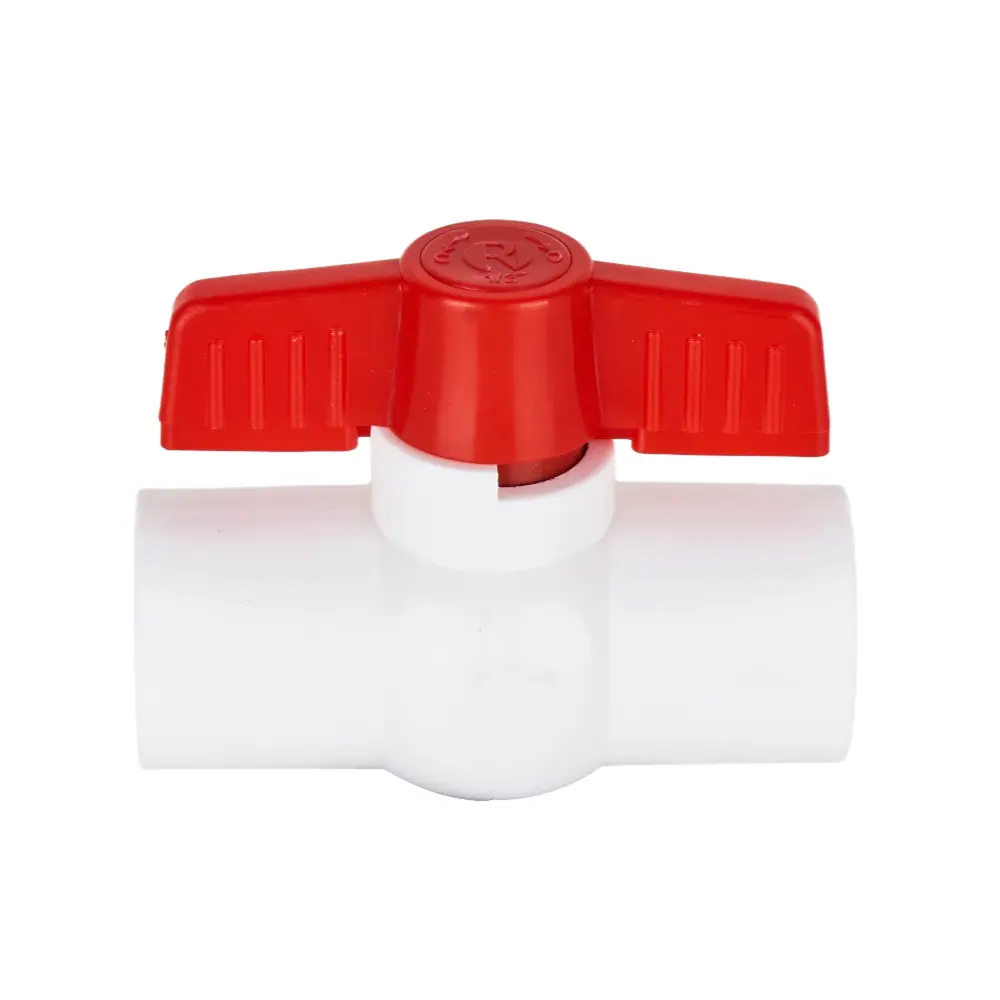
Direct supply line isolation fittings
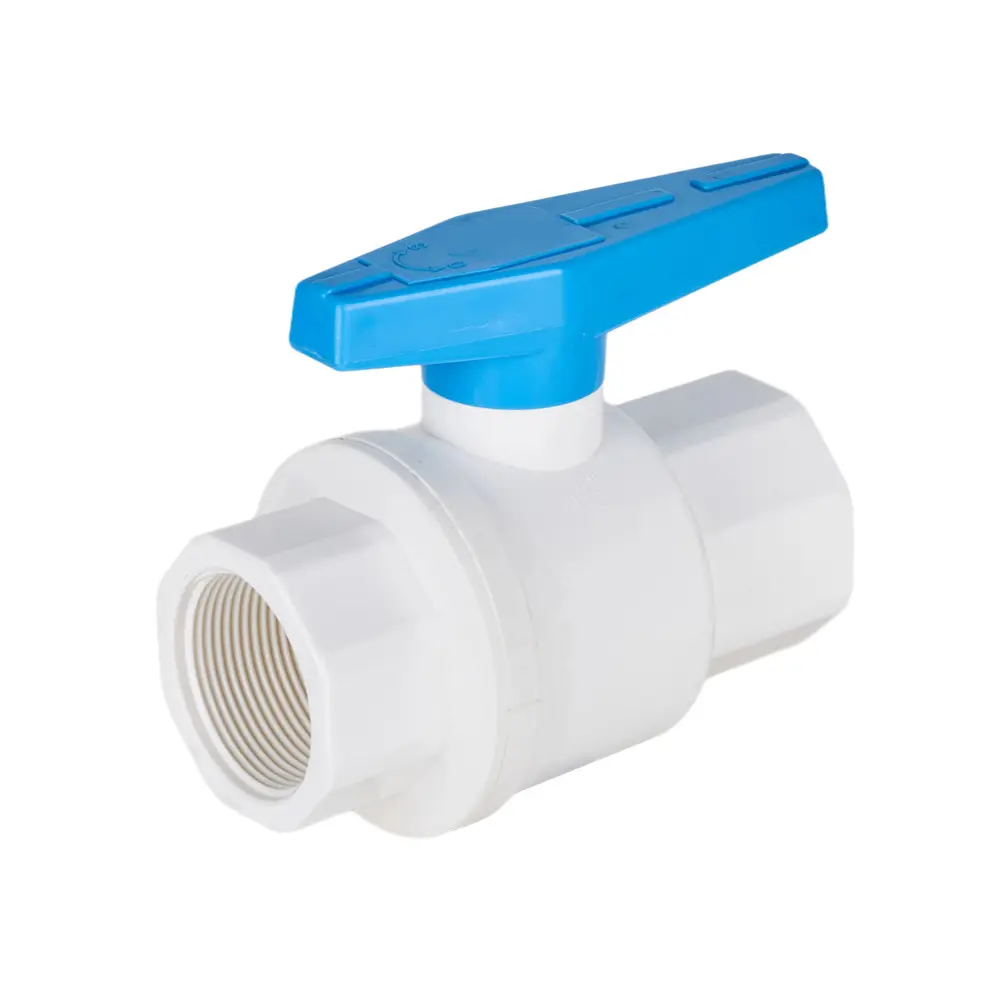
High-contrast color-coded handle options
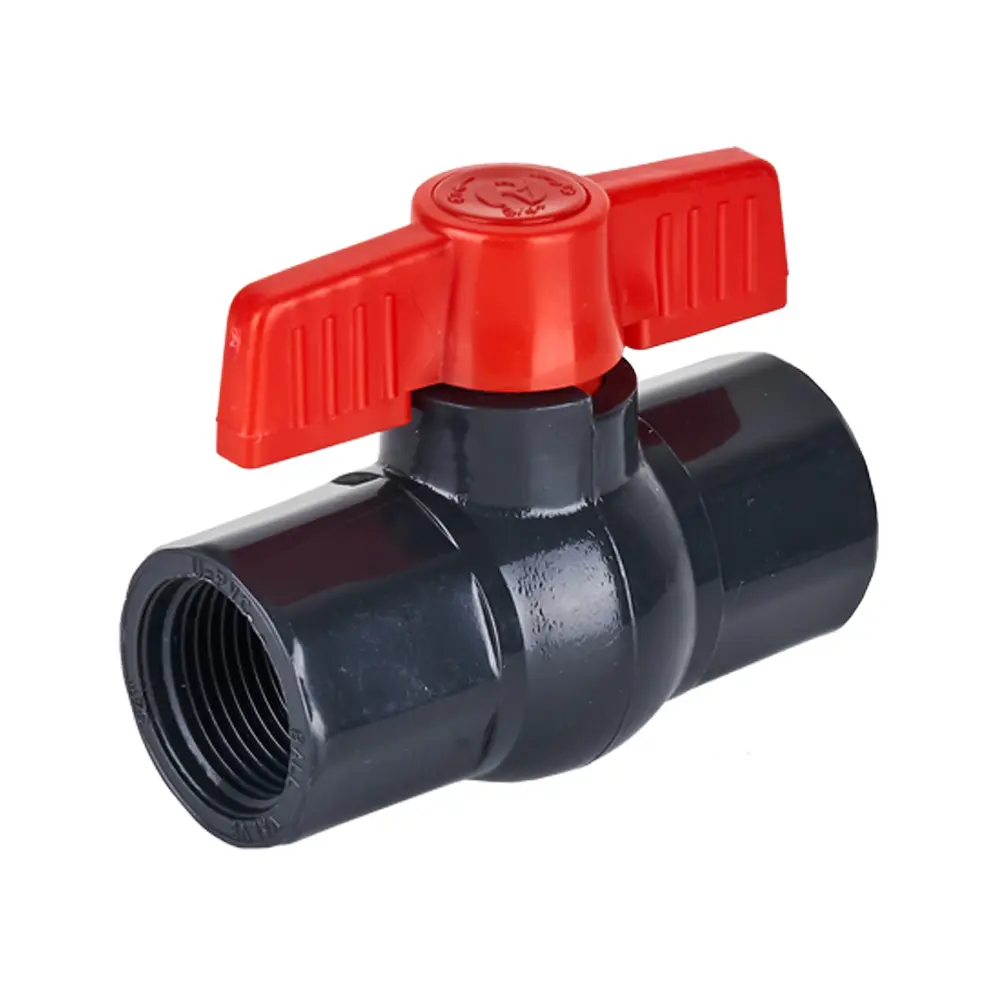
Compact profile for tight configurations
Technical configurations and socket designs manufactured under DIN specifications.
Ideal for compact domestic plumbing setups
Ensures leakproof permanent pipe joints
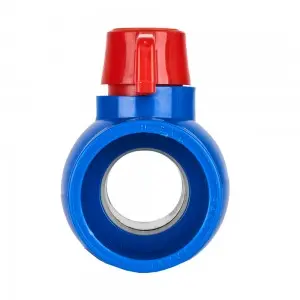
High-torque ABS handles for easy operation
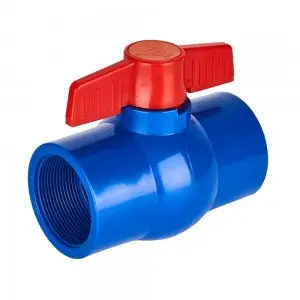
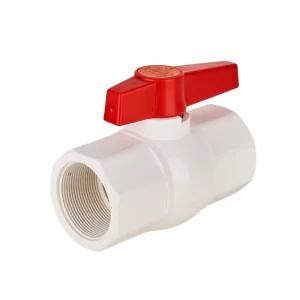
Standard female thread sizes for versatility
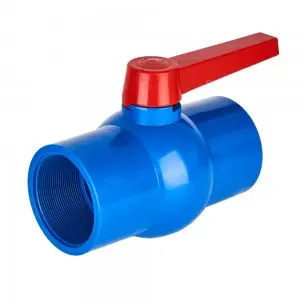
High flow rates with minimal pressure drop
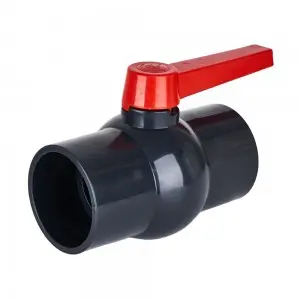
Built for industrial waste treatment lines
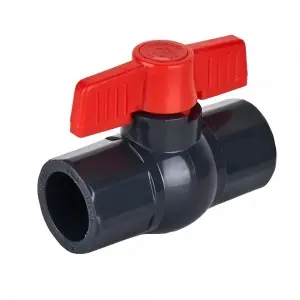
Easy-turn handle for rapid shutoff
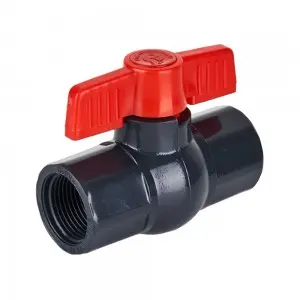
NPT and BSP thread options available
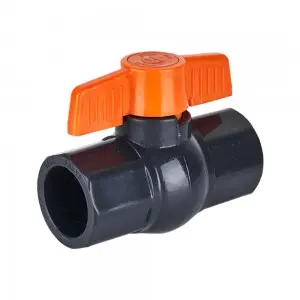
Excellent flow performance in commercial setups
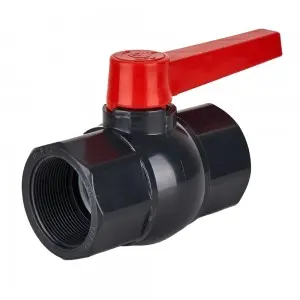
Heavy carbon black formulation for UV stabilization
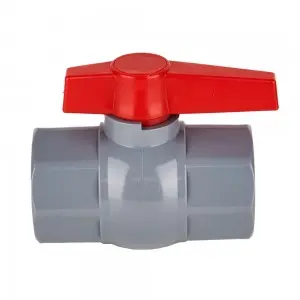
Large flow cross-section with low pressure drop
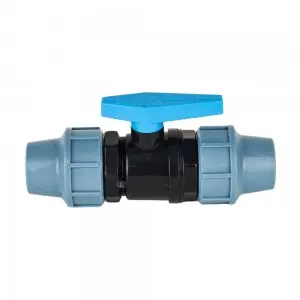
High chemical compatibility and sealing performance
Key considerations for engineers and purchasing managers selecting industrial-grade polymer valves.
When sourcing Polyethylene (HDPE), PVC, or PP valves for critical infrastructure, procurement professionals should evaluate several technical parameters to ensure project compatibility:
Expert technical answers to common questions about polymer valves and industrial piping systems.
Discover our catalog of large-bore valves, compact slip-on systems, and heavy-duty double union fittings.
 EHAO
EHAO