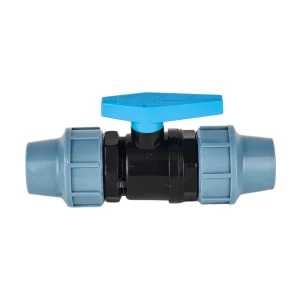
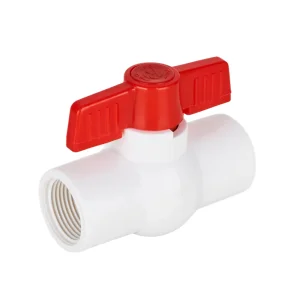
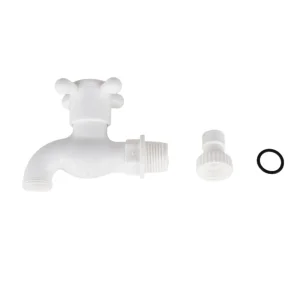
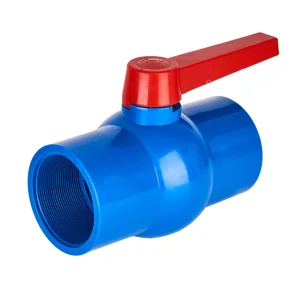
 EHAO
EHAO
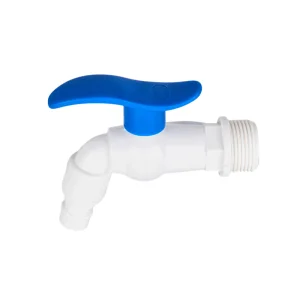
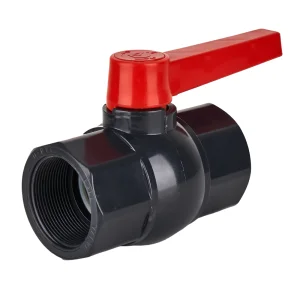
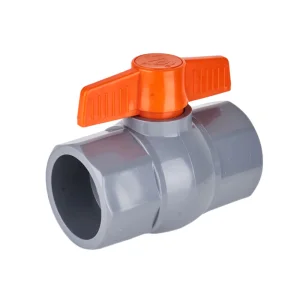
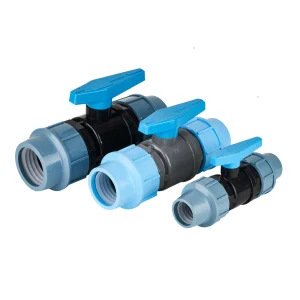
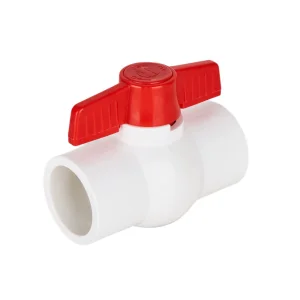
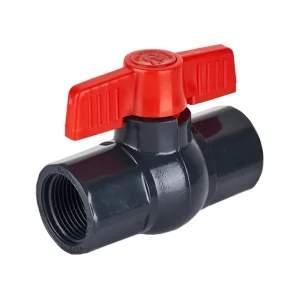
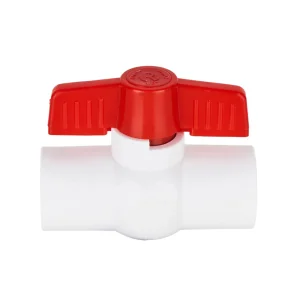
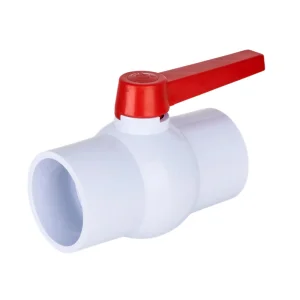
Global Commercial & Industrial Status of Plastic Pipe Fittings
In modern industrial fluid dynamics and civil engineering, the transition from traditional metallic distribution systems to high-performance thermoplastic pipe fittings is rapidly accelerating. Global markets face persistent challenges with pipe rust, chemical degradation, galvanic corrosion, and friction-induced pressure drops. In response, advanced polymer pipe fittings made from Polyvinyl Chloride (PVC), Unplasticized Polyvinyl Chloride (UPVC), Polypropylene (PP), and Polyoxymethylene (POM) have become standard solutions across various industries.
The global thermoplastic market demand is driven by the urgent need for cost-efficient, long-lasting, and maintenance-free flow systems. Municipal water networks, commercial buildings, agricultural projects, and chemical processing facilities rely heavily on thermoplastic valves and fittings. These components maintain high flow rates and structural integrity under aggressive operating conditions. As green building certifications and strict environmental standards (like NSF/ANSI and WRAS) become more widespread, sourcing certified plastic components has changed from a cost-saving measure to a strategic necessity for engineering firms worldwide.
Technical Insights: The Science of Materials
Thermoplastics operate with high structural efficiency due to their long-chain molecular formations. UPVC (Unplasticized PVC) is specifically formulated without added plasticizers, resulting in a rigid polymer with excellent tensile strength, high pressure resistance, and resistance to chemical corrosion. Polypropylene (PP) offers outstanding thermal stability, making it ideal for systems with wide temperature ranges, such as industrial process piping and agricultural distribution systems.
China Factory Production & Efficiency Advantages
China is a global hub for thermoplastic manufacturing, driven by advanced production technology, integrated supply chains, and highly efficient processes. Leading manufacturers, such as the Ehao Plastic Group, represent this modern manufacturing approach. By combining research partnerships with automated production lines, Chinese factories deliver high-quality products that meet strict international standards.
Collaborative R&D
Our research and development processes are supported by prominent scientific institutions, including the Chinese Academy of Sciences and Zhejiang University. This academic partnership ensures that our polymer formulations and product designs incorporate the latest advancements in materials science.
German Automation
By importing automated production lines and high-precision computer injection molding systems from Germany, we achieve tight tolerances and consistent dimensions. This automation minimizes human error and guarantees repeatable quality across large production volumes.
Rigorous Certification
Every valve and fitting undergoes a comprehensive 26-step scientific testing regimen before shipment. This QA protocol ensures a 100% factory pass rate and compliance with the mechanical performance standards of DIN8077 and DIN8078.