Engineered to complement high-capacity plastic pipe extrusion lines, ensuring optimal fluid control and flow integrity.
Establishing advanced standards in design and material execution through collaborative polymer physics research.
Ehao Plastic Group is a high-tech private enterprise integrating R&D and production of building materials, pipe fittings, and injection moulds. Ehao Plastic Group stands as a prominent leader of PVC/UPVC ball valves in the domestic market in China. Since its inception, the company has been supported by the Chinese Academy of Sciences and Zhejiang University in technological research and development. To maintain manufacturing consistency, we introduced state-of-the-art production lines and computer automatic injection molding systems directly from Germany. Every product undergo 26 steps of scientific testing to enforce strict quality control and guarantee a 100% ex-factory pass rate. Technical indices strictly conform to DIN8077 and DIN8078 standards, securing a level of quality that matches world-class requirements.
Our comprehensive brand influence, consistent quality, and focused marketing strategies have allowed us to distribute products across most provinces and cities in China, as well as 28 foreign countries and regions, including Europe, North America, and Southeast Asia. Ehao also designs and produces plastic moulds, utilizing supplied materials, samples, and drawings to meet diverse industry demands. We welcome global clients to collaborate with us under our core principles: honesty, dedication, innovation, and mutual progress.
Analyzing key advancements in energy management, material blending, and process automation.
Modern plastic pipe extrusion systems increasingly rely on closed-loop control architectures. Integrating gravimetric feeding units allows manufacturers to maintain precise control over weight-per-meter output, minimizing material waste and stabilizing outer diameter tolerances. Sensors connected to central control stations monitor melt temperature, screw torque, and head pressure, enabling automatic parameter corrections during continuous operation.
There is growing global demand for multi-layer composite pipes (such as PVC/three-layer structured-wall pipes or PPR-AL-PPR designs). Utilizing co-extrusion technology enables the distribution of recycled materials or specialized reinforcing agents within internal layers, while reserving virgin polymers for external surfaces. This method significantly reduces material costs without compromising mechanical performance or environmental stress crack resistance (ESCR).
Counter-rotating parallel and conical twin-screw extruders remain the industry standard for UPVC processing due to their excellent shearing performance and stable thermal profiles. Innovations in screw flight geometry and barrel cooling systems prevent premature thermal degradation of heat-sensitive polymers, facilitating smooth, continuous runs at higher output volumes.
Industrial piping serves as the structural foundation for global infrastructure, agriculture, and municipal projects.
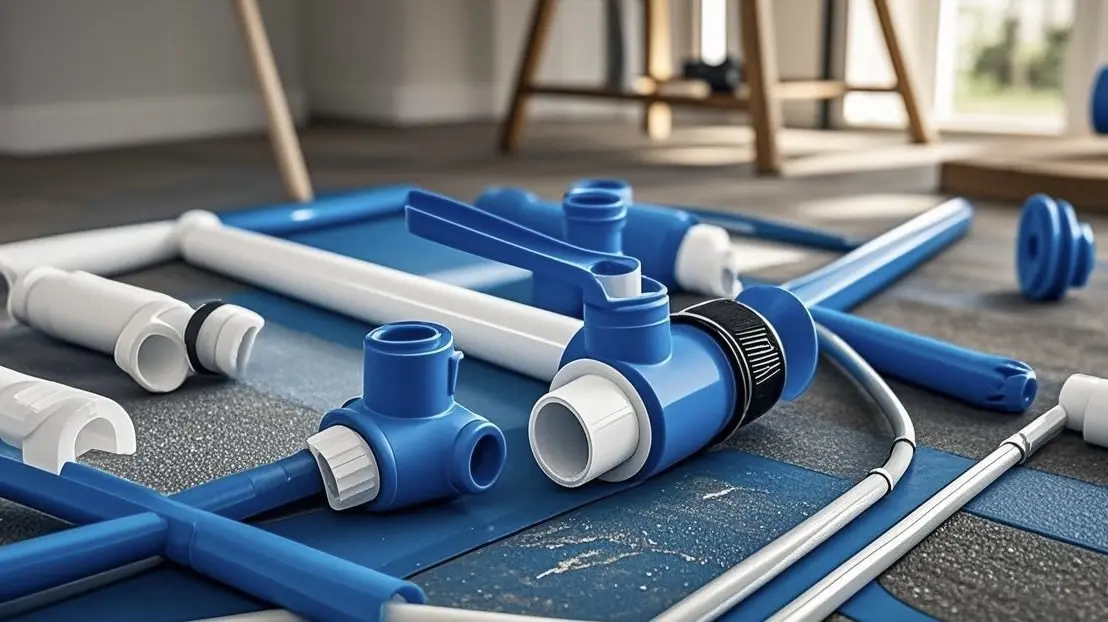
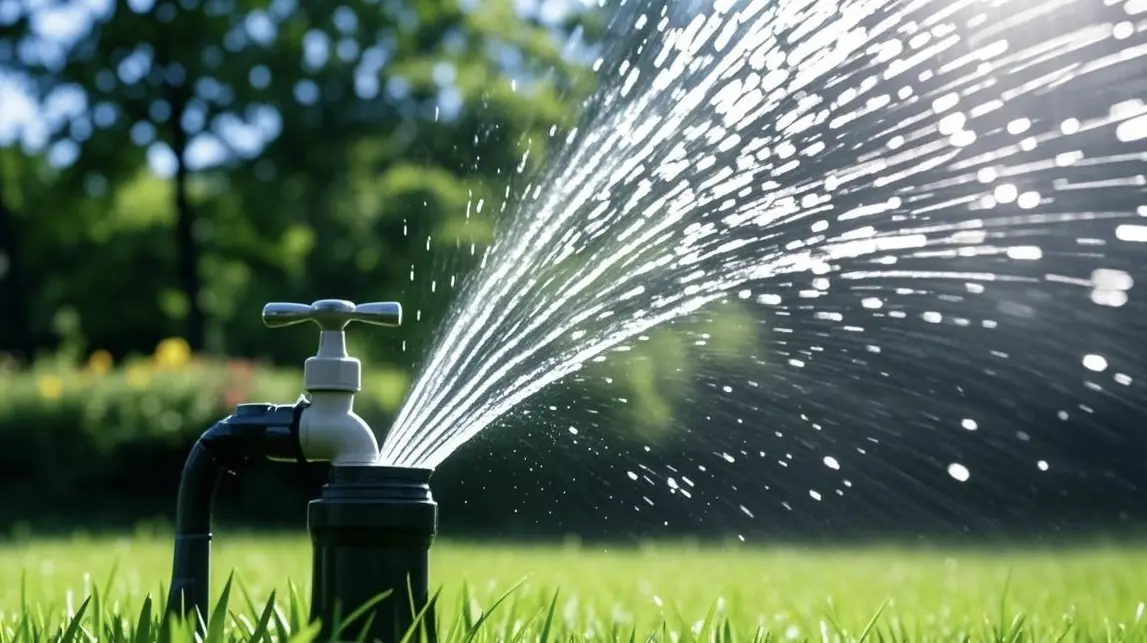
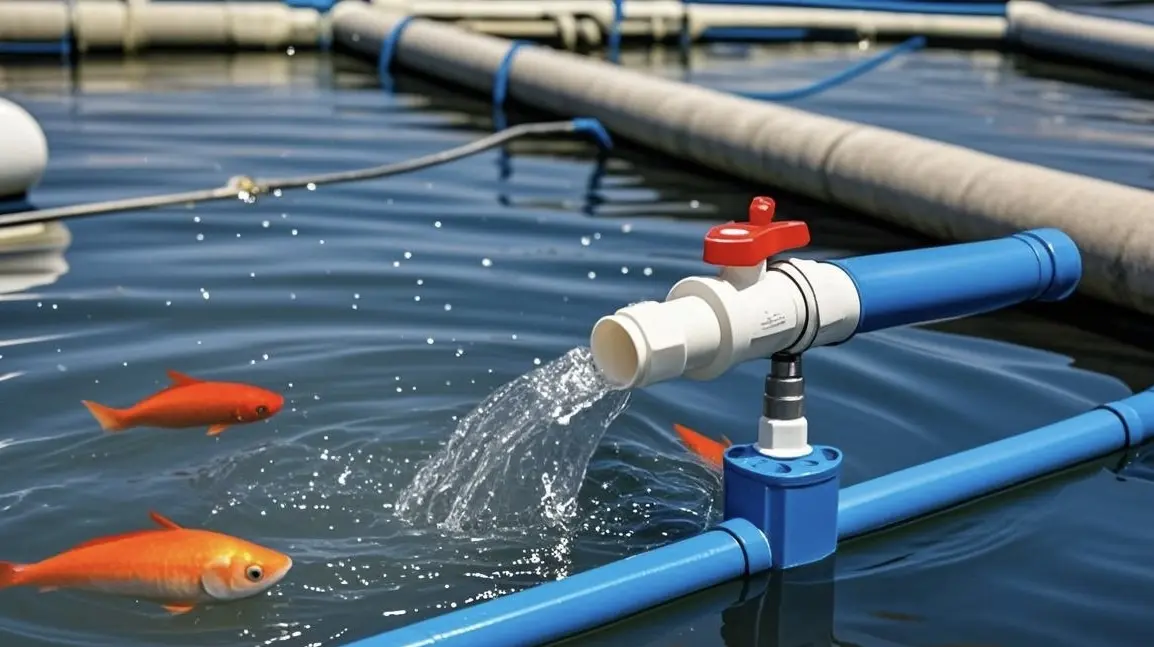
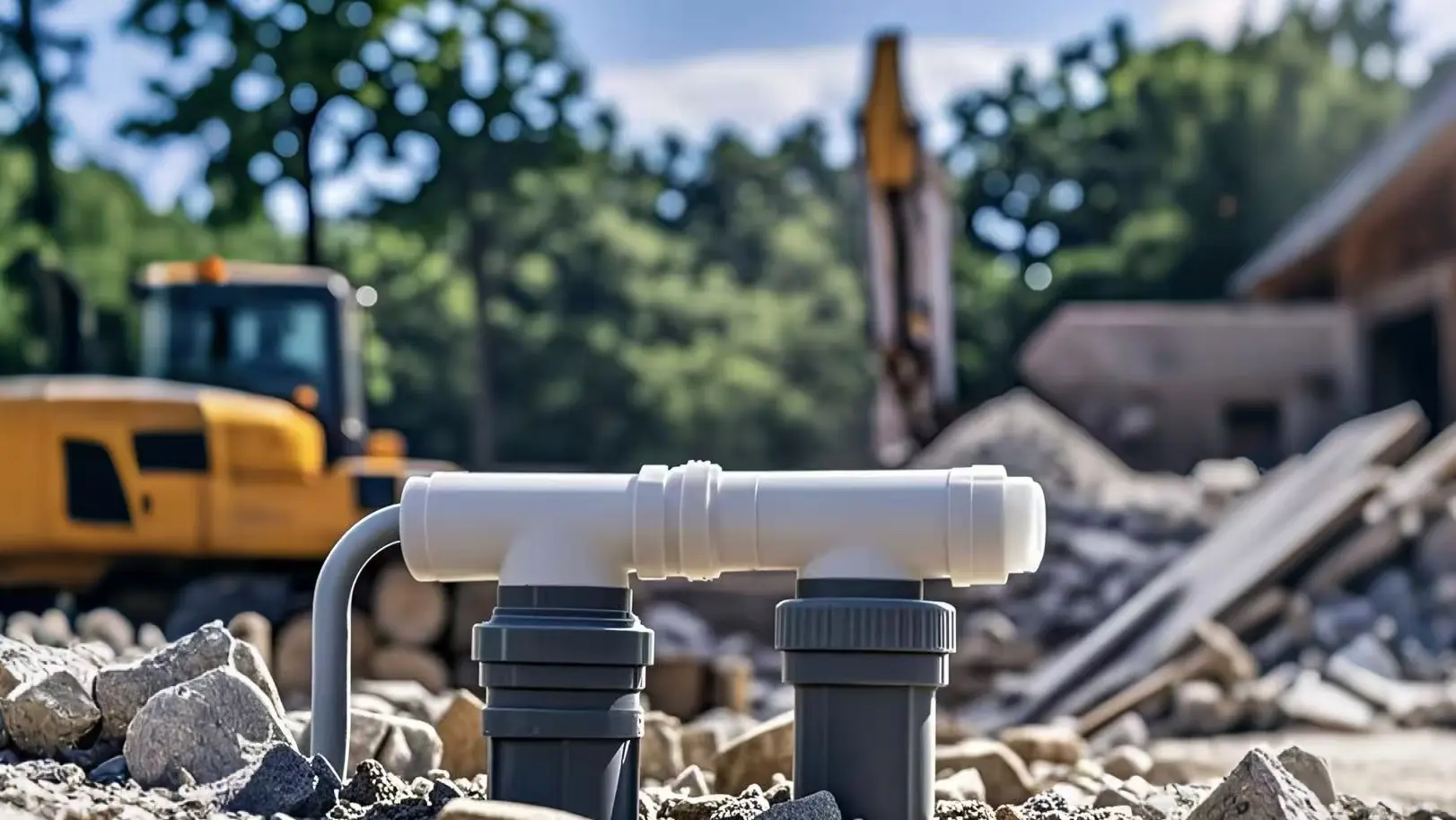
Each application zone requires specific physical properties in the extruded pipe. Home decoration and municipal water supply networks demand compliance with international hygiene standards, low heavy-metal elution, and absolute material purity. Agricultural irrigation systems emphasize cost-efficiency, UV resistance, and durable mechanical joints to handle cyclic working pressures. Fish cultivation networks rely on chemical inertness and continuous flow stability, while heavy construction projects require high ring-stiffness ratings to withstand external soil loads and structural shear forces.
A structured approach for procurement officers evaluating Chinese machinery and component manufacturers.
Purchasing agents must verify that the extrusion line's L/D (length-to-diameter) screw ratio, output capacity, and heating control zones match the specific polymer formulation (e.g., rigid PVC versus flexible PE). Misalignment in screw geometry leads to poor gelation rates and compromised pipe burst pressures.
Consistent production relies heavily on the quality of downstream components. Molds, sizing sleeves, and calibrators must be engineered from wear-resistant materials like chrome-plated tool steel. Ehao’s use of German automatic injection molding machines guarantees high dimensional precision across all manufactured components.
Verify that components align with testing standards such as DIN8077/8078. Request documentation detailing raw material analysis, hydrostatic pressure test results, and dimensional checks. A transparent quality audit process is critical to avoiding post-installation piping failures.
From selecting and configuring the right machine for your job to helping you finance the purchase that generates noticeable profits.
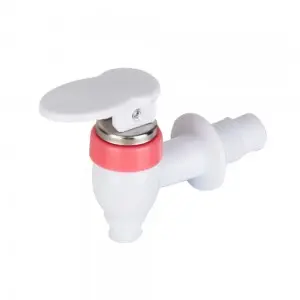
Product Detail QuickPacka...
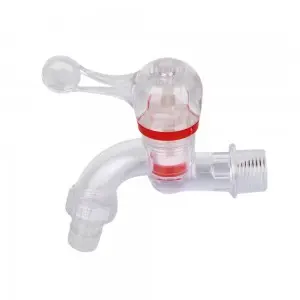
Industrial grade engineering polymer construction.
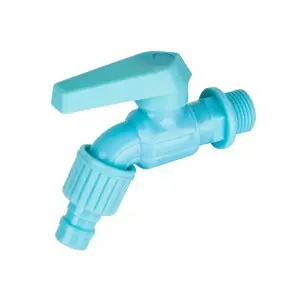
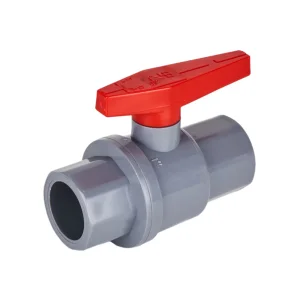
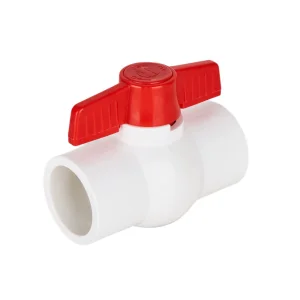
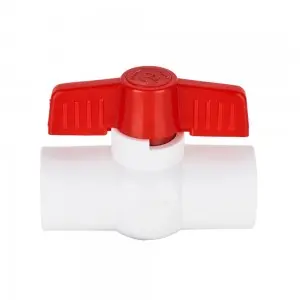
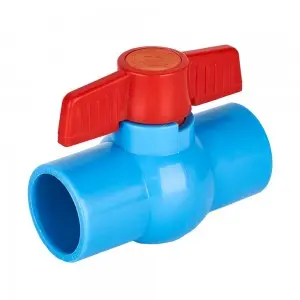
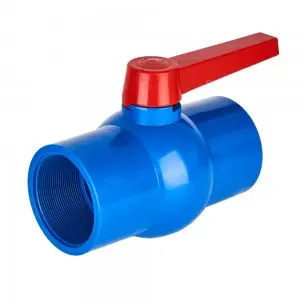
Corrosion-resistant control valve for clean water systems.
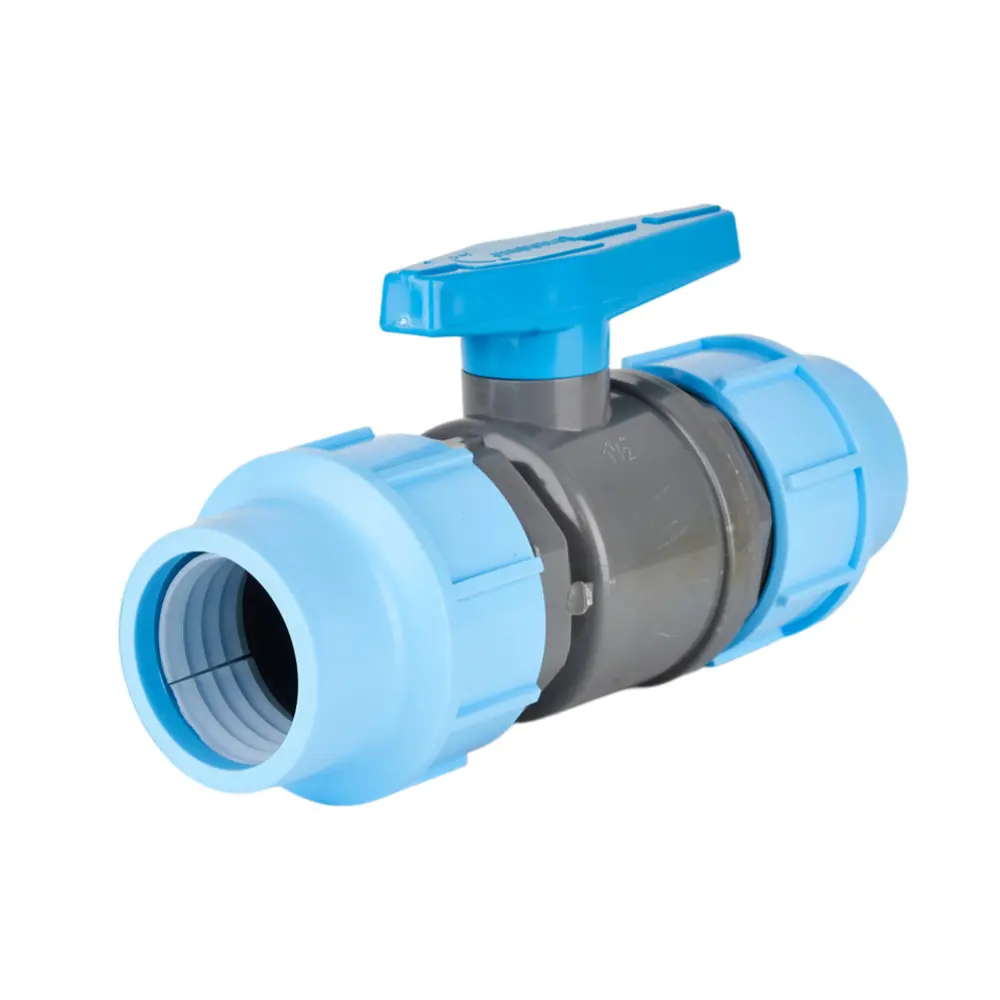
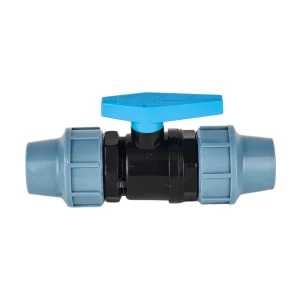
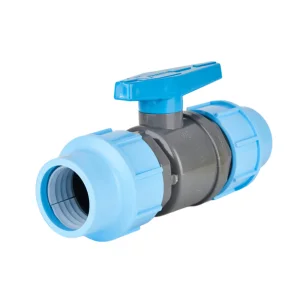
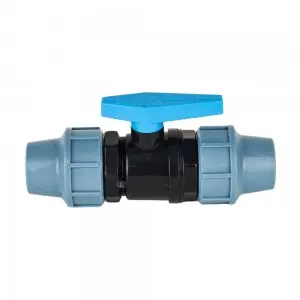
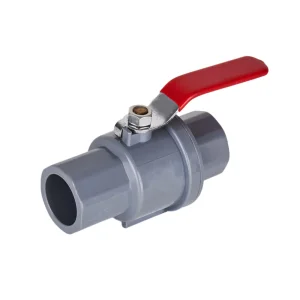
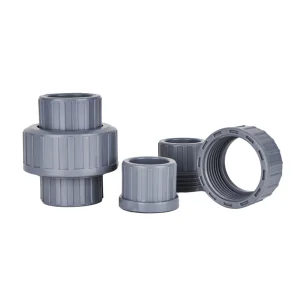
Dual union design for seamless installation and repair.
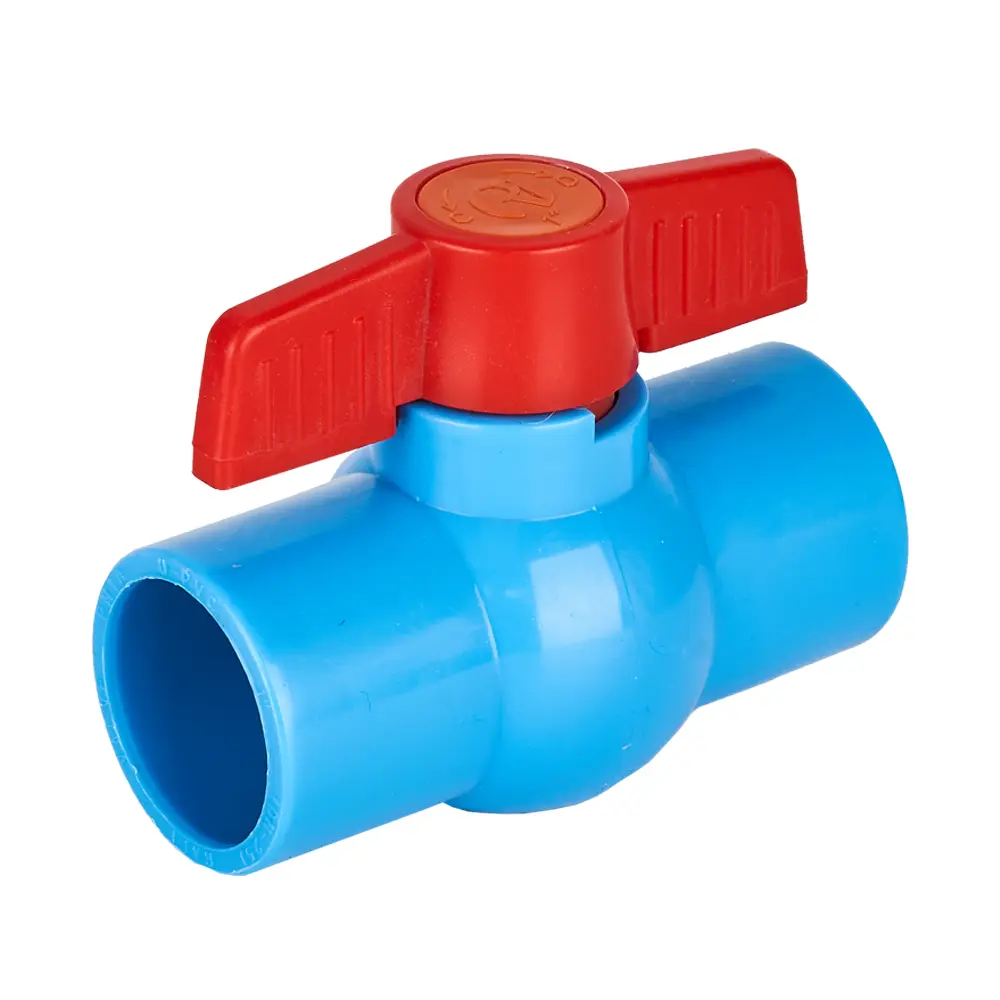
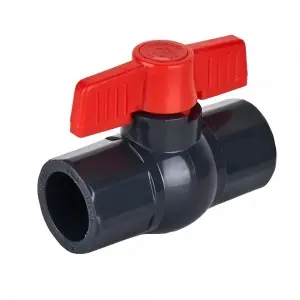
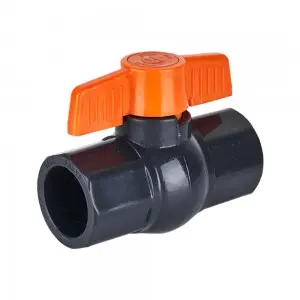
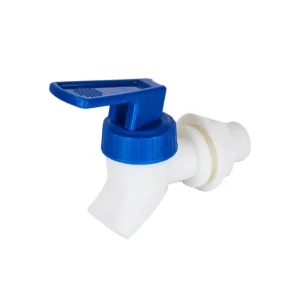
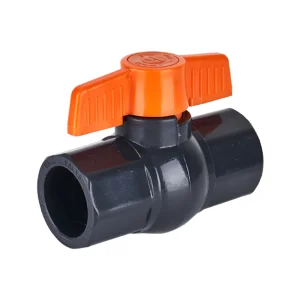
Direct supply compact valve optimized for tight footprints.
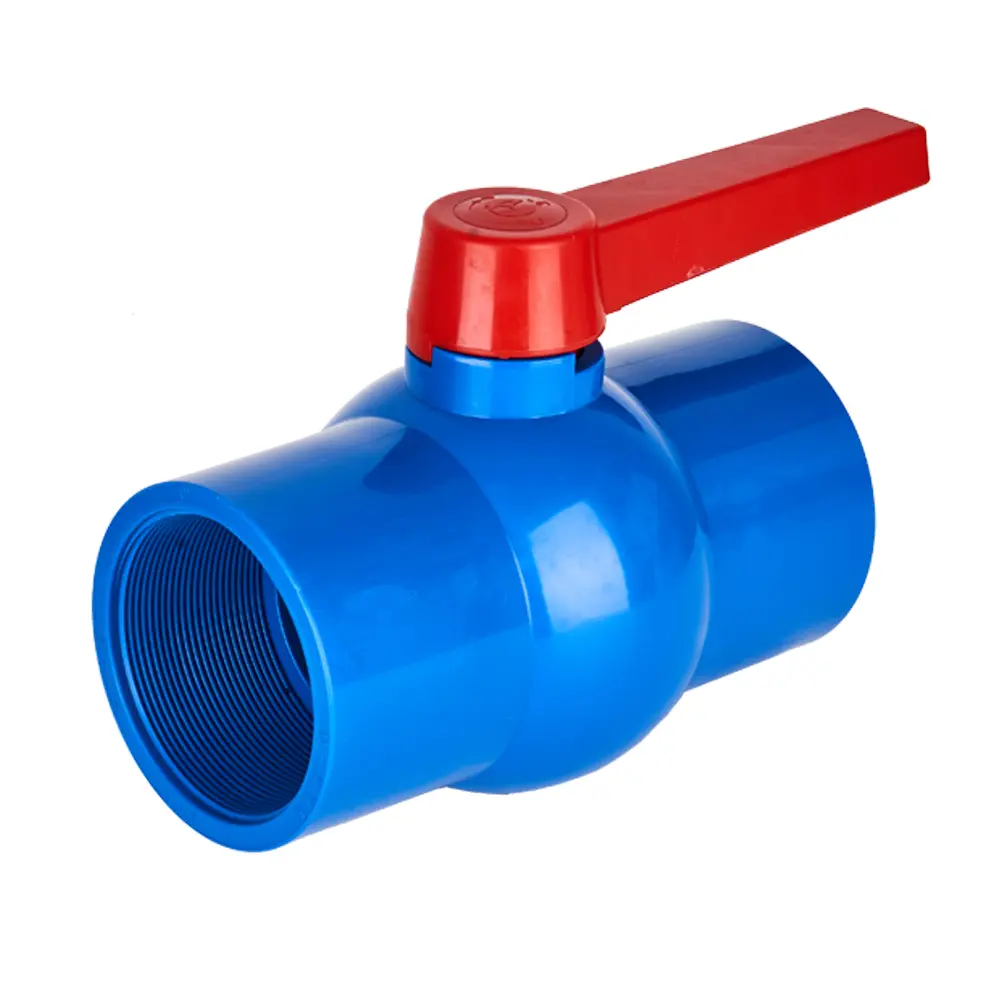
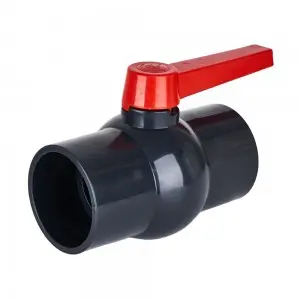
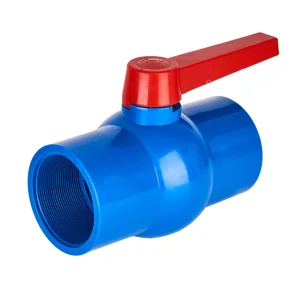
Large-bore configuration designed for bulk agricultural lines.
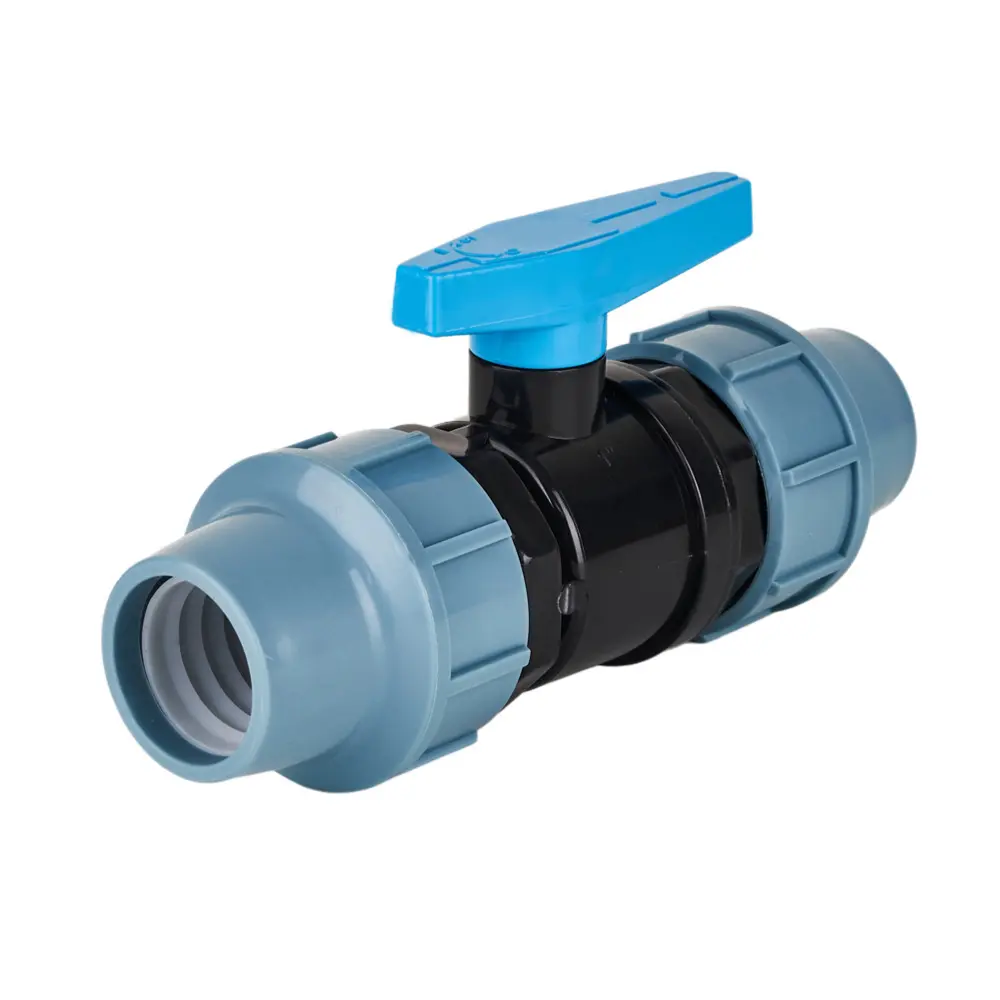
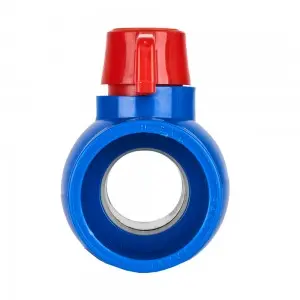
Ensures high mechanical strength and pressure containment.
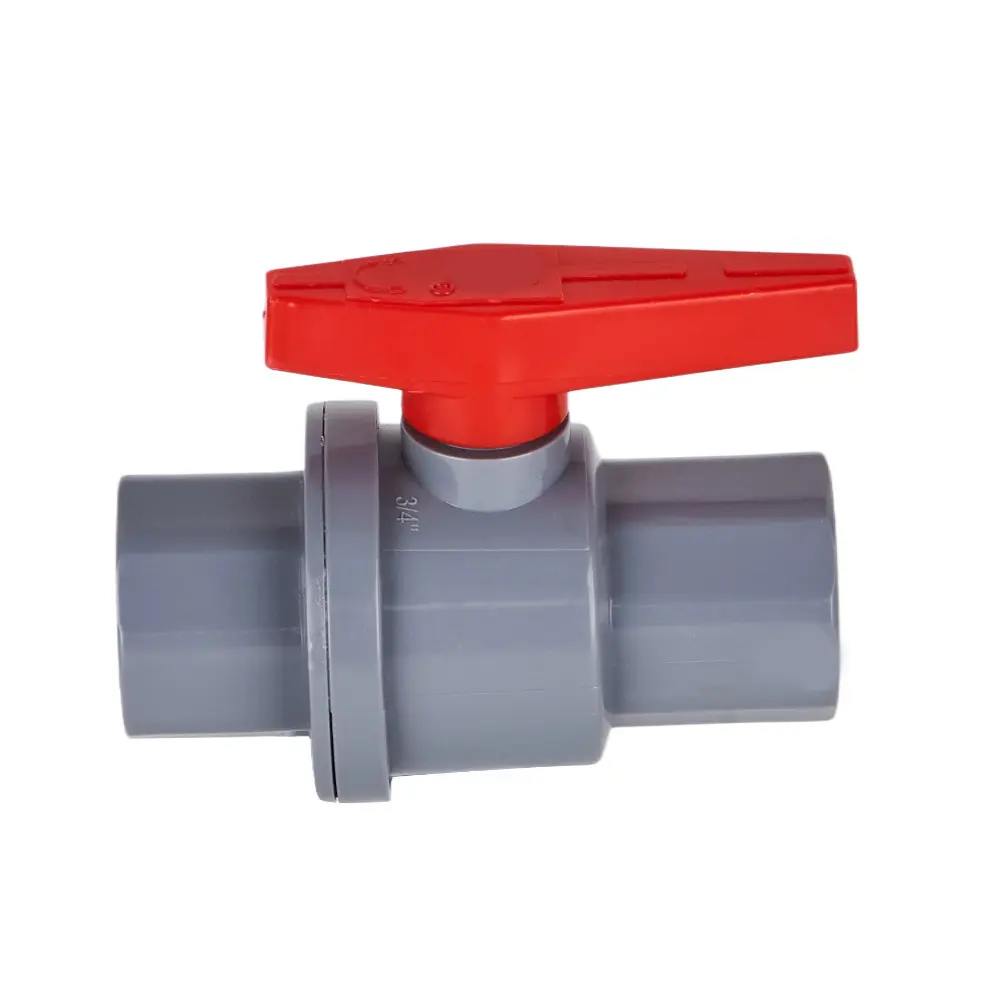
Equipped with an ABS handle for durability in harsh conditions.
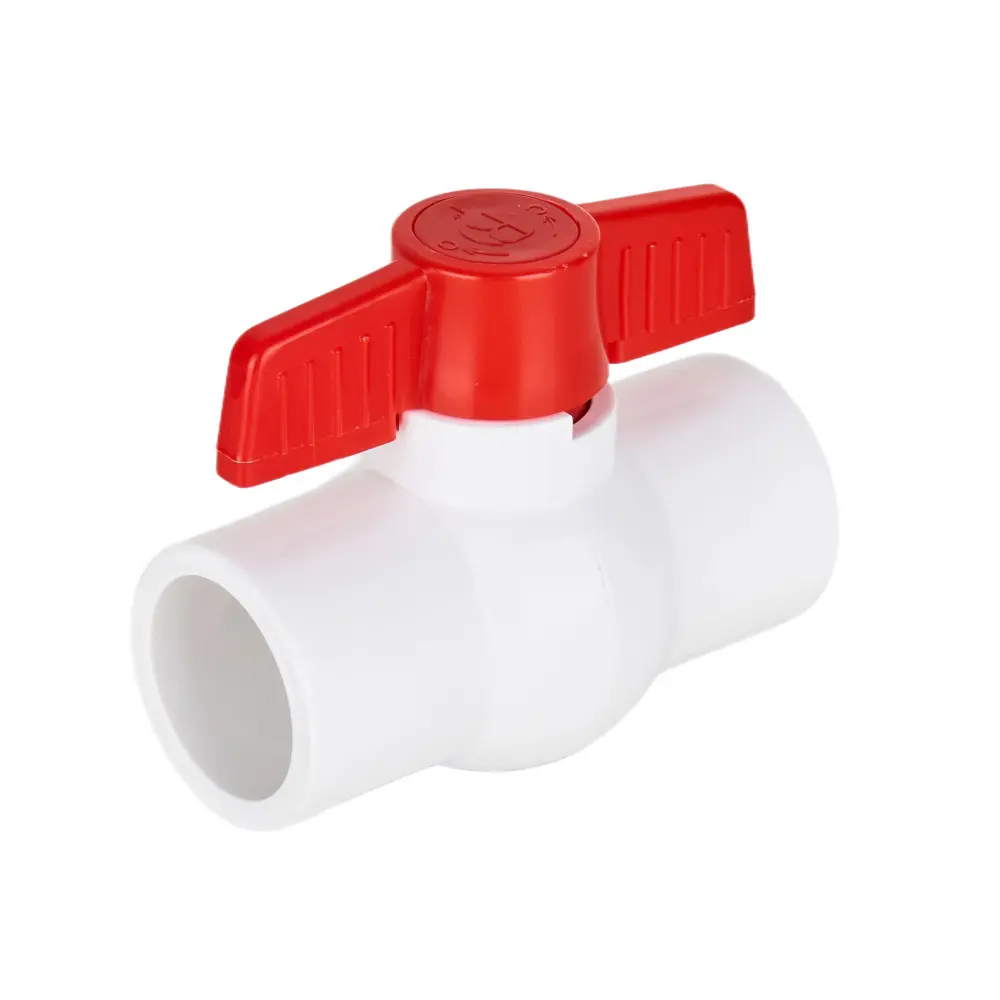
Precision-molded socket system for leak-free joins.
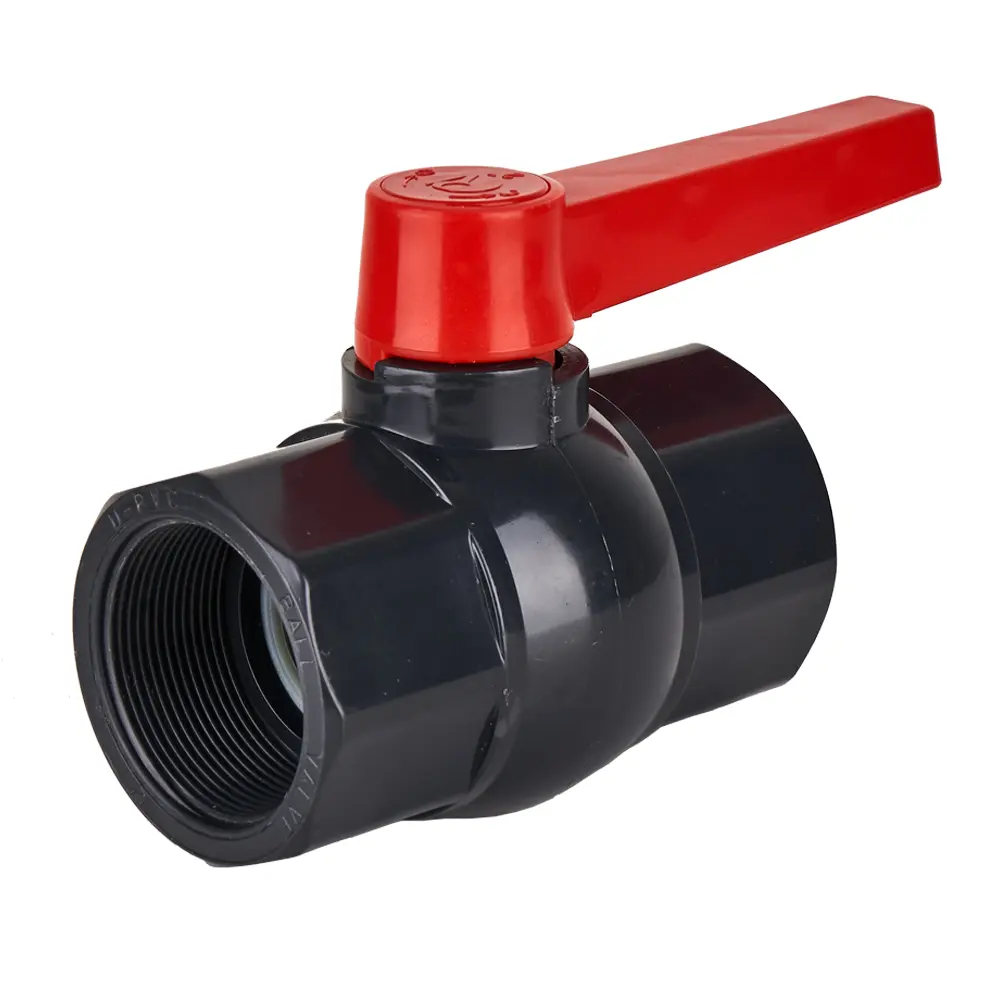
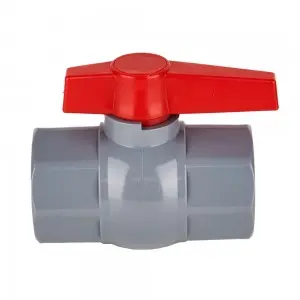
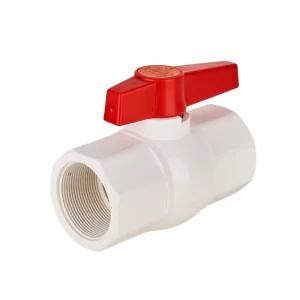
Unique octagonal shell design for reinforced structural stability.
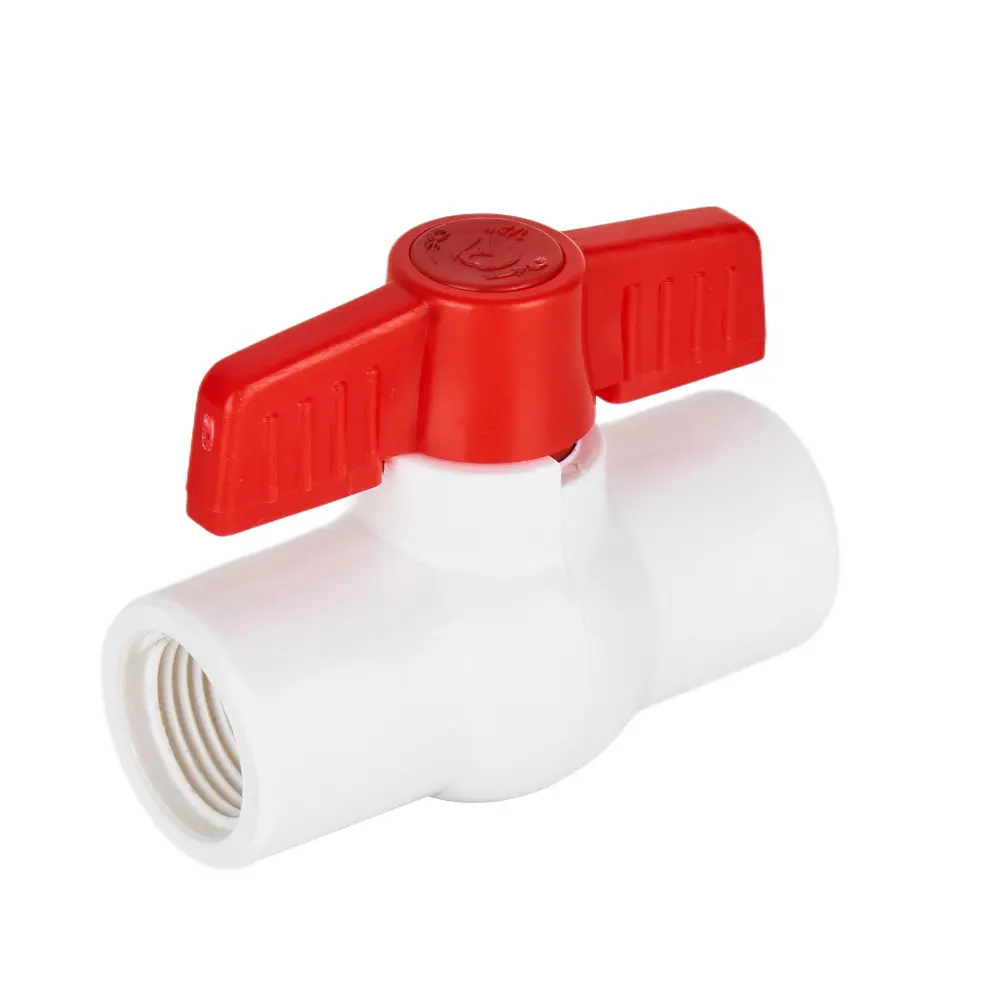
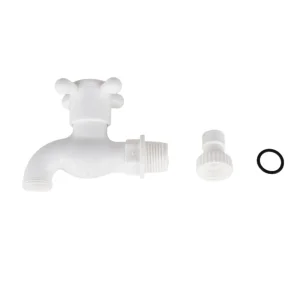
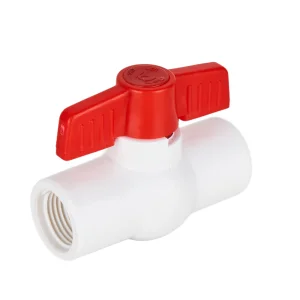
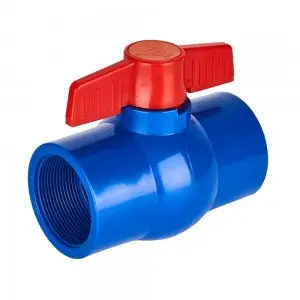
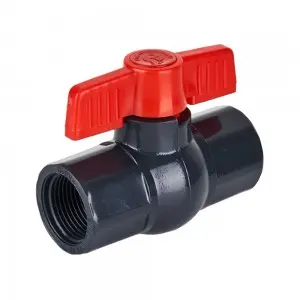
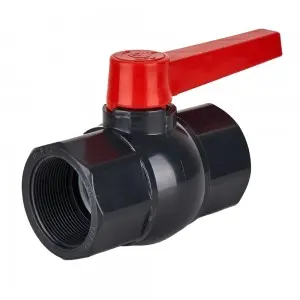
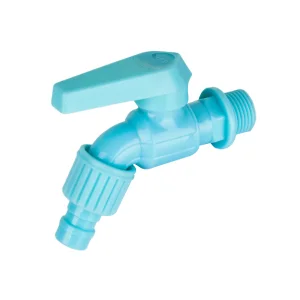
Threaded compact valve for domestic and civil piping works.
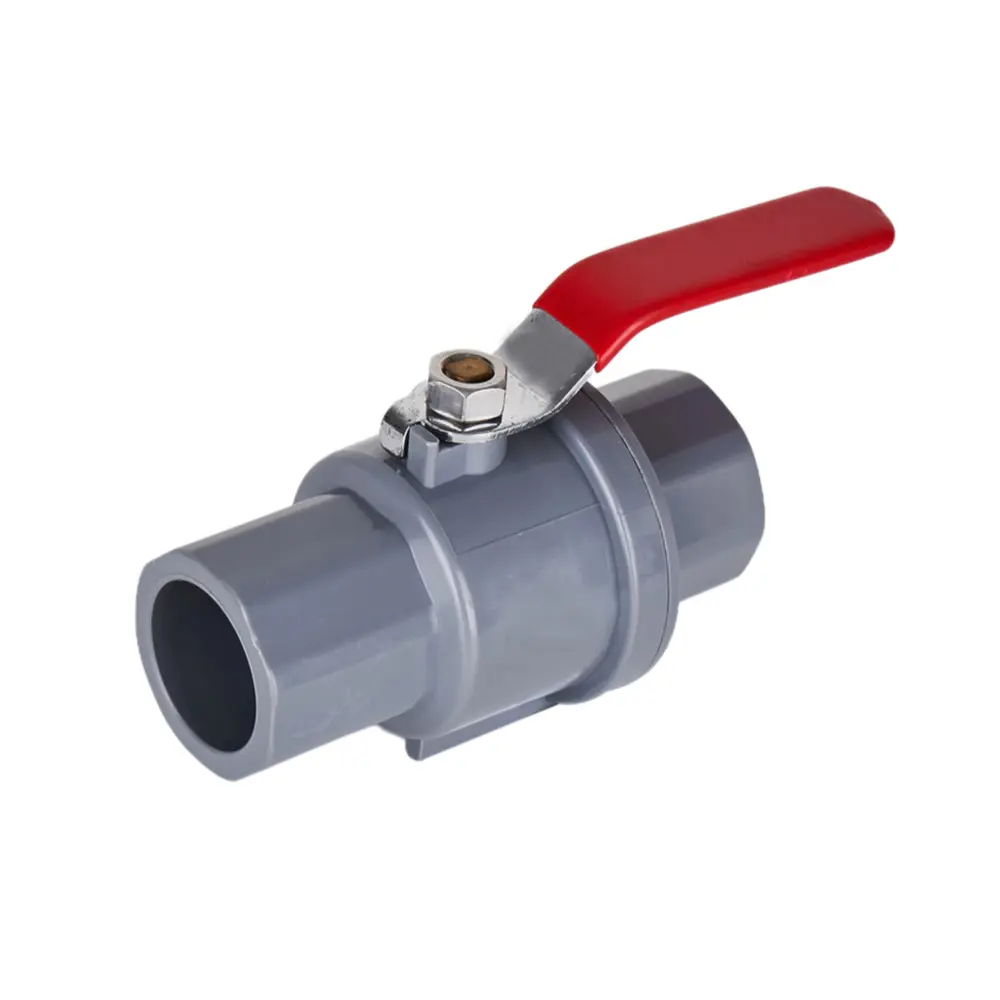
Equipped with a stainless steel handle for demanding fluid lines.
Designed to support high-performance flow networks across industrial applications.
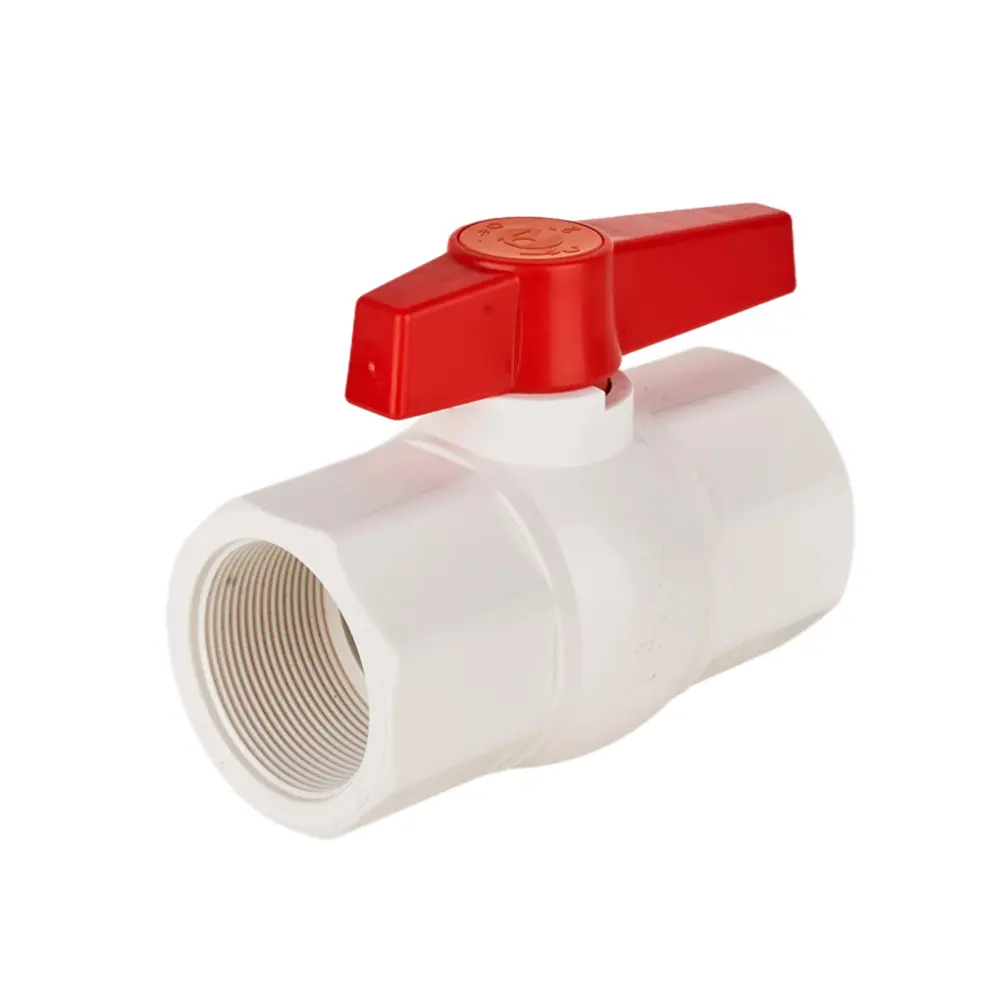
Optimized for structural integrity and high flow rates.
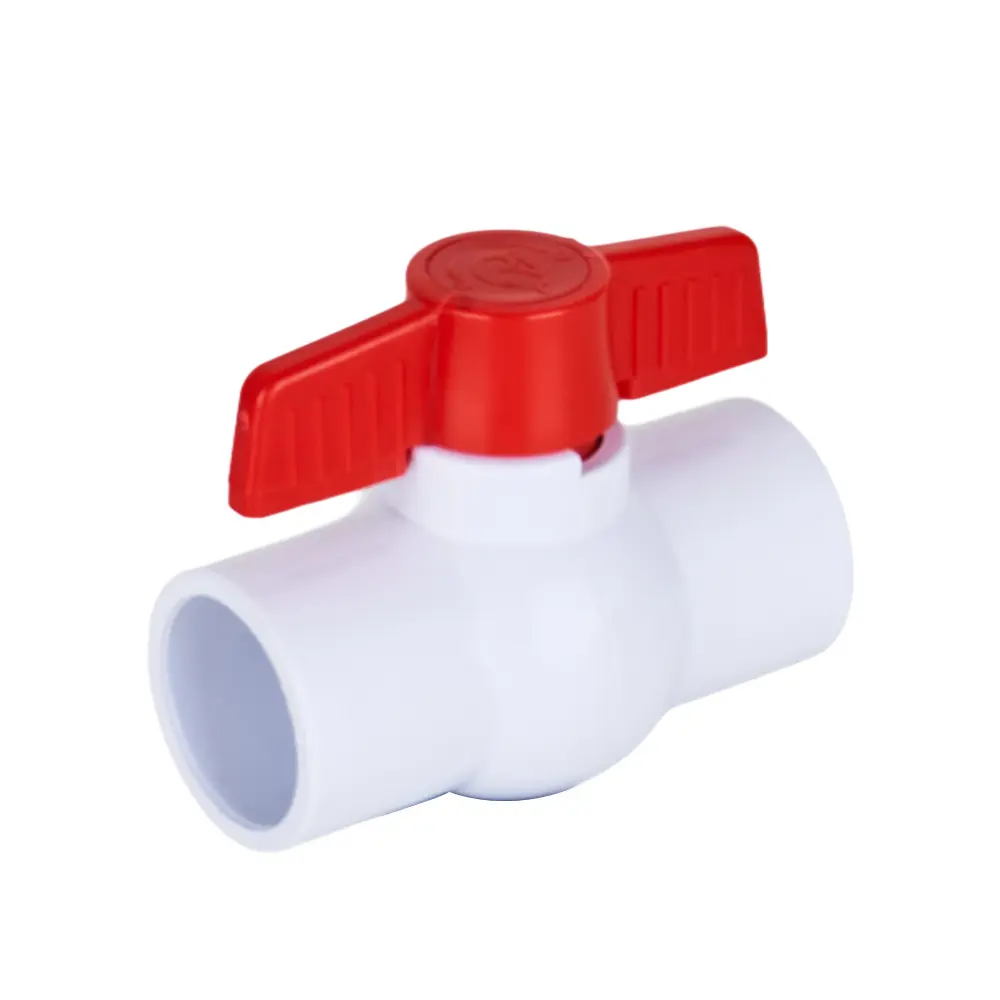
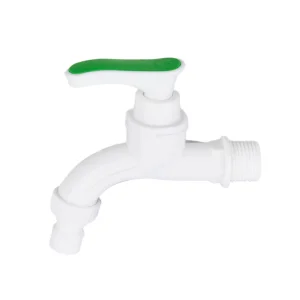
Highly aesthetic finish for visible indoor piping installations.
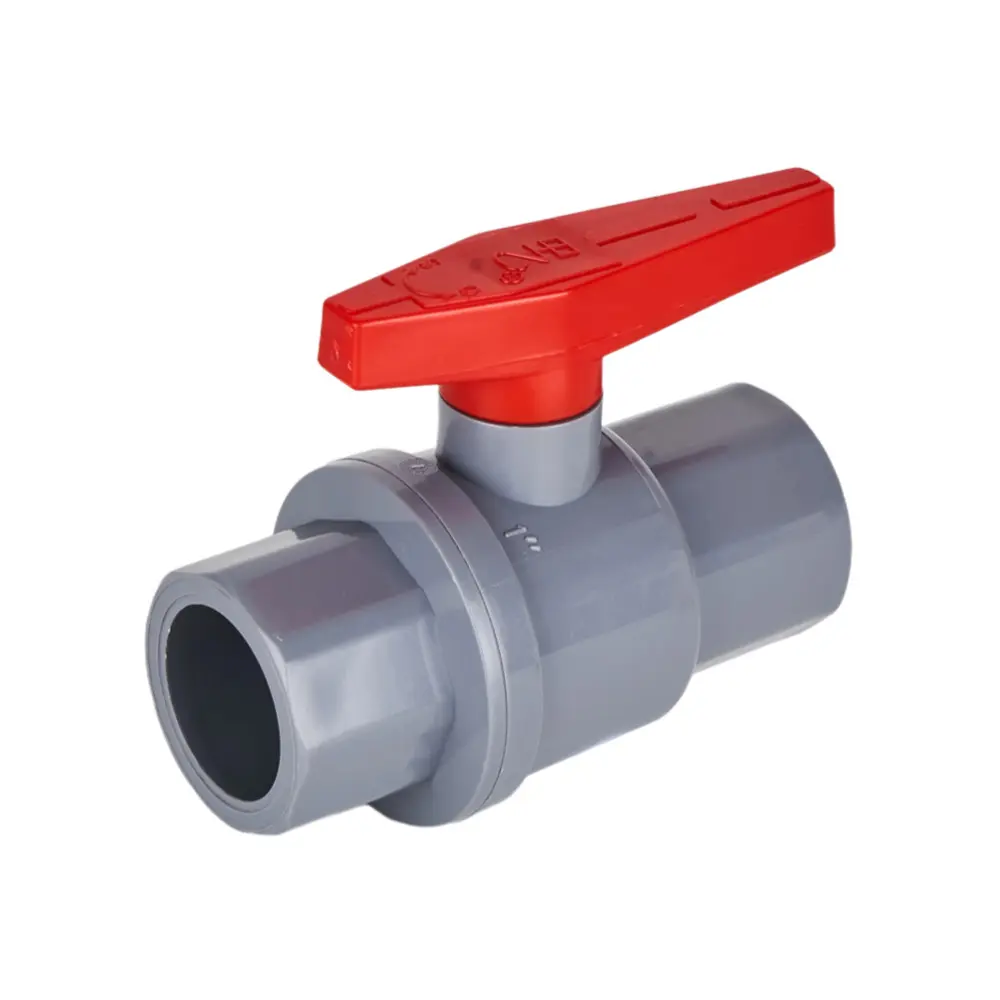
Corrosion-resistant PVC core with ergonomic ABS actuation handle.
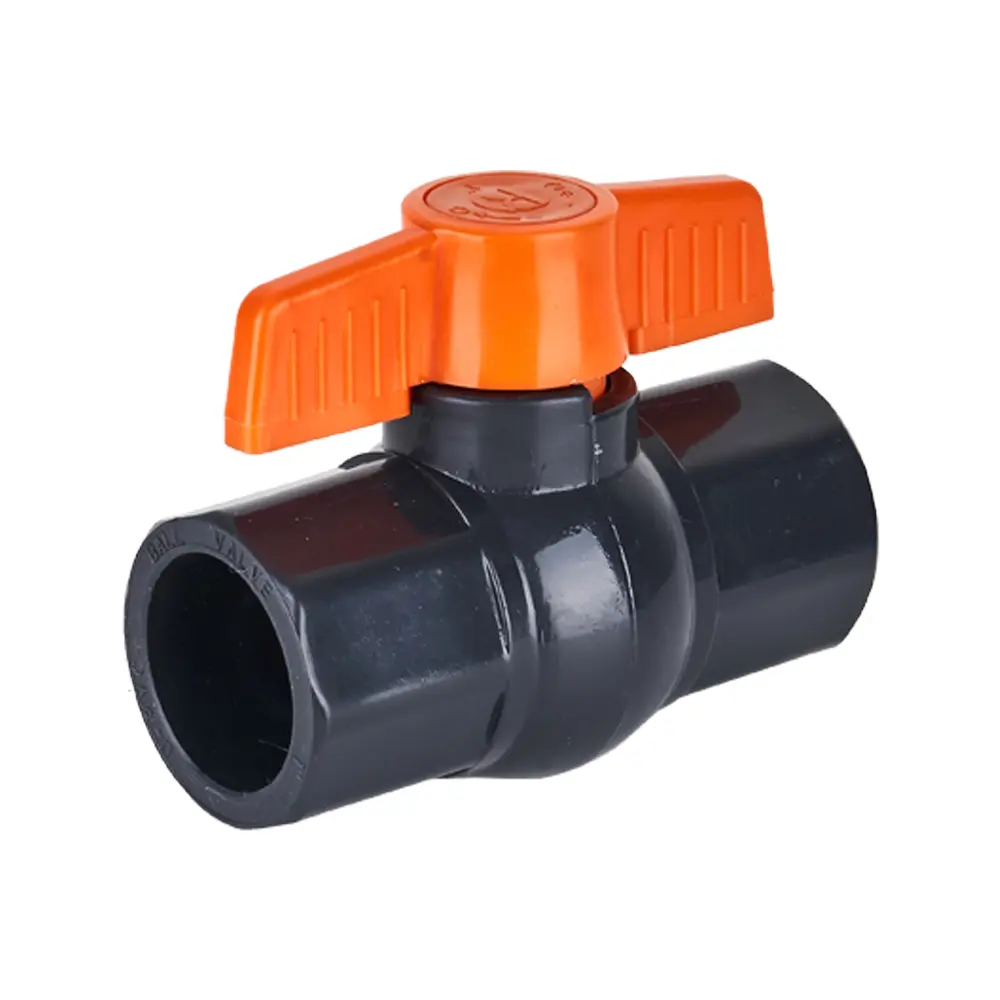
Engineered for high fluid velocities and minimal pressure loss.
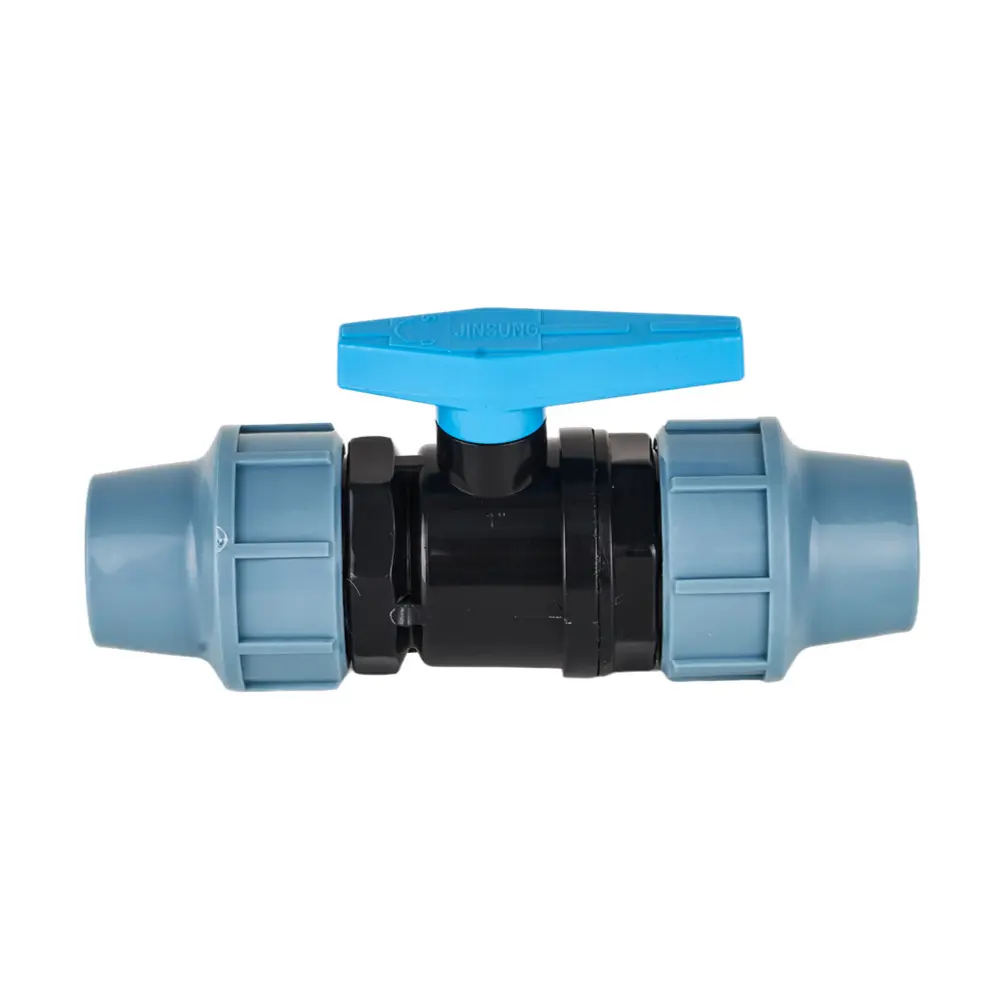
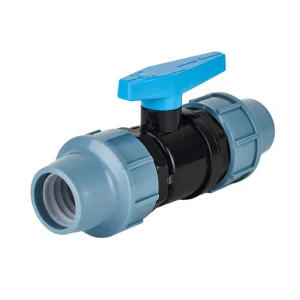
Equipped with dual union joints for fast maintenance access.
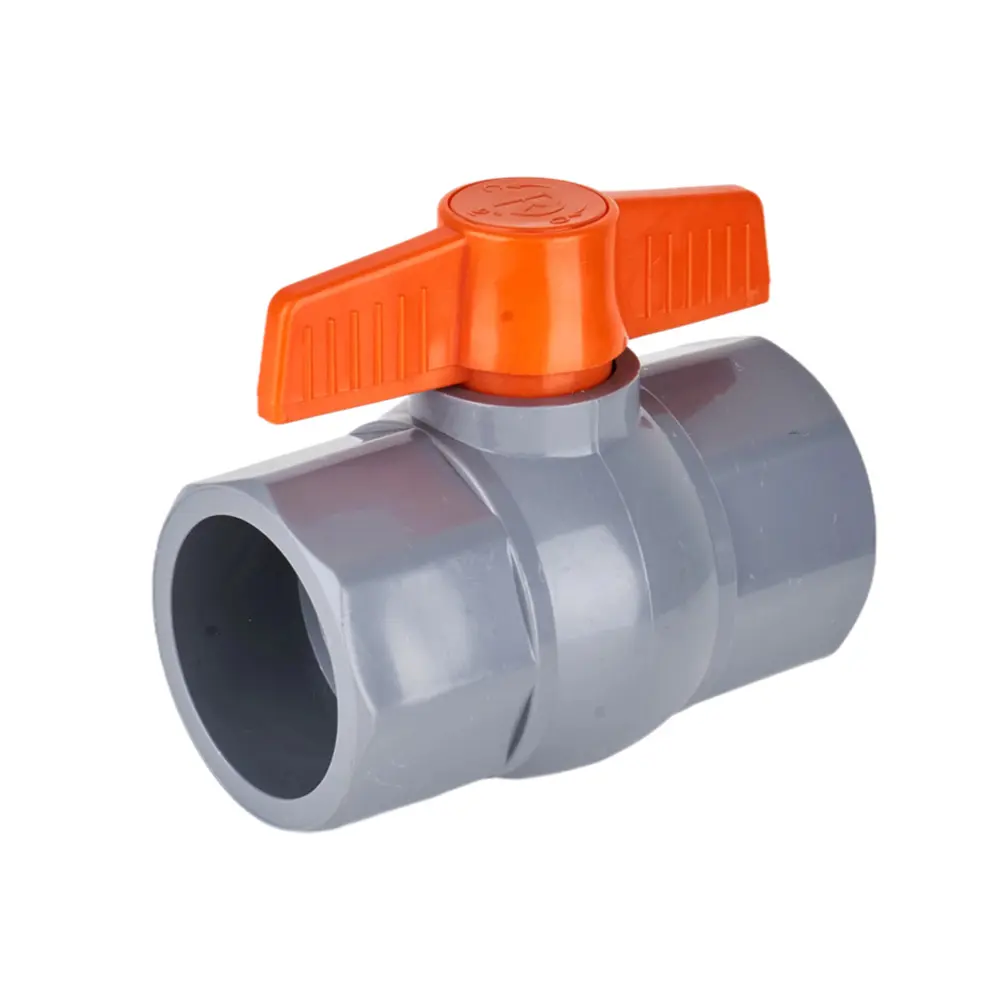
Heavy-duty construction for municipal and agricultural setups.
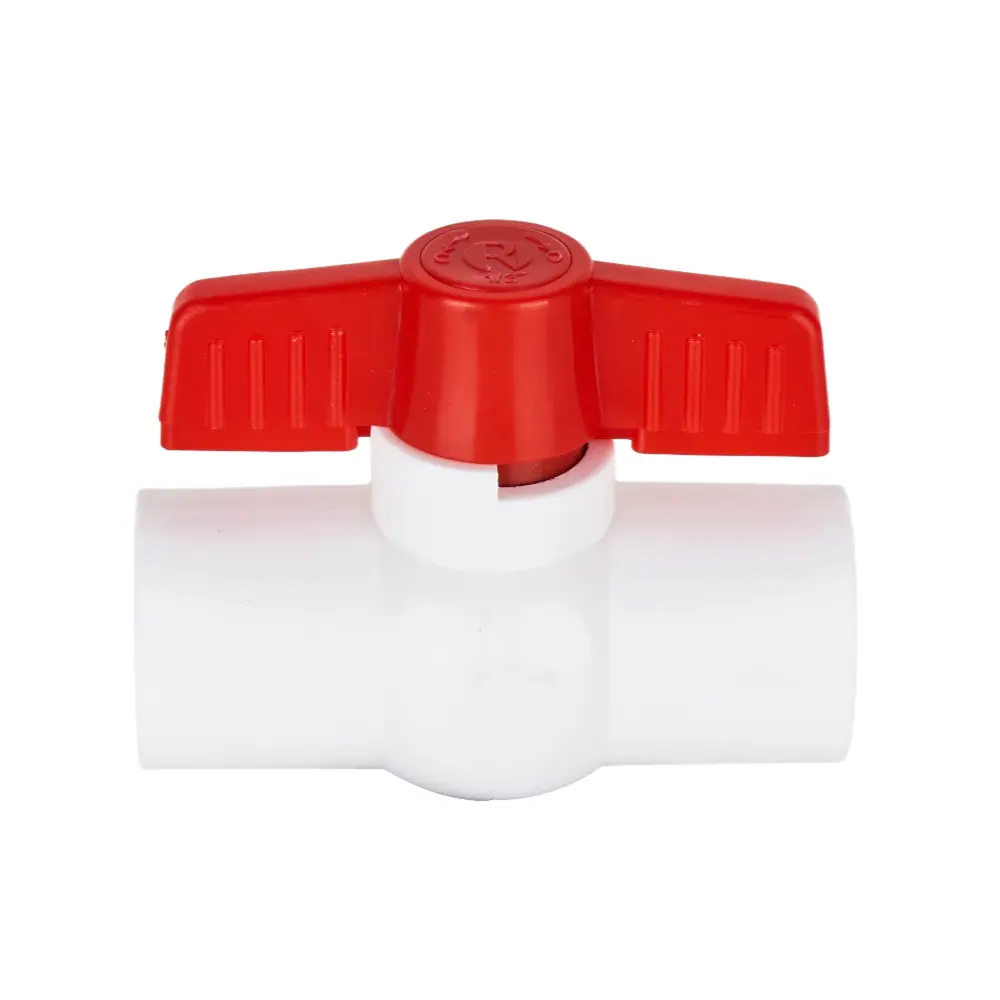
High-tolerance compact ball valve directly from the factory line.
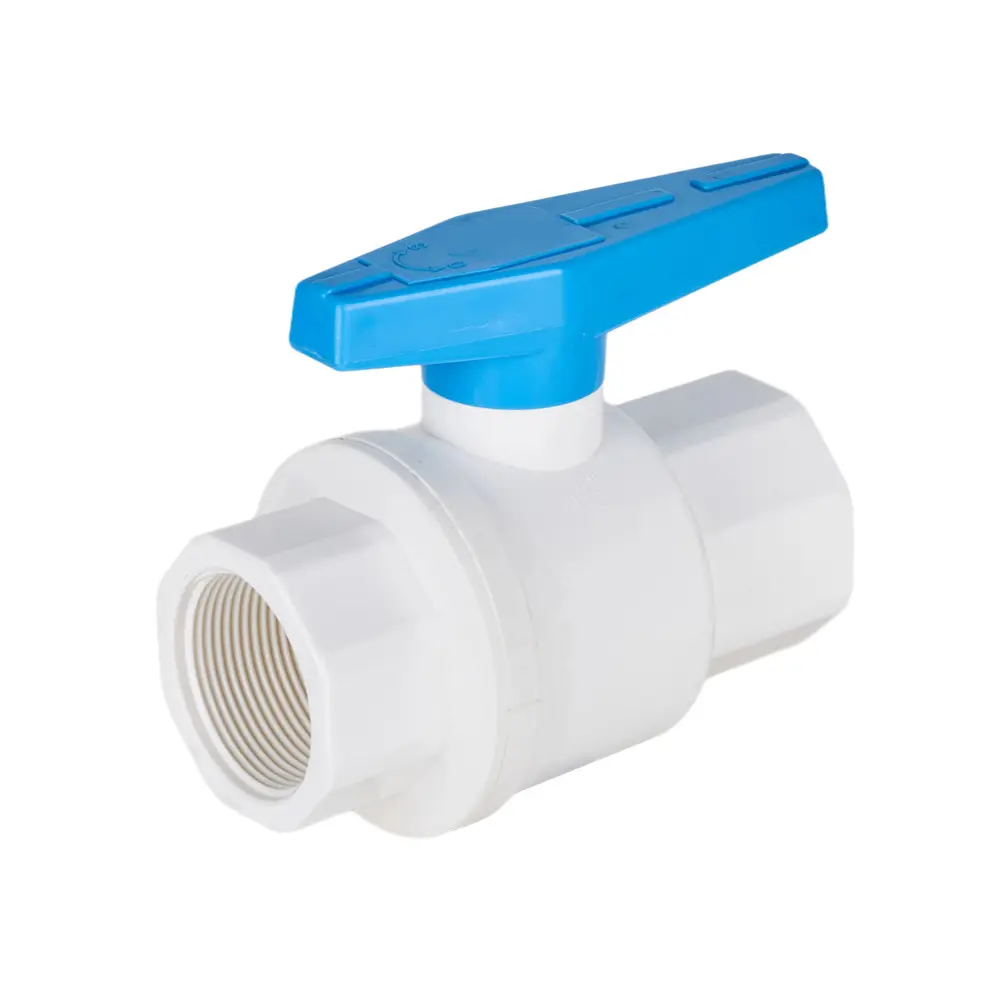
Optimized for rapid installation in high-capacity pipelines.
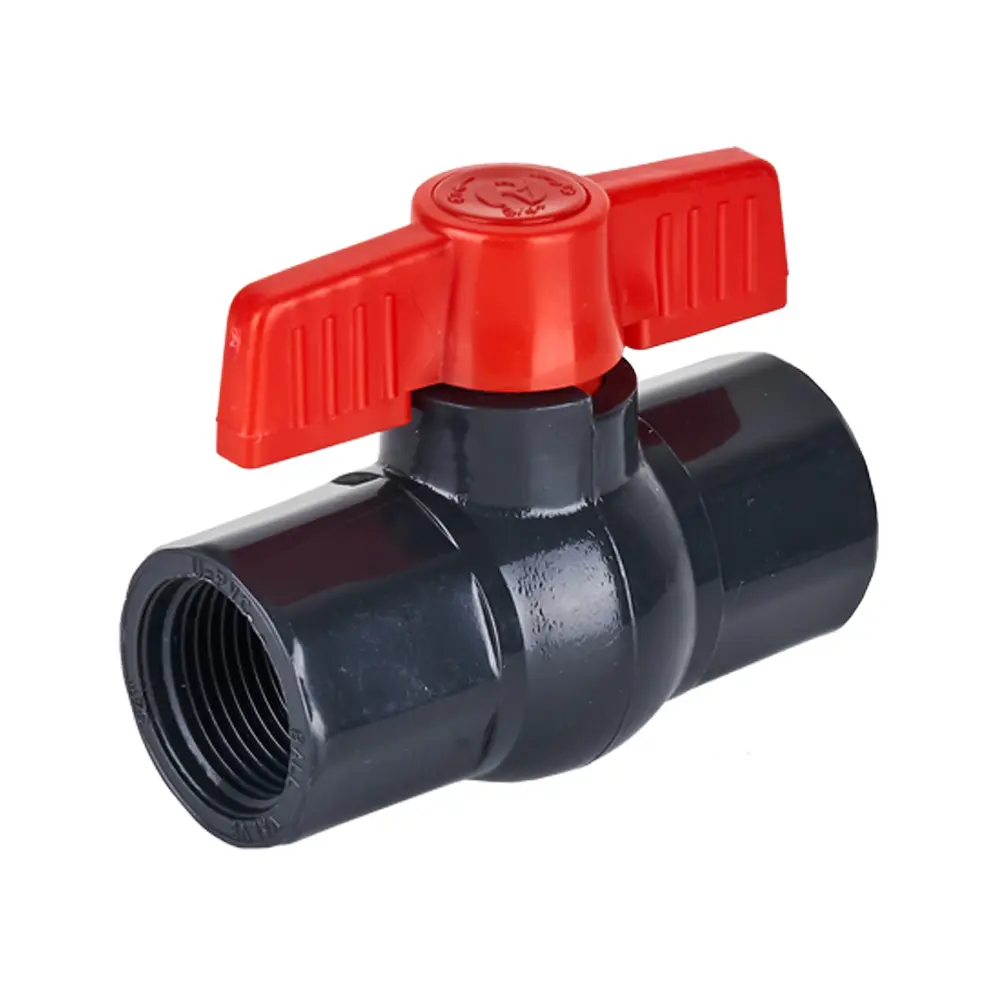
Threaded octagonal configuration ensuring high seal stability.
Ensuring correct joint compatibility across multiple piping installation projects.
How polymer formulation and machinery controls are evolving to meet future industrial demands.
As the use of recycled post-consumer and post-industrial plastic increases, continuous screen changers are becoming standard. These systems filter contaminants without interrupting the extrusion process or causing pressure fluctuations in the die head, protecting downstream components from defects.
Real-time pipe dimensional measurement devices, such as ultrasonic scanners, are being positioned immediately after the vacuum calibration tank. These scanners measure wall thickness at multiple points around the pipe circumference. When deviations are detected, signals are sent to adjust the centering bolts on the die head or modify the haul-off speed automatically, maintaining strict dimensional compliance.
AI integrations are being developed to predict polymer behavior inside the barrel based on historical run data. By monitoring heating and cooling patterns, these systems predict potential thermal overruns before they occur, adjusting barrel heating bands to ensure stable processing temperatures.
Maintaining high manufacturing and operational standards through certified verification protocols.
Ehao Plastic Group maintains partnerships with the Chinese Academy of Sciences and Zhejiang University. This collaboration supports our ongoing polymer research, helping to optimize our raw material formulations and manufacturing processes.
Our products are engineered and tested to comply with DIN8077 (polypropylene pipes dimensions) and DIN8078 (polypropylene pipes general quality requirements). This compliance ensures that our pipes and fittings meet the mechanical and thermal requirements of international distribution systems.
To secure a 100% ex-factory pass rate, we implement a 26-step testing protocol. This process includes raw material moisture analysis, hydrostatic pressure testing, dimensional verification, heat reversion testing, and impact strength evaluation.
Addressing key technical and procurement questions for global buyers.
Additional high-quality products manufactured to support industrial and municipal fluid distribution systems.
 EHAO
EHAO