Direct supply from state-of-the-art Chinese manufacturing facilities complying with DIN quality architectures.
In the modern manufacturing era, plastic injection molding has evolved from a basic process to a highly sophisticated system that demands extreme precision, specialized tooling design, and state-of-the-art automation. China's plastic injection mold suppliers and factories have transitioned from low-cost providers to world leaders in advanced tooling, high-precision CAD/CAE development, and complex multi-cavity architectures. This paradigm shift is driven by strategic technology investments, partnerships with academic institutions, and a strict commitment to international standards.
Ehao Plastic Group stands at the forefront of this evolution as a premier high-tech private enterprise. Our operations integrate advanced Research & Development (R&D), precise tooling construction, and high-efficiency injection molding services for building materials, pipe fittings, and highly specialized customized molds. By establishing strategic partnerships with the Chinese Academy of Sciences and Zhe浙江 University, Ehao integrates cutting-edge academic innovation directly into industrial production. This academic backing empowers our engineering teams to master fluid mechanics, structural polymer properties, and complex heat-transfer analyses within tool design.
Technical Leadership Highlight:
"Our collaboration with Zhejiang University and the Chinese Academy of Sciences has enabled Ehao to deploy custom injection tool architectures that resolve common industrial molding defects like sink marks, flash, jetting, and structural weakness in high-pressure PVC/UPVC environments."
Building high-integrity plastic injection molds requires specialized machinery and strict process control. To maintain an edge, Ehao has imported advanced production lines and automated computer-injection molding machines from Germany. German design and engineering values emphasize high-performance mechanical design, which complements our mold designs, ensuring that every tool operates with minimal dimensional variation.
Our engineering flow utilizes software tools such as Autodesk Moldflow for advanced filling, cooling, and warpage simulation analysis. This allows us to optimize gate locations, layout cold or hot runner systems, and balance multi-cavity pressure profiles before tool steel cutting begins. Our production floors use high-speed CNC machines, precision EDM (Electrical Discharge Machining) systems, and automated dimensional scanning stations to verify tool dimensions to tolerances within +/- 0.01 mm.
To ensure long tool life, Ehao utilizes premium steel options for mold cores and cavities. This selection process is critical to preventing tool wear caused by aggressive polymers like PVC (which releases hydrochloric gas during processing). We offer several options to suit different application needs:
Global procurement teams in the municipal, agricultural, and industrial infrastructure sectors require supply partners who offer high quality, reliable delivery schedules, and compliance with local standards. Ehao Plastic Group addresses these global sourcing challenges by offering turnkey OEM/ODM services, custom mold building, and high-volume part production. We export to over 28 countries, including Europe, America, and Southeast Asia, meaning we are familiar with international compliance, documentation, and delivery workflows.
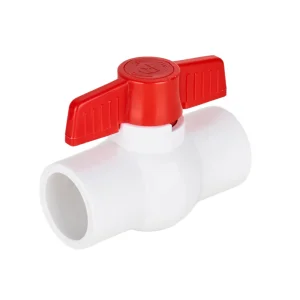
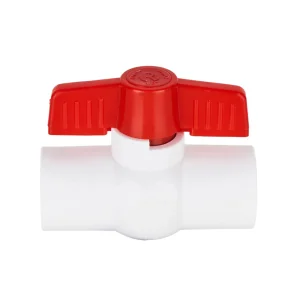
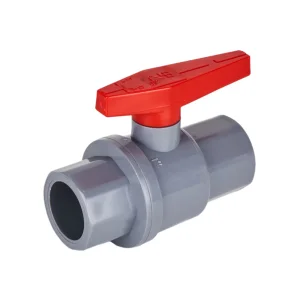
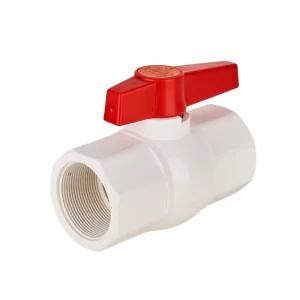
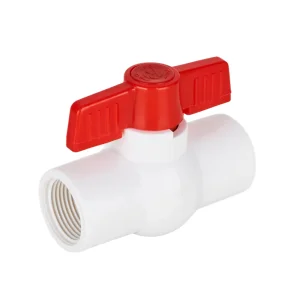
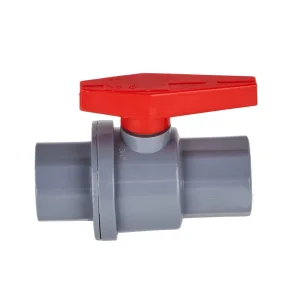
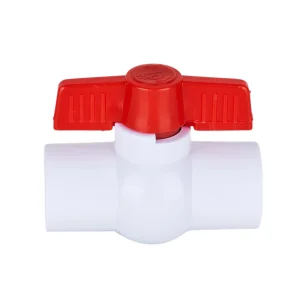
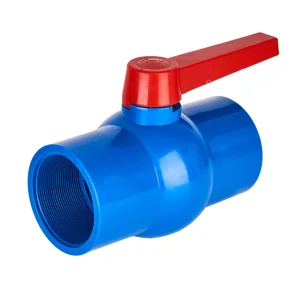
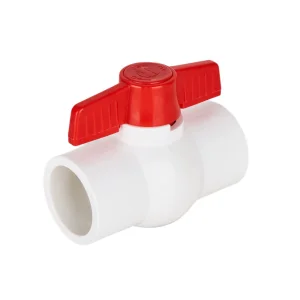
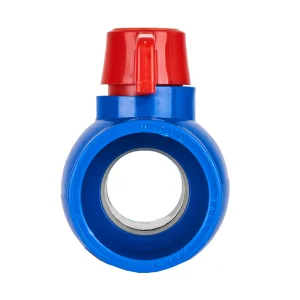
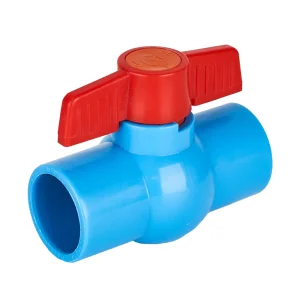
By specializing in critical fluid control solutions like PVC/UPVC ball valves, Ehao satisfies strict industrial requirements. Our products comply with DIN 8077 and DIN 8078 standards, verifying that all technical dimensions and performance indexes align with international specifications. Additionally, our 26-step testing cycle ensures that every product undergoes rigorous inspection before leaving our facility.
Providing precision-molded components and infrastructure solutions across critical global industries.

At Ehao Plastic Group, quality assurance is integrated into every phase of manufacturing, rather than applied only as a final inspection step. Each batch of raw materials is thoroughly tested upon receipt to confirm melt flow index (MFI), density, and moisture content. This initial screening ensures that only high-integrity polymers enter our production process, reducing the risk of material issues during molding.
During tool trials (T0 to T1), we conduct visual and dimensional inspections to verify tool coordinates. Once in production, parts are monitored using a series of inline inspections that assess tensile strength, impact resistance, and long-term burst pressure under heated conditions. We test each valve assembly for hydraulic seal integrity and low-torque actuation to verify that it meets or exceeds DIN performance standards before packaging.
In addition to our catalog of standard valves, Ehao offers custom mold design and manufacturing services for client-supplied materials, physical samples, and technical drawings. We handle both extrusion and injection molding applications. This flexibility makes us a valuable engineering partner for companies developing specialized components or proprietary systems.
Whether you require complex internals for industrial machinery or high-durability components for municipal water grids, our engineering team can design tools that meet your target specifications. We can adapt layouts for a variety of polymers, including PVC, UPVC, CPVC, PP, PPR, HDPE, ABS, and Polycarbonate. This material versatility allows us to customize component weight, chemical resistance, UV stability, and thermal performance to match your project needs.
The injection molding industry is increasingly adopting smart, digital manufacturing processes. Ehao is actively modernizing our facilities by implementing real-time machine monitoring, automated tool-changing systems, and energy-efficient servo-electric injection molding machines. These upgrades help us reduce carbon footprints while improving cycle times and component consistency.
We are also testing bio-based resins and post-consumer recycled (PCR) polymers to help clients meet growing environmental requirements. By optimizing runner sizes, utilizing hot runner configurations, and recycling clean in-house sprue material, we minimize waste without compromising the mechanical performance of our products. This combination of efficiency and material responsibility helps future-proof our clients' supply chains.
Professional technical answers to common questions about injection mold sourcing, material selection, and quality control.
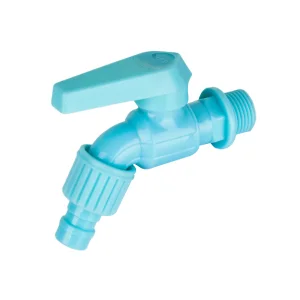
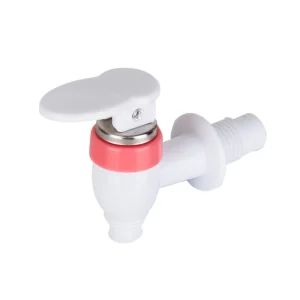
Explore our complete range of high-durability compact valves and water supply bibcocks.
 EHAO
EHAO