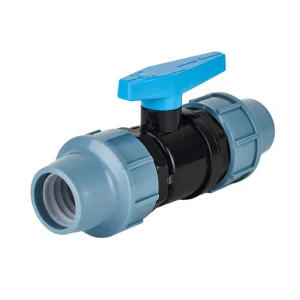
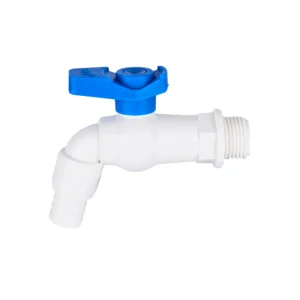
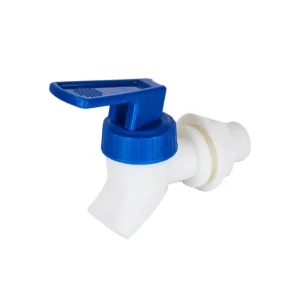
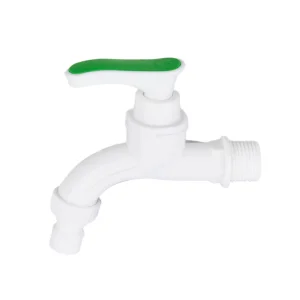
Engineered to withstand extreme environments, utilizing pure raw polymers and manufactured under strict DIN-standards alignment.
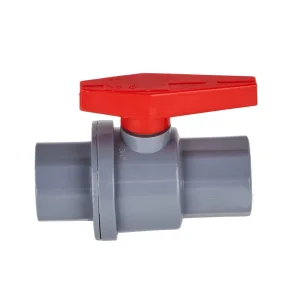
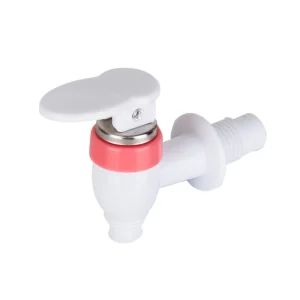
Countries Supplied
Scientific Test Steps
Ex-Factory Pass Rate
8077/8078 Certified
In modern industrial engineering, the migration from heavy brass, bronze, and stainless steel fittings to high-performance polymer options—commonly referred to as plastic faucets, bibcocks, and ball valves—is accelerating globally. High-density thermoplastics are no longer restricted to residential backyard gardens. Today, they form the crucial nodes of large-scale chemical processing plants, commercial aquaculture operations, and modern agricultural micro-irrigation networks.
The primary drivers of this market evolution are absolute chemical inertness, resistance to galvanic corrosion, and a significantly lower carbon footprint during both manufacturing and transport. In areas handling saline fluids, chlorinated water, or acidic municipal supplies, traditional metallic valves fail due to pitting and scale build-up. Polymer configurations engineered from compounds like unplasticized polyvinyl chloride (UPVC), polypropylene random copolymer (PPR), and polyoxymethylene (POM) guarantee longevity and scale-free flow characteristics.
Established as a premier private high-tech enterprise in China, Ehao Plastic Group stands out by integrating direct scientific research with large-scale injection production. Our technological edge is driven by close technical collaborations with the Chinese Academy of Sciences and Zhejiang University. This dynamic interface allows us to innovate in polymer composition, boosting UV resilience, tensile strength, and impact resistance beyond average industry metrics.
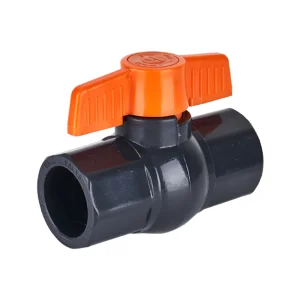
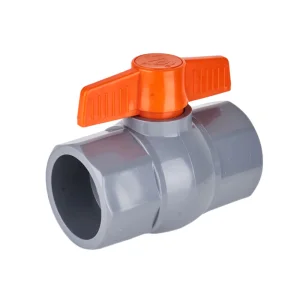
Our infrastructure matches our scientific standards. By introducing advanced German computerized automatic injection molding lines, we eliminate human error from the molding phase. This degree of automation guarantees that each PVC/UPVC ball valve, octagonal valve, and bibcock complies precisely with strict physical dimensions and material tolerances.
Every single product undergo a rigorous 26-step scientific testing regimen, assuring a 100% ex-factory pass rate without compromises.
Technical performance metrics strictly comply with DIN 8077 and DIN 8078 standards, confirming world-class quality limits.
Own specialized production plant for high-tolerance injection molds, allowing custom adjustments for strategic OEM/ODM requests.
Engineered for maximum endurance across four key industrial and domestic sectors.
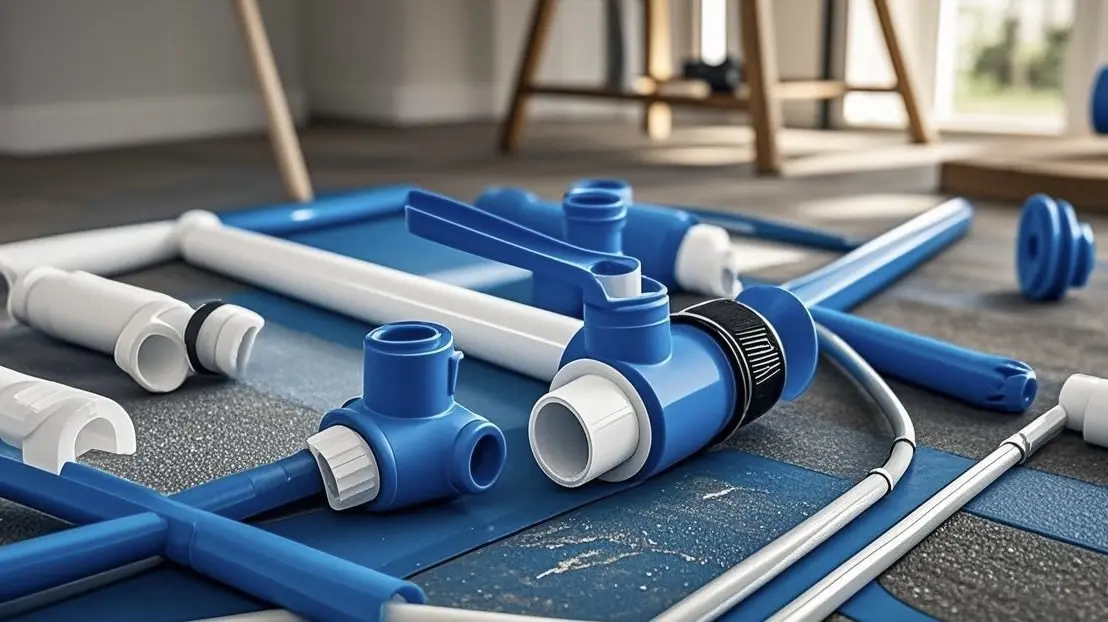
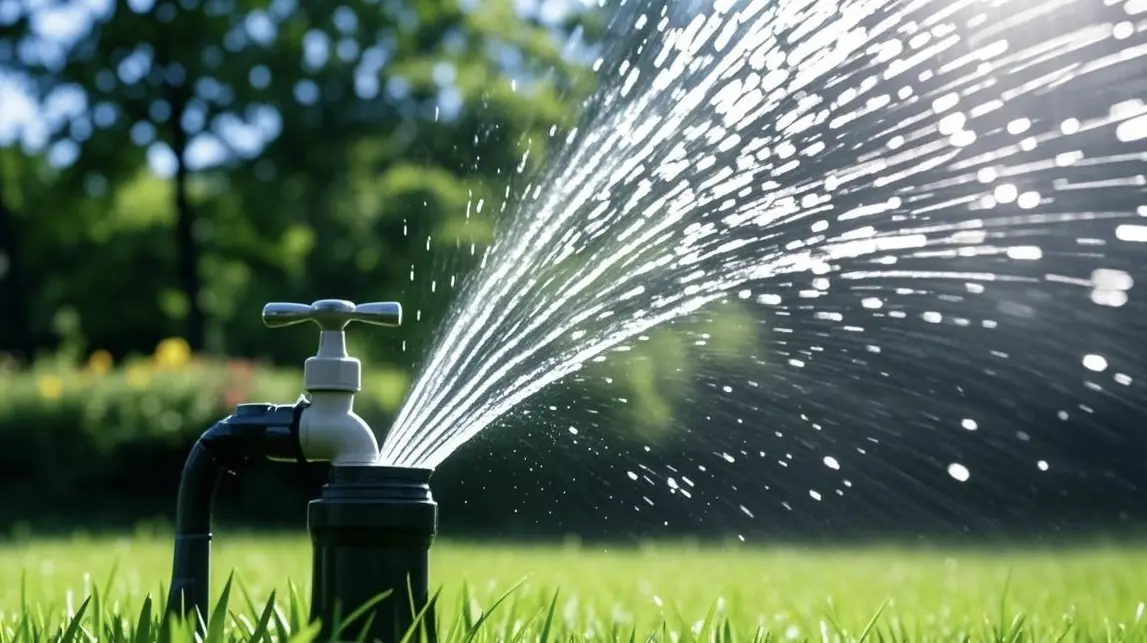
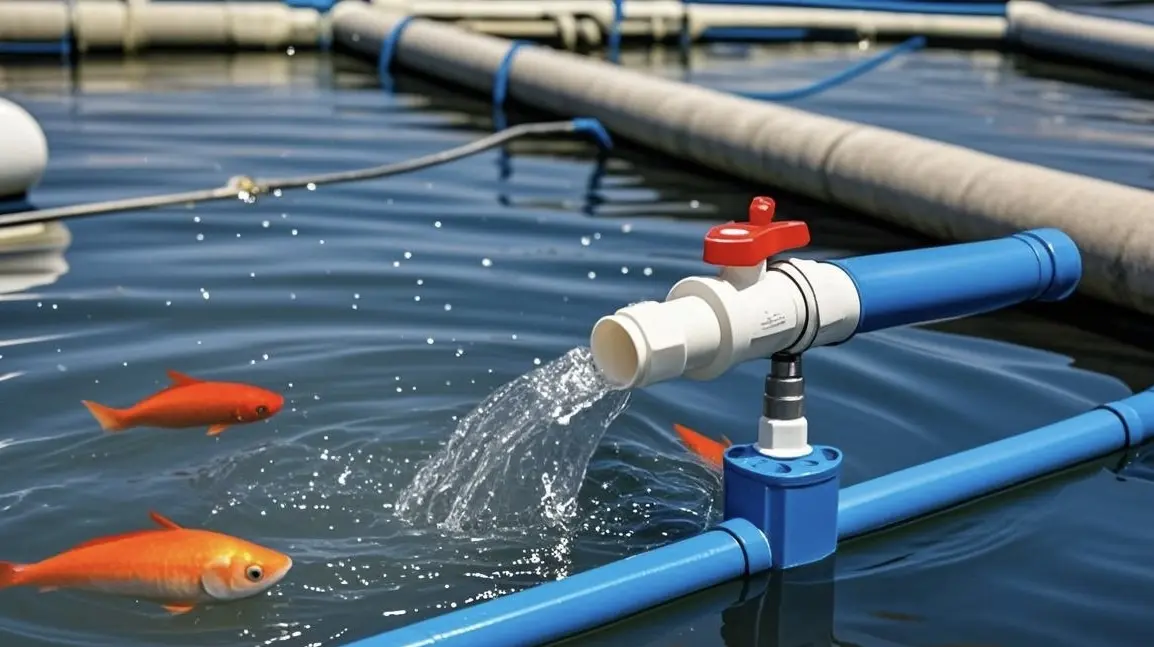
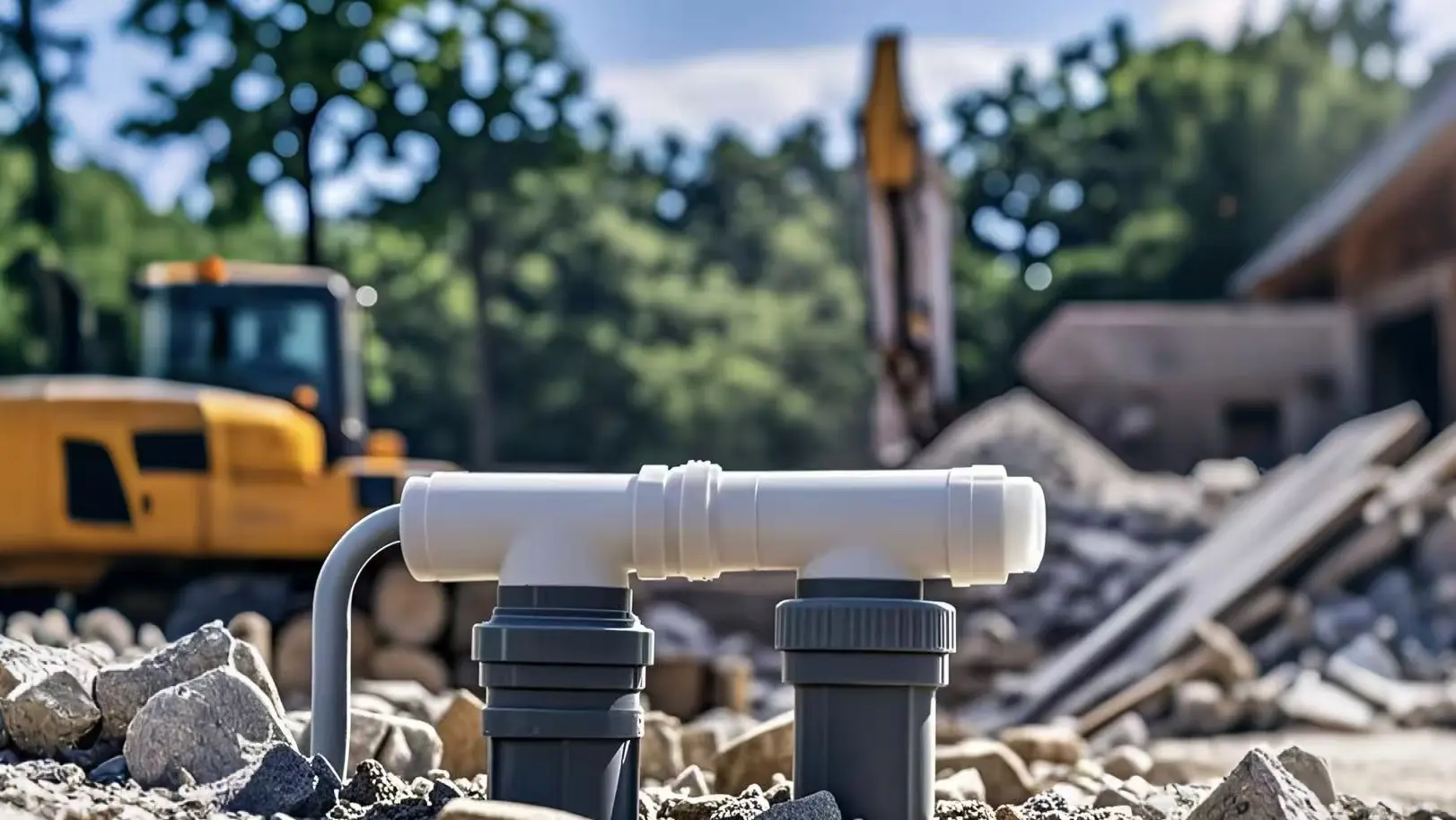
Across these diverse scenarios, the selection of the correct plastic faucet configuration determines the system's longevity. For instance, in Agricultural Irrigation, components face cyclic thermal exposure and chemical fertilizer concentrations. Our UV-stabilized octagonal compact valves resist environmental degradation, outperforming metal components which oxidize and lock in place. In Aquaculture and Fish Cultivation, maintaining strict biocompatibility is critical; Ehao’s double union valves contain zero heavy metals, preserving the aquatic balance while offering simple maintenance via quick-release unions.
To successfully specify the right components, procurement managers must analyze the polymer compounds that define the performance of plastic faucets and valves:
By leveraging these distinct material profiles, Ehao Plastic Group constructs assemblies optimized for target pressures and temperature ranges, matching system demands perfectly.
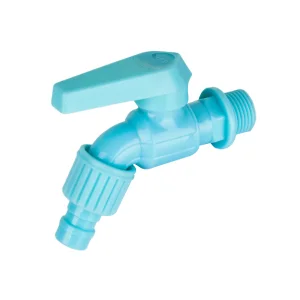
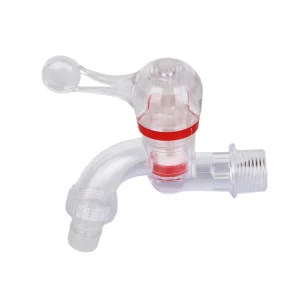
Explore our industrial range of socket connections, double union configurations, and specialized garden bibcocks.
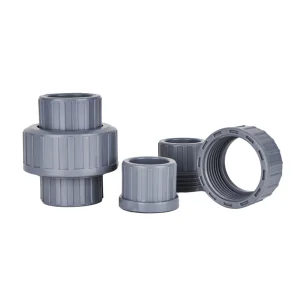
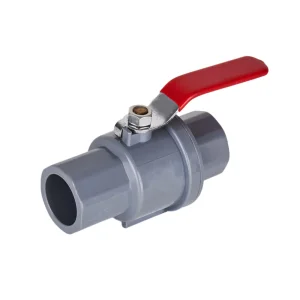
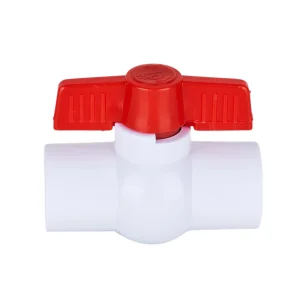
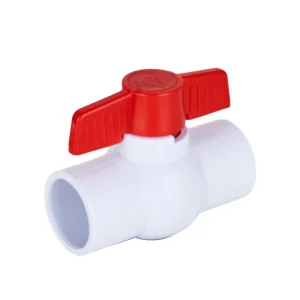
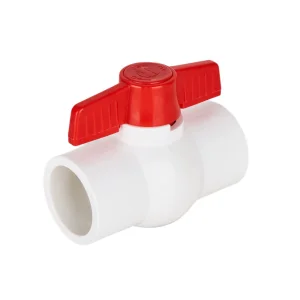
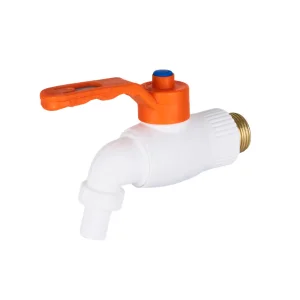
How technical directors and procurement officers evaluate Chinese injection molding partners.
Purchasing valves and faucets at volume involves evaluating key performance metrics. Buyers must look beyond price per unit to assess factors that impact system performance and minimize operational risks:
Many low-tier manufacturers cut costs by blending calcium carbonate fillers or recycled scraps into their polymer mixes. This compromises tensile strength, causing premature stress fractures under high pressure. Secure partners provide clean data verification sheets, demonstrating the use of 100% virgin polymer raw material (such as virgin UPVC, food-grade PP, and pure POM).
For high-performance installations, ensure that valves are tested under constant pressure. Ehao's testing labs subject all production lots to sustained hydrostatic pressure checks to verify ratings, alongside cycle tests to ensure the internal seals remain functional over thousands of operations.
Global infrastructure designs often require unique geometries or specific thread configurations (such as NPT, BSPT, or DIN socket tolerances). An ideal supplier operates its own integrated injection mold manufacturing facility. This capability ensures that custom-designed components can transition from CAD models to active production tooling without relying on third-party mold shops, saving weeks in development lead times.
Technical answers to common questions about polymer valves, bibcocks, and faucets.
UPVC and PVC materials offer absolute resistance to electrochemical corrosion, which causes brass and copper to degrade over time. These polymers prevent scaling, which restricts internal flow rates. In addition, polymers do not leach heavy metals (like lead) into potable water, ensuring a safer drinking water supply at a fraction of the cost of brass.
DIN 8077 and DIN 8078 are rigorous German standards governing polypropylene (PP) pipes and fittings. DIN 8077 defines the precise dimensions, tolerances, and design pressures, while DIN 8078 details chemical and physical test requirements (including heat aging and impact resistance tests). Compliance ensures that the components can reliably withstand sustained hot-water pressures over a prolonged service life.
POM (Polyoxymethylene / Acetal) is a high-rigidity polymer with low friction and excellent wear resistance. In Ehao's product lines, POM is used for core internal parts such as faucet spindles, nipples, and internal thread components. This prevents mechanical binding and minimizes wear over thousands of open-close cycles.
Ehao subjects every production batch to a 26-step testing regimen. This includes raw material purity verification, digital colorimetry, dimensional tolerance checking, hydrostatic burst testing, and torque performance analysis. This rigorous quality control ensures a 100% ex-factory pass rate.
Yes. Ehao Plastic Group integrates internal mold design and CNC tooling centers alongside our assembly lines. This vertical integration allows us to design, prototype, and manufacture custom injection molds for specific dimensions, connection methods (thread vs. socket), or embossed brand logos, providing complete OEM/ODM solutions.
The standard operating window depends on the specific polymer compound. Typically, PVC/UPVC systems operate up to 60°C (140°F) and are ideal for cold-water processes. PPR systems are rated for continuous hot-water lines up to 95°C (203°F). Detailed pressure-temperature ratings are provided on each product's specification sheet.
 EHAO
EHAO