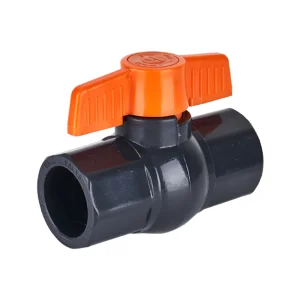
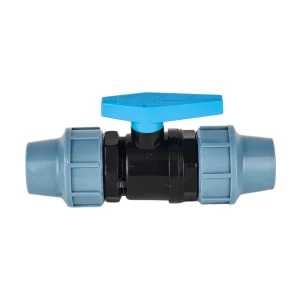
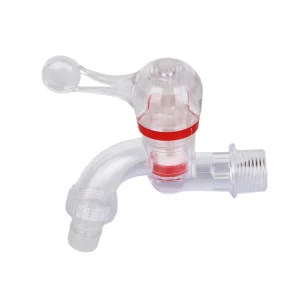
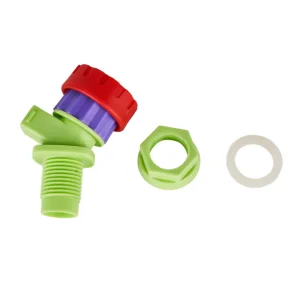
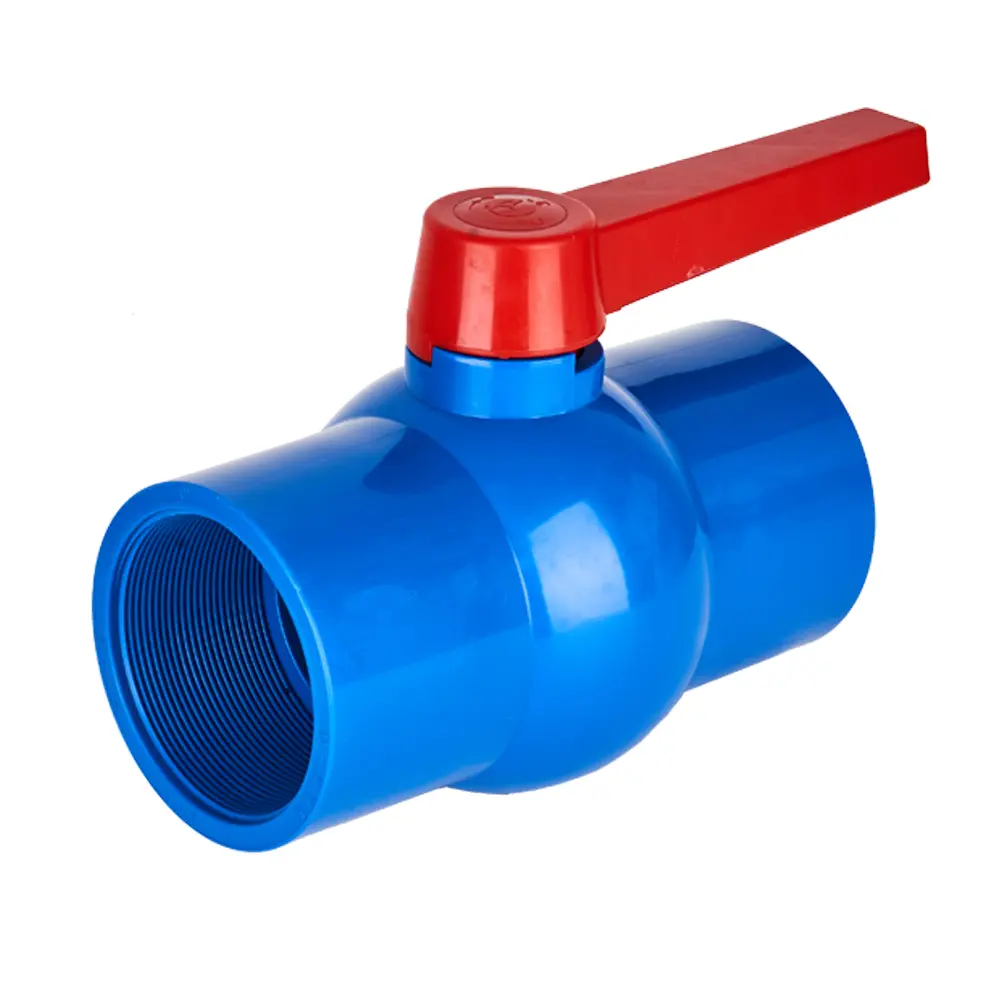
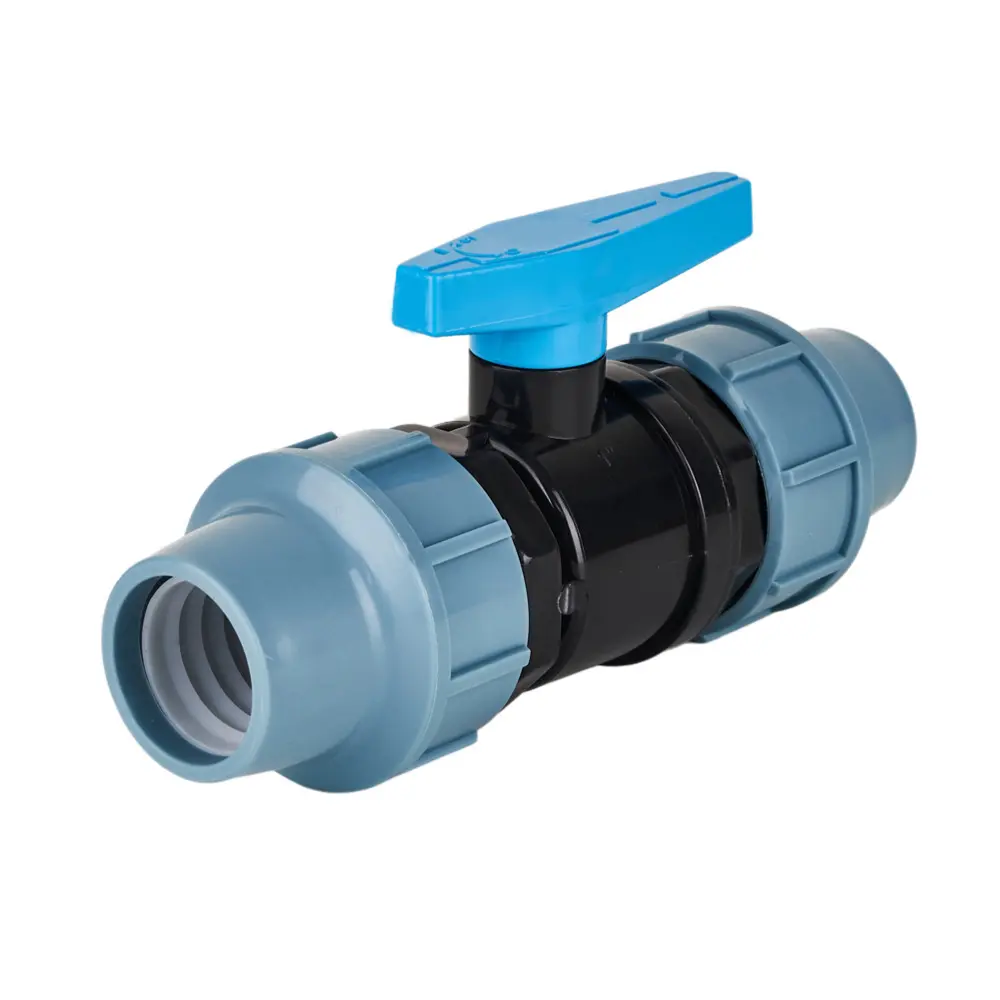
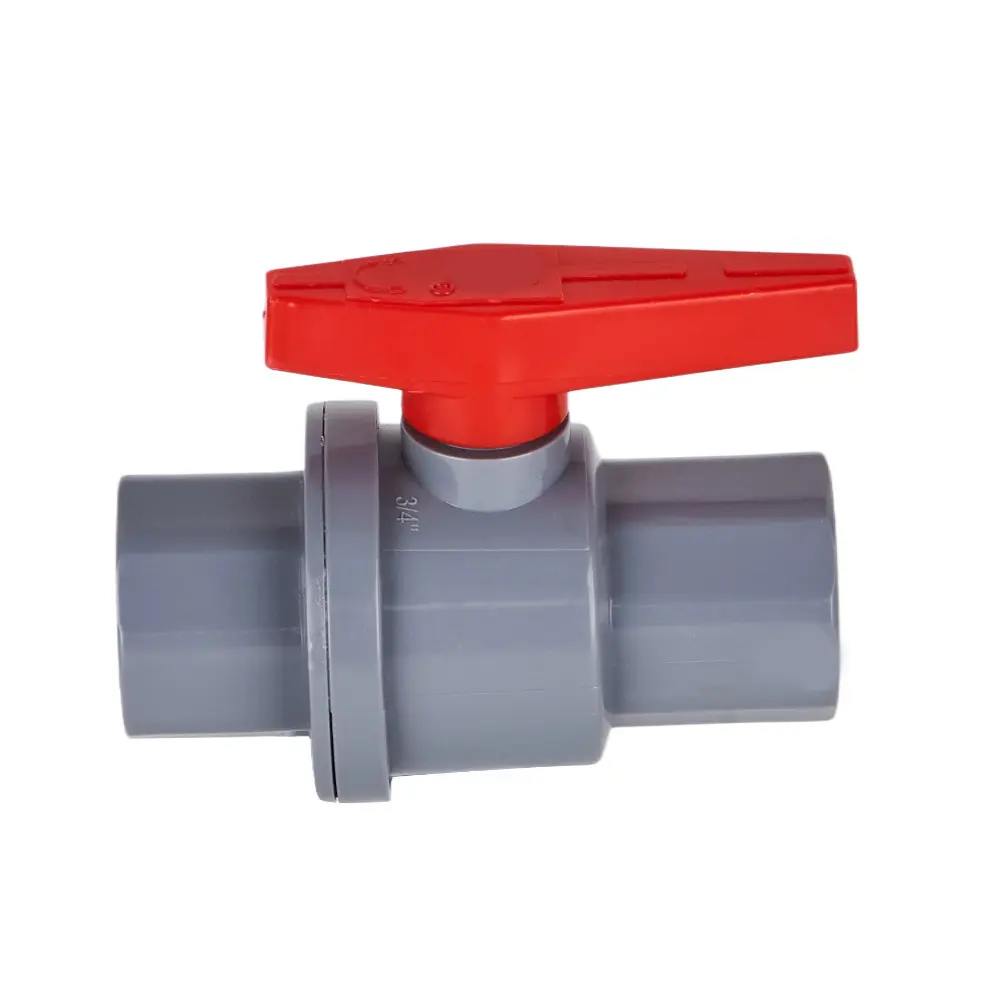
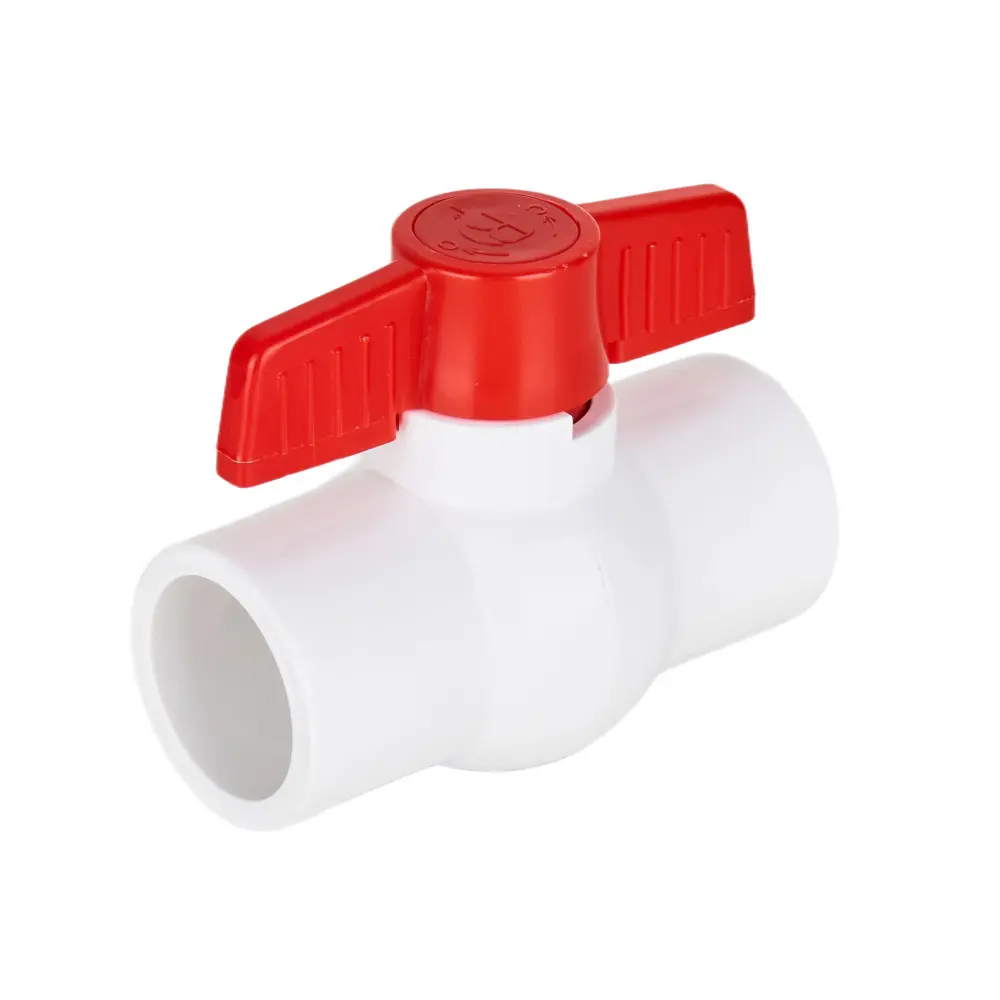
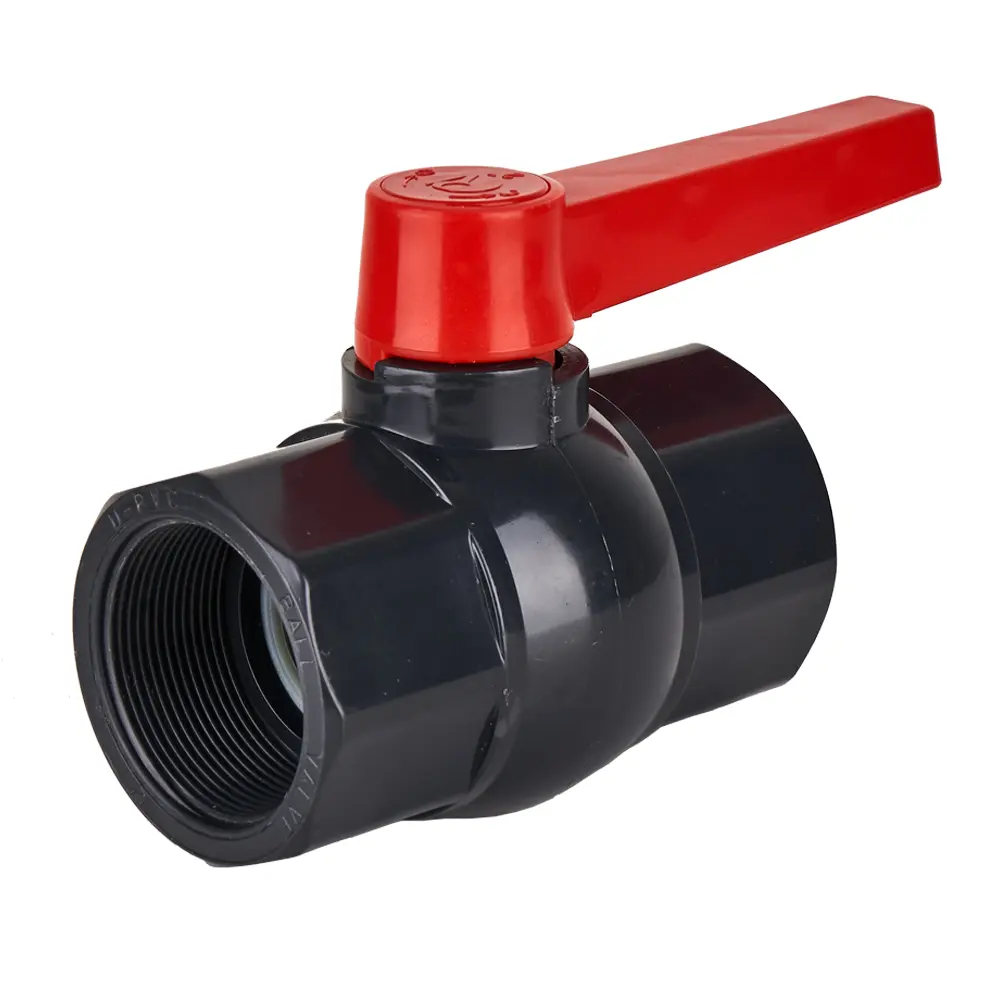
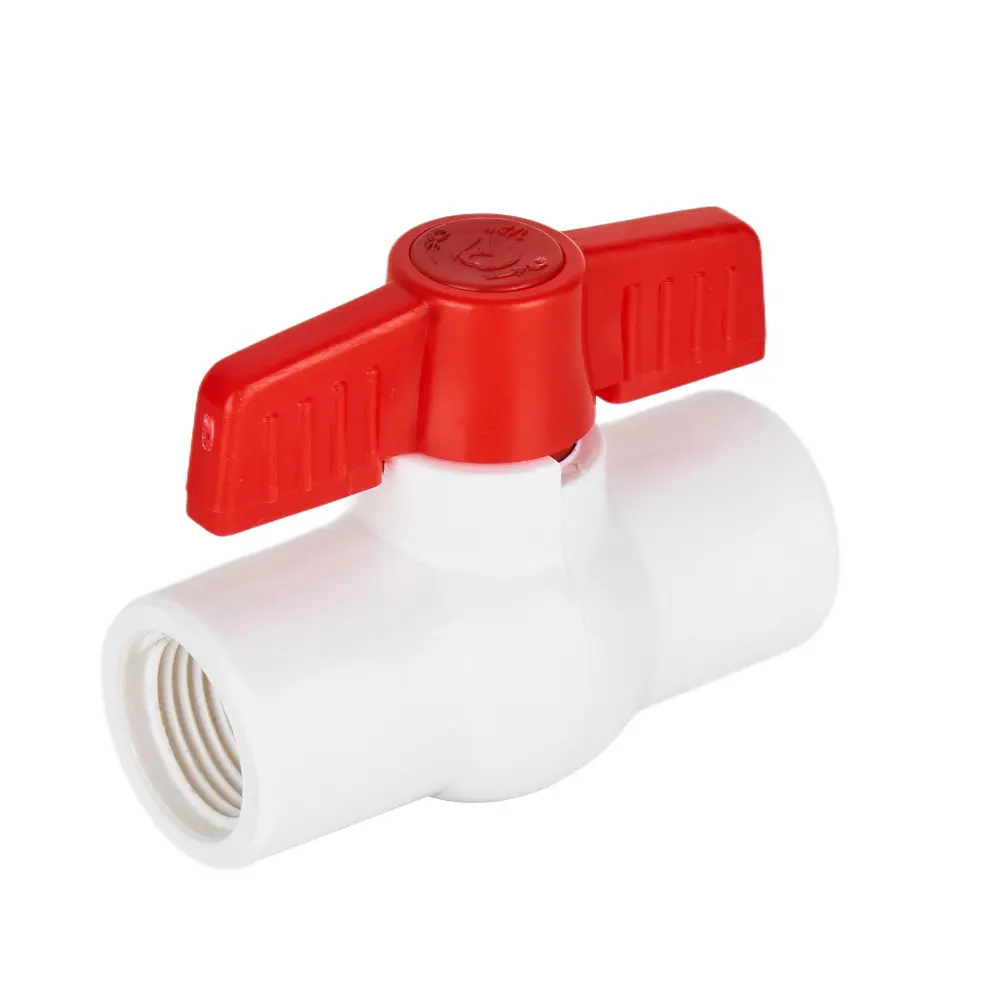
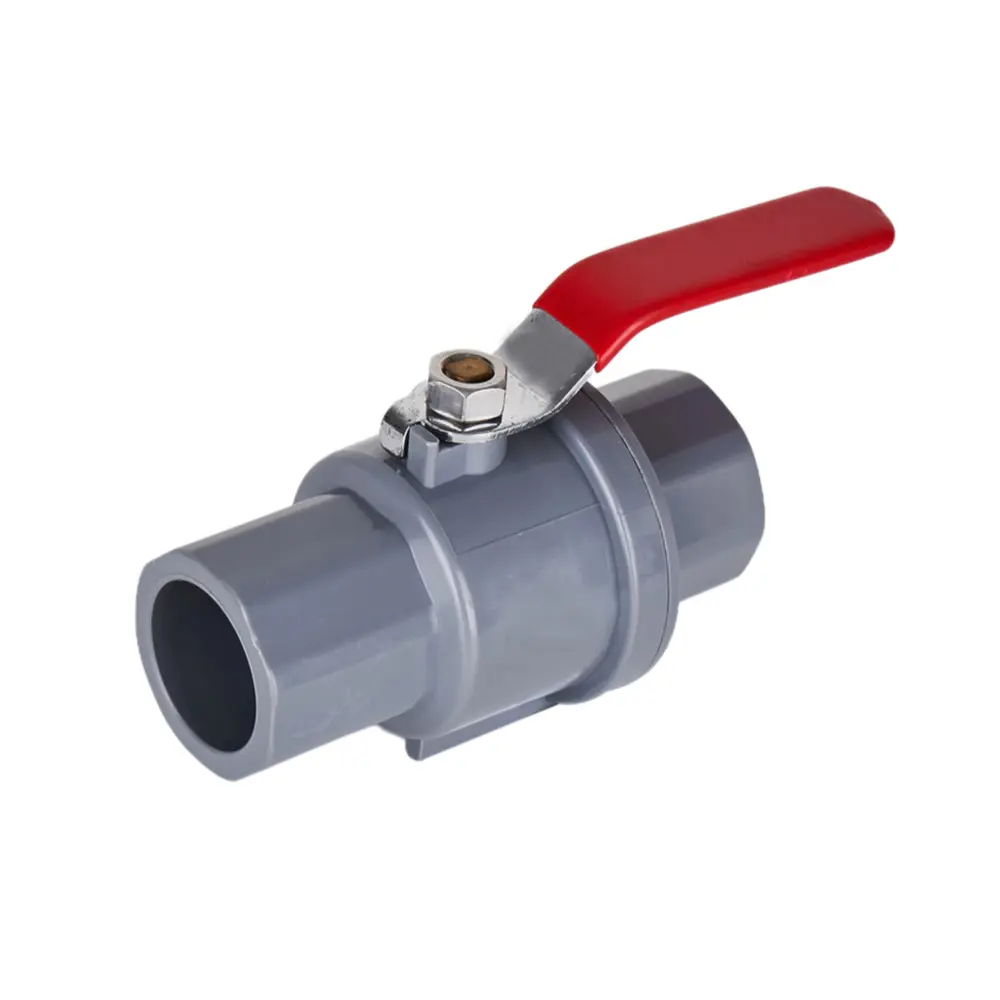
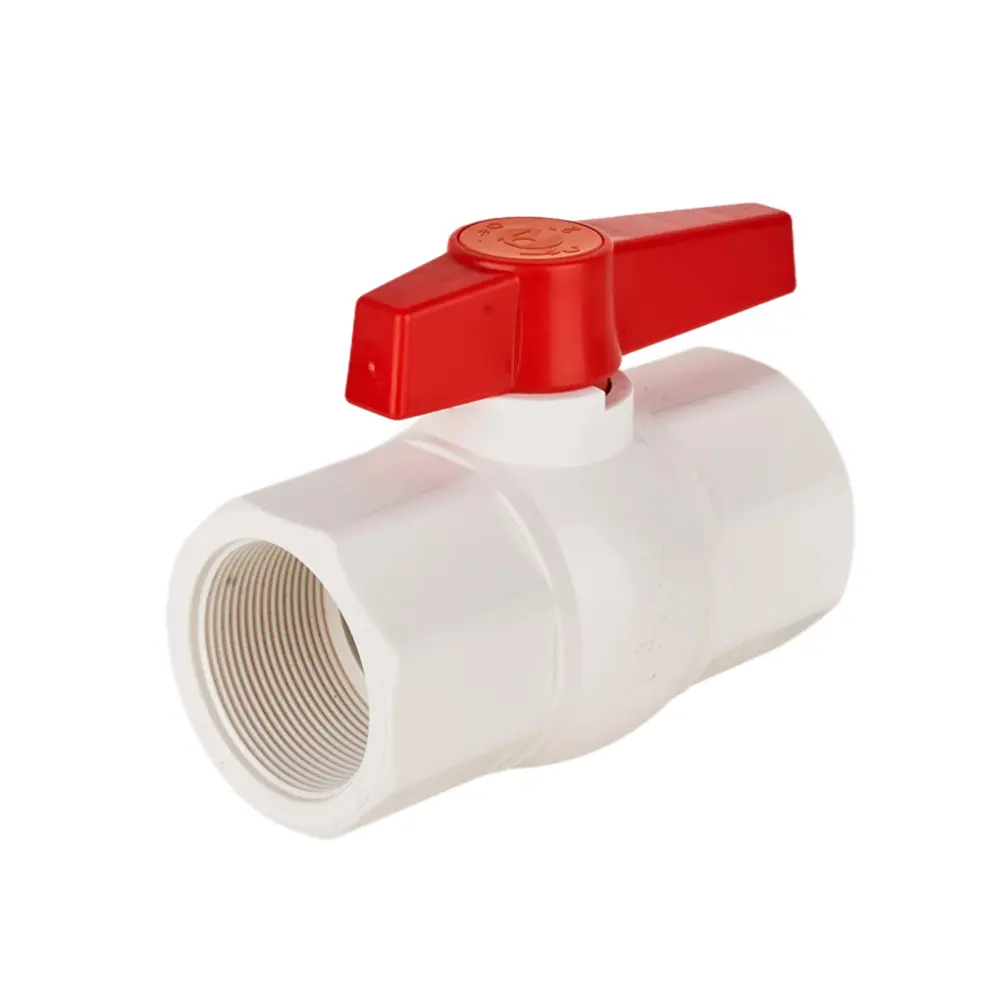
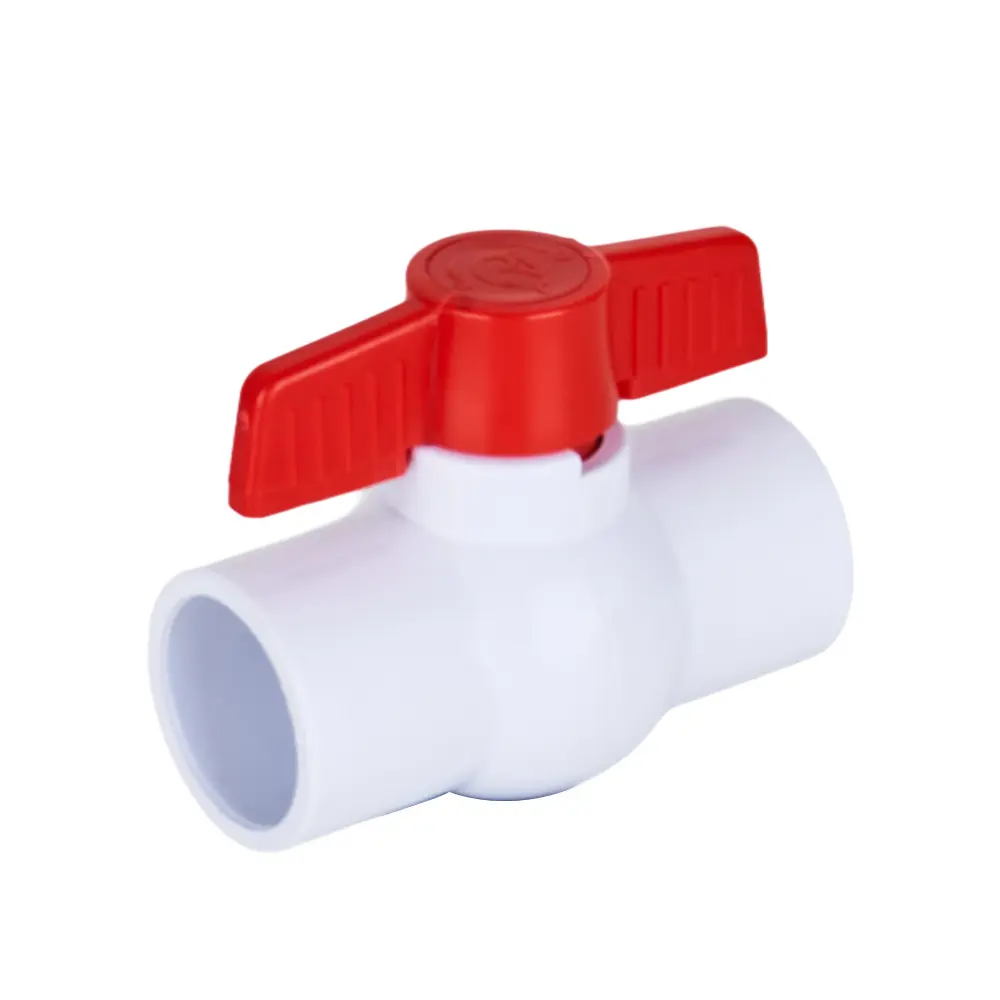
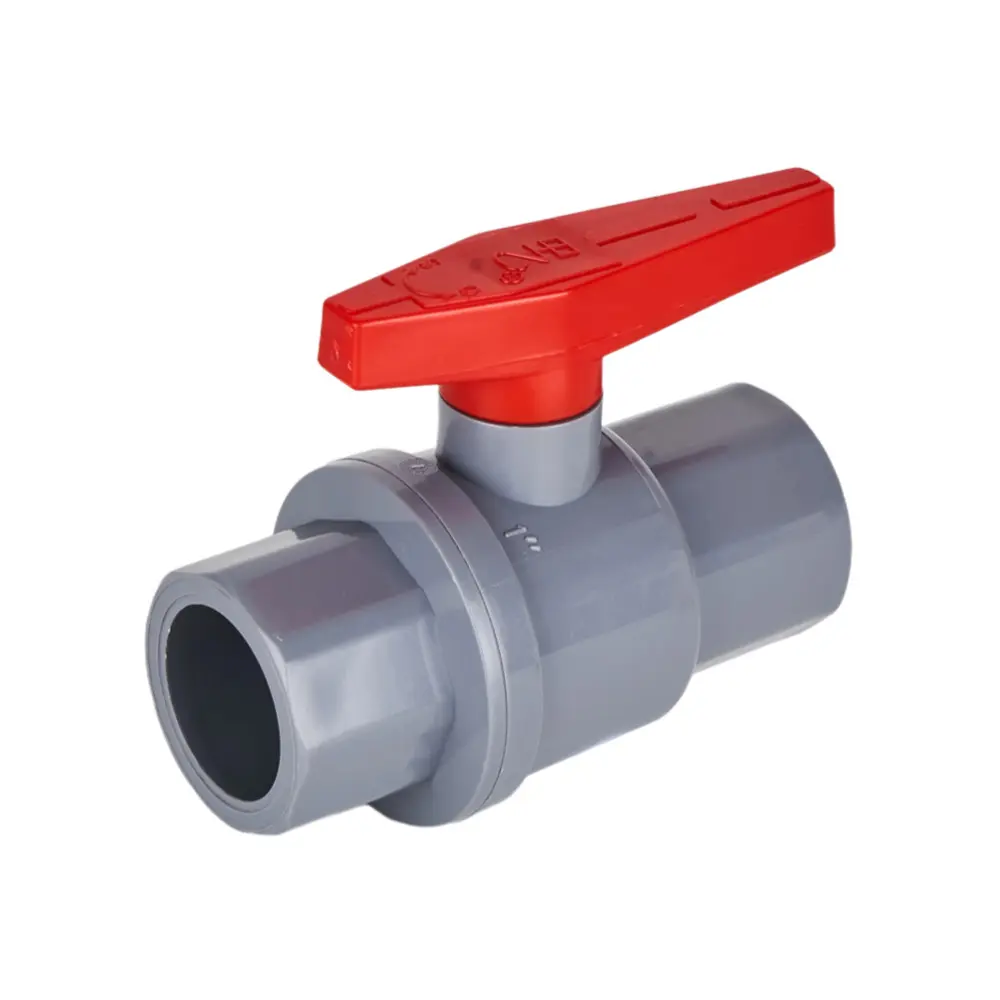
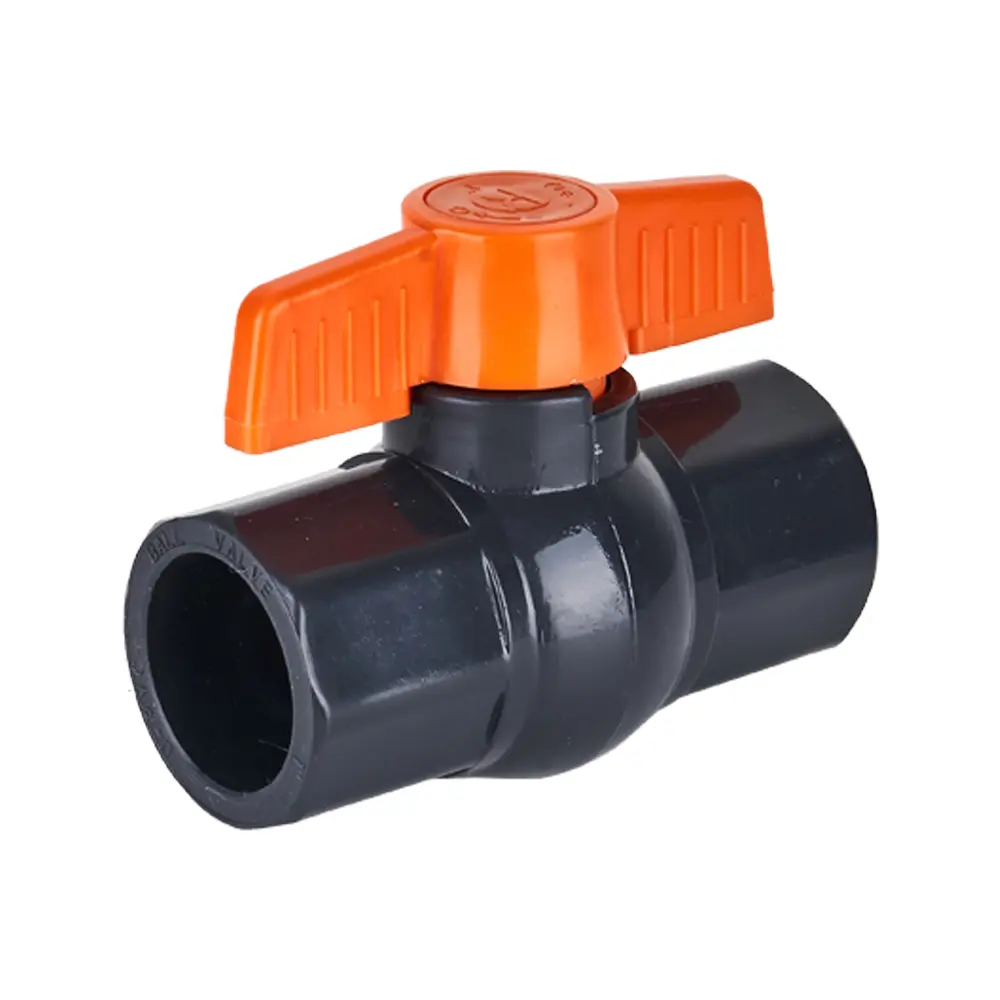
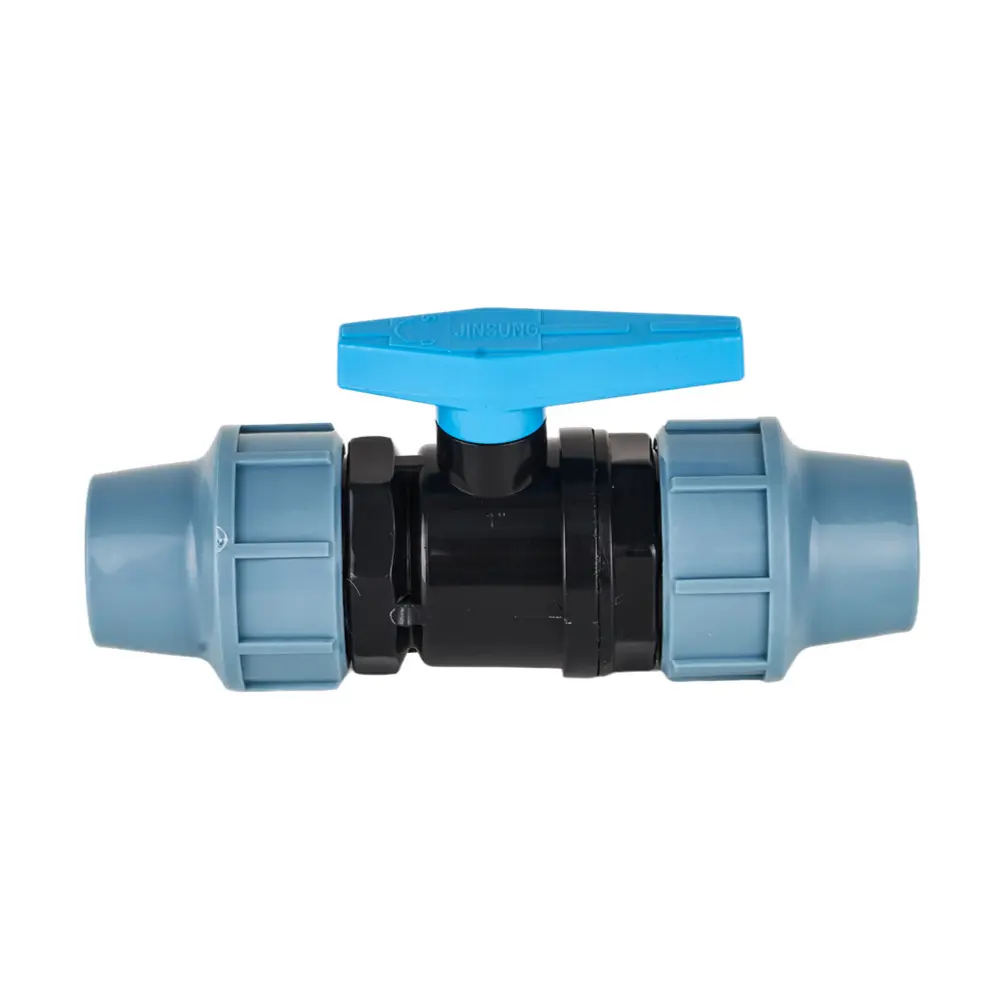
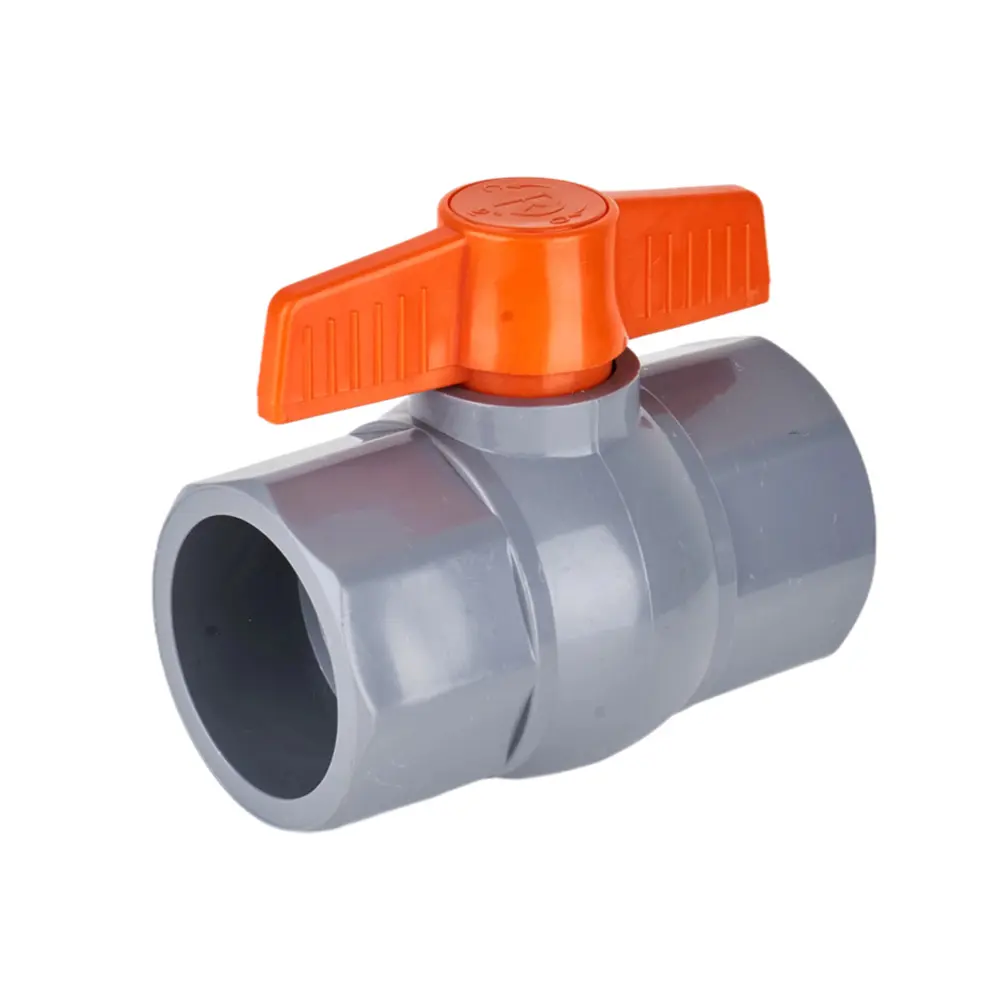
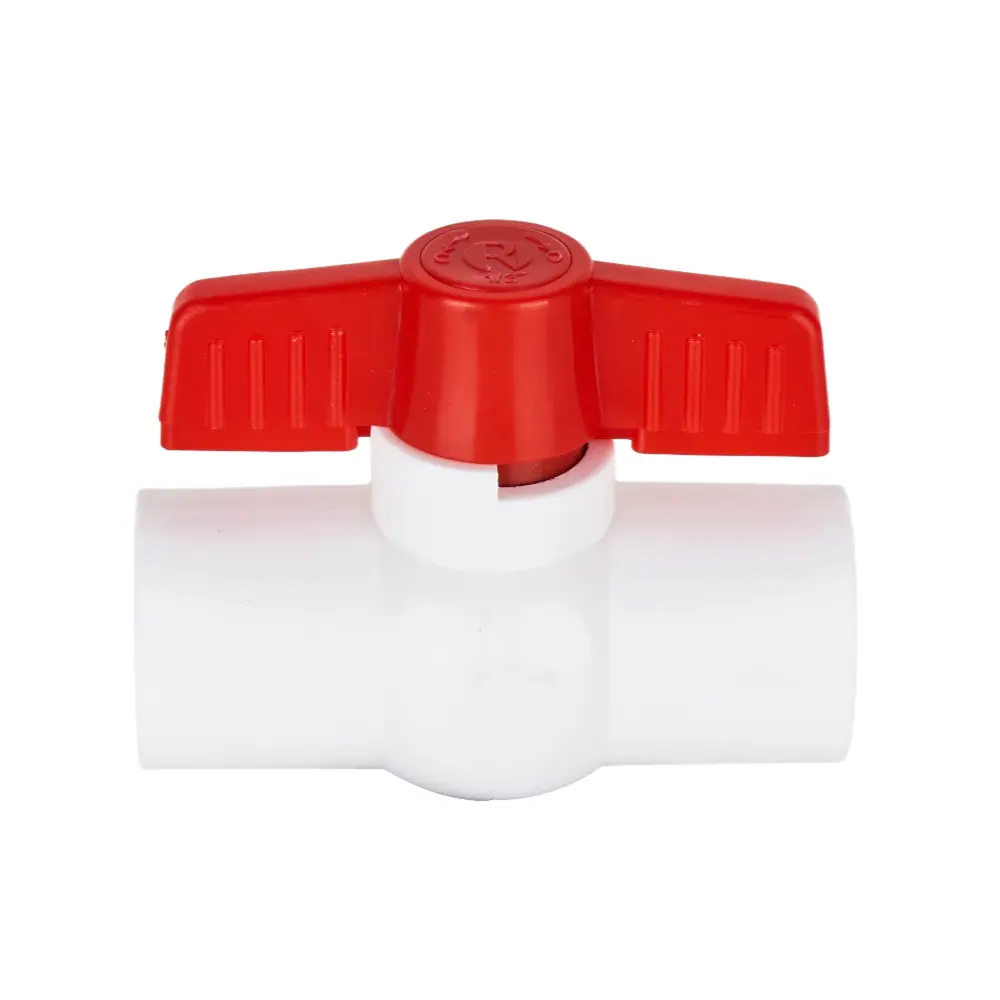
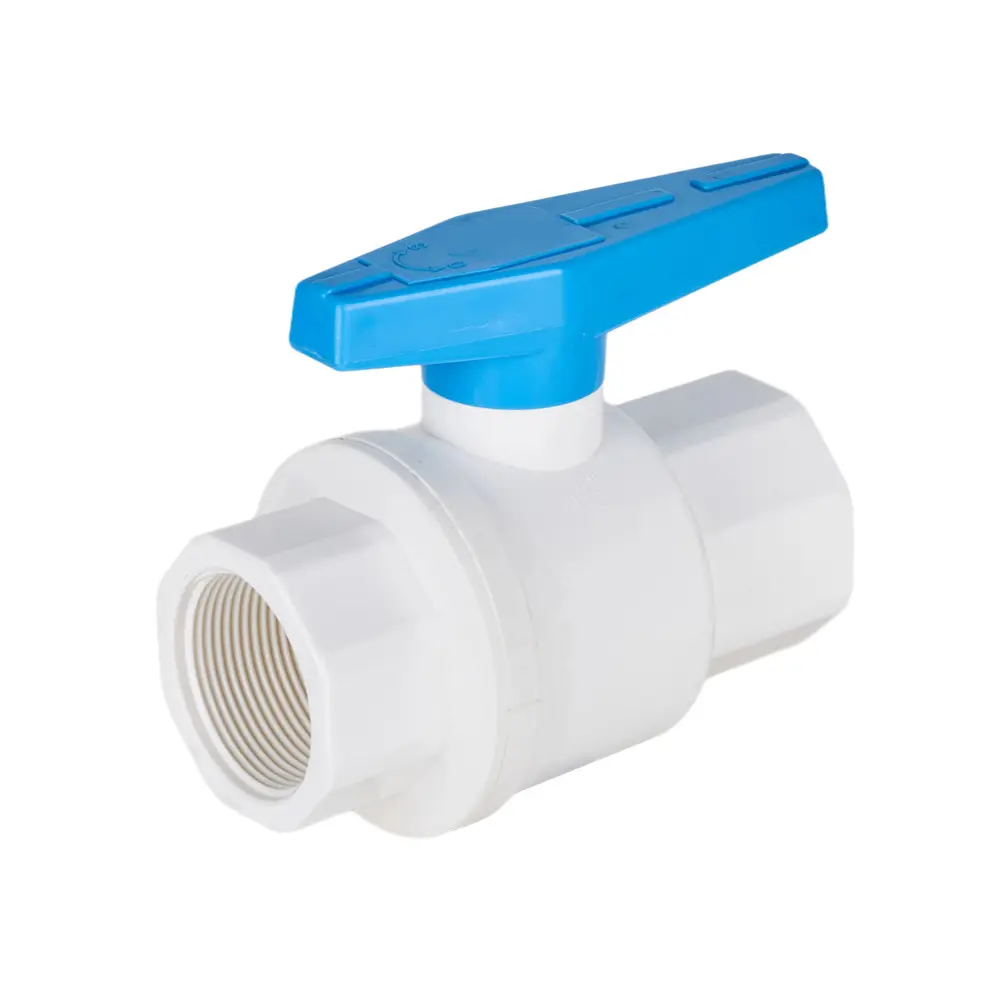
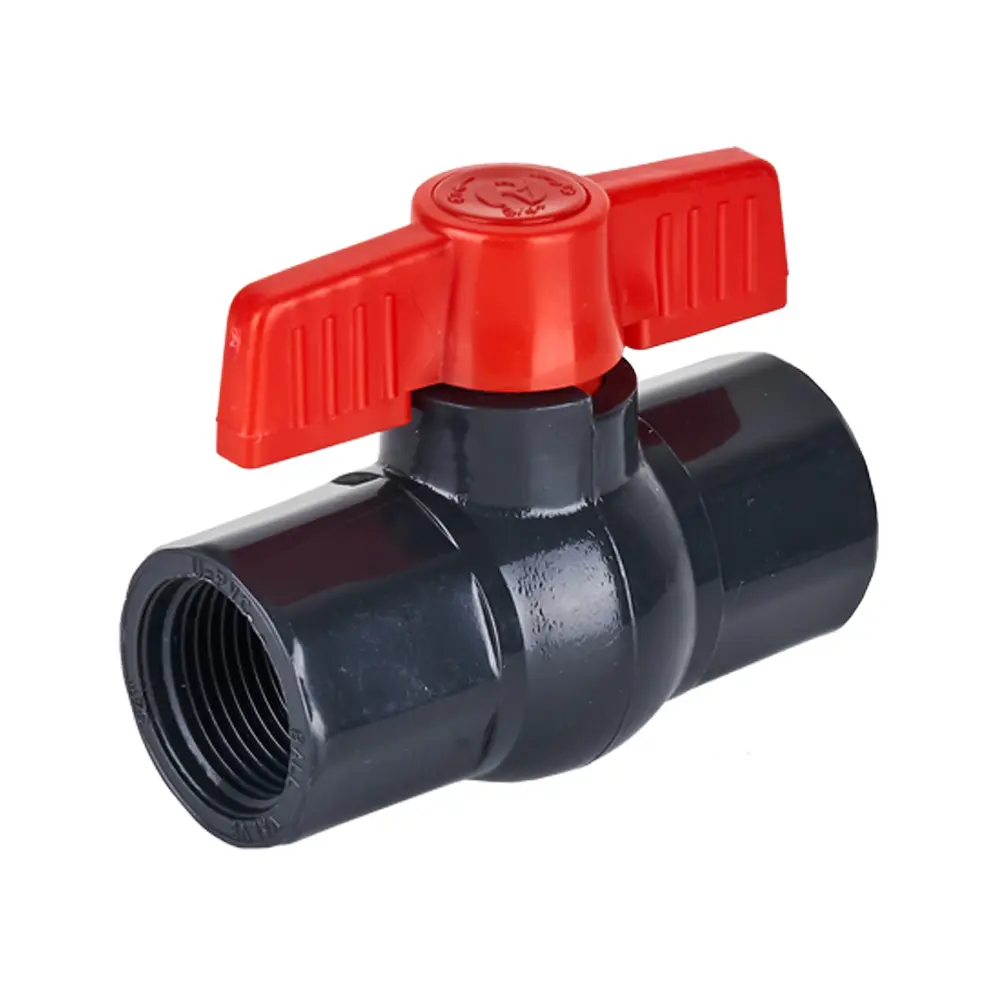
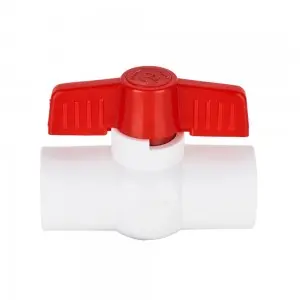
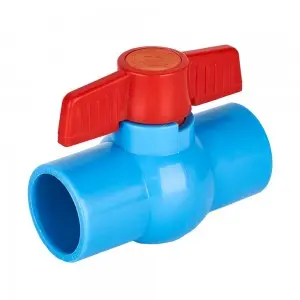
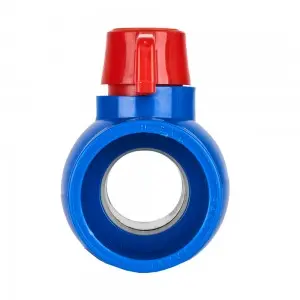
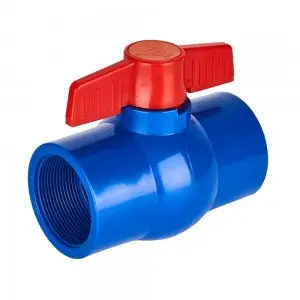
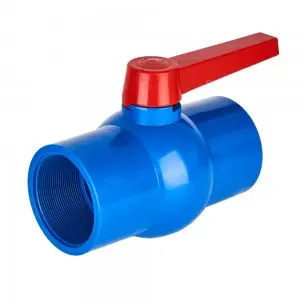
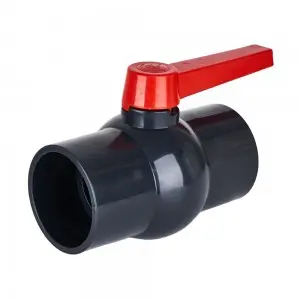
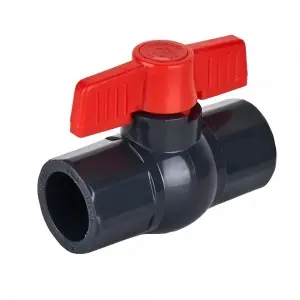
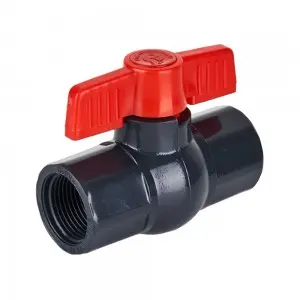
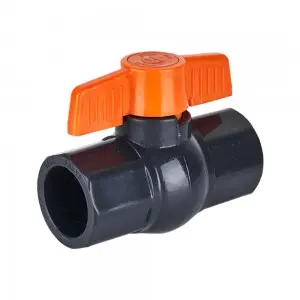
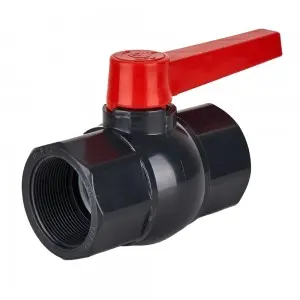
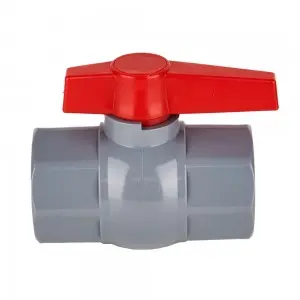
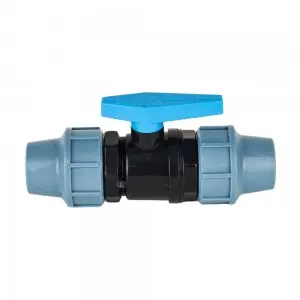
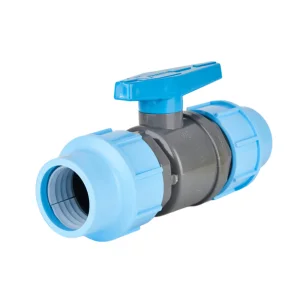
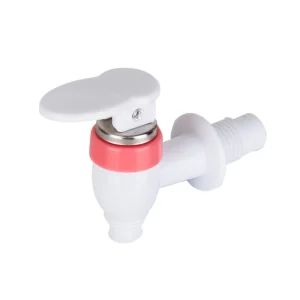
Explore our primary array of high-specification engineering components manufactured under strict DIN-compliance standards.
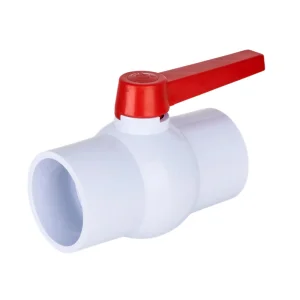
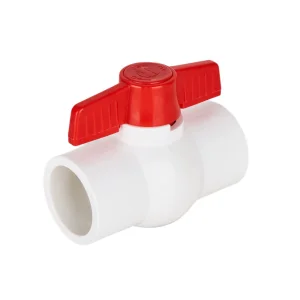
The global manufacturing ecosystem is undergoing a dramatic structural transformation driven by high-tech polymer sciences, automated manufacturing lines, and strict international environmental guidelines. At the center of this transition sits the horizontal plastic molding injection machine—the technological anchor for precision fluid control, building materials, pipe fittings, and automotive assemblies.
Today's industrial buyers face volatile supply chain demands and require high-performance processing equipment that minimizes energy loss, reduces cycle times, and delivers zero-defect parts. Ehao Plastic Group serves as an industry-leading private enterprise integrating the research and development, design, and manufacturing of high-performance piping infrastructure and custom injection molds. Collaborating closely with prestigious scientific research entities like the Chinese Academy of Sciences and Zhe浙江 University, we combine top-tier raw polymer processing sciences with computerized precision machinery.
To secure a global competitive advantage, we have integrated computerized automatic injection molding lines sourced from Germany. These advanced machines deliver unmatched shot-to-shot consistency, minimizing mechanical variations during complex mold configurations. Whether producing critical fluid shutoffs for high-rise plumbing or intricate multi-port valves for agricultural distribution, our systems process engineering polymers under highly controlled mechanical environments.
How integration, precision mold development, and localized material supplies drive down cost while matching world-class tolerances.
The competitive leverage of China's injection molding ecosystem goes beyond cheap labor. Today, China represents a fully integrated vertical production chain. From raw resin synthesis and local stabilizer formulation to custom multi-cavity tool design and heavy-tonnage hydraulic presses, every link in the supply chain operates in close proximity. This geographic clustering dramatically reduces logistics delays, shortens tooling lead times, and supports continuous raw material verification processes.
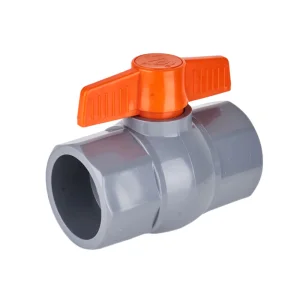
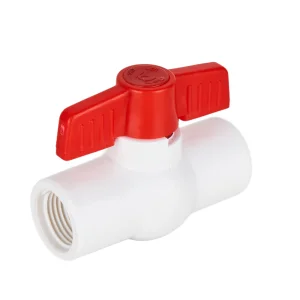
Ehao Plastic Group leverages this robust ecosystem to deliver custom molds and complex extrusion and injection solutions. We offer end-to-end engineering, starting with customer specifications, drawing formats, or raw physical samples. Our engineering team conducts internal Mold Flow Analysis (MFA) to optimize cooling configurations and cycle times, preventing issues like sink marks, structural warpage, and internal air voids. This thorough design process ensures our high-performance PVC/UPVC ball valves achieve deep market penetration, establishing Ehao as a reliable supplier across China and key international markets.
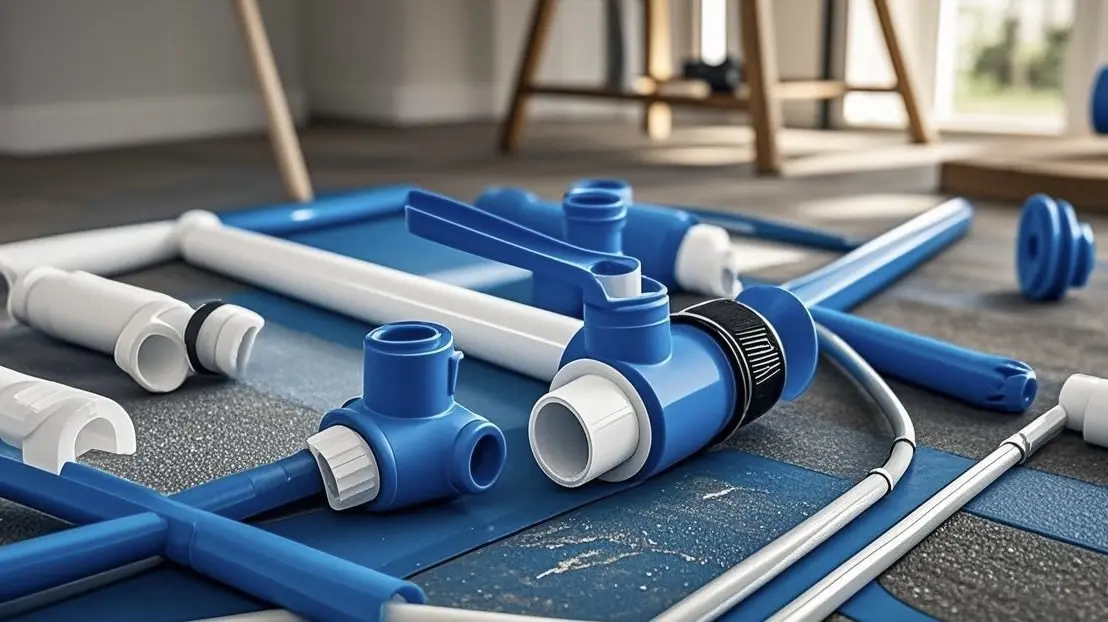
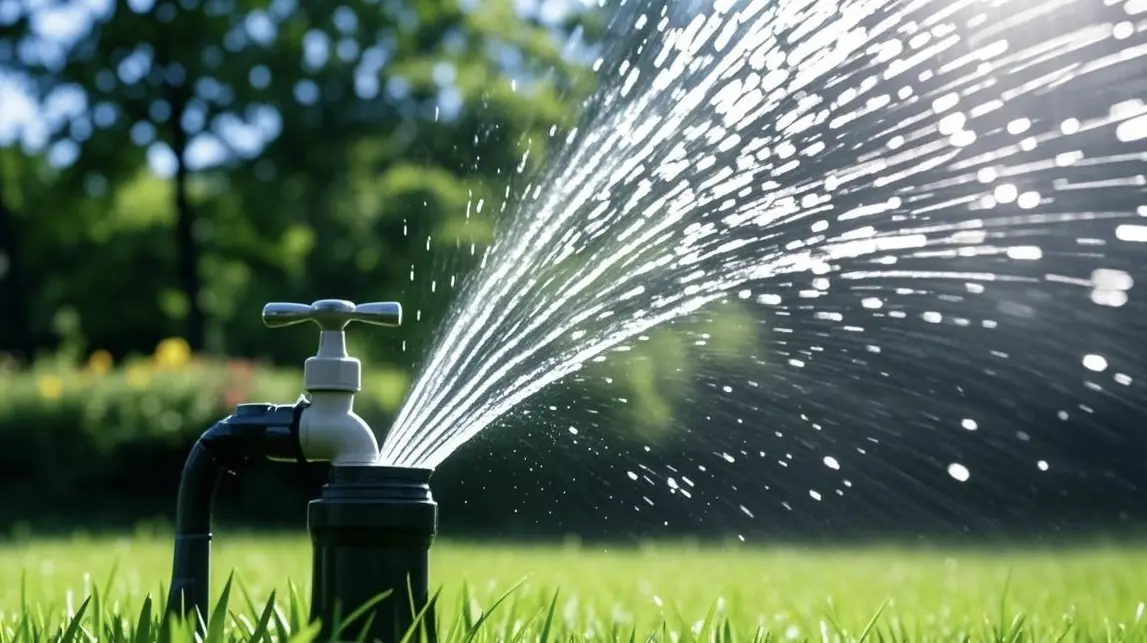
From technical configuration to commercial financing, we partner with clients to drive bottom-line profitability at every stage.
Procuring custom injection tools and bulk fluid components is a capital-intensive decision. We understand that global partners require transparent supply chains, reliable mechanical performance, and flexible transaction options. By integrating engineering expertise with financial planning support, we help clients select the ideal machinery configurations and mold structures for their specific project volumes.
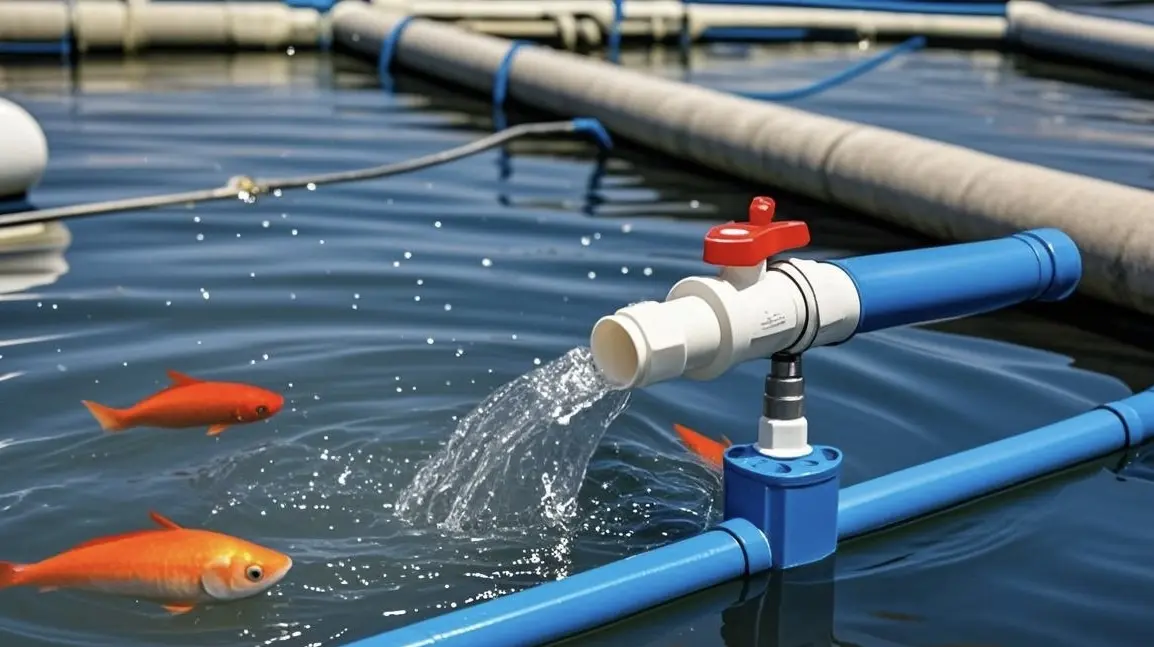
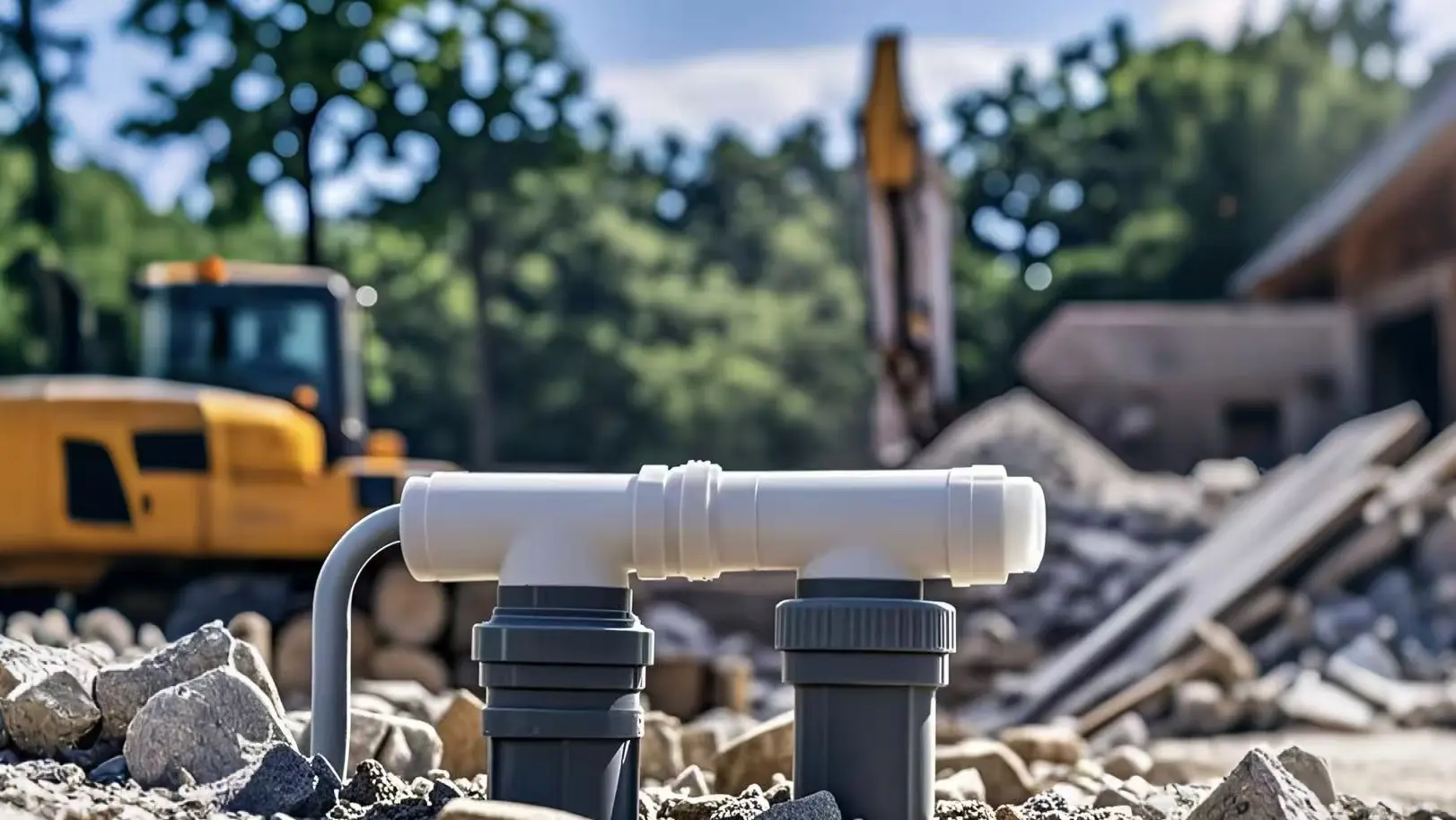
Our collaborative operational philosophy ensures we deliver exact mechanical fits for high-demand environments, including heavy municipal construction, residential remodeling, agricultural chemical spray systems, and commercial aquaculture. By utilizing computerized automation and strict material testing, we control wall-thickness variations and optimize cooling profiles, ensuring long-term performance under demanding operating pressures.
Partnering with you every step of the way, from selecting the right equipment configurations to optimizing your return on investment.
Product Detail & QuickPacka...
Discover the technical innovations driving energy efficiency, sustainable resin processing, and micro-tolerance mold alignment.
Modern injection molding systems are moving away from traditional pure hydraulic presses toward hybrid, closed-loop electro-hydraulic servo installations. These systems provide precise control over pressure and velocity profiles, reducing energy consumption during the clamping and holding stages of production. This precision is critical for manufacturing large-volume, high-thickness UPVC industrial ball valves with uniform structural density.
Integrating sensors directly within the mold cavity allows manufacturers to track real-time pressure and temperature dynamics. This data feeds back into the injection molding machine, adjusting melt flow and cooling cycle parameters on the fly. By monitoring these variables, factories can achieve consistent physical dimensions across large batches, reducing scrap rates and ensuring tight mechanical clearances for critical components.
As global regulations tighten around plastic waste, injection machines must adapt to process alternative materials, including PCR (Post-Consumer Recycled) resins and bio-based plastics. Sourcing components from factories that optimize their machinery for these variables helps industrial operations meet sustainability targets without sacrificing part strength or structural integrity.
Answers to common industry questions regarding machinery setup, tooling tolerances, DIN compliance, and sourcing from China.
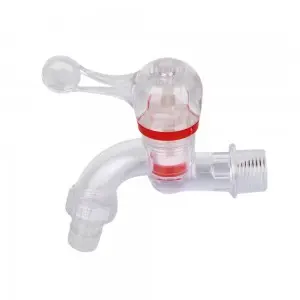
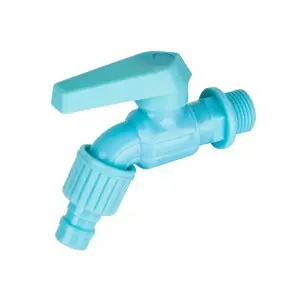
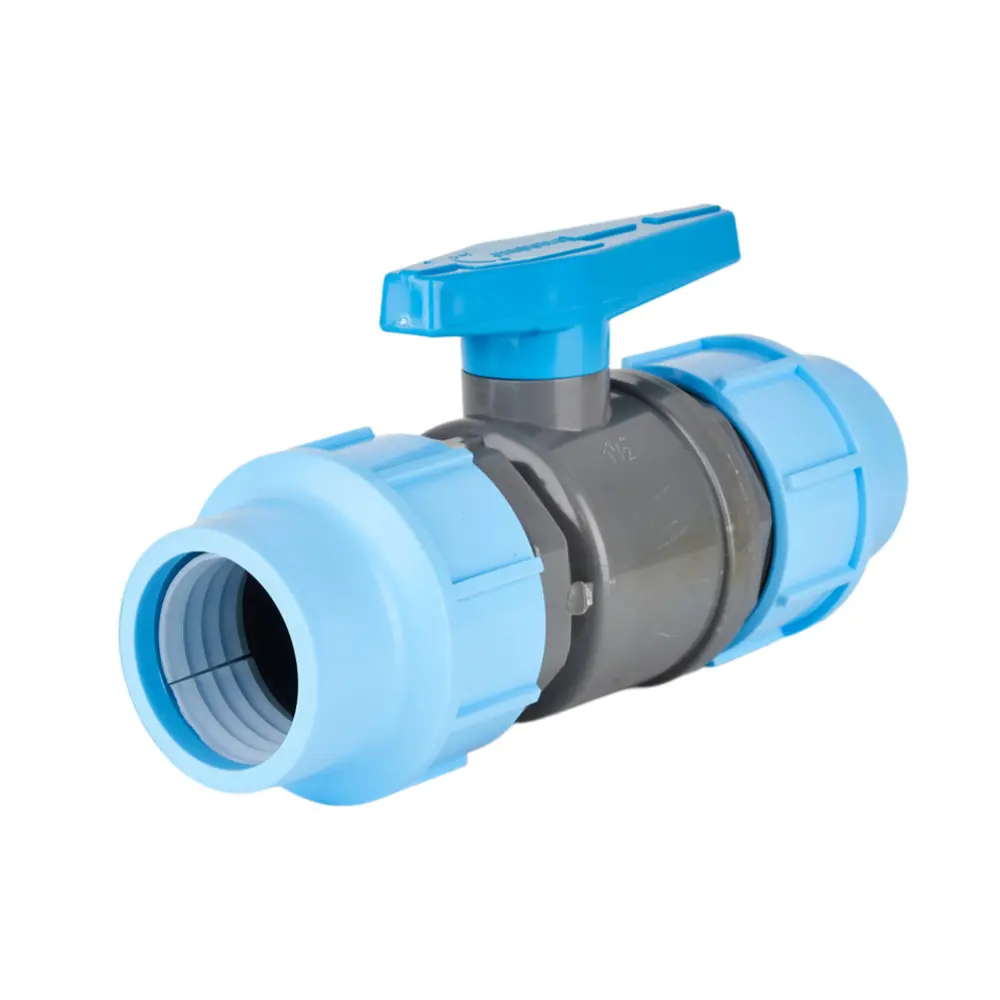
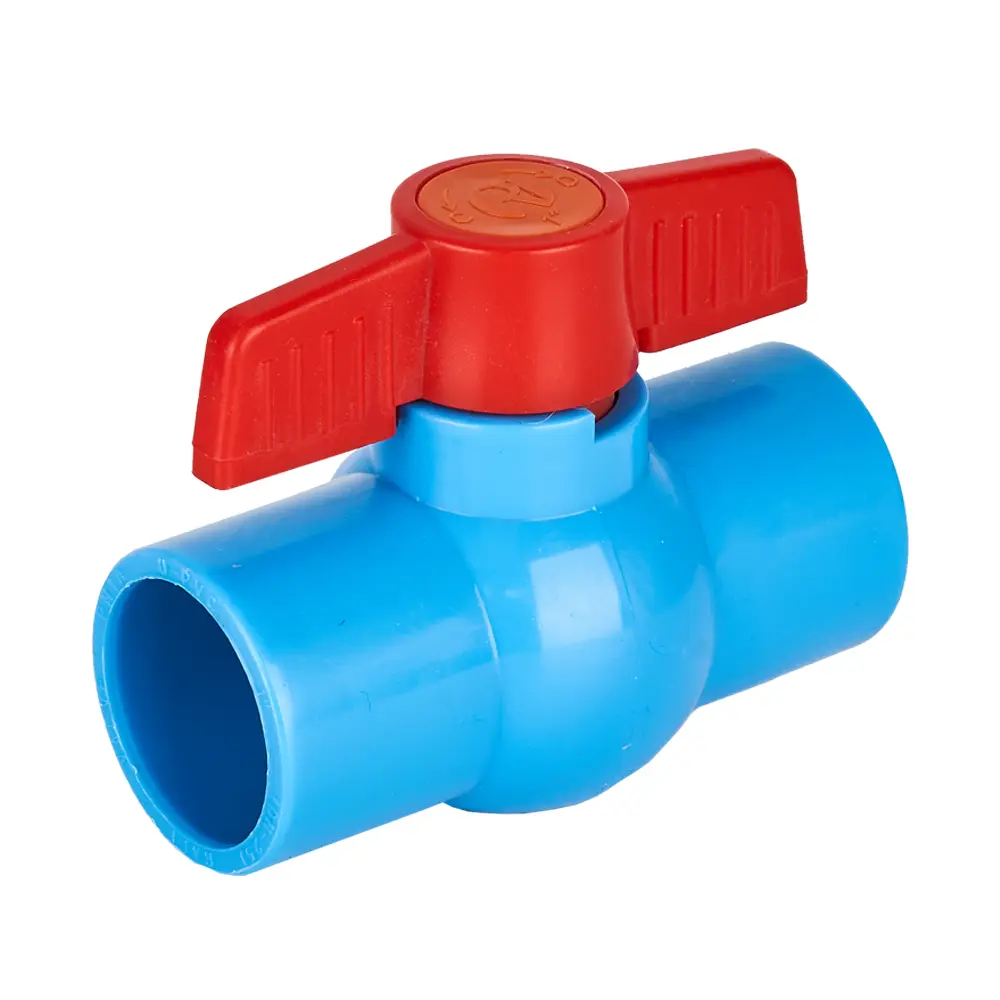
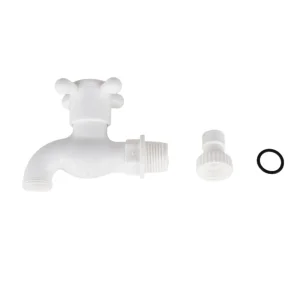
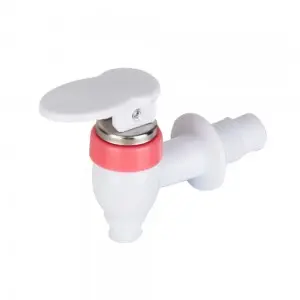
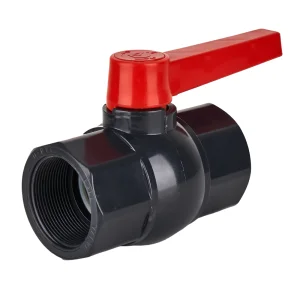
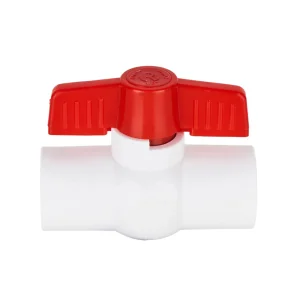
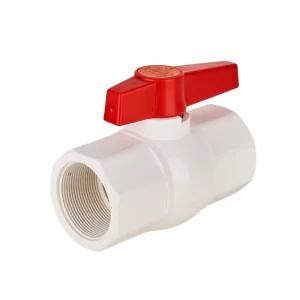
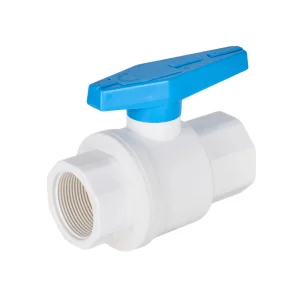
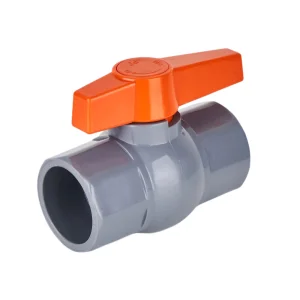
Select from our comprehensive list of UPVC, PP, and PC valves, compact ball valves, and water drinking taps.
Discover our primary heavy-duty PVC valves, compact ball systems, and water-drinking taps available for container-load exports.
 EHAO
EHAO