The global thermoplastic processing sector is witnessing an unprecedented transition from traditional manufacturing paradigms to highly automated, smart industrial centers. High-speed, computer-controlled plastic injection molding machines form the backbone of this transformation. In industries ranging from municipal infrastructure, automotive component engineering, consumer durables, to high-precision medical appliances, the demand for precision-molded components has surged exponentially. The core driver remains the necessity for strict dimensional repeatability, material integrity, and long-term mechanical reliability under diverse field pressures.
Within this ecosystem, polymer distribution systems (including premium UPVC, PP, POM, and PPR valves and fittings) require highly specialized mold layouts, high clamping force configurations, and advanced thermal runner control. Meeting these complex demands requires an alignment between advanced academic materials science and high-end German injection engineering. This dual operational baseline guarantees that the molten polymer fills complex cavities with absolute homogeneity, eliminating weld lines, structural void risks, and residual molecular stresses.
Ehao Plastic Group stands as a premier private enterprise integrating the R&D and production of advanced building materials, pipe fittings, and high-performance injection molds. As an industry leader in PVC and UPVC ball valves within the Chinese domestic and international export markets, Ehao's technical evolution is reinforced by long-term research collaborations with the Chinese Academy of Sciences and Zhejiang University. These institutional partnerships permit the empirical translation of advanced polymer chemistry into physical manufacturing practices.
To support this high-performance development, Ehao operates automated production lines and computer-guided automatic injection molding systems imported directly from Germany. Every component produced undergoes 26 steps of scientific testing and strict quality controls. This process guarantees a 100% ex-factory pass rate. The technical indexes conform directly to DIN 8077 and DIN 8078 international standards. These quality standards ensure Ehao products offer the performance needed for municipal, agricultural, and industrial utility applications worldwide.
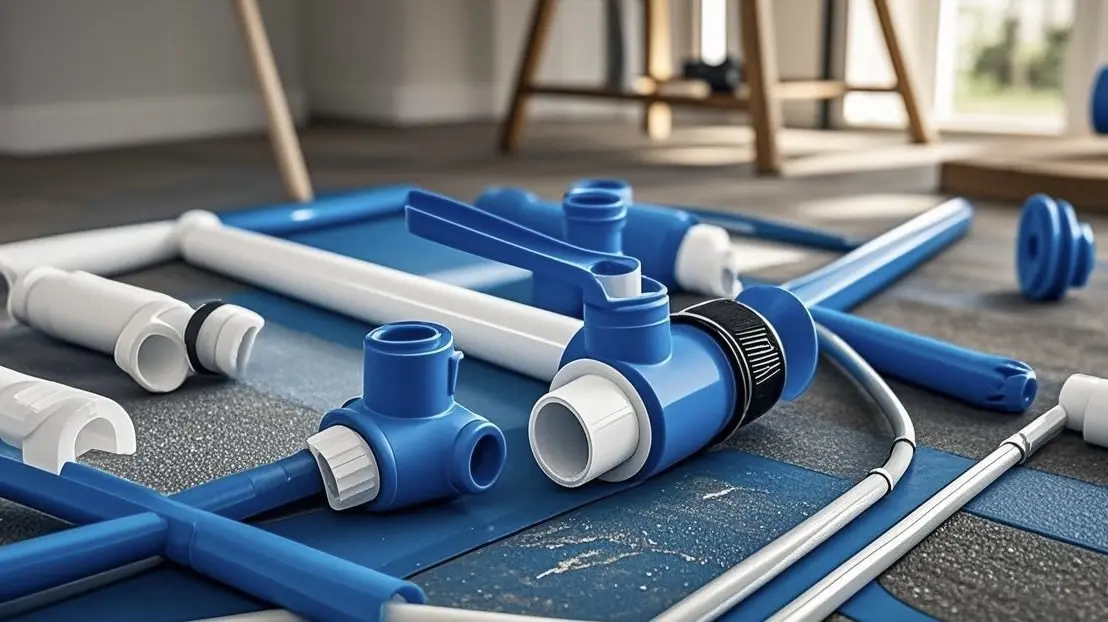
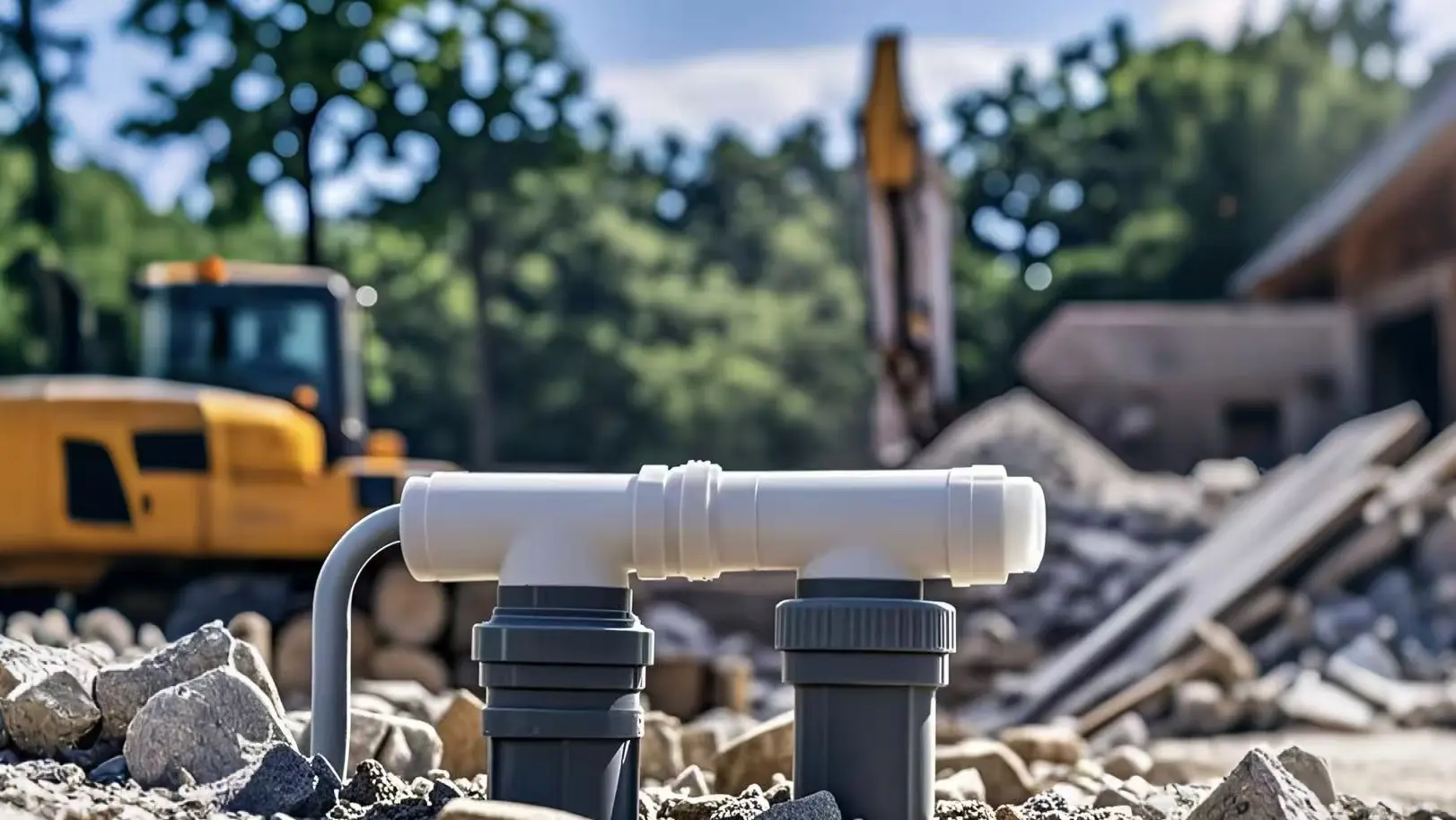
Our engineered plastic molding machinery configurations and components cater to major global infrastructure sectors:
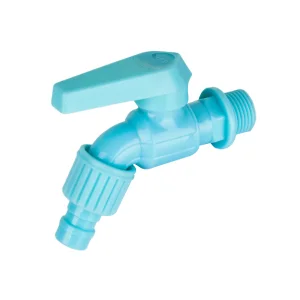
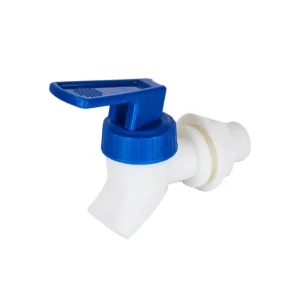
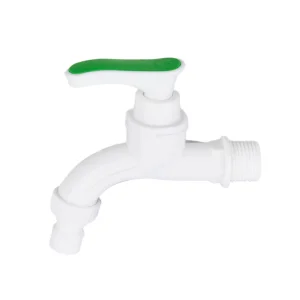
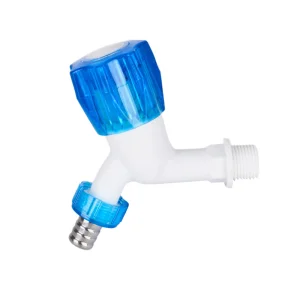
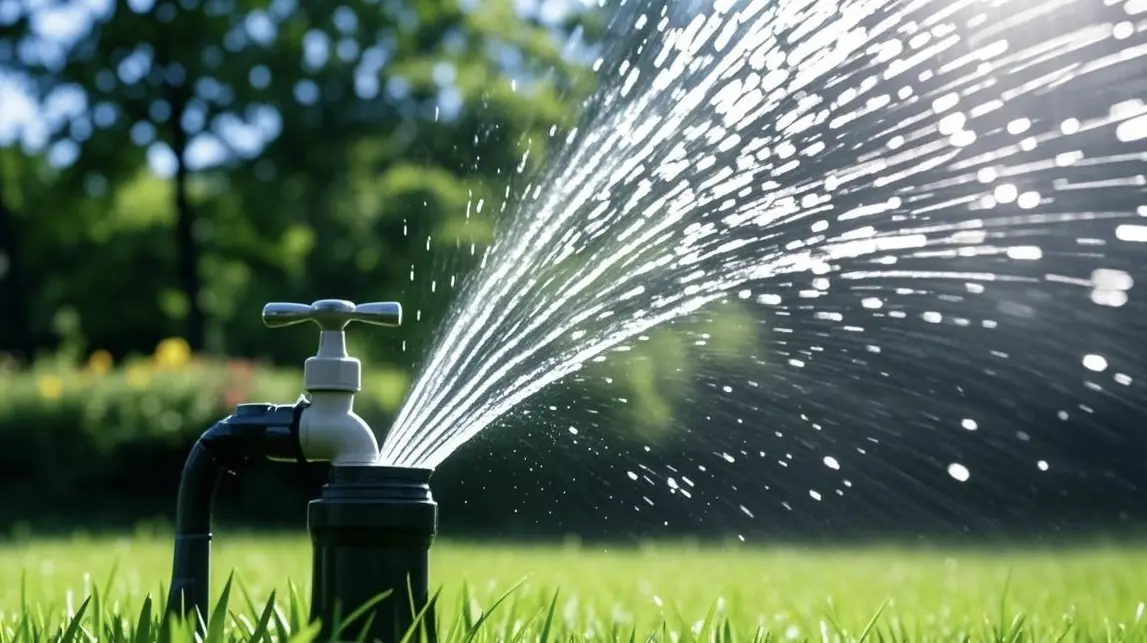
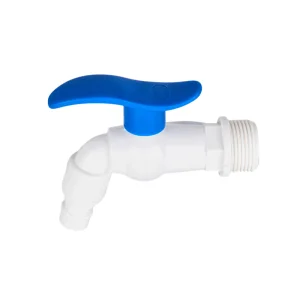
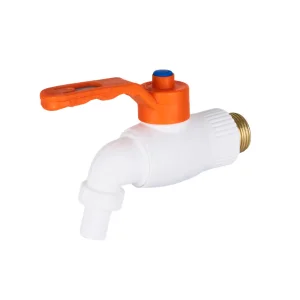
For home decoration and municipal construction work, clean water transport is critical. The use of premium POM faucet nipples and PPR garden taps prevents heavy metal contamination. These components provide a durable, non-toxic, and chemical-resistant solution for internal building systems.
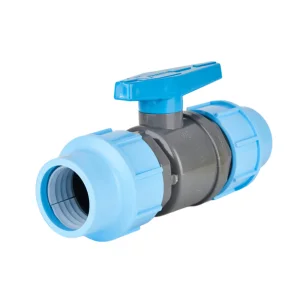
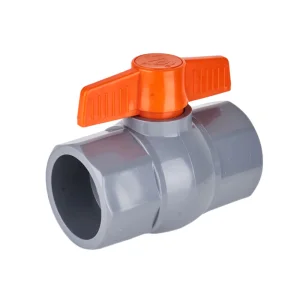
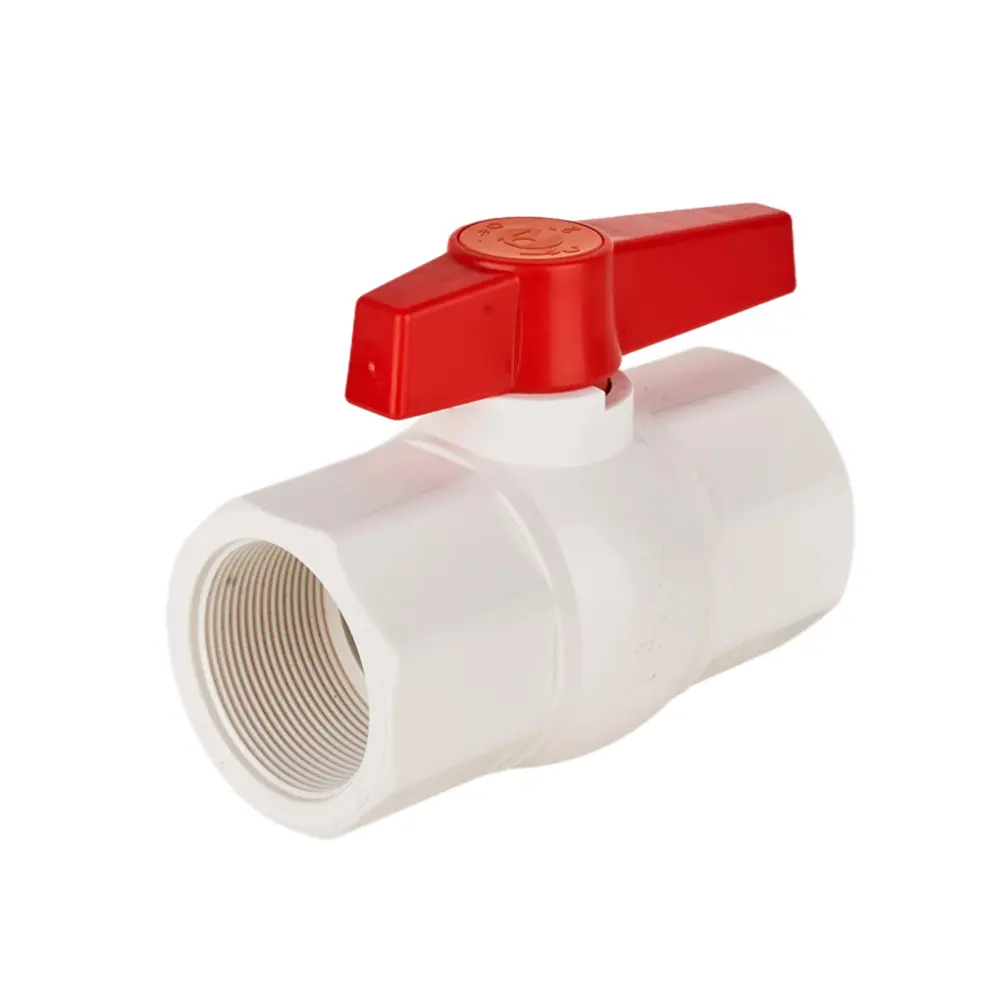
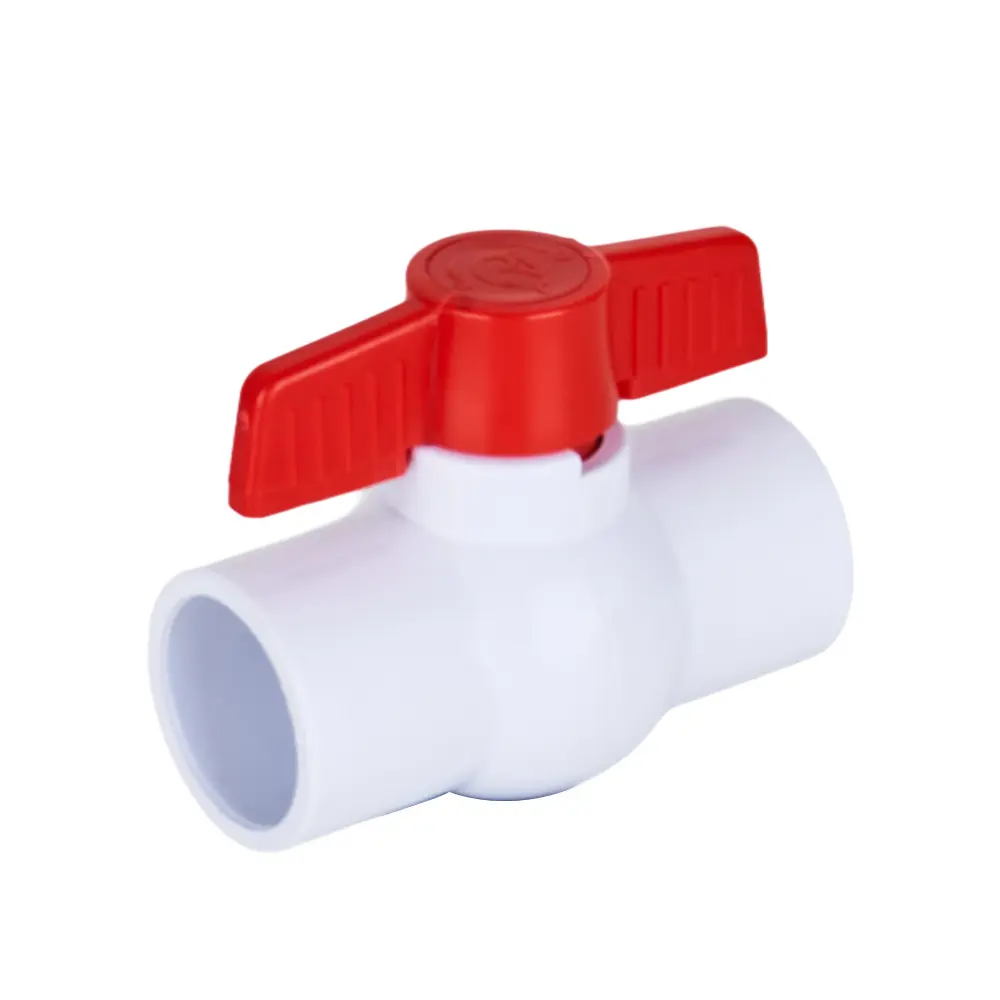
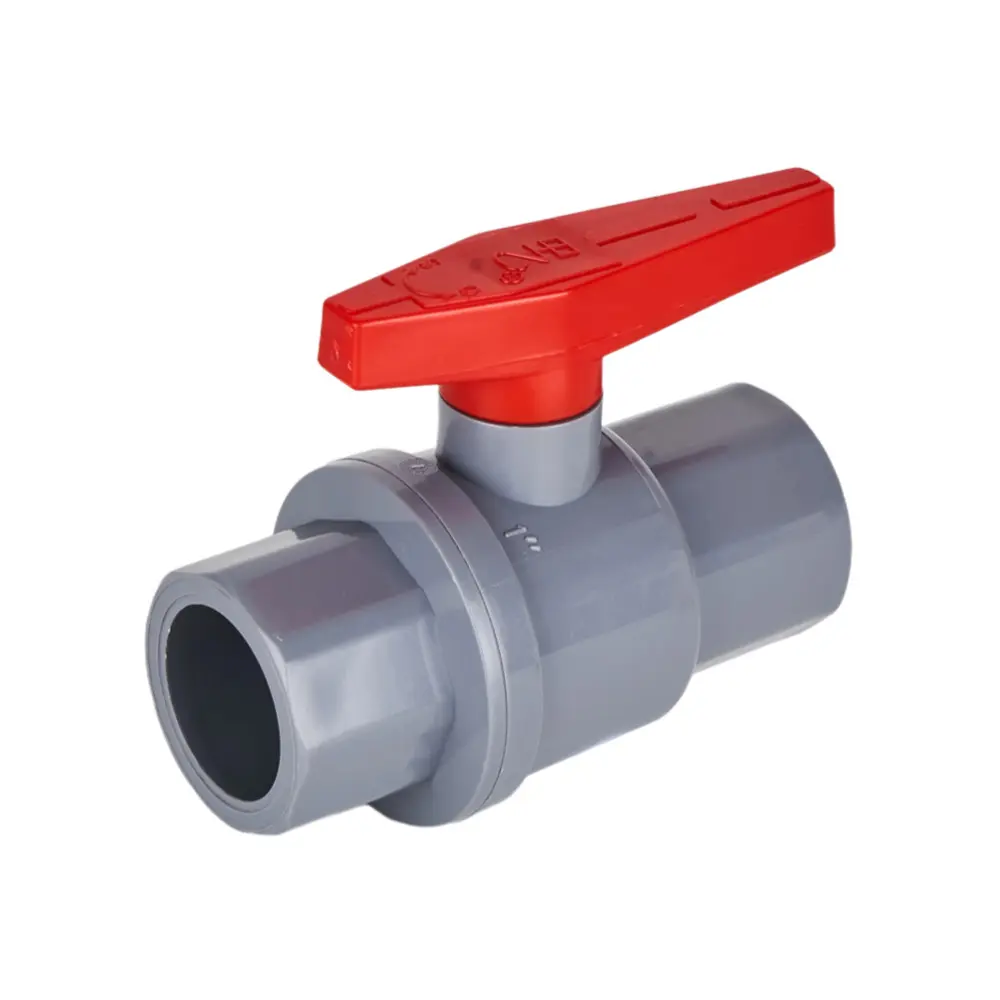
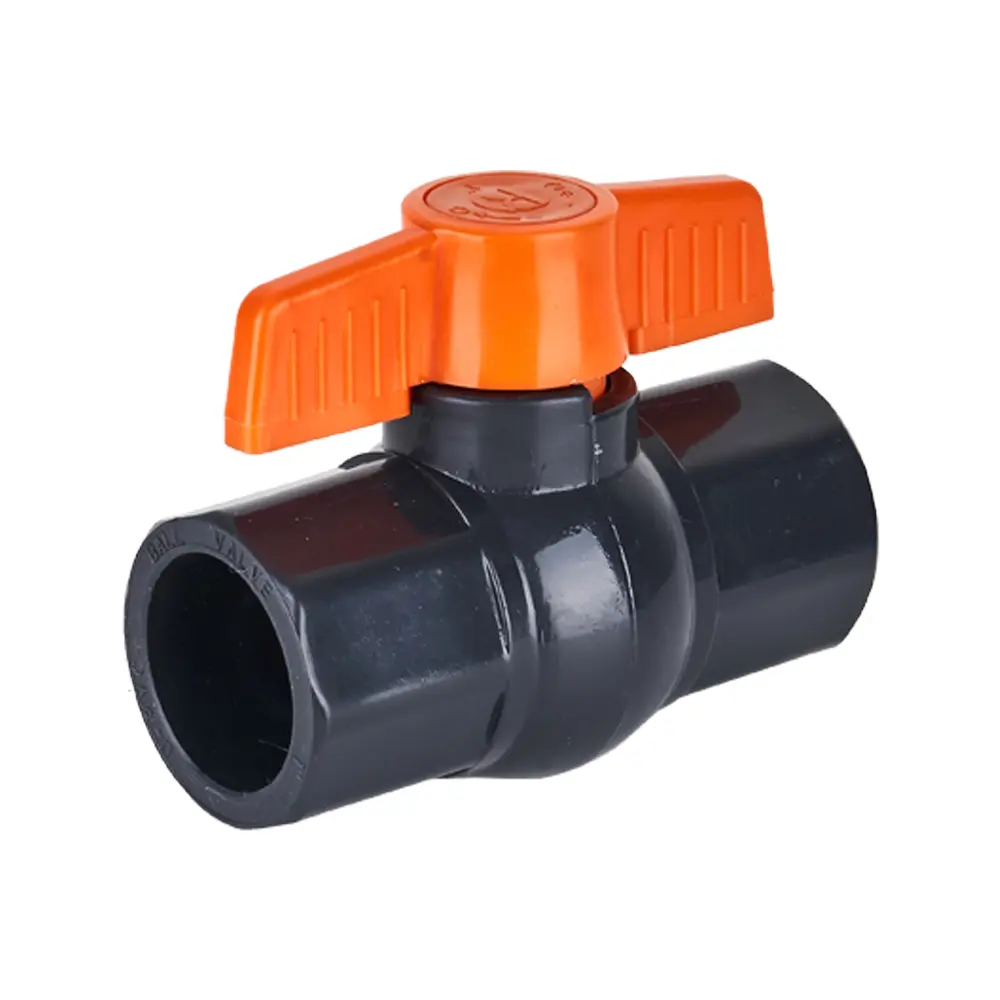
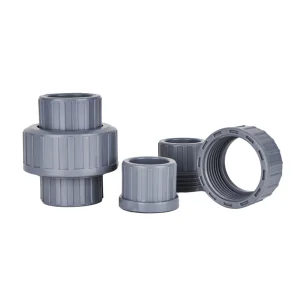
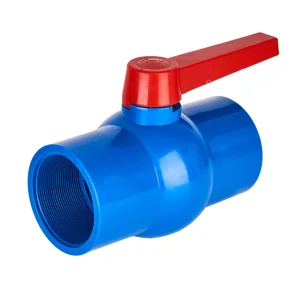
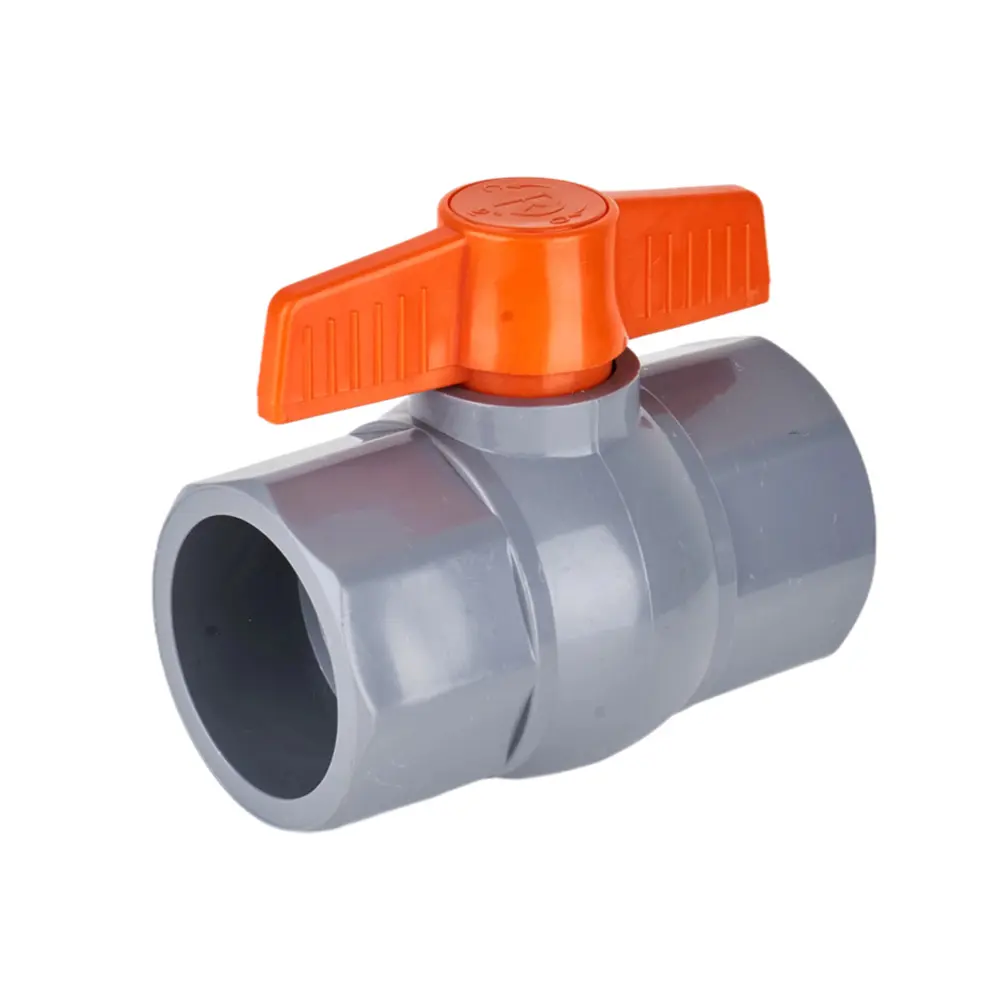
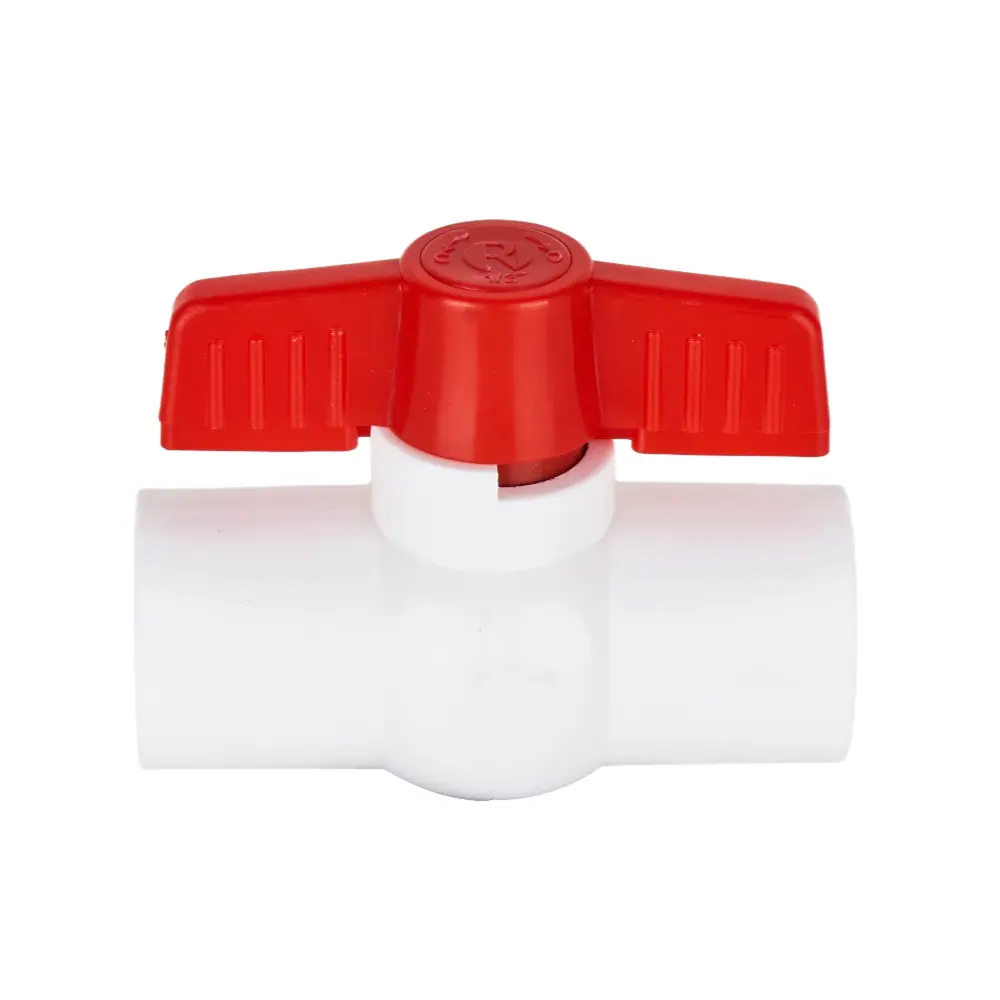
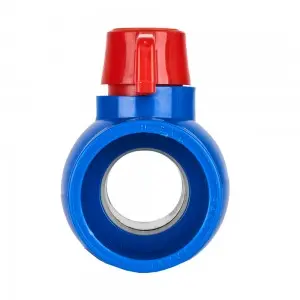
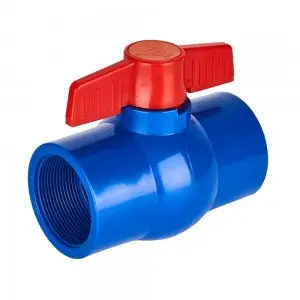
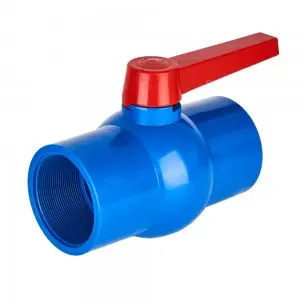
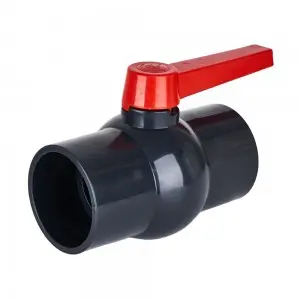
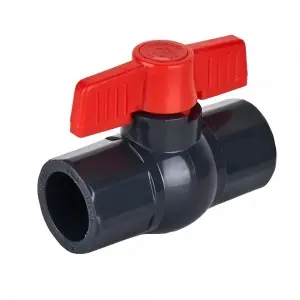
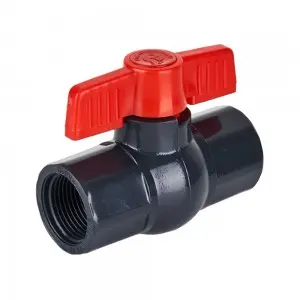
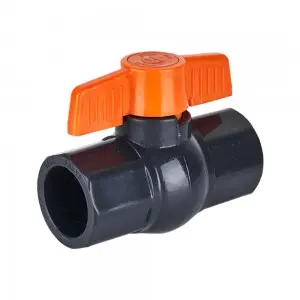
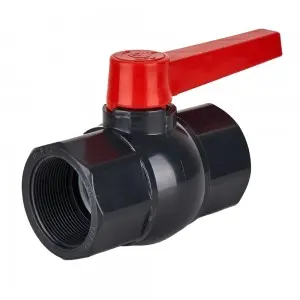
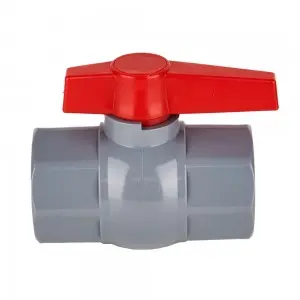
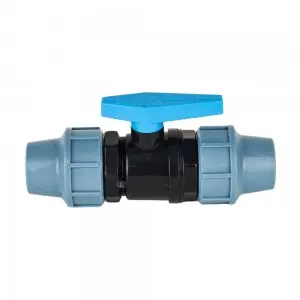
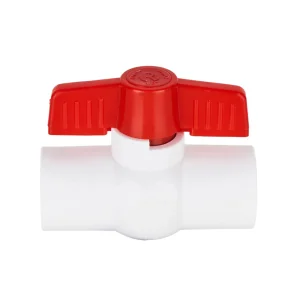
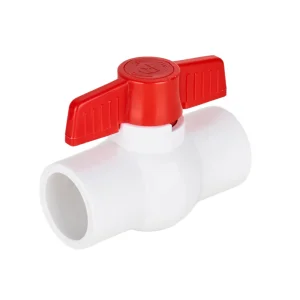
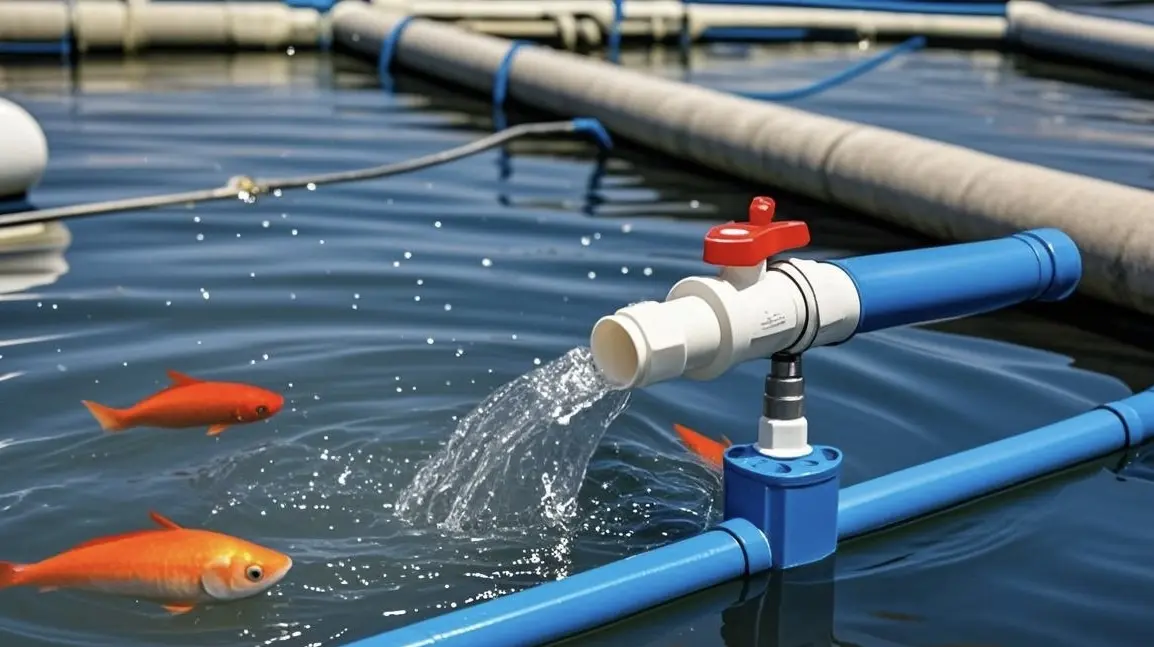
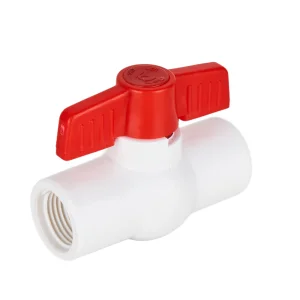
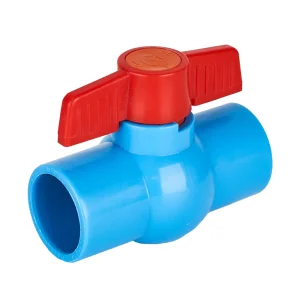
Large-scale irrigation systems and commercial fish cultivation plants require corrosion-resistant, robust flow control components. Ehao's PVC compact ball valves and double union configurations withstand environmental factors like high UV exposure, chemical fertilizer runoff, and constant water pressure.
From selecting and configuring the right machine for your job to helping you finance the purchase that generates noticeable profits.
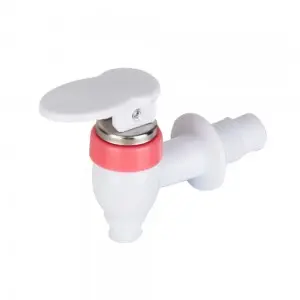
Product Detail QuickPacka...
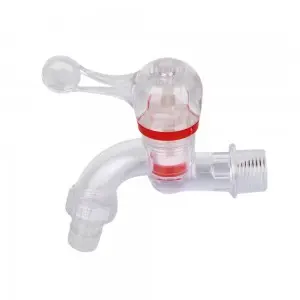
Engineered Polycarbonate
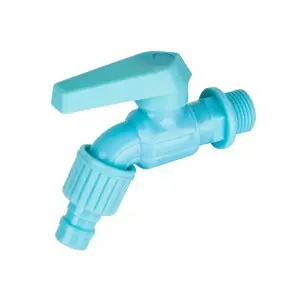
High Pressure Rating
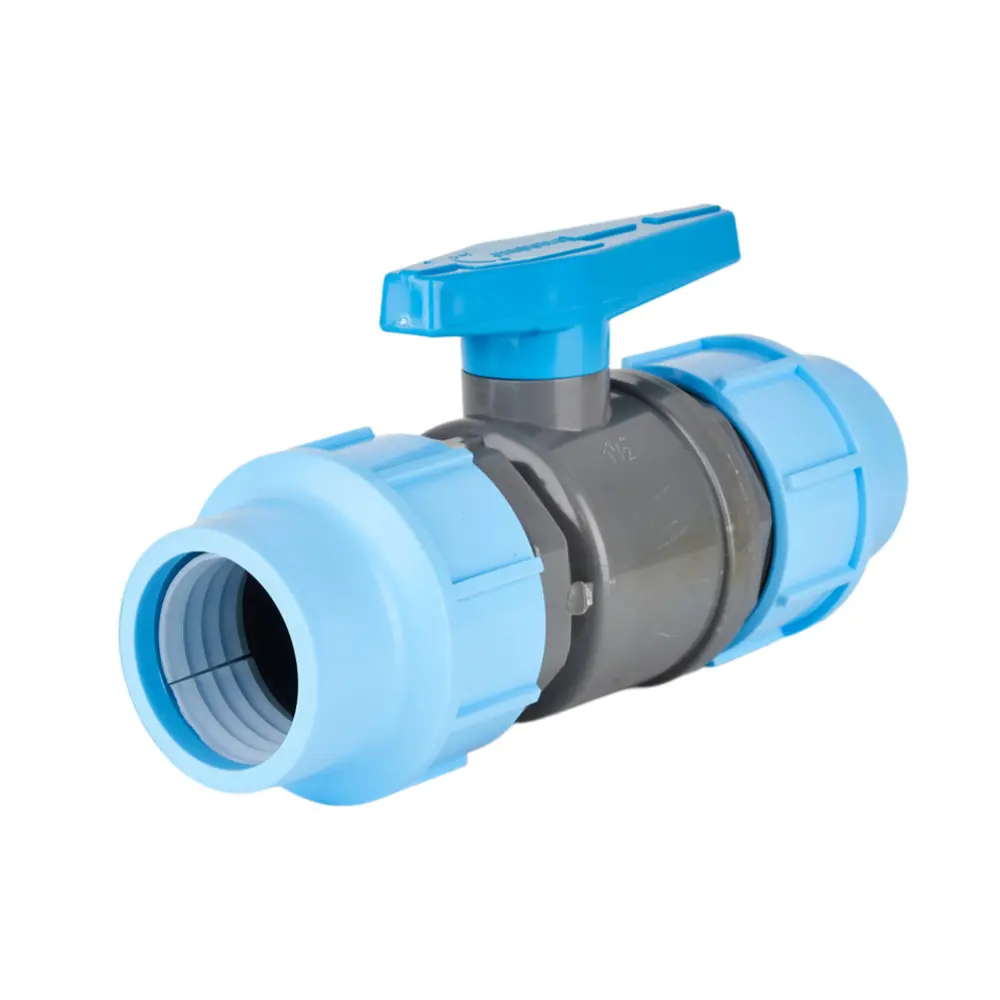
Dual Union Design
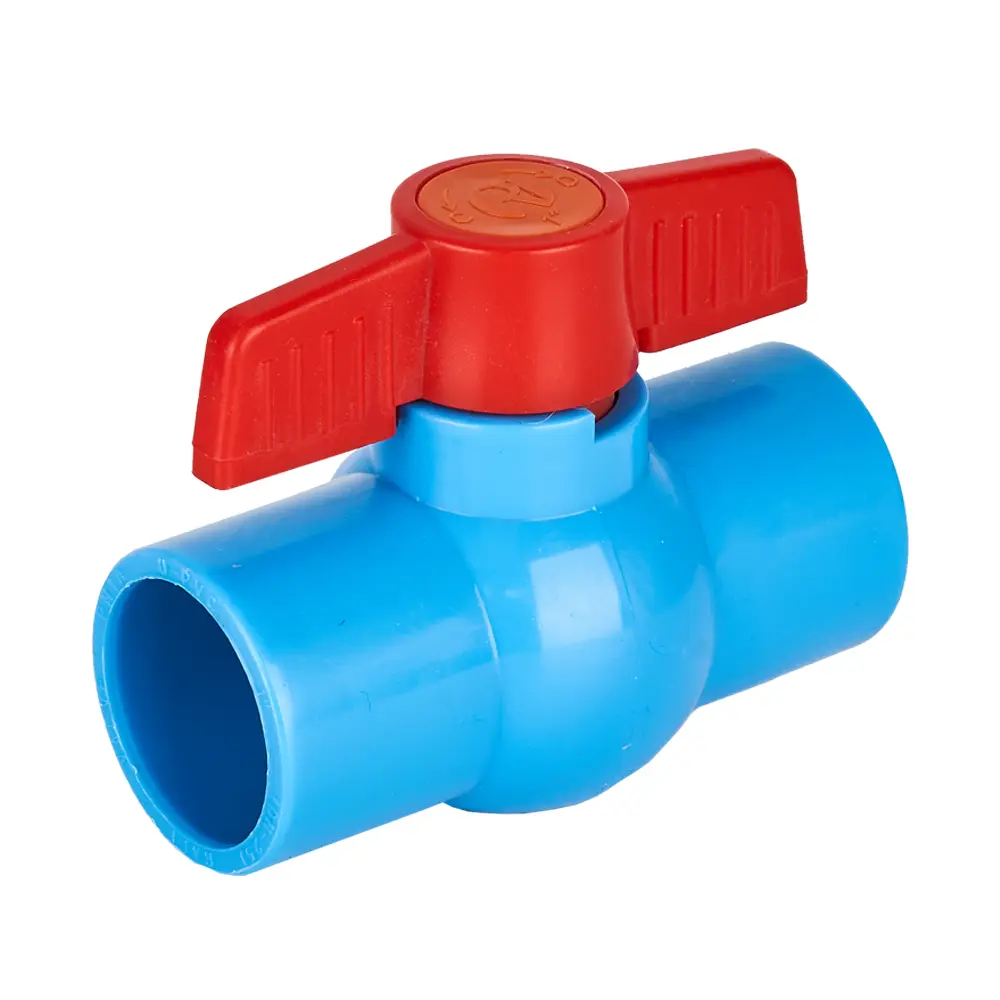
Solvent Cement Socket Connection
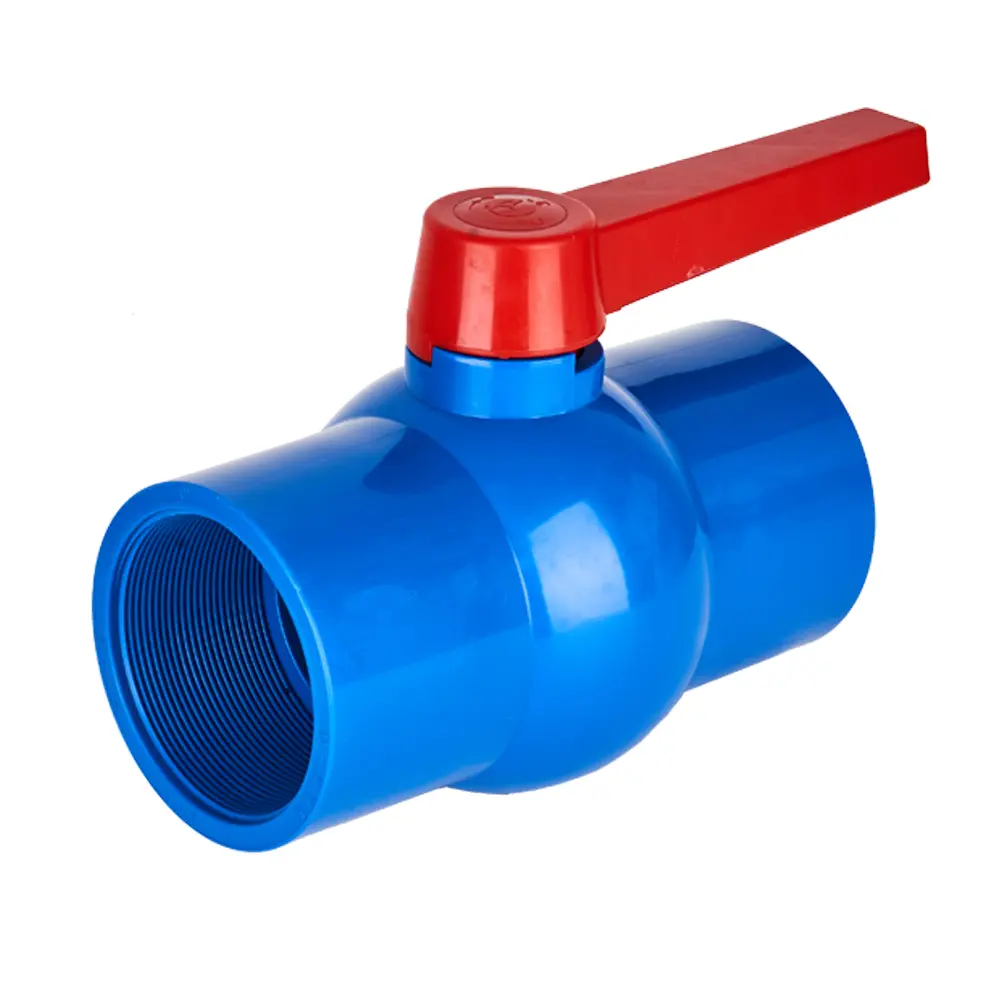
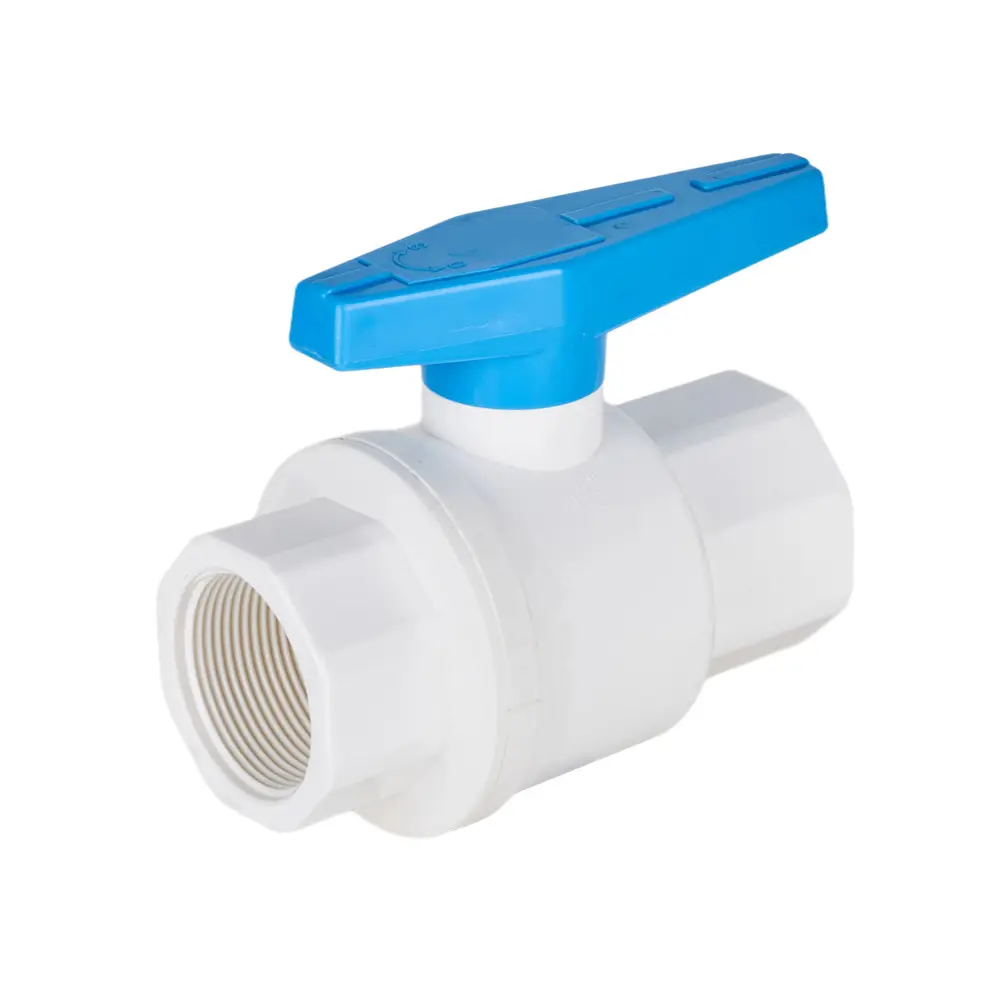
NPT / BSPT Threaded Options
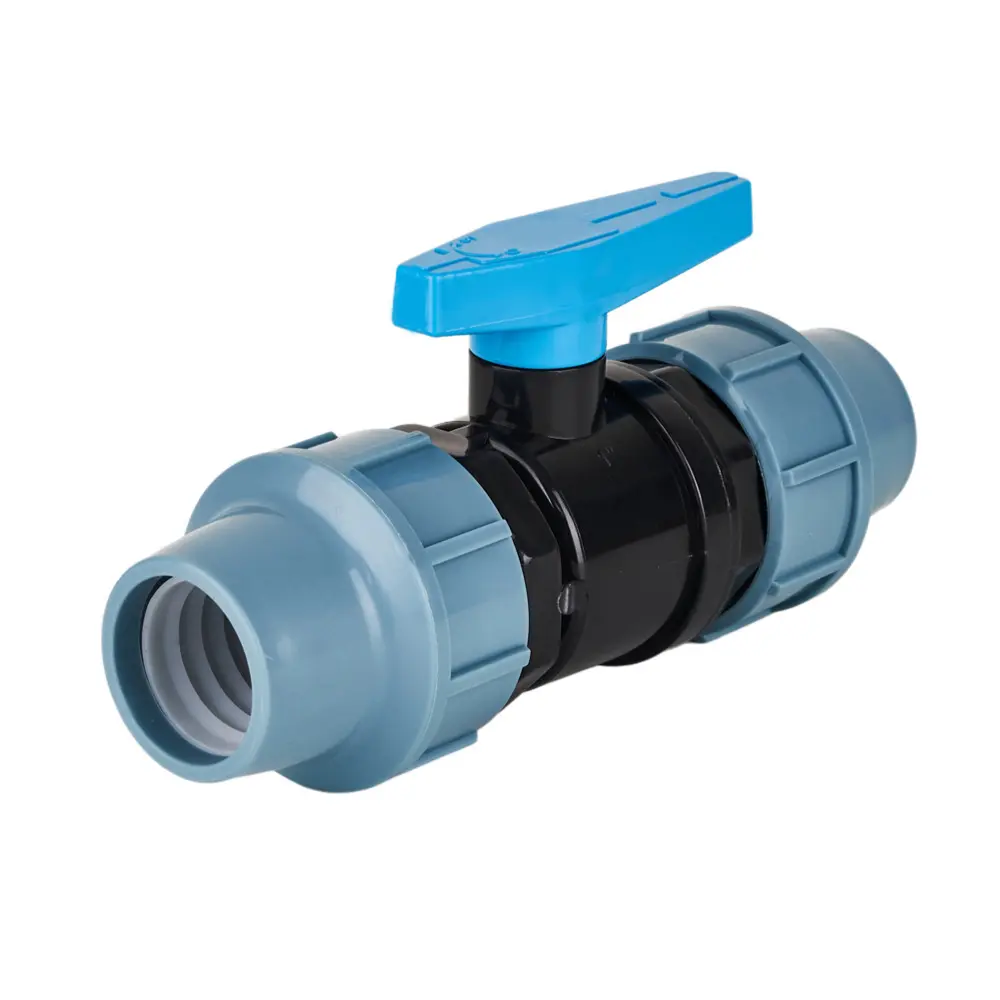
Industrial Process Grade
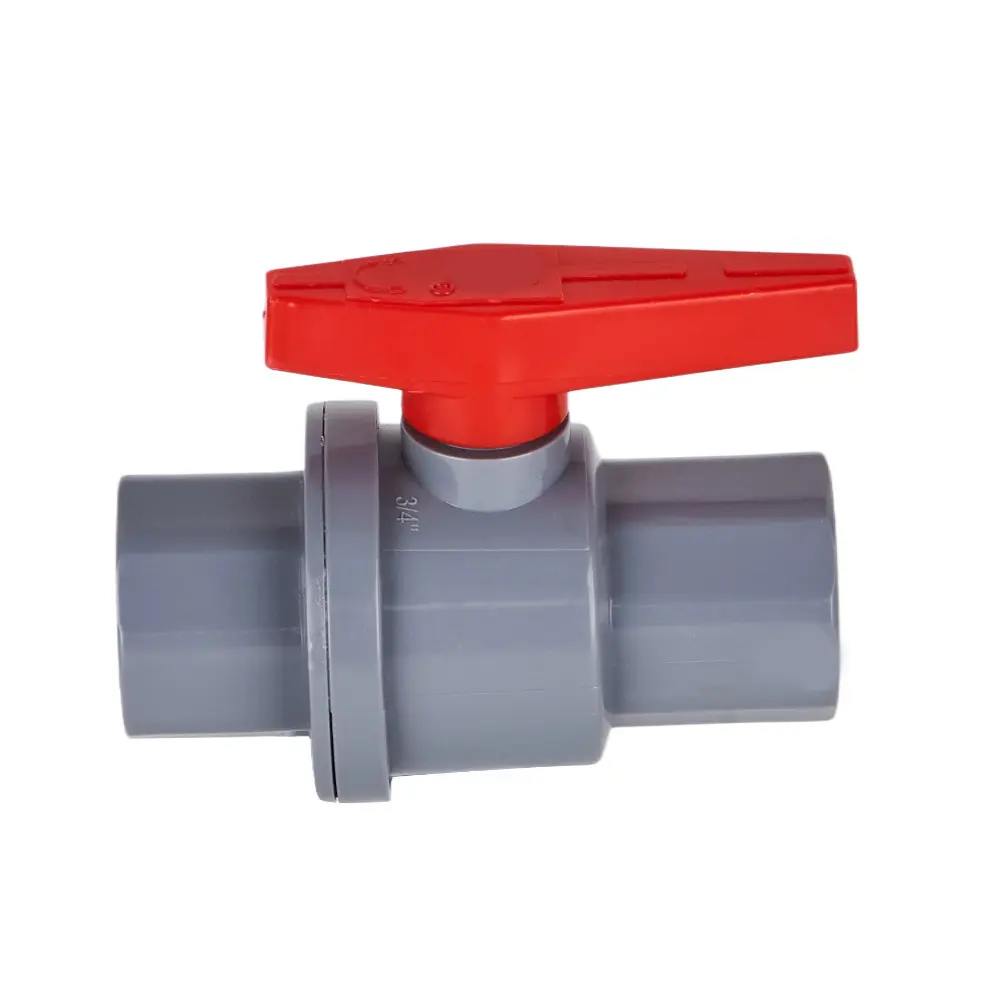
ABS Lever Actuator
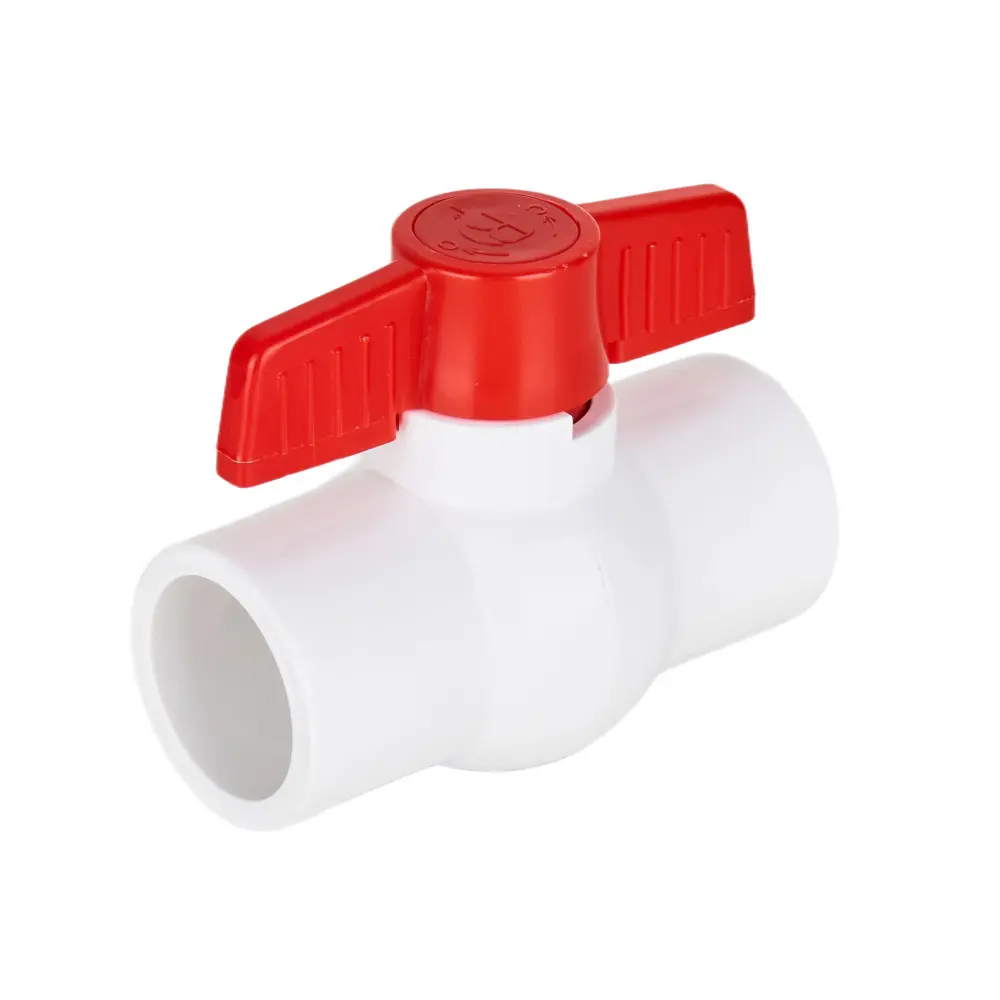
Schedule 40 Dimensional Match
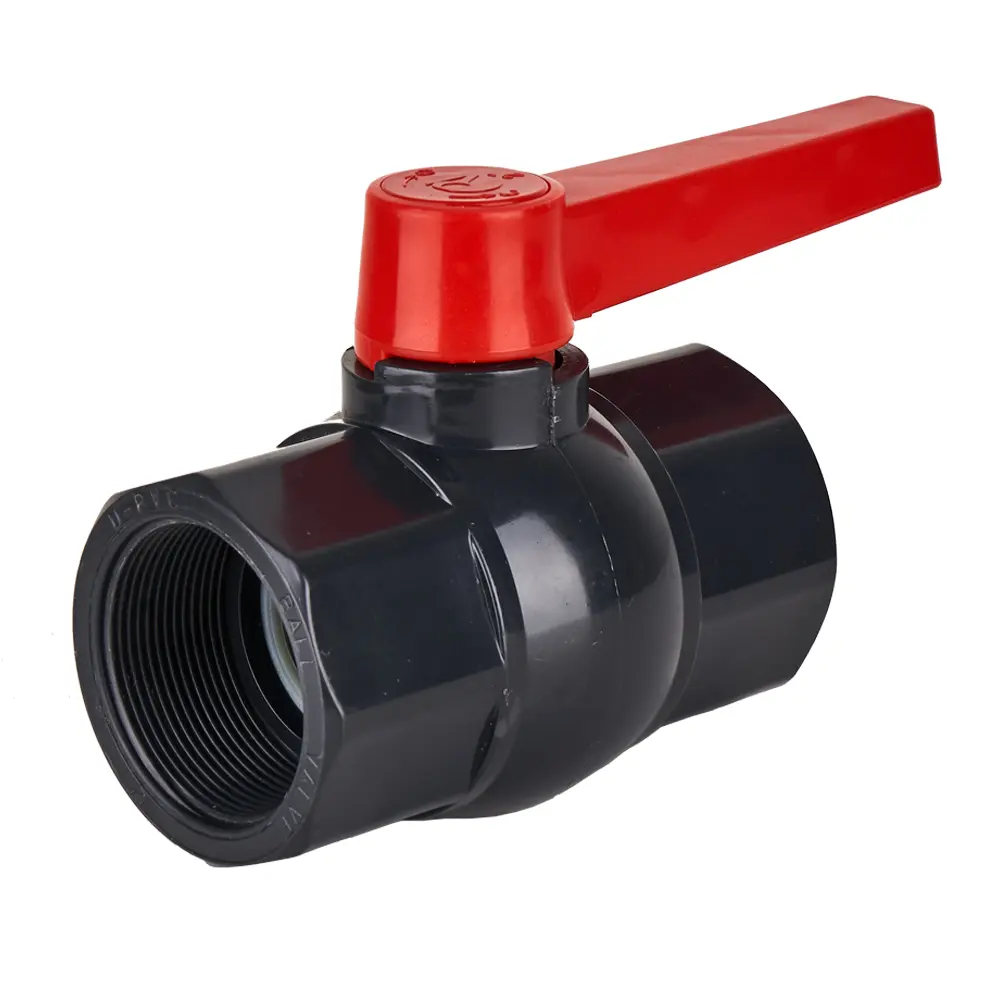
Octagonal Design for Torque Strength
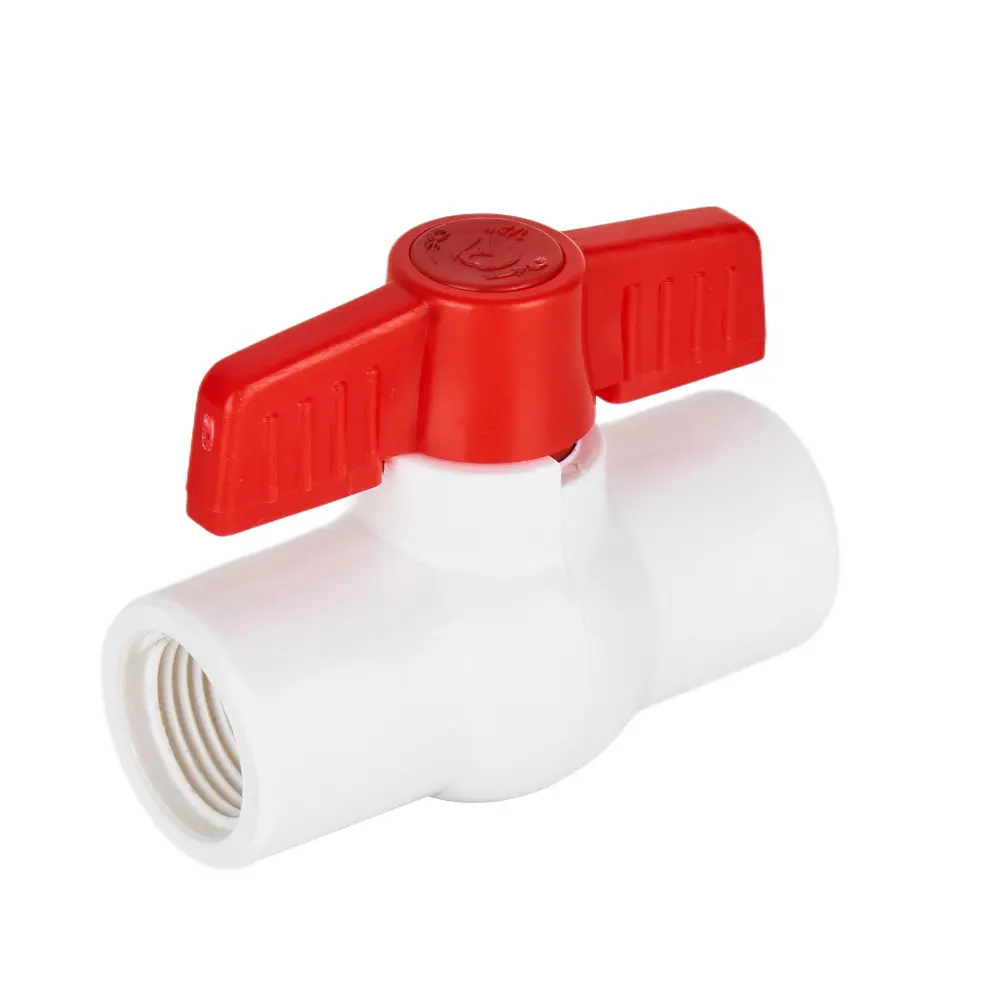
Compact Structure
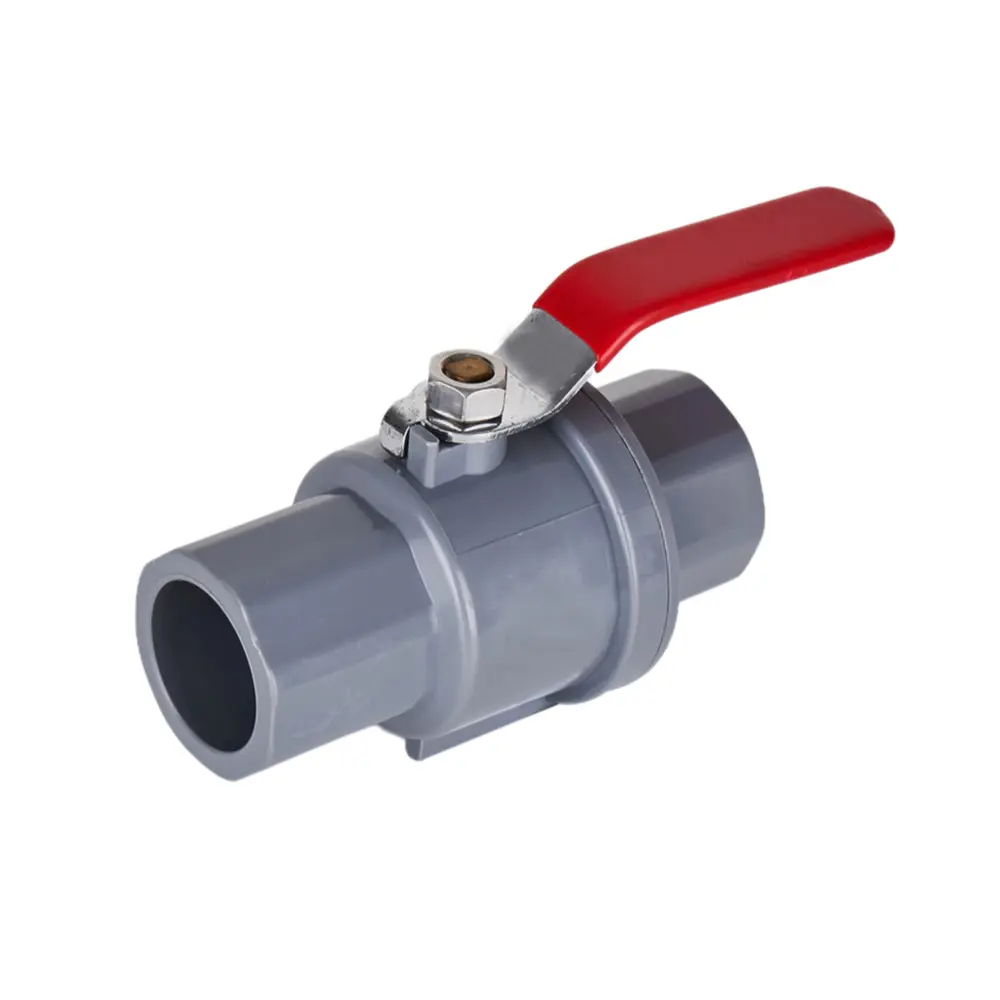
Stainless Steel Anti-Corrosion Handle
The comparative advantage of China's injection molding ecosystem relies on integrated supply chain logistics and specialized workforce training. Ehao Plastic Group utilizes high-speed computer automatic injection systems alongside specialized downstream processing machinery. This layout minimizes cooling-phase idle periods, optimizes thermal energy consumption, and controls scrap rates to narrow tolerance limits.
Beyond our standard catalog, Ehao specializes in complex plastic mold design and customization. Working from client drawings, CAD files, physical samples, or reference images, our engineers design and manufacture plastic molds for extrusion and injection setups. This customized approach ensures we can rapidly develop products to meet the design, material, and regulatory requirements of clients across diverse global markets.
Deploying plastic piping networks or water delivery systems in chemical plants, residential areas, or modern irrigation grids requires proven mechanical compliance. Ehao Plastic Group products are manufactured to conform directly with German standard specifications DIN 8077 and DIN 8078. These standards define the raw polymer composition, physical tolerances, and thermal stability requirements for pressure piping systems.
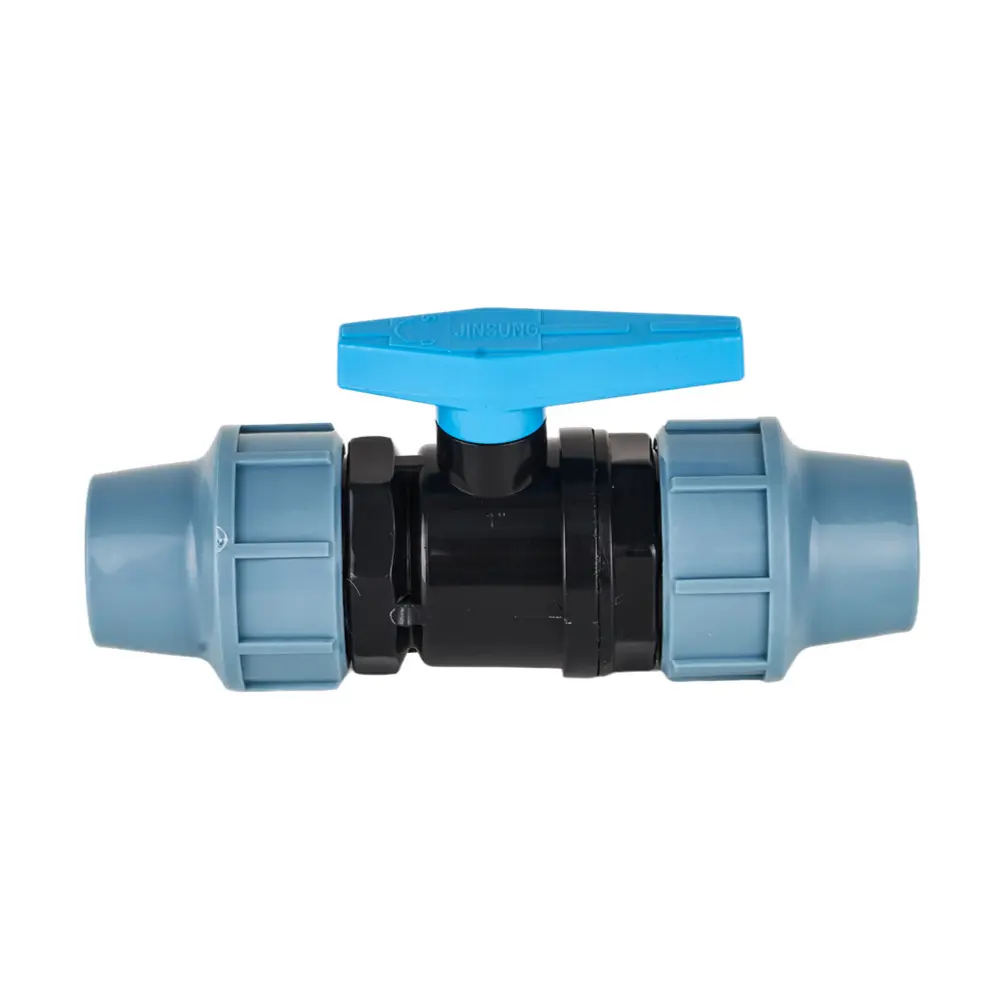
Focuses on dimensions and tolerances of polypropylene (PP) pipes. Our manufacturing processes conform directly to these dimensional standards, ensuring compatibility with global pipe fittings and simplifying municipal, commercial, and industrial plumbing installations.
Governs the general quality requirements and long-term testing parameters for PP piping components. Compliance ensures chemical stability, reliable pressure resistance, and thermal durability over decades of active service.
Additionally, our 26 steps of scientific testing evaluate raw material density, melt flow index (MFI), torque performance of finished valve assemblies, and hydraulic burst limit pressures. This empirical testing system helps minimize system failures and ensures reliability for engineering, distribution, and procurement managers worldwide.
Commercial buyers require proof that raw materials (such as POM, PVC, and PP resins) do not contain toxic fillers, lead, or recycled plastic of unknown origin. Pure virgin raw materials ensure compliance with local health regulations and sustain optimal structural strength.
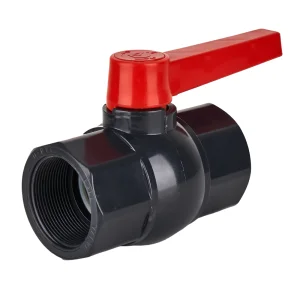
Industrial ball valves must open and close repeatedly without structural failure or leakage. Buyers evaluate internal ball smoothness, the quality of PTFE seats, and stem seal durability to minimize operating friction and system downtime.
For customized municipal fittings, distributors value partners with in-house tool design capabilities. An integrated supplier path from initial CAD review to test runs, mechanical testing, and mass production minimizes lead times and speeds up time-to-market.
Our quality control program consists of a 26-step scientific testing process. This includes incoming resin density validation, automated injection temperature profiling, dimensional calibration, high-pressure hydrostatic testing, and destructive torque evaluation. Every valve produced undergoes pressure testing before packaging to ensure performance and reliability.
We work with a wide range of thermoplastic resins, focusing on high-grade Polyoxymethylene (POM), Polyvinyl Chloride (PVC), Unplasticized Polyvinyl Chloride (UPVC), Polypropylene (PP), and Polypropylene Random Copolymer (PPR). This selection allows us to produce durable, high-performance components suitable for various chemical environments and mechanical demands.
Yes, our in-house engineering and R&D teams specialize in mold design, fabrication, and custom polymer processing. We can construct production molds based on raw physical samples, component dimensions, or CAD files, ensuring the final products meet your exact design and structural requirements.
DIN 8077 specifies the precise dimensions and tolerances for PP pipes, ensuring a proper fit with compatible components. DIN 8078 outlines key physical requirements, including thermal stability, resistance to environmental stress cracking, and pressure tolerances. Adherence to these standards ensures the long-term reliability and compatibility of our piping components in demanding global installations.
 EHAO
EHAO