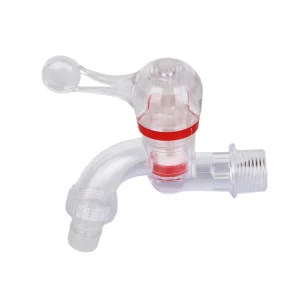
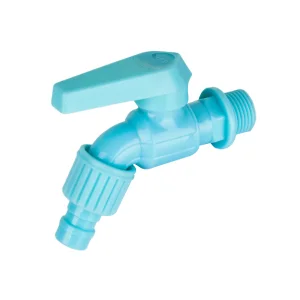
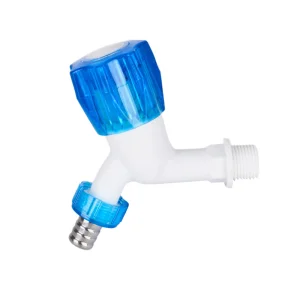
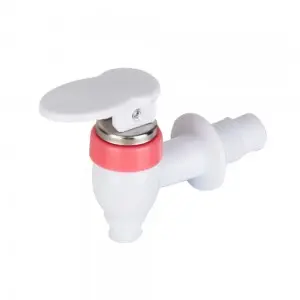
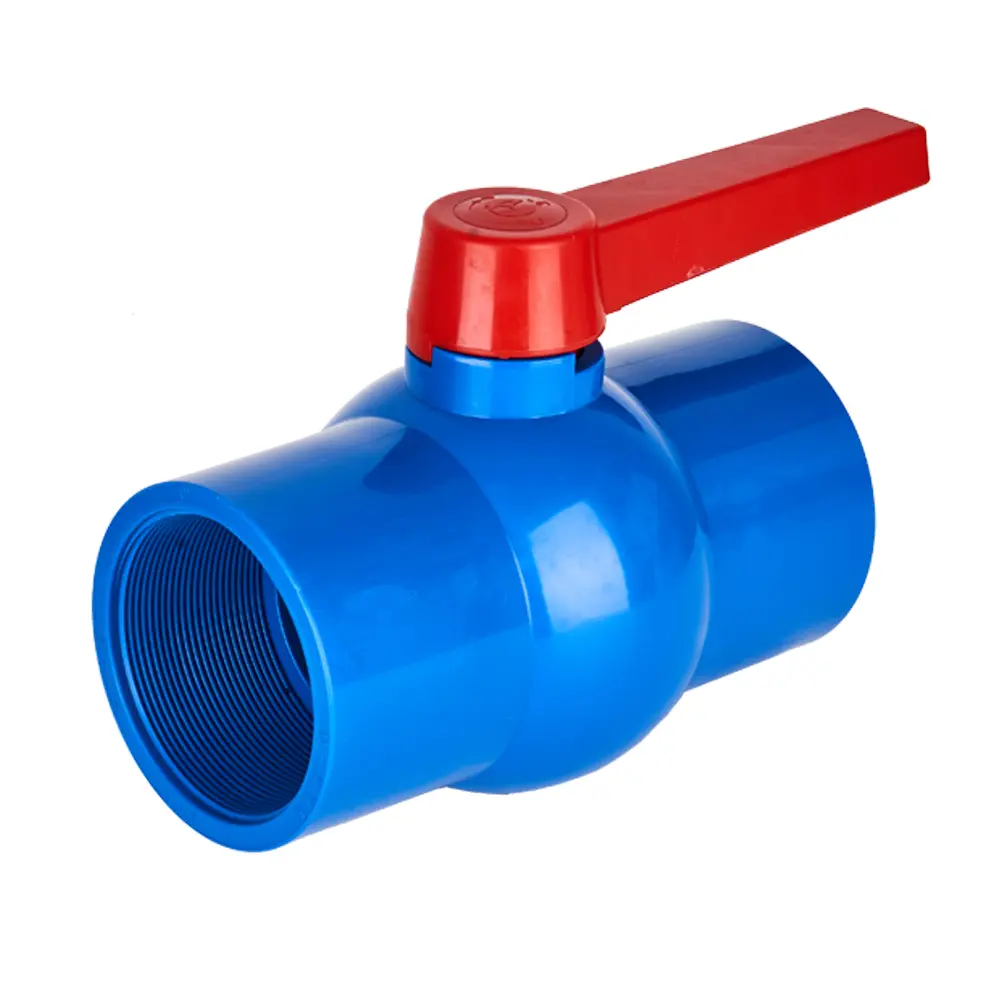
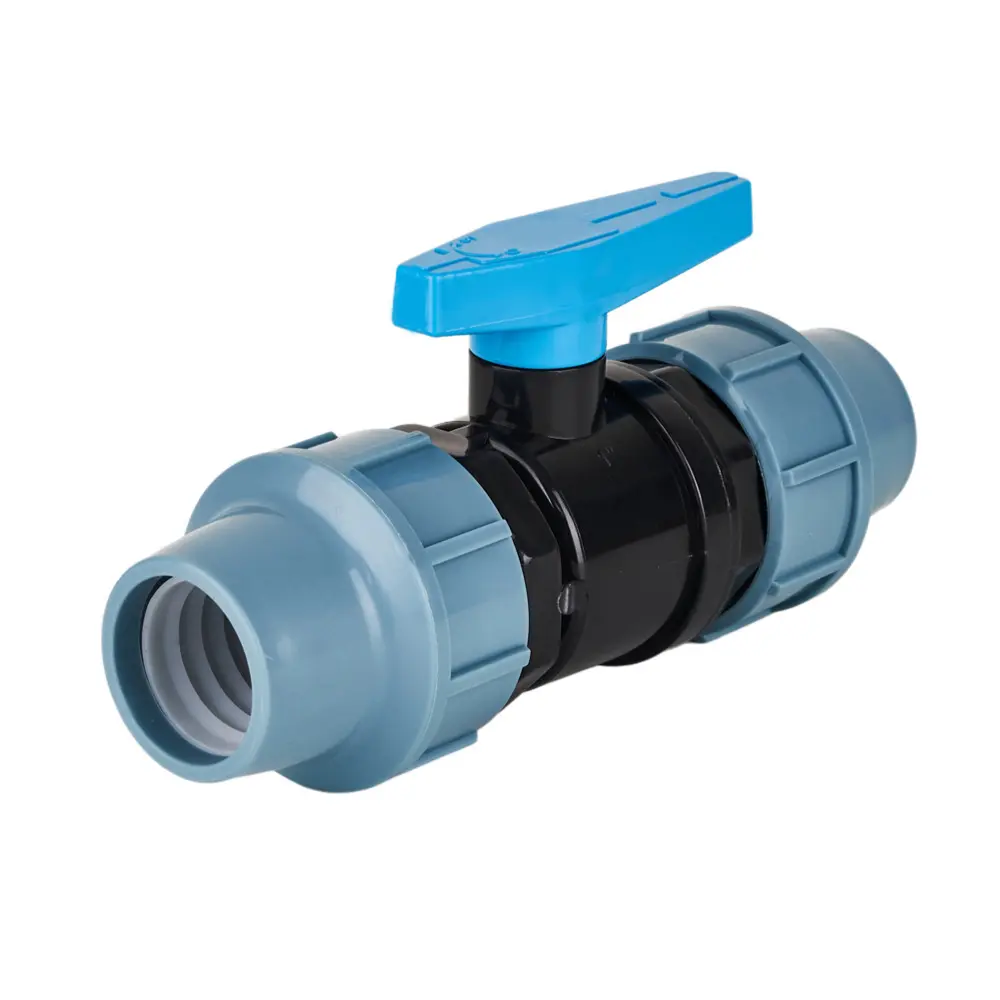
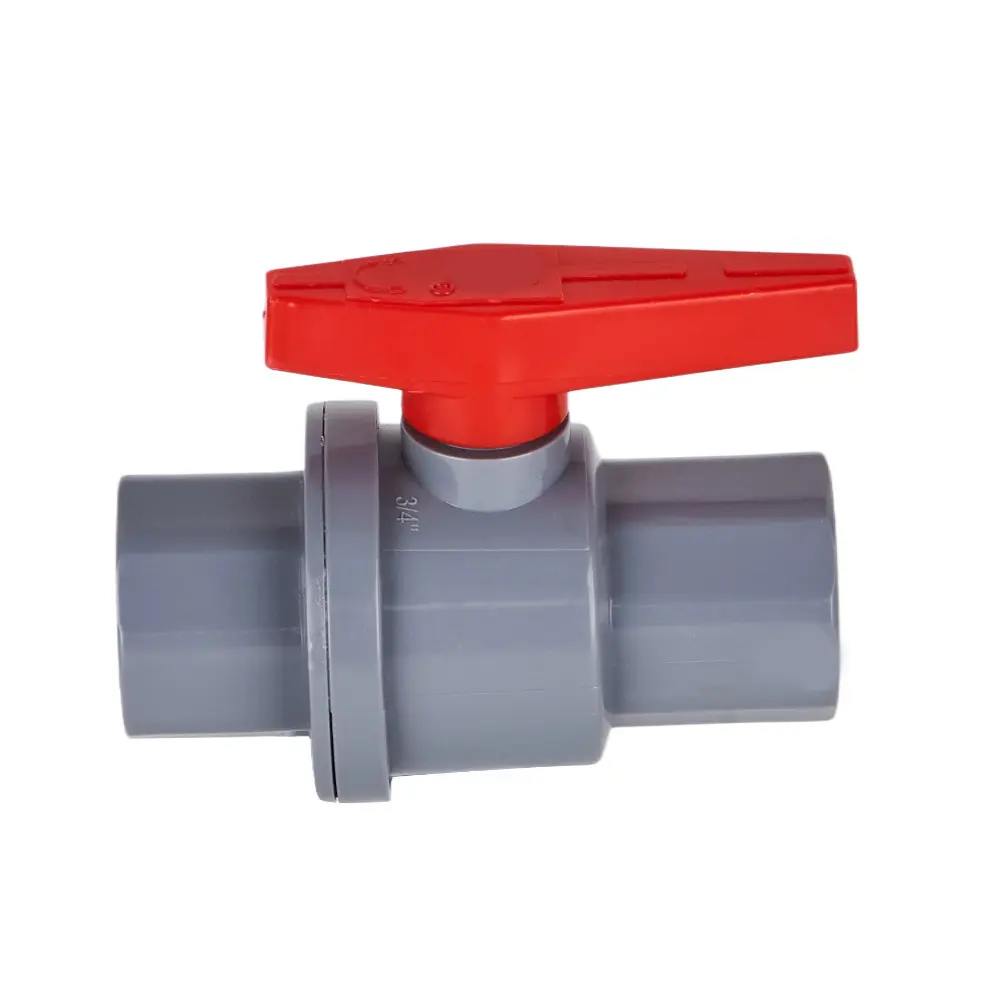
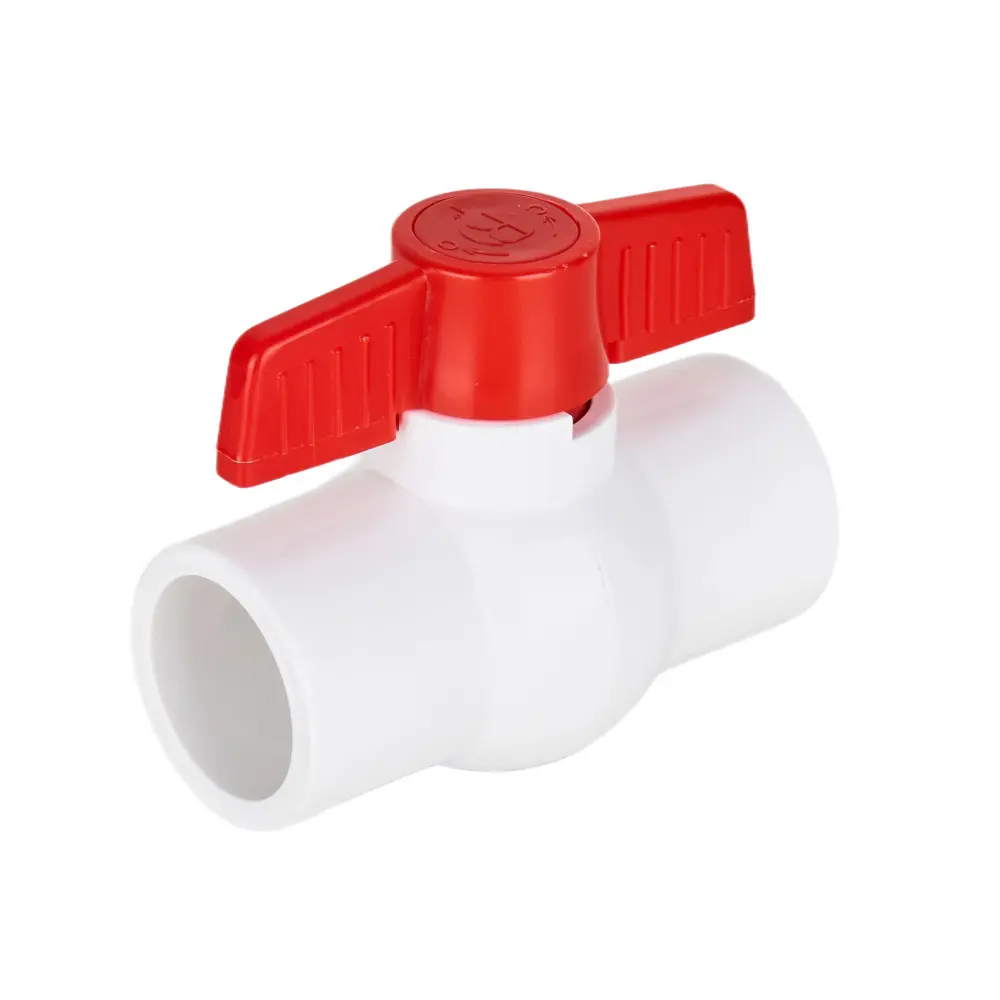
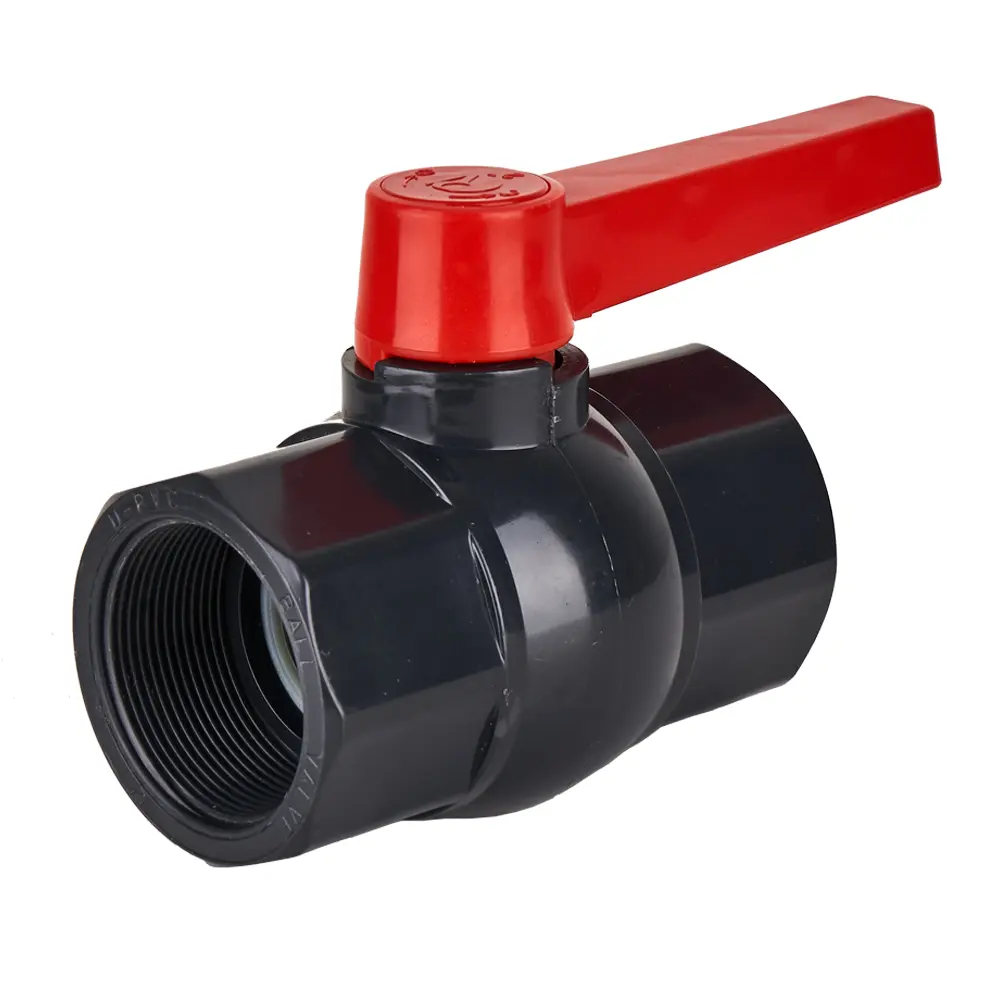
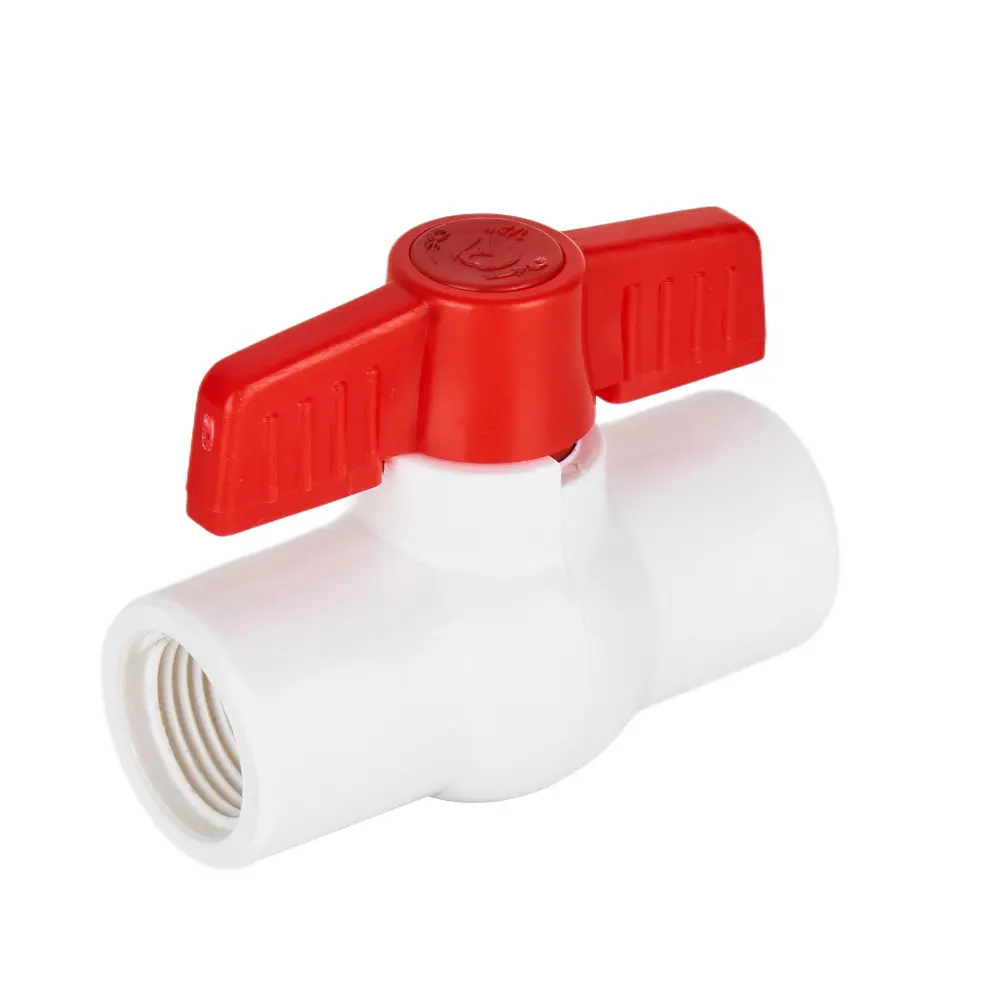
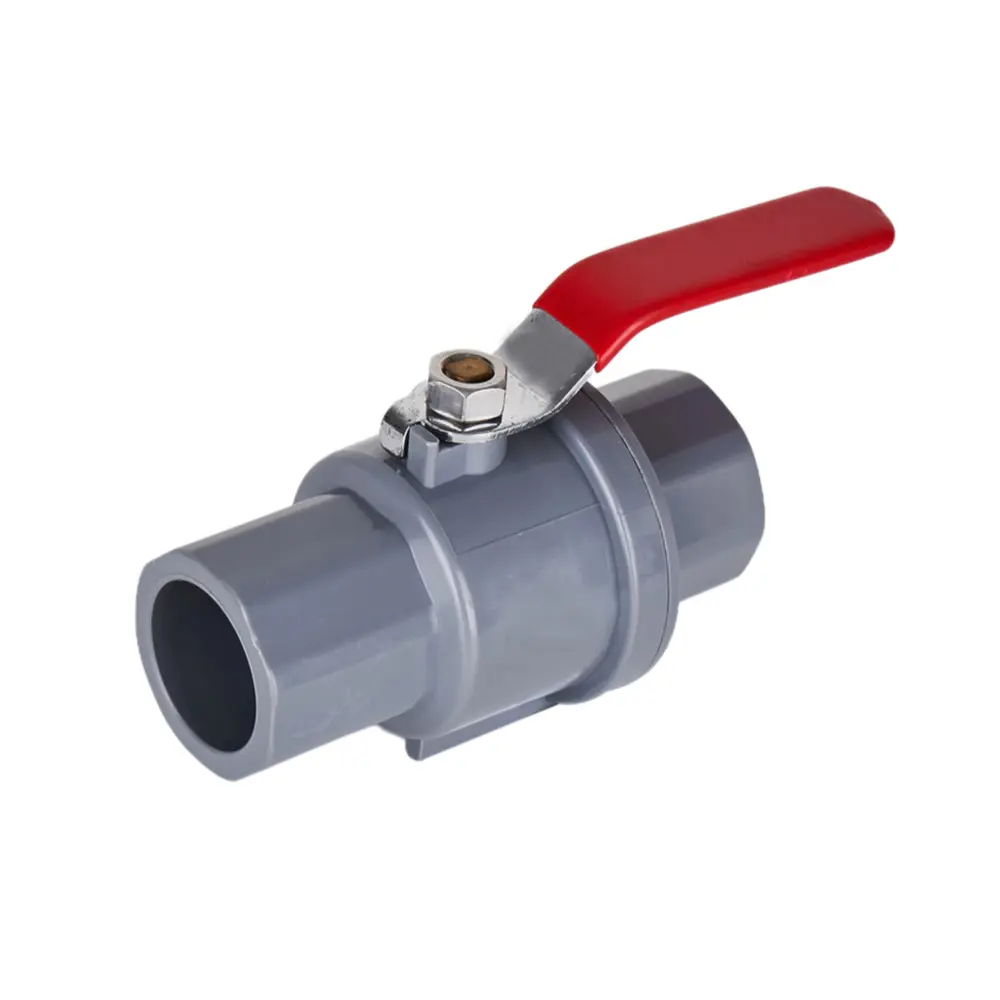
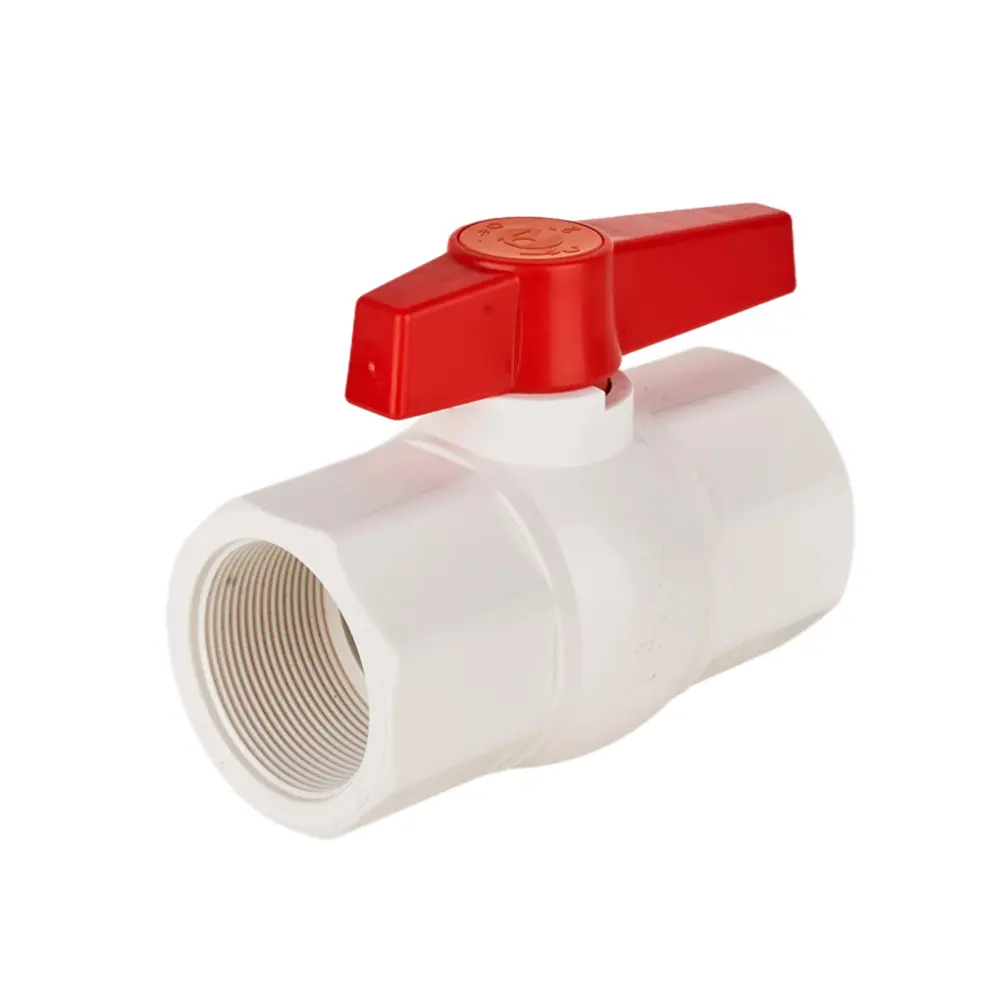
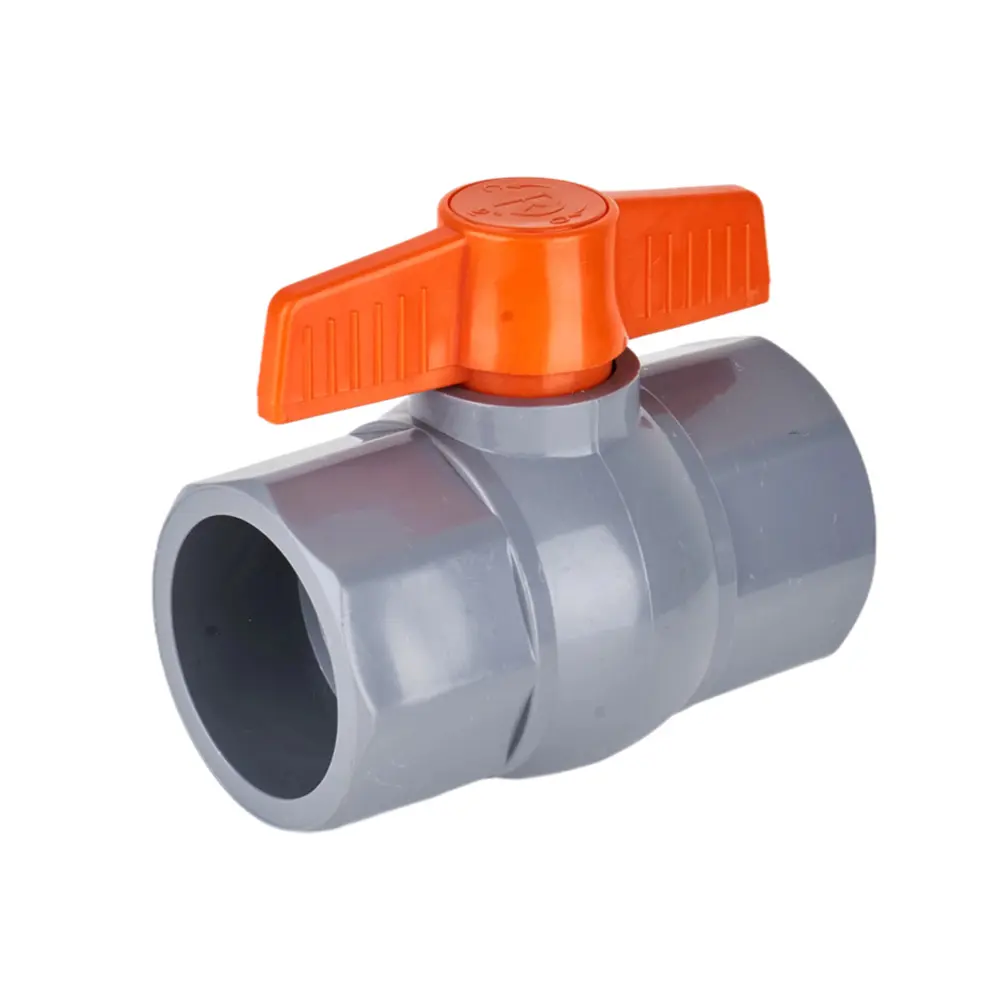
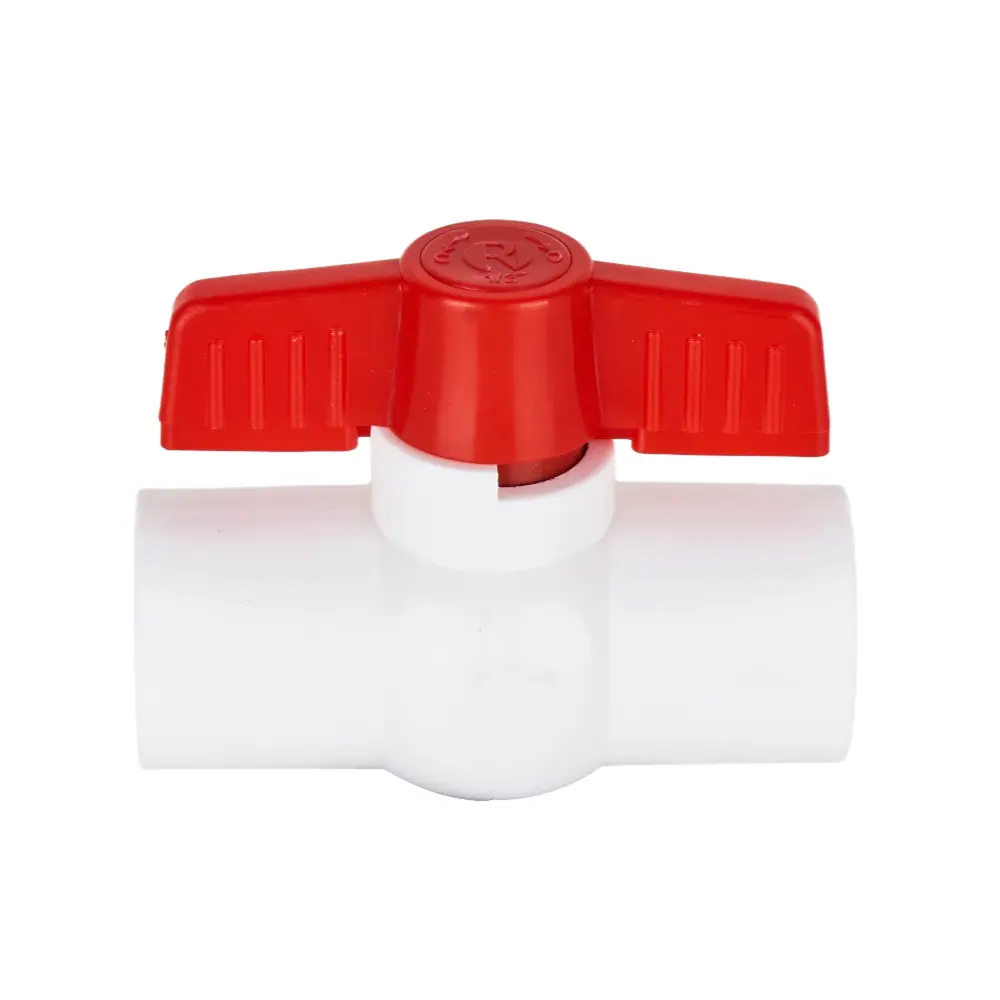
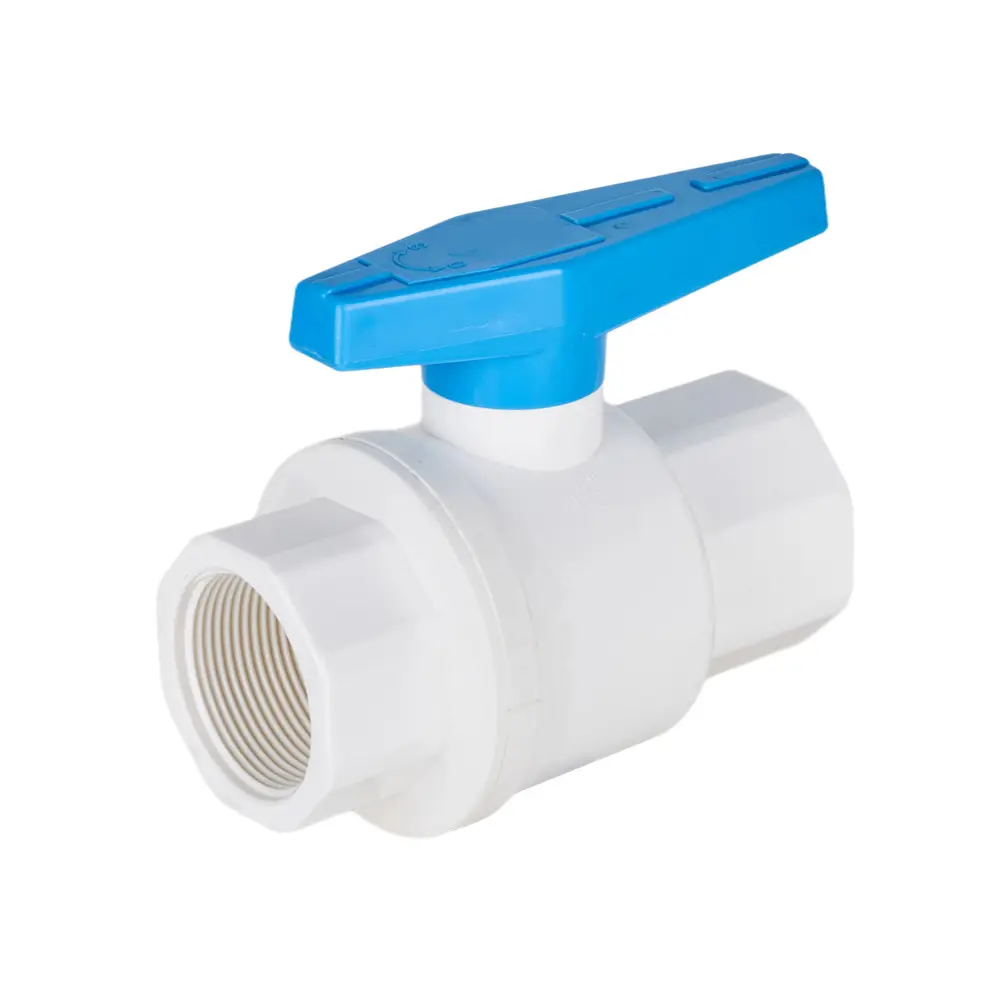
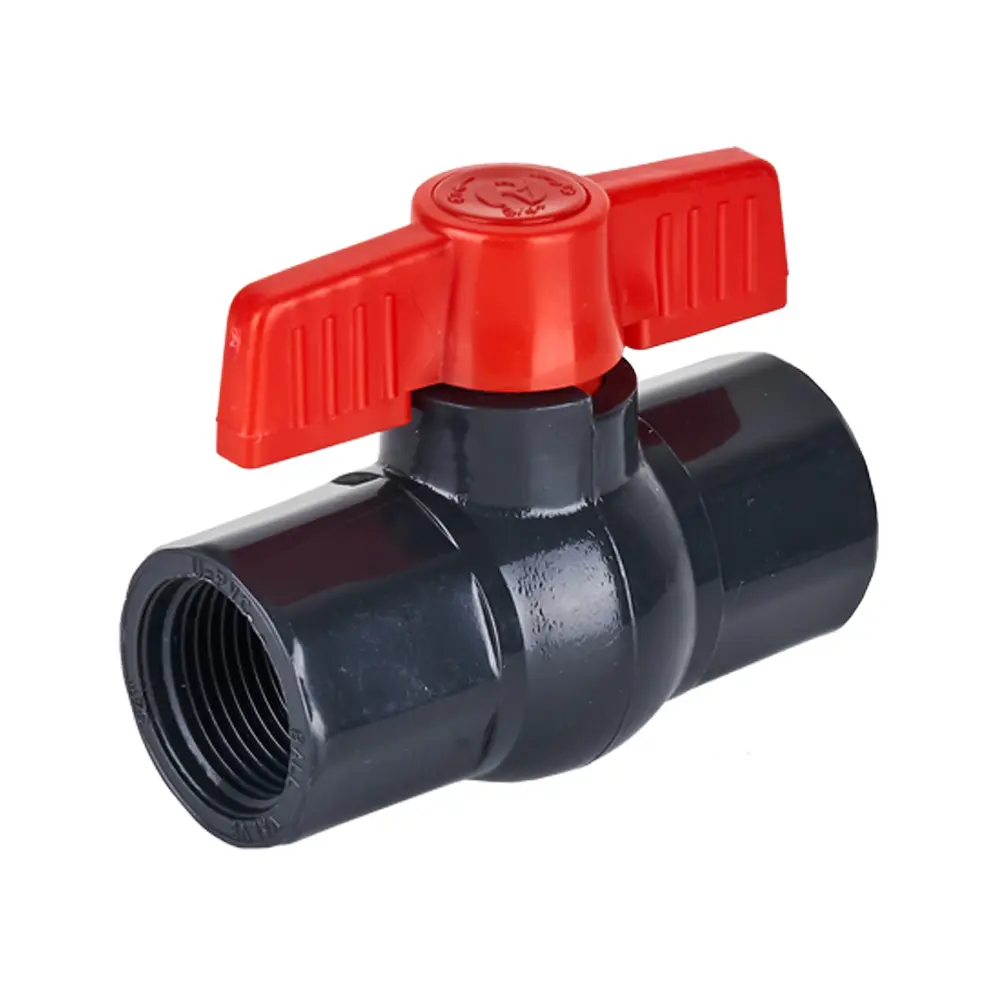
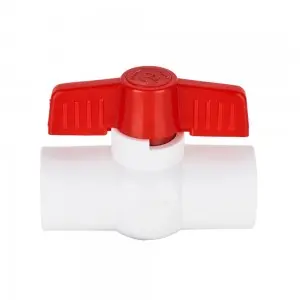
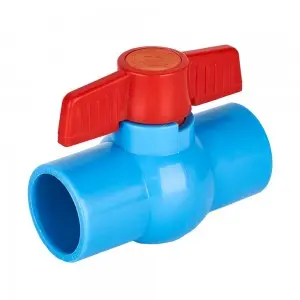
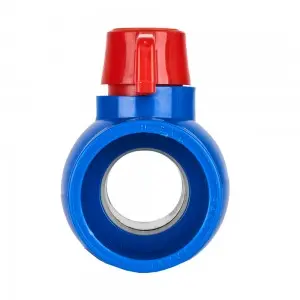
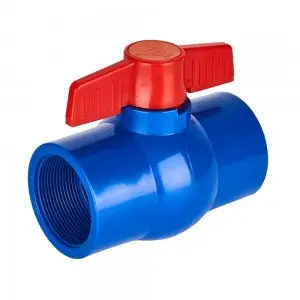
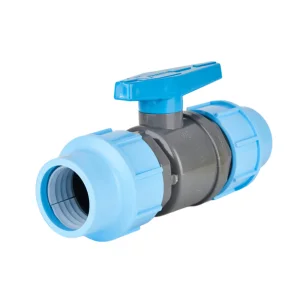
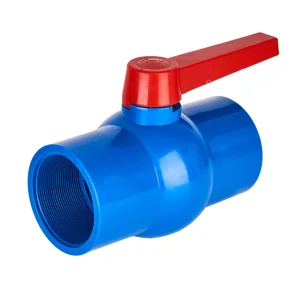
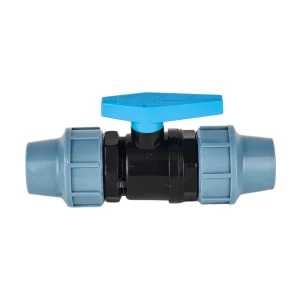
Explore our world-class inventory of high-performance PVC, UPVC, and PP components engineered using advanced tooling from Ehao Plastic Group.
The global plastic injection moulding market is undergoing a rapid technological evolution. Expected to cross a valuation of USD 450 billion in the coming decade, industrial demand is shifting from high-volume, low-cost duplication to complex, ultra-tolerance smart tool manufacturing. High-precision tooling is critical for components used in modern municipal pipelines, agricultural irrigation systems, microfluidic devices, and high-performance building systems.
As a global epicenter for toolmaking, China's injection mould manufacturers have migrated up the value chain. Leading manufacturers now leverage scientific moulding principles, simulation software (such as Moldflow analysis), and high-performance steel grades (such as H13, S136, and NAK80) to produce moulds that perform reliably over millions of cycles. Ehao Plastic Group, a pioneer in this technical transformation, represents this shift by merging domestic academic excellence with precision engineering equipment.
Ehao Plastic Group is a high-tech private enterprise integrating the research, development, and production of building materials, pipe fittings, and injection moulds. Ehao has established itself as an industry leader in the domestic PVC/UPVC ball valve market in China. Since our inception, we have partnered with institutions like the Chinese Academy of Sciences and Zhe浙江 University to incorporate polymer physics research directly into our tooling designs.
By importing advanced production lines and automated injection moulding equipment from Germany, Ehao guarantees component consistency. Each tool is developed utilizing advanced computer numerical control (CNC) machining, EDM (Electrical Discharge Machining), and rigorous quality checkpoints. Our corporate spirit—"honest, dedicated, innovation, and return"—drives us to maintain a business model focused on structural durability and technological development.
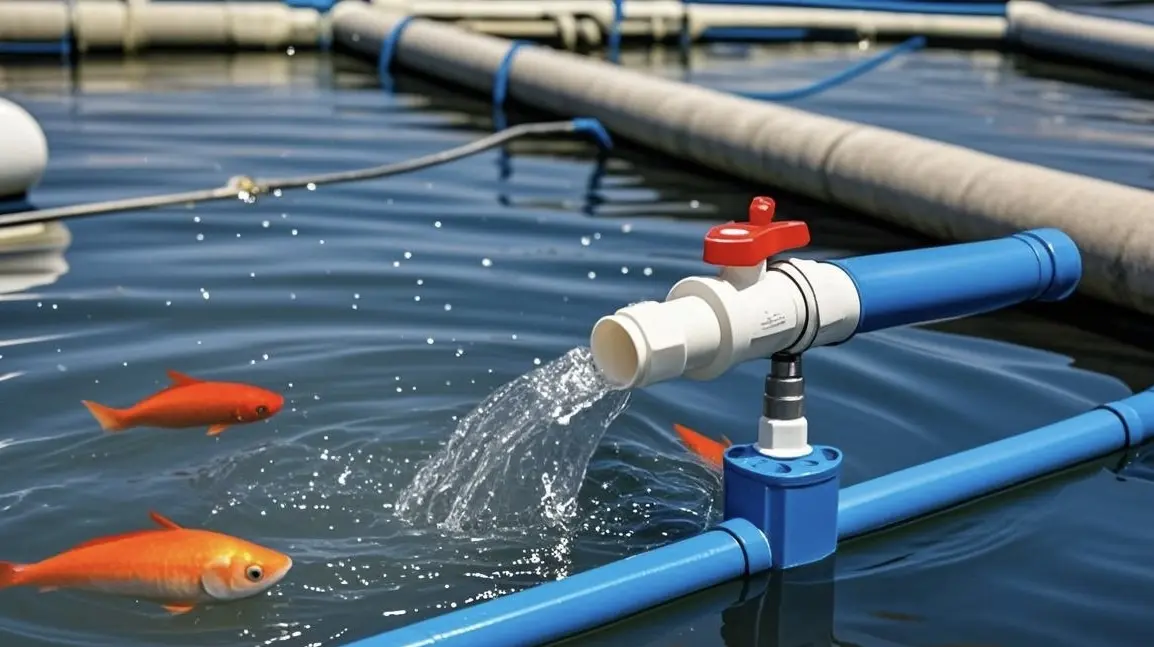
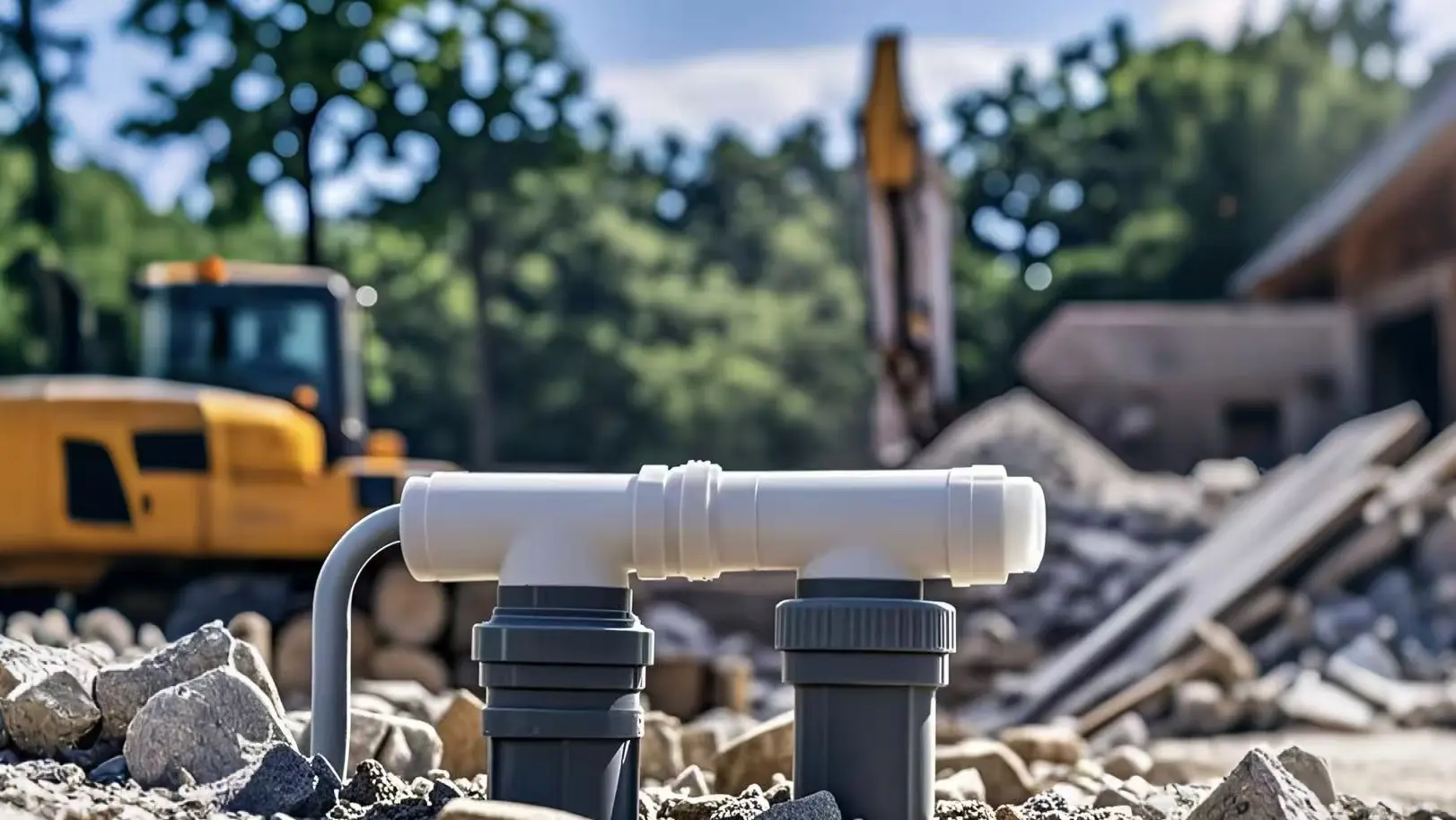
Precision-moulded components must operate under varied environmental stresses. Below are the primary application sectors where our custom tool designs and injection-moulded products are deployed globally:

Ehao Plastic Group partners with top-tier machine tool suppliers to optimize the cycle times and precision of our production lines. From selecting and configuring the right automated injection setups to developing customized parameters, we help global clients achieve sustainable profitability.
Precision-moulded polymer components demand meticulous control over shrinkage, gate placement, and thermal cooling rates. Ehao’s internal engineering standards align with rigorous global industrial classifications to ensure that internal shear stresses are minimized, preventing deformation under high pressure.
Utilizing high-end CAD/CAM software to analyze wall-thickness transitions, optimizing gate locations to prevent weld lines, and using computational fluid dynamics (CFD) to balance polymer flow within multi-cavity tool geometries.
Imported CNC machining setups from Germany establish tolerances of ±0.005mm. Quality tool steel ensures long-term wear resistance, especially when processing abrasive polymers or high-temperature engineered resins.
Our Quality Management System subjects every manufactured batch to 26 individual verification checkpoints, checking dimensional stability, structural seal integrity under hydrostatic loads, and drop resistance in low temperatures.
Our tooling and end products conform to DIN 8077 and DIN 8078 standards, ensuring that raw material inputs (PVC, PP, ABS, PC) contain no heavy metals, making them suitable for drinking water infrastructure.
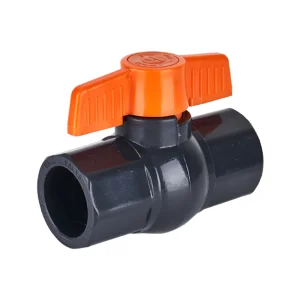
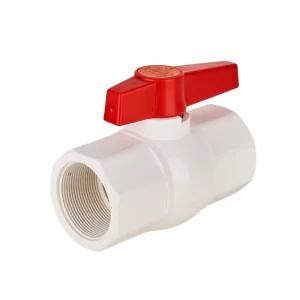
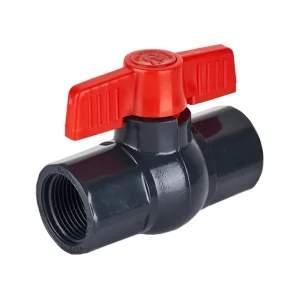
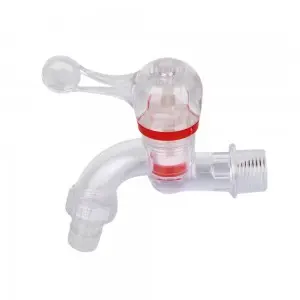
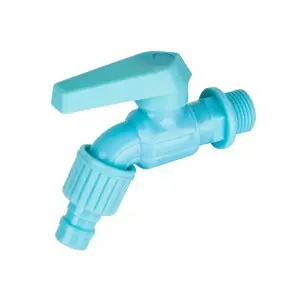
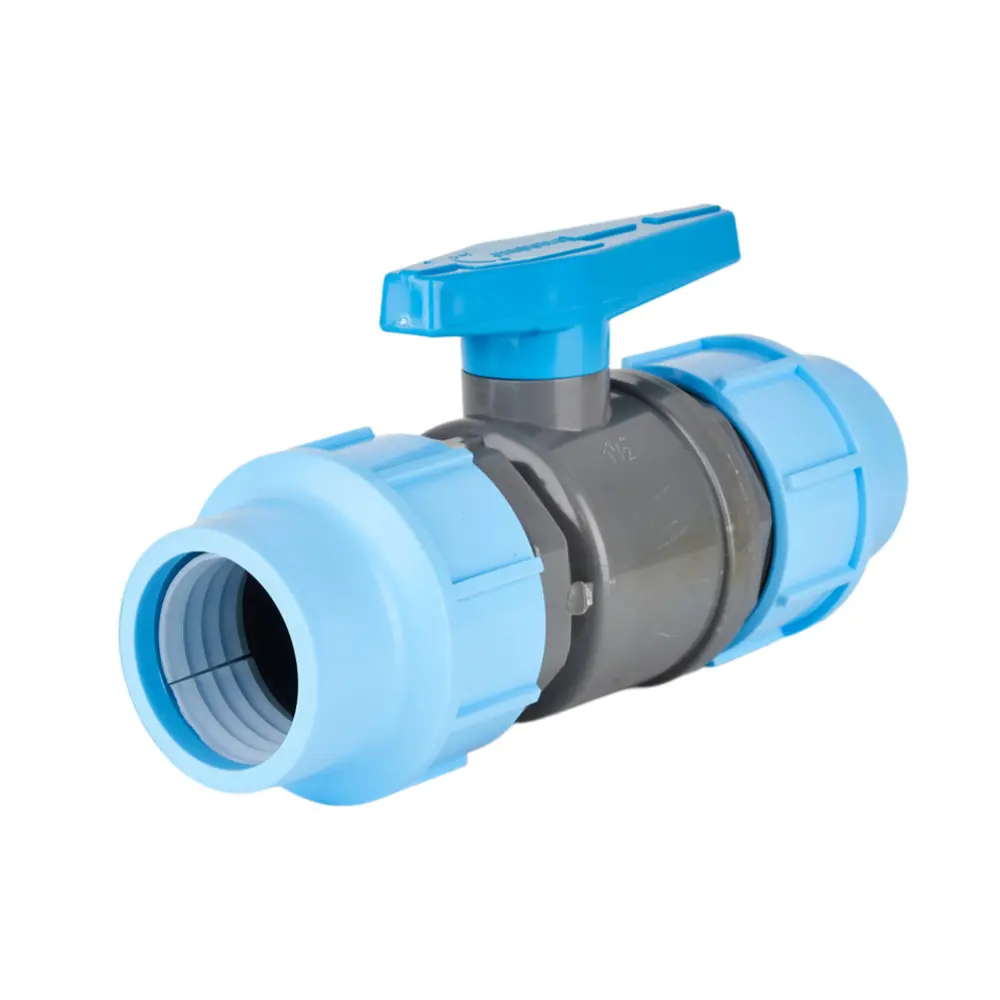
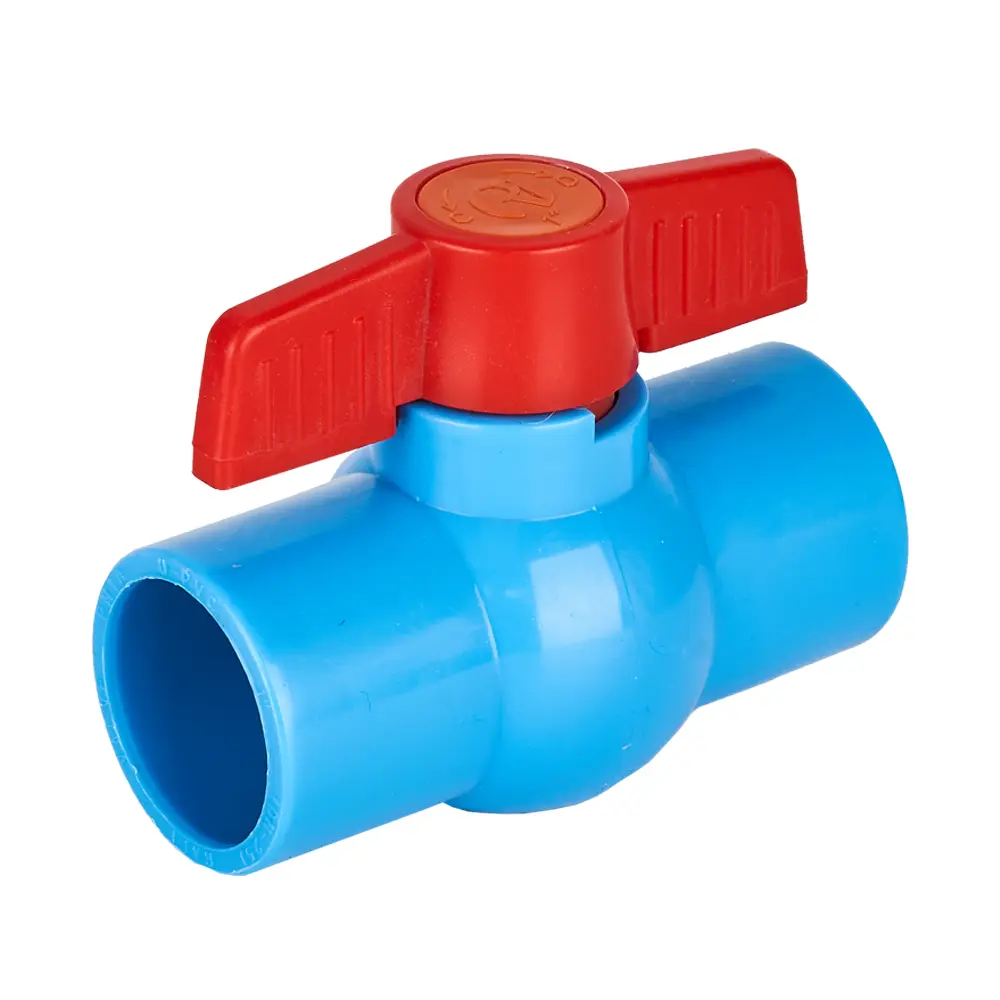
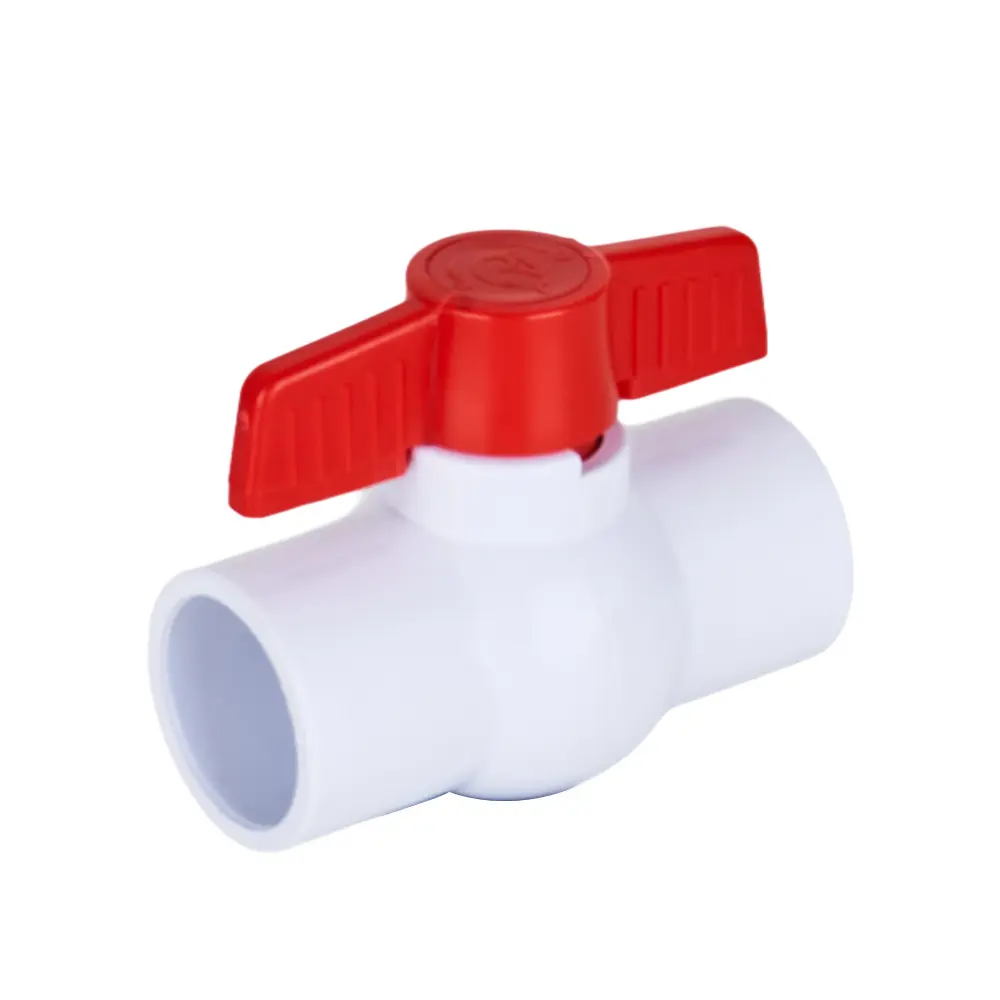
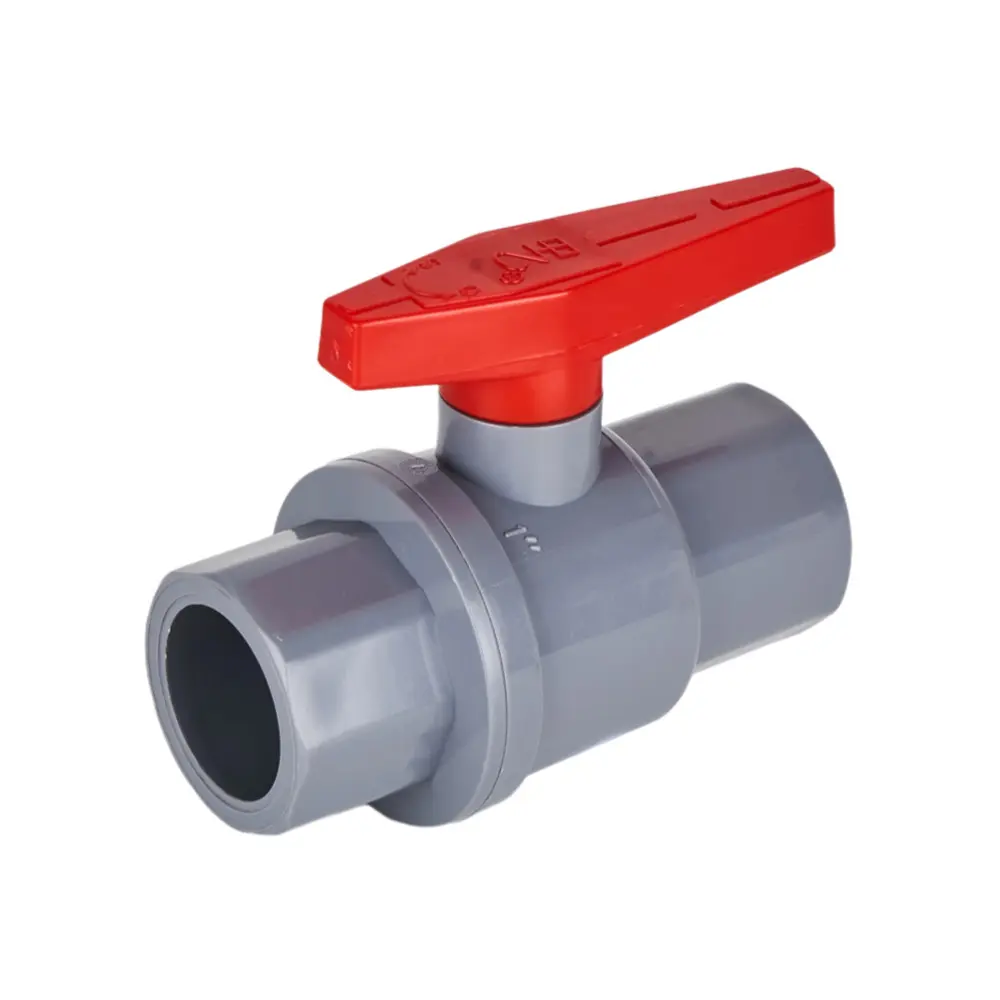
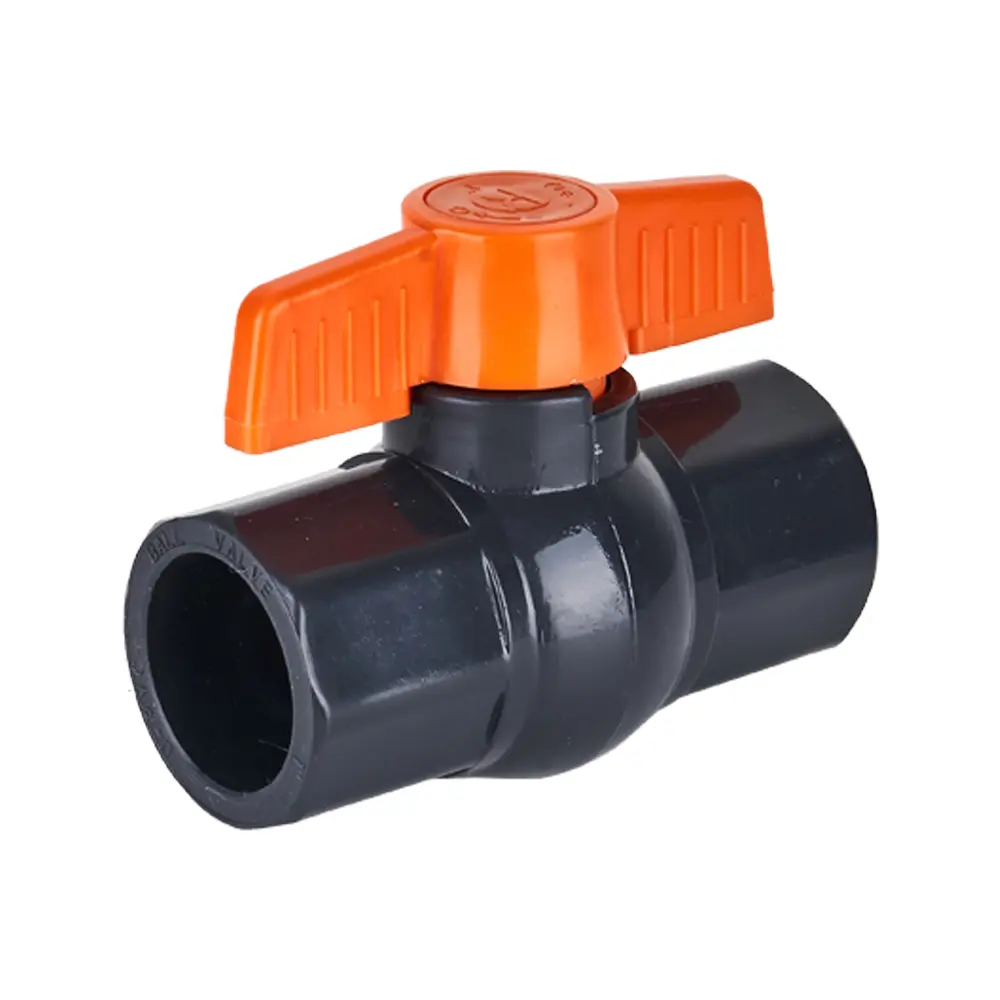
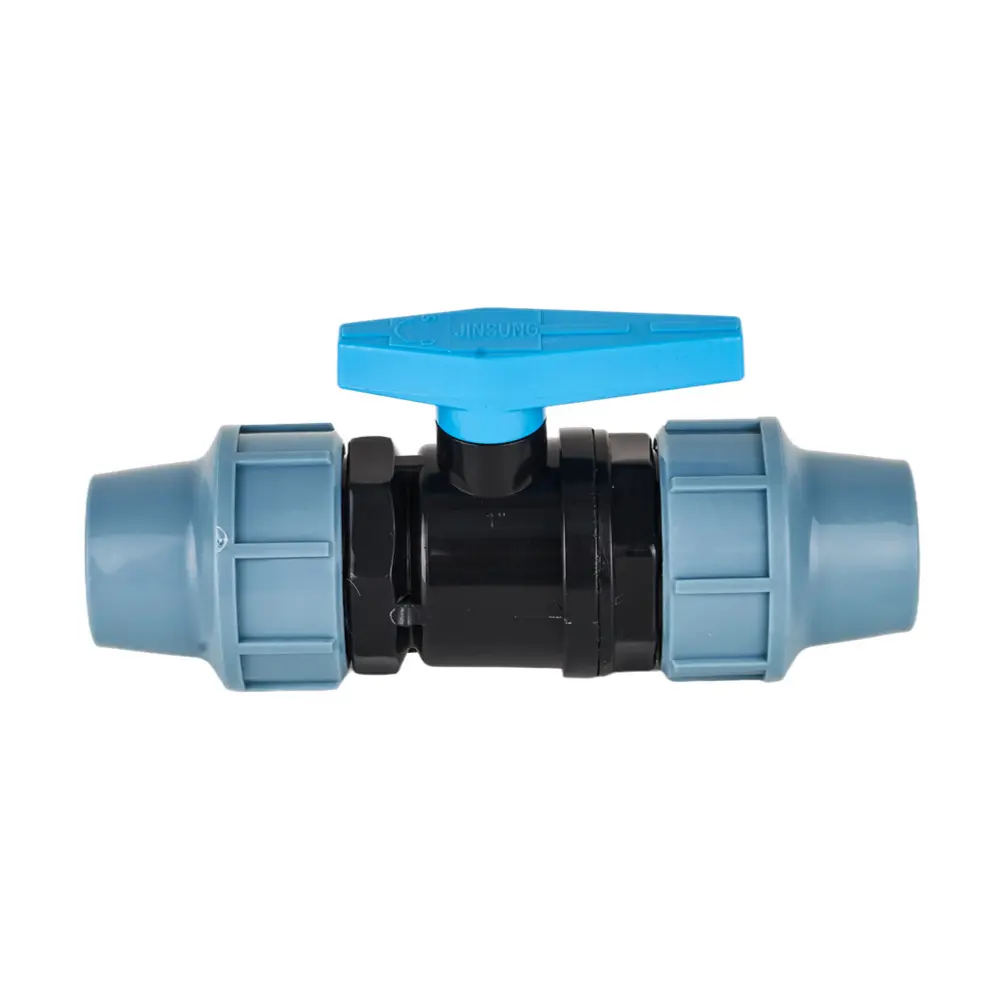
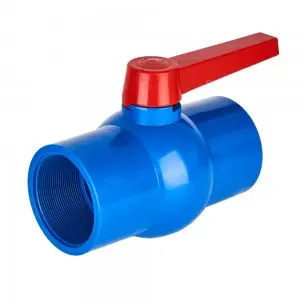
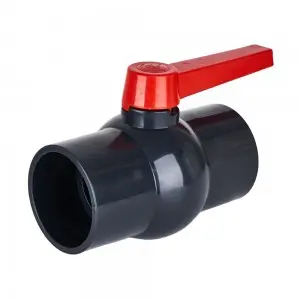
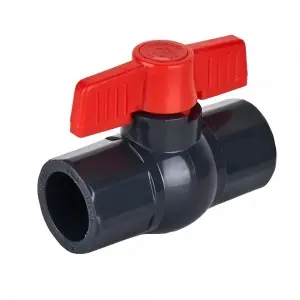
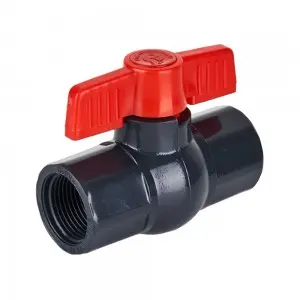
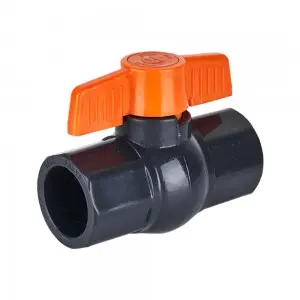
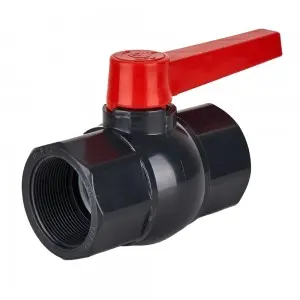
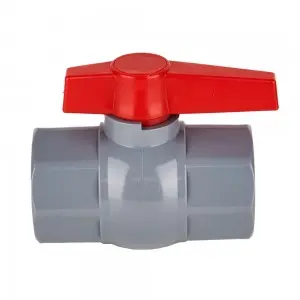
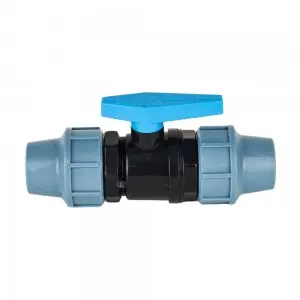
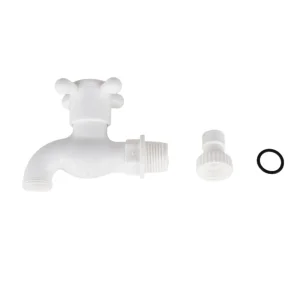
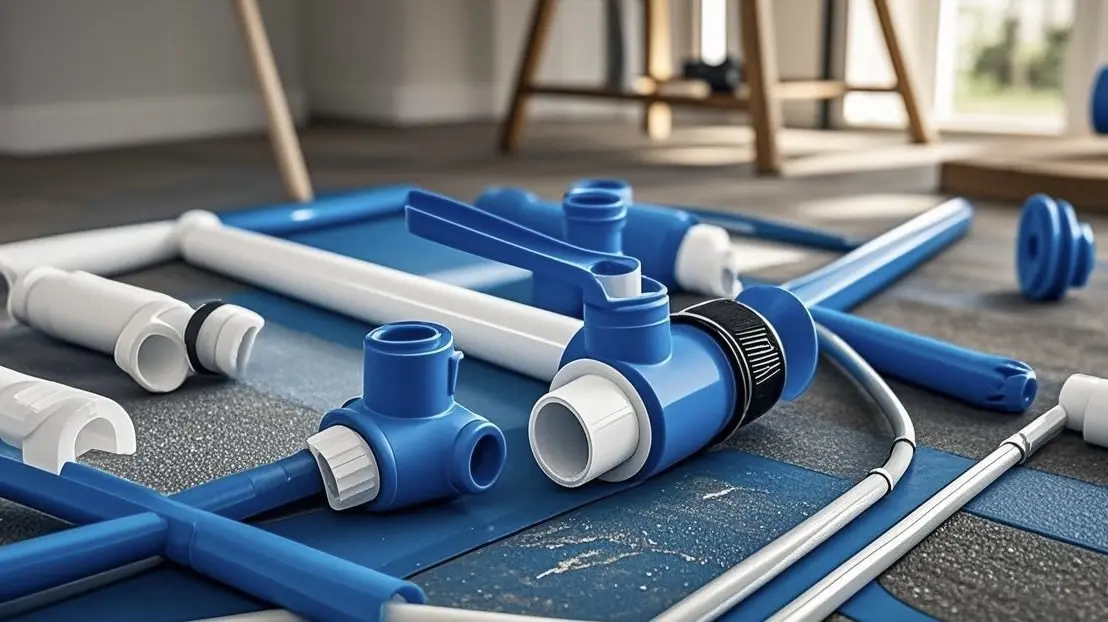
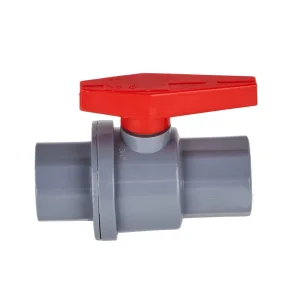
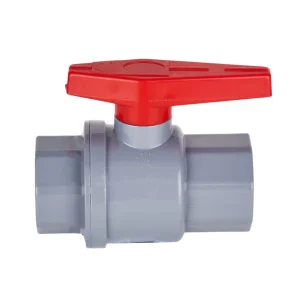
Below is our secondary catalog illustrating the range of PVC joints, double-union valves, and compact solvent sockets configured for standard plumbing and complex industrial process controls.
Deep dive technical inquiries regarding tool manufacturing, polymer compounds, quality standards, and design customization in China.
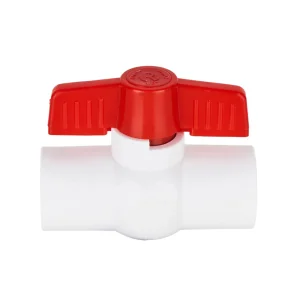
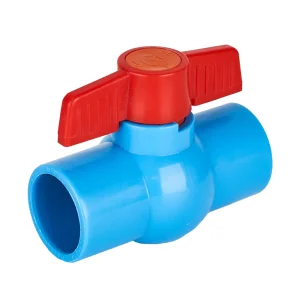
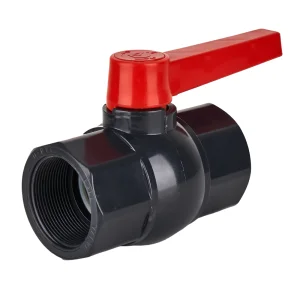
Select from our premium, direct-from-factory PVC round and double-union valves configured for global construction and agricultural standards.
 EHAO
EHAO