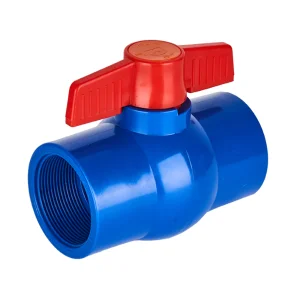
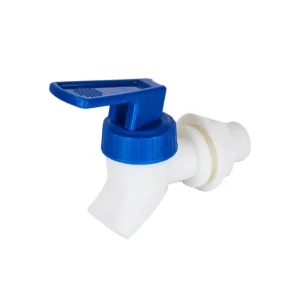
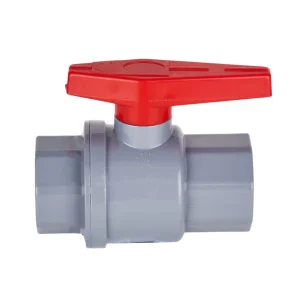
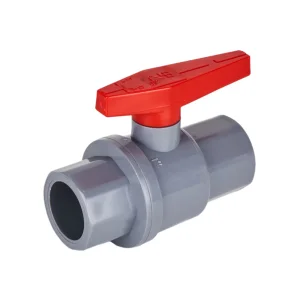
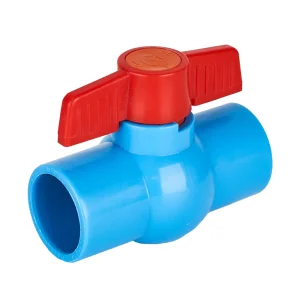
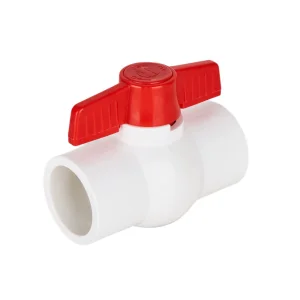
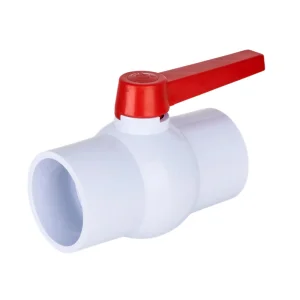
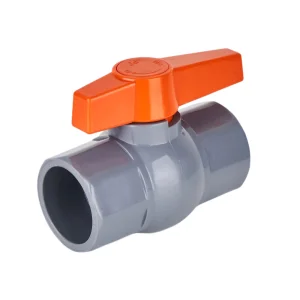
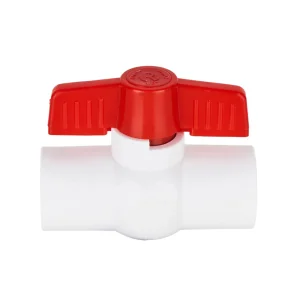
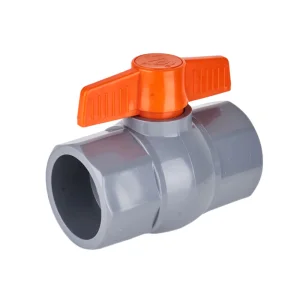
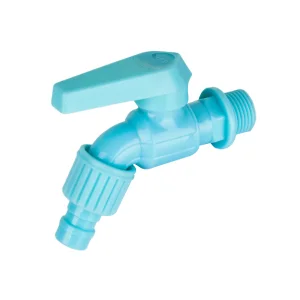
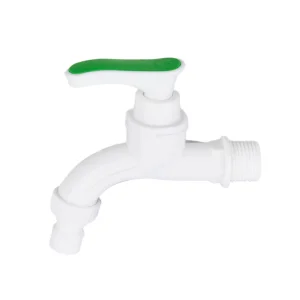
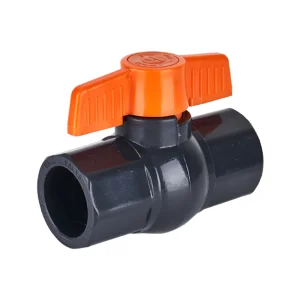
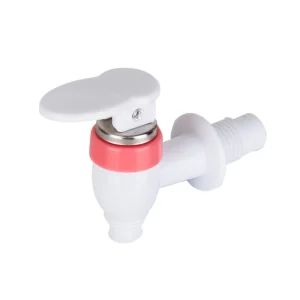
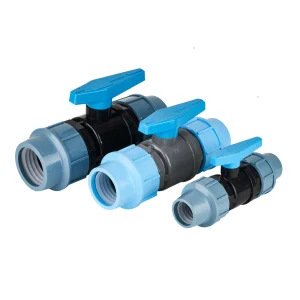
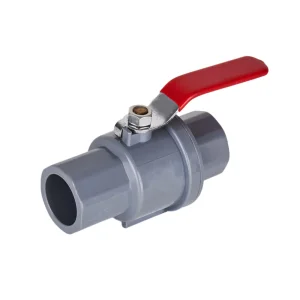
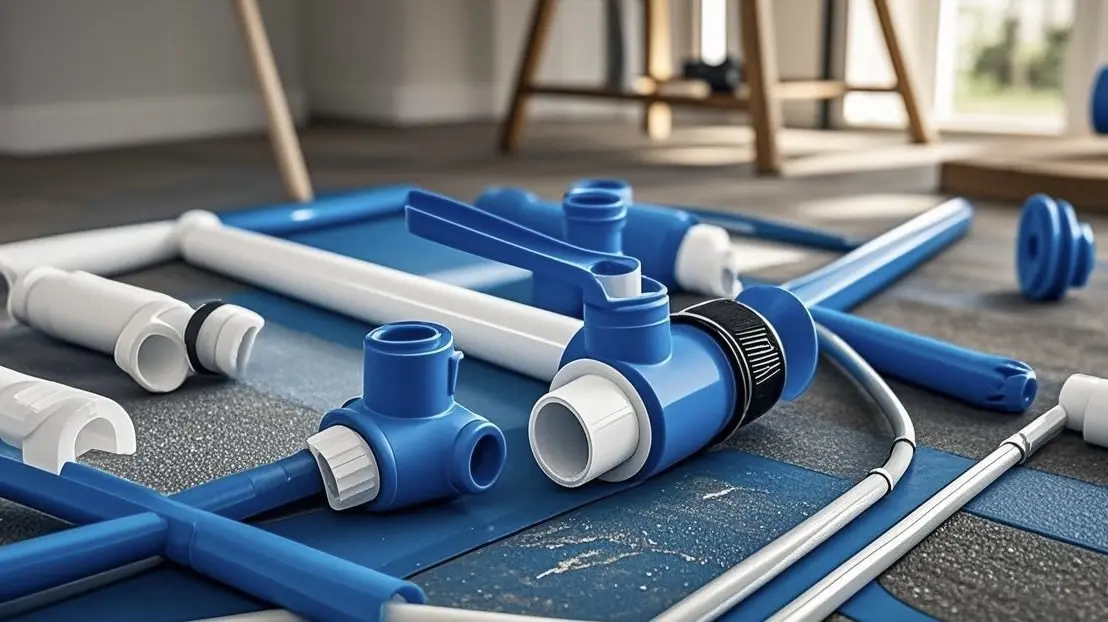
Discover our foundational range of PVC/UPVC ball valves, taps, and engineering fittings developed under rigorous DIN certification systems.
In modern industrial engineering, Liquid Silicone Rubber (LSR) injection molding has emerged as the premier manufacturing pathway for high-performance elastomeric components. Unlike thermoplastic elastomers (TPE) or traditional organic rubbers, silicone rubber offers an unparalleled profile of chemical resistance, thermal stability ranging from -60°C to over 250°C, high tensile strength, and superior biocompatibility. The transition from compression molding of High Consistency Rubber (HCR) to automated LSR injection molding represents a massive paradigm shift in global manufacturing efficiency.
Globally, sectors such as healthcare, automotive engineering, electric vehicles (EV), consumer electronics, and heavy industrial fluid controls demand component tolerances that cannot be achieved with traditional methods. Silicone injection molding employs a cold runner delivery system paired with heated mold cavities to initiate rapid vulcanization. This chemical transition, known as platinum-catalyzed hydrosilylation, creates a cross-linked polymer matrix that retains its mechanical shape under extreme compression set tests.
LSR utilizes automated closed-loop systems to mix two-part components (A and B) under high pressure. This eliminates human mixing errors, keeps impurities out of medical-grade applications, and achieves cycle times up to 5 times faster than traditional solid HTV/HCR compression presses.
Advanced tooling design allows silicone to be directly overmolded onto substrates like PA, PBT, PPS, and metals. Our engineering avoids secondary assembly operations, ensures zero leakage interfaces, and delivers hermetically sealed assemblies.
By employing micro-gap air venting, high-clamp force optimization, and cold deck runner systems, we design and manufacture silicone molds that require virtually zero secondary trimming, lowering unit cost and material waste.
Ehao Plastic Group is a premier high-tech enterprise specializing in precision mold design and custom elastomer processing. Our industry-leading technological matrix is developed in partnership with the prestigious Chinese Academy of Sciences and Zhejiang University.
Each component undergoes a rigorous 26-step quality control inspection process to guarantee a 100% ex-factory pass rate.
All technical metrics conform strictly with DIN standards, ensuring seamless deployment in global industrial settings.
Providing high-performance polymer assemblies to markets across Europe, North America, South America, and Southeast Asia.
Equipped with fully integrated, state-of-the-art German automated injection systems and closed-loop raw material dosing.
Our production environment integrates German computer-controlled automatic injection systems to optimize cavity pressure profiles, cure cycles, and dosing stability. By combining academic polymer research with high-efficiency factory execution, Ehao handles complex elastomer formulations (including self-lubricating, conductive, high-transparency, and extreme fluorosilicone variants) tailored to meet the needs of international engineering clients.
Select the right material substrate for your application. LSR outperforms common elastomers across nearly all extreme operating conditions.
| Performance Metrics | Liquid Silicone Rubber (LSR) | EPDM (Ethylene Propylene) | Thermoplastic Elastomers (TPE) |
|---|---|---|---|
| Operating Temp Range | -60°C to +250°C (Special grades up to 300°C) | -50°C to +150°C | -40°C to +120°C |
| Compression Set (Long term) | Excellent (< 15% at high temperatures) | Moderate (prone to deformation over time) | Poor to Moderate (permanent creep) |
| Biocompatibility / Food Grade | Excellent (FDA, USP Class VI compliant) | Poor (requires heavy compounding) | Moderate (depends on base polymers) |
| UV & Ozone Resistance | Outstanding (No degradation in 20+ years) | Excellent | Moderate to Poor |
| Complex Geometry Molding | Excellent (Very low viscosity enables thin walls) | Poor (High flash risk, limited tolerances) | Good (Standard injection processes) |
| Overmolding Compatibility | Outstanding (Chemical bonding on plastics/metals) | Very difficult (requires adhesives) | Good (Thermal melting connection) |
Precision liquid silicone injection molded parts are used across diverse industrial sectors that require high-reliability sealing, fluid dynamics, and sterile medical contact.

LSR is inherently hypoallergenic and sterilizable. We design and mold components for Class II and Class III medical devices, including respiratory masks, needle-free valves, O-rings, gaskets, dialyzer seals, and custom silicone fluid tubes. Production in cleanrooms ensures trace-free, bio-inert purity.
Under-the-hood automotive environments demand resistance to oils, coolant fluids, and extreme engine temperatures. We specialize in producing single-wire seals, cable connectors, ignition spark plug boots, and silicone thermal cushions for EV battery containment systems.
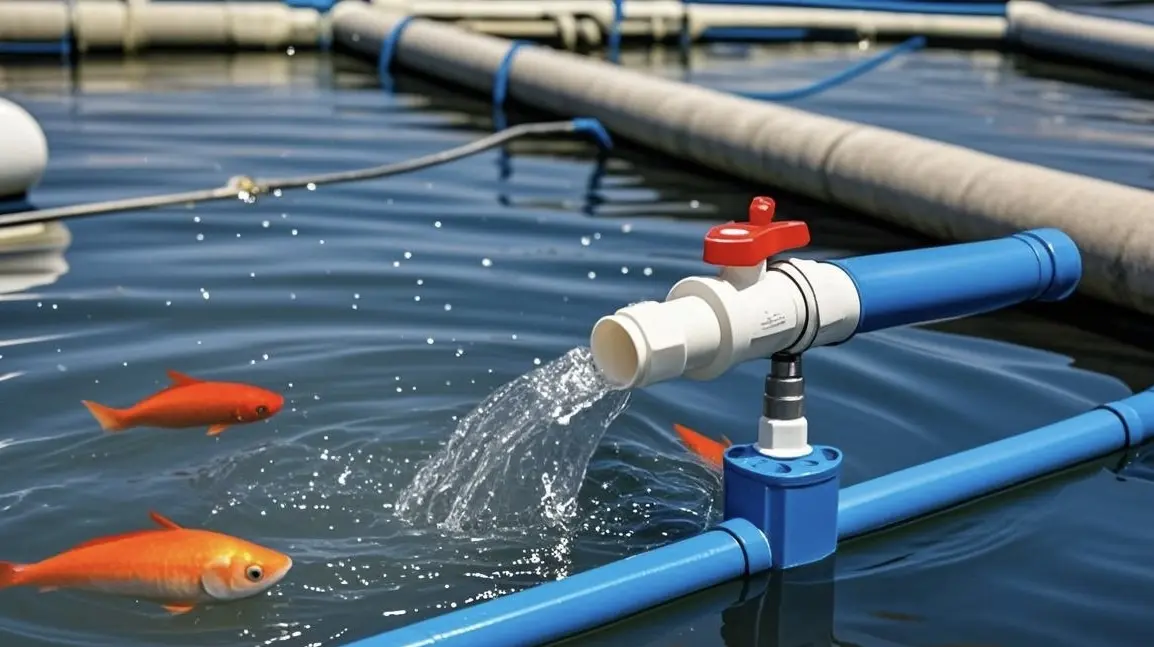
Combining our leadership in PVC/UPVC ball valves and piping networks with advanced silicone gasket technologies. We supply high-durability, chloramine-resistant silicone seals for potable water plumbing systems, industrial backflow preventers, and drinking water tap assemblies.
How Ehao integrates structural engineering, mold flow simulation, and CNC fabrication under one roof to deliver high-quality parts with shorter lead times.
Our engineers perform mold flow simulations to optimize part design for silicone molding. We calculate shrinkage, identify air traps, determine gate locations, and ensure proper parting line placement to minimize flash.
We mill mold plates in-house using high-hardness German tool steels. Our high-precision EDM ensures smooth surface finishes (up to SPI-A1 spec) for medical-grade parts, high-gloss finishes, or textured grip patterns.
Formulated material components (A and B) are mixed under precise dynamic pressure settings and injected into hot mold cavities. Our closed-loop water temperature control loops maintain stable cure temperatures, reducing scrap rates.
We bake molded parts in hot air circulation ovens (post-curing) to volatilize residual low-molecular weight cyclics and stabilize the physical properties. Dimensional accuracy is checked on automated vision systems and CMM machinery.
Evaluating a China-based injection molding facility requires a structured approach. Use our verification checklist to evaluate process capability, tooling reliability, and compliance standards.
Confirm trace documents for raw materials. High-performance projects require premium-grade elastomers (such as Wacker, Shin-Etsu, Dow Corning, or Momentive) to ensure long-term stability and compliance with FDA, LFGB, and RoHS standards.
Evaluate tooling capabilities. LSR requires tighter mold clearances compared to thermoplastics because of its lower viscosity. Check if the mold shop has in-house CNC and EDM machinery capable of machining to tolerances of +/-0.005mm.
Audit automated mixing and injection equipment. Closed-loop monitoring systems record temperature, cavity pressure, and raw material dosing ratio to prevent out-of-spec batches and flash defects.
Answers to common engineering and sourcing questions about custom liquid silicone rubber projects.
Browse our export-grade double union valves, octagonal designs, and plumbing accessories engineered for reliable service life.
 EHAO
EHAO