China Injection Molding Polymers Factory & Factories

Precision Engineering, Polymer Innovation, and High-Performance Valve & Pipe Fitting Systems Partnered with the Chinese Academy of Sciences.

The Vanguard of Polymeric Precision: Ehao Plastic Group

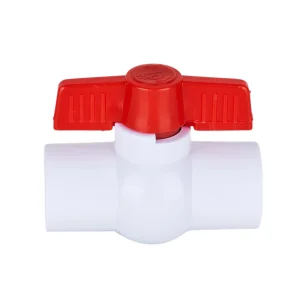
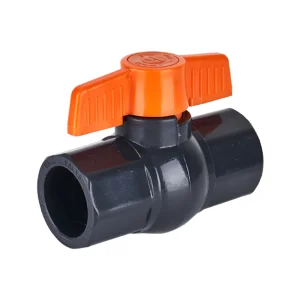
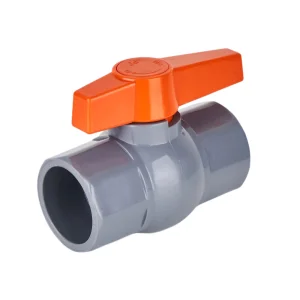
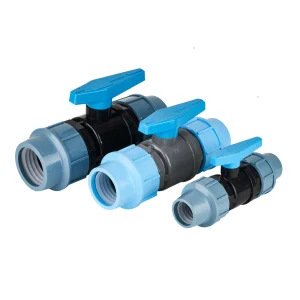
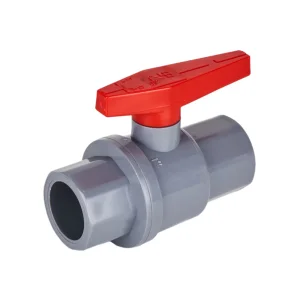
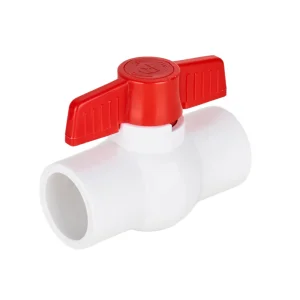
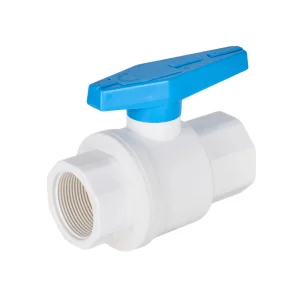
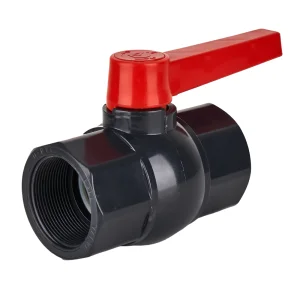
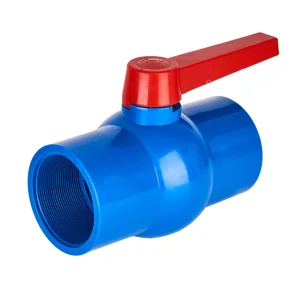
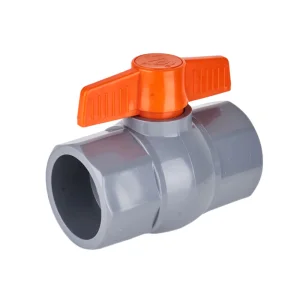
Ehao Plastic Group is a high-tech private enterprise integrating R&D and production of building materials, pipe fittings, and injection moulds. Especially, Ehao Plastic Group is recognized as a leader of PVC/UPVC ball valves in the domestic market in China. Since our inception, we have pioneered the intersection of high-capacity injection molding and advanced polymers science.

To maintain our technological edge, the company has partnered with and been supported by the Chinese Academy of Sciences and Zhejiang University in technology development. This prestigious collaboration ensures that Ehao's polymer formulas, melt dynamics, and mold tooling configurations remain at the global absolute forefront. Furthermore, we introduced state-of-the-art automated production lines and computer automatic injection molding machines directly from Germany, achieving precision tolerance control unmatched by conventional facilities.

Every product under the Ehao brand undergoes 26 steps of scientific testing under strict quality management structures. This uncompromising regime ensures a 100% ex-factory pass rate. The technical indexes of our products fully accord with DIN8077 and DIN8078 standards, securing world-class mechanical, pressure, and chemical resilience profiles.
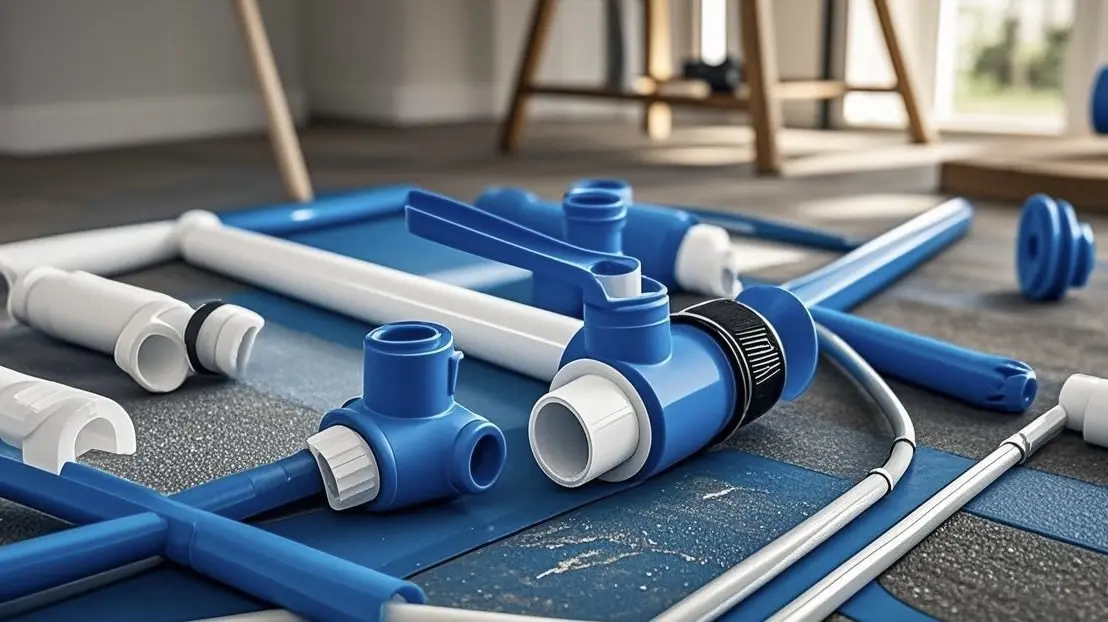
Ehao Valve Advanced Polymer Manufacturing Unit
26
Scientific Testing Steps
28+
Export Countries & Regions
100%
Ex-Factory Quality Pass Rate
DIN
8077/8078 Certified Standards

Advanced Injection Molding Polymers & Material Chemistry

In modern industrial fluid network designs, the selection of polymer raw materials dictates everything from structural degradation threshold to environmental chemical resistance. As a premier China Injection Molding Polymers Factory, Ehao Plastic Group meticulously selects and engineers polymer blends to meet strict mechanical baselines:

  • Unplasticized Polyvinyl Chloride (UPVC): Engineered with optimized PVC-U stabilizers, this polymer contains zero plasticizers, making it highly rigid and ideal for clean water pipelines, industrial chemical transport, and structural water flow applications. It shows extreme resistance to acids, bases, and salts.
  • Polypropylene (PP): Known for outstanding thermal properties, PP exhibits low density but excellent high-impact strength, resistance to chemical solvents, and high thermal deflection temperatures (making it ideal for hot water distribution and agricultural fertilizer injection systems).
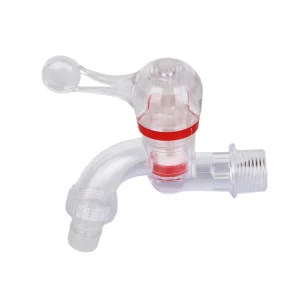
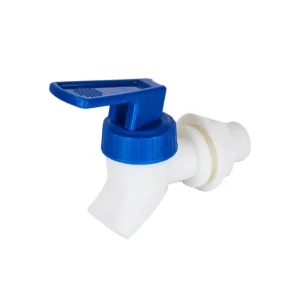
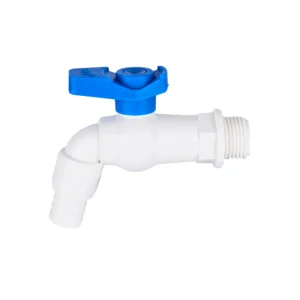
  • Polycarbonate (PC): Utilized extensively in high-impact parts like transparency-required bibcocks and structural frames. PC features incredible dimensional stability, high fracture toughness, and superior optical clarity.
  • Acrylonitrile Butadiene Styrene (ABS): Utilized for component handles and heavy-wear valve manifolds. The combination of Acrylonitrile (chemical resistance), Butadiene (toughness), and Styrene (rigidity) generates optimal structural integrity under high torque conditions.

Our collaborative projects with the Chinese Academy of Sciences focus heavily on crystallization kinetics and rheological properties of polymer melts. By modeling plasticization processes within our German automatic injection machines, we eliminate typical manufacturing defects such as gas voids, weld lines, and differential shrinkage. This guarantees isotropic mechanical properties across all produced ball valves and pipe fittings.

Global Industry Trends & Procurement Demands

Industrial procurement is shifting away from low-cost, short-lifecycle components. Modern global engineering requirements prioritize Total Cost of Ownership (TCO) reduction, carbon footprint targets, and strict supply chain reliability. International markets in Europe, North America, and Southeast Asia demand high-grade polymers capable of enduring harsh environmental stressors.

Key industrial demands shaping the global injection molding polymer landscape include:
  • System Safety Compliances: Adherence to global non-toxic pipe standards like NSF/ANSI, DIN, and ISO.
  • Decarbonization & Recycling: B2B buyers look for factories optimizing material waste via closed-loop runner systems and high-precision scrap recycling.
  • Extended Operational Lifespans: Polymer valves must perform consistently for up to 50 years under standard operating conditions without stress cracking.
  • Smart Supply Integration: Integrating RFID or batch traceability tags directly onto the injection molded bodies to enable real-time logistics mapping.
Agricultural Irrigation System Integration

China Factory 4.0: Smart Logistics & OEM Tooling Capabilities

Our advanced infrastructure leverages the Methods Machine Tools model, partnering with clients at every stage of the design, mold manufacturing, and testing process. Ehao Plastic Group integrates CAD/CAM optimization, mold-flow thermal simulation, and automated quality auditing stations.

By operating custom polymer extrusion lines alongside our centralized high-capacity injection molding workshop, we achieve total supply chain vertical integration. We don't just manufacture standard components; we supply complete, customized solutions. Whether developing complex ABS valve handles or creating specialized chemical-resistant PVC components, we handle the entire workflow—from blueprint concepts to test samples and high-volume mass production.

This structural resilience allows us to weather global material price volatility and shipping bottlenecks, providing overseas buyers with consistent, predictable pricing structures and reliable project delivery schedules.

German Technology & Precision Validation Protocols

Computerized German Injection Lines

Utilizing high-precision German injection molding machines to secure exact wall thicknesses and minimize dimensional variations to less than 0.05mm across all production runs.

26-Step Scientific Quality Control

Every valve design undergoes rigorous pressure testing, torque measurement, environmental stress crack evaluation, and dimensional analysis to verify physical integrity.

Academic Fluid Dynamics Models

Our designs are optimized in partnership with researchers at the Chinese Academy of Sciences, using molecular modeling to improve structural performance under high pressure.

Versatile Localized Application Scenarios

Ehao Plastic Group's high-tech polymer fittings and valves are engineered to support specialized B2B industrial infrastructure operations globally:
Home Decoration Water Fittings

Home Decoration

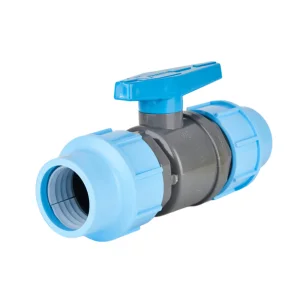
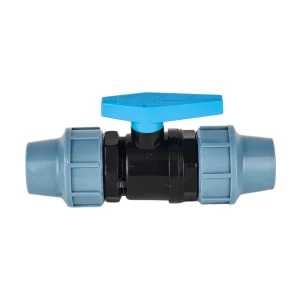
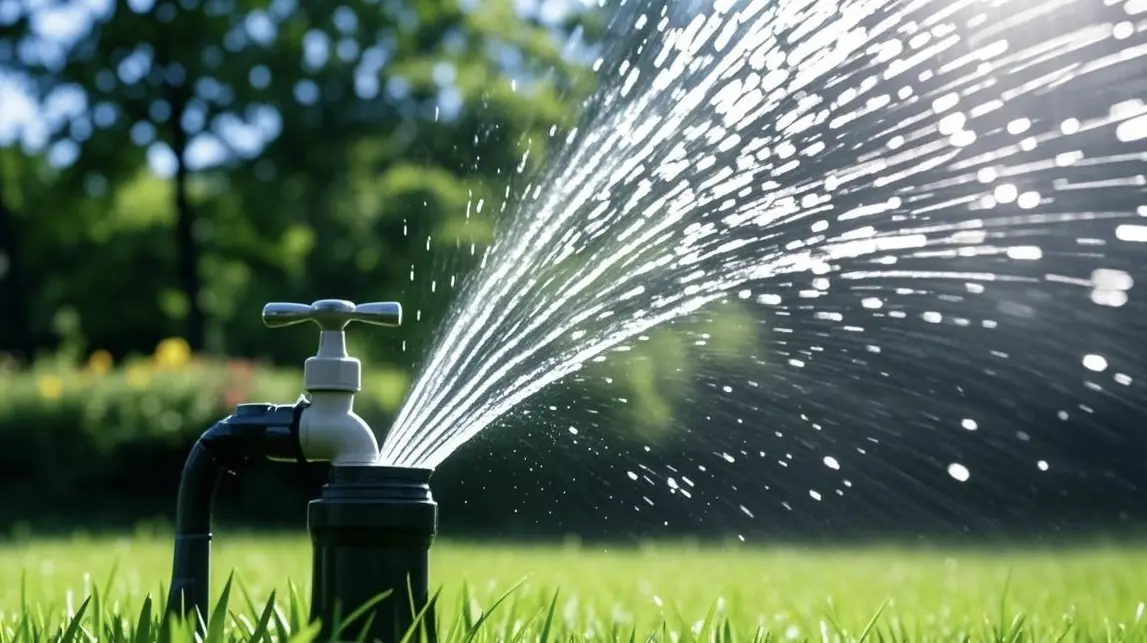
Irrigation System Pipeline Valves

Irrigation System

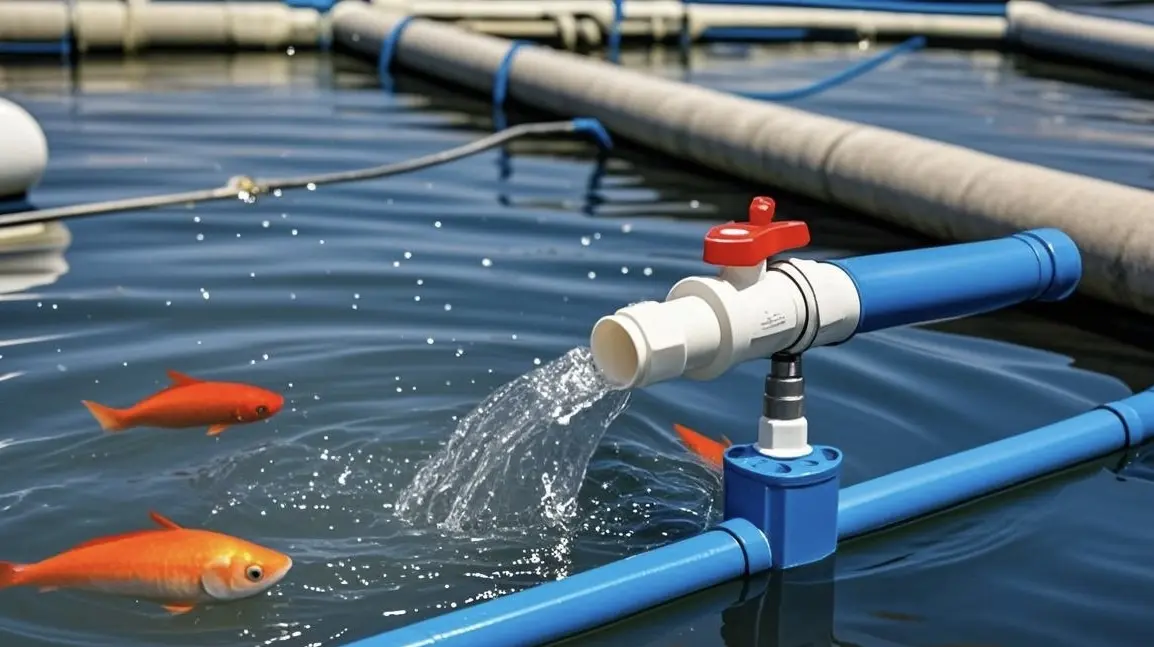
Fish Cultivation Flow Control

Fish Cultivation

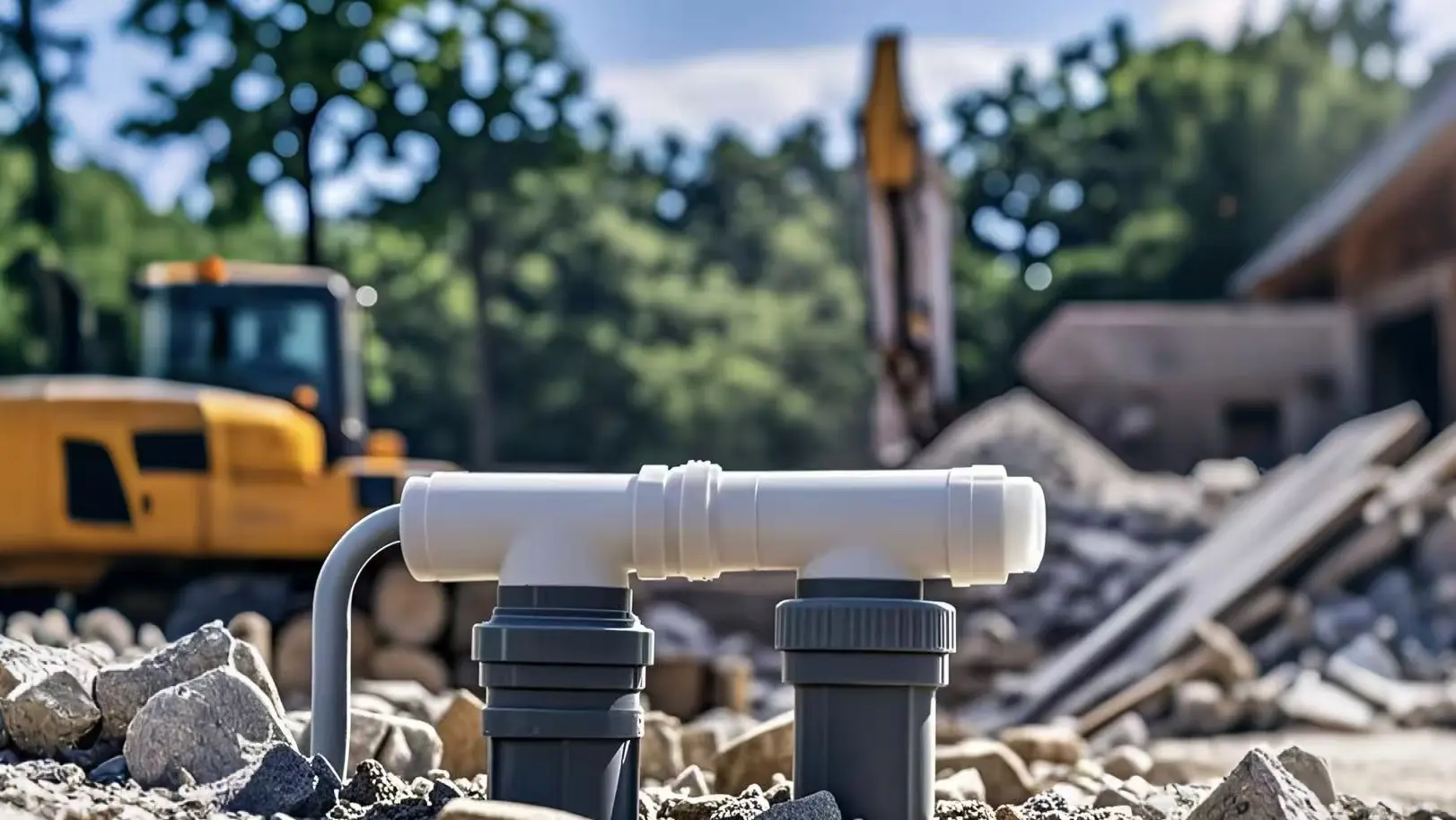
Construction Work Fittings

Construction Work

Technical FAQ: Injection Molding Polymers & Valve Performance

What makes Ehao's polymer materials distinct from typical standard factories in China?
Our raw polymer matrices are formulated through technical collaborations with the Chinese Academy of Sciences and Zhejiang University. By optimizing melt-flow properties and polymer cross-linking densities, we significantly improve tensile strength and environmental stress crack resistance compared to standard recycled or lower-grade polymer alternatives.
How does the German automatic injection molding line improve product quality?
Our computer-controlled German injection molding systems feature precise clamping force regulation, consistent plasticizing thermal profiles, and closed-loop process monitoring. This control reduces internal stress concentrations, ensures uniform wall thicknesses, and maintains structural tolerances within ±0.05mm.
What standard certifications do Ehao's valves and fittings conform to?
Ehao products strictly conform to the German DIN8077 and DIN8078 standards. These standards specify dimensions, pressure resistance capabilities, and evaluation methods for polypropylene and polyvinyl chloride fluid distribution elements, ensuring seamless integration into Western European engineering systems.
What are the 26 scientific testing steps used at your factory?
Our comprehensive testing protocol spans raw polymer verification (melt flow indexing, density profiling), in-line optical checking, structural dimensional auditing, hydrostatic pressure containment checking, ultimate burst limit verification, joint torque evaluation, and long-term hot-cold thermal cycling resistance testing.