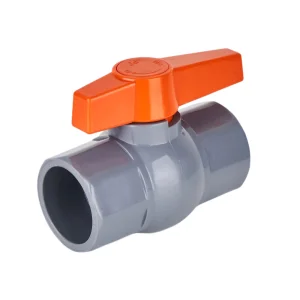
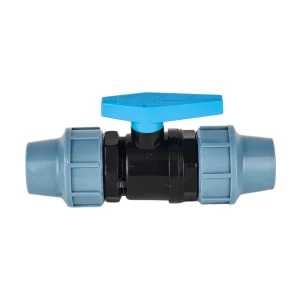
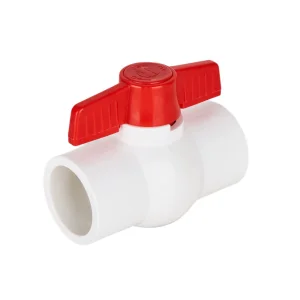
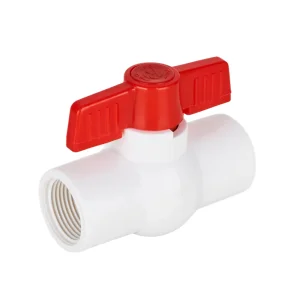
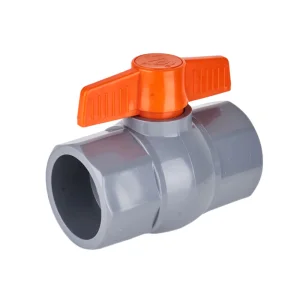
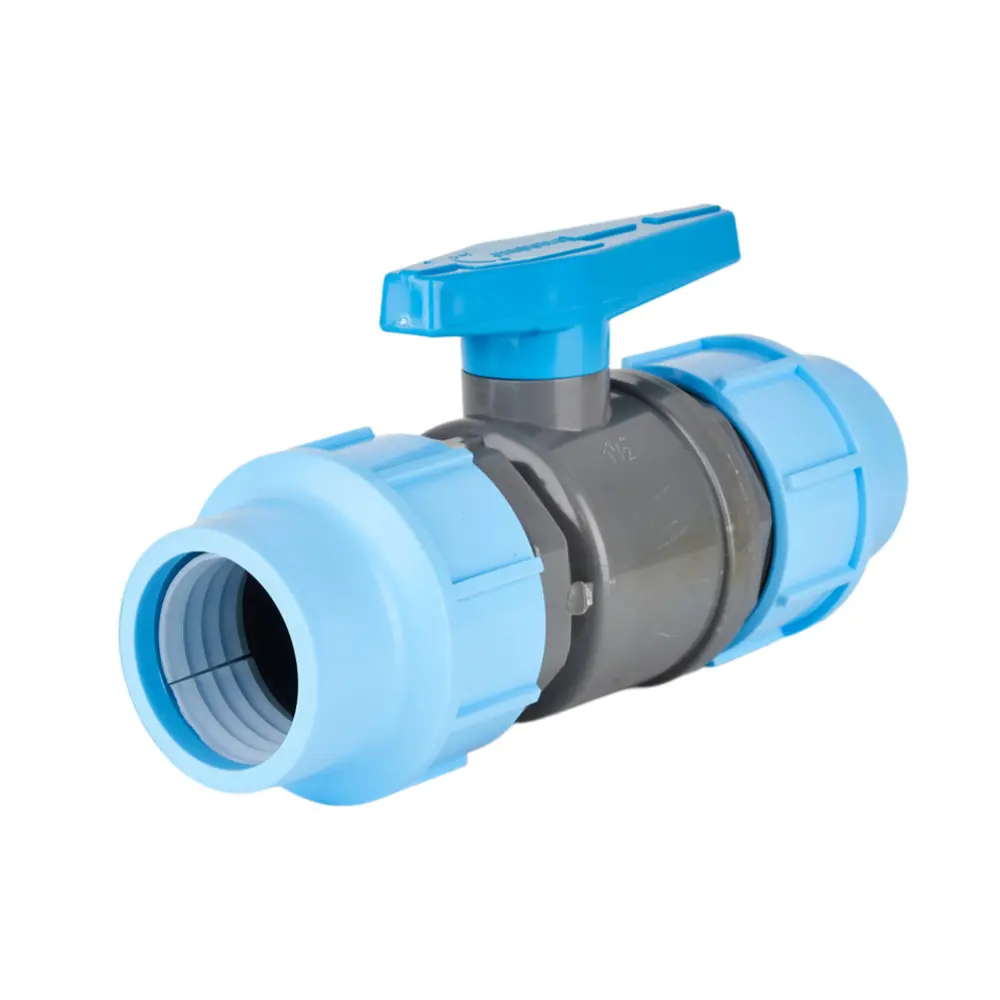
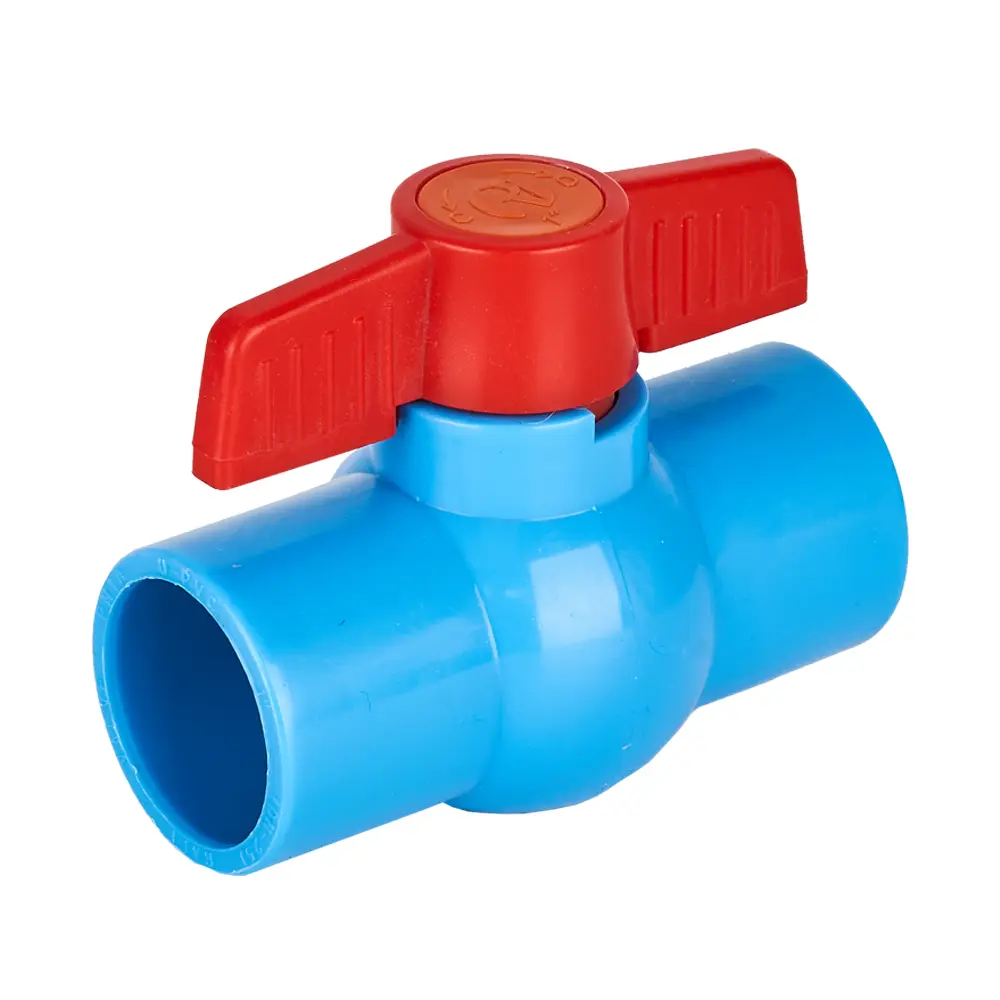
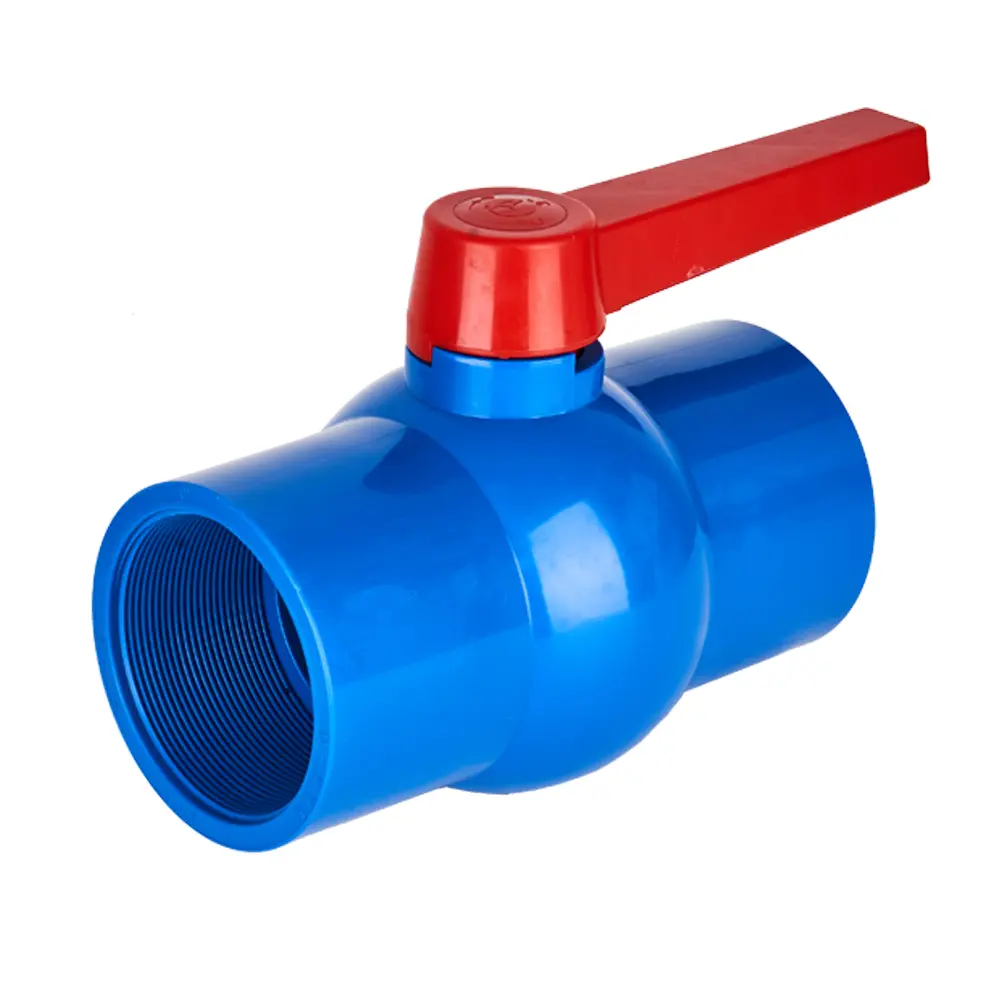
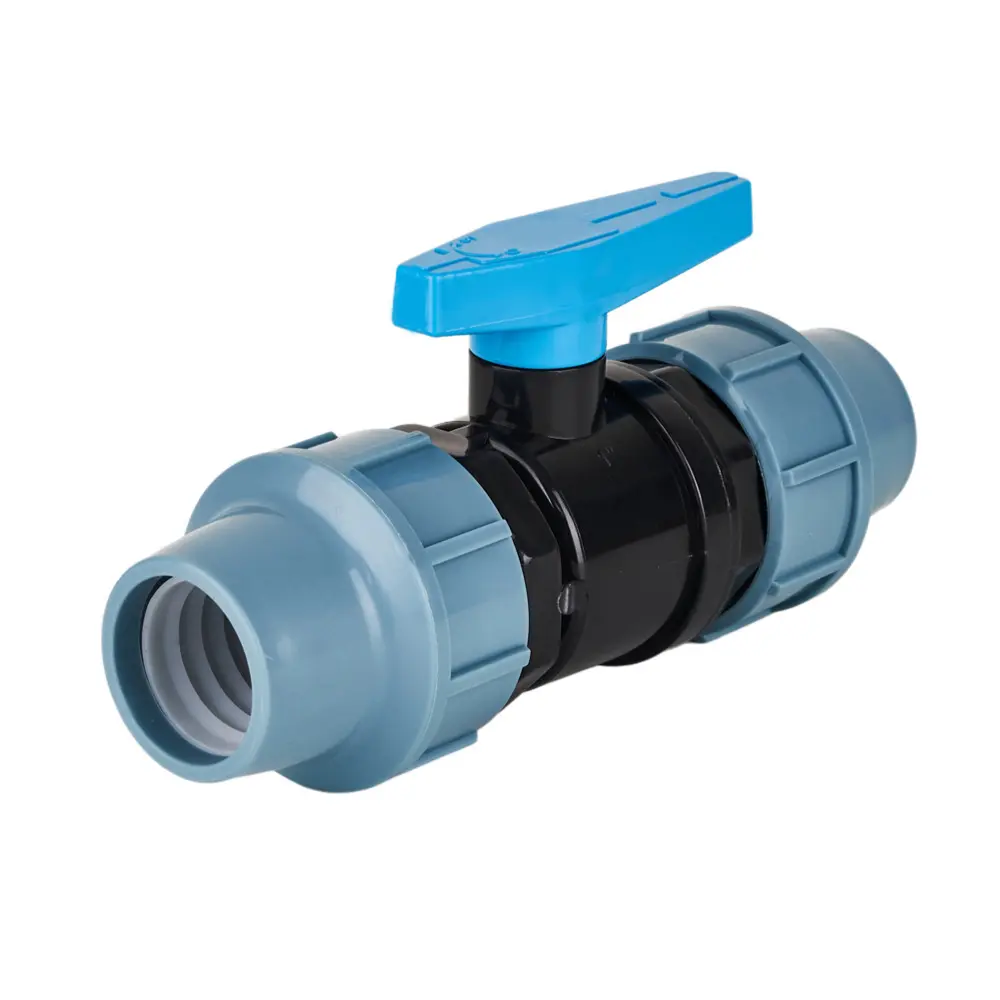
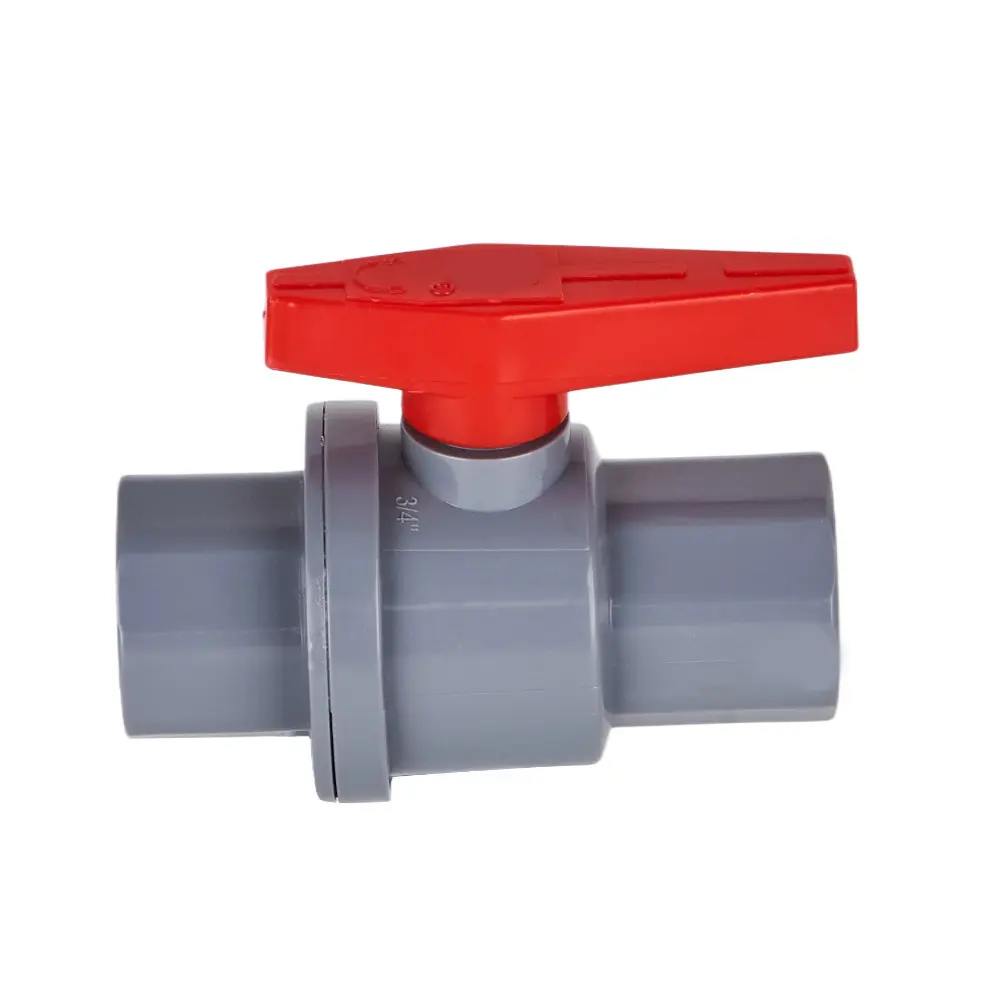
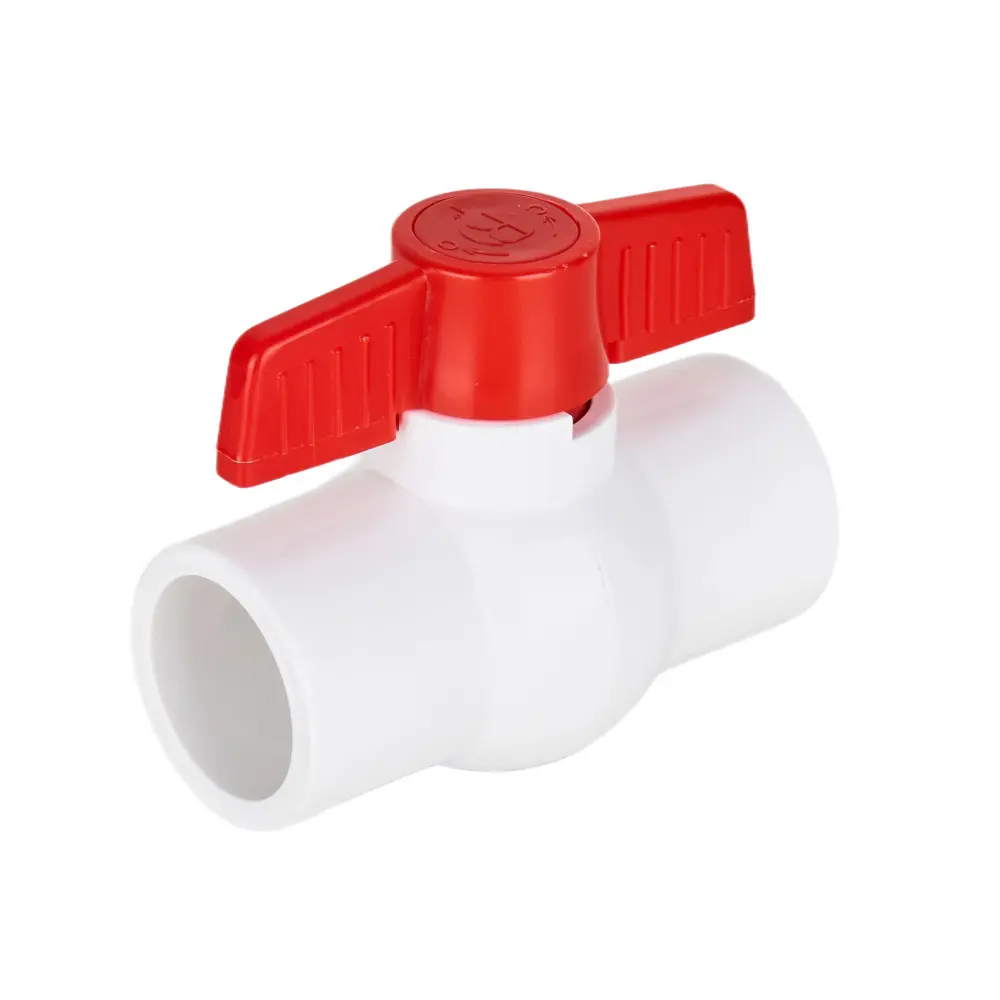
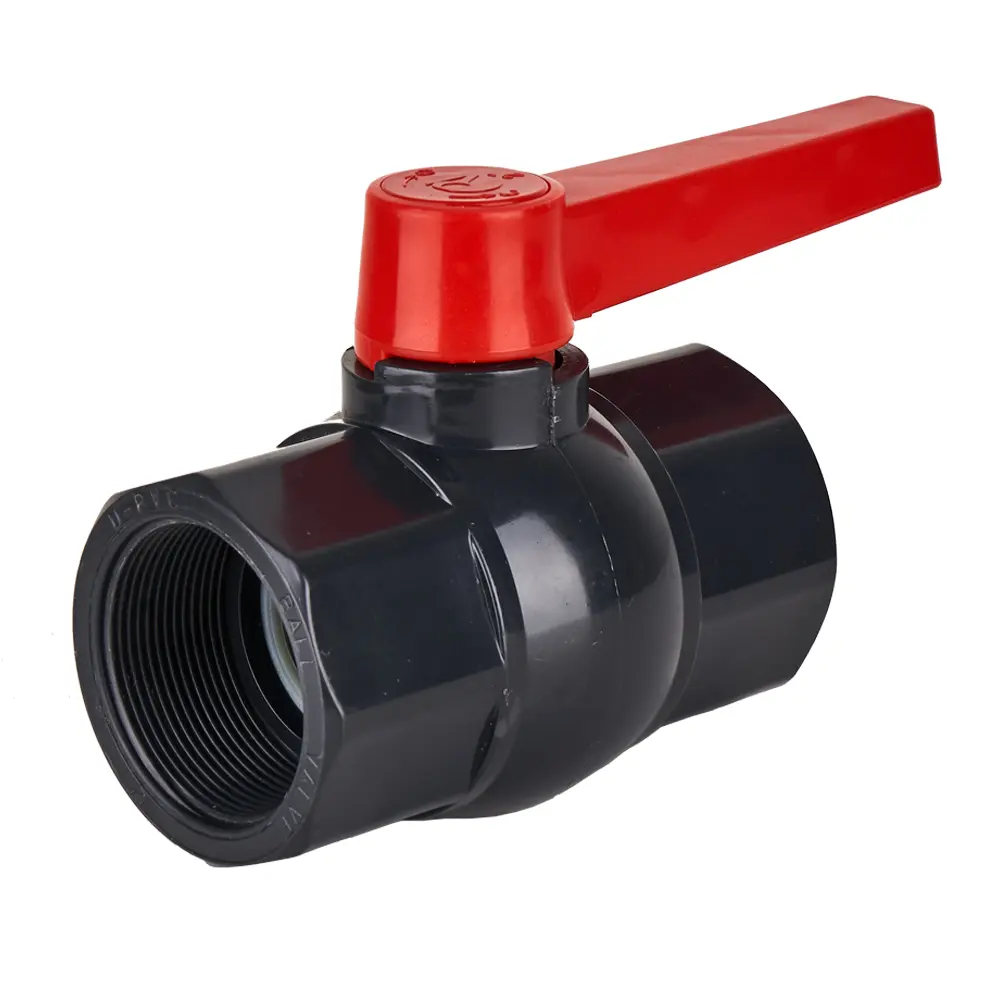
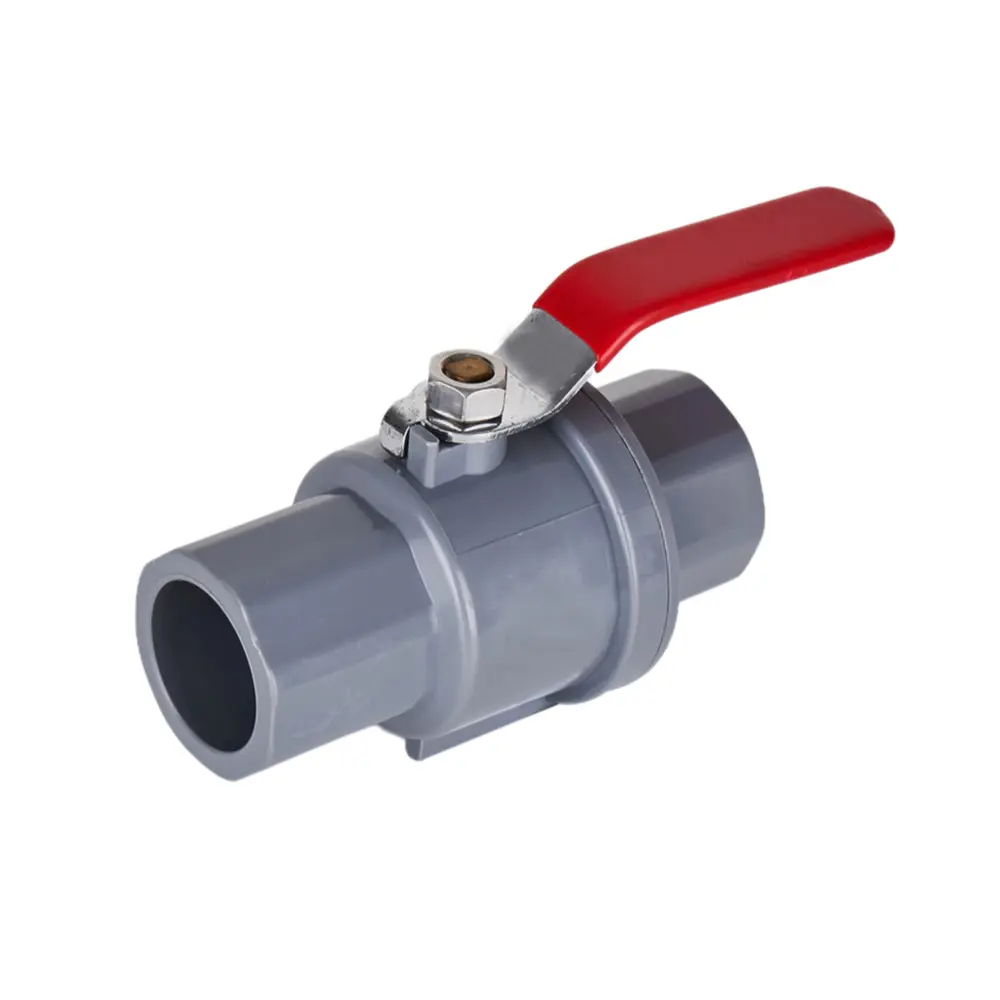
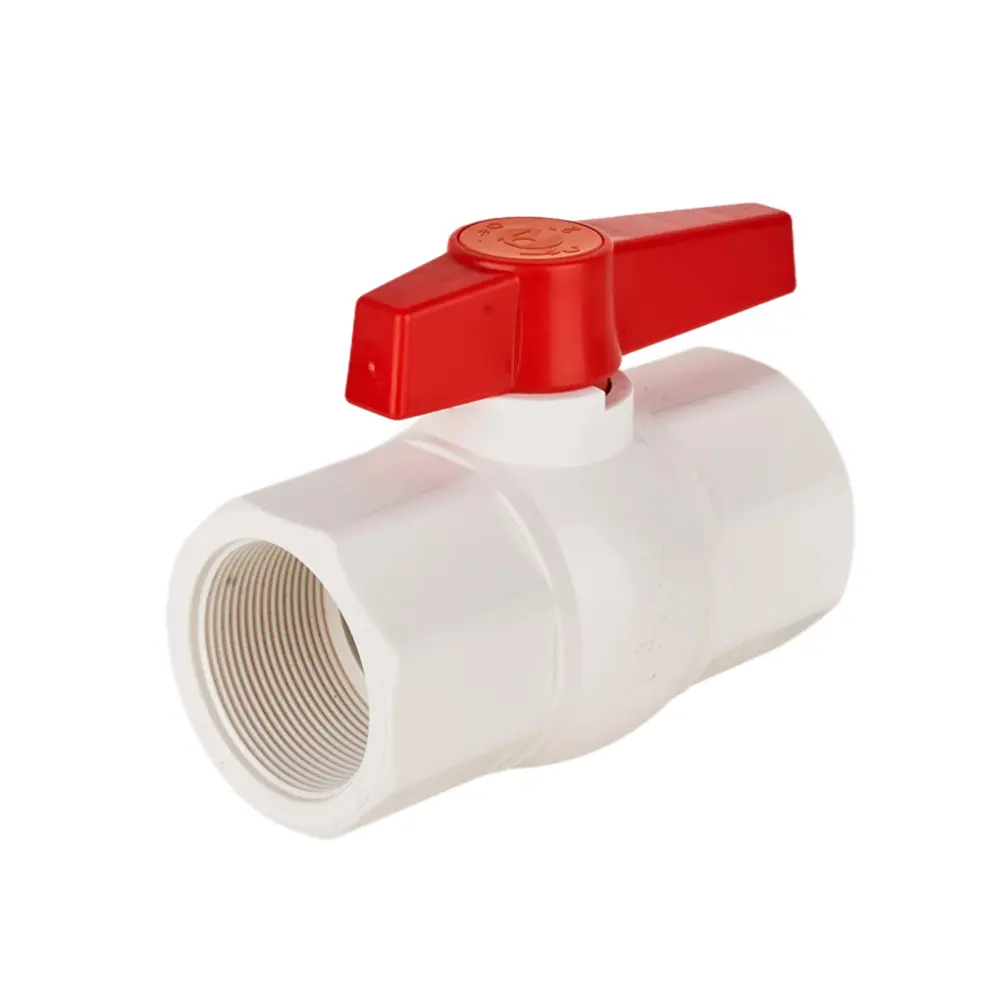
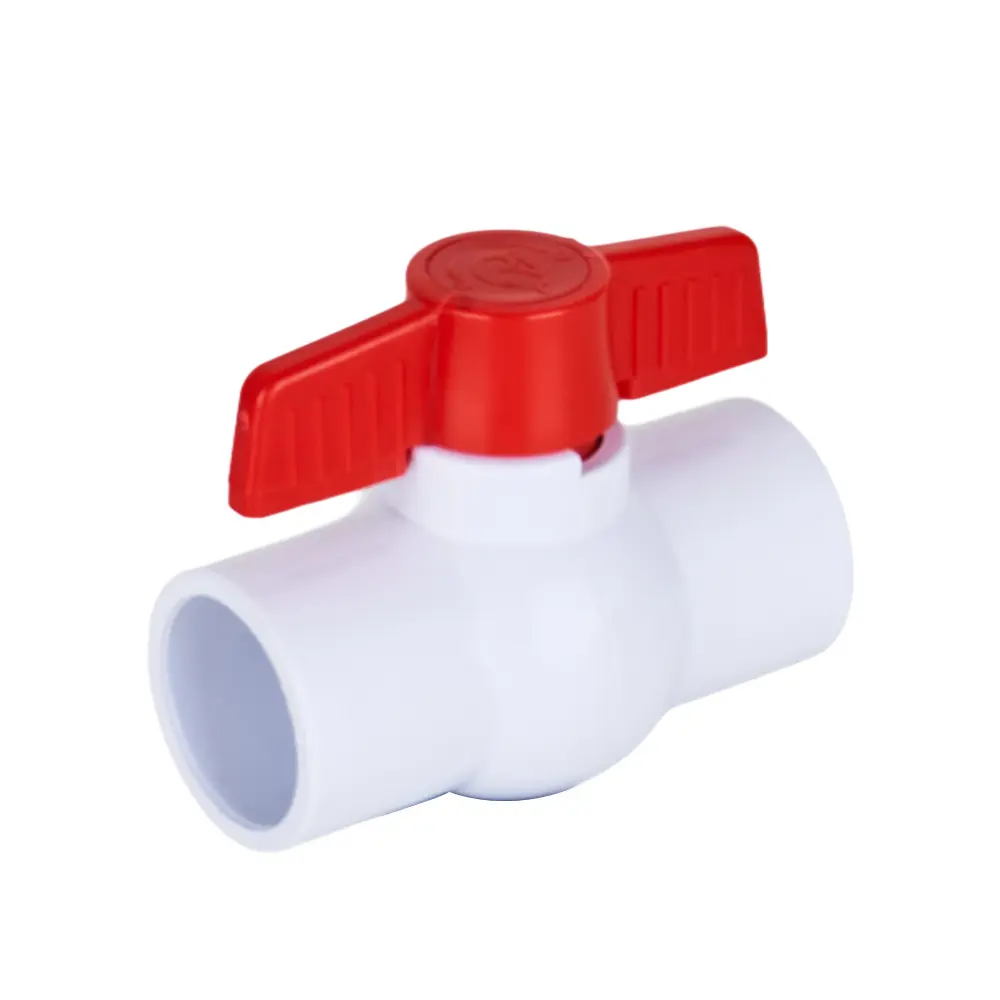
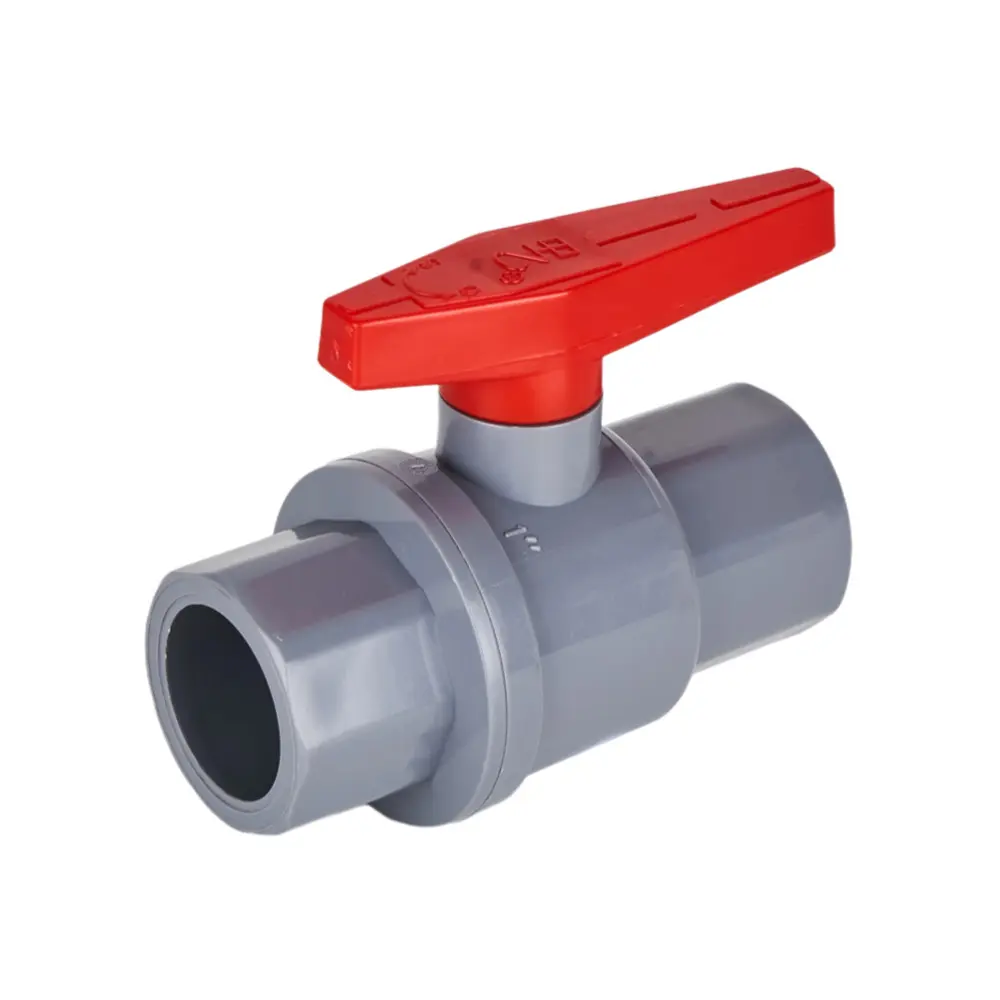
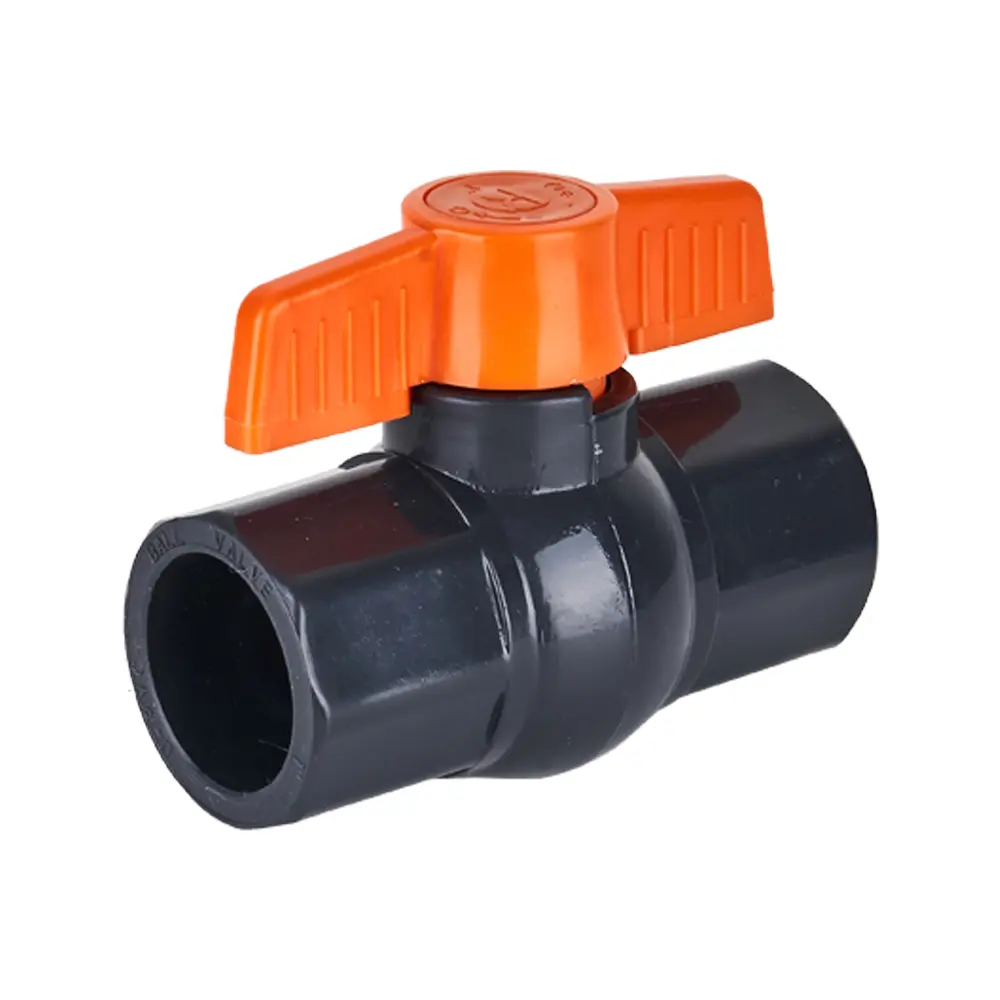
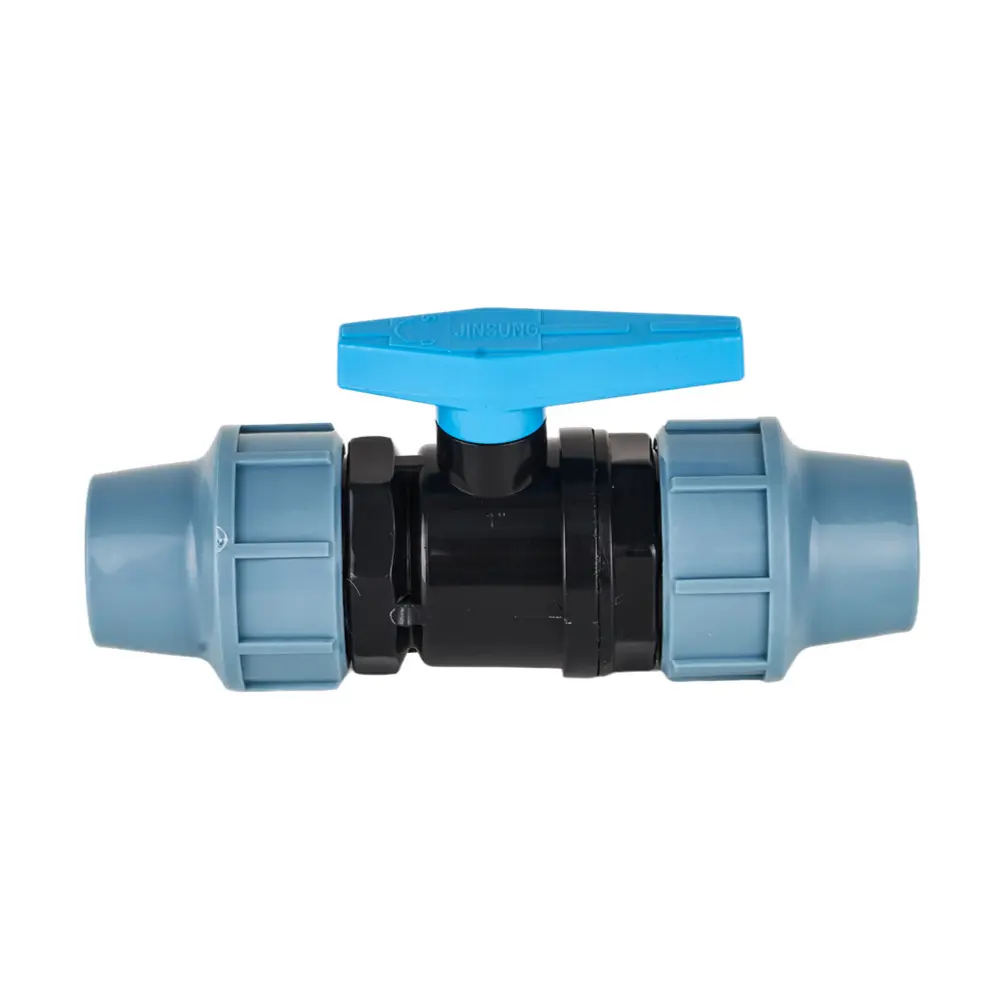
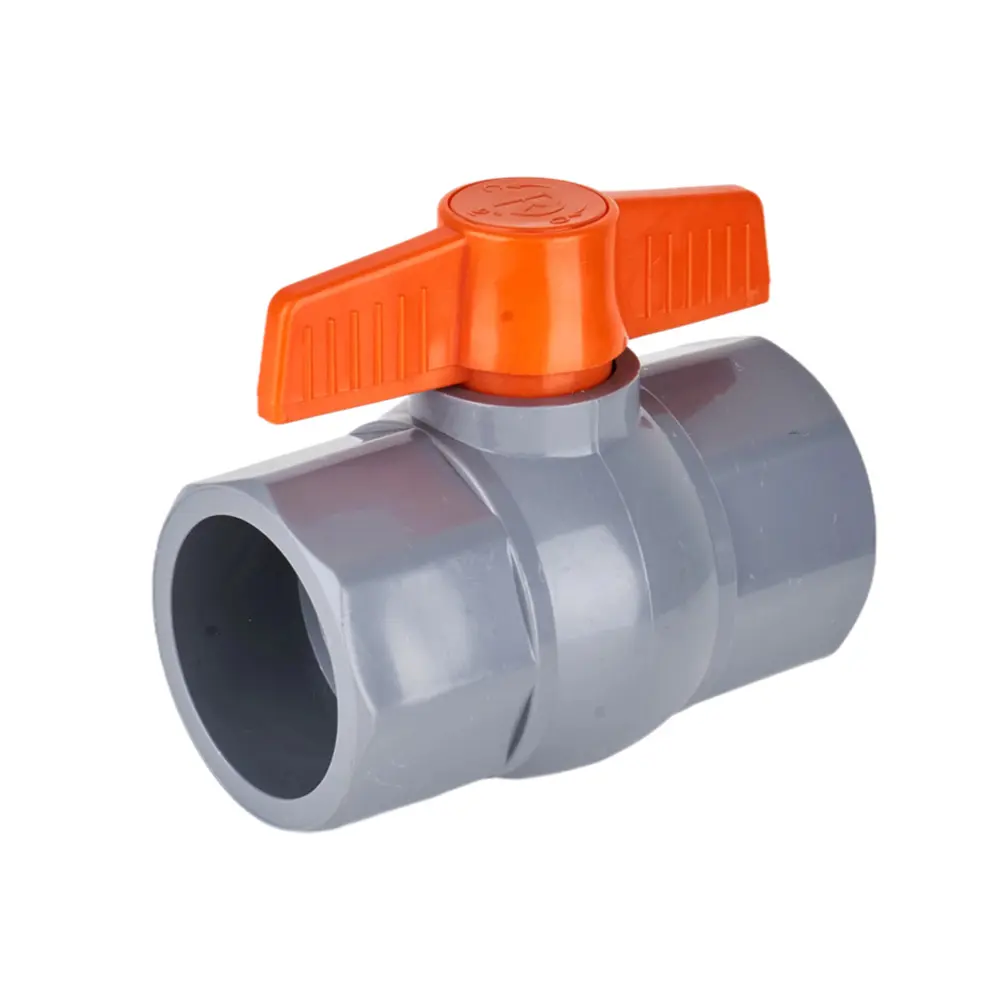
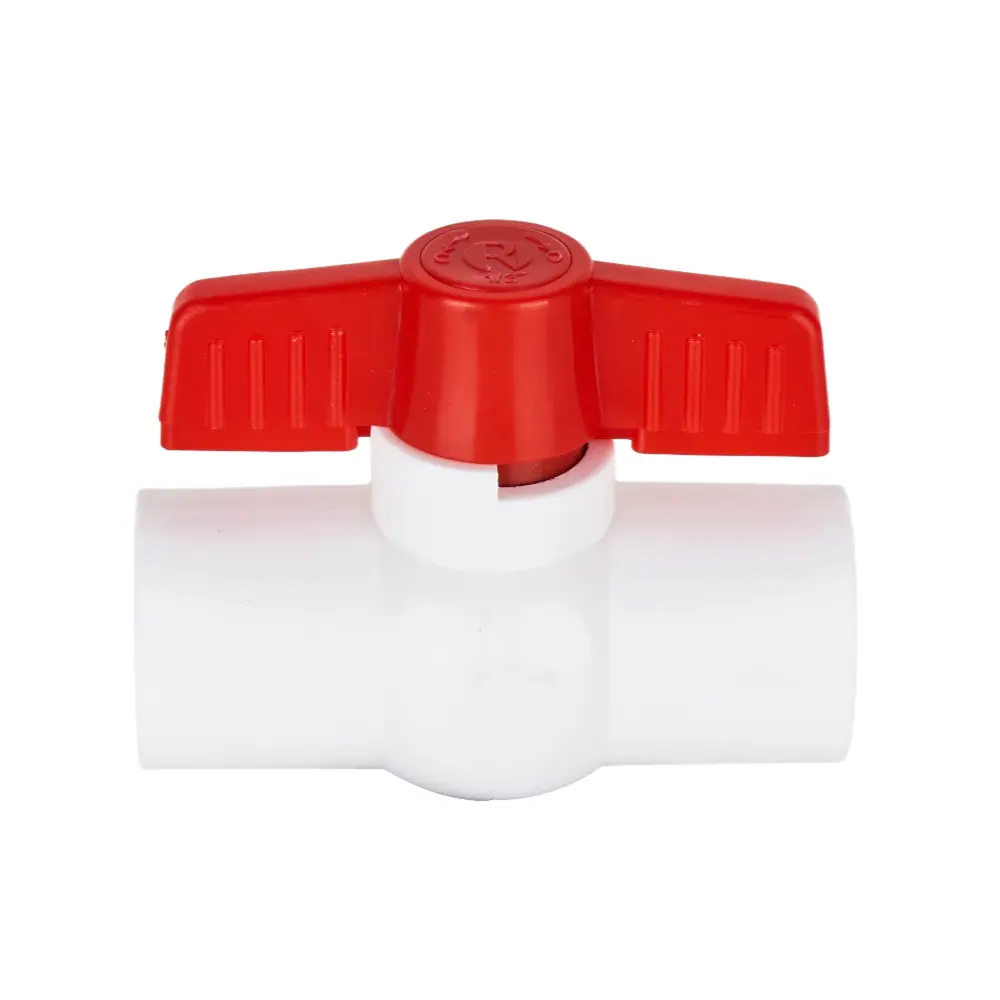
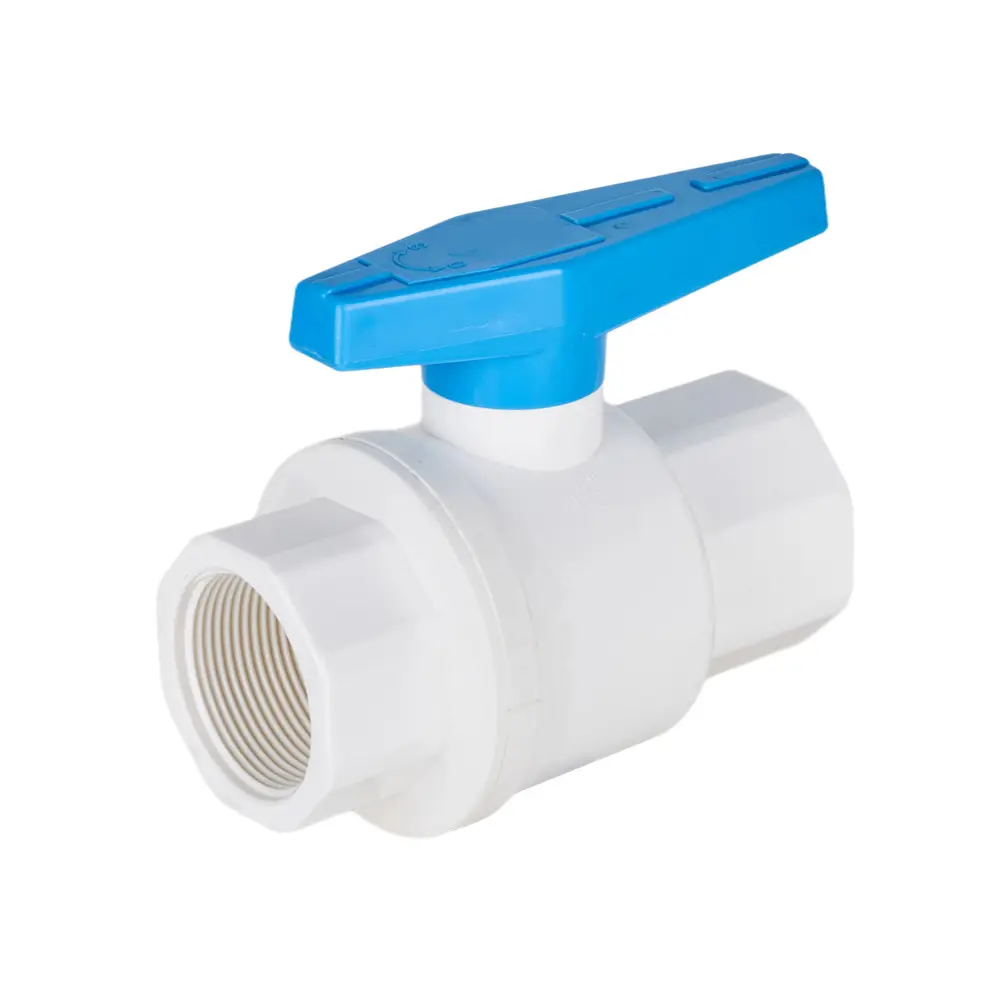
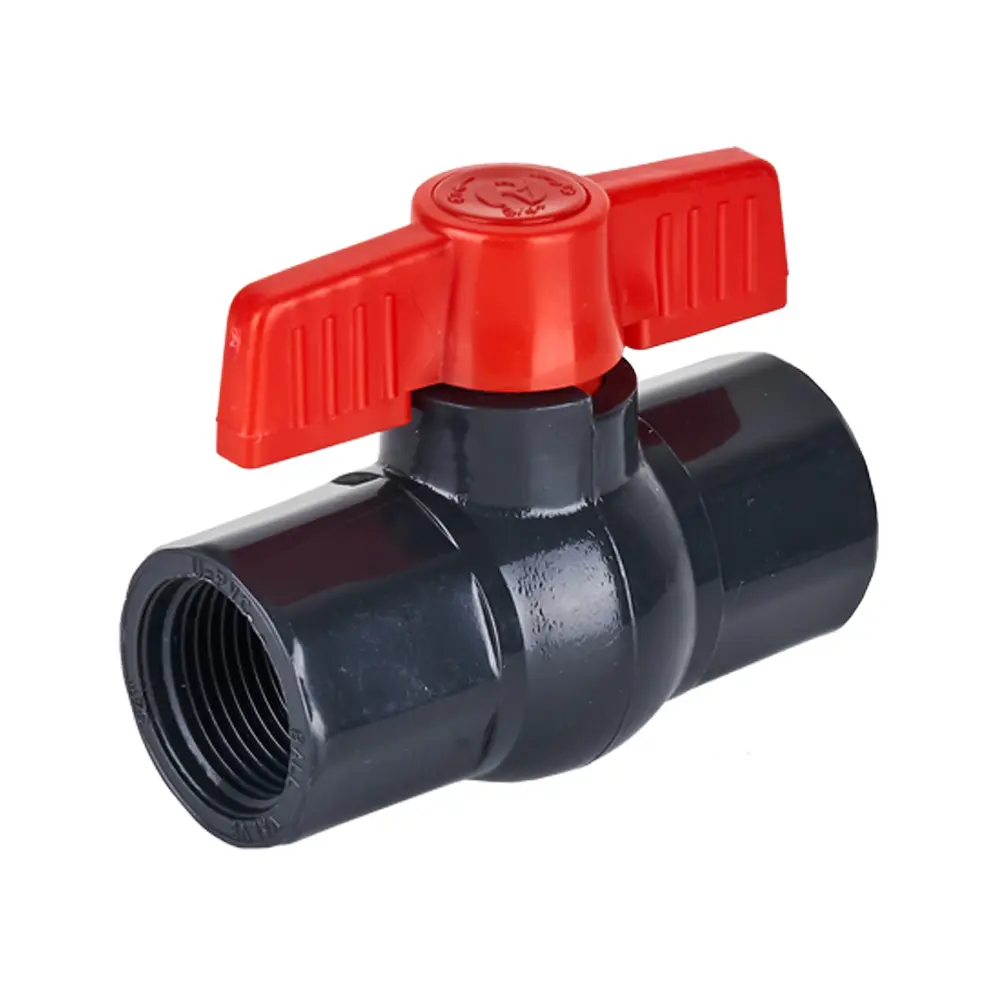
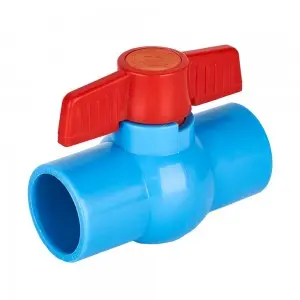
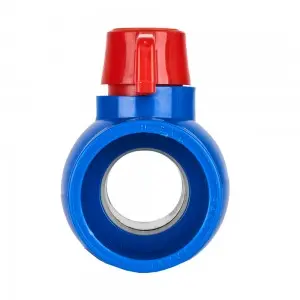
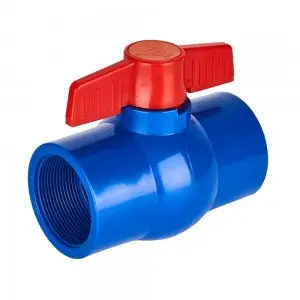
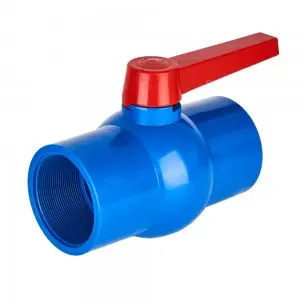
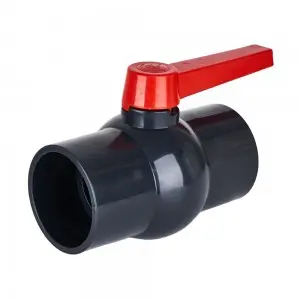
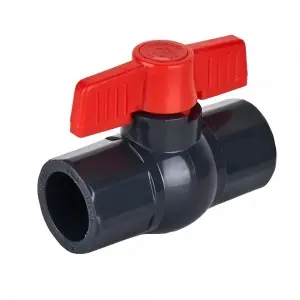
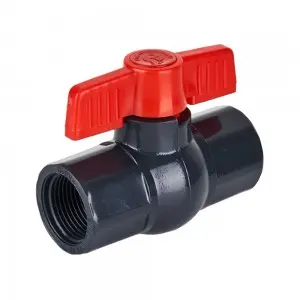
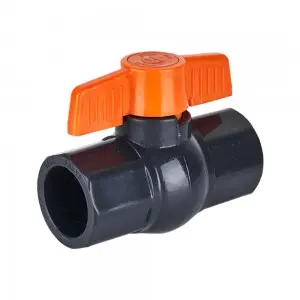
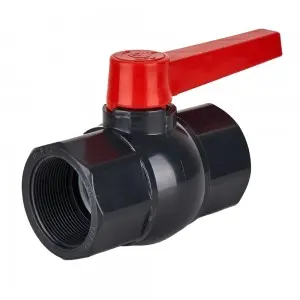
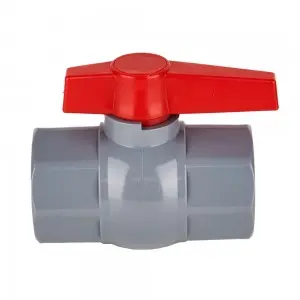
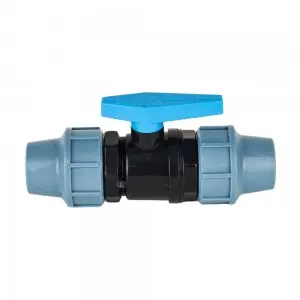
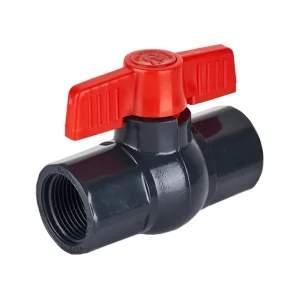
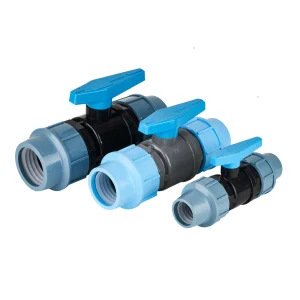
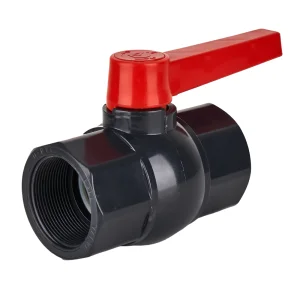
Explore our top-tier collection of PVC and UPVC compact octagonal and double union ball valves manufactured with German automation and scientific engineering.
In the matrix of global manufacturing, China injection molding of plastics represents the pinnacle of cost efficiency, technical iteration, and raw material integration. As industrial and civil infrastructures globally scale up, the demand for precision-molded components—especially heavy-duty, corrosion-resistant plastic valves and pipe fittings—has transitioned from basic commodity purchasing to high-spec engineered sourcing. Ehao Plastic Group stands at the forefront of this movement as a high-tech private enterprise integrating R&D, advanced design, and clean manufacturing of building materials, pipe fittings, and highly complex injection molds.
Chinese suppliers leverage a uniquely complete localized supply chain ecosystem. Unlike regional custom molders in North America or Western Europe, a top-tier Chinese manufacturer has immediate, zero-latency access to world-class tool steel (like H13 or P20), local chemical compounders, and massive logistics hubs. This integration enables factories to drastically compress prototyping schedules, optimize mold gating layouts, and scale production volume at speed while lowering initial tooling investments by up to 40% compared to Western counterparts.
Ehao Plastic Group's leadership in the domestic Chinese PVC/UPVC ball valve market is founded on intense engineering cooperation and state-of-the-art production assets. Since our inception, we have been continuously supported by the Chinese Academy of Sciences (CAS) and Zhe浙江大学 (Zhejiang University) in technological innovation. This academic alliance ensures that our polymer formulations, molecular crystallization controls, and structural designs are continuously optimized for mechanical toughness and long-term chemical resistance.
Furthermore, Ehao has systematically eliminated operational variability by introducing advanced manufacturing lines and computer-controlled automatic injection molding machines directly from Germany. These computerized systems continuously monitor and adjust thermodynamic profiles, injection pressure values, and clamping dynamics in real-time. By applying high-end German injection molding technology, we keep tolerances within tight micrometric scopes, guaranteeing absolute uniformity across millions of output units.
"Combining Chinese academic research in polymer engineering with high-performance German automation systems allows us to exceed international standards and manufacture world-class plastic valves at a fraction of typical tooling timelines." — Ehao Technical Director
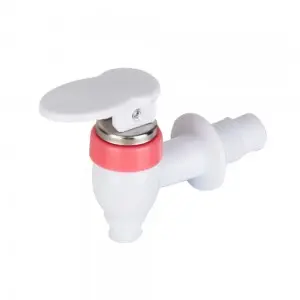
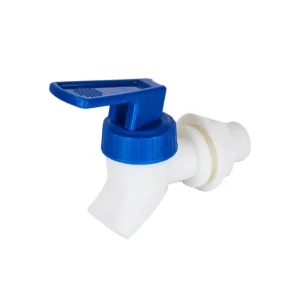
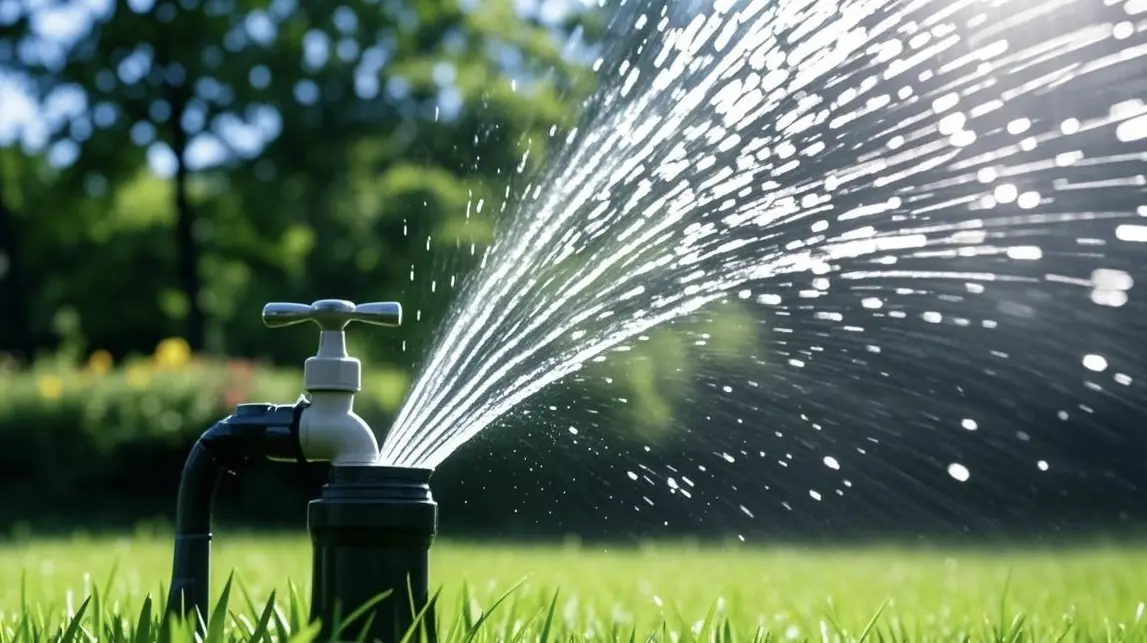
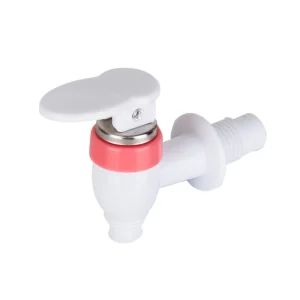
High-quality PP water drinking taps, POM faucet nipples, and UPVC union components designed for clean water supply systems.
In high-pressure plumbing, irrigation networks, and chemical transport pipelines, a component failure can lead to catastrophic operation downtime and severe safety risks. Ehao guarantees structural reliability through a structured 26-step scientific testing regimen that encompasses raw material compound inspection, dynamic in-process monitoring, and exhaustive destructive post-production validations.
Our raw material compound inspection starts with Melt Flow Index (MFI) verification, moisture content checks, and density distribution audits of virgin resin grades. During the automated molding process, thermal imaging checks part shrinkage, while visual inspect tools monitor surface roughness and gate marks. Post-injection testing includes hydrostatic pressure evaluations, cyclic burst analysis, drop tests at sub-zero temperatures, and torque resistance metrics on ball valves.
Verification of MFI, density, and compound purity of raw resins.
Real-time pressure, shear rate, and clamping force monitoring.
Hydrostatic testing and continuous cyclic pressure fatigue tests.
Full verification of DIN8077/8078 dimensional criteria before export.
Our products fully match DIN8077 and DIN8078 standards. These European norms dictate exact physical requirements and dimensions for polypropylene (PP) and polyolefin systems under continuous thermal loads. By meeting these guidelines, Ehao ensures that our domestic and exported plumbing items achieve a 100% ex-factory pass rate, giving international purchasers absolute peace of mind.
Selecting the appropriate plastic resin is critical to mechanical performance and cost efficiency. Below is an engineering comparison of the primary resins used in our plastic injection molding factory:
| Polymer Material | Tensile Strength (MPa) | Max Operating Temp (°C) | Chemical Resistance Profile | Primary Application Areas |
|---|---|---|---|---|
| UPVC (Unplasticized PVC) | 45 - 55 | 60 | Excellent resistance to acids, alkalis, and salts. | Industrial valves, water distribution, water treatment. |
| PP (Polypropylene) | 31 - 40 | 95 | Outstanding chemical compatibility; low moisture absorption. | Agriculture irrigation taps, chemical pipelines, food sector. |
| POM (Polyoxymethylene) | 60 - 70 | 100 | High fatigue resistance, friction tolerance, and hardness. | Threaded fittings, faucet nipples, precision gears. |
| ABS (Acrylonitrile Butadiene Styrene) | 40 - 45 | 80 | Superior impact strength, rigidity, and dimensional stability. | Heavy-duty valve handles, equipment enclosures. |
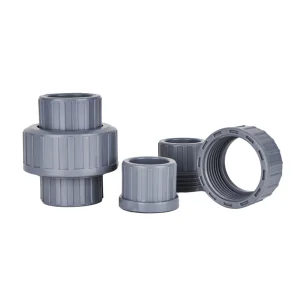
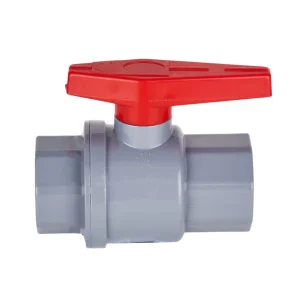
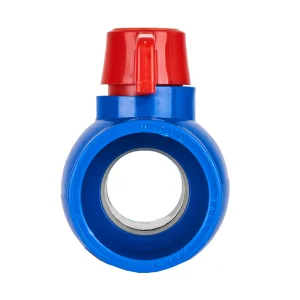
Premium series of octagonal, round compact, and double union PVC ball valves for severe chemical and architectural plumbing services.
Industrial molding is not a one-size-fits-all sector. Local market climates, pressure standards, and water quality characteristics require customized design configurations. Ehao Plastic Group addresses these specific localized scenarios by custom engineering every batch to its target market.
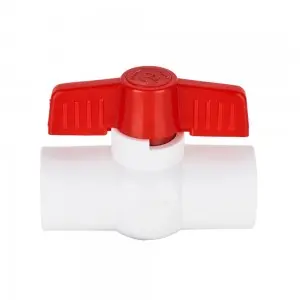
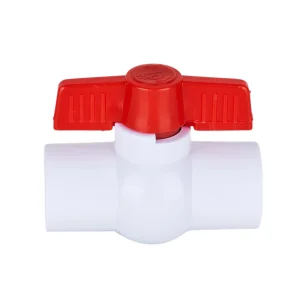
For example, in South America, there is a large market demand for white-colored compact PVC ball valves. These valves are widely used in urban building construction and residential renovations, where high UV exposure requires custom UV stabilizers to prevent structural embrittlement. In agricultural sectors across Southeast Asia and Europe, our components are used in high-efficiency micro-irrigation lines. These lines experience frequent pressure surges, meaning the valves must offer minimal pressure drop and low actuation torque.
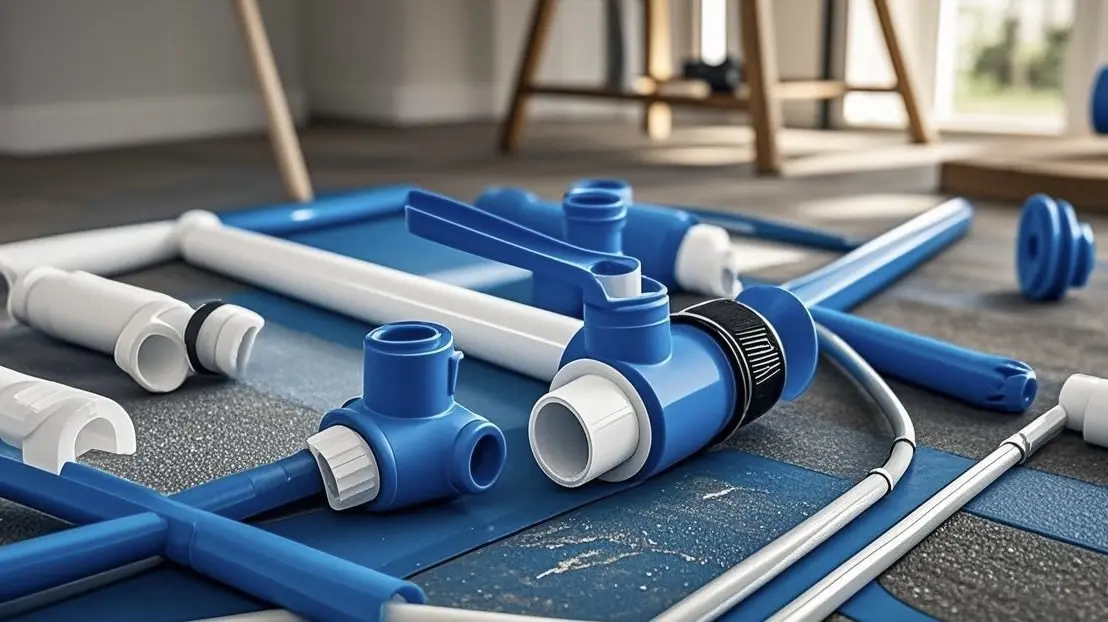
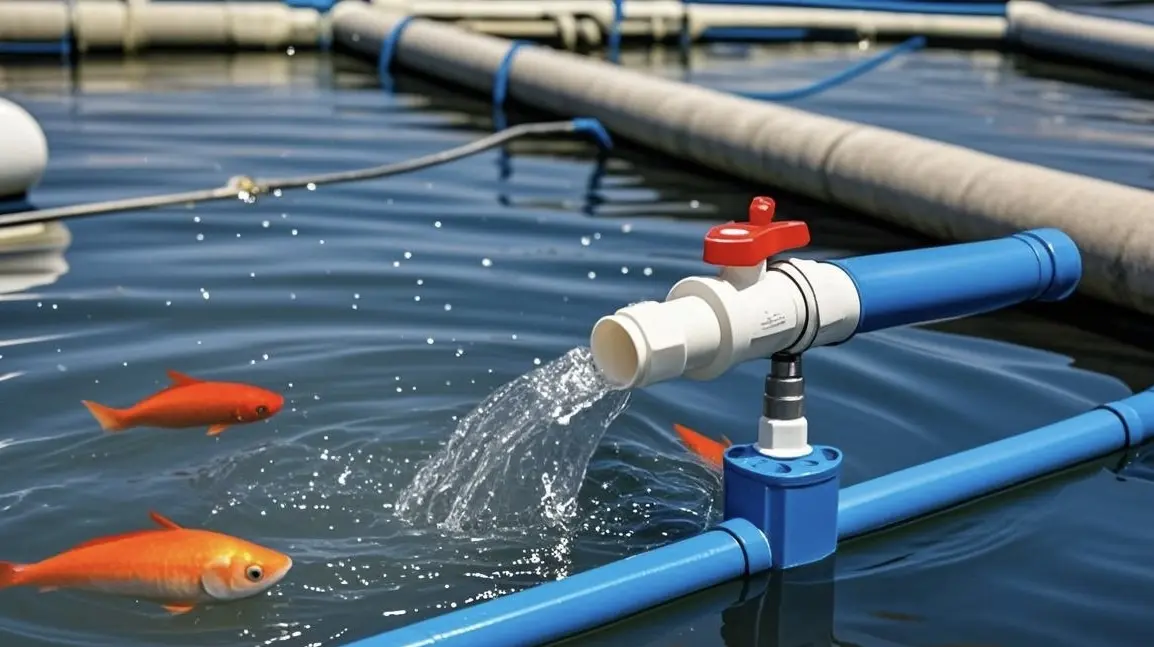
Industrial companies seeking to source from China injection molding factories must navigate international regulatory landscapes. Procurement agents look beyond simple cost-per-part metrics; they prioritize compliance with sanitary certifications and technical standards to prevent costly legal and structural failures. Ehao's engineering and QC protocols are designed to ease this transition:
Industrial-grade PVC compact round, octagonal valves, and union adapters for process fluid routing systems.
The global plastic molding sector is transitioning toward sustainability, smart factory configurations, and high-performance polymer developments. Modern injection plants are adopting closed-loop energy systems to reduce carbon footprints, integrating post-consumer recycled resins where applicable, and implementing smart manufacturing metrics. By monitoring cavity pressure curves directly within the tooling, smart systems automatically isolate and reject parts with volumetric deviations, lowering material waste and raising batch consistency.
Furthermore, Ehao continues to experiment with specialized additives to improve polymer stability against weather and chemical exposure. These R&D initiatives ensure that our plastic valves and fittings remain highly reliable options for demanding industrial liquid handling networks.
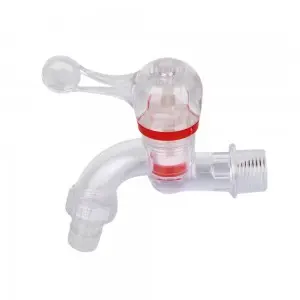
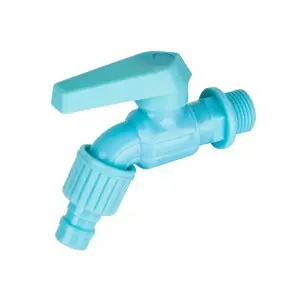
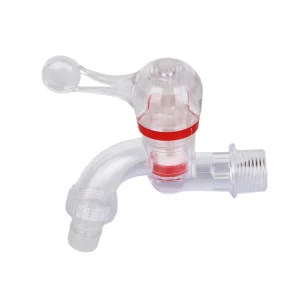
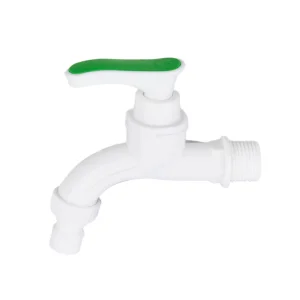
Discover our range of sanitary water bibcocks, health-compliant POM faucets, and heavy-duty double union connectors.
 EHAO
EHAO