Explore Ehao Plastic Group's high-tech, precision-molded components designed for extreme pressure endurance and chemical reliability.
High-Density Polyethylene (HDPE) is a cornerstone of modern industrial manufacturing, celebrated for its high strength-to-density ratio, chemical inertness, and impact resistance. As a leading high-tech private enterprise, Ehao Plastic Group specializes in integrating advanced research & development (R&D) with large-scale injection molding operations. By leveraging institutional support from the Chinese Academy of Sciences and Zhejiang University, Ehao integrates scientific innovation directly onto the factory floor.
Ehao’s manufacturing facility is equipped with automated injection molding machinery imported from Germany, running closed-loop monitoring systems that govern pressure, temperature, and clamping forces with micrometer precision. Every product undergoes 26 steps of rigorous scientific testing to control molecular alignment, verify density thresholds, and guarantee a 100% ex-factory pass rate. The technical indexes of our components conform strictly to global benchmark standards, including DIN8077 and DIN8078, demonstrating world-class quality in engineering and production output.
"The core spirit of Ehao Plastic Group lies in honesty, dedication, innovation, and return. We operate under a business philosophy that balances high-tech development with zero-tolerance quality control, delivering reliable fluid system components to 28 countries worldwide."
HDPE is a semi-crystalline thermoplastic known for its linear molecular structure. Unlike Low-Density Polyethylene (LDPE), the absence of branching results in a tighter molecular structure, yielding a density of 0.941 to 0.967 g/cm³. Injection molding HDPE demands sophisticated control of cooling rates and melt flow indexes to minimize shrinkage, which typically ranges between 1.5% and 3.0%. Ehao’s computational mold designs account for these physical behaviors, preventing warping and maximizing mechanical stability.
Ehao’s engineering framework fuses advanced raw material selection with optimization algorithms to deliver structural longevity.
Through our research and development programs, we evaluate physical metrics like tensile strength, melt flow indicators, shear stress behavior, and thermal conductivity. This ensures that every high-density polyethylene and vinyl component provides structural integrity under mechanical load.
How our localization, vertical integration, and academic partnerships deliver cost and performance benefits to global buyers.
We manage everything in-house, from custom tool design and mold building to polymer extrusion, injection molding, and testing. This vertical structure reduces lead times, cuts middleman costs, and ensures strict quality control at every stage.
By using modern, automated injection molding machinery from Germany, we achieve reliable clamp pressure distribution, clean cycle controls, and low rejection rates on complex designs.
Working alongside the Chinese Academy of Sciences and Zhejiang University lets us apply modern flow analysis and polymer chemistry insights directly to our production engineering processes.
Ehao’s injection-molded products are engineered to perform in demanding commercial and domestic applications.
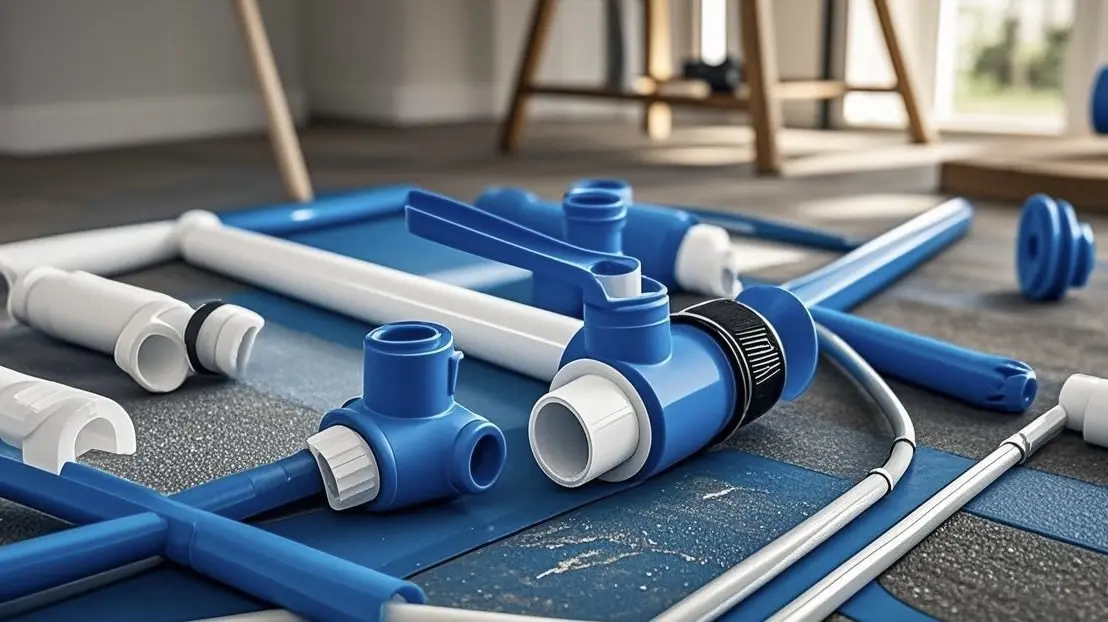
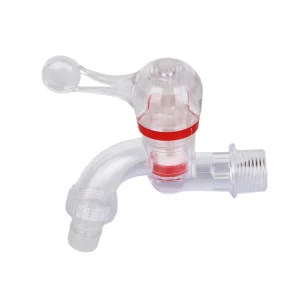
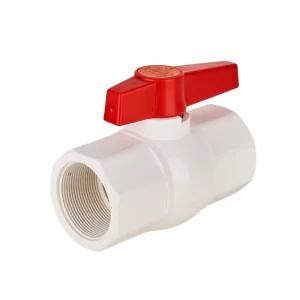
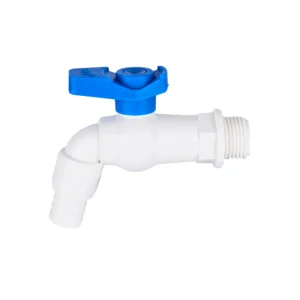
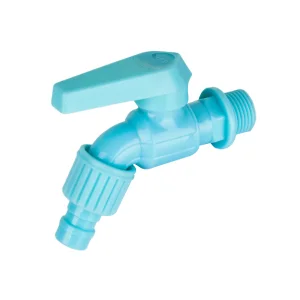
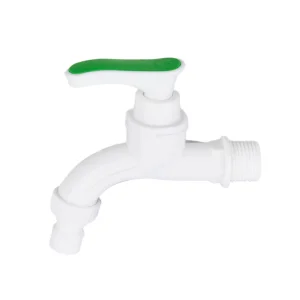
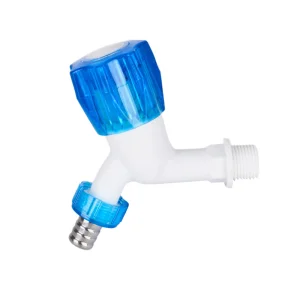
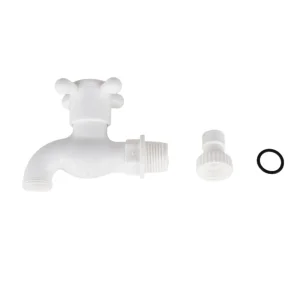
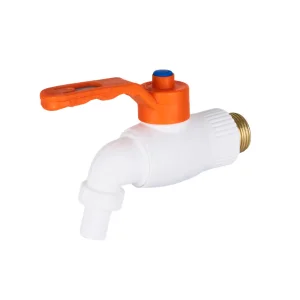
Our safe, non-toxic polymer taps and durable valves support clean water distribution systems and modern plumbing layouts in residential properties.
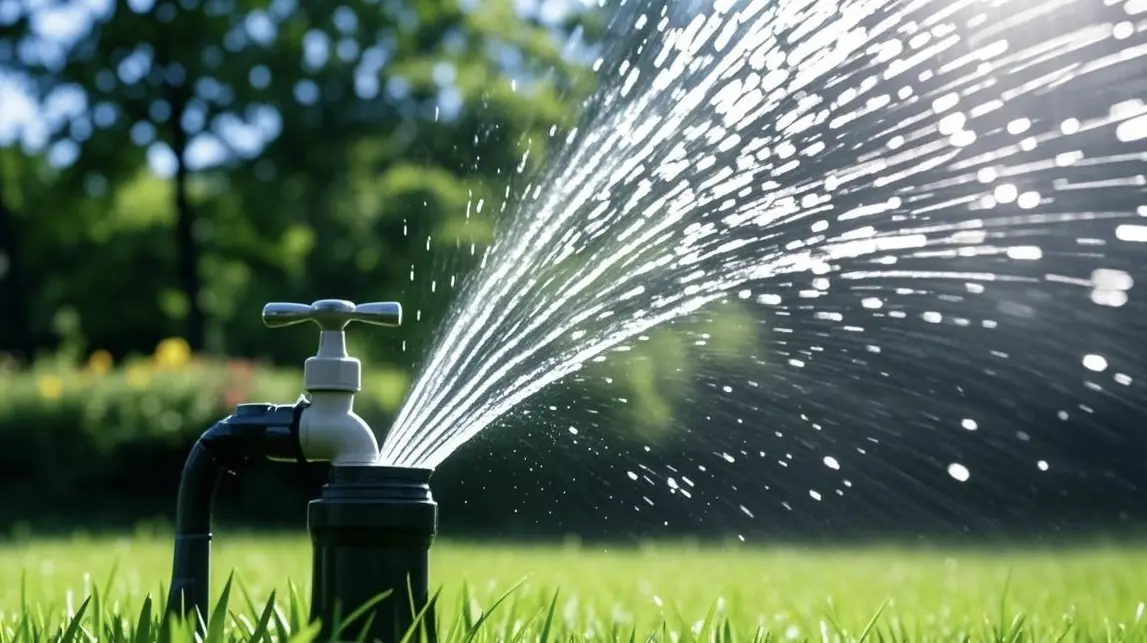
Built to handle varying field pressures and UV exposure, our components ensure long service life in agricultural settings and drip systems.
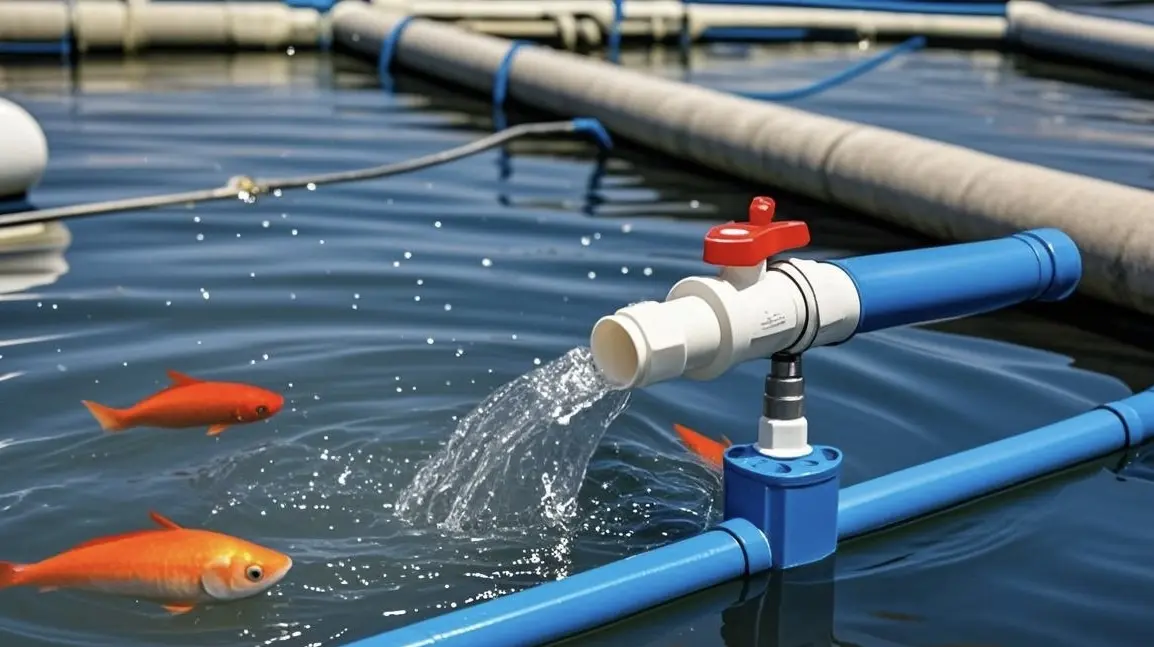
Constructed from non-toxic materials, our piping connectors and valves help maintain clean, chemical-free flow in aquaculture operations.
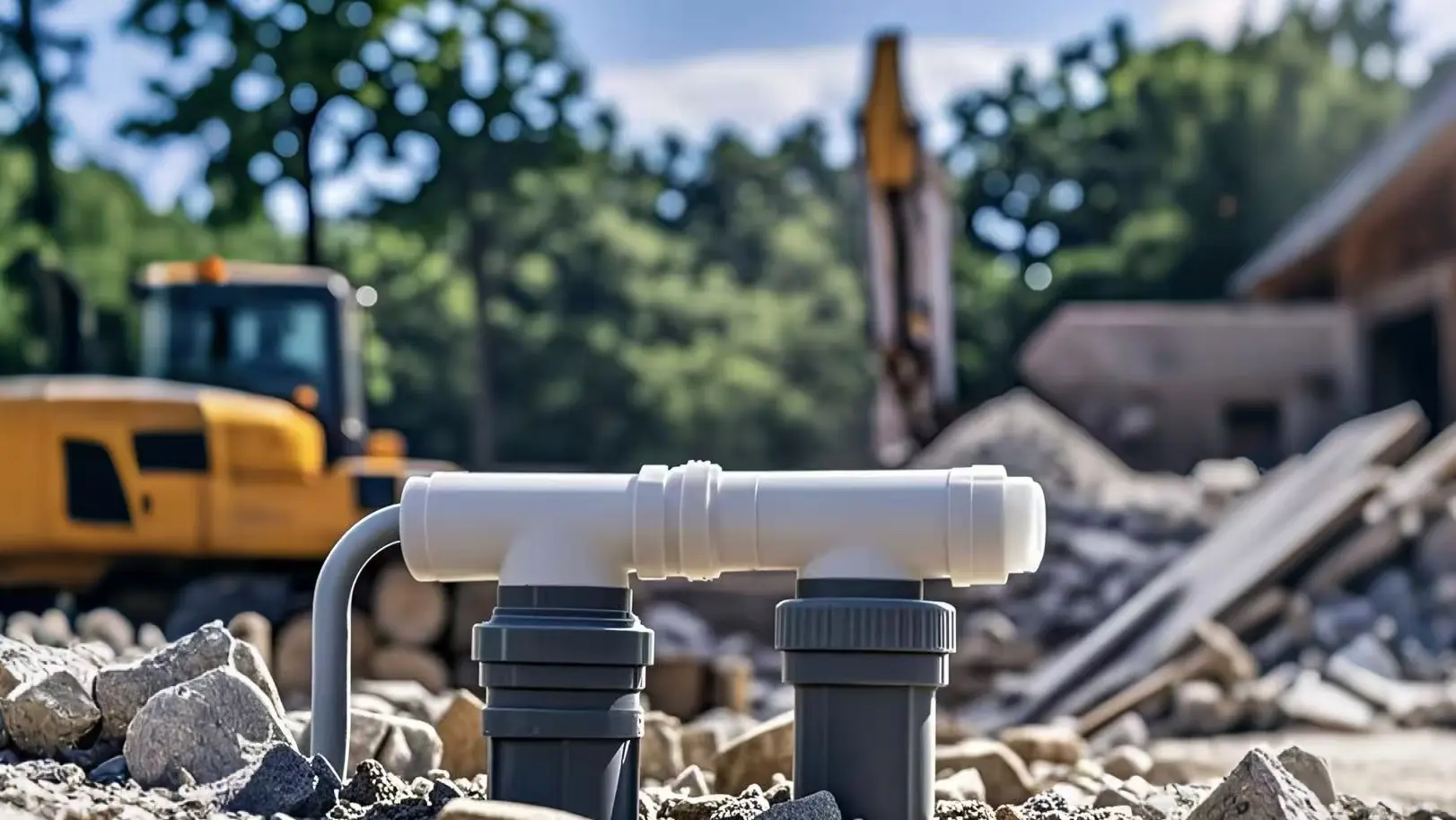
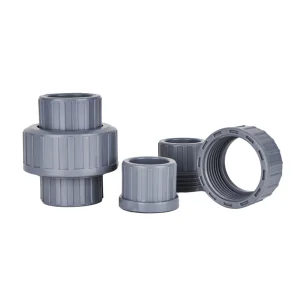
Heavy-duty, pressure-rated components designed to meet international plumbing standards for sub-surface utilities and industrial infrastructure.
From selecting and configuring the right machine for your job to helping you finance the purchase that generates noticeable profits.
Ehao Plastic Group helps clients at every stage of product development. Beyond manufacturing standard components, we design and produce custom plastic molds, process client-supplied materials, and work directly from physical samples, blueprints, or concept files to deliver precise extrusion and injection molded parts.
We work closely with machinery suppliers, tooling experts, and logistics partners to offer a reliable, end-to-end purchasing experience for international buyers.
Ehao provides technical support and clear specifications to help international procurement teams sourcing HDPE and PVC valves.
| Material Class | Common Applications | Standards Conformity | Key Properties |
|---|---|---|---|
| High-Density Polyethylene (HDPE) | Water supply piping, agriculture systems, chemical containment. | DIN 8074, DIN 8075, ISO 4427 | High impact resistance, low-temp toughness, chemically inert. |
| Unplasticized PVC (UPVC) | Municipal mains, chemical drainage, residential water service. | ASTM D1785, BS 3505, DIN 8061/8062 | High tensile strength, rigid structure, corrosion resistant. |
| Polypropylene Random Copolymer (PPR) | Hot/cold potable water pipes, radiator connection loops. | DIN 8077, DIN 8078, EN ISO 15874 | Thermal stability, weldability, long-term hydrostatic strength. |
| Polyoxymethylene (POM) | Water tap internal mechanics, structural valve threads. | FDA compliant, NSF listed grades | High dimensional stability, low friction, excellent wear resistance. |
Note: We support custom material formulations, including UV stabilizers and color matching. Our tooling department can also develop custom molds using client CAD designs (IGS, STEP, or DWG files).
We keep track of key shifts in the injection molding sector to maintain long-term production advantages.
As global environmental standards tighten, we adapt by integrating Post-Consumer Recycled (PCR) resins and bio-based plastics into non-critical fluid components. This transition helps clients reduce their scope 3 emissions without sacrificing mechanical strength.
Modern manufacturing relies on data. By integrating sensors into our injection molding tools, we track cavity pressure and cooling curves in real time. This automated approach ensures consistent dimensions and reduces scrap across large runs.
Using advanced tool steels like H13 and S136, along with conformal cooling channels, allows our molds to run at optimal temperatures. This results in shorter cycle times and prevents stress fractures in the final molded parts.
Clear, direct answers to common engineering and sourcing questions about injection molded HDPE and PVC products.
High-Density Polyethylene is a semi-crystalline polymer with typical volumetric shrinkage rates between 1.5% and 3.0%. The final rate depends on wall thickness, gate style, and pack pressure. Our design team uses Moldflow analysis to evaluate these variables, ensuring molds are built with accurate dimensions to keep parts within spec.
Warping in HDPE is usually caused by uneven cooling rates. We manage this by using dedicated cooling circuits within our molds, maintaining consistent injection and pack pressures, and optimizing cycle times. These adjustments ensure the polymer solidifies evenly, reducing internal stress and keeping dimensions stable.
Yes, we design and build custom injection molds. We accept standard CAD files including STEP, IGES, Parasolid, and DWG. Our tooling department supports the design process from initial concept checks to sample production and final mass runs.
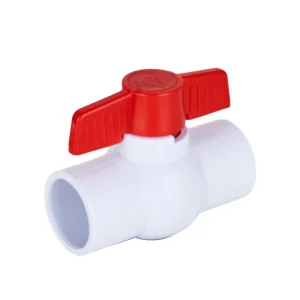
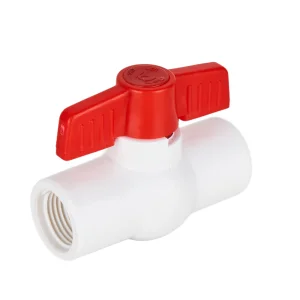
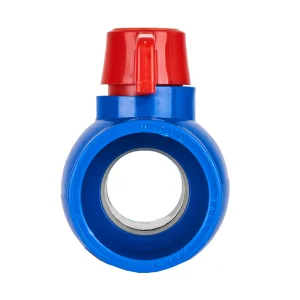
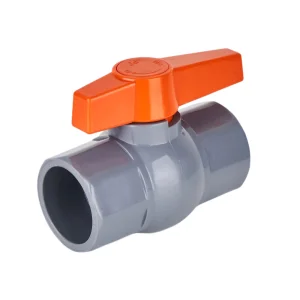
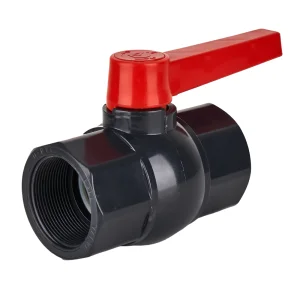
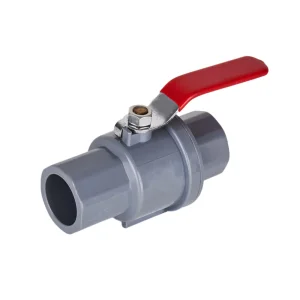
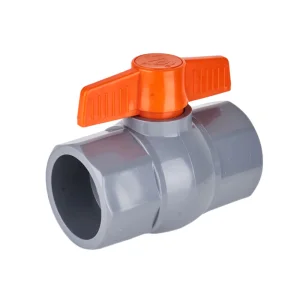
Our standard compact PVC and HDPE ball valves are designed for pressure classes PN10 and PN16 (roughly 150 to 232 PSI) at room temperature. We test these valves using hydraulic burst systems as part of our quality checks to ensure they meet DIN and ISO performance requirements.
These partnerships help us analyze and troubleshoot material issues. We collaborate on testing raw material purity, analyzing flow characteristics, and troubleshooting stress behaviors. This academic input helps us select appropriate materials and maintain consistent manufacturing quality.
Our polymer materials are selected to meet international drinking water standards, including NSF/ANSI 61 and WRAS requirements. We test products regularly for lead-free composition, chemical resistance, and non-leaching performance to ensure safety in potable water systems.
Yes. We can compound raw resins with carbon black or specialized UV stabilizers to extend the service life of valves and fittings used outdoors. We also provide color matching to align with customer branding requirements.
Custom mold design and production usually takes 35 to 45 days, depending on the complexity of the part. Once the mold is complete, we run test samples and supply first-article inspection (FAI) reports along with physical samples for customer approval before starting mass production.
View our full selection of UPVC, POM, PP, and PPR valves and water taps manufactured to DIN standards.
 EHAO
EHAO