Highly standardized, precision-molded elements ready for municipal, industrial, and residential deployment.
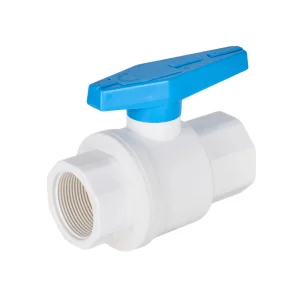
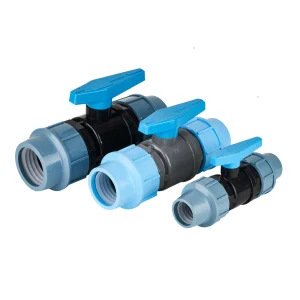
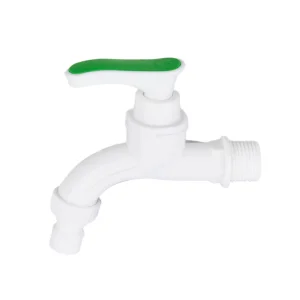
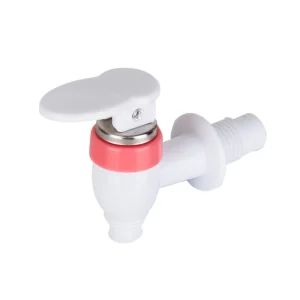
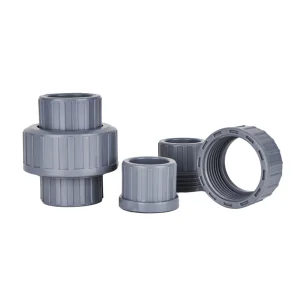
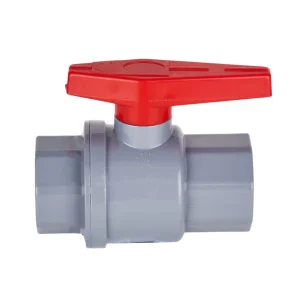
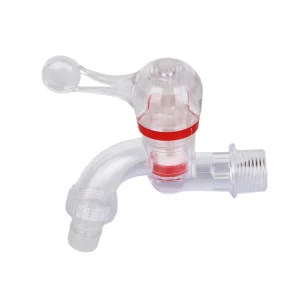
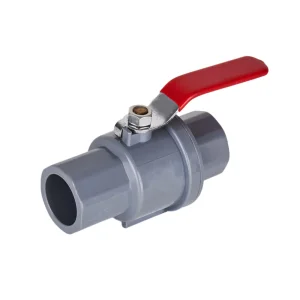
Ehao Plastic Group is a premier high-tech private enterprise integrated at the cross-section of advanced material research, computational fluid mold design, and high-performance pipeline fitting manufacturing. Historically backed by the technological prowess of the Chinese Academy of Sciences and Zhejiang University, our research methodologies fuse academic rigor with factory-floor execution. Over the past decades, Ehao has established itself as an undisputed leader of PVC/UPVC ball valves, building material components, and highly custom industrial injection molds in the domestic Chinese market, while dynamically extending its global supply reach to 28 countries and regions across Europe, the Americas, and Southeast Asia.
"Our tooling and design operations utilize direct technological translations from academic partnerships, integrated with German-engineered automated computer injection systems, maintaining compliance with rigorous DIN8077 and DIN8078 standards."
The complex fluid dynamics inherent in high-pressure piping systems demand absolute dimensional accuracy. Minor geometric offsets in mold design lead to uneven flow distribution, structural weak points, and premature structural failure in field operations. Ehao avoids these pitfalls by utilizing advanced computerized simulation packages (such as Autodesk Moldflow) during the tool design phase to analyze polymer melt velocity, temperature distribution, pressure drops, and prospective shear stresses. This preemptive engineering protocol ensures that our molds perform reliably over millions of cycles, minimizing downtime for global buyers.
Traditional straight-drilled cooling channels often leave critical mold areas with thermal gradients, leading to localized shrinkage and warp defects. Modern injection molding die design trends prioritize 3D-printed conformal cooling channels. By mimicking the exact contours of the cavity, conformal paths eliminate hot spots, ensuring rapid and uniform heat dissipation. This reduces cycle times by up to 30% and keeps the mechanical properties of materials like UPVC, PP, and POM highly consistent.
Die longevity depends directly on metallurgical integrity. PVC resins release trace amounts of hydrochloric acid gas during processing, requiring the use of highly corrosion-resistant steel grades such as premium electro-slag remelted (ESR) S136 or 1.2083 stainless steel, hardened up to 48-52 HRC. For non-corrosive materials like PP and POM, high-performance H13 or P20 steel is selected, augmented with advanced PVD surface coatings to resist abrasive wear and prolong tooling lifespan.
Industrial fluid component production requires zero-defect manufacturing. Ehao leverages valve-gated hot runner systems that offer independent gate control. This system reduces waste and scrap rates, while preventing gate vestige issues. Precise thermal regulation at the gate ensures that polymer chains are not degraded by shear-induced localized heating, resulting in high-durability plastic valves and taps.
Ehao Plastic Group operates a state-of-the-art facility equipped with precision machinery imported directly from Germany. By integrating high-end CNC machining centers, EDM wire-cutting setups, and computer-automated injection molding units, we achieve high-precision tolerances down to ±0.01mm. This robust infrastructure minimizes manual intervention, guarantees dimensional consistency across production batches, and helps mitigate global supply chain fluctuations.
Every design iteration at Ehao undergoes a 26-step testing protocol. This sequence encompasses metallurgical testing of incoming tool steel, coordinate measuring machine (CMM) dimensional checks of individual mold plates, and dynamic stress analysis during pilot runs. Additionally, pressure, torque, and burst tests are conducted on completed valve products. Our testing protocols align with DIN standards, ensuring that our products meet the demanding requirements of global engineering projects.
From residential infrastructure to massive industrial operations, our die designs produce end-products optimized for specific chemical, thermal, and mechanical conditions.
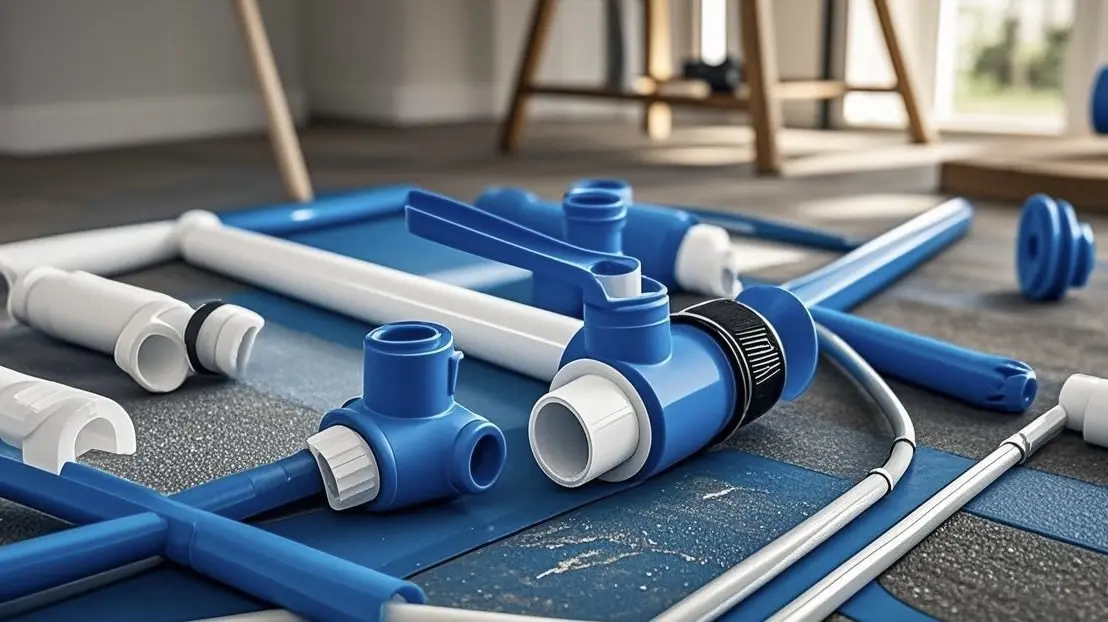
Delivering safe plumbing fixtures, aesthetic shut-off valves, and long-lasting residential water distribution parts.
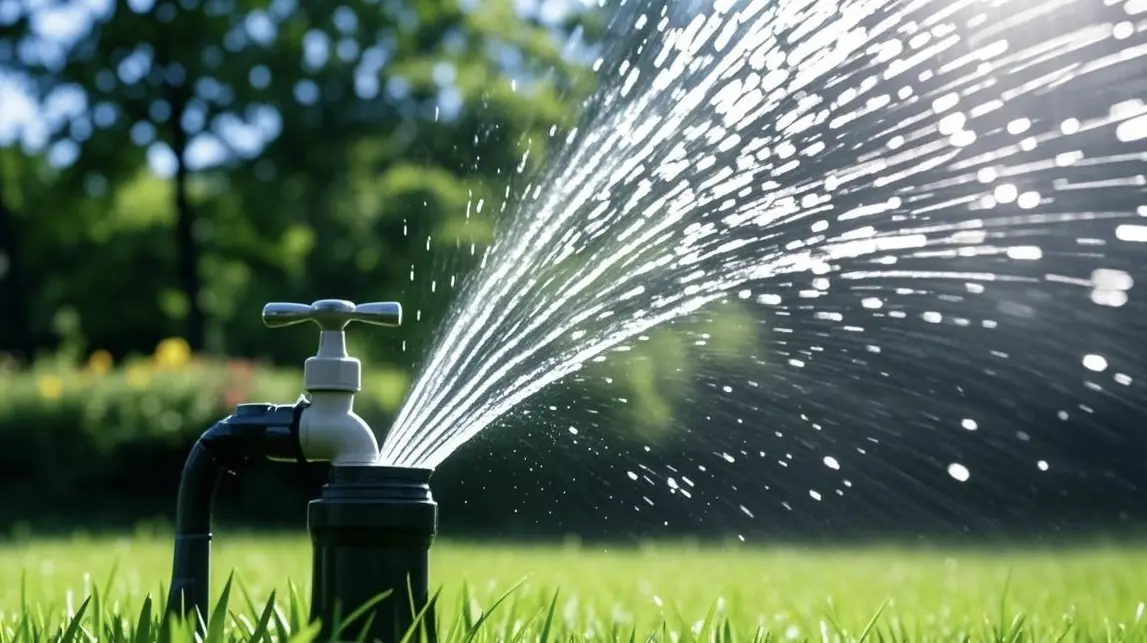
Engineering high-flow, chemical-resistant compact ball valves capable of withstanding UV exposure and fertilizer chemicals.
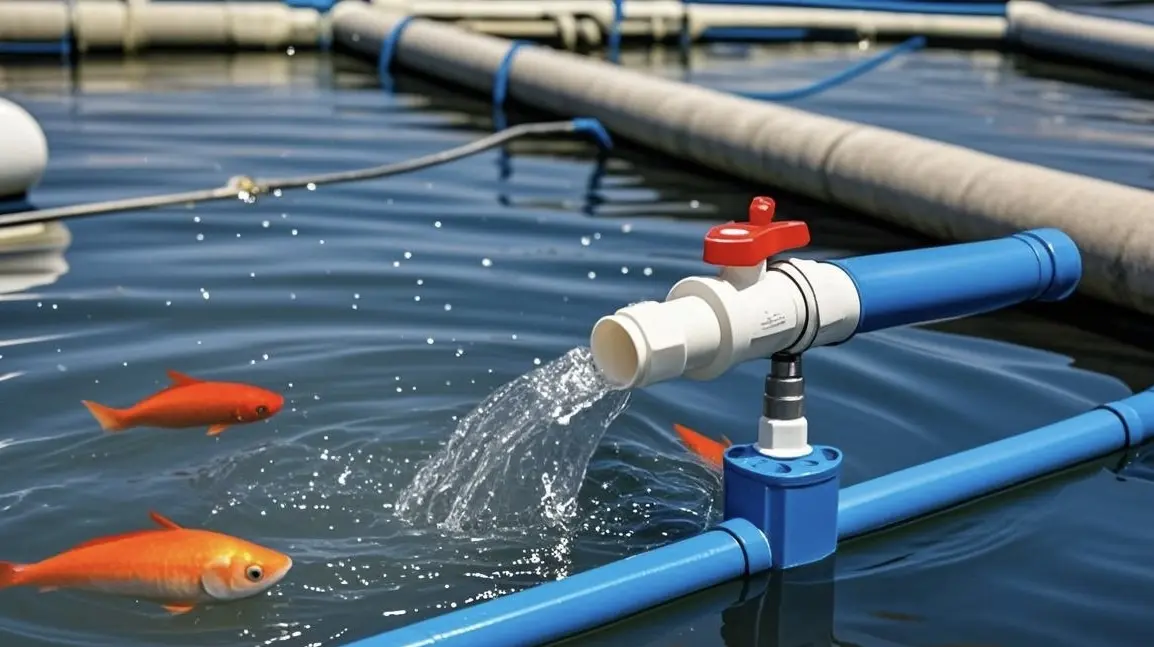
Providing non-toxic, lead-free polymer valves that maintain clean aquatic environments and prevent bio-accumulation issues.
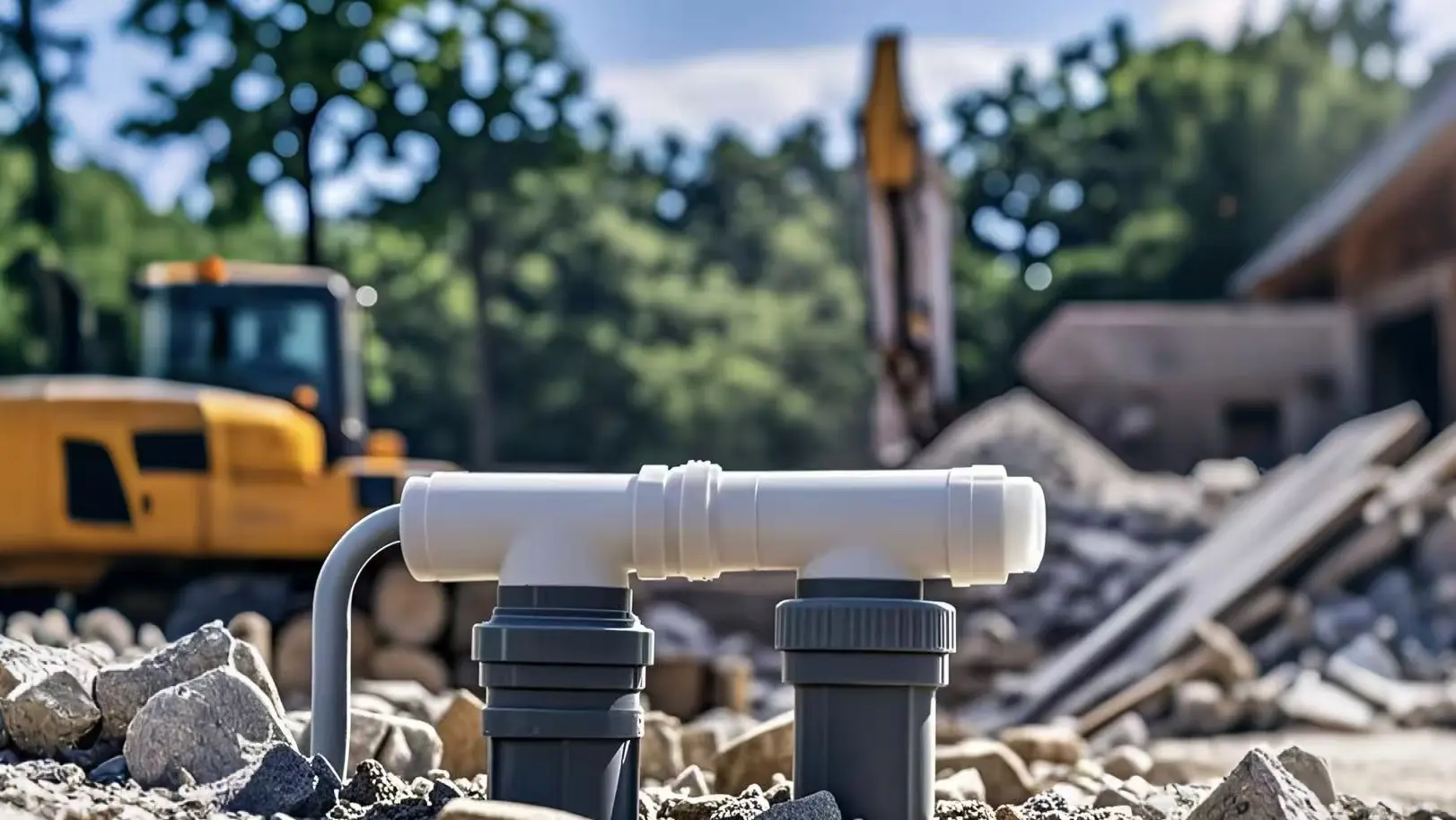
Supplying high-strength, double-union valves and heavy-duty fittings compliant with international construction codes.
In the global injection molding market, procurement directors face a delicate balance between upfront tooling costs (CapEx) and long-term operating costs (OpEx). Choosing low-cost molds with poorly optimized gating or cooling designs can lead to high scrap rates and premature wear, escalating the total cost of ownership.
1. Standardized Mold Bases: We utilize LKM, HASCO, and DME global standard mold bases, allowing field engineers to perform maintenance and swap worn parts using local component networks.
2. Highly Accurate Cavity Balancing: Rheological balancing ensures that multi-cavity molds fill at identical pressures and speeds, eliminating part weight variance.
3. Specialized PVC Processing Capabilities: Ehao integrates corrosion-resistant chrome plating and dedicated venting inserts to manage acidic off-gassing, keeping mold surfaces clean over extended production runs.
By utilizing automated computer injection machines imported from Germany, our manufacturing processes maintain tight control over temperature, injection pressure, and cooling times. This level of process control ensures that structural elements, such as internal valve balls and sealing rings, maintain their roundness and dimensional stability, preventing leaks in downstream fluid-handling applications.
Get professional engineering answers regarding custom plastic dies, polymer behavior, and industrial sourcing.
PVC is highly corrosive when heated because it releases hydrochloric acid gas. To prevent rust and pitting, we use high-chromium stainless steel like ESR-melted S136 or 1.2083, hardened to 48-52 HRC. This ensures the mold surfaces maintain their high-polish finish, which is essential for producing smooth, clean parts.
Thicker components, like valve handles or bodies, are prone to internal voids and surface sink marks. Our design team uses Moldflow analysis to optimize gate sizing and placement, ensuring effective packing pressure is maintained during material solidification. We also design conformal cooling channels to prevent localized heat accumulation.
We build molds using LKM, HASCO, and DME standards. This compatibility allows international customers to easily source replacement ejector pins, guide pillars, and bushings locally, simplifying mold maintenance and reducing potential downtime.
Our QA process includes testing on CMM machines, dynamic pilot trials on our in-house injection machines, and dimensional inspections of the molded parts. We provide customers with full sample inspection reports, material certifications, and video documentation of the trial runs before shipping the molds.
Simple prototype molds can be completed in 3 to 4 weeks. For complex, multi-cavity production tooling with hot runners, the lead time typically ranges from 6 to 8 weeks, including initial design reviews and trial runs.
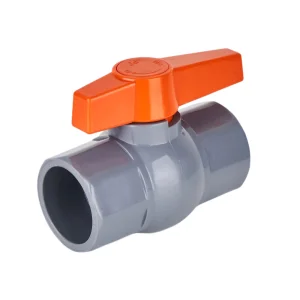
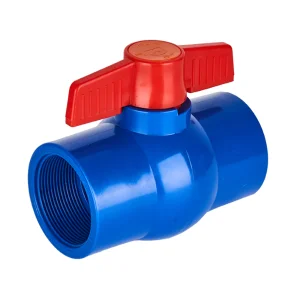
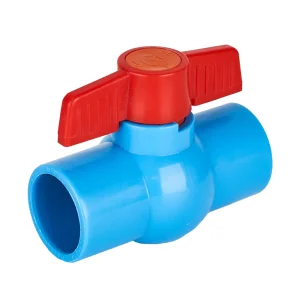
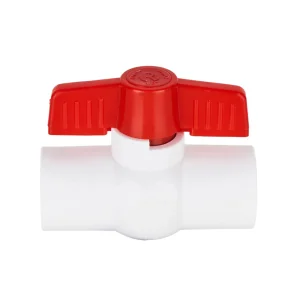
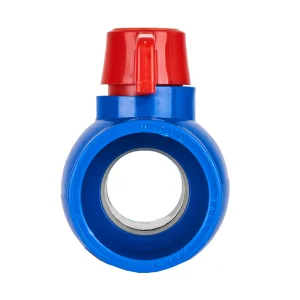
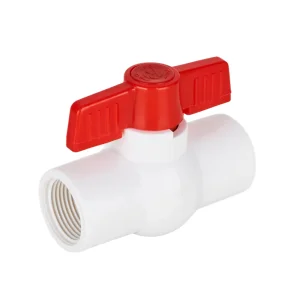
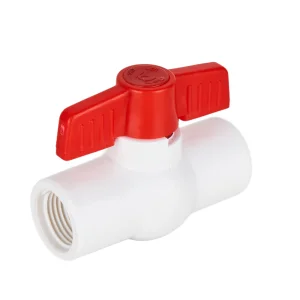
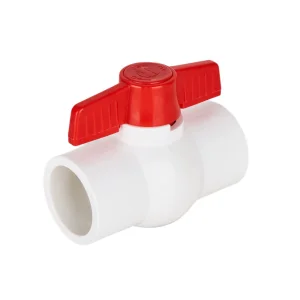
Engineered using premium-grade raw materials for long life, high chemical resistance, and ease of operation.
 EHAO
EHAO