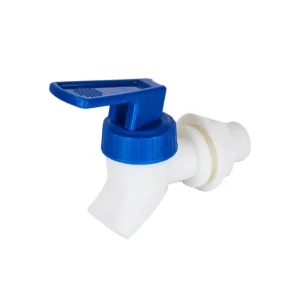
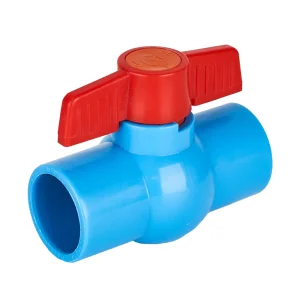
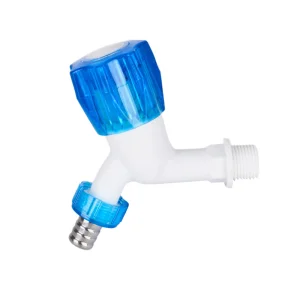
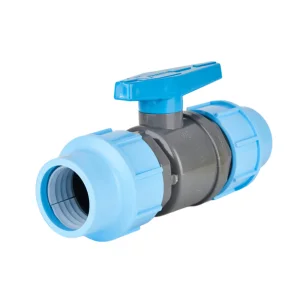
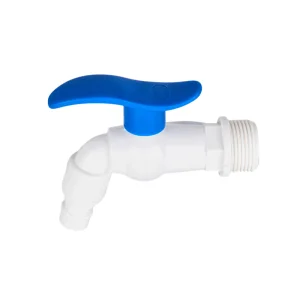
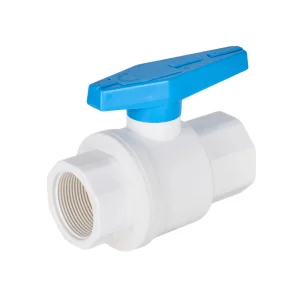
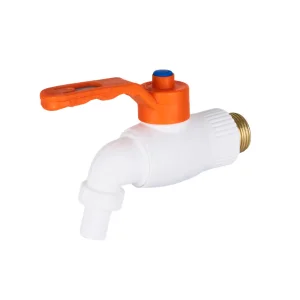
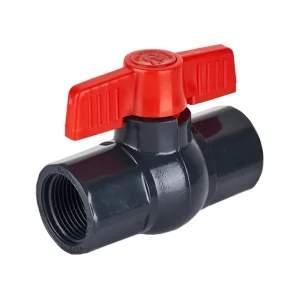
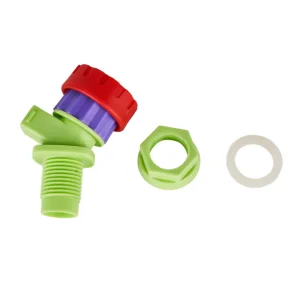
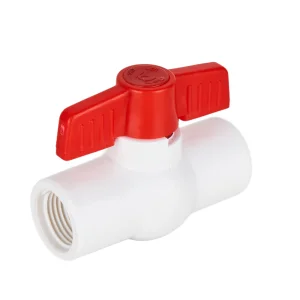
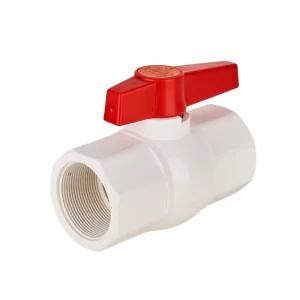
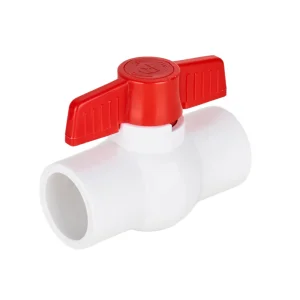
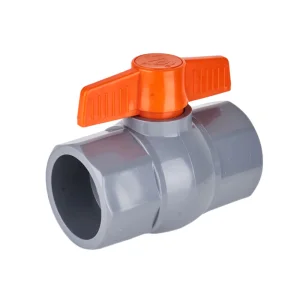
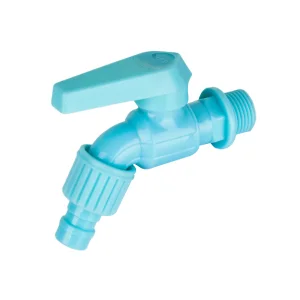
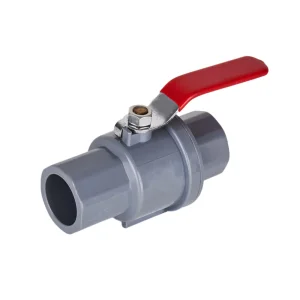
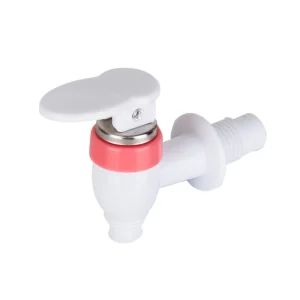
Engineered to withstand demanding environments, featuring precision structural walls and optimized resin chemistry.
Unifying Academic Rigor and German Machine Engineering to Define the Limits of Injection Molding Precision
Ehao Plastic Group is a high-tech private enterprise integrating R&D and production of building materials, pipe fittings, and high-precision injection moulds. Specifically, Ehao Plastic Group stands as a recognized pioneer and market leader of PVC/UPVC ball valves in the domestic market in China. Since our inception, Ehao has consistently leveraged strategic partnerships with premier academic institutions, notably receiving technical backing and research support from the Chinese Academy of Sciences and Zhejiang University. This intersection of industrial scale and top-tier academic expertise provides us with a unique advantage in polymer rheology research, mold cavity fluid dynamics, and thermodynamic injection cycle optimizations.
To implement this advanced research at the manufacturing tier, Ehao has imported specialized production lines and computer-controlled automatic injection molding machinery directly from Germany. Operating with strict adherence to quality assurance parameters, each individual component undergoes a highly rigorous 26-step scientific testing process. This multi-layered checking sequence ensures a 100% ex-factory qualification rate, eliminating mechanical defects, micro-voids, and dimensional deviations. The resulting products conform entirely with DIN 8077 and DIN 8078 technical standards, representing world-class performance and structural longevity.
Balancing cooling kinetics, packing pressure curves, and polymer melt behavior for optimal manufacturing throughput.
Utilizing state-of-the-art mold flow simulations to place fluid channels equidistant from the cavity walls, reducing cooling times by up to 35% while preventing thermal-induced warping.
Advanced hot runner systems balance the flow front behavior of semi-crystalline polymers, achieving zero shear-induced degradation during the injection phase.
In-mold sensors monitor cavity pressure transition from fill to pack, feeding micro-adjustments back to the machine control system within milliseconds.
The overall injection molding cycle time directly influences component pricing, crystalline structure formation, and residual stress management. It can be mathematically modeled and broken down into four distinct phases:
1. Filling Phase ($T_{fill}$): Melted polymer resin is forced into the cavity at pressures exceeding 1,000 bar. During this phase, managing the shear rate is critical to prevent molecular chain degradation, especially in heat-sensitive polymers like UPVC.
2. Packing and Holding Phase ($T_{pack}$): The machine maintains pressure to feed additional material into the mold as the polymer cools and contracts. Proper packing calibration avoids sink marks and ensures weight uniformity. If packing is terminated too early, backflow through the gate will occur; if held too long, the area near the gate will experience extreme stress concentration.
3. Cooling Phase ($T_{cool}$): Typically accounting for 60% to 75% of the total injection cycle, this phase represents the largest area for efficiency optimization. Cooling begins at the start of the filling phase and continues until the part achieves sufficient mechanical stiffness to withstand ejection forces. This is where Ehao's high-efficiency thermal conductivity designs and conformal cooling structures significantly reduce standard cycle durations.
4. Mold Open, Part Ejection & Reset ($T_{reset}$): The mechanical movement of the clamping unit, core pulls, ejector pins, and secondary operations like robotic part removal. Ehao utilizes automated, high-speed linear robotic systems to reduce reset times, minimizing idle clamping operations.
Leveraging German Precision Engineering and Smart Automation for Rapid Scaling and Unyielding Quality Assurance
Building high-performance plastic valves and fittings requires more than just raw machinery; it demands an integrated manufacturing ecosystem. By importing German-built, computerized injection molding systems, Ehao maintains precise control over injection speeds, plasticizing parameters, and clamping profiles. This computer-guided repeatability allows us to scale production while ensuring consistent part weights and micro-tolerances.
Through our technical collaboration with the Chinese Academy of Sciences and Zhejiang University, we have developed advanced thermodynamic cooling matrices. These allow Ehao to optimize the crystallization behavior of PP and PPR resins, as well as the amorphous solidification curves of UPVC. By controlling thermal extraction rates within the mold, we mitigate internal material stresses and improve impact strength by 15-20% compared to standard suppliers.
Every batch of raw material and completed components is evaluated through Ehao's 26-step testing workflow, which includes:
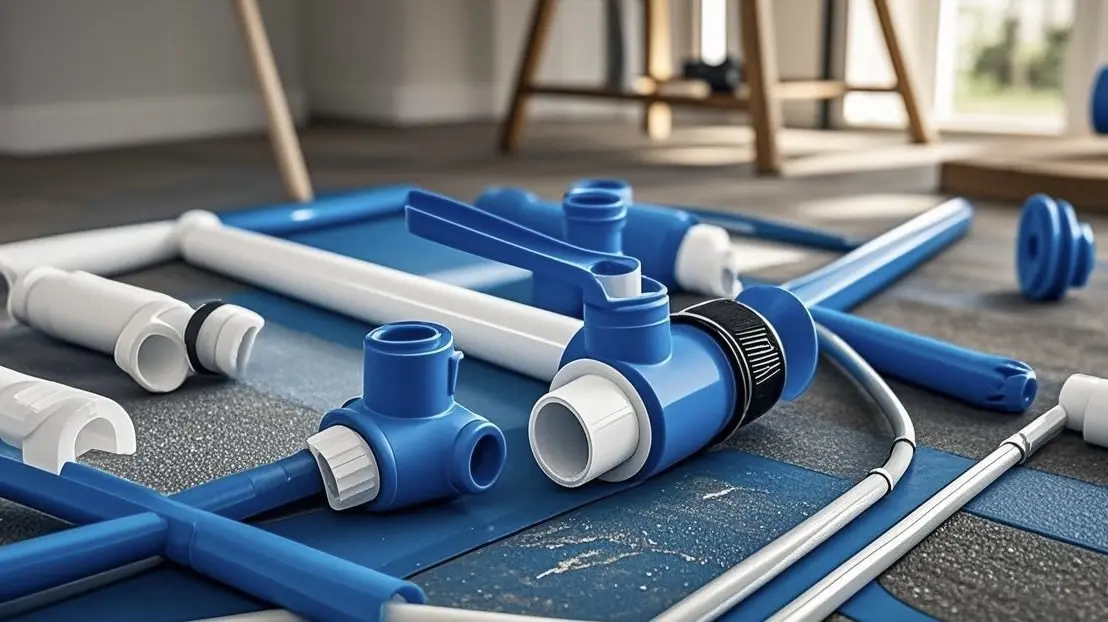
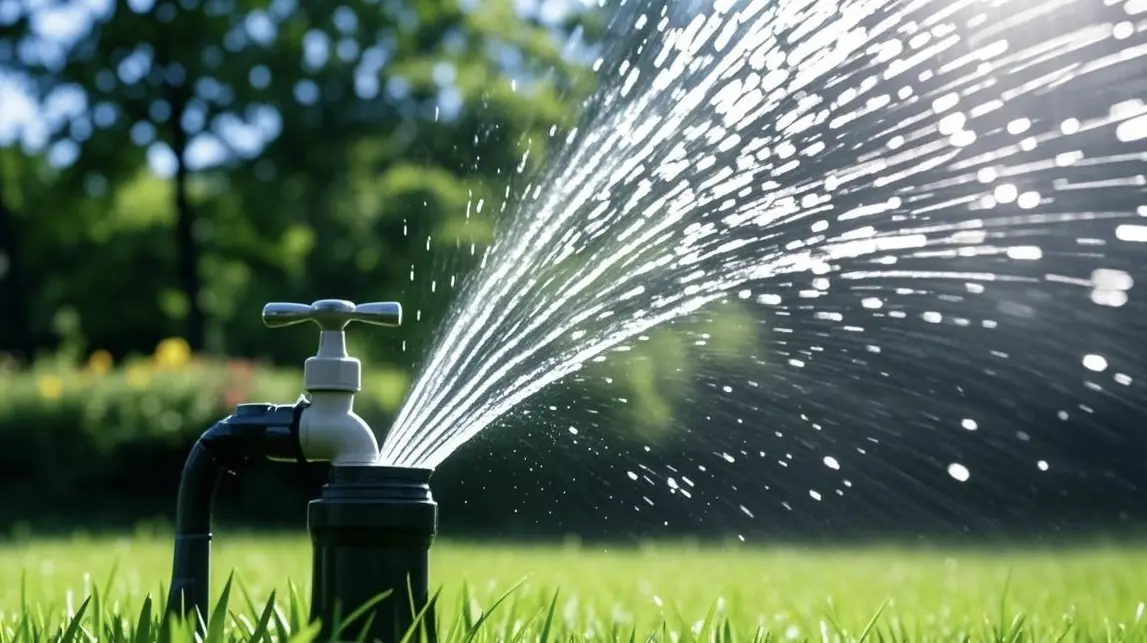
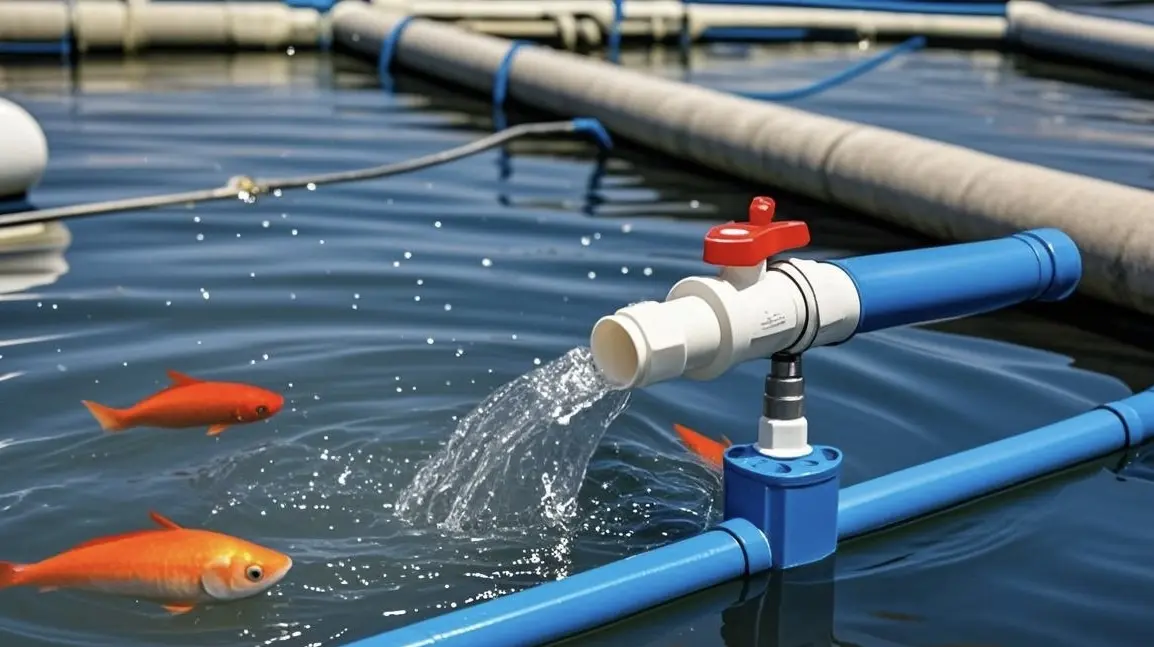
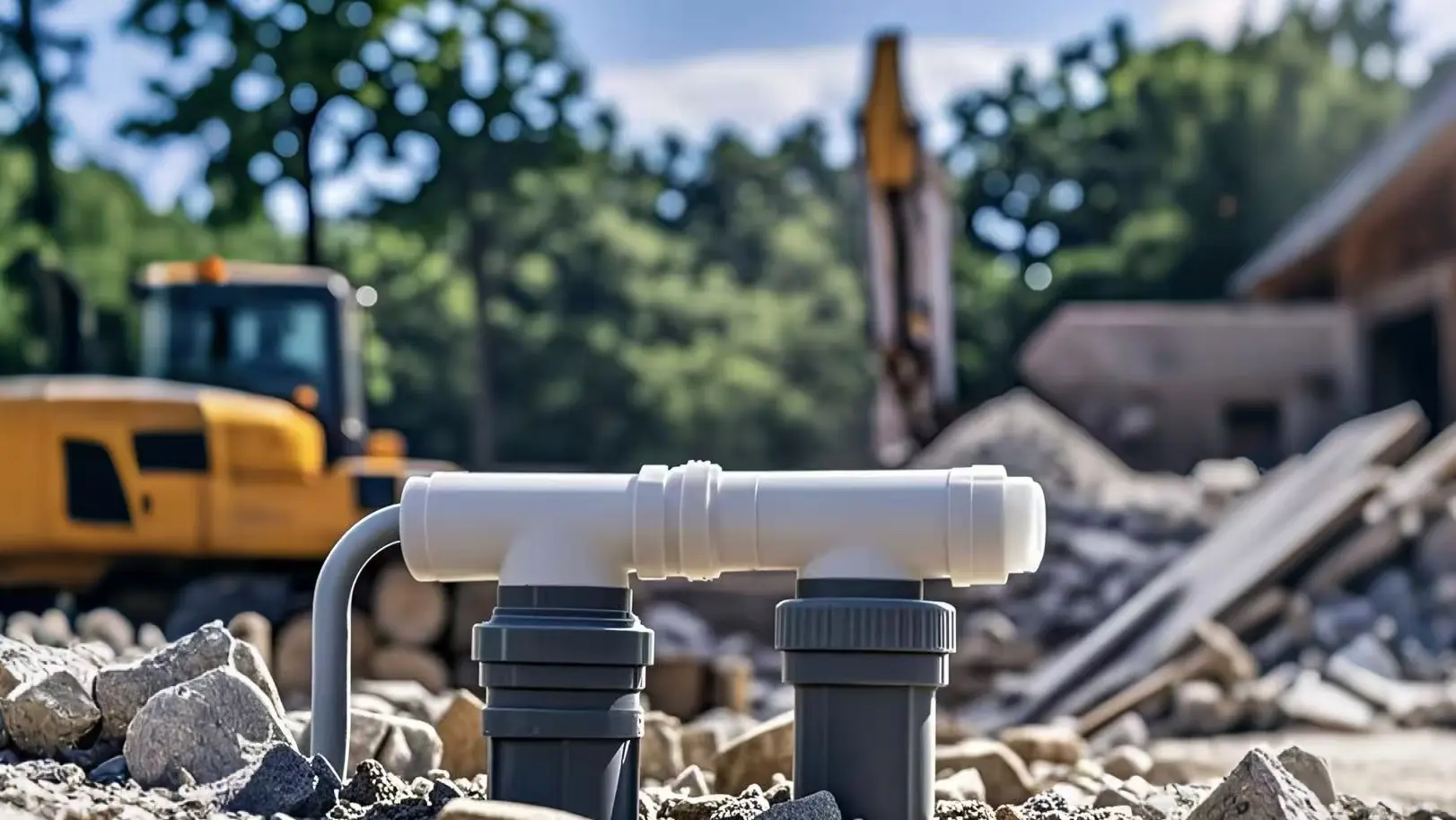
Ehao plastic valves and fittings are engineered to meet the performance and durability requirements of four main industrial applications.
Developing next-generation plastics through smart manufacturing, additive technology, and sustainable chemistry.
As the thermoplastic manufacturing sector evolves, Ehao is preparing for the next decade of production with a structured technology roadmap. Key development areas include:
In partnership with the Chinese Academy of Sciences, we are working to integrate machine-learning models into our injection systems. By monitoring variables like injection stroke pressure and ambient room temperature, the system can dynamically adjust the holding pressure profile in real-time, compensating for variations in raw resin batches and preventing flash or short shots.
To support global carbon reduction goals, Ehao is evaluating bio-sourced plasticizers and stabilizers. Our goal is to achieve equivalent tensile strength and thermal performance to standard UPVC, providing a sustainable option for green building certifications.
By implementing physical vapor deposition (PVD) coatings on mold core steels, we aim to lower friction during ejection. This reduction in demolding friction decreases cycle reset times, while also preventing micro-scratches on high-finish components like drinking tap handles.
A strategic guide for B2B supply chain managers evaluating mold design, operational efficiency, and regulatory compliance.
Sourcing thermoplastic valves and piping components requires evaluating several factors beyond unit cost. Professional buyers look for suppliers who manage total cost of ownership (TCO) through engineering support, material compliance, and production efficiency:
Answers to common questions from sourcing engineers and quality managers regarding polymer injection molding.
Explore Ehao's range of PVC, UPVC, PPR, and PP components designed for agricultural, residential, and industrial applications.
 EHAO
EHAO