High-integrity thermoplastic fluid control components crafted using high-cavitation precision injection molds, complying with rigorous global DIN and ASTM specifications.
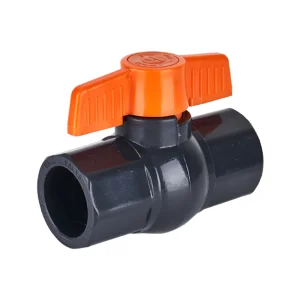
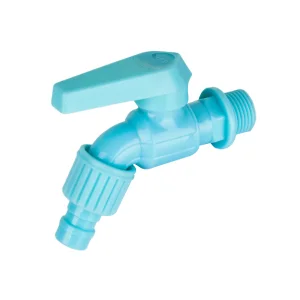
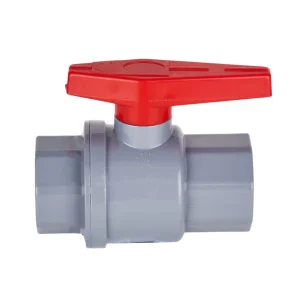
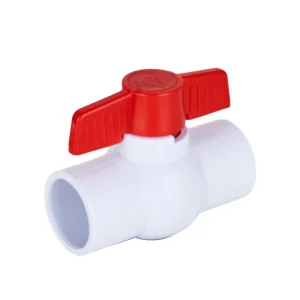
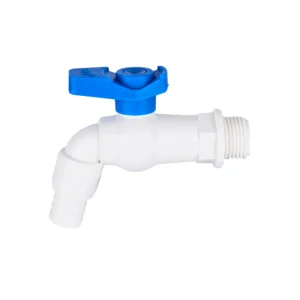
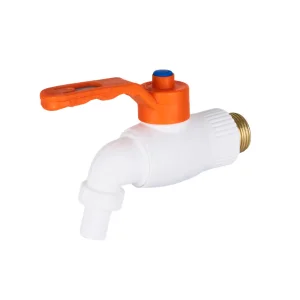
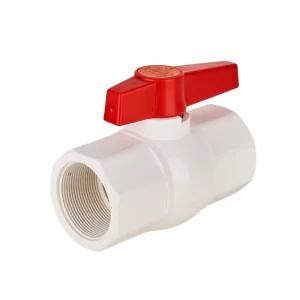
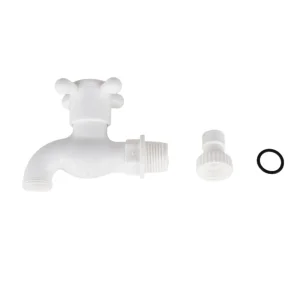
In the highly competitive global landscape of polymer manufacturing and fluid management solutions, Ehao Plastic Group stands out as a high-tech private enterprise seamlessly integrating advanced research and development (R&D), precision tooling design, and massive-scale manufacturing of architectural building materials, industrial pipe fittings, and high-cavitation injection molds. Ehao Plastic Group has established itself as an undeniable benchmark and market leader in the domestic and international production of PVC/UPVC ball valves, PP taps, and complex thermoplastic mold tooling.
The foundational bedrock of Ehao's engineering authority stems from long-term, deep-tier technological collaborations with world-class scientific institutions, including the Chinese Academy of Sciences and Zhejiang University. This institutional synergy ensures that every mold core geometry, gate location, and cooling channel profile is designed using cutting-edge polymer physics and computational fluid dynamics (CFD). To execute these high-precision designs with absolute fidelity, Ehao has imported state-of-the-art production infrastructure, featuring high-tonnage computer-controlled automatic injection molding machines directly from Germany, paired with automated multi-axis CNC machining centers and EDM spark erosion equipment.
By leveraging the comprehensive strengths of our national brand influence, unyielding product quality, and precise global market positioning, Ehao Plastic Group products now span every major domestic province while serving tier-one engineering distributors across 28 countries and regions across Europe, North America, South America, and Southeast Asia. Beyond off-the-shelf valve units, we offer full-spectrum custom injection mold fabrication, processing customer-supplied CAD models, physical samples, and technical drawings to manufacture specialized custom extrusion and injection-molded components tailored to exacting operational parameters.
Exploring the mechanical, thermal, and rheological engineering principles required to fabricate long-life, high-precision injection molds for rigid thermoplastic fluid controls.
Utilizing 3D Moldflow FEA simulation tools to analyze polymer melt velocity, shear stress, temperature distribution, and fill patterns. This eliminates air traps, optimizes gate balance, and strategically places weld lines away from structural stress zones on compact ball valve housings.
Constructed with hardened pre-machined tool steel (S136, H13, 718H) heat-treated to HRC 48-52. Core pulls feature multi-stage hydraulic angled sliders and dynamic unscrewing gear mechanisms for internal thread forming with micro-inch surface mirror polishing.
Engineered with 3d-curved uniform cooling channels positioned at equal distances from complex valve body cavity surfaces. Thermal balancing reduces cycle times by up to 25% while preventing volumetric shrinkage, sink marks, and axial micro-warpage.
Precision mold design requires calculating resin-specific linear thermal expansion coefficients and volumetric contraction factors during the polymer phase change from liquid melt to solid crystalline structures. The nominal cavity dimension ($L_m$) is calculated according to the formula:
Where $L_p$ represents the target plastic part dimension, $S_{avg}$ represents the mean directional shrinkage rate of the rigid PVC/UPVC resin matrix, and $\delta_{wear}$ accounts for lifetime mechanical friction tool wear allowances over 1,000,000 molding cycles.
| Steel Grade | Hardness (HRC) | Corrosion Resistance | Machinability | Target Component Application | Expected Tooling Life |
|---|---|---|---|---|---|
| Stavax / S136 (ESR) | 48 - 54 | Exceptional (High Cr) | High Polishability | UPVC / PVC Ball Valve Cores & Seating Surface | > 1,000,000 cycles (Class 101) |
| Orvar Supreme / H13 | 46 - 50 | Moderate | Excellent Thermal Shock | High-Cavitation PP / PPR Garden Tap Bodies | > 800,000 cycles |
| 718H / P20+Ni | 32 - 38 | Standard | Superior Pre-Hardened | Large Diameter Pipe Fitting Structural Shells | > 500,000 cycles |
| AISI 420 Stainless | 50 - 52 | High Chemical Resistance | Good Milling Profile | Threaded Core Sliders & Un-screwing Inserts | > 1,000,000 cycles |
Why Tier-1 Global Procurement Engineering teams choose Chinese precision tooling clusters for low TCO, rapid tooling turnaround, and scalable production output.
The global dominance of China's injection mold design and plastic valve manufacturing relies on an unmatched industrial supply chain cluster effect. In localized industrial centers such as Ningbo and Zhejiang Province—where Ehao Plastic Group operates its central R&D and production facilities—the proximity to upstream chemical resin refiners, specialized steel suppliers, high-precision tooling component suppliers, and direct seaport logistics creates a hyper-efficient manufacturing matrix.
From raw PVC/PP/PPR resin compounding, Masterbatch blending, automated toolmaking to high-speed molding, ultrasonic welding, testing, and final custom packaging—all processes occur within unified ISO-certified facility perimeters.
Advanced German computer automated injection systems permit seamless digital integration from CAD/CAM mold designs directly to 5-axis CNC machining, reducing first-article sample (T1) lead times down to 25-35 calendar days.
Delivering a 30% to 50% cost advantage compared to Western European or North American moldmakers, without compromising strict dimensional tolerances, steel hardness, or ex-factory hydraulic testing integrity.
International enterprise buyers, civil infrastructure procurement heads, and OEM brand distributors demand more than simple manufacturing capabilities; they require strict risk mitigation, total quality transparency, and international compliance assurance. Ehao Plastic Group addresses these specific procurement intent drivers through structured corporate policies:
Our high-precision molded valves, taps, and custom pipe fittings are deployed globally across demanding civil, commercial, agricultural, and industrial fluid environments.
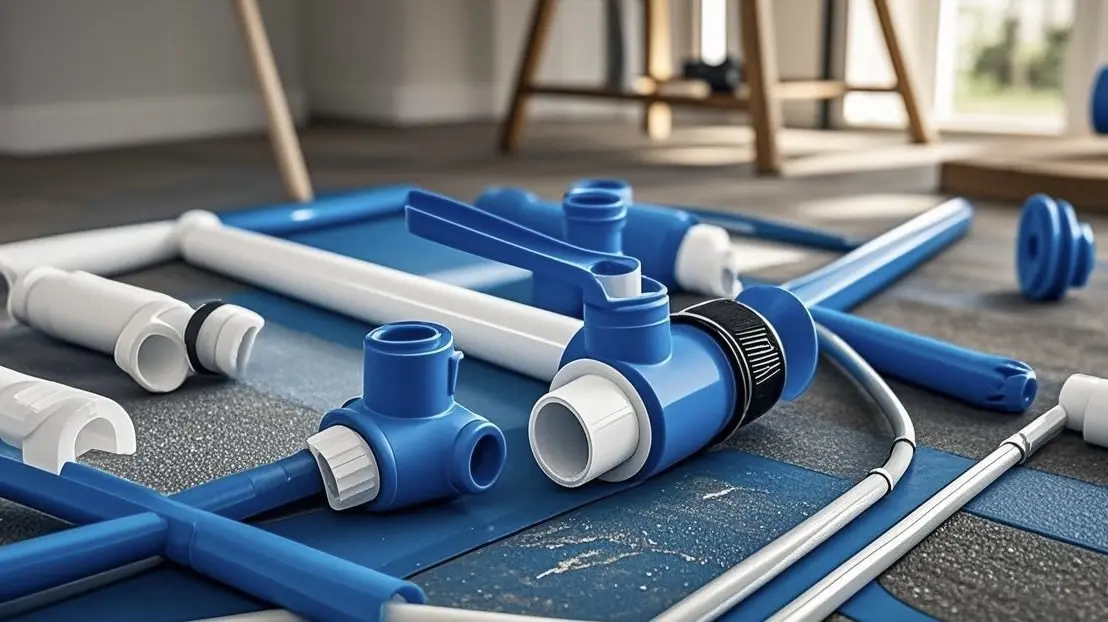
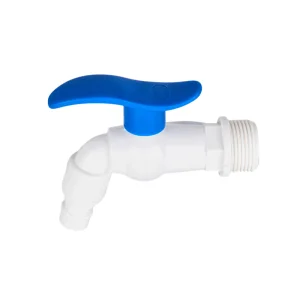
Non-toxic, high-finish porcelain white PVC compact ball valves and bibcocks engineered for residential water delivery networks. Features leak-free internal stem seals and low torque operation.

UV-stabilized PP and UPVC octagonal valves designed to withstand high outdoor exposure, agricultural chemical fertilizers, sand abrasion, and fluctuating pressure cycles.
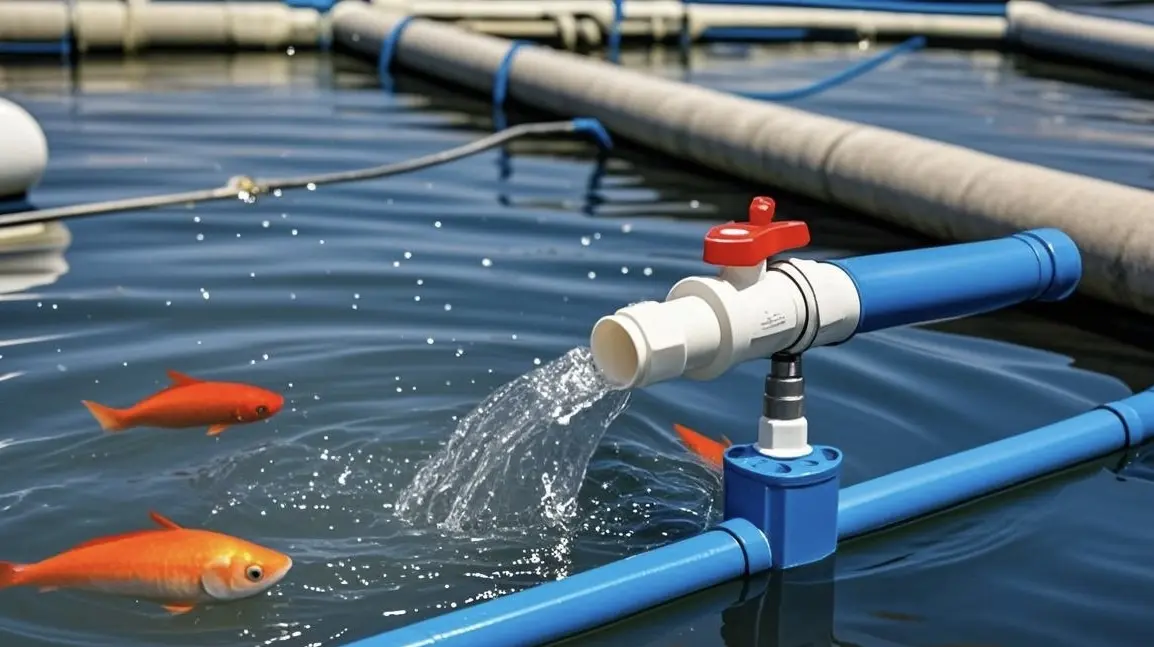
Pure unplasticized PVC (UPVC) double union and compact ball valves ensuring zero heavy-metal leaching, corrosion resistance in saltwater marine environments, and full flow rate capacities.
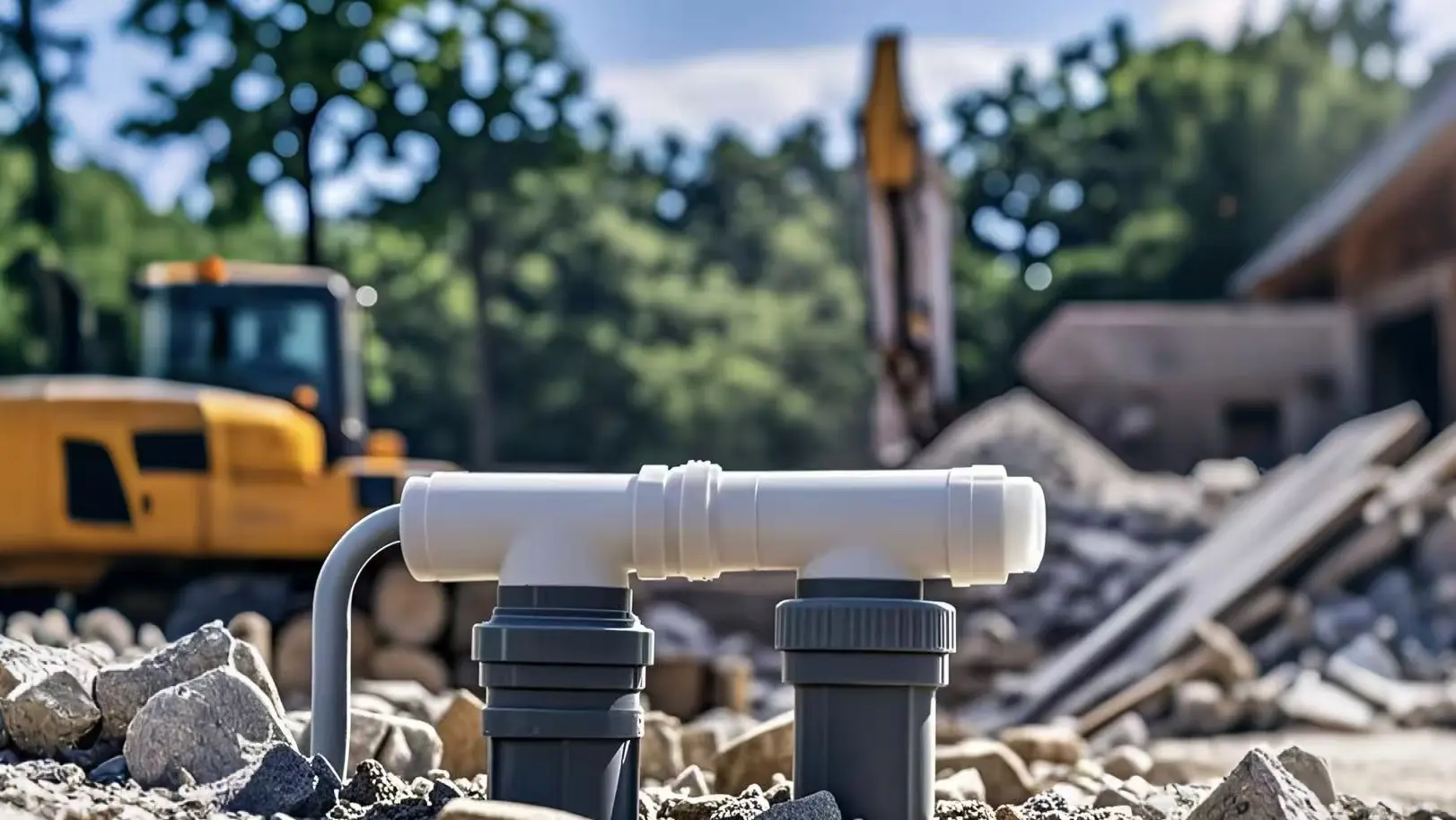
Heavy-duty 2-piece threaded and solvent-socket ball valves engineered for commercial HVAC fluid loops, high-rise water distribution risers, and industrial drainage infrastructure.
The injection mold design industry is currently undergoing a structural technological evolution driven by digitization, automation, and advanced material science. Modern mold engineering manufacturers in China are actively adopting smart technologies to elevate product quality while driving down cycle times and energy footprints:
Integrating micro pressure and temperature sensors inside core/cavity plates. Dynamic real-time data logging allows continuous Monitoring of cavity packing pressure, preventing flash, short shots, and internal structural voids during high-speed molding runs.
Employing Direct Metal Laser Sintering (DMLS) 3D printing in tool steel to form non-linear cooling paths around complex ball valve handle geometries and internal thread cores. This eliminates thermal hot spots and reduces part warping by over 40%.
Utilizing high-efficiency German servo-hydraulic and all-electric injection machinery. Precision control over screw plasticization reduces thermal degradation of heat-sensitive materials like UPVC, lowering energy usage per unit by 30%.
From selecting and configuring the right automated injection machine for your job to helping you engineer precision tooling that generates consistent, noticeable profits.
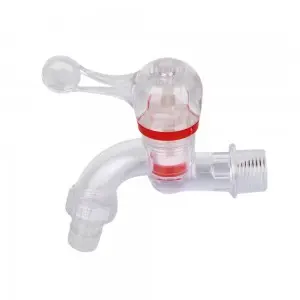
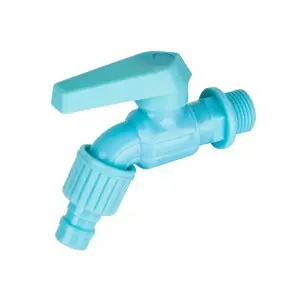
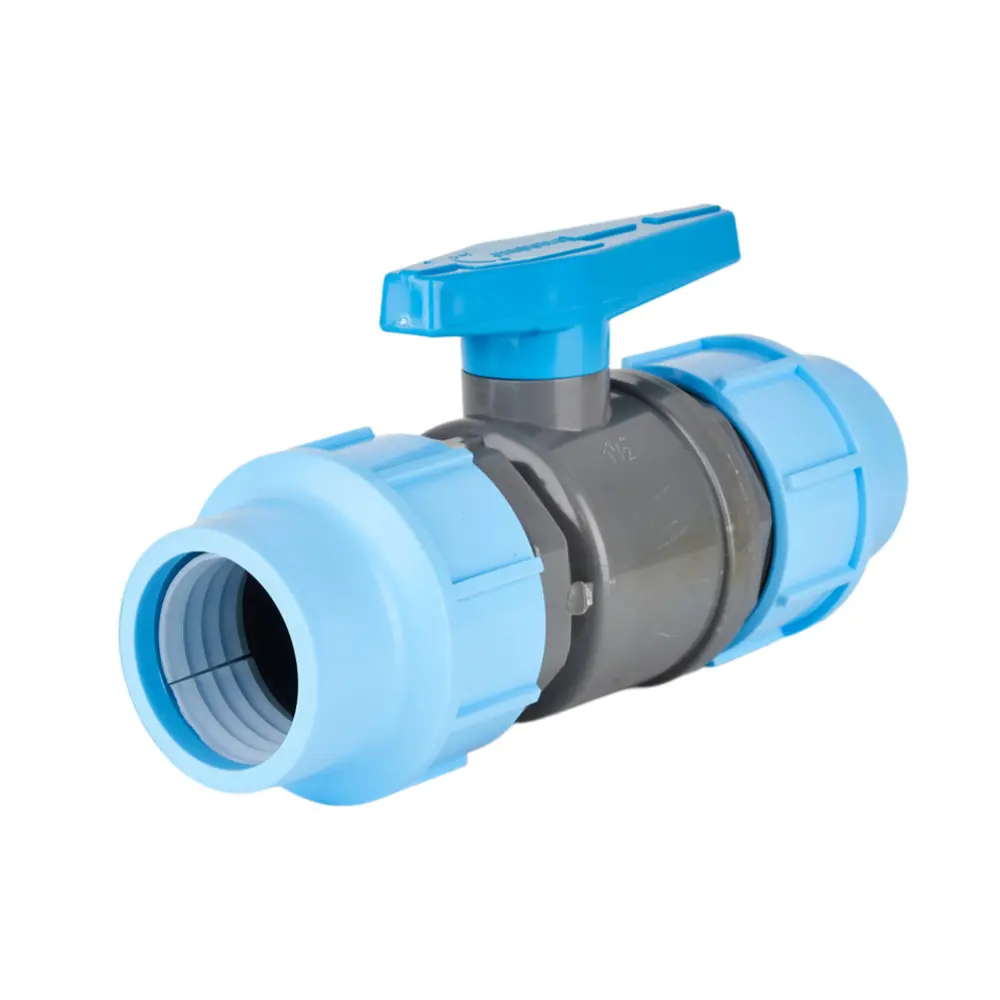
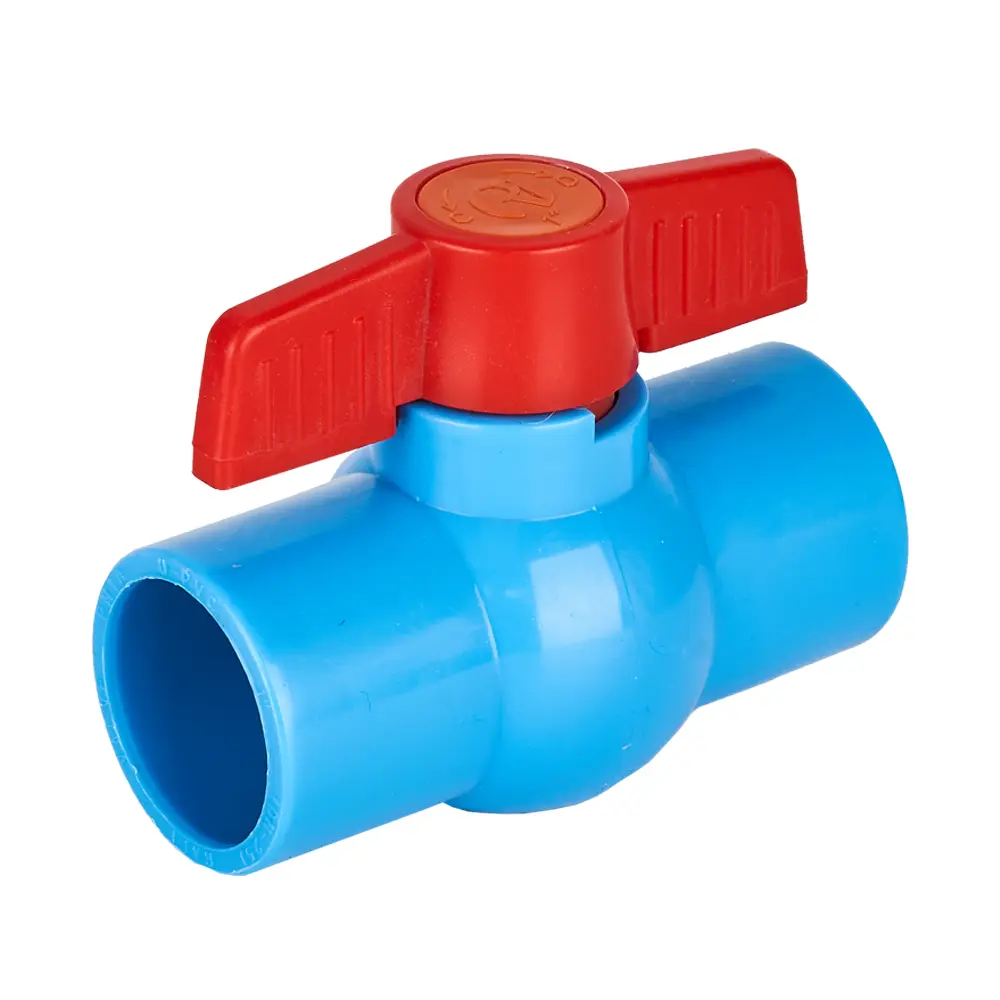
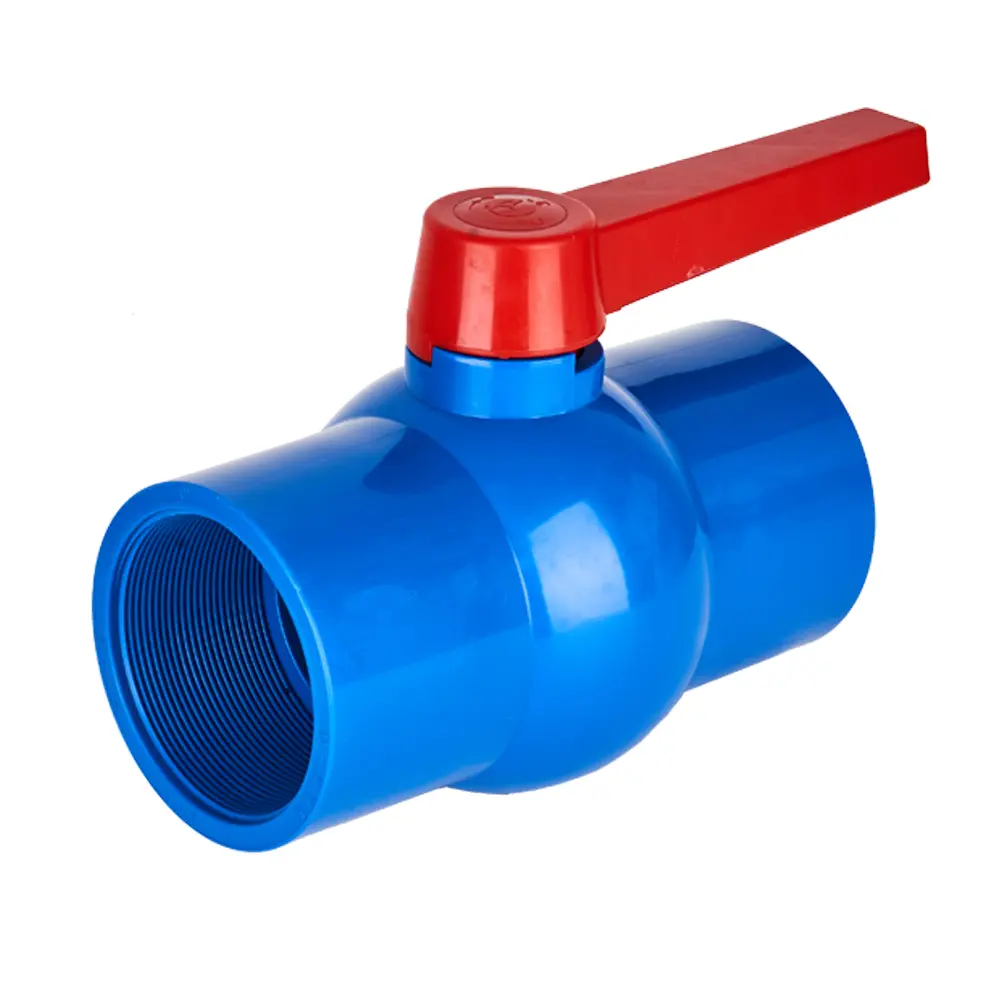
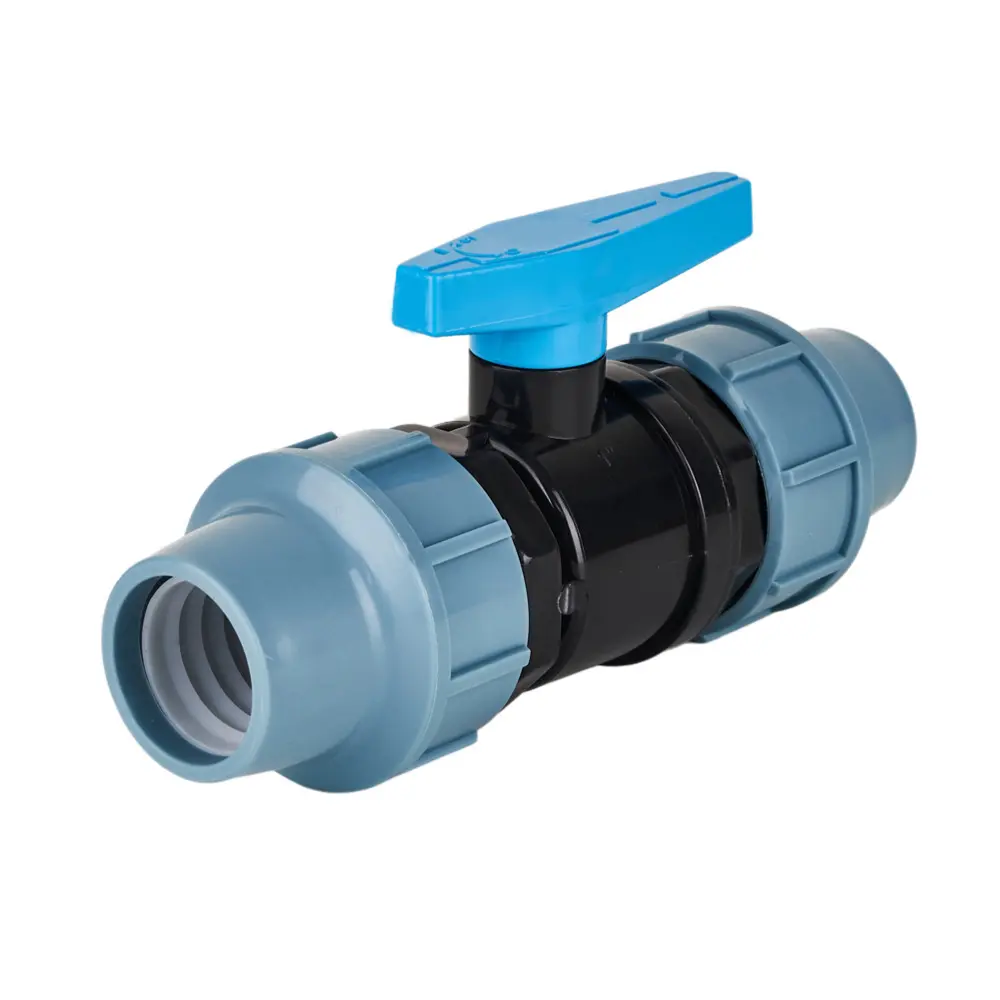
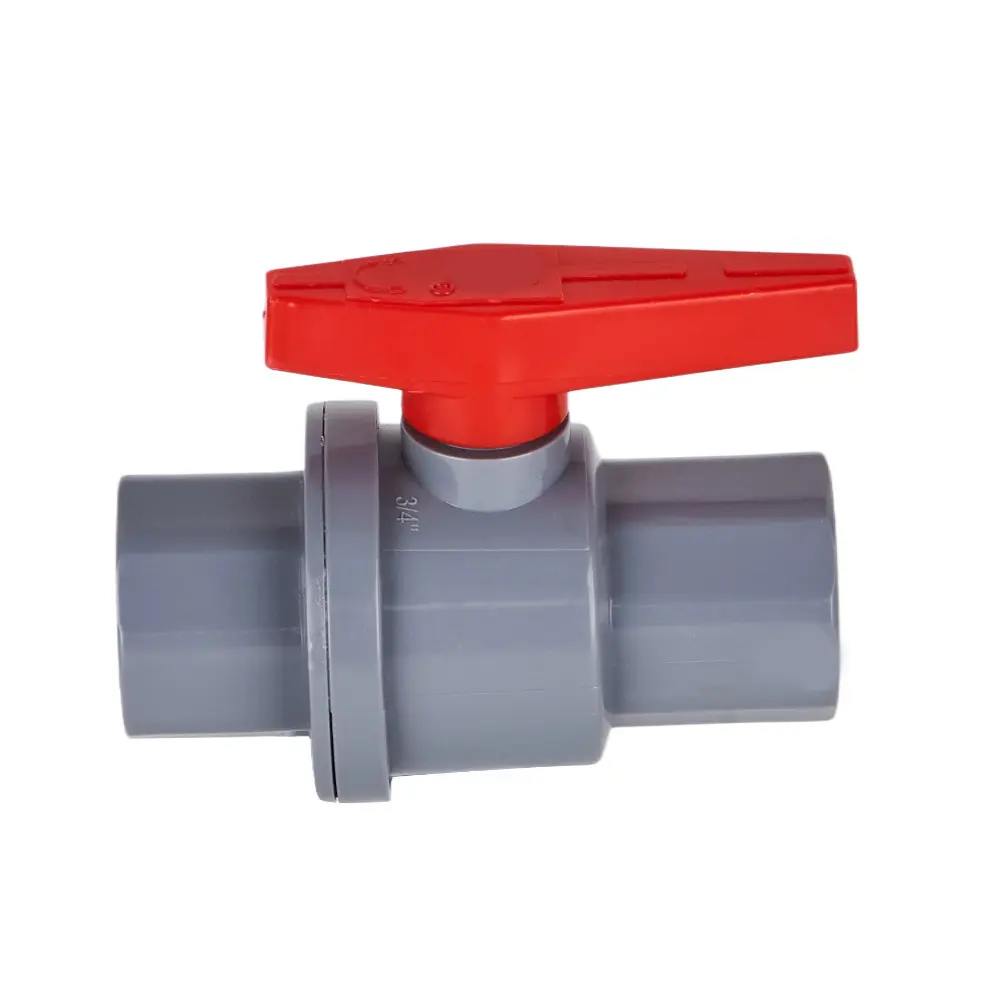
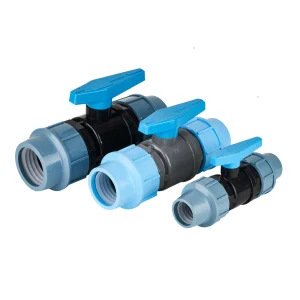
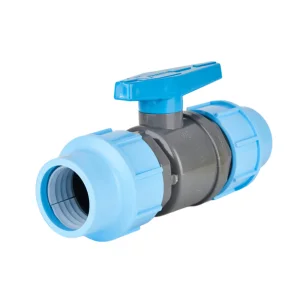
Full range of precision-molded solvent socket and threaded ball valves manufactured under 26-step quality control systems.
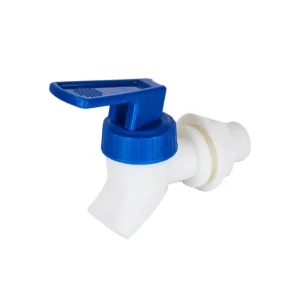
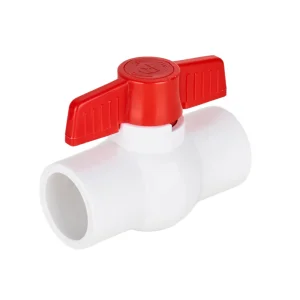
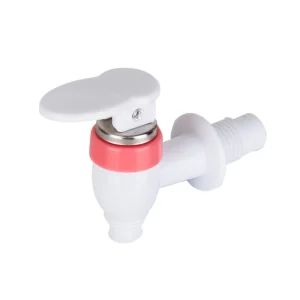
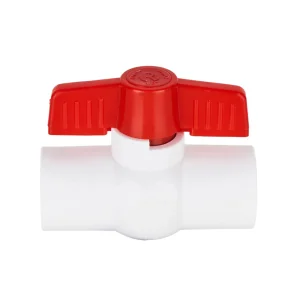
Addressing frequent technical queries regarding injection mold design, polymer compatibility, DIN standard compliance, and OEM procurement workflows.
To achieve leak-free reliability, the mold design must maintain precise concentricity across core pulls and parting lines. Shrinkage must be dynamically calculated for UPVC resins (typically 0.3% - 0.7%). Furthermore, high-polish mirror steel inserts (such as ESR-melted S136 hardened to 52 HRC) are utilized for sealing surfaces to eliminate micro-scratches that could disrupt internal TPE/EPDM O-ring sealing integrity.
DIN 8077 specifies dimensions and tolerances for polypropylene (PP/PPR) pipes and fittings, while DIN 8078 defines general quality requirements and testing conditions. Ehao enforces a 26-step scientific quality control testing regime, including sustained internal hydrostatic pressure tests at 20°C and 95°C, melt mass-flow rate (MFR) checking, and heat impact testing to guarantee 100% compliance with DIN technical indexes before factory release.
For standard valve body molds or custom fitting tooling, DFM and 3D Moldflow simulations are completed within 3 to 5 business days. Tooling fabrication on 5-axis CNC and German automated machinery takes approximately 25 to 35 calendar days, at which point T1 first-article samples are molded and dispatched via express air freight alongside full dimensional inspection reports.
Depending on production volume requirements, internal threads are formed using either automatic unscrewing core mechanisms (operated via hydraulic motor gears integrated directly into the mold base) or collapsing core systems. For high-volume production, unscrewing cores offer superior thread geometry consistency, maintaining NPT or BSP thread tolerance limits according to ISO 7-1 specifications.
Yes. Supported by academic research partners at Zhejiang University and the Chinese Academy of Sciences, our R&D engineering department accepts physical samples, 2D drawings, or 3D CAD files. We handle 3D laser scanning, reverse engineering, material selection, DFM optimization, tool manufacturing, and high-volume mass production under full customer NDA protection.
 EHAO
EHAO