Premium chemical-resistant component options for global engineering pipelines, matching strict DIN/ISO design frameworks.
Understanding the engineering classifications that define stress capacity, wall thickness ratios (SDR), and physical properties under thermal cycles.
Modern pipe networks require high pressure ratings and mechanical performance. Premium PE100 resins provide high Minimum Required Strength (MRS) rating of 10.0 MPa at 20°C over 50 years, compared to 8.0 MPa for older PE80 resins. This performance rating allows for thinner pipe walls at matching pressure limits, increasing internal flow area and volume capacity.
Our HDPE Tee fittings are engineered for multiple assembly methods. Butt fusion matches the cross-sectional profiles of the pipe and fitting under thermal and mechanical force, creating a unified flow channel. For tighter spaces or repairs, electrofusion uses embedded resistance wires to melt the interfaces, creating a reliable seal.
Standard Dimension Ratio (SDR) specifies the ratio of the pipe's outer diameter to its wall thickness. Common ratings include SDR 11 (PN16 pressure limits) and SDR 17 (PN10 pressure limits). Proper SDR mapping of the tee fittings with the adjacent pipes ensures consistent flow properties and structural integrity across the system.
How HDPE Tee configurations adapt to changing chemical, mechanical, and geological dynamics globally.
HDPE Tee fittings maintain potable water quality by preventing chemical leaching. Leak-free thermal joints prevent water loss and block soil contaminants from entering the water supply. These systems are rated for a service life of over 50 years under dynamic ground shifts.
Industrial operations require wear-resistant piping. HDPE's low frictional resistance reduces erosion from abrasive slurry transport. Its chemical resistance allows the transportation of acids and industrial chemicals without internal scaling or localized degradation.
Modern agriculture uses extensive distribution pipe grids. UV-stabilized HDPE tees are engineered for outdoor field applications. They resist fertilizers, agricultural chemicals, and extreme ambient temperatures while resisting environmental stress cracking.
The technological advancements that will shape the next generation of industrial distribution piping systems.
Applies to the dimensions and pressure performance of polypropylene and polyethylene pipes, ensuring consistent thickness under mechanical stress.
The international standard for plastics piping systems for water supply, drainage, and sewerage under high pressures.
Governs standard specifications for butt heat fusion polyethylene plastic fittings for gas and liquid pipelines in North American regions.
Addressing engineering questions regarding thermal fusion, SDR matching, pressure ratings, and procurement.
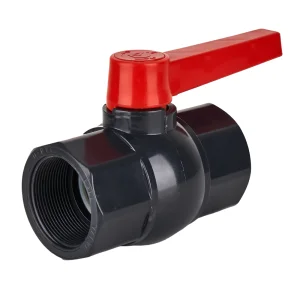
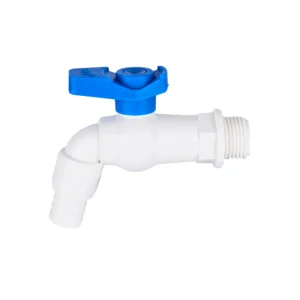
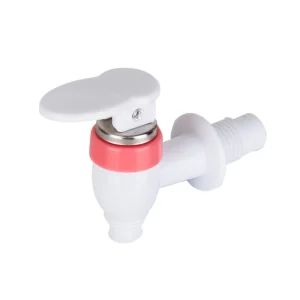
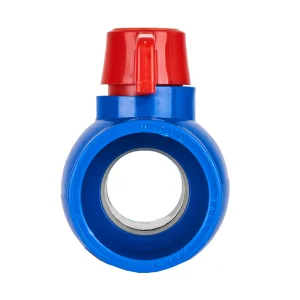
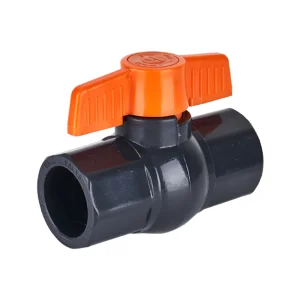
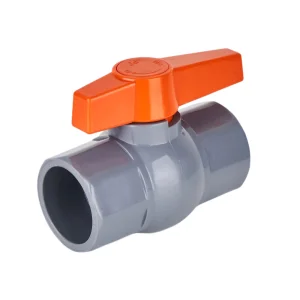
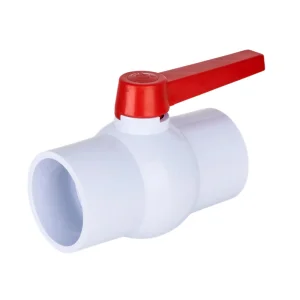
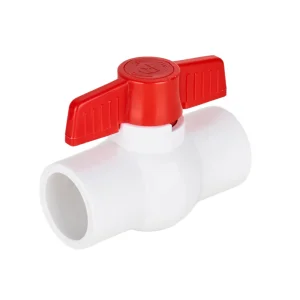
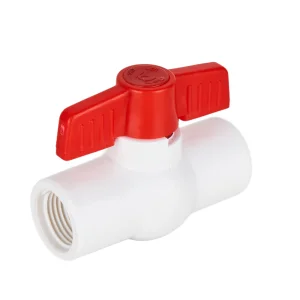
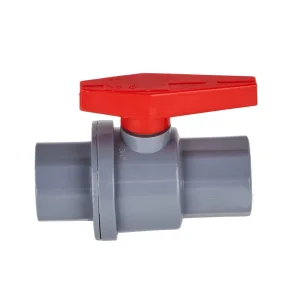
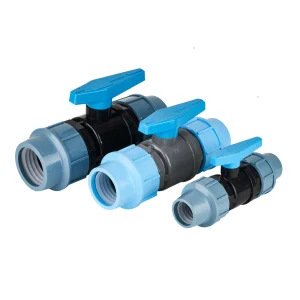
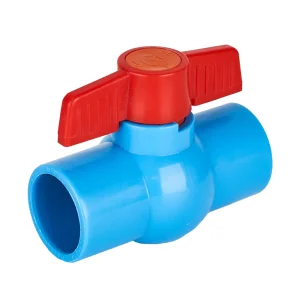
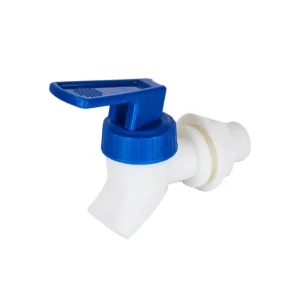
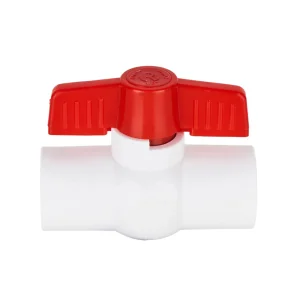
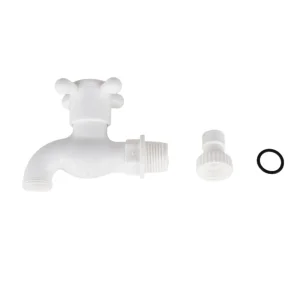
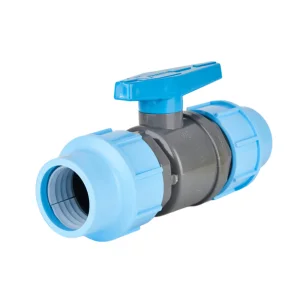
Browse our selection of thermoplastic valves and water supply connections, manufactured under strict quality standards for clean water and chemical applications.
 EHAO
EHAO