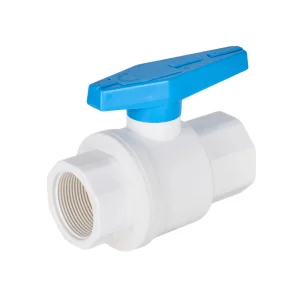
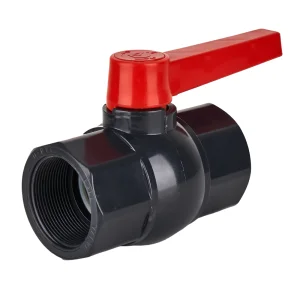
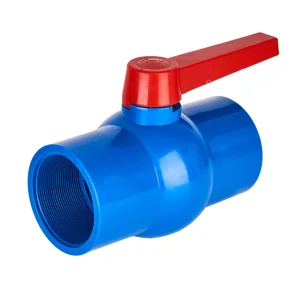
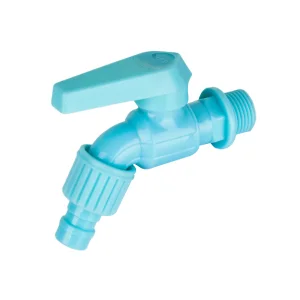
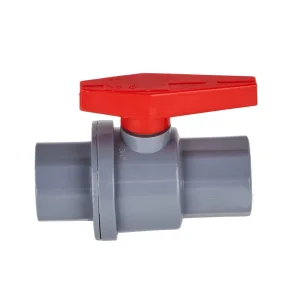
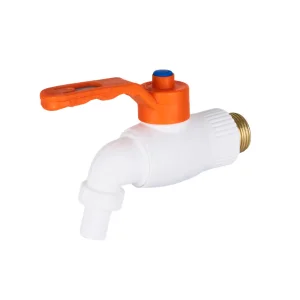
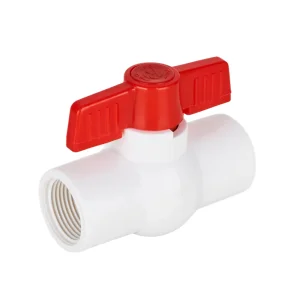
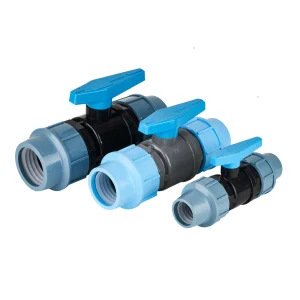
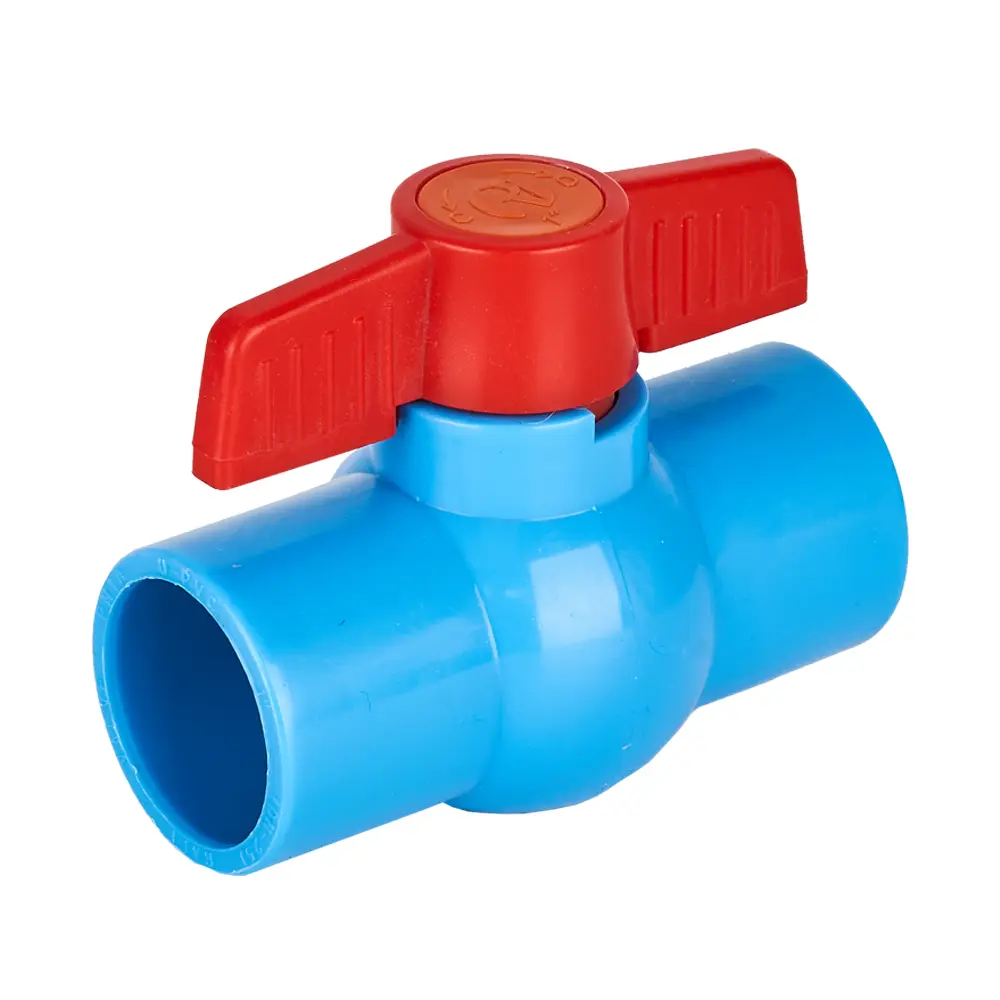
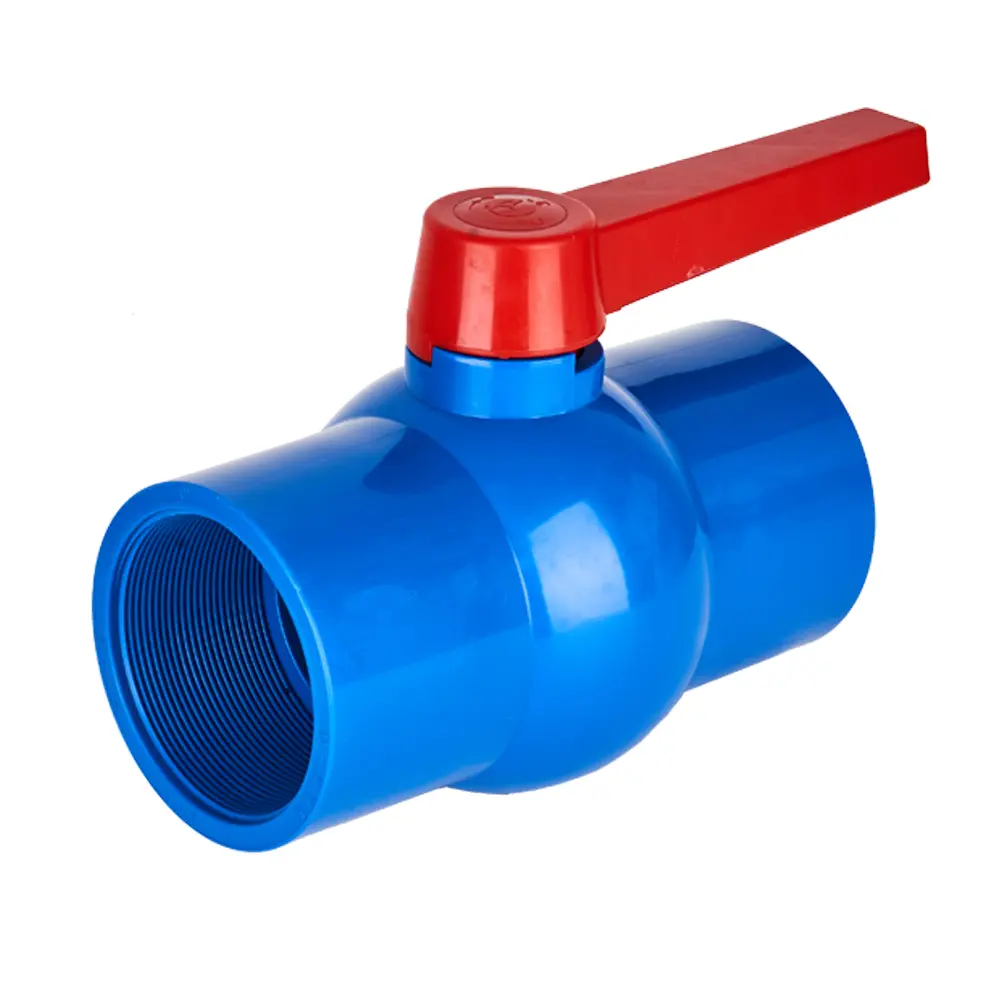
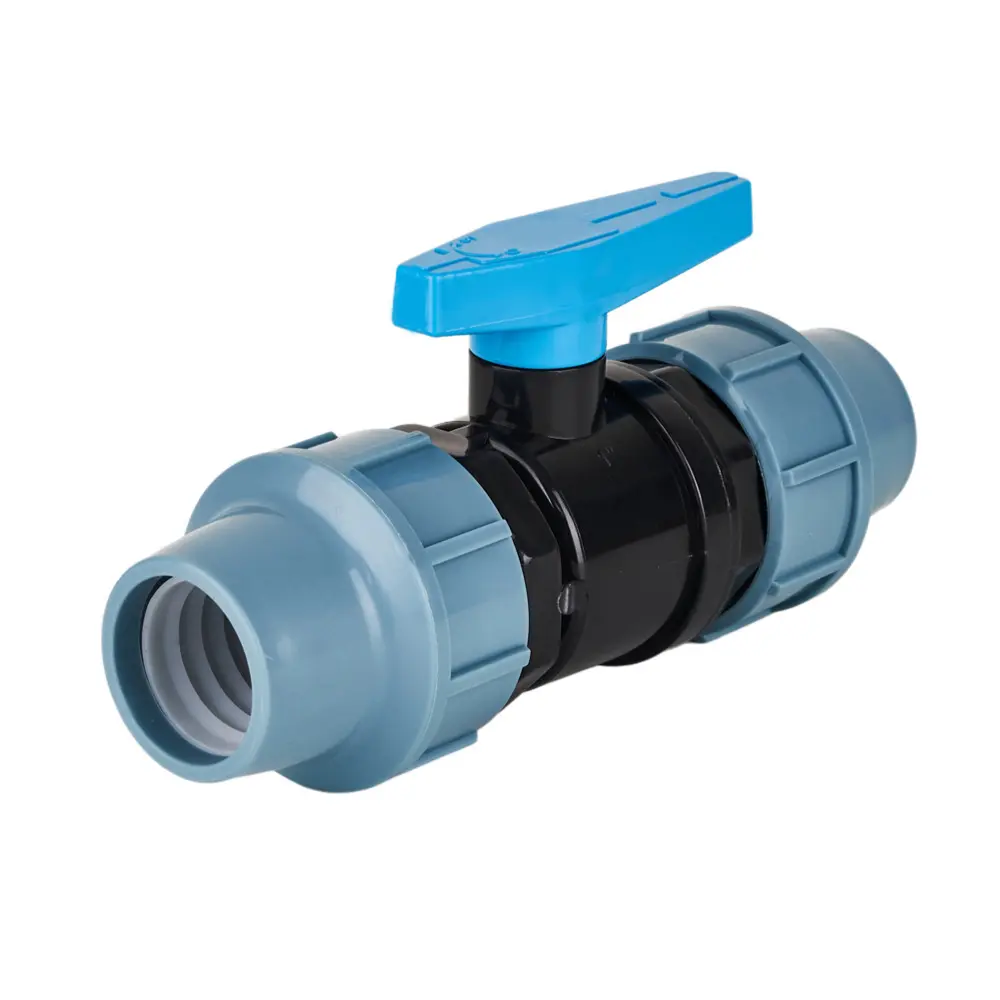
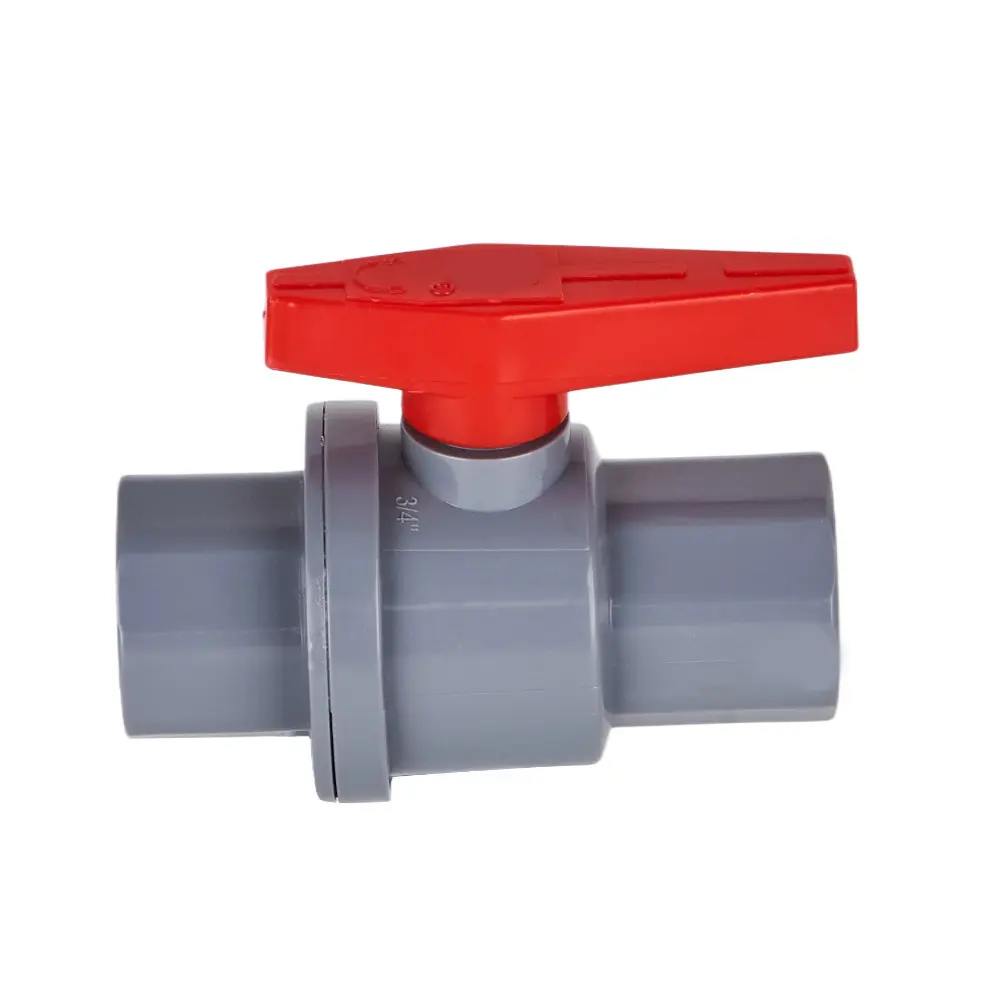
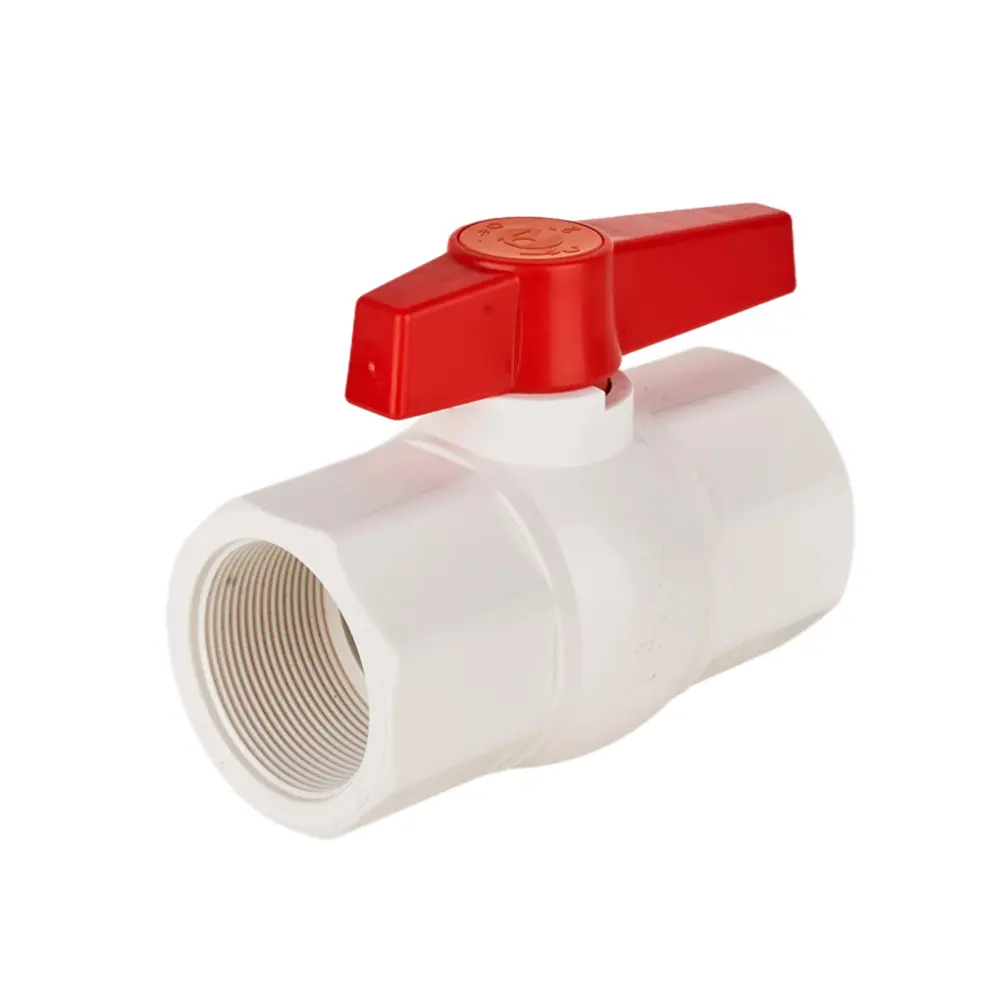
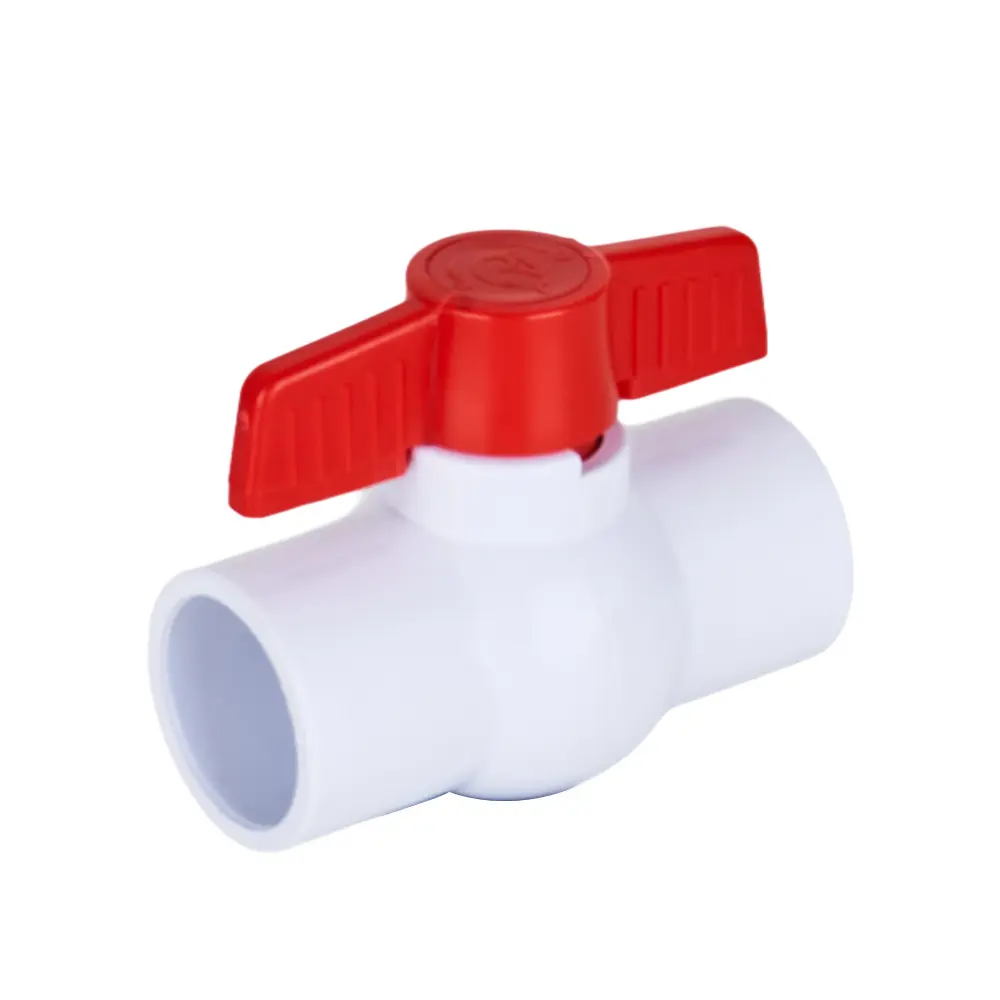
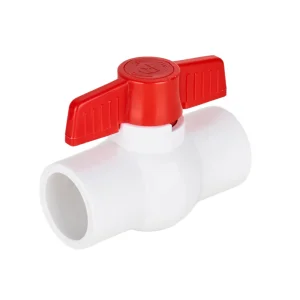
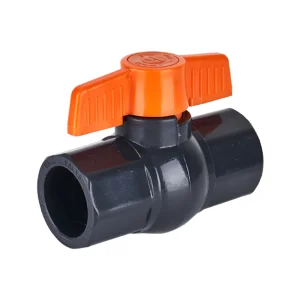
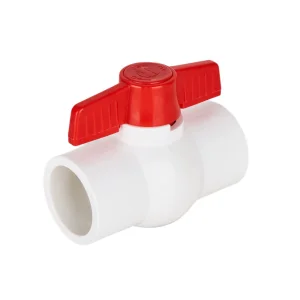
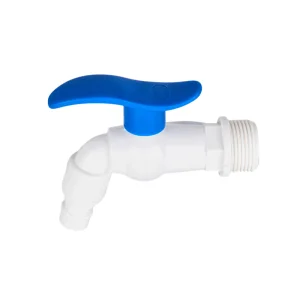
Explore our factory-direct wholesale selection of high-performance PVC, PP, and PPR valves and fittings. Each component undergoes strict quality verification, meeting DIN and international standards.
High-Density Polyethylene (HDPE) has revolutionized modern fluid dynamics engineering. It acts as the backbone of large-scale infrastructure pipeline systems worldwide. Valued for its high strength-to-density ratio, impact resistance, and chemical neutrality, HDPE pipe fittings have replaced legacy metallic and concrete pipelines. This change prevents rapid corrosion, mechanical fatigue, and systemic pressure leaks in vital networks.
In the current commercial landscape, international markets face challenges from rising populations, urbanization, and industrial chemical logistics. Consequently, contractors, municipalities, and engineers require certified plastic piping systems that guarantee a service life of at least 50 years. This requirement drives demand for HDPE pipe fittings, engineered to withstand high working pressures and temperature fluctuations.
Ehao Plastic Group is a high-tech private enterprise integrating the R&D and production of building materials, high-performance pipe fittings, and precision injection moulds. Ehao is a recognized leader in the domestic Chinese PVC/UPVC ball valve market. Our technical foundation is supported by continuous research collaborations with the Chinese Academy of Sciences and Zhejiang University.
To ensure consistent structural integrity across our product lines, we imported advanced computer automatic injection molding machinery and automated extrusion lines from Germany. By integrating high-tech automation with strict quality controls, our products undergo a 26-step scientific testing process. This validation covers dimensional accuracy, burst pressure thresholds, and thermal cycle behavior. It ensures a 100% ex-factory pass rate, matching international DIN8077 and DIN8078 specifications.
Modern piping systems operate in diverse environmental conditions. To maintain high reliability, pipe fittings must be selected and configured for the specific requirements of each application.
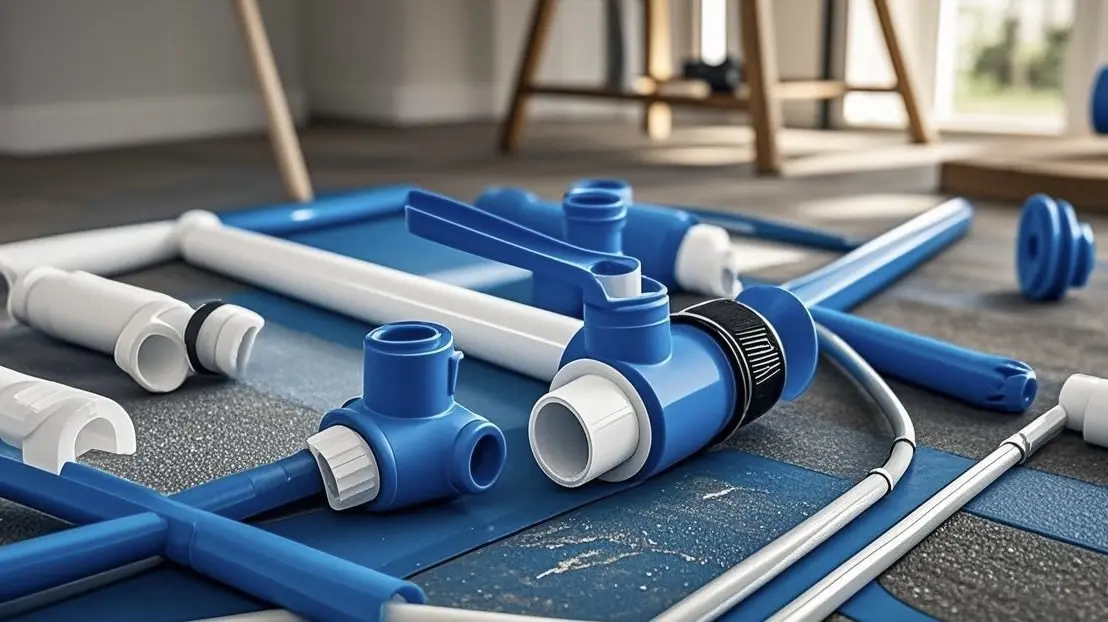
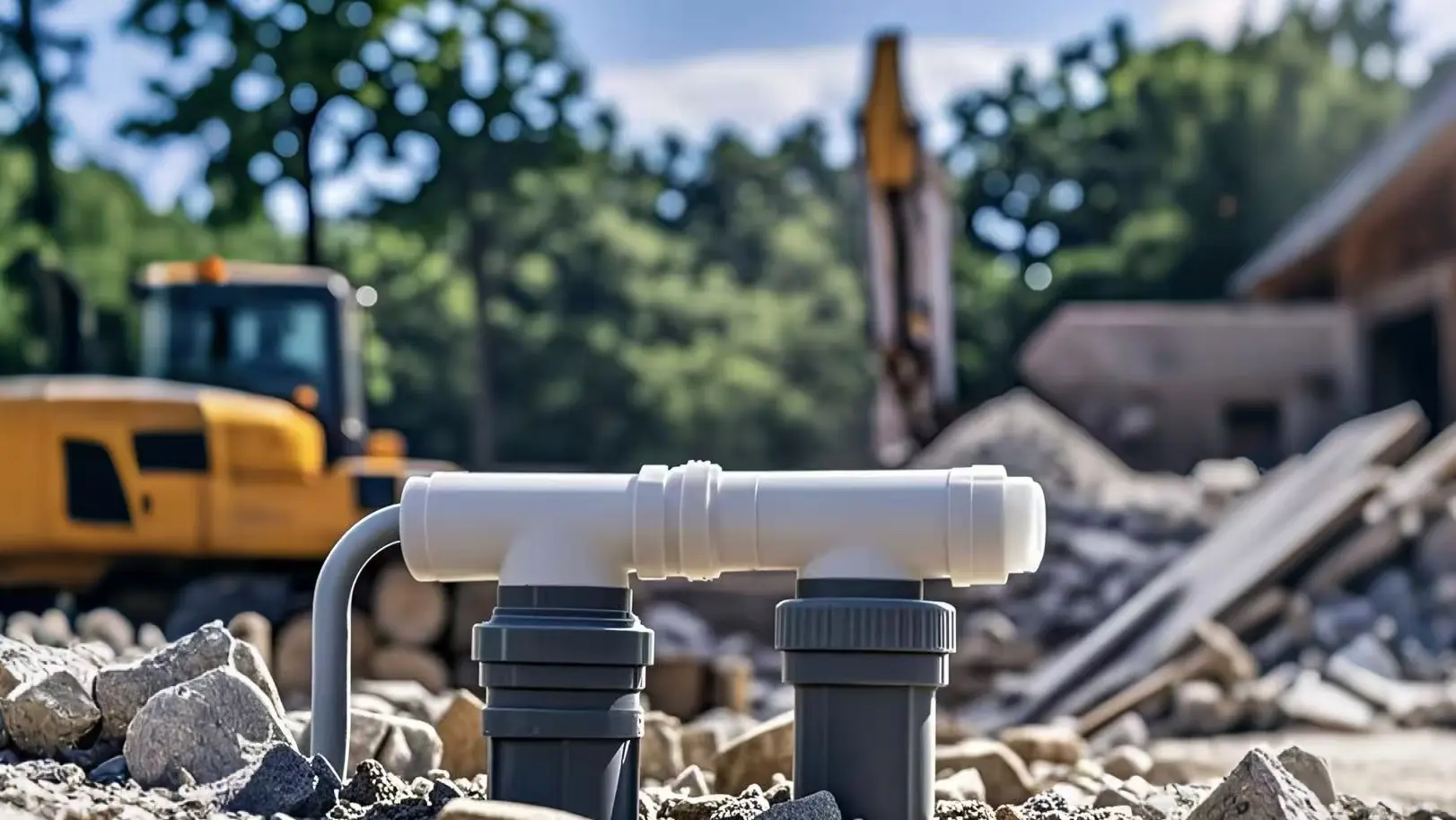
1. Municipal Water Supply: In urban municipal engineering, preventing water loss is critical. HDPE's butt-welded joints create a continuous, self-restrained monolithic pipe system. Unlike PVC or iron pipelines, which can leak at joint junctions over time, HDPE systems maintain joint integrity under seismic shifts and soil subsidence.
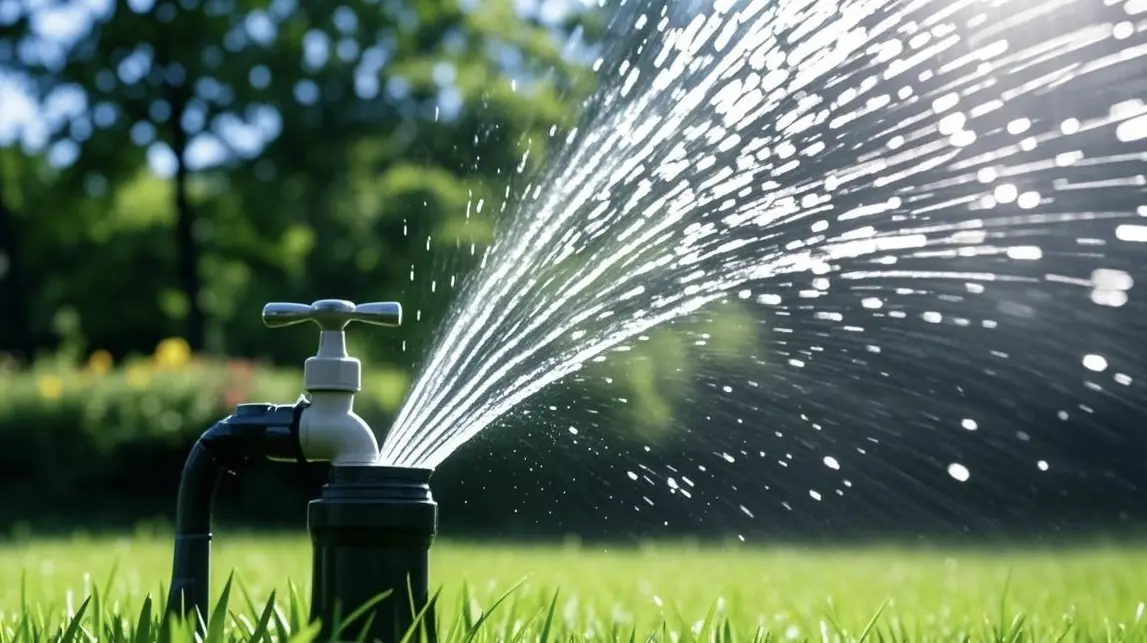
2. High-Tech Agricultural Irrigation: Modern agricultural systems require chemical resistance to handle liquid fertilizers and pesticides. Ehao's HDPE and PP components offer resistance to chemical degradation and UV exposure. This prevents scale build-up inside the pipe and maintains consistent flow rates across large fields.
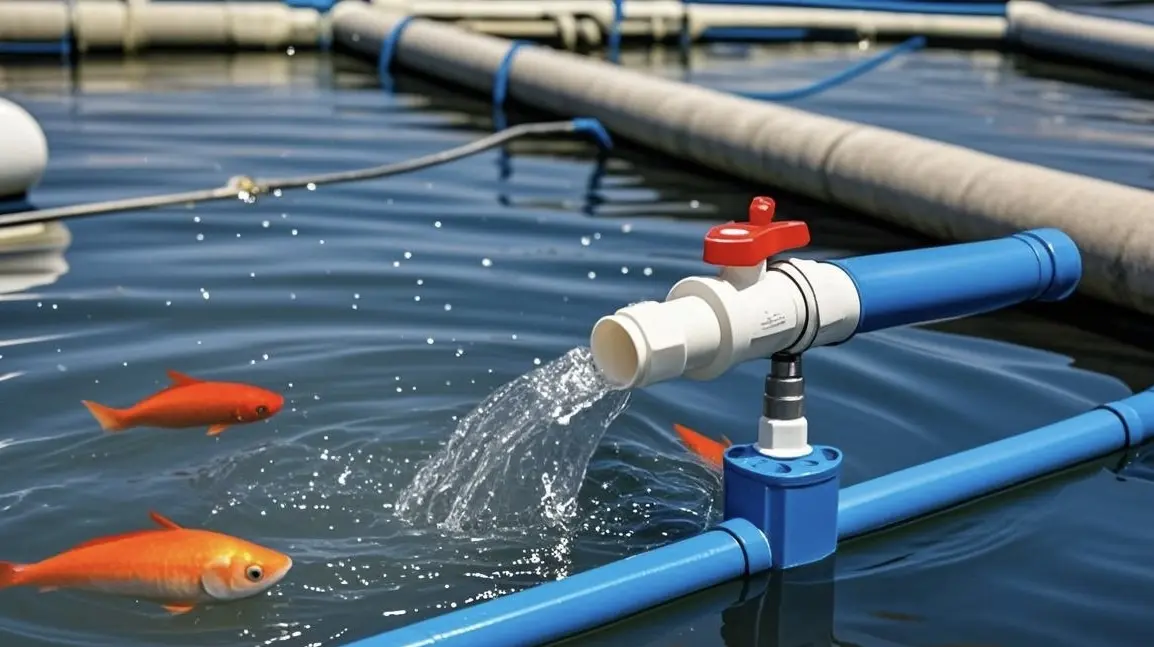
3. Recirculating Aquaculture Systems (RAS): In fish cultivation, water purity is essential. Synthetic leaching from lower-grade plastics can affect water quality and marine life health. Ehao's non-toxic, food-grade virgin polymers ensure no chemical contaminants enter the recirculating stream, supporting stable bio-conditions.
4. Mining & Industrial Construction: Transportation of abrasive mineral slurries or corrosive manufacturing chemical wastes requires piping with high wear resistance. HDPE fittings offer high abrasion resistance and flexibility, making them suitable for challenging industrial pipeline installations.
The future of thermoplastic piping lies in material science advances and the integration of digital tracking technologies. The industry is transitioning from standard PE80 grades to high-strength, bimodal PE100 and PE100-RC (Resistant to Crack) resins. These advanced materials provide excellent resistance to slow crack growth, enabling trenchless installation methodologies like horizontal directional drilling (HDD). This approach reduces excavation costs and limits environmental impact during installation.
Ehao Plastic Group is keeping pace with these changes. By leveraging our design capabilities and injection molding tooling, we create customized solutions tailored to specific operating pressures (SDR rating scales from SDR 11 to SDR 26). Additionally, our engineering teams are developing smart valves and RFID-tagged trace fittings to allow real-time pipeline pressure monitoring and geographical mapping within smart city grids.
Our custom molding division provides plastic mold manufacturing based on client samples, detailed technical drawings, and custom structural specifications. This capability allows us to partner with international OEMs to supply custom-engineered fluid-handling components.
We assist our partners throughout the project lifecycle. This support ranges from selecting the appropriate polymer formulation and component configurations to optimizing shipping weight and import processes. By streamlining these steps, we help you maximize investment returns and maintain reliable operations.
Our products are manufactured to DIN, ASTM, and ISO quality specifications. This ensures high structural stability and compatibility when integrated into existing global pipeline installations.
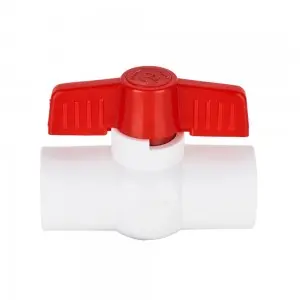
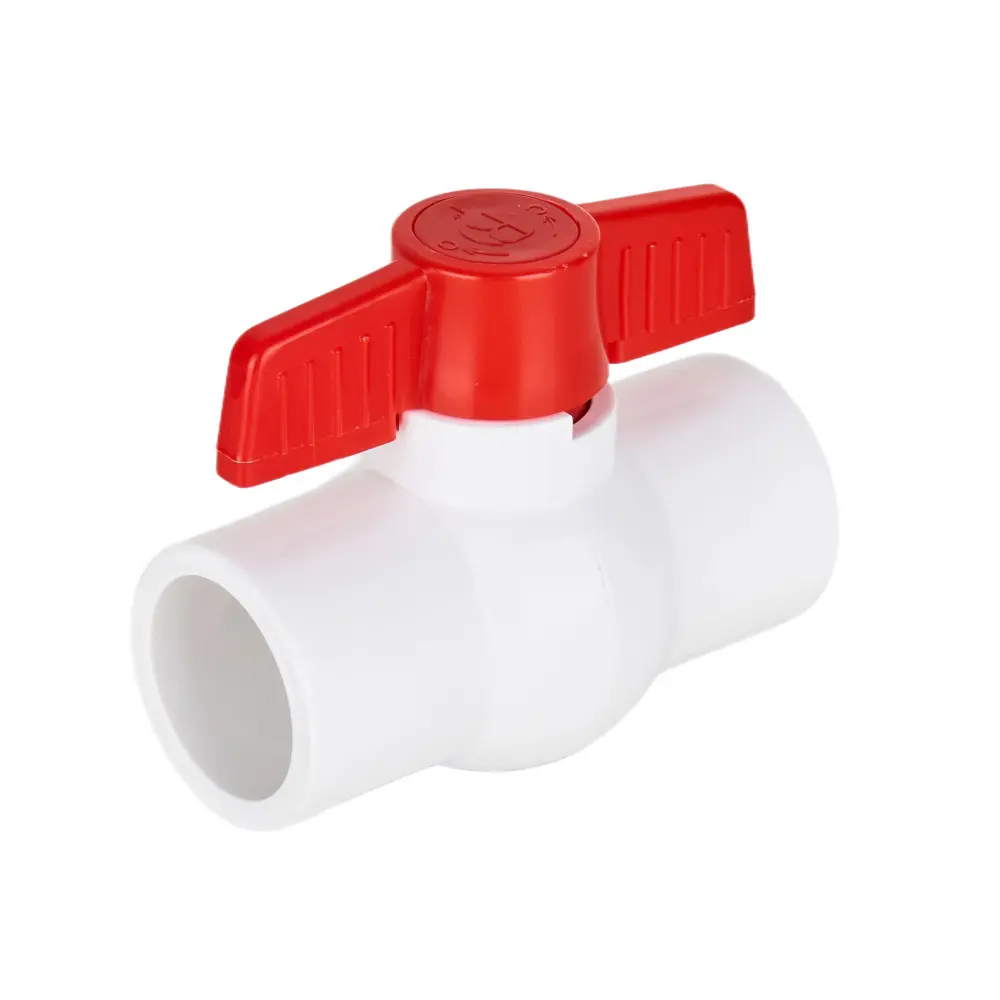
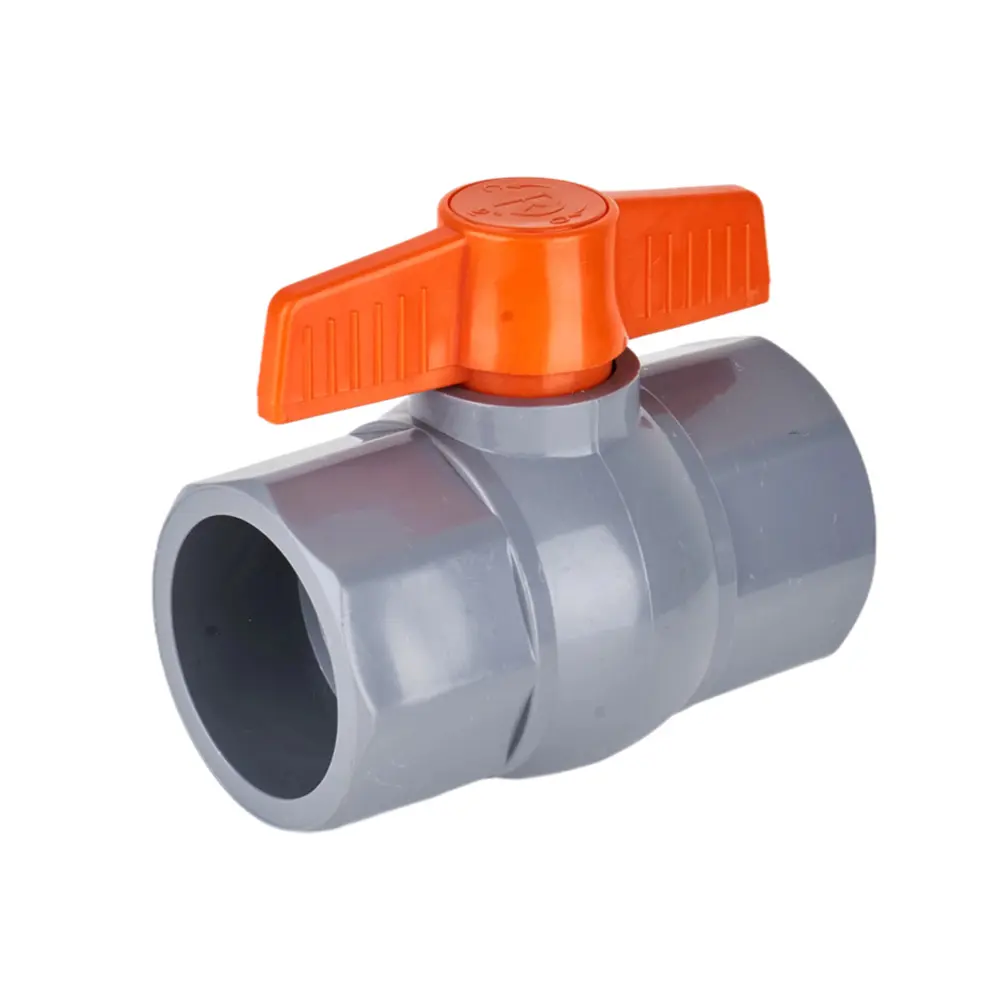
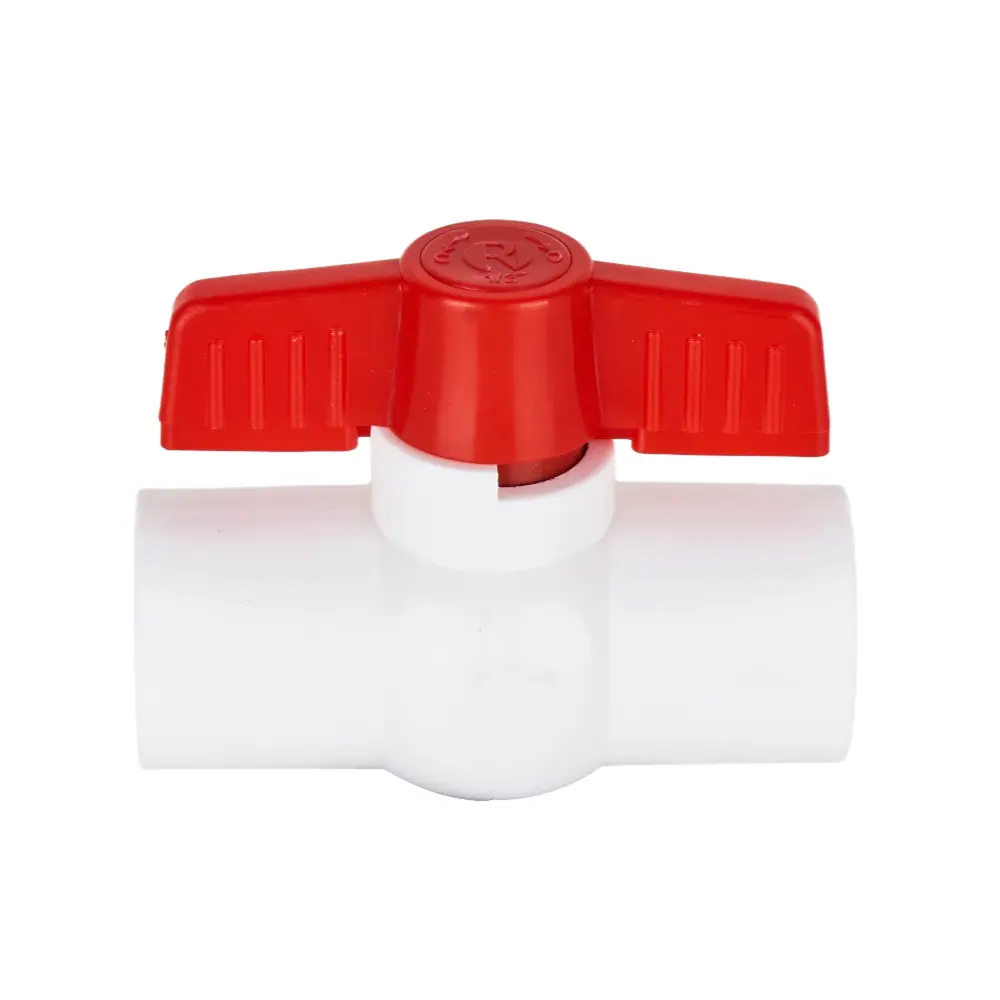
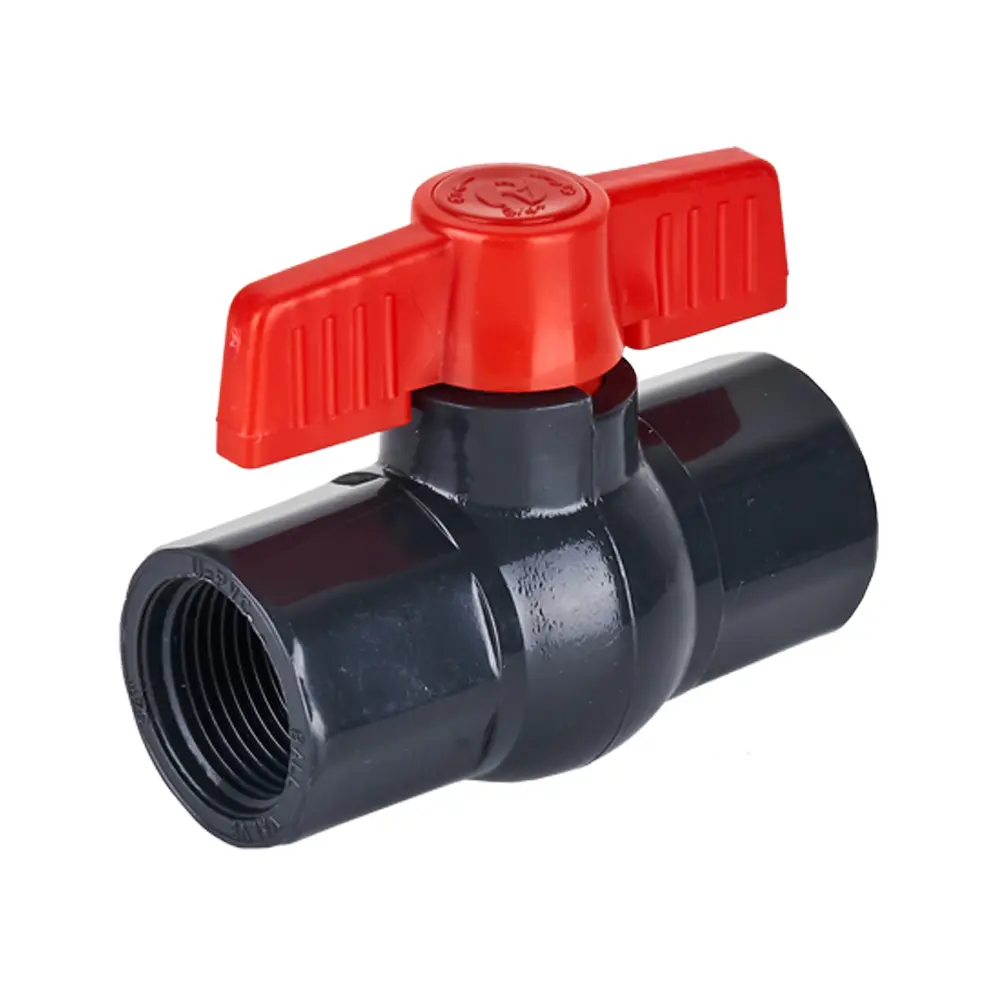
1/2” PVC Round Compact Ball Valve Solvent...
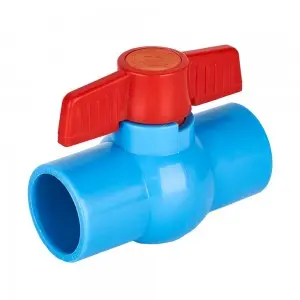
3/4” PVC Round Compact Ball Valve Solvent...
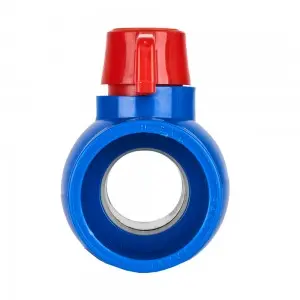
2” PVC Round Compact Ball Valve Solvent ...
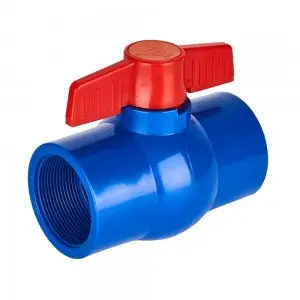
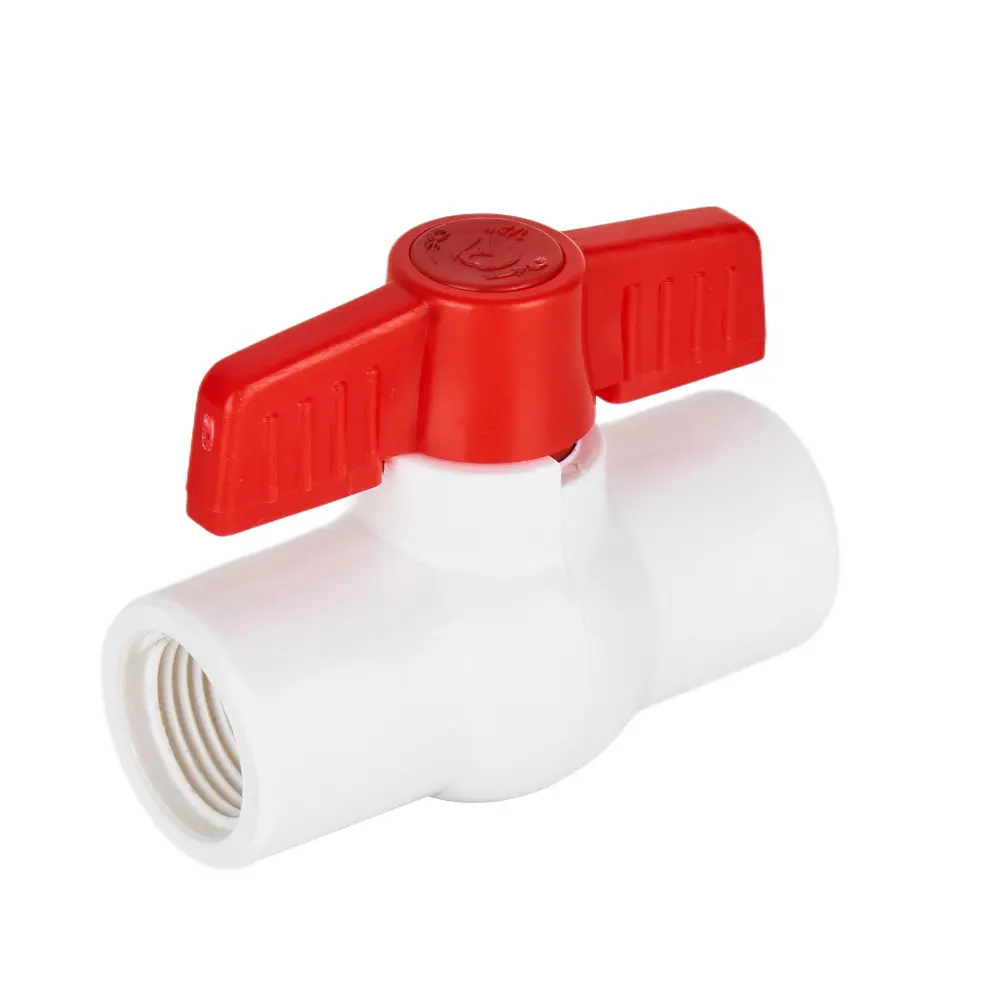
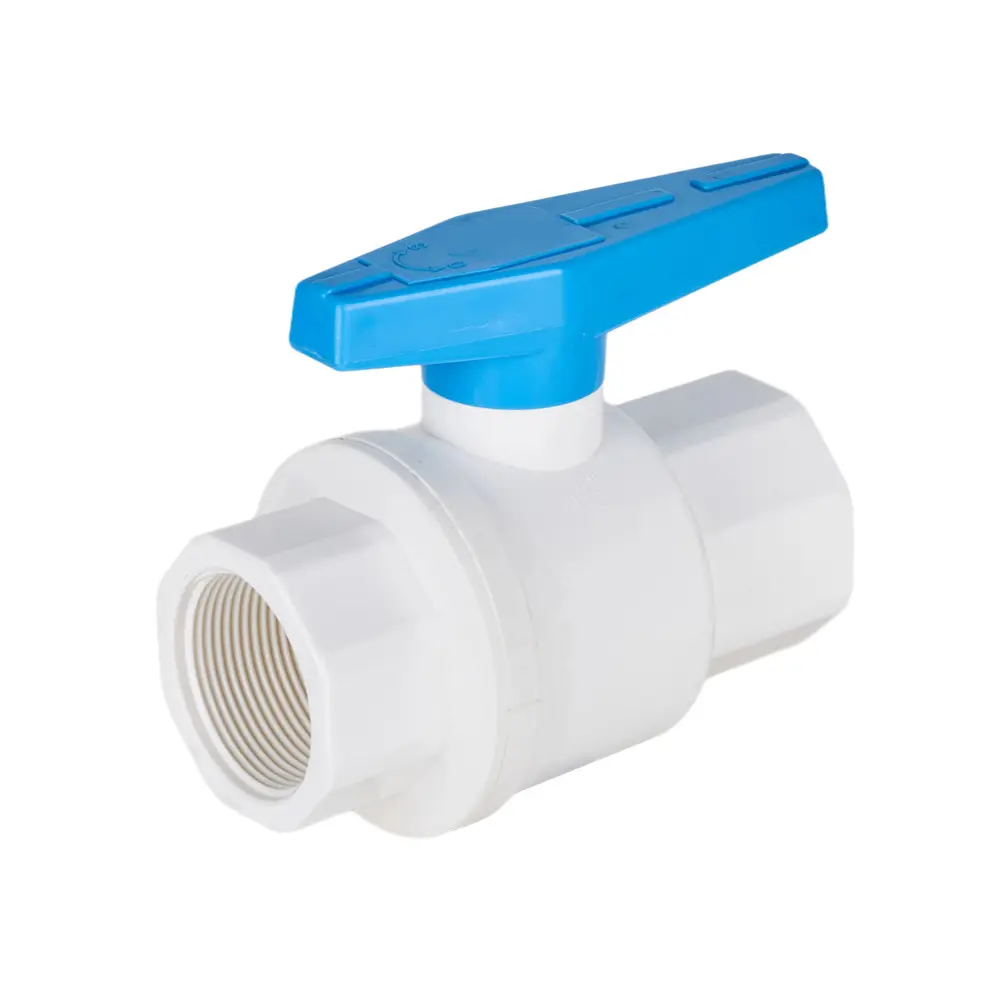
1.1/2” PVC Round Compact Ball Valve Thread Ends
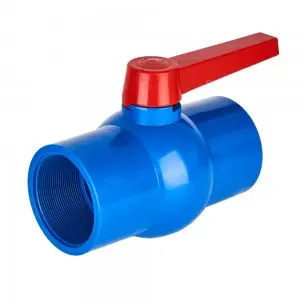
3” PVC Round Compact Ball Valve Thread Ends
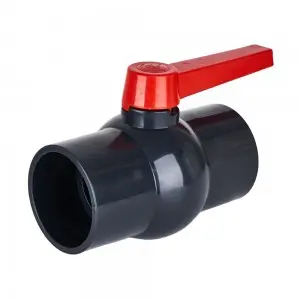
3” PVC Round Compact Ball Valve Solvent S...
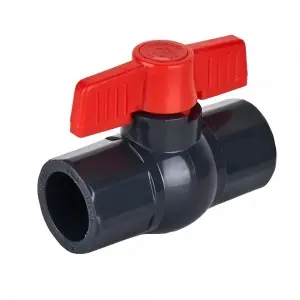
3/4” PVC Octagonal Compact Ball Valve So...
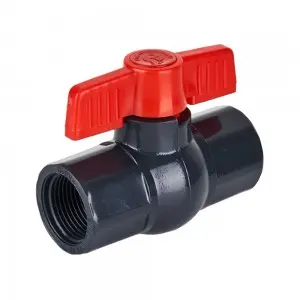
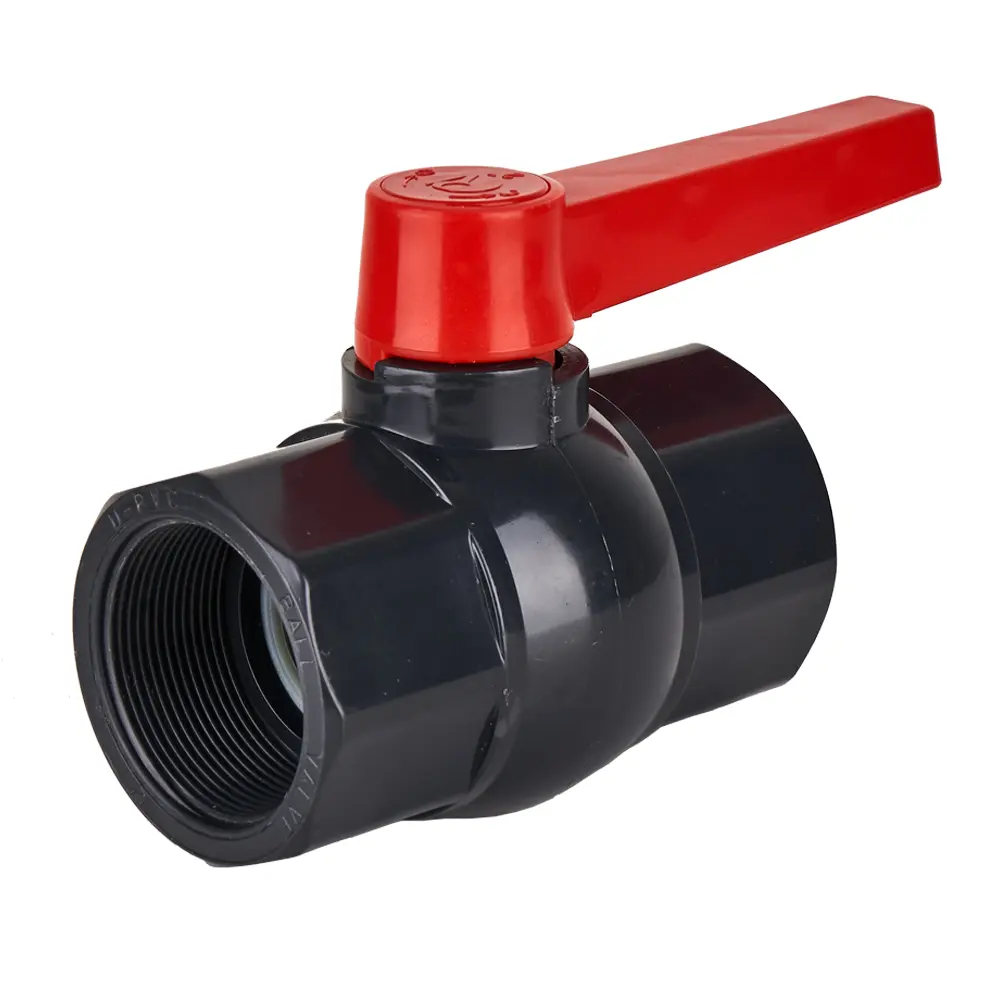
3/4” PVC Octagonal Compact Ball Valve Thr...
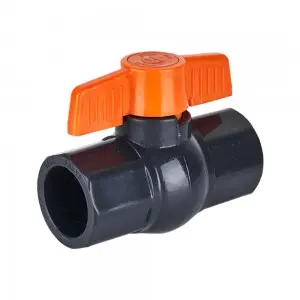
1” PVC Octagonal Compact Ball Valve Solv...
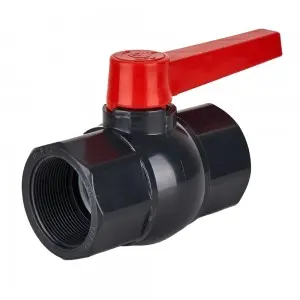
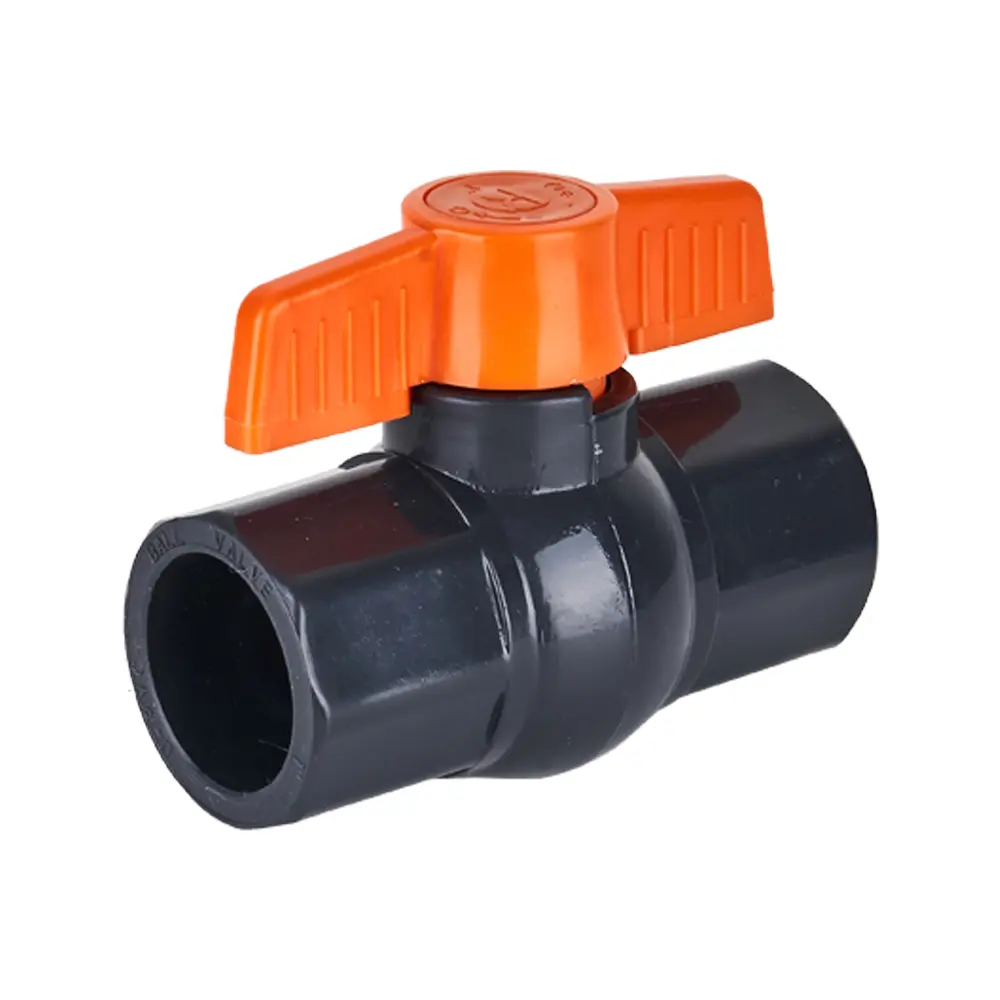
2” PVC Octagonal Compact Ball Valve in Bl...
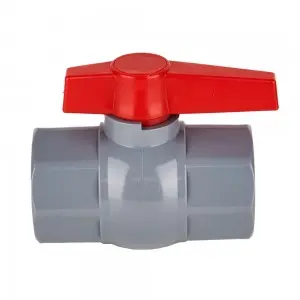
2” PVC Octagonal Compact Ball Valve Solv...
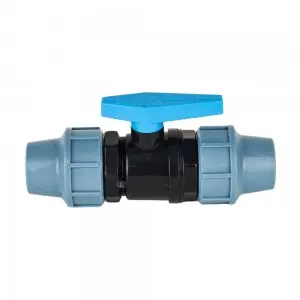
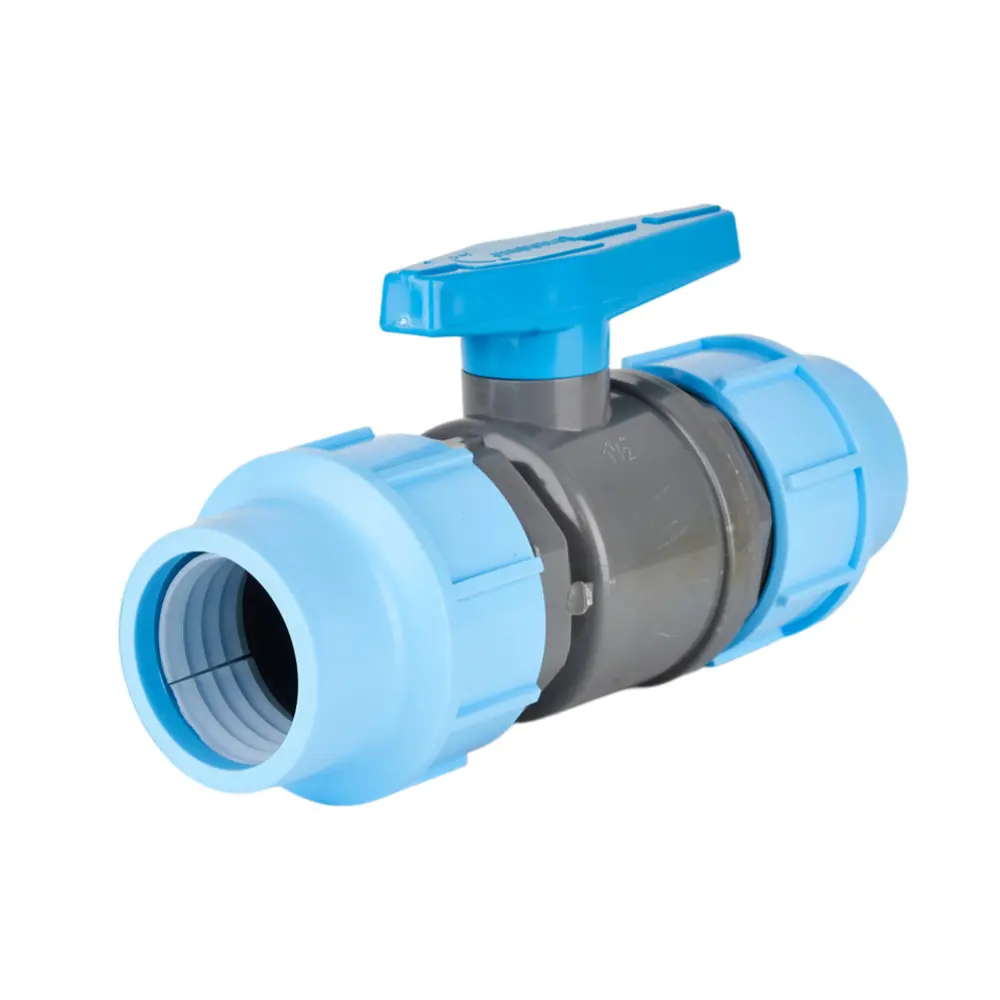
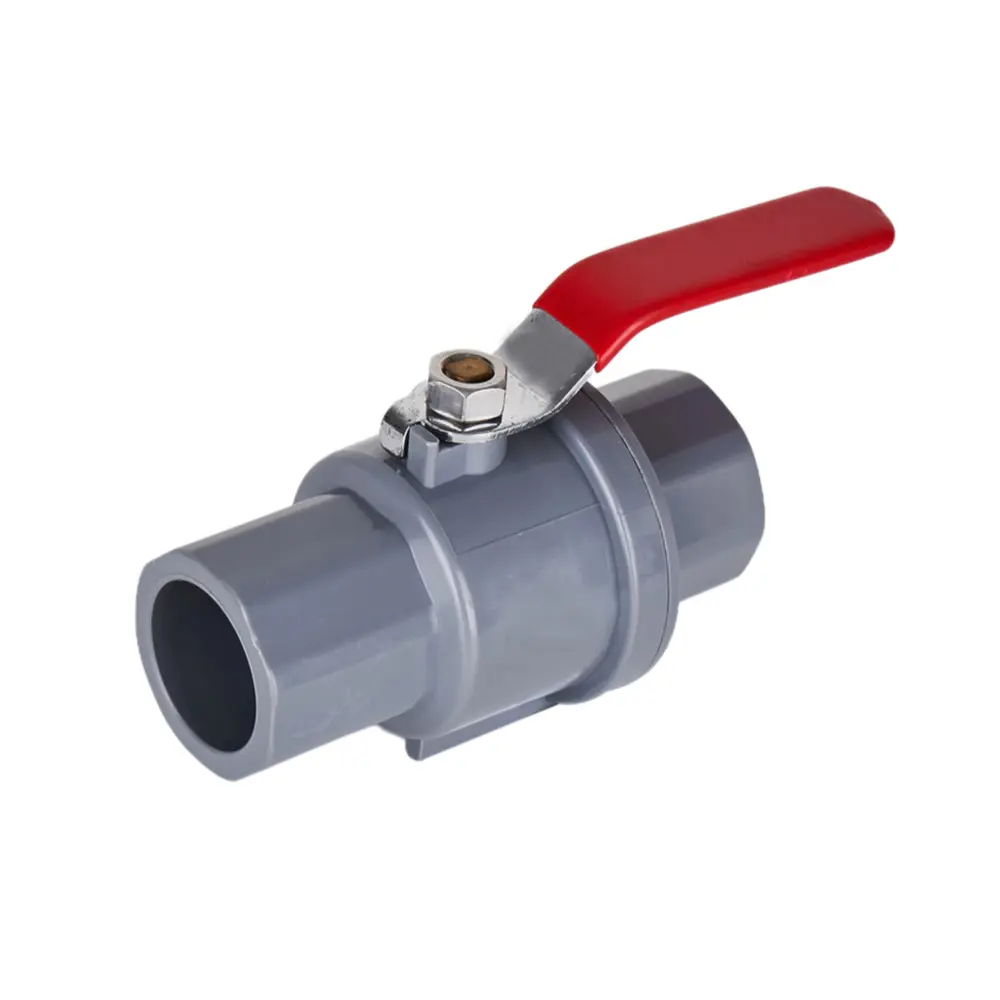
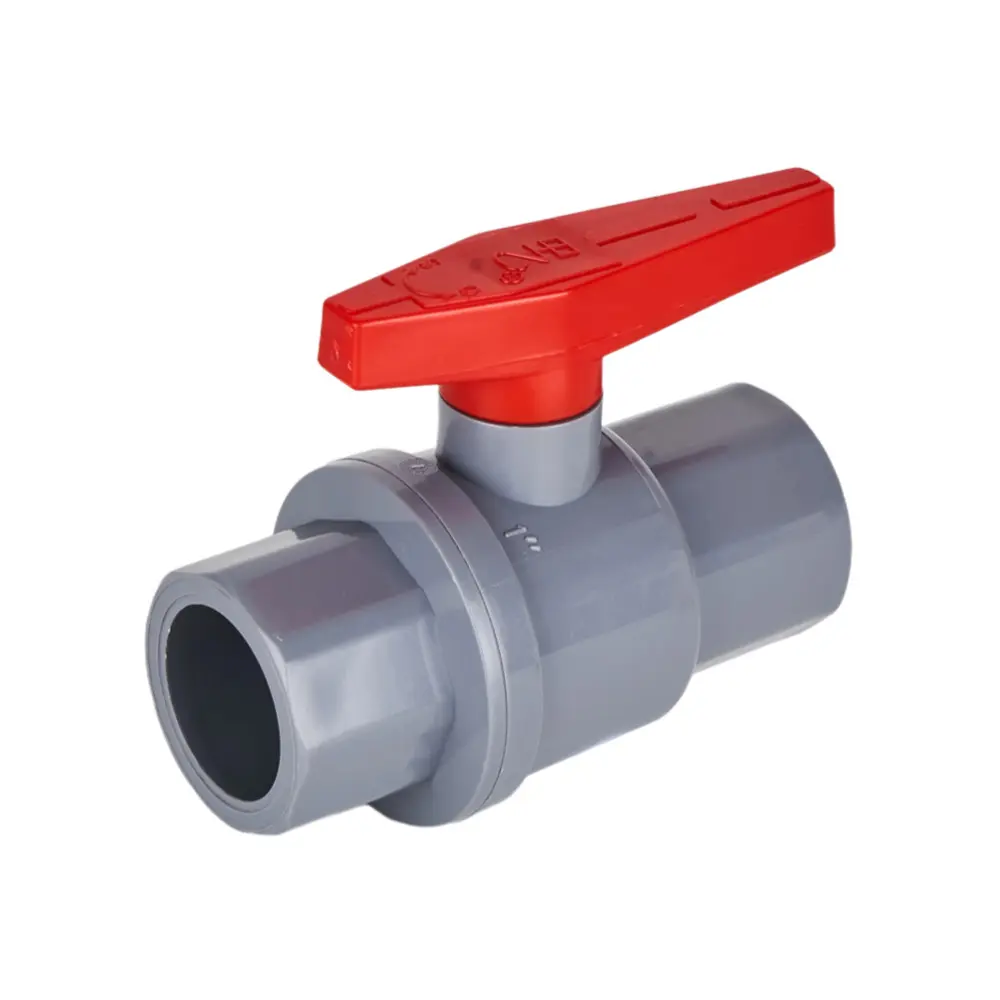
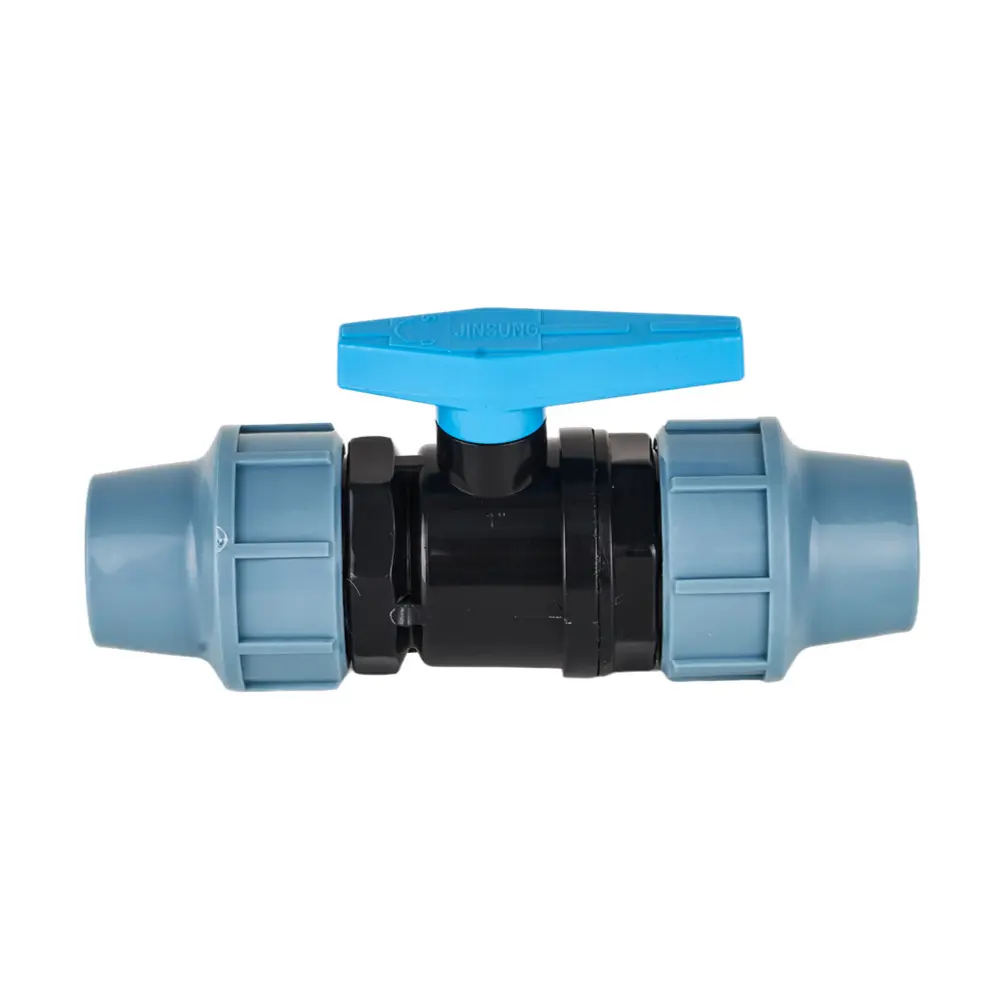
1” Double Union PVC Ball Valve
Get authoritative answers to common technical queries about industrial plastic piping, HDPE structures, and standard compliance.
Ehao's valves and fittings are manufactured using German injection molding equipment and premium raw polymers. Each production batch undergoes 26 steps of quality verification, including long-term hydrostatic testing, to ensure structural reliability. Our products conform to DIN8077 and DIN8078 standards, meeting international specifications for industrial piping networks.
Yes, Ehao Plastic Group operates a dedicated mold-manufacturing facility. We manufacture custom plastic molds based on customer samples, technical drawings, or physical reference parameters, ensuring precise customization for specific system requirements.
DIN8077 specifies the precise dimensions and pressure tolerances of polypropylene pipes, while DIN8078 defines the detailed quality requirements and testing protocols, including thermal stability, impact resilience, and long-term hydrostatic behavior. Conformance ensures consistent performance under standard operating pressures and temperatures.
Thermoplastics exhibit temperature-dependent properties. PVC valves perform optimally between 0°C and 60°C. For applications involving higher temperatures, such as hot-water distribution, PP or PPR materials are recommended to prevent mechanical deformation and sustain necessary pressure ratings.
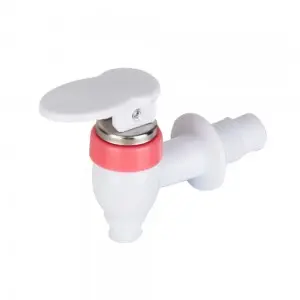
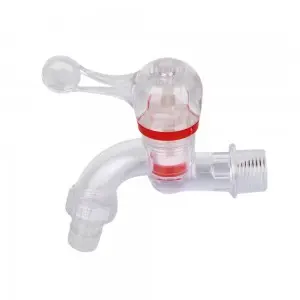
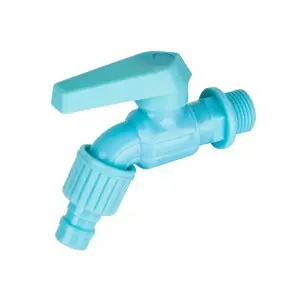
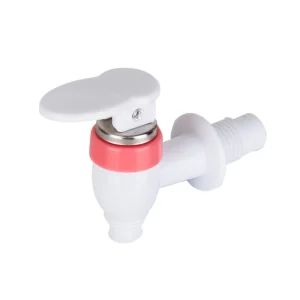
Select from our verified line of durable plastic ball valves, slip solvent socket unions, and garden supply bibcocks, optimized for structural integrity and leak prevention.
 EHAO
EHAO