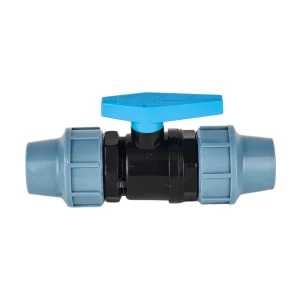
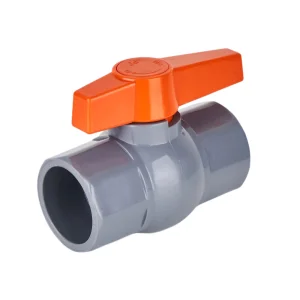
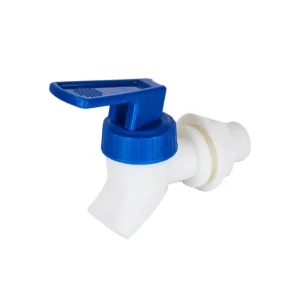
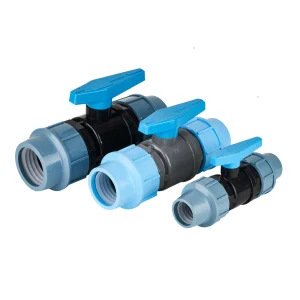
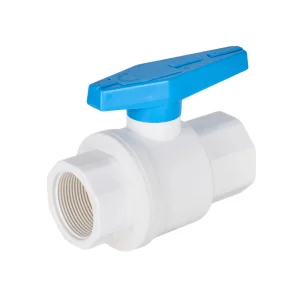
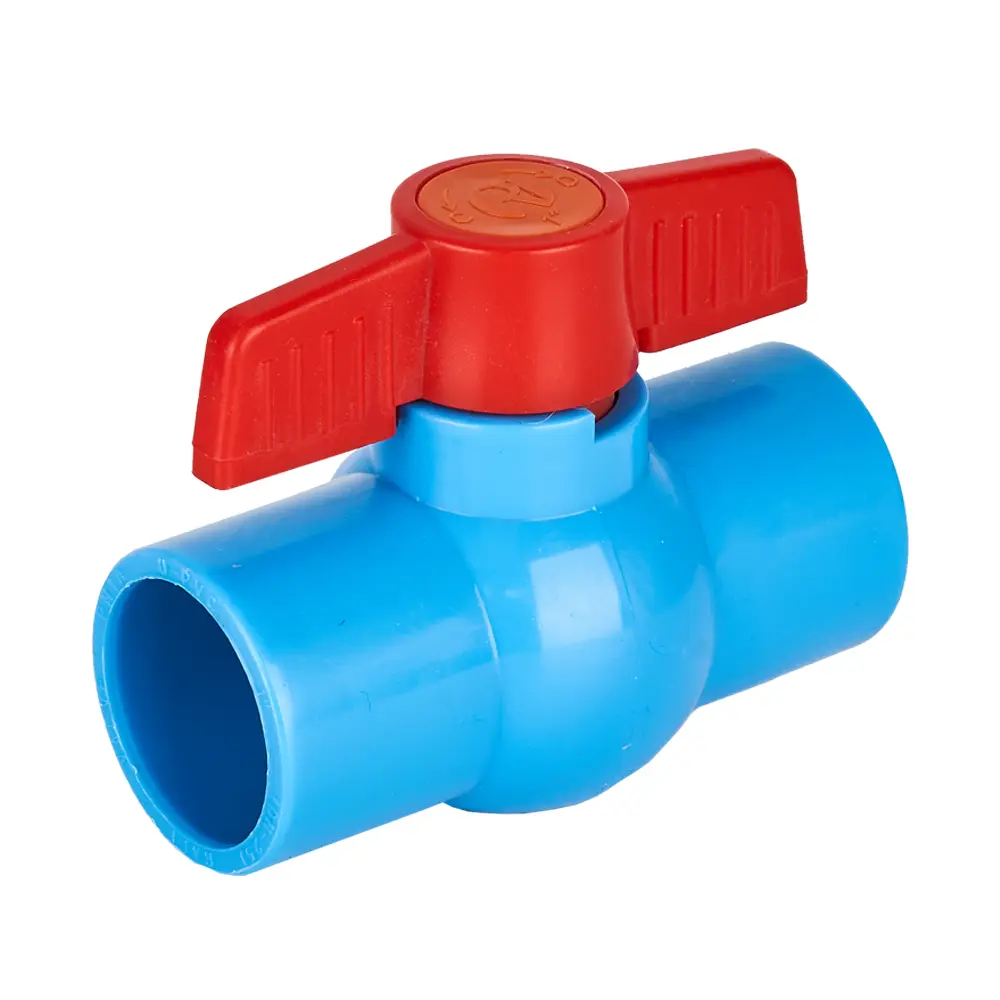
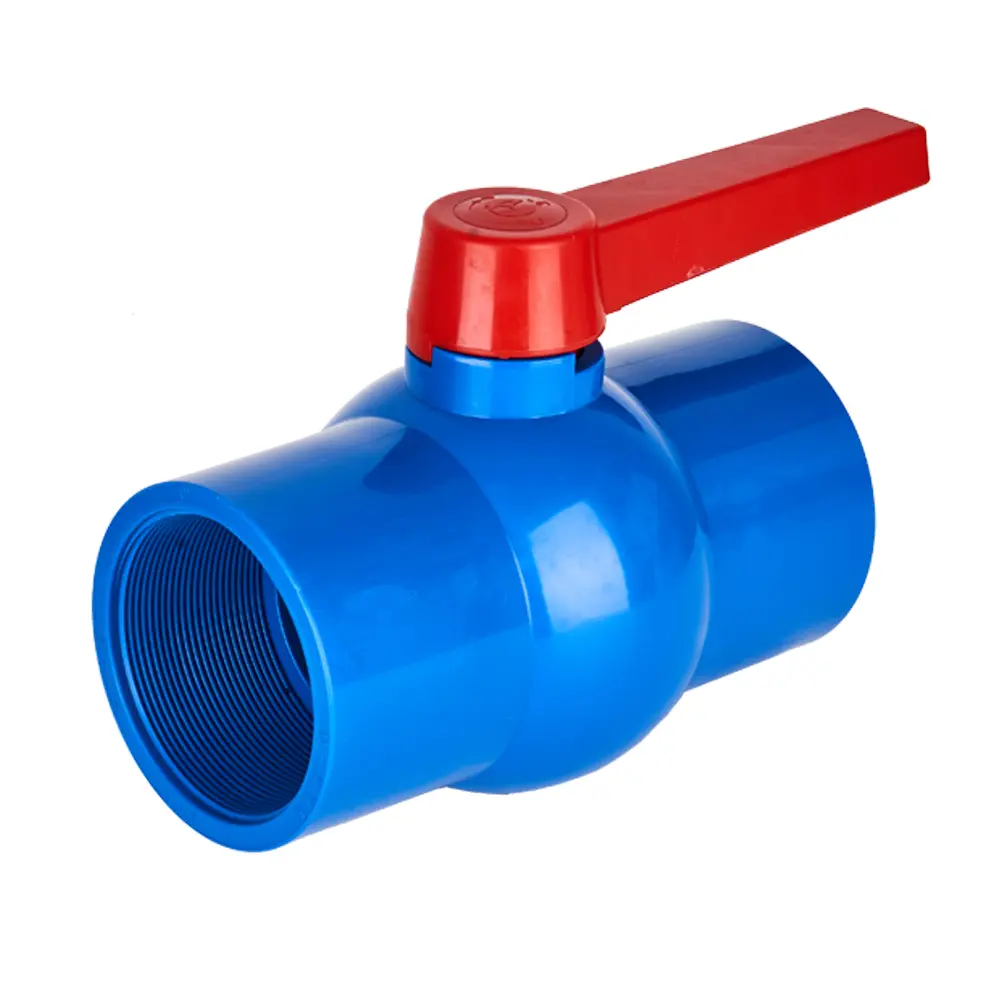
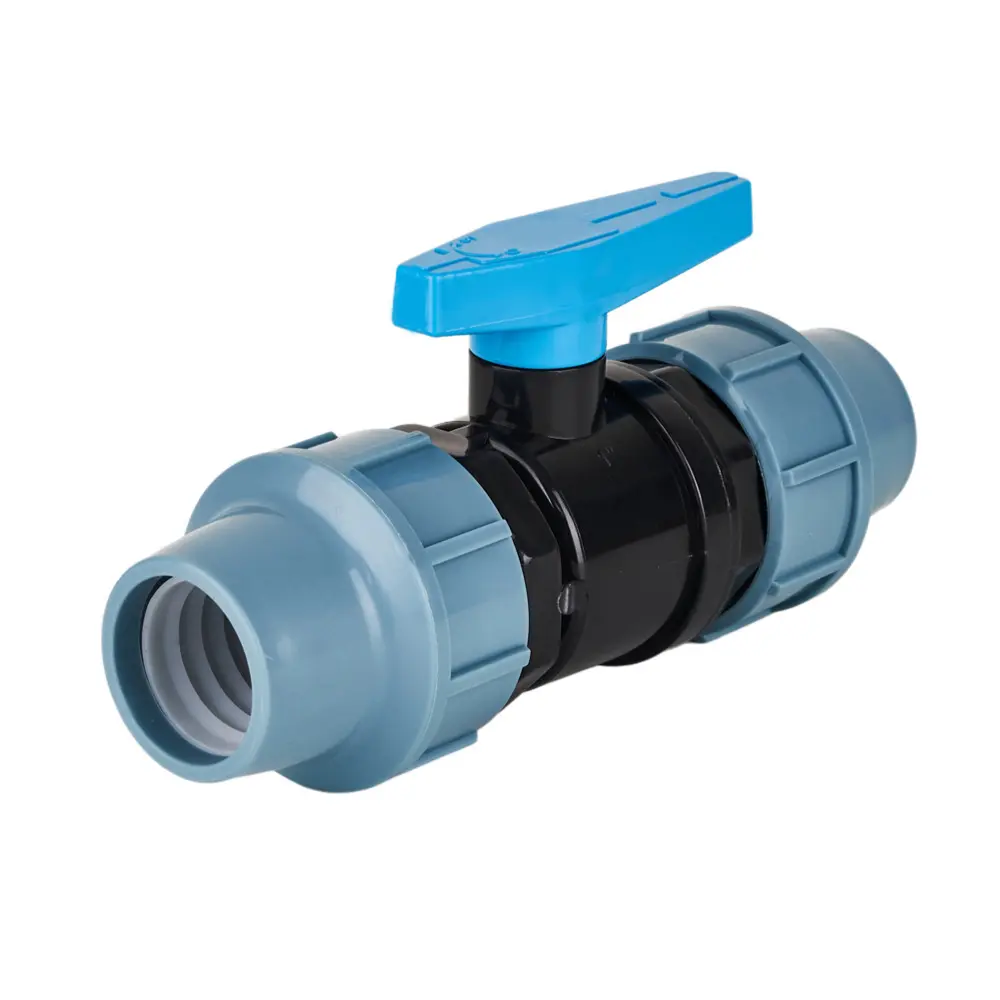
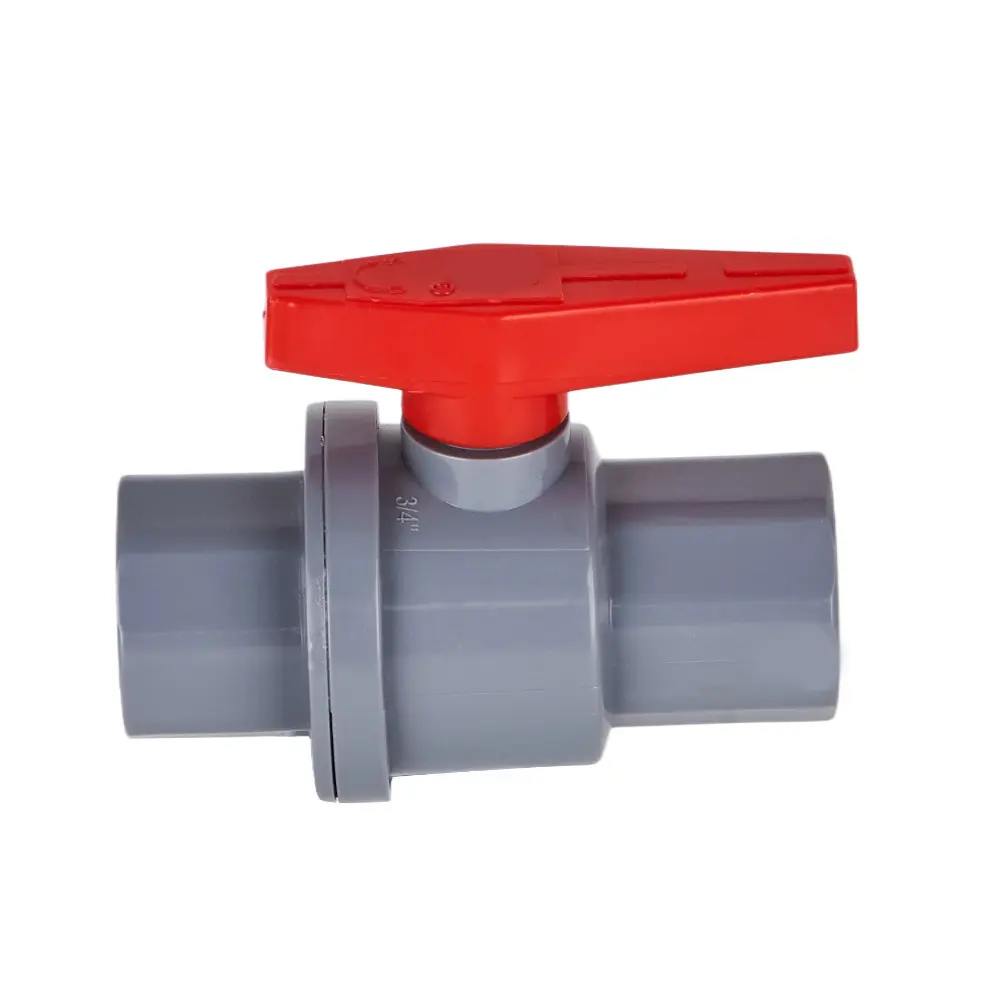
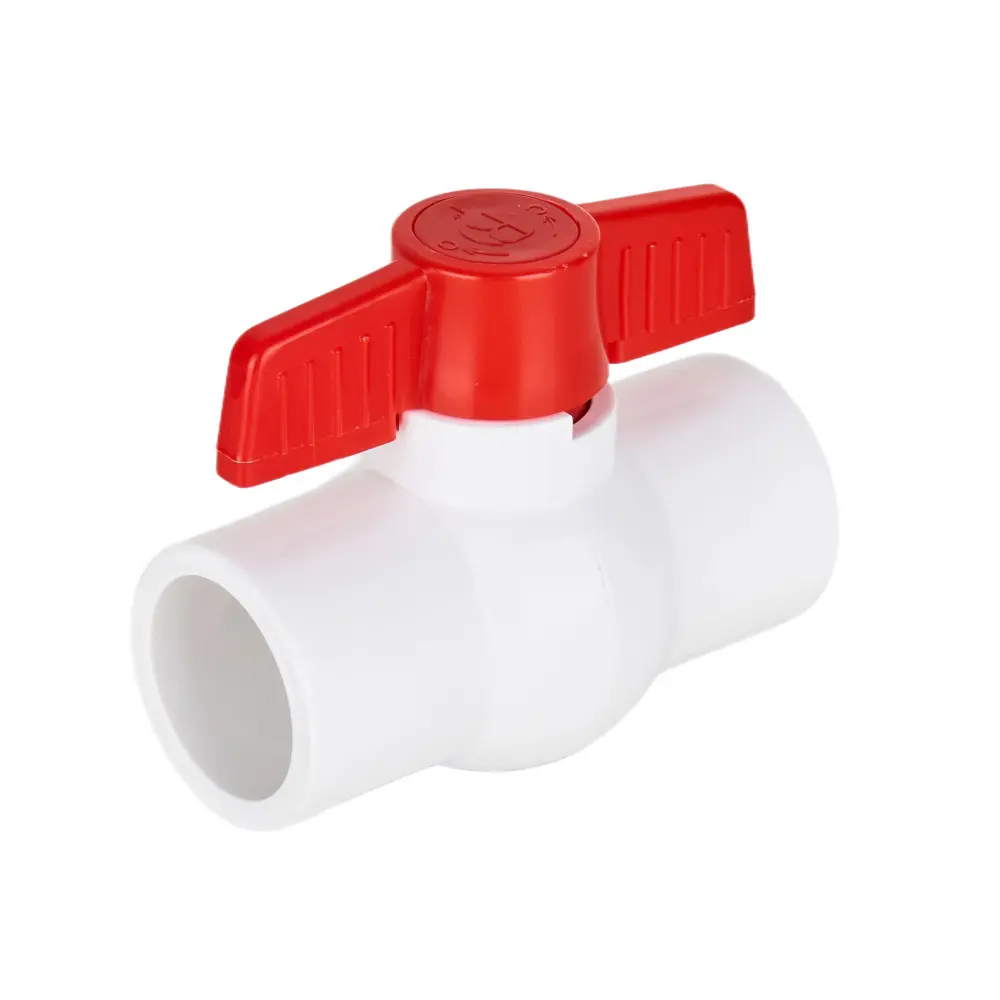
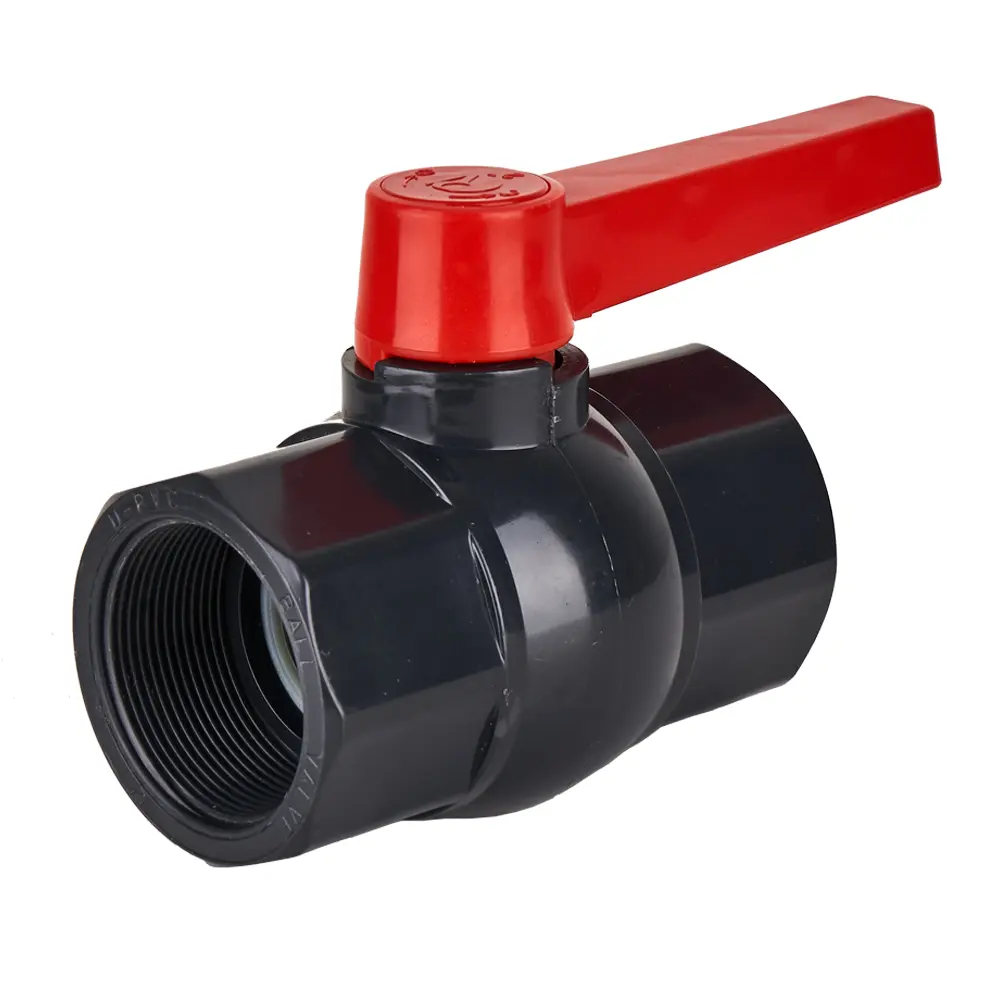
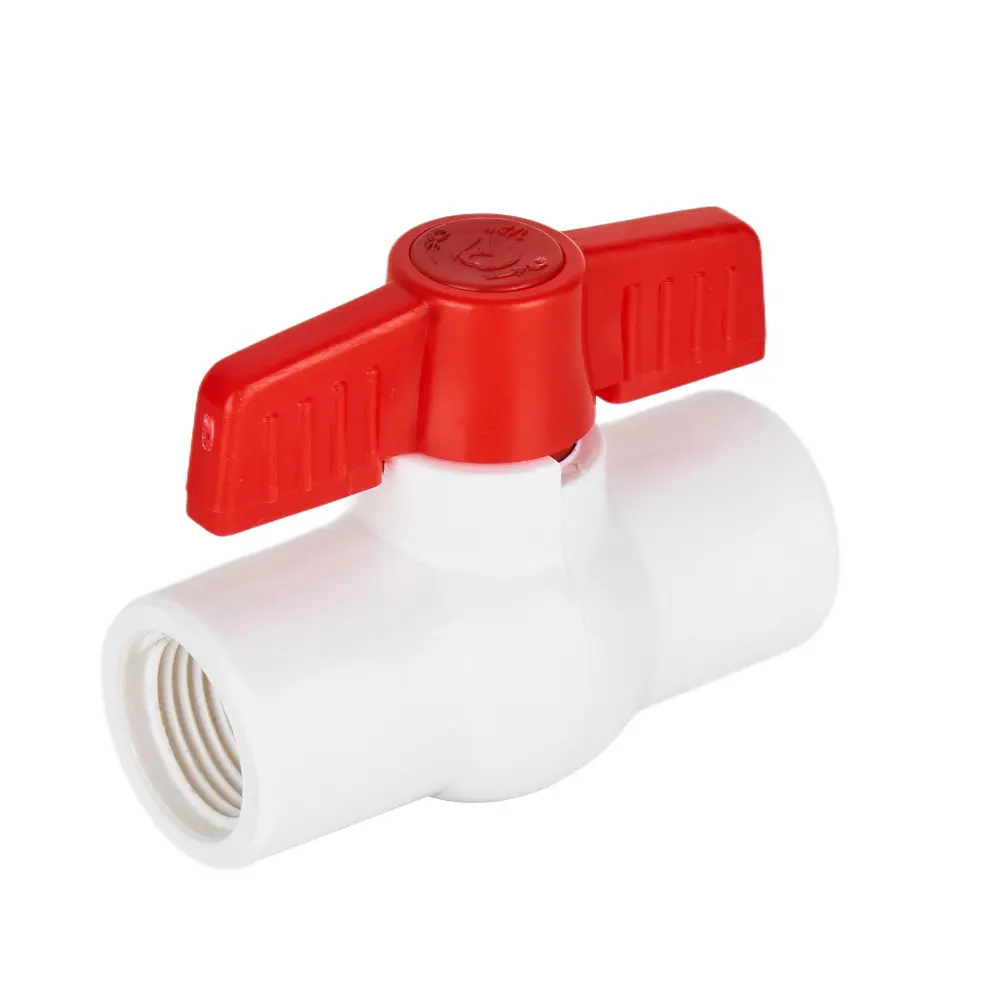
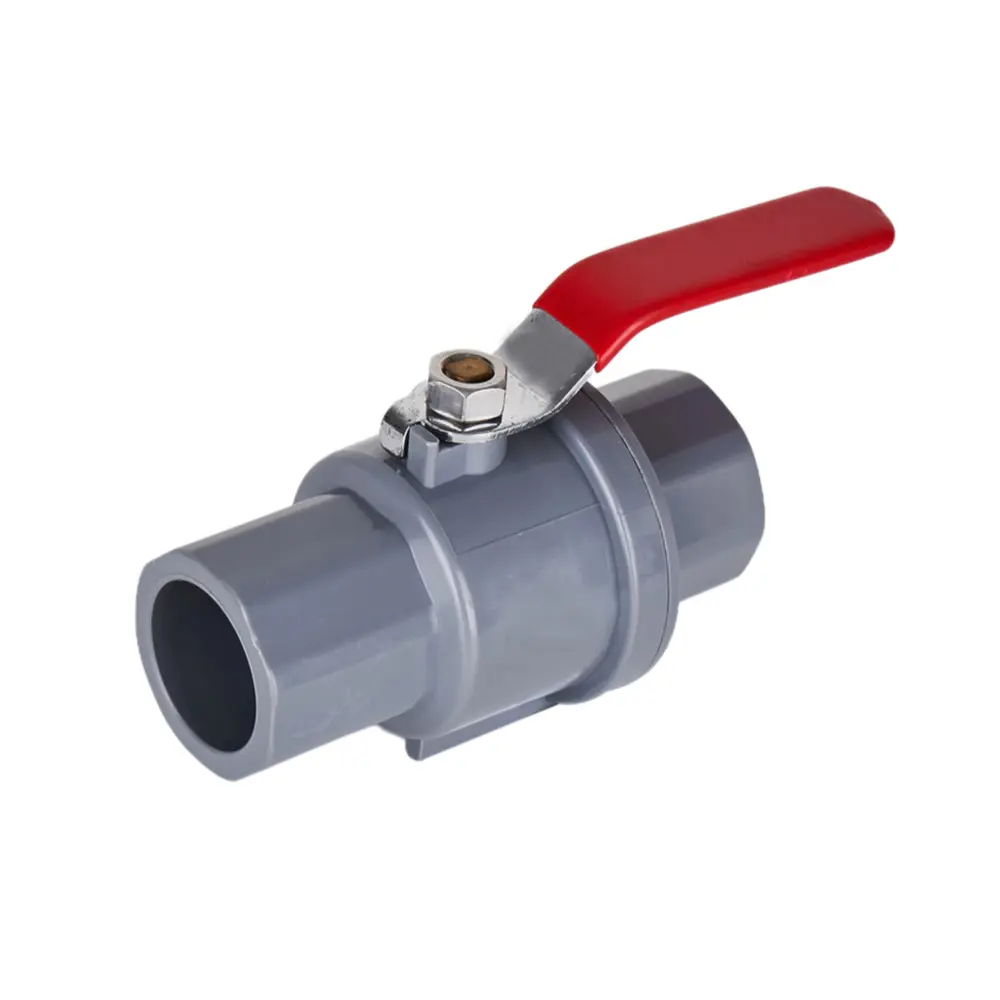
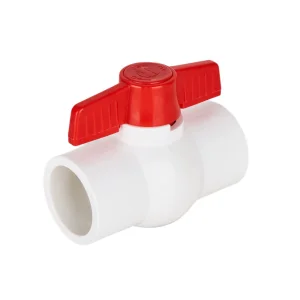
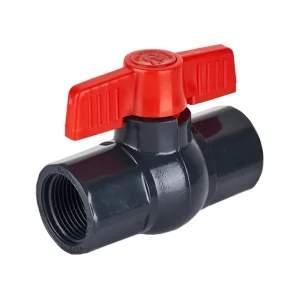
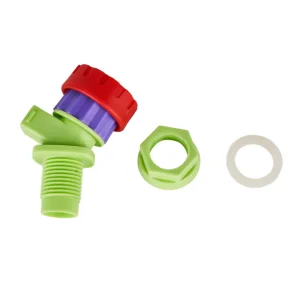
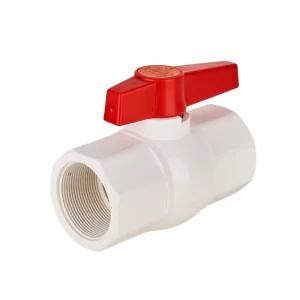
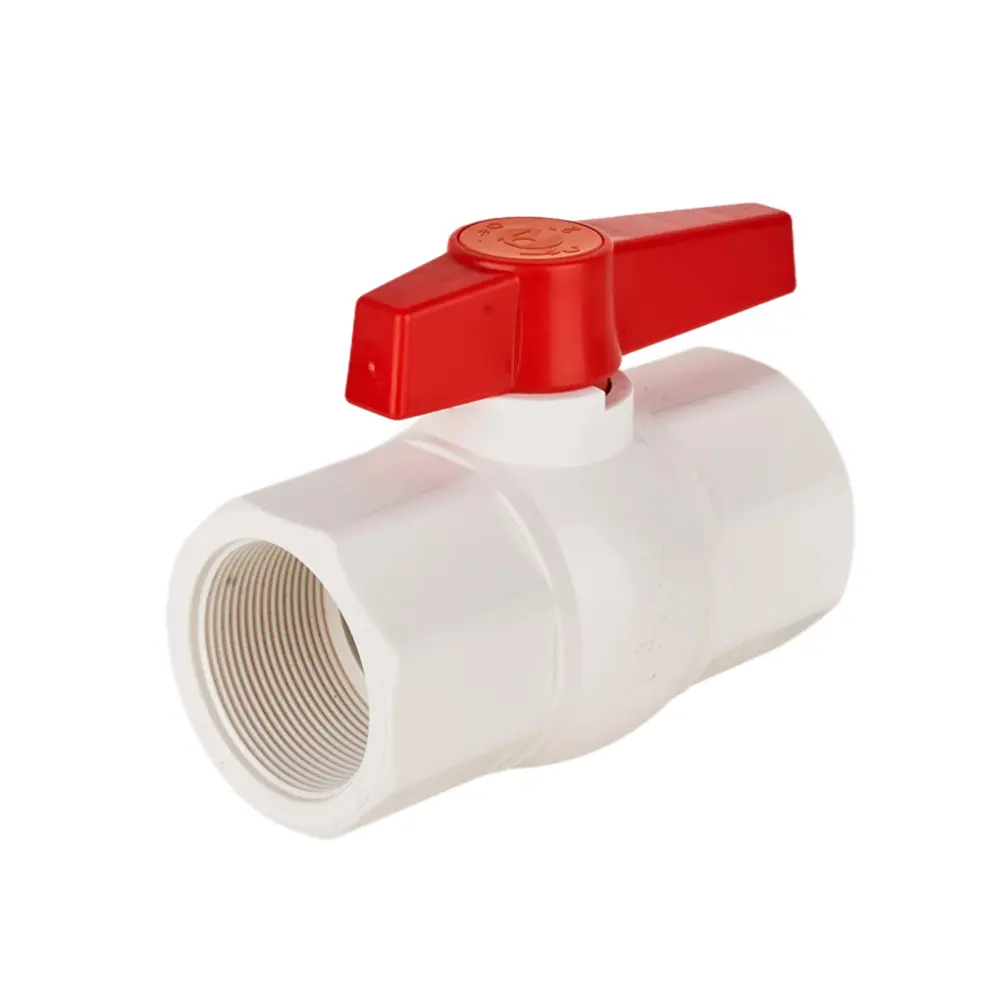
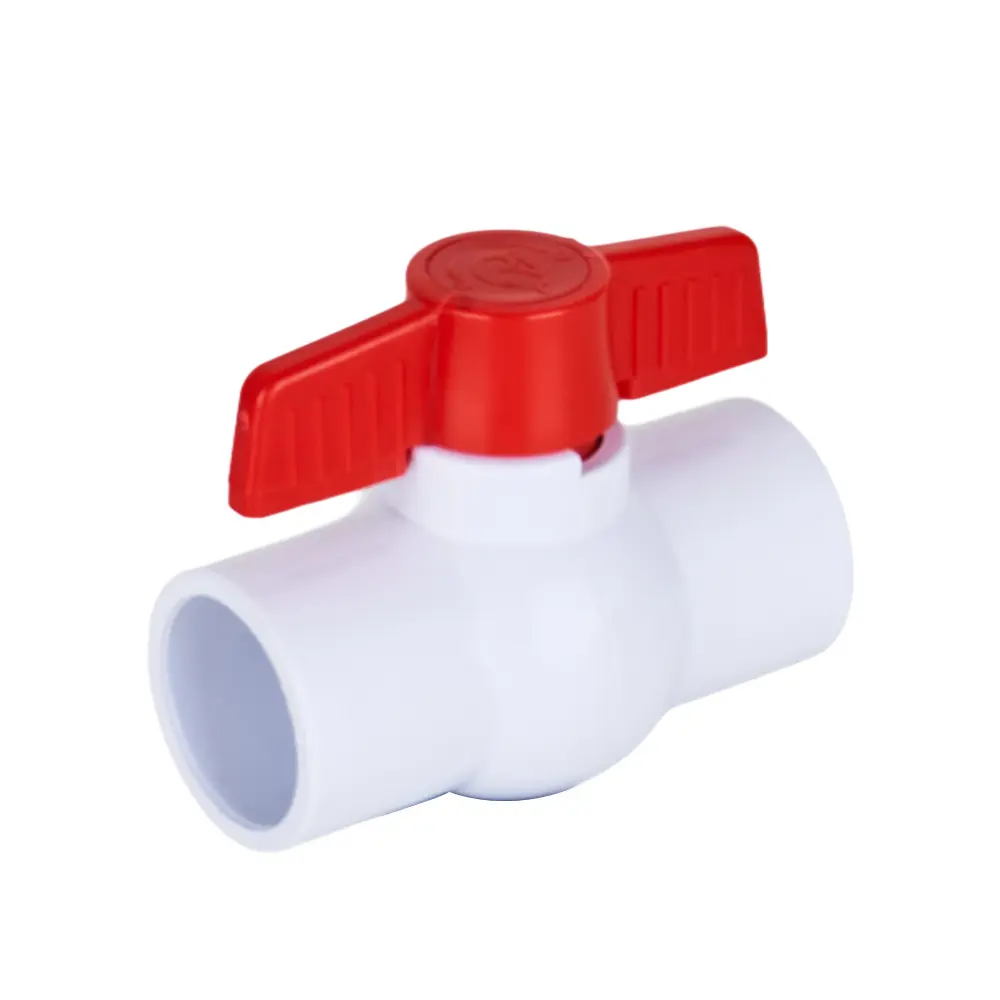
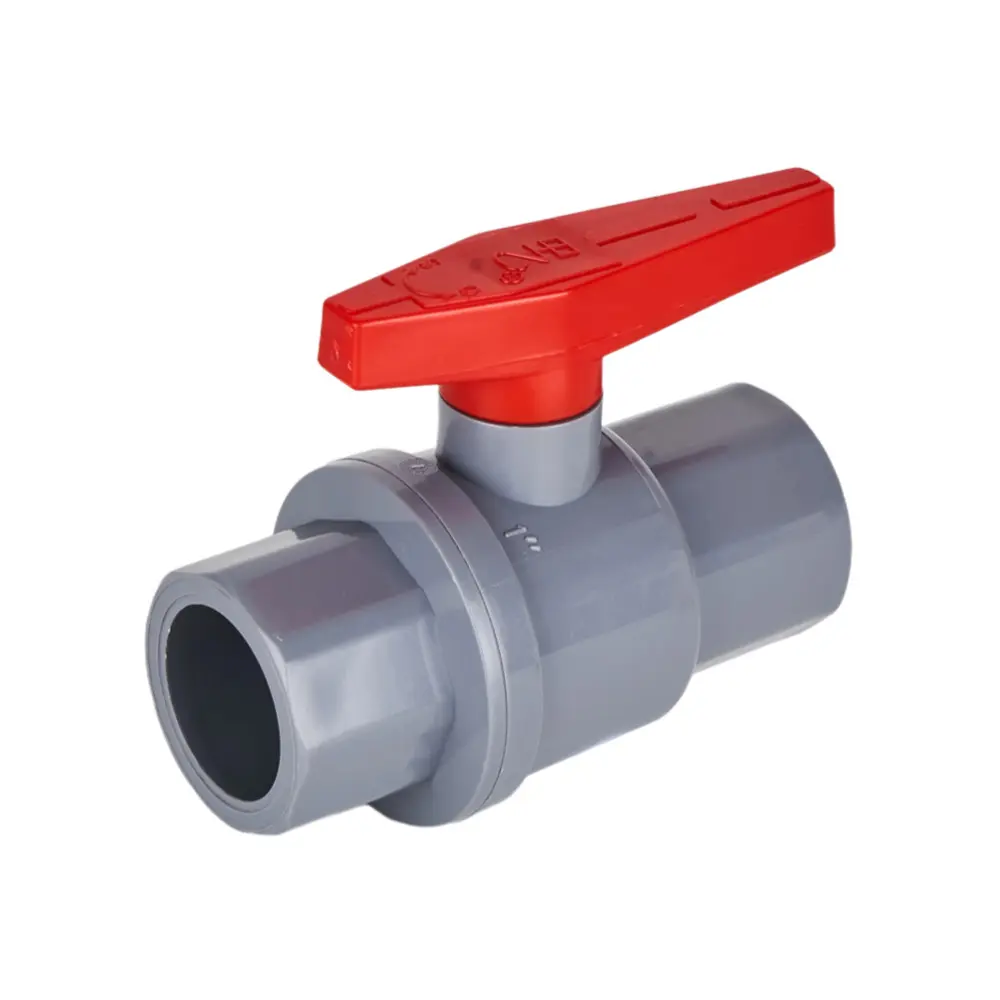
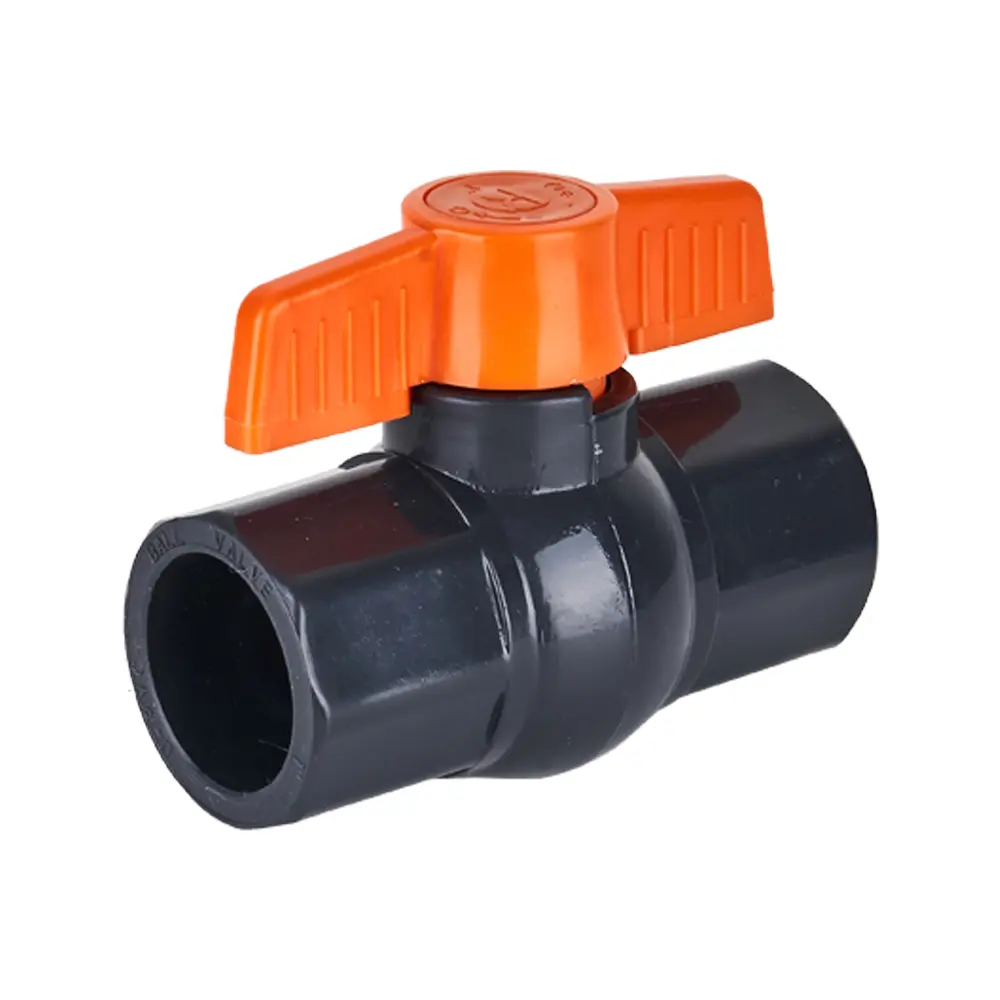
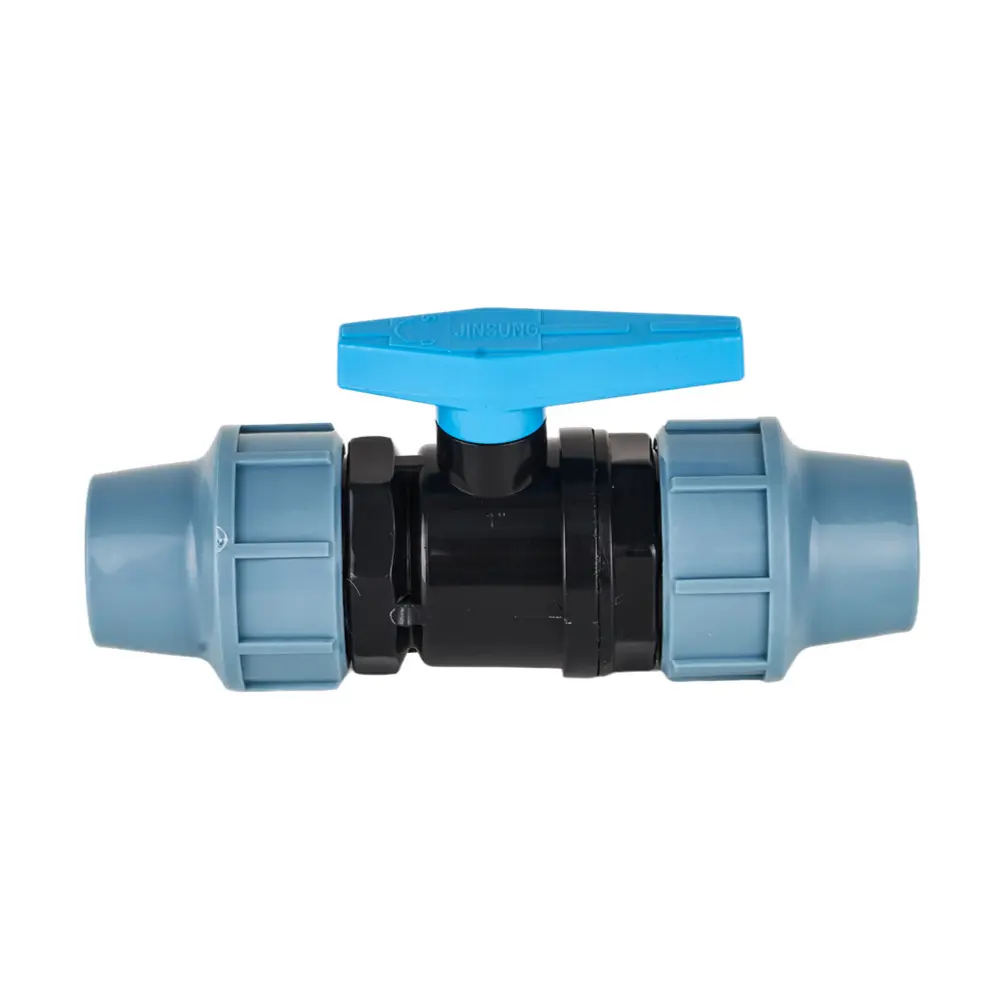
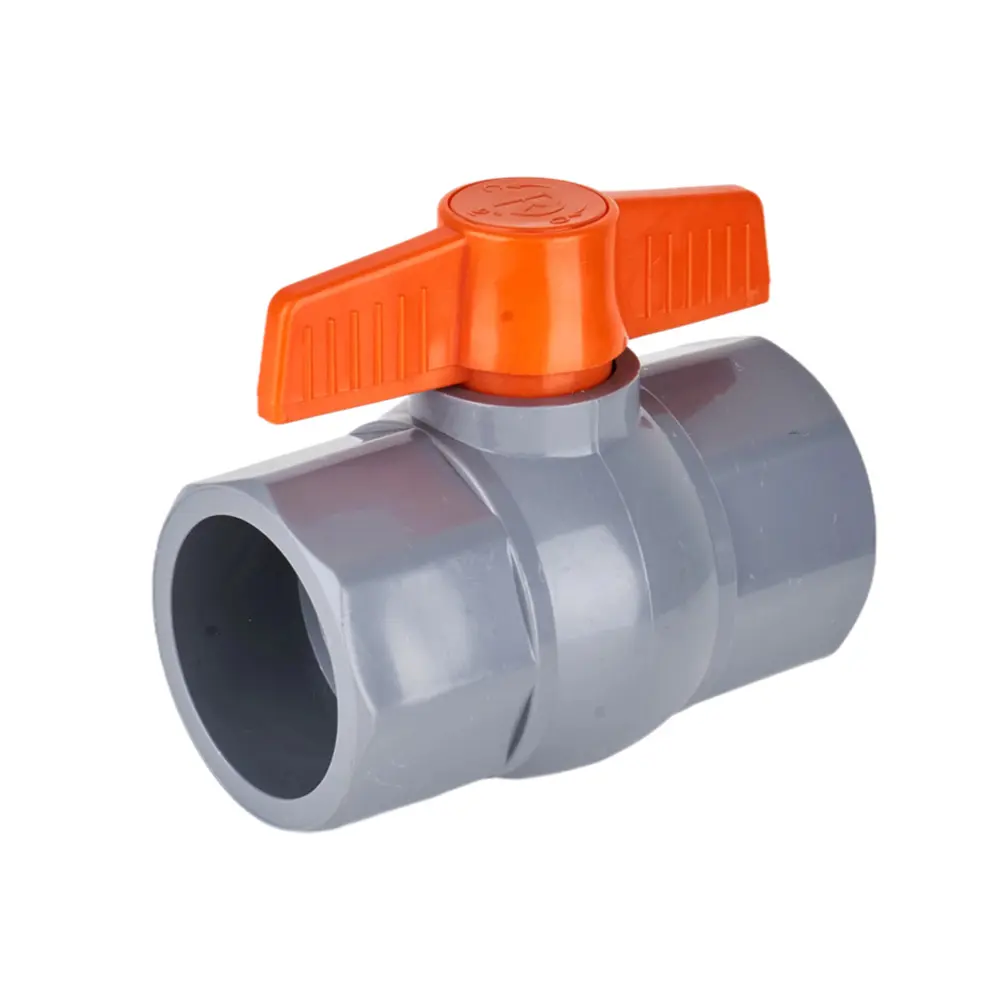
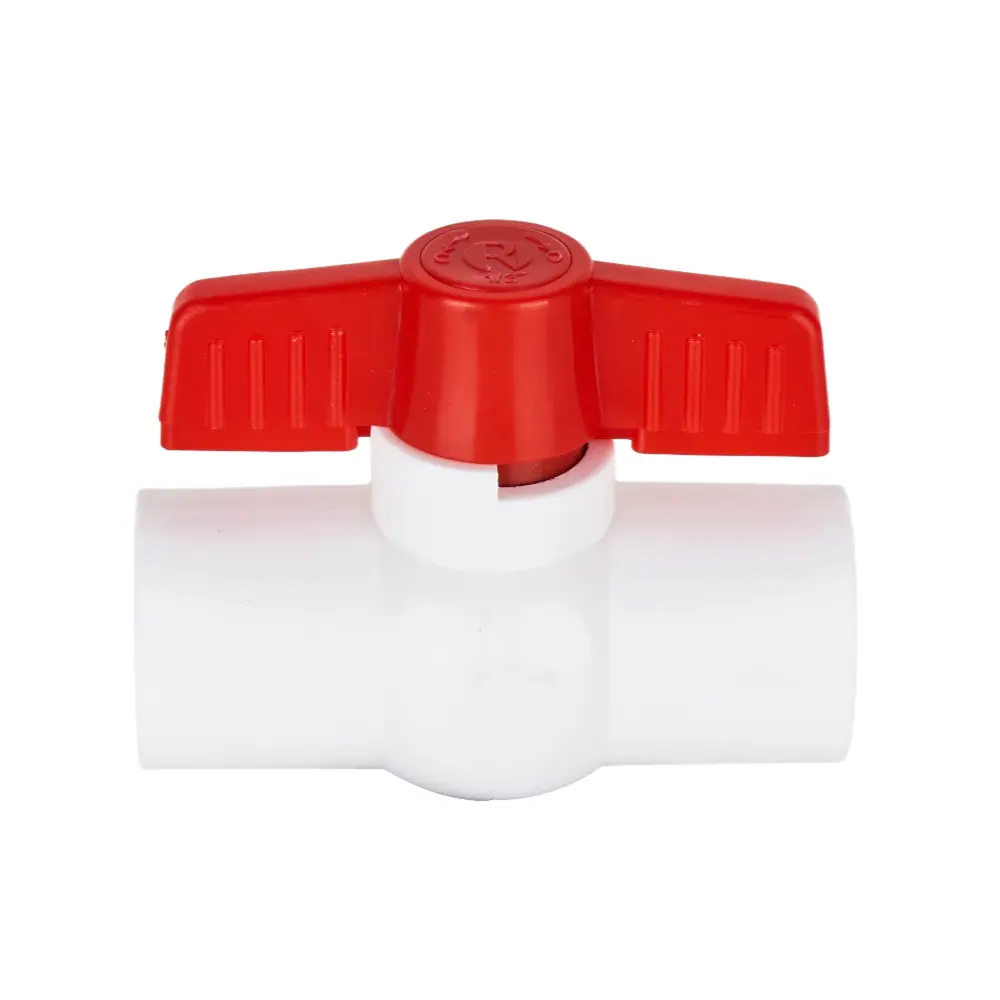
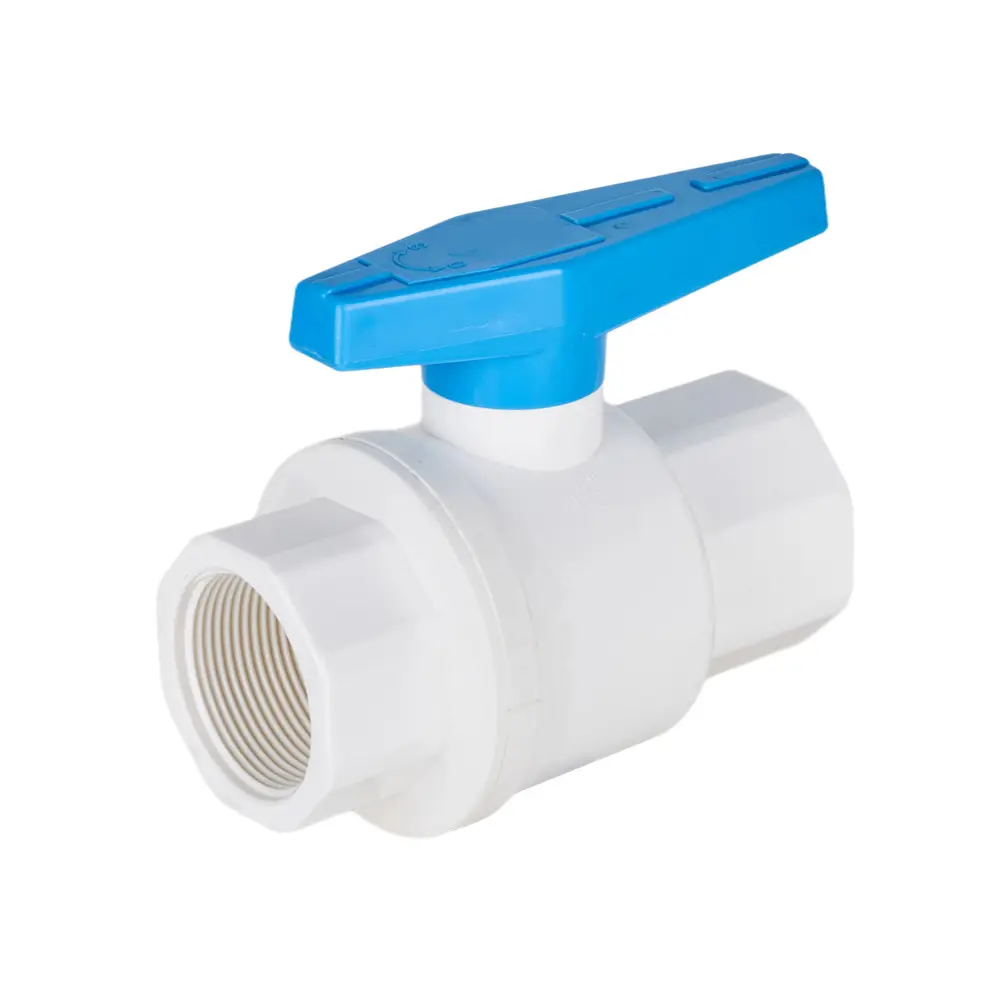
Explore our primary array of high-grade compact ball valves, double union valves, and water drinking taps, custom engineered for optimal fluid handling efficiency.
In modern industrial and infrastructure frameworks, the transition toward high-density polyethylene (HDPE) piping systems has revolutionized global fluid transportation. Historically, metallic components dictated the structural parameters of pipelines. However, issues regarding corrosive degradation, chemical erosion, and mechanical fatigue have catalyzed the demand for advanced polymeric solutions. High-Density Polyethylene (HDPE) pipe compression fittings stand at the absolute forefront of this paradigm shift.
HDPE mechanical compression fittings allow for the rapid and secure connection of HDPE pipes without the localized heat stress and specialized machinery associated with butt fusion or electrofusion welding techniques. Geopolitically and economically, the global market for municipal water distribution, smart agricultural irrigation, and heavy industrial wastewater processing relies on the structural longevity of these fittings. Engineered to withstand nominal pressures up to PN16 (16 bar), these fittings rely on physical compression principles to create a leak-proof radial seal. This makes them highly suitable for high-stress applications across volatile terrains and extreme thermal gradients.
From a global supply chain perspective, China is the primary engine of high-performance polymer extrusion and injection-molded components. Chinese industrial hubs utilize massive economies of scale alongside state-of-the-art polymer formulations. They deliver HDPE pipe compression fittings that meet or exceed international performance indices, including the stringent German DIN8077 and DIN8078 standards. To achieve this level of engineering excellence, leading manufacturers, such as the Ehao Plastic Group, integrate high-level academic research with precision production systems.
The manufacturing complexity of modern polymer fittings requires deep expertise in materials science and thermodynamics. Ehao Plastic Group operates as a high-tech private enterprise, blending product R&D with building materials, pipe fittings, and high-tolerance injection molds. Standing as a domestic market leader for PVC, UPVC, and PE piping and valve assemblies, Ehao has established robust technological partnerships with prestigious scientific bodies. This includes the Chinese Academy of Sciences (CAS) and Zhejiang University.
By bridging the gap between theoretical macromolecular chemistry and practical industrial production, Ehao collaborates with academic researchers to optimize the thermal stability and tensile attributes of their polymer compounds. The practical application of this research is realized on production lines equipped with computer-controlled automatic injection molding machinery imported directly from Germany. These advanced machines ensure that every fitting maintains strict dimensional tolerances, preventing fluid bypass and structural failure at the pipe interface.
Every single product manufactured in our facility undergoes a rigorous 26-step scientific testing regimen. This process evaluates material yield strength, hydrostatic stress resistance, environmental stress cracking parameters, and long-term joint integrity. By maintaining total control over all testing protocols, Ehao achieves a 100% ex-factory pass rate. This ensures our products reach a world-class standard compatible with critical infrastructure operations worldwide.
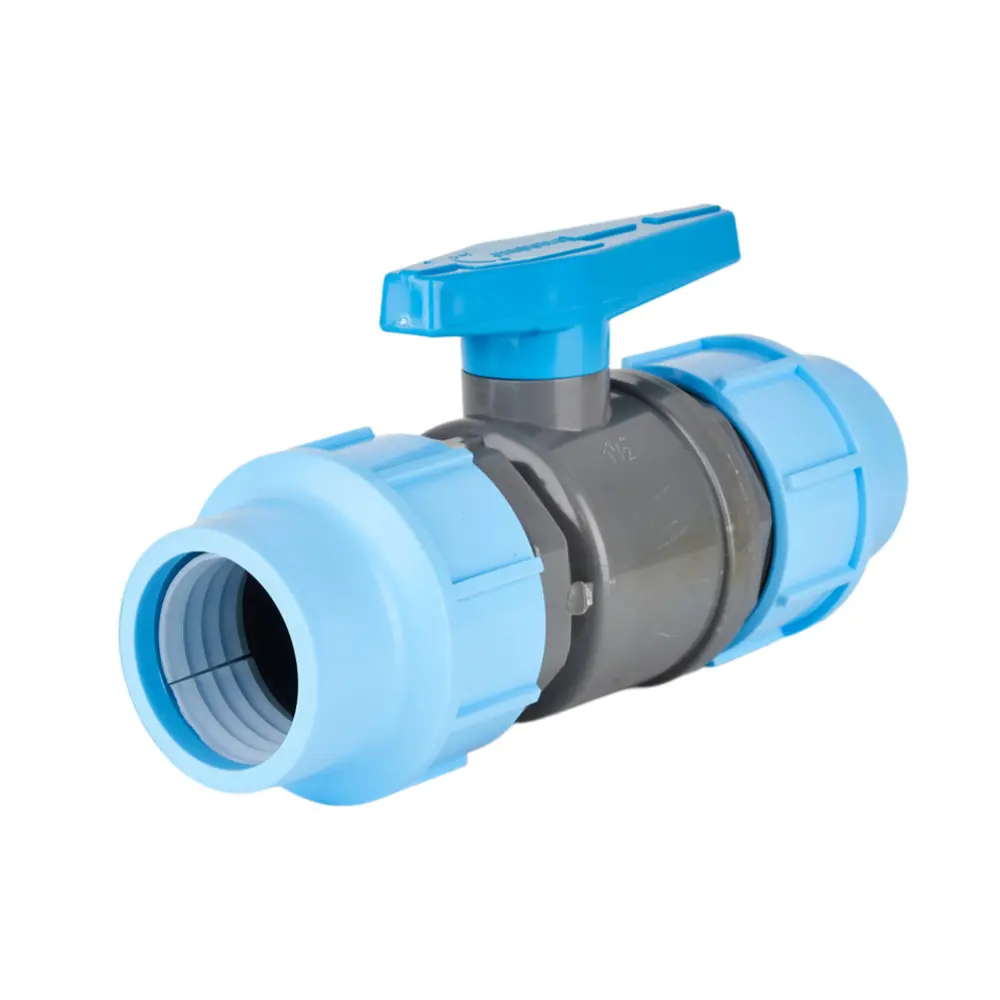
To understand the reliability of an HDPE compression fitting, it is essential to examine its component-level mechanical design. Unlike solvent-welded systems, mechanical compression fittings use physical interlocking forces to secure the pipe. Below is an engineering overview of a standard high-pressure compression joiner:
Molded from high-impact polypropylene co-polymer (PP-B), providing UV protection, resistance to mechanical impacts, and structural stability under high internal pressures.
Made from polyacetal (POM) resin. The internal sharp teeth bite into the external surface of the HDPE pipe, resisting pull-out forces caused by soil movement and thermal contraction.
The elastomer gasket (NBR or EPDM) creates a radial seal between the pipe outer diameter and the fitting body, while the thrust ring protects the gasket from torque damage during assembly.
For long-term piping installations, project engineers must decide between mechanical compression fittings and electrofusion joints. Below is a comparison table outlining their practical applications:
| Performance / Operational Metric | HDPE Mechanical Compression Fittings | Electrofusion / Butt Fusion Joints |
|---|---|---|
| Installation Equipment Required | Manual hand tools (strap wrench, beveler) | Electric fusion generators, scrapers, clamps |
| Weather & Environmental Sensitivity | Can be installed in wet, muddy, or dusty environments | Requires clean, dry, and wind-sheltered conditions |
| Reusability & Adjustability | 100% demountable, reusable, and adjustable | Permanent weld; must be cut out if changes are needed |
| Required Technical Skill | Minimal training required for installers | Highly certified fusion technicians required |
| Average Installation Time | Under 2 minutes per joint | 15 to 45 minutes (including heating & cooling cycles) |
Due to their versatility, chemical resistance, and ease of installation, HDPE pipe compression fittings are used across a wide range of global applications. Below are the primary application fields for these components:
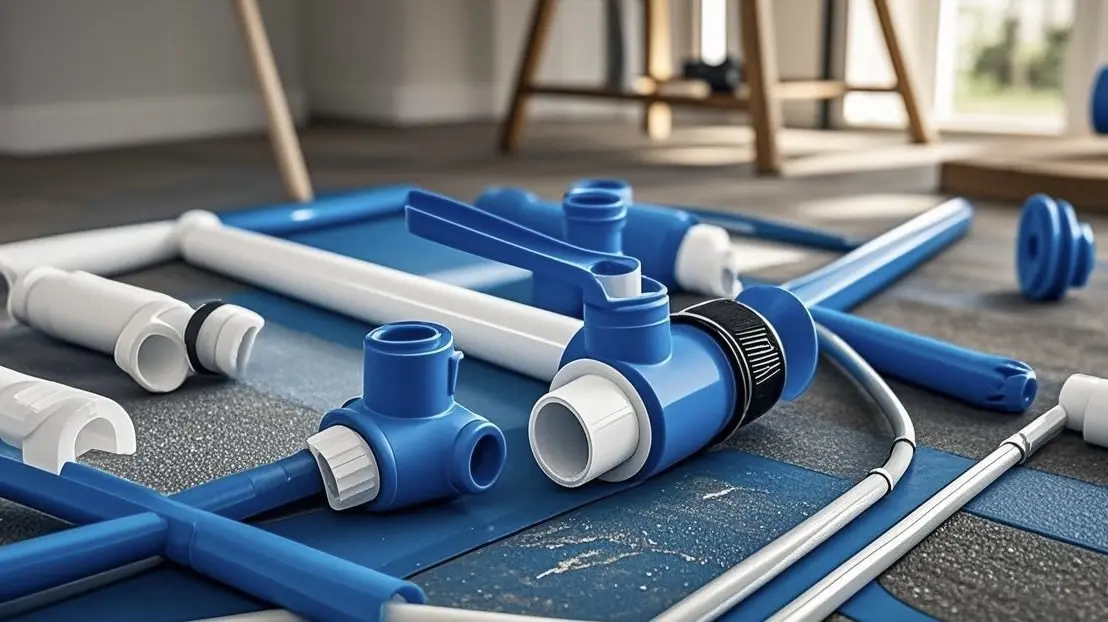
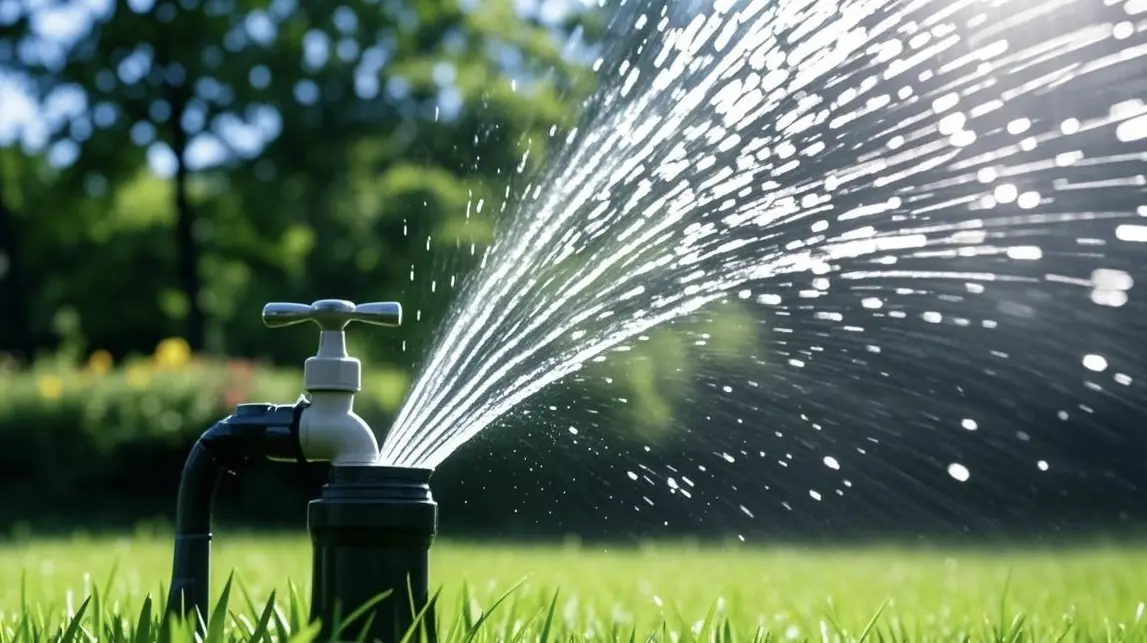
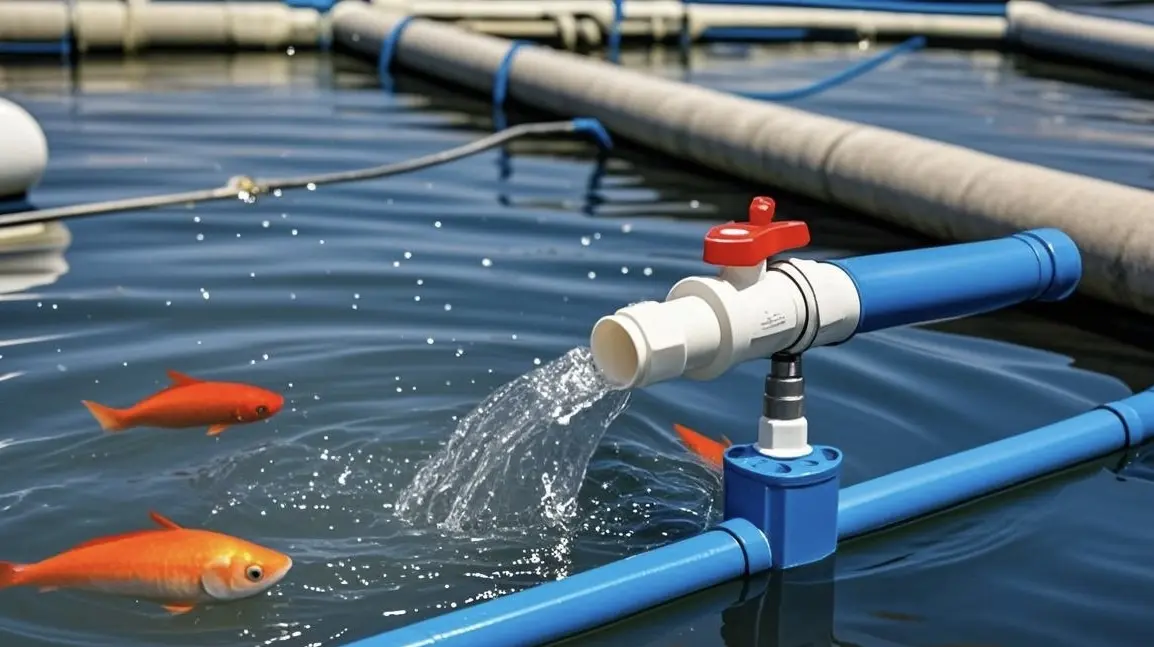
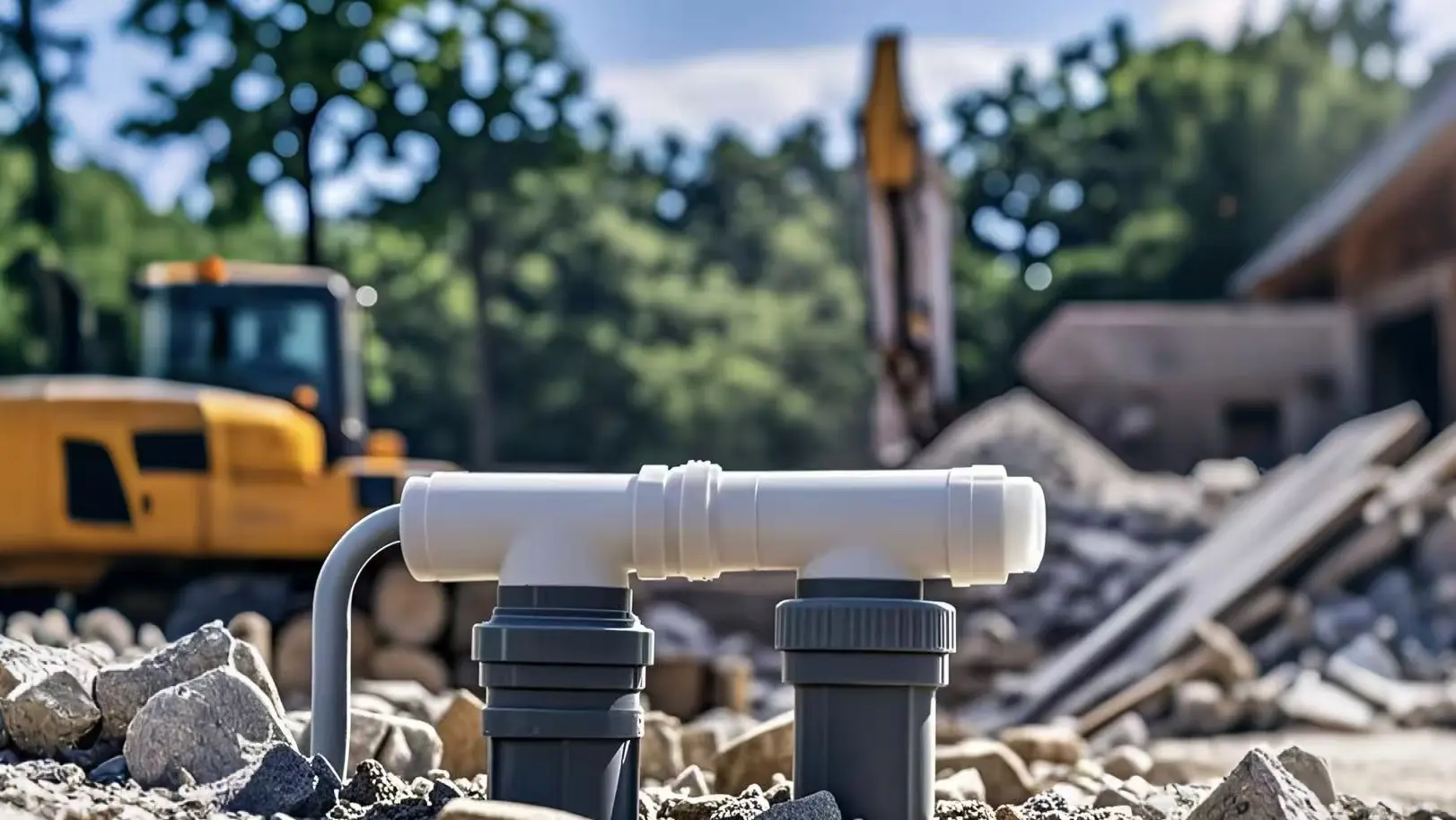
Ehao Plastic Group maintains high precision and product quality through strategic partnerships with advanced tool manufacturers. As a key aspect of our operations, Methods Machine Tools partners with us every step of the way. From selecting and configuring the right machinery for our specific manufacturing processes to structuring financing plans, this cooperation ensures our production lines run efficiently.
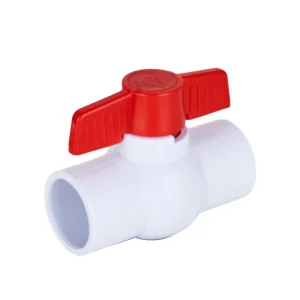
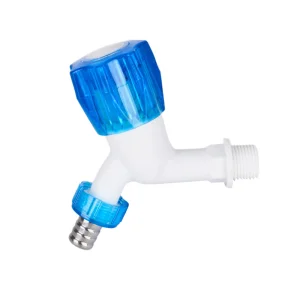
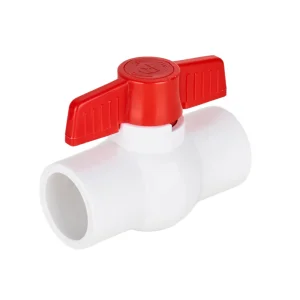
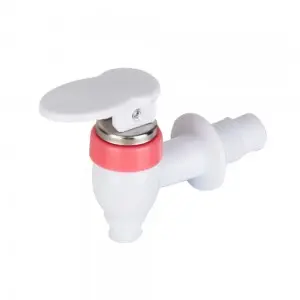
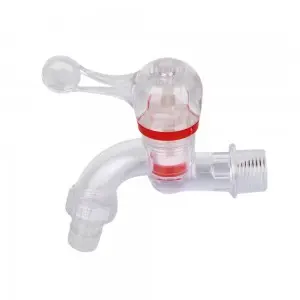
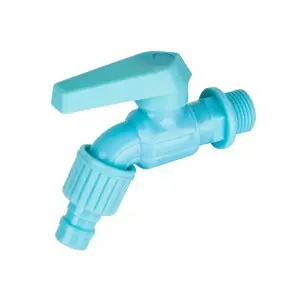
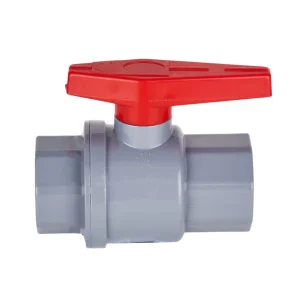
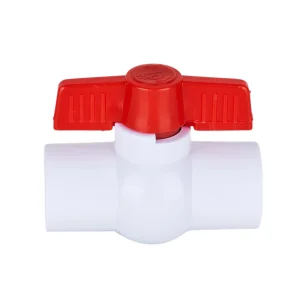
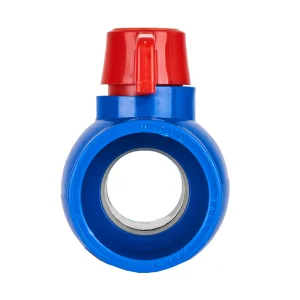
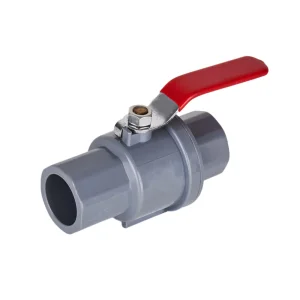
Below is a curated selection of our high-quality plastic bibcocks, water taps, and specialized PVC/UPVC ball valves, showing the manufacturing precision achieved through this equipment partnership:
To maintain E-E-A-T (Experience, Expertise, Authoritativeness, and Trustworthiness) standards in the global piping industry, products must strictly comply with regional regulatory frameworks. In North America, fittings must comply with ASTM D3035 and NSF/ANSI 61 standardizations for potable water. In Europe, DIN 8077/8078 rules apply to polyolefin pressure pipes, and WRAS approvals are required in the UK.
Ehao Plastic Group's compliance strategy utilizes a multi-layered quality control framework:
Looking ahead, Ehao is preparing for the next generation of smart infrastructure. Our technical roadmap focuses on three main developments:
Get detailed answers on installation procedures, temperature ratings, pressure capacities, and material specifications for HDPE and polymer fittings.
Select from our durable, factory-tested PVC octagonal compact ball valves, double union valves, and specialized drinking taps for heavy-duty applications.
Ehao Plastic Group's capabilities extend to custom mold design and engineering. We manufacture plastic molds and process supplied materials, design plans, or physical samples of extruded and injection-molded products. This specialized division allows us to develop and manufacture new products tailored to specific client designs. Operating under our business model of "quality for survival, science and technology for development, management for benefits, and service for credit," we are dedicated to providing global clients with premium, long-term piping solutions.
 EHAO
EHAO