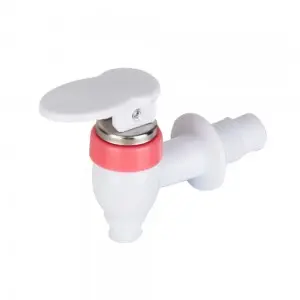
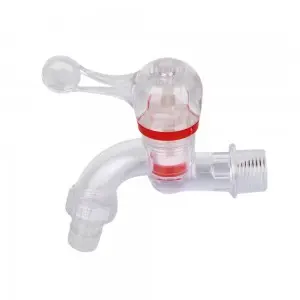
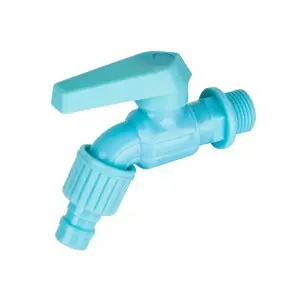
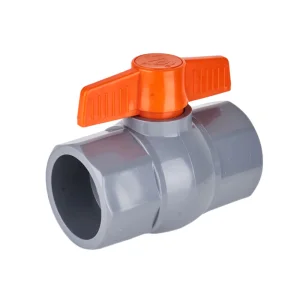
Explore Ehao Plastic Group's flagship commercial-grade valves and connectors manufactured under strict DIN specifications.
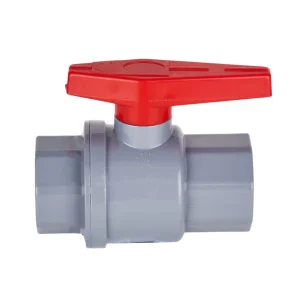
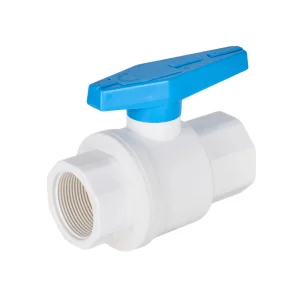
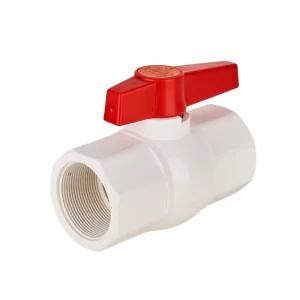
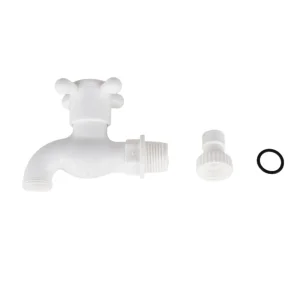
Modern municipal fluid transportation, industrial chemical processing, and agricultural distribution systems are transitioning toward high-integrity materials that eliminate leakage paths. High-Density Polyethylene (HDPE) has emerged as the premier standard for high-pressure installations. In comparison to legacy iron, concrete, or early-stage thermoplastic networks, HDPE fusion fittings utilize continuous thermal bonds to create monolithic piping structures. This molecular integration prevents pipeline separation under ground shifts, thermal fluctuations, and extreme surges in pressure.
As standard-setting organizations enforce more rigorous carbon reduction and fluid retention targets, global design firms specify HDPE fittings certified to international standards. Ehao Plastic Group, a leading high-tech private enterprise, spearheads this shift by integrating advanced material compounding with modern injection mold engineering. Collaborating with prestigious institutions such as the Chinese Academy of Sciences and Zhejiang University, Ehao's product lines are optimized to withstand long-term environmental degradation, chemical erosion, and mechanical strain, fully complying with DIN8077 and DIN8078 technical criteria.
Unlike mechanical joints that rely on rubber compression rings or chemical solvents, butt fusion and electrofusion techniques melt the polymer chains of the fitting and the pipe concurrently. Upon cooling, the unified crystalline structure achieves a tensile strength equivalent to or exceeding the pipe itself. This structural consistency ensures that pipelines operating under high pressure sustain zero joint-related drop-offs during their rated 50-year service lifecycle.
Furthermore, China's role as a primary manufacturing hub for HDPE fusion fittings has evolved. No longer limited to cost-efficient basic component pressing, factories now run high-precision, computer-controlled production loops that guarantee dimensional stability within micrometer tolerances. Sourcing from accredited Chinese manufacturers enables buyers to acquire high-performance products backed by certified quality verification systems and complete supply chain transparency.
A statistical summary of our manufacturing capabilities, engineering certifications, and international distribution reach.
Modern polymer injection manufacturing demands a synthesis of physical chemistry, mechanical tooling, and automated control loops. To maintain consistent wall thicknesses and avoid thermal stress concentrations, modern Chinese factories utilize automated, real-time feedback loops. Ehao Plastic Group has adapted to this standard by integrating German computer-controlled automatic injection molding lines. This configuration minimizes manual handling, eliminates ambient variations in molding bays, and dynamically regulates injection pressure profiles to ensure isotropic material densities across all fittings.
This automated manufacturing structure underpins Ehao's high-tech operations, which combine building material R&D, custom tool design, and full-scale product manufacturing. Supported by Zhejiang University, our engineering teams use mold flow simulation software to analyze gate positioning, knit-line formation, and volumetric shrinkage. By optimizing tooling designs prior to steel fabrication, Ehao ensures that every critical junction point in a joint or valve body resists deformation and maintains high dimensional accuracy.
Ehao Plastic Group's design framework combines high-precision German equipment with empirical research conducted by domestic scientific academies. Key operational strengths include:
This infrastructure provides Ehao's manufacturing operation with strong supply chain resilience. During periods of fluctuating global raw material pricing and transport backlogs, Ehao's vertically integrated facility—from raw compound blending and custom mold tooling to testing and automated packaging—ensures predictable lead times, high quality, and cost stability for international procurement managers.
Ehao Plastic Group's high-performance polymer products are engineered for specific, high-demand industrial and municipal installations.
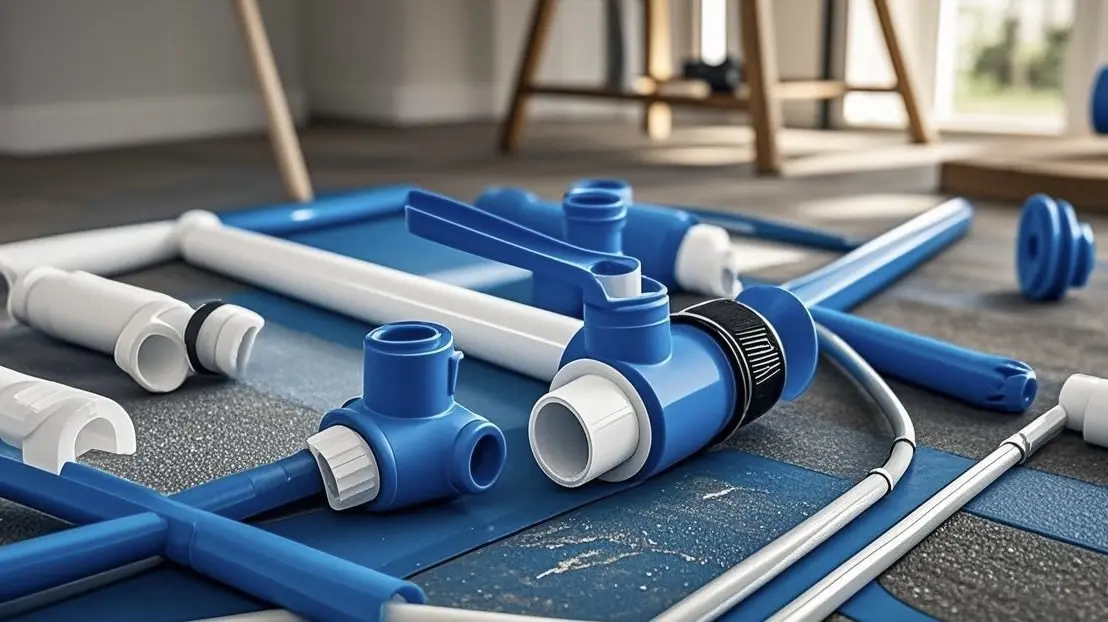
Reliable, non-toxic, and silent fluid lines engineered for residential domestic plumbing. Smooth internal bores prevent scaling, sediment buildup, and pressure drops over decades of use.
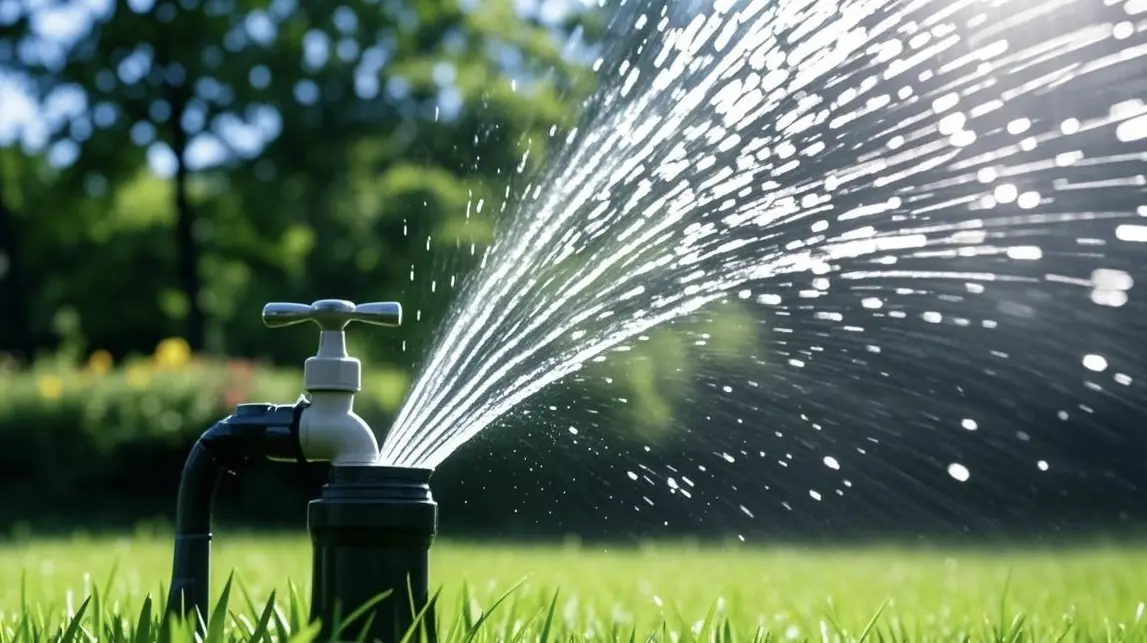
Highly UV-stabilized configurations designed to withstand direct sunlight exposure, thermal shifts, and chemical-rich fertilizers without cracking or embrittlement.
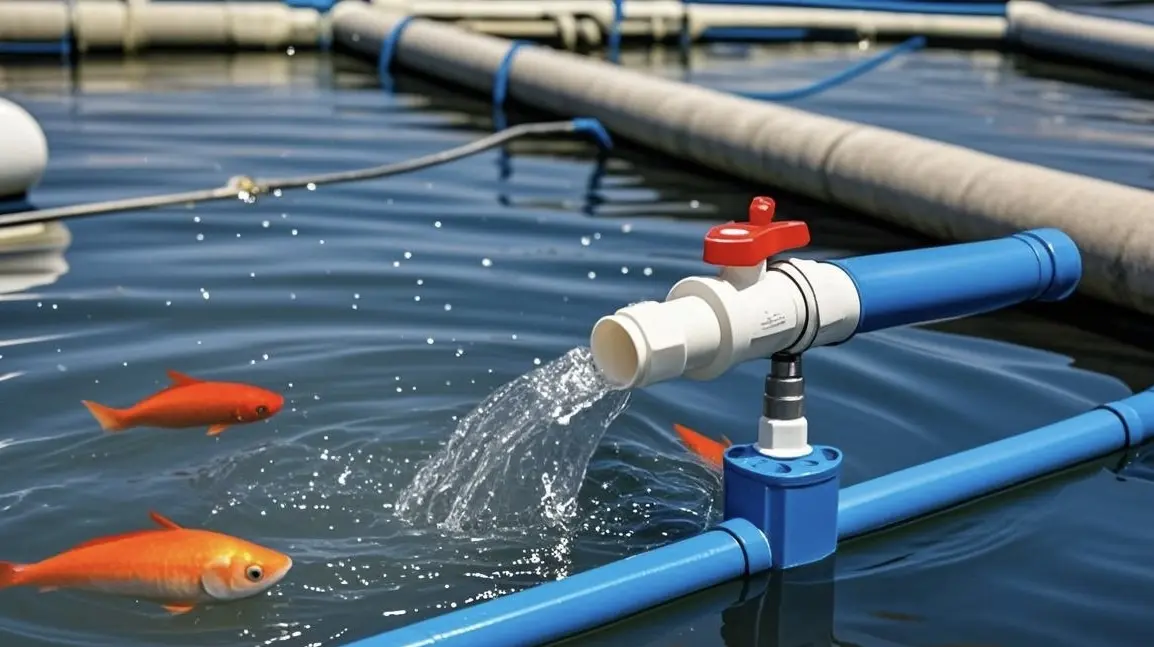
Environmentally safe, heavy-metal-free polymer structures developed specifically for aquaculture. Promotes constant water circulation while protecting delicate aquatic species.
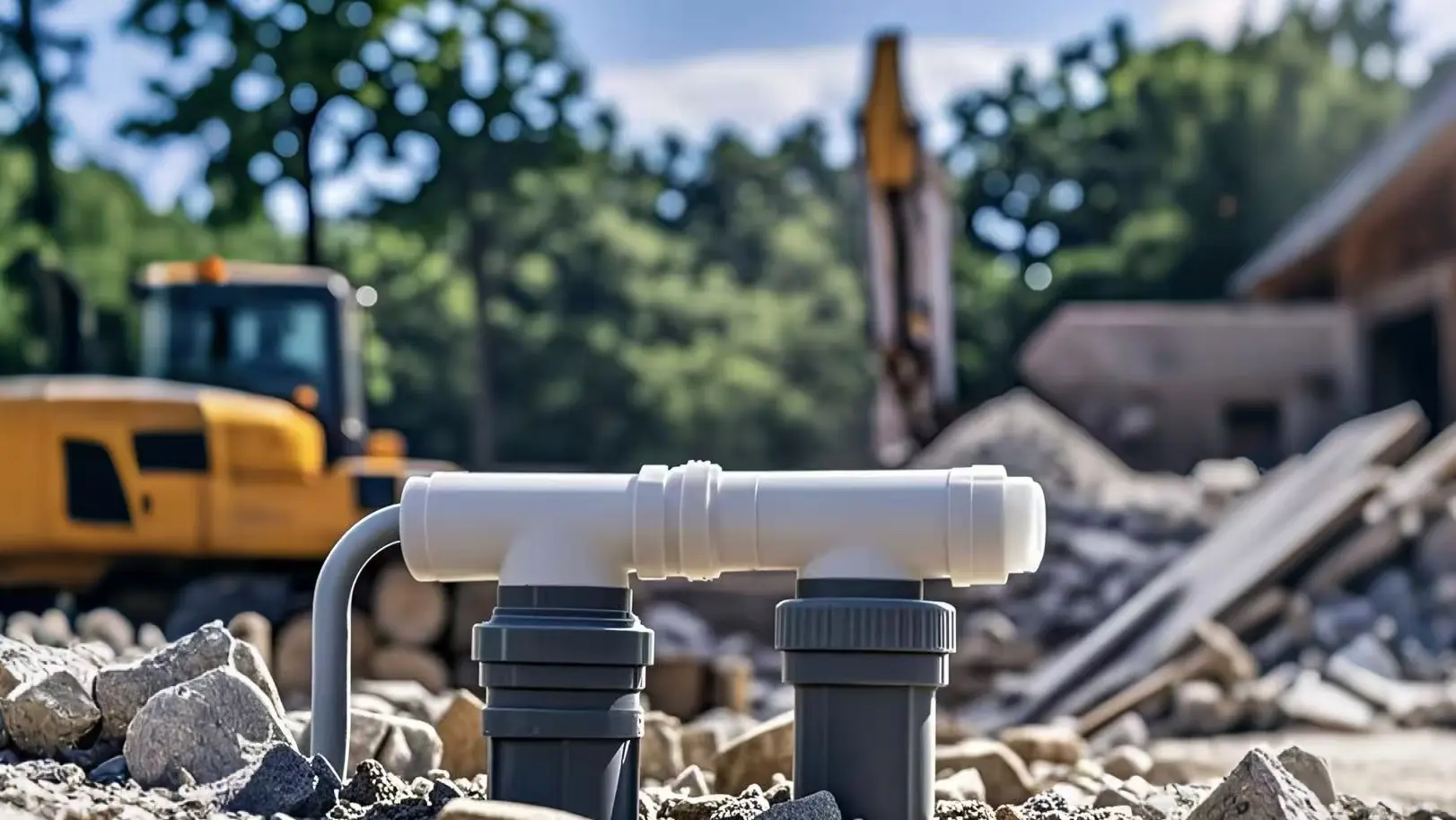
High-load structural and municipal bypass piping networks. Designed to withstand soil compaction, heavy construction traffic, and high dynamic ground settlement stresses.
Sourcing pipeline components for utility-scale applications requires careful verification of quality assurance and manufacturing traceability. In water distribution, gas networks, and chemical transport, a single product failure can cause extensive environmental cleanup costs, regulatory penalties, and system downtime. Procurement officers must evaluate several critical factors when auditing Chinese HDPE fusion fitting manufacturers:
Ehao Plastic Group addresses these engineering priorities through our 26-step scientific testing protocol. Every production batch is traced back to its raw material source. With support from the Chinese Academy of Sciences, Ehao continues to refine our polymer structures to resist slow crack growth (SCG) and rapid crack propagation (RCP), providing reliable solutions for challenging municipal and industrial applications.
We support our partners at every step, from selecting and configuring the right equipment to custom tooling design, securing high-performance fluid control products that optimize overall system efficiency and long-term project margins.
A secondary catalog of Ehao Plastic Group's high-tech valves, unions, and taps for global municipal and industrial projects.
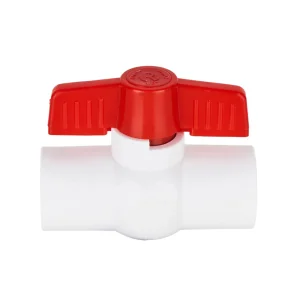
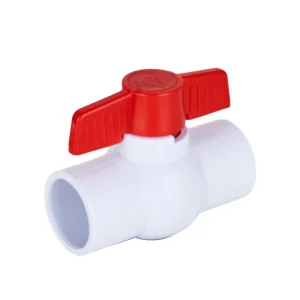
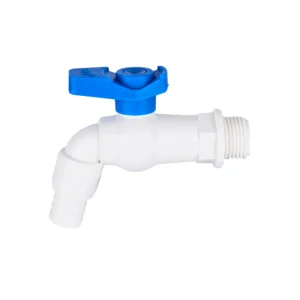
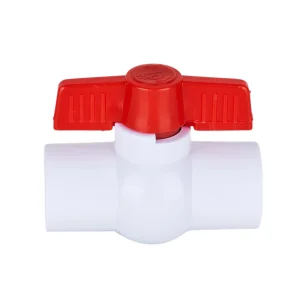
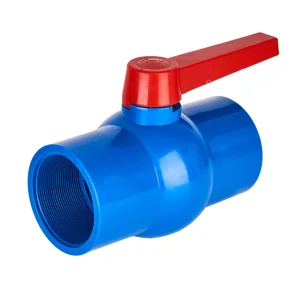
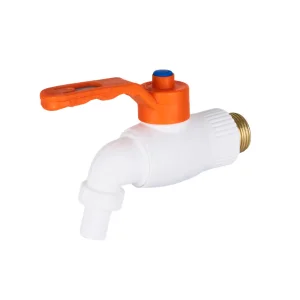
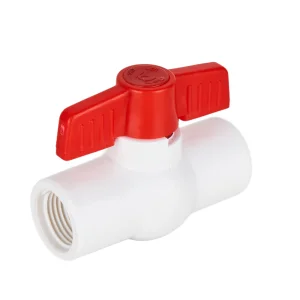
For custom industrial configurations, off-the-shelf catalog products are often insufficient. Ehao Plastic Group integrates internal mold tooling capabilities with large-scale injection machinery. By controlling the tool path and design internally, we produce complex configurations with minimal turnaround times. Below is a sample of our custom-engineered portfolio items, which are optimized for specific industrial fluid systems:
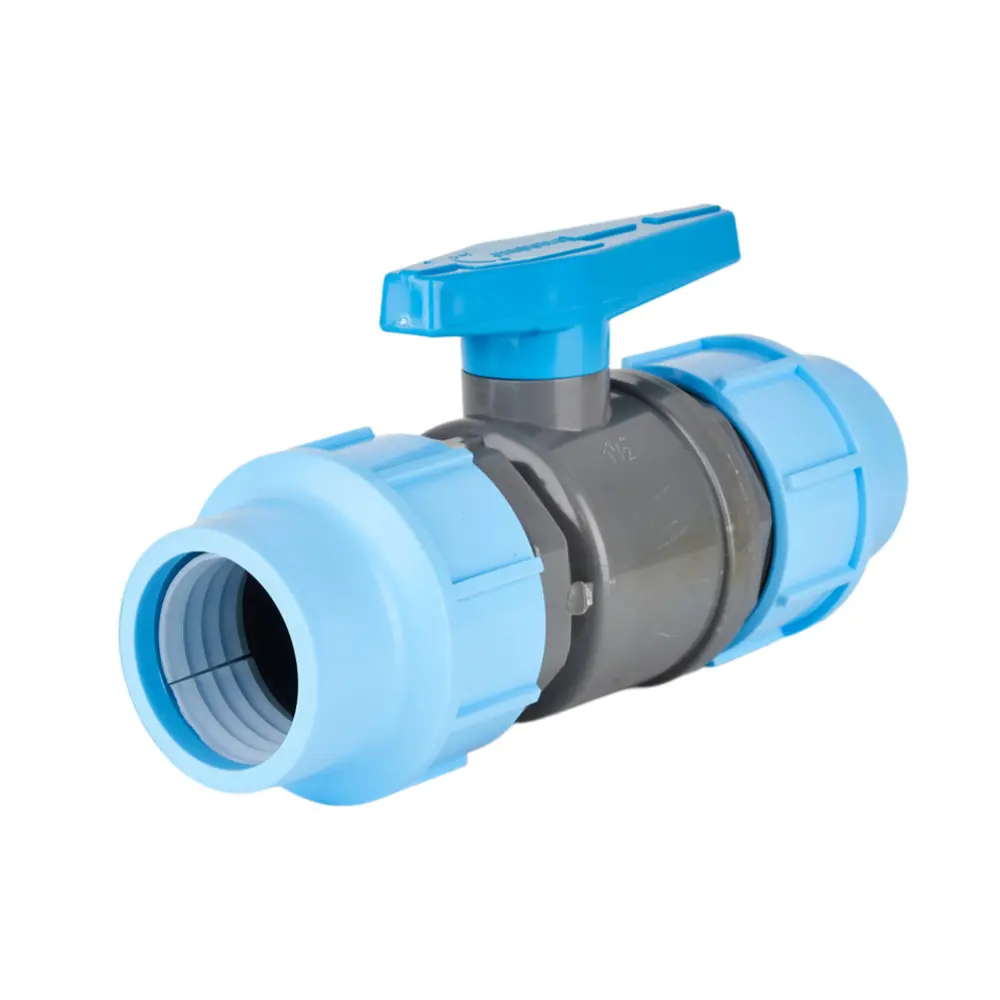
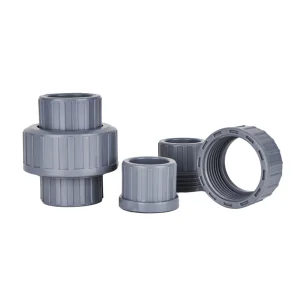
Enables simplified inline maintenance and component swapouts without piping reconstruction.
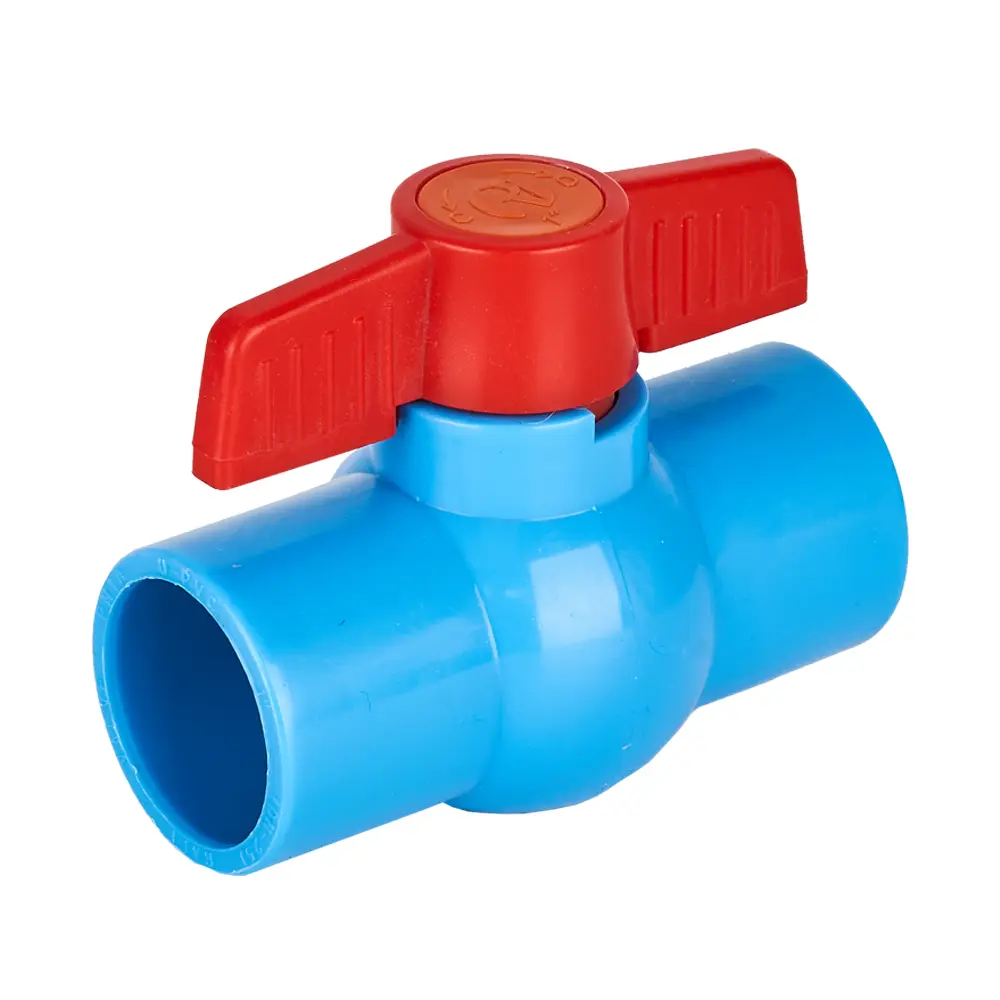
A space-saving layout optimized for localized water treatment and distribution systems.
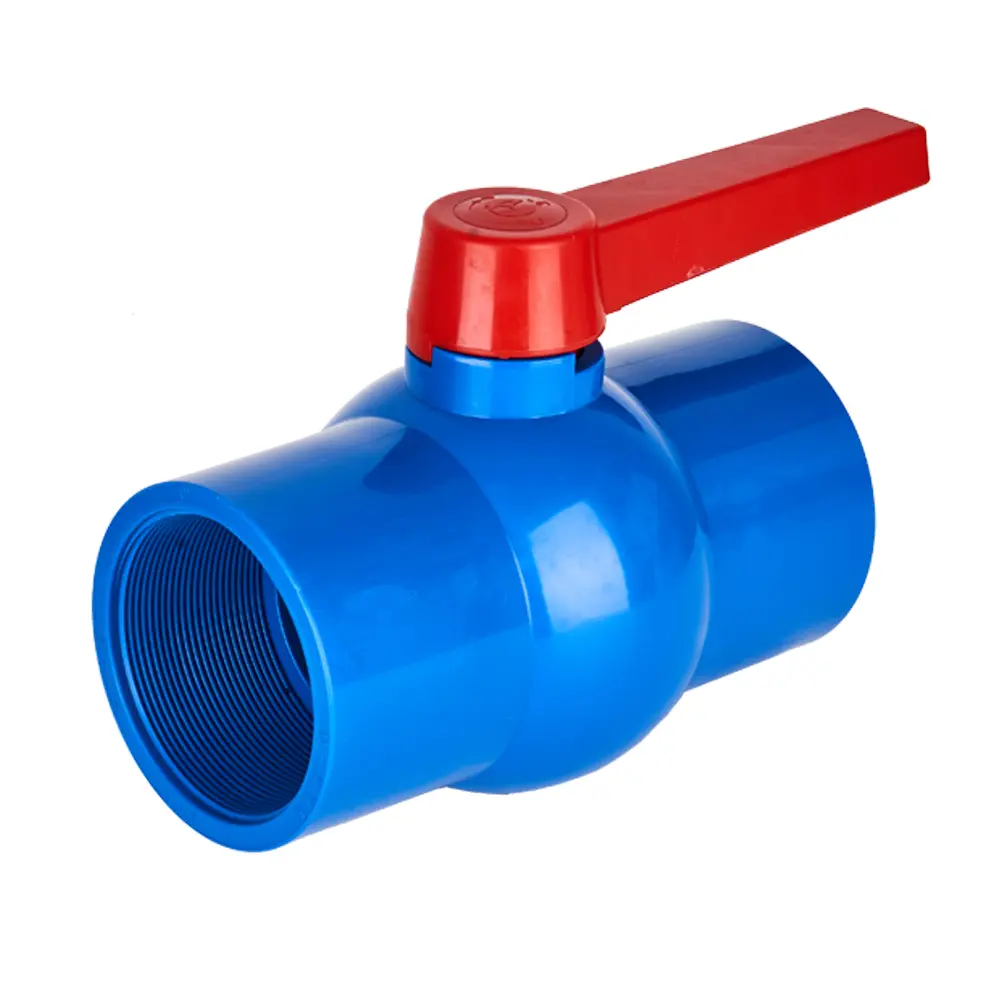
High-volume, heavy-duty construction designed for industrial processing and agricultural mainlines.
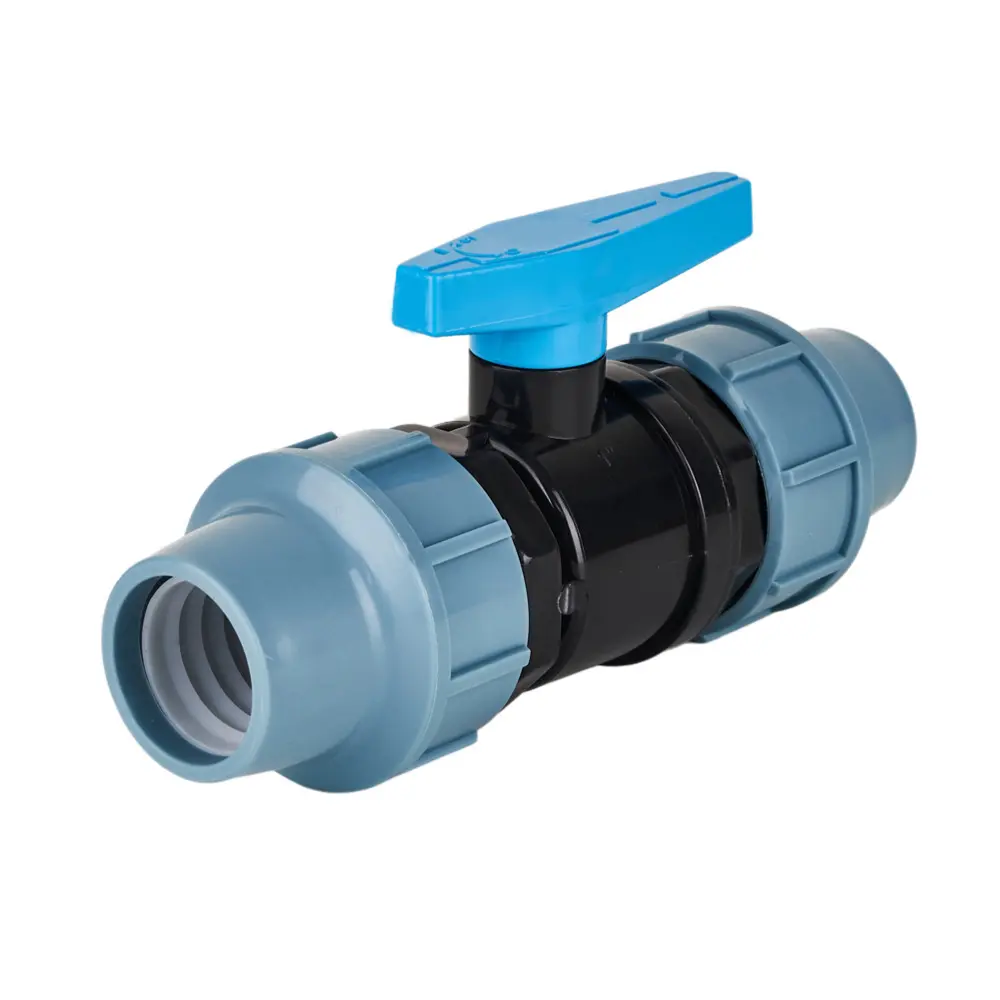
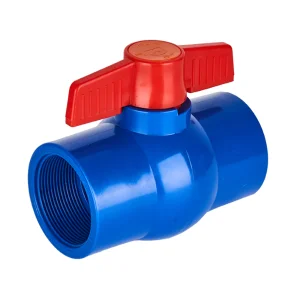
Provides a balanced size for commercial water systems requiring secure connection sealing.
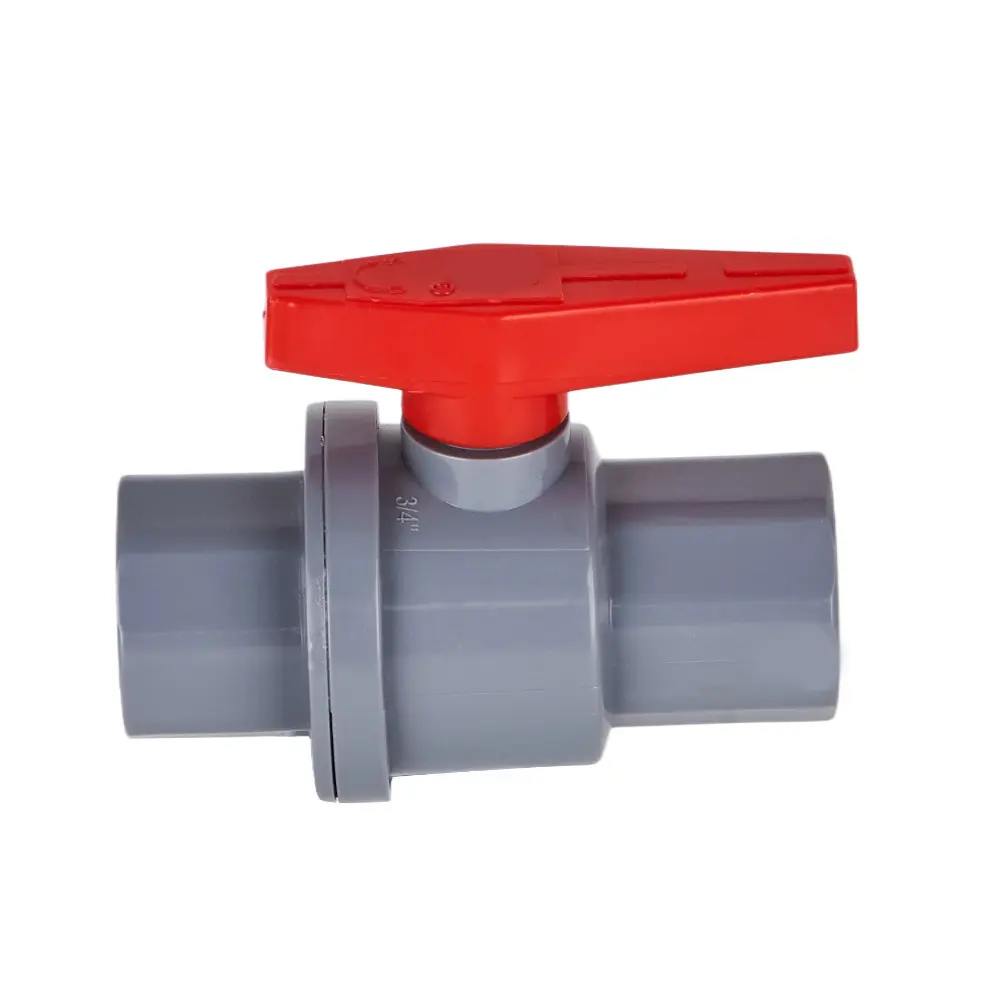
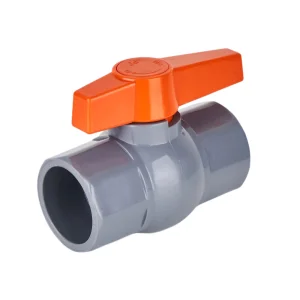
Includes an impact-resistant ABS handle for low torque operation and high fatigue resistance.
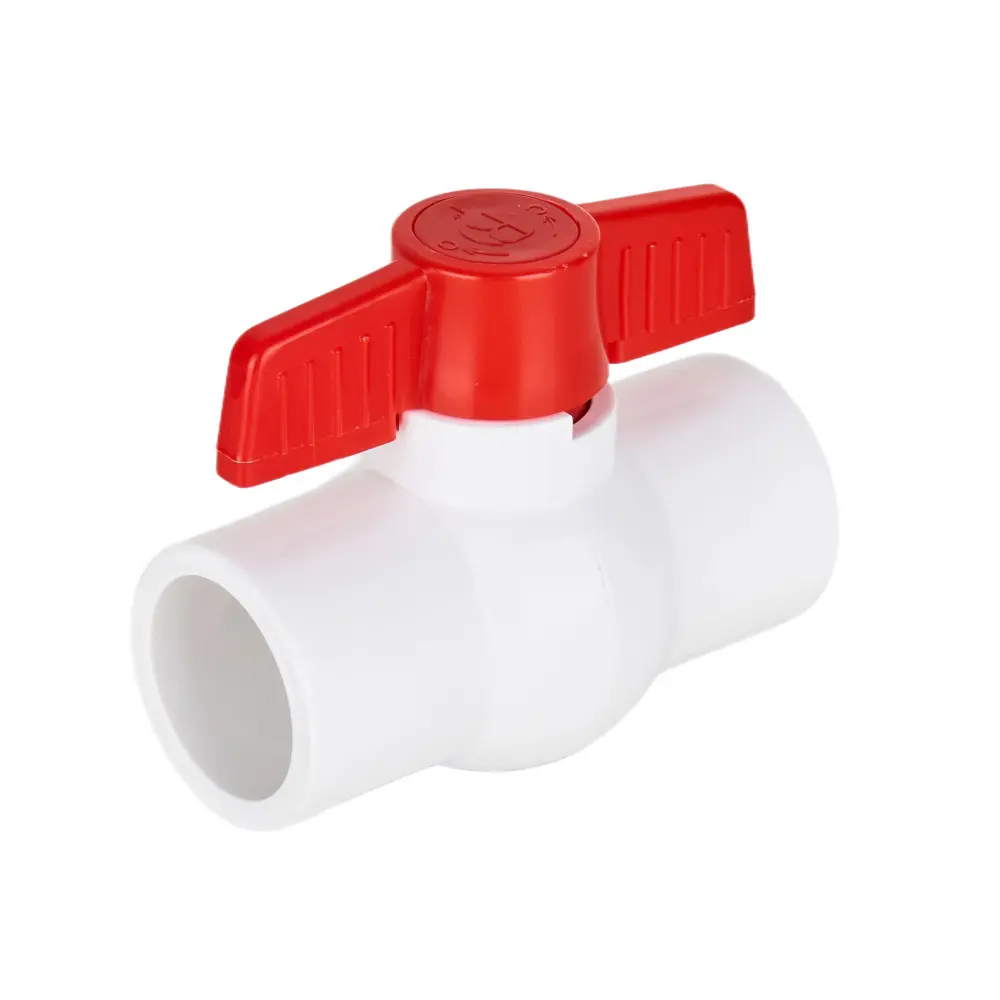
A standard configuration for slip-on installations in light-industrial water networks.
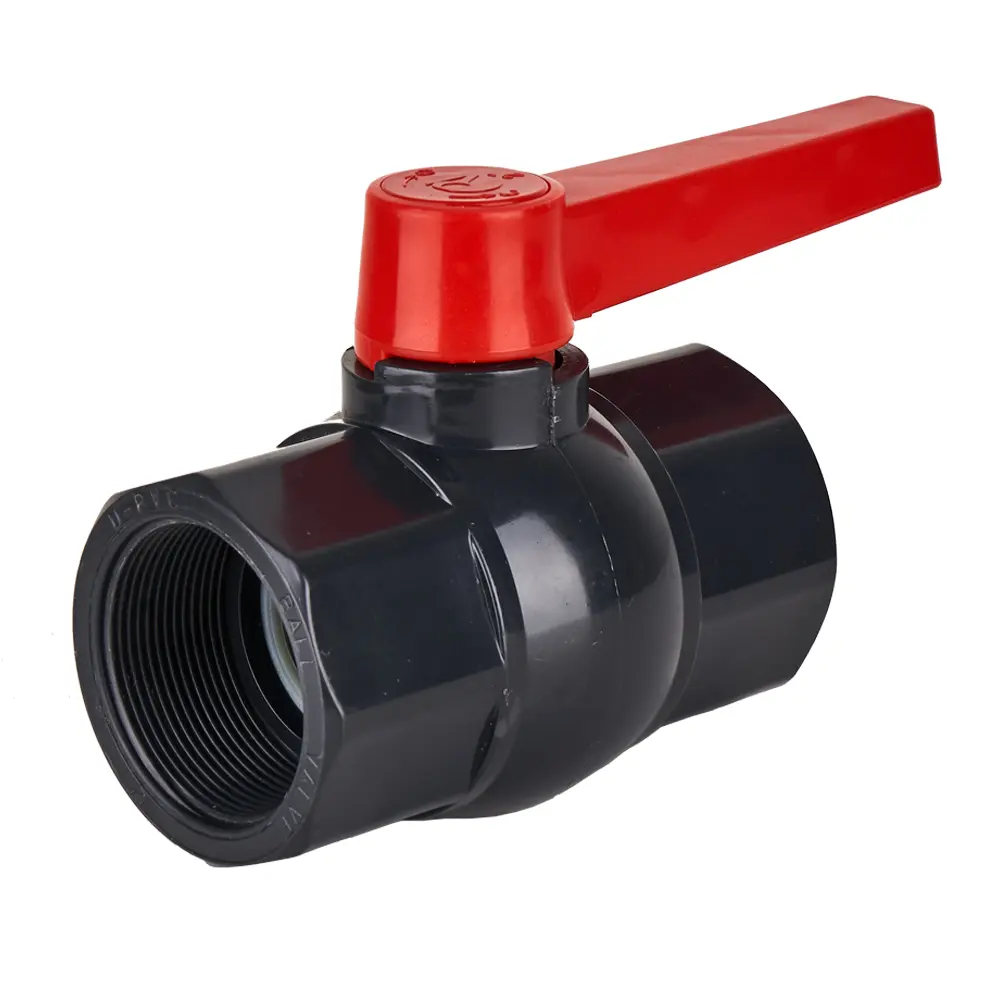
Features a carbon-black filled formulation for high UV protection in outdoor piping systems.
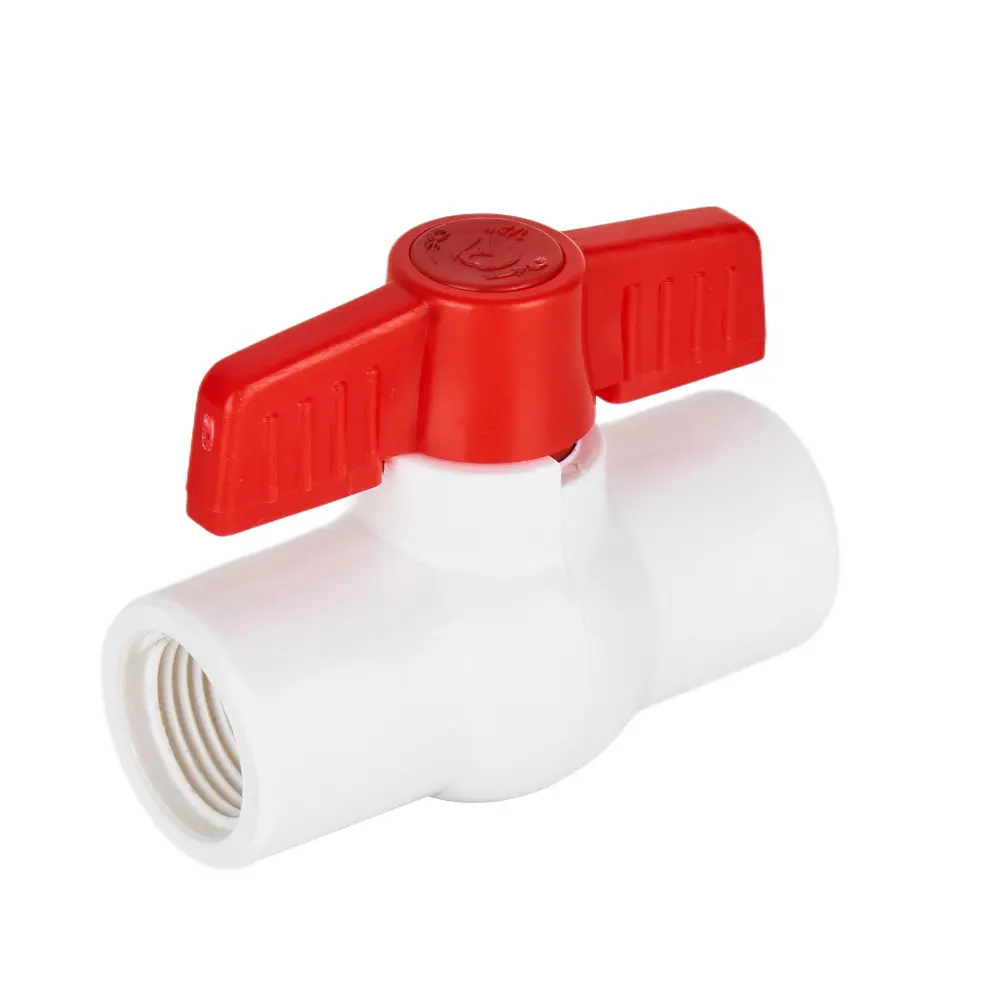
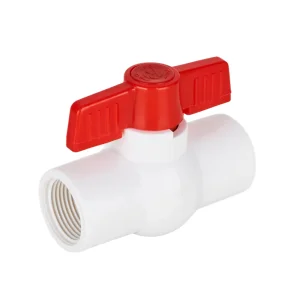
An ideal choice for direct machinery integration, instrument connections, and pilot water loops.
Every component listed above is produced in our centralized manufacturing facility. Ehao Plastic Group integrates material chemistry research, mold design, validation testing, and high-volume production. This consolidated workflow allows us to consistently meet international pipeline specifications and satisfy the technical requirements of global distribution partners.
Modern industrial processing plants and large municipal utilities require pipeline materials that are chemically inert, structurally stable, and resistant to bio-fouling. Traditional galvanized iron, copper, and carbon steel piping are susceptible to internal oxidation and scale buildup. This oxidation restricts flow rates, increases drag coefficient parameters, and increases pumping costs over time. High-performance thermoplastic compounds, including PVC, UPVC, and PP, offer a cost-effective alternative that maintains flow efficiency throughout the pipeline's operational lifespan.
As international distribution networks expand, compliance with standardized testing protocols becomes critical. Specifiers must verify that manufacturers utilize advanced quality control frameworks. Ehao Plastic Group, utilizing scientific partnerships and advanced testing methods, ensures that all produced lots comply with DIN 8077 and DIN 8078 standards. This standardization provides engineers with predictable performance characteristics, enabling accurate calculations of pressure drops, pipe wall thicknesses, and chemical compatibility metrics across various temperatures.
Using recyclable, high-purity thermoplastic materials helps project owners meet structural lifecycle requirements and environmental standards. Standard thermoplastic formulations do not leach heavy metals or structural chemicals into surrounding soil systems, making them suitable for potable water transport and delicate aquaculture installations.
By integrating automated German production machinery with rigorous domestic academic research, Ehao Plastic Group delivers consistent, project-ready fluid control components. This manufacturing approach ensures that our valves, unions, and custom fittings perform reliably under demanding field conditions, helping global municipal and industrial projects operate with minimal disruption.
A comprehensive technical reference detailing material specifications, jointing techniques, and engineering standards.
 EHAO
EHAO