Engineered to reach global technical indexes, fully aligned with international standards including DIN 8077 and DIN 8078.
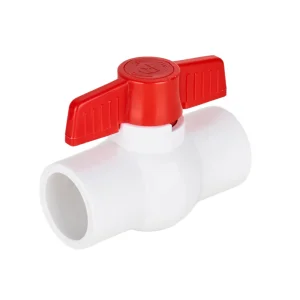
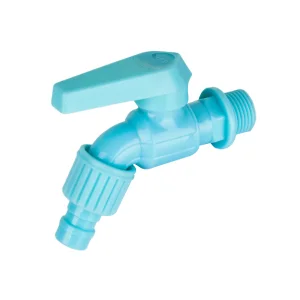
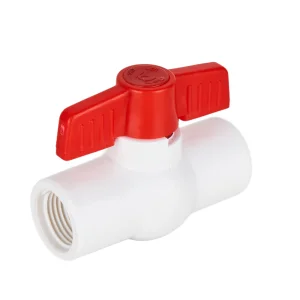
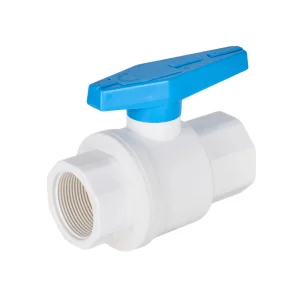
Ehao Plastic Group is a high-tech private enterprise integrating R&D and production of building materials, pipe fittings, and high-precision injection moulds. As an established pioneer and leader of PVC/UPVC ball valves in the domestic market in China, Ehao has engineered a robust supply network and technical standard system that stands at the forefront of polymer infrastructure science.
Since our inception, our technological progress has been fueled by collaborative research programs supported by the Chinese Academy of Sciences and Zhejiang University. These academic alliances enable us to incorporate molecular-level innovations in thermoplastic formulation, wear resistance, and long-term mechanical stability. Furthermore, we have imported state-of-the-art computer-controlled automatic injection molding systems and extrusion production lines from Germany to eliminate structural variability in high-tolerance applications.
Every single product coming off our assembly lines undergoes a meticulous 26-step scientific testing protocol. This guarantees a 100% ex-factory pass rate, shielding industrial systems from fluid failure. With comprehensive market penetration, Ehao’s components service critical infrastructure across China, alongside 28 countries and regions spanning Europe, the Americas, and Southeast Asia.
Insight into the material transition, standardizations, and the push for sustainable civil infrastructure networks.
Globally, civil engineering projects are aggressively replacing ductile iron and steel pipelines with advanced High-Density Polyethylene (HDPE) and UPVC materials. Thermoplastic systems resist chemical corrosion, show high structural flexibility under seismic activity, and boast a lifepan exceeding 50 years under standard pressure ranges.
The standard for high-volume piping components has shifted toward automated manufacturing. Integrating real-time sensor analytics into German-engineered injection machinery ensures homogeneous density in thick-walled fittings. This eliminates microscopic voids that trigger premature stress-cracking in high-pressure networks.
Global procurement teams now focus heavily on Scope 3 carbon emission profiles. Choosing HDPE and UPVC over heavy metal piping lowers greenhouse gas output during raw material extraction, transportation, and setup. Ehao’s recyclable raw material matrix aligns with circular economy goals.
Ehao’s modern manufacturing site showcases the "Factory 4.0" framework by merging industrial software with physical machinery. This integration addresses two central pain points for international buyers: lead-time consistency and product uniformity.
By using tooling systems engineered in Germany, we drastically shorten mold design cycles for custom fittings. Our production lines utilize automated resin-dosing systems to eliminate human error, ensuring consistent chemical purity and physical strength. This level of quality management allows Ehao’s items to consistently meet and exceed tough international benchmarks, including DIN 8077/8078.
Supported by the Chinese Academy of Sciences, Ehao also conducts advanced thermal analysis and raw material profiling. This enables us to formulate customized polymer matrices for specialized applications, such as high-temperature chemical transport and extreme low-temperature mining environments.
For modern EPC (Engineering, Procurement, and Construction) companies, choosing a polymer fittings manufacturer is about more than comparing prices. It requires validating structural performance and checking QA documentation. To qualify suppliers, engineers require:
1. Certified Material Traceability: Direct verification of raw resins (virgin polyethylene PE100 or premium UPVC compound) without recycled scrap contamination.
2. Standard Testing Compliance: Complete access to hydrostatic pressure test data, longitudinal reversion rates, and density validation reports.
3. Advanced Customization Capacity: The ability to design, prototype, and manufacture custom injection molds under one roof, reducing delivery lag times.
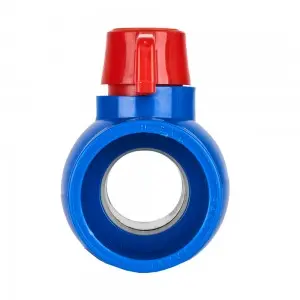
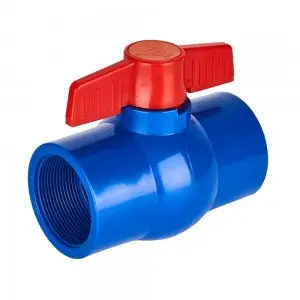
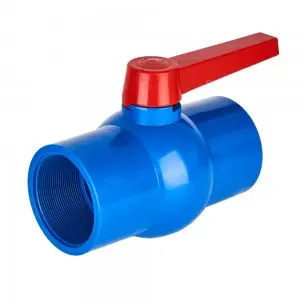
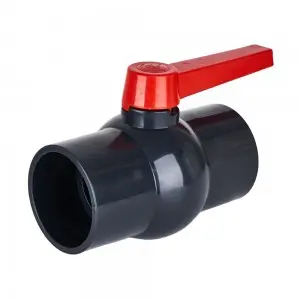
Engineered for high performance, Ehao's valve and fitting catalog matches diverse civil, commercial, and industrial requirements.
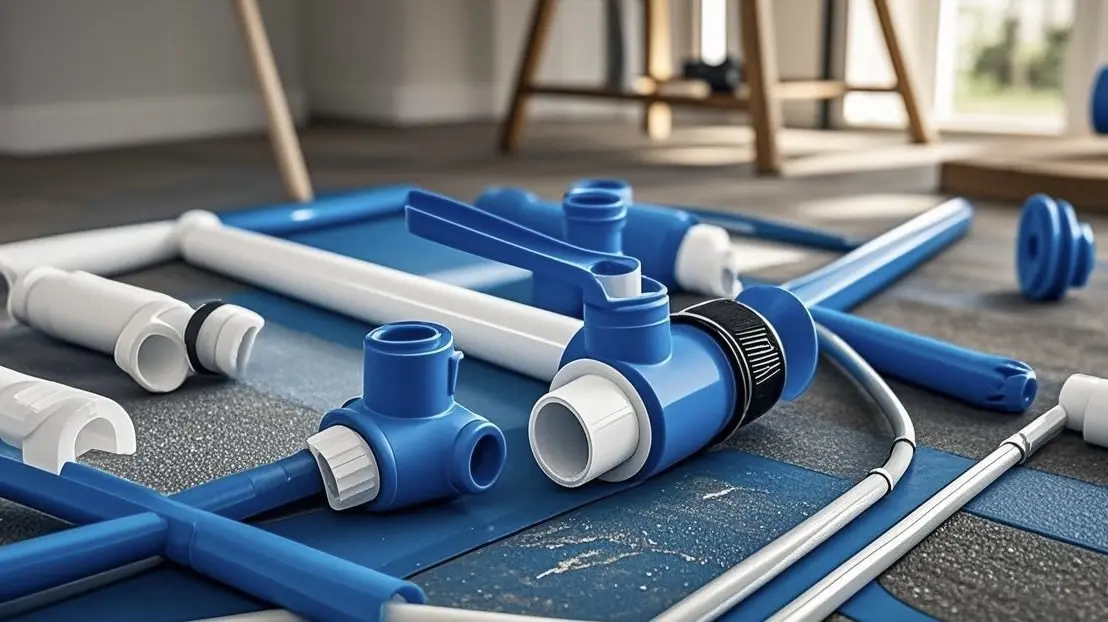
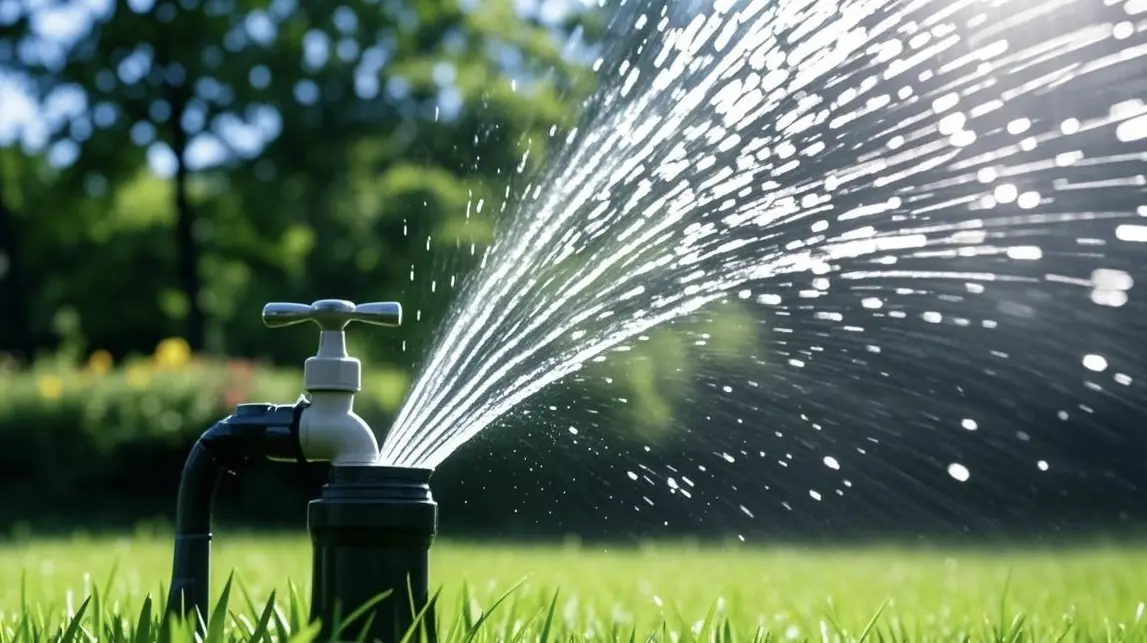
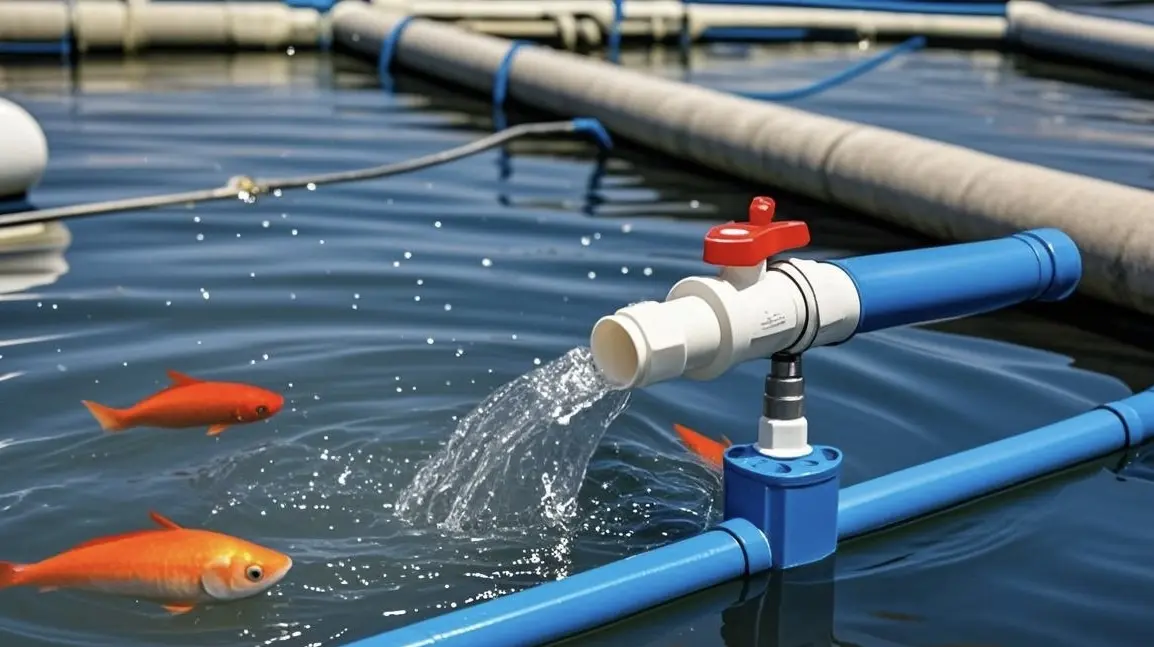
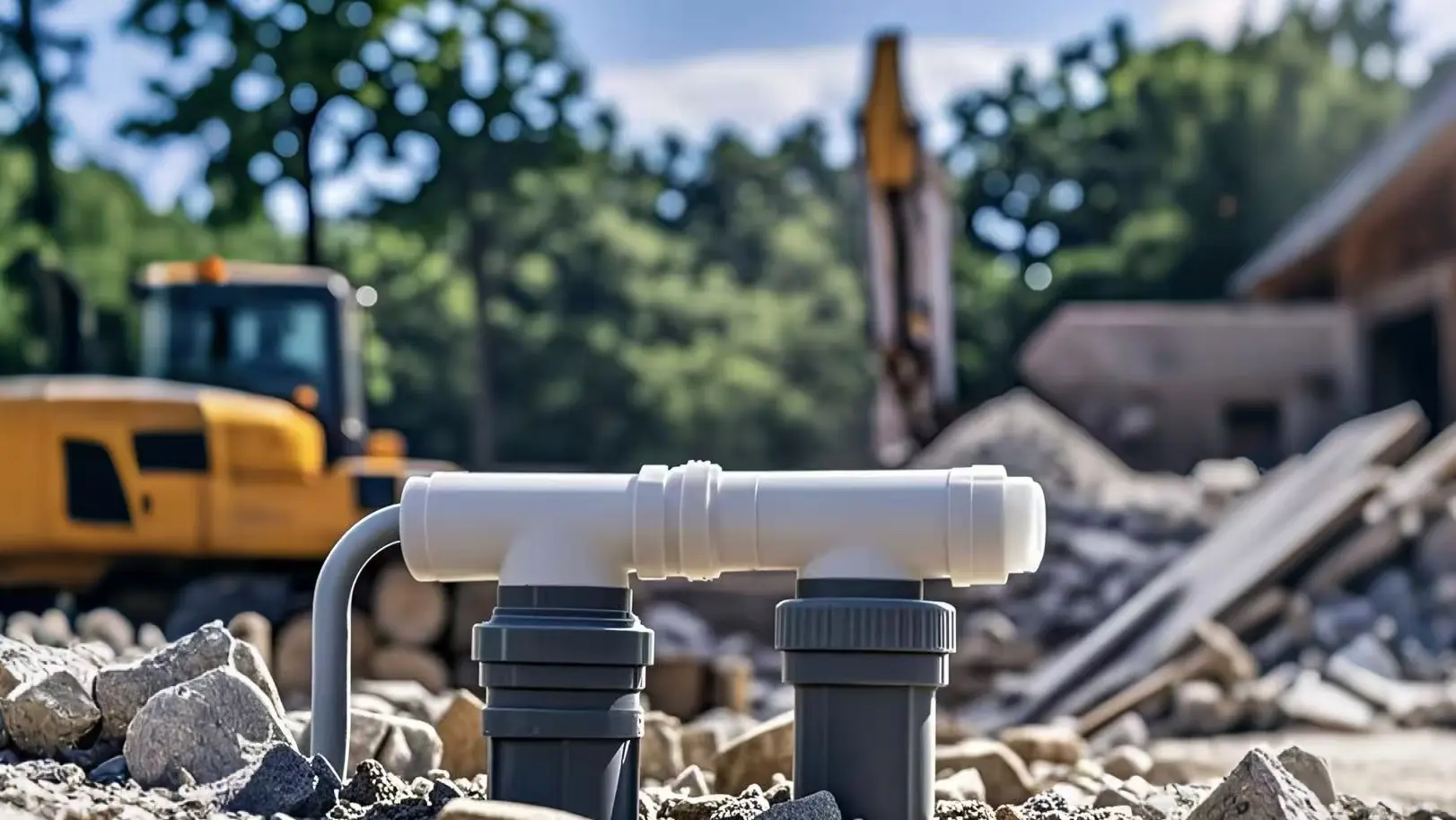
From selecting and configuring the right machine for your job to helping you finance the purchase that generates noticeable profits. By using advanced industrial machine systems, Ehao maintains high precision throughout the plastic injection process, resulting in tight seal tolerances and excellent lifecycle durability.
Product Detail | QuickPackage
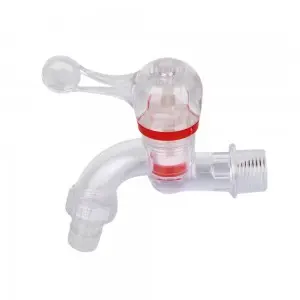
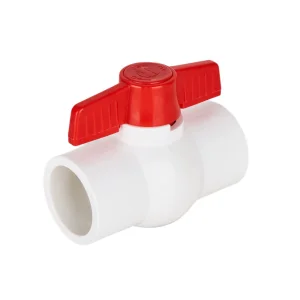
High quality precision engineering
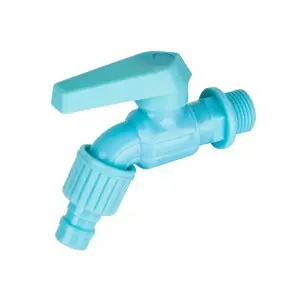
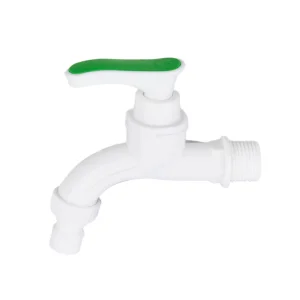
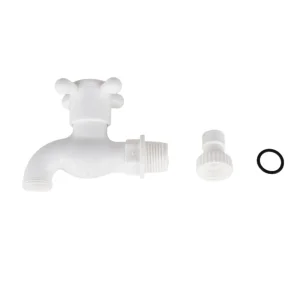
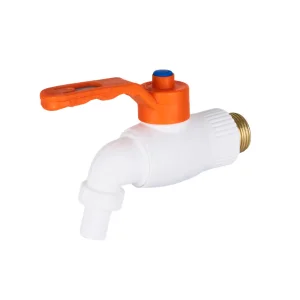
Corrosion-proof water supply bibcock
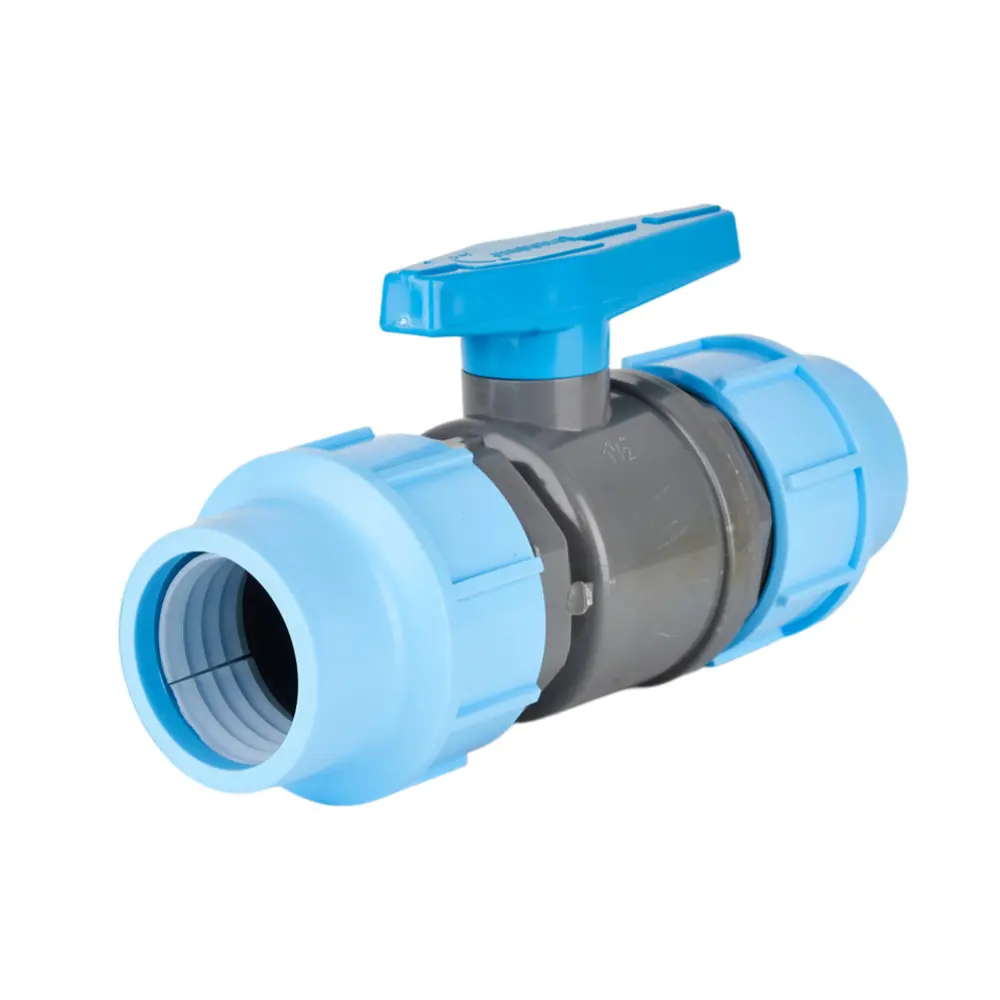
Double-union design for easy maintenance
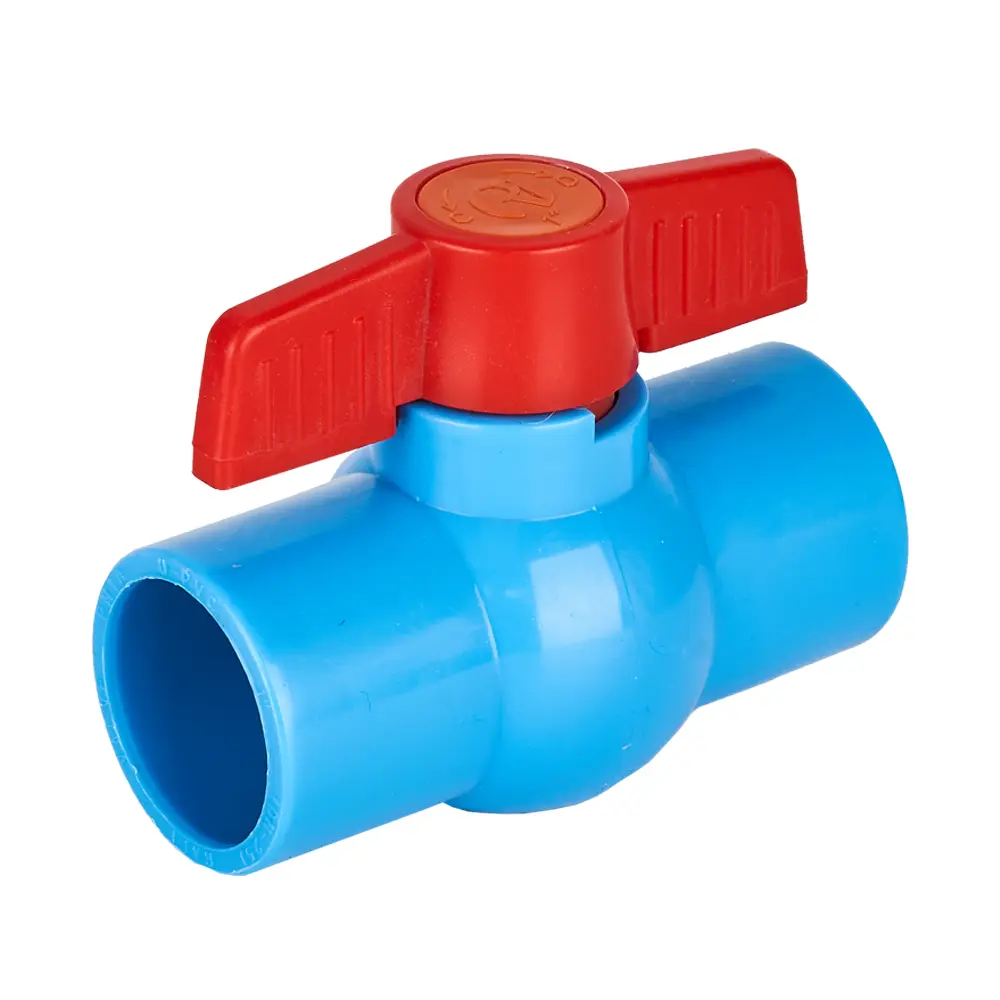
Compact size with high torque durability
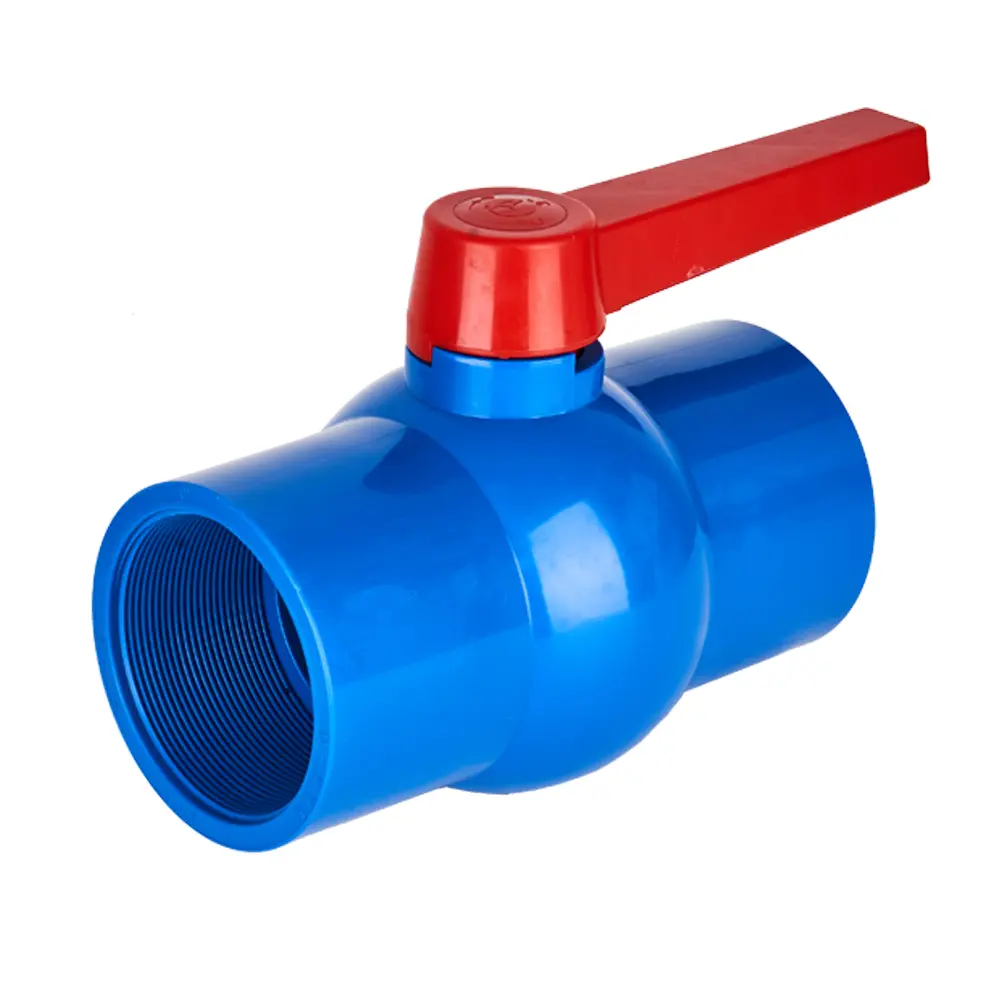
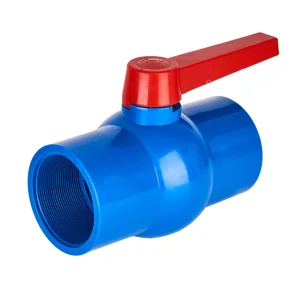
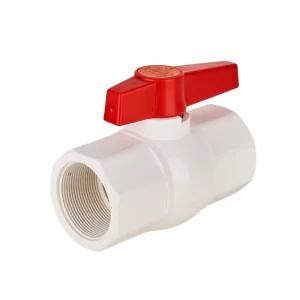
Large flow rate control thread valve
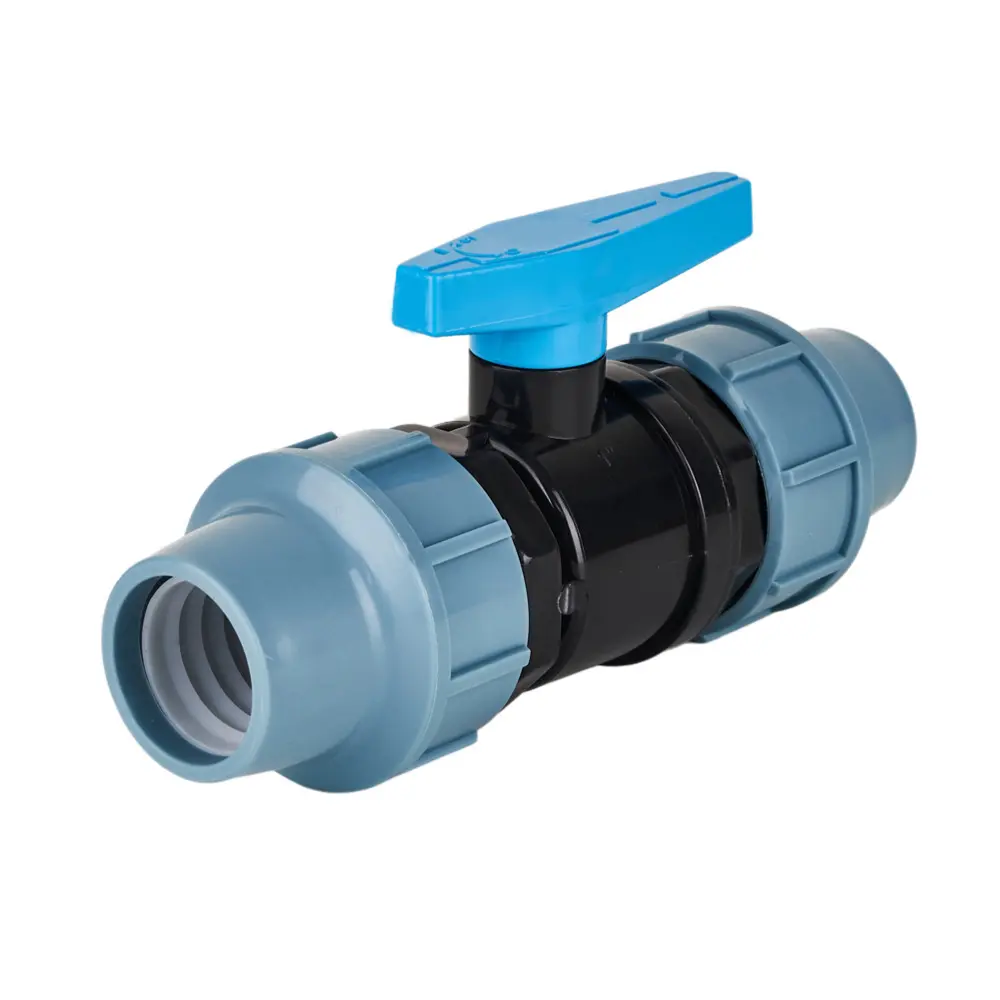
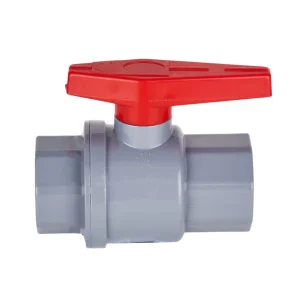
Precision dual union socket valve
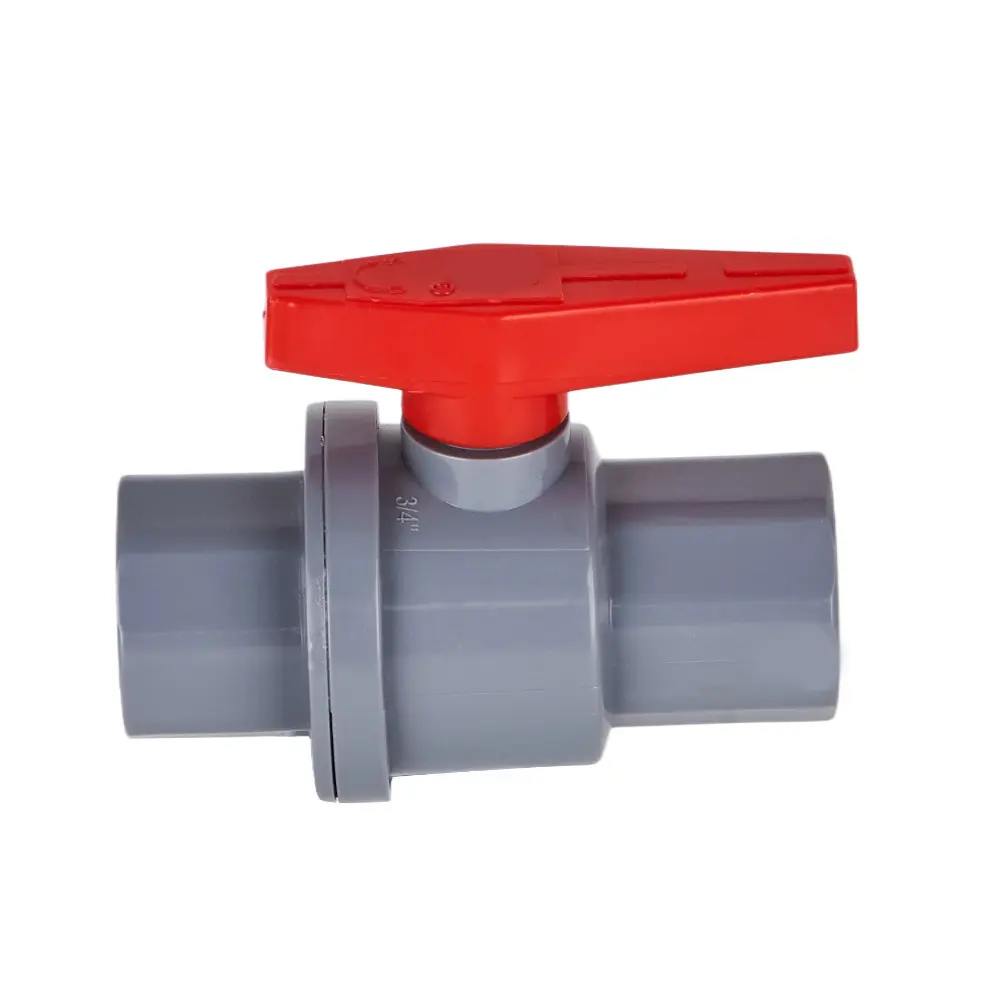
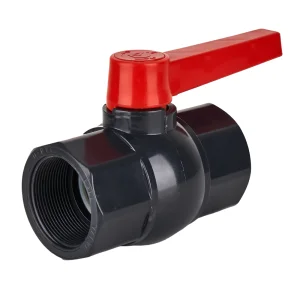
Heavy duty ABS handle configuration
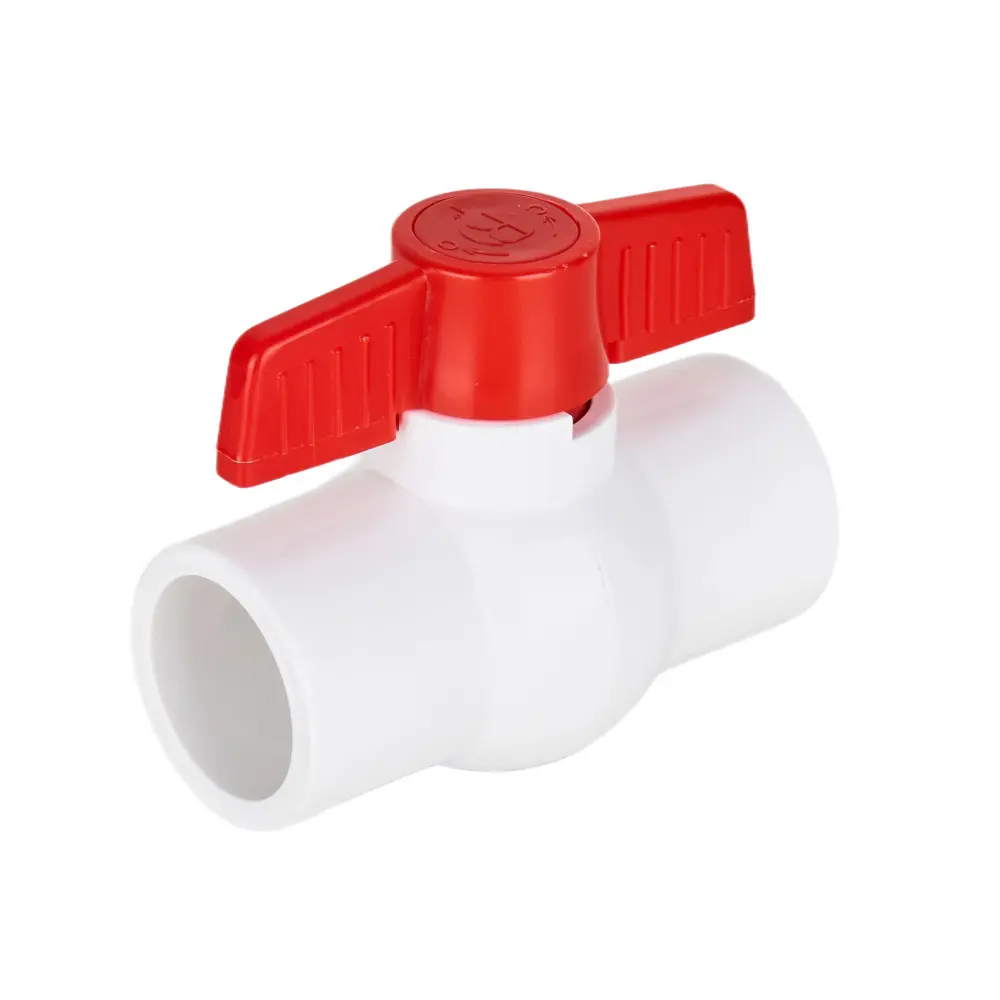
Optimized industrial fluid layout
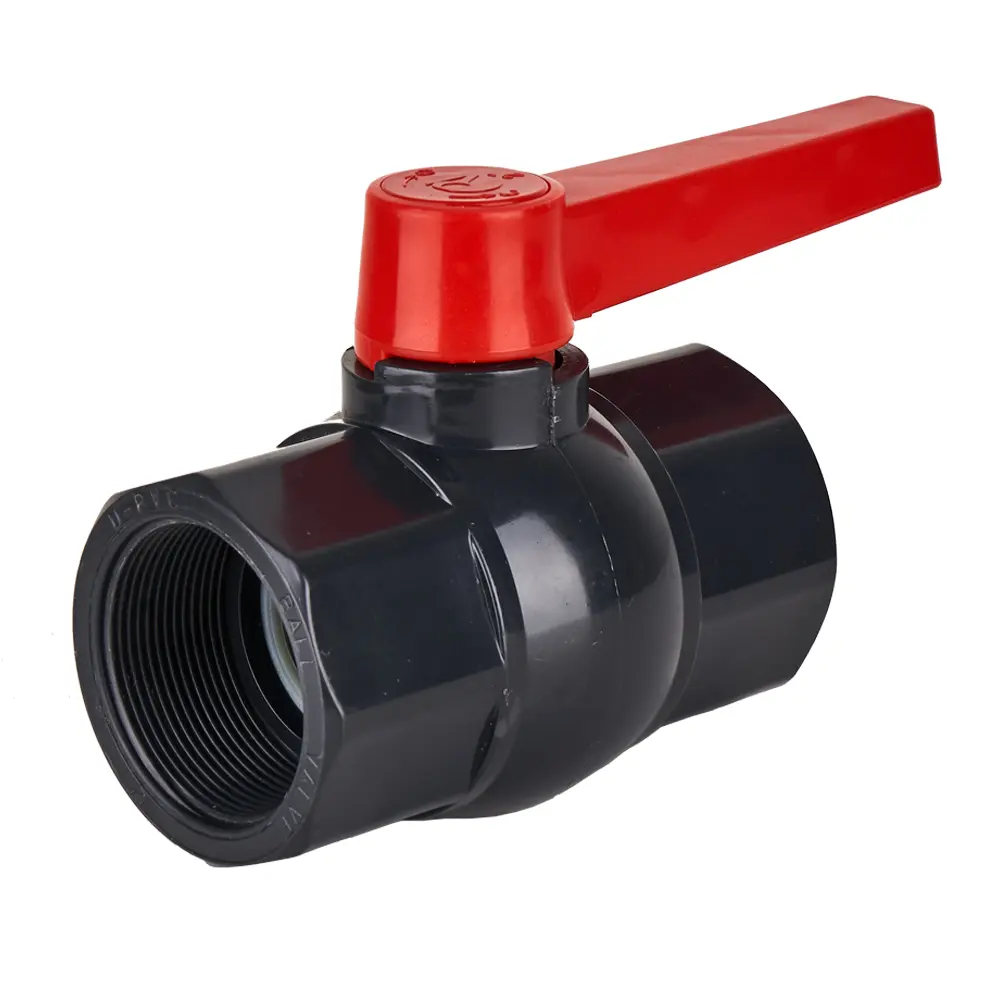
Enhanced design for structural load handling
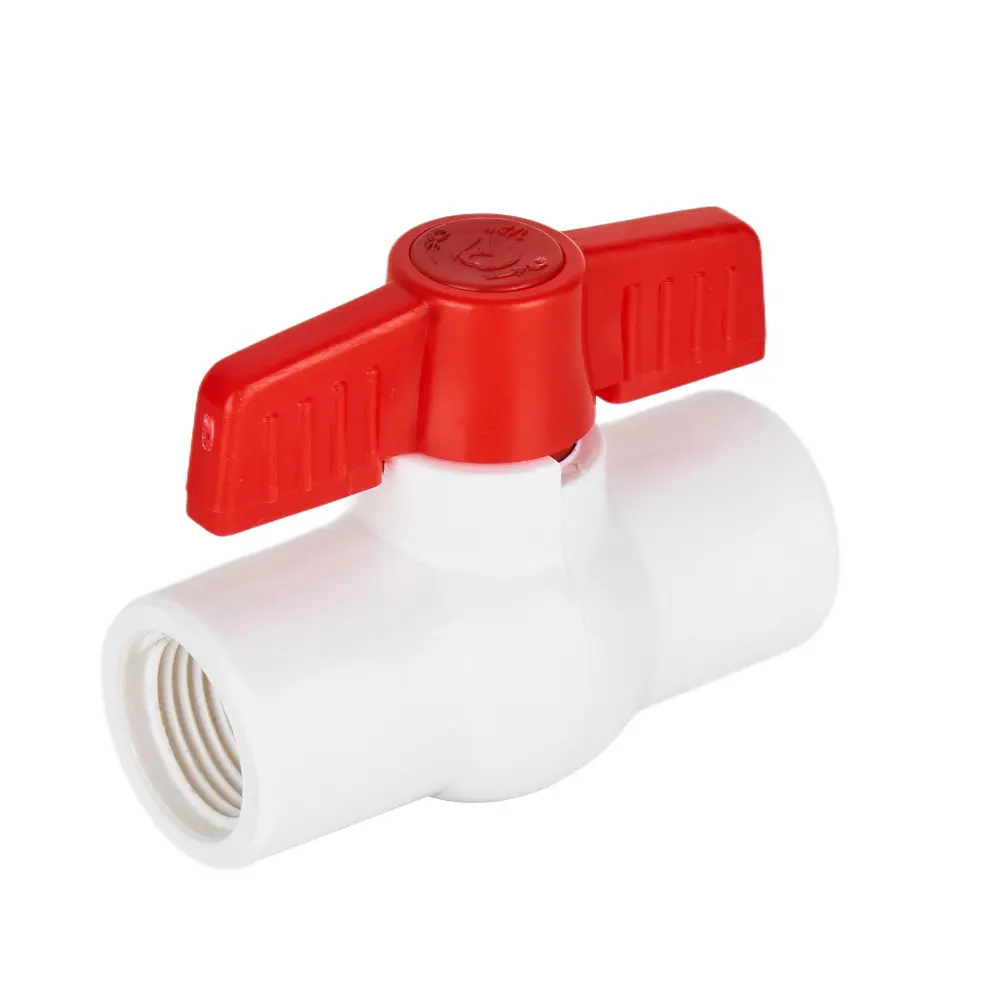
Standard municipal water line valve
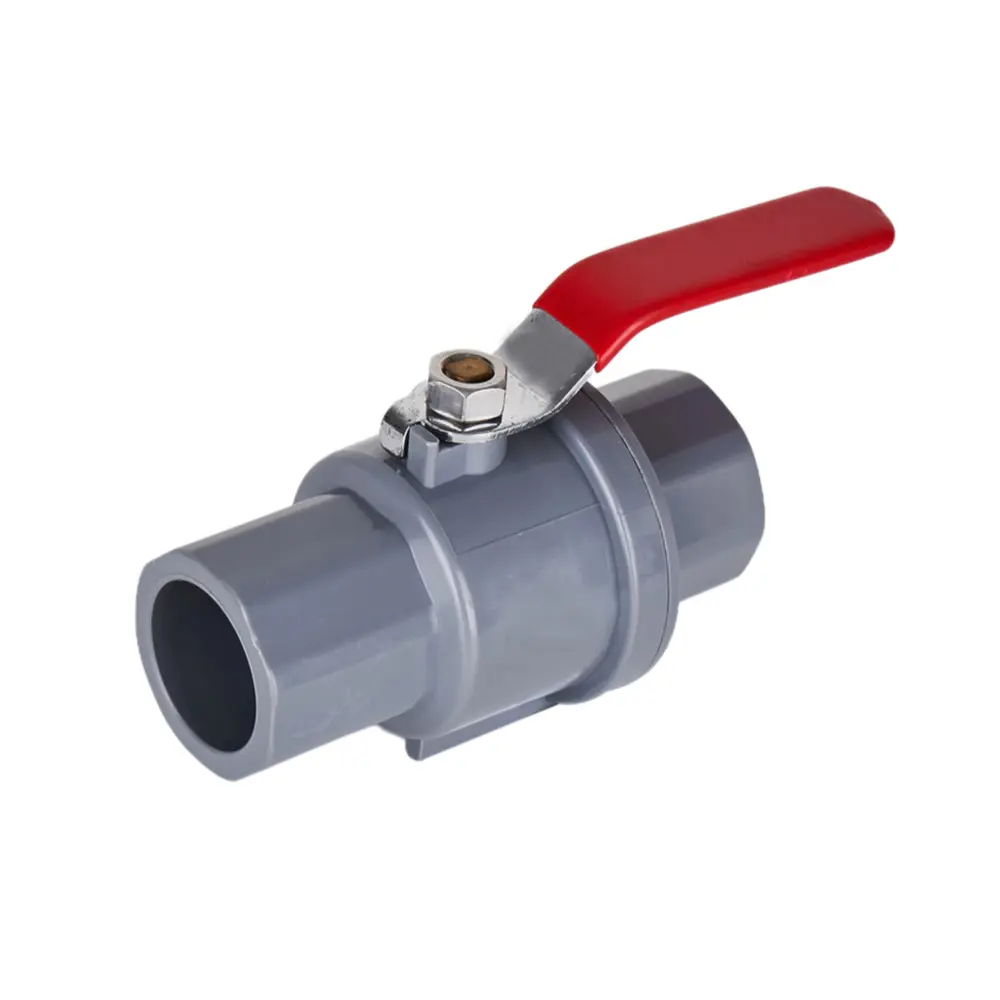
Stainless steel handle upgrade option
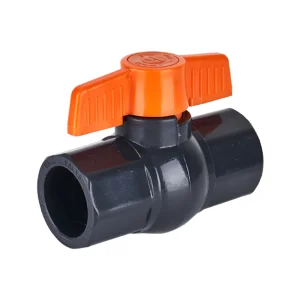
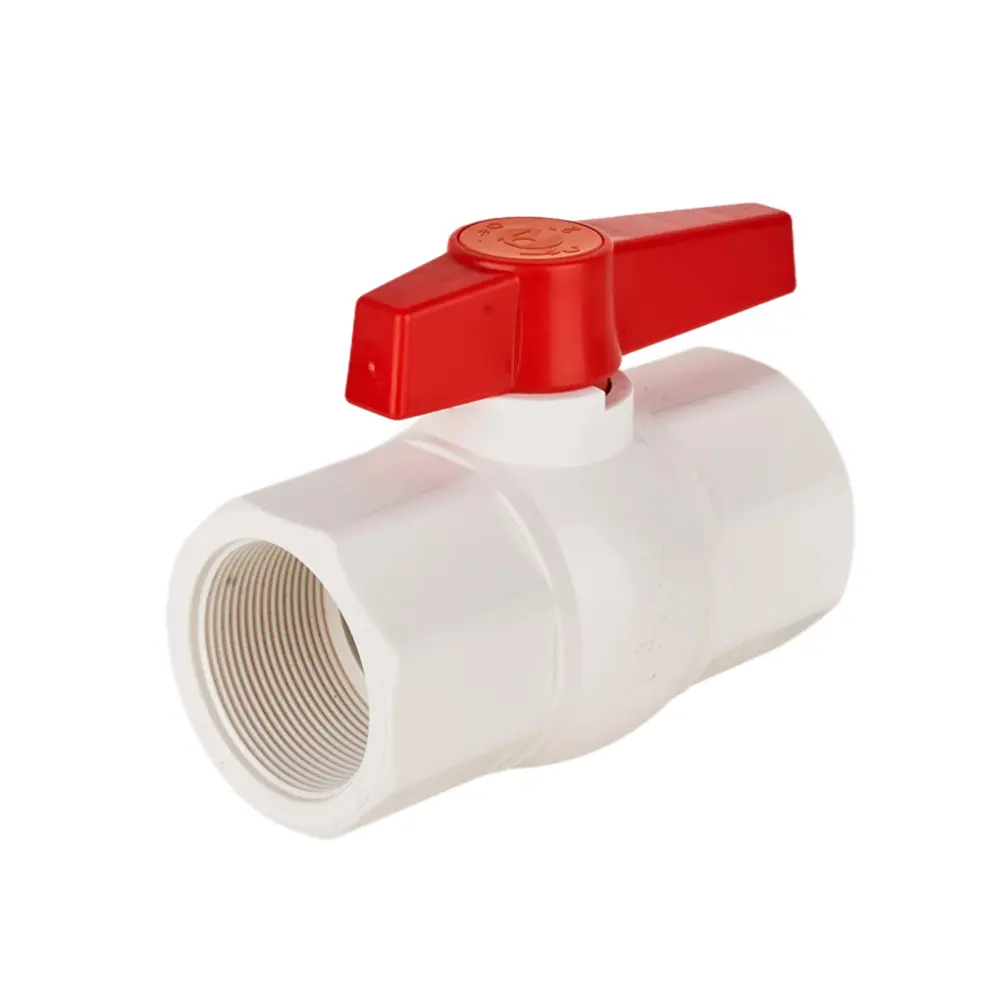
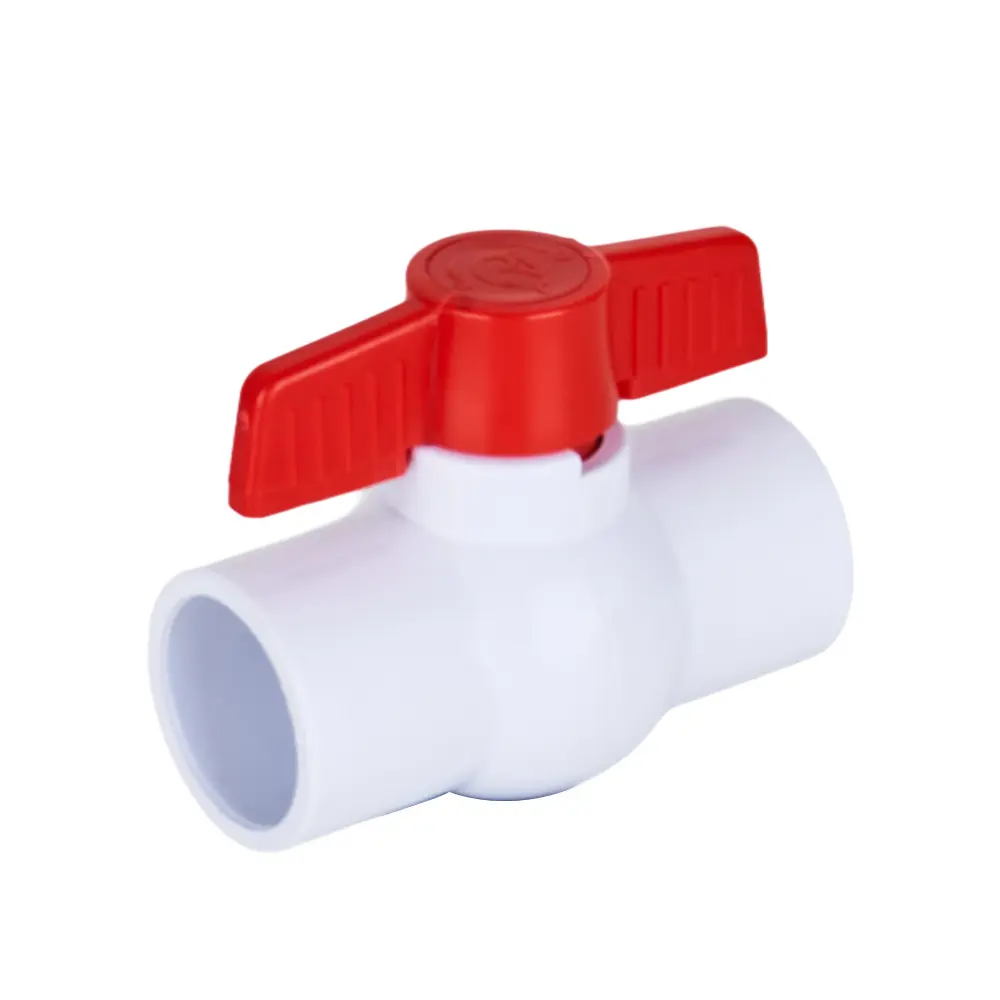
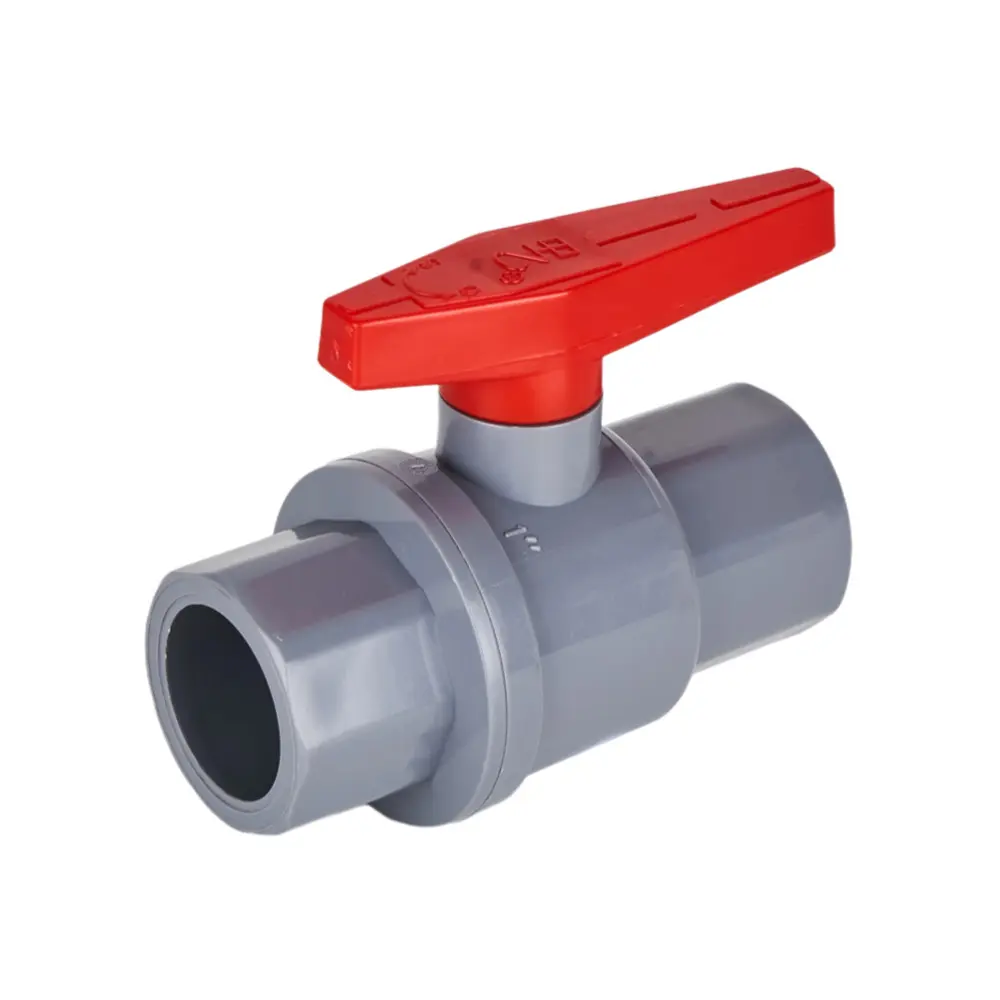
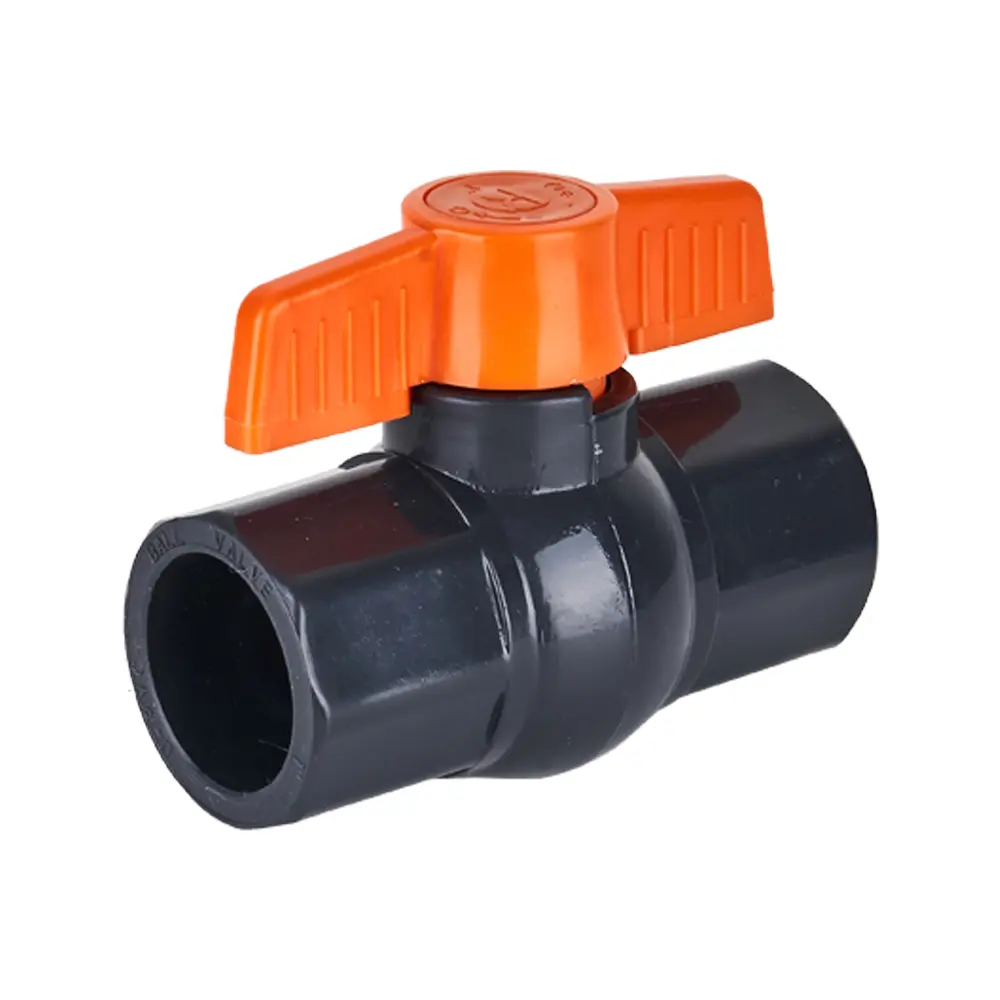
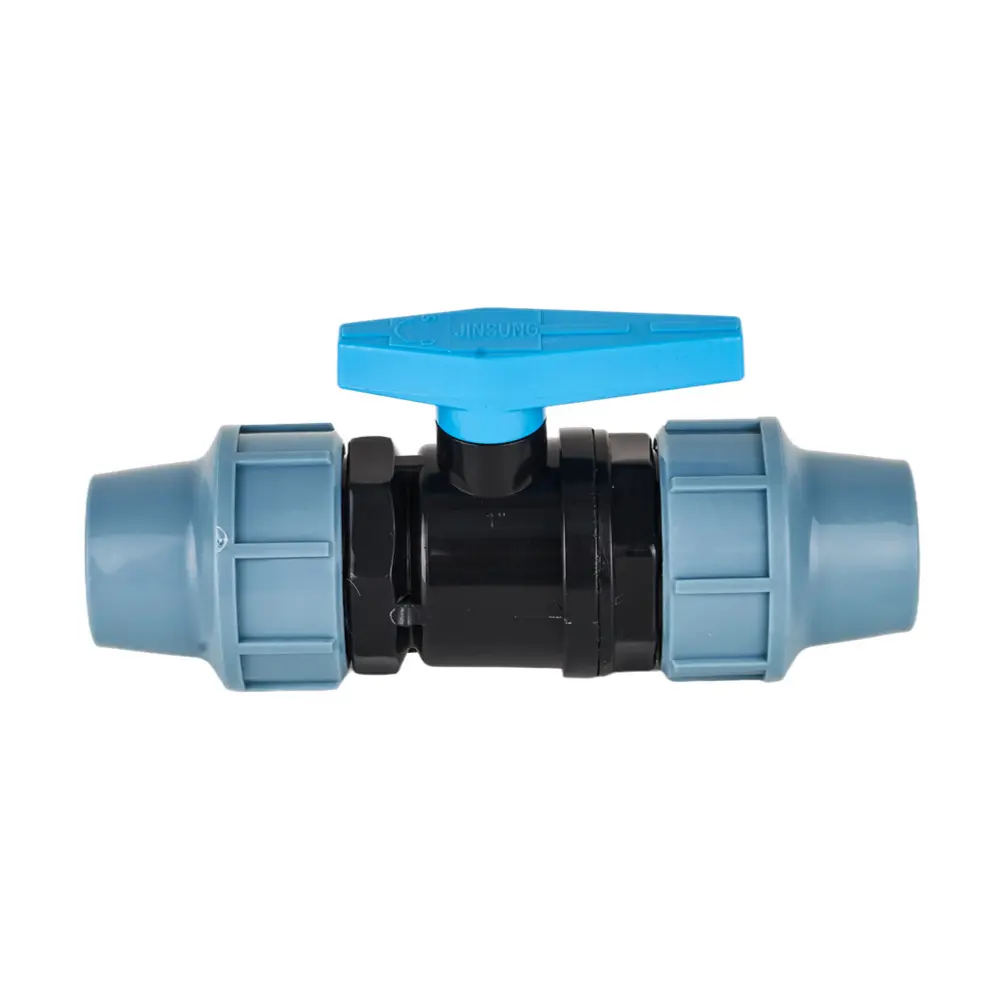
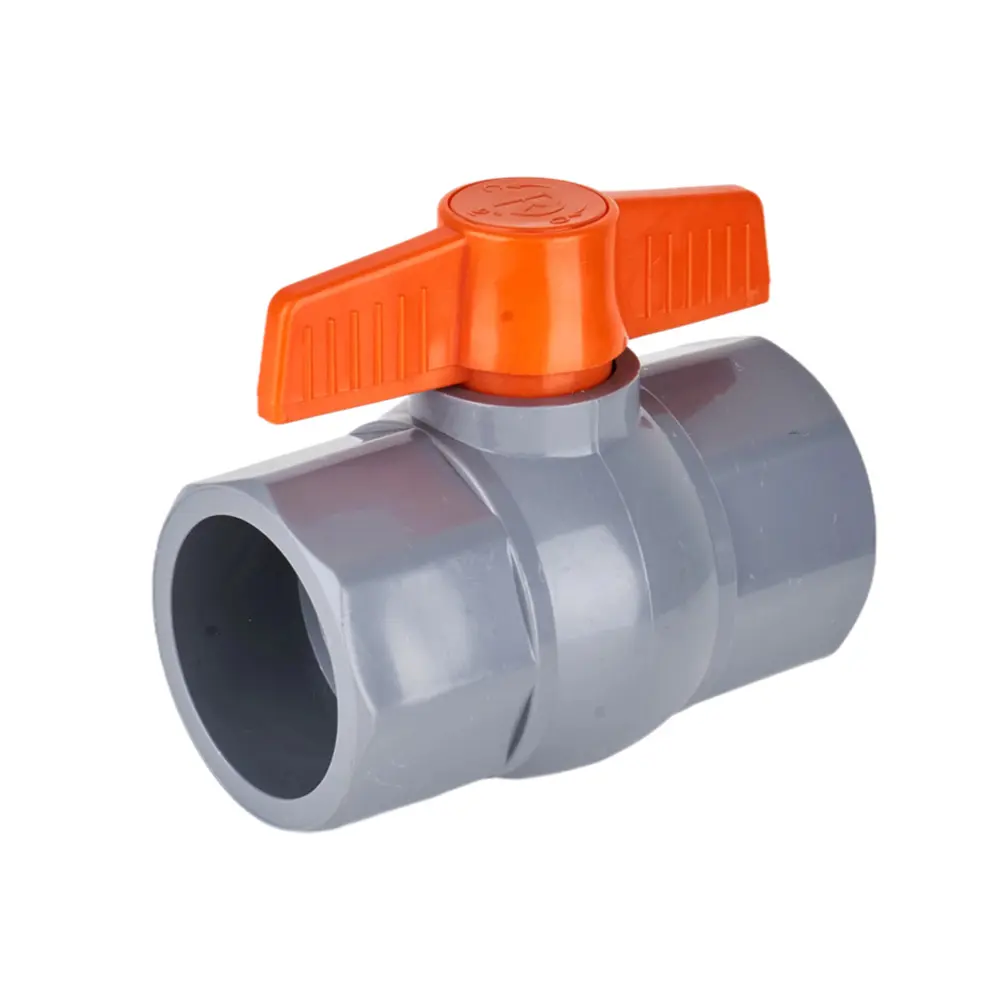
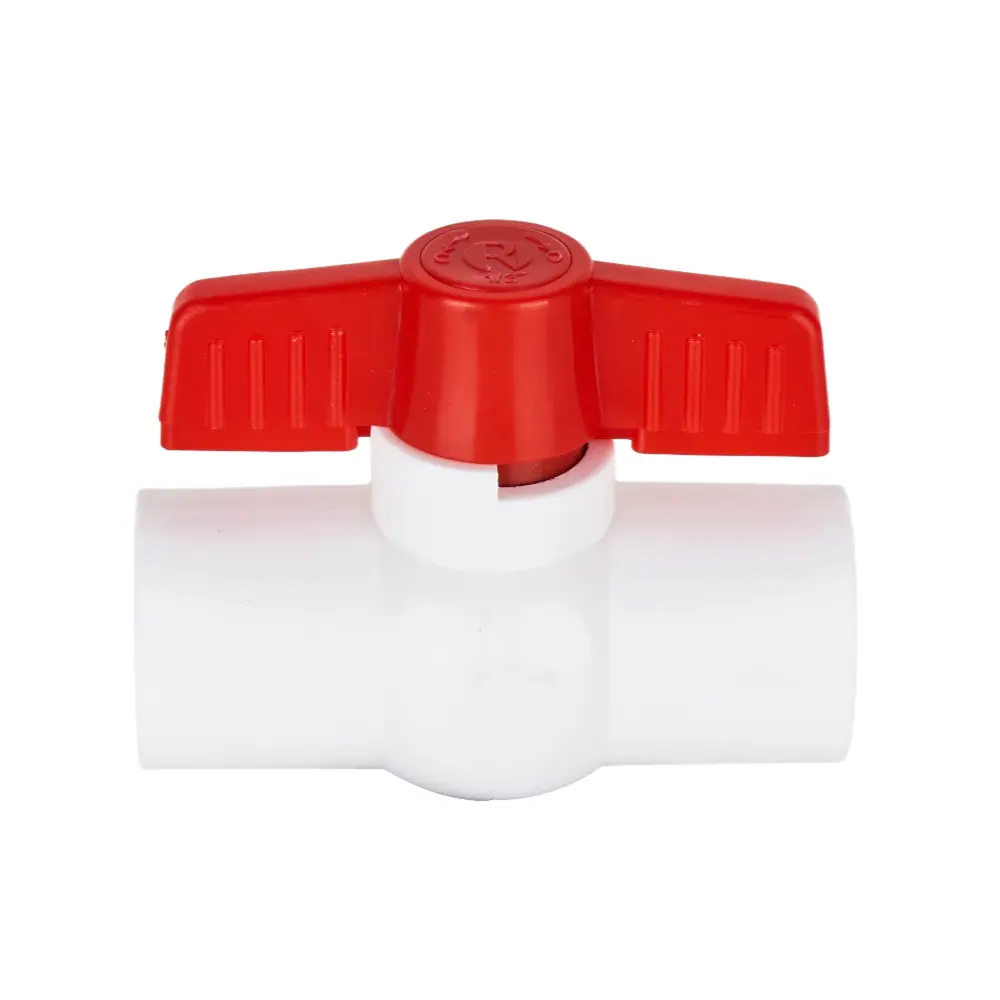
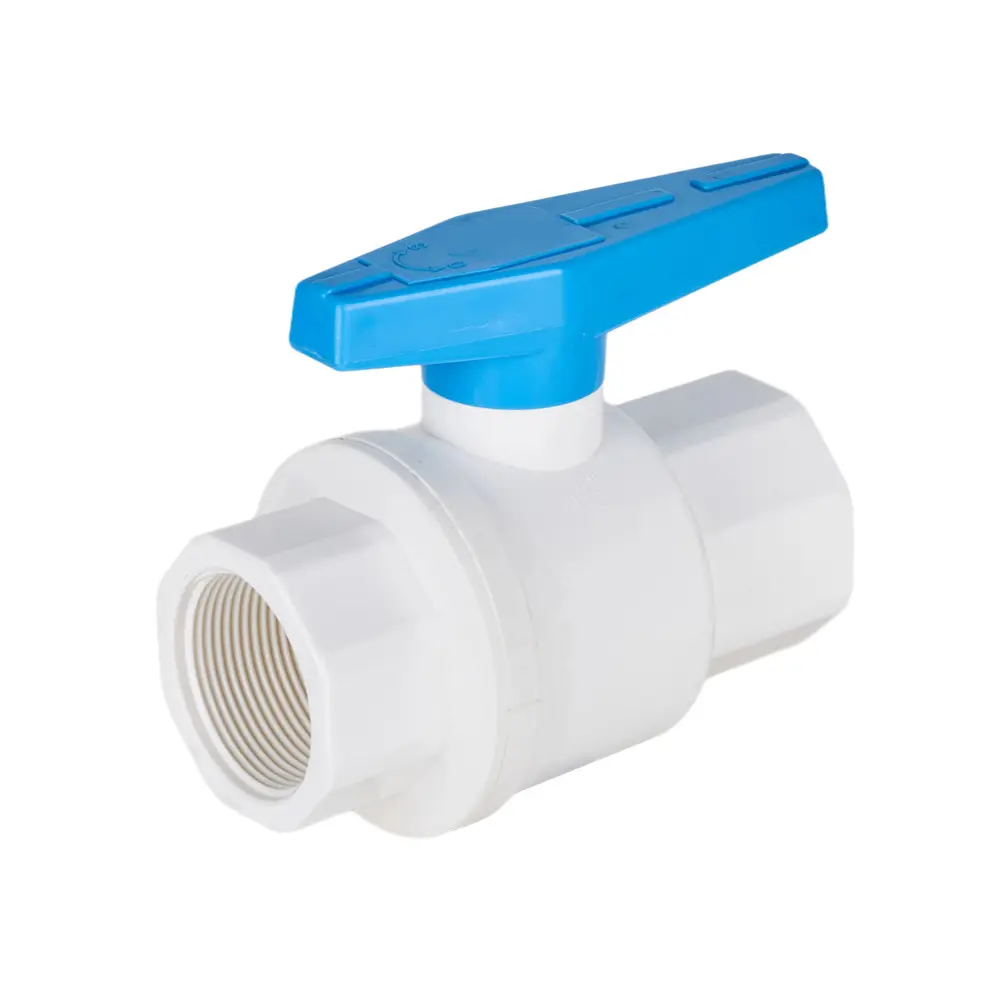
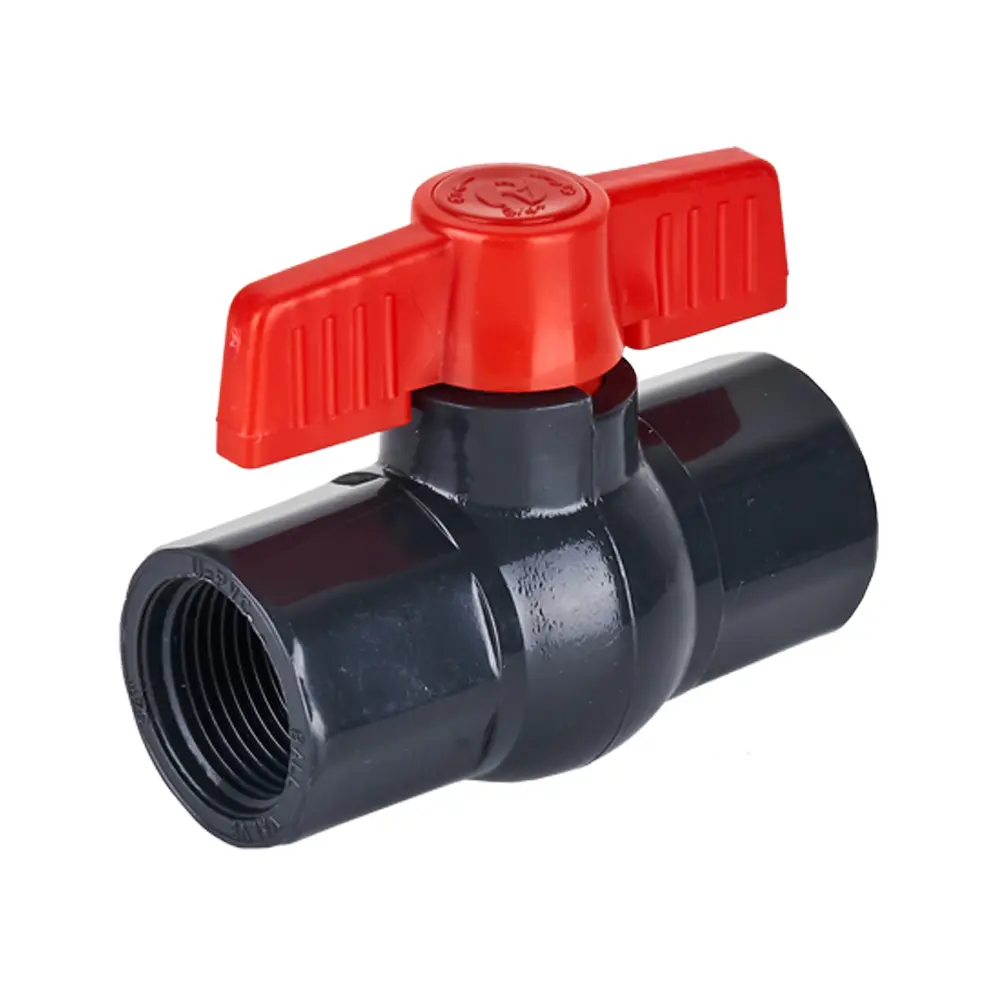
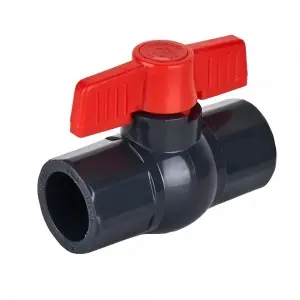
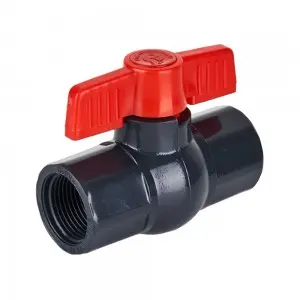
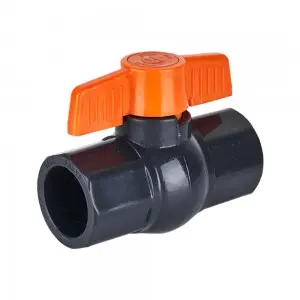
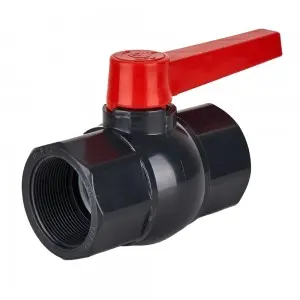
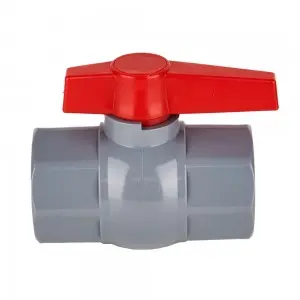
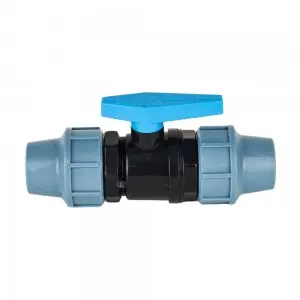
Detailed variations of octagonal, compact, and double union ball valves to complete complex engineering layouts.
Expert engineering answers on piping selection, standards, chemical resistance, and custom manufacturing protocols.
Explore our compact structures, multi-union setups, and custom-molded parts developed for international partners.
Further polymer components engineered for domestic and overseas municipal water networks, mining operations, and agriculture.
 EHAO
EHAO