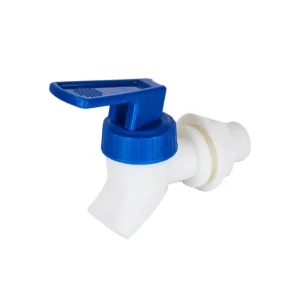
Integrating elite engineering designs with precision-molded components designed for critical infrastructure, agriculture, and chemical applications.
In the high-stakes arena of modern plastics engineering, production speed, geometrical precision, and overall development cost dictate market leadership. The emergence of Epoxy Molds for Injection Molding has revolutionized how aerospace, automotive, medical, and consumer goods OEMs approach prototype verification and low-to-medium volume manufacturing runs.
Traditionally, hard tooling constructed from H13 tool steel or structural aluminum dominated the manufacturing pipeline. However, these materials require extensive CNC programming, high machinery wear, and long fabrication lead times. Advanced epoxy molds, fabricated using composite casting polymers reinforced with aluminum or carbon micro-particles, provide an authoritative solution. By utilizing a high-performance liquid resin system cast over master models, tooling lead times can be slashed by up to 70%, with a parallel decrease in initial tooling expenditure.
Modern epoxy formulations achieve glass transition temperatures ($T_g$) exceeding 220°C. This allows molds to survive the continuous thermal cycle of injection molding with engineering thermoplastics like ABS, PP, PC, and PA66.
By enclosing a cast epoxy core inside a modular steel frame (e.g., standard MUD frames), molders get the thermal performance and mechanical stiffness of metal with the rapid cycle time of cast composite resins.
Epoxy formulations are incorporating bio-derived resin components and recyclable matrix materials, helping global manufacturing centers reach carbon neutrality targets.
Procurement managers from Tier 1 automotive suppliers and consumer electronics brands require suppliers that deliver more than just raw molds. They need documented reliability, material validation, and complete cost optimization.
Purchasing teams face tight timelines when launching new products. Developing a steel mold can take weeks or months. During design validation, waiting this long stops progress. Cast epoxy molds solve this challenge by offering quick turnaround times, allowing engineering teams to get functional, injection-molded prototypes in just days.
At the same time, sourcing groups look to minimize financial risk. Epoxy tooling represents a fraction of the cost of steel tooling. This makes it an ideal option for low-volume production runs (50 to 5,000 pieces), market test batches, and specialized components. Ehao Plastic Group addresses these global procurement requirements by offering detailed engineering feedback and fast production times, ensuring your project launches successfully and on budget.
Industrial applications need dimensions accurate within ±0.05mm. Achieving this requires using low-shrinkage epoxy polymers and precise post-curing procedures.
To maintain stable production runs, epoxy molds require integrated cooling lines or high thermal conductivity fillers like aluminum powder.
Components must meet strict standards like DIN 8077/8078 for piping systems, ensuring safety and performance across international markets.
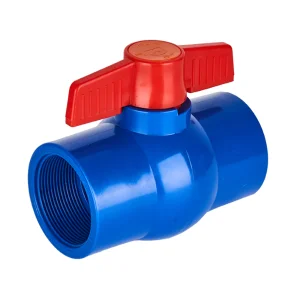
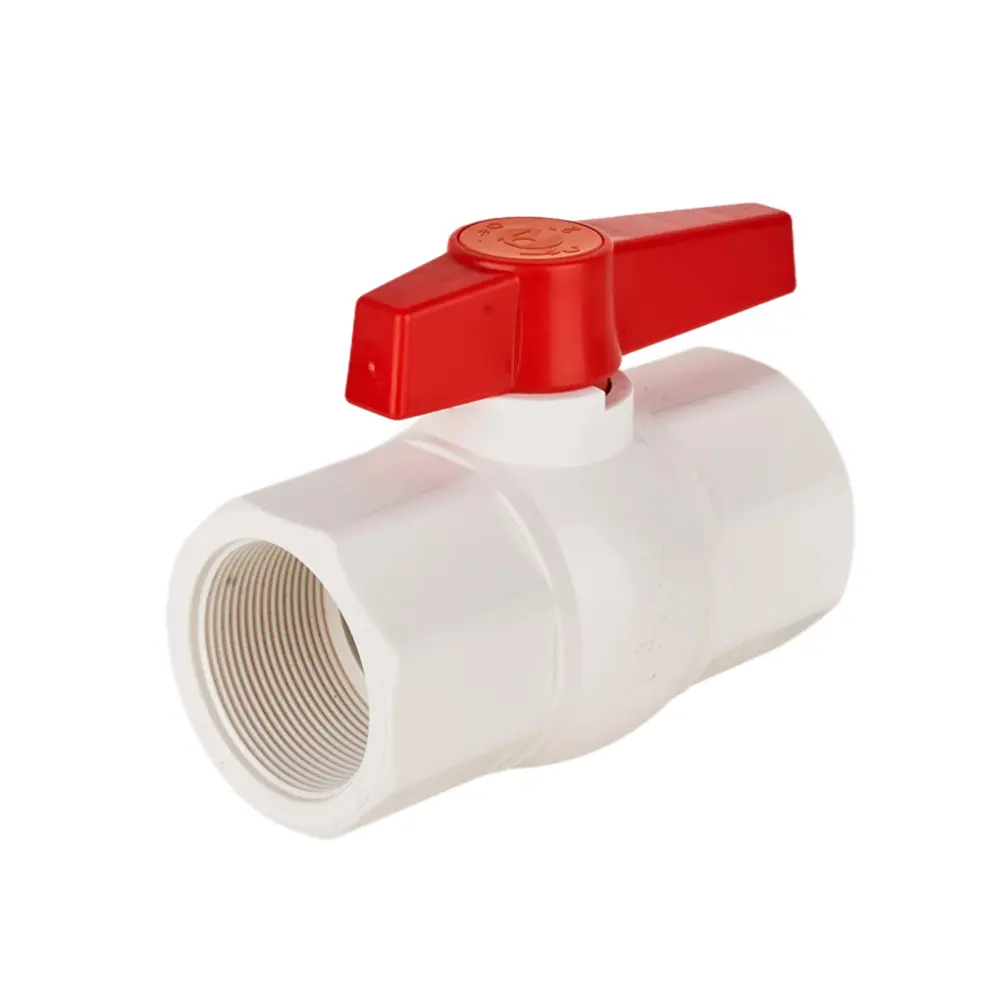
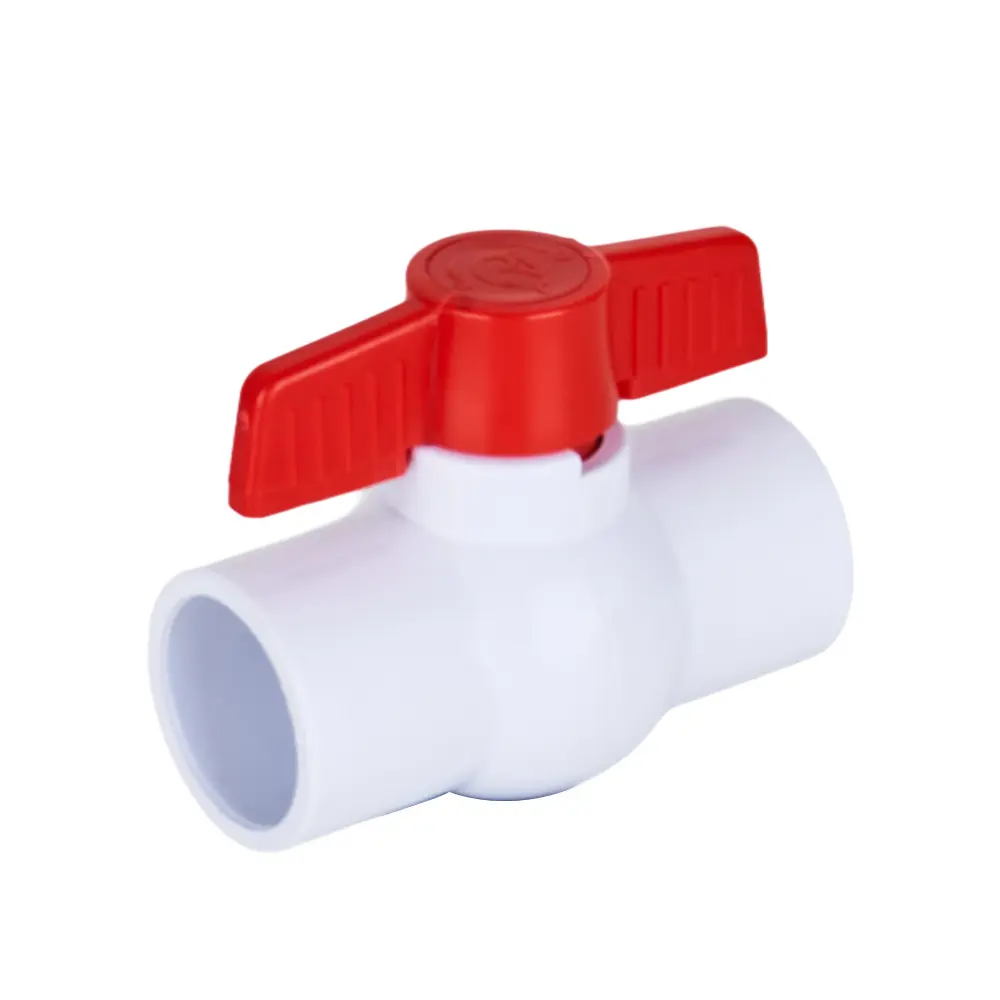
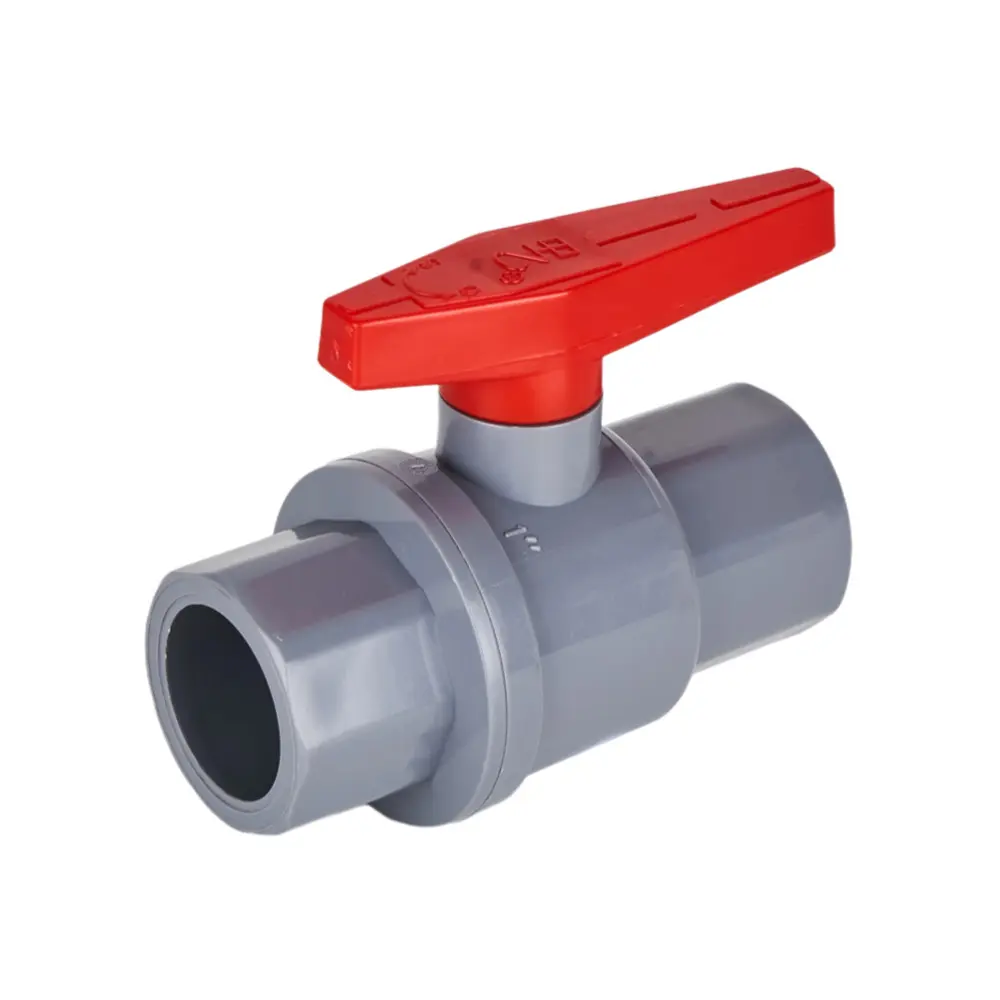
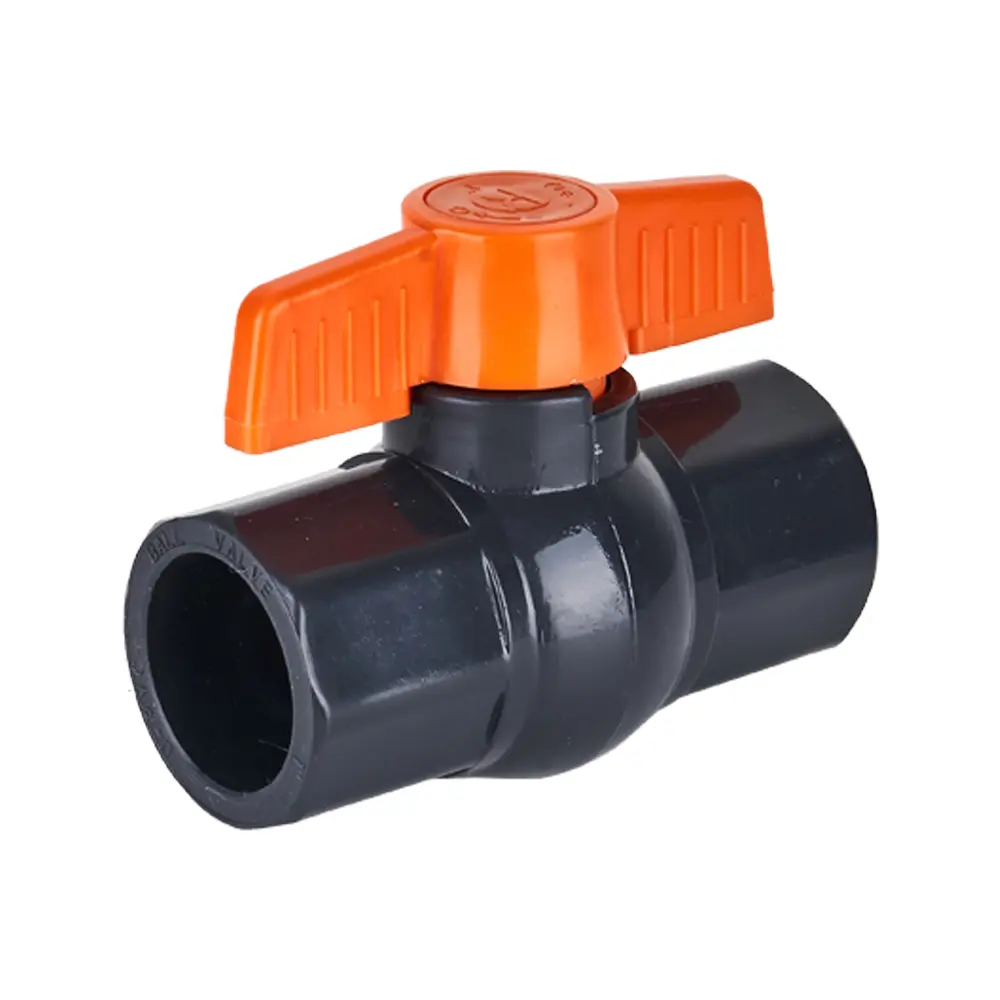
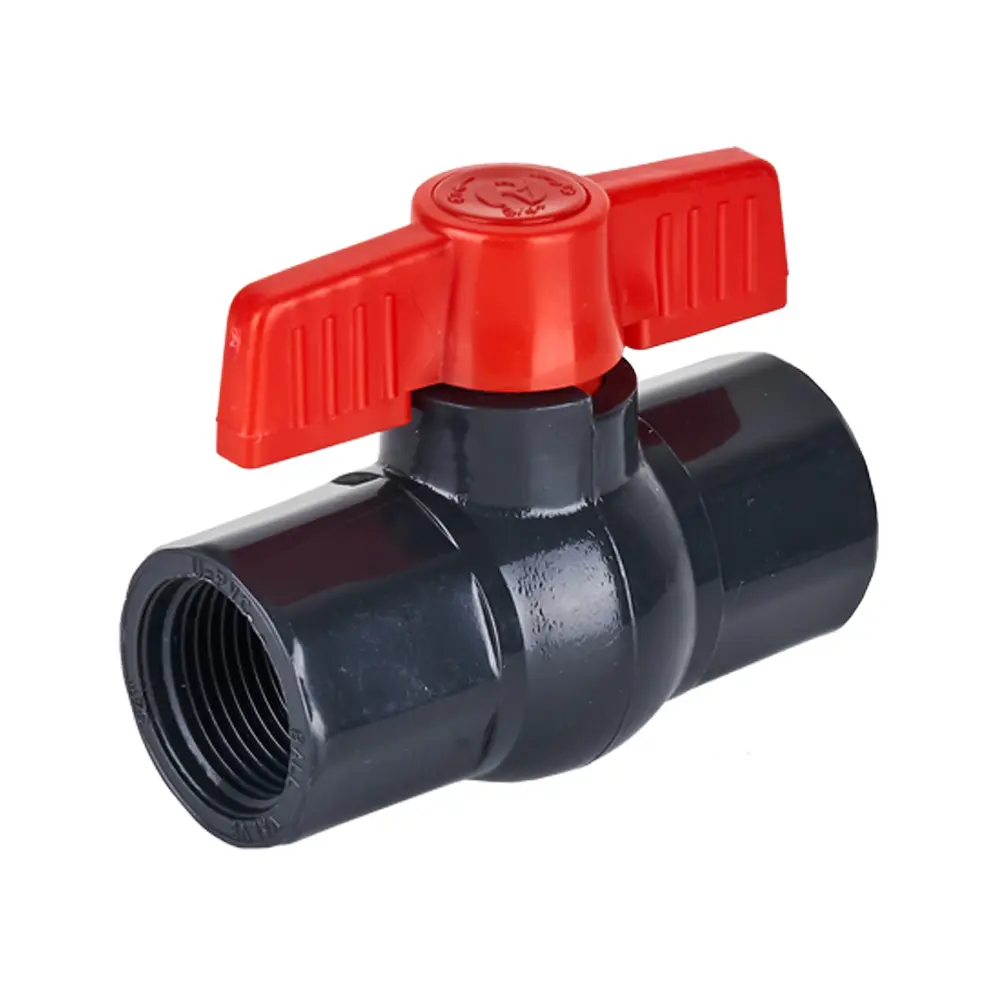
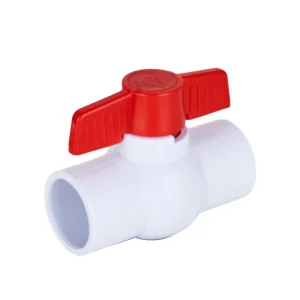
Ehao Plastic Group is a high-tech private enterprise integrating R&D and production of building materials /pipe fittings/injection moulds. Especially Ehao Plastic Group is a leader of PVC/UPVC ball valves in the domestic market in China. Since its inception, the company has been supported of Chinese Academy of Sciences and Zhejiang University in Technology. And we also introduced production lines and computer automatic injection molding machines from Germany. Products are through 26 steps of scientific testing and in the control of strict quality to ensure 100% ex factory pass rate. The technical indexes fully accord with DIN8077 and DIN8078 standards and reach the world-class level.
By virtue of comprehensive advantages of large brand influence, excellent quality of products, distinct marketing strategies, our products have covered most provinces and cities in China and other 28 countries and regions including Europe, America and Southeast Asia. We win the praise from domestic and foreign merchants.
We also manufactures plastic moulds, supplied materials, samples and pictures of plastic products (extrusion and injection products). Meanwhile, We can develop and make new products according to customers’ requirements. Warmly welcome clients at home and abroad.
The spirit of Ehao plastic group is “honest, dedicated, innovation and return”. We adopt the business mode of quality for survive, science and technology for development, management for benefits and service for credit. We offer customers high-quality products, reasonable price and excellent services.
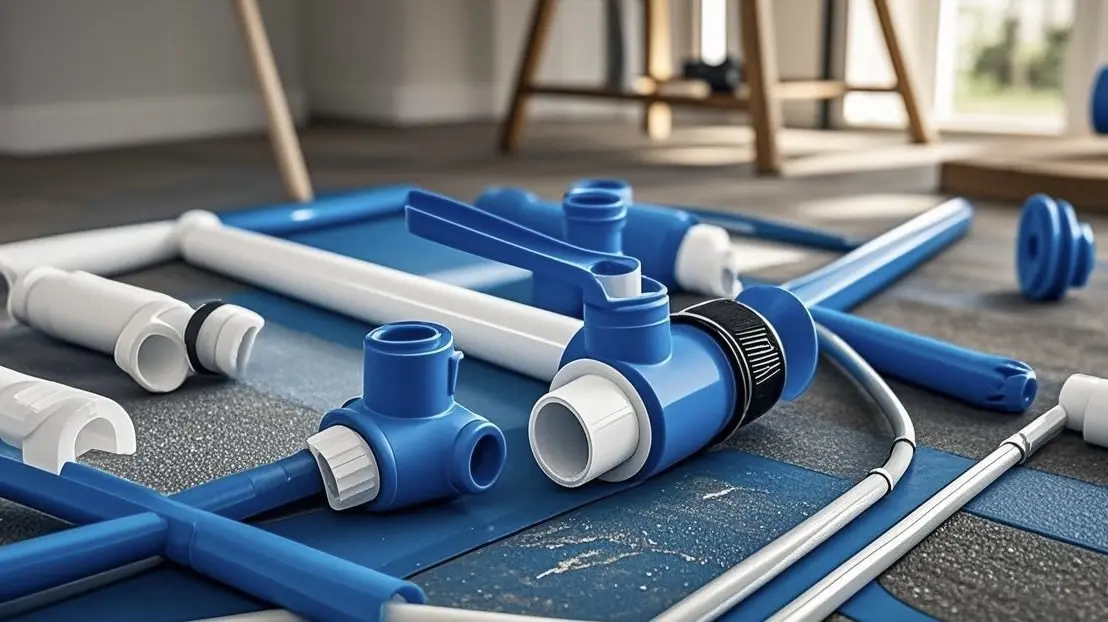
Home Decoration

Irrigation System
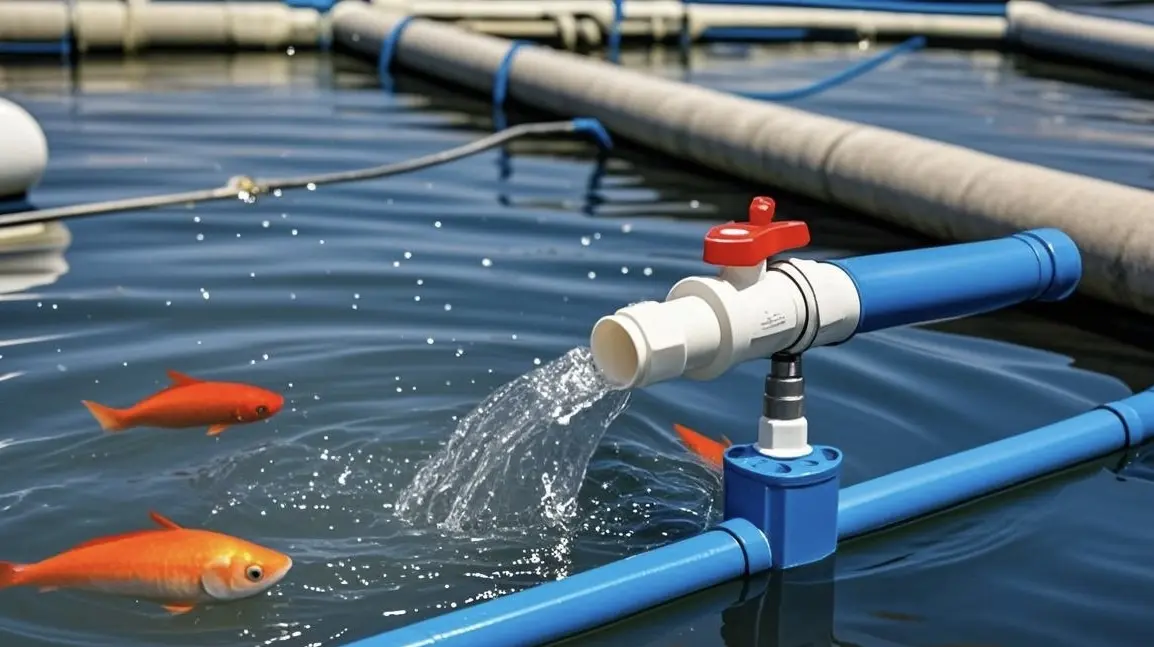
Fish Cultivation
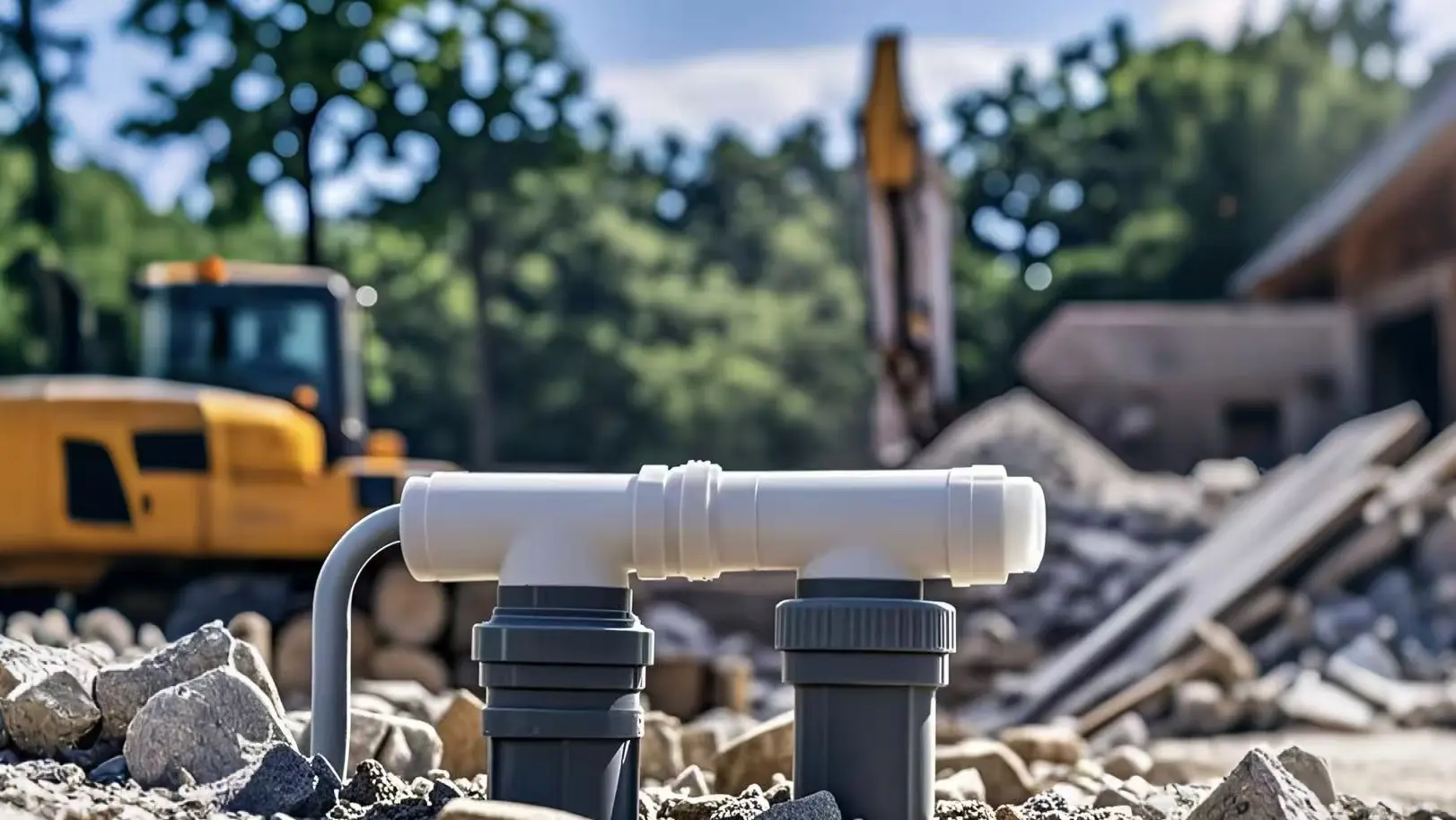
Construction Work
Ehao Plastic Group combines academic research with advanced manufacturing technologies to build a resilient supply chain. Our facilities leverage automated workflows and expert partnerships to deliver reliable tooling options worldwide.
We use automated injection systems imported from Germany to guarantee high repeat accuracy, reliable cycle times, and tight tolerances for all molded parts.
Backed by the Chinese Academy of Sciences and Zhejiang University, we utilize advanced research to optimize polymer formulations, cooling efficiency, and tool life.
Every product undergoes a comprehensive 26-step testing regimen. This strict quality inspection ensures all parts meet DIN global standards before leaving the factory.
From selecting and configuring the right machine for your job to helping you finance the purchase that generates noticeable profits.
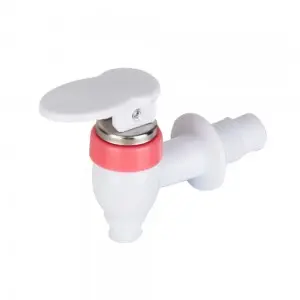
Product Detail Quick Package Details
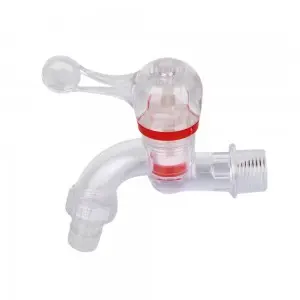
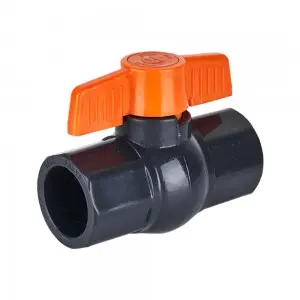
Engineering Grade Built-in longevity
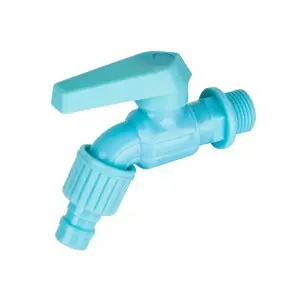
Heavy duty application
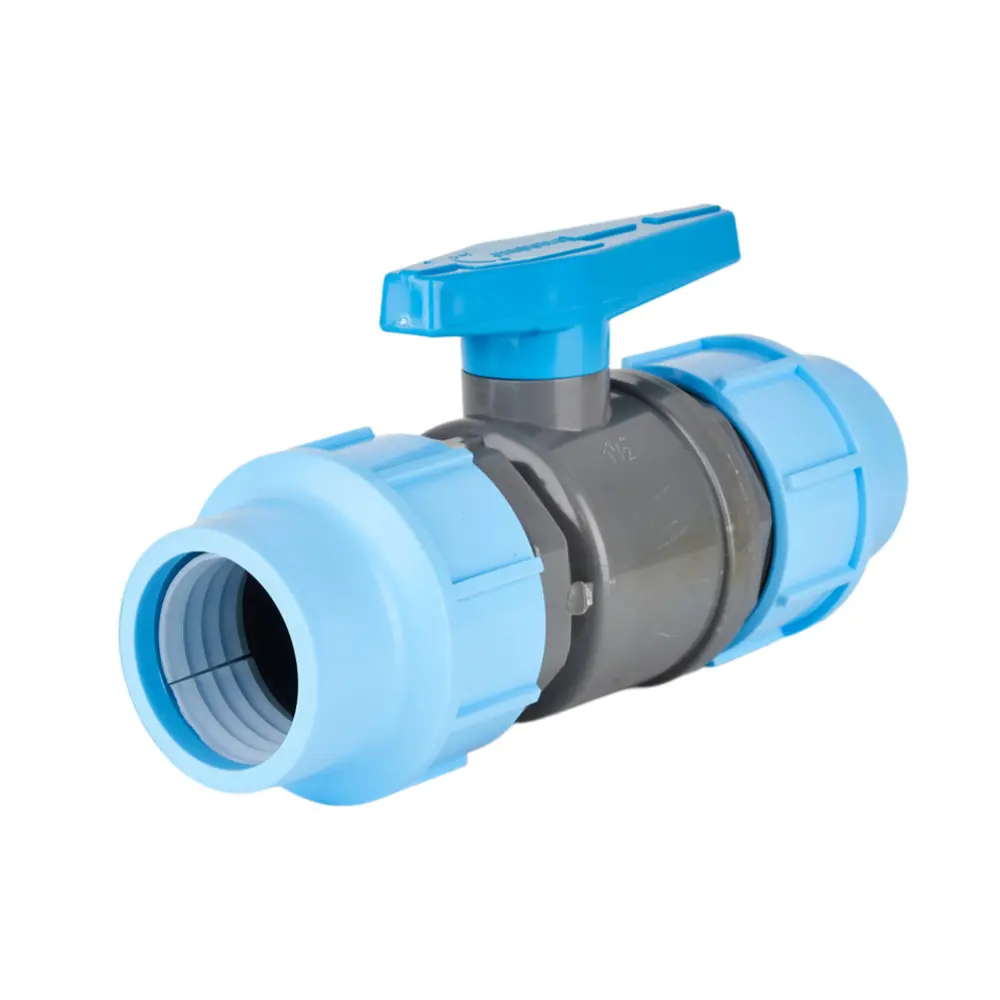
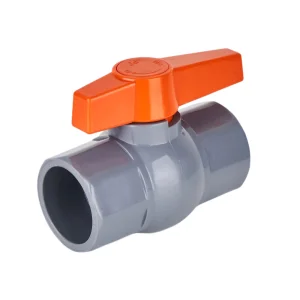
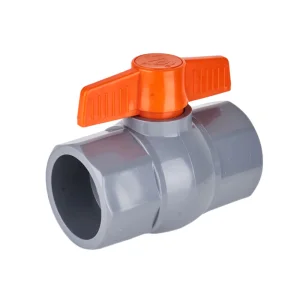
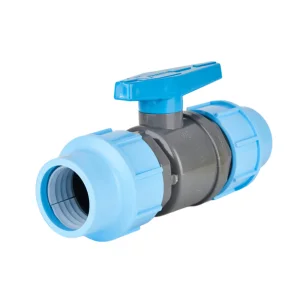
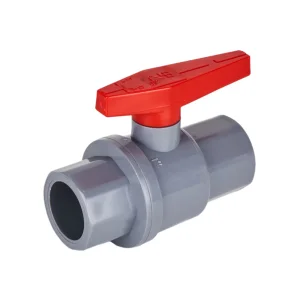
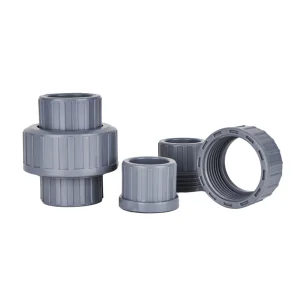
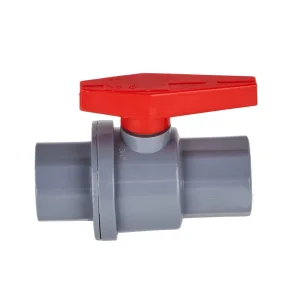
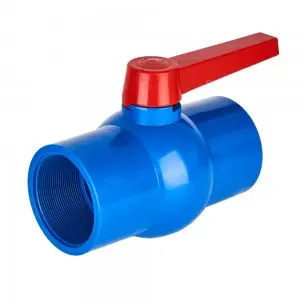
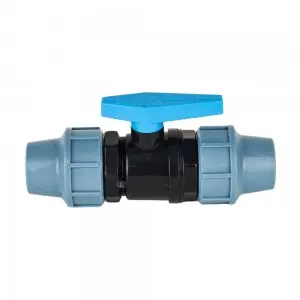
Dual union mechanism
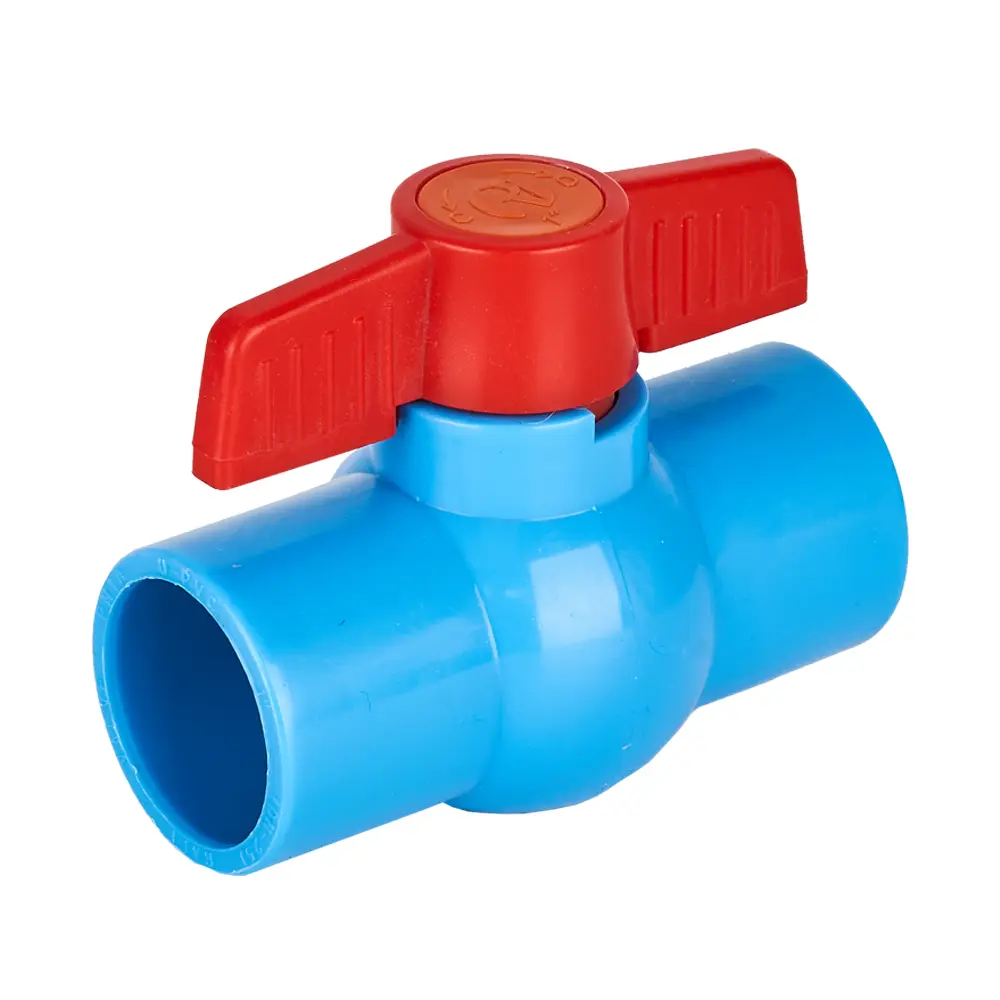
Direct supply pricing
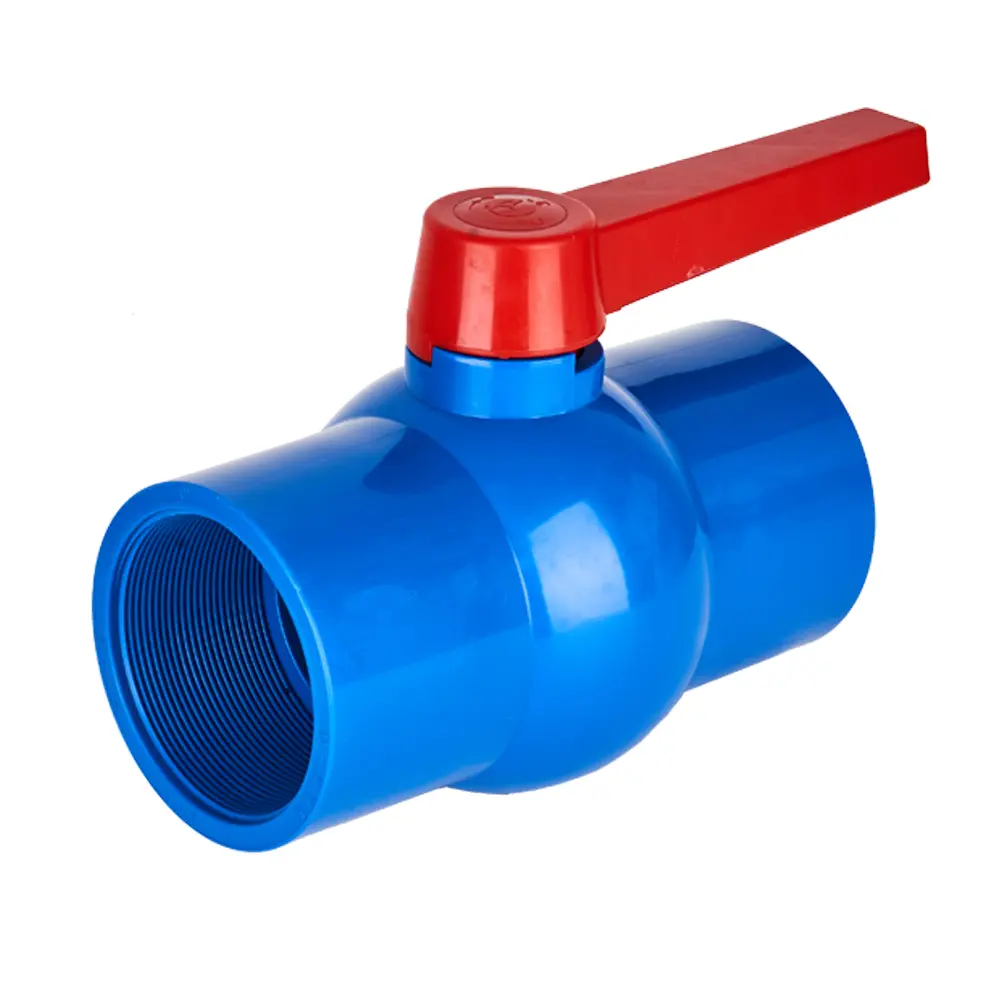
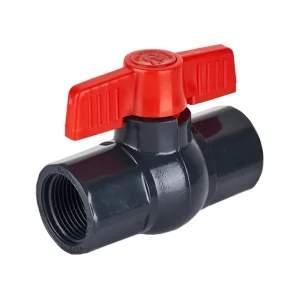
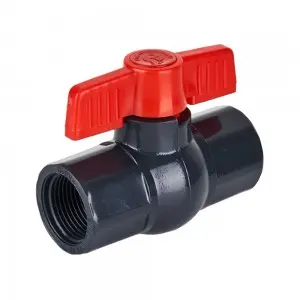
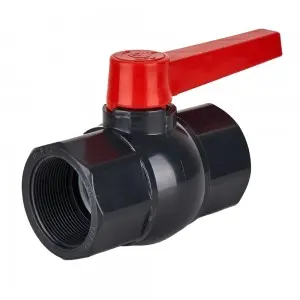
Threading compliance
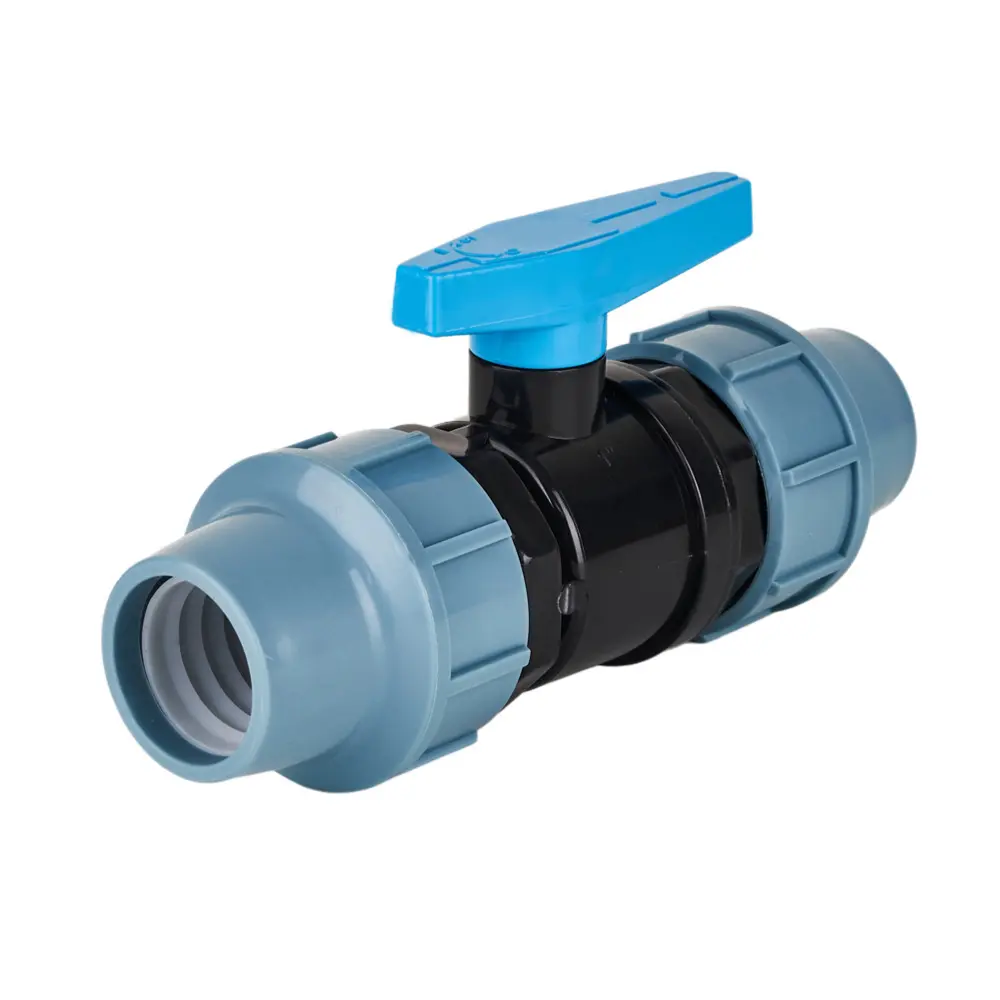
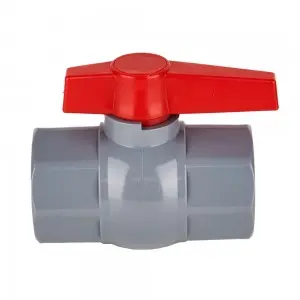
High resistance seal
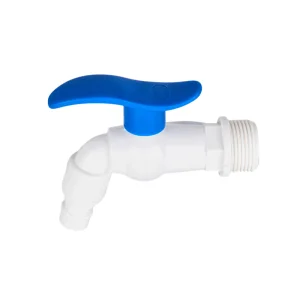
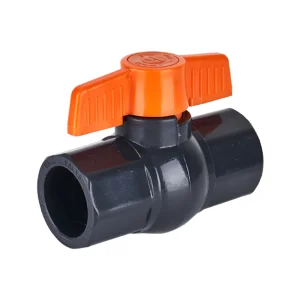
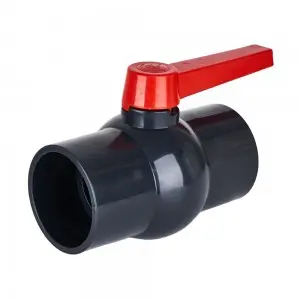
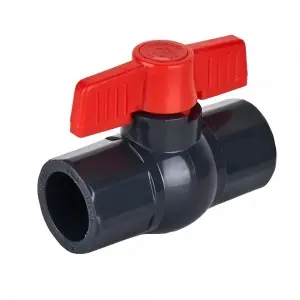
ABS handle configuration
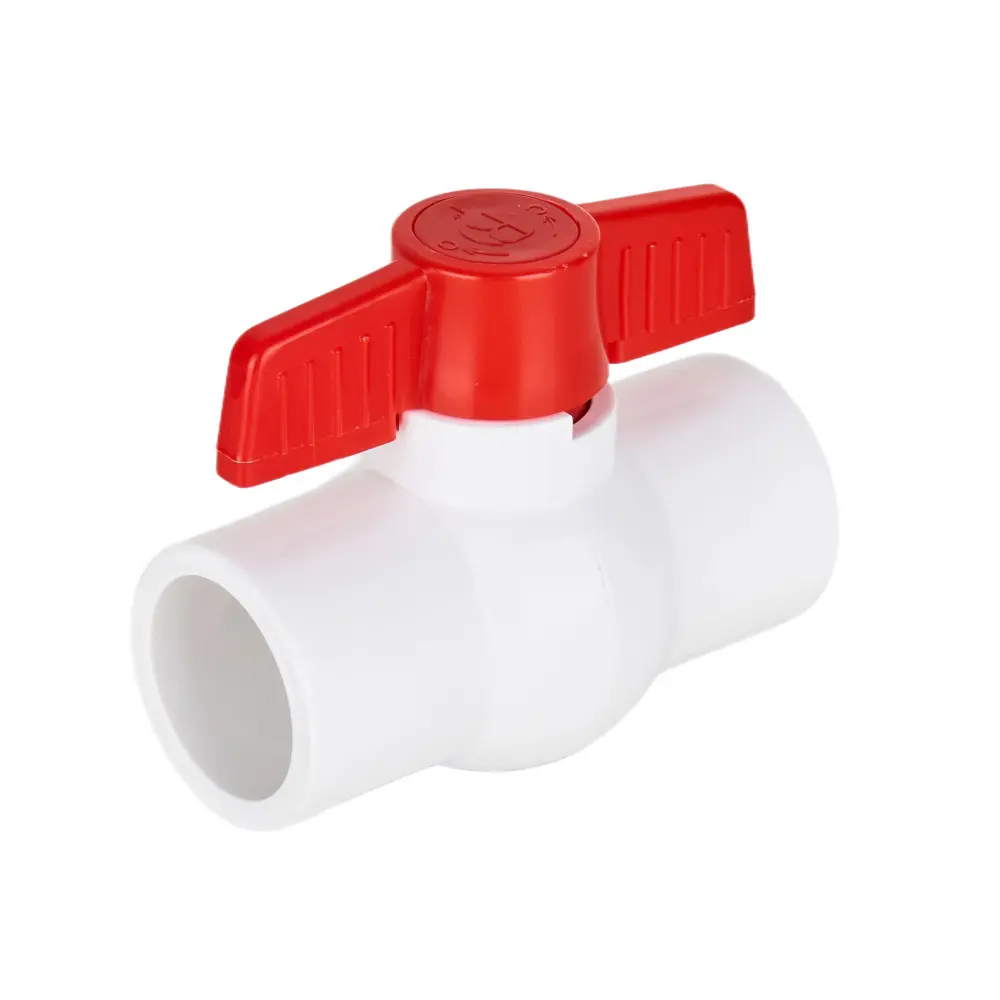
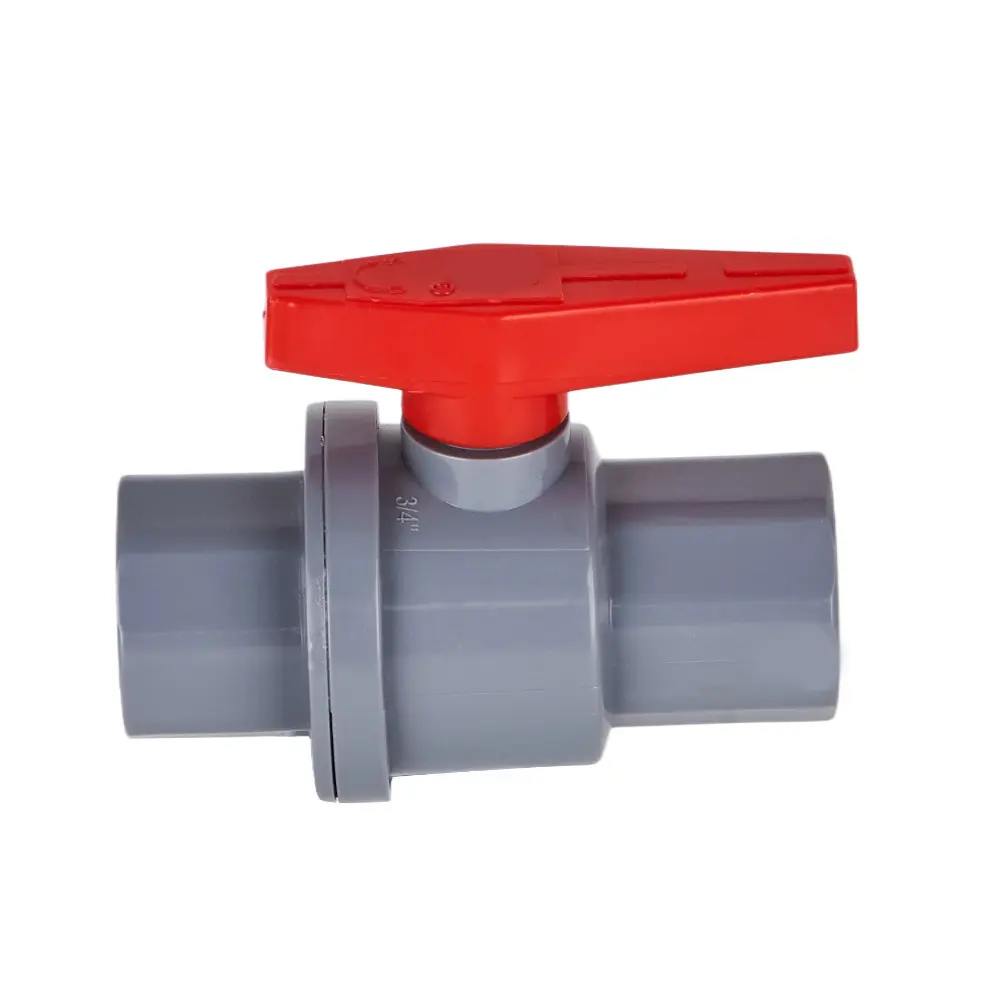
Slip joint specification
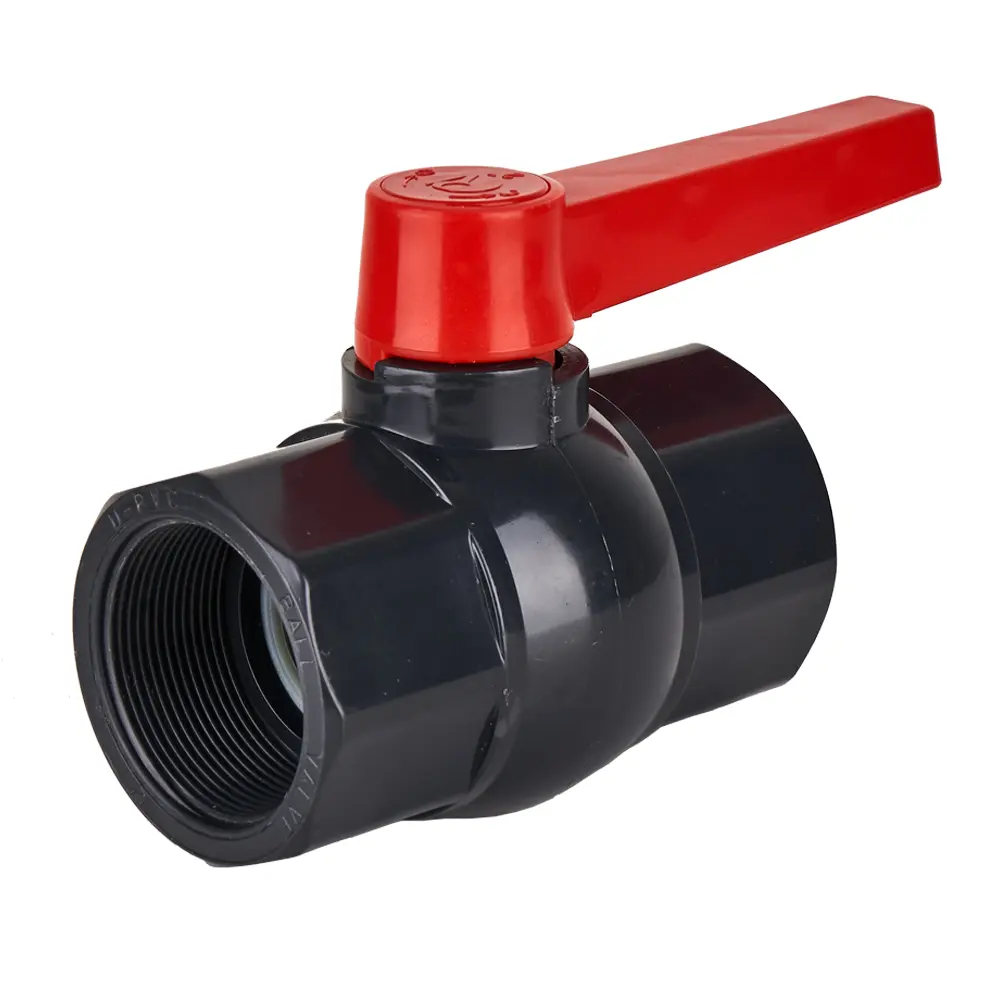
Chemical grade finish
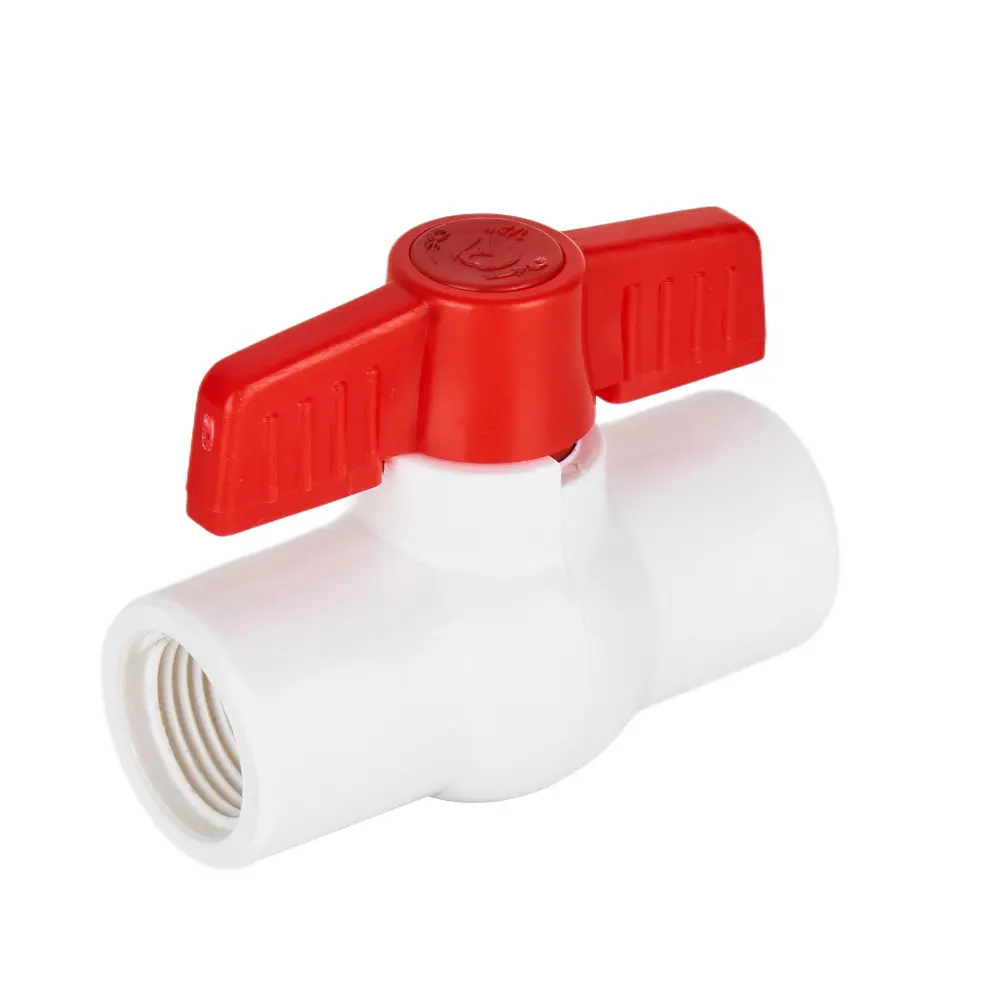
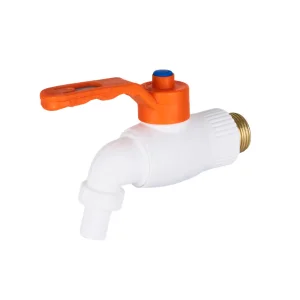
Precision threads
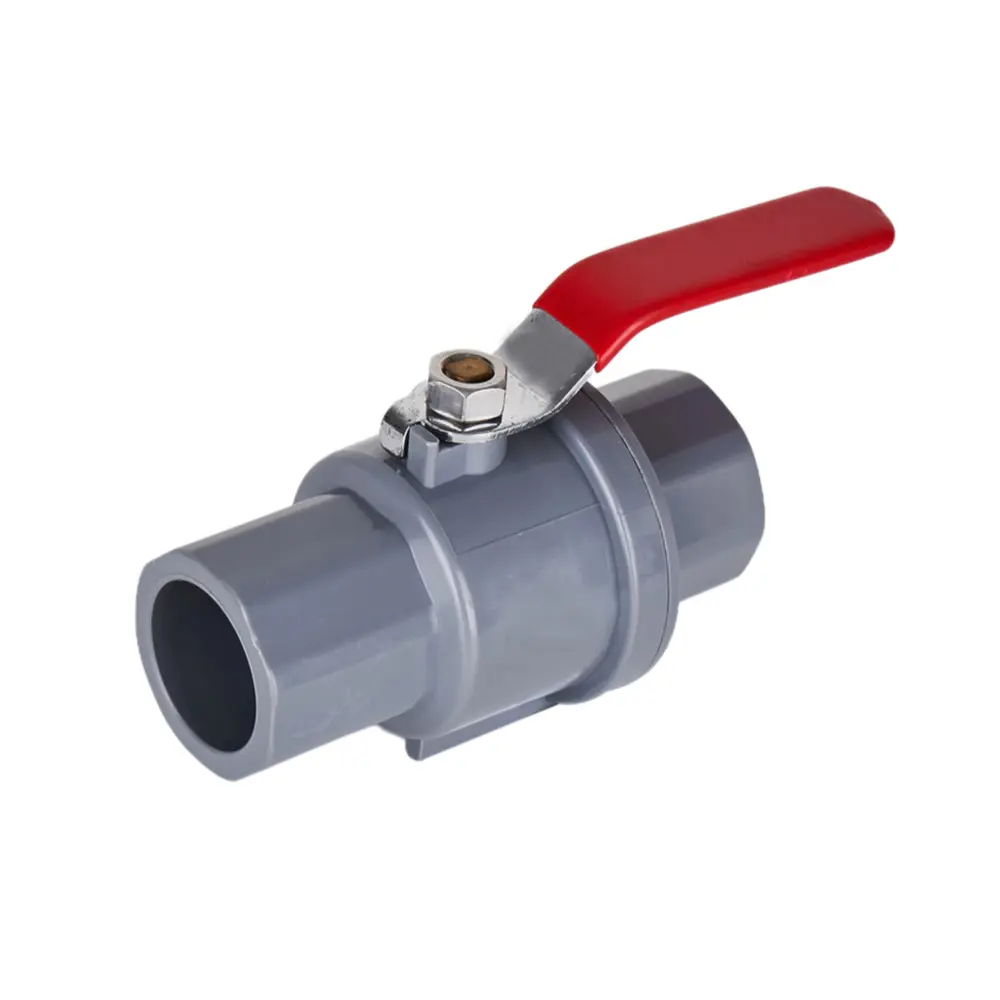
Stainless steel structural handle
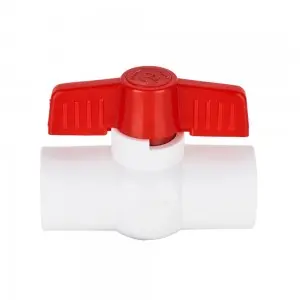
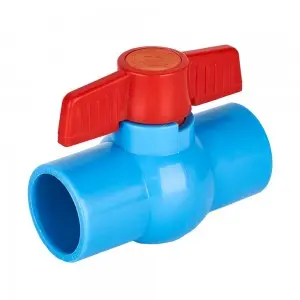
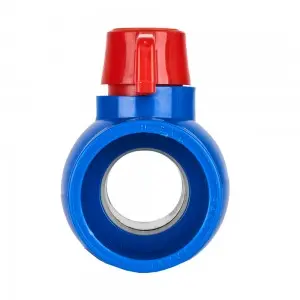
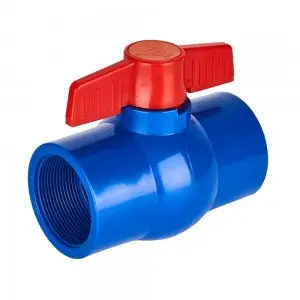
When specifying epoxy tooling for injection molding processes, engineers must understand the thermal and mechanical limitations of composite mold structures. The table below represents a typical comparison of tooling classes:
| Tooling Parameter | Aluminium-Filled Epoxy Mold | Carbon-Reinforced Tooling | Standard P20 Tool Steel |
|---|---|---|---|
| Thermal Conductivity (W/m·K) | 1.5 - 2.5 | 2.0 - 4.5 | 28 - 32 |
| Compressive Strength (MPa) | 120 - 150 | 160 - 210 | 800+ |
| Max Operating Temp (°C) | 180°C | 220°C | 400°C+ |
| Relative Cost Index | Low (15-20%) | Medium (25-35%) | High (100%) |
| Lead Time (Typical) | 3 - 7 Days | 5 - 10 Days | 4 - 8 Weeks |
*Data indicated is derived from internal research labs at Ehao Plastic Group in collaboration with cooperative academic researchers. Individual performance metrics may vary based on structural thickness and specific injection molding parameters.
Operating epoxy tooling successfully requires specific process controls to ensure mold longevity and dimensional accuracy. The mechanical properties of composite molds react differently to heat and pressure compared to steel tooling.
Because epoxy is a thermal insulator compared to metal, cycle times are typically longer. Implementing copper insert cores in thick sections or using high-performance cooling lines helps dissipate heat, preventing thermal buildup that could warp the mold.
Injection pressures should be optimized to the minimum necessary for complete cavity fill. High injection pressures can cause micro-cracks near thin gates. Using a slower injection speed combined with modern hot runner systems balances pressure throughout the cavity.
Applying high-grade semi-permanent release agents is crucial for epoxy molds. Resins like PC or nylon can bond to the mold surface under pressure. Proper release agents prevent surface degradation and extend the tool life past thousands of cycles.
Get quick answers to common technical and sourcing questions about epoxy tooling and injection molding production.
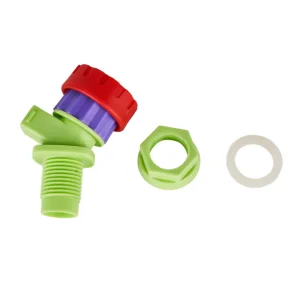
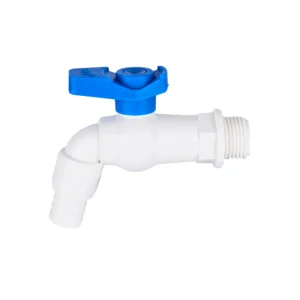
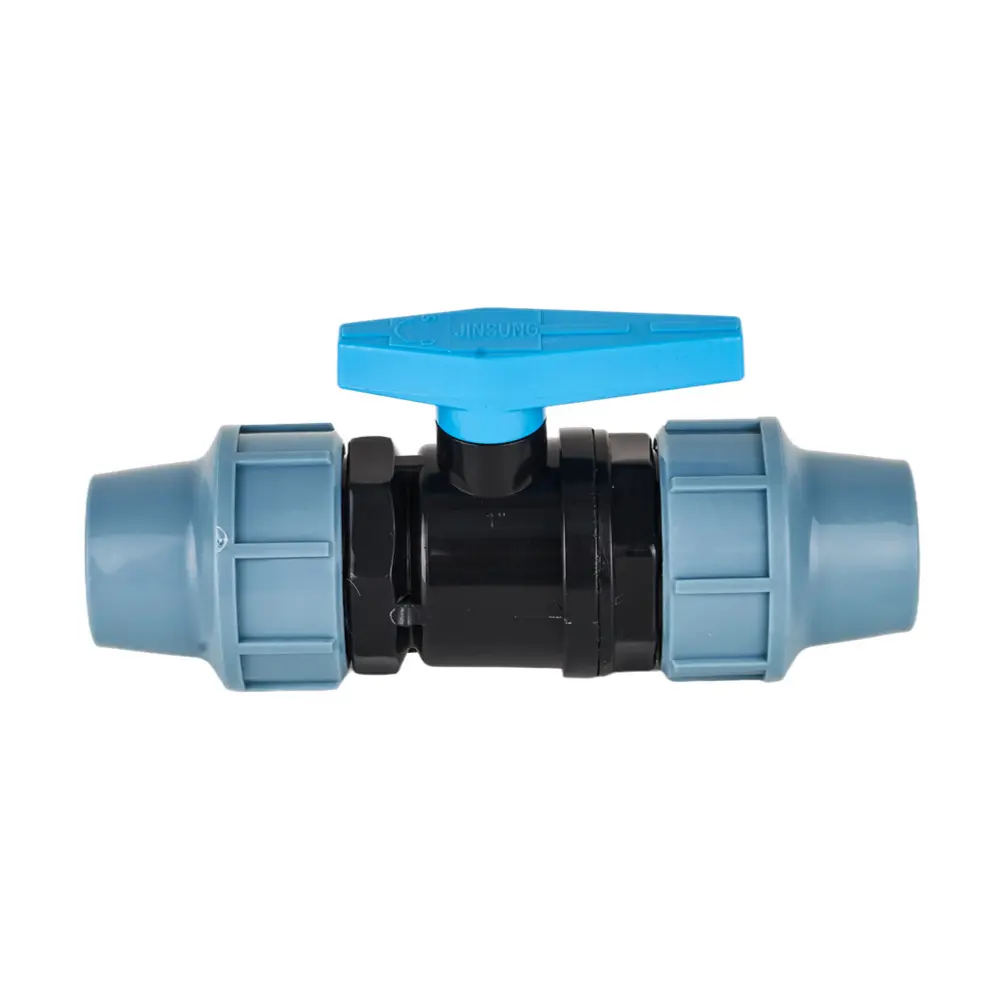
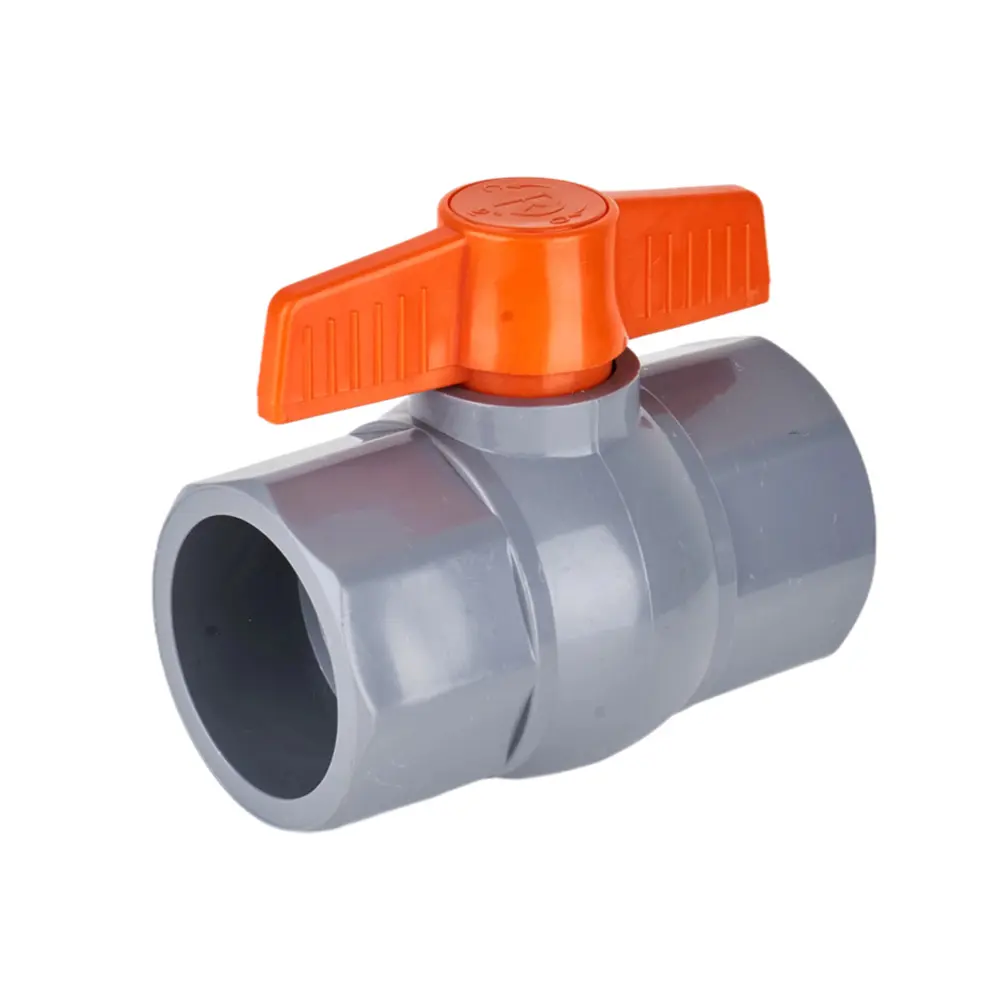
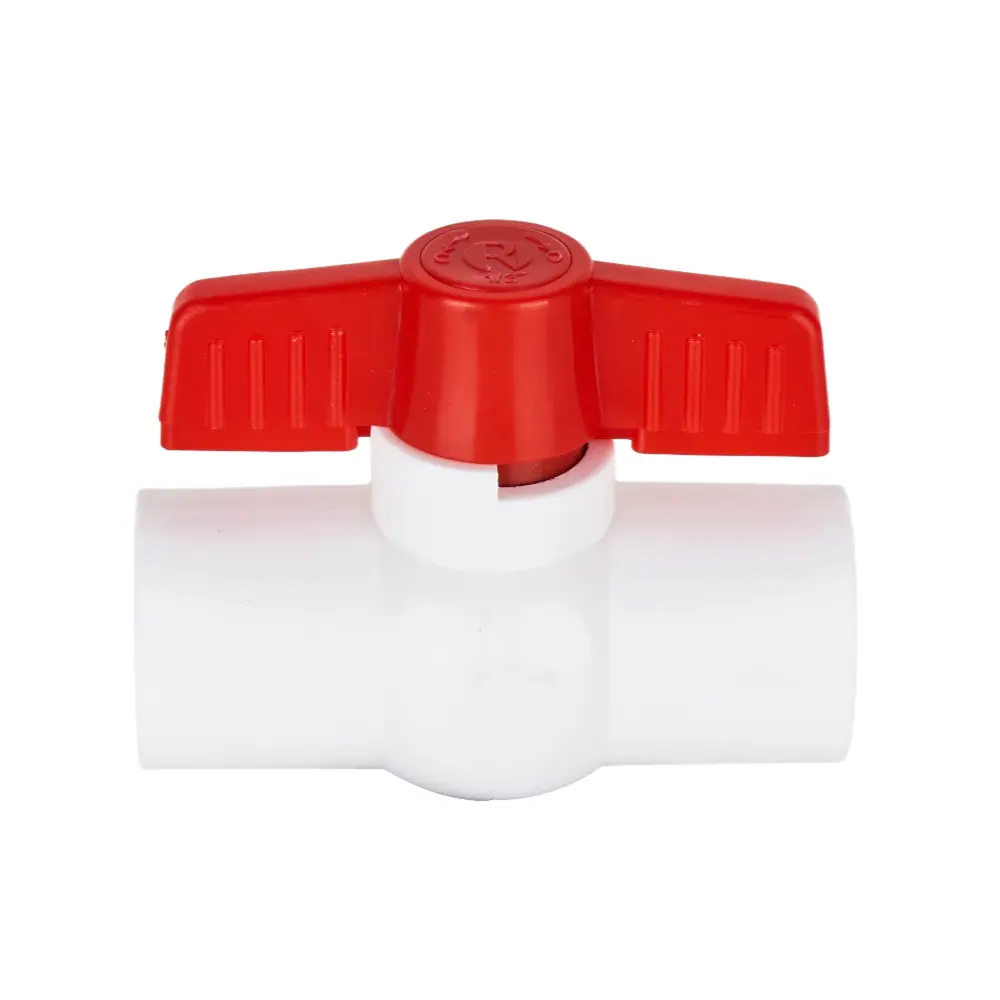
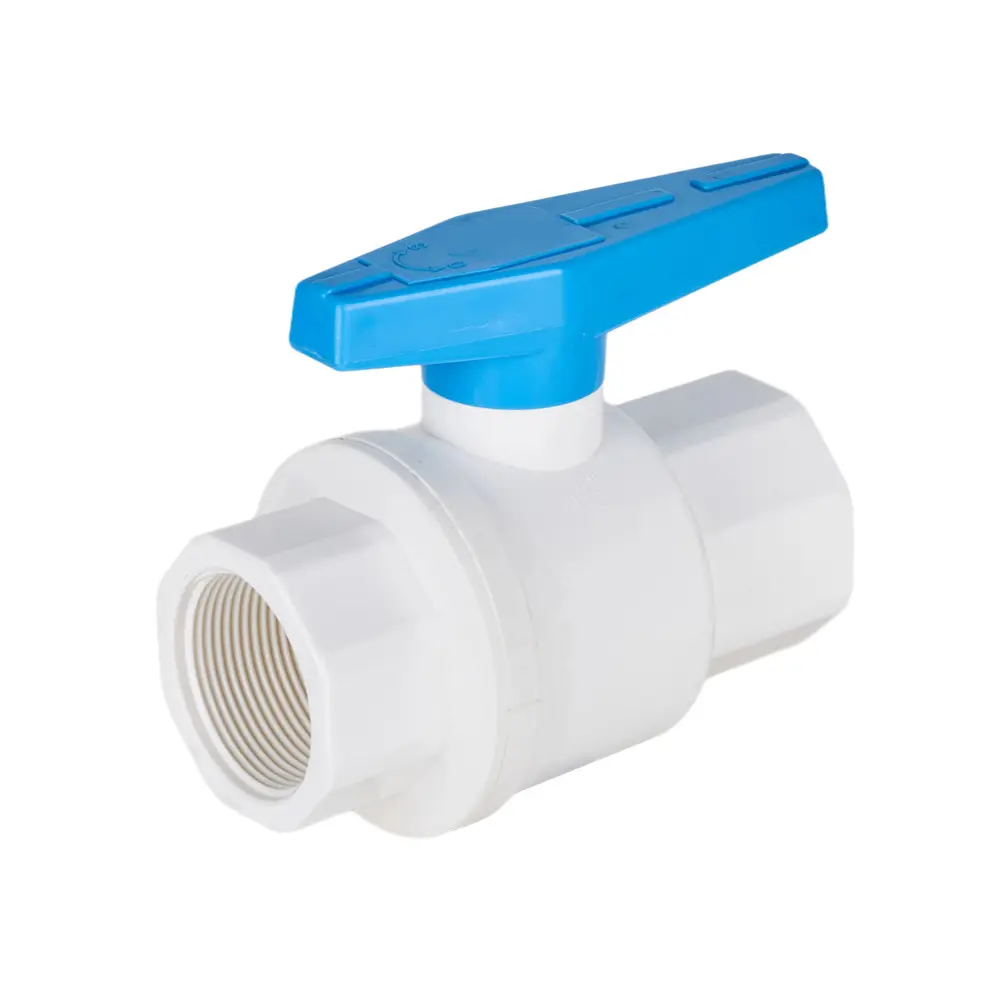
Direct access to our certified valve lines, engineered to meet strict fluid control demands for global projects.
 EHAO
EHAO