Engineered to international standards with 100% compliance and proven operational efficiency.
In modern industrial manufacturing, tooling interchangeability and standardization are critical to reducing lead times and ensuring global supply chain stability. The DME standard (originally established by Detroit Mold Engineering) remains the baseline reference for injection mold configurations throughout North America and Europe. For global procurement teams, sourcing DME standard injection molds from China requires an in-depth understanding of material chemistry, steel treatments, tolerancing, and execution capabilities.
Historically, mold makers operating under local standardizations faced compatibility bottlenecks when molds were shipped across borders. Today, leading Chinese manufacturers, such as Ehao Plastic Group, have bridged this technological gap. By combining DME metric and imperial component layouts with state-of-the-art manufacturing processes, China's injection molding ecosystem delivers molds and finished products that fit seamlessly into global production lines.
Key Strategic Value: Molds built according to DME guidelines ensure that replacement core pins, ejector pins, cooling line connectors, and guide pillars can be easily sourced from local DME depots globally, minimizing operational downtime.
Meticulous design using standard DME guide pins, bushings, leader pins, and custom slide components. Ensures hassle-free maintenance in international manufacturing facilities.
Utilization of premium mold tool steel including H13, P20, S136, and LKM equivalents, hardened up to 52 HRC to achieve high shot life and stable cycling performance.
Integrating advanced cooling channels alongside DME standard water junctions to optimize temperature control, reduce cycle times, and prevent warpage.
Bridging academic innovation and high-tech manufacturing to drive high-performance plastics engineering.
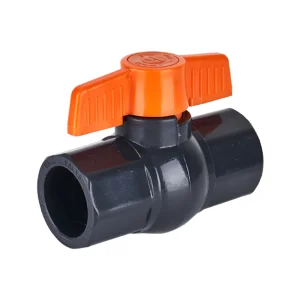
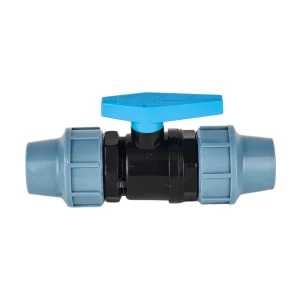
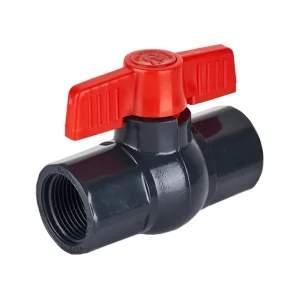
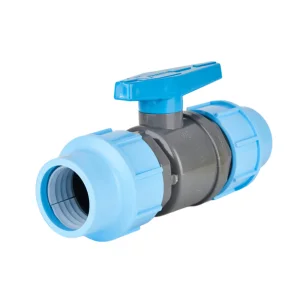
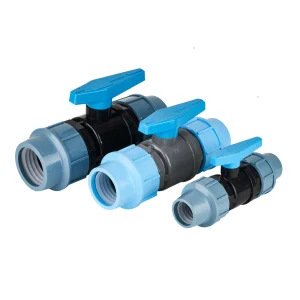
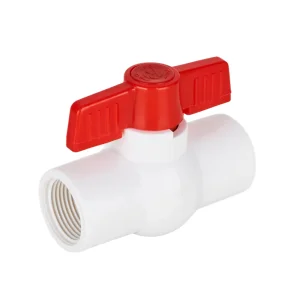
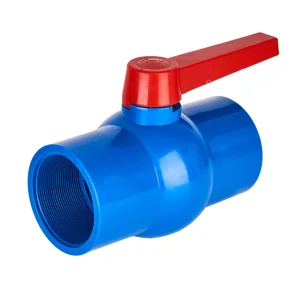
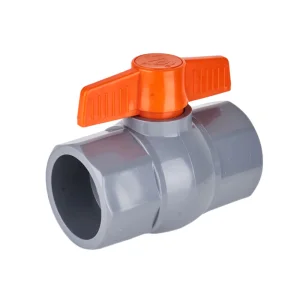
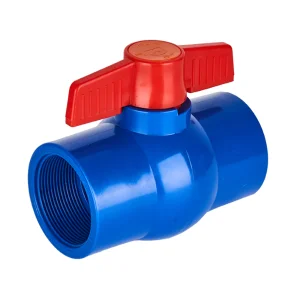
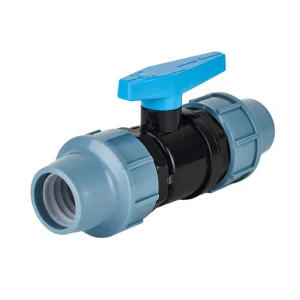
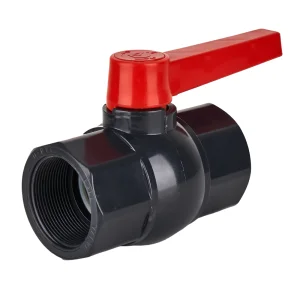
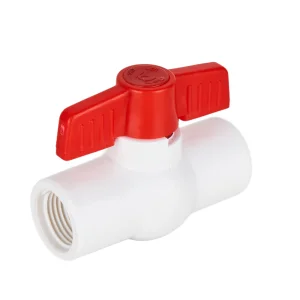
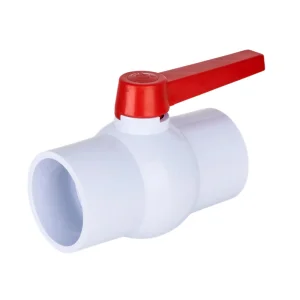
Ehao Plastic Group is a high-tech private enterprise integrating R&D and production of building materials, pipe fittings, and injection moulds. Especially, Ehao Plastic Group is a leader of PVC/UPVC ball valves in the domestic market in China. Since its inception, our engineering capabilities have been supported by the technological expertise of the Chinese Academy of Sciences and Zhejiang University.
By establishing deep academic-industrial collaborations, Ehao has engineered high-precision tooling paths and mastered polymer compound optimization. To ensure that these academic designs translate into flawless, real-world execution, we introduced advanced production lines and computer automatic injection molding machines directly from Germany. These highly automated assets operate with precise feedback loop controllers, managing clamp pressures, injection profiles, and recovery parameters to fractional tolerances.
Every single product coming off our assembly lines goes through 26 steps of scientific testing. Under our strict quality controls, we ensure a 100% ex-factory pass rate. The technical indexes of our piping components and injection-molded parts fully accord with DIN8077 and DIN8078 standards, ensuring they reach a world-class level of durability, pressure tolerance, and environmental resistance.
From chemical rheology verification of raw materials to hydrostatic burst pressure testing, we ensure that every valve and fitting surpasses industrial limits before dispatch.
Our facility runs high-tonnage German computer-controlled injection molding machinery, guaranteeing dimensional repeatability and minimum part-to-part variance.
All polypropylene (PPR), PVC, and POM products are rigorously tested against German DIN structural benchmarks, confirming extreme load capabilities.
We manufacture plastic moulds, supplying custom materials, samples, and drawings for extruded and injected plastic components tailored to global markets.
Global Export Destinations
Scientific Testing Steps
Ex-Factory Quality Pass Rate
Standard Certified Standards
Delivering high-pressure durability across key target sectors, built with DME precision tooling.
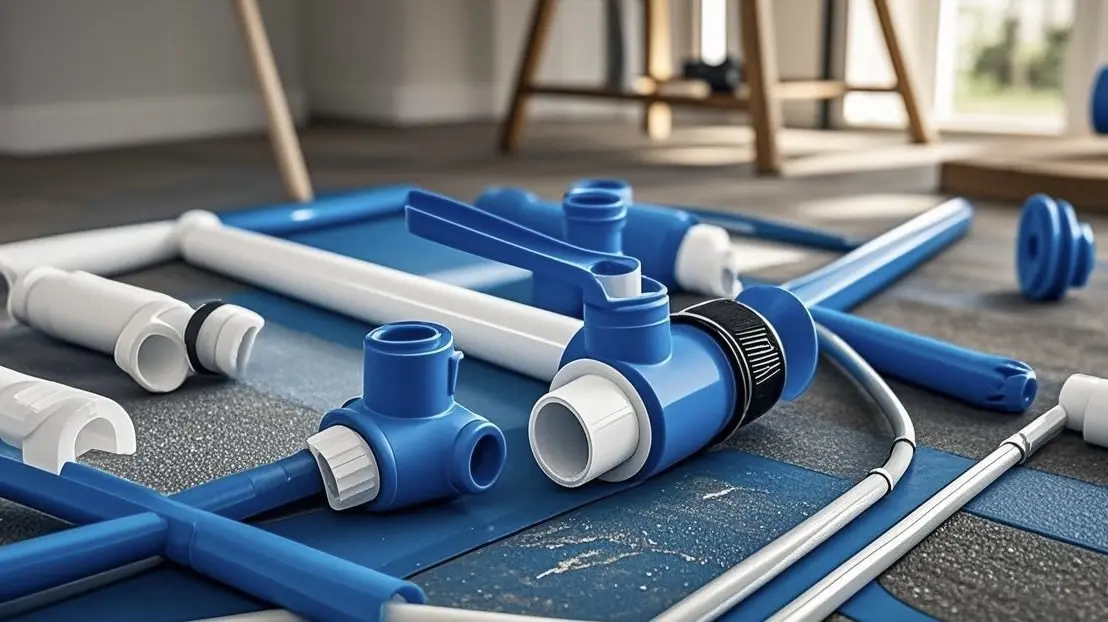
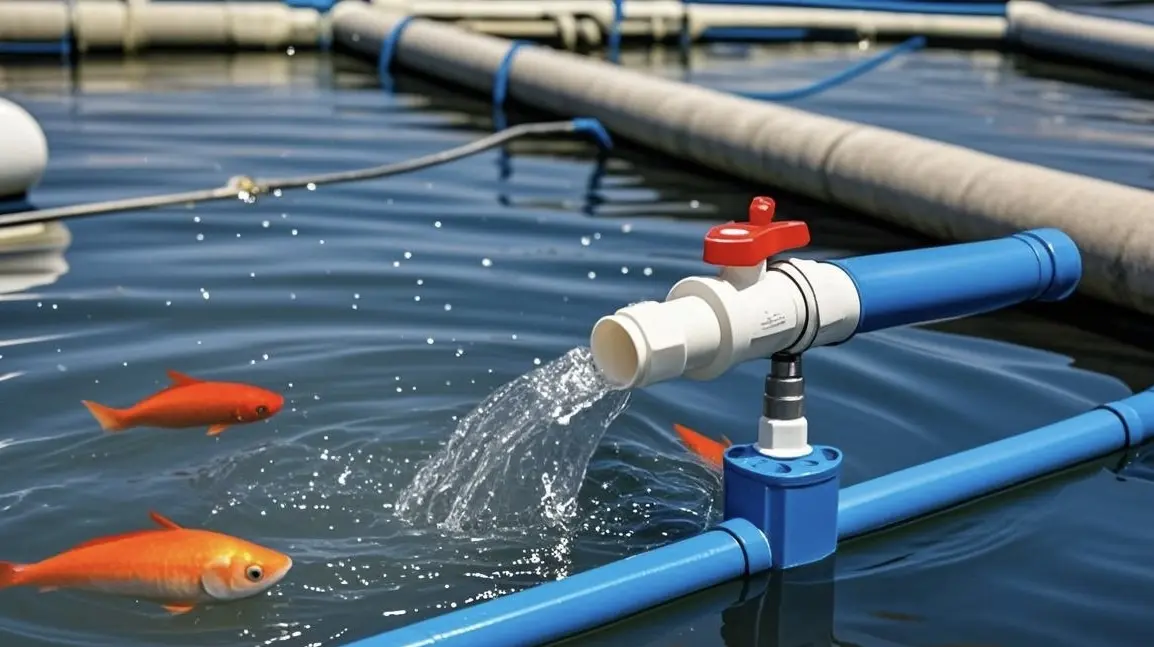
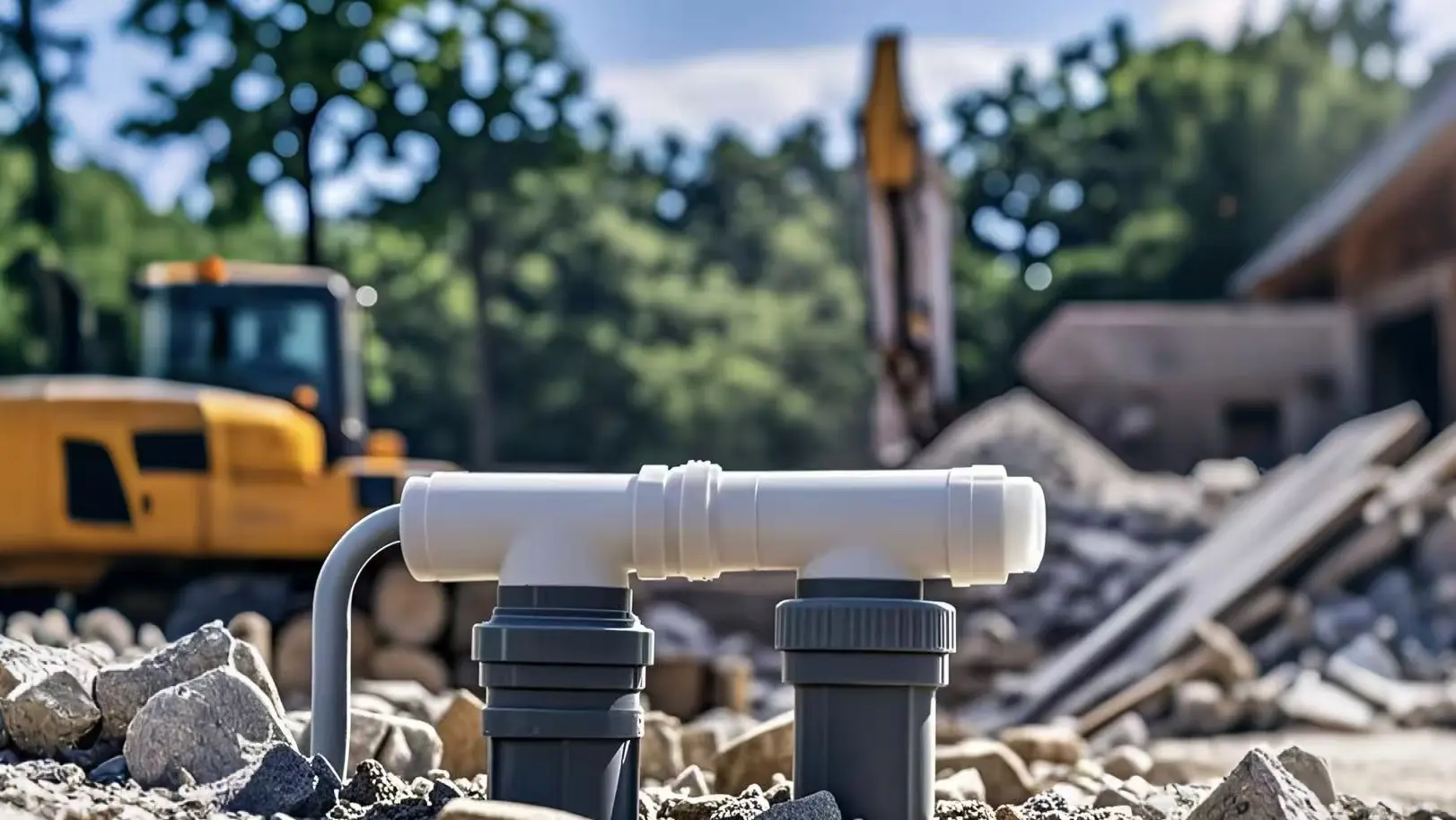
Injection-molded plumbing accessories and structural components require specialized material characteristics depending on where they are deployed. By using DME-standardized injection molding tools, we ensure structural wall thickness stability, zero knit-line weakness, and excellent surface finishes across four primary localized industries:

Why international industrial projects leverage China's deep logistics and engineering clusters.
Purchasing tooling and polymer parts from China offers more than just lower labor costs. The true benefit lies in the country's integrated supply chain ecosystem. Ehao Plastic Group, located near major port infrastructure in Zhejiang, operates within a specialized industrial hub. This geographic advantage streamlines every phase of production, from securing raw materials to final shipping.
Our local supply chain provides several key operational benefits:
This localized network ensures that Ehao can quickly scale up tool fabrication and run large production cycles without the bottleneck risks common in less developed manufacturing regions.
Next-generation injection molding processes: Automation, digital twin simulation, and green materials.
The injection molding industry is transitioning from traditional hydraulic systems to smart, automated production lines. Ehao Plastic Group is actively investing in new technologies to keep our tooling and molding services at the forefront of the industry. Below is our technology roadmap for the coming years:
Before cutting steel, our engineering teams use mold flow simulation software to analyze gate locations, filling pressures, cooling profiles, and potential weld line locations. This process ensures the tooling design is optimized right from the start, minimizing physical modifications during the sampling stage.
We are incorporating smart sensors directly into our mold plates. These sensors monitor internal cavity pressures, heat fluctuations, and cycle counts in real time. The resulting data helps identify maintenance needs before components wear out, preventing unexpected downtime during production runs.
To improve energy efficiency and parts precision, we are upgrading our facilities with all-electric injection molding machines. These systems offer highly repeatable clamp and injection controls, which are essential for producing thin-walled parts and micro-tolerance components.
As sustainability becomes a priority for global markets, we are expanding our manufacturing capabilities to handle biodegradable resins and post-industrial recycled (PIR) compounds. We adjust our screw designs and processing temperatures to ensure these eco-friendly materials match the structural performance of virgin resins.
Ensuring cross-border interoperability with strict adherence to international standardizations.
Molds and plastic piping components must meet international standards to pass customs inspections and gain approval for building projects. Ehao Plastic Group maintains a comprehensive quality management system that aligns with globally recognized standards. This commitment ensures our products perform reliably in municipal water networks and industrial setups alike.
| Standard Specification | Target Focus | Compliance Validation |
|---|---|---|
| DIN 8077 | Polypropylene (PP) Pipes Dimensions | Dimensional verification and surface finish consistency. |
| DIN 8078 | PP Pipes Quality Requirements & Testing | Impact testing, heat reversion, and long-term hydrostatic testing. |
| DME Standard | Tooling Base and Component Layout | Using standardized core pins, slider blocks, and plates for ease of replacement. |
| ISO 9001:2015 | Quality Management System (QMS) | Full traceability from raw polymer batches to the finished products. |
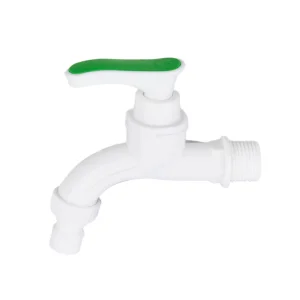
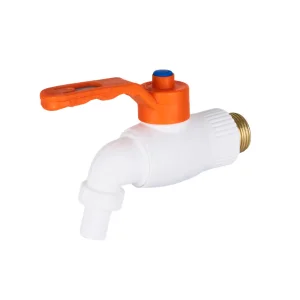
By conducting continuous quality audits, Ehao guarantees that all custom-molded parts and catalog products—such as our PVC double union ball valves and POM faucet nipples—remain safe, stable, and ready for deployment in any jurisdiction.
Clear answers to common questions about DME standards, custom tool engineering, and shipping logistics.
Factory-direct supplies engineered for reliable performance in demanding environments.
 EHAO
EHAO