High-Precision Flow Control Components & Fitting Systems
Ehao Plastic Group is a high-tech private enterprise integrating R&D and production of building materials, pipe fittings, and high-tolerance injection molds. Positioned as a dominant leader in China's domestic market for PVC/UPVC ball valves, we drive industrial benchmarks through scientific collaboration and structural precision.
"By integrating precision mechanical engineering with polymer science, we have formed strategic alliances with the Chinese Academy of Sciences and Zhejiang University to pioneer high-performance polymer blends."
Developing next-gen high-impact PVC and POM formulations in partnership with elite technical universities.
Every single flow component undergoes hydrostatic, tensile, and thermal aging assessments prior to shipment.
Deploying specialized piping systems and custom components across 28 global countries and territories.
In-house mold processing, guaranteeing tight tolerance thresholds for multi-cavity hot runner components.
Critical Knowledge for Supply Chain Managers & Engineers
For industrial procurement professionals managing international supply chains, understanding the fundamental principles of plastic injection molding is essential for optimizing cost, verifying structural performance, and ensuring quality. Injection molding is the primary manufacturing process used to produce high-volume, dimensionally consistent plastic components, such as UPVC ball valves, pipe fittings, and custom plumbing accessories.
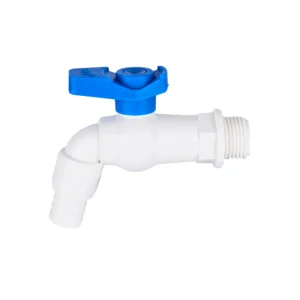
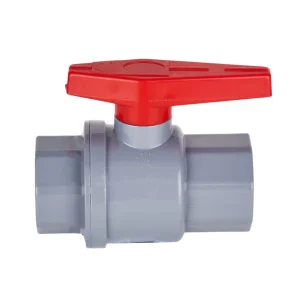
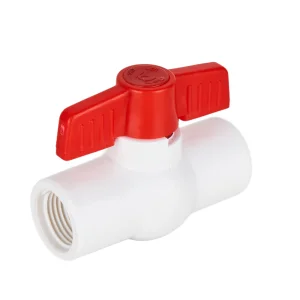
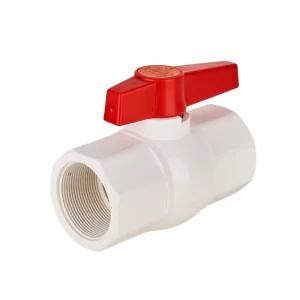
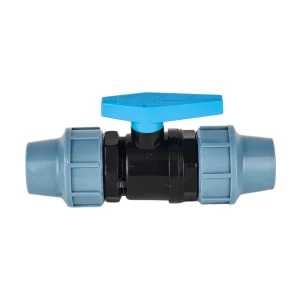
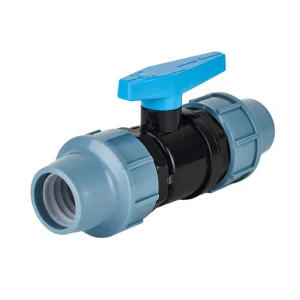
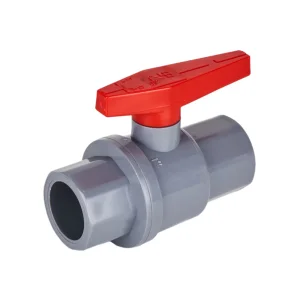
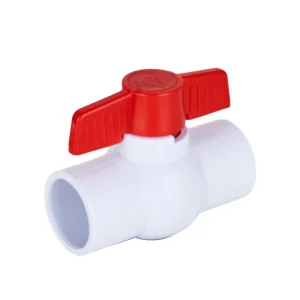
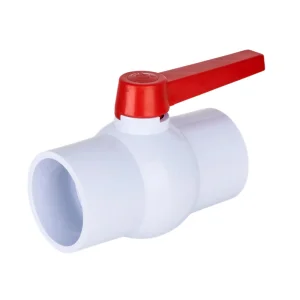
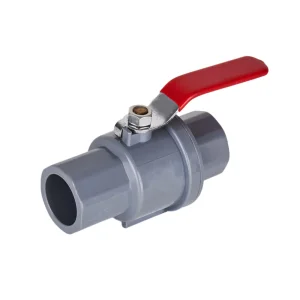
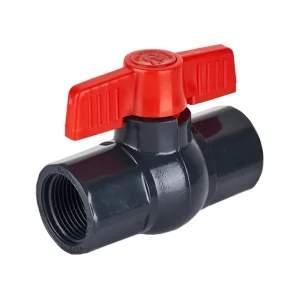
The process relies on three primary variables: temperature (to melt the polymer), pressure (to inject the molten material into a precision steel cavity), and time (allowing the polymer to solidify under holding pressure before ejection). When sourcing components like double union valves or threaded octagonal compact ball valves from China, procurement teams must analyze the mold design, cycle time parameters, and raw material purity to prevent common defects like warpage, sink marks, or weld lines.
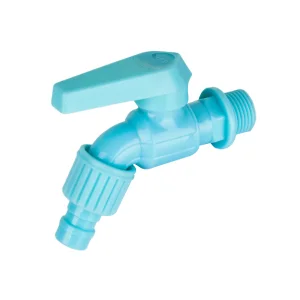
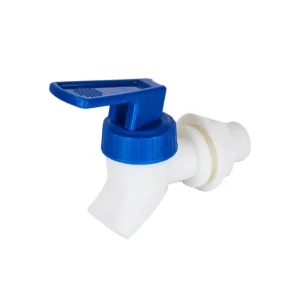
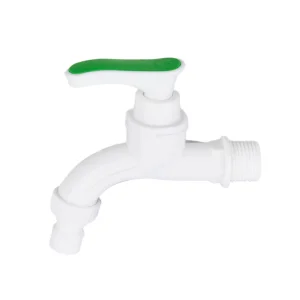
Choosing the correct polymer base (PVC, UPVC, PP, or POM) determines chemical resistance, pressure limits, and tensile strength. UPVC offers excellent rigidity and chemical resistance, whereas PP and POM are preferred for dynamic components like valve internal stems and faucet nipples.
The layout of the injection mold—specifically gate location, runner configuration, and cooling line design—directly dictates the mechanical properties of the finished valve. Balanced runner configurations prevent uneven packing and dimensional variations across cavities.
Advanced German computer-controlled injection molding machines monitor cavity pressure and velocity profiles in real-time. This high level of process control minimizes part stress, ensuring the reliability of structural threads and solvent sockets under load.
By leveraging automated manufacturing and collaborating with academic research teams, Ehao Plastic Group addresses critical sourcing challenges, providing global buyers with components that match international engineering specifications.
Where Engineering Meets Versatile Application
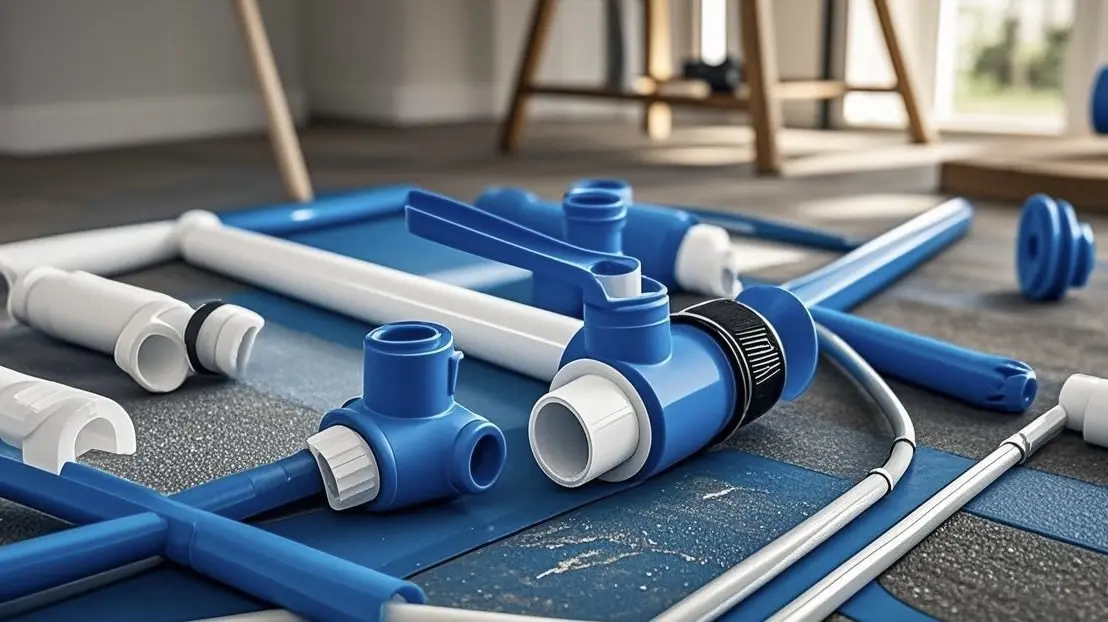
From material formulation and mold layout design to configuring automated production parameters, we assist our partners in optimizing technical performance and lowering total cost of ownership.
Our production floor features precision injection machinery and automation systems sourced from Germany, ensuring tight dimensional tolerances, short cycle times, and structural reliability.
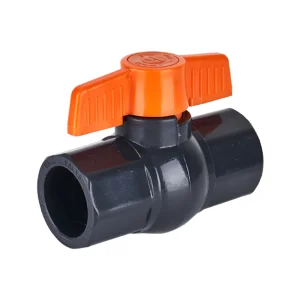
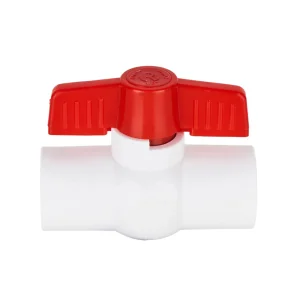
Whether you require standard DIN-compliant UPVC compact ball valves or custom-engineered POM components, Ehao's technical team provides the engineering expertise needed to scale production and support your operations.
Innovation in Advanced Injection Molding Processes
Selecting the appropriate thermoplastic resin is key to manufacturing robust valves and fittings. Polyvinyl Chloride (PVC) and its unplasticized variant (UPVC) are preferred for fluid handling due to their flame resistance, chemical stability, and tensile strength. However, molding UPVC requires careful process control due to its narrow processing window and high melt viscosity. Overheating the melt can cause thermal degradation, releasing corrosive hydrochloric acid gas.
To mitigate this, Ehao's German-engineered injection molding machines feature specialized bimetallic screws and barrels, preventing degradation. For dynamic elements requiring high fatigue resistance and low friction, such as internal valve stems and faucet nipples, we use Polyoxymethylene (POM), which offers excellent dimensional stability and impact strength.
Producing products like double union ball valves and octagonal compact valves requires specialized injection mold tooling. Incorporating internal threads and hollow spherical cavities requires automatic unscrewing mechanisms and precise slide movements. Mold components must be manufactured from hardened tool steels, such as H13 or S136, to withstand the abrasive nature of mineral-reinforced PVC compounds.
Ehao's engineering team designs balanced hot-runner systems that provide consistent plastic flow to all cavities, minimizing knit lines and maximizing structural integrity at critical pressure points.
Information Gain Principle: Modifying gate size and locating it away from high-stress regions ensures that potential weld lines are positioned in non-critical areas. This structural design practice extends the service life of valves under high-pressure conditions.
Looking forward, Ehao Plastic Group is integrating digital technologies into our production lines. By installing cavity pressure and melt temperature sensors inside our molds, we collect real-time data to automatically adjust machine parameters. This closed-loop control system minimizes part-to-part variation, ensuring consistent quality.
Additionally, in response to global environmental initiatives, we are researching bio-based stabilizers and recycled polymer formulations, reducing environmental impact while maintaining physical performance.
Ensuring Seamless Integration into Worldwide Supply Networks
Our entire manufacturing catalog conforms strictly to DIN8077 and DIN8078 requirements, verifying wall thickness, pressure ratings, and pipe dimensions for international systems.
Components undergo 26 distinct validation stages, including hydrostatic pressure, thermal cycle, and impact testing, ensuring a 100% ex-factory pass rate.
With shipments regularly dispatched to 28 countries across Europe, the Americas, and Southeast Asia, we coordinate customs clearances and secure packaging to prevent transit damage.
Addressing Common Engineering & Procurement Questions
Engineered for Structural Reliability and Chemical Resistance
 EHAO
EHAO