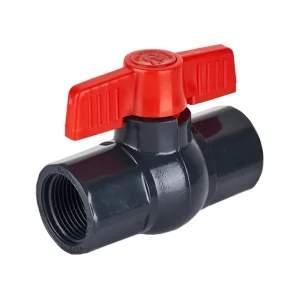
China 6" PVC Ball Valve Suppliers & Factory

Precision Engineering, Robust Fluid Control, and Direct Factory Supply Chains Built for High-Volume Global Commercial & Industrial Applications.

Industrial Valve Evolution: The Dominance of Large-Scale PVC Solutions

The global industrial fluid control sector is experiencing a paradigm shift towards lightweight, corrosion-resistant thermoplastics. Among these, the large-diameter 6-inch PVC (Polyvinyl Chloride) ball valve stands out as a critical node in pipeline systems. Historically, industrial sectors relied heavily on cast iron and stainless steel valves. However, modern polymer formulation developments have changed the economics of fluid transport.

Valves engineered from high-grade Unplasticized Polyvinyl Chloride (UPVC) deliver exceptional chemical resistance against harsh acids, bases, and salt solutions. This makes them indispensable in chemical manufacturing, wastewater processing, mining, and agricultural systems. Sourcing directly from certified Chinese manufacturers allows international engineering operations to acquire structural components that deliver comparable pressure handling capacity (often rated PN10/PN16 or Schedule 80) at a fraction of the cost of metallic alternatives.

26
Testing Steps
100%
Ex Factory Pass Rate
28+
Export Destinations
DIN
8077/8078 Compliance

E-E-A-T Technical Baseline: Ehao Plastic Group Credentials

Ehao Plastic Group is a high-tech private enterprise integrating R&D and production of building materials, pipe fittings, and injection moulds. Ehao Plastic Group has established itself as a clear leader in PVC/UPVC ball valves in the domestic market in China. Sourcing excellence begins with solid technical roots; since its inception, the company has partnered with the Chinese Academy of Sciences and Zhejiang University in Technology to continually refine material properties and design physics.

Our commitment to quality is backed by advanced global production systems. We introduced state-of-the-art production lines and computer automatic injection molding machines from Germany to guarantee high tolerances and dimensional consistency. All products undergo a rigorous 26-step scientific testing process. This thorough quality control methodology ensures a 100% ex-factory pass rate. Consequently, our technical performance indexes fully comply with international DIN8077 and DIN8078 standards, reaching a world-class level that meets the most rigorous regulatory expectations.
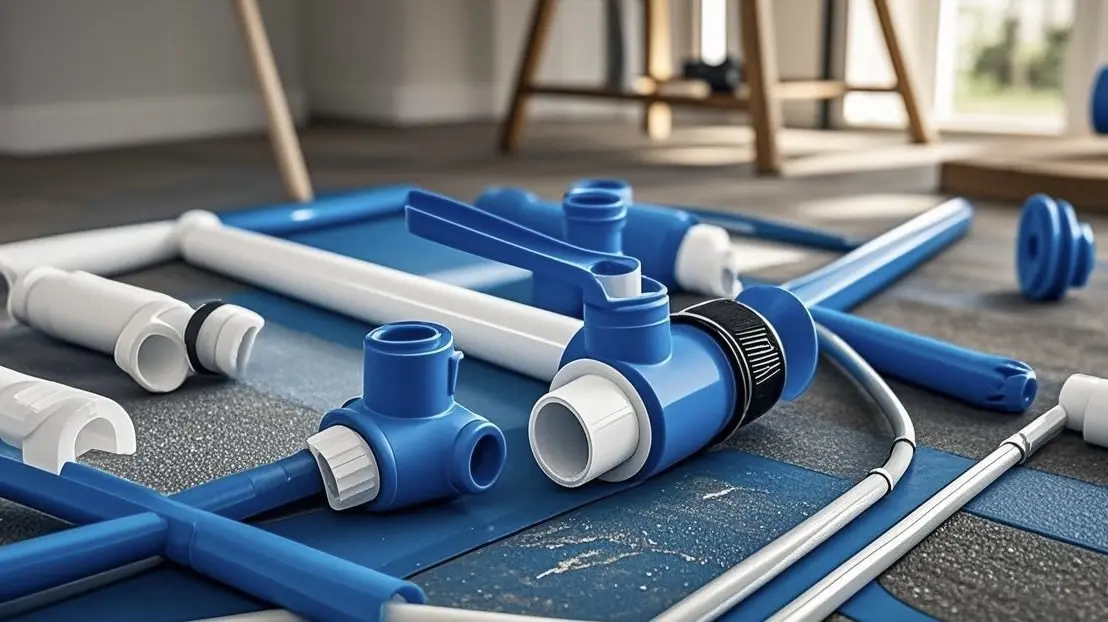
China Factory 4.0: Supply Chain Resilience & Cost Efficiencies

How automation and advanced molding infrastructure deliver reliable quality and price stability to the global market.

Advanced German Injection Molding

By using premium machinery from Germany, we minimize physical imperfections, micro-voids, and wall thickness variations that compromise standard PVC valves. This ensures even torque transmission and long operating life under fluctuating pressures.

Vertical Integration & Mold Design

Unlike simple assembly factories, Ehao designs and manufactures its own injection moulds. This internal control allows us to rapidly prototype custom valves, adjust sizes dynamically, and pass mold savings directly to our procurement partners.

Strategic Material Compounding

Utilizing high-molecular-weight PVC combined with UV stabilizers and impact modifiers ensures our 6-inch ball valves survive harsh outdoor exposure without discoloration, embrittlement, or loss of mechanical strength.

Our strategic manufacturing approach addresses modern supply chain pain points. By managing everything from mold design to automated raw material dosing, Ehao provides pricing stability even during global polymer price fluctuations. The integration of Industry 4.0 automation reduces manual errors, allowing us to rapidly fulfill large orders for global distributors while maintaining reliable unit-to-unit consistency. For projects requiring specific dimensions (such as Schedule 80, DIN, or JIS standard socket ends), our localized engineering team can adjust production parameters to deliver custom configurations with minimal lead time.

Localized Applications and Operational Environments

From municipal building construction to expansive aquaculture systems, Ehao PVC ball valves perform reliably in key regional settings.

Home Decoration Plumbing

Home Decoration

Irrigation System Valves

Irrigation System

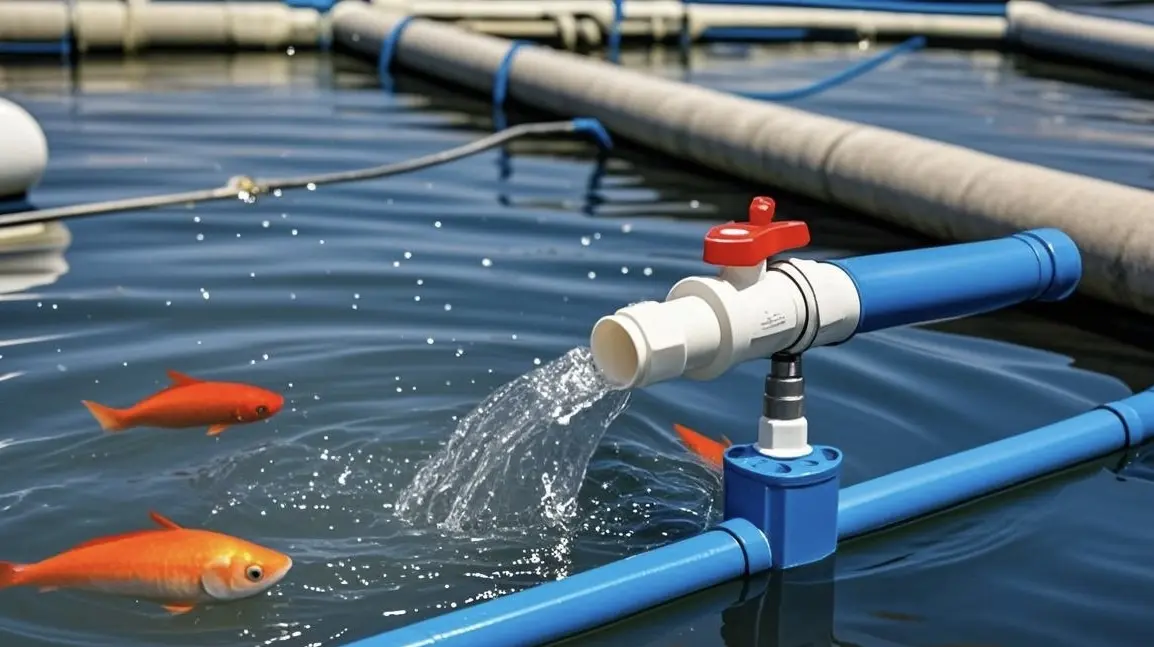
Fish Cultivation Fluid Management

Fish Cultivation

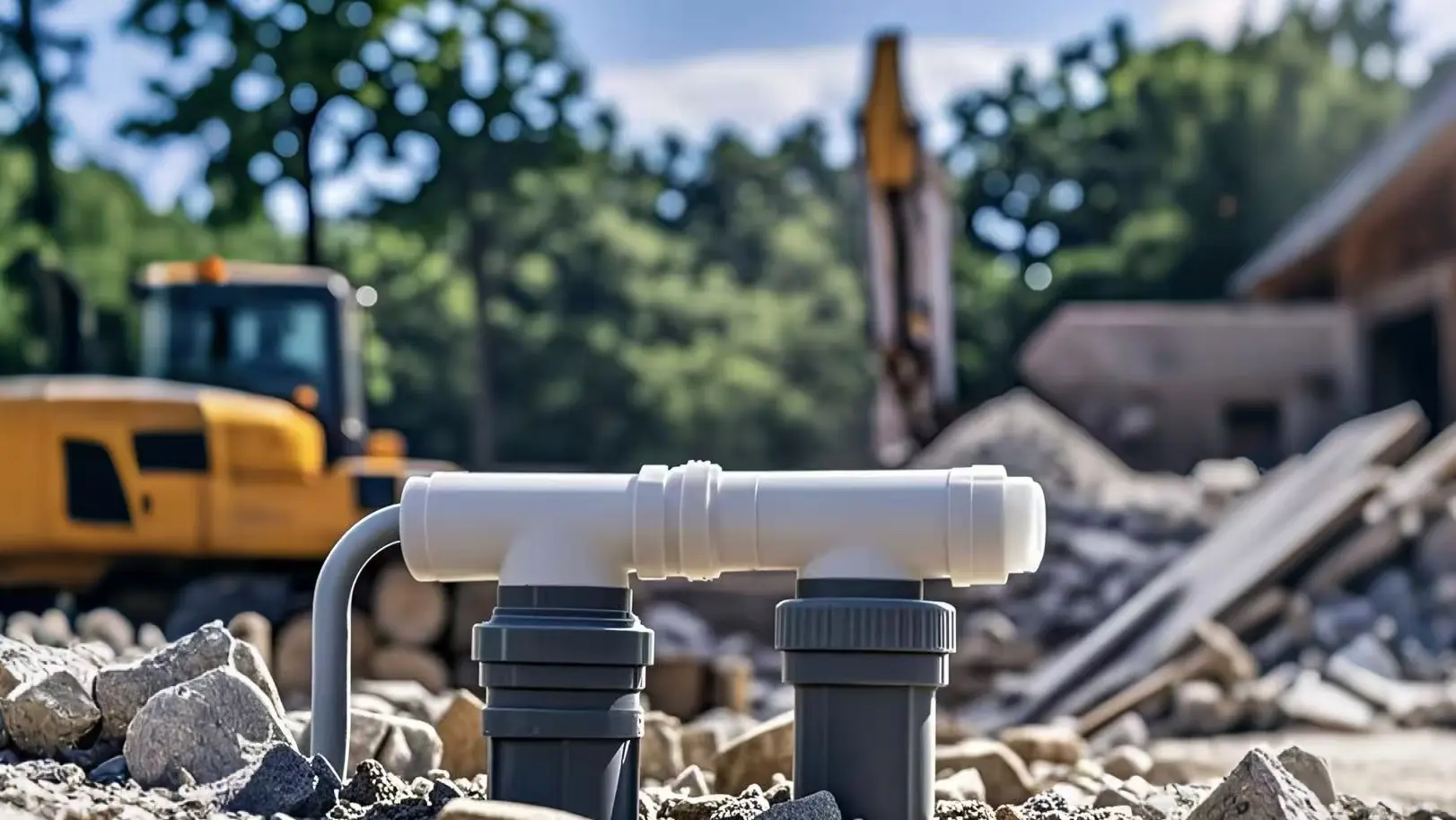
Construction Work Piping

Construction Work

Tailored Systems for Diverse Environments

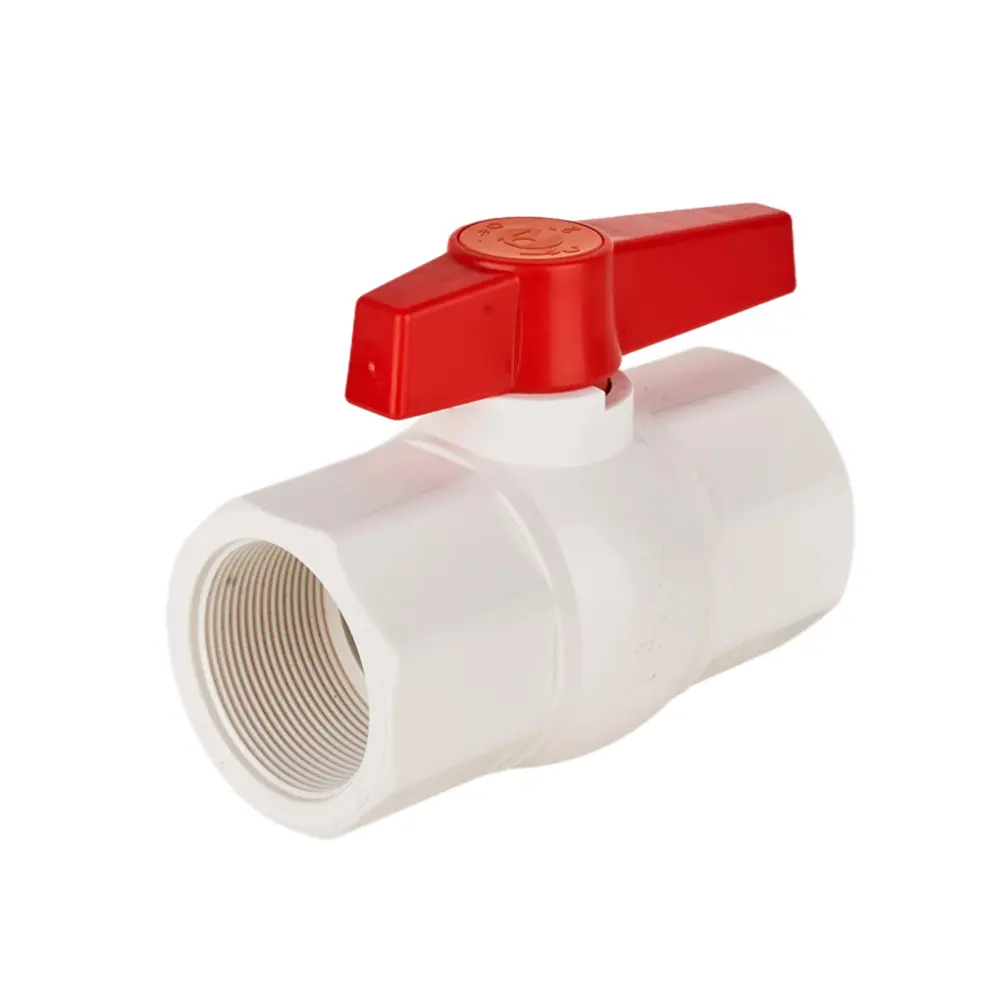
Every operational application has unique requirements. In agricultural irrigation systems, valves must withstand UV rays, dynamic field pressures, and suspended particulate matter. Ehao's compact and octagonal designs prevent internal mineral scaling and maintain low operating torque over time. In fish cultivation and aquaculture, chemical safety is paramount. Our lead-free, non-toxic PVC formulations ensure that no harmful chemical compounds leach into sensitive aquatic habitats, protecting fish health and supporting reliable harvests.

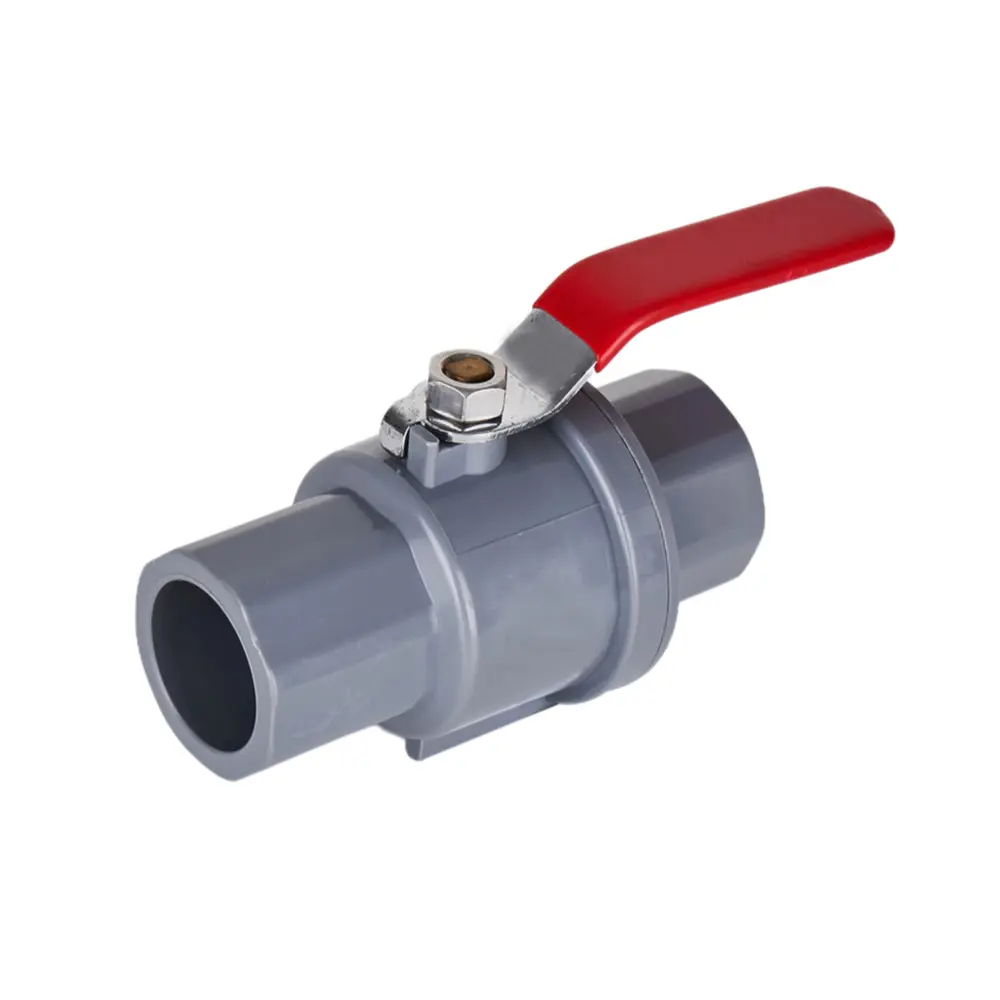
In construction and civil engineering, large-diameter valves handle high-volume water distribution. High structural strength is crucial for preventing water hammer failures. The collaboration with Zhejiang University has helped optimize the internal flow dynamics of our double union and compact ball valves, minimizing pressure loss and ensuring structural stability in residential and commercial high-rise plumbing networks.

METHODS MACHINE TOOLS CAN PARTNER WITH YOU EVERY STEP OF THE WAY.

From selecting and configuring the right machine for your job to helping you finance the purchase that generates noticeable profits.

Beyond our base configurations, Ehao maintains a robust machinery alignment that allows us to customize wall thicknesses and seal tolerances. Using precise tooling, we optimize sealing materials (such as EPDM and PTFE) to match specific chemical and thermal requirements. This minimizes leakage risk, extends system lifespans, and reduces maintenance downtimes for our industrial clients.

The Importance of Standard Compliance: DIN 8077/8078 and Beyond

For international buyers and procurement officers, selecting a valve supplier is not just about price—it's about long-term reliability and liability protection. Compliance with DIN 8077 and DIN 8078 ensures that the pipes and fittings behave predictably under specific temperature and pressure loads. The DIN 8077 standard dictates dimensions and pressure limits, while DIN 8078 focuses on general quality requirements and testing methodologies.

Why DIN Standards Matter for Industrial Systems:

  • Thermal Stability: Ensures the polymer maintains structural integrity up to continuous service temperatures of 60°C.
  • Hydrostatic Stress Resistance: Long-term internal pressure testing guarantees the valve will not rupture over years of service.
  • Dimensional Precision: Strict outer diameter and wall thickness parameters ensure seamless integration with existing pipe infrastructure.
  • Material Purity: Guarantees no regrind contaminants are introduced, maintaining uniform mechanical properties.

German Machine Technology Integration

By using advanced machinery from Germany, we ensure our production lines maintain the precise temperatures and pressures required for optimal polymer crystalline alignment during injection molding. This is key to achieving the tensile strength and drop-impact resistance values demanded by the DIN 8078 standard.

Strategic Sourcing: Sourcing Directly from Chinese Factories

For international supply chain directors, buying direct from a Chinese factory involves navigating material certificates, import tariffs, and logistics lead times. To optimize this process, it's essential to establish direct relationships with vertically integrated companies like Ehao. Many trading companies act as intermediaries, which can add markup costs and complicate quality communication. Dealing directly with the manufacturer ensures you receive accurate engineering documentation, direct production updates, and direct warranty support.

Additionally, Ehao’s strong relationships with the Chinese Academy of Sciences and Zhejiang University give us access to cutting-edge research in polymer durability. This enables us to develop advanced PVC formulations that reduce environmental degradation, increase impact strength, and extend valve life in demanding applications like mining operations, commercial agriculture, and manufacturing plants.

Industrial Fluid Control FAQ

Key technical and procurement answers for engineers and supply chain managers.

What are the mechanical differences between Compact, Octagonal, and Double Union PVC ball valves?

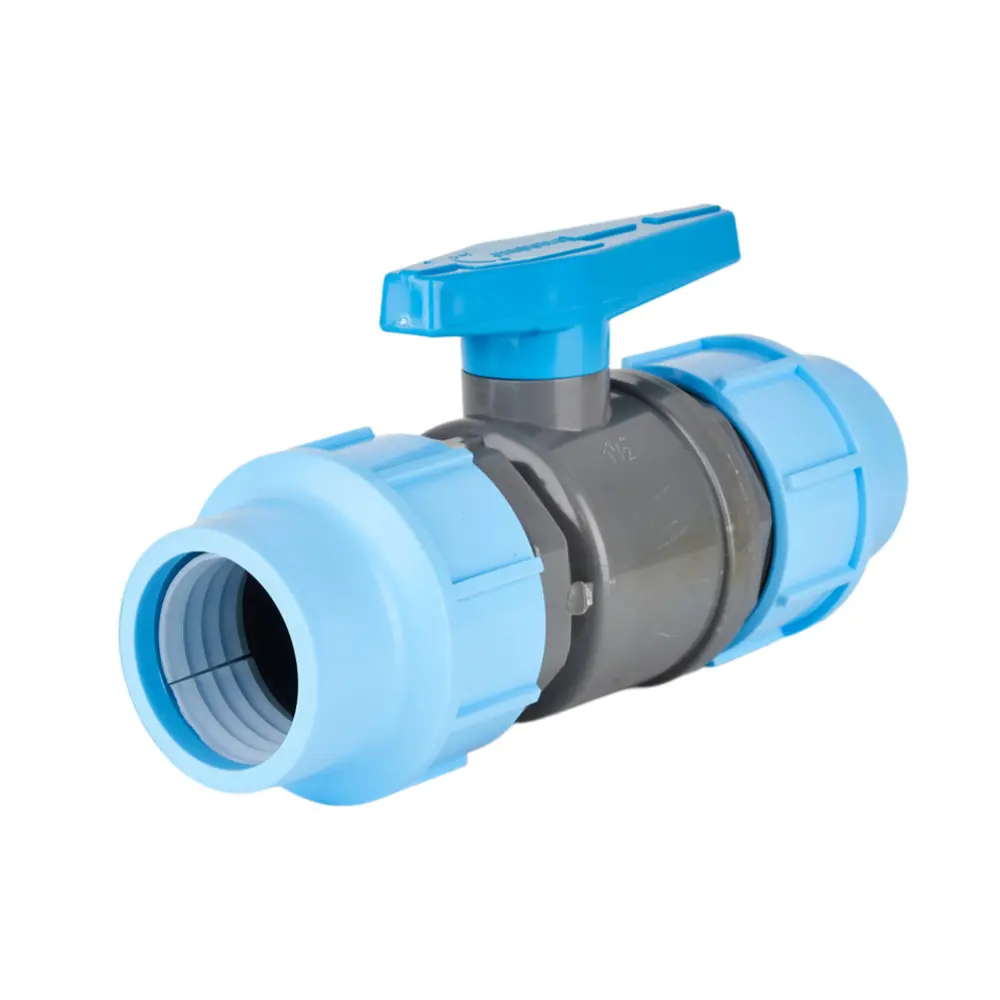
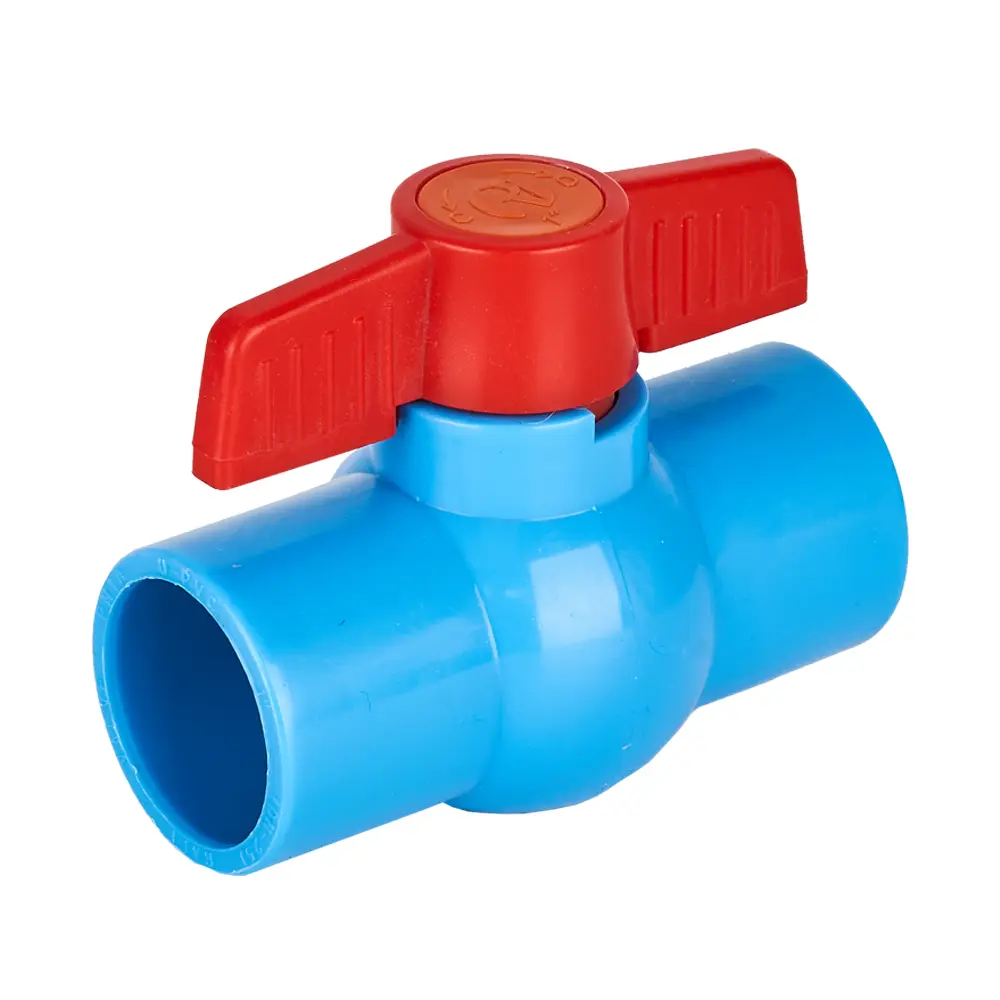
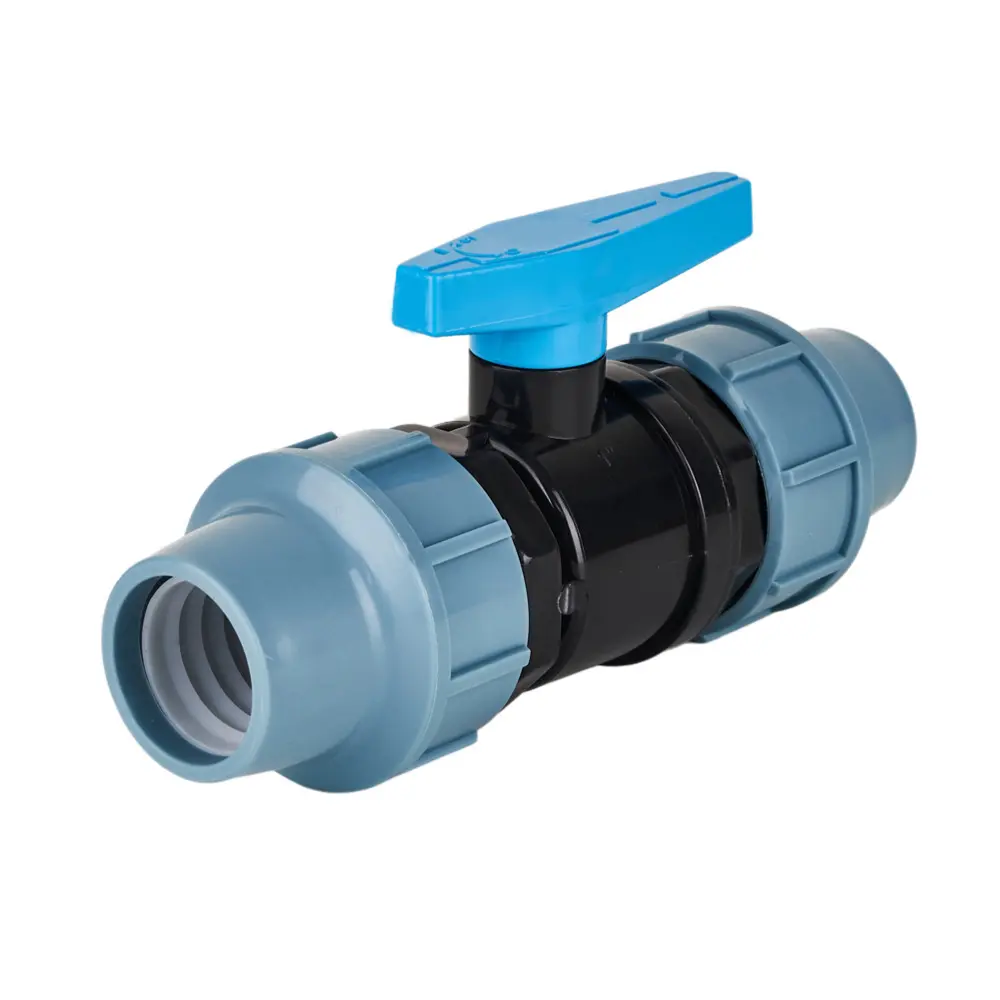
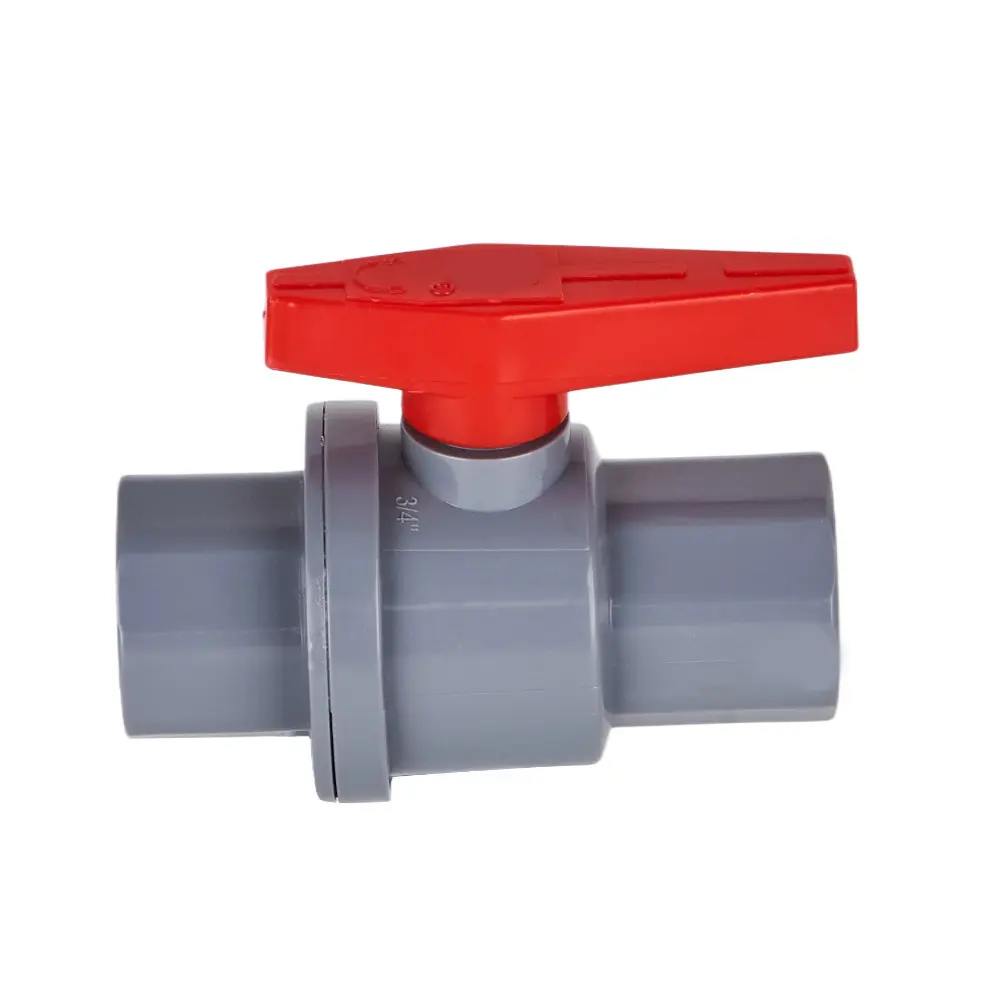
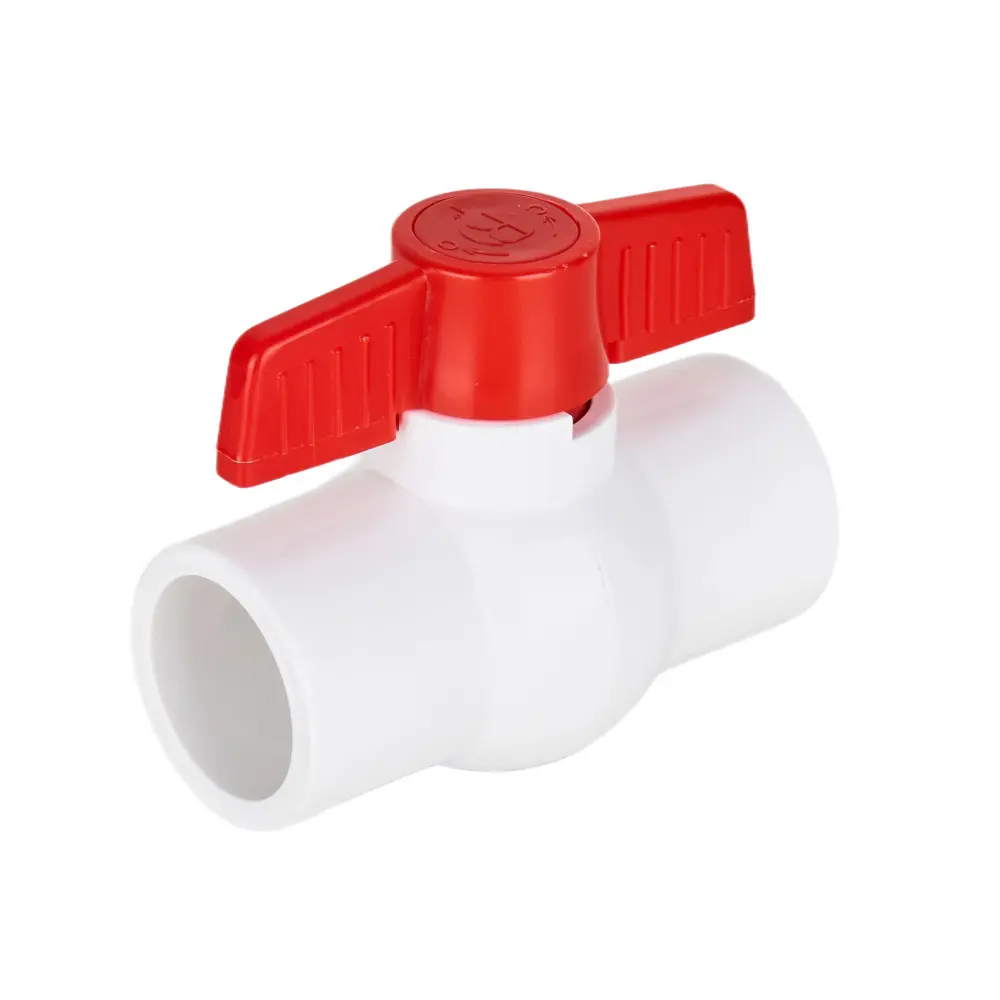
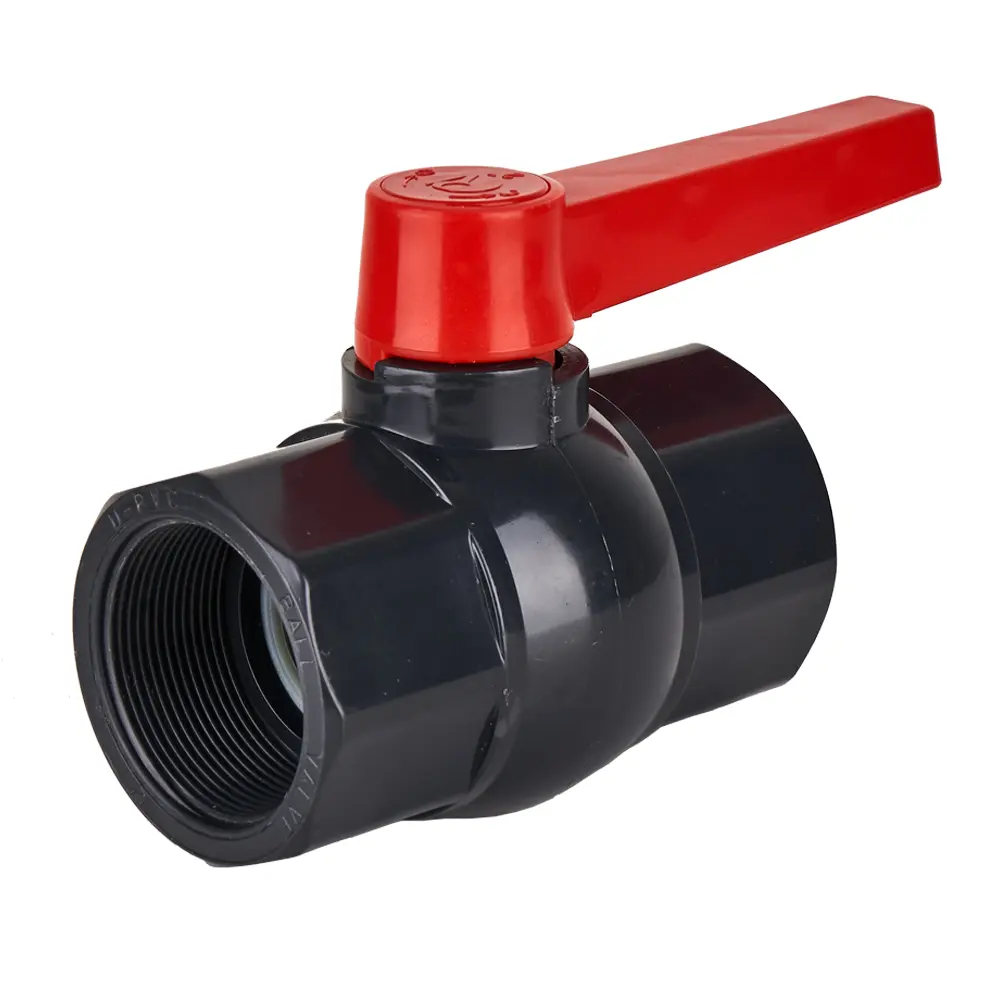
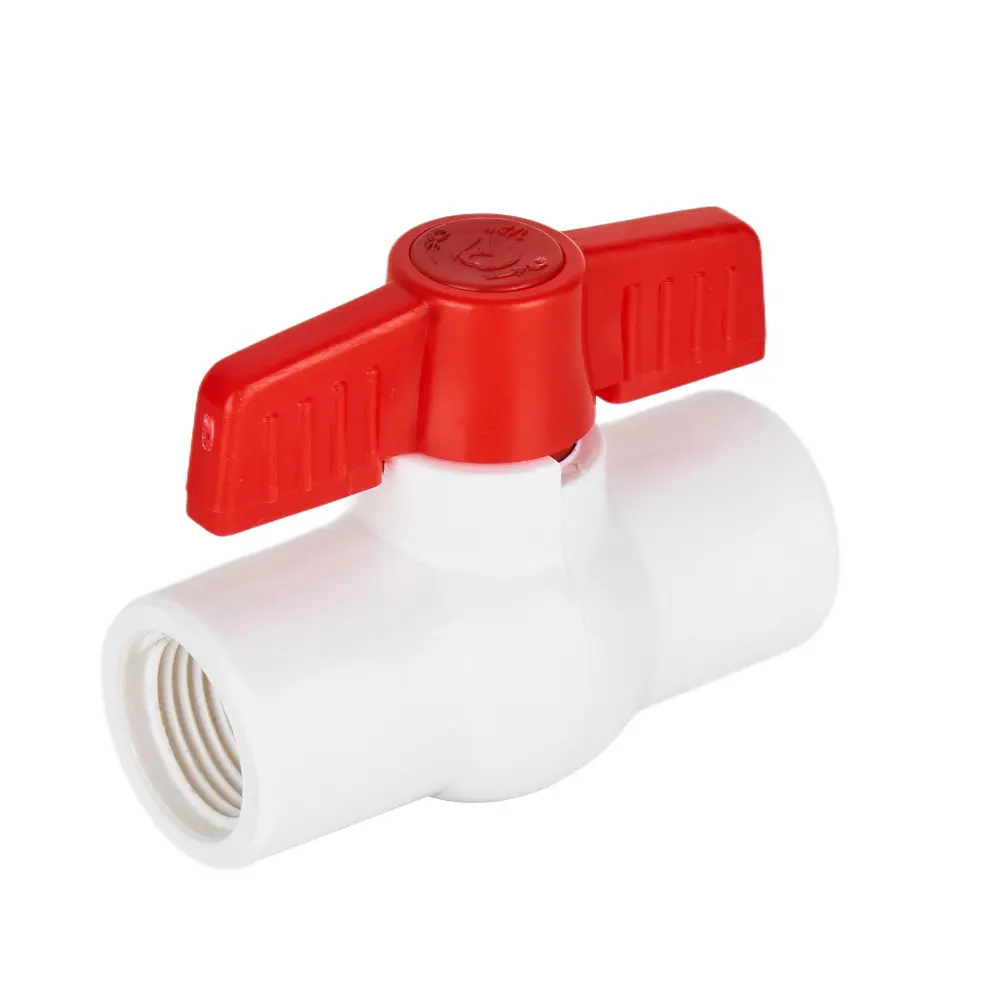
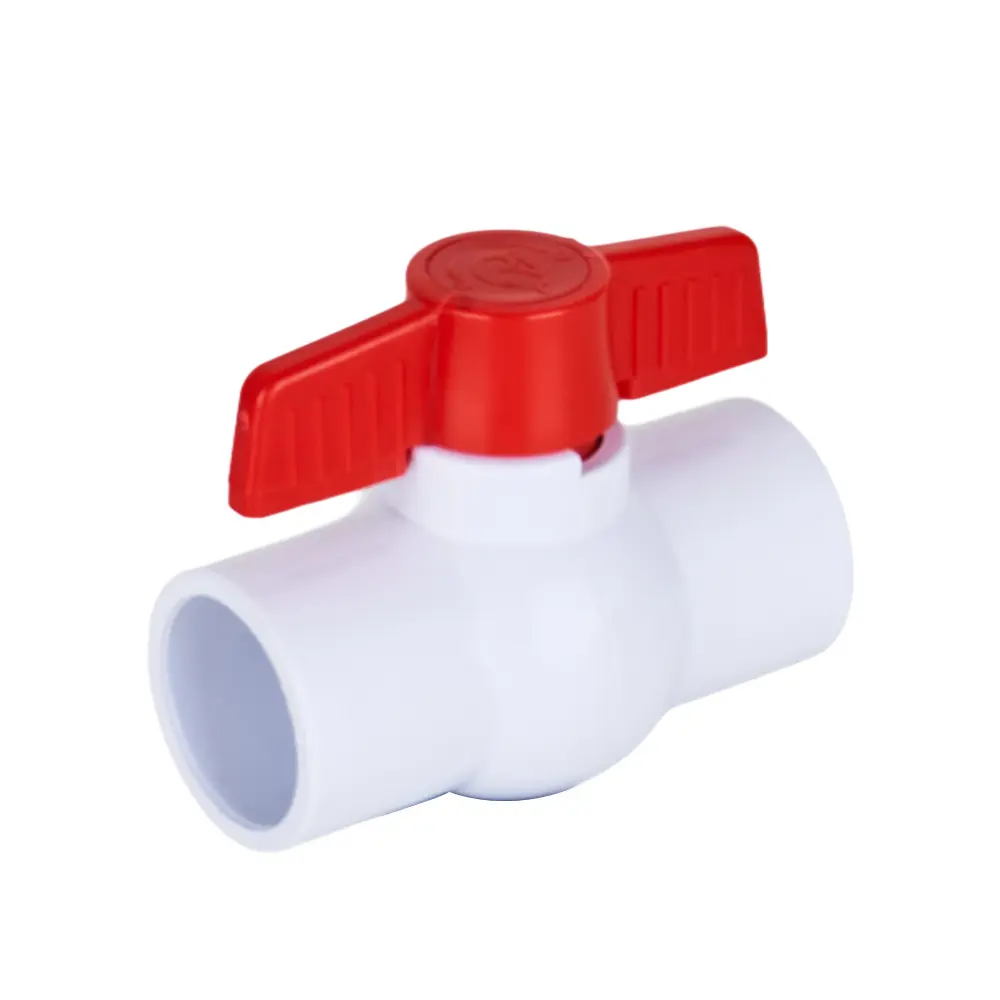
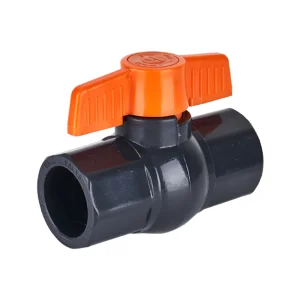
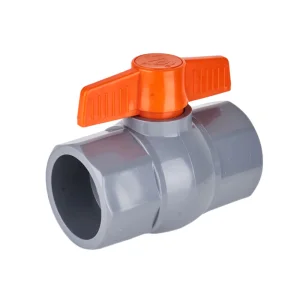
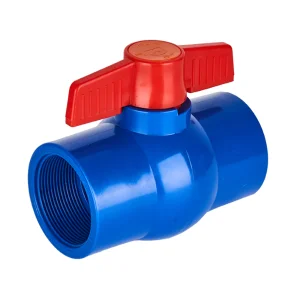
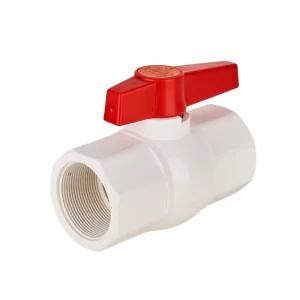
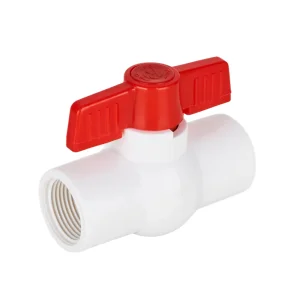
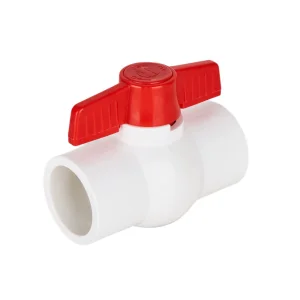
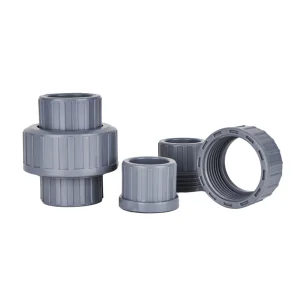
Compact and octagonal PVC ball valves feature a single-piece body design. This layout is cost-effective, space-saving, and eliminates potential leak points, making them ideal for standard commercial and agricultural lines. Double union ball valves, on the other hand, feature union ends on both sides. This allows the center section of the valve to be removed for cleaning, maintenance, or replacement without cutting the pipeline, making them preferred for complex process industries.

Can PVC ball valves handle corrosive chemicals?

Yes. UPVC and PVC have excellent resistance to a wide range of chemicals, including most mineral acids, bases, and salt solutions. However, they are not recommended for use with chlorinated hydrocarbons, esters, or aromatic solvents. Always consult a chemical compatibility chart and verify that the sealing materials (e.g., EPDM or PTFE) match your specific fluid composition.

How does Ehao verify the quality of its valves?

We run all products through a rigorous 26-step testing workflow. This includes raw material inspection, precise mold alignment checks, pressure drop monitoring, cyclical actuation testing, and structural stress validation. Our production lines use computer-automated injection molding machines from Germany to keep dimensional variations within fractions of a millimeter.

What standards govern the production of Ehao PVC valves?

Our manufacturing processes and technical indexes fully comply with DIN 8077 and DIN 8078 standards. These standards define the dimensions, pressure tolerances, and material performance metrics for polypropylene and PVC piping systems, ensuring our products integrate seamlessly with international projects.