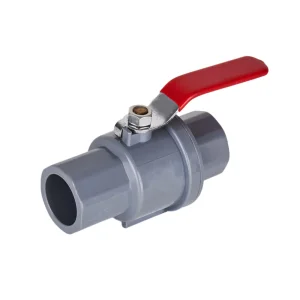
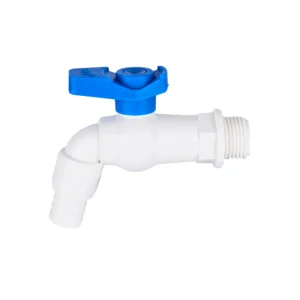
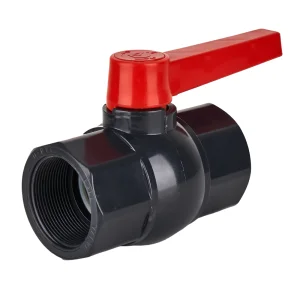
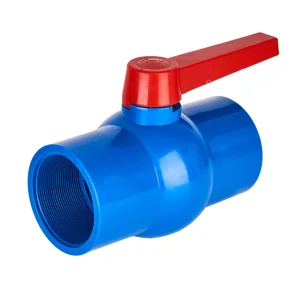
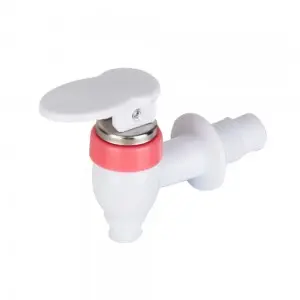
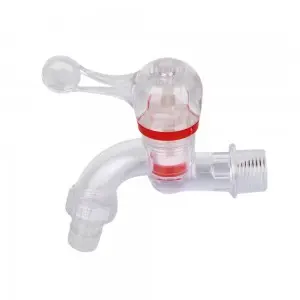
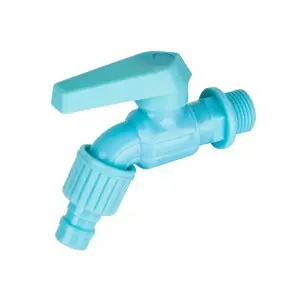
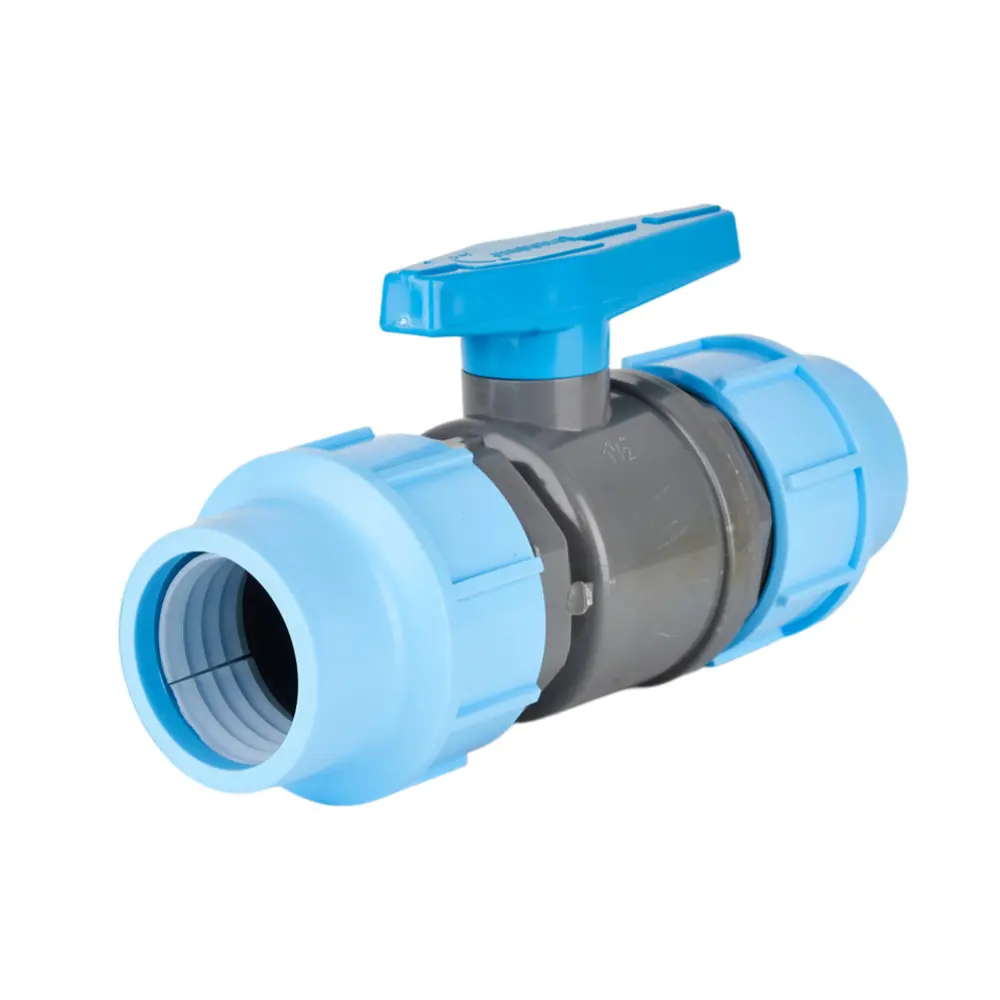
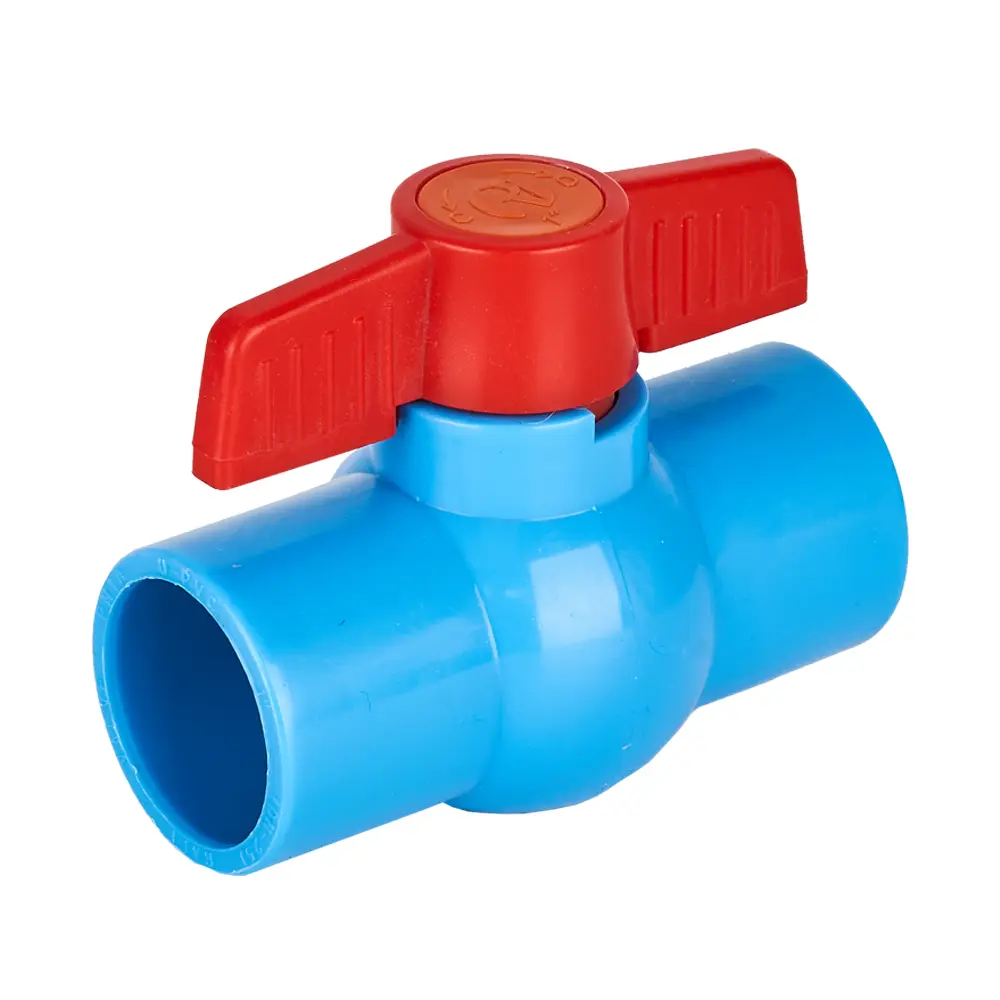
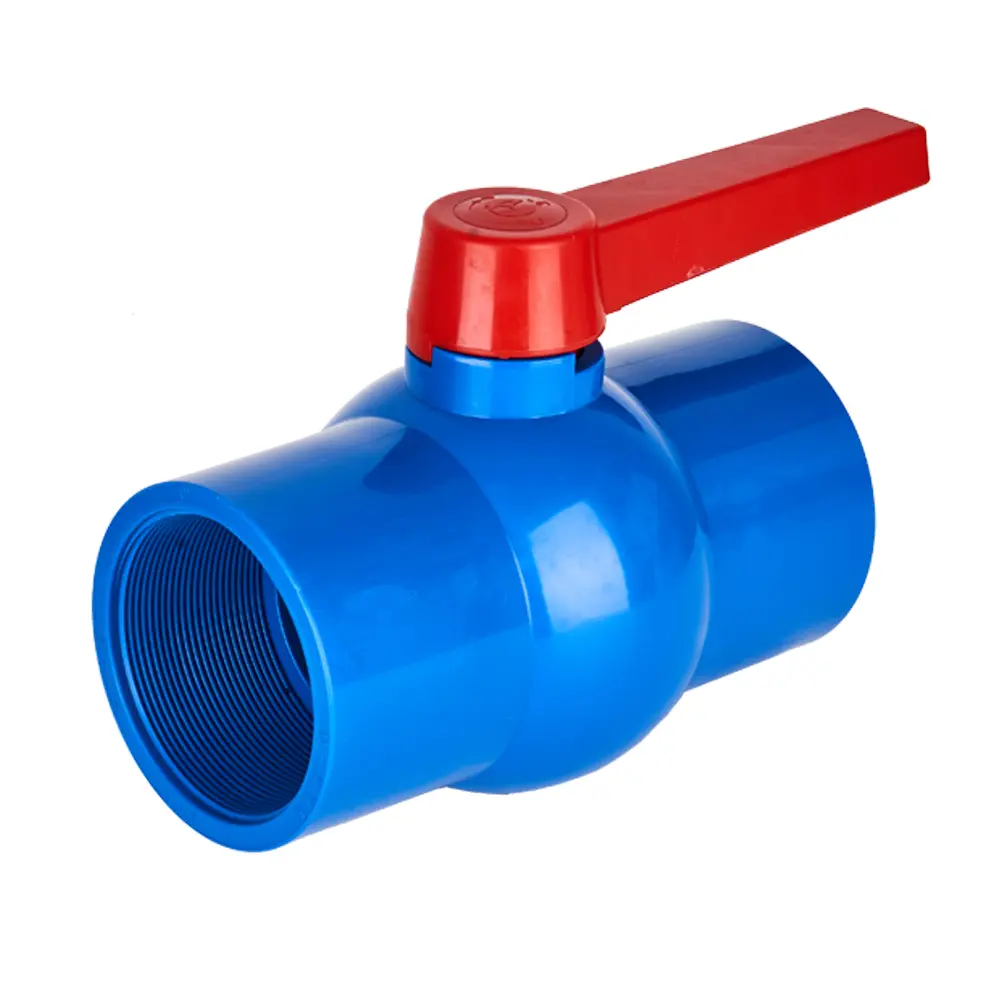
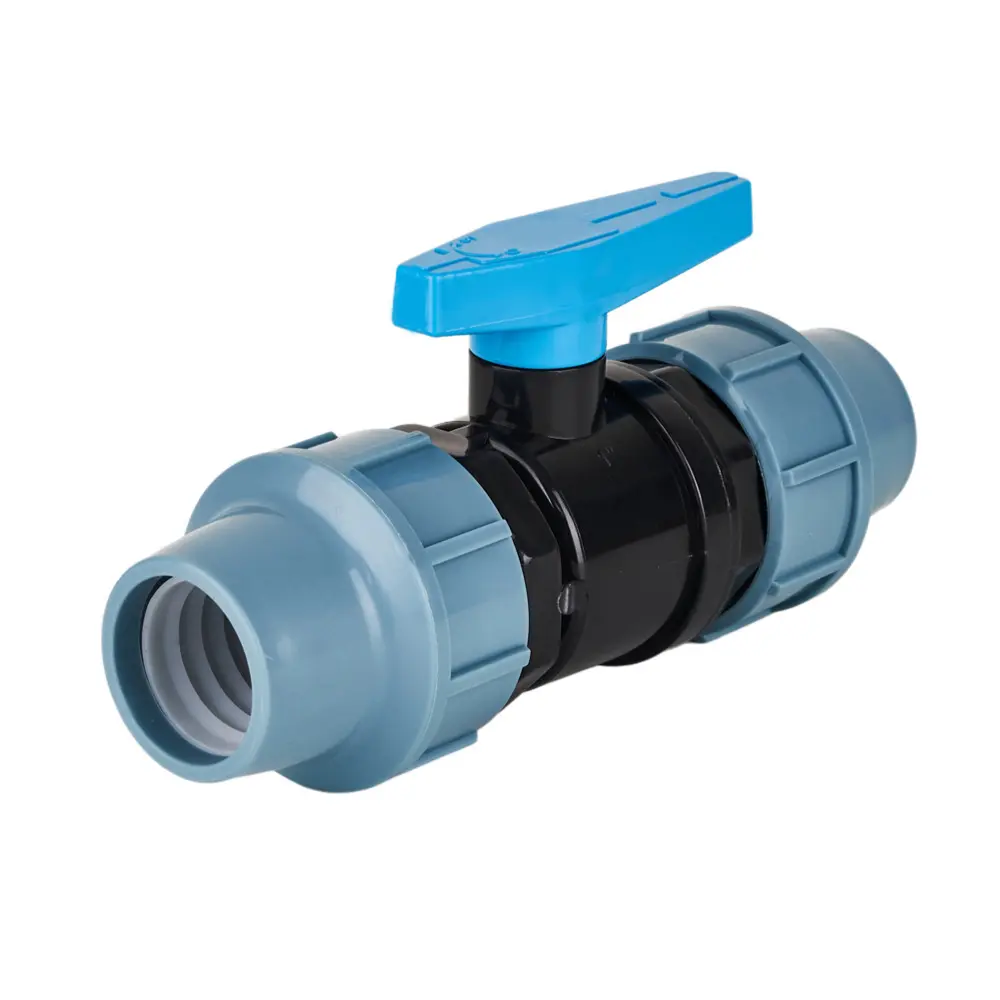
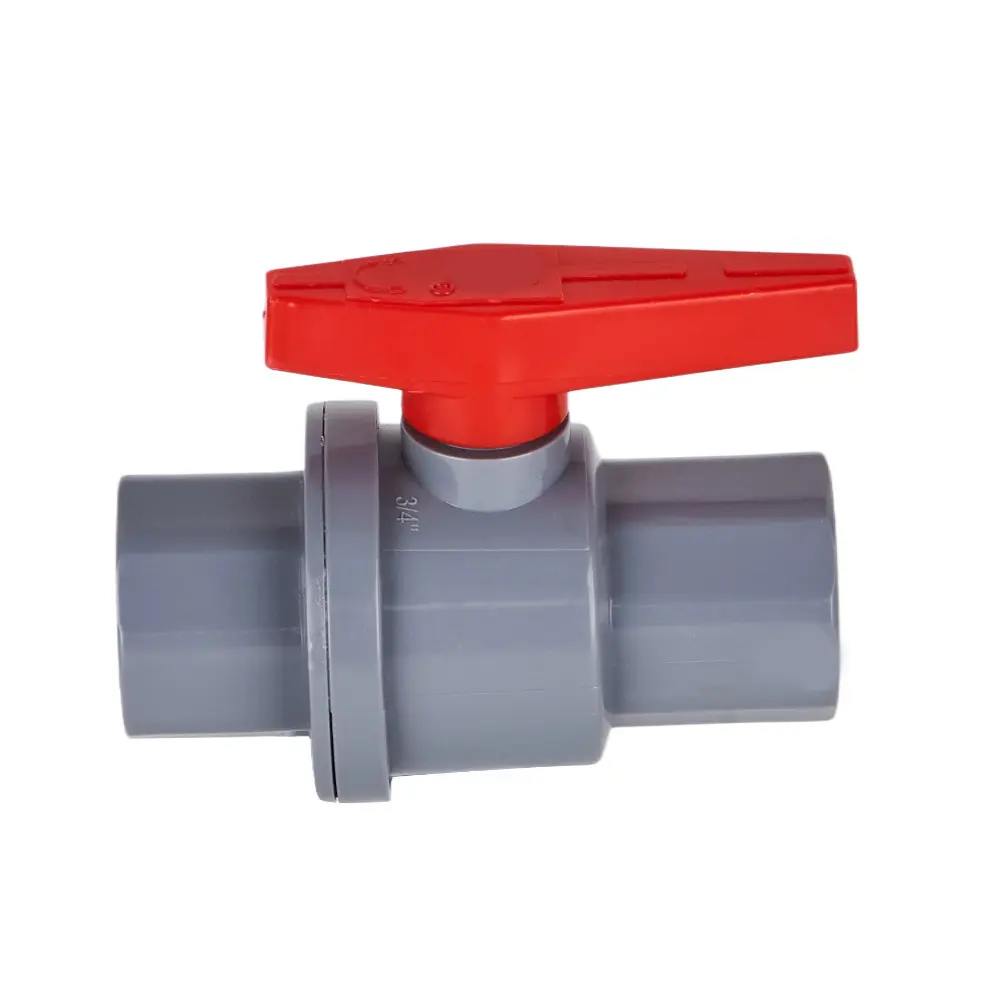
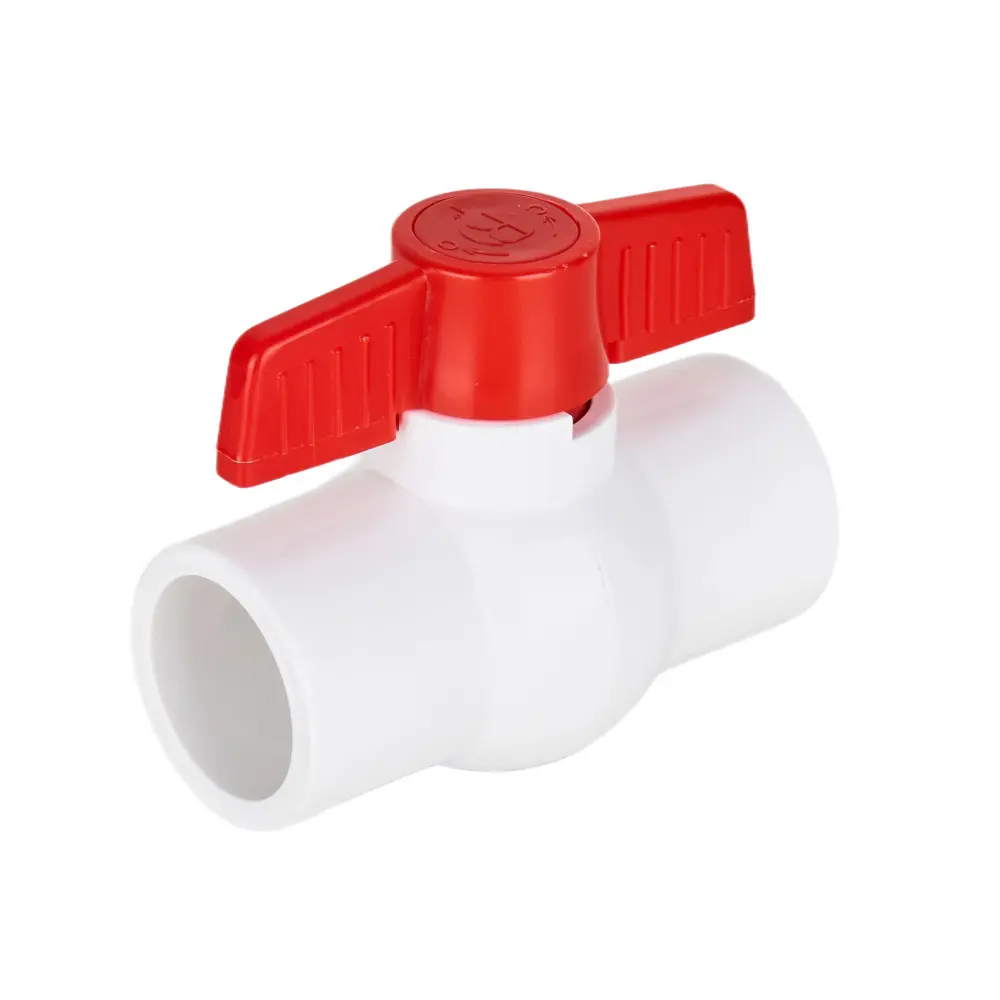
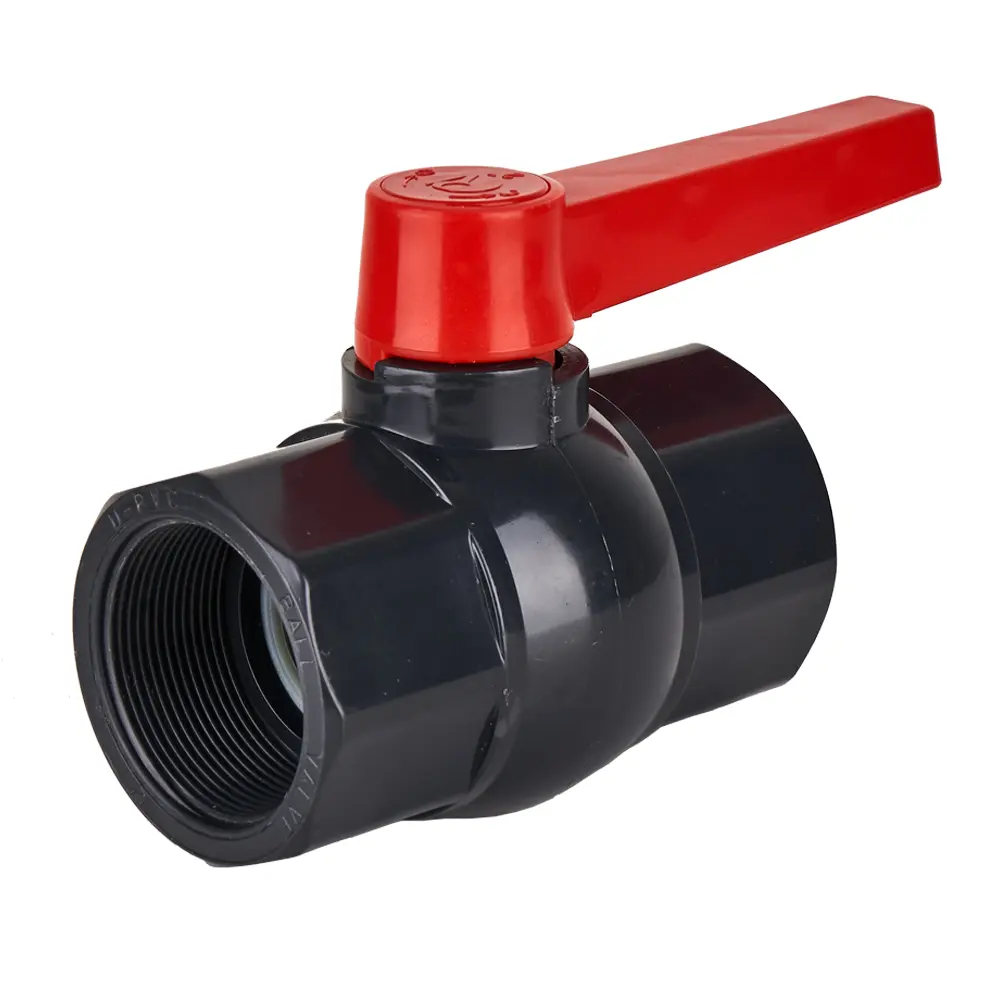
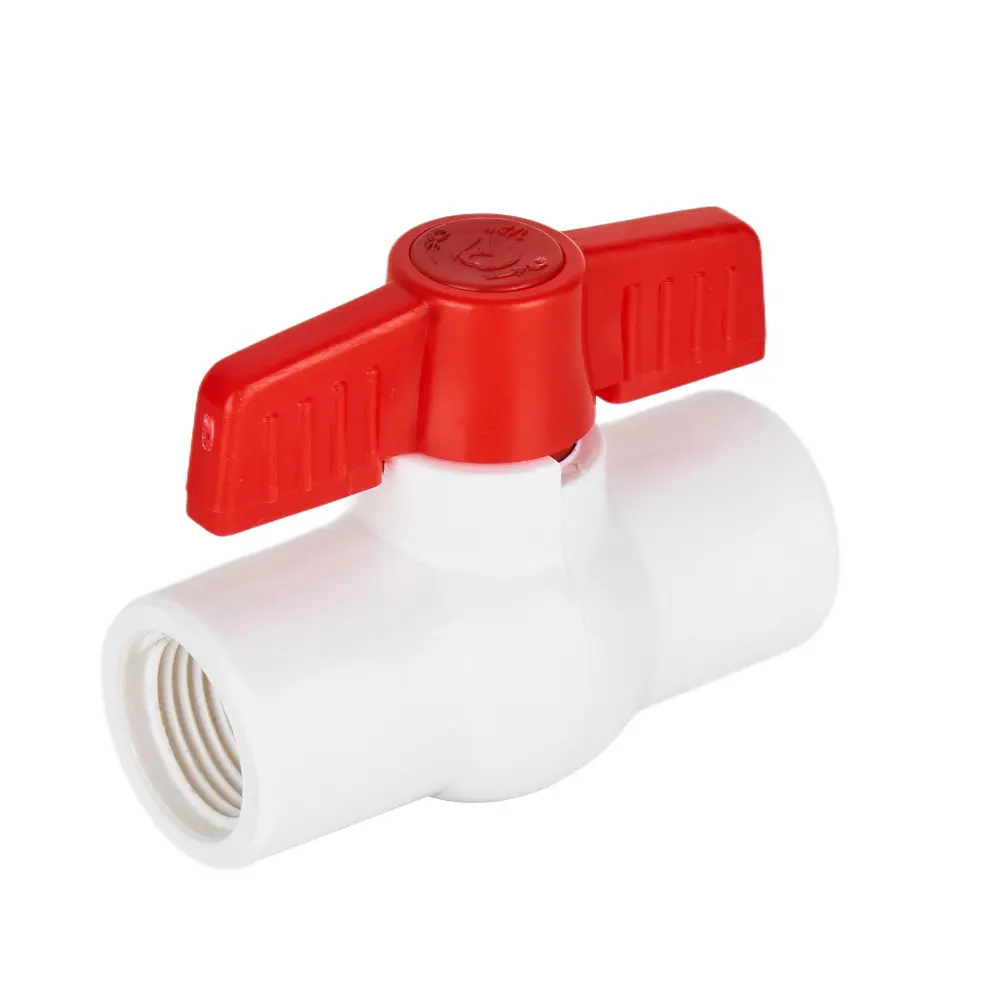
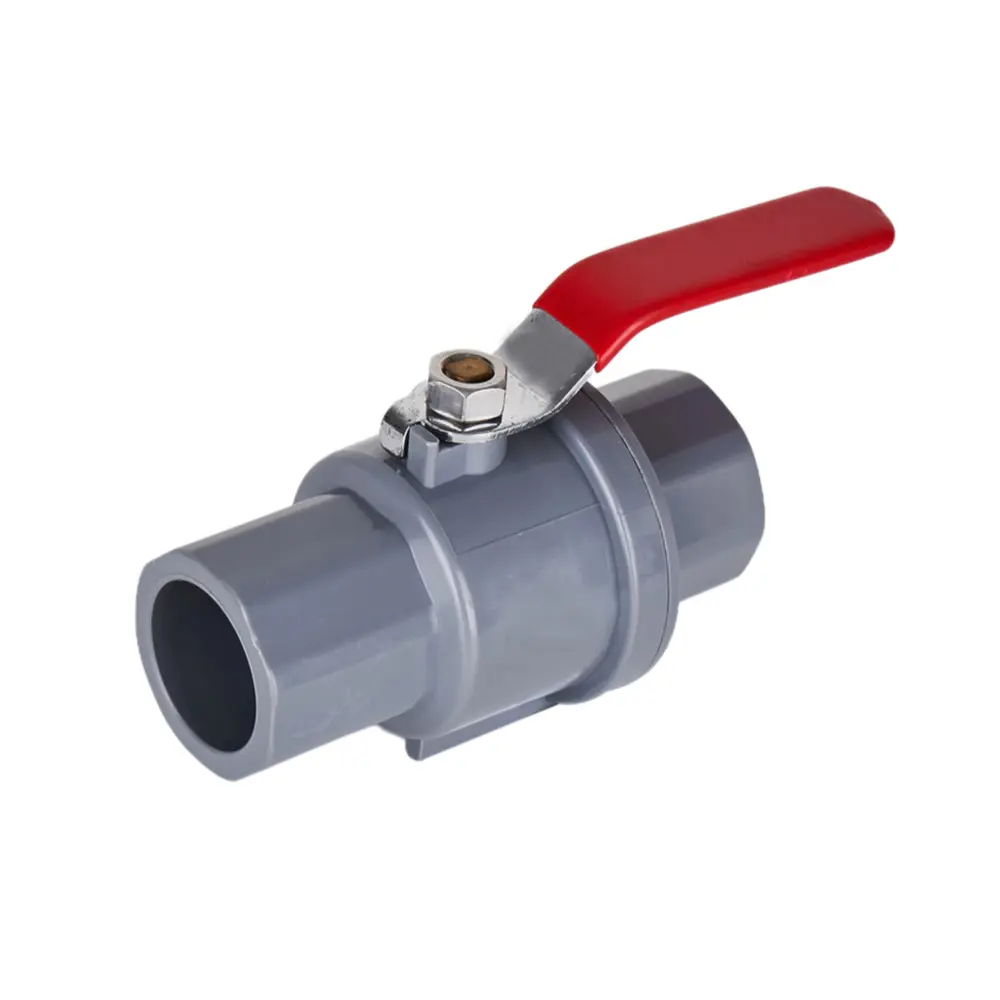
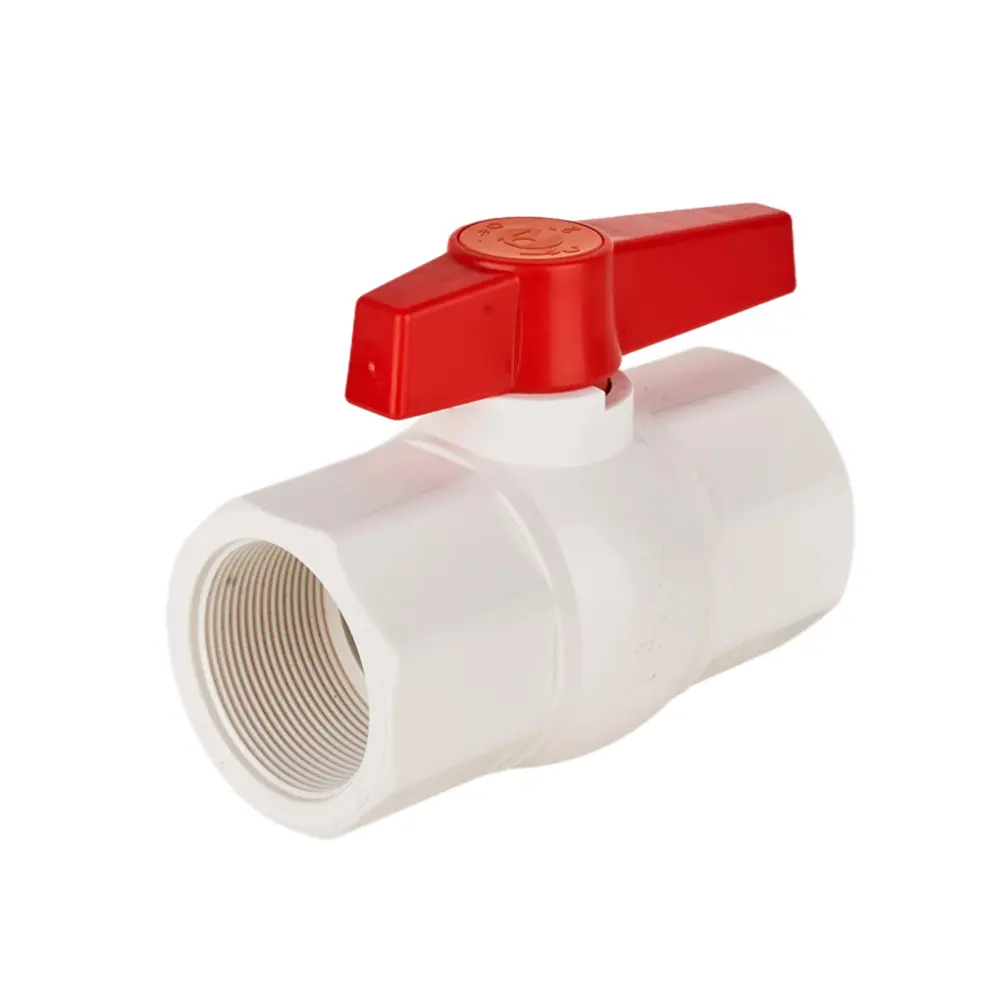
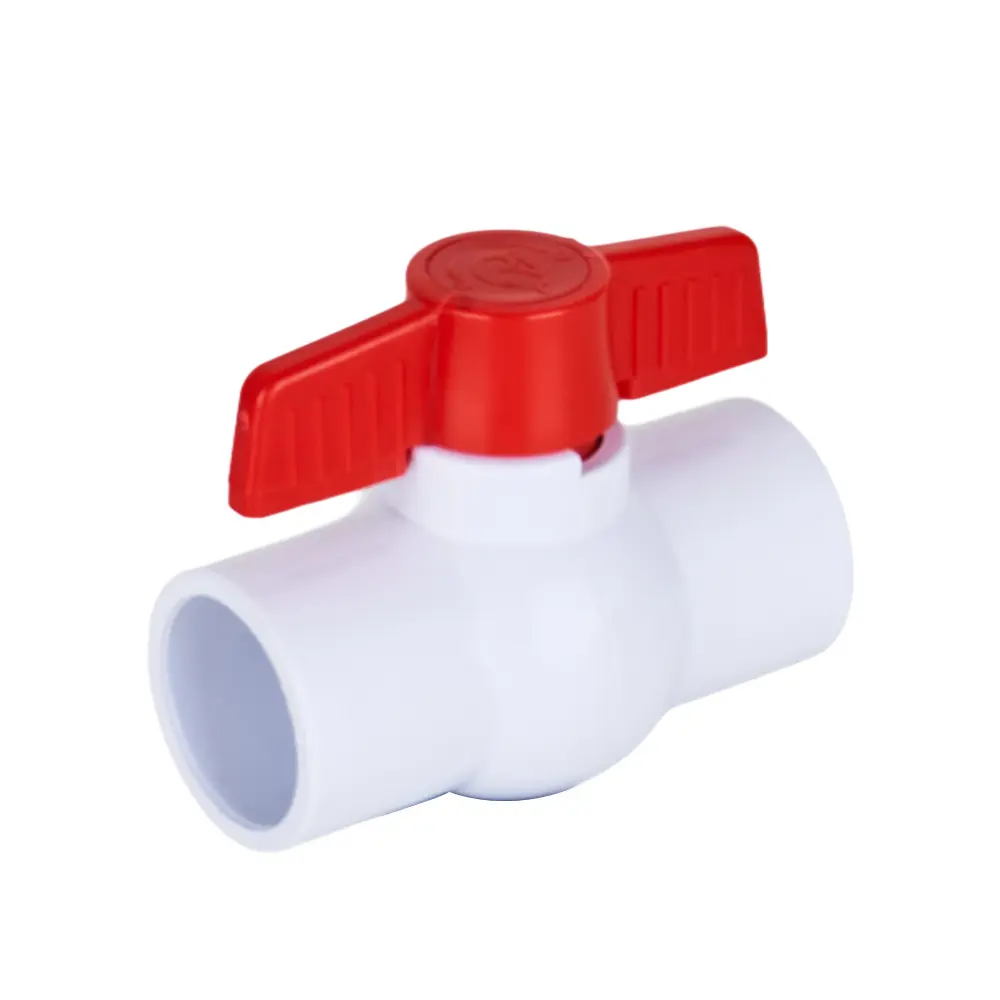
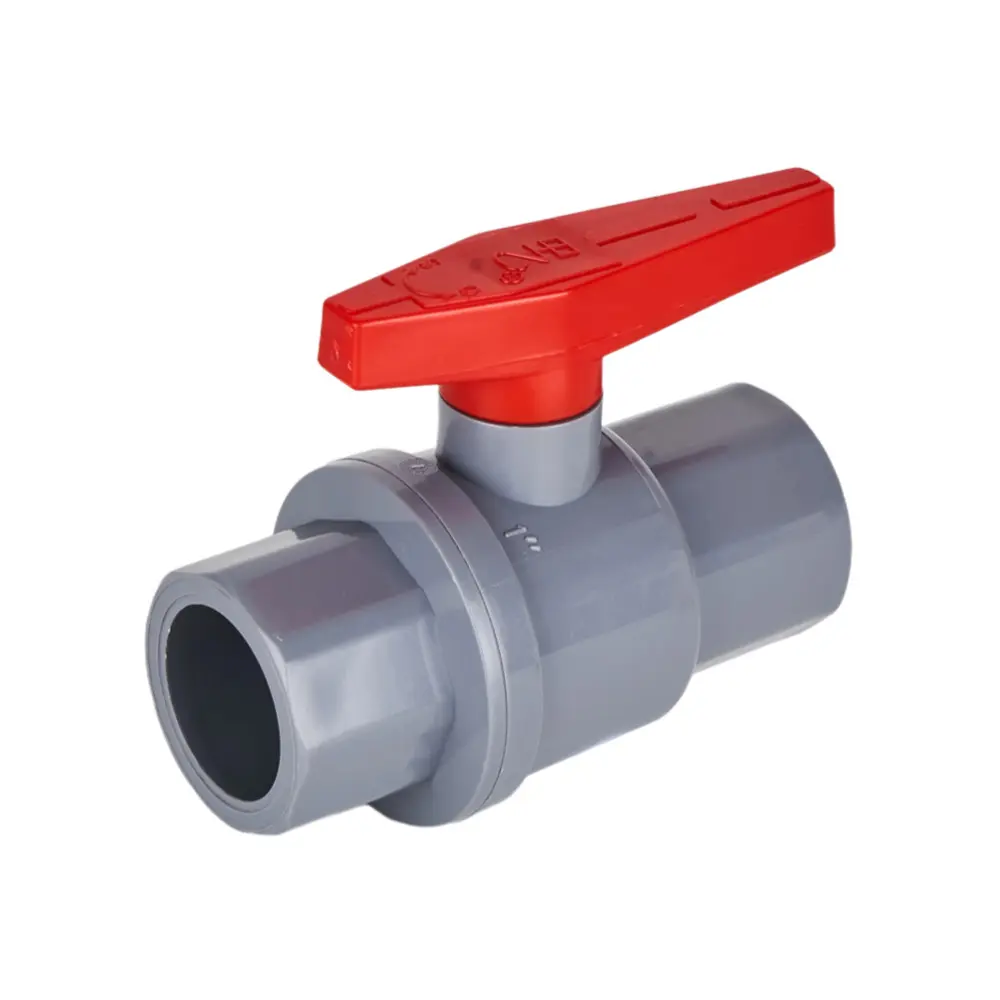
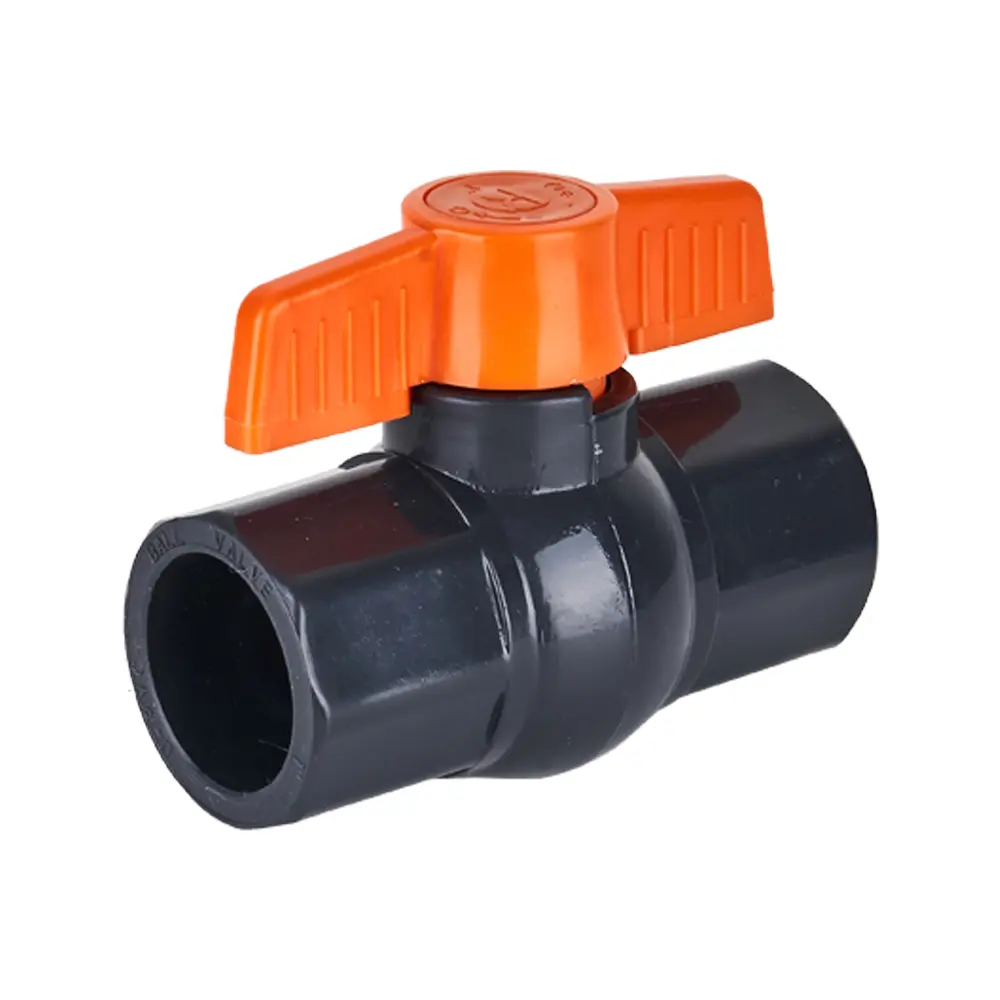
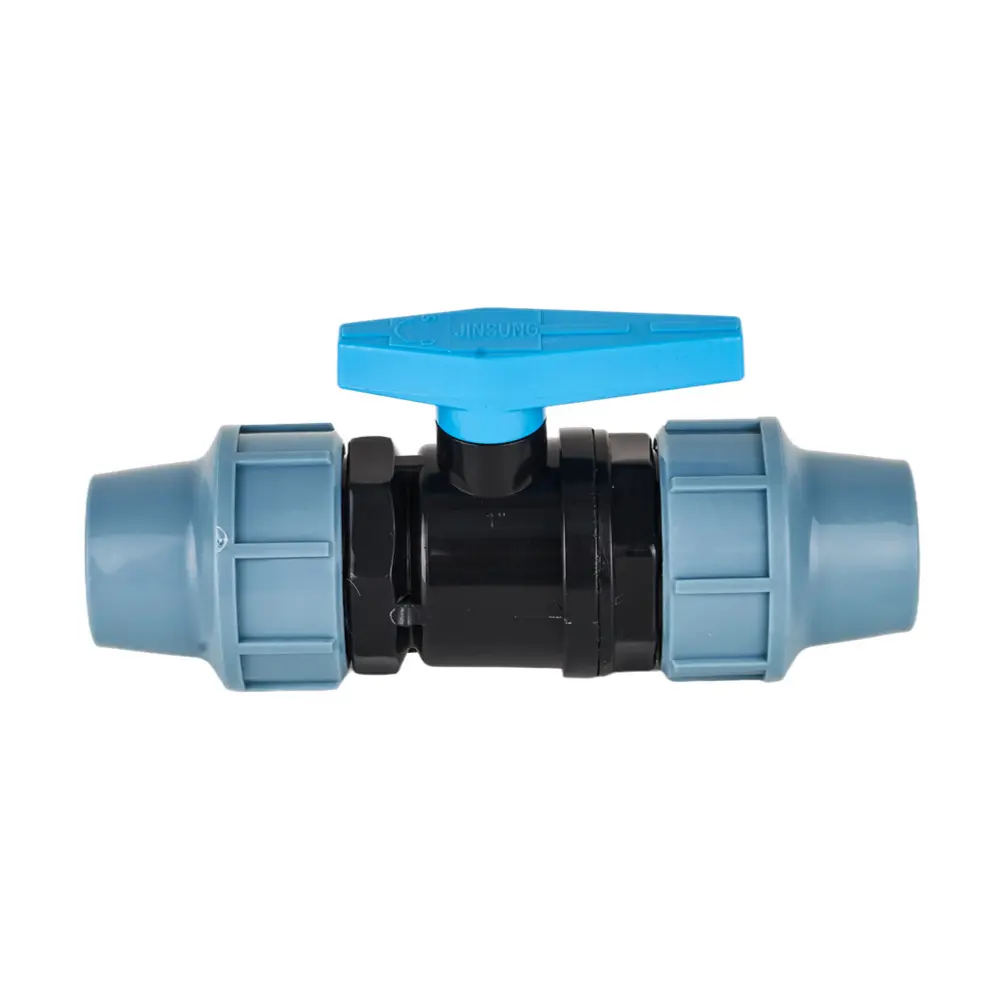
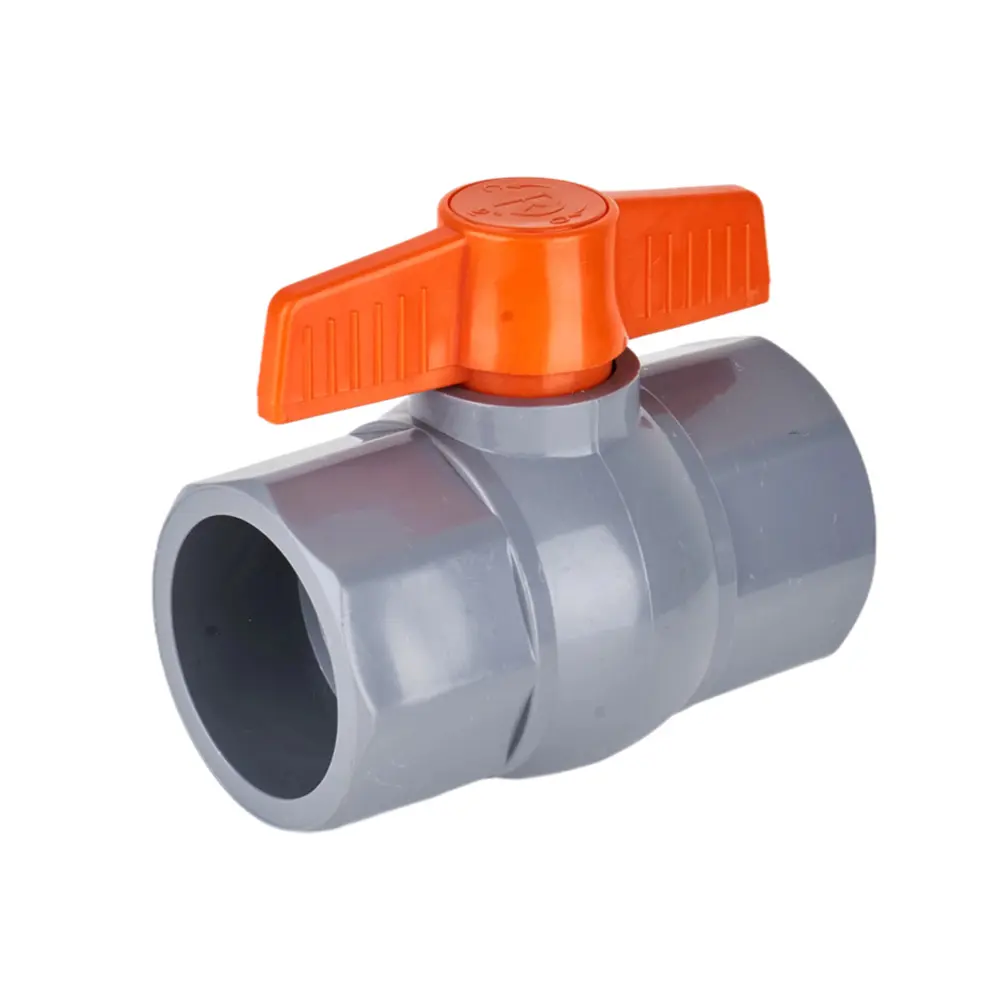
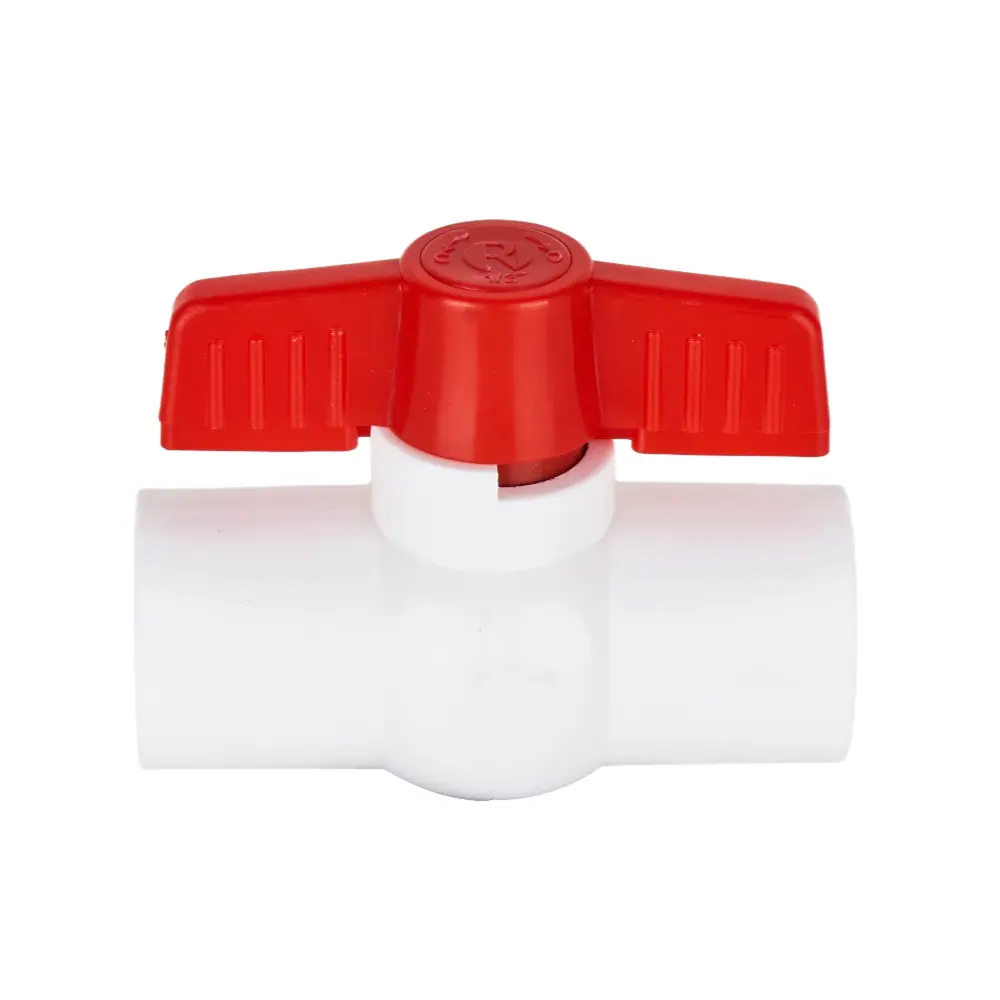
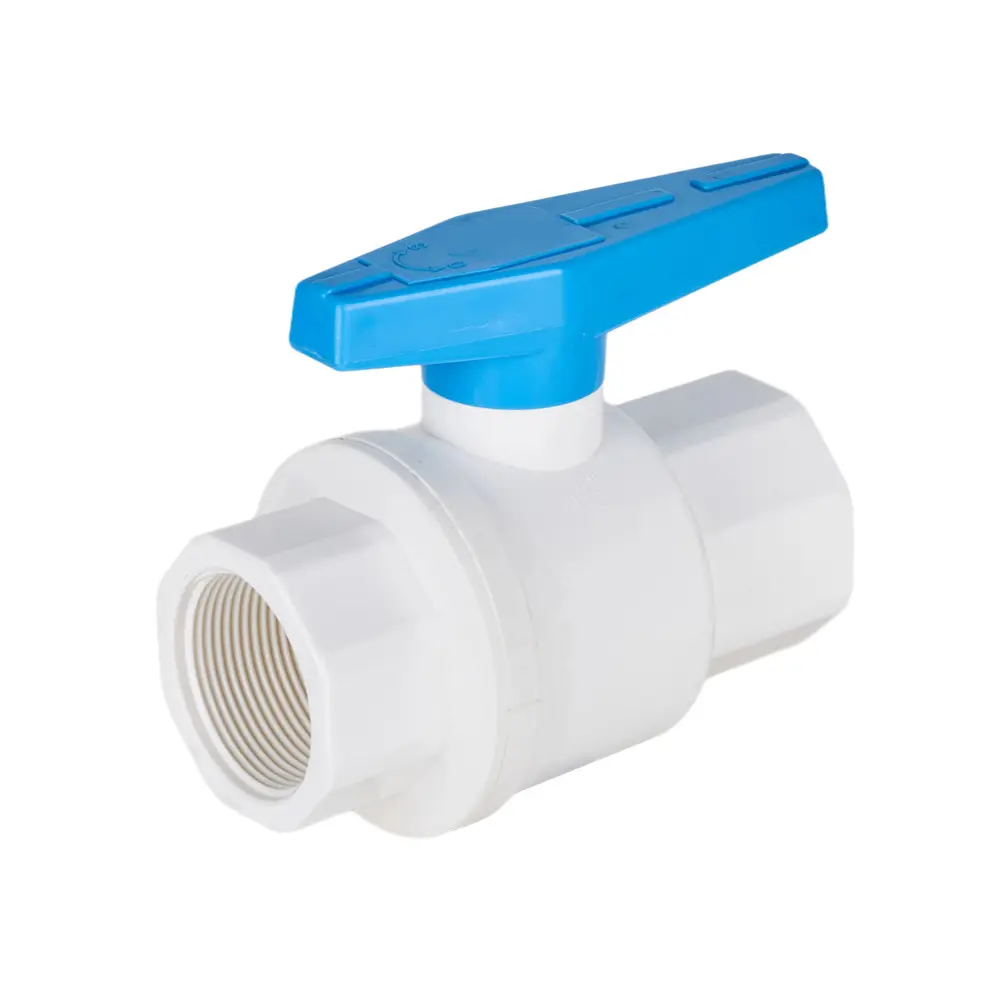
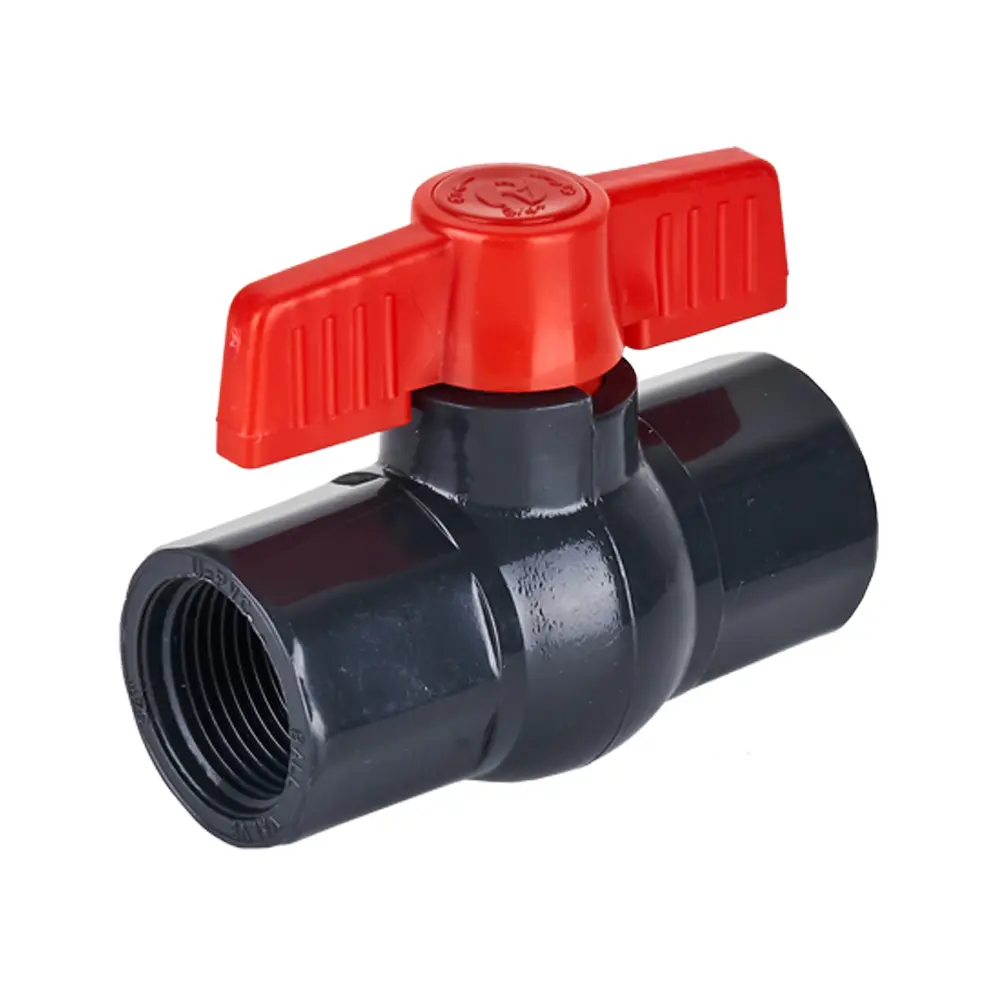
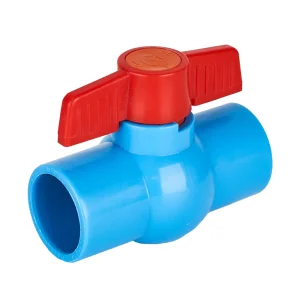
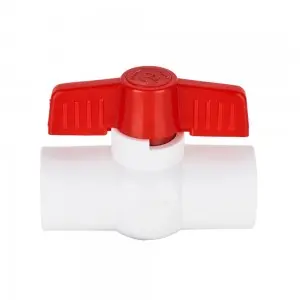
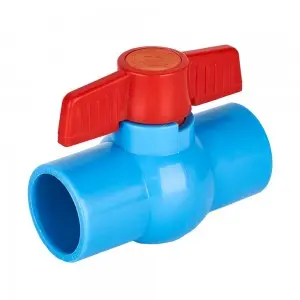
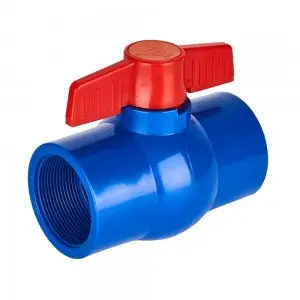
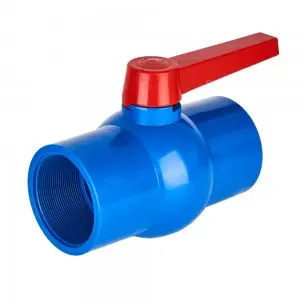
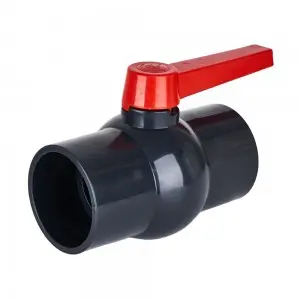
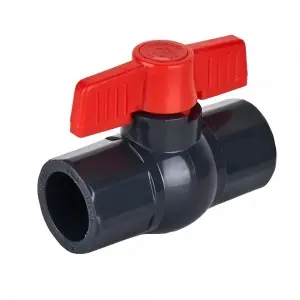
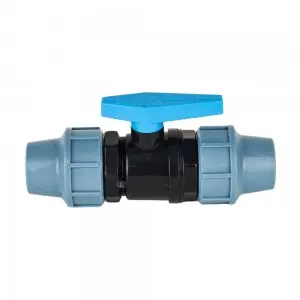
Explore our leading selection of industrial-grade PVC and PP piping valves engineered for severe flow control applications.
Analyzing the supply chain, global consumption patterns, and shifting regulatory frameworks.
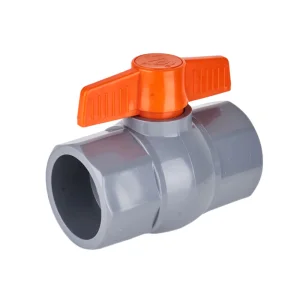
The global demand for high-capacity thermoplastic control components, specifically the 6-inch PVC ball valve, has experienced a compound annual growth rate (CAGR) exceeding 6.2% over the last five years. As modern process industries transition from heavy metallic alloys to high-performance polymers, the unplasticized polyvinyl chloride (UPVC) system has emerged as the premier choice. The 6-inch specification is a critical interface parameter, bridging the gap between heavy municipal water distribution networks and large-scale industrial chemical lines. Its mechanical architecture is custom-engineered to manage fluid velocity, minimize friction loss coefficients, and resist aggressive electrochemical reactions.
Industries in North America, Western Europe, and Southeast Asia are increasingly standardizing on lightweight PVC structures to replace conventional cast iron and stainless steel alternatives. This structural transition is motivated by three main factors: raw material cost stabilization, simplified installation procedures, and an exceptional resistance to corrosive environments. A 6-inch metallic valve can weigh up to five times more than its UPVC equivalent, requiring complex mechanical supports and raising logistics costs. Consequently, Chinese manufacturing clusters, particularly state-of-the-art facilities like the Ehao Plastic Group, have built advanced production lines to supply this global commercial demand.
Unlike carbon steel or bronze, UPVC does not undergo electrochemical oxidation when exposed to wet chlorine, acidic compounds, or alkaline media, eliminating the need for expensive secondary coatings.
The interior walls of Ehao's molded PVC ball valves feature an ultra-smooth finish. This reduces pressure drops across long pipeline installations and directly lowers operational energy costs.
Ehao Plastic Group's manufacturing processes validated by the Chinese Academy of Sciences.
As a leading high-tech private enterprise, Ehao Plastic Group integrates advanced research and development with large-scale injection molding. Our technical leadership is reinforced through active engineering partnerships with the Chinese Academy of Sciences and Zhejiang University. These partnerships focus on refining polymer formulations, analyzing molecular structure alignment during high-pressure injection, and predicting stress performance under cyclical pressure loads.
To ensure high quality, we import our primary production lines and computer-controlled automated injection molding systems directly from Germany. Raw materials undergo strict testing, and every finished valve goes through a detailed 26-step testing cycle before leaving the factory. These quality procedures confirm that all technical parameters meet or exceed the rigorous DIN8077 and DIN8078 standards.
| Technical Property | Standard Reference | Ehao UPVC Standard Value | Operational Advantage |
|---|---|---|---|
| Density / Specific Gravity | ISO 1183 / DIN 8078 | 1.38 - 1.42 g/cm³ | Optimal structural strength-to-weight ratio |
| Tensile Yield Strength | ISO 527-2 / DIN 8078 | ≥ 50 MPa | Excellent resistance to high-pressure water hammer events |
| Vicats Softening Temperature | ISO 306 / DIN 8078 | ≥ 76 °C | Maintains mechanical stability at elevated temperatures |
| Hydrostatic Strength (20°C, 1h) | DIN 8078 (42 MPa stress) | No failure / Leak-free | Guarantees reliable operation at full rated pressure |
| Frictional Loss Coefficient | Hazen-Williams Form | C = 150 | Very low head loss; prevents scale buildup over time |
From agricultural water management to complex industrial fluid processing.
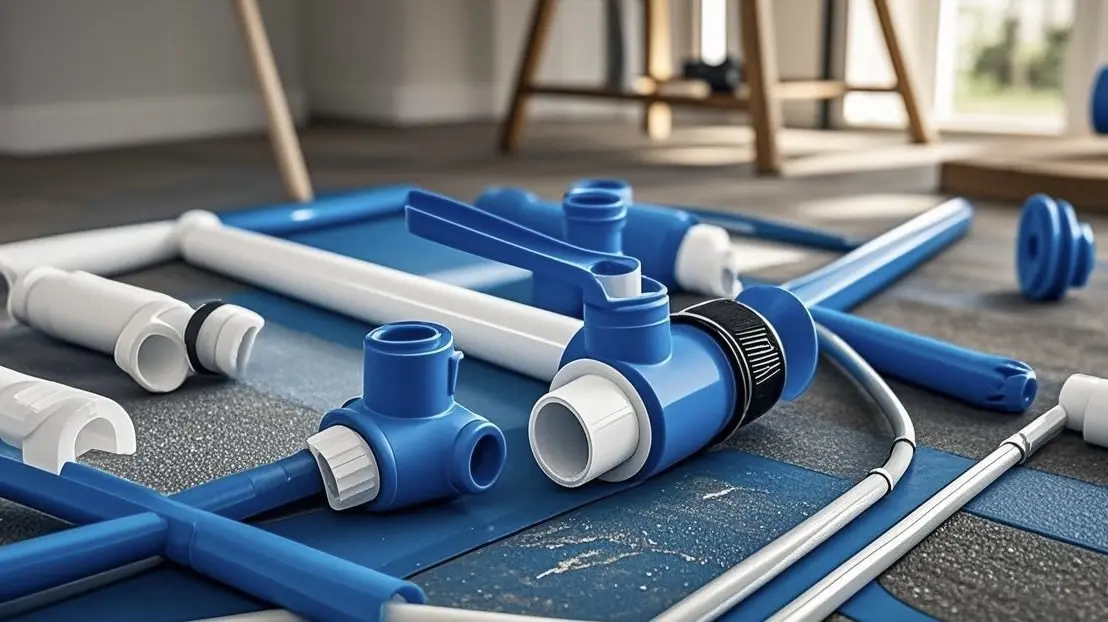
Reliable water distribution lines and integrated residential shut-off networks.
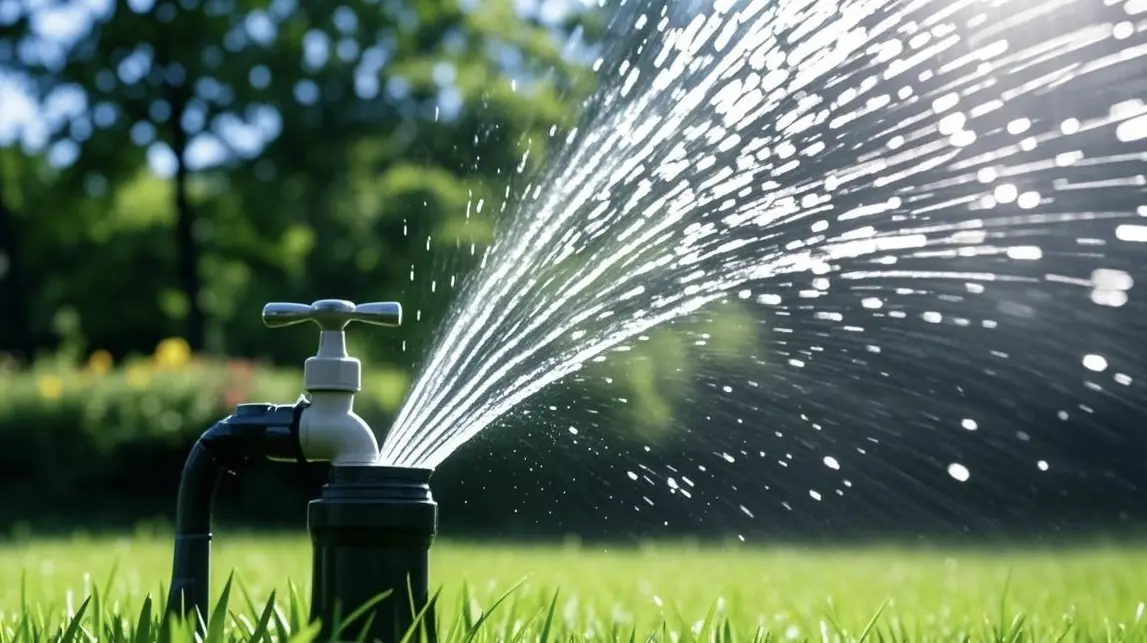
Large-scale agricultural distribution pipelines managing high-volume water flow.
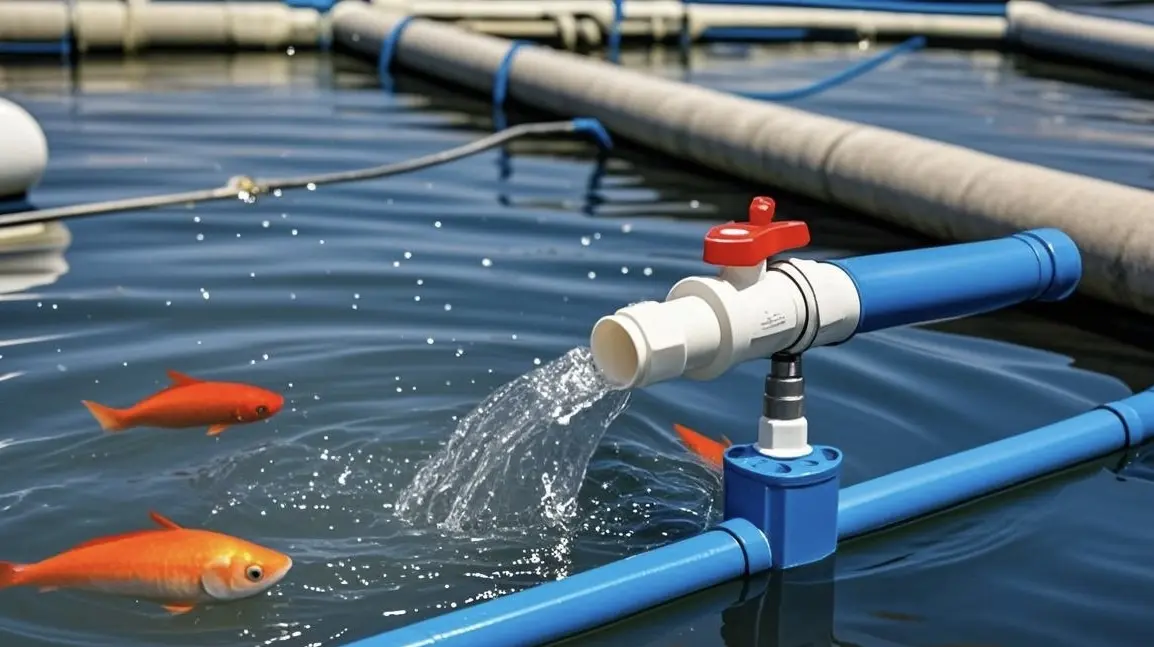
Recirculating aquaculture installations requiring non-toxic, chemical-free plastic parts.
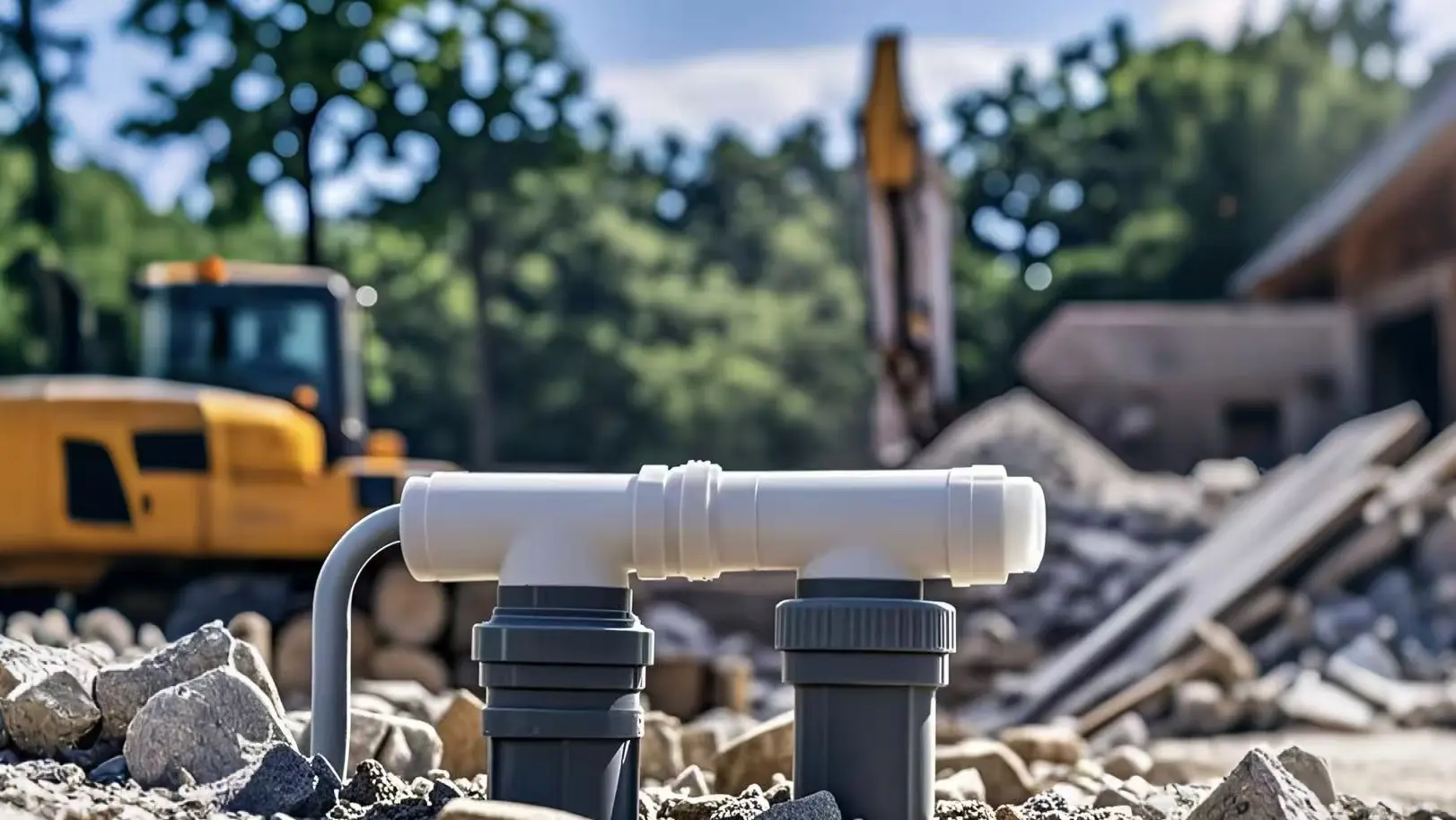
Industrial building drainage networks, civil engineering, and wastewater transport.
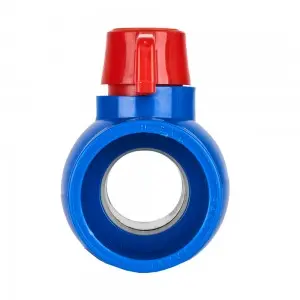
Modern engineering projects require comprehensive fluid control solutions rather than just individual components. A major challenge in large installations, like chemical processing facilities or municipal water treatment plants, is designing systems that minimize hydrodynamic turbulence. Ehao’s 6-inch PVC ball valves feature a full-port design, ensuring the inner diameter matches the pipe dimension exactly. This design eliminates restriction zones, minimizes turbulence, and reduces cavitation erosion inside the valve body.
Furthermore, our integrated engineering approach provides custom answers for various system configurations. We design and manufacture high-performance plastic molds, supply custom formulations, and process materials based on customer drawings or samples. This vertical integration allows us to build customized valve systems that include specialized seals, unique handle styles (such as our durable stainless steel and ABS configurations), and specific mounting bases for automated electric or pneumatic actuators.
As the global market demands smarter process networks, Ehao Plastic Group is focused on the next generation of smart valves. Our research and development roadmaps are designed to integrate IoT sensors directly into the structural housing of 6-inch PVC valves. These sensors will monitor real-time pressure, temperature, and flow conditions, allowing operators to perform predictive maintenance before system failures occur.
Additionally, we are upgrading our manufacturing infrastructure by implementing AI-driven automated quality inspection. This technology uses machine vision systems to analyze the alignment and surface finish of injected parts instantly. By combining these advanced digital tools with the material science expertise of our university partners, Ehao is positioned to lead the transition toward intelligent polymer flow networks.
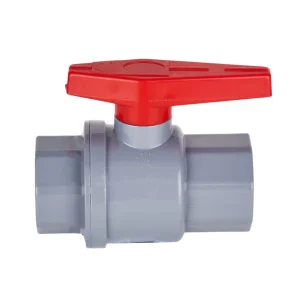
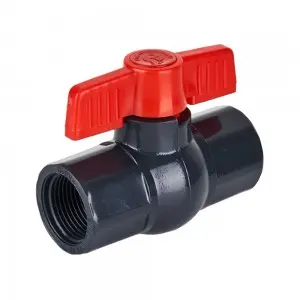
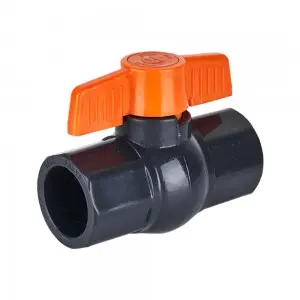
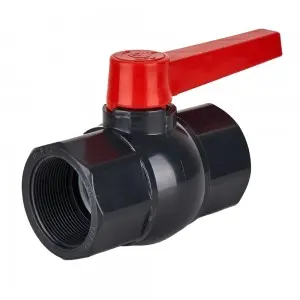
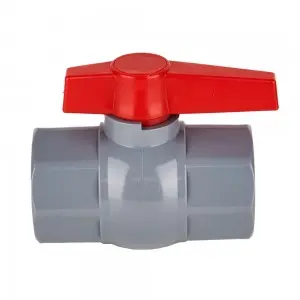
Explore Ehao's complete line of high-performance components, including compact, octagonal, and union-style valves.
Technical insights and guidance for selecting and installing industrial thermoplastic valves.
Unlike metal valves, which can corrode or rust over time, unplasticized polyvinyl chloride (UPVC) is chemically inert. This property makes Ehao's 6-inch valves highly resistant to acids, bases, salt solutions, and organic solvents. They maintain their physical integrity and operate reliably without the need for expensive alloy constructions or inner protective coatings.
These German standards define the dimensional tolerances, raw material formulations, and long-term pressure testing requirements for polypropylene and PVC components. Compliance with DIN8077/8078 guarantees that Ehao's products will consistently handle design pressures, match standard pipe sizes, and offer a long operational lifetime under continuous stress.
UPVC systems are typically rated for operation up to 60°C (140°F). While they provide excellent pressure ratings at ambient temperatures (often up to 150 PSI or more depending on wall thickness), these ratings decrease as operating temperatures rise. For applications with higher temperatures, we recommend using CPVC or specialized PP configurations.
Ehao Plastic Group operates a dedicated design and tooling facility for plastic molds. We can customize products based on customer samples, technical drawings, or material specifications. This service covers custom injection-molded parts, modified valve configurations, and private label production.
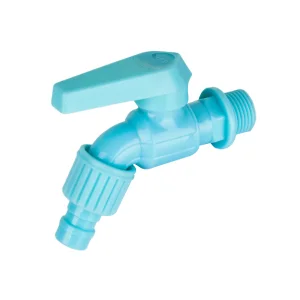
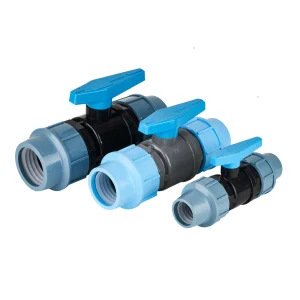
Heavy-duty thermoplastic valves and water supply connections built for durable industrial service.
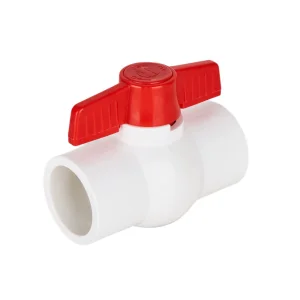
A detailed look at our quality compact round ball valves and custom design solutions.
 EHAO
EHAO